Tag: tokyo

  • Tokyo-based affiliate eyes major stake in Lotte Confectionery

    Tokyo-based affiliate eyes major stake in Lotte Confectionery

    Korean retail giant Lotte Group’s confectionary affiliate said Wednesday that Japan-based Lotte Holdings has offered to buy 259 billion won ($219.6 million) worth of shares in the firm, a move that will help the group chairman strengthen his control amid a prolonged succession dispute with his brother.

    The Japanese firm will buy 7.9 percent shares of Lotte Confectionary at 2.3 million won per share from the market during trading hours by Dec. 28, the company said in a regulatory filing.

    “By boosting stakes in Lotte Confectionery, Lotte Holdings will be able to improve efficiency based on the potential synergies between the two firms,” it said in a press release.

    Once the purchase is completed, Japan’s leading confectioner will emerge as the second-largest shareholder of the Korean firm with a 10 percent stake. It bought a 2.1 percent stake in the firm on Nov. 4.

    Tightening its grip on Lotte Confectionery means having the group’s key affiliate under control as it holds stakes in Lotte Shopping and Lotte Chilsung.

    Industry insiders said Lotte Holding’s recent decisions to increase its stake in the Korean confectionery unit is to show its support for Shin Dong-bin — the Lotte Group chairman and Lotte Holdings vice chairman — who has been at war with his brother Shin Dong-joo over control of the group since July.

    With Lotte Holdings’ backing, the incumbent chairman who holds an 8.78 percent stake in the Korean unit can cement his leadership over the group, whose portfolio ranges from food to retail mostly in South Korea and Japan.

    Dong-joo, the former Lotte Holdings vice chairman who led the Japanese operations until January, owns a 3.96 percent stake while his father and Lotte founder Shin Kyuk-ho holds a 6.83 percent stake in Lotte Confectionery.

    Meanwhile, the chairman said he would consider listing Lotte Holdings on the Japanese stock market to build a management structure free of the founding family’s feuding.

    During an interview with Japanese media outlet the Nikkei, he said the market debut will be discussed after the Korean initial public offering of Hotel Lotte, slated for the first half of 2016.

    “Coming under tighter scrutiny in the market will enhance the company’s structure and establish transparent corporate governance,” Shin said.

  • Japan Kit Kat store wraps chocolate in gold

    Japan Kit Kat store wraps chocolate in gold

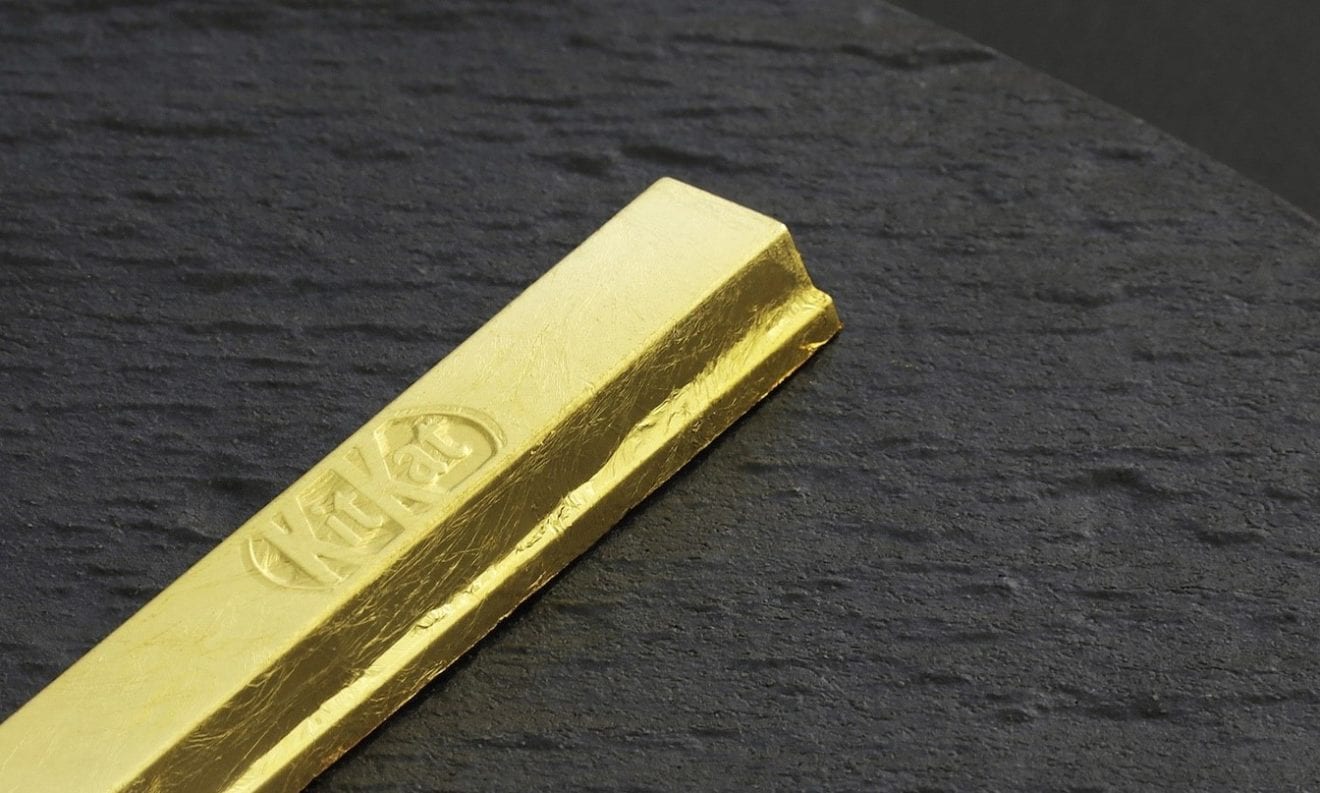
    The Japan Kit Kat store Chocolatory is selling the ultimate indulgence this Christmas: chocolate bars wrapped in real gold.

    And yes – they’re safe to eat… which essentially means consumers will quite literally end up flushing gold down the toilet.

    Nestle’s Kit Kat Chocolatory boutique store stocks a constantly changing array of flavoured Kit Kats produced for the fickle Japanese market, including at times strawberry, green tea and wasabi.

    The gold bars are essentially aimed at the Christmas gift market – but its release coincides with the one millionth customer of the single-brand store.

    The special bars – a limited run of 500 – will also be sold at eight selected upmarket department stores in several Japanese cities.

    Dubbed Sublime Gold Kit Kat, it will sell for 2016 yen (US$16) per finger. It is described (apparently without irony) as having “a rich, bitter chocolate taste”.

    “We have made it a luxury product,” said Nestle Japan spokeswoman Melanie Kohli.

    “Not like you probably remember from your childhood. It’s a special occasion, to celebrate the end of the year.”

    The bars come wrapped in a super thin layer of 24-carat gold foil.

    Kitkat store Japan


    It’s not the first time gold has been added to foodstuffs: several limited edition alcoholic beverages have been marketed with gold flakes inside, including cinnamon schnapps Goldschläger.

    Gold is harmless when ingested, passing through the body undigested.

  • Nike Japan reopens Kichijoji store

    Nike Japan reopens Kichijoji store

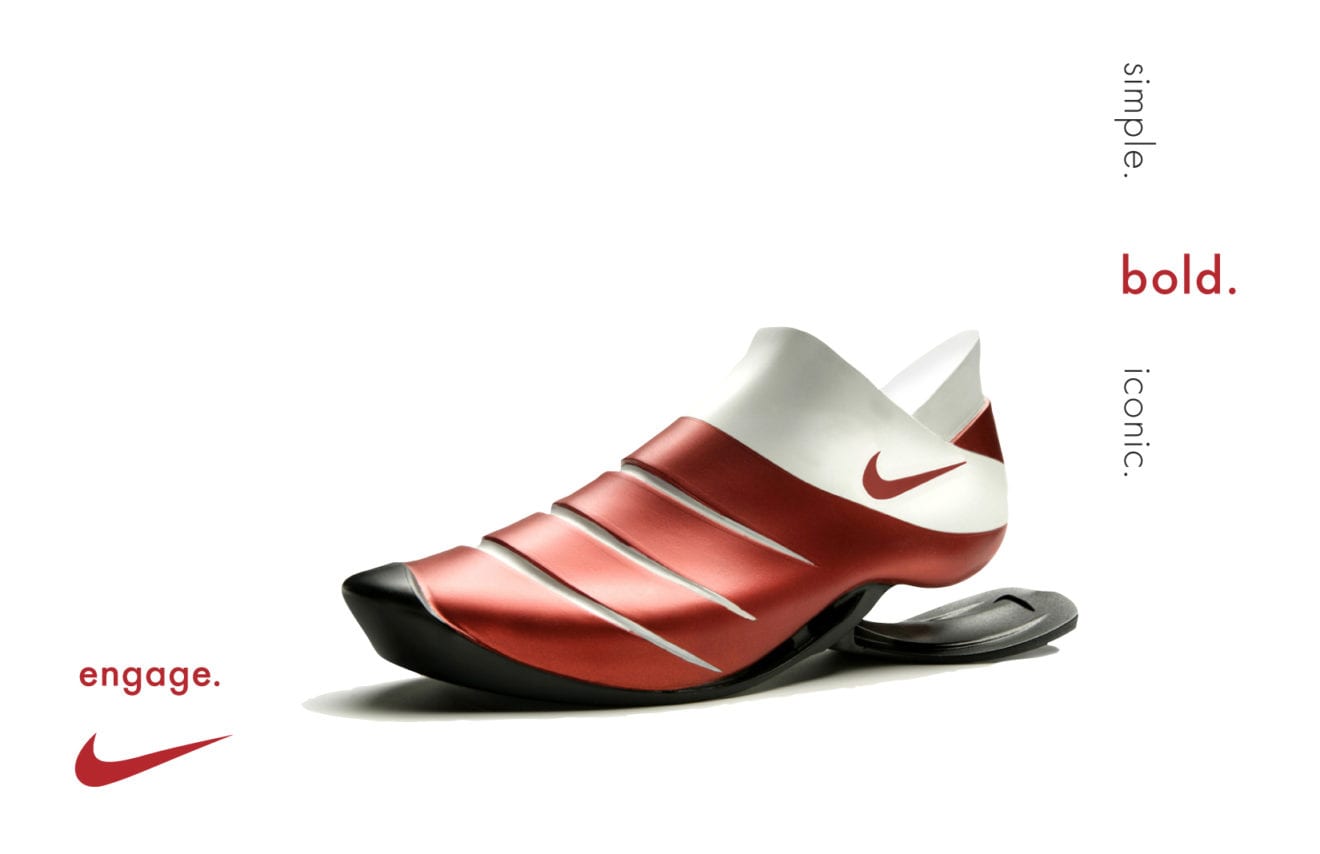
    A new Nike Japan running concept store adjacent to Inokashira Park is a hub for runners in suburban Tokyo.

    Located 20 minutes from Tokyo suburbs Shibuya and Shinjuku, Kichijoji is a suburb of well heeled consumers and home to Inokashira Park, opened in 1918 and now among the city’s top running destinations.

    Nike Japan reopens Kichijoji store 1

    The newly remodelled two story, 502 sqm Nike Kichijoji store blends Nike’s sport DNA with graphics from local artist Shun Sasaki, whose work pays respect to the area’s artistic traditions.

    “We are extremely excited that Nike Kichijoji is our first running experience store in Tokyo,” says Heidi O’Neill, VP, GM of Nike Stores.

    “At Nike, we love to run. We want this store to be an invitation for Tokyo to come run with us.”

    Nike Japan reopens Kichijoji store 2

    The store exterior features a slatted wood screen inspired by traditional Japanese woodcraft, with an embedded Just Do It message. Digital signage brings local tones and patterns to the interior.

    Nike Japan reopens Kichijoji store 3

    Nike Kichijoji also offers a variety of services, including Personal Run Clinics, where runners receive one-on-one coaching on an in-store; treadmill; Personal Styling Services; bra-fitting for Nike+ members; and NikeiD.

    Additionally, the store hosts Nike+ Run Clubs each week, leveraging the store’s new community hub, where runners can pick up trial shoes, refill water bottles, grab a towel and store their gear.

  • Moncler Tokyo flagship opens

    Moncler Tokyo flagship opens

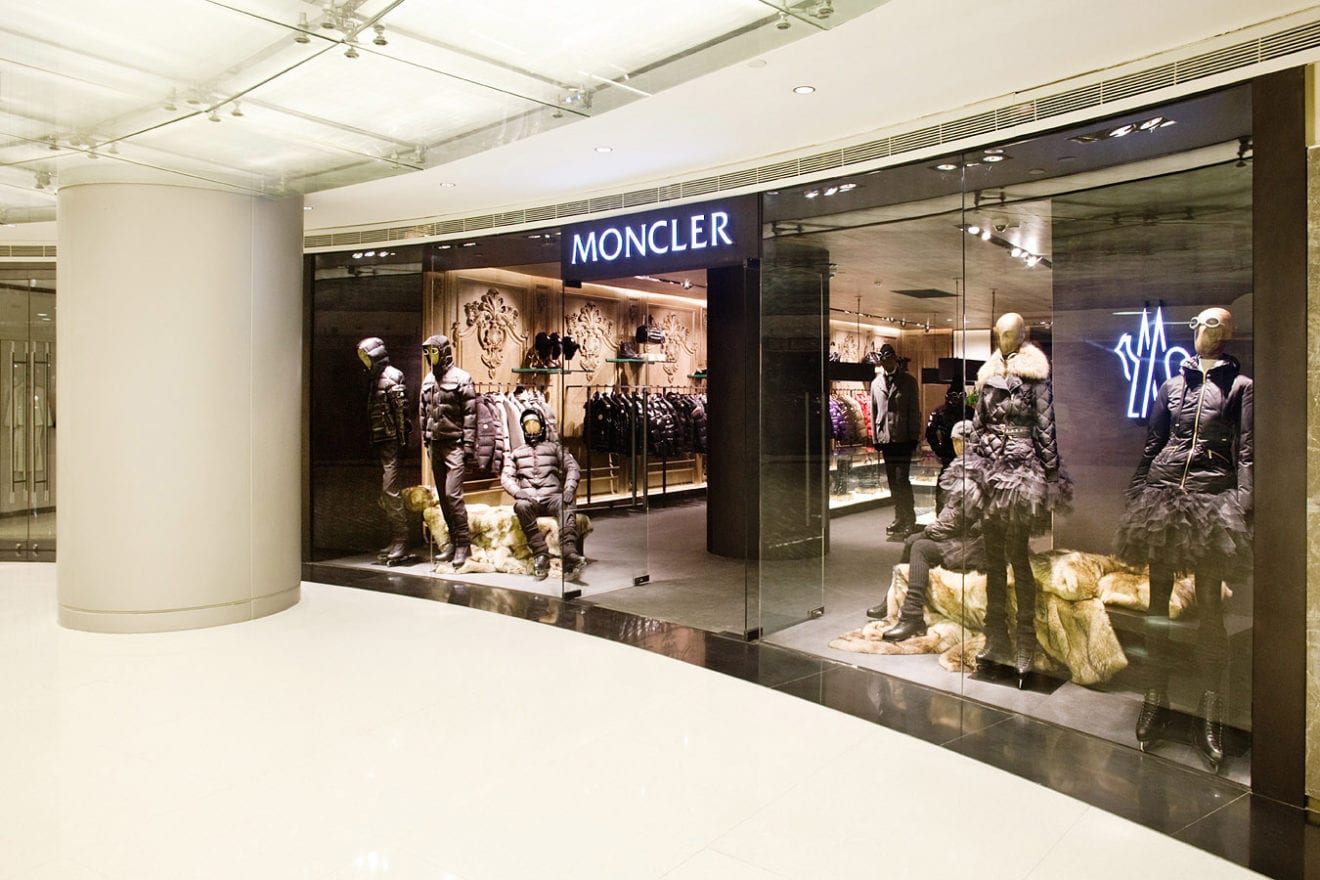
    Moncler has opened a new flagship store in Japan’s highest profile shopping strip.

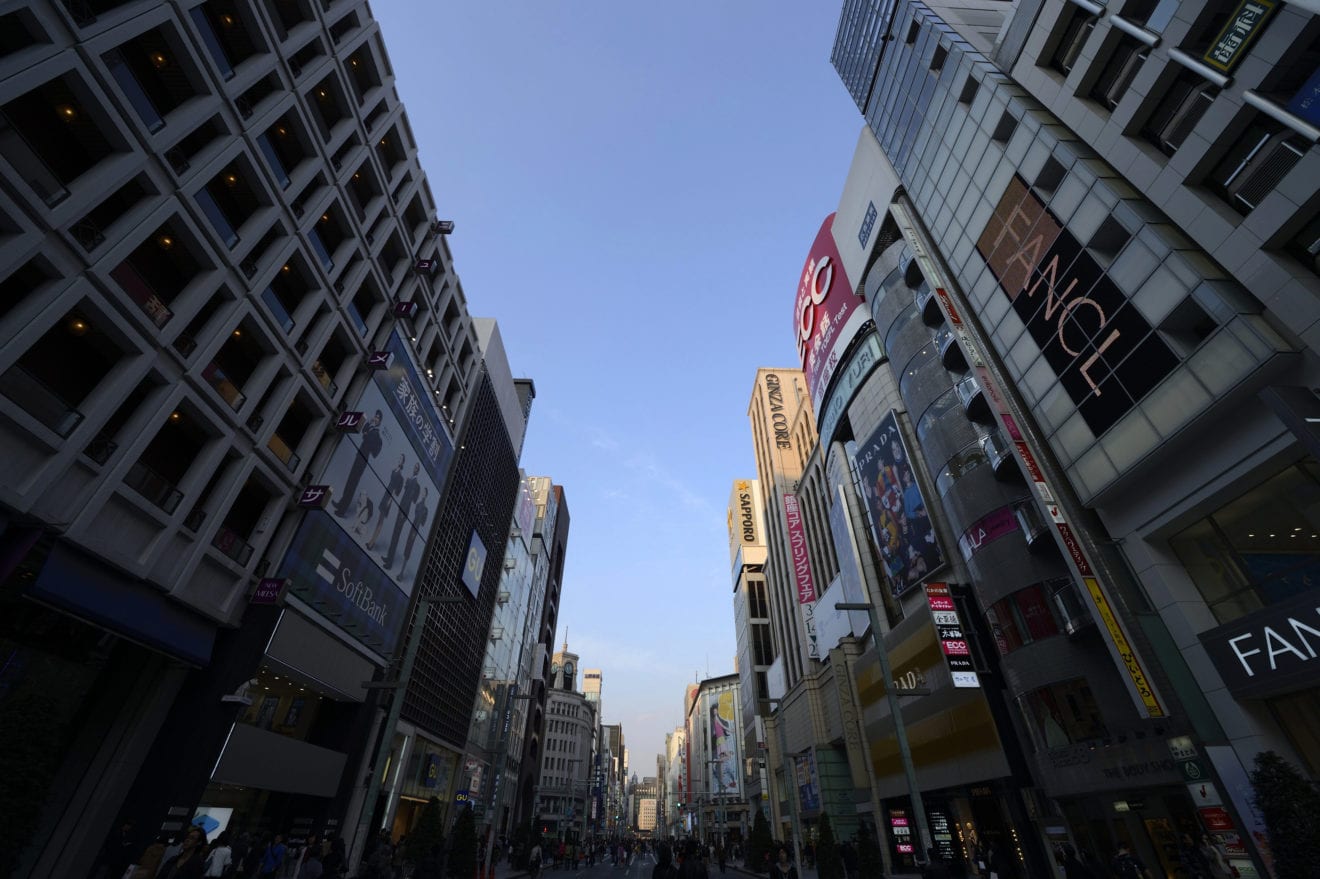
    The Moncler Tokyo boutique in the Ginza comprises 560 sqm spread over two floors. It was designed by Parisian architects Gilles & Boissier.

    Moncler Ginza 1


    For years this studio’s ties with the fantastical world of Moncler have resulted in a lively partnership and the new Japan store is no exception.

    Coinciding with the opening was the launch of a new partnership with young Los Angeles artist duo,FriendsWithYou.

    Moncler Ginza 5


    “Once again the Italian-French brand is working directly with today’s young and creative generations, interpreting and assimilating its language, sources of inspiration and moods. The universe of comic signs of the FriendsWithYou duo, their references to pop icons such as Malfi, Snowy, Happy Virus, Look Who, or the fluorescent rainbow of Mr TTT, the visual repertoire of smiling graphic clouds, of penetrating, astonished eyes, of mouths and fun monsters, are the hallmarks of a collection of puffer jackets developed in different colors that range from black to light-blue, from red to yellow, which are completed by sweatshirts, t-shirts bags and sneakers,” explains Moncler.

    Moncler Ginza 3

    The Moncler FriendsWithYou collection will be sold in all Moncler single brand stores from the Fall-Winter 2016/17 season onwards.


    Moncler Ginza 2

  • Starbucks tests smart smartphone case

    Starbucks tests smart smartphone case

    Starbucks Japan is involved in a unique trial which allows customers to order and pay for their coffee with a swipe of their phone.

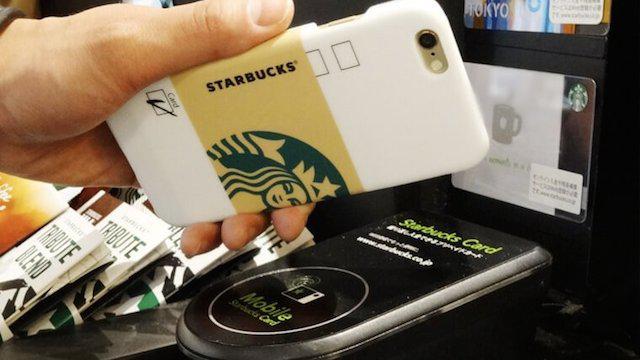
    The concept uses a branded smartphone case which is preloaded with the customer’s preferences.

    Trend monitoring website Springwise.com reports the Starbucks Touch phone case was developed in collaboration with Japanese clothing brand Uniform Experiment, and can currently be used in two Starbucks branches in Japan.

    The case – made for iPhone 6 – is designed to resemble a Starbucks coffee cup and features the brand’s iconic logo. It works like a prepaid Starbucks loyalty card, letting customers make cashless coffee purchases. It also enables users to save their preferred store and favorite beverage via a companion app. Upon arrival, customers simply launch the app and place their order, settling up by touching their phone case on the contactless payment device.

    The Starbucks Touch is available online for JPY 3000, or about US$25.

  • Seiko Japan opens ‘Premium Boutique’

    Seiko Japan opens ‘Premium Boutique’

    Seiko Japan has opened a world first “Seiko Premium Boutique” in Tokyo.

    The new store is the first shop to carry Seiko’s three luxury brands exclusively: Grand Seiko, Credor and Galante. It is located in the high-end Ginza shopping district.

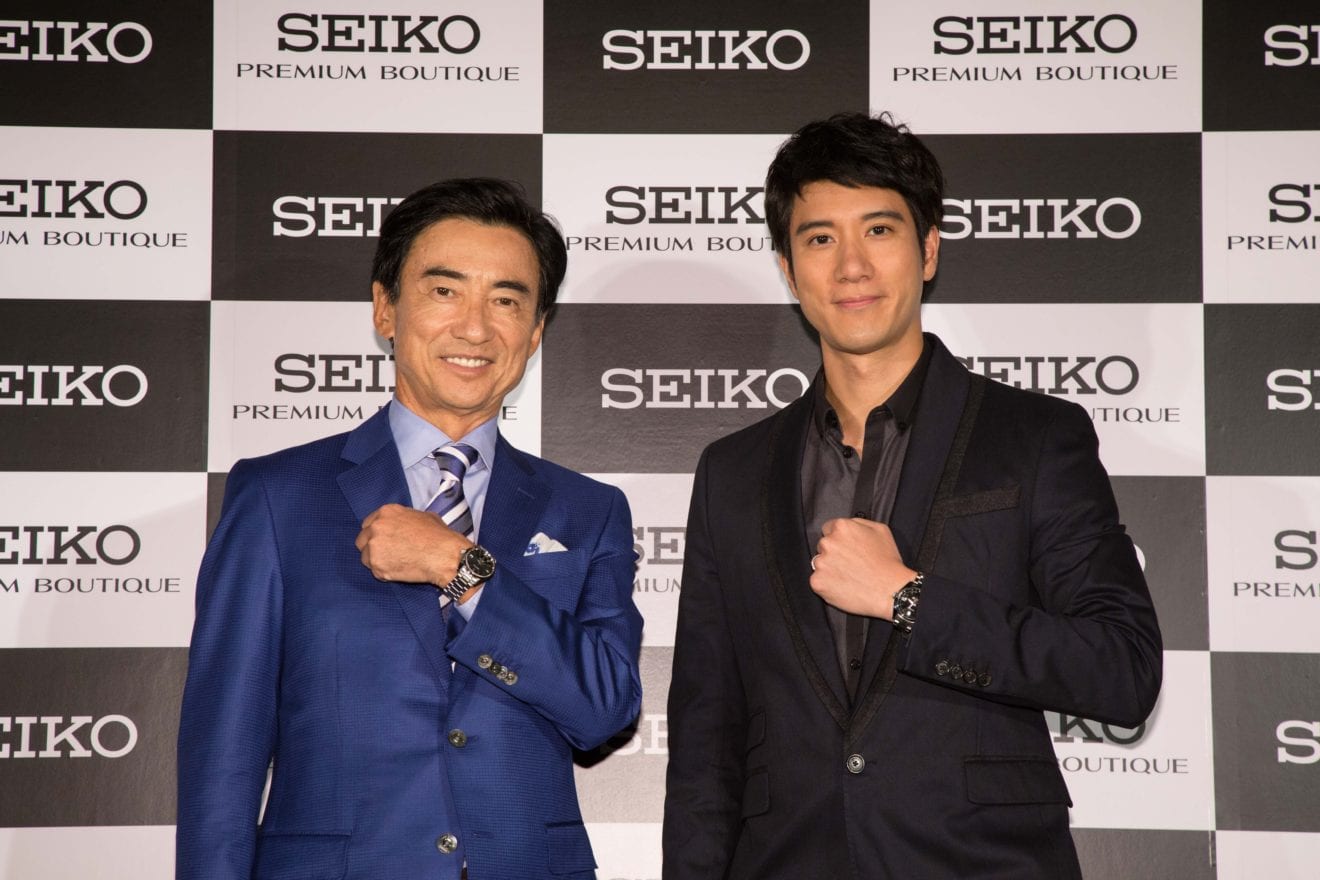
    Wang Leehom, a famous Chinese-American singer and actor who has been Seiko’s brand ambassador in Asia since 2011, joined Shinji Hattori, president & CEO of Seiko Watch Corporation to open the store.

    “Showcasing our prestigious collections, this boutique will offer a true window to the Seiko world and visitors will experience the uniqueness of Seiko’s craftsmanship and Japanese hospitality,” Hattori said at a press conference to mark the opening.

    After a ribbon-cutting ceremony with Hattori at the boutique, Wang Leehom became the store’s first customer, perusing the topline products on display, including Credor Spring Drive Minute Repeater which sells at 33,000,000 yen (US$265,000).

    “It is my great honor to have a chance to attend this festive occasion in the center of Tokyo. I was deeply impressed with Seiko’s masterpieces such as Credor Minute Repeater. They are true culmination of legendary Japanese craftsmanship and cutting-edge technologies,” he said.

  • Tokyo is world’s hottest retail market

    Tokyo is world’s hottest retail market

    Tokyo is the world’s hottest market for retail expansion, attracting 63 new brands last year as leasing momentum in core areas remained strong, despite mixed signals in the economy and an increase in the sales tax to eight per cent in April 2014, according to the latest report from CBRE Group, Inc., “How Global is the Business of Retail?” Toronto was the hottest market in the Americas, attracting 25 new international brands in 2014.

    According to the report – which tracks the target markets of new brands in 164 cities in 50 countries – US retailers are the most active when it comes to expanding into new global markets. In 2014, US retailers accounted for 26 per cent of cross-border expansion. Primary expansion targets for America’s retailers are Asia (41 per cent), Europe (33 per cent), and the Middle East and Africa (12 per cent).

    Italian retailers were the second most active, accounting for 14 per cent of cross-border expansion, followed by UK-based retailers (11 per cent) and French retailers (10 per cent). Globally, Europe accounted for 42 per cent of retailer expansion, followed by Asia with 39 per cent and the Middle East and Africa with 10 per cent. North America was only a target for three per cent of retailers.

    “The core elements of globalization, technology and demographic change, continue to have a dramatic impact on the business of retail. Demographic shifts in many countries have resulted in changes in both spending power and shopping habits. Technology enables retailers to enter markets and evaluate performance more swiftly,” said Brandon Famous, senior managing director, retail occupier advisory & transaction services, CBRE. “Consumer traveling patterns mean that many brands are well known before they even enter a market and the pent-up demand for the chance to purchase locally creates a ready-made market before entry.”

    Among the most active retail sectors globally, mid-range fashion retailers led the field, accounting for 21 per cent of global expansion, followed luxury and business retailers, with 20 per cent, and coffee and restaurant and specialist clothing, each with 16 per cent. When it comes to expansion into the Americas, luxury and business retailers were the most active at 26 per cent, followed by mid-range fashion representing 20 per cent of total activity, and specialist clothing representing 14 per cent.

    “Consumers continue to view the physical store as their preferred mode of purchase and perhaps more importantly, as a point of social interaction,” Famous added. “Consumers view shopping as a leisure activity and the continued expansion of brands and the development/improvement of shopping locations gives them the opportunity to embrace this.”

  • Tokyo, Taipei: 2015’s Asian retail hotspots

    Tokyo, Taipei: 2015’s Asian retail hotspots

    Asia Pacific retail rent growth will continue in 2015 – but at a slower pace, according to the latest research from CBRE Asia.

    Rental growth is projected to ease to 2.4 per cent region wide, compared with 5.4 per cent in 2014.

    The hottest markets: Tokyo, where rentals are expected to rise by about 10 per cent, followed by Taiwan’s Taipei, Sydney and Melbourne which will post more modest growth, according to CBRE.

    Prime rental growth in China will be less than five per cent in 2015, with key city retail markets performing differently. “Growth will being driven by Beijing and Shanghai but dragged by Shenzhen and Guangzhou.”

    In the report – titled 2015 Outlook: Key Retail Trends – CBRE expects new retail supply in Asia Pacific to reach 89 million sqft this year, a significant jump from the 53 million sqft in 2014. “However, much of this new supply will be in decentralised locations. A lack of high quality stock in prime locations -in cities such as Tokyo, Beijing and Shanghai – will lead to rental growth. Increasing competition among retailers and rising operational costs will see retailers focus on leasing prime space in key growth markets in 2015.”

    “The market will become more challenging for landlords in 2015 as they will have to deal with more budget conscious retailers entering into lengthier negotiation processes,” explained Sebastian Skiff, executive director, retail services, CBRE Asia.

    “Occupiers, meanwhile, will benefit from being more patient and taking time to formulate a proper strategy. In light of increasing vacancy pressure, increasing competition and the rise of e-commerce, landlords should have the willingness to embrace ‘retail-tainment’, and have the ability to proactively collaborate with tenants to ensure stronger retailer retention and consumer engagement.”

    Skiff says landlords who invest more resources into conducting consumer surveys, market research and benchmarking exercises in order to better understand consumers’ and retailers’ requirements will be among the more successful this year.”

    In other trends:

    • Chinese tourists should not be overlooked despite last year’s slowed spending. CBRE says Driven by the growing number of arrivals from mainland Chinese visitors, retail sales growth is expected to increase across the region, particularly in Tokyo, Seoul and Taipei. China and New Zealand markets are slowing whilst Hong Kong and Singapore will see a marginal rebound.
    • Despite retail sales volume growth, leasing sentiment will be dampened due to high operational costs, increasing competition and retailers’ more cautious attitude. Activity level in Asia is likely to stay flat but the Pacific will be more upbeat, as both Australia and New Zealand will continue to attract new entrants from overseas.
    • Leasing demand will be driven by mass market food and beverage and fashion retailers. Leveraging on the huge pipeline of new supply in suburban areas, mass market fashion brands will continue to expand in China’s tier 3 and tier 4 cities, while fast fashion retailers will target Taiwan, Australia, and Southeast Asia. Luxury brands will focus more on consolidation and reviewing their portfolio strategy – expansionary demand will be limited, but focused on developed markets, particularly in Japan and within Australia where luxury brands have a strong focus for growth.
    • Vacancy pressures in suburban areas will continue to intensify, especially in mainland China as many of their shopping centers are developed by inexperienced developers. Singapore will also experience supply pressure.
    • Prime retail prices will diverge in 2015 with Greater China experiencing the biggest downward pressure on price growth. The retail capital value growth in APAC will slow notably, dropping from 6.5 per cent in 2014 to 1.6 per cent in 2015.

    “CBRE sees that demographic growth, urbanisation and increasing household incomes will continue to support continuous growth in the region, with all markets projecting that retail sales volume will increase,” said Jonathan Hsu, director, research, CBRE Asia Pacific.

    “Japan will continue to be a top performer due to the fast growing tourism market and the weaker yen spurring tourist spending. Retail sales growth in Japan is expected to rebound as the market recovers from the consumption tax hike in April 2014,” said Hsu.

    “We expect consumption to also grow steadily after the government delayed the second phase of the sales tax increase.

    “Elsewhere, the market will be quite challenging – in China due to the anti-corruption campaign continuing to affect the sector, with luxury retailers taking a more cautious approach to expanding in this market. In the lower tier cities, or suburban areas, there will be a strong downward pressure in rents due to the huge supply pipeline, weaker sentiment from retailers, and lack of experienced mall management.”

  • Hawaiian coffee concept lands in Seoul

    Hawaiian coffee concept lands in Seoul

    A Hawaiian coffee concept already popular in Tokyo has now made its debut in Korea.

    Lanai Cafe is a Hawaiian Kona Coffee shop serving coffee, pancakes, desserts and drinks.

    Kona is ranked as one of the world’s top three coffee beans alongside Jamaican Blue Mountain and Kenyan Kilimanjaro. It is brewed by pour over for each cup which draws its unique aroma and flavour.

  • Starhill Global REIT sells prime Tokyo retail property for $29.9m

    Starhill Global REIT sells prime Tokyo retail property for $29.9m

    Proceeds will be used to pay off Yen loans.

    Starhill Global REIT has divested Roppongi Terzo, a prime retail property located in Tokyo, for $29.9m.

    This is above the property’s last valuation of $29.2m, and the sale consideration translates to a yield of 4.4%.

    After the transaction, the REIT’s portfolio in Japan will be reduced to four properties.

    The net sale proceeds would be used to repay the Yen loans and/or for working capital purposes. SGREIT’s gearing is expected to decrease from 35.7%3 to 35.1% assuming that the net sales proceeds are substantially used to repay the Yen loans