Tag: tokyo

  • Nam Long Group Welcomes Tokyu Corporation as Exciting New Partner in Izumi City Development

    Nam Long Group Welcomes Tokyu Corporation as Exciting New Partner in Izumi City Development

    On July 30, an important partnership was sealed between Nam Long Group and Tokyu Corporation, as company representatives gathered for a signing ceremony that signals a significant step in urban development in Vietnam.

    Two Giants Collaborate for Sustainable Living

    Lucas Loh, Group CEO of Nam Long, expressed enthusiasm about the alliance, emphasizing that this collaboration embodies both parties’ dedication to creating sustainable, high-quality developments aimed at enhancing living standards within Vietnamese communities. Loh acknowledged Tokyu’s involvement as a vital addition of global expertise to the Izumi City project, aligning perfectly with Nam Long’s vision of crafting vibrant, livable townships.

    Creating a Modern Township

    “We appreciate the trust Tokyu Corporation has placed in Nam Long and look forward to shaping future communities that will nourish a high quality of life for generations,” Loh stated, weaving optimism into the narrative of this burgeoning partnership.

    Ogata Yoshinori, Executive Officer of Tokyu Corporation’s International Business Division, highlighted Izumi City as a forward-thinking township developed to address the surging housing demand in Southern Vietnam. With its green, interconnected design and strategic location, the township promises residents easy access to Ho Chi Minh City and its satellite towns.

    “By integrating the strengths of Nam Long, Hankyu Hanshin Properties, and Tokyu Corporation, we intend to create a model community where Vietnamese families can truly flourish,” Ogata affirmed, conjuring an image of flourishing families amidst a robust urban landscape.

    Izumi City: A Vision Realized

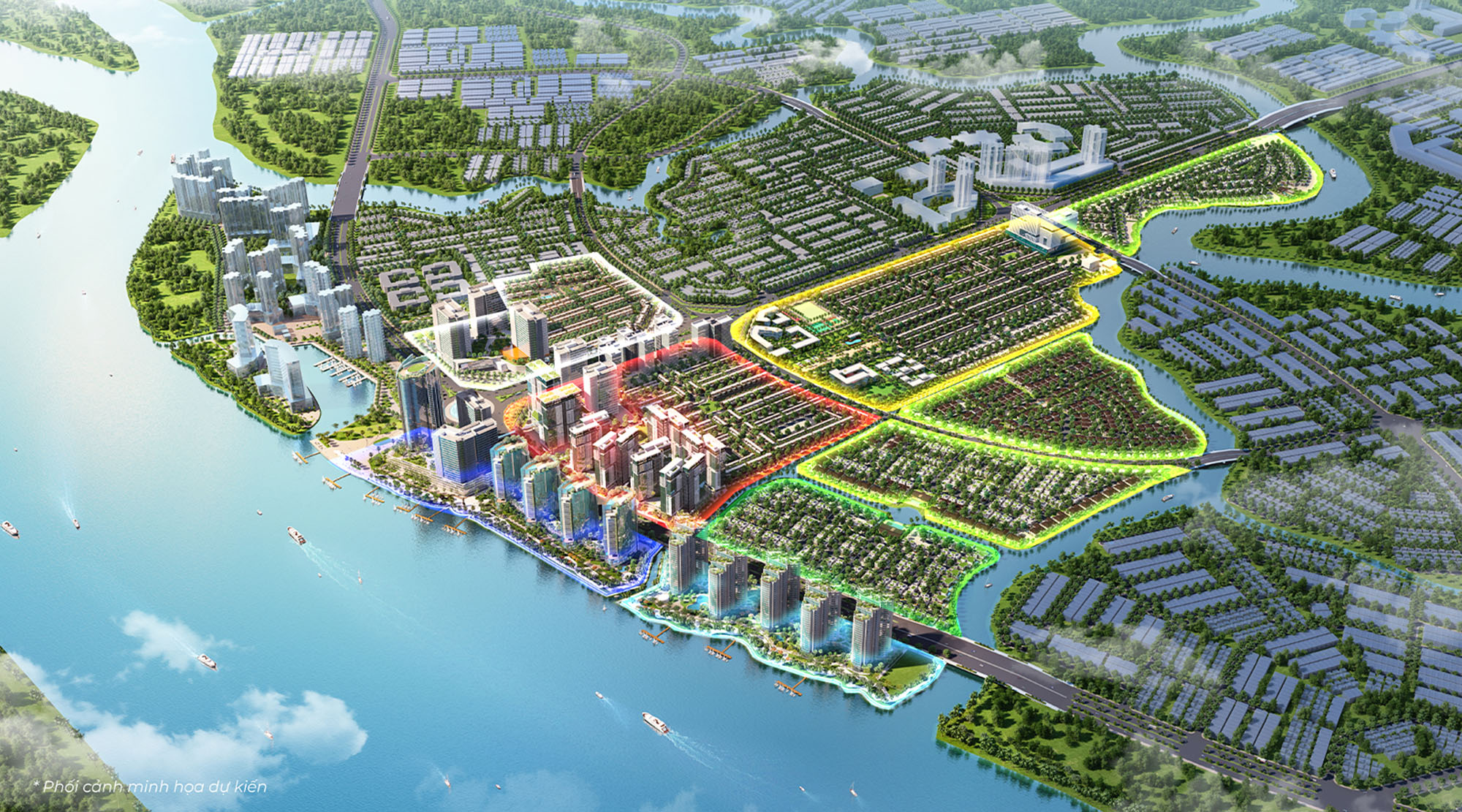
    Spanning an impressive 170 hectares in Long Hung Ward, Dong Nai Province, Izumi City occupies a key area within one of southern Vietnam’s most vibrant economic zones. Its prime location offers excellent access to major infrastructures, including National Highway 51, the Ho Chi Minh City–Long Thanh–Dau Giay Expressway, and the upcoming Long Thanh International Airport — a connectivity that could make urban living feel almost like a stroll through a park.

    The ambitious project’s first phase aims to introduce approximately 2,900 low-rise housing units, with plans for a comprehensive ecosystem featuring schools, healthcare facilities, commercial spaces, and leisure options. This well-rounded environment will support a burgeoning community and promote an enriching lifestyle for future residents.

    The inclusion of Tokyu Corporation and Hankyu Hanshin Properties—renowned Japanese firms with vast experience in urban development—adds considerable strength to this Japan-Vietnam collaboration, cementing a robust foundation for the promising future of Izumi City.

    Questions & Answers

    What significance does the partnership hold for Nam Long Group and Tokyu Corporation?
    The partnership is seen as a commitment to sustainable, high-quality urban developments aimed at improving living standards in Vietnamese communities, with Tokyu bringing valuable international expertise to the table.

    What amenities can future residents of Izumi City expect?
    Residents can look forward to a complete ecosystem of services, including schools, healthcare facilities, commercial areas, and entertainment options, all designed to promote a balanced, quality lifestyle.

    How large is the Izumi City project and where is it located?
    Izumi City covers an expansive area of 170 hectares in Long Hung Ward, located within one of southern Vietnam’s dynamic economic zones, making it a prime location for growth and development.
  • Acne Studios Unveils Pink Granite-adorned Flagship Store In Tokyo’s Aoyama District

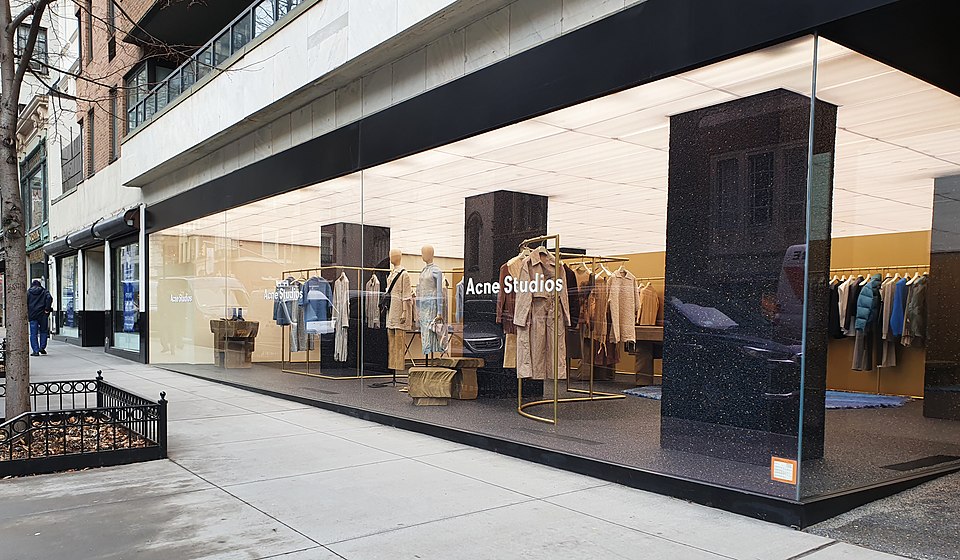
    Acne Studios Unveils Pink Granite-adorned Flagship Store In Tokyo’s Aoyama District

    Acne Studios, a renowned fashion brand from Sweden, has unveiled its flagship store in the Aoyama district of Tokyo.

    Designing the Flagship Store

    The store occupies three levels and was crafted in association with Hallerod, an architecture firm based in Stockholm and a long-term collaborator of the brand. The store’s interior is predominantly adorned by pink granite, a signature material in Acne’s retail settings, employed throughout the store’s floors, walls, and fixtures.

    Max Lamb, a London-based designer, contributed matching pink sofas made of leather and fabric, adding to the store’s distinctive aesthetic. The lighting was designed by Parisian Benoit Lalloz, further enhancing the store’s unique ambiance.

    Collaborations & Collections

    The basement of the store features ceramic works by Takuro Kuwata, a renowned Japanese artist. These pieces were curated as part of a collaboration spearheaded by Acne’s creative director, Jonny Johansson. This partnership also resulted in a capsule collection that reimagines traditional Acne pieces. The collection includes denim, bags, and small leather goods.

    Store Offerings

    The flagship store houses the complete range of Acne Studios products. Shoppers can find men’s and women’s clothing, footwear, accessories, jewelry, and eyewear, offering a comprehensive Acne Studios shopping experience.

    Questions & Answers

    Who designed the interior for Acne Studios’ flagship store in Tokyo?
    The space was designed in collaboration with Stockholm-based architecture firm Hallerod. The interior is characterized by pink granite, used throughout the store’s floors, walls, and fixtures.

    What is unique about the basement of the store?
    The basement displays ceramic works by Japanese artist Takuro Kuwata. These were curated as part of a project led by Acne’s creative director, Jonny Johansson.

    What types of items does the store sell?
    The store carries the full Acne Studios range, including men’s and women’s apparel, footwear, accessories, jewelry, and eyewear.

  • Singapore coffee chain Alchemist enters Japan with two Tokyo stores

    Singapore coffee chain Alchemist enters Japan with two Tokyo stores

    Singapore’s well-known coffee brand, Alchemist, has successfully launched in Japan, marking its first venture outside its home country. The company inaugurated its two international outlets in Tokyo, thereby cementing its global footprint.

    New Store Locations

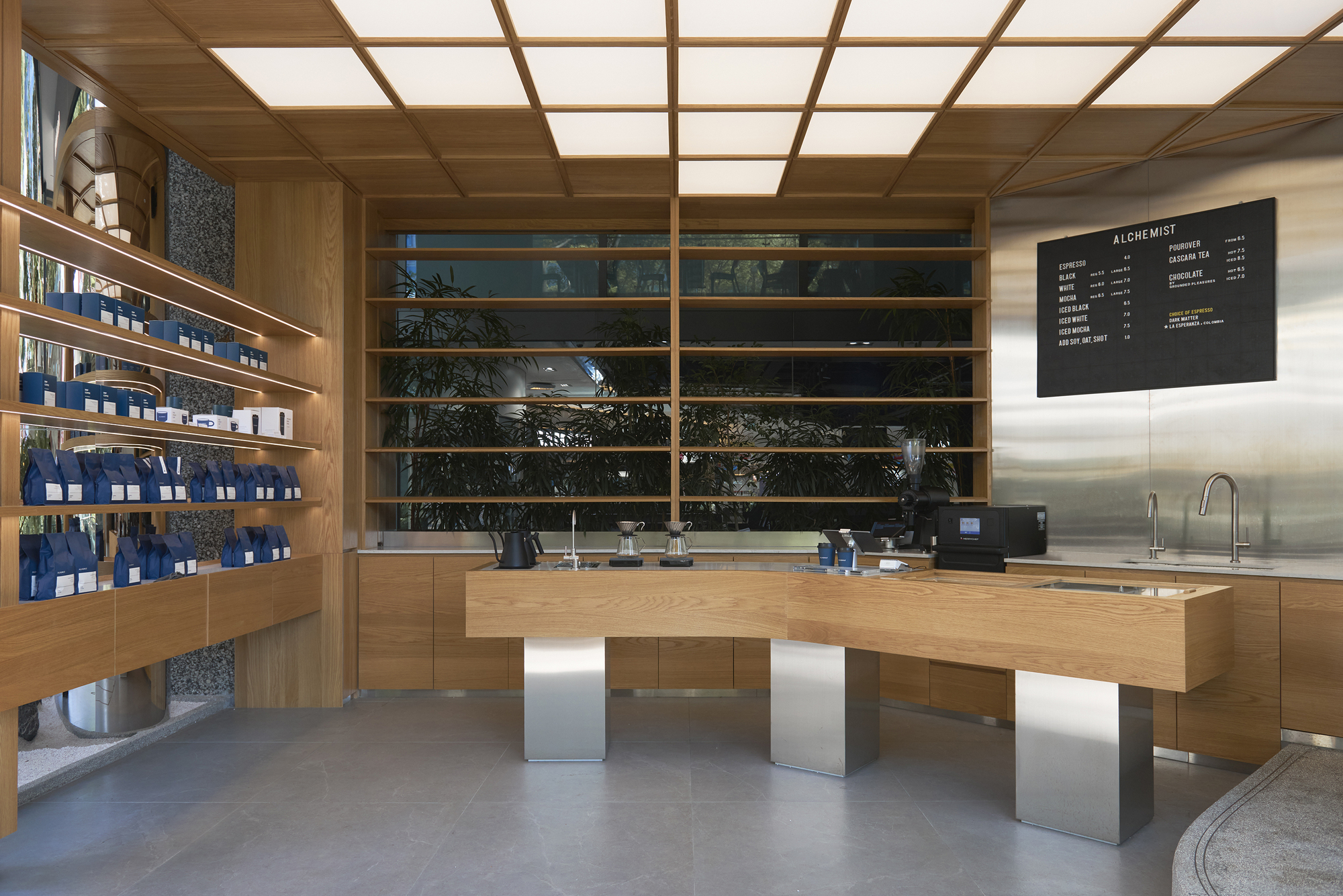
    The new store locations chosen are in the neighborhoods of Aoyama and Asakusa. The Aoyama outlet boasts a sprawling 140 square meters area and has a seating capacity for 30 people. On the other hand, the Asakusa branch covers a larger area of 200 square meters and can comfortably seat 70 patrons. The stores continue the brand’s tradition of minimalist design, allowing customers to appreciate the coffee brewed using beans roasted in Singapore.

    Alchemist’s founder, Will Leow, expressed his admiration for Japan’s entrenched coffee culture and meticulous attention to detail. “Our primary objective has always been forging connections through coffee. Establishing a presence in Tokyo was a logical progression for us, and we’re gratified by the warm welcome we’ve received from the local community,” he said.

    Alchemist’s Journey

    Alchemist was founded in 2016 by Will Leow, a barista and entrepreneur. The brand started as a modest coffee stand in Singapore’s Central Business District. Since then, it has expanded to 11 locations across the city-state.

    Future Expansion Plans

    As part of its long-term growth strategy, Alchemist aims to open 10 more outlets throughout Tokyo by the end of 2028. The company is excited about sharing its unique vision with the coffee aficionados of Japan, a country already revered for its exquisite quality and craftsmanship in the brewing sector.

    Questions & Answers

    What is the seating capacity of the new Alchemist stores in Tokyo?
    The Aoyama store can accommodate 30 customers, whereas the Asakusa store has a seating capacity for 70 patrons.

    When and where was Alchemist established?
    Alchemist was founded in 2016 by Will Leow. It started as a small coffee stand in Singapore’s Central Business District.

    What are Alchemist’s expansion plans in Tokyo?
    Alchemist plans to open 10 more stores across Tokyo by the end of 2028 as part of its long-term expansion strategy.

  • Tokyo Lifestyle Sees Sales Surge Thanks To Global Expansion: Eyes Middle East, Vietnam, Australia Next

    Tokyo Lifestyle Sees Sales Surge Thanks To Global Expansion: Eyes Middle East, Vietnam, Australia Next

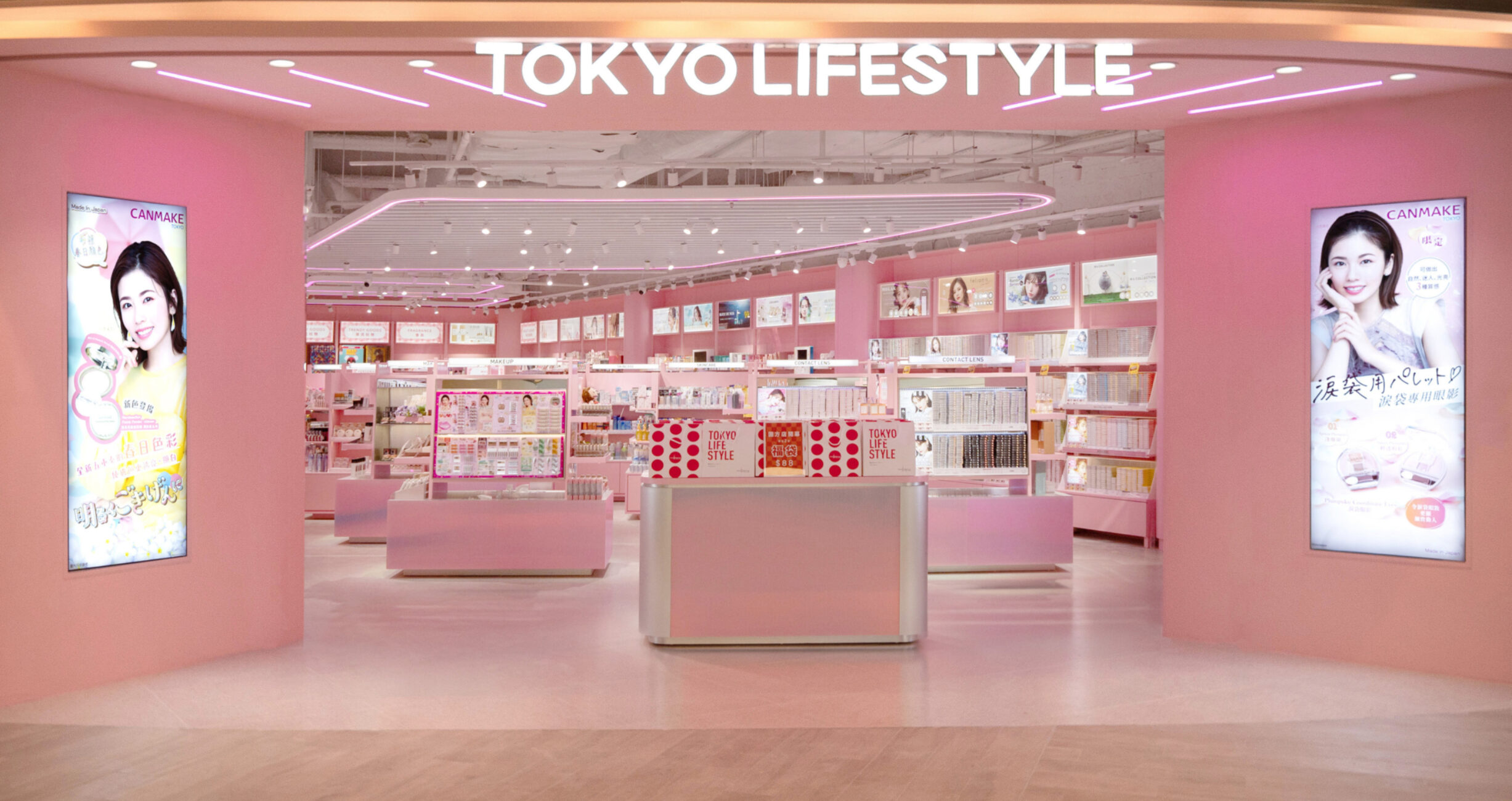
    Tokyo Lifestyle, a retailer listed in the US but with its roots in Japan, has seen a boost in sales over the past fiscal year due to its steady growth in all markets. The company reported a revenue increase of 7.4 per cent during the year that ended on March 31, reaching a total of US$210.1 million.

    Growth Through Expansion

    The company’s management team has credited this surge in growth to the expansion of its existing network and branching out into new territories. Throughout the relevant year, Tokyo Lifestyle launched five new directly operated stores in the US, Canada, and Hong Kong. Additionally, the company added three franchise stores and 54 wholesale partners to its network, contributing significantly to its growth.

    Revenue derived from directly operated physical stores showed an impressive increase of 14.4 per cent, while sales from franchise stores and wholesale customers rose by 9.1 per cent.

    Despite this, Tokyo Lifestyle’s bottom line didn’t fare as well. The gross profit rose by 2.3 per cent, reaching $23.9 million, but net income fell from $7.5 million to $6.6 million, primarily due to losses from foreign currency exchange and changes in the fair value of warrants.

    Ambitious Expansion Strategy

    Mei Kanayama, the principal executive officer of Tokyo Lifestyle, expressed confidence in the company’s potential for long-term growth. She attributed this optimism to their ambitious yet thoroughly planned expansion strategy. She further stated, “We believe that our profitability will continue to improve steadily as our global footprint becomes more established with the addition of more distribution points.”

    On its expansion journey, the company revealed it has established a new subsidiary in Australia and has plans to launch stores in Vietnam, Australia, and the Middle East.

    Tokyo Lifestyle currently offers an array of Japanese products including beauty and health items, sundries, luxury items, electronic products, collectible cards, and trendy toys in Hong Kong, Japan, North America, Thailand, and the UK.

    Questions & Answers

    What contributed to Tokyo Lifestyle’s growth in the past fiscal year?
    The company attributes its growth to the expansion of its existing network and entry into new markets.

    What is Tokyo Lifestyle’s future expansion plan?
    Tokyo Lifestyle plans to establish more distribution points globally, with a particular focus on Vietnam, Australia, and the Middle East.

    What range of products does Tokyo Lifestyle offer?
    Tokyo Lifestyle offers a diverse range of Japanese products, encompassing beauty and health items, sundries, luxury items, electronic products, popular toys, and collectible cards.

  • Guess Jeans Expands Global Footprint With Flagship Store Launch In Tokyo’s Jingūmae District

    Guess Jeans Expands Global Footprint With Flagship Store Launch In Tokyo’s Jingūmae District

    Guess Jeans makes its debut in Japan with a flagship store

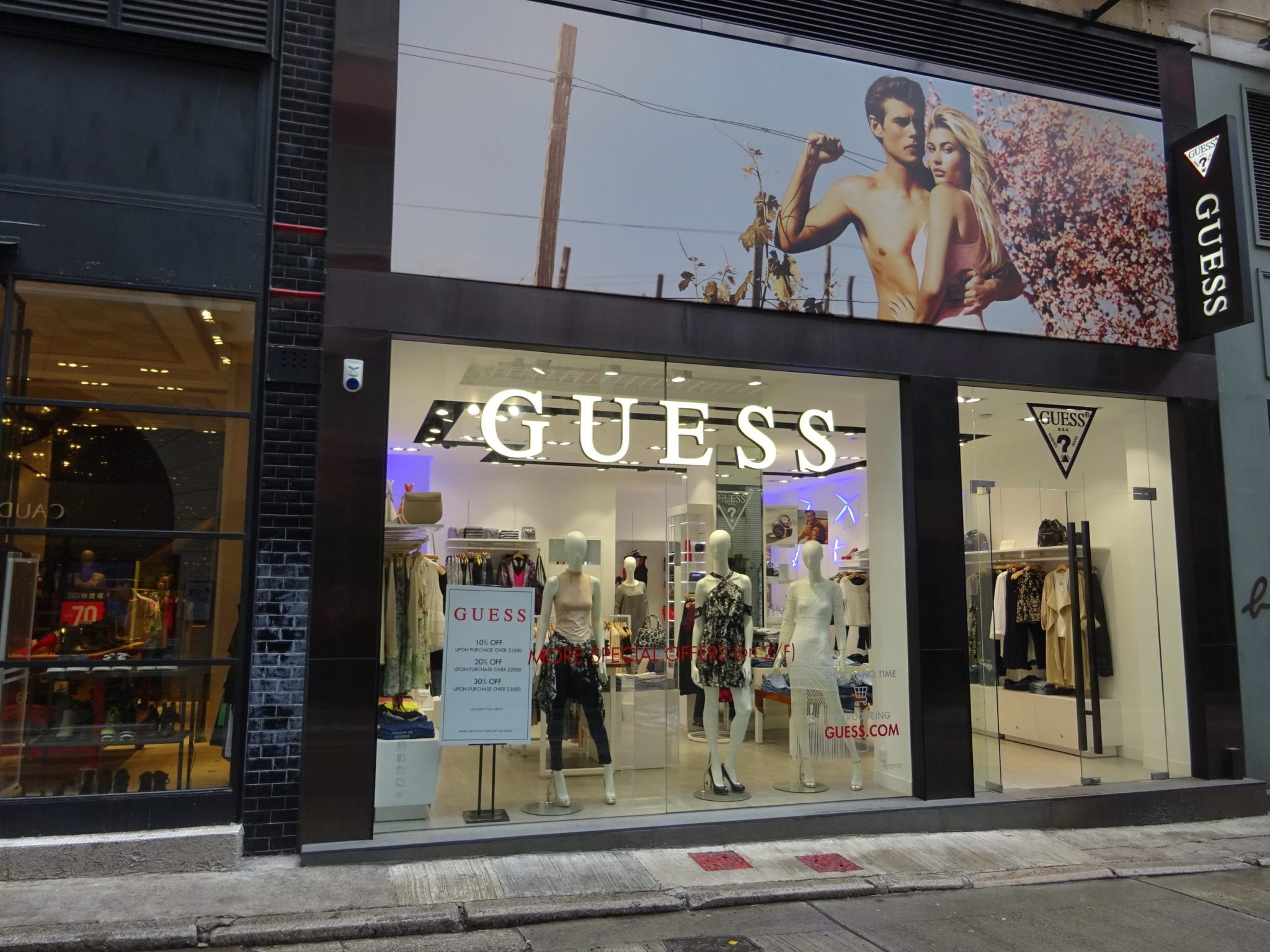
    American clothing brand Guess Jeans has launched its first retail store in Tokyo, Japan’s Jingūmae district, marking its latest step in its global expansion strategy.

    The four-level establishment boasts a minimalist aesthetic with concrete interiors and a selection of greenery arranged in locally made ceramic pots. This design approach is a fusion of Japanese simplicity and the relaxed, sun-soaked vibe of California.

    Nicolai Marciano, the Chief New Business Development Officer at Guess, expressed that the flagship store in Tokyo marks more than just an addition to the brand’s retail outlets. He stated, “This space acts as a platform that allows the brand to interact directly with the new generation of creative talent in the region.”

    Traveling exhibition celebrates Guess Jeans’ 40-year Legacy

    In celebration of the store’s grand opening, Guess Jeans has initiated a traveling exhibition in Tokyo titled “Guess Jeans: The Next 40 Years of Denim.” The exhibit incorporates a live Airwash Lab and a customization zone where visitors can engrave their personal designs onto denim tote bags. Notable Japanese creators such as Ryota Daimon and A Love Movement have participated in the development of the exhibition.

    Guess Airwash is an innovative production technique, developed in partnership with Spanish technology company Jeanologia. This unique process utilizes air, light, and nanobubbles to substitute traditional stonewashing approaches, reducing water consumption by up to 80 per cent and eliminating the use of harmful chemicals.

    Exclusive pop-up shop curated by Japanese artist Verdy

    A special feature of the flagship store is an exclusive pop-up shop located in the basement, curated by renowned Japanese artist Verdy. Titled “Guess Jeans Gift Shop with Friends,” the space features exclusive merchandise created in collaboration with fourteen local brands. Among the special items on offer are limited-edition pieces from brands such as TTTMSW, The Flwrs, Blackmean, and Masu.

    Questions & Answers

    Where is Guess Jeans’ new store located?
    The new Guess Jeans store is located in the Jingūmae district of Tokyo, Japan.

    What special features does the new Guess Jeans store offer?
    The store features minimalist concrete interiors and curated greenery in locally crafted ceramic vessels. It also hosts a traveling exhibition and an exclusive pop-up shop curated by Japanese artist Verdy.

    What is the purpose of the Guess Airwash technique?
    The Guess Airwash technique is an innovative production process that significantly reduces water consumption and eliminates the use of harmful chemicals in denim production.

  • Tokyo’s Average Asking Rents Experience a 0.5% Decline: What It Means for Renters and Landlords

    Tokyo’s Average Asking Rents Experience a 0.5% Decline: What It Means for Renters and Landlords

    The latest findings from Savills, based on a semi-annual survey by the Japan Real Estate Institute (JREI) and BAC Urban Projects, paint a promising picture for retail in Tokyo. Average asking rents for first-floor (1F) units have increased by 3.0% quarter-on-quarter, despite a slight decline of 0.5% year-on-year. Meanwhile, non-1F units have seen a more significant rise, with rents up 4.3% on a quarterly basis and 2.8% on an annual one. This overall performance highlights the resilience of Tokyo’s prime retail markets, fueled by robust growth in inbound tourism, which has tightened the availability of sought-after retail spaces in tourist-heavy areas.

    A Surge in Sales Fueled by Tourists

    The Japan Department Stores Association recently reported staggering figures for 2024, indicating that nationwide department store sales soared to JPY5.8 trillion—an increase of 6.8% year-on-year. Duty-free sales also experienced a remarkable upswing, climbing 85.9% year-on-year to a hefty JPY648.7 billion, largely driven by tourists splurging on luxury goods. As Japan continues to solidify its status as a favored travel destination, the number of inbound visitors reached nearly 37 million in 2024, with projections suggesting this will exceed 40 million in 2025. Talk about a shopping spree!

    Tourist Spending Hits New Heights

    Expenditure per inbound tourist has been on the rise as well, reaching an impressive JPY227,000 per traveler in 2024—a staggering 43% increase compared to pre-pandemic levels in 2019. The total spending by foreign tourists hit a remarkable JPY8.1 trillion, reflecting a 53% growth over 2023, albeit still hovering around just 1.5% of Japan’s GDP, according to the Japan Tourism Agency (JTA).

    A Notable Return of Chinese Tourists

    The numbers indicate a promising trend for the industry, with inbound tourists already surpassing 10 million in the first quarter of 2025—up about 23% from the same period in 2024. The resurgence of Chinese visitors is particularly striking, with 2.4 million arrivals recorded in Q1/2025, marking a 78% increase year-on-year. This rebound can be partly attributed to the recently relaxed visa application process for Chinese nationals, opening the floodgates for eager shoppers.

    Expo 2025 to Amplify Tourist Interest

    The successful launch of the Expo 2025 in Osaka is set to draw an estimated 28 million attendees, further bolstering inbound tourism. Meanwhile, domestic spending remains robust, buoyed by ongoing strong wage growth, creating a favorable environment for retail. As shoppers eye both domestic and luxury items, the future of Japan’s retail market promises to sparkle with potential.

    Questions & Answers

    What factors are contributing to the growth of rental prices for retail spaces in Tokyo?
    The increase in rental prices is primarily driven by strong inbound tourism, which boosts demand for retail spaces in prime locations, as well as a sense of scarcity in high-traffic areas.

    How has spending by inbound tourists changed in recent years?
    Inbound tourist expenditure has skyrocketed, reaching nearly JPY227,000 per traveler in 2024, marking a 43% increase compared to 2019, with total spending reaching JPY8.1 trillion, a 53% rise from 2023.

    What impact is Expo 2025 expected to have on Japan’s retail market?
    Expo 2025 in Osaka is projected to attract 28 million attendees, further enhancing inbound tourism and, consequently, retail spending, creating a positive outlook for the market.

  • Suntory Elevates Craft Gin Roku at Innovative Concept Shop in Tokyo

    Suntory Elevates Craft Gin Roku at Innovative Concept Shop in Tokyo

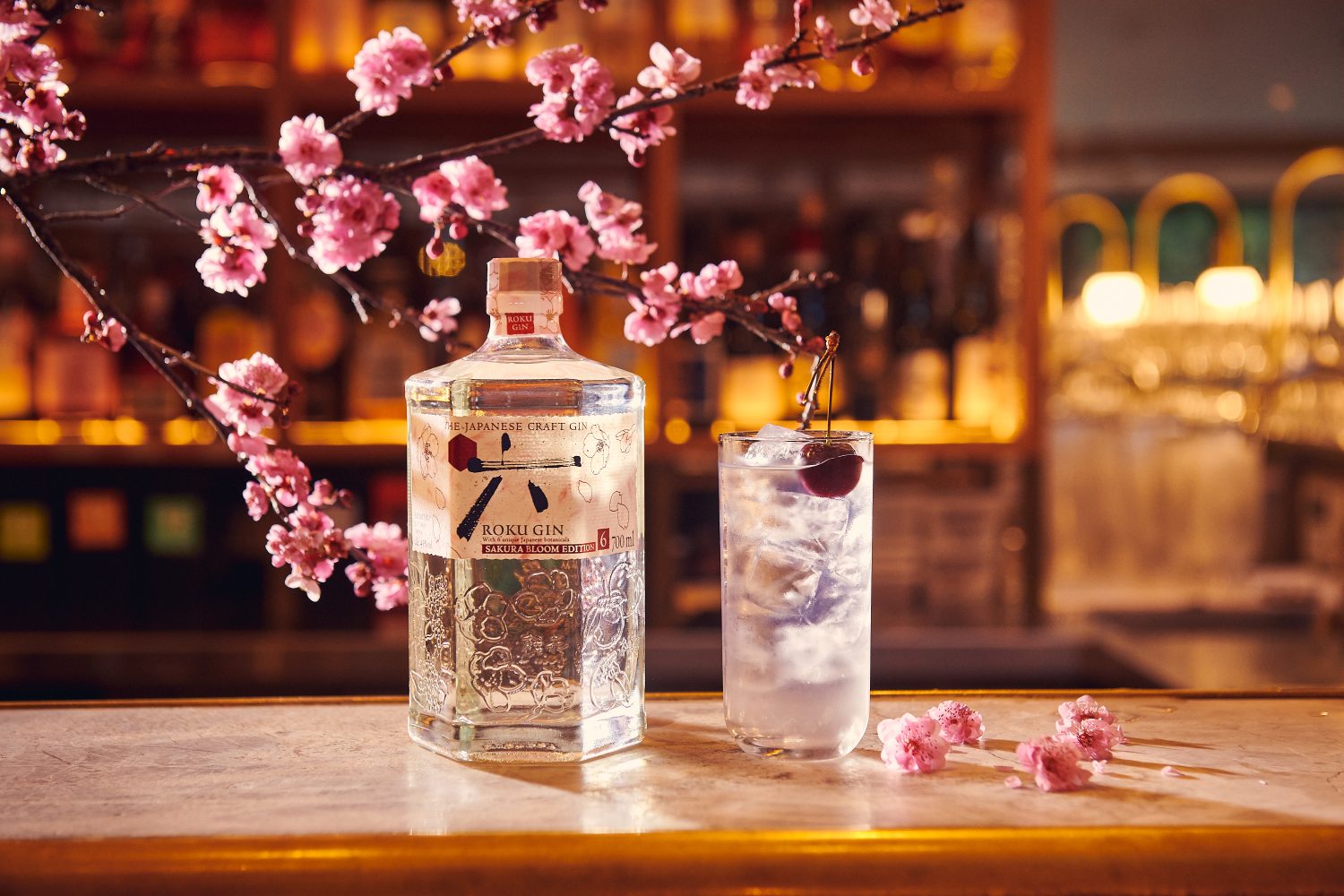
    Tokyo is the latest stage for Suntory Holdings, as the renowned beverage maker unveils a concept shop dedicated to its handcrafted gin, Roku. This innovative move aims not only to promote the exquisite flavors of Japanese craft gin but also to reflect Suntory’s commitment to enhancing its spirits production capabilities.

    Roku, which burst onto the scene in 2017, has quickly gained a global following. Available in around 60 countries, a remarkable 90% of its sales are generated from international markets. This speaks volumes about the growing appreciation for craft spirits worldwide, especially those with a distinctly Japanese twist.

    As Suntory ramps up its investment in production capacity, it’s clear that the company is not just mixing drinks; it’s crafting a culture around them. Whether you’re an aficionado of fine spirits or just starting on your tasting journey, the world of Roku is one you won’t want to miss.

    Given the brand’s burgeoning appeal, it’s intriguing to ponder — can gin really become the new sake? In the land of the rising sun, traditions are always at play, but there’s room for something new to shine.

    Questions & Answers

    What is the purpose of Suntory’s concept shop?
    The concept shop aims to boost awareness of its Japanese craft gin, Roku, while showcasing Suntory’s commitment to enhancing its spirits production capacity.

    When was Roku launched and how widely is it sold?
    Roku was launched in 2017 and is currently sold in approximately 60 countries, with around 90% of its sales coming from markets outside Japan.

    Is there a growing trend towards craft spirits in Japan?
    Absolutely! The global fascination with craft spirits, especially those that carry a unique cultural identity like Roku, indicates a thriving trend in the market.

  • Randy’s Donuts makes its Japanese debut in Tokyo

    Randy’s Donuts makes its Japanese debut in Tokyo

    Randy’s Donuts, an American doughnut franchise, has recently launched its first outlet in Japan. Nestled in Tokyo’s Log Road Daikanyama shopping center, this marks the brand’s latest international expansion.

    Founded in 1952, Randy’s Donuts has become a recognizable name in the doughnut industry. The brand runs 25 stores across the United States and has made its mark globally, with outlets in South Korea, the Philippines, Saudi Arabia, and Mexico. The Japanese master franchise is managed by Grit International, under the leadership of Tsuyoshi Haga, a former executive at Don Quijote.

    Distinct Packaging Sparks Interest

    Haga revealed that what initially piqued his interest in bringing Randy’s Donuts to Japan was the brand’s unique packaging. He applied the insights he gained throughout his tenure at Don Quijote to create a shopping experience that is as entertaining as it is satisfying.

    “I incorporated the knowledge I gained over the years at Don Quijote about creating a store that provides entertainment into Randy’s Donuts,” Haga explained.

    Doughnut Display and Service

    The store stands out with its large showcase that can display up to 1,000 doughnuts. It features a cashless self-service ordering system and a comfortable dine-in area. Customers can choose from over 40 doughnut varieties, with prices ranging from US$2.45 to $3.74 (JPY360 to 550). The store also offers a selection of beverages, including coffee, lemonade, smoothies, and tapioca drinks.

    Plans for Expansion

    Haga plans to use the Tokyo location as a stepping stone for further expansion across Japan. “We would like to establish a track record with this store and then increase the number of stores across Japan,” he concluded.

    Questions & Answers

    What is the unique feature of Randy’s Donuts’ new store in Tokyo?
    The Tokyo store stands out with a large display that can showcase up to 1,000 doughnuts and a cashless self-service ordering system.

    Who is leading the operations of Randy’s Donuts in Japan?
    The operations of Randy’s Donuts in Japan are led by Tsuyoshi Haga, a former executive at Don Quijote.

    What are the future plans of Randy’s Donuts in Japan?
    Tsuyoshi Haga plans to use the Tokyo location to establish a track record and use it as a foundation for further expansion across Japan.

  • Boucheron opens giant Ginza flagship store

    Boucheron opens giant Ginza flagship store

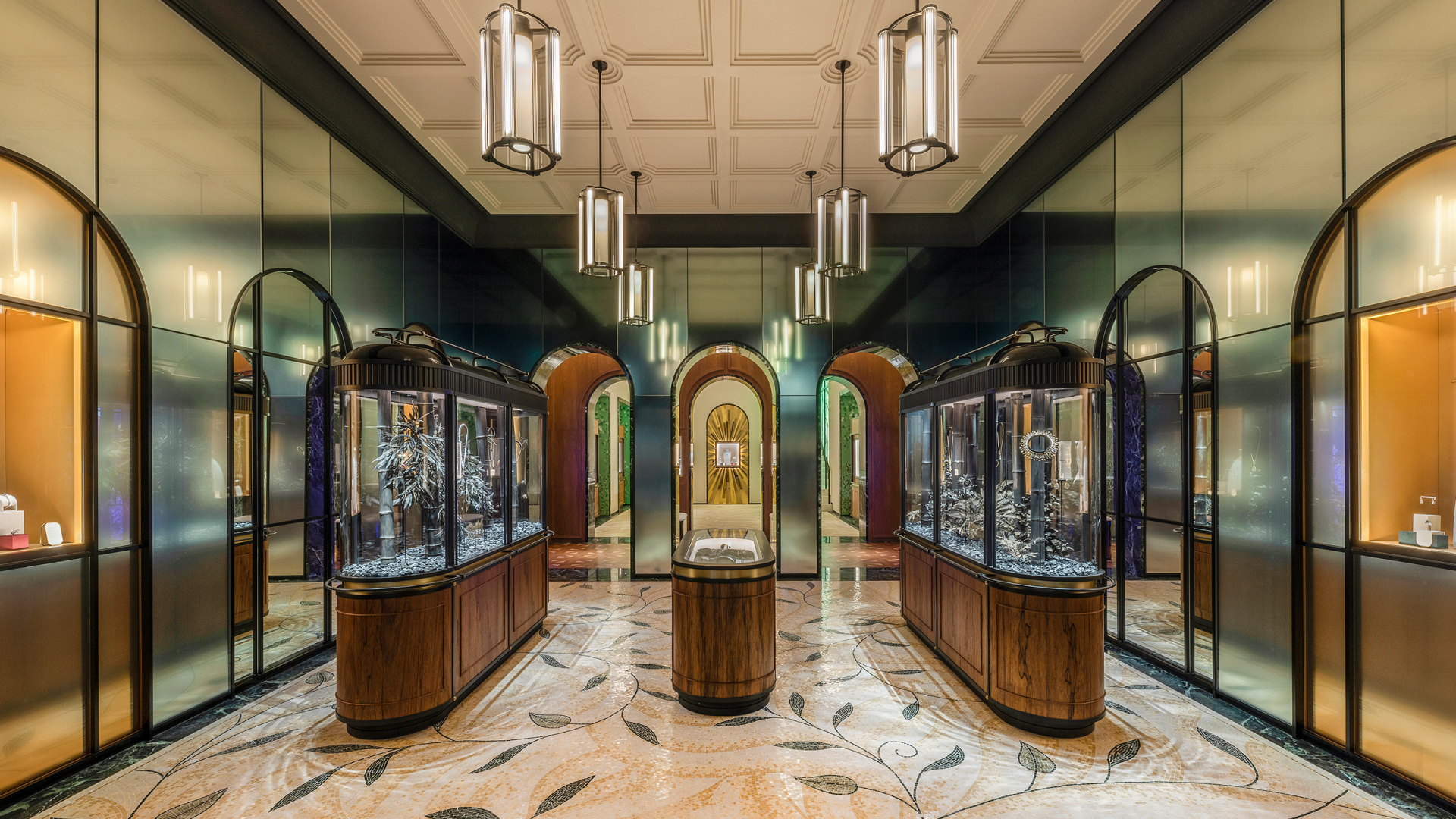
    Maison Boucheron has opened its second largest store in the world – in Tokyo’s Ginza shopping district – following on from the launch of the brand’s first in Paris, France.

    ‘From Paris to Tokyo: a cutting-edge and creative journey’ is the brand’s slogan for the new location. Spanning four floors, the store features more than 1000sqm and is designed as a combination of French and Japanese culture. This boutique is described as a bit of Paris in the heart of Japan’s metropolis.

    “Complementary to our strong existing network of 17 boutiques, the opening of our new Ginza flagship – the largest one after our historic boutique 26 Place Vendome – marks a major shift in our Japanese business,” said Helene Poulit-Duquesne, CEO de la Maison.

    “It will undeniably contribute to brand awareness and to the reputation of the Maison in Japan, which we have rigorously built over past years.”

    The architectural patterns of the Jardin d’Hiver are featured on the store facade. According to the brand, this facade is transparent throughout the day, revealing the four floors of the Ginza Boutique. By night, a larger-than-life forest is exhibited on the building’s face, changing by the hour and the four seasons.

    The maison has created an interactive experience called “The Wishing Tree” in conjunction with Random Studio. Every couple will have the option to write their wish in this forest dedicated to marriage, which will be turned into an animation of sounds and light by technology.

    Since 1973, The Maison has continued to strengthen its presence in Japan, with 17 stores in the country, including the new flagship store.

  • Nike launches Jordan World of Flight in Shibuya, Tokyo

    Nike launches Jordan World of Flight in Shibuya, Tokyo

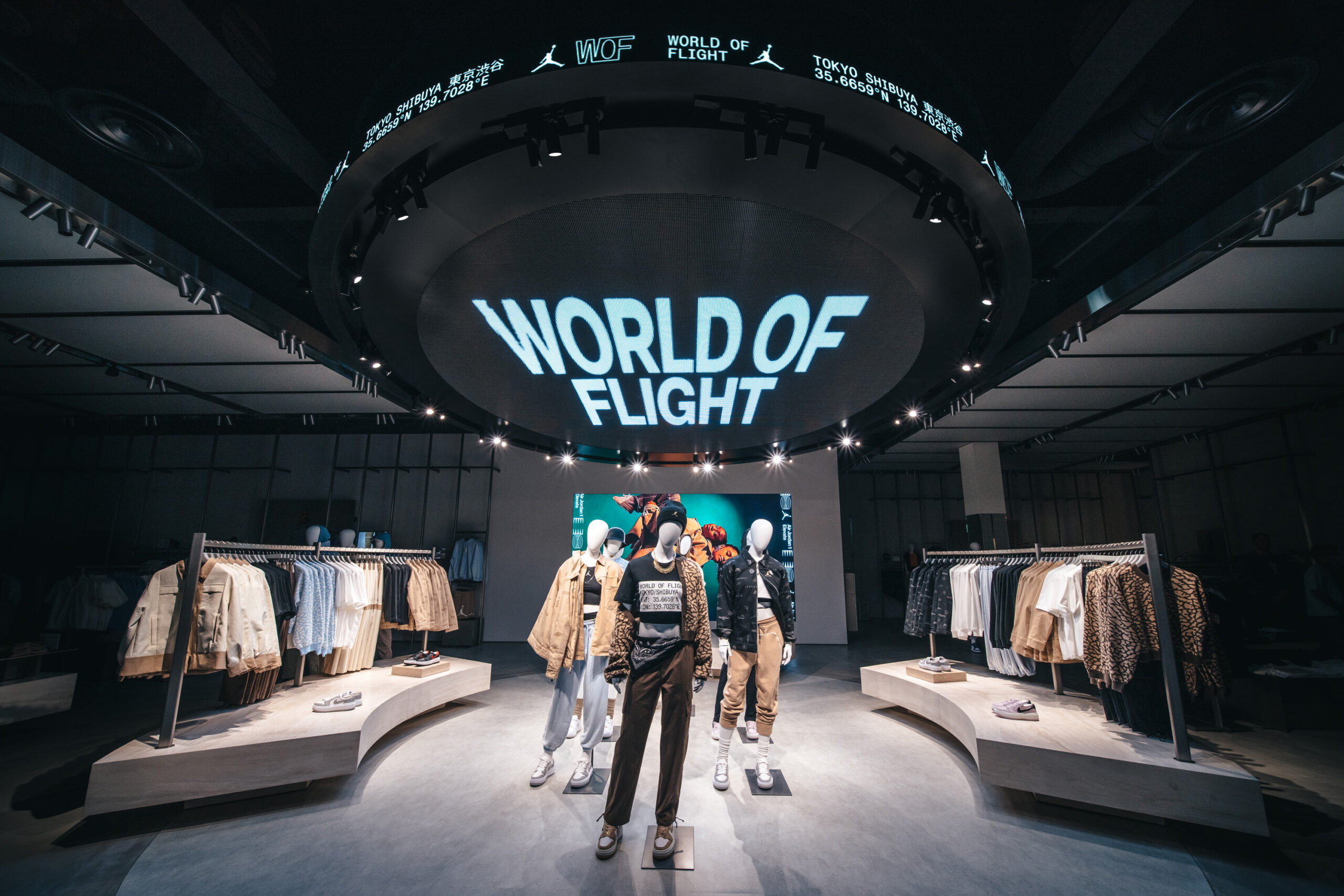
    Located in the capital’s Shibuya district, close to the Harajuku trade zone and along Meiji Dori Street, the 9,200-square-foot space is a designed “as a tribute to basketball culture and Jordan Brand’s identity and heritage,” according to a press release.

    Inside, visitors will find Jordan brand footwear and apparel products across men’s, women’s and kids, as well as customizable products in the store’s ‘The Workshop’, including the AJ1 and the Renegade jacket.

    The Shibuya store will have a dedicated ‘Snkrs’ area for shoppers to pick up products from the app; ‘The Flight Lounge’, which offers an in-store space for members to immerse themselves in Jordan Brand history and basketball culture, as well as a ‘ Nike Member’ innovation center, providing an opportunity for visitors to test new offerings and experiences.

    The ‘Content Studio’ allows shoppers to film unboxings and reviews and create content to share through their social handles.

    Connecting to the region’s local culture, Jordan also commissioned local artists to present their work throughout the store. The Japan opening comes on the back of the Jordan World of Flight opening in Milan in December 2022.

    “Following the launch of Milan, Jordan World of Flight Shibuya provides another unique expression of basketball culture. Tokyo serves as the perfect backdrop, a city that is constantly pushing the edges of innovation, fashion, music and art,” said Craig Williams, president, Jordan brand.

    “Alongside a best-in-class retail assortment, World of Flight is a manifestation of the full potential of the brand. By connecting with people around the world through the values the Jumpman represents, we hope to create even deeper ties to our consumer and underline the culture that unites us all.”

  • Forever 21 returns to Japan with new upscale image

    Forever 21 returns to Japan with new upscale image

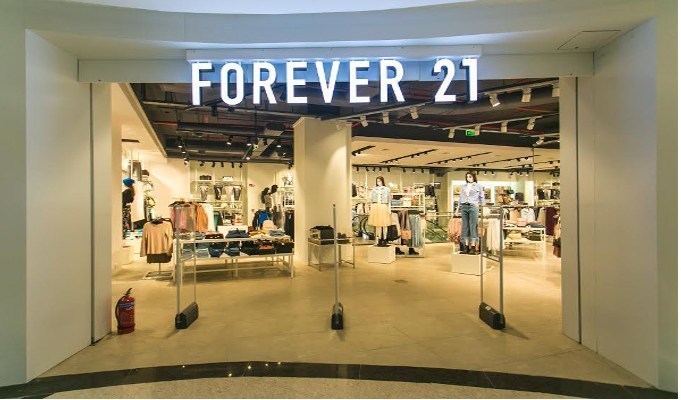
    TOKYO — U.S. fast-fashion chain Forever 21 returned to Japan on Tuesday, more than three years after pulling out of the country, aiming to break away from its former mass-production image with items tailored to Japanese tastes and an emphasis on responsible environmental practices.

    The store started selling products online on Tuesday morning through an e-commerce site operated by Japanese apparel company Adastria. It also opened a limited-time pop-up store in Tokyo’s bustling Shibuya district on the same day.

    “I feel like their prices have gone up, but the fabric seems durable so I could probably wear them for a long time,” said a woman in her 20s who visited the pop-up store, where people were lining up before the 11:00 a.m. opening. She had viewed the products online, but visited the shop to check the quality of the fabric.

    The company plans to open its first permanent store in Osaka in April. It aims for 15 stores in the country by February 2028, with sales including online totaling 10 billion yen ($74.5 million).

    Forever 21 made a full-scale entry into Japan in 2009, operating about 20 stores at one point and leading the fast-fashion boom in the country. But the rise of online shopping and changes in consumer tastes cut into sales, leading the American parent company to file for Chapter 11 bankruptcy protection in September 2019.

    The retailer withdrew from Japan in October of that year. In 2022, Japanese trading house Itochu bought the rights for the brand in the Japanese market from a U.S. investment fund that acquired Forever 21 in 2020. Itochu signed a sublicense agreement with Adastria.

    About 80% of the company’s new collection was developed by Adastria for Japanese consumers, with the average price of items set around 4,000 yen. Forever 21 aims to position itself as a brand that offers both affordable prices and high fashion sense, focusing on women in their teens to 30s.

    The company is taking environmentally friendly initiatives such as improving inventory control, collecting used clothing and reducing the amount of water used during denim processing, hoping to move on from fast fashion’s image of producing, selling and disposing of mass quantities of clothing.

    The Tokyo pop-up store is open until Sunday, and most items on display must be purchased online. In March, another pop-up shop will open at a mall in Yokohama, south of Tokyo.

  • AirAsia X adds three new routes

    AirAsia X adds three new routes

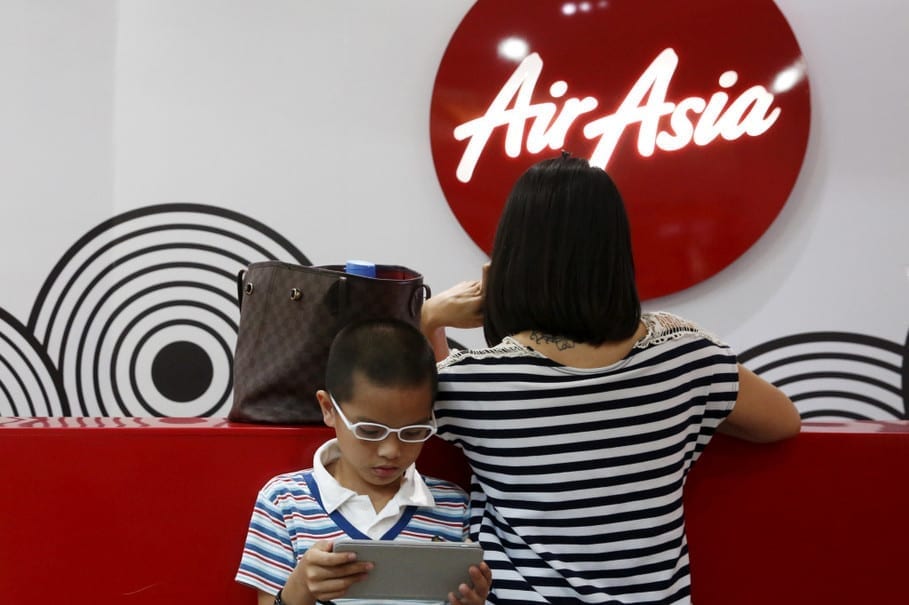
    AirAsia X confirms its latest services to Melbourne (Tullamarine), and Perth in Australia and Auckland in New Zealand will launch on 1 November 2022.

    The three new services boost the airline’s routes to 13. It is already serving  Sydney, New Delhi, Seoul, Tokyo, Sapporo, Osaka and Honolulu, as well as London, Dubai and Istanbul.

    AAX will recommence its services to Melbourne (Tullamarine), Perth and Auckland (via Sydney) with three weekly flights starting in November and gradually increasing to daily flights by the first quarter of 2023.

    On the AirAsia Super App and website, the starting fare to Perth is MYR 499, to Melbourne  MYR699 and Auckland MYR999 (inclusive one-way economy). Premium Flatbed fares start from MYR1,999 to Perth, MYR2,999 to Melbourne and MYR5,999 to Auckland.

    Guests flying to Kuala Lumpur can also enjoy all-in value fares one way from AUD209 from Perth, AUD359 from Melbourne, and NZD499 from Auckland in economy class.

    AAX also flies from Kuala Lumpur to Sydney with all-in fares from MYR899 (economy) and MYR2,799 (Premium Flatbed) one-way.

  • Flash Coffee opens Outlets in South Korea

    Flash Coffee opens Outlets in South Korea

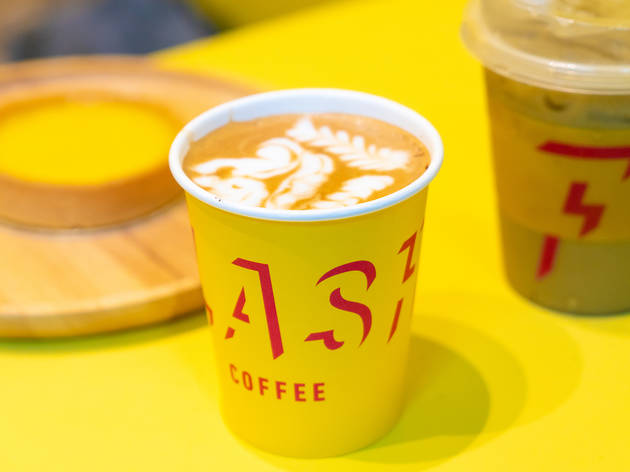
    Flash Coffee has launched its first two South Korea stores in Seoul’s Gangnam district as part of its expansion in Asia, with two more stores scheduled to open before the year ends.

    The launch marks the brand’s sixth market in the region, after Singapore, Indonesia, Thailand, Hong Kong, and Taiwan. Spanning two stories, the new Flash Coffee flagship store is located at Sinsa, while the other store is opened in Yeoksam.

    “South Korea is filled with coffee enthusiasts and our coffee consumption rate ranks within the top 10 in the world,” said Un Koh, MD of Flash Coffee South Korea.

    “We are confident that our high-quality beverages crafted by award-winning baristas at Flash Coffee will appeal to South Korean coffee lovers.

    “Our goal is to make our specialty coffee accessible to all, so for those who’ve not come across Flash Coffee yet, you will find us brewing very soon in a location near you.”

    The two new stores opening later this year will be located in Apgujeong and Yangjae. After South Korea, Flash Coffee aims to set foot into Japan with its first store in Tokyo., having recently appointed Shu Matsuo Post as its MD in Japan.

    Flash Coffee currently operates more than 200 locations across Asia.

  • Hugo Boss showcasts its first Japanese flagship store

    Hugo Boss showcasts its first Japanese flagship store

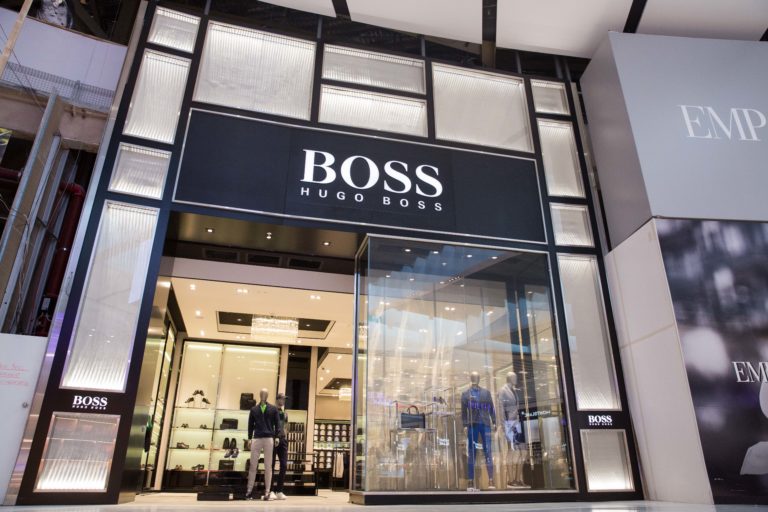
    German luxury fashion house Hugo Boss has launched its first Boss flagship store on Tokyo’s famous shopping street the Ginza.

    Spanning two stories, the Hugo Boss Japan flagship occupies 480sqm of the Tokyu Plaza Ginza shopping centre. The store features a giant glass facade where a digital wall is installed to showcase campaign videos and content.

    Meanwhile, the store interior design follows a white, black, and beige colour palette, using materials such as marble, wood and chrome. While the first floor houses men’s and women’s apparel, accessories, and fragrances, the second floor features a personalization space called ‘Made to Measure’, where customers can enjoy tailoring services.

    Marking the launch, the Hugo Boss Japan flagship store also houses a limited-edition capsule collection and a corner offering limited items with HB-Moji graphics, including hoodies, T-shirts, shorts, and caps.

  • Temples inspire design of Uniqlo’s latest Tokyo retail store

    Temples inspire design of Uniqlo’s latest Tokyo retail store

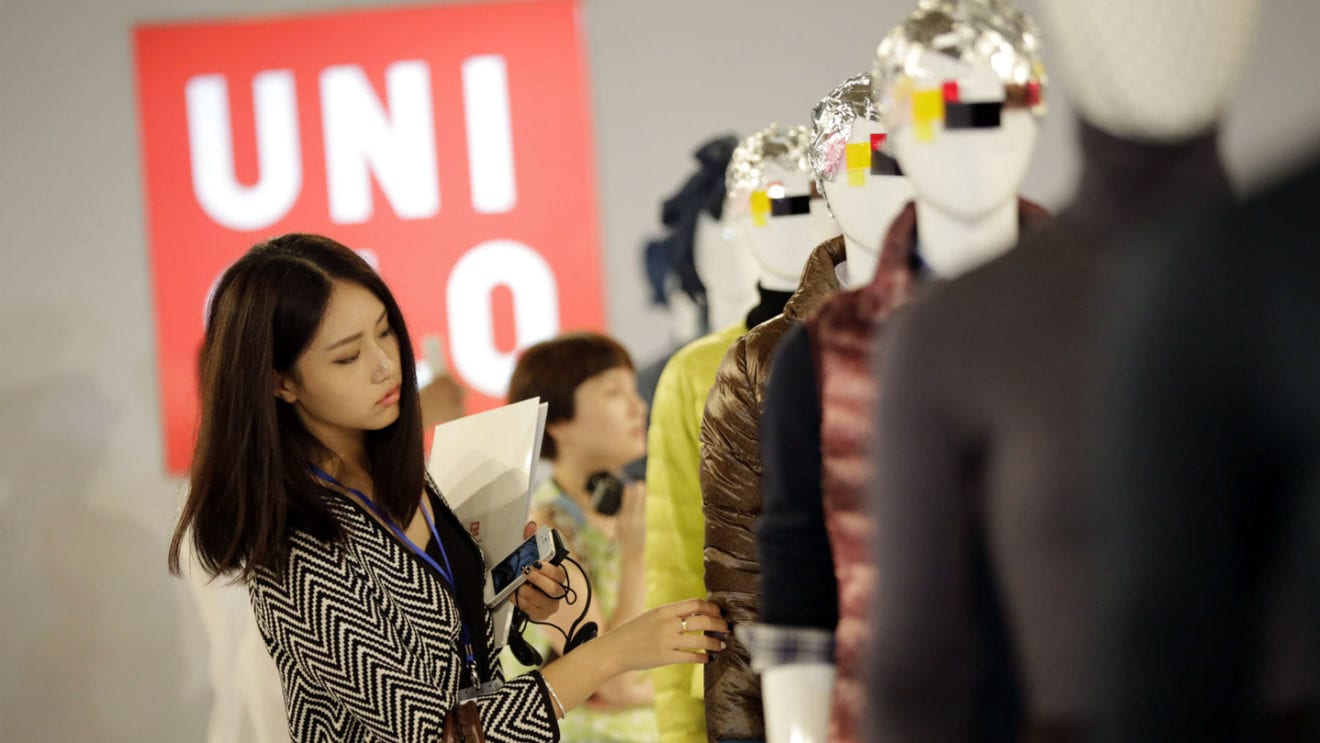
    Uniqlo opened the doors of its newest large-format store on Friday, in the historic and culturally significant neighborhood of Asakusa. The store follows the concept of “our neighborhood” and aims to support the area’s local businesses, residents, and artisans.

    With a selling area of more than 21,000 square feet, Uniqlo Asakusa also boasts one of the longest continuous store windows of any Uniqlo store. It is located in the heart of Asakusa, which prior to the COVID-19 pandemic was bustling with international tourists on any day of the week. The area is known for its historic pedestrian lanes lined with souvenir stores and leading up to Senso-ji, Tokyo’s oldest Buddhist temple and one of its most significant. It is also a district that hosts the workshops and stores of many traditional craftspeople, some of whom Uniqlo featured in various ways inside the store.

    The double-level main entrance to the store is dominated by a giant paper and wooden lantern, which was created by a local workshop and hand-painted with the Uniqlo logo. At nearly six feet per side, it was both the largest lantern the shop had ever created, as well as the first cubic one. In addition, signage used throughout the store was inspired by “senjafuda” votive strips that are a common sight at temples and shrines across Japan.

    Uniqlo also collaborated with local businesses on various products to mark the opening of the store. For example, small ceramic plates designed with traditional snack-maker Asakusa Tokiwado will be available for sale in limited quantities, while original teacups will be given to the first 3,000 customers to spend 5,000 yen or more during the opening weekend. There are also original UTme! stamps that are only available at the Asakusa store to use in customizing T-shirts and tote bags.

    Throughout the store, Uniqlo has highlighted products from local shops, from stationery to skateboards, encouraging customers to explore the neighborhood in order to purchase such items and discover others. Other features of the store include a larger than usual space where customers can try on and order tailor-made items, areas highlighting sustainability and fitting rooms that feature artworks by a local artist, and photographs of Asakusa from the past and present.