Tag: tokyo

  • Aqua City’s android has the answers

    Aqua City’s android has the answers

    Odaiba’s Aqua City waterfront shopping complex in Tokyo has an unusual lady on the third floor who waits patiently to answer visitor inquiries.

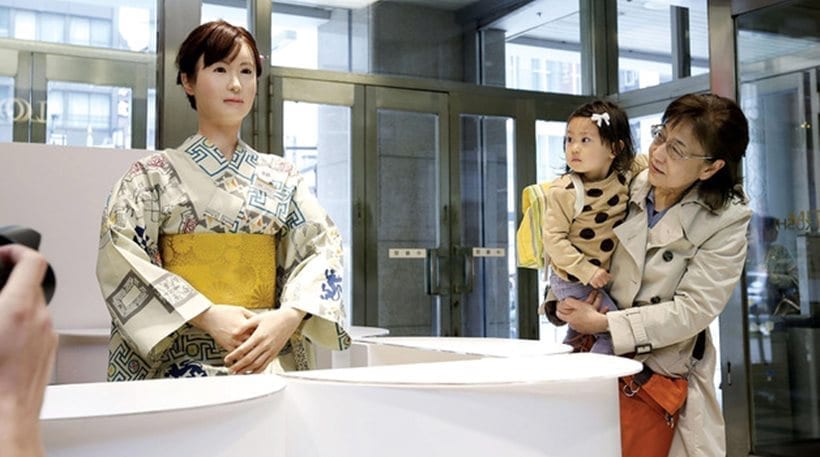
    Chihira Junco looks exactly like the type of polite, impeccably dressed and well-groomed staff attendant you’d find at a service desk in Japan, only she is not human at all – she is a robot, created by the Toshiba Corporation.

    Robot Japanese mal 1

    Junco gets her name from the fact she was “born” in June, reports Rocket News. Said to be 26 years old, she stands at 165cm and speaks Japanese, English and Chinese.

    Her facial features and hand movements draw large crowds daily. Next to her is an information desk staffed by three real-life female attendants who tend to be overlooked.

    Alongside the android at her desk is a futuristic device that lets visitors interact with her. A touch-screen panel displays options, and responds to mid-air “touch”, meaning customers do not have to actually touch any surface.

    Robot Japanese mal 2

    Once the selection has been made, Junco springs to life, offering guidance and directions in the language chosen, complete with lifelike gestures and a friendly smile. Visitors have a list of options for their inquiries, such as restaurants, transport access and tourist information.

    In the future, the company plans to have Junco respond directly to questions from customers rather than have them use a menu. They also hope to add more foreign languages, including Korean.

    When not responding to customer requests, Junco spends time speaking in Japanese, Chinese and British-accented English in rotation. On special holidays, like Christmas, she dresses up in appropriate outfits.

    * More photos here.

  • Ford expands recall of vehicles with defective Takata airbags

    Ford expands recall of vehicles with defective Takata airbags

    Ford Motor said it would recall about 1.9 million vehicles fitted with defective airbag inflators made by Japan’s Takata, in North America.

    Ford said on Wednesday that the affected vehicles include 2007-2010 Edge, 2006-2011 Fusion, 2005-2011 Mustang, 2007-2011 Ranger, 2007-2010 Lincoln MKX and 2006-2011 Lincoln MKZ, Zephyr and Mercury Milan.

  • Ugg Asia to take on new store concept

    Ugg Asia to take on new store concept

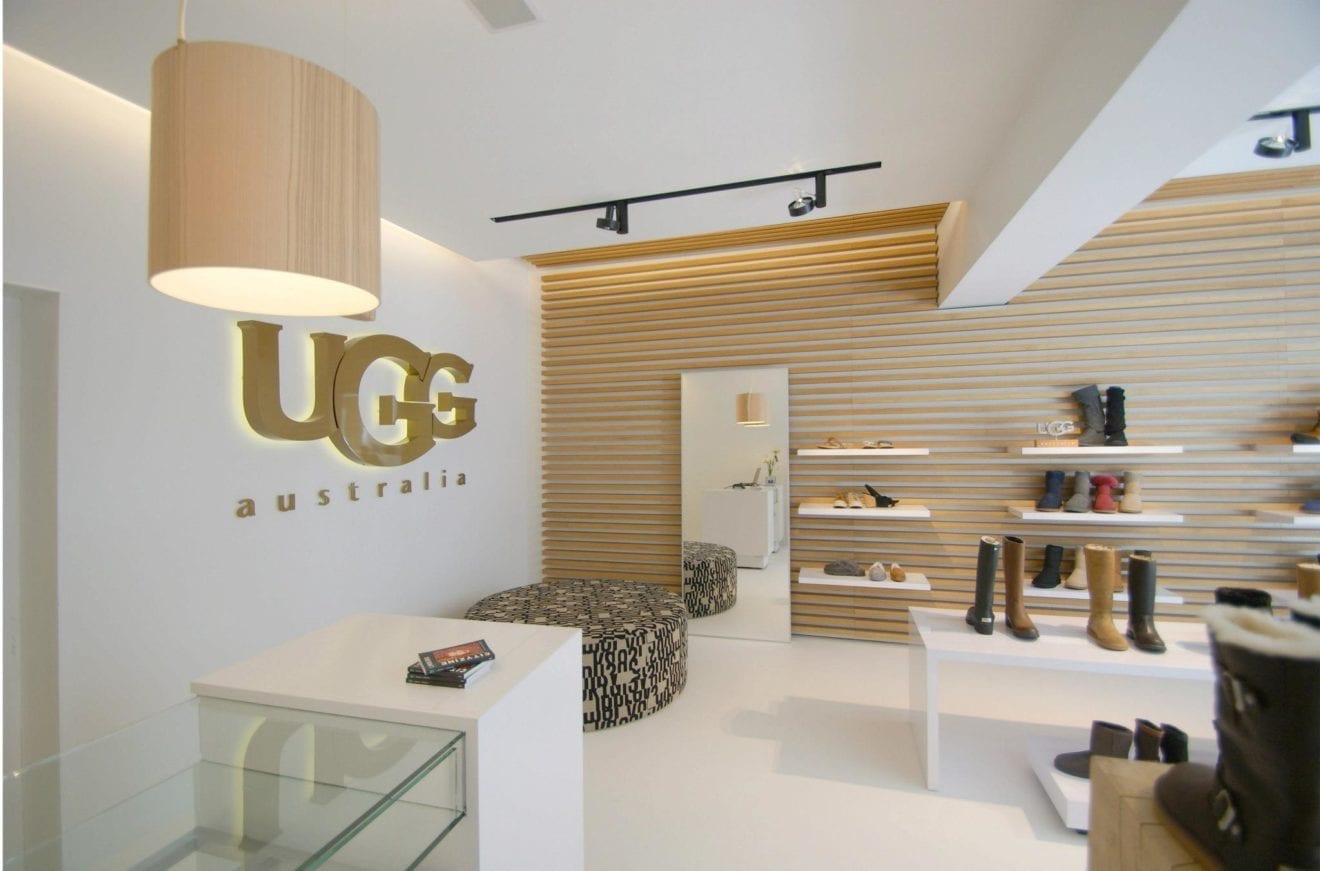
    American footwear retailer Ugg’s new global retail store concept – part of the brand’s largest re-launch in 37 years – will be introduced in Ugg Asia outlets this year.

    Coinciding with the 10th anniversary of Ugg’s New York flagship store in SoHo, the new 263 sqm retail concept store opened at Disney Springs, Walt Disney World Resort, Florida.

    The store was designed by Checkland Kindleysides to be scalable so it can fit different formats from wholesale to showroom spaces.

    The concept honours the footwear’s history, says Stefano Caroti of clothing/footwear giant Deckers Brands, which owns Ugg.

    UGG Disney Springs 1

    “The inspiration came from the Californian roots of the brand, its connections to nature and its modernist vibe – a sense of stylish living that’s both ‘off duty’ and ‘on air’,” says Checkland Kindleysides creative director Joe Evans.

    “The store offers a relaxing social environment that radiates the Ugg brand’s luxurious warmth, engages through sensorial brand storytelling and invites you to enjoy the good things in life with good people.”

    Meanwhile, the new look will roll out in Shanghai and Tokyo toward the end of this year.

  • eCommerce slows down international retail expansion

    eCommerce slows down international retail expansion

    Retailers are still looking for growth across borders, with Asia a particular interest to many. Nevertheless, high eCommerce investments have slowed down the international expansion, according to real estate consultant CBRE‘s “How Global is the Business of Retail?”‘s report.

    Hong Kong most appealing

    The annual study, in its 9th edition, analyzes 334 international retailers’ activities in 61 countries. In their quest for expansion, retailers target “established” shopping cities, according to the study. In at least 90 % of the cities, at least 1 new retailer appeared in 2015 (compared to 85 % of cities in 2014). 30 % of all markets in the study welcomed at least 10 new retailers.

    The top 20 of most popular cities for new retailers did feature some new cities: Asia is still the most important region in the top 10, with four of the five most attractive markets. Hong Kong was the most appealing market in 2015, with 73 new retail brands. Singapore is second with 63 newcomers, followed by Tokyo (57), Taipei (47), Moscow (40), London (39), Dubai (38), Beijing (37), Bucharest (35) and Doha (29).

    London is still the most international shopping city in the world, followed by Dubai, Shanghai, Hong Kong, Paris and Tokyo.

    Safeguard the right mixture

    CBRE expects international retailers’ attention to shift to growing cities in Africa and Latin America, especially if the economic situation in the East changes. Established markets like Germany, the United Kingdom, France, the United States and China seems to get priority over others, with retailers choosing a certainty over a gamble.

    International expansion is also slowing down slightly, a trend CBRE attributes to the fact many retailers have invested more in eCommerce platforms and multichannel environments. Retailers are looking at their store portfolio more diligently and are safeguarding the right mixture of locations. They will consider new formulas, like airport stores or stores in train stations.

    Shopping centers are also key for retailers looking to enter new markets. These will have to reposition themselves, in order to shift their focus to food, leisure or lifestyle.

  • Hokkaido dairy pop-up educates & engages

    Hokkaido dairy pop-up educates & engages

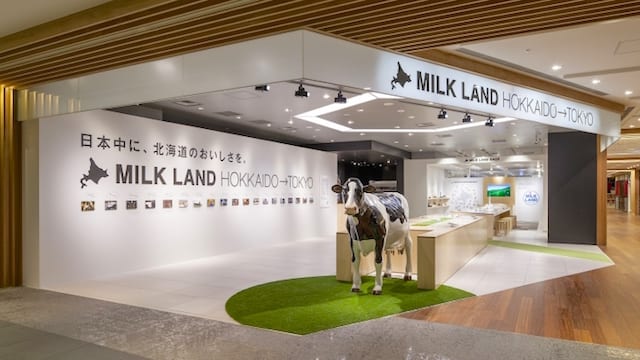
    With the idea that food needs to be tasted as well as its provenance explained, a Hokkaido dairy “pop-up flagship” shop was opened in Tokyo to introduce the brand.

    Over three months, Milk Land HokkaidoTokyo aimed to build the brand by letting consumers learn, eat and buy in the one space products from the Hokkaido dairy production area of Japan.

    MILK-LAND-HOKKAIDO-TOKYO-flagship-shop-by-Ryusuke-Nanki-Tokyo-Japan-06

    Central to the shop was an 18 metre wooden table where all three facets of the concept came together. Customers were able to learn about the dairy farmers and their products, and how the products are transported from the miniature farms to the city. They could also sample the products at the table, and buy from an inbuilt refrigerator.

    MILK-LAND-HOKKAIDO-TOKYO-flagship-shop-by-Ryusuke-Nanki-Tokyo-Japan-05

    The table was split by a green carpet leading to the cashier at the back of the store. Also at the back was a kitchen and a counter for desserts. Customers were able to combine various types of cream  from Hokkaido with cereals and sauce to create their own desserts (more than 300 combinations were possible).

    MILK-LAND-HOKKAIDO-TOKYO-flagship-shop-by-Ryusuke-Nanki-Tokyo-Japan-09

    More than 110,000 people visited the pop-up, which was designed by architects Ryusuke Nanki, Sachiko Abe and Mina Ueyama, with creative director/art director Segawa Hiroki and copywriter Ai Sakamoto.

  • Fast Food Aid Tokyo seeking for long term house

    Fast Food Aid Tokyo seeking for long term house

    After a short-term trial, a pioneering pill-store pop-up called Fast Food Aid is seeking a longer-term home in Harajuku, Japan.

    Billed as the “world’s first supplement shop for fast foods”, it offered free tablets to replace nutrients missing from convenience foods like hamburgers, pizza and ramen.

    Fast Food Aid Pop-up Japan 1

    All customers needed to do was trade in the receipt from their latest fast-food purchase. The pills come along with professional advice about the health issues associated with such foods.

    Fast Food Aid Pop-up Japan 8

    With the aim of educating people and discouraging them from choosing non-nutritional meals, the shop was designed by creative director Ikkyu and Junya Sato of design studio Kaibutsu on behalf of Dohtonbori, a restaurant that sells organic, healthy fast food, reports Dezeen.

    Fast Food Aid Pop-up Japan 6

    “This shop doesn’t look like other pharmacies, but the truth is it’s an educational supplement shop,” says Ikkyu. “We opened this shop in Harajuku, where there are a lot of young people who have bad eating habits.

    Fast Food Aid Pop-up Japan 4

    Fast Food Aid Pop-up Japan 3

    “Once they get in, they are surprised with the the supplements they have to intake and understand how bad their eating habit is.”

    The shop’s window featured pill pots lined in rows beneath an illuminated sign reading “For FREE”. Inside, long shelves with more containers are mounted against wire fencing along the side walls.

    Fast Food Aid Pop-up Japan

    The designers aimed to make the space feel as clinical, combining a street fell with a “mad laboratory” atmosphere.

  • MSGM new boutique in Tokyo

    MSGM new boutique in Tokyo

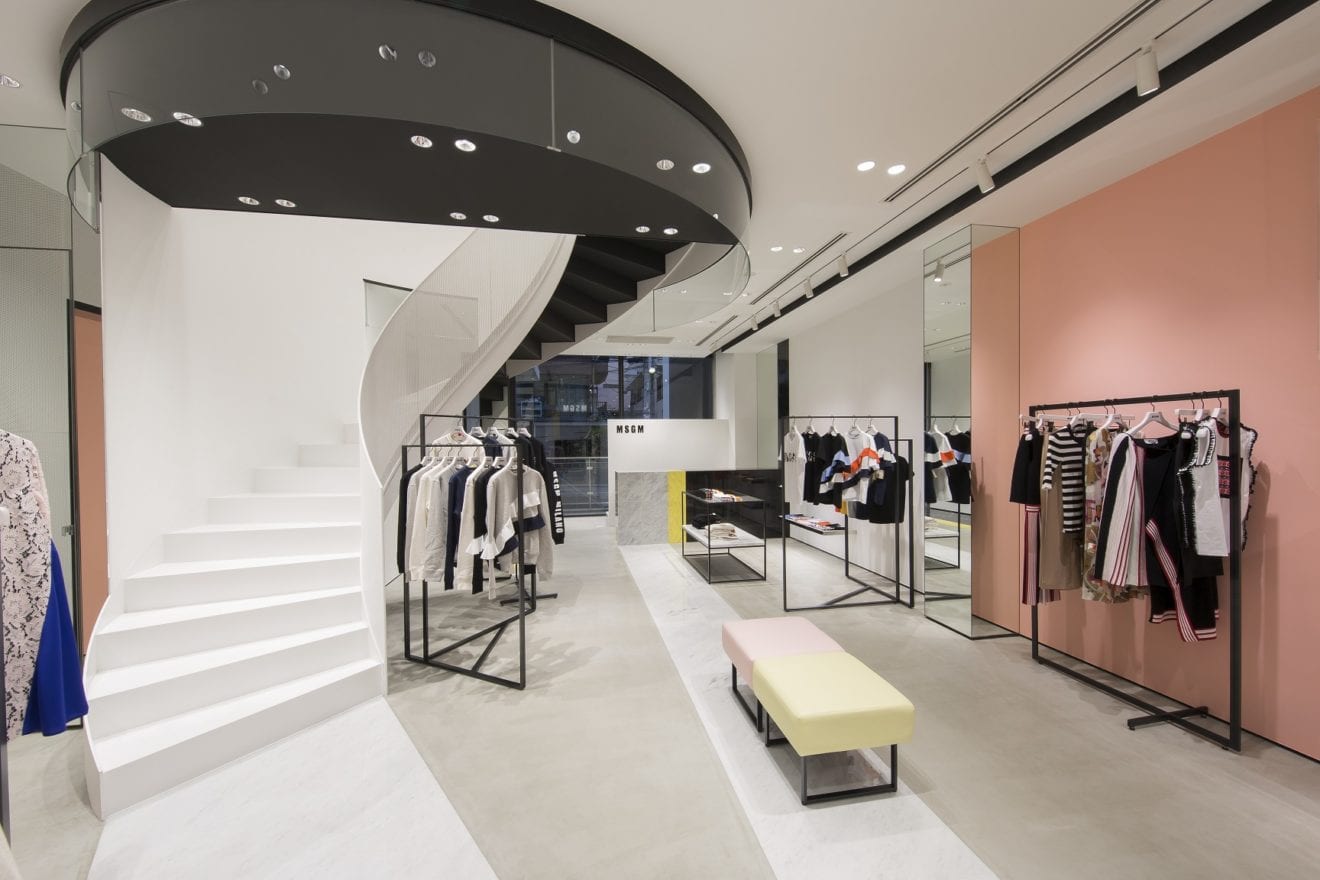
    Italian fashion label MSGM has opened its first boutique in Japan, in Tokyo’s Shibuya district.

    It is MSGM’s fifth monobrand shop in the world, again with its interior design concept being the brainchild of founder/creative director Massimo Giorgetti. He collaborated again with Milan-based architect studio CLS Architetti, as well as Tokyo studio Garde.

    Over two levels, the Tokyo store covers 2152 sq ft (199.9 sqm), and carries the brand’s men’s, women’s and accessories collections. It continues label’s street-style aesthetic with flexible iron structures and black-and-white marble surfaces with fluorescent yellow lines for exhibiting products.

    Another feature is geometrically shaped neon tubes on the ceilings, and there are two artworks, by Japanese-American artist Shingo Francis.

    MSGM’s other monobrand boutiques are in Singapore, Hong Kong, Milan and Dubai.

  • Japan’s biggest bank sees crucial role for Philippines

    Japan’s biggest bank sees crucial role for Philippines

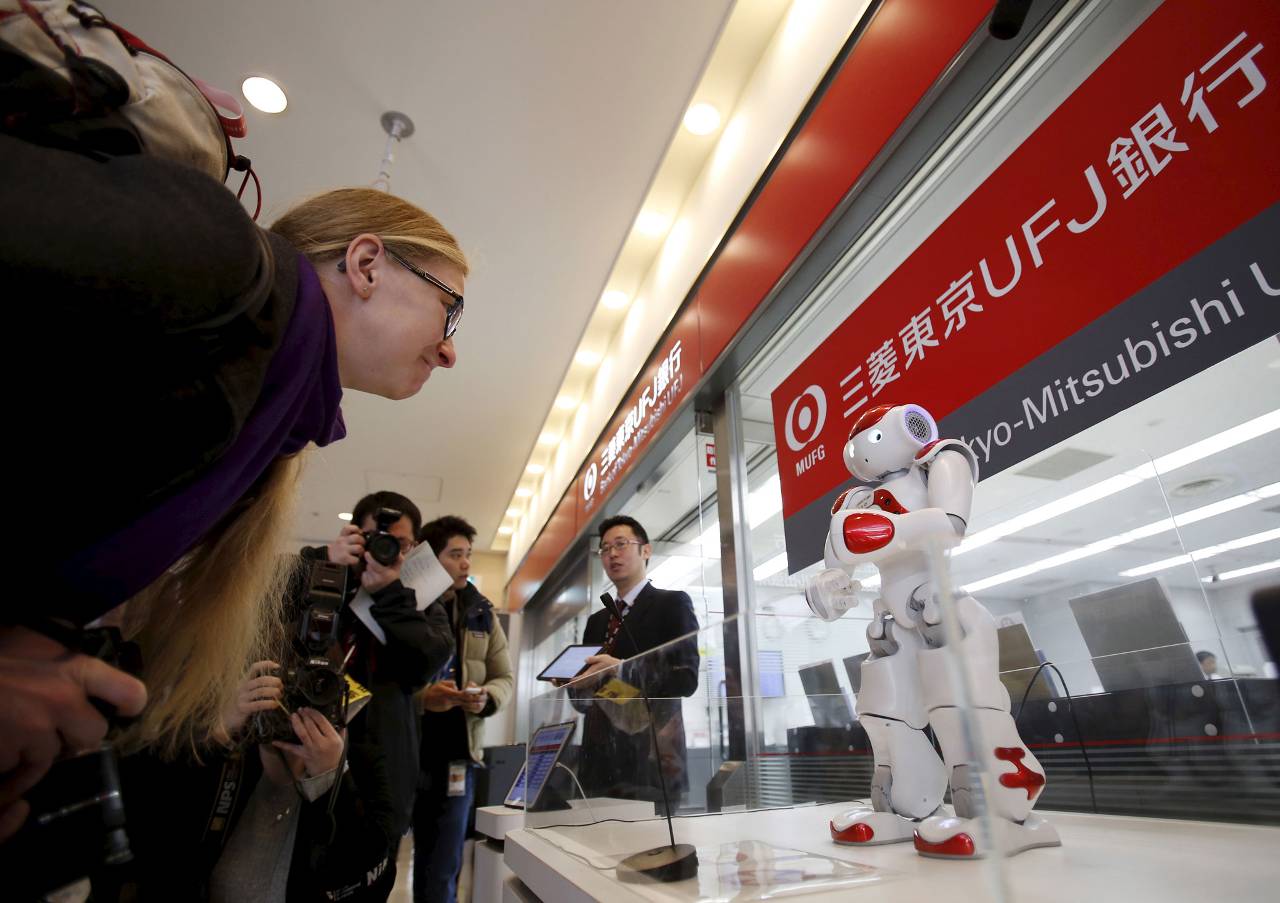
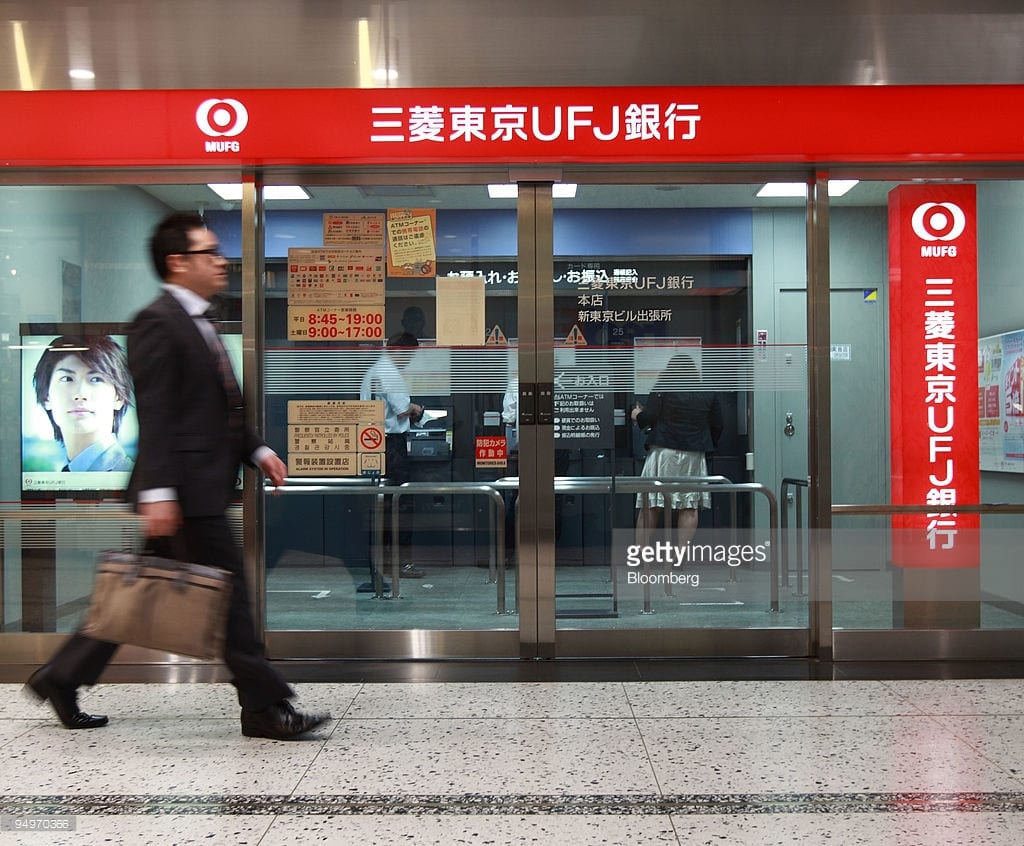
    Japan’s biggest lender Bank of Tokyo-Mitsubishi UFJ said the Philippine market plays a crucial role in its goal to become Asia’s Tier 1 financial institution.

    BTMU, which recently bought a 20-percent stake in the Philippines’ Security Bank Corp., said it envisions surpassing three of the biggest banks in Asia (HSBC, Citibank and Standard Chartered Bank) by 2020.

    “The Philippines is one of the most important markets for the bank because the economy is strongly performing, and many Japanese companies have been advancing in the Philippines,” Go Watanabe, BTMU chief executive officer in Asia and Oceania Region, told reporters in a roundtable discussion on Tuesday.

    “The Philippines is the missing part of BTMU. That is why we have decided to have a strategic alliance with Security Bank,” he added.

    Watanabe said its P36.9-billion investment in the local lender, which is also the biggest capital infusion to date in the Philippine financial market, is part of BTMU’s strategy to identify the right partners in high growth markets and to deepen its presence in organic communities.

    He said that with the partnership BTMU could now provide its strong base of Japanese customers with retail banking services using the local network of Security Bank.

    With BTMU’s diverse global network, it can also provide global corporates and Filipino companies with services such as project and trade financing, he added.

    For his part, BTMU General Manager Tadahiro Miyamoto, said that with the large consumer market in the Philippines, many Japanese firms are showing interest in expanding operations into the country.

    Potential for auto industry
    “There are many companies interested in the Philippine market. One is the retail segment such as food and apparels, but currently, probably the most interested segment is automotive,” he said.

    Miyamoto added that if the Comprehensive Automotive Resurgence Strategy (CARS) program of the government becomes successful, there are potentially many Japanese manufacturers and suppliers that would be producing car parts in the Philippines, which would create even more investment opportunities for the sector.

    Despite this, Watanabe said that encouraging more manufacturing firms to do business in the country is a bit challenging because of the lack of incentives and persistent gaps in infrastructure and power generation.

    “The challenge for the Philippines is how to encourage overseas companies, especially manufacturing, to invest in this country. In that respect, BTMU is willing to support the country to encourage them to invest more in the Philippines,” he said.

    “More than 100 million population is a good big market. If the government will think about good incentives, I think it will be a good chance for the Philippines to increase the entry of foreign direct investments, not only from Japan but also from other countries,” he added.

    Meanwhile, Miyamoto said improvement in other areas such as infrastructure, and the cost and reliability of electricity are also needed.

    “There are a lot of projects going on. We hope that those will be realized soon so that there will be more general support for Japanese companies to invest more here,” he said.

    Interested in PPP
    In this regard, Watanabe said the public-private partnership program (PPP) of the government, particularly in infrastructure, is necessary for the country.

    “Japanese companies are showing strong interest in participating in the PPP. BTMU as the best project finance bank, together with good peso liquidity from Security Bank, means our team is the best team to support the PPP and encourage Japanese customers to participate in the PPP. This will be very beneficial to this country,” he said.

    At present, Miyamoto said BTMU has no PPP investment yet, but the bank has been looking to participate in projects included in the pipeline.

    One particular project that the BTMU is interested in is the Clark Green City, which includes access and inter-city roads, a railway system, a mixed-use residential and commercial block, business district, industrial estates, schools and centers, government offices, and other facilities that would make up a major city.

    At full development, the city is estimated to accommodate some 1.12 million residents and 800,000 workers.

    “It is a very good project. It creates a lot of positivity for the Philippines and we will see what we can do,” Miyamoto said.

    Another project that can be considered by BTMU is the North-South Railways Project, Watanabe added.
  • Lotte opens 2nd duty-free store in Tokyo

    Lotte opens 2nd duty-free store in Tokyo

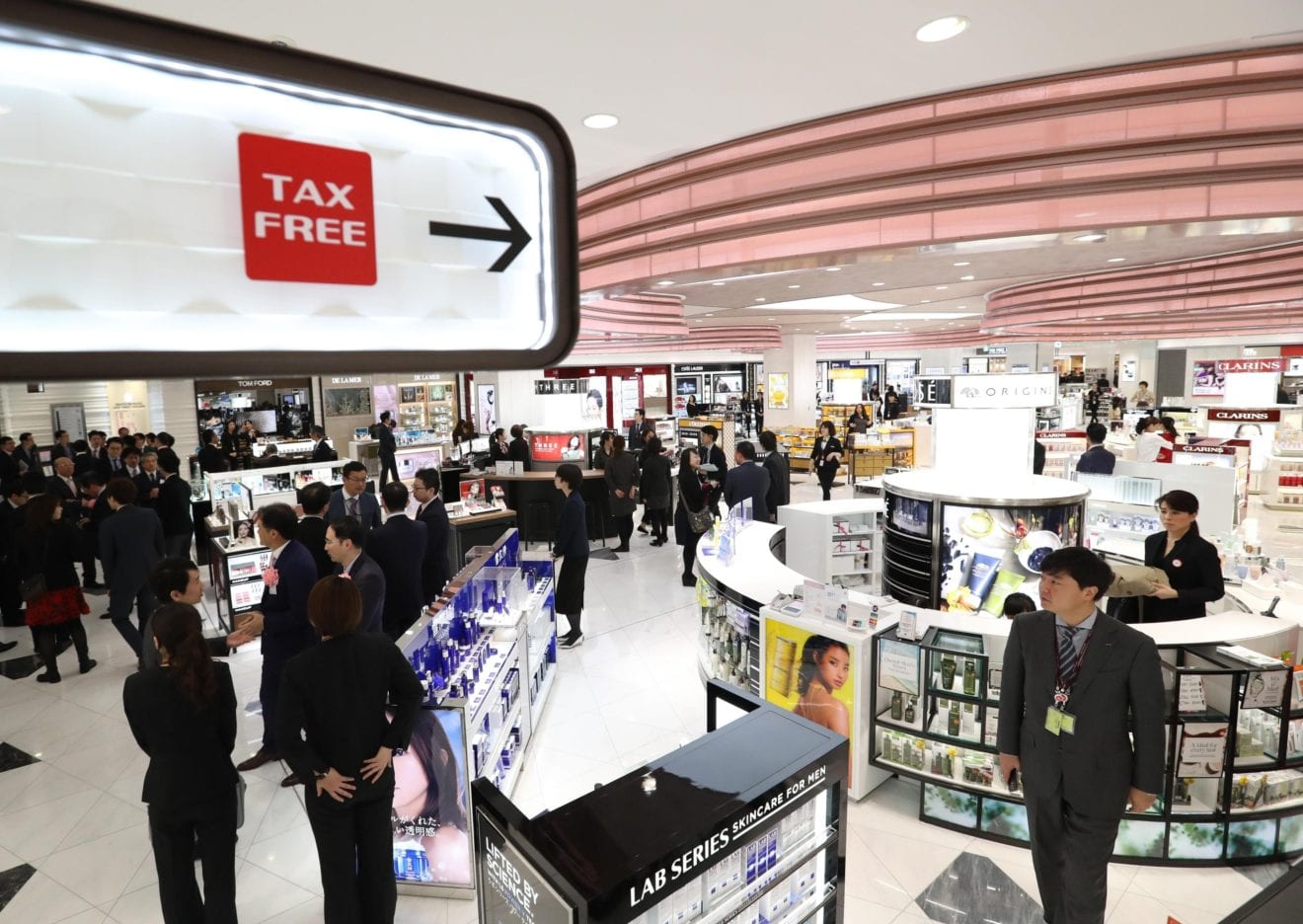
    Lotte Duty Free, South Korea’s No. 1 duty-free operator, opened a duty-free store in Tokyo on Thursday to target rising travelers, as part of efforts to expand its global presence.

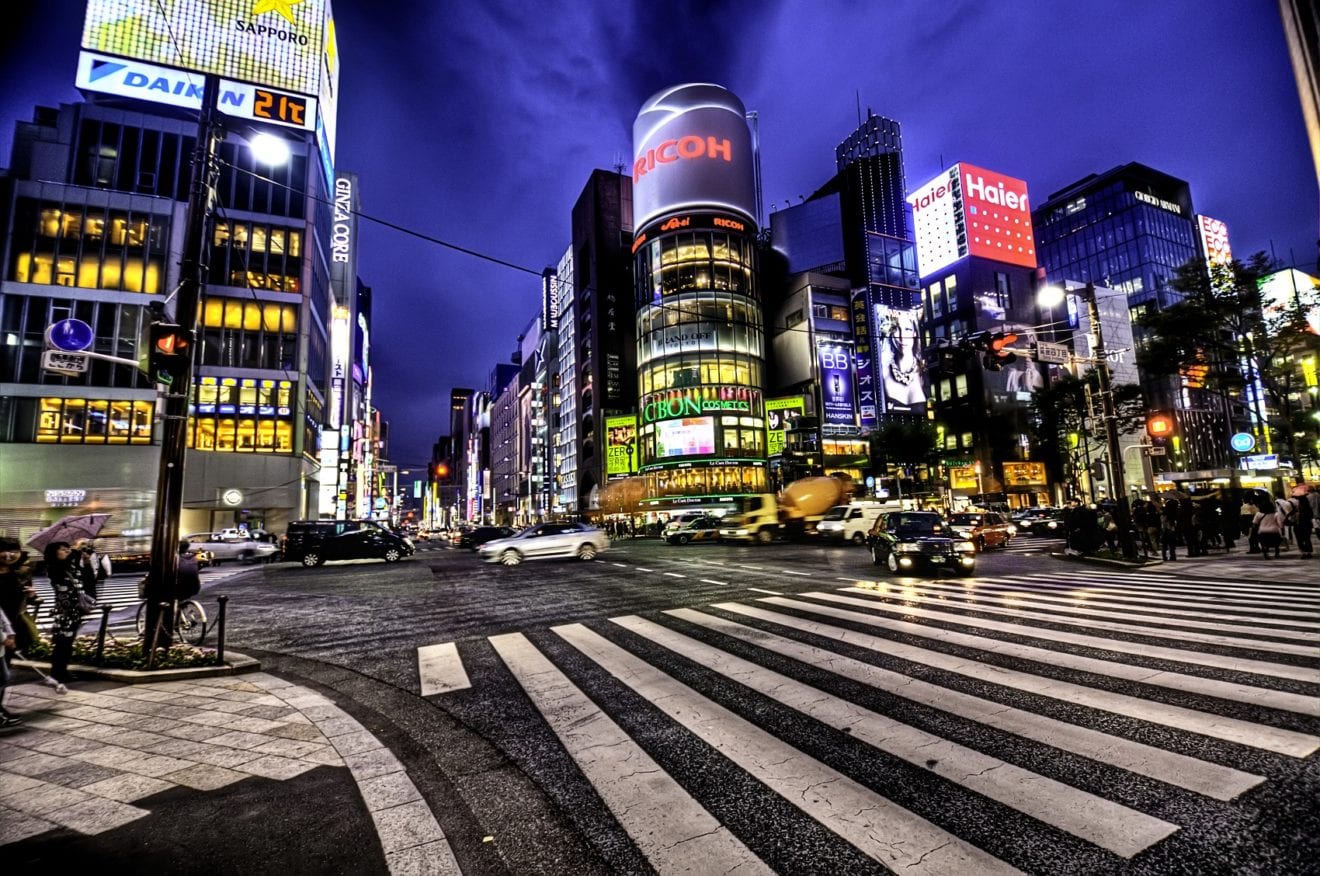
    The duty-free store opened in the upscale shopping district of Ginza, the second following one in the Japanese capital in late January.

    Lotte, the world’s No. 3 duty-free operator, said it will strengthen its brand competitiveness in Japan, which attracted a huge influx of Chinese travelers last year.

    Lotte chairman Shin Dong-bin and his family, including his mother, wife and son, attended the opening ceremony. His father and corporate founder Kyuk-ho and his elder brother and former vice president Dong-joo did not attend.

    The rare family gathering at a public event was seen as an effort to show internal unity as Lotte has been trying to improve its tarnished corporate image following a prolonged succession feud between the founder’s two brothers.

    “The duty-free business has created some noise in South Korea, but I hope it to do well,” Shin told Yonhap News Agency during the ceremony. “I think this store is better than I expected.”

    Lotte lost its duty-free license in Lotte World Tower in southern Seoul in a November bid, amid the family succession feud and criticism for its dominance in the domestic market.

    Shin said his company will open a new tax-free store in Thailand in June, and two more in Japan — Osaka in early 2017 and Fukuoka later that year.

    Lotte, the retail giant who runs businesses in Korea and Japan, said the new duty-free shop is targeting 150 billion won (US$131 million) in sales this year and it plans to open additional shops in Japan over the next decade.

    Foreign visitors to Japan hit a record high of 19.69 million in 2015, marking the first time since 1970 that inbound travelers surpassed those who headed abroad, according to the Japan National Tourism Organization. Koreans were the biggest tourist group to Japan by nationality, followed by Chinese with 3.78 million.

  • Lotte declares $860m Japan target at Ginza launch

    Lotte declares $860m Japan target at Ginza launch

    Lotte Duty Free anticipates that sales at its spectacular new downtown duty free shop in Tokyo’s Ginza shopping district will reach KRW150bn/$129m in its first year. At the opening today, the retailer also announced plans to open four to five stores in other regions in Japan and expects total sales from its stores in the country to grow to one trillion won ($860m) within a decade.

    The Korean-style duty free shop in Tokyo, Japan marks Lotte Duty Free’s entry to the country’s downtown market. A source at the company told us: “We will create a new paradigm for duty free in Japan as we have done in South Korea.”

    ‘STEPPING STONE’

    Today, the South Korean duty free and travel retailer went further by outlining its goal to become the world’s number one duty free player. Sunwook Jang, President of Lotte Duty Free (pictured above in the centre), commented: “Japan is rising as the biggest rival country (to Korea) in inviting Chinese tourists. By using the Tokyo Ginza store as a stepping stone, we will strengthen the brand competitiveness and advance the date of becoming the global number one duty free shop.

    “We will keep expanding (our) overseas stores, publicise the competitiveness of Korean products and grow together with the SMEs in the overseas market.”

    In a statement, the company goes on to say: “Lotte Duty Free plans to continuously expand overseas stores in order to let the world know the superiority of the Korean-style duty free shop and strengthen the competitiveness of the duty free industry in Korea.”

    Currently, Lotte Duty Free has overseas retail operations at Jakarta Airport and Jakarta downtown in Indonesia), Kansai Airport in Japan and Guam airport, and it is accelerating the expansion of new overseas stores in Bangkok, Thailand and Osaka, Japan. The company first entered the Indonesian market in 2012.

    GINZA HIGHLIGHTS

    The shopping district of Ginza attracts 20 million visitors per year and Lotte Duty Free’s store is claimed to be the biggest duty free shop in Tokyo at 4,396sq m in total area.

    The shop offers shoppers 300 brands in categories such as watches, jewellery, cosmetics, perfumes, electronics and accessories. Popular Korean brands like MCM, Whoo, IOPE, Mediheal and competitive Korean SME brands are expected to spread the K-beauty and K-fashion message more widely across the Japanese market.

  • Mitsubishi Estate to build Myanmar’s ‘Marunouchi’

    Mitsubishi Estate to build Myanmar’s ‘Marunouchi’

    Major real estate firm Mitsubishi Estate Co. is planning to start a roughly 50 billion yen (about $438,616,000) redevelopment project featuring office buildings, apartments and hotels in what is now a run-down district in front of a central train station in Yangon, Myanmar.

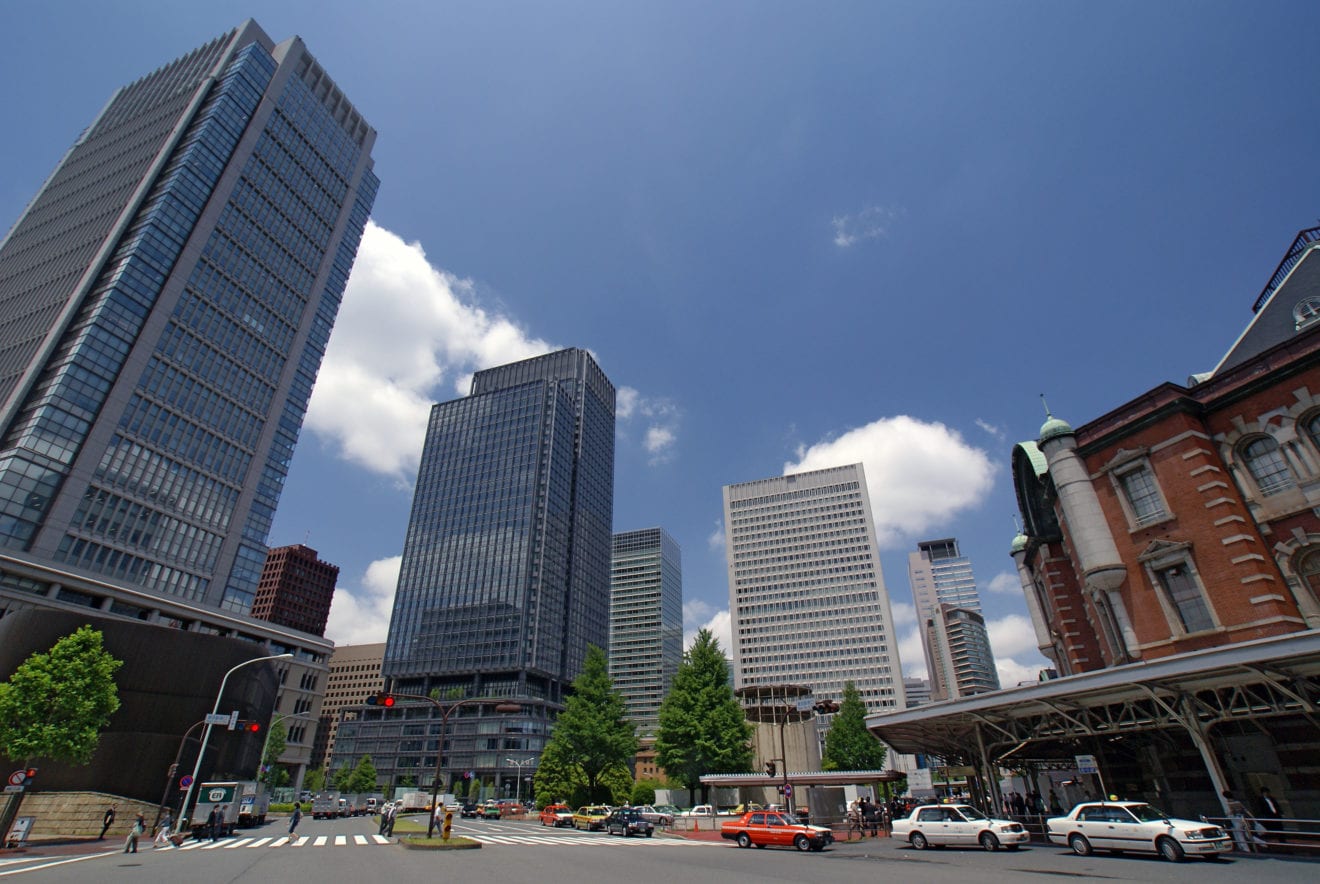
    Mitsubishi Estate plans to draw on its experience of developing Tokyo’s Marunouchi into a world-class business district to create a Myanmar version in Yangon. The company is also planning similar projects in other Southeast Asian nations.

    Mitsubishi Estate is looking into a 40,000-square-meter site(about 9 acres) in front of Yangon’s central railway station, which serves as a gateway to Yangon. The district is currently filled with dilapidated offices and other buildings.

    Mitsubishi Estate is working with Mitsubishi Corp. and a local real estate firm in Myanmar for the project, which is now under way, to build multiple high-rise buildings that will house offices, commercial facilities, apartments and hotel accommodations. The total project is estimated to cost about 50 billion yen.

    Myanmar is facing real estate development woes, including office shortages stemming from its rapid economic growth. The landscape of the Marunouchi district in front of Tokyo Station, which was rapidly developed from the Meiji era (1868-1912) through the rapid postwar growth period, has been cited as a good model for the Yangon development project.

    Marunouchi grew into a town that attracts many visitors as a gateway to Japan, home to the offices of leading companies as well as retail stores, restaurants and hotels.

    Mitsubishi Estate is aiming to work on similar development projects in other South Asian countries by promoting its approach to build complex facilities on prime urban real estate.

    “We will export our urban development system,” Mitsubishi Estate President Hirotaka Sugiyama told The Yomiuri Shimbun. “The Yangon project will be an opportunity to introduce our approach.”

    Investment in Myanmar has sharply risen since the country made its transition in 2011 from military rule to a democratic government.

    According to the Japan External Trade Organization, foreign investment in fiscal 2014 stood at $8 billion (about 940 billion yen) – twice as much as the previous fiscal year.

    Japan-affiliated firms have entered into business in Myanmar one after another during its economic expansion period. There are now more than 280 companies belonging to the Japan Chamber of Commerce and Industry, Myanmar.

    Buildings are rapidly sprouting up, concentrated in the Yangon area. There are also more and more businesspeople visiting Myanmar, resulting in expensive rent for office buildings even for Southeast Asia as well as relatively high hotel charges.

  • Moynat Tokyo store opens

    Moynat Tokyo store opens

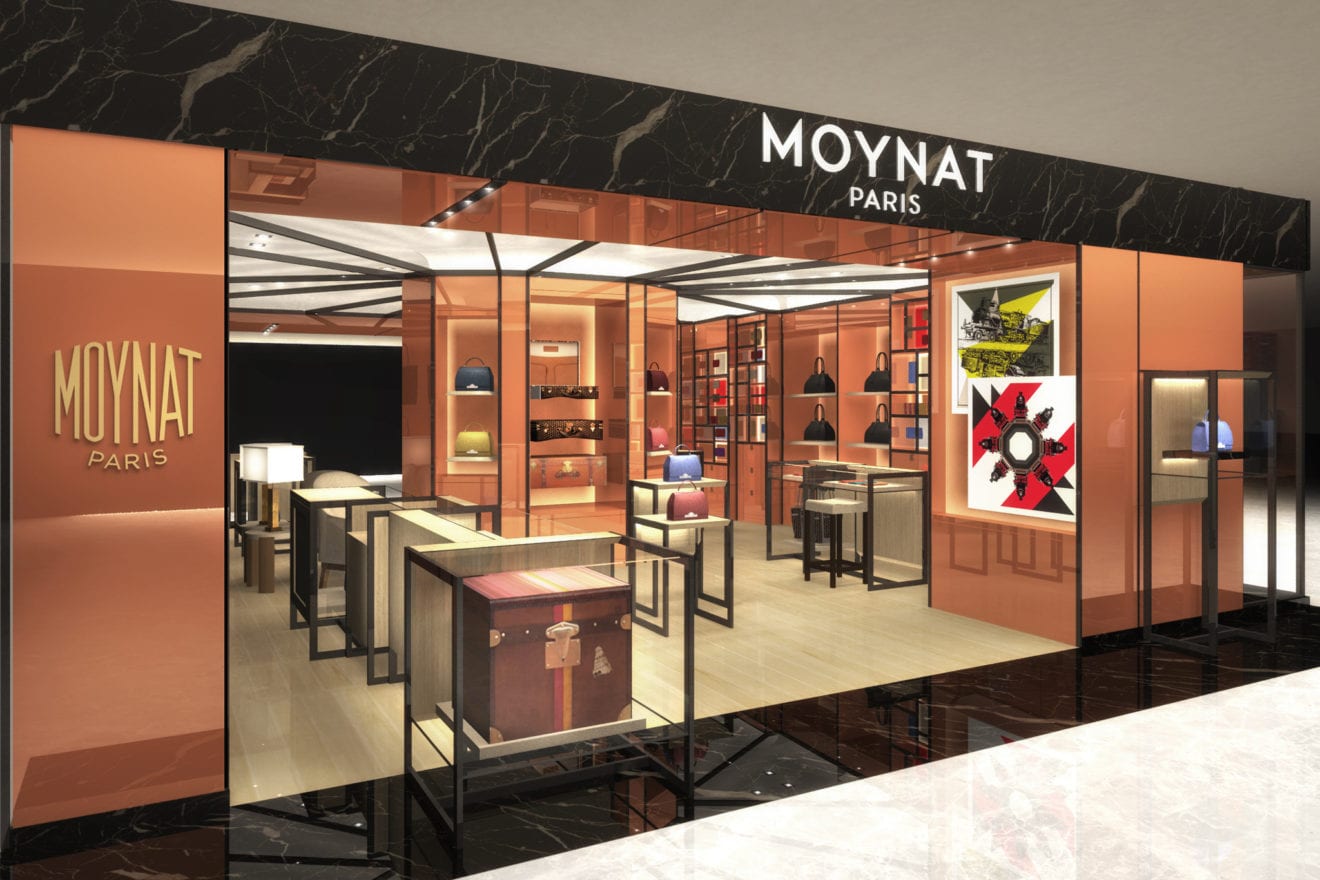
    French luxury trunk-maker Moynat is about to open its first store in Japan, with the ribbon to be cut by Japanese actress and singer Miho Nakayama.

    Moynat’s history goes back to 1849, when trunk-makers Octavie and François Coulembier opened their first atelier in Paris.

    After Paris and the Bon Marche, the house has established presences in London, Hong Kong and Beijing. Family holding company Groupe Arnault, which owns Moynat, aims to have stores in the 10 major cities of the world.
    The new 45 sqm Moynat Tokyo boutique was designed by local architecture firm Curiosity. It offers a fresh look, featuring vintage Moynat trunks – including its iconic vintage red-car trunk from 1925 – alongside current collections. it will be on the ground floor of the Seibu Department Store in Ikebukuro, the same floor as Louis Vuitton and Hermes (most other luxury brands are grouped on the store’s sixth floor).

    For its first two weeks, Moynat will present several workshops in painting and marquetry. Two creations will also be previewed, the Flower Bag and Charlotte Imagined by Ramesh Nair. These are small bags that are lightweight, refined and suitable for Japanese women to carry while wearing their kimono, says Moynat president Guillaume Davin.

  • Tyco Retail Solutions Opens New Office in Tokyo

    Tyco Retail Solutions Opens New Office in Tokyo

    Tyco Retail Solutions (www.tycoretailsolutions.com) is pleased to announce the opening of its new Tokyo office to meet the growing need for Store Performance Solutions in Japan, the world’s third-largest economy. As Japan-based multinational retailers are upgrading technology and expanding in Asia, Tyco is strengthening its presence to support retailers’ demand for new technologies, including RFID for which the adoption rate in Japan is ahead of other Asian markets.

    According to PwC’s report, “2015-16 Outlook for the Retail and Consumer Products Sector in Asia,” retail sales in Asia are expected to top U.S. $10 trillion by 2018. Japan, home to a number of internationally recognized designer brands, will remain a cornerstone of the global fashion industry. PwC reported that Japanese fashion continues to influence apparel and footwear trends in many other countries.

    Tyco has served the Japanese retail market for 45 years, focused on loss prevention solutions and customer relationships managed through certified business partners. Building on its success in the region, Tyco is reinforcing its RFID resources on the ground to support key retail global accounts.

    As the retail industry undergoes transformation, RFID has emerged as a critical, enabling technology for retailers competing in an omni-channel world and a cornerstone for the retail Internet of Things (IoT). Progressive retailers understand the critical role of RFID-based inventory visibility to maximize revenue, improve store operations, and meet the demands of today’s consumers. Tyco has seen significant momentum, not only in the number of retailers deploying RFID, but also in the number of stores and merchandise categories designated for RFID roll-outs. It is gaining increased value as an essential technology for solving inventory challenges.

    “The Tokyo site represents our continued investment in IoT technologies such as RFID, which helps deliver meaningful, tangible business benefits for our customers,” said Nancy Chisholm, President, Tyco Retail Solutions. “Our expansion in the region allows us to keep pace with their needs and deliver the quality solutions, products and services they have come to expect over the years.”

  • Lotte aims for $109m with new Osaka DWT store

    Lotte aims for $109m with new Osaka DWT store

    This new store will have a sales turnover target of W130bn ($109m) in the first year and will also complement Lotte’s existing small joint-venture retail presences at Kansai Airport and also at the Tokyo Ginza Mitsukoshi downtown store – as reported back in September 2014.

    Lotte Duty Free said it will now open its Osaka downtown duty free shop next year, as it also unveiled the basic details yesterday at a press conference alongside its partner, New Kansai International Airport Company and KAA, its Kansai Airport Agency retail subsidiary company.

    The new 4,400sq m store will be located on the sixth and seventh floors of the Big Camera Namba, in Namba, Osaka and will feature ‘global luxury brands, cosmetics, perfumes, fashion accessories’.

    Lotte said that the attraction of Osaka’s Namba district is its large transient population where shopping malls and restaurants that tourists prefer are ‘concentrated’.

    For its part, the NKIAC Company said it is working with Lotte because it is a major player. The company said: “Lotte Duty Free is the leading duty free company in Korea; [it] is equipped with the successful know-how and experience in operating downtown duty free shops as a global top three duty free shop [player]; and is the duty free shop brand which Asian customers like the most.”

    Sunwook Jang, President of Lotte Duty Free added: “Based on the successful experience to operate the duty free shops in Korea, we are expanding our shops in Asian countries like Japan, Thailand and Indonesia.

    “We will do our best to globalize the Korean duty free shop by global expansion, to help the Korean brands to expand overseas and to induce foreign tourists to Korea by making connection with the stores in Korea.

  • Top Japan bank buys 20% of Security Bank

    Top Japan bank buys 20% of Security Bank

    Bank of Tokyo-Mitsubishi UFJ Ltd., Japan’s biggest bank, is buying a 20 percent stake in the Philippines’ Security Bank Corp. in a deal expected to expand both institutions’ market reach.

    Security Bank Corp. said the deal would infuse an additional P36.9 billion in capital with BTMU investing in newly issued common and preferred shares. The sale remains subject to regulatory approvals and other conditions.

    Described as the largest equity investment in a Philippine financial institution by a foreign investor, the stake sale will increase Security Bank’s shareholder capital from P52.4 billion as of September 2015 to P89.3 billion on a pro-forma post-transaction basis.

    “The additional capital will help us accelerate our strategy over the next three to five years of building our retail banking business as a third business pillar alongside wholesale banking and financial markets,” said Alfonso Salcedo Jr., Security Bank president and chief executive officer.

    Salcedo said the bank would be able to scale up its branch network much faster, from the current 262 to more than 500 branches by 2020.

    “We will be able to conveniently serve our customers with a larger network, offer them a comprehensive range of financial services, as well as make inroads into the Japanese business sector, tapping on BTMU’s expertise,” he added.

    The strategic partnership will result in BTMU, the commercial banking entity of Mitsubishi UFJ Financial Group, becoming the second largest shareholder of Security Bank.

    BTMU will be appointing two directors to Security Bank’s board, while Security Bank will become an equity affiliate of BTMU.

    The Dy Group will remain as the biggest shareholder of Security Bank with majority voting control.

    Through the partnership, BTMU aims to establish a comprehensive financial service platform, including retail banking, to meet clients’ needs in the Philippines. It has adopted similar equity alliance deals in Asia including Vietnam.

    Seeking to take advantage of the fast-growing Philippine market and the economy’s attractive fundamentals, BTMU expects to expand its business platform indirectly through the investment in Security Bank, which is known for its retail and small and medium business capabilities that will be new business areas for BTMU in the country.

    “BTMU has been focusing on Asia as one of its core markets for growth. It is a strategic intent for the bank to identify the right partner in the higher growth markets like the Philippines to deepen our presence, including through inorganic means,” said Go Watanabe, chief executive officer of BTMU for the Asia and Oceania region,
    “This strategic partnership with Security Bank reinforces our Asia strategy and enables both parties to offer more comprehensive financial services to a wider range of customers in the Philippines. We believe in Security Bank’s growth strategy and are keen to play a role and be part of its transformational journey, “he added.

    For Security Bank, the partnership with Japan’s largest banking group is expected to enhance shareholder value by accelerating the bank’s growth strategy, including the
    expansion of its branch network and increasing its retail market penetration.

    It also expects to tap BTMU’s extensive relationship with Japanese corporates, its global network, and diverse range of functions and expertise within MUFG.

    “We are elated to have BTMU as a strategic shareholder and business partner. The transaction will position Security Bank as a large independent bank supporting the growth of the Philippines’ economy, with the strength and capabilities to compete with other larger financial institutions,” said Alberto Villarosa, Security Bank chairman.