Tag: tokyo

  • Minecraft Workshops Reconstruct Pre-Atomic Bombing Cities in Japan

    Minecraft Workshops Reconstruct Pre-Atomic Bombing Cities in Japan

    University students in Japan are using the popular video game Minecraft to educate children about the appearance of Hiroshima and Nagasaki before the atomic bombings of August 1945. These workshops aim to help participants grasp the scale of loss and destruction caused by the nuclear attacks.

    Misaki Katayama, a 27-year-old graduate student at the University of Tokyo specializing in peace education, initiated these two-day workshops in Hiroshima and Nagasaki in 2023. The program targets elementary school students from fourth to sixth grade, tasking them with digitally rebuilding the pre-bombing cityscapes.

    Rebuilding History Through Gaming

    Participants utilize historical maps, photographs, and video footage to reconstruct significant areas within Minecraft, a game renowned for its block-building virtual environment. For instance, a workshop held in Hiroshima on August 4 and 5, 2023, saw students meticulously recreate the district where Hiroshima Peace Memorial Park now stands, including a temple and a kindergarten that were once part of the bustling neighborhood.

    Katayama’s inspiration for the project arose six years ago after an atomic bomb survivor (hibakusha) recounted an elementary student’s comment, “It was lucky that the atomic bomb was dropped on a park.” This statement highlighted a critical gap in understanding, as the student was unaware that the park site was once a vibrant, densely populated area. Katayama noted that as time passes, it becomes increasingly challenging for people to visualize the pre-bombing cities.

    Understanding Loss and Reality

    The workshops are structured to offer a comprehensive learning experience. On the first day, students gather historical information, plan their reconstructions, and build the cityscapes in Minecraft. This activity allows them to experience how long it takes to build a city and how quickly it can be destroyed. The second day transitions to a more somber reflection, where participants view images of hibakusha immediately after the bombing and listen to survivor testimonies. This segment helps them understand the stark reality of the attacks and their transformative impact.

    While digital technology can significantly broaden understanding of historical urban environments, Katayama acknowledges the challenge of ensuring participants remain focused on the educational objective rather than merely the game’s building aspect. She mitigates this by beginning workshops with a moment of silence for atomic bomb victims, emphasizing the gravity and respect required for the subject matter. Katayama believes these digital tools can stimulate imagination and encourage deeper reflection on the atomic bombings and the lives affected.
  • No-Frills Noodles See Surge in Japan as Consumers Seek Value Amid Rising Prices

    No-Frills Noodles See Surge in Japan as Consumers Seek Value Amid Rising Prices

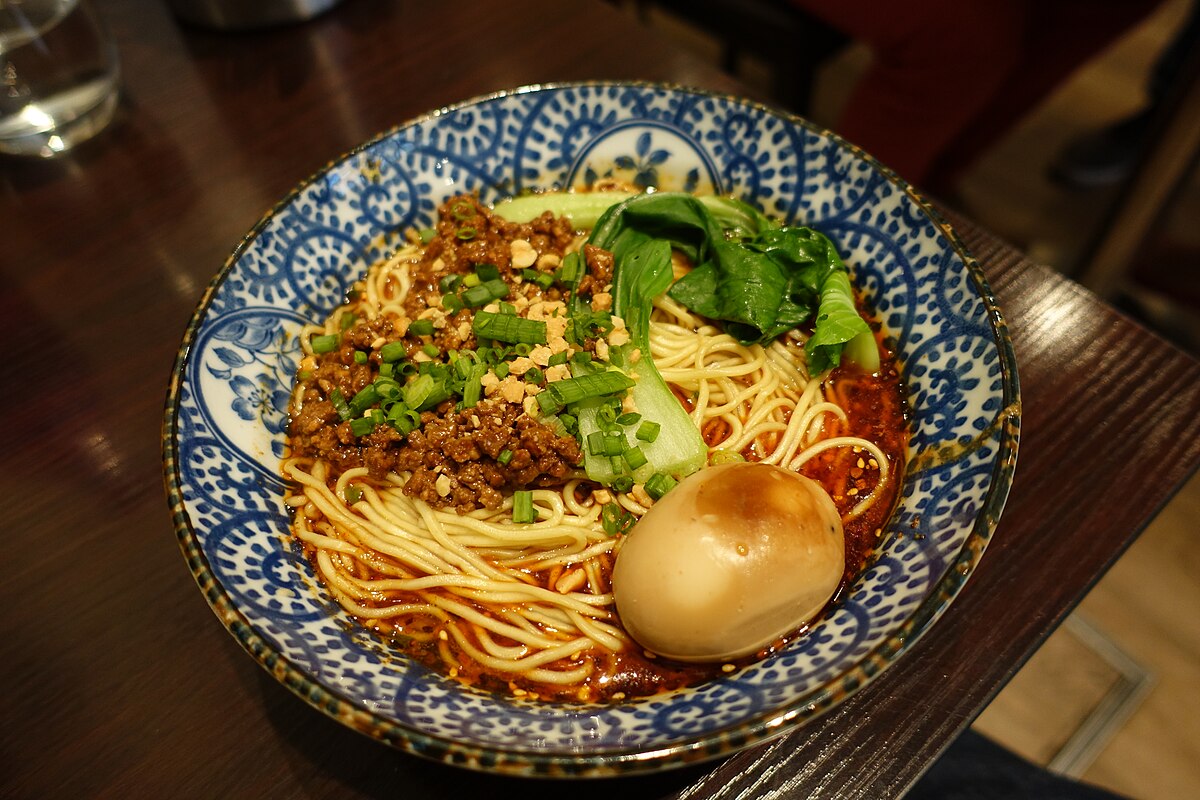
    Major Japanese convenience store and supermarket chains are significantly increasing their offerings of no-frills noodle products. This strategic shift aims to cater to consumers actively seeking more affordable food options as inflation continues to impact household budgets across the nation.

    Lawson, a prominent convenience store operator, introduced two types of frozen noodles without toppings in late June 2026, priced at ¥297 (US$1.90) each. This represents a more than 20% price reduction compared to its existing frozen noodle products that include toppings. The company had previously found success with a line of cup noodles without toppings launched in October 2024, which sold over 5 million units due to their focus on quality broth and customizability.

    Retailers Adapt To Shifting Consumer Habits

    Kanako Ochi, an official in Lawson’s product division, highlighted the importance of responding to evolving consumer needs as shoppers become more budget-conscious. The expansion of no-frills options allows the company to offer new product angles while maintaining competitive prices. Similarly, supermarket giant Aeon began selling fried noodles without toppings such as pork and cabbage in April 2025. This product, priced at just ¥320, contains three times the noodle quantity of its standard fried noodle offering.

    Initially launched in select regions, including the Tokyo metropolitan area, the no-frills fried noodles proved immensely popular, selling ten times more than anticipated. This success prompted a nationwide rollout. An Aeon spokesperson attributed the strong performance to consumers appreciating the cost benefits during a period of increased cost of living. Following this, Aeon also launched topping-free soba noodles in July 2026, featuring double the quantity of its regular product.

    Inflation Drives Demand For Value

    The trend towards value-focused products underscores the ongoing impact of inflation in Japan. According to research firm Teikoku Databank, approximately 18,000 products have either seen price increases this year or are slated for increases by November 2026. This pervasive inflationary environment is expected to ensure the continued popularity of no-frills options among Japanese consumers. RetailNews Asia observes this trend as indicative of broader shifts in consumer spending across the region, where economic pressures often lead to a renewed focus on essential, value-driven purchases, prompting retailers to innovate their product portfolios to meet these demands.

  • Pacific Bluefin Tuna Quota Sees 25% Increase

    Pacific Bluefin Tuna Quota Sees 25% Increase

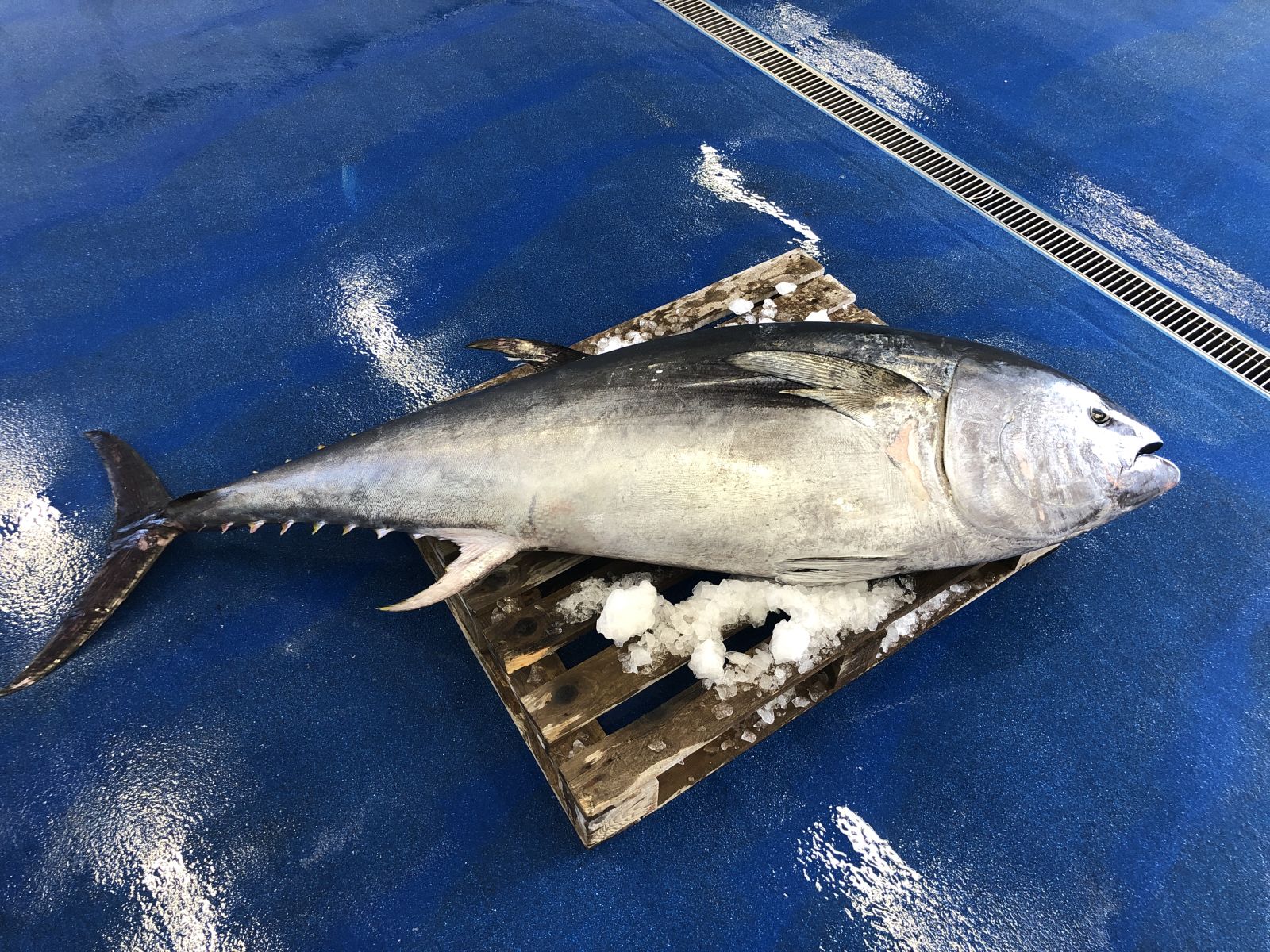
    International delegates have approved a 25% increase in the catch quota for Pacific bluefin tuna weighing at least 30 kilograms. This agreement, reached during an online conference on Tuesday, August 18, 2026, will primarily affect fishing in the Central and Western Pacific regions.

    The decision follows Japan’s persistent efforts to expand the quota, a proposal that faced initial resistance from Mexico. After bilateral discussions, Mexico eventually endorsed the plan, paving the way for the new limits.

    Quota Adjustments Detailed

    Under the new agreement, the annual quota for large bluefin tuna in the Central and Western Pacific will rise to 14,836 tons for fiscal years 2027 and 2028. This marks a significant increase from the current 11,869 tons. Conversely, the quota for smaller tuna, weighing less than 30 kilograms, will see a 6% reduction, settling at 4,823 tons.

    The Eastern Pacific, an area closer to Mexico, will also experience a minor increase in its catch quota, moving from 7,581 tons to 7,740 tons. These changes reflect a delicate balance between sustainable fishing practices and the economic demands of the fishing industry.

    Impact on Asian Markets and Retail

    Japanese fishers have reported robust catches in their operating areas, often facing challenges in adhering to previous quota caps. The expanded limit addresses their calls for greater flexibility, which previously led to scaling back operations or releasing perfectly good catches to comply with regulations. This adjustment could lead to more stable supply chains and potentially impact prices for tuna in Japanese and other Asian retail and food service markets, where bluefin tuna is a highly sought-after delicacy.

    The agreement underscores the ongoing efforts to manage global fish stocks, balancing conservation with economic realities for countries reliant on the seafood industry.

  • Googles Largest Global Store Debuts in Tokyo: A Fusion of Retail, Tech Experience, and Customer Service

    Googles Largest Global Store Debuts in Tokyo: A Fusion of Retail, Tech Experience, and Customer Service

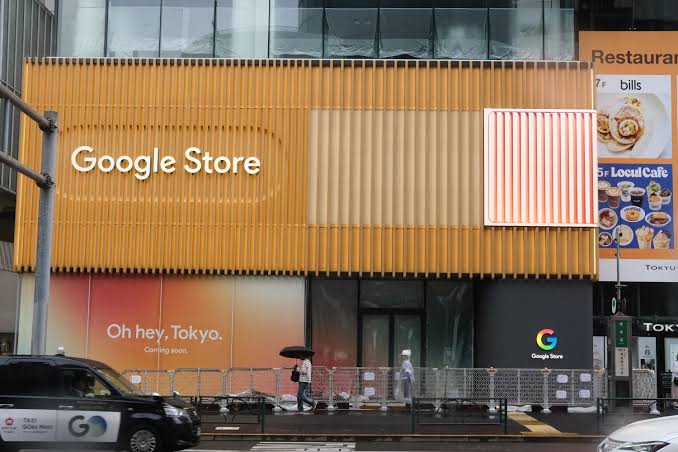
    Google has launched its first direct-to-consumer store outside of the United States, situated in Tokyo. Marrying product sales, hands-on experiences, and customer service, this concept provides a comprehensive retail experience for both potential customers and tech enthusiasts alike.

    Google’s Innovations on Display

    The location, known as Google Store Omotesando, opened its doors on August 13th at Tokyu Plaza Omotesando ‘Omokado’. The establishment is Google’s 11th store worldwide and stands out as its most significant. Spanning three floors, it serves as a platform to showcase Google’s latest hardware devices. The store features the Pixel 11 series smartphone, Pixel Watch, Fitbit wearables, Google Home devices, and other related accessories.

    Google Store Omotesando’s design transcends traditional retail boundaries by offering customers the chance to directly interact with Google’s innovative technology and AI capabilities. The store’s second floor comprises the Pixel Studio, an interactive area that allows visitors to delve into an array of AI-powered experiences. One of the store’s distinguishing features is Project Genie, a research prototype capable of generating 3D virtual worlds from textual prompts.

    The new outlet also functions as a pick-up point for online purchases made through Google Store, thereby bridging the gap between physical and online retail experiences.

    A Milestone for Google in Japan

    The opening of the store coincides with the 25th anniversary of Google’s operations in Japan. Google first ventured overseas in 2001, setting up its inaugural office in Tokyo. This latest addition to its global retail presence underscores the significance of the Japanese market in Google’s ongoing growth strategy.

    Questions & Answers

    What is unique about the new Google Store in Tokyo?
    The store merges product sales, hands-on experiences, and customer service. It also allows visitors to interact with Google’s technology and AI capabilities.

    What products are available in the Google Store Omotesando?
    The store showcases Google’s newest hardware, including the Pixel 11 series smartphone, Pixel Watch, Fitbit wearables, and Google Home devices and accessories.

    What milestone does the opening of Google’s Tokyo store represent?
    The opening marks the 25th anniversary of Google’s operations in Japan, illustrating the importance of the Japanese market to the company.

  • Lululemon Debuts in Japan with Innovative Flagship Store in Tokyos Fashionable Harajuku District

    Lululemon Debuts in Japan with Innovative Flagship Store in Tokyos Fashionable Harajuku District

    Lululemon, the well-known Canadian athleisure brand, is set to break into the Japanese market with its first flagship store in Harajuku, Tokyo. The store is scheduled to open on August 19, marking a significant milestone for the brand’s international expansion.

    Lululemon’s Harajuku Connection

    The choice to situate their flagship store in Harajuku district, a melting pot of fashion and community spirit, was a strategic move by Lululemon to align with the brand’s identity. The brand expressed how the unique blend of history, culture, creativity, and freedom in Harajuku and Jingumae districts echoes the core values of Lululemon, which include movement, connection, and community. The brand’s appreciation for the diverse cultural energy in Harajuku, the historical significance of Meiji Jingu Shrine, and the vibrant vivacity of Yoyogi Park, is reflected in the ethos of their new store.

    The Harajuku flagship store will feature artwork inspired by the local culture and landmarks such as the Meiji Jingu Shrine and Yoyogi Park. This distinctive artwork, a result of collaborations with local artists, will add an authentic touch of the locale to the store.

    A Unique Shopping Experience

    In addition to offering their signature athleisure line, the store will also provide a unique shopping experience with a personalization service exclusive to the Harajuku store. Customers will be able to customize select products, such as embossing on the Everywhere Belt Bag and engraving on the Back to Life Sports Bottle.

    Stewart Tudor, President of Lululemon Japan, stated that the flagship store is not just a retail outlet, rather it aspires to be a community hub that fosters connections, ideas, and inspiration.

    Questions & Answers

    What is unique about Lululemon’s Harajuku store?
    The Harajuku store will incorporate artwork inspired by local culture and landmarks, created in collaboration with local artists. This store will also offer a unique personalization service for select products, exclusive to this location.

    What does Lululemon’s new store aim to be?
    According to Stewart Tudor, President of Lululemon Japan, the store aims to be more than a retail outlet. It aspires to function as a community hub that connects people and ideas, fostering new inspiration and possibilities.

    Why did Lululemon choose Harajuku for its first Japanese store?
    Harajuku and Jingumae districts are known for their unique blend of history, culture, diverse creativity, and free self-expression. These qualities align with Lululemon’s core values of movement, connection, and community, making it an ideal location for their flagship store.

  • Onitsuka Tiger Unveils Worlds Biggest Flagship Store in Tokyo, Offers Immersive Retail Experience

    Onitsuka Tiger Unveils Worlds Biggest Flagship Store in Tokyo, Offers Immersive Retail Experience

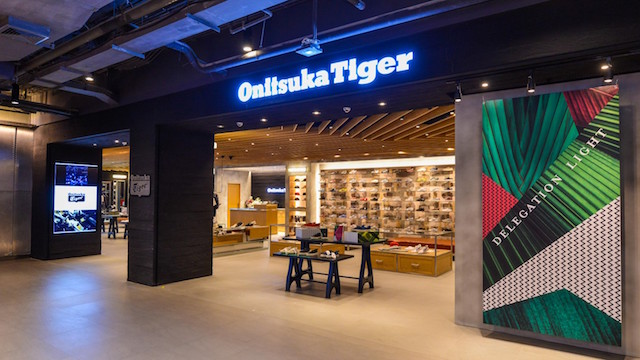
    Onitsuka Tiger, a renowned Japanese fashion label, has inaugurated its most expansive flagship store globally in Tokyo’s Shinjuku district. This notable move precedes the brand’s impending transformation into a distinct, independent subsidiary.

    The flagship outlet, sprawling over 1837 square meters and distributed across four floors, provides a comprehensive display of Onitsuka Tiger’s product collection. This includes their Heritage line, the Contemporary range that spotlights runway collections from the prestigious Milan Fashion Week, and The Onitsuka formal footwear series.

    Unique to this store is the brand’s debut in-store entertainment area, alongside proprietary merchandise and engaging retail experiences. The store’s design, masterminded by the Milan-based Studio Dini Cataldi, incorporates a ‘vertical narrative’ theme. Each floor distinctly showcases a variety of materials, hues, and aesthetics, derived from a fusion of Japanese artistry and Italian design elements. The building’s defining architectural feature is its Tiger Yellow concrete facade.

    Onitsuka Tiger aspires for their outlets to serve as destinations where visitors can delve into the brand’s ethos and history. The new flagship store epitomizes both the brand’s rich legacy and its innovative spirit. Being the largest global flagship store, it amalgamates all product categories under one roof, offering a novel brand experience to visitors worldwide.

    This grand opening is closely followed by the announcement from the parent company, Asics, of its plans to transition the Onitsuka Tiger business into a fully owned subsidiary, the OT Group, effective from January 1 of the coming year. This strategic restructuring aims to provide the fashion label with increased operational autonomy, thereby facilitating quicker decision-making and bolstering its global expansion aspirations.

    Questions & Answers

    What does the new Onitsuka Tiger flagship store in Tokyo’s Shinjuku district offer?

    The massive flagship store showcases the brand’s full range of products, including their Heritage line, the Contemporary collection featuring highlights from Milan Fashion Week, and The Onitsuka formal footwear series. The store also debuts the brand’s in-store entertainment area, exclusive merchandise, and immersive retail experiences.

    What is the concept behind the store’s design?

    Conceptualized by Milan-based Studio Dini Cataldi, the store design incorporates a ‘vertical narrative’ theme, with each floor distinctly showcasing diverse materials, colors, and aesthetics. This is inspired by a blend of Japanese craftsmanship and Italian design, culminating in its signature Tiger Yellow concrete facade.

    What is the purpose of the brand’s restructuring?

    The restructuring, announced by parent company Asics, is set to transform the Onitsuka Tiger business into a wholly-owned subsidiary named OT Group. This strategic move is intended to grant the fashion label greater operational independence, thereby enabling faster decision-making and supporting its global growth ambitions.

  • FamilyMart Revolutionizes Retail with Innovative Flagship Store Concept in Tokyo

    FamilyMart Revolutionizes Retail with Innovative Flagship Store Concept in Tokyo

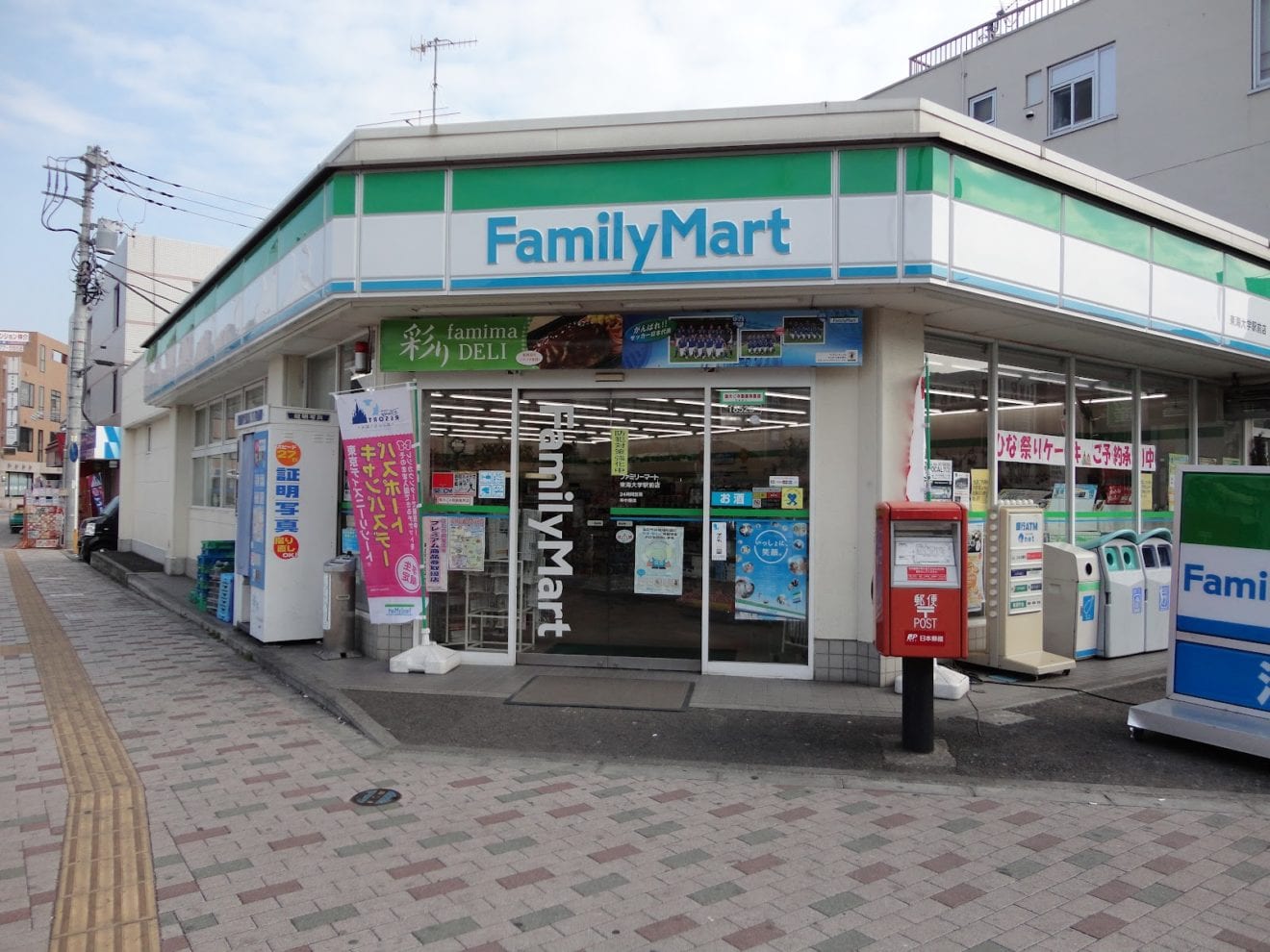
    FamilyMart, Japan’s widely recognized retailer, has launched its first Famima flagship store in Tokyo, marking a significant reimagining of the conventional convenience store as the company gears up for its 45th anniversary.

    FamilyMart’s Next Generation Retail

    Located in Tokyo’s upscale Azabudai district, the 217sqm store is a striking deviation from the traditional convenience store model. It features a unique blend of convenience, lifestyle products, and fashion; an official unveiling of a fresh retail concept. The new store boasts a ‘Convenience Wear’ apparel section, interactive styling tools, and exclusive merchandise. It also provides multilingual support to cater to a diverse customer base.

    The store design goes beyond the indoors, featuring outdoor seating areas, a rooftop garden, and even a takeaway counter.

    This innovative venture is part of FamilyMart’s ‘Next FamilyMart Project,’ an initiative aimed at experimenting with novel store formats, merchandising approaches, and customer experiences, with the potential for successful concepts to be implemented more broadly in the market.

    FamilyMart’s Collaboration and Expansion Strategy

    The store’s concept was conceived in partnership with renowned Japanese creative director Nigo. This collaboration underscores FamilyMart’s growing emphasis on delivering an experience-focused retail model that expertly melds lifestyle products, fashion, and design with the retailer’s staple convenience offerings.

    FamilyMart is expanding its intellectual property strategy with the introduction of a new Famima brand character. Merchandise featuring the new character is making its debut at the flagship store, with plans for a wider rollout across Japan in the future.

    Insights gleaned from the flagship store in Tokyo will influence future store expansions, with the expectation of gradually introducing selected concepts to FamilyMart’s nationwide network.

    FamilyMart’s representative director and president, Tatsuo Odani, stated, “Our new Famima initiative aims to unlock the full potential of convenience stores and bring it to life. Transformation and evolution, with a view to the future, will be necessary for sustained growth. Through collaboration with creators, we aim to infuse even more creativity, enjoyment, and excitement into the convenience store experience.”

    This initiative represents FamilyMart’s broader strategy to redefine the convenience store model in response to evolving customer expectations that extend beyond speed and accessibility to more distinct and unique retail experiences.

    Questions & Answers

    What is the Next FamilyMart Project?
    This is FamilyMart’s initiative to test new store formats, merchandising approaches, and customer experiences that could later be implemented across the market.

    What does the new Famima flagship store offer?
    The store offers a unique blend of lifestyle products, fashion, and convenience, featuring a ‘Convenience Wear’ apparel section, interactive styling tools, exclusive merchandise, outdoor seating, a rooftop garden, and a takeaway counter.

    What’s new about FamilyMart’s intellectual property strategy?
    FamilyMart has introduced a new Famima brand character as part of an expanded intellectual property strategy. Character-themed merchandise has debuted at the flagship store with plans for a broader rollout across Japan in the future.

  • Matin Kim in Partnership with Musinsa Launches Flagship Store in Tokyo’s Fashion Hub

    Matin Kim in Partnership with Musinsa Launches Flagship Store in Tokyo’s Fashion Hub

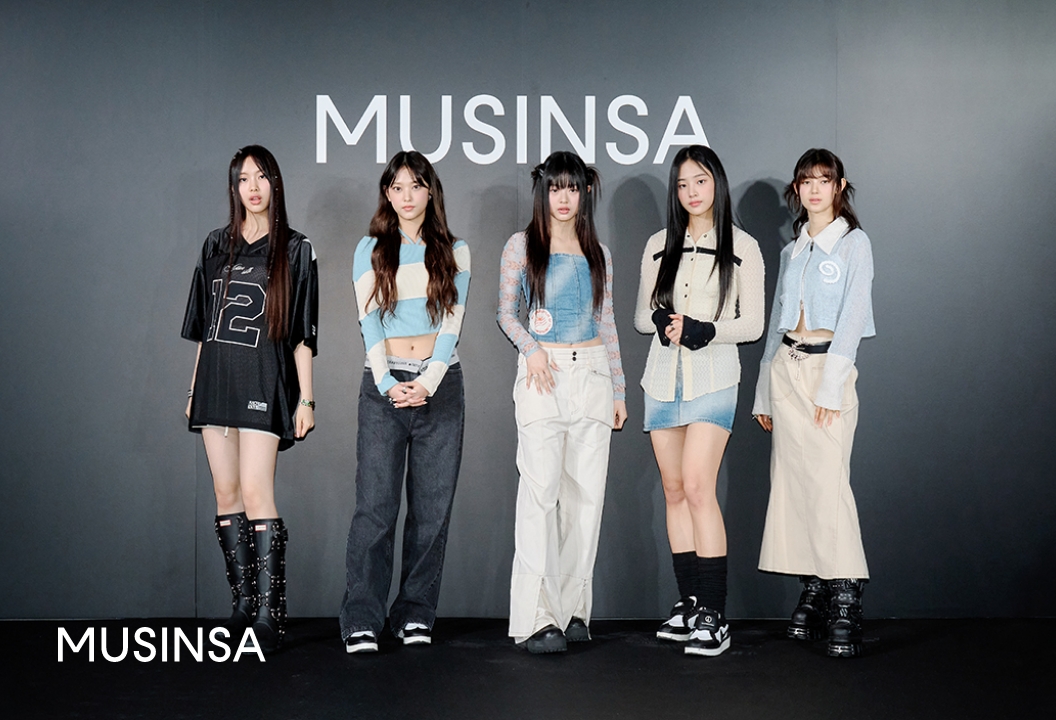
    Matin Kim, a renowned fashion brand from South Korea, is set to expand its presence in Japan with the inauguration of a flagship store in Tokyo. The move is a part of the brand’s continuing collaboration with Musinsa.

    A New Addition to Tokyo’s Fashion Scene

    The upcoming store will be situated in Harajuku, a neighborhood widely known for its vibrant fashion culture. Spanning two floors, the outlet will occupy roughly 195 square meters. Slated to open its doors on April 26th, the new location marks Matin Kim’s third establishment in Japan, following the successful launches in Shibuya and Nagoya.

    Unlike its previous outlets located in shopping malls, this new store stands out as Matin Kim’s first standalone store in the country. The brand perceives this as a significant progression and intends to utilize the venue as a platform to exhibit its unique identity and innovative approach to fashion design.

    Offering an Enhanced Shopping Experience

    Apart from showcasing its extensive array of regular products, the store will feature Matin Kim’s latest Spring/Summer 2026 collection and exclusive limited-edition items. Additionally, the brand plans to enrich the customer experience by hosting a variety of experiential events and other engaging activities.

    Matin Kim, a portfolio brand of Hago Haus, a premier brand incubator in South Korea, currently boasts approximately 70 stores at both domestic and international locations.

    In November of 2024, Matin Kim entered into an exclusive agency agreement with Musinsa for the Japanese market. This led to the opening of its first permanent store in Japan at Miyashita Park in Shibuya, Tokyo, in April last year.

    Questions & Answers

    What is unique about Matin Kim’s new store in Tokyo?
    The new store, located in the Harajuku district, is the brand’s first standalone store in Japan. It will also serve as a showcase for the brand’s identity and creative vision.

    What can shoppers expect at the new Matin Kim store?
    Shoppers can look forward to a wide range of products, including Matin Kim’s latest Spring/Summer 2026 collection and exclusive limited-edition items. The store will also host experiential events and other activities to enhance the shopping experience.

    What is Matin Kim’s history in Japan?
    Matin Kim entered the Japanese market in November 2024, in partnership with Musinsa. The brand opened its first permanent store in Japan at Miyashita Park in Tokyo’s Shibuya in April the following year. The Harajuku store is the brand’s third in Japan.

  • Human Made Expands Asian Footprint with Tokyo Mega-Store and Exciting Bangkok Debut

    Human Made Expands Asian Footprint with Tokyo Mega-Store and Exciting Bangkok Debut

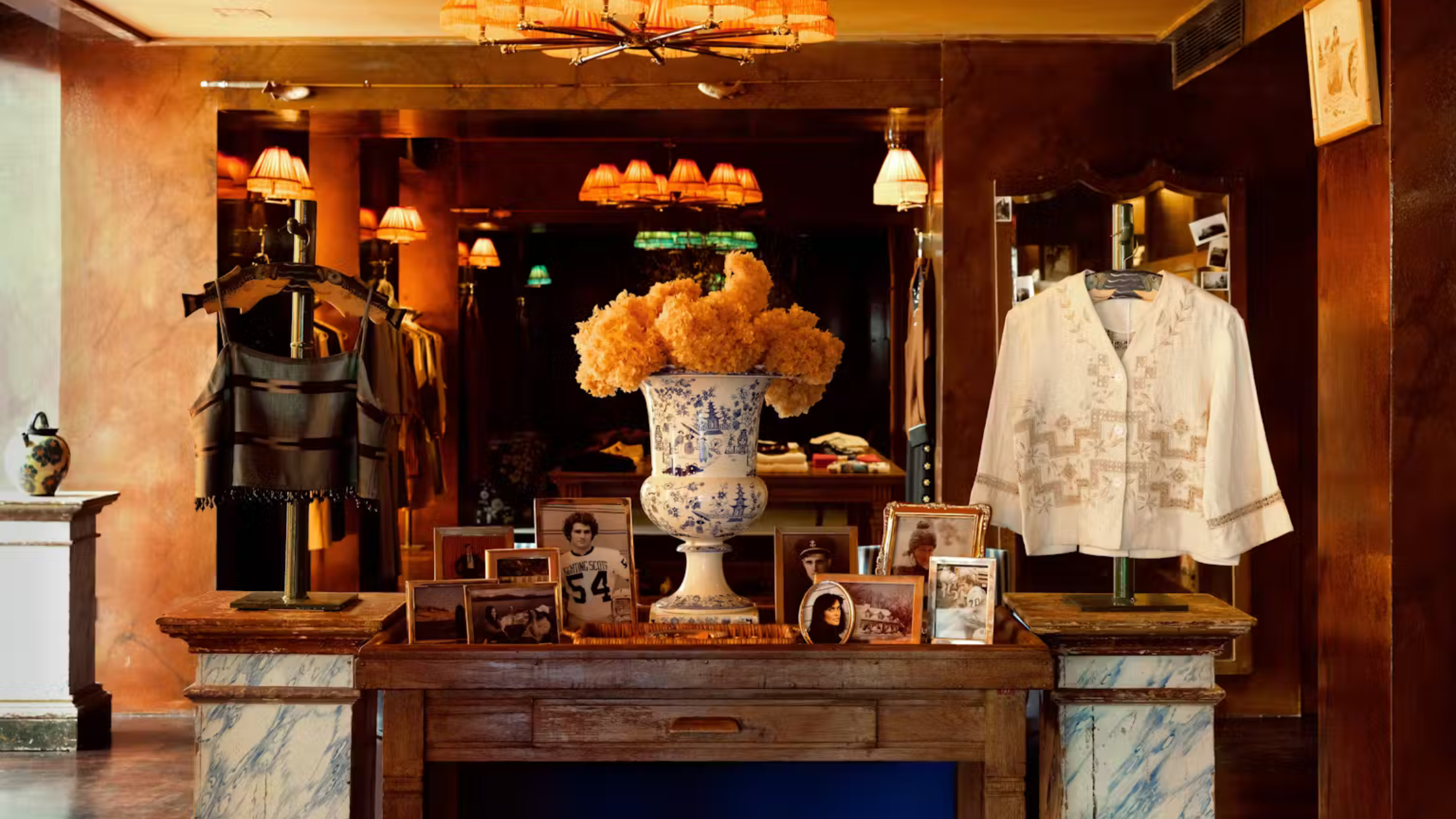
    Japanese fashion label Human Made is increasing its presence in Asia with the impending launch of its most spacious flagship store in Tokyo, as well as its debut store in Thailand.

    Branching Out into Thailand

    Human Made is slated to introduce its first Thailand-based store in Bangkok on March 28, located in Central Embassy. This move marks the brand’s premiere entry into the Thai market.

    The Bangkok store will provide a fusion of fundamental merchandise and location-specific releases. Among the exclusive offerings include a collection embellished with an elephant graphic, a nod to the country’s national symbol, complemented by Muay Thai shorts and limited-edition items adorned with the brand’s iconic heart design.

    In addition to the retail aspect, the brand will also be extending its culinary venture by opening a new branch of Curry Up, a curry restaurant under the Human Made banner, adjacent to the store.

    Establishing a Larger Presence in Japan

    Simultaneously, back in its home country, Japan, Human Made is preparing to unveil Human Made Tokyo. This will be the brand’s most expansive flagship store, boasting a floor area of 59 square meters. The launch is set to take place in the Harajuku district around August to September of the current year.

    Questions & Answers

    Where will the largest Human Made flagship store be located?
    The largest Human Made flagship store will be located in Tokyo, specifically in the Harajuku district.

    What are some of the exclusive offerings that will be available at the Bangkok store?
    The Bangkok store will offer a collection featuring an elephant graphic, Muay Thai shorts, and limited-edition pieces incorporating the brand’s signature heart motif.

    What additional venture will Human Made be introducing in Bangkok alongside its retail store?
    Alongside its retail store in Bangkok, Human Made will be introducing a new branch of Curry Up, a curry restaurant operated by the brand.

  • Bode Makes a Bold Entry into Asia with Novel Tokyo Flagship Store

    Bode Makes a Bold Entry into Asia with Novel Tokyo Flagship Store

    Bode, the New York-based brand, has inaugurated its first independent store in Tokyo, marking a definitive retail existence in Asia and continuing its worldwide growth.

    Store Location and Strategy

    The store has been strategically established in Yoyogi-Uehara, a residential locale renowned for its boutique shops and specialty coffee houses. Choosing to set up shop outside of the city’s known luxury retail districts indicates a targeted emphasis on fostering community ties and neighborhood ethos, as opposed to relying on the conventional high-end retail traffic.

    Bode was initiated in 2016 by Emily Adams Bode Aujla and has since been celebrated for its collections that draw inspiration from history and are crafted using antique and vintage fabrics.

    A Collaborative Interior Design

    The Tokyo store was designed in collaboration with the Los Angeles-based Green River Project studio. The design elements of the store include bespoke woodwork, classic furnishings, and details reminiscent of a residential setting, all aimed at generating a homely ambiance that reflects the brand’s narrative-centric approach.

    Store Offerings and Cultural Significance

    The store showcases the complete range of Bode’s men’s and women’s ready-to-wear collections, in addition to pieces exclusive to Japan. The company aims for the store to serve more than just a point of sale, envisioning it as a cultural pivot that encourages a deeper connection with its local clientele.

    Questions & Answers

    What is the location of Bode’s new store in Tokyo?
    The new store is located in Yoyogi-Uehara, a residential district known for independent boutiques and specialty cafes.

    What makes Bode’s collections unique?
    Bode’s collections are unique for their historical influence and their use of antique and vintage textiles.

    What is the purpose of the new store beyond serving as a point of sale?
    The store is designed to be a cultural touchpoint that helps to foster a deeper engagement with its local customer base.

  • Loewe Unveils Its Largest Japanese Store in Tokyo’s Glamorous Ginza District: A Fusion of Luxury Fashion and Art

    Loewe Unveils Its Largest Japanese Store in Tokyo’s Glamorous Ginza District: A Fusion of Luxury Fashion and Art

    Spanish luxury brand Loewe has continued its expansion in Asia with the opening of a new flagship store in Tokyo’s renowned Ginza district. Japan remains a crucial market for the brand, and the latest outlet signifies a strategic expansion of its retail presence.

    A Landmark Store

    The Casa Loewe Ginza store is the largest of its kind in Japan and second-largest globally. It occupies a prime location at the intersection of Chuo-dori and Miyuki-dori, an area famed for its luxury shopping culture. The sprawling four-story store offers the brand’s complete collection of products, including men’s and women’s ready-to-wear, leather goods, accessories, fragrances, and home items.

    An Ode to Art and Design

    The Casa Loewe concept, which intertwines retail with elements of art and design, is at the heart of the store. The exterior of the building is adorned with handcrafted ceramic tiles in a muted green hue, paying tribute to Ginza’s historical landscape. Inside the store, artworks and craft pieces are tastefully displayed alongside the brand’s merchandise, creating an immersive shopping experience.

    Celebrating with Unique Collaborations

    In celebration of the new store’s opening, Loewe has released exclusive items created in partnership with Kyoto-based ceramic studio, Suna Fujita. These special items add an element of local artisanal craftsmanship to the brand’s offering, further enhancing its appeal to the discerning Japanese market.

    Loewe’s parent company, the French luxury group LVMH, continues to prioritize the opening of brick-and-mortar locations in major cities across the globe, despite the rising trend of online shopping.

    In 2020, LVMH unveiled the Casa Loewe megastore in Shanghai, marking the brand’s largest flagship in Asia.

    Questions & Answers

    What is the Casa Loewe concept?
    The Casa Loewe concept is an innovative retail approach that integrates art and design elements into the shopping experience.

    How does Loewe’s new store in Tokyo compare in size to its other global locations?
    The Casa Loewe Ginza store is the largest in Japan and the second-largest worldwide.

    What unique offering has Loewe created to celebrate the opening of its new Ginza store?
    Loewe has produced exclusive items in collaboration with Suna Fujita, a Kyoto-based ceramic studio, to celebrate the launch of the new store.

  • Experience Nature and Luxury: Dior’s Botanical Pavilion Debuts in Tokyo

    Experience Nature and Luxury: Dior’s Botanical Pavilion Debuts in Tokyo

    Dior, a renowned luxury fashion brand, is poised to establish an immersive, botanical-themed pavilion in Tokyo. This development is in line with the brand’s previous initiatives of similar nature in Bangkok and Seoul.

    A Glowing Facade with a Parisian Touch

    The exterior of the new store takes its cues from Dior’s Paris flagship location, integrating elements of the original design into a stunning, bamboo-inspired golden facade. This captivating design not only embraces the brand’s roots but also assimilates local aesthetics, creating a harmonious blend of French elegance and Japanese simplicity.

    Embracing Nature and Art

    This project’s heart lies in a massive 19,000 square feet indoor green space, conceptualized by floral artist Azuma Makoto. The space features a tranquil Zen garden by landscape architect Seijun Nishihata, alongside a terrace and a pond populated with luminous glass koi carp. The interior design includes Versailles parquet flooring, washi paper-clad walls and ceilings, and lanterns that pay homage to the iconic Lady Dior bag.

    A Showcase of Dior Collections

    Within the pavilion, visitors will have the chance to explore Dior’s women’s and men’s collections, crafted under the direction of creative director Jonathan Anderson. The range extends from ready-to-wear clothing to leather goods, shoes, accessories and jewellery. An exclusive area will also be set up for customers to personalize their Lady Dior and Book Tote bags.

    More than Retail: A Gastronomic Experience

    In addition to offering a shopping experience, the pavilion will feature Café Dior, where visitors can dine on an exclusive menu curated by Michelin-starred chef Anne-Sophie Pic.

    Art and Design Collaborations

    The boutique will also serve as a gallery, showcasing works by contemporary designers and studios such as Takt Project, Sho Ota, Ayumi Shibata, We+, Hana Mitsui and Chikaken.

    Questions & Answers

    What is the theme of the new Dior store in Tokyo?
    The store will have a botanical theme, with design elements inspired by bamboo and a large indoor green space.

    What unique features does the store offer aside from retail?
    Apart from shopping, visitors can enjoy a meal at Café Dior, which features a menu developed by Michelin-starred chef Anne-Sophie Pic. The store also features works from contemporary artists and designers.

    What special services will be available for customers?
    Customers will have the opportunity to personalize their Lady Dior and Book Tote bags in a dedicated space within the store.

  • Sushi Tycoon ‘Tuna King’ Shells Out Record $3.2M for Massive Bluefin at Tokyo’s Prestigious Auction

    Sushi Tycoon ‘Tuna King’ Shells Out Record $3.2M for Massive Bluefin at Tokyo’s Prestigious Auction

    A sushi entrepreneur from Japan, who goes by the moniker “The Tuna King”, set a new record when he purchased a colossal bluefin tuna for an unprecedented 510.3 million yen (approximately US$3.25 million) at an auction held on Monday.

    Record-Breaking Purchase

    Kiyoshi Kimura, the owner of a chain of sushi restaurants, emerged as the highest bidder at the esteemed annual New Year auction in Tokyo’s primary fish market. The 243-kilogram tuna that fetched this record price was caught off the northern coast of Japan.

    Kimura candidly expressed his surprise at the rocketing price of the fish. “I had hoped we could secure the fish at a somewhat lower cost, but the price escalated rapidly,” Kimura revealed in the wake of the predawn auction at Tokyo’s main fish market.

    Auspicious Tuna to Usher in the New Year

    Despite the staggering cost, Kimura remained optimistic about his purchase. “The price certainly caught me off guard…but I am hopeful that the consumption of this lucky tuna will invigorate as many people as possible,” he asserted to journalists.

    As the president of Kiyomura Corp., the Tokyo-based company operating the Sushizanmai sushi restaurant chain, Kimura showcased the 243-kilogram bluefin tuna at his flagship restaurant in Tokyo on January 5, 2026, following the New Year’s auction at Toyosu fish market.

    Historical Highs of Tuna Prices

    This auction price is the highest on record since data regarding such figures started being compiled in 1999. The previous record was 333.6 million yen, paid for a 278-kilogram bluefin tuna in 2019, after the fish market relocated from its traditional Tsukiji location in central Tokyo to a more modern facility.

    Last year’s highest bid was 207 million yen for a 276-kilogram bluefin. After this year’s auction, the hefty tuna was promptly prepared into sushi and sold for around 500 yen (about US$3) per roll.

    Customer Reactions

    Diners at one of Kimura’s restaurants in Tsukiji were delighted to partake in such an auspicious meal at the start of the year. “Having had the privilege of eating something so fortunate as the year begins, I feel like I’ve started the year on the right note,” shared 19-year-old Minami Sugiyama. Another patron, a 40-year-old Shinto priest named Kiyoshi Nishimura, shared a similar sentiment, praising the taste and texture of the tuna.

    Effects of the COVID-19 Pandemic

    During the COVID-19 pandemic, the New Year tuna prices plummeted to only a fraction of their regular peak prices as restaurants reduced their operations. However, the purchase of the bluefin tuna this year signals a potential recovery and brighter future for the Pacific bluefin industry.

    Questions & Answers

    What is the highest price ever paid for a bluefin tuna?
    The highest price ever paid for a bluefin tuna was 510.3 million yen (approximately US$3.25 million), by entrepreneur Kiyoshi Kimura in 2026.

    Who is Kiyoshi Kimura?
    Kiyoshi Kimura, also known as “The Tuna King”, is the president of Kiyomura Corp. and the owner of the Sushizanmai sushi restaurant chain in Tokyo.

    How has the COVID-19 pandemic affected the tuna industry?
    During the COVID-19 pandemic, prices for New Year tuna decreased significantly because restaurants had to scale back their operations.

  • Bacha Coffee Brews Global Expansion with Lavish Flagship Store Debut in Tokyo’s Ginza District

    Bacha Coffee Brews Global Expansion with Lavish Flagship Store Debut in Tokyo’s Ginza District

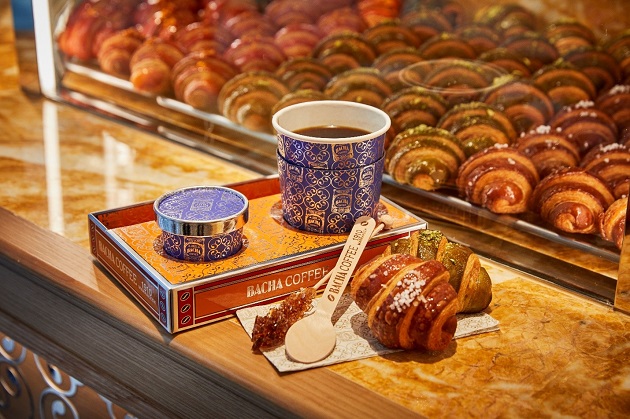
    Bacha Coffee, a Moroccan coffee brand, has made a significant stride in its global growth strategy by establishing its inaugural Japanese flagship store in Tokyo’s luxurious Ginza district.

    Store Features and Design

    The flagship, situated in Ginza’s highly competitive 5-chome luxury retail sector, spans three levels and occupies 377 square meters. It incorporates a retail boutique on the ground floor, complemented by two coffee rooms on the upper levels, thereby positioning the location as a dual-purpose retail and hospitality destination.

    The design concept is inspired by Bacha Coffee’s roots at Dar el Bacha in Marrakech, with the aesthetics adapted to cater to the Japanese market. The interior showcases a blend of red ochre tones, a black-and-white checkered floor, geometric lattice motifs, and intricately carved cedar wood elements, reflecting a perfect fusion of Moroccan and Japanese aesthetics.

    Coffee Selection

    The Ginza-based establishment offers patrons a selection of over 200 varieties of 100% Arabica coffee, which are meticulously sourced from 35 countries worldwide, including Yemen, Ethiopia, Jamaica, and Hawaii. The assortment includes single-origin coffees, blends, and flavored options, alongside Naturally CO2 Decaffeinated coffee varieties.

    Maranda Barnes, Chief Commercial Officer of Bacha Coffee, has described the Ginza location as more than just a boutique. According to her, it serves as an iconic representation of Bacha Coffee in Asia. Barnes further described the location as “a true invitation to travel, a place where each cup tells a story of craftsmanship, passion, and savoir-faire.”

    Earlier in the year, Bacha Coffee indicated plans to expand its footprint in Japan via a franchising agreement with local railway operator The Tokyu Group.

    Global Presence

    Currently, Bacha Coffee operates 37 locations across 14 cities spanning Asia, Europe, and the Middle East. These locations include Paris, Seoul, Dubai, Singapore, Taipei, and Hong Kong. The brand has expressed its ambitious vision of establishing a presence in major global capitals by the year 2030.

    Questions & Answers

    Where is Bacha Coffee’s first Japanese flagship store located?
    The flagship store is located in Tokyo’s luxurious Ginza district.

    What are some unique features of the Ginza store?
    The store is uniquely designed, blending Moroccan and Japanese aesthetics. It spans three levels and incorporates a retail boutique and two coffee rooms.

    What is Bacha Coffee’s expansion target by 2030?
    Bacha Coffee aims to establish a presence in major global capitals by the year 2030.

  • Human Made Leaps to Tokyo Stock Exchange: A Pivotal Move in Global Retail Expansion Strategy

    Human Made Leaps to Tokyo Stock Exchange: A Pivotal Move in Global Retail Expansion Strategy

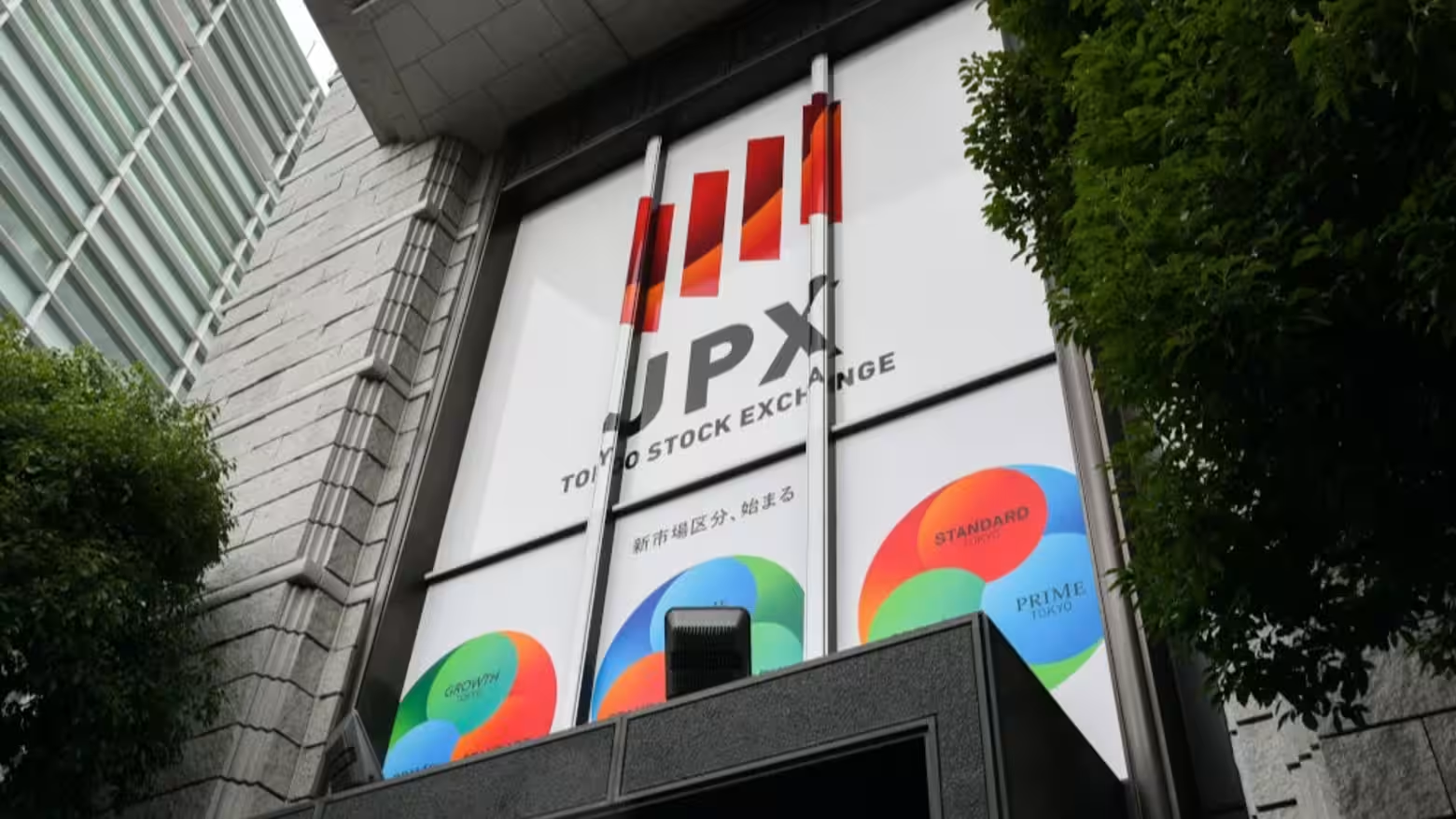
    Japanese lifestyle company Human Made has successfully been registered on the Tokyo Stock Exchange Growth Market, indicating a significant development in the firm’s expansion strategies both locally and internationally.

    Company Overview

    Human Made was established in 2010 by designer Nigo, gaining recognition for its streetwear design. The brand has gradually grown its presence, both within Japan and globally. Presently, Human Made runs seven outlets throughout Japan and has extended its reach to China, Hong Kong, and South Korea. Additionally, it has formed alliances with local distributors in Singapore, Thailand, Indonesia, and Australia.

    Diversification of Business

    Apart from its fashion-centric operations, Human Made has branched out into the food and beverage industry with its Curry Up restaurant chain. The chain expanded its operations beyond Japan for the first time, opening a location in Hong Kong in the previous year.

    Global Creative Direction

    In the previous year, the company welcomed global music and fashion figure Pharrell Williams as a creative advisor. This move reinforced the company’s global creative direction. In alignment with its flagship lifestyle brand, the company changed its name from Otsumo Co to Human Made Inc in May.

    Future Prospects of the Company

    Looking forward, Human Made has plans to inaugurate its first-ever global flagship store in Harajuku in the summer of 2026. This will be followed by a second store opening in Aoyama in 2027. These plans underscore the brand’s dedication to creating immersive retail experiences.

    Questions & Answers

    What is Human Made’s primary line of business?
    Human Made is a lifestyle brand known for its streetwear designs.

    What other industry does Human Made operate in?
    Apart from fashion, Human Made is also involved in the food and beverage sector through its Curry Up restaurant chain.

    What are some future plans of Human Made?
    The company plans to open its first global flagship store in Harajuku in 2026, followed by a second location in Aoyama in 2027.