Tag: tokyo

  • Michelin-Starred Terra Tokyo Italian Announces Closure Amid Market Challenges: A Decade-Long Journey Ends in December

    Michelin-Starred Terra Tokyo Italian Announces Closure Amid Market Challenges: A Decade-Long Journey Ends in December

    Terra Tokyo Italian, a unique fusion of Japanese and Italian dining in Singapore, has announced it will be saying farewell this coming December. The Michelin-star restaurant broadcasted the disheartening news in an Instagram post earlier this week, stating that its final day of service will be December 20, 2025.

    A Fond Farewell

    The restaurant’s statement expressed a heartfelt goodbye, reminiscing over its journey that was marked by shared meals, warm conversations, celebrations, and memorable moments. It extended gratitude to its loyal patrons who have shaped the establishment over the past decade.

    “We are deeply grateful for the decade we have spent together. Your trust, your smiles, your support has meant everything to us. We hope to spend these remaining days together, just as we have done for the past ten years. We welcome you wholeheartedly until our very last service,” the statement said.

    Reason For Closure

    The restaurant attributed its impending closure to the challenges imposed by the current market conditions.

    Terra Tokyo Italian was originally established as an omakase-style restaurant by Japanese chef Seita Nakahara, who later left the establishment in 2023. It first earned a Michelin star in 2016, lost it the subsequent year, but managed to reclaim it from 2019 through 2024. Despite losing its star this year, the restaurant still remains a Michelin-selected establishment for its quality.

    Other Closures and Changes

    Terra Tokyo Italian is not alone, as eight other one-star Michelin restaurants also closed their doors between 2024 and now. Several other establishments that managed to retain their stars have also ceased operations or announced their closures, including restaurants like Alma by Juan Amador, Restaurant Euphoria, and Esora.

    In addition, other Michelin-starred restaurants are undergoing changes. For instance, Sushi Sakuta, a two-star restaurant, is moving from the Capitol Kempinski Hotel Singapore to Millenia Walk this month, while three-star French restaurant Odette is currently undergoing renovations and is set to reopen next month.

    The broader food and beverage industry in Singapore is also experiencing significant closures. Last year saw the closure of some 3,047 eateries, the highest figure in last two decades. The first ten months of this year already witnessed 2,431 closures, 63% of which did not last more than five years.

    Questions & Answers

    When will Terra Tokyo Italian close its doors?
    The restaurant plans to cease operations on December 20, 2025.

    What has been the impact of current market conditions on the restaurant scene in Singapore?
    The food and beverage industry in Singapore has seen a significant number of closures due to market conditions. In the past year, over 3,000 eateries have shut down, marking the highest closure rate in two decades.

    How has the Michelin Guide impacted Terra Tokyo Italian?
    The restaurant first earned a Michelin star in 2016, lost it the following year, but reclaimed it from 2019 to 2024. Despite losing its star in 2025, the restaurant still remains a Michelin-recognized establishment for its quality.
  • Tokyo Emerges as Global Fintech Powerhouse: Insights from Singapore FinTech Festival 2025

    Tokyo Emerges as Global Fintech Powerhouse: Insights from Singapore FinTech Festival 2025

    Japan demonstrated its aim to be a prominent platform for global fintech growth at the Singapore FinTech Festival 2025. The country’s aspirations are bolstered by regulatory transparency, digital-asset amendments, and an increasing interest from investors.

    Tokyo: The New Frontier of Fintech Innovation

    During the Singapore Fintech Festival 2025, FinCity.Tokyo gathered policy makers, venture capitalists, and fintech pioneers to elucidate why Tokyo is quickly evolving into a critical hub for worldwide financial innovation. The institution underscored how regulatory changes, cross-border partnerships, and the development of digital-asset infrastructure are transforming Tokyo from a conventional banking hub into a fintech-centric ecosystem.

    Policy Progress Enhances Japan’s Attractiveness

    Tokio Morita, the executive director of FinCity.Tokyo, underlined the organization’s objective to assist foreign fintech firms in understanding and penetrating the market. Speaking at the Japan Pavilion, Morita highlighted that Tokyo’s evolution is based on extensive public-private partnerships, a transparent regulatory landscape, and continuous investor engagement.

    “We are here to guide you through the regulatory intricacies, introduce you to business associates, capital, and specialists, and aid in expanding your operations,” Morita stated. He noted that Japan was one of the initial countries to legally acknowledge crypto assets and continues to refine its digital asset structures.

    Expanding Market Indicates Long-Term Prospects

    The fintech market in Japan is anticipated to attain $30.2 billion by 2033, growing at a Compound Annual Growth Rate (CAGR) of 14.1 percent. Tokyo also stands at the eleventh position in the global ecosystem index by Startup Genome, which further validates its escalating importance for founders and investors seeking steady growth.

    Natalie Shiori Fleming, APAC head at Banking Circle, shared her insights as a new participant in the Japanese market. She pointed out that Japan’s regulatory framework is explicit and progressive, particularly in the digital-asset sector.

    Establishing Tokyo as a Reliable Hub for Innovation

    The Singapore Fintech Festival 2025 session is part of FinCity.Tokyo’s broader strategy to project Japan as a reliable center for innovation, backed by policy stability, substantial capital resources, and robust institutional support.

    The organization strives to attract global fintech firms by offering a systematic, transparent route into one of Asia’s most advanced markets.

    Questions & Answers

    What is the projected growth of Japan’s fintech market?
    The fintech market in Japan is anticipated to reach $30.2 billion by 2033, growing at a CAGR of 14.1 percent.

    What are the factors contributing to Tokyo’s evolution into a fintech-centric ecosystem?
    Tokyo’s transition into a fintech-centric ecosystem is driven by regulatory changes, cross-border partnerships, and the development of digital-asset infrastructure.

    How does FinCity.Tokyo plan to attract global fintech firms?
    FinCity.Tokyo aims to attract global fintech firms by offering a systematic, transparent route into one of Asia’s most advanced markets.

  • Tokyo: The New Fintech Frontier Poised for $30.2 Billion Boom by 2033

    Tokyo: The New Fintech Frontier Poised for $30.2 Billion Boom by 2033

    Tokyo is spurring efforts to establish itself as a leading hub for financial technology (fintech), capitalizing on the exponential growth of digital finance in Asia. The city’s fintech market is predicted to hit an impressive $30.2 billion by 2033, growing at a steady rate of 14.1 percent annually. Leading the city’s drive to attract the most innovative fintech companies globally is FinCity.Tokyo, a financial promotion body that offers tangible support to startups seeking to penetrate the Japanese market and form enduring partnerships.

    Spotlight on Tokyo

    In a bid to showcase Tokyo’s potential, FinCity.Tokyo will host a Fintech Insight Session at the Singapore Fintech Festival (SFF) on 13 November 2025. The event, themed “Unlocking Tokyo: The Next Wave in Fintech and DeFi,” will delve into how global and ASEAN fintech enterprises can tap into Tokyo’s regulatory sandbox, burgeoning venture capital operation, and its function as a conduit for Japanese capital into Southeast Asia.

    A New Home for International Fintechs

    Tokio Morita, Executive Director of FinCity.Tokyo, announced that “ASEAN’s fintech sector is gaining strong momentum and cross-border expansion is the natural next step in its evolution.” He further noted that Japan offers more than just capital- it brings the credibility of a well-established regulatory environment and deep institutional trust. The organization’s aim is to assist fintechs from Singapore, ASEAN, and other global regions to create their secondary base in Tokyo. With the ASEAN fintech market projected to surpass $150 billion by 2030, the timing for such international collaboration is ideal.

    Enhancing Collaboration and Accelerating Web3

    The Financial Services Agency (FSA) in Japan has made strides in welcoming both local and international startups by opening its regulatory sandbox. This move allows businesses to experiment with new models in a flexible, low-barrier setting, thus facilitating smoother market entry and sparking innovation in fields like digital assets, Web3, and decentralized finance.

    Japan’s Ministry of Internal Affairs and Communications predicts that the country’s Web3 economy will grow over 20 times to 2.4 trillion yen by 2027, a testament to the strong institutional and governmental dedication to digital transformation.

    Bridging the Gap between Singapore and Tokyo

    ADDX, a Singapore-based digital securities platform, is one of FinCity.Tokyo’s success stories. The platform now collaborates with Japanese investors and key institutions. Another successful example is Lydia.ai, a healthtech startup that leverages AI to extract insights from unconventional data sources. The Co-Founder, Christina Cai, credited their successful entry into Japan’s financial ecosystem to the support they received from FinCity.Tokyo.

    Transforming Tokyo into a Fintech Launchpad

    FinCity.Tokyo’s mission goes beyond mere promotion. In collaboration with the Tokyo Metropolitan Government’s Invest Tokyo platform, the organization provides practical aid to foreign fintechs, ranging from licensing assistance to venture capital introductions. Under the Attraction U Project, eligible fintechs can receive subsidies of up to 30 million yen (approximately $200,000) to establish and expand their business in Japan.

    Building a Global Financial Hub

    Tokyo is positioning itself as a global launching pad for fintech innovators by offering regulatory clarity, institutional trust, and access to extensive Japanese capital. As the fintech landscape in Asia matures, Tokyo aims to play a crucial role in linking global innovation with one of the world’s largest and most advanced financial markets.

    Questions & Answers

    What is Tokyo’s projected fintech market value by 2033?
    The predicted value of Tokyo’s fintech market by 2033 is $30.2 billion.

    How is FinCity.Tokyo supporting fintech startups?
    FinCity.Tokyo is providing hands-on support to fintech startups by helping them enter the Japanese market and form lasting partnerships. It also offers tangible aid ranging from licensing advice to venture capital introductions.

    What is the purpose of Japan’s regulatory sandbox?
    Japan’s regulatory sandbox allows businesses to test new models in a flexible, low-barrier setting. This facilitates smoother market entry and fosters innovation in various fields, including digital assets, Web3, and decentralized finance.

  • Singapore Retains 5th Position In Global City Rankings, Emerges As Top Education And Urban Innovation Hub

    Singapore Retains 5th Position In Global City Rankings, Emerges As Top Education And Urban Innovation Hub

    In the yearly global city rankings, Singapore has managed to hold onto its fifth place, trailing only behind Tokyo in the Asia Pacific region. This city-state has continued to strengthen its status as a top international education center and a leading pioneer in urban innovation, based on findings from the 2025 Global Cities Report by Kearney, a management consulting company.

    Evaluating City Rankings

    The Global Cities Index, a section of the Kearney report, relies on publicly accessible data to evaluate 158 cities across the globe, using 31 different metrics over five areas. These include business activity, human capital, information exchange, cultural experiences, and political engagement.

    Singapore showed minor progress this year in areas of political engagement and human capital, primarily due to enhancements in ease of access. However, these advancements were somewhat negated by a decline in cultural experience and business activity.

    The top ten cities in the report include five from the Asia Pacific region. Japan’s Tokyo leads the pack in fourth place, followed by Singapore, with Beijing, Hong Kong, and Shanghai from China filling the sixth, seventh, and eighth positions respectively.

    Other Southeast Asian cities like Bangkok, Thailand, and Kuala Lumpur, Malaysia, appeared lower on the list, securing the 33rd and 55th places respectively.

    Recognizing Resilience

    According to Shigeru Sekinada, Kearney’s regional chair for Asia Pacific, the report highlights the resilience of well-established Asian hubs amid rising global challenges and technological shifts. He lauded the region’s adeptness in managing evolving global dynamics, due to the expansion of digital infrastructure, prioritizing regulatory innovation, and investing in climate resilience. He also expressed optimism that Asia Pacific cities would not only fuel the region’s economic growth but also serve as essential links in the global economy.

    The report underscored a shift in the way city competitiveness is viewed. In the emerging era of intelligence, the size or historical importance of a city no longer solely determines its competitiveness. Success now increasingly depends on readiness or the ability to incorporate infrastructure, renewable energy, and talent to grasp opportunities presented by artificial intelligence while managing its associated risks.

    Globally, New York City retained its top position, with London and Paris following closely, maintaining their standings from the previous year.

    Future City Projections

    The report also includes a future outlook section, which examines cities’ ability to foster inclusive growth, attract investment, and preserve livability in a progressively competitive global scenario. In this section, Singapore was the only Southeast Asian city to feature in the top 30, vaulting from 20th place in the previous year to 3rd place projected for 2025.

    This significant leap reflects Singapore’s enhanced infrastructure, increasing GDP per capita, and burgeoning foreign investment. It also highlights the city’s active efforts to upgrade its digital infrastructure.

    Questions & Answers

    What key factors contributed to Singapore’s strong showing in the report?
    Singapore’s advancement in political engagement and human capital, as well as its enhanced infrastructure, burgeoning GDP per capita, and growing foreign investment, were key contributors.

    How are city rankings determined in the Global Cities Report?
    City rankings are determined based on 31 metrics across five areas: business activity, human capital, information exchange, cultural experience, and political engagement.

    What shifts have been observed in defining city competitiveness?
    In the emerging era of intelligence, city competitiveness is no longer solely determined by its size or historical significance. It now increasingly depends on readiness, or the ability to integrate infrastructure, renewable energy, and talent to leverage the opportunities presented by artificial intelligence and manage its risks.

  • Reviving Nostalgia: Bandai’s Tamagotchi Factory Revamps Interactive Retail In Tokyo’s Harajuku District

    Reviving Nostalgia: Bandai’s Tamagotchi Factory Revamps Interactive Retail In Tokyo’s Harajuku District

    A unique factory-themed concept store named “Tamagotchi Factory!” is preparing to open its doors in the Harajuku district of Tokyo. This venture is Bandai’s first permanent retail space since the shuttering of Tama Depa in 2017 and it comes in response to a resurgence in the brand’s popularity worldwide.

    The Tamagotchi Factory! will be located on the third floor of the Harakado building in the Jingumae area of Shibuya. This store will offer patrons an opportunity to blend retail shopping with an interactive experience, centered around the theme of a fun, functioning factory.

    Visitors to the store will have the opportunity to customize their virtual pets to their liking. The store’s interior decor, as well as the staff uniforms, have been designed to reflect the whimsical factory theme, effectively immersing patrons into the lively factory environment.

    Of the store’s many attractions, one standout feature is the “Minitama Fill-Up!” station. Here, customers will be able to fill up Tamagotchi-shaped bottles with miniature figures and themed items. The selection will include a variety of items such as sweets, rice balls, and even the brand’s signature “poop” icons.

    The virtual pet franchise, which made its debut in the 1990s, has sold over 100 million units globally. It continues to expand and evolve, capturing the hearts and minds of both nostalgic collectors and a new generation of Tamagotchi fans.

    Questions & Answers

    What is Tamagotchi Factory!?
    Tamagotchi Factory! is a factory-themed concept store owned by Bandai, located in the Harajuku district of Tokyo. This store encompasses a unique combination of retail shopping and interactive elements, providing a fun and immersive experience for visitors.

    What can visitors expect at the Tamagotchi Factory!?
    Visitors to the Tamagotchi Factory! can customize their virtual pets, fill Tamagotchi-shaped bottles at the “Minitama Fill-Up!” station with a variety of miniature figures and themed items. The store’s interior decor and staff uniforms are designed to reflect a whimsical factory theme.

    What is the history of the Tamagotchi brand?
    Tamagotchi is a virtual pet franchise that debuted in the 1990s and has since sold over 100 million units worldwide. The brand continues to expand, appealing to both nostalgic collectors and a new generation of fans.

  • Tokyo’s Mid-Sized Apartments Experience Unprecedented Rental Growth in Q3

    Tokyo’s Mid-Sized Apartments Experience Unprecedented Rental Growth in Q3

    In the heart of Tokyo, the rental landscape tells a distinct story. A recent report from Savills reveals that the city is dominated by compact living spaces, with apartments typically ranging from 30 to 45 square meters—ideal for the single urban professional. Almost 70% of rental listings in the 23W area feature units that fall into this compact category, signifying a clear preference for smaller residences among tenants.

    A Unique Market Segment

    Unlike cities like New York or London, where apartment sharing has become commonplace, Tokyo’s rental market boasts a large, stable demand for small- to mid-sized units. This trend is particularly noteworthy, as it highlights a cultural difference in living preferences. As the Savills report indicates, “there is a large, stable market for small- to mid-sized units,” catering to a population that seeks both comfort and convenience.

    Rising Rents Reflect Demand

    Average rental prices across various apartment sizes have seen steady growth in the C5W region throughout the third quarter of 2025. The medium-sized units, measuring 30 to 45 square meters, experienced the most substantial increase at 2.4% quarter-on-quarter. Larger apartments, sized between 45 and 60 square meters, followed closely with a 1.2% rise, while the smallest units, spanning 15 to 30 square meters, saw a modest uptick of 0.9%. This upward trend is viewed as a necessary adjustment, addressing the limited availability of these mid-sized apartments that strike an optimal balance between space and affordability.

    Demand Dynamics in Larger Units

    Even with an increasing supply of larger units in 2024, the Ministry of Land, Industry, Transport and Tourism (MLIT) notes that these properties continue to command a premium. The demand remains robust, driven by well-paid professionals who prefer to live close to their workplaces. With flexible work arrangements becoming more common, many residents are now opting for larger spaces that double as home offices—a trend that not only reflects lifestyle changes but also adds a creative twist to the rental market.

    Toward a Balanced Future

    Overall, the rental market in Tokyo appears set for continued growth across all apartment size bands. Following a slight correction in the previous quarter, rents are now on the rise, backed by a steady influx of foreign residents that promises to sustain the momentum. As the city evolves, so do the choices available to its inhabitants—whether it’s a cozy nook for one or a larger space designed for living and working, Tokyo’s rental market is a reflection of its dynamic and diverse citizenry.

    Questions & Answers

    What size apartments dominate the Tokyo rental market?
    Apartments between 30 to 45 square meters make up the majority of Tokyo’s rental listings, accounting for approximately 70% of the 23W area market.

    How have rents changed in the recent quarter?
    Average rents have increased across all size bands, with the 30-45 sq m range seeing a 2.4% rise quarter-on-quarter, highlighting strong demand for these compact living spaces.

    What factors contribute to the demand for larger rental units?
    The demand for larger units is largely driven by well-paid professionals desiring home office space in response to the growing trend of flexible work arrangements, which has reshaped the way many approach urban living.

  • Tokyo Streetwear Label 9090 Breaks Into Chinese Market, Championing 90s Nostalgia For Gen Z Shoppers

    Tokyo Streetwear Label 9090 Breaks Into Chinese Market, Championing 90s Nostalgia For Gen Z Shoppers

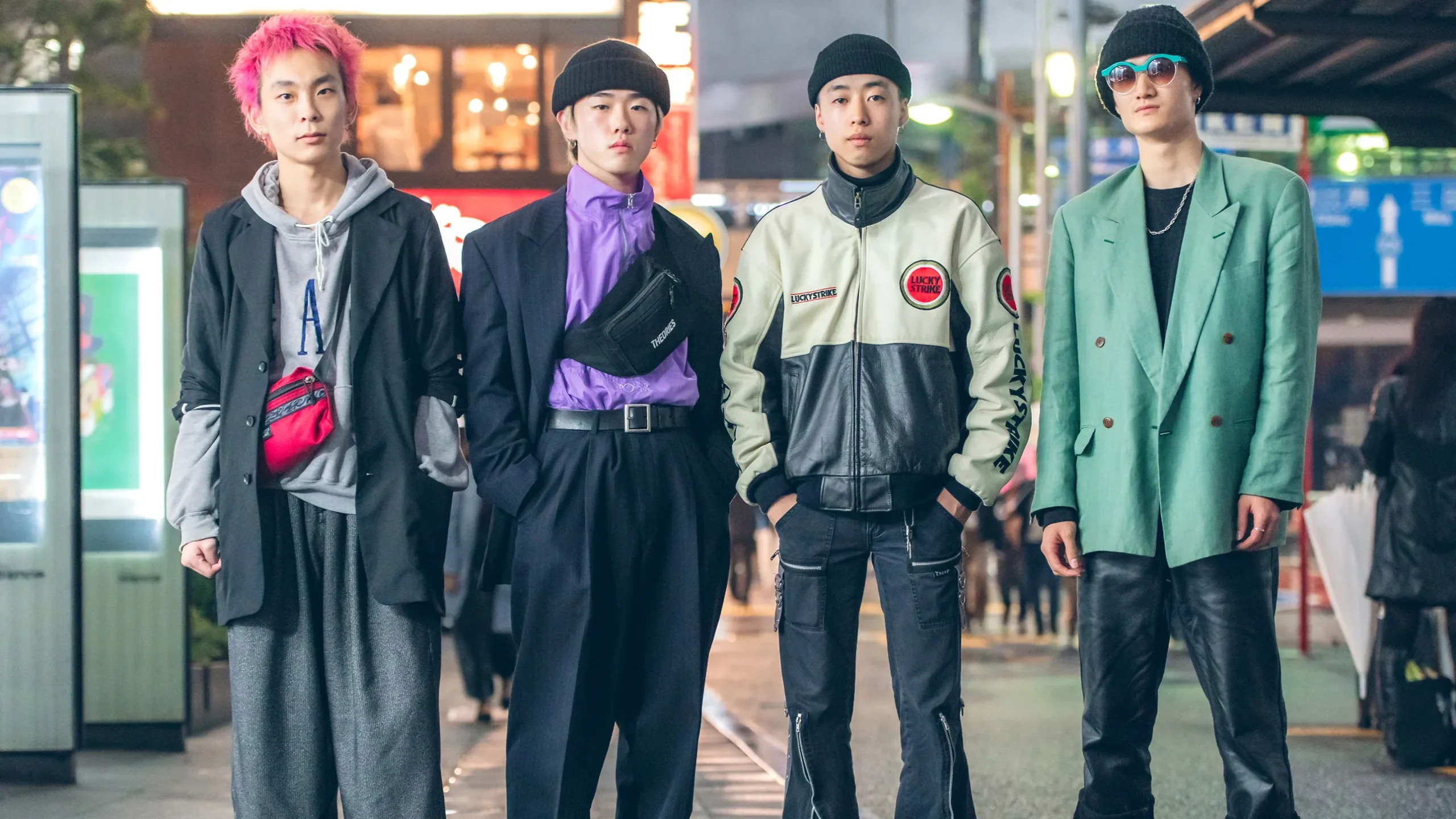
    Born and bred in Tokyo, the streetwear label 9090 has recently made its debut in the Chinese market. This expansion was facilitated via collaborations with Yutori Group and BranDNA, with the first step being the launch of a pop-up store in Shanghai.

    9090 is recognized for its unique fusion of a nostalgic 90s youth culture and contemporary streetwear design. The label’s distinct style is what sets it apart from the competition.

    BranDNA’s CEO, James Chen, attributes the introduction of this Japanese brand to the demands of China’s Gen Z consumers. He stated that these young shoppers are on the lookout for individuality, cultural depth, and affordable yet trendy fashion.

    Chen explained, “The rebellious spirit embodied by the 1990s deeply resonates with this generation. We believe that 9090 has the potential to set fresh trends in the market.”

    To further establish 9090’s presence in China, Yutori and BranDNA have plans to broaden the brand’s reach. These include opening more pop-up stores, forming retail partnerships, and pursuing collaborations, with the end goal being to make this brand more easily accessible to local consumers.

    BranDNA has previously successfully introduced over 40 international brands into the Chinese market, comprising top labels like 7 For All Mankind, BCBG Maxazria, Ben Sherman, Hydrogen, Body Glove, Dakine, Porsche Design, Bric’s, and Borghese.

    Questions & Answers

    What is the 9090 brand known for?
    The 9090 brand is renowned for its fusion of nostalgic 90s culture and modern streetwear aesthetics.

    Why did BranDNA introduce the 9090 brand to China?
    BranDNA CEO James Chen cited the demands of Gen Z consumers for personalized, culturally rich, and affordable trendy fashion as the reason behind the introduction of 9090 to the Chinese market.

    How do Yutori and BranDNA plan to expand 9090’s presence in China?
    The expansion plans include opening additional pop-up stores, establishing retail partnerships, and initiating collaborations to make the brand more available to local consumers.

  • Jacques Marie Mage Flagship Store In Tokyo: A Blend Of Japanese Tradition And Western Modernity

    Jacques Marie Mage Flagship Store In Tokyo: A Blend Of Japanese Tradition And Western Modernity

    Jacques Marie Mage, the luxury eyewear brand based in Los Angeles, has recently opened its flagship store in Omotesando, Tokyo. The store is housed in a contemporary three-story building, boasting an interior lavishly designed by Shinichiro Ogata, the founder of the Tokyo and Paris-based design house, Simplicity.

    Blending Tradition and Modernity

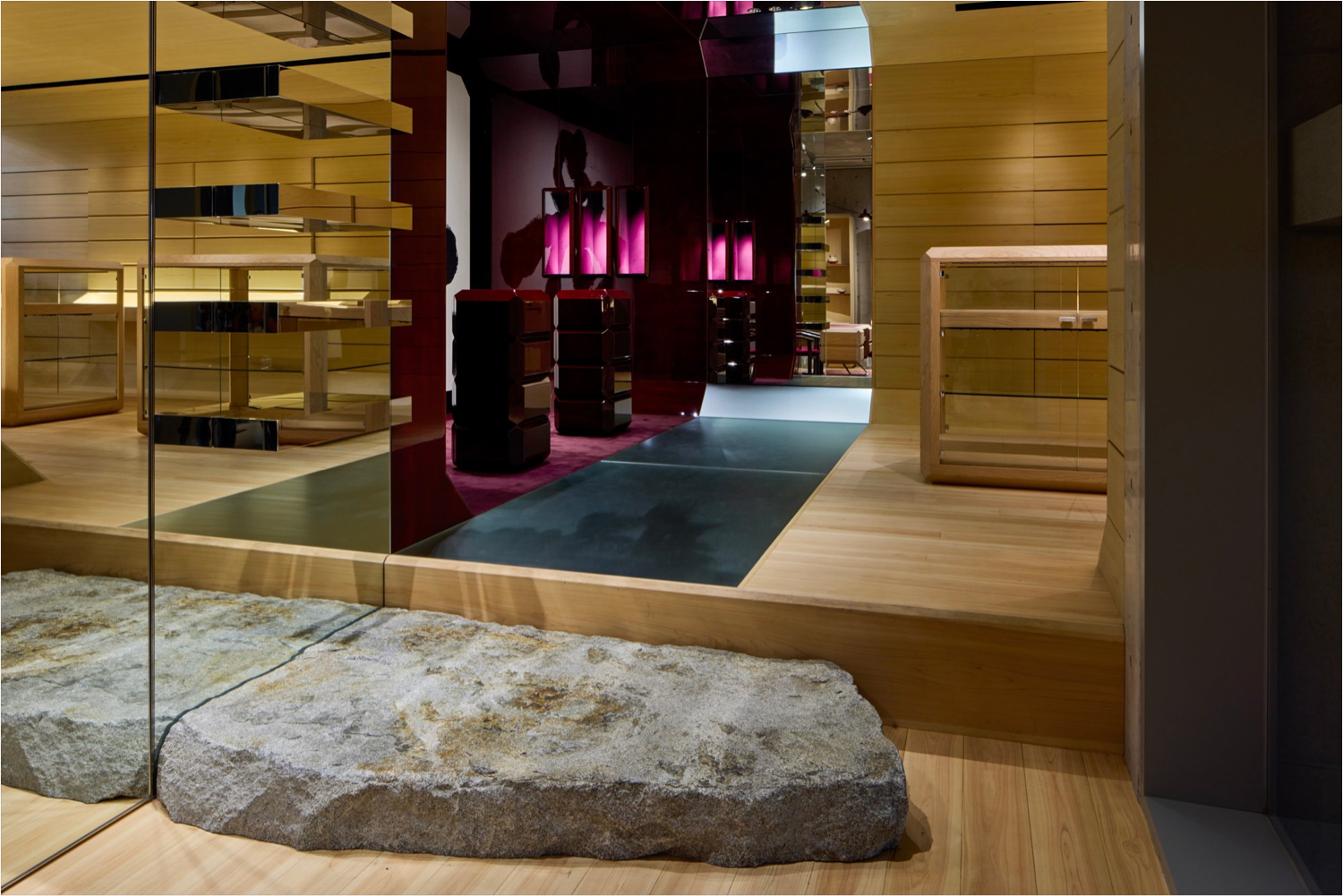
    The new store exhibits a unique balance of Japanese traditional aesthetics and Western contemporary elements. As customers step into the store, they are greeted by a mini corridor designed with sophisticated wall-embedded displays and cabinets. The walls, floors, and ceilings are constructed entirely from Hinoki wood, a choice material in Japanese architecture that lends a touch of authenticity to the store’s overall ambience.

    The store’s backdrop is an impressive piece of artwork by renowned calligrapher Daichiro Shinjo, providing a bold yet contemporary touch to the space.

    An Upstairs Lounge and Consultation Room

    The upper floor of the store is thoughtfully designed as a lounge-cum-consultation room. The space, fashioned out of the same Hinoki wood as the entrance, is filled with a selection of vintage furniture and unique Japanese decorative items. Visitors will find a six-panel folding screen from the late Edo period and a variety of Noh masks, a traditional form of Japanese theater.

    In addition to housing a range of eyewear, this floor also showcases an array of jewelry pieces. Customers can browse the selection and even place orders for custom pieces to suit their personal tastes.

    Basement Bar with Cultural Artifacts

    Descending to the store’s basement, customers will encounter a beautifully landscaped patio and a well-stocked bar. Against this backdrop, patrons can view a range of 17th-century European optical tools, Kokeshi dolls, and a larger-scale calligraphy piece by Shinjo, adding an artistic and historical dimension to their shopping experience.

    Questions & Answers

    Who is responsible for the store’s unique design?
    The store’s interior was designed by Shinichiro Ogata, the founder of Simplicity, a design house based in Tokyo and Paris.

    What are some distinct features of the store?
    The store exhibits a blend of traditional Japanese aesthetics and modern Western elements. It features an upper floor lounge-cum-consultation room and a basement bar, both decorated with vintage and traditional Japanese items, as well as a mini corridor made entirely of Hinoki wood.

    What products does the store offer, besides eyewear?
    In addition to eyewear, the store also showcases a selection of jewelry pieces which can be customized according to the customer’s preference.

  • Tokyo’s Grade A Office Leasing Set for Strong Performance in Second Half of 2023

    Tokyo’s Grade A Office Leasing Set for Strong Performance in Second Half of 2023

    The corporate world is buzzing, and Tokyo’s office leasing market is feeling the effects. According to the latest insights from JLL, a robust demand from companies is set to keep leasing volumes strong in the latter half of the year. The appetite for office space continues to grow, even as external risks loom, such as tariffs and global economic slowdowns. It seems that in the fast-paced landscape of corporate Japan, many businesses see their future as firmly grounded in tangible office spaces.

    Positive Predictions Amid Market Fluctuations

    Recently, Oxford Economics provided a forecast indicating a modest GDP growth of 0.8% by the end of 2025, alongside a consumer price index (CPI) prediction of 2.8%. While these figures paint a picture of stability, they come with caveats, primarily from potential tariffs affecting corporate activity and a possible downturn in overseas economies.

    Demand for Quality Office Spaces is Sky-High

    JLL’s report highlights that demand for existing office buildings remains resilient due to a substantial influx of headcounts and a trend toward high-quality relocations. In fact, net absorption in the Tokyo office market reached 30,816 square meters in Q2 2025, driven by significant activity in the information services, wholesale, retail trade, and professional services sectors. You could say the Tokyo office market is the land of opportunity—just without the neon lights.

    Rents Continue their Relentless Climb

    As companies vie for the best locations, rents have skyrocketed for six consecutive quarters. By the end of Q2 2025, average rents stood at JPY 36,237 per tsubo per month, marking a 2.0% quarterly increase and a striking 5.9% increase year-on-year. The Akasaka/Roppongi and Otemachi/Marunouchi areas, known for their premium real estate, have reported particularly tight vacancies and landlord-friendly market conditions.

    Vacancy Rates Plummet in Prime Locations

    Tokyo’s Grade A office vacancy rate averaged just 2.4% in Q2, reflecting a decline of 10 basis points quarter-on-quarter and 120 basis points year-on-year. The Otemachi/Marunouchi and Akasaka/Roppongi submarkets are seeing availability shrink to nearly non-existent levels, signaling that demand significantly outpaces supply.

    Capital Values Surge Despite Economic Uncertainty

    In line with rising rents, capital values in Q2 2025 rose 2.9% quarter-on-quarter and 9.5% year-on-year. This upswing can be attributed to the impenetrable ongoing demand and stable cap rates observed throughout the quarter. A standout transaction this quarter was Mitsubishi Estate’s acquisition of the Akasaka Park Building—a move that underscores the enduring allure of Tokyo’s real estate market.

    Questions & Answers

    What factors are contributing to the strong demand for office leasing in Tokyo?
    The strong demand can be attributed to increased headcount within corporations and a tendency towards relocating to higher-quality office spaces, driven by an appetite for premium environments.

    How have rental rates changed in Tokyo’s office market?
    Rentals have climbed for six consecutive quarters, with averages reaching JPY 36,237 per tsubo per month by Q2 2025, marking a 5.9% year-on-year increase.

    What are the implications of plummeting vacancy rates in key submarkets?
    The declining vacancy rates in districts like Otemachi/Marunouchi indicate a significant demand-supply imbalance, with nearly no space left available, making it a landlord’s market.

  • Brand Studio Lifestyle Launches Flagship Store In Bangalore; Sets Target For 75 Outlets Across India

    Brand Studio Lifestyle Launches Flagship Store In Bangalore; Sets Target For 75 Outlets Across India

    Brand Studio Lifestyle recently announced the opening of a new flagship store for the brands Highlander and Tokyo Talkies. The store is located in the JP Nagar area of Bangalore, representing the 40th store of this kind in India.

    Expansion Plans

    The opening of this flagship store is part of Brand Studio Lifestyle’s ongoing efforts to increase its retail presence throughout the city. The company has set a target to open 75 exclusive stores across India by March of next year.

    The new store covers an area of 12,000 square feet, merging scale, design, and accessibility to provide an immersive and engaging retail experience for shoppers.

    Shyam S Prasad, CEO of Brand Studio Lifestyle, commented on the significance of the new store: “This flagship store serves as a massive platform to display the range of the latest trending styles we launch each month. Customers are given the chance to explore the best in international fashion within this expansive space and experience the range of fashionable items we have available.”

    Future Store Developments

    The company plans to use the JP Nagar location as a model for their future large-format stores in metropolitan cities.

    Brand Studio Lifestyle also intends to boost its retail visibility through shop-in-shop formats across 600 sale points in large format stores and multi-brand outlets.

    Commenting on the company’s future plans, Prasad said, “In the future, we are planning to have a mix of large flagship stores ranging from 8,000-12,000 square feet and mid-sized stores of about 2,000-3,000 square feet. Our recent store openings in the UAE are considerably large, demonstrating our aspirations for both national and international expansion.”

    Questions & Answers

    What is the size of the newly opened flagship store in JP Nagar?
    The new flagship store covers an expansive area of 12,000 square feet.

    What are Brand Studio Lifestyle’s expansion plans?
    The company aims to open 75 exclusive stores across India by next March and use the JP Nagar location as a model for future large-format stores in metropolitan cities. They also plan to expand retail visibility through shop-in-shop formats across 600 sale points.

    What sizes will future stores of Brand Studio Lifestyle likely be?
    The company intends to have a mix of large flagship stores ranging from 8,000-12,000 square feet and mid-sized stores spanning 2,000-3,000 square feet.

  • Macy’s Makes Bold Return To International Market With Tokyo Store Launch In 2024

    Macy’s Makes Bold Return To International Market With Tokyo Store Launch In 2024

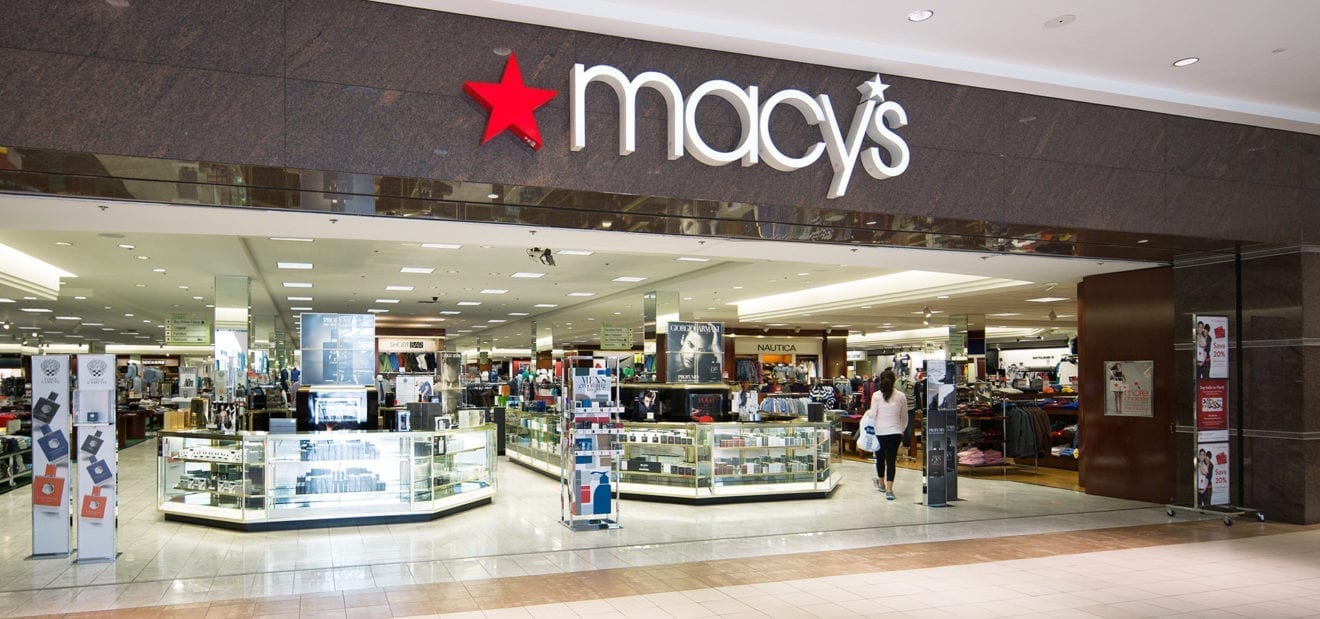
    In a remarkable move signaling a bold shift in the Asian retail landscape, iconic American department store chain Macy’s is poised to launch its inaugural store on the vibrant streets of Tokyo in 2024. This ambitious endeavor comes on the heels of Macy’s strategic decision to re-enter international markets, hoping to tap into the bustling consumer base of Japan, known for its affinity for global brands.

    Bridging the Gap with Local Culture

    Macy’s Tokyo outlet aims to offer more than just high-quality merchandise; it will feature a tailored assortment that resonates with local tastes. The retailer plans to collaborate with Japanese designers and artisans, seamlessly blending cultural nuances into its product offerings. It’s almost like Macy’s is stepping into the ring for a traditional tea ceremony but armed with a blend of Western retail expertise and Eastern aesthetics.

    The Grand Opening: What to Expect

    The anticipated store will occupy a prime location in Tokyo’s bustling Shibuya district, an area teeming with both tourists and fashion-forward locals. With an expansive 100,000 square feet of retail space, customers can look forward to a curated shopping experience that includes everything from exclusive fashion lines to premium beauty products, promising an engaging mix of American and Japanese retail elements, ensuring that no shopper leaves empty-handed.

    Economic Implications and Market Reception

    Macy’s return to Asia comes at a pivotal moment; the Japanese retail market is on the rebound post-pandemic, with consumers eager to embrace both international brands and local innovations. Experts predict that the presence of Macy’s will not only enrich the shopping landscape but also stimulate competition, urging local and regional players to elevate their offerings and customer service.

    Beyond Retail: Community Engagement

    In a commendable attempt to position itself as more than just a shopping destination, Macy’s plans to engage with the local community through events, workshops, and art exhibitions that showcase Japanese creativity. This holistic approach is likely to foster brand loyalty and create a sense of belonging among customers in Tokyo, turning casual browsers into devoted patrons.

    A Strategic Step Forward

    Analysts see this opening as a strategic pivot by Macy’s as it navigates the complexities of a globalized retail environment. By appealing to the eclectic tastes of Japanese consumers while upholding its storied American heritage, Macy’s is hoping to carve a niche that resonates on both cultural and commercial fronts.

    Questions & Answers

    What distinguishes Macy’s Tokyo store from its American counterparts?
    The Tokyo store will feature a curated product assortment that reflects local tastes, incorporating collaborations with Japanese designers and artisans, thus blending cultural elements into its offerings.

    Where will Macy’s new store be located?
    The new outlet will be situated in Shibuya, a high-traffic area in Tokyo that attracts both locals and tourists, providing an ideal setting for the retail giant’s re-entry into the Asian market.

    How does Macy’s plan to engage with the local community in Tokyo?
    Macy’s intends to host a variety of community events, workshops, and art exhibitions, showcasing local talent and fostering a sense of connection and loyalty among its customers.

  • Calvin Klein Unveils Global Flagship Store In Tokyo: A Fusion Of Minimalism And Japanese Craftsmanship

    Calvin Klein Unveils Global Flagship Store In Tokyo: A Fusion Of Minimalism And Japanese Craftsmanship

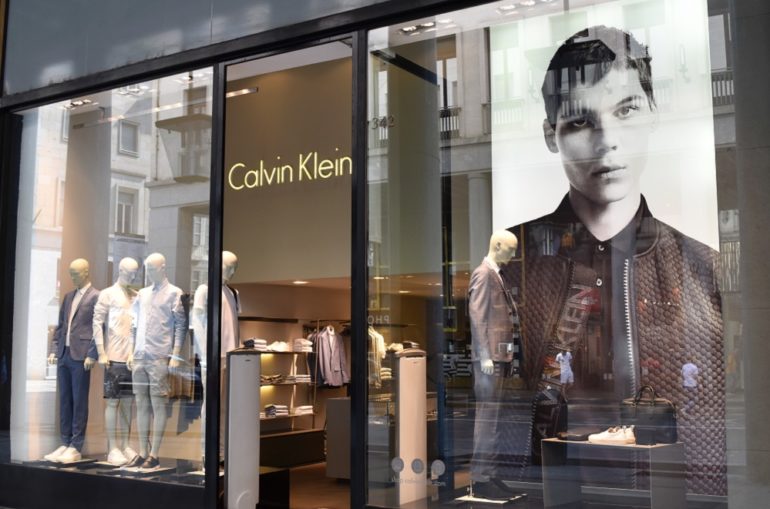
    In the bustling Harajuku district of Tokyo, Calvin Klein is set to unveil its latest global flagship store this Friday. This new move is a significant step in the brand’s ongoing global expansion efforts, following the successful establishment of a store in Paris last year.

    Creating a Unique Shopping Experience

    Calvin Klein aims to offer more than just a shopping destination with its latest flagship. Designed to be a fusion of culture and commerce, the new store seeks to elevate the retail experience for customers. David Savman, appointed as Calvin Klein’s global brand president in May, described the Tokyo flagship as a critical achievement in the brand’s worldwide retail strategy.

    A Blend of Minimalism and Tradition

    Spread over three floors, the flagship store is a harmonious blend of Calvin Klein’s signature minimalism and the artistry of traditional Japanese craftsmanship. The store features traditional materials such as stone, plaster, glass, paper, and cedar, all in a natural color scheme. Savman described the store as a place where “the Calvin Klein way of living meets the culture of fashion”.

    At the Intersection of Fashion and Culture

    Calvin Klein has consistently been at the crossroads of fashion and culture, creating products and experiences that inspire and resonate with consumers. According to Savman, the brand’s stores are where this unique aspect of its identity is most fully expressed. The company also hinted at an upcoming New York flagship store, which is scheduled to open later this year.

    Questions & Answers

    Where is Calvin Klein’s newest global flagship store located?
    The newest global flagship store by Calvin Klein is located in the Harajuku district, Tokyo.

    What is unique about the design of the Tokyo flagship store?
    The Tokyo flagship store uniquely blends Calvin Klein’s signature minimalism with the artistry of traditional Japanese craftsmanship.

    What is the next significant opening planned by Calvin Klein?
    Calvin Klein plans to open a flagship store in New York later this year.

  • Tokyo Welcomes Three Sophisticated Luxury Hotels Set to Launch in Late 2025

    Tokyo Welcomes Three Sophisticated Luxury Hotels Set to Launch in Late 2025

    Tokyo’s hospitality landscape is in for a makeover, with an exciting lineup of luxury hotels poised to make their debut. A recent report by JLL reveals that while there were no new international hotel openings in the Japanese capital during the second quarter of 2025, the second half promises to be bustling with activity as major brands prepare to enter the market.

    A Luxury Surge on the Horizon

    Notable names like Fairmont, JW Marriott, 1 Hotel, and Caption by Hyatt are gearing up for launches, indicating strong confidence among international brands to tap into Tokyo’s upscale travel market. This comes on the heels of a recovery in the city’s hotel sector, which has shown remarkable growth across all segments. The surge in inbound visitors has led to a steady rise in average daily rates (ADR), while hotel occupancy continues to rebound steadily.

    Positive Trends and Room for Growth

    According to the JLL report, Tokyo’s luxury and upper upscale segments witnessed notable improvements compared to the previous year. Year-to-date figures through June show that both ADR and occupancy have increased year-on-year, contributing to a substantial rise in revenue per available room (RevPAR). However, the city’s occupancy rates still trail behind levels seen in the vibrant Q2 of 2019.

    Staying Vigilant Amid Global Uncertainty

    Looking ahead, the buoyant trends observed in the first half of 2025 may face some turbulence due to rising geopolitical risks and global instability. JLL cautions that these factors could significantly influence hotel performance in the latter half of the year. While exchange rate fluctuations haven’t yet affected hotel metrics, a continuous decline in department store revenues, which fell year-on-year for five consecutive months starting February, suggests a shift in consumer spending habits among international visitors to Japan. It appears that tourists may be opting for memorable dining experiences and local attractions over traditional shopping sprees.

    In an industry where maintaining a balance between luxury and experiential offerings is crucial, Tokyo is set to redefine its hospitality narrative in the coming months—making it an exciting moment for both investors and travelers.

    Questions & Answers

    What luxury hotel brands are planning to open in Tokyo by late 2025?
    Fairmont, JW Marriott, 1 Hotel, and Caption by Hyatt are among the international brands set to debut in Tokyo during the second half of the year.

    How has Tokyo’s hotel sector performed in 2025 so far?
    The sector has seen continued growth across all segments, with improvements in average daily rates and occupancy rates compared to the previous year, though overall occupancy is still below pre-pandemic levels.

    What challenges could impact Tokyo’s hotel performance in the latter half of 2025?
    Rising geopolitical risks and global instability could create uncertainty, potentially affecting hotel performance as both exchange rates and consumer spending change.

  • Indian Fashion Pioneer Brand Studio Lifestyle Expands Into Uae With Three Flagship Stores

    Indian Fashion Pioneer Brand Studio Lifestyle Expands Into Uae With Three Flagship Stores

    Brand Studio Lifestyle, the parent company of Indian fast-fashion labels Highlander and Tokyo Talkies, has expanded its operations into the Middle East with the launch of three flagship stores in the United Arab Emirates (UAE).

    Flagship Stores Launch in the UAE

    The new stores have been established in prominent shopping locations, including the BurJuman Mall in Dubai and the Sahara Centre and Mega Mall, both situated in Sharjah. The Sahara Centre location is the largest of the three, spanning an impressive 9,000 square feet, while the other two stores each occupy 5,000 square feet spaces.

    A Strategic Move into a Growing Market

    Shyam Prasad, the co-founder and CEO of Brand Studio Lifestyle, expressed his optimism about this international venture, stating that it closely aligns with the increasing demand for Indian fashion within the Middle East. He highlighted the company’s pioneering status in terms of exporting Indian fast fashion on a global scale, expressing hope that this move will inspire other domestic brands to explore international expansion.

    Future Expansion Plans

    The company also disclosed plans to further strengthen its presence in the region. By next year, Brand Studio Lifestyle aims to open an additional seven stores, as well as establish 600 shop-in-shop formats across various large-format and multi-brand outlets.

    Creating a Comprehensive Retail Experience

    Rapheal Lifestyle, the retail and consumer-facing subsidiary of the UAE-based Rapheal Group, has been instrumental in supporting the launch of these stores. The founder of Rapheal Pozholilparambil emphasized the significance of the launch. He explained that the objective is not simply to introduce new retail outlets, but to offer customers an affordable, accessible, and expressive lifestyle experience.

    Questions & Answers

    What is the significance of Brand Studio Lifestyle’s entry into the Middle East market?

    The company’s expansion into the Middle East aligns with the growing demand for Indian fashion in the region. This move also signifies the brand’s intent to internationalize Indian fast-fashion.

    Where are the new flagship stores located?

    The three flagship stores are located at the BurJuman Mall in Dubai, and the Sahara Centre and Mega Mall in Sharjah, UAE.

    What are the company’s future plans in the region?

    Brand Studio Lifestyle intends to expand its presence by opening seven more stores in the region by next year. The company also plans to establish 600 shop-in-shop formats across various large-format and multi-brand outlets.

  • Nam Long Group Welcomes Tokyu Corporation as Exciting New Partner in Izumi City Development

    Nam Long Group Welcomes Tokyu Corporation as Exciting New Partner in Izumi City Development

    On July 30, an important partnership was sealed between Nam Long Group and Tokyu Corporation, as company representatives gathered for a signing ceremony that signals a significant step in urban development in Vietnam.

    Two Giants Collaborate for Sustainable Living

    Lucas Loh, Group CEO of Nam Long, expressed enthusiasm about the alliance, emphasizing that this collaboration embodies both parties’ dedication to creating sustainable, high-quality developments aimed at enhancing living standards within Vietnamese communities. Loh acknowledged Tokyu’s involvement as a vital addition of global expertise to the Izumi City project, aligning perfectly with Nam Long’s vision of crafting vibrant, livable townships.

    Creating a Modern Township

    “We appreciate the trust Tokyu Corporation has placed in Nam Long and look forward to shaping future communities that will nourish a high quality of life for generations,” Loh stated, weaving optimism into the narrative of this burgeoning partnership.

    Ogata Yoshinori, Executive Officer of Tokyu Corporation’s International Business Division, highlighted Izumi City as a forward-thinking township developed to address the surging housing demand in Southern Vietnam. With its green, interconnected design and strategic location, the township promises residents easy access to Ho Chi Minh City and its satellite towns.

    “By integrating the strengths of Nam Long, Hankyu Hanshin Properties, and Tokyu Corporation, we intend to create a model community where Vietnamese families can truly flourish,” Ogata affirmed, conjuring an image of flourishing families amidst a robust urban landscape.

    Izumi City: A Vision Realized

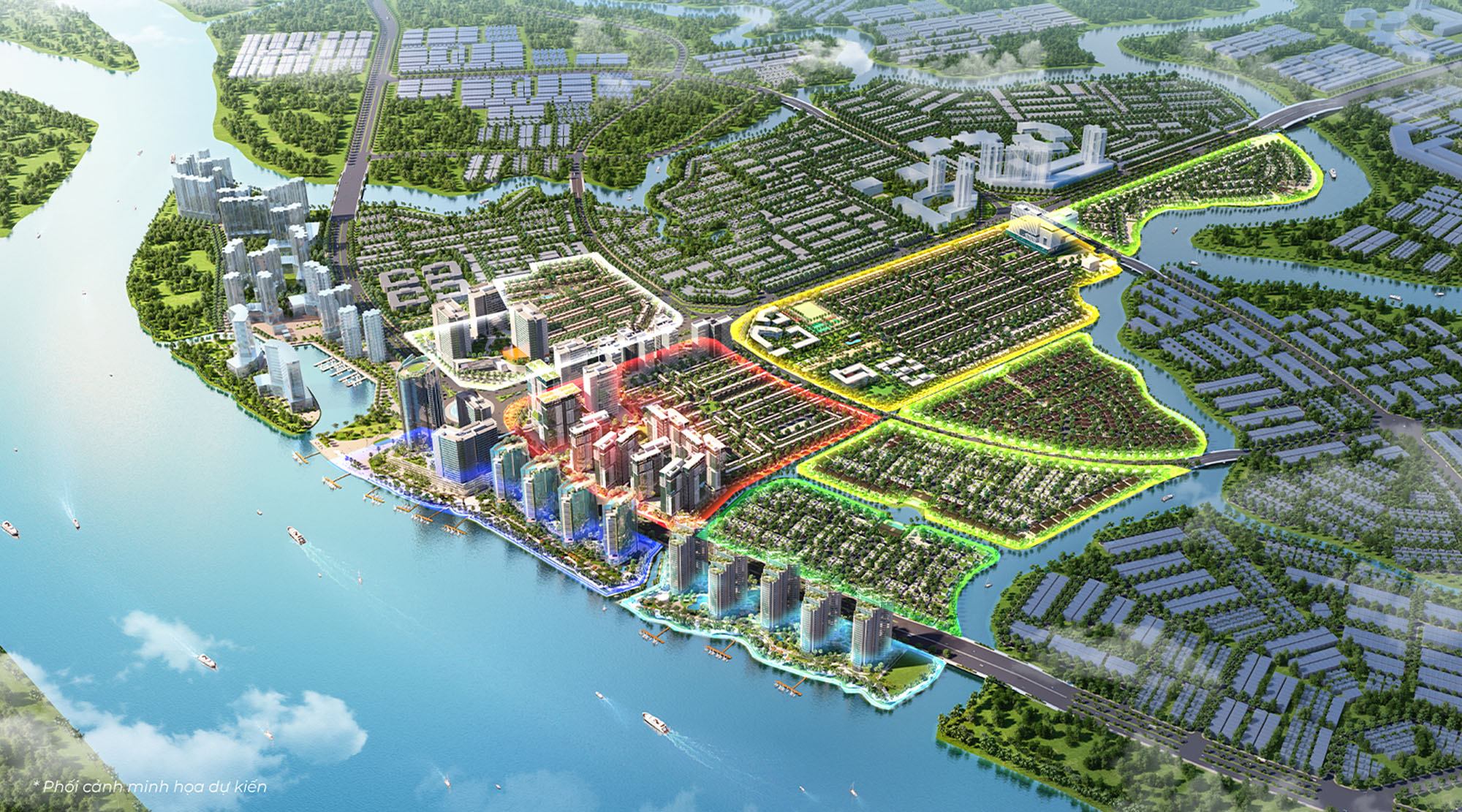
    Spanning an impressive 170 hectares in Long Hung Ward, Dong Nai Province, Izumi City occupies a key area within one of southern Vietnam’s most vibrant economic zones. Its prime location offers excellent access to major infrastructures, including National Highway 51, the Ho Chi Minh City–Long Thanh–Dau Giay Expressway, and the upcoming Long Thanh International Airport — a connectivity that could make urban living feel almost like a stroll through a park.

    The ambitious project’s first phase aims to introduce approximately 2,900 low-rise housing units, with plans for a comprehensive ecosystem featuring schools, healthcare facilities, commercial spaces, and leisure options. This well-rounded environment will support a burgeoning community and promote an enriching lifestyle for future residents.

    The inclusion of Tokyu Corporation and Hankyu Hanshin Properties—renowned Japanese firms with vast experience in urban development—adds considerable strength to this Japan-Vietnam collaboration, cementing a robust foundation for the promising future of Izumi City.

    Questions & Answers

    What significance does the partnership hold for Nam Long Group and Tokyu Corporation?
    The partnership is seen as a commitment to sustainable, high-quality urban developments aimed at improving living standards in Vietnamese communities, with Tokyu bringing valuable international expertise to the table.

    What amenities can future residents of Izumi City expect?
    Residents can look forward to a complete ecosystem of services, including schools, healthcare facilities, commercial areas, and entertainment options, all designed to promote a balanced, quality lifestyle.

    How large is the Izumi City project and where is it located?
    Izumi City covers an expansive area of 170 hectares in Long Hung Ward, located within one of southern Vietnam’s dynamic economic zones, making it a prime location for growth and development.