Tag: tokyo

  • Tesla Model Y Price Drops Below $23,000 in Tokyo on Local Subsidies

    Tesla Model Y Price Drops Below $23,000 in Tokyo on Local Subsidies

    Tokyo buyers can now purchase a Tesla Model Y for under $23,000. That makes the Japanese capital the cheapest market worldwide for the electric SUV.

    Combined national and municipal clean-vehicle incentives cut the effective entry price to 3.6 million yen ($22,889). Standard list price sits at 5.6 million yen.

    How Tokyo Subsidies Cut The Price

    Tokyo residents can tap up to 2 million yen in government support this year. Buyers of the smaller Model 3 sedan qualify for similar programs. That pushes the Model 3 starting cost down to 3.3 million yen.

    Tesla runs ads across Japan highlighting the full subsidy package. The campaign targets urban drivers in a retail market long dominated by domestic carmakers.

    Shanghai Shipments Undercut China Domestic Rates

    The discounted Tokyo sticker price undercuts retail rates in China, where Tesla builds the Model Y at its Shanghai plant. A base Model Y in China lists for approximately 263,500 yuan ($39,344).

    That gap widens against Western markets. California offers first-time EV buyers up to $3,500 in state incentives, but the Model Y still costs drivers there over $36,000.

    Trade Deals And Pressure On Domestic Makers

    Japanese automakers face immediate showroom pressure from the Shanghai-built imports. The Model Y ranked as Japan’s most imported passenger car during the first half of the year. It proved foreign electric models can win volume when priced below domestic hybrids.

    Bilateral trade negotiations add another layer to the pricing shift. US President Donald Trump has demanded broader market access for American brands in Japan. Meanwhile, both governments are reviewing a $550 billion investment framework established last year following a deal to cut US import tariffs on Japanese cars.

    Import Figures To Watch

    Tesla expanded deliveries into ports like Yokohama over the past two years. The company shifted supply lines directly from its Shanghai Gigafactory to shorten delivery times across the Asia-Pacific region.

    Retailers and competing importers now watch whether the Tokyo Metropolitan Government maintains these municipal rebate levels through its next fiscal budget review.

  • Japan Cat Litter Brand ZuttoNyan Enters US Market via Amazon and TikTok Shop

    Japan Cat Litter Brand ZuttoNyan Enters US Market via Amazon and TikTok Shop

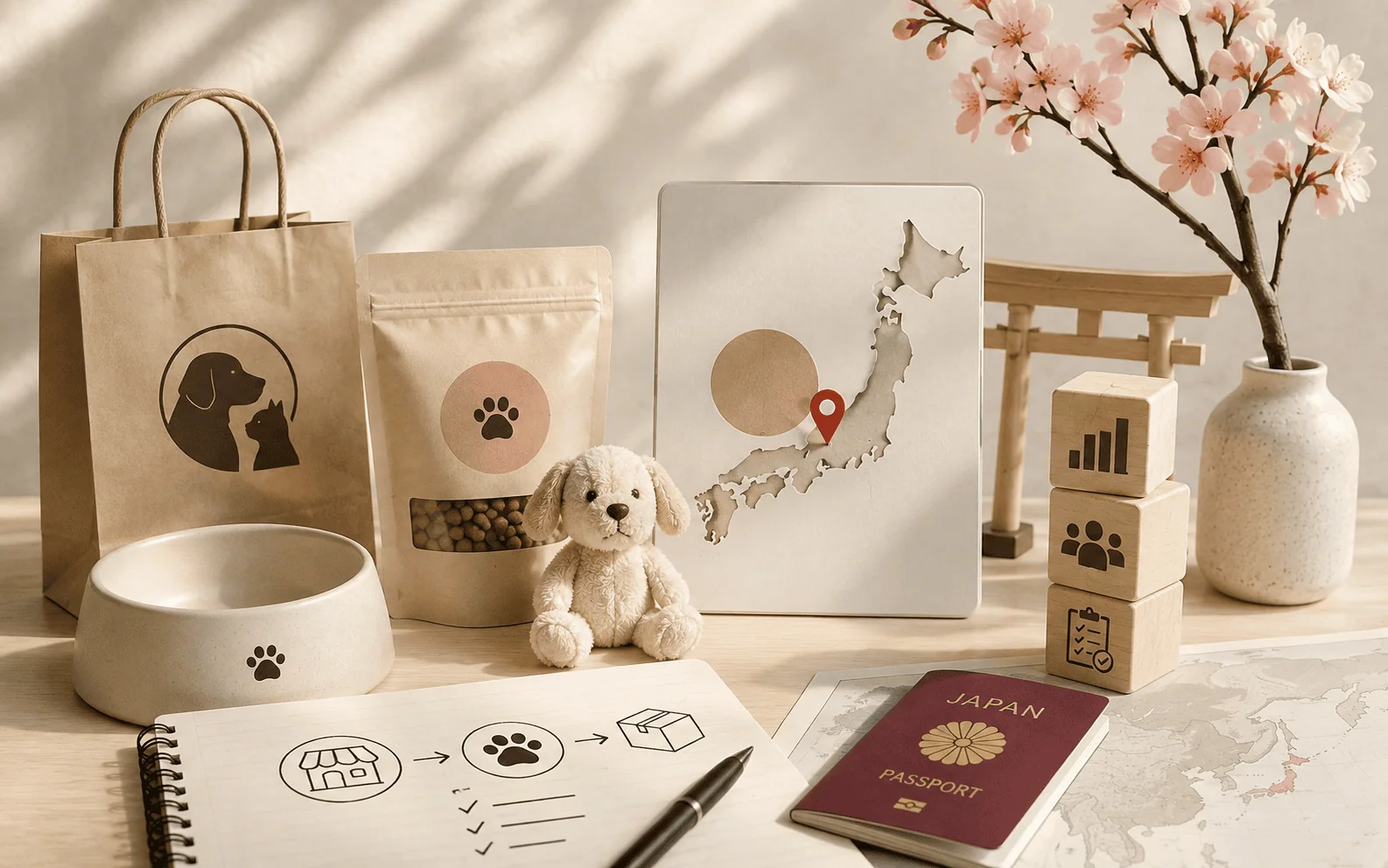
    Japanese pet brand ZuttoNyan launched direct sales in the United States on September 15, listing its plant-based mixed cat litter products on Amazon and TikTok Shop.

    The push gives the Tokyo-born brand immediate digital access to American consumers just thirteen months after its commercial debut in Japan.

    Plant-based formulas across social commerce

    ZuttoNyan enters the North American market with two primary formulations: a tofu mixed litter and a cassava mixed litter. The brand blends plant materials to improve liquid absorption, harden clumping, and reduce dust compared to standard single-material clay litters. Its packaging design previously took a Silver Award at the London Design Awards.

    Instead of pitching brick-and-mortar pet specialty chains first, the company is routing inventory directly through social commerce and third-party marketplace channels. Selling via TikTok Shop and Amazon lets Asian consumer brands test regional demand without locking capital into overseas warehouse leases or distributor agreements.

    The cross-border pet care push

    Asian pet care manufacturers are targeting Western markets where pet spending per household sits at record highs. Japanese brands hold a reputation for functional design and clean ingredient profiles, yet selling heavy, low-margin bulk consumables across oceans carries steep logistics costs.

    Shipping compressed plant-based litter overseas works only if the product commands premium pricing and repeat subscription orders. Success in the United States requires ZuttoNyan to win customer retention against established domestic players while absorbing standard platform take-rates and local fulfillment fees.

    From domestic debut to overseas retail

    The company started rolling out products in the Japanese market in August 2025. Four months later, in December 2025, the brand completed an operational relaunch focused on companion-animal science and updated product formulations.

    ZuttoNyan stated it will use initial US digital sales data to evaluate further product development and additional line extensions for North American pet owners.

  • Eastman Kodak Overtakes Canon as Japan’s No. 1 Camera Brand in Fiscal 2025

    Eastman Kodak Overtakes Canon as Japan’s No. 1 Camera Brand in Fiscal 2025

    Eastman Kodak overtook Canon as the No. 1 camera brand in Japan by sales volume in fiscal 2025. The result ended the Japanese company’s 20-plus-year streak at the top of the market.

    American digital cameras captured the top spot after striking a chord with Gen Z and boosting appeal among young buyers.

    Budget compacts challenge high-end mirrorless

    Distributed by Maspro Denkoh in Japan, the Kodak Pixpro FZ55 led the surge while affordably priced below 30,000 yen.

    That price point separated Kodak from legacy domestic rivals. Over the past decade, Japanese camera makers largely abandoned budget compacts. They focused instead on high-margin mirrorless bodies costing well over 100,000 yen.

    Canon loses unit leadership after 20 years

    For over two decades, Canon dominated Japanese sales tables with both entry-level compacts and interchangeable-lens systems. Domestic makers then shifted production capacity toward premium gear and video tools. That shift left the sub-30,000 yen tier bare.

    Electronics chains stocked the Pixpro line to fill that opening. Younger buyers snapped them up, wanting dedicated point-and-shoot cameras without flagship smartphone price tags.

    Demographic shifts alter store assortments

    Demand in Japan has split along demographic lines. Older hobbyists and commercial creators still buy premium mirrorless systems. Younger shoppers choose pocket digital cameras for everyday snapshots.

    Fujifilm broke into Japan’s top three digital camera makers on strong interest from female shoppers. Combined gains by Kodak and Fujifilm show demand for standalone cameras reaching beyond traditional photo enthusiasts.

    Distribution networks realign for budget hardware

    Store buyers across Tokyo and regional hubs handle a starkly different product mix today. High-end camera counters still produce substantial revenue per ticket. Unit volume, however, belongs to lower-cost lines.

    Maintaining steady inventory across retail chains will test distributor Maspro Denkoh and Kodak as demand persists. Japanese camera brands must now decide whether to contest the budget category again or permanently yield volume to protect high margins.

  • Japan Core Inflation Holds at 1.7% as Central Bank Prepares Rate Increase

    Japan Core Inflation Holds at 1.7% as Central Bank Prepares Rate Increase

    Japan’s core consumer price index rose 1.7 per cent year-on-year in August, holding steady near the central bank target ahead of an expected policy rate hike to 1.25 per cent.

    The reading slipped from a 1.8 per cent gain in July and came in just below the median market forecast of 1.8 per cent. Stripping out both fresh food and fuel, the narrower core-core index tracked by policymakers climbed 1.9 per cent from a year earlier, pointing to steady domestic price momentum across goods and consumer services.

    Subsidies mask underlying price growth

    Core inflation remained below the Bank of Japan’s 2 per cent threshold for an eighth straight month. State utility subsidies cushioned household electricity and gas bills, neutralizing broad price increases applied across shelf goods, processed foods and consumer durables.

    Without government intervention on utility tariffs, headline consumer pricing would sit well above current readings. Manufacturers and supermarket operators continue to pass higher raw material and transport expenses onto retail shoppers.

    Currency pressure hits import bills

    A weak yen and rising shipping expenses tied to Middle East supply disruptions have pushed import costs higher for consumer brands. The central bank warned that sustained currency weakness creates risks of an inflation overshoot if overseas procurement costs stay elevated through the second half of the year.

    Importers and specialty retailers face shrinking gross margins unless they adjust shelf prices further. Higher procurement expenses leave retail operators little room to absorb future currency depreciation without passing costs directly to consumers.

    Borrowing costs squeeze retail margins

    For commercial operators and property groups, higher borrowing costs will raise debt servicing expenses on store fit-outs, logistics infrastructure and warehouse expansions. Department store operators and retail real estate developers that relied on ultra-low funding to carry inventory and upgrade flagships face tighter capital discipline.

    Consumer finance and retail credit providers will see immediate interest rate repricing. While higher rates improve returns for retail banks, elevated borrowing expenses risk dampening discretionary spending on electronics, fashion and lifestyle goods across metropolitan centers.

    Projected trajectory through 2027

    The Bank of Japan lifted its benchmark rate to 1 per cent in June after assessing that durable inflation had taken hold across the domestic market. Policymakers kept rates unchanged in July while preparing markets for further tightening if underlying price trends remain elevated.

    Financial markets anticipate policy rates will climb to 1.5 per cent by the end of March next year, before reaching 1.75 per cent in the second quarter of 2027.

  • Onitsuka Tiger, Laneige, Adidas and Lacoste Open Four Asian Flagships

    Onitsuka Tiger, Laneige, Adidas and Lacoste Open Four Asian Flagships

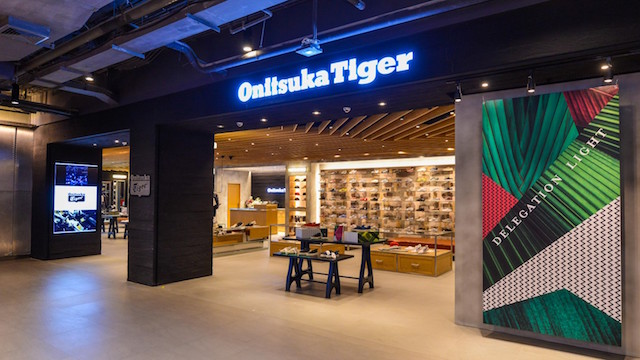
    Four major retail brands, Onitsuka Tiger, Laneige, Adidas Originals, and Lacoste, opened flagship stores across Tokyo, Seoul, Bangkok, and Hong Kong in August 2026 to expand their physical footprints in Asia.

    The rollouts include an 1,837-square-metre store for Onitsuka Tiger in Shinjuku and an 18-month redevelopment for Laneige in Seoul featuring on-site robotic product compounding.

    Automation in Seoul and Scale in Tokyo

    In Tokyo, Onitsuka Tiger opened its largest global flagship across four levels in Shinjuku. Designed with Milan architecture firm Studio Dini Cataldi, the building features a Tiger Yellow concrete facade and houses the label’s complete lineup, including the Heritage, Contemporary, and The Onitsuka formal footwear ranges under a unified roof.

    Laneige reopened its Seoul flagship with automated manufacturing built directly into the sales floor. Shoppers use artificial intelligence diagnostics to generate custom skincare and complexion formulations. A robotic dispenser produces personalized cushion foundation from 150 shades, while custom Cream Skin toners are blended on site from 25 base formulations in roughly 20 minutes.

    Laneige Seoul is our perception of what the future of beauty, technology and design looks like. Every visit is different; every product is yours alone.

    Heritage Streetfronts in Bangkok and Hong Kong

    Adidas Originals took over a two-storey godown on Song Wat Road in Bangkok, creating its first standalone street location in Thailand. The ground floor integrates trading district props such as pushcarts alongside a Maker Lab for apparel customization, while the upper level holds Southeast Asia’s first combined Adidas and % Arabica coffee outlet overlooking the Chao Phraya River.

    Lacoste established a flagship in Hong Kong’s Central district inside the Grade I historic Pedder Building. The interior repurposes the structure’s classic arches into dedicated zones for menswear, womenswear, and sport, incorporating art by Alvin CK Lam and furniture built from recycled tennis balls by Belgian designer Mathilde Wittock.

    The Direct-to-Consumer Calculation

    These large-footprint flagships show operators trading sales floor density for operational theatre. By bundling customization labs, in-store cafes, and robotic assembly lines into physical spaces, brands are treating flagships as media channels rather than simple inventory distribution points. The approach increases fit-out costs and staffing requirements, but it insulates physical locations against pure e-commerce erosion by selling products that cannot be purchased online.

    For landlords across prime Asian high streets, the shift favors tenants that can generate sustained foot traffic without relying entirely on wholesale distribution. The risk rests in long-term maintenance: high-concept production zones and customized hardware require ongoing operational discipline once initial opening publicity fades.

    The Shinjuku opening follows an August restructuring announcement from parent group Asics, which approved a plan to carve out the Onitsuka Tiger business into a wholly owned unit named OT Group. That operational transfer takes effect on January 1, when the brand begins trading under the dedicated subsidiary.

  • Japanese Yen Drops to 156 Against Dollar Following Hawkish Federal Reserve Rate Hike

    Japanese Yen Drops to 156 Against Dollar Following Hawkish Federal Reserve Rate Hike

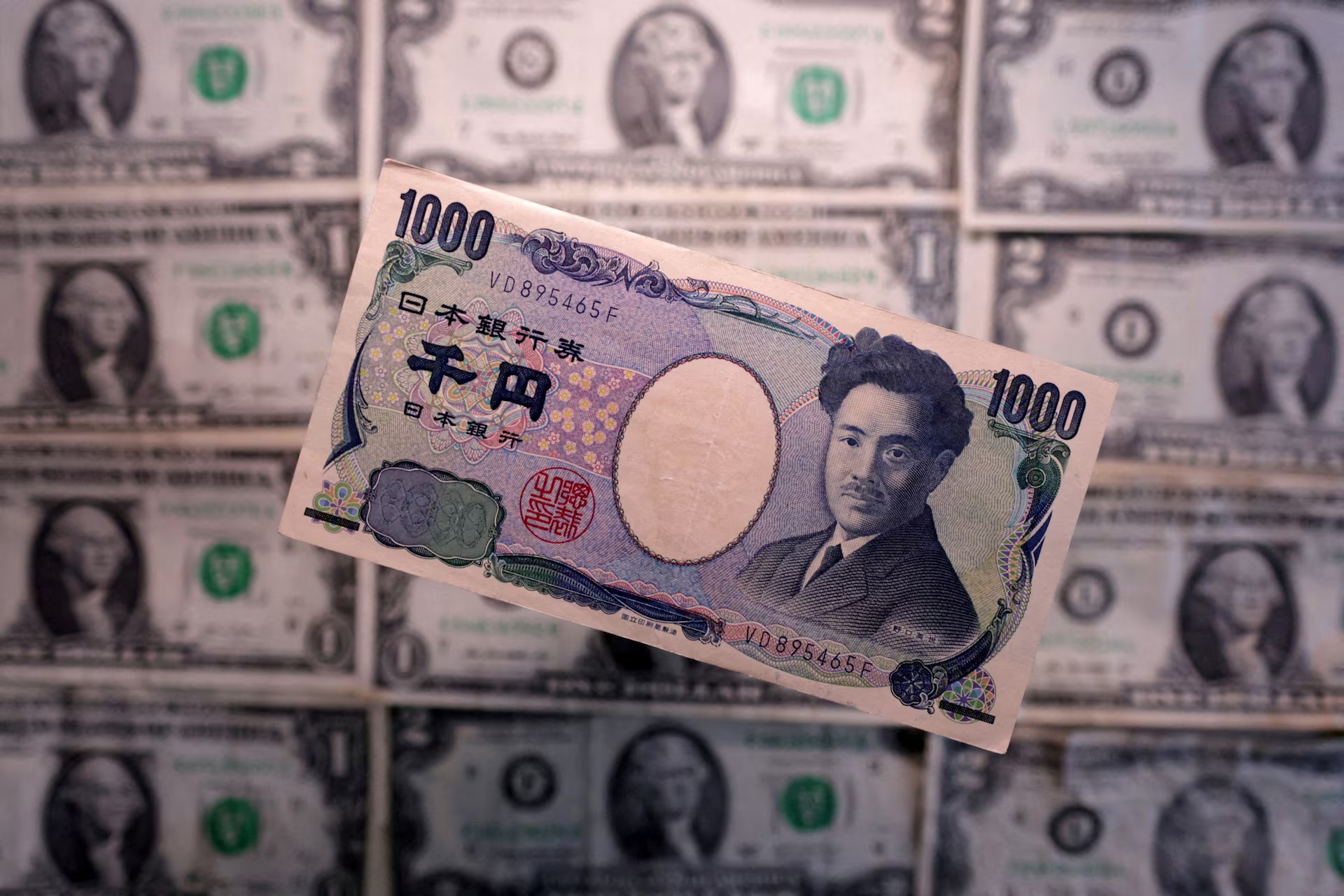
    The Japanese yen fell past 156 against the US dollar in Tokyo on Thursday morning after the Federal Reserve raised interest rates. Fed officials paired the hike with a hawkish outlook. The US Dollar Index climbed above 100 as Asian currencies retreated.

    This sell-off pushed the currency back toward multi-month lows against the greenback after earlier rallies had lifted it to 152 and 154. The reversal resets the cost floor for Asian supply chains. Most settle energy, raw materials and consumer electronics components in dollars.

    Widening Rate Gap Hits Asian FX

    Washington provided the catalyst. The Federal Reserve confirmed further tightening to curb stubborn inflation. Higher yields on US debt continue to draw capital away from Asian fixed income assets, penalising currencies tied to low or negative real interest rates.

    Consumer brands and retailers importing inventory across Asia face immediate margin hits. Importers of packaged food, apparel and tech hardware face higher wholesale landed costs. Export manufacturers gain a temporary translation boost, but it masks weak domestic consumer sentiment.

    Squeeze on Margins and Import Costs

    Retail operators cannot easily pass currency fluctuations to shoppers without dampening foot traffic. Department stores, specialty chains and supermarket networks across East Asia face a hard choice. They must absorb higher procurement invoices or risk volume drops by raising shelf tags.

    Japan’s Ministry of Finance and corporate treasurers lost the breathing room they had earlier in the week. The market had watched the yen strengthen toward 152. The Federal Reserve quickly extinguished bets on an early monetary pause.

    Bank of Japan Decision in Focus

    Earlier trading saw the yen swing between 152 and 154 to the dollar as desks weighed domestic inflation against global bond yields. Japanese land prices and tourism spending showed resilience. Still, imported input inflation continues to squeeze local business margins.

    Traders now look to the Bank of Japan’s upcoming policy meeting. Officials face rising pressure to consider domestic rate adjustments to arrest further currency depreciation.

  • Japan Targets Food Consumption Tax Cut to 1 per Cent Under Reshuffled Cabinet

    Japan Targets Food Consumption Tax Cut to 1 per Cent Under Reshuffled Cabinet

    Japan plans to cut its consumption tax on food from 8 per cent to 1 per cent for two years starting April 2027 under a retained economic team.

    The tax cut anchors Prime Minister Sanae Takaichi’s legislative agenda. She plans to submit the bill to parliament before the end of 2026. Finance Minister Satsuki Katayama will defend the policy and outline how the government will plug the resulting revenue shortfall.

    Tax relief timeline and Cabinet posts

    Takaichi maintained stability across key portfolios while broadening her governing alliance. Foreign Minister Toshimitsu Motegi and Defense Minister Shinjiro Koizumi keep their posts. Chief Cabinet Secretary Minoru Kihara stays on as top government spokesperson. Hiroshi Nakatsuka from the Japan Innovation Party joins as state minister for special missions. The appointment gives the junior coalition partner its first Cabinet seat since the two parties allied in October 2025.

    Keeping Katayama at the Ministry of Finance secures an experienced administrator for the coming tax debates. Officials must draft statutory text and win parliamentary approval in the upcoming session. That schedule gives cash-register vendors and food distributors time to update billing software before the April 2027 start date.

    Implications for grocers and state coffers

    For supermarket chains, convenience store operators, and food manufacturers, the seven-percentage-point cut offers direct margin relief. Grocers have absorbed higher wholesale costs for imported staples and energy for years, passing higher shelf prices to cautious shoppers. A drop to a 1 per cent rate reduces register prices immediately. That discount should support sales volumes across physical stores and food delivery apps.

    Operational challenges center on IT systems. Japanese retailers spent heavily to install dual-rate cash register infrastructure during the October 2019 tax revision. Adjusting cash desks to a temporary 1 per cent bracket will require fresh software updates and staff training across thousands of stores nationwide.

    Parliamentary battles ahead

    Coalition ties date back to October 2025, when the Liberal Democratic Party partnered with the Japan Innovation Party without allocating ministerial seats. Takaichi defeated Koizumi in a party leadership runoff last year. Keeping rivals inside the Cabinet binds potential challengers to her fiscal plans ahead of the September 2027 party presidential election.

    Lawmakers will debate the food tax legislation and its funding mechanisms before the end of December 2026. That vote will set the baseline for consumer prices across Japan’s food retail sector through 2029.

  • Japan’s Positive Rates Lift Major Bank Earnings

    Japan’s Positive Rates Lift Major Bank Earnings

    Japan’s return to positive rates is supporting major banks’ ability to generate more sustainable earnings from domestic banking activities, according to Fitch Ratings.

    The positive rates remove banks’ long-standing constraint on profitability and internal capital generation, the credit rating company said in a September 2026 commentary.

    Fitch expects this benefit to outweigh higher bond valuation losses, rising deposit costs and gradually higher borrower debt-servicing burdens over the next one to two years.

    Asset Yields Outpace Funding Costs

    Lenders are reallocating liquid assets into higher-yielding domestic instruments as negative interest rate policies recede. Rising income from domestic loans and newly purchased government bonds provides immediate relief to net interest margins, counteracting the initial portfolio write-downs caused by falling bond prices.

    Deposit costs are edging higher across commercial networks, but the pace of increase remains disciplined. Major lenders retain large pools of low-cost retail deposits that adjust more slowly than wholesale market funding, preserving a profitable spread on new corporate loans.

    “We expect this benefit to outweigh higher bond valuation losses, rising deposit costs and gradually higher borrower debt-servicing burdens over the next one to two years,” Fitch said.

    Corporate Balance Sheets and Debt Burdens

    Borrower balance sheets entering this cycle look stronger than in previous tightening eras. Japanese corporations spent years reducing use, leaving balance sheets insulated against gradual rate increases and enabling them to fund working capital from domestic cash flow.

    Household finances show similar resilience despite the initial repricing of floating-rate home loans. Large household savings balances, combined with real wage increases across major metropolitan employers, prevent an immediate spike in non-performing retail loans.

    Credit costs at the largest financial groups will remain contained, though vulnerability is concentrated in specific corners of the market. Small domestic enterprises operating on tight margins face cash flow pressure, while regional lenders with heavy exposure to real estate and floating mortgages face higher delinquency risks than the national megabanks.

    Shifting Away From Negative Rates

    The transition marks the end of an era where Japanese lenders sought returns overseas to offset stagnant margins at home. For years, domestic institutions deployed capital into foreign syndicated debt and offshore commercial property to sustain profitability, absorbing currency hedging costs that frequently eroded net yields.

    Domestic lending has now reclaimed its role as the primary driver of core banking profits. Higher base rates give institutions the headroom to price credit based on borrower risk rather than competing in a race to zero, reshaping commercial lending across Tokyo, Osaka and regional manufacturing hubs.

    Attention now shifts to the credit performance of used small businesses as quarterly repayments reset, alongside plans by Japanese megabanks to roll out joint digital-currency transaction platforms by March 2027.

  • Wego Scraps My Hero Academia Line After Backlash in China

    Wego Scraps My Hero Academia Line After Backlash in China

    Tokyo-based fashion brand WEGO has scrapped plans to launch an exclusive apparel range in collaboration with hit anime and manga franchise My Hero Academia in September 2026 following an angry backlash from Chinese consumers.

    Shoppers across Chinese social media condemned the planned launch, prompting the Japanese apparel retailer to cancel the release immediately.

    Controversy Over Wartime References

    WEGO had announced an exclusive clothing line based on the popular franchise, but Chinese users quickly cited a 2020 controversy involving a character linked to lethal human experiments that killed thousands of prisoners.

    Chinese audiences previously condemned the anime in 2020 over a storyline featuring a character who conducted lethal human experiments. Viewers linked the narrative to Unit 731. That covert Japanese military medical unit ran fatal biological warfare experiments on thousands of prisoners, most of whom were Chinese.

    Outrage centered on the character’s original name, Maruta Shiga. In Japanese, the word maruta means log. It served as the wartime code name for human subjects used in the unit’s experiments. Social media users also connected the surname Shiga to bacteriologist Kiyoshi Shiga.

    Brand Risk in Cross-Border Retailing

    Licensing domestic intellectual property carries acute reputational risks for Japanese apparel brands selling into Greater China. Fast-fashion chains rely heavily on anime collaborations to draw younger demographics. Even so, historical sensitivities in China frequently cut through commercial campaigns.

    Retailers that misjudge consumer sentiment in mainland China face rapid boycotts and online delisting. WEGO pulled the entire collection early to limit commercial fallout before production and distribution expanded.

    Previous Franchise Fallout

    Distribution for the My Hero Academia franchise previously broke down in China after the 2020 character name dispute. Chinese streaming platforms and digital manga distributors removed the series from their catalogues once that controversy emerged.

    WEGO has halted marketing for the collection across its retail network while clearing out promotional materials.

  • SoftBank Shares Fall 13% as OpenAI and Anthropic Urge Caution

    SoftBank Shares Fall 13% as OpenAI and Anthropic Urge Caution

    SoftBank Group shares tumbled 13 per cent in Tokyo after artificial intelligence developers OpenAI and Anthropic urged market caution.

    The sell-off hit the Japanese conglomerate’s portfolio valuation immediately. Its holdings remain heavily weighted toward generative technology and semiconductor assets.

    Reassessing tech exposure

    Traders dumped the stock after commentary from the two foundation-model leaders cooled expectations for rapid commercial monetization. SoftBank spent recent quarters shifting capital into frontier model creators and computing infrastructure. That strategy tied its balance sheet directly to the artificial intelligence buildout.

    Holding companies with concentrated tech bets take the brunt when model builders forecast slower timelines. SoftBank’s trading multiple relies heavily on private asset valuations. That leaves little cushion during sector pullbacks.

    Valuation risk across portfolio holdings

    Institutional investors across Asian markets now face the fallout from aggressive hardware and software bets. Regional peers have largely favored diversified balance sheets and disciplined corporate software rollouts over pure-play generative startups.

    A major risk lies in the gap between heavy capital expenditure commitments and verifiable enterprise revenue. When model developers lower operational targets, secondary market liquidity for portfolio firms dries up fast.

    Market pressure mounts in Tokyo

    Past quarters saw SoftBank aggressively shift cash out of mature holdings to fund new technology bets. That redeployment concentrated risk into a narrow band of private tech assets rather than stable cash-generating operations.

    Trading desks in Tokyo are watching SoftBank’s next portfolio disclosure to see whether the group recalibrates its deployment pace or maintains existing investment targets.

  • FamilyMart Plans 10 AI-Developed Desserts by End of Fiscal Year

    FamilyMart Plans 10 AI-Developed Desserts by End of Fiscal Year

    FamilyMart will release its first generative AI-developed dessert in Japan later this month. The company aims to roll out roughly 10 algorithm-assisted products before the current fiscal year ends.

    Store buyers want faster development cycles for fresh sweet counters. They are using machine learning to parse consumer demand patterns and speed recipes straight to shelves.

    Building on July Pilot Sales

    Executives cleared the wider rollout after a limited run in July. Strong customer uptake for an AI-recommended cream sandwich during that trial convinced management to expand the pipeline across the chilled dessert category.

    That push slashes the months normally required to pitch, test and approve new confectioneries for nationwide distribution.

    Shifting Shelf Battles in Tokyo

    Japanese convenience chains compete fiercely on chilled sweets, where weekly turnover drives regular foot traffic and protects basket margins against inflation. Rivals such as 7-Eleven and Lawson pour heavy investment into proprietary foods. Generative design cuts development lead times down to weeks.

    Suppliers face tighter turnaround windows as retail buying teams swap conventional seasonal planning for continuous, data-driven formulation. Manufacturers will need flexible production lines capable of switching ingredients rapidly to meet shorter product life cycles.

    Next Pipeline Milestones

    September’s launch sets the operational template for the remaining automated recipe rollouts scheduled across the rest of the financial year.

    FamilyMart will track repeat purchase rates and sales velocity from this month’s debut before locking in the final batch of AI recipes due on shelves before the fiscal year closes.

  • SoftBank Completes Japan Airborne Base Station Trial for 2027 Rollout

    SoftBank Completes Japan Airborne Base Station Trial for 2027 Rollout

    SoftBank Corp. Completed Japan’s first stratospheric mobile base trial over Kochi Prefecture. The platform transmitted voice, video and drone control signals from an altitude of 20 kilometres.

    The uncrewed, airship-like craft can hover for up to six months. It acts as an airborne cell tower when earthquakes or typhoons knock out ground networks.

    Stratospheric Flight Over Kochi

    Crews launched the High Altitude Platform Station craft from New Mexico. They ran communication tests above western Japan’s Muroto region on August 23 and August 24. Engineers confirmed stable two-way voice, video and emergency channels during the two-day window.

    Flight trials also maintained continuous control links with inspection drones. SoftBank plans to deploy those links during natural disasters to check damaged roads and assess collapsed buildings without risking ground survey crews.

    Rival Operators Test Disaster Links

    Japan’s three dominant carriers are competing to secure non-terrestrial coverage across an archipelago exposed to frequent seismic activity. SoftBank, NTT DOCOMO and KDDI Corp. Already sell direct-to-satellite messaging for smartphones. Satellite bandwidth, however, struggles to support video feeds and autonomous drone flights during emergencies.

    High-altitude stations solve that bottleneck by operating closer to Earth than low-orbit satellites. NTT DOCOMO is preparing trials in Ishikawa Prefecture’s Noto peninsula using a balloon-shaped craft. That project targets damage assessments and labor monitoring for forestry and agriculture.

    Commercial Service Targets 2027

    Demand for stratospheric networks intensified after a magnitude 7.6 earthquake struck the Noto region on January 1, 2024. The disaster cut road access and severed terrestrial fiber links across dozens of coastal communities.

    SoftBank plans to widen flight zones and extend mission durations ahead of a commercial rollout in 2027. That service will target enterprise clients and municipal governments seeking backup connectivity during regular operations.

  • FamilyMart Launches AI-Designed Desserts to Speed up Product Cycles

    FamilyMart Launches AI-Designed Desserts to Speed up Product Cycles

    Japanese convenience store operator FamilyMart will roll out its first dessert formulated by generative artificial intelligence in September 2026, aiming to cut product development workloads by 20 per cent.

    The Tokyo-based chain is deploying algorithm-driven recipe creation across its chilled dessert counters to capture fast-moving consumer tastes faster than human product teams can test them.

    Automating Recipe Formulation

    FamilyMart is using generative AI platforms to analyse consumer social discussions and purchase patterns, generating finished dessert recipes directly from raw trend data. The software evaluates ingredient combinations, texture profiles, and flavour pairings before human development teams test the formulations for mass production.

    Sweets and chilled bakery items generate disproportionate store traffic compared with daily staples like rice balls and bento meals. Convenience store operators in Japan rotate novelty desserts every few weeks, creating intense pressure on research teams to find fresh flavour profiles that stand out on shelves.

    Rival Pressures Across Japanese Convenience Chains

    Convenience retailers across Japan face shrinking domestic margins and high labour costs, pushing operators to automate back-office operations and supply chain decisions. Seven & i Holdings and Lawson have similarly turned to algorithmic demand forecasting, but using automated systems directly for consumer recipe design shifts technology from logistics into core merchandising.

    For food ingredient suppliers and packaging manufacturers, shorter development timelines will require more agile production lines. Suppliers that cannot adjust ingredient batches within tight AI-driven launch schedules risk losing shelf space to more flexible competitors.

    The Timeline for Store Rollouts

    FamilyMart has spent recent quarters testing automated shelf-stocking tools and digital signage across its store network to trim operational overhead. Applying generative technology to food product design represents the next stage of that operational overhaul.

    The company will track sales performance and inventory waste for the September 2026 AI dessert before deciding whether to expand automated development into its wider bento and prepared beverage lines.

  • Japan Gold Bar Scam Losses Hit 8.13 Billion Yen in First Half of 2026

    Japan Gold Bar Scam Losses Hit 8.13 Billion Yen in First Half of 2026

    Scammers in Japan extracted 8.13 billion yen in physical gold bars from victims during the first six months of 2026. The six-month total already exceeds the 6.02 billion yen lost across the entire previous year.

    How Fraudsters Extract Physical Bullion

    Data from the National Police Agency shows two primary methods drove the surge in bullion-related theft. Fake police inquiries generated roughly 5.3 billion yen, or nearly two-thirds of the total losses. In these operations, callers tell victims that their bank accounts were implicated in criminal activity and instruct them to buy and deliver gold bars to accelerate official investigations.

    Social media investment schemes made up the second major channel. Victims bought gold bars after online solicitations promised structured investment returns, accounting for roughly 2 billion yen in lost assets during the first half.

    Shifting Tactics in Consumer Finance

    The pivot to physical bullion reflects tighter controls inside traditional banking rails. Japanese retail banks have added transaction monitoring, automated transfer limits, and stricter account screening over the past three years. Fraud syndicates bypass electronic freezes by steering victims to over-the-counter bullion dealers and delivery couriers instead.

    For precious metals retailers and pawn operators across Tokyo and Osaka, the surge places customer onboarding under immediate scrutiny. Store clerks face higher compliance burdens to identify distressed or coerced buyers before bullion leaves the counter, shifting retail risk from payment gateways directly onto storefront staff.

    Tracking the Surge Past 2025 Totals

    The sharp acceleration follows a full-year 2025 tally of 6.02 billion yen in gold bar scam losses across Japan. Rising domestic bullion prices and heightened consumer interest in gold as an inflation hedge have made physical bars easier for criminals to pitch as safe stores of value.

    Police departments across Japan are preparing updated guidance for precious metals dealers, focusing on point-of-sale interventions when first-time retail buyers make large cash or card transactions for delivery to third parties.

  • Tokyo Inner Ward Population Hits 9.8 Million as Density Reaches 15,600

    Tokyo Inner Ward Population Hits 9.8 Million as Density Reaches 15,600

    Tokyo’s 23 central wards added 1.2 million residents over the past two decades, pushing urban density to 15,600 people per square kilometre, as reported by Paul de Vries for The Japan Times in September 2026. The population in the inner wards now stands at 9.8 million.

    Construction firms and property developers have absorbed this influx primarily through two methods. Builders are erecting high-rise residential towers containing hundreds of units while buying standalone houses with private yards, razing the greenery, and replacing them with multiple narrow homes.

    Subdividing Plots for Housing

    Landed housing subdivisions now supply a steady stream of compact urban properties across residential wards. Replacing a single detached home with two or three townhouses increases plot yield for homebuilders. It also removes private gardens that previously provided urban tree cover and communal wildlife corridors.

    Tower developments concentrate hundreds of households onto single commercial footprints. These buildings offer high floor-area ratios but leave standard rooftops largely bare of functional green infrastructure.

    Pressure on Urban Greenery

    For residential property developers in Japan, plot subdivision remains the fastest way to bring infill housing to market without assembly delays. However, municipal planning offices face mounting heat-island effects in wards where open ground cover has vanished. Residential developers across Seoul and Singapore face similar constraints, but Japanese zoning codes give private landowners wider leeway to maximise structural footprints up to boundary lines.

    Institutional real estate investors holding multifamily residential assets in Tokyo face shifting tenant preferences. Renters and buyers in high-density districts increasingly seek access to private or communal outdoor spaces, creating a pricing gap between conventional concrete blocks and properties that integrate rooftop greenery.

    Rooftop Space Under Scrutiny

    Tokyo’s urban growth runs counter to Japan’s broader demographic decline, which has hollowed out regional prefectures while concentrating capital and labour in the Kanto region. Previous redevelopment cycles focused on expanding transport nodes and commercial office floors around central railway hubs.

    Attention is shifting to residential rooftop retrofits across the 23 wards as developers balance land costs against municipal open-space guidelines.