Tag: tokyo

  • Japan Benchmark Yield Tops 3.1% as Tokyo Property Prices Drop

    Japan Benchmark Yield Tops 3.1% as Tokyo Property Prices Drop

    Japan’s benchmark government bond yield topped 3.1 percent on Friday morning. The rise accelerated a regional debt sell-off and pushed Tokyo residential property prices lower.

    Average asking prices for existing condominiums in central Tokyo dropped for four straight months through August. Higher borrowing costs chilled buyer demand.

    Sovereign debt selling spread across Asian trading desks as investors factored in prolonged monetary tightening. Energy markets added pressure. Elevated crude oil prices reinforced inflation expectations across importing economies.

    Central Tokyo Condo Market Cools

    Central Tokyo apartment valuations have dropped for four straight months, reversing years of steady price growth. Domestic buyers face higher monthly mortgage payments. Long-term lending rates continue to track government bond yields higher.

    Commercial landlords and retail operators face a similar squeeze on debt refinancing. Property developers that relied on ultra-cheap bank credit are lowering sales targets. Both institutional and retail purchasers are reassessing yield spreads.

    Central Bank Rate Tightening

    Yields surged after the Bank of Japan lifted its policy rate to 1.25 percent. Governor Kazuo Ueda pointed to a formal shift in monetary policy. Currency authorities also conducted foreign exchange rate checks, steadying the yen in the upper-156 range against the US dollar.

    US policy expectations amplified the pressure on Asian debt. Under Chair Kevin Warsh, the Federal Reserve raised interest rates and signaled further tightening. The moves pushed the greenback toward a two-month peak.

    Funding Pressures Mount for Corporates

    Higher sovereign yields are driving up corporate borrowing costs across Tokyo. Prime Minister Sanae Takaichi’s administration faces rising debt-servicing costs. The government is trying to fund fiscal initiatives without issuing fresh deficit-financing bonds.

    Corporate issuers are testing market appetite with higher coupons. SoftBank Group prepared an $11 billion bond offering to fund its investment commitments in artificial intelligence firm OpenAI.

    Asian Real Estate Outlook

    Japanese developers can no longer depend on zero rates to support capital values. Institutional asset managers are demanding wider capitalization rates on central Tokyo assets. That push is forcing a price discovery phase across residential and retail properties.

    Traders are watching upcoming economic data and Tokyo condominium sales figures for September. The numbers will show whether secondary housing prices stabilize or slide further into the fourth quarter.


  • Suzuki Aims to Halve Vehicle Development Time by 2030

    Suzuki Aims to Halve Vehicle Development Time by 2030

    Suzuki Motor will cut its new vehicle development time in half by around 2030 from fiscal 2020 levels, speeding up model rollouts across Asian markets.

    The Japanese carmaker is targeting a 30 per cent improvement in development efficiency alongside a 50 per cent boost to production efficiency over the same period.

    Faster turnaround for key markets

    Shrinking development cycles will allow the manufacturer to refresh its compact passenger car lineup faster. Shorter lead times reduce capital tied up in vehicle design programs while giving engineering teams quicker responses to shifting regional safety standards, emissions regulations, and consumer preferences.

    Automakers across the region face sharper competition from domestic and regional rivals capable of bringing new platforms to market on compressed schedules. By targeting a 30 per cent gain in engineering efficiency, Suzuki intends to defend its volume positions in key Asian passenger car segments without inflating research overhead.

    Expanding Indian manufacturing capacity

    India serves as the central pillar of the group’s manufacturing footprint and retail sales volume. Suzuki confirmed plans to expand its annual production capacity in the country to between 4 million and 4.99 million vehicles by the 2030 financial year or later.

    Scaling output in India to nearly 5 million units yearly requires severe factory floor optimization. The targeted 50 per cent increase in production efficiency is designed to extract higher unit volume from existing and planned assembly lines, controlling per-unit manufacturing costs as output scales.

    Operational shifts across assembly plants

    Reaching these targets requires overhaul across tooling, component sourcing, and plant automation. Improving assembly efficiency by half within the decade means standardizing modular architectures and trimming build hours per chassis across global sites.

    Suppliers in Suzuki’s tier-one network will need to align with tighter delivery cycles and faster part validation schedules. Compressing vehicle gestation from fiscal 2020 baselines transfers operational pressure directly down the supply chain, requiring parts vendors to validate components on shorter development tracks.

    Market response in Tokyo

    Shares in Suzuki Motor rose 0.9 per cent on Friday following the announcement in Tokyo. The benchmark Nikkei index finished the session 1.1 per cent higher.

    Investor attention now turns to the capital expenditure plan required to lift Indian capacity to the 4.99 million vehicle threshold by fiscal 2030.

  • Saudi Aramco Can Restore Disrupted Operations Within Days

    Saudi Aramco Can Restore Disrupted Operations Within Days

    Saudi Aramco can restore disrupted operations within days, President and CEO Amin Nasser said during an interview in Tokyo on Sept. 24. The company is actively exploring alternative export routes as it faces growing threats linked to the Iran war.

    Drone strikes damaged three pumping stations on the kingdom’s East-West pipeline. The attack forced an immediate operational shutdown.

    Pipeline closures disrupted crude loadings at the Red Sea port of Yanbu. The state producer also cancelled scheduled deliveries to at least two European refining clients. To bypass blocked channels and maintain physical flow, Aramco ramped up crude shipments through the Gulf by running ship-to-ship transfers off the port of Sohar in Oman. The producer plans to bring the East-West line back to partial service within days. Full capacity will take six weeks.

    Rerouting Supply Chains Around Regional Chokepoints

    Redundant logistics corridors have become an urgent operational requirement rather than a long-term contingency. Attacks near Red Sea shipping lanes and the Strait of Hormuz drove crude prices up roughly 20 per cent within a single month. Shipping operators face surging insurance premiums and extended transit schedules around Africa. That raises raw material and transport costs for manufacturers and retailers across Asia.

    Offshore transfer operations off Oman offer short-term volume stability for Asian industrial buyers relying on Middle Eastern crude. But relying on marine transfers creates bottlenecks at regional hubs. Turnaround times and freight overheads are rising as a result. Energy importers in Japan, South Korea, and China will carry the price risk as long as transit corridors through the Red Sea remain vulnerable.

    Refiners Seek Secondary Sourcing

    Downstream processors are turning to alternative producers to replace cancelled deliveries. Poland’s PKN Orlen secured North Sea crude contracts immediately after Saudi delivery notices were revised. Asian energy groups are making similar inquiries across Southeast Asia and Australia. They are seeking LNG and regional crude to diversify away from Middle Eastern chokepoints.

    Shipyards in China logged a threefold increase in vessel orders as maritime operators scrambled for additional tanker and carrier capacity. As long as pipeline networks remain targets, oil producers must absorb higher operational costs. That means routing fuel through secondary marine hubs rather than direct coastal terminals.

    Government Intervention and Reserve Debates

    Supply disruptions prompted immediate political pushback in major consumer economies. French President Emmanuel Macron announced that France will convene an emergency Group of Seven meeting to examine collective energy security. The group will assess the potential release of strategic petroleum reserves. Macron confirmed that members will evaluate coordinated reserve drawdowns to stabilize wholesale fuel markets and protect household budgets from escalating pump prices.

    Aramco previously warned European refiners that monthly contractual allocations would not arrive as scheduled following the pumping station strikes. The current disruptions match patterns seen during previous attacks on Saudi energy infrastructure. Technical teams restored partial throughput quickly during those incidents, while secondary export terminals handled diverted volume.

    Technical crews now face a strict test to meet the six-week timeline and bring the East-West pipeline back to full operating capacity.

  • SoftBank Raises $11 Billion in Junk Bonds to Fund AI Push

    SoftBank Raises $11 Billion in Junk Bonds to Fund AI Push

    SoftBank Group raised roughly $11 billion in multi-currency high-yield bonds across Tokyo and overseas markets this week to fund its accelerating artificial intelligence investments.

    The debt package makes the Japanese conglomerate the largest corporate junk-bond borrower in the world.

    Tranches in dollars and euros were priced at historic borrowing costs for the group. The dollar portion totaled $10 billion across three tenors. It included $1 billion in 3.5-year notes yielding 8.625 percent, $4.5 billion in 5.5-year paper yielding 9.25 percent, and $4.5 billion in 7.5-year securities yielding 9.75 percent. The firm also sold 1 billion euros ($1.14 billion) across four-year and six-year notes. The longer euro tranche landed at an 8 percent yield.

    Yields Climb to Decade Highs

    Borrowing costs topped anything founder Masayoshi Son has paid on dollar debt. Pricing landed on a day when benchmark US Treasury yields reached two-decade highs. That pushed coupon expectations up across global credit desks.

    Strong institutional appetite still allowed the company to trim pricing from its opening guidance. Aggregate orders for the dollar bonds reached more than $30 billion by late afternoon in Asian trading. That demand gave underwriters room to compress yields before final allocation.

    Credit markets nonetheless demanded a sharp premium for the company’s heavy balance sheet exposure. The five-year credit default swap spread on SoftBank debt widened this month to its highest level since early 2025.

    The Scale of the AI Push

    Proceeds will finance investment commitments nearing $65 billion to ChatGPT maker OpenAI alongside related computing and infrastructure acquisitions. Son is assembling software, data centre, and chip assets. His goal is an integrated artificial intelligence ecosystem across global markets.

    Goldman Sachs credit strategists calculate that global AI-linked corporate debt issuance has surpassed $575 billion in 2026. Rapid accumulation of balance sheet use across technology conglomerates raises exposure for bondholders if enterprise monetization lags behind infrastructure spending.

    Institutional debt investors in Asia and the West are now pricing direct equity-style operational risks into corporate paper. For suppliers and digital platform operators across Asia, SoftBank’s aggressive funding confirms that capital spending on computing capacity will remain concentrated. Only a small cluster of mega-cap players can pay such punitive interest rates.

    Earlier Bets and Balance Sheet Pressure

    This debt sale follows a string of escalating capital outlays by the Tokyo-based investment house. In April 2025, SoftBank revealed an initial $30 billion capital commitment to OpenAI. That deal triggered a sharp expansion in the cost of insuring its underlying credit.

    Son has rejected suggestions that the pace of debt-fueled capital expenditure creates systemic risk for the group. He stated earlier this year that artificial intelligence sectors will generate 20 percent of worldwide gross domestic product by 2040. That represents an estimated $46 trillion in economic output.

    Market scrutiny now shifts to the coupon schedule of the new debt package, which adds roughly $1 billion in annual interest charges to group cash flow. Investors are watching SoftBank’s next quarterly earnings filing for detail on portfolio asset sales required to service the debt load before the 3.5-year dollar tranche matures.

  • SoftBank’s SB Energy Seen Delaying $50Bn IPO

    SoftBank’s SB Energy Seen Delaying $50Bn IPO

    In September 2026, SoftBank Group unit SB Energy submitted a revised registration for a planned initial public offering that lacks a debut date and share price.

    The unit, which builds data centers for OpenAI, faces investor skepticism over its targeted 50 billion dollar valuation, according to reports in the United States.

    Valuation hurdles in public markets

    Filed in the United States, the updated prospectus leaves the share count, price band, and trading schedule unconfirmed. Buyers balked at the 50 billion dollar valuation despite commercial ties to Nvidia and long-term compute contracts.

    Public investors want clearer revenue realization from AI infrastructure before paying high multiples. A delay disrupts SoftBank Group’s plan to monetize power assets built for high-density computing hubs.

    Capital allocation and power infrastructure

    Masayoshi Son has redirected the Japanese investment group toward energy-heavy computing, including an Ohio power plant adjoining a data center. To fund these projects, the group recently completed a 6.4 billion dollar domestic bond sale in Tokyo.

    Asian institutional backers are following a similar playbook. Nippon Life has committed 13 billion dollars to data center financing, targeting North American projects to capture demand for grid-tied compute capacity.

    Global expansion against power bottlenecks

    Across the Atlantic, SB Energy is exploring projects in France to address power scarcity in European computing hubs. Electricity availability and grid connections have overtaken hardware supply as the primary bottleneck for AI operators.

    Historically, public listings allowed SoftBank to recycle capital from mature holdings into active buildouts. A stalled debut forces the parent company to absorb infrastructure expenditure on its balance sheet or turn to structured private debt.

    Roadshow presentations for SB Energy remain unscheduled, leaving an amended filing with finalized share pricing as the next step.

  • KDDI and SpaceX Partner to Bring Starlink Mobile V2 Direct to Japanese Smartphones in 2027

    KDDI and SpaceX Partner to Bring Starlink Mobile V2 Direct to Japanese Smartphones in 2027

    KDDI has signed an agreement with SpaceX to deliver direct-to-device satellite broadband and voice calls across Japan starting in 2027. The service will tap satellites with 20 times the throughput of older orbital hardware.

    The deal expands KDDI’s mobile brand, au, beyond ground towers. It routes standard smartphone traffic directly through SpaceX’s Starlink Mobile V2 constellation.

    How direct satellite connections work on au phones

    Compatible smartphones connect directly to low Earth orbit satellites when users travel outside cellular base station range. Customers need no specialized handsets, external antennas, or hardware adapters. KDDI signed the agreement on 10 August and disclosed commercial terms on 15 September. SpaceX confirmed the rollout schedule on 17 September.

    Technical specifications released by KDDI show the V2 satellites carry larger phased-array antennas. Each spacecraft provides roughly 20 times the individual throughput of first-generation units. SpaceX will also deploy more spot beams per spacecraft, multiplying data density by roughly 100 times over targeted areas. This capacity supports native Voice over LTE (VoLTE) calling, video streaming, and web browsing from orbit.

    Closing the coverage gaps on islands and mountains

    Japanese mobile carriers currently reach more than 99.9 percent of the population through ground infrastructure. Geographic coverage maps still leave wide blanks across national parks, steep mountain ranges, and outlying archipelagos. In those regions, building fiber backhaul and physical towers is structurally impossible or prohibitively expensive.

    For consumer brands, outdoor logistics operators, and regional transport networks, direct satellite data removes operational dead zones. Delivery fleets on rural mountain passes gain uninterrupted tracking. Travelers on maritime routes keep voice and emergency connectivity without switching SIM cards or buying specialized satellite terminals.

    The race for orbital cellular partnerships

    Rivalries in direct-to-cell services are accelerating across Asia-Pacific and North America as network operators hunt for coverage advantages. AST SpaceMobile is building a competing orbital network to beam 4G and 5G broadband directly to standard devices, backed by United States carriers AT&T and Verizon. Mobile carriers now treat satellite capacity as a core subscription layer rather than an emergency backup.

    Regulatory approvals remain the primary hurdle before commercial launch. Direct-to-device services operate across shared mobile spectrum bands and satellite frequencies. Regulators must grant spectrum rights, interference clearances, and satellite licenses before carriers can activate voice and broadband on retail devices.

    From text alerts to full broadband voice

    The 2027 deployment builds directly on KDDI’s initial trial, au Starlink Direct, which went live in April 2025. That early system supported only low-bandwidth short messaging and selected text-based apps outside terrestrial cell footprints.

    SpaceX must now maintain its launch pace for the larger V2 spacecraft as Japan’s Ministry of Internal Affairs and Communications reviews local spectrum authorization ahead of the planned 2027 consumer rollout.

  • Saeki Selva Holdings Begins Training for 100-Store Vietnam Push

    Saeki Selva Holdings Begins Training for 100-Store Vietnam Push

    Japanese supermarket operator Saeki Selva Holdings plans to enter Vietnam with an operational rollout targeting 100 stores across the country. The Tokyo-based grocer is now training local personnel in Japan and Vietnam to handle store operations from floor basics to full management.

    The retailer is using its Japanese stores to teach prepared food assembly, inventory controls and daily floor management. Vietnamese staff working in Japan will move directly into store leadership tracks once the company begins opening locations in Southeast Asia.

    Building a Store Management Pipeline

    Staff development forms the baseline of the expansion model. Trainees learn food preparation, food safety standards and Japanese service techniques at existing domestic sites before deploying to Vietnam. That pipeline cuts the overhead of dispatching large teams of Japanese expatriates to run individual sites.

    Supermarket operators expanding into Southeast Asia frequently struggle with middle-management retention. By offering a defined career path from floor staff to store manager, Saeki Selva Holdings aims to stabilise its local store leadership before opening its first doors.

    The Competitive Field in Vietnam

    Vietnam remains one of the primary targets for foreign food retailers seeking growth outside mature home markets. Japanese retail giants like Aeon have already invested heavily in large shopping malls and compact supermarket formats across Hanoi and Ho Chi Minh City, while domestic chains retain strong footholds in the convenience and neighbourhood grocery segments.

    Saeki Selva Holdings enters a market where ready-to-eat meals and fresh foods drive foot traffic. Japanese supermarket formats carry a strong reputation for cleanliness and cold-chain reliability among urban Vietnamese consumers. Success for a 100-store network will hinge on whether the operator can price its fresh offerings to compete with entrenched local wet markets and neighbourhood minimarts.

    Supply Chain and Fresh Food Execution

    Prepared foods serve as a core differentiator for Japanese supermarket operators entering overseas markets. Saeki Selva Holdings is placing food preparation at the center of its training curriculum to maintain consistent product quality across its planned store base.

    Sourcing fresh ingredients locally while maintaining Japanese hygiene standards requires rigorous back-of-house supervision. Training workers directly in Japanese kitchens allows the company to replicate its central kitchen and in-store deli workflows before rolling out physical units in Vietnamese cities.

    Next Steps for the Market Entry

    Establishing operational readiness in Tokyo marks the initial phase of the cross-border strategy. Saeki Selva Holdings must next secure local store sites, establish distribution partnerships and clear regional commercial licensing requirements in Vietnam.

    The pace of the 100-store rollout will depend on site acquisition and the speed at which the first cohort of trained managers completes their preparation in Japan.

  • Japan Four Big Telcos Form 5G Millimeter-Wave Sharing Pact

    Japan Four Big Telcos Form 5G Millimeter-Wave Sharing Pact

    Japan’s four nationwide mobile operators signed an agreement on September 21 to jointly study sharing 28GHz millimeter-wave 5G base stations and network architectures.

    The pact brings together KDDI, NTT Docomo, SoftBank and Rakuten Mobile. Together, their networks serve more than 200 million cellular subscriptions.

    Sharing high-band physical infrastructure

    Signals at 28GHz deliver ultra-high speeds and heavy throughput. However, the radio waves travel short distances and cannot penetrate concrete walls, glass or foliage. Covering a single commercial district requires hundreds of small cells and repeaters. That multiplies site acquisition costs and power bills for each carrier.

    Under the memorandum of understanding, the four operators will examine technical frameworks to share base station equipment, repeaters and related transmission assets. Each carrier will continue independent commercial rollouts. A joint working group will test how traffic from rival subscriber bases can run across shared physical nodes without degrading data security or individual network performance.

    The cost math behind 28GHz networks

    High-frequency spectrum rollouts have stalled worldwide because capital expenditure per square kilometer outpaces consumer revenue gains. Worldwide mmWave 5G spending is projected to climb from 3.84 billion dollars in 2025 to 4.42 billion dollars in 2026. Even so, individual operators face severe balance-sheet pressure when building proprietary high-band grids.

    By sharing cell sites and repeaters in dense retail quarters, transit hubs and stadiums, Japanese operators aim to cut duplicate capital outlays. Mall operators, transport hubs and enterprise landlords also gain. A unified model eliminates the need to host four separate sets of antennas and power feeds on roofs and interior walls.

    Shifting carrier spending to shared utilities

    This alliance shifts carrier dynamics across Japan. Rather than competing purely on antenna counts, the operators are treating high-frequency physical layer equipment as a common utility. Core networks and retail pricing plans will remain distinct.

    Operational risk sits in maintenance allocation and capacity bottlenecks during localized peak events. If one carrier’s subscribers crowd a shared node during an urban festival or sporting fixture, the system must arbitrate spectrum access without triggering regulatory complaints over fair competition.

    Earlier trials and global deployment lines

    Collaborative network trials have gained ground across international markets as carriers confront sub-6GHz spectrum exhaustion. Global equipment vendors and tier-one operators launched initial commercial mmWave clusters in early 2023. Enterprise fixed wireless access deployments then expanded into industrial parks and logistics hubs through 2024 and 2025.

    Japanese carriers previously tested private 5G and standalone 28GHz cells in manufacturing facilities and isolated transit pilots. Despite those trials, commercial handset connections rarely lock onto millimeter-wave signals outside select train platforms and flagship retail venues.

    Technical evaluations under the new memorandum will run over the coming quarters. Teams will focus on multi-operator core network integration and shared repeater specifications ahead of targeted commercial joint-site deployments.

  • Sulwhasoo Launches in Japan with Isetan Shinjuku Pop-Up and Online Push

    Sulwhasoo Launches in Japan with Isetan Shinjuku Pop-Up and Online Push

    Sulwhasoo opened its first pop-up shop at Tokyo’s Isetan Shinjuku department store on September 5. The opening brings the 600-store Korean luxury skincare label into physical Japanese retail.

    Located on the main building’s first floor, the boutique runs through October 13, 2026. It anchors a broader rollout across Japanese e-commerce platforms.

    Parent company Amorepacific launched the brand simultaneously on Isetan Beauty Online, Qoo10, Amazon Japan, and @Cosme Shopping. The Tokyo installation displays core products led by the Concentrated Ginseng Rejuvenating Cream and First Care Activating Serum. Staff provide hand massages and complimentary Jihambo gift-wrapping, a packaging service derived from traditional Korean bojagi fabric wrapping. The space also features promotions for department store VIP clientele.

    Department store testbed in Shinjuku

    Isetan Shinjuku serves as the primary proving ground for prestige beauty imports in Japan. Floor space allocations here dictate broader department store adoption across Kansai and Kanto. Amorepacific is deploying this short-run counter to gauge basket sizes and repeat purchases before committing to long-term leases.

    Tokyo department store cosmetics floors are dominated by domestic giants Shiseido, Kanebo, and Kose alongside European luxury houses. Competition is fierce. Korean cosmetics makers historically captured Japanese market share through mass-market drugstores, variety shops like Loft and Plaza, and discount e-commerce. Sulwhasoo is taking a direct route into Japan’s highest price tiers, where brand longevity depends on counter consultations rather than social media virality.

    Omnichannel rollout across Japanese platforms

    Digital marketplace listings diversify distribution beyond physical foot traffic. An appearance on @Cosme Shopping connects the label to Japan’s most influential beauty review database. Storefronts on Amazon Japan and eBay-owned Qoo10 capture broader suburban demand.

    Selling across multiple channels reduces reliance on any single wholesale partner. Online beauty buyers in Japan require localized product descriptions, ingredient safety disclosures, and domestic return pathways. Amorepacific handles these directly through its Japanese infrastructure.

    Ginseng heritage and luxury positioning

    Amorepacific established Sulwhasoo in 1997, building the brand around traditional Korean herbal medicine formulations known as Hanbang. Its underlying research traces back to the 1966 release of ABC Ginseng Cream. The company identifies that formula as the world’s first cosmetic product derived from ginseng.

    Today, the brand operates in 15 countries across more than 600 retail doors. Sulwhasoo uses its 60-year research heritage to stand apart from younger indie K-beauty labels that compete on price and packaging trends.

    Amorepacific’s multi-tier strategy in Japan

    Ground preparation in Tokyo began months earlier. Amorepacific ran an initial pop-up on the @Cosme platform in May. In August, it hosted a show for domestic beauty editors, department store buyers, and influencers that included sample distributions partnered with Japanese beauty publication Biteki Grand.

    Success now hinges on whether the six-week Isetan Shinjuku counter converts into permanent luxury concessions across Japan’s leading department store chains by early 2027.

  • Subaru to Evaluate Onsemi Platform Offering 4X EV Inverter Power Density

    Subaru to Evaluate Onsemi Platform Offering 4X EV Inverter Power Density

    Subaru has partnered with semiconductor maker Onsemi to evaluate a new power electronics architecture designed to quadruple power density in electric vehicle traction inverters.

    Under the collaboration, the Japanese automaker will receive early access to engineering samples, simulation models and technical expertise later this year to test the system across its future electrified vehicle architectures.

    Wafer-level packaging for vehicle drives

    Named the Embedded Power Platform, the system uses the silicon wafer itself as the package base. This setup combines silicon, silicon carbide and gallium nitride components. It also integrates field-effect transistors, gate drivers and system controllers inside a single module.

    Building components directly on 12-inch wafer production lines eliminates multiple assembly steps. It also cuts parasitic inductance. Lower inductance reduces electrical losses and lets power switches run at higher frequencies without excessive heat.

    Onsemi claims the architecture cuts inverter power losses by up to 15 per cent and shrinks the footprint up to fourfold. Subaru has not committed the hardware to a specific production model yet. Still, the evaluation gives the carmaker a direct look at multi-voltage powertrain integration.

    Standardising power across vehicle lines

    Modular power electronics offer Japanese carmakers a way to cut engineering overhead as they chase global battery-electric rivals. Engineers can scale one base architecture across compact cars, crossovers and commercial platforms instead of designing custom inverters for each vehicle class.

    This strategy shifts component integration risk from the vehicle assembly line to the chip fabrication plant. Automakers get smaller, lighter drive units. However, they face greater dependence on single-source packaging methods that cannot be swapped quickly during supply shortages.

    Industrial and data centre crossover

    Beyond passenger cars, the platform scales into industrial machinery and artificial intelligence data centre power racks. In non-automotive setups, Onsemi claims power density jumps by three to five times. That reduction cuts hardware development timelines to four months in select industrial cases.

    Japanese manufacturers spent the past two years consolidating electric powertrain supply chains to protect operating margins as domestic hybrid sales peak. Subaru previously committed to expanding its electrified lineup through joint projects with Toyota, focusing on shared platform costs and joint battery procurement.

    Initial engineering samples of the platform will ship to Subaru and select artificial intelligence hardware partners before the end of 2026.

  • Mitsui Fudosan Logistics Park Buys Three Japan Warehouses for $229 Million

    Mitsui Fudosan Logistics Park Buys Three Japan Warehouses for $229 Million

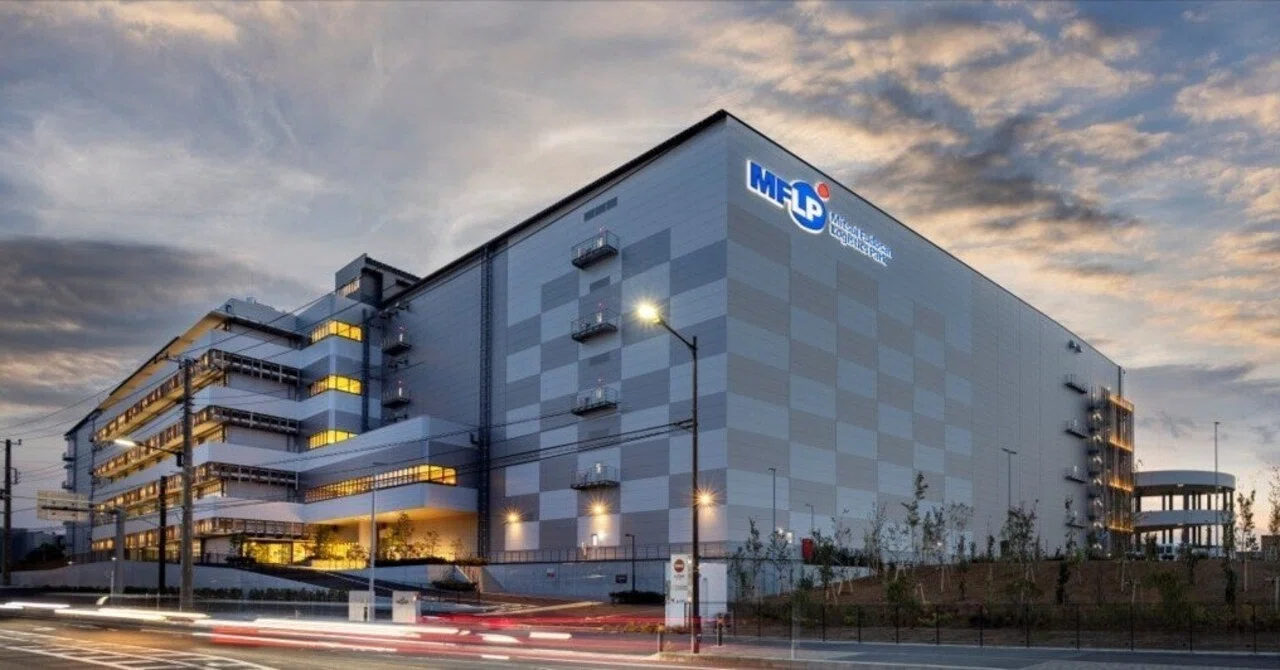
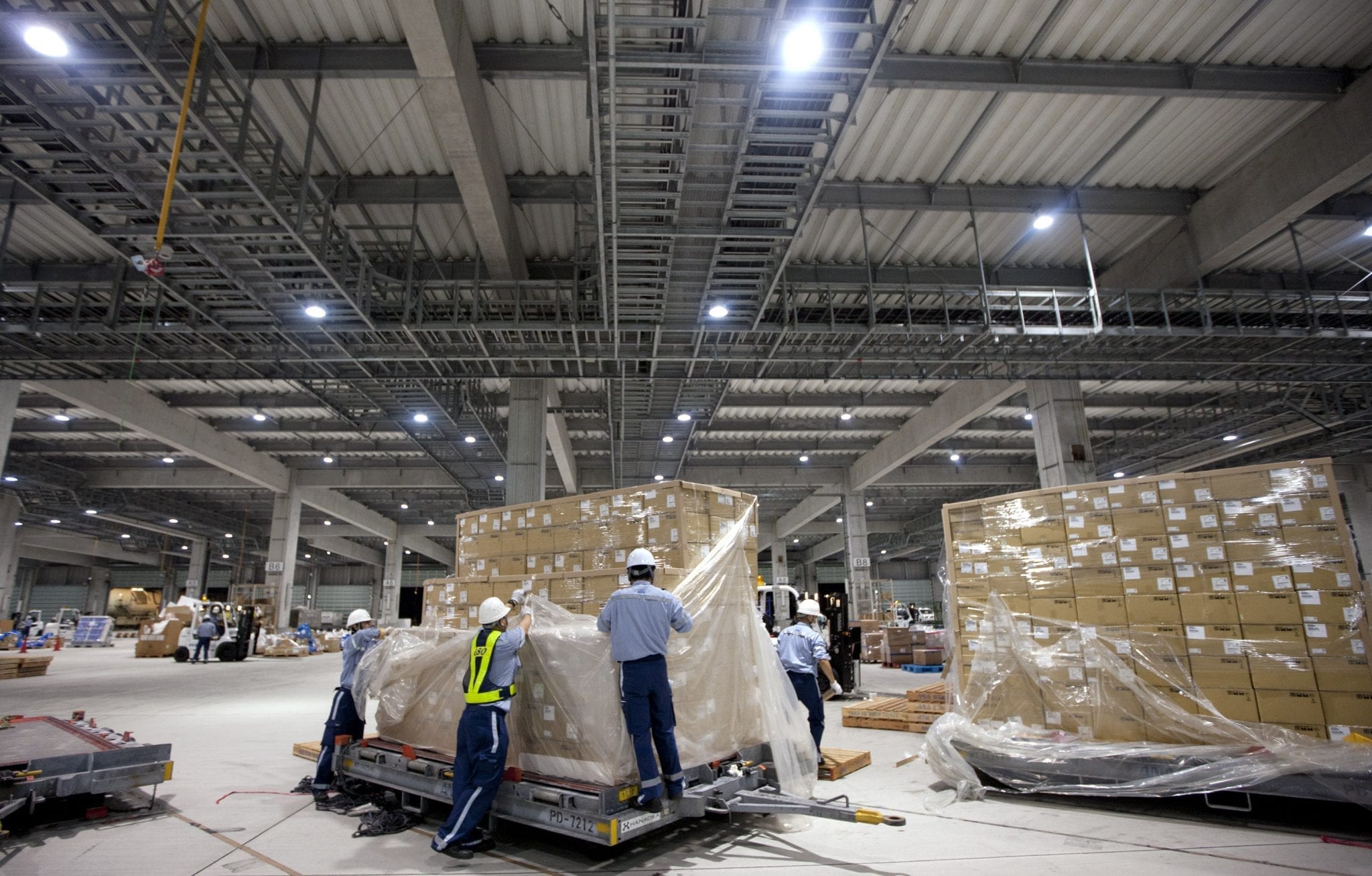
    Mitsui Fudosan Logistics Park has agreed to buy three Japanese industrial properties for JPY 35.7 billion ($229 million). The deal upgrades its portfolio with newer, fully occupied logistics assets.

    The Tokyo-listed trust is funding the expansion partly by selling a 50 percent stake in a 100,530 square metre Yokohama warehouse built in 2009. That sale will bring in JPY 11.9 billion, representing a 25.5 percent premium over its July book value.

    Disposals will not cover the full acquisition cost. The trust plans to bridge the remaining JPY 23.8 billion gap with cash reserves, debt and sale proceeds. Settlement for the Kumamoto site takes place on 1 October. The Aichi and Kanagawa transactions close on 1 February 2027, subject to final loan approvals.

    Portfolio rotation from Yokohama to regional hubs

    Under the divestment plan, MFLP Yokohama Daikoku will pass to Mitsui Fudosan Private REIT in two tranches. The private vehicle will take a 30 percent interest for JPY 7.1 billion in January 2027. It will acquire the remaining 20 percent for JPY 4.8 billion in July 2027. That prices the transfer at JPY 237,000 per square metre.

    Capital released from the 17-year-old bayfront warehouse will fund modern space completed between April 2025 and June 2026. Once all transfers conclude, the listed REIT will hold stakes in 51 properties. That portfolio will be valued at JPY 612 billion ($3.9 billion).

    Manufacturing corridors and semiconductor supply lines

    Aichi prefecture holds the largest incoming asset, MFLP Ichinomiya, bought from sponsor Mitsui Fudosan for JPY 19 billion, or JPY 305,000 per square metre. Spanning 62,343 square metres across four storeys, the facility is fully leased to Meikon to serve freight routes linking Tokyo, Nagoya and Osaka.

    In Kanagawa prefecture, the trust acquired MFIP Ebina & Forest from its sponsor for JPY 14.5 billion, representing JPY 369,000 per square metre. The 39,290 square metre building devotes roughly half its footprint to laboratories and research offices. Yokogawa Rental & Lease anchors the site near Ebina railway station.

    A third transaction secures On-L Kyokushiisaka in Kumamoto prefecture from Fukuoka-based developer Office Network for JPY 2.2 billion. Leased to Sagawa Global Logistics, the 6,210 square metre warehouse sits near chipmaking plants. Those facilities are operated by TSMC affiliate JASM, Sony Semiconductor Manufacturing and Tokyo Electron.

    Capital competition and leasing divides

    Institutional landlords across Japan are shifting capital away from older distribution centres toward specialised research sites and manufacturing nodes. Standard consumer e-commerce facilities face heavy supply completions. By contrast, semiconductor supply chains in Kyushu and laboratory spaces in suburban Tokyo command stickier covenants.

    Pricing power is splitting along regional lines. Greater Tokyo logistics vacancy dropped to 7.8 percent in the second quarter as effective rents climbed 1.5 percent. Greater Nagoya vacancy held at 15.9 percent despite recent leasing progress. Buying fully occupied stock in Aichi allows MFLP-REIT to secure income without leasing drag from uncommitted central Japan projects.

    Institutional funds crowd into modern sheds

    Private equity and global asset managers continue to compete for core Japanese industrial property. Ares Management closed its fifth Japan logistics development fund at JPY 612 billion earlier this month, backed by JPY 150 billion from Canada Pension Plan Investment Board. Meanwhile, PGIM acquired the 62,700 square metre Tsurugashima II Logistics Center in Saitama.

    Next steps for the trust begin on 1 October when the Kumamoto warehouse changes hands. Debt financing will follow for the JPY 33.5 billion Aichi and Kanagawa acquisitions ahead of their February 2027 closing date.

  • Google Accelerates Cloud Growth as AI Spreads Across Asia in Two Years

    Google Accelerates Cloud Growth as AI Spreads Across Asia in Two Years

    Google is putting the growth of its cloud computing business into a higher gear after the rapidly spreading use of generative artificial intelligence.

    Harsha Konduri, managing director for Google AI across Asia-Pacific and Japan, said artificial intelligence has become widespread in two years or so, compared to more than 10 years it took to embed cloud computing.

    Compressed Timelines Across Regional Markets

    Konduri sees huge growth potential in Asia and noted that regional demand for artificial intelligence is rising to maximize cost-effectiveness for companies.

    To support this pace, Google is tailoring its enterprise offerings to prioritize three core capabilities: data security, governance controls, and real-time cost management. Asian enterprises operating across fragmented regulatory jurisdictions require strict data residency guarantees before connecting proprietary commercial databases to foundation models.

    Cost Controls and Infrastructure Governance

    Corporate spending priorities across regional consumer, financial, and logistics sectors have shifted from raw model testing to disciplined operating expenditure. Uncontrolled token usage and compute expenses can quickly erode margins on consumer-facing applications.

    Google is positioning its cloud ecosystem to provide real-time budget fencing and compute optimization tools. Regional retailers and supply chain operators demand predictable billing models before deploying automated customer service, inventory routing, and demand-forecasting tools at scale.

    Platform Competition in Asia Pacific

    Rival hyperscalers including Microsoft and Amazon Web Services are competing aggressively across Asia-Pacific data center hubs. Competition centers on offering pre-configured enterprise safeguards that allow corporate legal and technical teams to deploy applications without building internal compliance layers from scratch.

    For commercial operators, the battle among cloud providers reduces migration friction and lowers infrastructure costs. The primary operating risk sits in long-term lock-in to proprietary foundation models that complicate future cross-platform integration.

    Enterprise Deployment Targets

    Enterprise tech spending in major Asian markets previously required multi-stage sign-offs across regional boards. The compression of software rollout cycles forces corporate leadership to balance rapid capability deployment against compliance exposure under local privacy frameworks.

    Market participants are now monitoring quarterly capital expenditure filings and regional data center investments as Google and its rivals build out localized processing capacity across Japan, Southeast Asia, and Australia.

  • Hyundai Department Store to Open 10 Overseas Multi-Brand Stores by 2030

    Hyundai Department Store to Open 10 Overseas Multi-Brand Stores by 2030

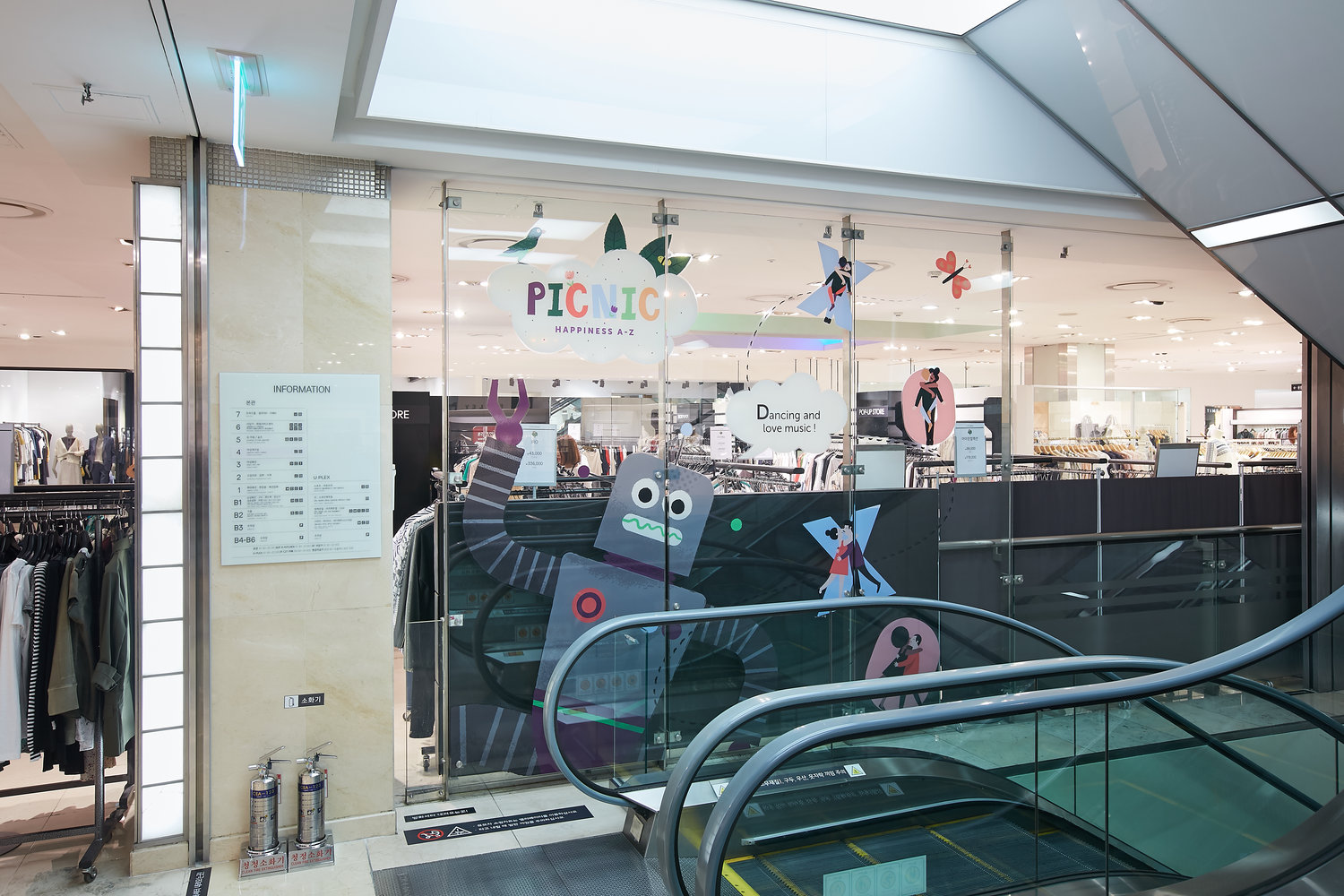
    Hyundai Department Store will open 10 large multi-brand retail stores across Japan, Europe, and the United States by 2030. It is partnering directly with domestic apparel labels. These partnerships create permanent multi-brand platforms outside South Korea.

    The rollout begins in Tokyo. The company established a permanent location inside the Omokado shopping center in the Omotesando fashion district. That site puts multiple Korean fashion brands onto a single operated floor plan.

    Building an Export Channel for Korean Labels

    South Korean department store operators face slowing domestic consumption and saturated prime retail zones in Seoul. Exporting curated fashion spaces creates a secondary revenue channel. It also cuts market-entry risk for smaller independent labels.

    Individual Korean fashion brands frequently struggle with overseas lease negotiations, local regulatory compliance, and foreign staffing. Hyundai acts as the master tenant and operational umbrella. This structure gives smaller labels turnkey access to high-footfall international corridors.

    Tokyo Footprint as the Launchpad

    The Omokado location tests foreign shopper demand in Tokyo before the company expands into Western markets. Japanese shoppers already represent a solid buyer base for Korean consumer culture, cosmetics, and street apparel.

    Floor space in Omotesando positions the business directly against Japanese department store groups and specialty concept stores. Results in Tokyo will shape the retail layout and brand mix for planned European and American flagships.

    Shifting Away from Short-Term Pop-Ups

    Domestic retail groups spent years testing overseas appetite through short-term pop-ups in major Asian gateway cities. Permanent real estate requires consistent foot traffic and higher baseline sales to cover fixed operating costs.

    Landlords in Tokyo, London, and New York want differentiated international tenants to draw shoppers offline. Hyundai is pitching its Korean apparel curation as an anchor draw for commercial property operators overseas.

    Milestones Toward the 2030 Target

    Execution risks center on international supply chains, localized inventory management, and sustained sales momentum. Store profitability hinges on balancing prime retail rents against the average order values of youth fashion brands.

    Site reviews are underway in European and US retail capitals. Performance data from the Omotesando site over coming quarters will guide the next phase of store openings.

  • Nippon Life to Invest $12.75 Billion in Infrastructure Financing

    Nippon Life to Invest $12.75 Billion in Infrastructure Financing

    Nippon Life Insurance plans to invest 2 trillion yen ($12.75 billion) in infrastructure financing, backing the construction of data centers across the United States, Nikkei Asia reported on Sunday.

    The Tokyo-based insurer will deploy the capital through project finance structures, securing loan repayments directly from the operational cash flows generated by the underlying digital facilities.

    Yield Spreads Drive Capital Abroad

    Management targets project finance assets in the American market to capture average spreads exceeding 2 per cent over benchmark rates. Those yields provide an attractive margin for the insurer while spreading risk across a broader mix of overseas infrastructure holdings.

    Competition for high-capacity computing sites has intensified as cloud service providers and tech conglomerates expand physical networks. Nippon Life is stepping into that funding gap, positioning long-term institutional debt as a steady funding source for developers requiring private project capital.

    The Balance Between Foreign and Domestic Assets

    For institutional lenders across Asia, this cross-border deployment shows how life insurers continue to balance global credit with domestic opportunities. Rising interest rates and renewed inflation in Japan have made domestic real estate and logistics assets more viable, yet US infrastructure debt still offers depth and liquidity that local markets cannot match.

    The risk for life insurers in project lending sits largely in execution and tenant retention. Unlike corporate bonds backed by full corporate balance sheets, these loans rely on continuous power access, long-term tenant leases and uninterrupted cash flows from single facilities or dedicated operating pools.

    Building the Domestic Pipeline

    Japanese institutional funds have long looked abroad to escape negative interest rates at home. That dynamic is shifting as data demands inside Japan surge, opening up room for domestic power and computing projects alongside offshore portfolios.

    Nippon Life is actively evaluating loans for data center developments in Japan before the end of fiscal 2026. The insurer plans to expand that local portfolio steadily, setting a target to double its outstanding project balance to 2 trillion yen by fiscal 2035.

  • Japan Offers 50 per Cent Subsidy to Rebuild Subsea Cable Fleet

    Japan Offers 50 per Cent Subsidy to Rebuild Subsea Cable Fleet

    Japan’s Internal Affairs and Communications Ministry will subsidize half the construction cost of new subsea cable-laying ships. The vessels secure routes carrying 99 percent of international data traffic.

    Funding is part of a broader JPY 2.4 trillion public and private investment plan running through fiscal 2040. The plan will expand undersea networks and replace an aging domestic fleet. Japanese operators currently maintain just five cable-laying vessels weighing more than 5,000 tons. Three belong to NTT Group. Two belong to a KDDI subsidiary.

    Aging tonnage and foreign charter risks

    Specialized cable ships deploy remotely operated seabed vehicles and maintain transoceanic lines. They carry thousands of kilometers of coiled fiber in onboard tanks. These hulls carry an operational life expectancy of roughly 40 years. Several Japanese ships have passed 30 years in service. That age creates rising maintenance costs and reliability concerns.

    Carriers in the United States and Europe operate larger, newer fleets. These allow faster deployment schedules. Japanese telecommunications groups face tighter construction windows and strict order requirements when contracting repairs or new routes. Regional data links are left exposed during outages.

    The 2.4 trillion yen rollout

    Tokyo designated information and telecommunications as one of 17 strategic national sectors alongside artificial intelligence, semiconductors, and defense. Financial backing follows the revised Economic Security Promotion Law passed in June. Under the policy, the ministry can fund up to 50 percent of shipyard build costs for qualifying private operators.

    Subsea lines carry data traffic generated by cloud platforms and generative artificial intelligence clusters across East Asia. The Japanese government wants domestic carriers to control physical installation assets. This avoids dependence on international charter pools during geopolitical or supply chain disruptions.

    Imbalance across the supply chain

    A domestic fleet deficit contrasts with Japan’s manufacturing strength. NEC Corporation controls approximately 20 percent of the global undersea cable manufacturing market. The company owns zero cable-laying vessels. It relies entirely on leased foreign ships to install hardware.

    This divide between cable manufacturing and maritime installation creates cost volatility. Leased vessels command high charter rates and rigid booking calendars. NTT, KDDI, and NEC are evaluating whether to order newly built hulls or execute extensive refits on existing hulls to qualify for state funding.

    What comes next for shipyards and carriers

    June’s revised Economic Security Promotion Law established the legal framework. In July, the cabinet’s growth strategy committed the JPY 2.4 trillion target through 2040. Those steps cleared the path for the ministry’s budget request for the upcoming fiscal year.

    Shipbuilding allocations and vessel specifications depend on final budget approval in parliament. Japanese carriers must then secure shipyard slots in domestic yards already contending with tight commercial delivery schedules.