Tag: jakarta

  • Indonesias Ultra-Rich Population Soars, Poised for Fastest Global Growth

    Indonesias Ultra-Rich Population Soars, Poised for Fastest Global Growth

    In Southeast Asia, Indonesia holds the second position in terms of inhabitants who possess a net worth of US$30 million or more, according to a recent report. Projections anticipate that this figure will nearly double within the next five years. Presently, the country boasts 3,833 ultra-high net worth individuals, marking a 37% increase since 2021.

    Global Wealth Growth

    By the year 2031, the number of ultra-high net worth individuals in Indonesia is forecasted to spike by 82%, reaching 6,966. This growth signifies the fastest expansion rate globally. Indonesia is one of the rapidly maturing economies expected to take the lead in the global ultra-high net worth population’s growth over the subsequent five years.

    Singapore currently holds the top spot in Southeast Asia for its population of ultra-high net worth individuals, tallying at 7,171. Thailand follows in third place with 2,853, trailed by the Philippines (1,910), Malaysia (1,566) and Vietnam (1,233).

    The wider Asia-Pacific area accounts for almost 31% of the world’s ultra-high net worth population. This percentage is second only to North America, which holds 37%.

    The U.S. and China: Global Leaders

    On a worldwide scale, the U.S. and China hold the lead in terms of ultra-high net worth populations, with more than 251,300 and 121,600 individuals respectively. Moreover, the U.S. also takes the reins regarding wealth creation, constituting approximately 41% of the newly minted ultra-wealthy over the past five years.

    Questions & Answers

    Which country in Southeast Asia has the highest number of ultra-high net worth individuals?
    Singapore currently holds the highest number in Southeast Asia, with a total of 7,171 individuals.

    What is the predicted growth in the number of ultra-high net worth individuals in Indonesia by 2031?
    By 2031, the number of ultra-high net worth individuals in Indonesia is expected to surge by 82%, reaching 6,966.

    Which countries lead globally in terms of the ultra-high net worth population?
    Globally, the U.S. and China lead with more than 251,300 and 121,600 individuals, respectively.

  • Indonesia’s Economic Leap: Poised to Join Global Top 5 Economies by 2050

    Indonesia’s Economic Leap: Poised to Join Global Top 5 Economies by 2050

    According to the Coordinating Minister for Economic Affairs, Airlangga Hartarto, Indonesia possesses the potential to rank among the top five global economies by the year 2050 provided it continues its current growth trajectory and structural reformation efforts.

    Indonesia’s Economic Outlook

    Airlangga is optimistic for the short-term, forecasting a growth rate of around 5.4% for the Indonesian economy by 2026. He bases this prediction on the stability of the domestic economy, citing a 69-month long trade surplus, a healthy level of foreign currency reserves, and inflation successfully kept within target bounds.

    Government Strategy for Economic Growth

    The Indonesian government is currently focusing on fortifying coordination between public and private sectors, encouraging industrialization, digital transformation, and sustainable economic growth. Key policy areas include strategic infrastructure, downstream mineral resources, development of electric vehicles, renewable energy, and strengthening the domestic supply chain.

    Regional Partnerships and Global Economy

    Airlangga highlighted that Indonesia is eager to extend collaboration with regional partners, particularly within the Association of Southeast Asian Nations (ASEAN) framework and free trade agreements. This is with the aim of boosting the resilience of the global economy in the face of geopolitical fluctuations.

    Airlangga further noted that Asia has the capacity to emerge as the principal economic powerhouse globally, given its commitment to open and inclusive regional cooperation. He projected that by 2050, the region could contribute around 52% of the global GDP.

    Long-Term Economic Forecasts

    Long-term forecasts cited by Airlangga suggest that by 2050, China could have a GDP of US$58 trillion, India could reach $44 trillion, and Indonesia could achieve $10-11 trillion. These figures would place Indonesia third in Asia and among the top five economies worldwide.

    In order to actualize this, Indonesia needs to sustain an annual growth rate exceeding 5%, expedite institutional reforms, enhance the quality of its human resources, and boost labor productivity. The nation’s young population, large domestic market, and plentiful resources are seen as vital drivers for the expansion of Southeast Asia’s biggest economy.

    Questions & Answers

    What are the key factors driving Indonesia’s potential as a global economic powerhouse?
    Indonesia’s potential is driven by its young population, large domestic market, and abundant resources. Additionally, the government’s ongoing efforts towards industrialization, digital transformation, and green economic development have a significant role.

    What are the main policy areas of the Indonesian government?
    The main policy focus includes strategic infrastructure, downstream mineral resources, electric vehicle development, renewable energy, and strengthening the domestic supply chain.

    What is the projected GDP of Indonesia by 2050?
    It is projected that by 2050, Indonesia could reach a GDP of $10-11 trillion, potentially making it the third-largest economy in Asia and one of the five largest economies globally.

  • Turbocharging Indonesia’s Digital Journey: GSMA Calls for Heightened Investment in 5G and AI Technologies

    Turbocharging Indonesia’s Digital Journey: GSMA Calls for Heightened Investment in 5G and AI Technologies

    The GSMA has highlighted the need for a more robust, investment-focused strategy to expedite Indonesia’s digital transformation and stimulate innovation, according to its recent findings published in the reports GSMA Digital Nations 2025 and ASEAN Consumer Scam 2025.

    Moving Towards a Digital Future

    The GSMA has proposed a feasible strategy to facilitate the unlocking of private capital and hasten the roll-out of 5G spectrum, fiber backhaul, and AI-optimized data centers. This strategy is underpinned by policy consistency and cooperation across sectors. There is a strong inclination among Indonesian businesses towards digital transformation.

    Indications of such enthusiasm were evident in a recent GSMA Intelligence survey where over 580 firms spanning across ASEAN were surveyed. The results revealed that Indonesian companies intend to dedicate an average of 10% of their revenues to digital transformation between 2025 and 2030, exceeding both the ASEAN (10.4%) and global (9.8%) averages. Two-thirds of the participants prioritized AI in their top three expenditure areas, with over half deeming 5G-powered Internet of Things (IoT) vital for future growth. This underscores Indonesia’s ambition to capitalize on cutting-edge technologies to fortify its competitive edge and security.

    Economic Impact of 5G

    GSMA Intelligence anticipates that the ensuing wave of 5G investments in Indonesia could inject an extra USD 41 billion into the country’s GDP between 2024 and 2030, underlining the transformative economic potential of digital connectivity. Since 2015, mobile operators have pumped nearly USD 29 billion into Indonesia’s network infrastructure and services. Given the right investment conditions, the sector, including operators and ecosystem partners, is projected to inject an additional USD 16 billion from 2024 to 2030, primarily targeting 5G proliferation.

    Julian Gorman, Head of Asia Pacific at the GSMA, expressed his thoughts on the matter, highlighting the unique opportunities presented by Indonesia’s significant scale, entrepreneurial vigor, and youthful, tech-savvy population. The focus now should be on targeted investment in areas such as affordable, dependable spectrum; robust backhaul; and AI-compatible, sustainable data centers, coupled with clear consumer protections.

    Assessing Progress and Challenges

    The GSMA’s Digital Nations report evaluated the advancement of Asia Pacific nations in five key areas: infrastructure, innovation, data governance, security, and people. It provided insights into where investment could yield the highest returns.

    Indonesia ranked midway among the 21 nations assessed. The report underscored Indonesia’s advantages in terms of its population, digital skills, and cybersecurity, while also pointing out areas in need of enhancement, particularly in innovation and investment. Potential obstacles to progress include delays in mid-band spectrum allocation, inconsistent rural coverage, and limited AI-ready capability. Consumer trust is also a matter of concern.

    Findings from the ASEAN Consumer Scam Report 2025 indicate that Indonesia mirrors the wider ASEAN trend, with 45% of adults admitting to having been scammed at some point, and 68% of victims losing money. In Indonesia, scam contacts are predominantly mobile-oriented, with over-the-top (OTT) messaging (50%) and voice calls (44%), both exceeding the ASEAN average.

    Preventing Fraud and Enhancing Security

    On a brighter note, 81% of Indonesians endorse operators sharing minimal, purpose-specific network signals such as SIM-change and number-verification during high-risk instances to prevent fraud, thus setting the stage for a broader application of GSMA Open Gateway anti-fraud APIs. Indonesia’s three primary mobile operators, Telkomsel, Indosat, and XL Axiata, have teamed up to shield customers from scams and other cybersecurity threats by collectively adopting Open Gateway APIs, such as SIM swap, number verification, and device location, to secure payments and logins.

    Questions & Answers

    What approach does the GSMA recommend to accelerate Indonesia’s digital transformation?
    The GSMA suggests a more robust, investment-focused strategy to expedite Indonesia’s digital transformation. This includes unlocking private capital and hastening the roll-out of 5G spectrum, fiber backhaul, and AI-optimized data centers.

    What potential economic impact could the next wave of 5G investment have on Indonesia?
    GSMA Intelligence anticipates that the ensuing wave of 5G investments in Indonesia could inject an additional USD 41 billion into the country’s GDP between 2024 and 2030.

    How are Indonesia’s major mobile operators responding to cybersecurity threats?
    Indonesia’s three major mobile operators, Telkomsel, Indosat, and XL Axiata, have formed an alliance to protect customers from scams and other cybersecurity threats by jointly adopting GSMA Open Gateway anti-fraud APIs, such as SIM swap, number verification, and device location, to secure payments and logins.
  • Toast Box Breaks Ground With First Highway Store In Indonesia: Expanding Authentic Singaporean Cuisine

    Toast Box Breaks Ground With First Highway Store In Indonesia: Expanding Authentic Singaporean Cuisine

    The Singapore-based coffee chain, Toast Box, recently inaugurated its first store in partnership with Map Boga Adiperkasa (MBA) Group, located at Rest Area Km 57 in Jakarta.

    Expansion Beyond Mall Outlets in Indonesia

    This latest development signifies Toast Box’s strategy of extending its footprint beyond shopping malls in Indonesia. The company intends to expand the brand’s presence across rest areas, which started with the opening of the Rest Area Km 57 store.

    A Convenient Stopover Offering Authentic Singaporian Cuisine

    The store, which opened on October 9, offers customers a convenient pit-stop while also focusing on providing authentic Singaporean cuisine. This commitment strengthens Toast Box’s position as a prime location for coffee, traditional kaya toast, and hearty, delicious dishes. It aims to merge the comfort of travelling with the taste of genuine Singaporean flavours.

    Anthony Mc Evoy, CEO of MBA, lauded the new establishment. “The launch of this Toast Box store reinforces the brand’s status as the top destination for coffee, traditional kaya toast, and delectable, heart-warming dishes. It’s a place where authentic Singaporean flavours meet the comfort of your travels,” he commented.

    Experience Nanyang Coffee and Toast Culture

    Toast Box offers its customers a chance to delve into the Nanyang coffee and toast culture, which gained popularity during the 60s and 70s. The brand aims to provide an experience rooted in tradition while ensuring its offerings align with modern taste preferences.

    Questions & Answers

    What is the significance of this new store opening by Toast Box?
    The opening of the new store marks the expansion of Toast Box beyond mall outlets in Indonesia. It also signifies the start of its partnership with Map Boga Adiperkasa (MBA) Group.

    What does Toast Box aim to provide for its customers?
    Toast Box aims to provide a convenient stopover for travellers while staying true to serving authentic Singaporean cuisine. It provides an experience of the Nanyang coffee and toast culture, popular in the 60s and 70s.

    Who is the CEO of MBA?
    The CEO of MBA is Anthony Mc Evoy.

  • Jakarta Jewel: Discover the Region with the Slowest Apartment Price Growth!

    Jakarta Jewel: Discover the Region with the Slowest Apartment Price Growth!

    The residential property landscape in Jakarta is showing subtle yet telling signs of adjustment, with average apartment prices edging upward by less than 1% in the second quarter of 2025. According to the latest report from Colliers, the average asking price has reached IDR 35.9 million per square meter, marking a year-on-year rise that reflects a city grappling with shifting dynamics.

    Stability in South Jakarta

    Notably, the south of the city, which had already undergone price corrections earlier this year, saw minimal price movement, particularly in the upper-middle market segment. “This stabilization has effectively curtailed further growth in prices during the quarter,” the Colliers report stated.

    Rising Prices in Key Areas

    In contrast, areas outside of South Jakarta, especially the Central Business District (CBD), have experienced more pronounced price increases. The average price per square meter in the CBD now stands at IDR 53 million, a modest uptick fueled by heightened demand and the influx of new supply. Meanwhile, suburban areas are witnessing a surge in sales activity, driven by upcoming property handovers, resulting in significant pricing adjustments.

    A Shift in Developer Strategies

    This burgeoning interest in secondary neighborhoods has led to an uptick in transaction volumes, creating a pricing catch-up effect that seeks to align these areas more closely with the established benchmarks in the CBD and South Jakarta. For instance, as of the second quarter, the average price in non-prime locations has climbed to IDR 27 million per square meter — a welcome development for sellers.

    Mixing Incentives with Promotions

    To entice buyers, developers have been employing a robust incentive strategy, showcasing offers that include fully furnished units and vouchers for furniture and electronics, alongside relaxed service charge and VAT conditions. However, a recent shift in promotional strategies became evident by the end of the first half of 2025, with VAT incentives dropping from a full 100% to just 50%, leaving some potential buyers wondering if they should hold out for a better deal. As one developer quipped, “Even a small tweak in taxes can feel like a game of Monopoly!”

    Questions & Answers

    What was the overall change in apartment prices in Jakarta in Q2 2025?
    Apartment prices in Jakarta rose by less than 1%, with an average asking price of IDR 35.9 million per square meter.

    Which areas in Jakarta saw the most significant price increases?
    The Central Business District (CBD) and other non-South Jakarta regions experienced notable price hikes, with the CBD now averaging IDR 53 million per square meter.

    How are developers attracting potential buyers?
    Developers are leveraging a mix of incentives such as fully furnished units, furniture vouchers, and temporary waivers of service charges, although recent promotional shifts have reduced VAT incentives from 100% to 50%.

  • Indosat Launches PaPeDa Initiative to Empower Women in Rural Communities

    Indosat Launches PaPeDa Initiative to Empower Women in Rural Communities

    Indosat Ooredoo Hutchison (Indosat) has unveiled a groundbreaking initiative under its women’s empowerment program, SheHacks, known as Pandu Perempuan Daerah (PaPeDa). This fresh endeavor aims to uplift women leaders within regional communities, enhancing their capacity to effect change with technology-driven solutions.

    Nurturing Women Leaders Through Structured Learning

    PaPeDa takes a multifaceted approach to mentorship, beginning with online sessions that set the stage for development. The top 15 participants then embark on a one-day in-person bootcamp, which is followed by months of online guidance while launching local pilot projects. This progressive structure equips women leaders with practical skills in planning, storytelling, and measuring impact—transforming them into capable facilitators of “mini SheHacks” within their communities.

    Collaboration with Key Partners

    The initiative is a collaboration with UN Women and Kumpul.id, who help identify and mentor promising women from regions often overlooked by development programs. Together, they focus on fostering community-centric solutions that can thrive amidst local challenges.

    Voices of Commitment

    Irsyad Sahroni, Indosat’s Director and Chief Human Resource Officer, emphasized the program’s vision. “Indosat’s commitment to empowering Indonesia extends beyond urban areas to reach regional communities. Through the PaPeDa initiative, we aim to ensure that women in regional areas have equal access to develop their potential,” he stated. Sahroni highlighted the importance of collaboration, declaring the initiative a critical step towards creating supportive environments for women leaders.

    Dwi Faiz, Head of Programme at UN Women Indonesia, echoed this sentiment, noting the private sector’s vital role in promoting gender equality. “Accelerating women’s leadership to drive impactful societal change is at the top of UN Women’s agenda. With PaPeDa, we hope to see more women emerge as catalysts for broader change,” she shared.

    From Ideas to Impact: The Selection Process

    Over two months, a rigorous selection process will identify eight outstanding participants based on their concepts, impact measurement capabilities, readiness to implement solutions, and performance during one-on-one mentor evaluations. The funnel process begins with 86 community women leaders, narrowing down through stages to the Top 30, Top 15, and finally the Top 8.

    In a dramatic final stage, these top women will present their ideas in a five-minute pitch, followed by a Q&A to field questions from evaluators. The chosen few will have the opportunity to participate in advanced programs in 2026, collaborating with the SheHacks team and partner organizations. They will also enhance their pitching skills, showcasing their mini pilot projects—after all, who doesn’t enjoy a little friendly competition?

    Certification and Community Impact

    The finalists will receive a PaPeDa Basic Certification, empowering them to independently organize mini SheHacks initiatives in their communities. “PaPeDa is only the first step for the participants. We believe that with the right preparation, women can become increasingly empowered and contribute to driving progress,” Sahroni concluded.

    Questions & Answers

    What is the primary goal of the PaPeDa initiative?
    The goal of the PaPeDa initiative is to empower women leaders in regional communities by providing them with mentorship and practical skills for implementing technology-driven solutions.

    Who are the key partners involved in the PaPeDa program?
    PaPeDa is a collaboration between Indosat, UN Women, and Kumpul.id, focusing on identifying and mentoring women with the potential to create community-centric solutions.

    How does the selection process for participants work?
    The selection process begins with 86 community women leaders, narrowing down through several stages to identify the Top 8 based on their project concepts, impact measurement ability, and performance during mentor evaluations.

  • Indonesia Slashes Taxes for Hotels and Restaurants to Boost Business Recovery

    Indonesia Slashes Taxes for Hotels and Restaurants to Boost Business Recovery

    In a proactive move to aid its beleaguered hospitality industry, Jakarta officials have unveiled a temporary tax reduction initiative for hotels and restaurants amid escalating costs and a dip in consumer demand. The new regulation introduces a hefty 50% tax reduction for hotels from late August until the end of September, tapering to a 20% cut from October through December. Restaurants are not left out, as they too will enjoy a 20% reduction during these same time frames. As an added condition, hotels must participate in the E-TRAPT system by submitting electronic transaction data to foster transparency and accountability.

    Supporting a Vital Industry

    Jakarta Governor Pramono Anung emphasized that this decision was not made lightly. He pointed out that the revenue from hotels and restaurants in the capital already exceeds the national average by 14–15%. This tax relief is designed to keep businesses afloat and encourage growth within the sector. “It’s not just a gift; it’s a strategic maneuver,” he noted.

    A Short-Term Relief with Longer Implications

    The policy is set to last until the year’s end with the possibility of extending into January 2026, depending on the economic climate.

    Industry Reaction and Economic Impact

    The hotel association has warmly embraced the tax cuts, viewing them as a crucial lifeline for operational stability, service quality, and job preservation in this challenging environment characterized by rising operational costs and declining occupancy rates. As one industry leader put it, “It’s not a magic wand, but it’s a significant boost.” Officials have also pointed out that improved cash flow will allow hotels to roll out promotions and elevate services without eroding profit margins—showing that sometimes, a little tax relief can go a long way in shaking up a stagnant market.

    Questions & Answers

    What prompted the Jakarta government to implement tax reductions for hotels and restaurants?
    The tax reductions were introduced in response to rising costs and declining customer demand in the hospitality sector, aiming to support these businesses during tough times.

    How long will the tax reductions be in effect?
    The tax relief measures will apply until the end of December 2025, with the possibility of extension into January 2026.

    What conditions must hotels meet to qualify for the tax cuts?
    To qualify for the tax reductions, hotels are required to submit electronic transaction data through the city’s E-TRAPT system, ensuring transparency and accountability.

  • Jakarta’s Data Centre Market Sees Robust Growth: What’s Driving the Expansion?

    Jakarta’s Data Centre Market Sees Robust Growth: What’s Driving the Expansion?

    The Greater Jakarta data center market is witnessing significant expansion, with colocation inventory skyrocketing from 150 MW in 2021 to over 400 MW by the first half of 2025, according to a new report from JLL. This growth reflects the joint efforts of both established players and newcomers, including Equinix, which has launched its inaugural data center in Jakarta through a partnership with PT Astra International. Other notable entrants are Digital Realty Bersama and Digital Hyperspace, alongside ongoing expansions from DCI Indonesia.

    In this dynamic landscape, STT Telemedia Global Data Centres has not only topped out its second data center but has also broken ground on a third facility. This ambitious project forms part of a larger campus aimed at delivering an impressive 90 MW of power capacity.

    While eastern Greater Jakarta has long been the favored locale for hyperscalers, a notable shift in interest is occurring towards Jakarta’s CBD, where the majority of new construction projects are currently underway. Illustrating this trend further, LG Sinar Mas Joint Venture recently commenced construction on an AI-Optimized Data Centre in Jakarta, with expectations for it to be operational by 2026.

    Occupancy rates in existing colocation facilities hover around 70-80%, largely fueled by demand from cloud service providers, financial institutions, e-commerce giants, and over-the-top (OTT) platforms like gaming, streaming, and social media. While the specific demand for AI applications remains modest, the expanding landscape of cloud services and Indonesia’s ongoing digital transformation could catalyze future AI adoption across various sectors.

    Looking Ahead: Strategic Insights for Users and Providers

    As the digital economy flourishes alongside a burgeoning middle class, users can expect an accelerated uptake of cloud services. Financial institutions must brace for evolving data sovereignty regulations and compliance requirements, while e-commerce platforms will require enhanced capacities for managing increased transaction volumes and leveraging analytics.

    On the provider side, navigating infrastructure challenges will necessitate innovative solutions to ensure reliable power and connectivity. As activities in Jakarta’s CBD ramp up, strategic location selection will become paramount for providers. Additionally, as environmental regulations tighten, incorporating sustainability features into facilities will be crucial for competitive differentiation.

    Questions & Answers

    What factors are driving the expansion of colocation inventory in Greater Jakarta?
    The growth is primarily fueled by the increasing demand from cloud service providers, financial institutions, and e-commerce companies, which are all looking to expand their digital capabilities.

    How is the shift in location preference impacting the data center market?
    While eastern Greater Jakarta has traditionally been preferred, a growing interest in Jakarta’s CBD is influencing investment decisions, leading to more under-construction projects in this area.

    What future trends could shape the data center landscape in Indonesia?
    The ongoing digital transformation and increasing adoption of cloud services are likely to drive future growth, while sustainability considerations and regulatory compliance will play crucial roles in how the market evolves.

  • Jakarta’s Prime Logistics Supply Set to Expand to 3.2 Million Square Feet by 2025

    Jakarta’s Prime Logistics Supply Set to Expand to 3.2 Million Square Feet by 2025

    Record growth is on the horizon for Jakarta’s logistics sector as the city prepares for a significant surge in demand for industrial spaces by FY2025. A recent report from JLL forecasts that nearly 250,000 square meters of new logistics facilities will become available in 2025, leading to a cumulative supply of around 3.2 million square meters. This is expected to keep vacancy rates impressively low, around 9%.

    Barriers to Competitiveness in the Market

    However, various challenges must be overcome to bolster global competitiveness and attract foreign direct investment (FDI). The report highlights the need for improvements in permitting processes and the enhancement of supporting infrastructure within industrial estates.

    Chinese Companies Drive Demand

    Interestingly, over half of the inquiries for these spaces originated from Chinese enterprises pursuing multi-functional industrial complexes that integrate warehousing, workshop, and assembly capabilities. Key sectors fueling this demand include electric vehicles, electronics, and automotive industries.

    Healthy Absorption Rates

    Net absorption rates have remained robust, surpassing 100,000 square meters, in alignment with the previous quarter’s performance. The lion’s share of this demand is concentrated in Cikarang, known for its accessibility to toll gates, with additional activity noted in Depok-Bogor and Karawang.

    Tightening Vacancy Rates

    The market experienced a drop in vacancy rates from 9.5% to an impressive 5.9% due to a lack of new completions in Q2, underscoring the sector’s resilience amid soaring demand. Analysts project several new developments will come to fruition in the latter half of 2025, primarily located in Jakarta, Cikarang, and Karawang, totaling around 242,600 square meters.

    The Eastern Corridor: A Preferred Hub for Manufacturing

    The eastern corridor, particularly Cikarang and Karawang, is anticipated to contribute an additional 102,400 square meters of new supply in H2 2025, continuing its appeal as a vital testing ground for foreign manufacturers eyeing the Indonesian market.

    Rental Rates Hold Steady with Competitive Strategies

    Despite the fluctuations in demand, rental rates have remained stable. Landlords in the eastern corridor are employing flexible pricing strategies to attract tenants. While net rents have stayed consistent since Q1, certain properties—particularly those near toll gates or with limited availability—have seen modest price increases. Cikarang has notably offered competitive rates to lure businesses.

    Rising Land Prices Impact Yield

    As land prices escalate, modest rental growth has led to compression in yield, settling between 7.0% and 7.5%. Limited availability of industrial land, particularly in eastern Jakarta, continues to drive prices up, creating a dual-edged sword for developers and investors alike.

    Questions & Answers

    What is driving the increased demand for logistics spaces in Jakarta?
    Demand is largely fueled by Chinese companies seeking multi-functional industrial areas, with significant contributions from the EV, electronics, and automotive sectors.

    How have vacancy rates changed recently?
    Recent analysis indicates that vacancy rates have tightened from 9.5% to 5.9% due to strong demand and a lack of new completions in the second quarter.

    What strategies are landlords using to attract tenants in the eastern corridor?
    Landlords are implementing flexible pricing strategies to entice tenants, maintaining competitive rates while adapting to market fluctuations.

  • Gojek Co-founder And Ex-education Minister, Nadiem Makarim, Detained In $121 Million Corruption Probe

    Gojek Co-founder And Ex-education Minister, Nadiem Makarim, Detained In $121 Million Corruption Probe

    Former Indonesian Education Minister and co-founder of the ride-hailing company Gojek, Nadiem Makarim, has been detained and named a suspect in a corruption case. The case involves allegations of malfeasance concerning laptop procurement. Makarim will be held for 20 days while the investigation progresses.

    Makarim’s Role in the Alleged Corruption

    Makarim served as the Education Minister from 2019 to 2024 and is accused of misconduct in the procurement of Google’s Chromebook laptops for his ministry and students. According to Nurcahyo Jungkung Madyo, the lead investigator, Makarim is believed to have misused his ministerial authority for personal enrichment or the benefit of a company, in violation of Indonesia’s anti-corruption laws. The damages from this case are estimated to have cost the state around 1.98 trillion rupiah (US$121.85 million).

    Before his detention, local media reported that Makarim stated, “I did not do anything. God will protect me, the truth will come out,” as he was leaving the prosecutor’s office for the detention house. No comment has been received from his legal representative.

    Procurement Specifications and Meetings with Google

    Prosecutors claim that Makarim had issued a directive in 2021, specifying procurement conditions that only the Chromebook laptop could meet. Furthermore, it is alleged that Makarim had six meetings with representatives from Google Indonesia prior to the selection of the Chromebook. Google Indonesia, however, declined to comment on the case involving Makarim, emphasizing that it operates with resellers and partners to provide its technology, and government agencies transact with them, not directly with Google.

    Gojek and the Investigation

    In July, the attorney general’s office conducted a search at the offices of Indonesian tech firm GoTo Gojek Tokopedia as part of the investigation. GoTo’s director of public affairs and communications, Ade Mulya, clarified that Makarim’s duties as education minister, including the procurement of Chromebooks for the ministry, were never related to GoTo’s operations. Makarim had withdrawn from Gojek in 2019 when he was appointed minister. In 2021, Gojek merged with the e-commerce startup Tokopedia to form GoTo Gojek Tokopedia, becoming Indonesia’s largest tech company.

    Questions & Answers

    Who is Nadiem Makarim?
    Nadiem Makarim is the co-founder of ride-hailing company Gojek and former Indonesian Education Minister.

    What are the allegations against Makarim?
    Makarim is accused of corrupt practices in the procurement of Google’s Chromebook laptops for his ministry and students. He is alleged to have misused his ministerial authority for personal or company enrichment.

    What is the potential cost of the alleged corruption?
    The estimated damages from the case are around 1.98 trillion rupiah (US$121.85 million).

  • Jakarta Mall Rental Rates Rise 0.5% in Q2: A Sign of Optimism in Retail Space Market

    Jakarta Mall Rental Rates Rise 0.5% in Q2: A Sign of Optimism in Retail Space Market

    Rental prices in Jakarta’s vibrant retail landscape are holding strong despite a lull in new supply. According to a recent report from JLL, mall rents in the bustling Indonesian capital have risen approximately 0.5% in the second quarter of 2025. This increase is particularly pronounced in popular shopping centers where occupancy levels run high, suggesting that premium real estate continues to be a hot commodity. Analysts predict that rental rates will remain in the single digits for the remainder of the year.

    International Brands Drive Retail Expansion

    The retail scene is buzzing with activity, notably due to international brands that represented around 55% of new store openings during this period. Among the notable entrants are a slew of Chinese tea companies, making their debut in the thriving Jakarta market. This influx highlights Jakarta’s appeal as a burgeoning marketplace while underscoring the strategic partnerships that many retailers forge with influential retail groups. These relationships offer substantial bargaining power, enabling tenants to negotiate favorable lease terms and achieve reasonable rent increases.

    Active Lifestyles Fuel Sports Retail Growth

    As Jakarta residents increasingly embrace active lifestyles, the demand for sports retail has soared. Both local and international brands are capitalizing on this trend by opening flagship stores designed to attract health-conscious shoppers. However, the search for retail space has become competitive, prompting brands to explore alternative locations, both within and outside traditional shopping malls.

    Prime Retail Space Constraints

    This quarter marked a significant milestone with no new prime shopping malls making their debut. Consequently, vacancy rates have stabilized around 4%, despite the shrinking pool of available retail space. Some tenants are now opting for creative solutions such as island or booth locations to ensure they maintain visibility among consumers. With no immediate plans for new premium malls, expanding brands—particularly in the food and beverage sector—are increasingly targeting busy areas with outdoor options that resonate with today’s health-oriented lifestyle.

    Innovative Approaches Among Developers

    The outlook for Jakarta’s retail scene suggests a shift in development strategies as opportunities for new premium shopping malls diminish. Developers are now focused on crafting retail environments that reflect evolving market trends, with an emphasis on lifestyle malls and compound spaces. Although limited availability of prime locations may benefit developers, any decisions regarding rent adjustments are likely to be made with caution, as they must navigate the complexities of economic fluctuations and consumer foot traffic.

    Questions & Answers

    What factors are contributing to the rise in rental prices in Jakarta?
    An increase in occupancy rates at popular shopping centers and a surge in international brand openings are key factors driving rental prices upward in Jakarta.

    How are retailers adapting to the lack of new retail space?
    Many retailers are exploring alternative locations, including smaller islands or booths, to maintain visibility amidst a competitive environment where traditional mall space is becoming scarce.

    What types of retail developments are expected in the near future?
    Developers are anticipated to pivot toward creating lifestyle malls and compound spaces, aligning with contemporary consumer trends, as new premium malls are unlikely to be constructed in the next year.

  • Line Launches Digital Bank in Indonesia

    Line Launches Digital Bank in Indonesia

    The country – the world’s fourth most populous – is its third overseas market, following launches in Thailand and Taiwan.

    Japan-headquartered mobile and internet services firm Line has launched a digital banking platform in Indonesia in collaboration with Bank KEB Hana Indonesia, a subsidiary of South Korea’s Hana Bank, and LINE Financial Asia.

    Line Bank by Hana aims to make banking easier and expand access to financial services in a country that counts one of Southeast Asia’s largest unbanked populations. Its product line includes savings accounts, time deposits, debit cards, and bill payments. Line said it plans to expand the range of products to include loans, partnership loans, and QR payments.

    In Indonesia in particular, due to this market’s unique geographical characteristics, we believe bringing banking services to people’s mobile phones will greatly increase their availability and convenience,» Young Eun Kim, Line Financial Asia CEO, said in an announcement on Friday.

    Founded in 2011 as a messaging app in Japan, Line has since grown into a global ecosystem that includes AI technology, fintech, and more. The company has lay the groundwork in Indonesia since 2018, when it became the second-largest shareholder of Hana Bank Indonesia when it acquired 20 percent of the company through a Share Subscription Agreement.

    Line has its work cut out in the country: it is competing in a crowded market with giants such as Gojek with Bank Jago, Sea Group with Seabank Indonesia, Akulaku with Bank Neo Commerce, and Kredivo.

  • Resorts Expands Presence in Indonesia with Opening of Sheraton Jakarta

    Resorts Expands Presence in Indonesia with Opening of Sheraton Jakarta

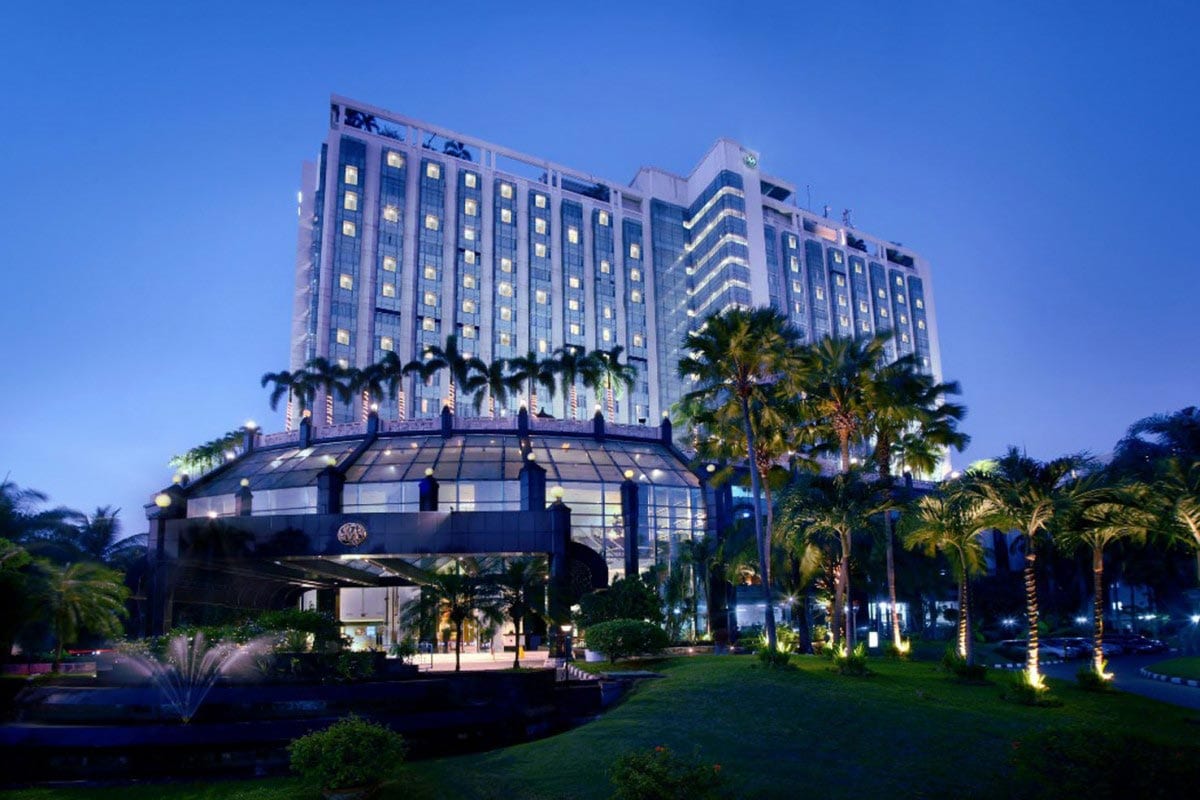
    Starwood Hotels & Resorts Worldwide, Inc. today announced the opening of Sheraton Jakarta Gandaria City Hotel, the second Sheraton to debut in the cosmopolitan city of Jakarta, Indonesia. Owned by PT. Pakuwon Jati Tbk, the opening further propels the brand’s fast pace growth in Asia Pacific, and drives Sheraton closer to its goal of adding more than 150 new hotels worldwide by 2020. This is just one of many new initiatives currently underway for Sheraton 2020, the all-encompassing plan to make Sheraton the global hotel brand of choice, everywhere.

    “Jakarta has established itself as a thriving destination for travelers, and we are excited to respond to this rising demand by opening our second Sheraton hotel in this bustling city,” said Dave Marr, Global Brand Leader for Sheraton Hotels & Resorts. “Sheraton is diligently focused on growing the brand worldwide, with a goal to add at least 150 hotels by 2020, and opening in primary urban destinations such as Jakarta further solidifies Sheraton as a global hotel leader.”

    Sheraton Jakarta Gandaria City Hotel features 293 contemporary guestrooms and suites, outfitted with the Sheraton brand’s signature amenities and services, including its signature sleep experience. The hotel also features a state-of-the-art fitness center, outdoor pool and an ultra-modern Sheraton Club lounge where Club level guests can enjoy complimentary breakfast and all-day refreshments while taking in panoramic views of the urban skyscape. The hotel offers a variety of dining options to delight any palate, including Anigre, the all-day dining restaurant serving international cuisine, as well as local delicacies; the lobby lounge where guests can enjoy Paired—the Sheraton brand’s reinvigorated food and beverage program—complete with expertly matched small plates, premium wines and local craft beers; and the pastry shop Cafe Grande.

    “Indonesia continues to be a key growth market in Asia Pacific and is well-suited for the expansion of the iconic Sheraton brand,” said Charlie Dang, Regional Vice President, Southeast Asia, Starwood Hotels & Resorts Asia Pacific. “The opening of Sheraton Jakarta Gandaria City Hotel will help meet the rising demand for high-caliber lodging generated by the influx of business and leisure travelers to Jakarta, the gateway to Indonesia.”

    Sheraton Jakarta Gandaria City Hotel is part of the Superblock Gandaria City complex, which includes a retail shopping mall, convention and exhibition facilities, a helipad and several restaurants. The newly constructed hotel is ideal for large meetings and conventions, featuring 3,567 square meters of versatile function space – one of the biggest in Jakarta – and is conveniently located just five kilometers from the emerging commercial hub of South Jakarta (SCBD) and 32 kilometers from Soekarno-Hatta International Airport (CGK).

    Sheraton Jakarta Gandaria City Hotel Opening Offer

    To celebrate its opening, Sheraton Jakarta Gandaria City Hotel is offering an exclusive package of 20% off opening rates including daily breakfast for 2 persons and double starpoints for SPG members valid until April 30th, 2016.

    For more information, visit Sheraton.com/jakartagandariacity

    About Sheraton Hotels & Resorts

    Sheraton Hotels & Resorts, the largest and most global brand of Starwood Hotels & Resorts Worldwide, Inc., makes it easy for guests to explore, relax and enjoy the possibilities of travel through smart solutions and effortless experiences at more than 440 hotels in more than 72 countries around the world. The brand is currently in the midst of implementing Sheraton 2020, a 10 point plan designed to make Sheraton the global hotel brand of choice, everywhere. Sheraton recently launched “Where Actions Speak Louder,” a multi-channel, multi-million dollar advertising campaign that highlights the brand’s ongoing enhancements to its guest experience, including new products and partnerships, and a renewed focus on service. With work well underway, the brand has already rolled out a variety of initiatives under Sheraton 2020, including Paired, a new imaginative lobby bar menu; the richest SPG promotion in the brand’s history; and Sheraton Grand, a new premier tier that recognizes exceptional Sheraton hotels and resorts. To learn more, visit www.sheraton.com. Stay connected to Sheraton: @sheratonhotels on Twitter and Instagram and facebook.com/Sheraton.

  • BNI to expand in Malaysia by first half of 2017

    BNI to expand in Malaysia by first half of 2017

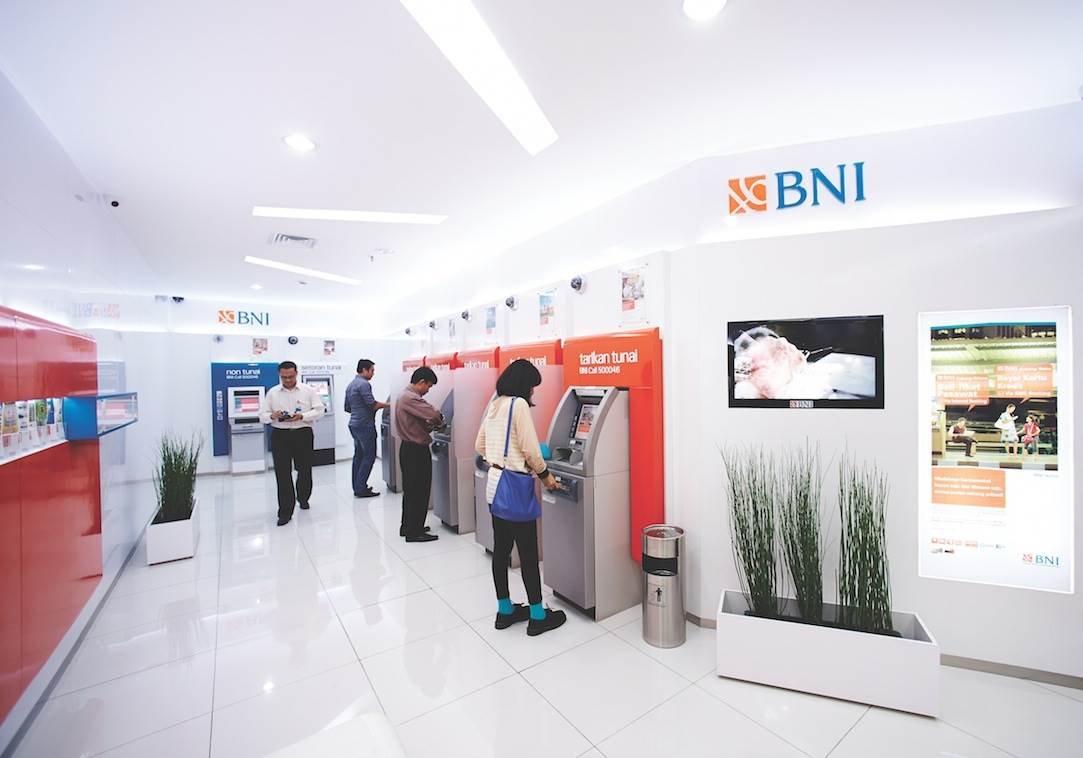
    PT Bank Negara Indonesia (BNI) has submitted an expansion proposal to the Indonesian and Malaysian regulators to establish a network branch in Malaysia. The target is to have the branch working by the first half of 2017.

    Chairman of PT BNI Achmad Baiquini said in Jakarta on Thursday that the Financial Services Authorities (OJK) signed a reciprocal bilateral agreement with the Malaysian Central Bank in August.

    Since then, the bank began putting together documentation to execute an expansion in Malaysia.

    “We should be able to establish a network there within the first semester of 2017,” he added.

    Once the bank explores the sector, he noted, it will delve into the remittances business, which will allow Indonesian laborers in Malaysia to send money to their families back home.

    The bank is also looking at trade financing in Malaysia.

    Remittances, he observed, will also act as a good start to initiate a digital banking business in Malaysia.

    In the future, the banking services would shift solely to digital platforms in Malaysia.

    As for capital funds prepared by the bank, Baiquini was reluctant to reveal the details.

    “We will surely follow the agreement signed by the Authority and Malaysia, and will follow all their guidelines,” he remarked.

    Indonesia and Malaysia had signed a bilateral partnership agreement on August 1 as part of the ASEAN Banking Integrated Framework.

    As part of such cooperation, which emphasizes the principle of reciprocity, Indonesias bank will receive a cost reduction incentive for network expansion in Malaysia, including admission fee and payment system fee.

    The Financial Services Authoritys Deputy Supervisor, Mulya Siregar, pointed out that the admission fee for Indonesia has been reduced from 10.4 million Ringgits to 5.2 million Ringgits.

    “Costs regarding payment systems, including Automatic Cash Machines, also went down from 4 Ringgit to 1 to 2 ringgit per transaction,” informed Siregar.

  • Uber Wants to be a Technology Company in Indonesia

    Uber Wants to be a Technology Company in Indonesia

    Uber Technologies Inc. said Tuesday it is working to establish itself as a technology company in Indonesia, to avoid legal hurdles after police launched an investigation into the company’s operations last month.

    The move will also help underscore what Uber says is its role as a provider of smartphone applications, amid claims from traditional taxi firms that its business practices in the country are illegal.

    “We definitely want to be here long term,” Alan Jiang, head of Uber’s operations in Indonesia, said at a news conference. “In order to do that, we are currently in the process to set up a foreign investment company here and we would like to work closely with the government.”

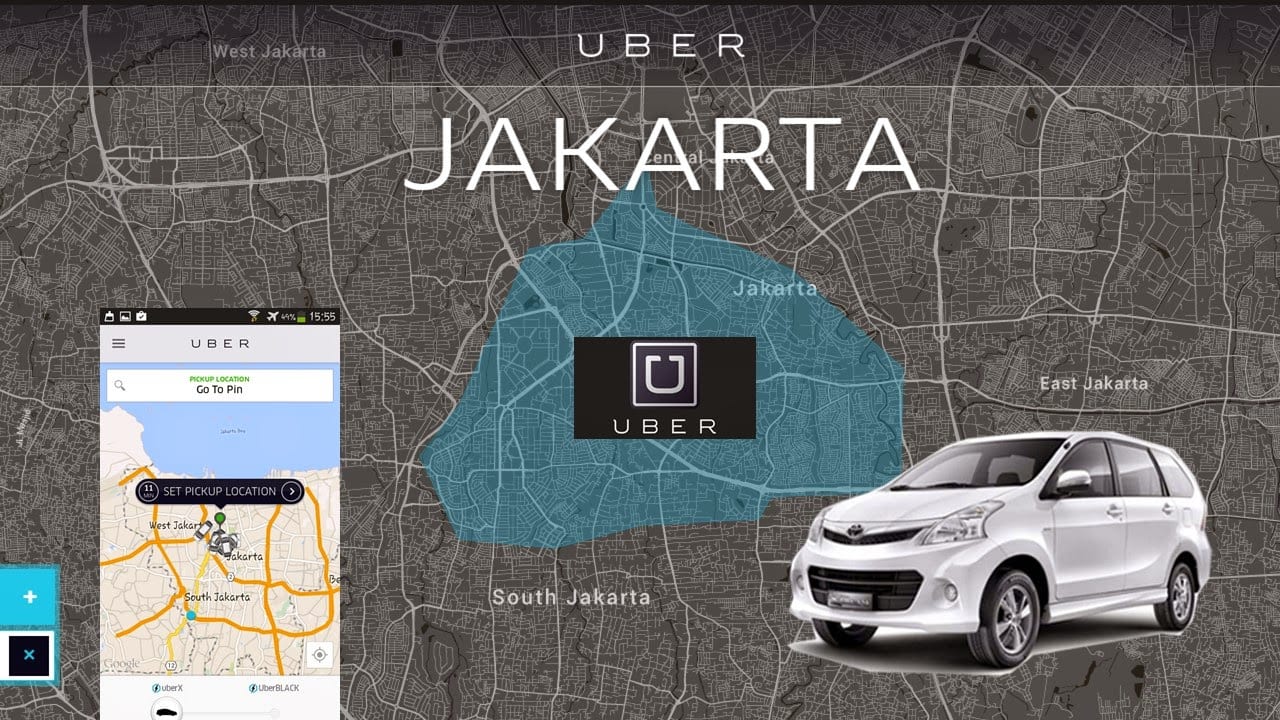
    Uber introduced its popular ride-hailing application to the local market last August, opening a representative office in Jakarta to supervise its business in three markets: Jakarta, Bali and Bandung. Traditional taxi firms, however, have called the startup’s business practices illegal, saying it doesn’t have a taxi license or use meters. Their complaints led Jakarta police to detain five Uber drivers for questioning last month; they were released the same day without being charged although authorities said they could be called as witnesses as the investigation into Uber progresses.

    Although Uber is still operating in Indonesia, the arrests forced the company to rethink how to avoid potential legal hurdles, which could affect its business in the future. Indonesia, the fourth most populous nation in the world with a fast-growing middle class, is one of the company’s key growth markets, it has said.

    Uber won’t, however, be applying for a taxi license, as some of its competitors have demanded, Mr. Jiang said. Instead, it will seek a license to formally establish itself as an e-commerce company.

    “Uber is only a smartphone application,” Mr. Jiang said. “We don’t need a transportation license as all we make is a smartphone app that connects riders to drivers.”

    The San Francisco-based company, which operates in more than 300 cities around the world, has faced regulatory hurdles in many parts of the world. The problems have been especially acute in Europe. Courts in Spain, Germany, Italy and the Netherlands have banned a low-cost Uber service that uses nonprofessional riders. France prohibits companies such as Uber from showing the location of available cars other than traditional cabs on smartphone apps.

    In Asia, the company has faced regulatory hurdles in Thailand, Singapore and Vietnam. An Indian court last month left in place a ban on the service in Delhi, where Uber has been banned since December, when a woman alleged that a driver booked through the firm’s app raped her. The driver is on trial and denies wrongdoing.

    By establishing itself as a company in Indonesia, Uber would be allowed to gather revenue from inside the country, something which a representative office can’t do. Normally, Uber collects a 20% service fee on every fare paid by a passenger, and the rest goes to the driver. At the moment, Uber doesn’t collect fees from the two services it operates in Indonesia, UberBlack and UberX.

    Mr. Jiang declined to specify how much Uber has invested in Indonesia.