Retail News CRM

Tag: jakarta

  • Peggy Hartanto debuts first standalone store, in Jakarta

    Peggy Hartanto debuts first standalone store, in Jakarta

    The fashion brand Peggy Hartanto has achieved a significant landmark in its retail journey with the inauguration of its first independent store in Plaza Senayan, Jakarta.

    Reflecting the Brand’s Aesthetic

    The store’s design draws on the brand’s aesthetic, harmoniously blending dark brown and powder blue hues to craft a warm, grounded ambiance. The minimalist nature of the space is characterised by the balance between clean, structural lines and delicate, organic forms. The inclusion of clay walls adds an earthy, tactile aspect, underscoring the brand’s dedication to craftsmanship and materiality.

    More Than a Retail Space

    Peggy Hartanto, the brand’s creative director, shared her perspective on the design of their premier standalone store. She expressed the desire to offer more than just a shopping space. Their vision was to establish a habitat that encapsulates the brand’s language and philosophy, utilising elements of minimalism, materiality, and colour. The aim was to create an environment that is immersive, calm, and focused, devoid of the commonly overwhelming functions and distractions found in retail architecture.

    Peggy Hartanto was established in 2012 by sisters Peggy, Petty, and Lydia Hartanto. The Jakarta-based label has gained a reputation for its contemporary womenswear, characterised by bold silhouettes, meticulous construction, and a forward-thinking design philosophy. The brand’s garments strive to empower today’s women by embodying both femininity and strength.

    Acknowledged Internationally

    Peggy Hartanto has received international acclaim, which includes being named on Forbes Asia’s ’30 Under 30 – The Arts’ list in 2016 and being chosen as a finalist for the International Woolmark Prize Asia in 2017.

    Questions & Answers

    What is the design philosophy behind Peggy Hartanto’s first standalone store?
    The store reflects the brand’s language and philosophy, featuring a minimalist design that balances clean, structural lines with soft, organic shapes. The colour palette and tactile elements like clay walls underline the brand’s commitment to craftsmanship and materiality.

    What characterises the clothing offered by Peggy Hartanto?
    Peggy Hartanto’s clothing is defined by bold silhouettes, precise construction, and a progressive design ethos. The brand’s pieces aim to empower modern women by embracing both femininity and strength.

    What are some of the recognitions received by the fashion label Peggy Hartanto?
    Peggy Hartanto has been internationally recognised, including being listed in Forbes Asia’s ’30 Under 30 – The Arts’ in 2016 and selected as a finalist in the International Woolmark Prize Asia in 2017.

  • Indonesia Introduces $9 Wage Subsidy Aiming to Support Low-Income Workers

    Indonesia Introduces $9 Wage Subsidy Aiming to Support Low-Income Workers

    The Indonesian Government is on the brink of launching an ambitious wage subsidy program aimed at supporting low-income workers. Set to provide IDR150,000 (approximately US$9.23) monthly, this initiative targets those earning less than IDR3.5 million. It’s an essential step amidst the ongoing global economic challenges.

    A Stimulus for Economic Resilience

    This new subsidy is slated for rollout as part of a broader economic stimulus package in the second quarter of 2025. Chief Economic Affairs Minister Airlangga Hartarto revealed on May 26 that discussions are ongoing with relevant ministries, with the program expected to kick off on June 5.

    The timing of the subsidy couldn’t be more crucial, aiming to bolster public purchasing power just as households are gearing up for increased spending during the school holidays.

    A Multifaceted Approach

    This wage support forms part of an expansive stimulus plan dubbed the Incentive Package, which also includes discounts on electricity tariffs, food aid, subsidies for airline tickets, and various social protection measures. In conjunction with the wage subsidy, the government will reintroduce electricity bill discounts for low-power households starting the same day.

    For the earlier part of this year, a substantial IDR13.6 trillion has been allocated to provide a 50% discount on electricity bills for customers using between 450 volt-amperes (VA) and 2,200 VA, benefiting around 81.4 million households. This multifaceted approach illustrates the government’s commitment to cushioning citizens from economic shocks.

    In a world where financial surprises lurk around every corner, it’s a relief to know that support is on the way—let’s hope it arrives faster than the average delivery pizza!

    Questions & Answers

    What is the purpose of the wage subsidy program?
    The program aims to support low-income workers by providing financial assistance to help sustain their purchasing power amid global economic challenges.

    When will the wage subsidy take effect?
    The wage subsidy program is scheduled to launch on June 5, 2025.

    What additional measures are included in the Incentive Package?
    The Incentive Package includes electricity tariff discounts, food aid, airline ticket subsidies, and other social protection programs designed to support various segments of society.

  • Indonesia’s e-commerce market tipped to exceed $46 billion

    Indonesia’s e-commerce market tipped to exceed $46 billion

    E-commerce transaction values are growing steadily in Indonesia, with the market size up from $18.2 billion in 2020 to $40.8 billion last year.

    According to data and analytics company GlobalData, this represents a compound annual growth rate (CAGR) of 22.3 per cent.

    With such a growth pace, GlobalData forecasts the Indonesian e-commerce market to reach $46.6 billion in value this year.

    Government initiatives to improve digital infrastructure and online transaction security have contributed to this market growth, the research house reports.

    To protect traditional businesses and online marketplaces, and to reduce online fraud, the Indonesian Ministry of Trade issued a ban on social media e-commerce transactions in 2023, improving consumer confidence.

    GlobalData’s 2024 Financial Services Consumer Survey found that alternate payment methods held a market share of 49.3 per cent in the e-commerce payment landscape due to their convenience, speed, and security.

    Mobile wallets such as GoPay and Dana have gained popularity among consumers, with GoPay seeing 30 million downloads last July.

    The survey found that bank transfers held a 30.2 percent market share, particularly for high-value transactions, attributed to perceived security and the direct nature of the process.

    The use of cards for e-commerce transactions was just 7.5 percent, according to the survey.

    A preference for credit cards was seen due to the benefits offered, such as reward programs, cashback, interest-free installment payment options, and discounts.

    “Looking ahead, Indonesia’s e-commerce market value is projected to grow at CAGR of 12 per cent from 2025 to 2029. The growth will be driven by several key trends, including the continued expansion of digital payment solutions, the increasing penetration of smartphones and internet connectivity, and the rising demand for convenient and secure online shopping experiences,” said GlobalData banking and payments analyst Siddharth Das.

  • Indonesian coffee chain Fore Coffee’s IPO oversubscribed by 200 times

    Indonesian coffee chain Fore Coffee’s IPO oversubscribed by 200 times

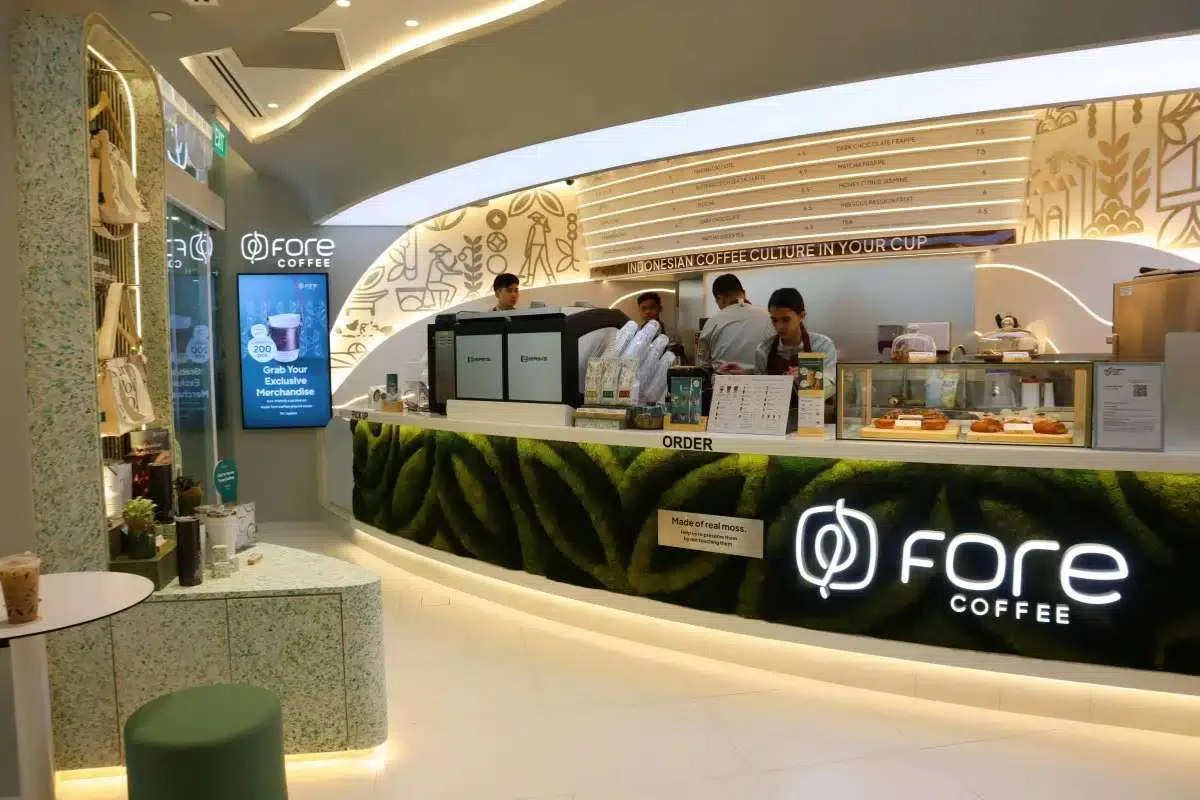
    Indonesian coffee chain Fore Coffee made its trading debut on the Indonesia Stock Exchange (IDX), following a heavily oversubscribed initial public offering that attracted more than 114,000 investors.

    The East Ventures-incubated company priced its IPO at US$0.012 (RP188) per share, issuing 1.88 billion new shares to raise approximately $22.3 million (RP353.44 billion) in fresh capital.

    Fore Coffee plans to allocate around 75 percent of the funds to its domestic expansion, with a target of 140 new outlets over the next two years.

    An estimated $3.8 million (RP60 billion) will be invested in launching a new doughnut concept, while the remaining $1.1 million (RP18 billion) will go towards working capital.

    Wilson Cuaca, president and chairman of Fore Coffee, and co-founder and managing partner at East Ventures, said the strong response to the IPO demonstrates the appeal of homegrown startups to public investors.

    “The counter-intuitive decision to proceed with the IPO during the lowest IDX Composite index since the pandemic paid off,” Cuaca said.

    Mandiri Sekuritas and Henan Putihrai Sekuritas acted as joint lead underwriters and intermediaries for the offering.

  • iPhone 16 series to be available in Indonesia next month

    iPhone 16 series to be available in Indonesia next month

    Teach giant Apple announced that the iPhone 16 will be available in Indonesia from April 11, indicating the sales ban in Southeast Asia’s biggest economy had been lifted.

    The government in October prohibited the marketing and sale of the model over the US tech titan’s failure to meet regulation requiring 40% of phones be made from local parts.

    However, Apple struck a deal with the Indonesian government last month to invest in the country of 280 million after months of deadlock.

    “Today, Apple announces that all iPhone 16 series… will be available starting from Friday, April 11,” the company said in a statement on Wednesday.

    The industry ministry said this month it had approved local certificates for more than a dozen Apple products.

    Last week, The Ministry of Communication and Digital Affairs said Apple has also obtained a certificate needed for all telecommunication devices with transmission.

    Jakarta rejected a $100 million investment proposal from Apple in November, saying it lacked the “fairness” required by the government.

    Apple later agreed to invest $150 million in building two facilities — one in Bandung in West Java province to produce accessories, and another in Batam for AirTags.

    Industry Minister Agus Gumiwang Kartasasmita said last month that Apple had also committed to building a semiconductor research and development center in Indonesia, calling it a “first of its kind in Asia”.

    Despite the ban on iPhone sales in Indonesia, the government had allowed the devices to be brought in if they were not being traded commercially.

    Indonesia has also banned the sale of Google Pixel phones for failing to meet the 40% local parts requirement.

  • Hermes opens new Indonesia store

    Hermes opens new Indonesia store

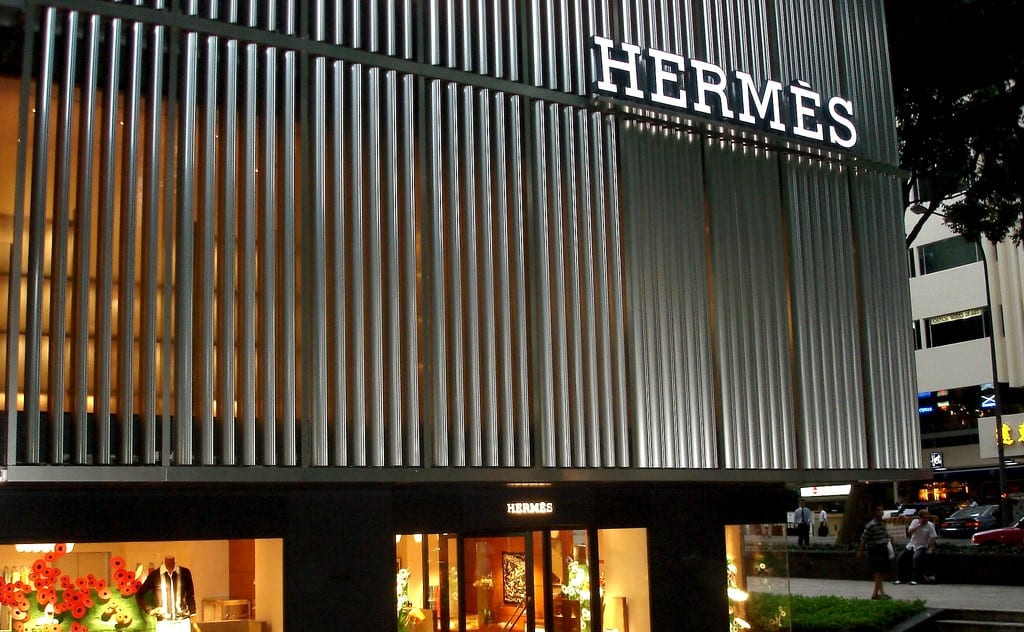
    Hermes has opened a new store in Jakarta, Indonesia, located in Plaza Indonesia.

    Designed by Paris-based RDAI, the space showcases the French luxury house’s 16 metiers (artisinal expertise) in a setting that blends traditional craftsmanship with contemporary design.

    The store’s facade features teal-green ceramic tiles and semi-sheer rattan screens, offering glimpses into the interior. Inside, the layout is arranged by category, with fashion jewellery, silks, home collections, beauty, and fragrance near the entrance.

    Leather goods and equestrian collections are framed by fabric-covered panels, while dedicated areas present ready-to-wear and footwear. A jewellery and watch salon, adorned with hand-carved lacquered panels, adds a “refined touch”, while hand-tufted carpets introduce texture throughout the space.

    The store also incorporates locally sourced materials, including hand-woven wall fabrics and wooden furniture. Curated artworks from the Emile Hermes collection and contemporary photography further enhance the interior.

    In collaboration with Indonesian art collective Tromarama, the window displays merge the label’s equestrian heritage with Jakarta’s rail network, offering a unique artistic interpretation.

    “We invite visitors to explore our collections in a space that reflects Indonesia’s cultural and artistic heritage,” said Hermes.

  • GoTo posts first full-year underlying profit

    GoTo posts first full-year underlying profit

    Indonesia’s biggest tech firm PT GoTo Gojek Tokopedia forecast a sharp increase in its underlying earnings for 2025 on Wednesday, and also posted its first ever full-year underlying profit.

    GoTo, which offers ride hailing, food deliveries, logistics and financial services, also forecast a surge in its core earnings, or adjusted EBITDA, the company’s key measure of profitability.

    “We saw a significant increase in our user numbers throughout the year and expect this to continue into 2025,” said Patrick Walujo, GoTo Group CEO.

    The tech firm now expects its adjusted EBITDA for 2025 to be in the range of 1.4 trillion rupiah (US$85.16 million) to 1.6 trillion rupiah.

    It’s a significant increase from GoTo’s underlying profit of 327 billion rupiah for 2024, swinging from a loss of 3.670 trillion rupiah last year.

    The firm’s financial technology segment, whose earnings jumped 70 per cent last year, is expected to expand further in 2025 as the user base for its GoPay app and its loan book grows, the company said.

    GoTo, which is backed by Japan’s SoftBank Group and Singapore’s sovereign wealth fund GIC, had reportedly been involved in merger talks with Southeast Asian ride-hailing and food delivery company Grab.

    But GoTo said in a filing last month it had not engaged in talks regarding a potential merger with any party, noting media reports involving Grab.

    In an interview with the Financial Times, GoTo CEO Walujo expressed openness to a potential deal.

    “I will always be open to anything that is enhancing our shareholders’ return . . . in the long term,” Walujo said.

  • Indonesia to convert waste into fuel, power in 30 big cities

    Indonesia to convert waste into fuel, power in 30 big cities

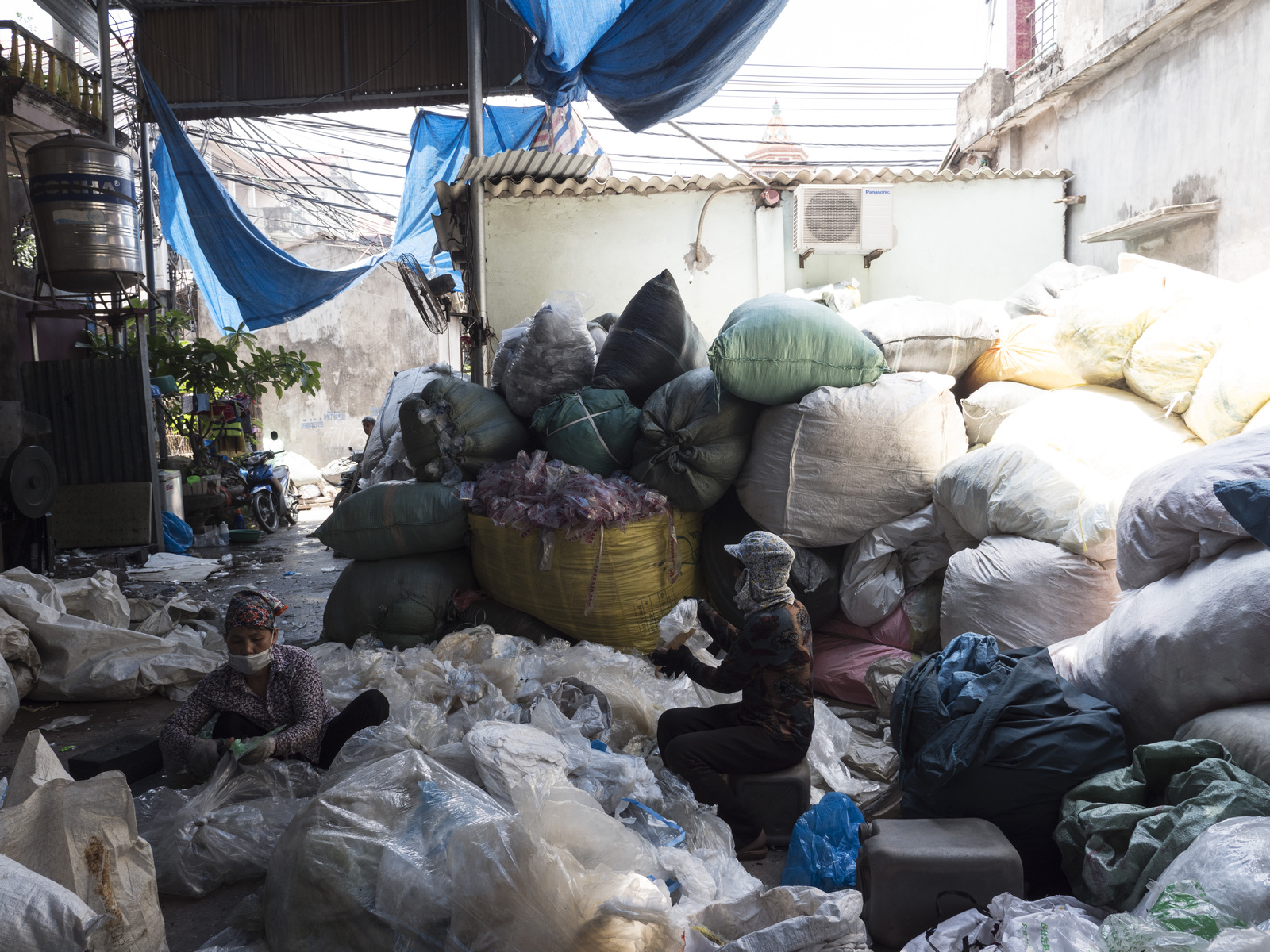
    Indonesian Deputy Minister of Energy and Mineral Resources Yuliot Tanjung said that the government is targeting to process waste into fuel and electricity in 30 big cities by 2029.

    He added that each city can produce around 20 megawatts of electricity. The products obtained from waste processing will not be limited to electricity but also include fuel oil, which will be produced using pyrolysis technology.

    According to the official, waste can be converted into electricity and fuel oil through integrated waste processing with the help of technology.

    Earlier, the Ministry of Environment informed that the acceleration of waste utilization into energy is expected to support waste management efforts in regions, supported by new regulations regarding electrification.

    The government is unifying three presidential regulations related to waste management to support the utilization of waste to produce electrical energy through waste power plants.

  • Indosat, ZTE Enhance Indonesia’s Connectivity with Advanced Microwave Technology

    Indosat, ZTE Enhance Indonesia’s Connectivity with Advanced Microwave Technology

    Utilizing ZTE’s microwave technology, the partnership aims to provide reliable, high-speed communication to remote islands and rural regions, granting more Indonesians access to IOH’s 4G network.

    Indonesia faces significant challenges in building communication infrastructure due to its rugged terrain and high costs. Traditional wired communication solutions often fall short, leaving many areas disconnected and limiting economic and social growth.

    To address this, Indosat and ZTE have deployed more than 550 ultra-capacity backbone microwave links nationwide, connecting nearly 80% of major cities and remote regions. ZTE’s innovative technology, designed for Indonesia’s specific needs, ensures long-distance, high-capacity transmission, providing previously isolated communities with reliable connectivity.

    Kevin Chen, Sales Director of PT., ZTE Indonesia, said, “ZTE are committed to seizing strategic opportunities in digitalization, intelligence, and low-carbon development. ZTE microwave backbone connects ZTE, IOH, and Indonesian residents together, [and] will explore more new possibilities in communication ways, contributing to the digital economic growth of Indonesia and the global community.”

    The solution incorporates advanced features tailored to Indonesia’s environmental conditions. ZTE’s multi-frequency Ultra Broadband Antennas (UBA) facilitate flexible frequency selection, reducing infrastructure costs. Customized branching units enhance efficiency and performance, while durable equipment withstands harsh weather conditions such as heavy rain, strong winds, and corrosion.

    Additionally, the integration of 4T4R modem boards and energy-saving technology ensures rapid deployment with minimal resources. The system’s scalable design supports future upgrades, enabling up to eight times the capacity and extended coverage to new areas.

    Indosat’s subscriber base has seen substantial growth, especially in remote regions, due to a strategic initiative that has expanded backhaul capacity in areas like Sumatra and Kalimantan to 2-3 Gbps, with peak speeds reaching up to 6 Gbps. This improved connectivity enables residents to access real-time information, online education, and digital entertainment seamlessly. Moreover, the initiative has spurred local economic development by generating employment opportunities, enhancing tourism, and encouraging knowledge exchange, while also driving progress in healthcare and education.

    Indosat and ZTE plan to strengthen their partnership to expand network coverage across Indonesia, focusing on improved communication infrastructure. Their joint efforts aim to enhance product capabilities, lower costs, and deliver innovative solutions to empower Indonesians in the digital age.

    Desmond Cheung, Director and Chief Technology Officer, Indosat Ooredoo Hutchison, commented, “This partnership with ZTE reflects our dedication to connecting communities across the nation, regardless of geographic challenges. By deploying advanced technology, we are not only improving digital experience but also unlocking opportunities for economic and social progress, creating a brighter digital future for Indonesia.”

  • Indonesia says 2024 was hottest year on record

    Indonesia says 2024 was hottest year on record

    Indonesia experienced its hottest year on record in 2024, the country’s weather agency said Friday, matching several other nations which have reported similar rises in temperature.

    Indonesia still relies enormously on fossil fuel energy — which scientists say is a leading cause of global warming — and is listed as one of the top greenhouse gas emitters in the world.

    The average air temperature in 2024 was 27.5 degrees Celsius (81.5 Fahrenheit), some 0.8 degrees Celsius warmer than between 1991 and 2020, the country’s meteorology, climatology and geophysics agency (BMKG) posted on its website Friday.

    It said the data was obtained from 113 monitoring posts across the country.

    Indonesia had its hottest April in more than four decades last year as extreme heat swept parts of Asia.

    The United Nations said Monday that 2024 was set to be the hottest year ever recorded worldwide.

    Both China and India have already said the year was their hottest in decades.

  • Indonesia rolls out $52B stimulus package for 2025

    Indonesia rolls out $52B stimulus package for 2025

    Indonesia has unveiled economic stimulus packages totaling IDR827 trillion (US$51.65 billion) for 2025, designed to mitigate economic shocks and address the weakening purchasing power of low- and middle-income groups.

    The stimulus also aims to cushion the impact of an upcoming increase in the value-added tax (VAT) rate from 11% to 12%, set to take effect on January 1, 2025.

    Minister of Finance Sri Mulyani Indrawati said the stimulus measures are carefully designed to provide balanced support, particularly for lower-income segments of society, to ensure their financial stability despite the VAT increase.

    A significant portion of the stimulus, amounting to IDR265.6 trillion, will go toward VAT incentives that benefit a range of sectors. These include micro-, small-, and medium-sized enterprises (MSMEs), essential food staples, education, healthcare, transport, energy, low-cost housing, and financial services. Basic necessities like rice, meat, fish, eggs, vegetables, and milk will remain exempt from the VAT.

    The government and the House of Representatives have decided not to impose VAT on essential commodities needed by the public, she said, adding some IDR394 trillion has been allocated for energy subsidies and compensation, which will cover the costs of subsidised fuel, electricity, and LPG.

    To further support the economy, the government is allocating IDR129 trillion to social aid programmes, including food aid, subsidies for health insurance premiums, and easier access to unemployment benefits for laid-off workers.

    In the automotive sector, the government will offer tax incentives for electric and hybrid vehicles. Electric vehicles and hybrid cars will receive substantial tax breaks, including a 3% reduction in luxury taxes for hybrid vehicles.

    For labor-intensive industries, the government will provide tax exemptions, financing support, and 50% subsidies for workplace accident insurance to encourage job creation and economic growth in this sector.

    In the housing sector, the government would extend VAT exemptions for house purchases. The sector not only meets the public’s basic needs but also has a significant multiplier effect, creating jobs and stimulating economic growth, the minister said.

  • Indonesia says Apple’s $100M investment proposal inadequate

    Indonesia says Apple’s $100M investment proposal inadequate

    Indonesia said a $100 million investment proposal from Apple to build an accessory and component plant was not enough for the country to allow the tech giant to sell its latest iPhone model, its industry ministry said on Monday.

    Indonesia in November banned sales of Apple’s iPhone 16 after it failed to meet requirements that smartphones sold domestically should comprise at least 40% locally-made parts.

    Indonesia has also banned the sale of Alphabet’s Google Pixel phones over a similar lack of use of local components.

    Indonesian authorities last week said Apple had put forward the investment proposal to lift the sales ban.

    Apple did not immediately respond to a request for comment.

    “We have done an assessment and this (proposal) has not met principles of fairness,” Industry Minister Agus Gumiwang Kartasasmita told a press conference, comparing the proposal to Apple’s bigger investments in neighboring Vietnam and Thailand.

    Apple has no manufacturing facilities in Indonesia, but has since 2018 set up application-developer academies, which Jakarta considers a way for the company to meet local content requirement for the sale of older iPhone models.

    Companies usually increase the use of domestic components to meet such rules through partnerships with local suppliers or by sourcing parts domestically.

    Agus said Apple had an outstanding investment commitment of $10 million it should have carried out before 2023. He also wanted Apple to commit to new investment until 2026.

    The ministry would invite Apple to visit Indonesia to negotiate further, Agus said.

  • Indonesia blocks Apple from selling iPhone 16

    Indonesia blocks Apple from selling iPhone 16

    Indonesia has blocked Apple from selling the iPhone 16 in the country but still allows travelers to bring it in for personal use.

    The iPhone 16, released in September, is not permitted for domestic sale because PT Apple Indonesia has yet to meet the country’s requirement of 40% local content for smartphones and tablets, the Ministry of Industry said in a statement on Oct. 25 as reported by Bloomberg.

    Each traveler can bring up to two iPhone 16s into Indonesia, according to the Jakarta Globe.

    Between August and October, around 9,000 iPhone 16 units were brought into Indonesia as personal belongings with taxes paid, data from the ministry shows.

    Industry Minister Agus Gumiwang Kartasasmita mentioned on Oct, 22 that Apple has yet to fulfill its commitment to investing 1.7 trillion rupiah (US$108 million) in Indonesia to secure a license for local sales. So far, Apple has invested 1.5 trillion rupiah.

    Apple’s older products can still be sold in Indonesia.

    Samsung Electronics and Xiaomi have set up factories in Indonesia to comply with the domestic content regulations introduced in 2017. Other ways to boost local content include sourcing materials or hiring workers in the country, according to Bloomberg.

    Apple on Oct 11 said that it was “deeply committed to Indonesia and excited to bring all of our latest products, including the iPhone 16 line-up, to our customers as soon as possible.”

  • Telkomsel Trials Facial Recognition for Prepaid SIM Registration

    Telkomsel Trials Facial Recognition for Prepaid SIM Registration

    This makes Telkomsel the second telecom company in the country to adopt this biometric technology.

    On Friday, Telkomsel announced that it is trialing facial recognition in its customer service portal, GraPARI Online, and the MyGraPARI app.

    The facial scan compares the individual’s features with government identity databases to confirm the customer’s identity. Facial recognition will be used alongside current validation methods like Population Identification Numbers (NIK) and Family Card Numbers (KK).

    Telkomsel’s MyGraPARI has been indirectly using facial recognition by supporting eKTP, the digital version of Indonesia’s ID card that includes biometric data. MyGraPARI also offers fingerprint scanning as an ID verification option.

    Telkomsel’s Sales Director, Adiwinahyu Basuki Sigit, mentioned that facial recognition will simplify and secure the process of registering and replacing prepaid cards, while also enhancing personal data protection.

    He stated, “This biometric technology not only streamlines the registration process but also supports the implementation of Know Your Customer (KYC) standards to ensure the accuracy of customer data and reduce the risk of fraud and identity theft in today’s digital age.”

    Telkomsel’s announcement follows XL Axiata’s launch of a new prepaid SIM card registration process using facial recognition after a successful trial last month.

    These developments signify that facial recognition technology is becoming more prevalent in Indonesia, especially among government agencies and companies. There is a notable focus on immigration checkpoints.

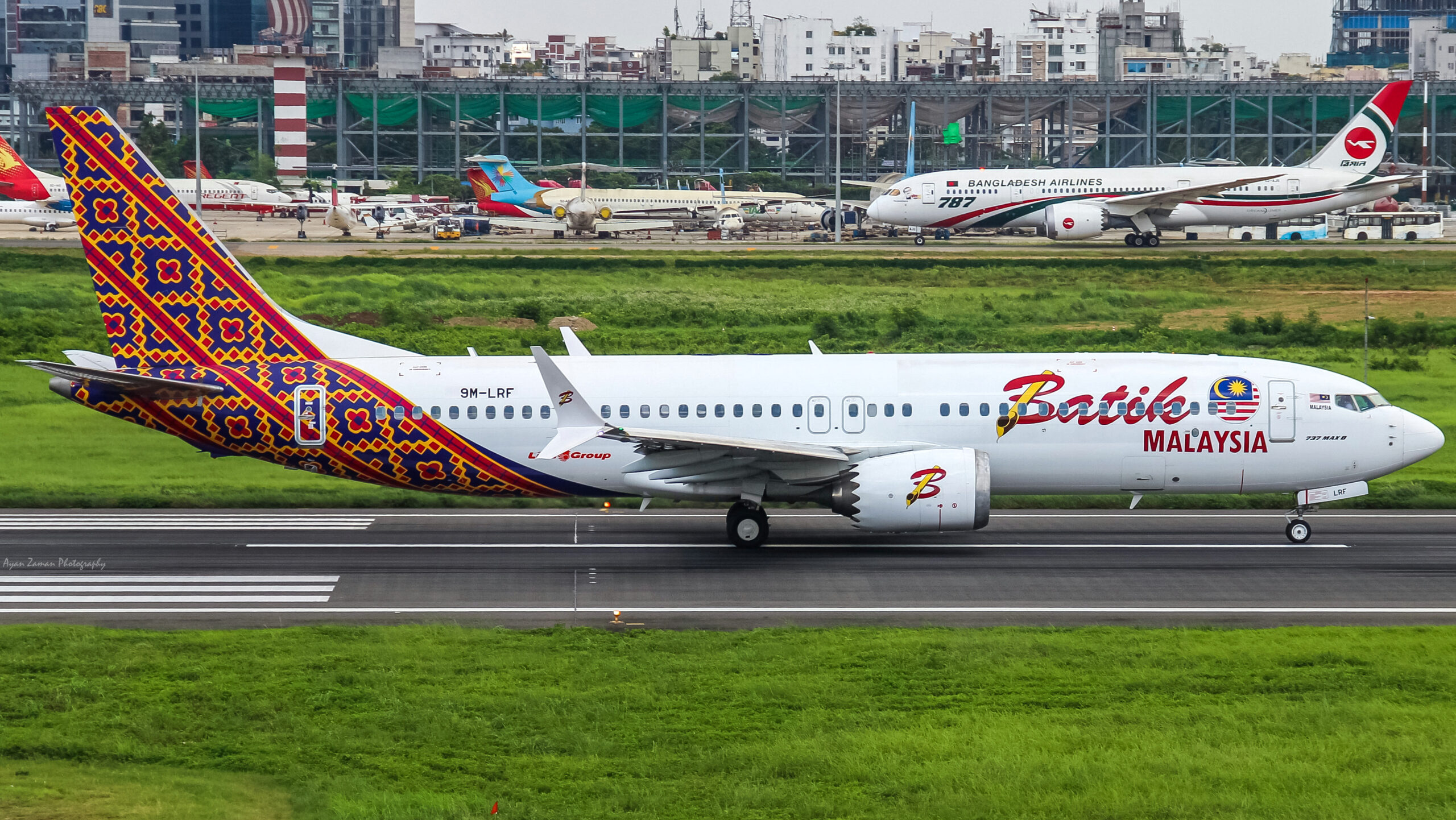
  • Indonesia to investigate Batik Air after pilots fall asleep mid-flight for 28 minutes

    Indonesia to investigate Batik Air after pilots fall asleep mid-flight for 28 minutes

    Indonesia’s transport ministry said Saturday it would open a probe into local airline Batik Air after two of its pilots were found to have fallen asleep during a recent flight.

    A pilot and co-pilot were simultaneously asleep for approximately 28 minutes during a flight from South East Sulawesi to the capital Jakarta on January 25, a preliminary report by the National Transportation Safety Committee (KNKT) said.

    The incident resulted in a series of navigation errors, but the Airbus A320’s 153 passengers and four flight attendants were unharmed during the two-hour-and-35-minute flight.

    The transport ministry “strongly reprimands” Batik Air over the incident, air transport director-general M. Kristi Endah Murni said, calling on airlines to pay more attention to their air crew’s rest time.

    “We will carry out an investigation and review of the night flight operation in Indonesia related with Fatigue Risk Management for Batik Air and all flight operators,” Kristi said in a statement.

    Batik Air said in a statement on Saturday that it “operates with adequate rest policy” and that it was “committed to implement all safety recommendations”.

    The pilots involved in the January 25 incident had been temporarily suspended, the statement added.

    The KNKT report, seen by AFP on Friday, was uploaded to the agency’s website in late February.

    One of the pilots had not rested adequately on the night before the flight, according to the report.

    About half an hour after the plane took off, the captain asked permission from his second-in-command to rest for a while, with the request being granted.

    The co-pilot then took over command of the aircraft, but also inadvertently fell asleep, the report said.

    “The second-in-command had one-month twin babies. His wife took care of the babies and he assisted while at home,” the report said.

    A few minutes after the last recorded transmission by the co-pilot, the area control center in Jakarta tried to contact the aircraft. It received no answer.

    Twenty-eight minutes after the last recorded transmission, the pilot woke up and realized his co-pilot was asleep and that the aircraft was not on the correct flight path.

    He immediately woke his colleague up, responded to the calls from Jakarta and corrected the flight path, the report said.

    The plane landed safely after the incident. Investigators did not identify the pilots, but said they were both Indonesians and were aged 32 and 28.