Tag: yangon

  • Metro Myanmar launches with brand new warehouse

    Metro Myanmar launches with brand new warehouse

    The launch of Metro Myanmar business marks the German wholesaler’s 36th international market.

    The company has announced a warehouse in Yangon, aiming to serve local professional customers in the fast-growing hospitality and tourism sectors.

    “The food wholesale industry in Myanmar offers big potentials for Metro,” said the firm’s COO and management board member Philippe Palazzi, “and we believe our engagement in the trade sector will contribute to the local economic growth including the agriculture, tourism and hospitality sectors, and help upgrade the food wholesale infrastructure sustainably for the local community.”

    As distinct from its operations in other countries, Metro Myanmar will not run wholesale stores but provide a virtual shopping experience for customers through its e-commerce and delivery systems.

    Central to the wholesale operations in Myanmar is the 5800sqm warehouse situated in Thilawa Special Economic Zone outside Yangon. It is a modern logistics facility where incoming goods are received, stored, processed and packed in compliance with stringent quality and food safety standards for delivery to customers.

    Now right at the start of its operations, Metro Myanmar is already serving about 300 customers across the country that can now select from an assortment of more than 2000 food and non-food products. Customers place orders digitally through Metro’s website and mobile app, and the delivery is carried out with a fleet of modern temperature-controlled trucks.

    With local sourcing and food safety improvement a top priority for the country, the firm has been making continuous efforts to build up strong partnerships with local producers. These engagements include training as well as knowledge and expertise transfer for food suppliers and farmers across different regions and states in Myanmar. Over 90 per cent of the current workforce at Metro Myanmar, which is about 150 employees, is staffed by local talent.

  • Myanmar allows full foreign ownership in Retail Business

    Myanmar allows full foreign ownership in Retail Business

    Foreign companies are now allowed to invest in Myanmar’s retailers and wholesalers, including holding 100% stakes, as the country makes efforts to lift foreign investment amid the Rohingya refugee crisis.

    The Ministry of Commerce announced the change on Friday, explaining that it wants to increase competition in the sectors and promote price stability and technology transfers. The new rule took effect on Wednesday.

    But restrictions still apply. Foreign companies must invest at least $700,000 to take an up to an 80% stake in retailers, and $3 million for anything more. They cannot own minimarkets and convenience stores with floor spaces of 929 sq. meters or less. For wholesalers, the minimums are set at $2 million for up to an 80% stake and $5 million for more.

    The ministry is also letting foreign companies themselves bring their products into Myanmar and sell them instead of going through local importers as in the past. This could encourage automakers and appliance manufacturers to make further inroads here.

    Foreign companies could technically take stakes in Myanmar retailers and wholesalers before if they received the ministry’s approval. But almost none got the green light. Japanese retailer Aeon, one of the handful that did, began operating supermarkets with a local partner in 2016.

    Emerging economies often restrict foreign investment to protect homegrown retailers and wholesalers. It is unusual for a country like Myanmar, with per capita gross domestic product of only $1,200 or so in 2016, to relax the rules so much.

    But de facto civilian leader Aung San Suu Kyi has come under fire for delays in key economic reforms. And human rights abuses against the Rohingya Muslim minority, hundreds of thousands of whom have fled to neighboring Bangladesh, are making American and European businesses uneasy about operating in Myanmar.

    The country approved about $5.7 billion of foreign investment in the 12 months ended March, down for a second straight year. A further decrease could throw a wrench into a development strategy heavily reliant on foreign money.

  • Yangon retail sector posted 95% occupancy rate

    Yangon retail sector posted 95% occupancy rate

    Prime Yangon retail space remains almost fully occupied despite a record addition of new stock on the market last year.

    As a result, city retail rents are likely to rise by 4 to 5 per cent in the near-term, reflecting high demand.

    “Rents should continue moving upwards in the medium term,” said Joan Mae Lee, analyst for Colliers International’s research and advisory team, in a statement.

    According to a research report from the real estate specialist, more than 79,400sqm of new space opened in the fast-growing economy’s largest city last year – more than double the amount of 2016.

    However the occupancy rate held at 95 per cent which would undoubtedly make it one of the highest rates in Southeast Asia.

    The report said the figure reflected business confidence in the country, where the economy is expected to grow by about 7.5 per cent in the year to March 31.

    Yangon’s retail supply was boosted last year primarily by the opening of Junction City and St John City Mall which combined provided a fresh 67,000sqm of lettable area in the city.

    Lee urged developers to focus on tenant diversity in new or revamped projects.

    “Landlords should aim to lure other prospective tenants, such as aesthetic clinics, wellness centres, showrooms, auxiliary service providers and inclusion of institutional occupiers to boost foot traffic,” she said.

  • PastaMania Myanmar Opens Second Branch in Yangon

    PastaMania Myanmar Opens Second Branch in Yangon

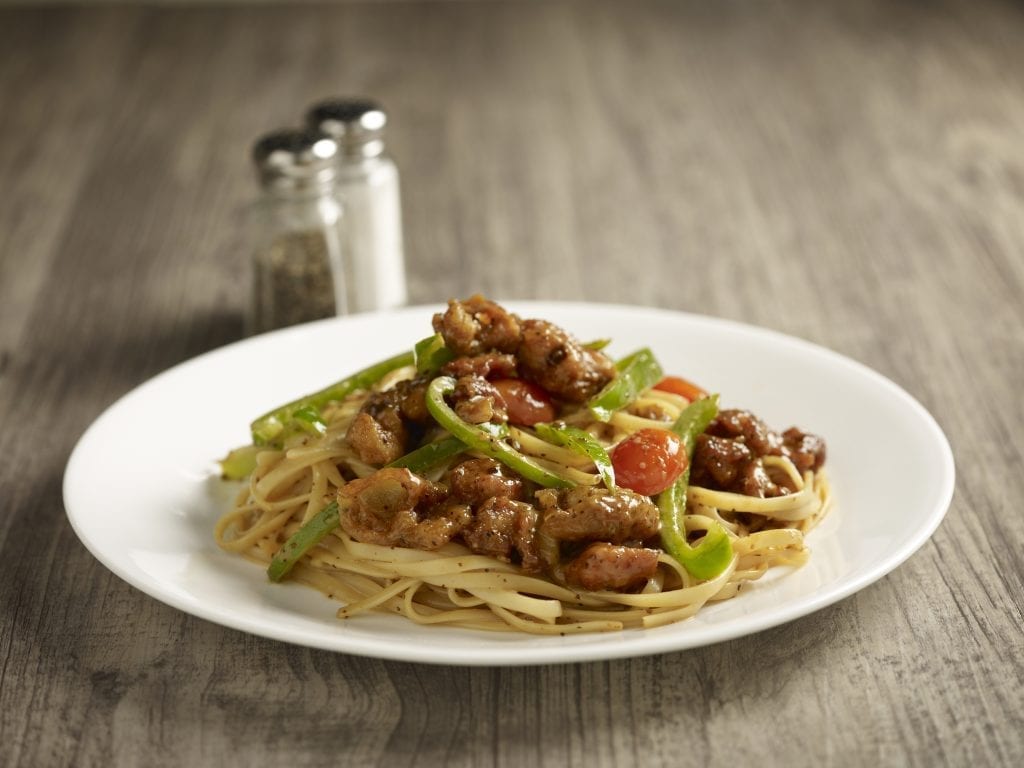
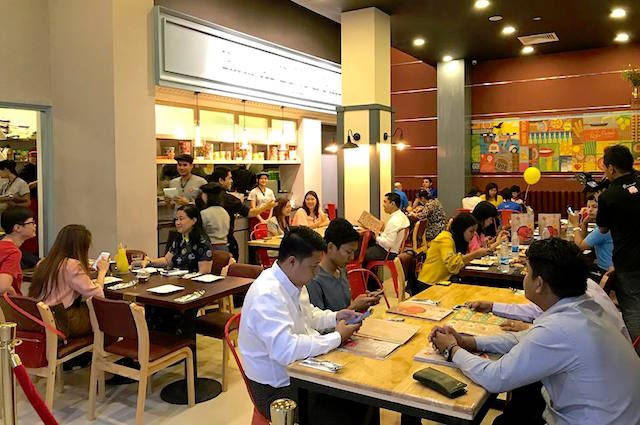
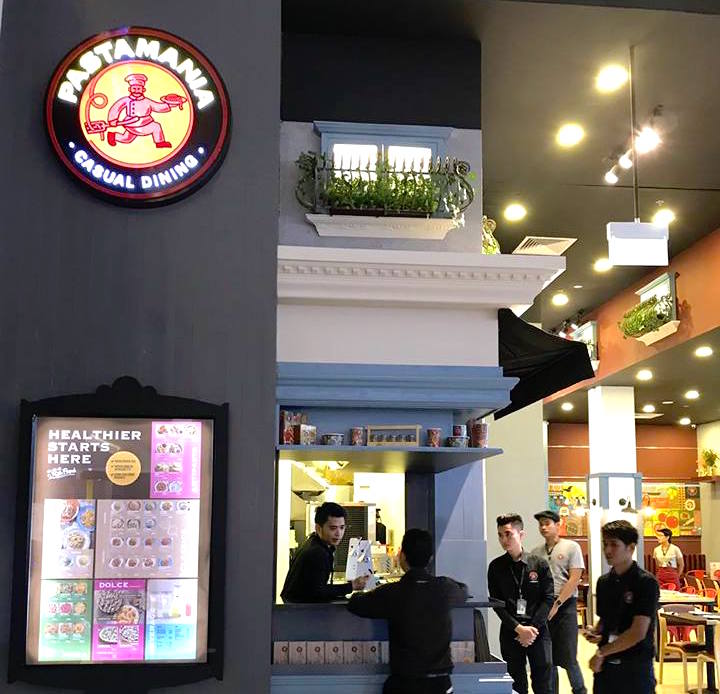
    PastaMania Myanmar will open a branch in Yangon’s Capital Hypermarket Extension Mall on February 27.

    From Singapore, the Italian casual-dining restaurant chain has more than 50 outlets in 14 countries.

    “This PastaMania outlet design is based on Italy’s piazza concept to create the ambience of an Italian city square, says executive director Wilson Lim of Singapore’s Commonwealth Capital Group, which run PastaMania.

    This is the second Yangon outlet for PastaMania, the first opening on Inya Road in February 2016.

    Two more outlets are planned over the next year in Yangon.

  • MPT launches FTTH in Yangon

    MPT launches FTTH in Yangon

    Myanmar’s MPT has announced the launch of FTTH services in parts of the nation’s largest city Yangon.

    The new service offers speeds of 5Mbps for 69,000 kyat ($50.64) per month, or 10Mbps for 109,000 kyat per month.

    The operator is offering the service on a 12 month contract and charging an installation fee of 150,000 kyat, rising to 200,000 kyat after a promotional period ends.

    MPT has deployed the services in parts of downtown Yangon, and plans to expand the rollout to other areas of Yangon and to Mandalay early next year and to other major cities across the nation throughout that year.

    “We are pleased to offer customers a truly enriching internet experience in their homes at greater value,” MPT chief commercial officer Reizo Umeda said.

    “The new fiber-based service will provide fast and reliable connectivity to online services, from web browsing, social media, streaming videos, gaming as well as those that require higher bandwidth capacity for connecting multiple devices simultaneously. Also as thanks to our valued customers, we are launching this service with an attractive introductory installation price, which we hope residents will take advantage of.”

    MPT entered a partnership with Japan’s KDDI and Sumitomo for both its fixed and mobile operations as part of the 2014 liberalization of Myanmar’s telecoms sector.

  • Singapore Myanmar Investco reports encouraging initial retail results at Yangon International

    Singapore Myanmar Investco reports encouraging initial retail results at Yangon International

    Singapore Myanmar Investco Limited has reported revenue of US$13.3 million in its travel and fashion retail segment for the year ended 31 March 2017.

    Subsidiary SMI Retail only began duty free operations at Yangon International Airport in September 2016, meaning there is little meaningful basis for year-on-year comparison. The company was awarded contracts for duty free, other retail and food & beverage outlets in 6,700sq m of space at the airport’s new International Terminal in December 2015.

    The 6,700sq m of retail space includes a multibrand and multicategory duty free area of almost 2,000sq m on three levels

    Singapore Myanmar Investco Limited reported overall group revenue of US$23.3 million for the year, and a gross profit of US$4.8 million. Net of tax, the company reported a loss of US$7.3 million.

    “The initial results of retail operations at Yangon International Airport are encouraging although it will take time for the new terminal to reach traffic flows at projected levels,” said SMI President and CEO Mark Bedingham in the company’s annual report.

    “We have received much positive feedback from passengers and the airport management company on the quality of the duty free and travel retail stores that we have created and this initial success has been widely noticed in the city itself.

    “Notably, we have used our relationship with DFS to supply a comprehensive portfolio of international wines & spirits and beauty brands for both departures and arrivals at Yangon International Airport and have introduced more than 30 international fashion and lifestyle brands to create an outstanding retail experience for this very modern, newly-built terminal.

    “This new terminal has dramatically increased the capacity of Yangon International Airport to meet the expected rapid rise in international travellers; for business, for tourism and for Myanmar nationals who are also starting to travel overseas in greater numbers. This new terminal is already scheduled for further expansion and this will undoubtedly create new opportunities for SMI in travel retail at the airport.”

    Bedingham also noted that a number of mall owners and developers in Myanmar saw SMI as a “highly desirable partner”. He continued: “We have been pleased to work with Junction City – a new integrated upscale development in downtown Yangon. We have been able to introduce several international brands that we work with at the airport into Junction City and nearly all of these retail stores have been opened by the end of April 2017.”

    SMI signed an exclusive distribution agreement with Shiseido Asia Pacific in February 2017 and the first Shiseido flagship counter in Myanmar will open in Junction City by mid-year 2017.

    Non-Executive Chairman Ho Kwok Wai said that SMI would now move focus on organic growth across its diversified business portfolio.

    He noted a World Bank report issued on 30 January 2017 which stated that Myanmar’s economy will grow an average of +7.1% per year in the next three years.

    “The landscape in Myanmar was very different when we began our transformation in 2013 but our objective for the group remains the same: to build a diversified business model to capitalise on the strong trends in consumer spending, international tourism and infrastructure investment in this frontier market,” he said.

    “From the encouraging results shown in our portfolio of businesses so far, there is positive sentiment that we are on the cusp of major advances in Myanmar, with strong growth potential.”

  • Vietjet expands its international presence with new Hanoi – Yangon route

    Vietjet expands its international presence with new Hanoi – Yangon route

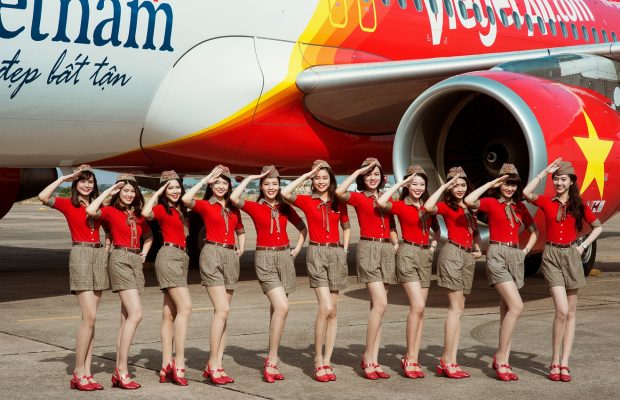
    Vietjet continues its international route extension program with the announcement of the launch of the Hanoi to Yangon (Myanmar) route, with tickets priced from only HKD70 (USD9). The new service, commencing August 31, 2017, is expected to meet the increasing travel demands of individuals, tourists and businessmen between Vietnam’s capital city and the Burmese tourism hub.

    The Hanoi – Yangon route is operated on a daily basis with flight time of 1 hour 55 minutes per leg. The Hanoi – Yangon flight departs at 12:05 and arrives at 13:30 (local time). The return flight takes off in Yangon at 14:30 and arrives in Hanoi at 16:55 (local time).

    The new route’s tickets are available for booking within the golden hours from 13:00 to 15:00 daily. Payment can be easily made with debit and credit cards of Visa, MasterCard, JCB, KCP and American Express.

    The capital city is the second destination to be connected with Yangon following the Ho Chi Minh City-Yangon service. With similar cultures, Vietnam and Myanmar are attracting investments for tourism and economic development. The new route is expected to meet the increasing travel demand of tourists and businessmen contributing to the development, integration and trade in the region. This is made possible with the introduction of Vietjet’s convenient flight schedules and amazing airfares.

  • Yangon food court a first for Myanmar

    Yangon food court a first for Myanmar

    Myanmar has its first Japanese-style food court, thanks to a joint venture between City Mart Holdings and Japanese trading company Sojitz Corp.

    Tokyo Dining City, home to six restaurants, opened on Wednesday inside a new commercial building in Yangon’s CBD. The Yangon food court can seat 200 diners and primarily targets office workers.

    Tokyo Dining City Myanmar

    “Japanese food has gained great popularity in Myanmar and there are many Japanese restaurants here,” Zar Ni Kyaw, operations manager of Tokyo Dining City, said in an interview with local media.

    “What makes us different from the others is that we aim to present genuine Japanese dining and Japan’s culture of hospitality to our customers in Myanmar.”

    The two companies say they plan to open more such food courts elsewhere in Myanmar in the future.

  • Diesel makes Myanmar debut at Yangon airport

    Diesel makes Myanmar debut at Yangon airport

    Diesel has opened a new monobrand store in Yangon airport as the brand makes its debut in the Myanmar market and reinforces its presence in global travel-retail.

    With the new 100sq m store, Diesel opens the doors to its renewed retail design concept. The store is the first monobrand boutique for Diesel across Asian travel-retail developed in collaboration with Japanese architect firm Wonderwall, headed by interior designer Masamichi Katayama.

    The Tokyo-based team, in collaboration with Diesel Artistic Director Nicola Formichetti, envisioned a simple yet unexpected concept: the idea of an apartment space, like a symbolic new house for the brand. The aim is to create a distinctive atmosphere, combining it with the brand’s identity, where the customer can feel “at home”.

    The new opening coincides with the perfect season for travellers to explore the Spring Summer 2017 Collection, ranging from apparel to accessories for women and men, not to mention the wide selection of denim and joggjeans. The Spring Summer offer is renewed every season with new fits and washes for denim, while innovative materials and unique fabrics are incorporated into  the authentic joggjeans.

    Diesel stated: “The travel-retail channel is extremely crucial for the brand, in fact Diesel is reinforcing its presence in the global travel-retail market and to confirm this, future openings are planned in Singapore, Waikiki and Guam.”

  • Wyndham Opens Tryp Hotel in Yangon, Myanmar

    Wyndham Opens Tryp Hotel in Yangon, Myanmar

    Wyndham has expanded its Tryp brand to Myanmar, formerly known as Burma, with the opening of a new-construction hotel in Yangon, Myanmar.

    The 60-room Tryp Yangon is Wyndham’s inaugural hotel to open in the country.

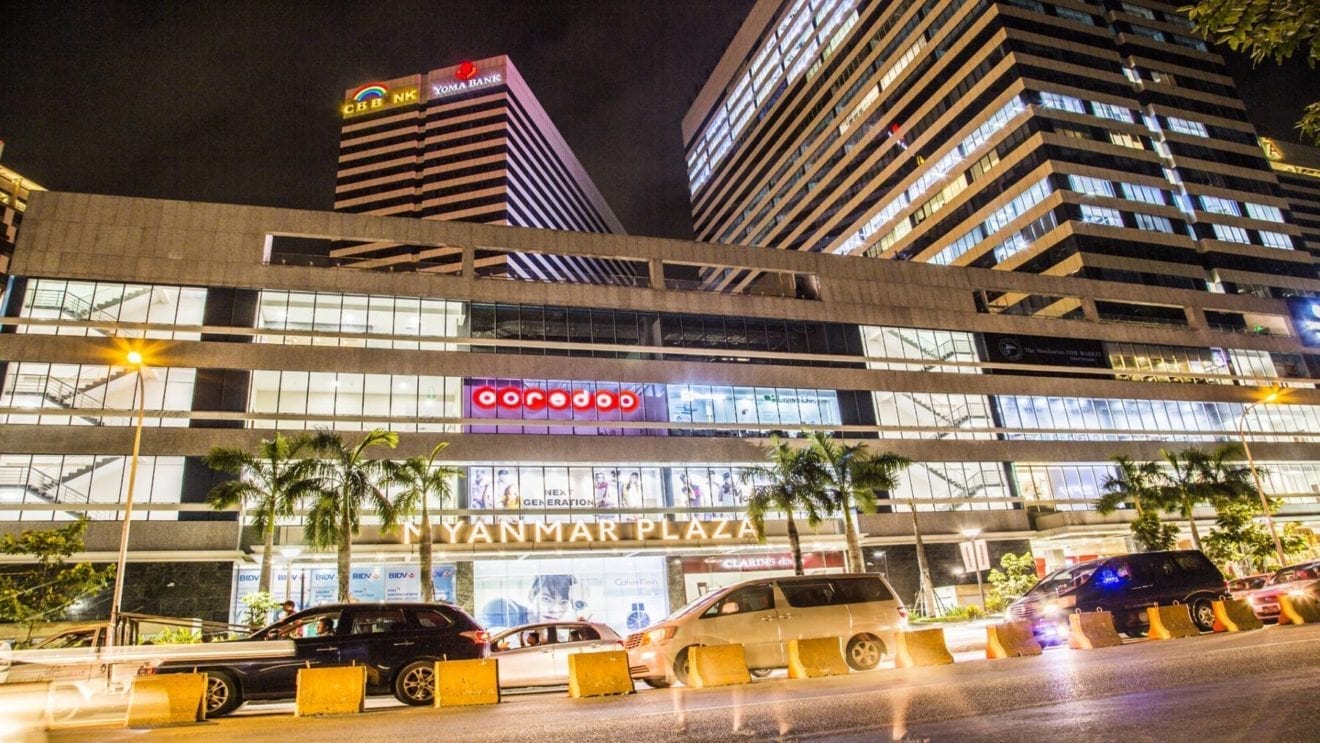
    Tryp Yangon is located in the heart of Yangon’s Mayangone Township less than five minutes from Myanmar Plaza, which offers upscale retail and dining options, and is a short stroll from many of the city’s glittering golden temples, including the majestic 34-meter-high Kabar Aye Pagoda and the vast Inya Lake.

    “Myanmar is quickly becoming a must-see destination for international travellers with nearly eight million arrivals in 2015 thanks to an influx of foreign investment and Yangon’s expanded international airport,” said Mr Barry Robinson, President and Managing Director of Wyndham Hotel Group South East Asia and Pacific Rim. “The country’s travel and tourism sector is primed to spike even higher as people seek out new business opportunities, setting the stage for increased hotel demand in Yangon. Tryp by Wyndham’s unique urban flair will help visitors uncover the side of Yangon not in guidebooks, putting the city in a new light for visitors who want to experience it like a local.”

    Tryp Yangon features a restaurant and a lounge bar for evening cocktails as well as free Wi-Fi for guests to stay connected.

    The hotel is operating under a franchise agreement with developer Dragon Mountain Holding Co. Ltd. and is managed by Kosmopolitan Hospitality, a hotel management company headquartered in Bangkok, Thailand.

    Mr Glenn DeSouza, Chief Executive Officer of Kosmopolitan Hospitality, said, “The opening of Tryp Yangon will invigorate Yangon’s hospitality landscape with its edgy concept and high speed internet connectivity. Along with the exceptional service expected from one of the world’s most renowned international brands, the hotel is poised to be a favourite among regional and international travellers.”

    Wyndham Hotel Group plans to expand the Tryp by Wyndham brand to other key Asia Pacific destinations within the next 12 months. The brand currently has more than 110 hotels globally, each curating a unique experience that reflects its location.

  • TRYP by Wyndham headed for Yangon, Myanmar

    TRYP by Wyndham headed for Yangon, Myanmar

    TRYP by Wyndham has arrived on the shores of south-east Asia with the opening of a new-construction hotel in Yangon, Myanmar. The 60-room TRYP Yangon is Wyndham’s inaugural hotel to open in Myanmar.

    TRYP by Wyndham celebrates the spirit of the urban traveller by offering an insider’s look at a city.

    Hotels can be found in the heart of the world’s most exciting cities – the ones on every travel bucket list – like Abu Dhabi, Brisbane, Barcelona, New York City, Paris, and Sao Paulo.

    The brand’s urban flair energises travellers with an inimitable style and helps travellers find the best ways to tap directly into the pulse of the city.

    “Myanmar is quickly becoming a must-see destination for international travellers with nearly eight million arrivals in 2015 thanks to an influx of foreign investment and Yangon’s expanded international airport,” said Barry Robinson, president, Wyndham Hotel Group south-east Asia and Pacific Rim.

    “The country’s travel and tourism sector is primed to spike even higher as people seek out new business opportunities, setting the stage for increased hotel demand in Yangon.

    “TRYP by Wyndham’s unique urban flair will help visitors uncover the side of Yangon not in guidebooks, putting the city in a new light for visitors who want to experience it like a local.”

    Set in the heart of Yangon’s lively Mayangone Township, TRYP Yangon offers a restaurant and a lounge bar for evening cocktails in a dynamic social setting, as well as free Wi-Fi for guests to stay connected with friends and family.

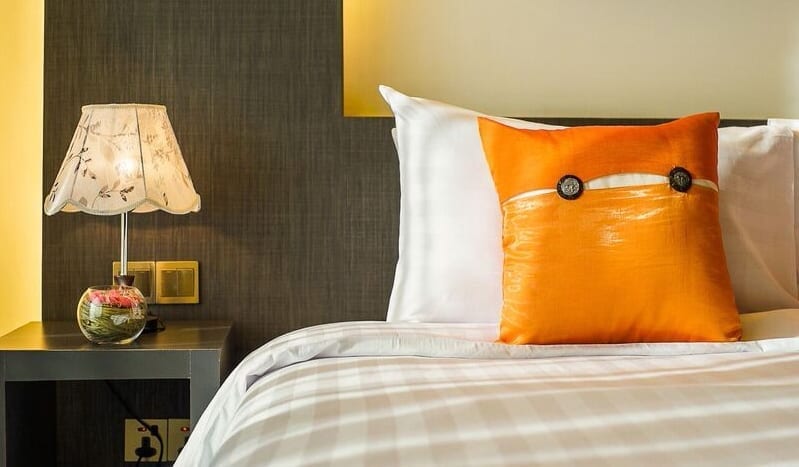
    Sixty design-driven guest rooms feature a mix of patterns, textures and unexpected contrasts inspired by Myanmar’s longstanding culture and traditions.

    Art fixtures include kaleidoscopic landscapes of farmers toiling in farmlands and rice paddies, a nod to the country’s agrarian heritage.

    TRYP Yangon is located less than five minutes from Myanmar Plaza, which offers upscale retail and dining options, and is a short stroll from many of the city’s glittering golden temples, including the majestic 34-meter-high Kabar Aye Pagoda and the vast Inya Lake.

  • Aeon brings Japanese sensibilities to Myanmar food shopping

    Aeon brings Japanese sensibilities to Myanmar food shopping

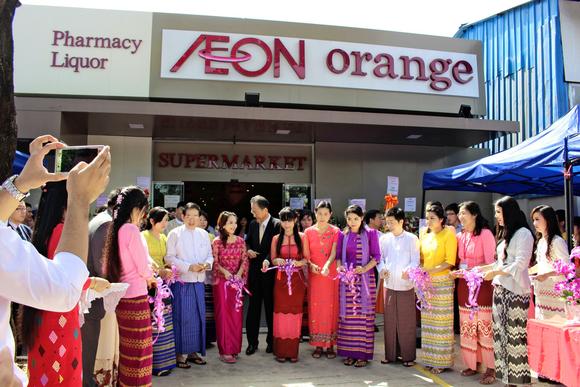
    Japanese supermarket giant Aeon has become the first foreign retailer to enter Myanmar since the 2011 transition to civilian rule, a development that could herald change in a retail industry still dominated by traditional markets.

    Aeon signage, a familiar sight to Japanese consumers, made its Myanmar debut Friday in a largely middle-class area along a major road in Yangon’s North Okkalapa district. The store packs some 8,000 products into a relatively compact 613 sq. meters of sales-floor space. The lineup includes about 80 items imported from Japan, including selections from Aeon’s Topvalu private brand. About 70% of the products are imported from Thailand or elsewhere, with the remaining 30%, mainly fresh foods, coming from Myanmar.

    A slice of Japan

    Upon entering the store, the first thing that catches the eye is a refrigerated case featuring neatly wrapped packages containing three or four slices of melon or watermelon, priced at 600 kyat to 800 kyat (47 cents to 63 cents).

    “Foods from Japan like cup noodles can be eaten quickly and easily,” a worker at a beverage plant noted. The 24-year-old praised the low prices, as well as the store’s thoughtfulness in offering small servings of fruit that can be polished off before they go bad.

    Refrigerated products are a rare sight in Myanmar supermarkets, since quality control is difficult. Produce is typically sold by the piece. Refrigerators are also relatively uncommon in households, so if a customer buys a watermelon, for example, it is usually eaten all at once. The Aeon store offers small packs of sliced fruit, meat and fish, giving customers the option of Japanese-style shopping — buying only as much as they need, when they need it.

    Another peculiarity is prepared foods such as boxed meals, which are almost unheard of in Myanmar supermarkets or convenience stores. Ahead of the supermarket opening, Aeon set up a central kitchen in Yangon, where about 10 Myanmarese staffers cook food tailored to local tastes. A lunch box with curry, rice and salad costs 1,280 kyat, while rice balls with pork or other fillings go for 550 kyat. By comparison, a noodle dish from a local vendor typically costs around 800 kyat.

    Aeon announced in August a joint venture with Creation Myanmar Group of Cos., a local company which operates 14 supermarkets in the country under the Orange brand. The venture, Aeon Orange, aims to open 10 or so stores in five years. “This is a milestone in transplanting the Japanese values of convenience, security and safety,” Aeon Orange President Yoshimitsu Kawato enthused.

    An industry in transition

    Modern retail is still a work in progress in Myanmar. Local player City Mart Holding, established in 1996, runs about 40 supermarkets in the country. But these stores serve mostly upper- and middle-class consumers in urban areas. Most people still turn to traditional public markets, known as zei. Modern retailers such as supermarkets account for just 10% or so of the retail industry.

    Aeon aims to lure the zei crowd with such draws as the affordable, high-quality Topvalu brand. “Three towels cost 1,800 kyat,” said one shocked shopper. “Even though they’re high-quality Japanese products, they’re cheaper than what’s sold at regular stores.”

    Aeon’s Southeast Asian business has suffered from something of a slump in Malaysia, a mainstay market, in recent years. “Myanmar is the market we’re focusing most on,” said President Motoya Okada, citing its “unquestionable” potential and rapid growth.

    Research firm Euromonitor International sees Myanmar’s retail market expanding from $11.5 billion in 2015 to $17.5 billion by 2020 amid the rise of the urban middle class. City Mart plans to double its store count within three years, while Thai conglomerate Central Group is reportedly mulling a foray into the country. Competition over this rapidly modernizing growth market will likely be fierce.

    Reform underway

    Myanmar’s new government has accelerated efforts to open up the country’s economy. The retail industry, which was closed to foreign participation in 2002 in the name of protecting domestic companies, is among the clearest examples.

    Aeon’s entry into the market has still met with backlash from Myanmar’s retail industry, which fears that foreign enterprises could throw around their financial weight to crush local businesses.

    “We think about protecting domestic companies, but the benefits to consumers are important, too,” argued Aung Naing Oo, director general of the Directorate of Investment and Company Administration. “We welcome Aeon’s entry into Myanmar.”

    The country still does not permit foreign involvement in trade. Aeon’s imports are handled by its local partner, Creation Myanmar. Opening up trade licenses to foreign businesses is the biggest key to expanding the retail industry, some argue.

    Infrastructure remains an issue as well. The lack of refrigerated trucks and distribution facilities makes it difficult to get seafood and agricultural products from outlying areas to big cities. Though Japanese companies including Kokubu Group started building temperature-controlled warehouses outside Yangon last year, only a few have been completed. A boost to demand from Aeon’s presence would encourage infrastructure construction, a Kokubu spokesperson said.

  • Vietnam real estate giant opens five-star hotel in Myanmar

    Vietnam real estate giant opens five-star hotel in Myanmar

    Vietnamese realty group Hoang Anh Gia Lai on Sunday put into operation a five-star hotel in Yangon, Myanmar.

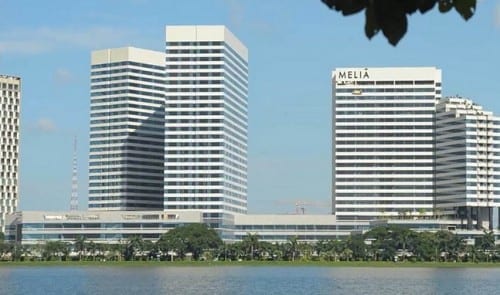
    The hotel is housed in the group’s Myanmar Center, located some eight kilometers from downtown Yangon, on Kaba Aye Pagoda Road in Bahan Township.

    Hoang Anh Gia Lai (HAGL) Group is one of the leading real estate companies in Vietnam that focuses on the development of residential and commercial real estate in many principal economic centers, including Ho Chi Minh City and Da Nang City.

    The company has been expanding regionally with real estate projects in Laos, Thailand and Myanmar.

    Myanmar Center is a modern architectural ensemble made up of offices, retail spaces, residential units and a five-star hotel, with a total investment of US$440 million, Vo Truong Son, general director of HAGL Group, said at the inauguration ceremony.

    The project is divided into two phases, the first of which consists of two grade-A office towers, one retail podium and a five-star hotel, while the second comprises two additional grade-A office towers and five residential blocks.

    Operated by hotel chain Meliá Hotels International, one of Spain’s largest operators of hotel and holiday resorts, the five-star Meliá Yangon inaugurated on Sunday has 430 suites and a 2,000 square meter conference area.

    melia hotel

    Vietnamese Deputy Prime Minister Vu Duc Dam and senior officials of Myanmar, Laos, and Cambodia also attended the inaugural ceremony.

    According to Myanmarese Minister of Hotels and Tourism U Htay Aung, HAGL’s Myanmar Center is the largest foreign-invested real estate project in the country at the moment.

  • Myanmar National Airlines To Yangon Airport New Terminal

    Myanmar National Airlines To Yangon Airport New Terminal

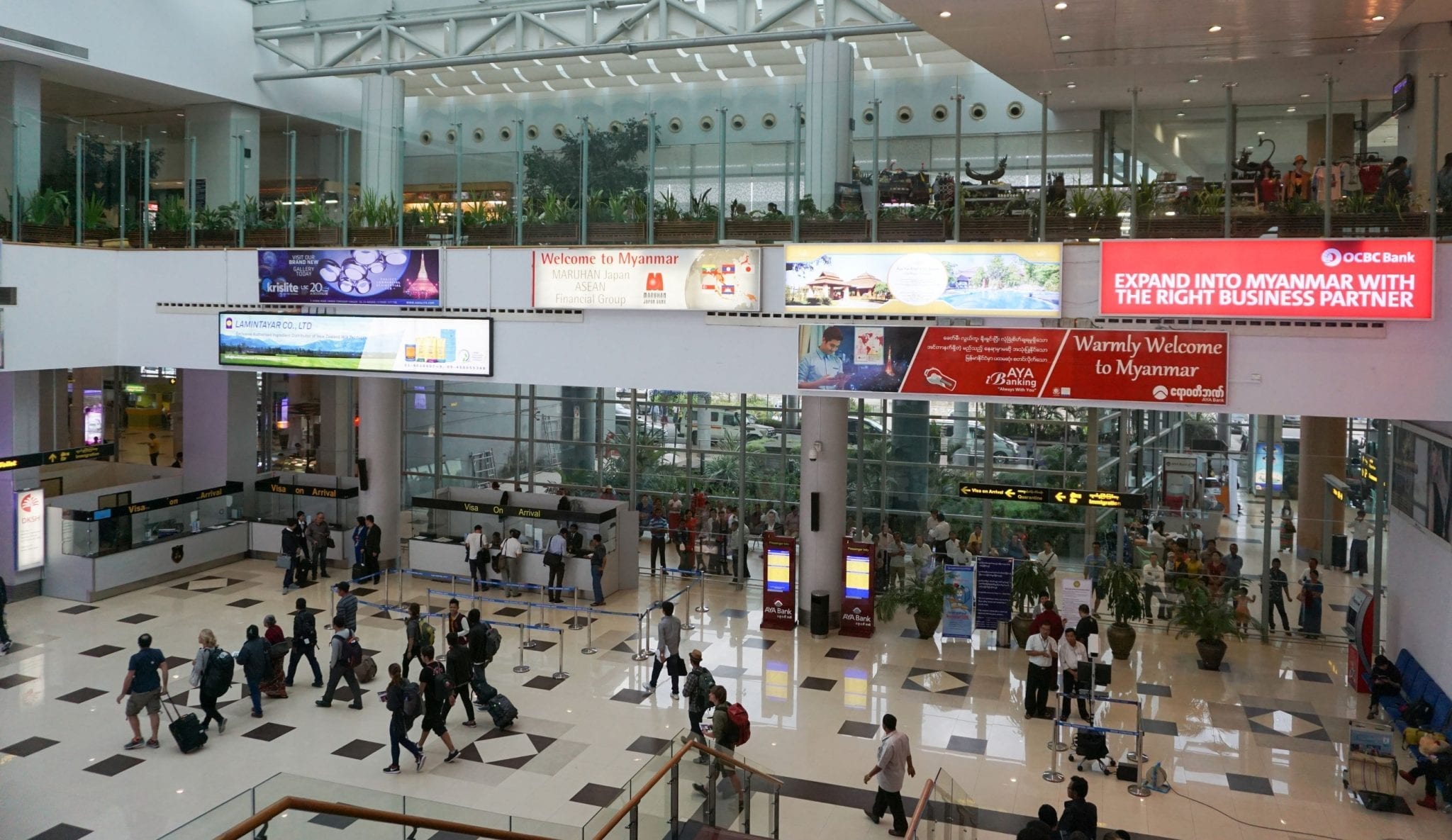
    Asia World Group has opened the first phase of a new airport terminal in Yangon that will be capable of handing up to 20 million passengers a year when complete, with US fast-food chain Kentucky Fried Chicken the first international restaurant confirmed to open in the new space.

    President U Thein Sein (right) and Steven Law (left) attend the new airport terminal opening. Photos: Aung Myin Ye Zaw / The Myanmar Times

    Yangon Aerodrome Company Limited (YACL), an Asia World subsidiary, built the airport in less than two years, completing the project in time to be claimed as one of the final achievements of the outgoing administration. U Thein Sein opened the terminal, which will be known as T1, on March 12, in one of his last public appearances as president as his five-year term draws to a close.

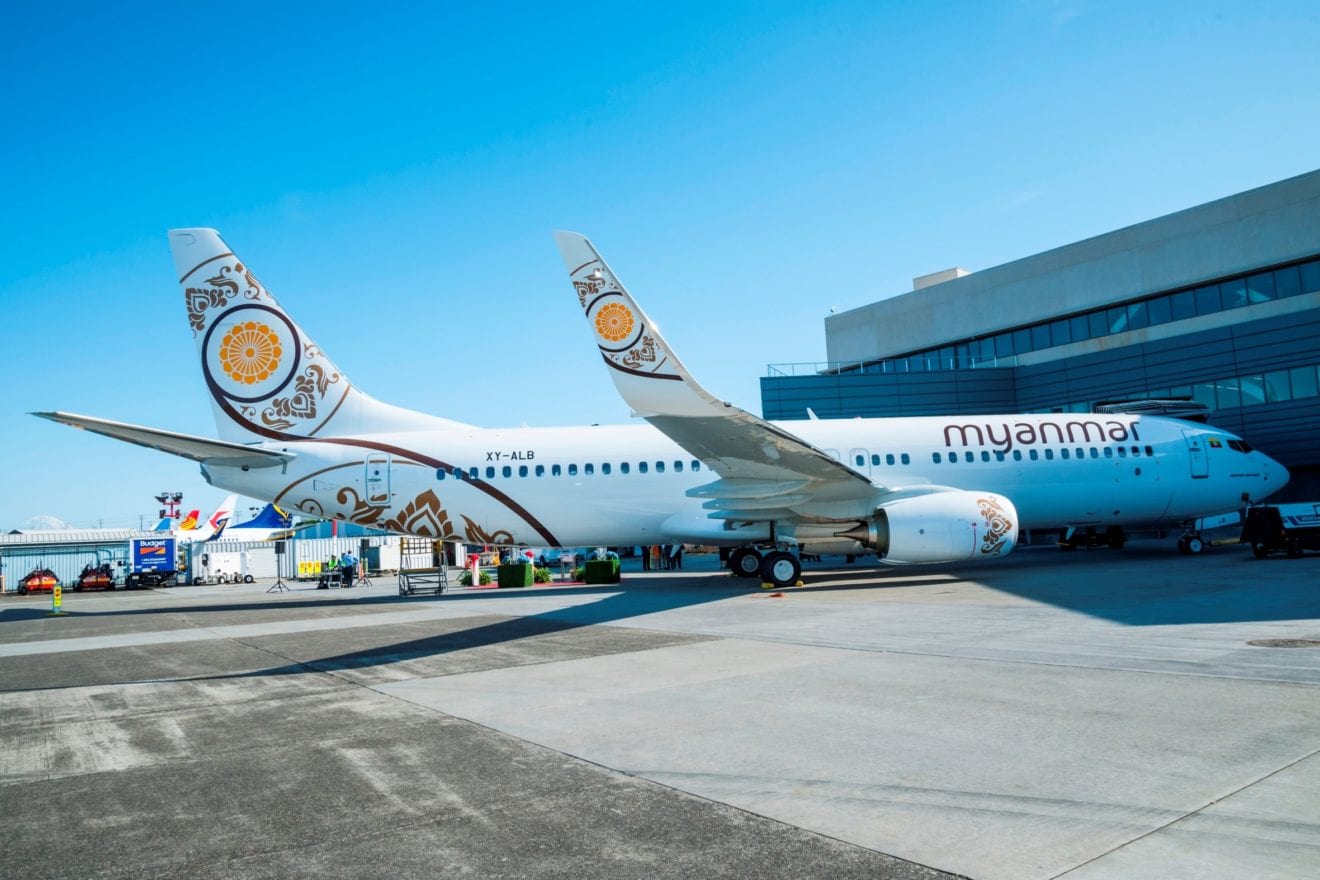
    Myanmar National Airlines, the recently rebranded national carrier, will be the first to move into the new terminal, officials said, with the airline’s maiden departure scheduled for March 20.

    Yangon’s existing international terminal, which is also managed by Asia World Group, will be rebranded as Terminal 2. Work on a new domestic terminal has already begun and plans are being drawn up for an “airport city” comprising a cultural centre, hotels, commercial and retail space.

    A view over the new Yangon International Airport Terminal 1.

    US-blacklisted Asia World was awarded a contract to build the US$660 million project in 2013 in controversial circumstances – the tender committee did not award it the highest mark, favouring a bid by a Japanese consortium, asreported last year.

    In response to a question about the tendering process, project manager Jerzy Wilk told The Myanmar Times that the company had no influence over the DCA’s decision-making, and that the tender was carried out in the public domain. The company’s track record demonstrates its capability, he said.

    YACL was awarded the contract in 2013 and signed a concession agreement with the Department of Civil Aviation in 2015. The group has provided 100 percent of the funding, through equity and loans from banks, said Mr Wilk.

    Balloons mark the opening of the new international airport.

    YACL chair U Htun Myint Naing, who also goes by the name Steven Law, said in a speech on March 12 that in building the airport the company had been confronted with several challenges.

    “First, as everybody is aware, this is not a greenfield project. It is an in-operation project and we needed to carefully deliver during this period,” he said.

    “Another challenge is our airport is a city airport, so we had a lot of limitations in the master plan and design … Also we built all these things within a short time period.”

    The company is operating with limited space – much of the land around the airport is taken up with military compounds and golf courses. Singapore’s CPG Corporation, which designed the world-class Singapore Changi Airport, helped with the design and planning, as did Surbana, said Mr Law in his speech.

    Around 88pc of flights into Myanmar land in Yangon. The airport has seen passenger numbers rise from 1.99 million in 2010 to 4.68 million in 2015, according to literature distributed by YACL.

    Guests ascend an escalator in the new terminal building.

    Weekly international flights from Yangon increased 3.88 times between 2010 and 2015. Twenty-eight international airlines now fly into Yangon and several more have confirmed new routes – Emirates Airlines, for example, will begin daily flights to Dubai in August and Hong Kong Express will launch flights later this year.

    YACL targets 8 million international arrivals through the airport in three years, according to YACL’s chief operating officer, Sulaiman Zainul Abidin.

    Last May, Singapore Myanmar Investco signed a 10-year agreement with DFS Group to develop and operate duty-free retail outlets at Yangon and Nay Pyi Taw airports and the company will be responsible for bringing in international brands.

    A tender has been called for the 7800 square metres of retail space with 50 retail outlets, and 3400 sq m of space across 16 restaurants. KFC has already set up its restaurant on the airport’s ground floor, and plans to open from the end of this month, said Mr Abidin.

    While Asia World Group and Mr Law are on the US Specially Designated Nationals list, YACL is not. Company officials did not explain how KFC has been able to sign with the group, and KFC’s local partner Yoma Strategic had not responded to questions by press time.

    Staff talk beside new baggage reclaim belts.

    Asked whether US sanctions had an impact on international demand to open outlets in the new terminal, Mr Abidin said it had not. “We conducted a tender. So far the response is from almost any country you can find … I don’t see any problems.”

    Despite the sanctions link, international trade will be able to pass freely through the airport, under the US Treasury’s General Licence 20, issued in December. While the license is only valid for six months, it is widely expected to be renewed in June.

    Mr Law has benefited more than most sanctioned companies from the license, which also allows trade to pass through his Yangon port terminal.

    The license is aimed at promoting trade and does not cover business deals between Asia World and US companies beyond transactions “ordinarily incident” to trade, officials from the Office of Foreign Assets Control said on a media call last December.

  • Pomelo founders squeezed out

    Pomelo founders squeezed out

    Competing visions for the future of Pomelo have seen several founders forced out of the company in recent months amid allegations of physical intimidation, threatening emails and defamatory public statements. The Myanmar Times‘ RJ Vogt investigates what went wrong at Yangon’s best-loved social enterprise.

    One of Yangon’s most popular social enterprises, Pomelo, is being torn apart by an ownership dispute built on fundamental questions over how it should develop in the future.

    The founder, general manager and lead designer say they have been forced out of the business, locked out of the store and even physically intimidated in recent weeks as the dispute has escalated.

    According to the original Myanmar partner, however, the recent registration of the business as Pomelo Company Limited (PCL) and subsequent changes in management were necessary to protect its local partners from the business being placed “under a foreign entity”.

    In an interview with The Myanmar Times, Daw Thea Thea said she registered PCL in order to preserve what she believed was Pomelo’s original purpose: to create a producer-focused marketplace.

    “The worst part during the process of reforming governance was when they decided to register as a foreign company,” she said. “It felt like foreign people were taking over the shop. A lot of people raised the question – why does a foreigner want to be the owner of the shop?”

    But Pomelo co-founder Rachael Storaas says Pomelo was never going to be solely foreign-owned. She and her team had planned to set up a joint-venture in order to expand the company so it could provide more training and profits to a growing number of producers. It was always going to be a non-profit, Myanmar-focused business, she insists.

    “Pomelo is not about foreigners against Myanmar nationals,” she said. “It is about working together. It is to show that Myanmar products are successful, well-made, ethically produced products. And we helped to design, develop and sell these products.”

    During a messy and tumultuous February, both sides have sought legal counsel. The Myanmar Times was provided with threatening emails from a PCL adviser, in which the person suggested the recipient could face a protracted court case and deportation. Surveillance cameras at the store also showed the PCL adviser pushing Ulla Kroeber, the former lead designer, during an altercation on February 17.

    The store remains open, but the website notes that those running it are not the ones who directed its growth for the last four years.

    The store remains open, but the website notes that those running it are not the ones who directed its growth for the last four years.

    Amid the dispute, the 50-plus producer groups who sell goods at Pomelo have been largely relegated to the sidelines, waiting to find out the future of the business that offered them an opportunity to sell their goods.

    Pau Son, from the upcycling group Shin Thant, said he was not consulted about the recent personnel changes. Other producer groups he has contact with were also in the dark, he said.

    “It’s really rude … It’s horrifying,” he said in an interview on February 24. “This is not Myanmar people’s style. The one thing I’m disappointed in is that they should have met with us before they did this.”

    Seeds of contention

    The struggle has roots dating back to the company’s establishment as a souvenir shop in 2013. Rachael Storaas and Annie Bell, the co-founders, envisioned Pomelo as a social enterprise that would offer Myanmar people a marketplace for sustainably sourced goods, such as recycled notebooks and decorative art. But because Myanmar lacked – and still lacks – the legal infrastructure to licence a social enterprise, Storaas and Bell teamed up with Daw Thea Thea to register the company as a souvenir shop with Yangon City Development Committee.

    Pomelo needed to be registered to a local because foreigners are not allowed to conduct retail operation in Myanmar, so the shop was set up under Daw Thea Thea’s name only.

    Daw Thea Thea says she had been considering setting up Pomelo as far back as 2008. She also organised the early discussions in 2012 that led to its registration the following year, she said.

    “This is a dream we all started together,” she said.

    In just two years, Pomelo rapidly grew from one producer group to more than 50. Ulla Kroeber, an architect from Germany, joined the team as the lead designer. Paula Camba served as a general manager before stepping down to be a volunteer, with Natalie Ortiz as her replacement. The company began to offer training in product design to its producer groups, as well as English lessons and other services. A location within, and then later next to, the popular Monsoon restaurant ensured a steady flow of tourist foot traffic. The shop was soon featured in The New York Times, Lonely Planet and TripAdvisor.

    It appears that producer groups may soon have a choice between Pomelo Company Limited and a new store, to be created by the ousted foreigners.

    It appears that producer groups may soon have a choice between Pomelo Company Limited and a new store, to be created by the ousted foreigners.

    By 2015, Pomelo was clearly outgrowing its souvenir shop status. Filling bulk orders from the United Nations proved near-impossible when the business bank account was technically that of a private individual. Exporting goods overseas required an export licence, which souvenir shops cannot apply for. The souvenir shop had only an unofficial board, comprising Ms Storaas, Ms Bell, Daw Thea Thea and other volunteers, that was often split on issues such as exclusivity agreements with producers. Ms Storaas even admits to harbouring concerns that Pomelo was not paying the appropriate amount of taxes because it was technically just a souvenir shop.

    Ms Storaas and her team began consulting with international law firm Baker & McKenzie for advice on changing the company’s structure.

    “I approached the law firm for assistance so that Pomelo could be, as properly as possible in Myanmar today, registered correctly with myself, Ulla Kroeber, Paula Camba and of course Daw Thea Thea as shared owners,” she said on February 25.

    British Council adviser Don MacDonald told the Pomelo leadership to consider starting two new companies in tandem. One would be a foreign-domestic joint venture, to handle all of Pomelo’s product development, producer training and expansion; the other, purely domestically owned, would handle the retail shop.

    “The aim of our work was to produce a draft constitution, which would involve local producers, along with a marketing plan and a plan for sharing ‘profits’ with local producers,” Mr McDonald said.

    But this proposal did not sit well with Daw Thea Thea and some others involved in Pomelo. She says she was not involved in the process – something that Ms Storaas refutes – and felt excluded from decision making. Bringing foreign ownership to Pomelo, in her mind, was a step away from the original purpose of serving local Myanmar people. She advocated splitting power three ways, between producer groups, Myanmar owners and foreign advisers. That’s when she says the foreign side increasingly began to freeze her out.

    But Ms Storaas says that the proposed changes came with several key stipulations to preserve local producers’ interests, including that the company would only benefit locals, that profits would always be channelled to develop production and that the new arrangement would be temporary until Myanmar laws allowed a better way to register a social business.

    She says Daw Thea Thea was explicitly promised at a December 11 meeting that “all profits would be reinvested back into the company” and given a week to think it over. The follow-up meeting never occurred, and by mid-January a new version of Pomelo had been registered with the Directorate of Investment and Company Administration. According to the DICA website, PCL was registered to the address of Helping Hands, a producer group run by Ms Bell, and had two board members: Daw Thea Thea and Daw Htar Htar of Akhaya Women’s Association.

    A hostile transition

    Two weeks later, Daw Thea Thea and Daw Htar Htar delivered letters of notice to Ms Kroeber, Ms Camba, Ms Bell and Ms Storaas, thanking them for their time and informing them that their expertise was no longer needed.

    Ms Kroeber described her firing at the store on February 4 as “aggressive”. Daw Thea Thea and Daw Htar Htar were accompanied by Ms Bell and Neil MacIntyre, who is listed online as the founder of a children’s nutrition drink company but had not previously been involved with Pomelo.

    The letter Ms Kroeber received gave her just four hours to hand over all company information, passwords and keys. Having been living in the Pomelo office while on extended work visits in Yangon, she was also forced out of her accommodation. Ms Ortiz – Pomelo’s only full-time, salaried foreign employee – received a similar letter, though her position was not terminated. Instead, she was instructed to report directly to the PCL board on all PCL-related matters.

    Pomelo’s iconic vinyl bags owe design influence to Ulla Kroeber, one of several foreign members of Pomelo’s team who has been forced out of the company.

    The first many people heard about the dispute was when Ms Storaas sent a mass email on February 7 giving her side of the dispute and explaining there had been a “difference of opinion” over the future direction of the store.

    The email said that the formation of PCL and the terminations were “in no way originating from the current Pomelo team. The team was furthermore not in any way consulted, nor were the community of producers.

    “There is a great risk of harm to Pomelo, a great risk to undo what has been achieved and at the end of the day a great risk to the income generated for an increasing number of vulnerable groups of producers,” she wrote.

    Shortly afterward, the threats began, Ms Storaas said. She received an email, signed as the “Pomelo Board”, telling her she could expect to face legal action, including defamation and charges under the Electronic Transactions Act.

    Mr MacIntyre followed up with an email on February 15, written in Norwegian, which Storaas speaks.

    “We are determined to ensure that you are kept in this country so that we can have a court case against you to reinstate our reputation,” he wrote. “This will be a slow process. Today, while you still can, you might want to get yourself out of the country.”

    Mr MacIntyre refused to confirm whether defamation charges had been filed.

    The Myanmar Times was also shown security camera footage of Mr MacIntyre pushing Ms Kroeber as well as her husband, Mr Hans ten Feld, in the Pomelo store on February 17.

    Asked for comment, Mr MacIntyre wrote in an email, “There are provisions in the Myanmar Penal Code where a person is allowed to use non-excessive force to prevent a crime against, or to safeguard the damage to property or person; himself or another.”

    He also explained that drawing distinction between “former management” and the “new Pomelo Company Limited” is incorrect.

    “There is no new Pomelo Company Limited. Let me emphasise that there was never a former management. There were usurpers who, by criminal use of force, took over illegal possession of the premises. This required the rightful entity to legally take repossession,” he wrote.

    A few days after the alleged altercation, local police contacted the shop staff, instructing them to hand over the keys to the store to the PCL board members. The lease to the shop was in the name of a Myanmar employee, rather than Daw Thea Thea or Pomelo. On February 20, this person was called to a meeting at Botahtaung police station, so she brought Ms Kroeber and Ms Storaas with her. They refused to give the keys without a written explanation from the police as to why PCL had the right to take over the premises.

    The police refused to put anything in writing and Daw Thea Thea and Daw Htar Htar left without the keys. By Monday, February 22, the shop’s locks had been removed and changed, according to the ousted foreign sides.

    Daw Thea Thea, Ms Storaas and an independent local lawyer confirmed the meeting with police took place. But multiple police officers at Botahtaung police station said they knew nothing about any dispute at Pomelo.

    What’s next?

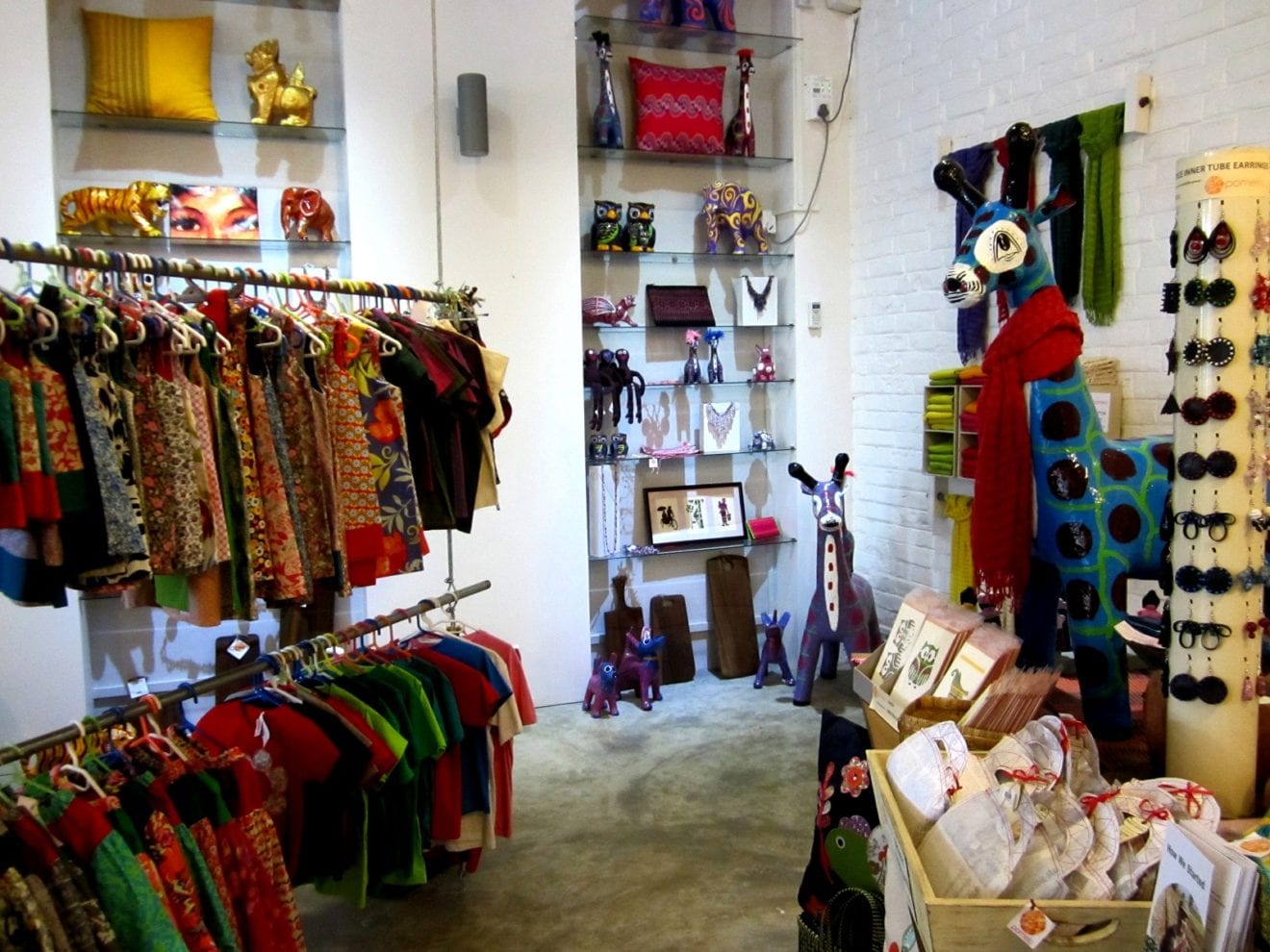
    For Pomelo Company Limited, it looked like business as usual yesterday afternoon. Tourists browsed papier mâché giraffes and trendy seat cushions, oblivious to the recent turmoil. Only the website shows signs of change, with a note pinned to the top stating that emails coming from “pomelopartnerships” are not from the group who ran the day-to-day operation for the past four years.

    Daw Thea Thea describes the past year as “a nightmare” and insists she does not “want to be in this situation”. She is sad that the foreigners have left their former roles, but feels it is necessary to preserve the mission of Pomelo.

    “No one is right or wrong but this is what has happened,” she said.

    In an earlier press statement, the PCL board said, “At this time when Myanmar transitions to a more open and just society, Pomelo can act as a strong example for Myanmar social business across the country.

    “Pomelo is in good hands and the Board wishes to thank its staff and producer groups for their great work, and the community for its ongoing support.”

    Ms Storaas, Ms Ortiz and Ms Kroeber have no legal claims to the Pomelo store, the products in the shop or the money that had been accumulated.

    Because Pomelo was always registered as a souvenir shop under Daw Thea Thea’s name, they have been advised by legal counsel to give up on Pomelo and start over with a different business.

    Ms Storaas, who says she never took a salary from Pomelo and did not get back the US$6000 she originally invested, said that K119 million ($95,967) is now under the control of PCL.

    But she insists that the “services, the ideas, the designs, the support and the training provided by the Pomelo team are no longer part of the shop” that is run by PCL.

    This Pomelo team is already laying plans for a new social business and is looking for partners and support. Some of that support may come from their producers, 24 of whom penned a letter on February 22 objecting to recent changes at the business.

    “We rely on the expertise of Pomelo foreign members in developing new items … This is what made Pomelo successful and we wish not to jeopardise this success through relying on local expertise only,” it states. “We wish to propose that the shop will be run again in the same manner as it was done before the 4th of February.”

    Pau Son reiterated that support in an interview with The Myanmar Times on February 24.

    “I will definitely not join these new Burmese guys,” he said. “You see, Ulla [Kroeber] is like a mother to us all. She is so kind and so sweet. She really does care about us. And what they did to her is really unacceptable. I would rather keep working with Ulla.”