Tag: seoul

  • South Korea Fines Coupang Won300.8bn over Delivery App Rules

    South Korea Fines Coupang Won300.8bn over Delivery App Rules

    South Korea’s Fair Trade Commission hit Coupang with a provisional Won300.8bn ($222.8m) administrative fine for forcing restaurant merchants into parity agreements on its food delivery platform.

    The penalty lands alongside a provisional Won331.1bn fine on market leader Woowa Brothers, operator of Baedal Minjok, bringing combined regulatory penalties across the country’s two dominant food delivery services to Won631.9bn.

    Regulators found that Coupang abused its dominant market position by forcing restaurants to offer commercial terms equal to or better than those listed on rival platforms. The company monitored six operating areas, including menu pricing and operating hours, between July 2023 and January 2026. Restaurants that failed to comply lost their status as designated WOW Stores.

    The WOW Store Squeeze

    Losing that designation carried direct commercial consequences. Coupang had restricted delivery perks for paying WOW Membership subscribers exclusively to transactions completed at WOW Stores starting in April 2023.

    The commission reported that 57,907 merchants were stripped of their WOW Store status at least once for non-compliance. The pressure worked swiftly. The share of compliant WOW Stores surged from 13.49 per cent in July 2023 to 93.78 per cent by October 2025.

    Investigators concluded that these most-favoured-nation clauses breached the Monopoly Regulation and Fair Trade Act by stifling commission competition between delivery apps. Platforms could raise take rates without fearing that restaurants would offer lower prices elsewhere to steer diners toward cheaper channels.

    Commission Calculations Under Fire

    The regulator also took aim at how Coupang calculated platform fees. Under the Coupang Eats Merchant Pricing Policy, the service calculated order amounts using pre-discount retail prices. That formula forced food vendors to pay platform commissions on price cuts they funded out of their own pockets.

    The watchdog ordered Coupang to revise the fee calculation clause within 60 days of receiving the corrective order. Additional corrective remedies cover strict prohibition of parity demands, public notification, record deletion, regular compliance reporting, and mandatory staff education.

    The watchdog also ordered a re-examination into coercive transaction conduct allegations. Differing interpretations in the examiner’s report regarding principal and secondary products had constrained deliberations during the initial hearings.

    A Duopoly Under Regulatory Siege

    Coupang and Woowa Brothers control more than 90 per cent of South Korea’s food delivery sector. The regulator argued that both operators abused their bargaining power by imposing abnormal operational terms that squeezed vendor margins and elevated consumer dining costs.

    Woowa Brothers faced penalties for similar parity demands enforced between May 2024 and October 2025, alongside sanctions for deceptively advertising estimated delivery times and coercing vendors onto its proprietary delivery fleet. For restaurant brands and food operators, the crackdown provides immediate use to differentiate pricing strategies across digital storefronts without risking algorithmic demotion.

    The antitrust action reflects a broader campaign by Seoul against platform lock-in tactics. Coupang entered the delivery sector in May 2019, initially offsetting higher commission rates against faster fulfillment before deploying membership bundling to capture market share from Baemin.

    Legal Battles Loom

    The sanction arrives while Coupang remains locked in legal battles over domestic regulatory scrutiny. Earlier this year, the US-listed firm received a record Won624.68bn fine over a customer data leak, a ruling it continues to challenge in court.

    Coupang disputed the delivery findings immediately. The company maintained that its entry into delivery had injected competition into a market where an entrenched incumbent once held an 80 per cent share, asserting that its business practices aimed to lower consumer friction.

    Coupang Eats will carefully review the final ruling and fully present its position through appropriate legal procedures.

    The Fair Trade Commission will fix the final fine amounts before issuing its written decision, while Coupang prepares its courtroom challenge and faces the 60-day deadline to overhaul merchant discount fee calculations.
  • Musinsa Opens 100Th Store as Offline Foot Traffic Surges

    Musinsa Opens 100Th Store as Offline Foot Traffic Surges

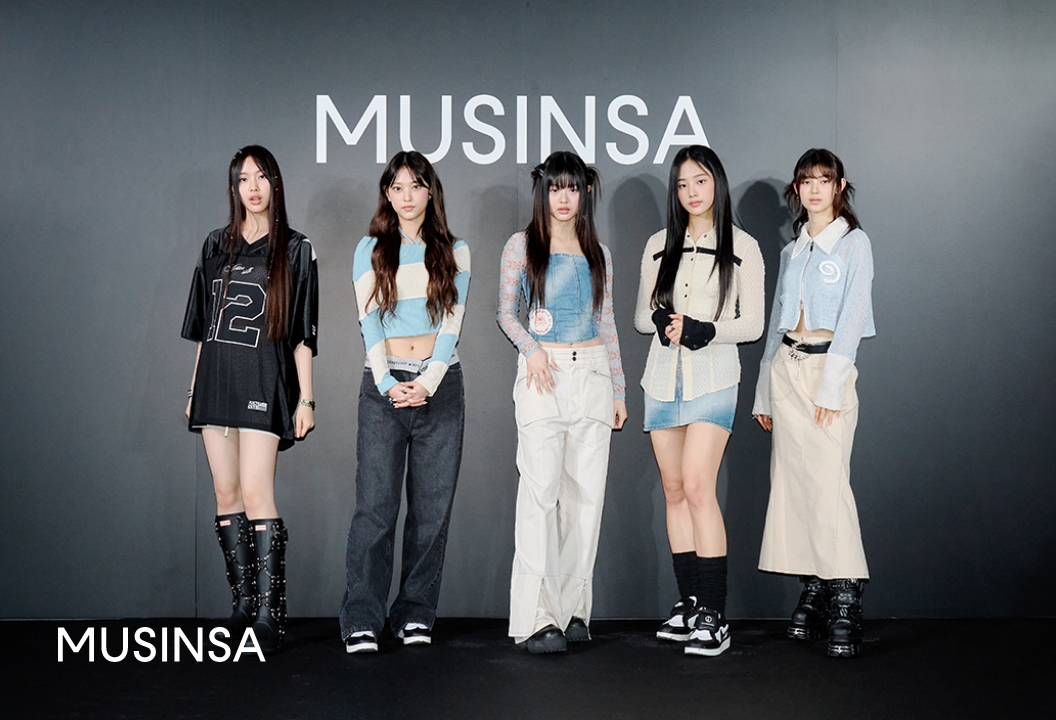
    South Korean fashion platform Musinsa will open its 100th store on Wednesday in Seoul, crossing 100 million cumulative physical visits five years after launching its brick-and-mortar operations.

    The debut of Musinsa Beauty Seongsu takes the company to 93 domestic stores and seven international outlets. Factoring in four Champion brand stores acquired in 2025, Musinsa operates 104 locations across its wider corporate portfolio.

    Domestic store foot traffic across 75 sites increased 92 per cent year on year between January and October. Customer counts at eight flagship Musinsa Store units climbed 84 per cent during the same ten-month window, while visits to the private-label Musinsa Standard chain grew 49 per cent.

    Foreign Card Volumes Reshape Prime Districts

    International tourists now drive a substantial portion of sales at core Seoul flagships. Foreign credit card transactions accounted for 52 per cent of all purchase orders at Musinsa Store branches in Seongsu, Hongdae and Myeong-dong.

    At Musinsa Standard outlets within those same tourist hubs, foreign card payments generated 42 per cent of completed orders. The physical network functions as an offline export channel, converting inbound tourist traffic into cross-border consumers without direct overseas distribution overhead.

    Chinese Outlets Anchor Regional Footprint

    Overseas expansion remains focused on mainland China. Musinsa entered the market with two Shanghai stores last December, followed by five additional sites across Shanghai, Hangzhou and Shenzhen this year.

    Physical storefronts in mainland China operate alongside the company’s multi-brand digital marketplace, serving as regional customer acquisition nodes. Store additions reached 31 locations in 2025 and 40 units during the current year, covering multi-brand apparel, beauty lines, and curated homeware concepts under the 29CM banner.

    Landlord Pressures and Regional Retail Dynamics

    For rival department stores and traditional fashion distributors, Musinsa’s transition from digital native to high-density physical operator alters leasing terms in tier-one retail districts. Multi-brand spaces that assemble independent designer labels siphon foot traffic directly from legacy department store floors, particularly among shoppers under 35.

    The risk shifts to commercial lease overhead if foreign foot traffic dips or consumer discretionary budgets contract. Operating high-street real estate in overseas tier-one cities requires consistent inventory turnover that domestic online data modeling cannot entirely insulate against local retail slowdowns.

    Five Years from Online Community to Multi-Chain Network

    Musinsa began offline trading in 2021 after operating strictly as an online community and digital storefront. Rapid square-footage additions over the past two years reflect a deliberate strategy to absorb brand merchandise into company-controlled physical points of sale.

    Exporting this model tests whether Korean multi-brand apparel curation commands identical pricing power outside the domestic market. The company plans to extend its physical presence into Japan and Southeast Asia after completing its Chinese rollout.

    “We plan to expand our overseas stores beyond China into Japan and Southeast Asia, bringing the offline retail model established in Korea to global markets,” a Musinsa official said.

    Musinsa will add six more physical stores before the end of the year, taking its operating base to 110 locations.

  • Korean Brokerages Offer 24-Hour US Stock Trading from Dec. 6

    Korean Brokerages Offer 24-Hour US Stock Trading from Dec. 6

    South Korean brokerages will launch round-the-clock trading in US equities on Dec. 6, pairing Nasdaq’s expanded 23-hour schedule with alternative trading venues to provide uninterrupted retail access.

    The collective rollout across every domestic securities house follows a four-day buying spree in early November where Korean investors poured $2.20 billion into American equities.

    Under the structure assembled by domestic brokerages and the Korea Securities Depository, firms will run Nasdaq’s 23-hour official session and route the remaining hour through alternative trading system Blue Ocean. Trading begins at 9 p.m. Eastern Time on Sunday, Dec. 6, which translates to 11 a.m. In Seoul on Monday, Dec. 7. The setup also captures exchange-traded funds listed on NYSE Arca, which expands its own operations to 23 hours a day on the same date.

    How Custody and Data Flow Work

    Settlement pipes require coordination across time zones. The Korea Securities Depository instructed Citibank, its local custodian, to increase transaction monitoring and prevent trade breaks, while projecting that longer operating shifts will not lift domestic administrative overheads.

    Bringing daytime execution into official exchange tapes alters market depth. Korean retail traders previously accessed US shares during daylight hours through off-exchange alternative systems, primarily Blue Ocean, Bruce, and Moon. Under the overhaul, individual brokerages will pull real-time order books directly from the New York Stock Exchange and Nasdaq under bilateral commercial agreements, narrowing execution spreads.

    Retail demand justifies the engineering expense. Net buying between Nov. 2 and Nov. 6 reached $2.20 billion, outstripping the entire monthly tally for August of $1.96 billion and more than doubling September’s $1 billion total. October finished at $5.42 billion, leaving brokerages little choice but to automate overnight desks.

    Asia Diverges on Extended Hours

    Seoul’s universal adoption contrasts sharply with caution across rival Asian financial hubs. Japanese and Taiwanese brokerages are limiting 23-hour access to selected foreign-equity desks, while activity in China remains largely institutional. Retail brokers in Australia, New Zealand, and Europe have ceded the rollout to fintech platforms, pointing to low overnight liquidity and thin night-shift staffing.

    Southeast Asian brokerages have stopped work on retail extensions altogether, leaving access mainly to high-net-worth clients through global trading desks. Korea’s retail punters, long accustomed to non-stop trading on local cryptocurrency exchanges, pressured domestic platforms to match that availability.

    Kospi Faces Direct Daylight Competition

    The immediate operational risk shifts to domestic equity liquidity. With Wall Street open during Asian working hours, Korean capital faces a daily choice between domestic corporate shares and large-cap US technology stocks.

    Shinhan Securities senior researcher Park Woo-yeol pointed out the friction: “Nasdaq’s move to 23-hour trading will challenge the assumption that the domestic stock market is the only market open during Korean daytime hours. With cryptocurrency exchanges already operating around the clock, Nasdaq’s regular session will become a direct competitor to the Kospi.”

    Local capital outflow represents a structural headache for domestic market operators. When domestic savers can trade Apple and Nvidia during their morning commute with full market-maker support, domestic listings lose their geographical monopoly on day trading.

    Korea Exchange Prepares Defensive Response

    The regulatory foundation was set in April, when the US Securities and Exchange Commission approved Nasdaq’s plan to stretch its operating envelope to 23 hours across five business days. Wall Street platforms moved quickly to lock in retail volumes generated outside American time zones.

    Faced with persistent capital flight into US equities, the Korea Exchange is drafting counter-measures. Exchange executives outlined a phased roadmap toward continuous domestic trading at the Korea Premium Week conference in September.

    Work centers on upgrading local market pipes. The Korea Exchange expects to complete technical architecture for a unified trading board by the end of 2027, with an initial 12-hour operational window launching through an extended morning premarket session.

  • Songzio and Egonlab Debut Military-Inspired Collection Online

    Songzio and Egonlab Debut Military-Inspired Collection Online

    South Korean fashion house Songzio launched a collaborative apparel collection with Paris-based label Egonlab online on Monday, drawing on historical French military silhouettes across outerwear and tailoring.

    The capsule, titled “The Art of Dark Poetry,” follows about eight months of the teams working together, after finding common ground in the Paris design scene.

    Physical retail rollouts accompany the digital release. Songzio hosts an opening presentation at its Seoul flagship store on Wednesday, followed by a European retail show scheduled for Dec. 3 at its boutique in the Marais district of Paris.

    Sculptural Tailoring and Military Reworks

    The collection focuses on structured forms, contrasting Songzio’s architectural garment construction with Egonlab’s romantic detailing. Garments feature exaggerated shoulder padding, cinched waists, lengthened officer coats, and wider cavalry jackets.

    Traditional military uniform fixtures appear throughout the line in shifted placements. Rather than designating status or rank on shoulders and chests, elements such as frogging, soutache embroidery, braids, and decorative cord work sit across trouser legs and outer seams.

    Songzio creative director and chief executive officer Jay Song explained the creative tension behind the project.

    “Rather than compromising those identities, we wanted to challenge one another and create something that neither house could have achieved independently,” he said.

    Cross-Border Retail Positioning

    For South Korean luxury houses, collaborative releases with European independent labels serve as a vehicle to test customer demand outside domestic department stores. Songzio has run dedicated runway shows on the official Paris calendar while preserving its flagship footprint in Seoul.

    Independent labels face elevated production costs when combining bespoke tailoring components like soutache braiding with low-volume runs. By coordinating simultaneous launches across domestic and European company stores, both brands split developmental exposure while pooling customer bases across two distinct high-end shopping hubs.

    Building Presence in the Marais

    The Paris flagship in the Marais has served as Songzio’s primary distribution beachhead in continental Europe. That physical footprint anchors the French leg of the collaboration, giving the Korean house direct commercial access to Parisian foot traffic during the winter retail corridor.

    Egonlab gains reciprocal physical visibility inside the Korean capital, where local shoppers drive high sales volumes for imported independent menswear. The joint effort tests whether avant-garde design crossover can convert into sustained international wholesale interest.

    Attention shifts to in-store sell-through rates at the Seoul flagship on Wednesday before retail inventory reaches the Marais location on Dec. 3.

  • South Korea Secures 10,000 Nvidia GPUs as Contracted Deliveries Stay on Schedule

    South Korea Secures 10,000 Nvidia GPUs as Contracted Deliveries Stay on Schedule

    South Korea will receive its contracted supplies of Nvidia graphics processing units on schedule despite an investigation involving chief executive Jensen Huang, Seoul’s science ministry confirmed on Monday.

    A batch of 10,000 GPUs funded under a 2025 supplementary budget has arrived and entered service in local networks.

    Vice Minister of Science and ICT Ryu Jemyung updated a parliamentary budget committee on the supply line, stating that additional hardware planned for 2026 remains under contract and will deploy this year.

    “We expect production and the delivery schedule for contracted volumes to proceed without disruption,”

    Ryu told lawmakers. The ministry is monitoring corporate developments while working through pricing and delivery timetables with Nvidia Korea.

    Contract Security for Digital Infrastructure

    The clarification gives enterprise platforms and state compute facilities immediate operational certainty. South Korean commercial cloud providers, e-commerce platforms, and logistics networks rely heavily on Nvidia architecture to run automated sorting, predictive inventory systems, and customer-facing algorithms. A pause in hardware allocations would force operators to delay software rollouts and stall data centre buildouts.

    Hardware backlogs in East Asia typically hit mid-tier tech firms hardest, since sovereign contracts and hyperscalers secure priority delivery queues. With government-backed allocations safe, Seoul avoids an immediate bottleneck across its state-funded research initiatives. The risk now concentrates around spot market availability and future volume commitments if corporate governance issues distract supplier roadmaps.

    Executive Disruptions in Seoul

    Nvidia’s board opened an independent investigation on Sunday following reports that chief executive Jensen Huang was targeted by a Chinese intelligence operation through businesswoman Alice Huang. The company board stated it has no reason to suspect US national security or corporate trade secrets were breached, and Huang has pledged full cooperation.

    The fallout hit Nvidia’s commercial engagements in Seoul immediately. Madison Huang, an Nvidia senior director and the chief executive’s daughter, cancelled multiple scheduled appearances across the capital city citing unavoidable internal circumstances.

    South Korean artificial intelligence startup Rebellions called off a planned headquarters tour and an executive dinner with her. Transport operator Kakao Mobility also dropped a planned photo call and media session, though it said a business agreement with Nvidia would proceed with senior director Gaurav Agarwal attending instead.

    Enterprise Engagements Hold Schedule

    The operational calendar across the domestic tech sector remains largely intact despite the cancelled executive briefings. The Nvidia AI Day Seoul industry conference was proceeding as planned with about 2,000 participants expected to address autonomous infrastructure, agentic systems, and physical computing frameworks.

    Domestic software developers and autonomous mobility platforms need steady access to hardware roadmaps to validate next-generation vehicle fleets and warehouse robotics. Kakao Mobility’s decision to preserve its signing ceremony indicates corporate transport operators will protect technical integrations even when partner optics turn volatile.

    Government procurement officers are now locking down final dispatch dates for the remaining 2026 allocations with Nvidia Korea to keep municipal computing centres on schedule.

  • Samsung Scores 91 Points to Top Consumer Reports TV Rankings

    Samsung Scores 91 Points to Top Consumer Reports TV Rankings

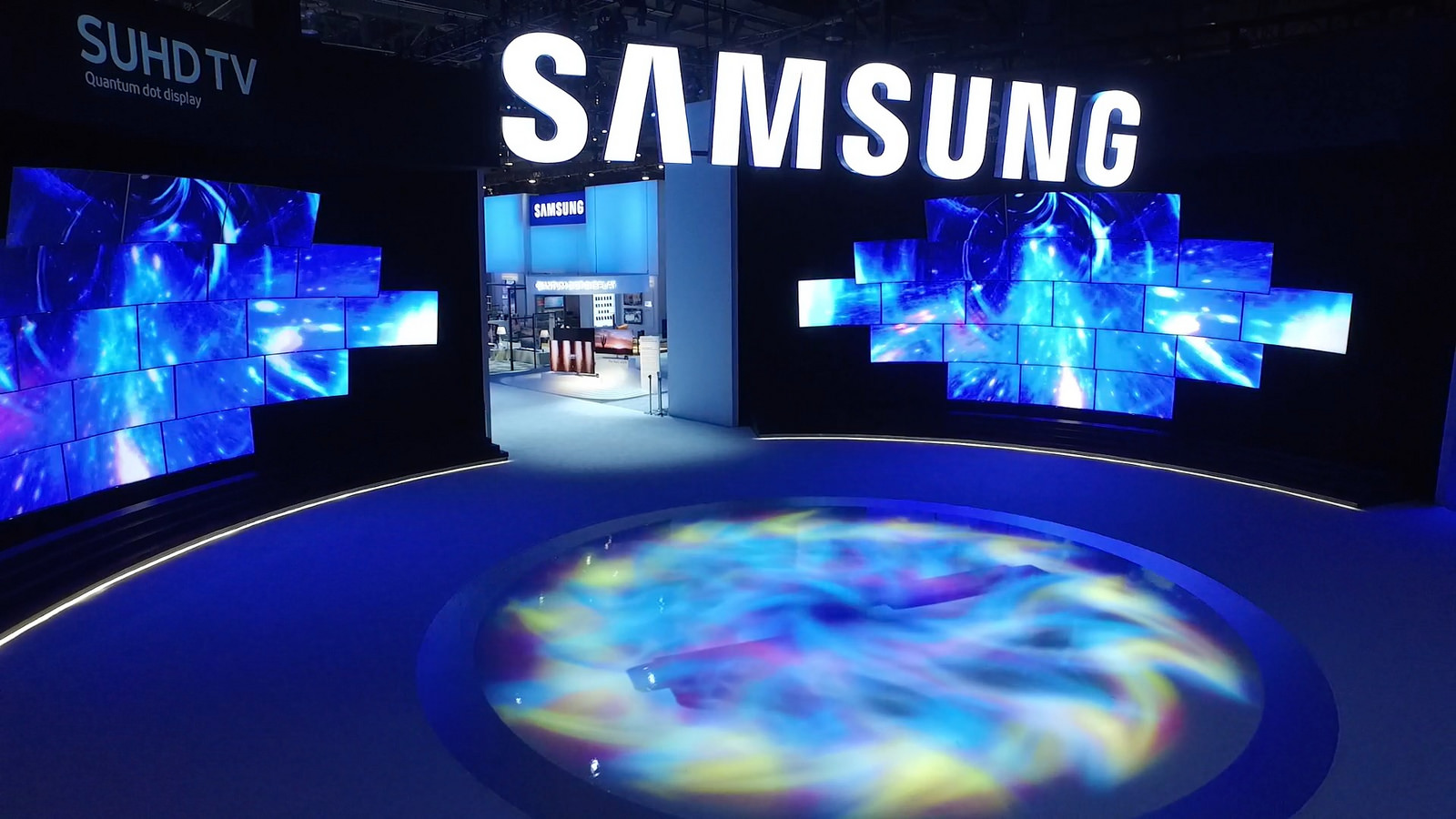
    Samsung Electronics Co. Secured first place across every screen-size category in Consumer Reports’ rankings, spanning sets measuring 70 inches or larger down to compact 32-inch displays.

    The US testing organization assessed 358 television models in its 2026 report, which was released last month to measure resolution, voice recognition and support for streaming services.

    Samsung’s QD-OLED TV, the QN65S95H, led the overall field with 91 points. Consumer Reports described the model as “one of the best TVs consumers can buy today,” highlighting upgraded brightness over its predecessor alongside 165-hertz refresh rates and a 4.2.2-channel Dolby Atmos sound system.

    Premium Panel Economics

    Sweeping an independent test run by an influential North American product testing agency provides critical commercial ammunition for consumer electronics retailers across Western export destinations. Big-box merchants and online storefronts rely directly on third-party assessment scores to defend premium shelf space against aggressive pricing from Chinese manufacturers.

    Maintaining pricing power in large-format OLED panels remains essential for South Korean manufacturers navigating tighter margin pressure across mid-tier liquid-crystal product lines. For retail buyers and showroom managers, an endorsement across both compact 32-inch sets and ultra-large displays simplifies vendor inventory allocation ahead of peak holiday promotional quarters.

    QD-OLED Generation Lineage

    The top-ranked QN65S95H builds directly on the commercial footprint established by its catalog predecessor, the QN65S95F. That older model secured strong purchase recommendations for balancing high dynamic range imaging performance and integrated audio against a competitive shelf retail price.

    The newer iteration gained decisive separation by pairing high-frame-rate processing with higher peak brightness, addressing historical consumer reservations regarding OLED panel visibility in brightly illuminated domestic living rooms.

    Display Margins and Retail Allocation

    Retail buyers now turn attention to fourth-quarter retail shipment volumes and promotional discounting thresholds across North American big-box electronics chains. Storefront inventory splits between QD-OLED units and lower-cost Mini-LED alternatives will determine retail gross margin realization as consumer discretionary spending patterns tighten.

  • Coupang Swings to $501 Million Loss as Warehouse Fire Offsets Revenue Beat

    Coupang Swings to $501 Million Loss as Warehouse Fire Offsets Revenue Beat

    Coupang plunged to a $501 million net loss in the third quarter after absorbing $248 million in costs from a logistics centre fire in Incheon.

    Total net revenue rose 7 per cent year-on-year to $10 billion for the three months ended September 30, beating Wall Street consensus projections of $9.76 billion.

    On a constant currency basis, revenue climbed 11 per cent, clearing management’s guidance of 8 to 9 per cent growth. That top-line momentum failed to protect the bottom line against sudden operational shocks and aggressive promotional spending. The business posted an operating loss of $450 million for the quarter, compared to a $202 million operating loss when backing out the direct fallout of the warehouse blaze.

    The Balance Sheet Cost of the Incheon Blaze

    The July fire at the Incheon fulfilment facility tore through both cost of sales and administrative budgets. Direct fire expenses hit $248 million, split between $95 million in cost of sales and $153 million recorded across operating, general and administrative lines. Consolidated gross profit fell 6 per cent to $2.6 billion, contracting the group gross margin by 364 basis points to 25.7 per cent. Stripping out the $95 million inventory and fulfilment write-down left an adjusted gross margin of 26.7 per cent, which still deteriorated 270 basis points from the same period a year earlier.

    Diluted loss per share touched $0.28, or roughly $0.18 when excluding the fire impact. Consolidated adjusted EBITDA slid to $116 million, leaving a margin of just 1.2 per cent. Selling goods faster did not cushion profitability because the underlying delivery apparatus had to route around disrupted infrastructure.

    Core Commerce Margin Compression in South Korea

    Product Commerce, the core domestic marketplace in South Korea, delivered $8.4 billion in quarterly revenue. The unit grew 5 per cent on a reported basis and 8 per cent in constant currency. Adjusting for the calendar shift of the Chuseok holiday, constant-currency revenue growth reached roughly 9 per cent, an acceleration from the second quarter, extending the 4 per cent total net revenue increase posted in the second quarter. Active customers using the flagship apps inched up 2 per cent year-on-year and quarter-on-quarter to 25.2 million.

    Profit margins inside the home market took a heavy beating. Product Commerce gross profit stood at $2.4 billion, yielding a reported gross margin of 28.4 per cent. Excluding disaster costs, the division generated a 29.5 per cent margin, down 260 basis points from the prior year and 100 basis points from the preceding quarter. Product Commerce adjusted EBITDA excluding the fire came to $385 million, a 4.6 per cent margin down 420 basis points from the third quarter of last year. Chief financial officer Gaurav Anand pinned the deterioration on supply-chain bottlenecks, heavy promotional spending to win back shoppers, fixed-cost deleveraging, and a 40-basis-point margin drag caused by the Chuseok shift.

    Market Share Defences and Supplier Levers

    Domestic rivals have spent the past year slashing commission rates and subsidising shipping to chip away at Coupang’s dominance, forcing the group to buy customer loyalty at the expense of its own margins. Chief executive Bom Kim acknowledged that customer growth carried the scars of an earlier data incident, where an unreturned cohort continued to hold back domestic volumes. Returning customers are spending at historical levels, but reacquiring lapsed shoppers required sustained discount campaigns that weighed on quarterly returns. To anchor its 25.2 million users, the company rolled out a Try Now, Pay Later feature for its paid WOW subscription tier, allowing shoppers to test apparel for seven days before paying.

    The financial pressure travels down the supply chain. E-commerce platforms across North Asia face rising warehouse automation overheads alongside tighter seller economics. Coupang’s need to rebuild margins will inevitably force tougher terms on third-party merchants and brands that rely on Rocket Delivery to reach urban households. If the platform cuts promotional subsidies as planned, consumer brands will have to fund their own discounts or accept slower inventory turns.

    Taiwan Outpacing Domestic Momentum

    International and new ventures provided the top-line bright spot. The Developing Offerings division, which houses the rapid expansion into Taiwan, generated $1.6 billion in revenue during the quarter. That represented a 23 per cent reported jump and a 27 per cent surge in constant currency. Over the trailing twelve months, Developing Offerings brought in $5.8 billion, running 26 per cent ahead of the previous year.

    Building a second logistics network outside South Korea carries a familiar burn rate. The company is replicating its capital-intensive Rocket Delivery infrastructure, taking on upfront lease commitments and delivery fleet costs in an overseas market contested by established regional players. While the revenue contribution of overseas bets climbs, it dilutes consolidated margins just as the cash engine at home stutters.

    Mid-2027 Margin Recovery Target

    Operational repair now hinges on a strict deadline. Management has started trimming marketing budgets earmarked for win-back campaigns, projecting that customer acquisition costs will drop through the first half of the coming year. The company expects Product Commerce adjusted EBITDA margins to climb back toward pre-incident trajectories by mid-2027, with performance fluctuating across seasonal shopping peaks.

    RetailNews Asia will track Coupang’s fourth-quarter filings to verify whether customer retention holds as fashion try-out benefits scale up and promotional discounts wind down.

  • South Korea Refers 80 Tesla Drivers to Prosecutors over Software Bypasses

    South Korea Refers 80 Tesla Drivers to Prosecutors over Software Bypasses

    South Korean police referred 80 Tesla owners to prosecutors for using unauthorized devices to activate the company’s Full Self-Driving software on vehicles barred from running the system. The Seoul Metropolitan Police Agency confirmed the action after confiscating 21 plug-in devices designed to crack regional software locks.

    Suspects face statutory penalties of up to two years in prison or fines of up to 20 million won, roughly 12,000 euros, under the Motor Vehicle Management Act. The statute treats unauthorized electronic alterations that affect safe vehicle operation as criminal infractions rather than contractual disputes.

    How Drivers Bypassed Regional Controls

    Investigators found owners tapped directly into the controller area network bus, the internal wiring system that shuttles electronic commands between automotive modules. These imported and homemade modules bypassed factory restrictions that keep the driver-assist feature turned off on uncertified cars.

    Drivers sourced specialized hardware from Europe and China, while at least one technician in the information technology sector built a custom bridge using open-source code and public schematics. Members of online driver groups then traded step-by-step instructions on running the software and clearing electronic logs to evade automated detection during routine service visits.

    Trade Rules Split the Tesla Fleet

    The regulatory fracture runs along factory origins. South Korea permits Full Self-Driving only on American-built Model S and Model X units, as well as the Cybertruck, because those vehicles enter the country under vehicle safety exemptions negotiated in the bilateral free trade agreement with the United States.

    Chinese-built Model 3 sedans and Model Y crossovers do not benefit from those trade terms. They require distinct domestic safety certification from the Ministry of Land, Infrastructure and Transport before advanced autonomous features can operate legally on public roads.

    Liability Shifts to the Driver Seat

    For automotive brands and fleet operators selling software-defined vehicles across Asia, the Seoul case draws a clear legal boundary. Ownership of onboard sensors, computer processors and code does not confer legal permission to run automated driving features if a transport ministry has not certified the software version for that exact model line.

    Automakers face technical liabilities when customers alter safety logic. Unsanctioned activations risk sensor blind spots, misread road markers and erratic control outputs, which could draw punitive recalls onto manufacturers if tampered vehicles crash. Tesla began remotely cutting off software access for modified vehicles and warned owners that tampering voids factory warranties, which exposes drivers to direct civil claims in accidents.

    Investigation Followed Transport Ministry Inquiry

    The criminal inquiry began in April following a formal enforcement request from the transport ministry. Police traffic investigators collaborated with the Korea Transportation Safety Authority to inspect seized hardware and map changes made to the functional logic of the vehicle platform.

    We are working closely with related agencies, including asking the Ministry of Land, Infrastructure and Transport and [the] Korea Transportation Safety Authority for advice on technical matters such as changes to FSD’s functional structure. We will continue to actively investigate illegal acts that threaten road safety.

    Public prosecutors in Seoul must now determine how many of the 80 referred drivers will face formal indictments in district court. That decision will set the legal precedent for how Asian transport authorities treat unauthorized consumer modifications on connected electric vehicles.

  • Samsung Secures AMD and Nvidia Orders for 2.7 Million-Square-Foot Texas Plant

    Samsung Secures AMD and Nvidia Orders for 2.7 Million-Square-Foot Texas Plant

    Samsung Electronics will dedicate its second semiconductor plant in Taylor, Texas, to manufacturing base dies for high-bandwidth memory chips destined for AMD and Nvidia. Industry sources reported this week that the South Korean company has already booked orders covering the facility’s total planned capacity ahead of ground breaking.

    AMD accounts for the majority of the secured volume at the site, where formal construction is scheduled to begin this month.

    The plant will cover about 2.7 million square feet, roughly 1.5 times the size of Samsung’s first Taylor facility, which holds a supply contract with Tesla, and will deploy an advanced 2-nanometre manufacturing node.

    Plant Footprint and Production Schedules

    Equipment installation will start in February 2029. Commercial mass production will follow in 2030.

    Samsung Electronics declined to comment on the customer allocations and production timelines. The company previously dedicated its initial Taylor plant to automotive and computing contracts, including work for Tesla.

    Pressure on the AI Hardware Chain

    Base dies form the foundation of high-bandwidth memory stacks, acting as the logic layer that links dynamic random-access memory directly to high-performance graphic processing units. Securing dedicated foundry capacity for these components removes a critical choke point for server makers, data platform operators and consumer tech hardware vendors that rely on fast graphic processors.

    Committing the plant entirely to external graphic chip designers locks Samsung into heavy capital deployment years before revenue flows. Cleanroom tools and extreme ultraviolet lithography systems must be ordered and amortised on schedules that leave little room for client order cancellations. The operational risk sits squarely on yield rates: running a 2-nanometre node at scale has challenged every major foundry in Asia, and transferring that production overseas amplifies tooling and labour risks.

    Shifting Rivalries and Customer Locks

    Tesla already anchors work at Samsung’s first Texas site, giving the Korean group an industrial base in North America across autonomous transport and machine-learning processors. Expanding in Texas matches broader attempts by Asian hardware giants to build manufacturing capacity inside the United States, positioning supplies closer to American enterprise buyers.

    The Long Run to 2030

    Heavy site preparation in Taylor now shifts to foundation work this month, with cleanroom completion targeted ahead of the February 2029 tool installation date.

  • French Dermocosmetics Brand La Rosée Weighs Sale as Yearly Sales Top €100M

    French Dermocosmetics Brand La Rosée Weighs Sale as Yearly Sales Top €100M

    French dermocosmetics brand La Rosée could be sold as early as year-end, according to industry sources, after expanding at home and abroad to generate more than 100 million euros in annual sales.

    Both strategic buyers and investment funds have expressed interest in acquiring the business, whose revenue in South Korea alone now exceeds 10 million euros. Company executives could not immediately be reached for comment.

    Pharmacist university friends Coline Bertrand and Manhault de Guilbert launched La Rosée in 2015, building a cult following around affordable, natural formulations. Starting in 300 pharmacies across France, the brand has expanded into more than 9,500 domestic outlets, making it the fourth bestselling dermocosmetics brand in French pharmacies.

    Expanding From French Pharmacies to Asia

    International expansion provided the second leg of growth across 13 countries. The company entered South Korea in 2022, establishing a fast revenue run rate in one of the most competitive personal care markets in the world. Earlier this year, the business entered Canada by securing placement across 540 Shoppers Drug Mart stores alongside a regional direct-to-consumer site.

    Global Consolidators Chase Pharmacy Formulations

    Large cosmetic houses are bidding aggressively for clinical and pharmacy-backed formulations across the Asia-Pacific region. Puig bought a minority stake in French brand Krème in July through a round led by Iris Ventures, while sector leaders L’Oréal and Beiersdorf are channeling higher operational spend into their own active skin units.

    Mordor Intelligence estimates global dermocosmetics revenue sits at 54.41 billion dollars, with projections pointing to 80.29 billion dollars by 2031 at an 8.1 percent compound annual rate. Korean consumer demand for functional, irritation-tested formulations makes local retail traction a key valuation driver for Western acquisitions.

    Product Breadth and Packaging Shifts

    La Rosée expanded its catalogue from five initial stock keeping units to more than 40 products, including dedicated hair and infant ranges, with price points across its universal range averaging 14 euros. Its refillable deodorant and sun care stick are the brand’s top sellers.

    Most product containers use plant-derived feedstocks such as sugarcane to meet B Corp sustainability standards. The founders previously brought in outside funding in August 2023, when Belgian family office FG Bros acquired a 20 percent stake in the enterprise.

  • Korean Skincare Brand MDP+ Launches at Seven Nordstrom Stores

    Korean Skincare Brand MDP+ Launches at Seven Nordstrom Stores

    South Korean derma skincare brand MDP+ announced its entry into Nordstrom in November 2026, marking its debut in the US department store channel across seven locations, Nordstrom.com, and nationwide Nordstrom Rack doors.

    The physical department store rollout will phase across locations in Seattle, Oak Brook, Mission Viejo, Arcadia, Frisco, Coral Gables, and Honolulu. It transitions an American footprint previously focused on cross-border e-commerce and social platforms into major department store counters.

    MDP+, the US brand of Seoul-based MEDIPEEL, built initial domestic traction on Amazon, Olive Young Global, and TikTok Shop, where its flagship Peptide 9 Bio Sun Stick Pro moved over 450,000 units.

    Wholesale expansion beyond social commerce

    MDP+ operates as the export vehicle for MEDIPEEL, a Seoul-based beauty manufacturer with fifteen years in Korean esthetic dermatology. The US brand gained traction through e-commerce channels including Amazon, Olive Young Global and TikTok Shop, where its Peptide 9 Bio Sun Stick Pro moved over 450,000 units.

    Nordstrom’s online portal and its off-price chain Nordstrom Rack will carry an expanded assortment of eight products. The physical rollout covers high-traffic regional malls including Oakbrook Center in Illinois and Ala Moana Center in Hawaii, putting targeted anti-aging and sun protection lines directly in front of domestic department store shoppers.

    Department store economics versus discount racks

    Securing shelf space in full-line department stores gives Asian indie beauty labels credibility, yet splitting an initial launch between seven mainline Nordstrom stores and the nationwide off-price Rack network carries operational friction. Department store floor space demands high sales velocity per square foot, backed by marketing spend and customer education that viral digital brands often struggle to replicate offline.

    Relying on off-price channels at the start of a brand’s brick-and-mortar lifecycle creates margin pressure. When full-line stores price products as premium derma-cosmetics while adjacent discount branches stock expanded assortments, retail operators risk training consumers to wait for markdowns. Beauty brands that scale sustainably in North America typically protect their department store pricing for several quarters before feeding secondary discount pipelines.

    Building out the product assortment

    The core lineup features the Peptide 9 range, targeted neck formulas including the Collagen Naite Thread Neck Cream and the Naite 1000 Shot Neck Stick, alongside products from the brand’s Red Lacto Collagen collection. Ingredients such as peptides, collagen and PDRN remain the main hook for Western buyers seeking clinical Korean formulations.

    The extended product slate rolling out across Nordstrom Rack includes the Red Lacto Collagen Wrapping Mask, Clear Foam Cleanser, Cleansing Oil, and two Peptide 9 Pro treatments. Department store buyers will track whether volume from TikTok translates into repeat foot traffic across the initial seven locations before committing to further full-line expansion.

  • Kakao Swings to Net Profit of KRW 526 Billion

    Kakao Swings to Net Profit of KRW 526 Billion

    Kakao Corp lifted annual operating profit by 48 per cent to KRW 732 billion in 2025 as full-year revenue reached KRW 8.1 trillion, pulling the company out of a previous net loss.

    The platform operator closed the year with a net profit of KRW 526 billion, recovering from a KRW 162 billion deficit in 2024.

    Core messaging network KakaoTalk held 49 million monthly active users in South Korea at the close of the period, securing 97 per cent market share among domestic chat applications and reaching roughly 95 per cent of the national population. Total platform segment revenue rose 17 per cent to KRW 1.22 trillion. Within that unit, business messaging and advertising layer Talk Biz delivered KRW 627 billion, up 13 per cent year-on-year. Commerce operations brought in KRW 253 billion, an 8 per cent rise, supported by KRW 10 trillion in annual commerce gross merchandise value recorded in 2024.

    Offline checkout growth drives fintech gains

    Kakao Pay accumulated more than 42 million registered users and 23 million monthly active users through late 2025. Total payment volume climbed 12 per cent year-on-year to KRW 47 trillion in the third quarter of 2025, driven by a 46 per cent jump in offline checkout volume across physical retail merchants. Quarterly revenue at the payments arm rose 28 per cent, while average transaction frequency reached 75 transactions per user in the third quarter, representing a 43 per cent gain.

    Other operating units retained domestic dominance while pruning unprofitable digital ventures. Kakao Mobility maintained a 90 per cent share of the local ride-hailing sector with 9.2 million monthly active users on Kakao T, while rolling out cross-border transit booking service k.ride across 12 overseas markets. Banking arm Kakao Bank counted more than 24 million customers across its digital-only system, with the parent holding a 27 per cent stake. Kakao Entertainment closed its overseas web novel site Radish in late 2025 to focus resources on its primary platform Tapas and its controlling stake in K-pop label SM Entertainment, which Kakao acquired in 2023.

    Rivals challenge core local dominance

    Competition across consumer touchpoints in Seoul is intensifying from cross-town rival Naver and international players. Naver built its base on web search and e-commerce shopping directories, matching Kakao Pay directly in checkout processing while both groups target cross-border retail expenditure from outbound Korean travellers. Naver also paired with Uber to challenge the transport sector. That joint offensive lifted Uber’s share of ride bookings in Seoul to between 7 and 8 per cent, up from 3 to 4 per cent within a single year.

    Global search providers pose an additional threat to domestic retail footfall mapping. South Korean regulators cleared Google to roll out direct navigation features, dismantling historical data localisation curbs that previously shielded Kakao Map and Naver Map from overseas platforms. This shift exposes an interface that Korean retailers and food service outlets have used as a primary customer discovery channel.

    Legal clearances protect neobank stake

    The financial turnaround follows a disruptive corporate crisis that peaked in July 2024 with the arrest of company founder Kim Beom-su. State prosecutors charged Kim with manipulating SM Entertainment stock prices during a competitive bidding contest against entertainment agency HYBE, keeping him in custody for 100 days. A conviction risked triggering South Korean banking regulations that could have forced Kakao to sell down its 27 per cent holding in Kakao Bank.

    The Seoul Southern District Court acquitted Kim, Kakao Corp, and Kakao Entertainment of all charges in October 2025, ruling that the transaction did not constitute market manipulation. The decision removed the immediate operational threat to the digital banking unit, though prosecutors have filed an appeal to contest the ruling.

    Regulatory pressure remains elevated as antitrust officials examine concentration rules across digital marketplaces, transport, and app store ecosystems. To defend engagement, Kakao scheduled the consumer rollout of its proactive artificial intelligence assistant Kanana on iOS and Android devices, integrating conversational task management and commercial bookings straight into KakaoTalk chat threads.

  • Digital Retailers Lead AI Commerce as Consumer Brands Lag, Benchmark Shows

    Digital Retailers Lead AI Commerce as Consumer Brands Lag, Benchmark Shows

    Retailers are locking down direct access to automated shopping systems, leaving consumer goods manufacturers scrambling to keep their products visible as buyers hand search queries over to algorithms. Checkout platforms control the transaction pipe, and that proximity gives them the power to dictate terms.

    An evaluation of 106 consumer companies published in October 2026 shows all six digital retail platforms evaluated maintain an explicit agentic commerce strategy, with five operating live tools. By contrast, only two out of 53 consumer products manufacturers run an active offering.

    The divide reflects who owns customer interactions at the point of purchase. Retailers are deploying their own virtual assistants and linking inventories directly into third-party artificial intelligence engines to protect baskets. Consumer product makers remain largely relegated to optimizing product descriptions so language models recommend their items.

    Early Revenue Shows High Basket Sizes

    Conversion metrics explain the speed of retail investment. AI-referred shoppers to retail portals convert 42 percent better than conventional inbound channels, reversing the prior year when such traffic converted 38 percent worse. In the United States, 40 percent of shoppers report using automated systems to buy goods online, with 85 percent rating the automated journey higher than standard site search.

    Top-tier operators report material revenue gains from proprietary tools. Amazon attributes roughly $12 billion in incremental annualized sales to its Alexa for Shopping platform, formerly known as Rufus. Walmart recorded a 35 percent rise in average order value among customers using its Sparky assistant.

    Supermarket and specialty store operators are taking defensive positions against third-party aggregators. Eleven of 16 surveyed domestic and specialty retailers hold an explicit automated commerce strategy, with eight running live customer-facing systems. Walmart cited agentic platforms as an operational risk in its corporate filings, while Kroger warned investors that external platforms risk disintermediating direct shopper relationships.

    Asian Travel Retailers Test Automated Assistants

    Travel retail represents the slowest segment in the benchmark. Only two of 11 operators maintain an active roadmap, and none outline specific AI commercial goals in investor reporting.

    Pockets of regional testing show how duty-free operators intend to bridge the gap. In South Korea, Lotte Duty Free introduced a ChatGPT shopping service in July 2026 to guide travelers through duty-free assortments. In Australia, WH Smith deployed a pilot in-store AI assistant at Melbourne Airport to answer traveler product queries at the shelf edge.

    For Asian department stores and cross-border airport operators, third-party agents threaten high-margin concession models. If transit passengers rely on personal AI agents to compare tax-free allowances and local downtown prices, airport concessionaires lose pricing use. Terminal retail landlords face weaker tenant turnover if automated comparison engines steer passengers toward duty-paid domestic orders before they board.

    Manufacturers Pay to Win Model Recommendations

    Consumer goods makers operate below the checkout interface. Only 20 of 53 manufacturers evaluated possess an AI commerce strategy, focusing primarily on search visibility rather than direct checkout mechanics.

    Basic content restructuring produces immediate results. Confectionery maker Mondelēz increased citation rates for its Oreo brand from 10 percent to roughly 70 percent in cookie-related AI queries by formatting public product descriptions into machine-readable data. Beauty conglomerate L’Oréal paired visibility optimization across its catalog with proprietary conversational interfaces, introducing its Beauty Genius advisor alongside a checkout path and virtual try-on system linked with ChatGPT.

    Visibility optimization is shifting into a paid auction channel. OpenAI generated an estimated $1 billion annual revenue run rate within 200 days of launching sponsored placements in ChatGPT. Purchasing intent within the chat platform rose from 13.9 percent to 19.2 percent over 12 months, representing 28 billion shopping-focused conversations annually.

    Auditing Enterprise Catalogs for Bot Traffic

    The rush toward bot-ready inventory follows a year of mixed commercial pilots. Early conversational commerce interfaces suffered from product hallucinations, out-of-stock suggestions, and high bounce rates before direct platform catalog integrations took hold.

    Retail networks and packaged goods groups are reallocating promotional funds away from traditional retail media networks and keyword search auctions toward large language model placement. Brands that establish structured product data feeds retain control over their pack sizes and ingredient claims, while slow manufacturers risk total exclusion from automated basket-building workflows.

    The operational battleground now shifts to API access agreements. Store operators must negotiate whether external agents like ChatGPT or Google Gemini are permitted to scan internal inventories without paying data licensing fees. The next round of retailer quarterly earnings will clarify which platforms block automated screen scrapers and which operators sell privileged inventory feeds directly to tech intermediaries.

  • Nexeon Secures £100 Million for Silicon Battery Expansion

    Nexeon Secures £100 Million for Silicon Battery Expansion

    British battery developer Nexeon has raised 100 million pounds in new funding, securing capital from the UK National Wealth Fund, Korea Development Bank and Honda Xcelerator Ventures to scale its silicon anode technology.

    The package includes 52.6 million pounds from Britain’s newly constituted National Wealth Fund, with the remaining capital supplied by the Japanese automaker and the state-backed South Korean lender.

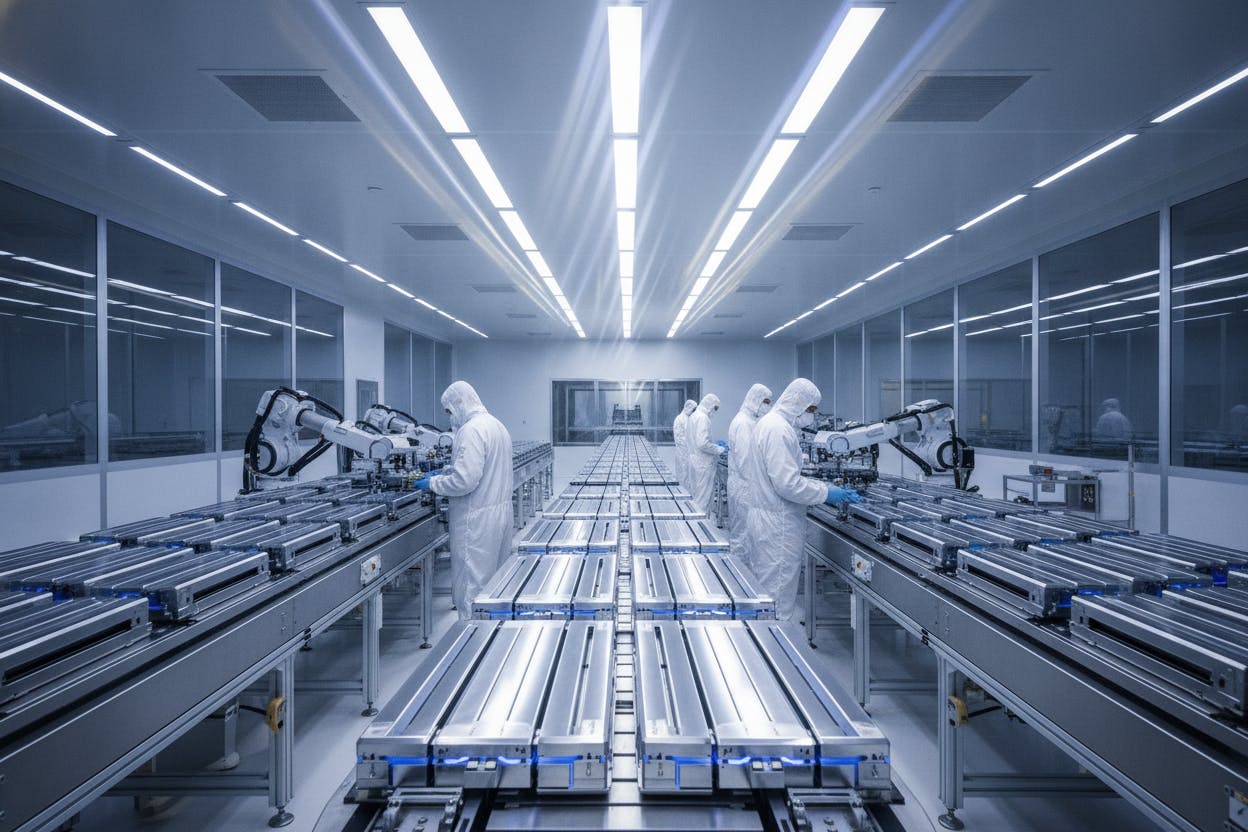
    The investment will finance a UK pilot production plant and expand an advanced manufacturing unit for the Oxfordshire-based group. The group develops silicon-based anode materials for lithium-ion cells designed to lift energy density, shorten charging times and increase electric vehicle range.

    Financing East Asian Battery Production

    While the new state money finances pilot capacity in England, Nexeon already runs its primary industrial footprint out of Gunsan, South Korea. Honda backed the business in May 2026 through Honda Xcelerator Ventures to accelerate commercial production at that Gunsan plant, ensuring direct ties into East Asian vehicle manufacturing.

    Production at the Gunsan facility centers on silicon-carbon composite materials manufactured at commercial volume. Panasonic agreed in 2023 to purchase anode supplies from the Gunsan plant to feed lithium-ion battery cells manufactured at its massive cell assembly site in Kansas in the United States.

    Automakers Take Direct Component Stakes

    Securing Korea Development Bank as an equity backer alongside Honda gives Nexeon institutional protection inside the world’s most concentrated battery manufacturing hub. South Korean cell makers and Japanese auto groups face mounting pressure to break reliance on mainland Chinese graphite supply lines, which face export controls and domestic processing bottlenecks.

    Investing directly in upstream chemical developers cuts out middle-tier intermediaries for automotive groups. Honda avoids spot-market premiums on advanced cell chemistries by taking equity directly in materials suppliers, mirroring similar bets by regional peers looking to lock down raw-material allocations well before commercial rollouts.

    The British National Wealth Fund operates with a 27.8 billion pound mandate to channel private and state capital into clean energy and critical supply chains, aiming to mobilize 100 billion pounds in overall investment by 2031. Oliver Holbourn, chief executive officer of the fund, confirmed the vehicle is backing advanced battery technology to assemble domestic manufacturing networks alongside foreign partners.

    “This investment is a strong endorsement of Nexeon’s technology and our role in enabling the next generation of lithium-ion batteries.”

    Tracking Pilot Output and Commercial Volume

    Nexeon previously operated primarily as an intellectual property and testing outfit before breaking ground on its Korean production lines. The company must now prove its pilot equipment in the UK can mirror the yield rates of its full-scale Gunsan lines without inflating unit costs.

    Execution risk sits in the yield curves. Silicon tends to swell and contract during charge cycles, degrading cell lifespan unless manufacturing tolerances remain exceptionally tight during chemical compounding.

    Panasonic’s Kansas factory remains the primary operational benchmark for Nexeon, where volume deliveries of silicon-carbon material will reveal whether the Oxfordshire-engineered chemistry withstands real-world commercial scale.

  • KFC Opens First Muse Flagship in Dubai Ahead of Seoul Rollout

    KFC Opens First Muse Flagship in Dubai Ahead of Seoul Rollout

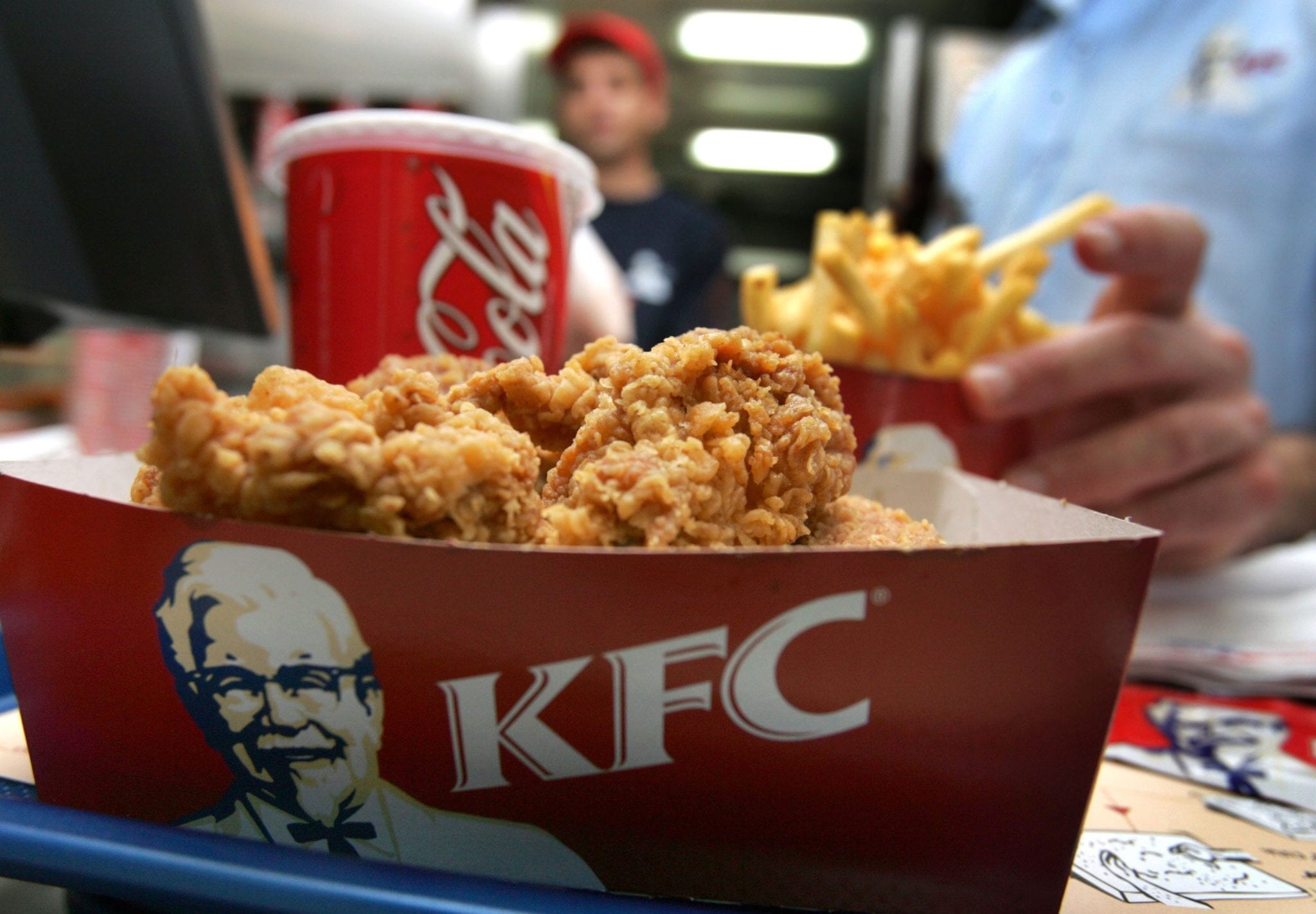
    KFC opened its first flagship under a new design concept called KFC Muse at Jumeirah Beach Residence in Dubai on October 31, 2026. The two-story restaurant serves as the testing ground for a planned global refit across the chain’s network of more than 34,000 outlets in over 150 countries.

    Americana Restaurants, the Middle East and North Africa franchisee run by chairman Mohamed Alabbar, developed the site in partnership with KFC parent Yum Brands. The property drops the standard fast-food format in favour of longer visits, larger floor plates and separate product stations designed to lift customer ticket sizes.

    Beverage lines and chicken customization

    Inside the JBR location, the operator built out an international beverage counter branded as KWENCH by KFC. The dedicated station sells hand-crafted specialty drinks outside regular lunch and dinner rush hours, including Boba Refreshers, Krunch Shakes, sparkling lemonades and iced coffees.

    Beside the drink counter, the outlet debuts KFC MIX’D, a service line where diners pick chicken cuts, add sauces and choose seasoning sprinkles before mixing them in a container. The floor plan organizes customer flows around what the company calls a Kinetic Bucket, a central media installation using synchronized lighting, sound and screens that shift throughout the day.

    The shift to quality experience formats

    Yum Brands is repositioning its chicken network toward what executive management describes as quality experience restaurants. Standard fast-food economics rely on tight margins, kitchen speed and high patron turnover. That operational model faces margin pressure across major markets as ingredient and labour expenses mount, pushing fast-food chains to fight coffee shops, bubble tea chains and casual dining spaces for afternoon traffic.

    Directing foot traffic into specialized beverage counters gives quick-service operators a higher-grossing product category that requires minimal kitchen equipment compared to frying lines. Specialty drinks also shield operators from raw poultry price swings while generating higher margins per transaction.

    Franchisee returns and regional risks

    For franchise partners like Americana, heavy capital expenditures on experimental interior builds bring clear financial exposure. Flagship locations in prime beachfront shopping districts like JBR carry elevated occupancy overheads that neighborhood drive-thru stores avoid. Replicating multi-level digital fit-outs across suburban restaurant estates will prove far harder to finance unless beverage sales show sustained double-digit gross margin gains.

    Rival chicken chains and local brands across Asia and the Middle East already compete heavily in the customizable chicken segment. South Korean operators in particular have dominated flavored, shaken and glazed fried chicken for years, meaning the concept will face immediate local competition when it lands in East Asia.

    “As we set the standard for the modern chicken QSR, we’re disrupting conventions, moving from QSR, quick service restaurant, to QXR: quality experience restaurant,” said Scott Mezvinky, Global CEO of KFC.

    Expansion plans set for Seoul

    The Dubai opening serves as the initial trial ahead of an immediate rollout into East Asia. Yum Brands confirmed that a second KFC Muse location will open its doors in Seoul before the end of the year.

    Both the Dubai and Seoul outlets will determine whether KFC scales the experiential layout, the KWENCH beverage counters and the MIX’D preparation tables into ongoing remodels across its broader 34,000-unit estate worldwide.