Retail News CRM

Tag: seoul

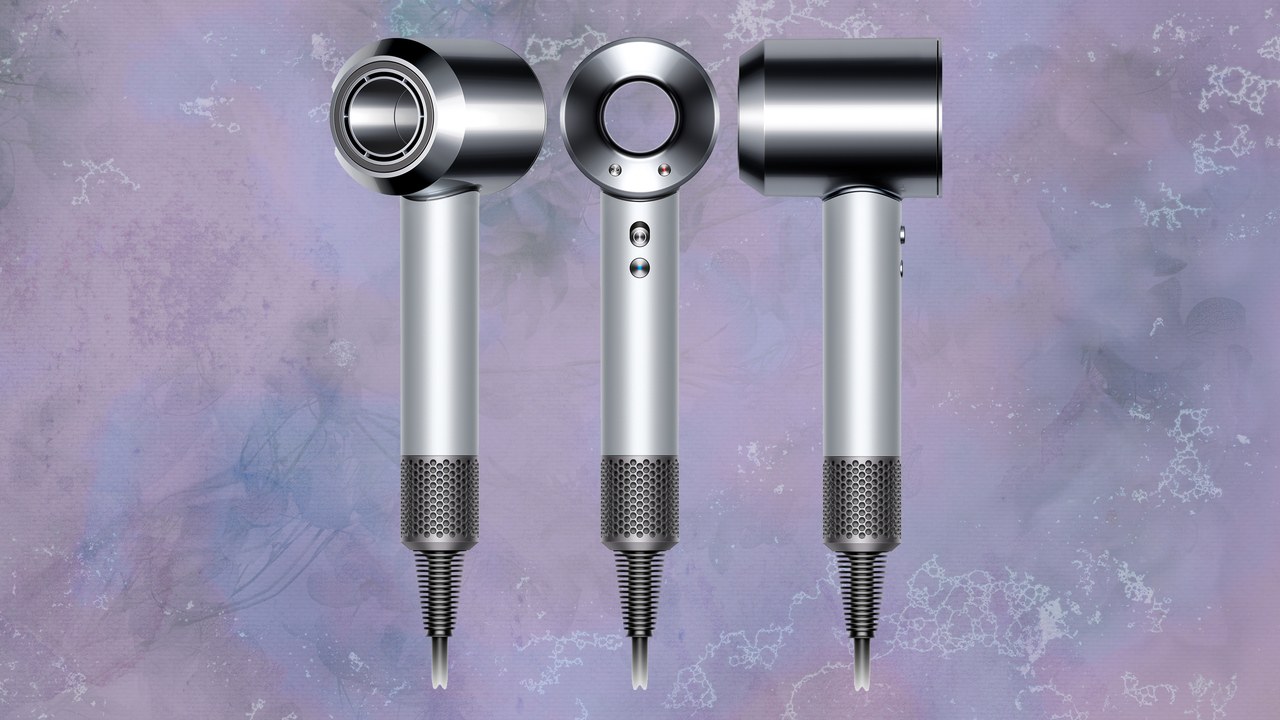
  • Dyson opens its flagship store in Seoul

    Dyson opens its flagship store in Seoul

    British home appliance maker Dyson Ltd. said Thursday it will open its first flagship store in South Korea this week as the company eyes to expand its sales amid the pandemic.

    Dyson Demo Store will open at IFC Mall in western Seoul on Friday, featuring all of Dyson’s products and services. It is the first flagship store to be directly run by Dyson Korea since the Korean unit was established in 2018.

    “We want to offer a place where people can explore, test and try Dyson’s full lineup of technology, get advice and support on everything from their first demo store in Korea,” Tomas Centeno, the managing director of Dyson Korea, said. “The demo store will offer ultimate Dyson experience of our full products and services under one roof to choose the right product for you.”

    At the 323-square-meter space, Dyson Korea said its employees who were trained by Dyson engineers, called “experts,” will assist consumers in selecting its products from vacuum cleaners to hair appliances.

    Centeno said Dyson aims to “grow strongly” in South Korea, saying the country is one of its key markets.

    “Koreans are nimble in their approach to tech,” he said. “Not only do they have high interest but are also quick to evaluate new products.”

    Last year, Dyson’s vacuum cleaner with an omnidirectional head, the Omni-glide, was launched in South Korea first in the world.

    “We will continue to introduce new products, which have never existed before, based on our deep understanding of Korea,” he said.
  • Seoul cafes face new trading restrictions as Covid-19 returns

    Seoul cafes face new trading restrictions as Covid-19 returns

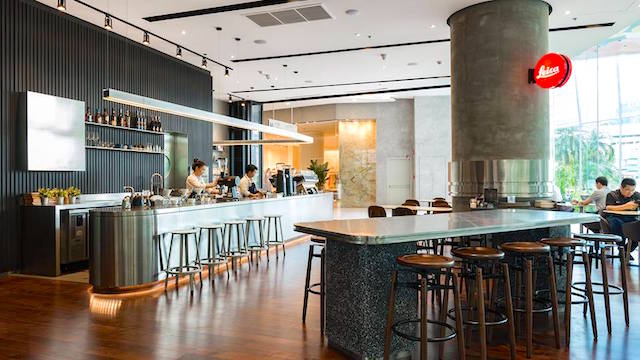
    South Korea is restricting operations of restaurants, bakeries and franchised coffee chains in the greater Seoul area in an effort to contain a new outbreak of Covid-19. Under the plan that lasts until next Sunday, restaurants and bakeries can operate until 9pm, and only takeaway and delivery will be permitted from 9pm to 5am.

    For Seoul cafes, only takeout or delivery will be permitted regardless of operating hours, as cluster infections traced to coffee shops have been reported.

    Customers visiting coffee chains for takeaway must follow quarantine measures, such as making entry logs, wearing masks, and keeping a safe distance.

    The move is part of the government’s strengthened virus curbs in Seoul and the surrounding areas, home to half of the country’s 51 million population, as the country is struggling to curb spiking virus cases.

    On Sunday, the country reported 299 new Covid-19 cases – a drop below the 300 marks for the first time in five days – but health authorities remain on high alert as the triple-digit daily increase continued.

    Instead of raising the level of social distancing to the highest Level 3, the country unveiled stronger and “tailored” virus curbs last Friday for vulnerable groups and risk-prone facilities, a move widely viewed as ‘Level 2.5’.

    The government has been cautious about raising the social-distancing guidelines to Level 3 from the current Level 2 due to the far-reaching impact on the economy.

    In line with the stricter social distancing guidelines, cafe workers are putting store chairs upside down to indicate they operate only for takeaway or delivery.

    Some customers who frequent such coffee joints to study or read books have shifted to bakeries that operate normally until 9pm.

    Meanwhile, South Korea began to suspend the operation of indoor sports facilities, including fitness centers and billiard halls, in the wake of virus infections at indoor sports centers.

    The government also expanded no-assembly orders from large academies to almost all cram schools in the wider Seoul area. Only online lectures will be permitted.

    To protect the elderly from the risk of infection, visits to nursing homes, and facilities will be banned.

    Health authorities will also make one-third of all employees at government agencies and public institutions work from home. They also recommended private companies take similar steps.

    In mid-August, the government raised virus curbs to Level Two in the Seoul region for two weeks and expanded it across the nation starting last Sunday.

    Health authorities extended the current step for one more week in the wider Seoul region, as the number of new infections has not shown signs of easing.

  • GS Retail recruits local residents to deliver products

    GS Retail recruits local residents to deliver products

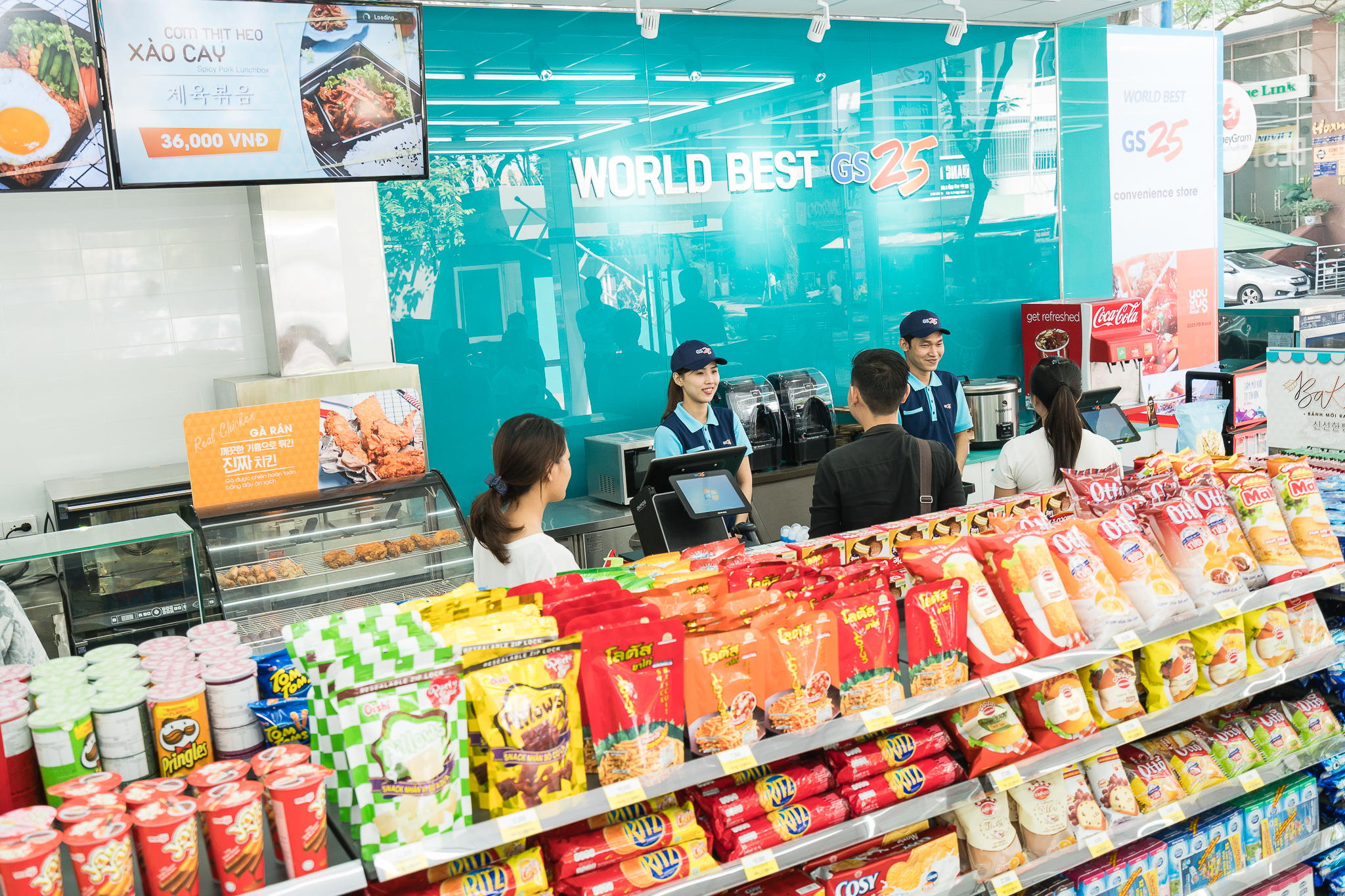
    South Korean convenience-store operator GS Retail plans to hire local residents with ample knowledge about their neighborhoods to speed delivery of products in areas where alleyways and addresses may prove confusing.

    GS Retail, which runs the convenience-store chain GS25, will begin testing its new ‘Neighborhood Delivery’ service, which is open to all applicants without limits to time and task.

    Each person will be delivering products within a 1.5km radius of their current location. The products, too, will weigh less than 5kg, allowing retirees, homemakers, and after-work office workers to work without difficulty.

    If a customer orders a product from a nearby GS25 convenience store through the Yogiyo app, the delivery person can respond to an incoming delivery call to bring the product to the customer.

    Each delivery will pay US$2.35-$2.68 in commissions.

    GS Retail plans to test the new delivery program at three convenience stores in Seoul’s Gangnam District starting Monday. On August 17, the program will be expanded to cover all GS25 stores throughout Seoul.

    The company aims to infiltrate the $17 billion delivery market with ‘Neighborhood Delivery’, a short-distance quick-commerce platform based on 15,000 brick-and-mortar stores.

  • 7-Eleven marks it’s milestone with the 71,100th store in Seoul

    7-Eleven marks it’s milestone with the 71,100th store in Seoul

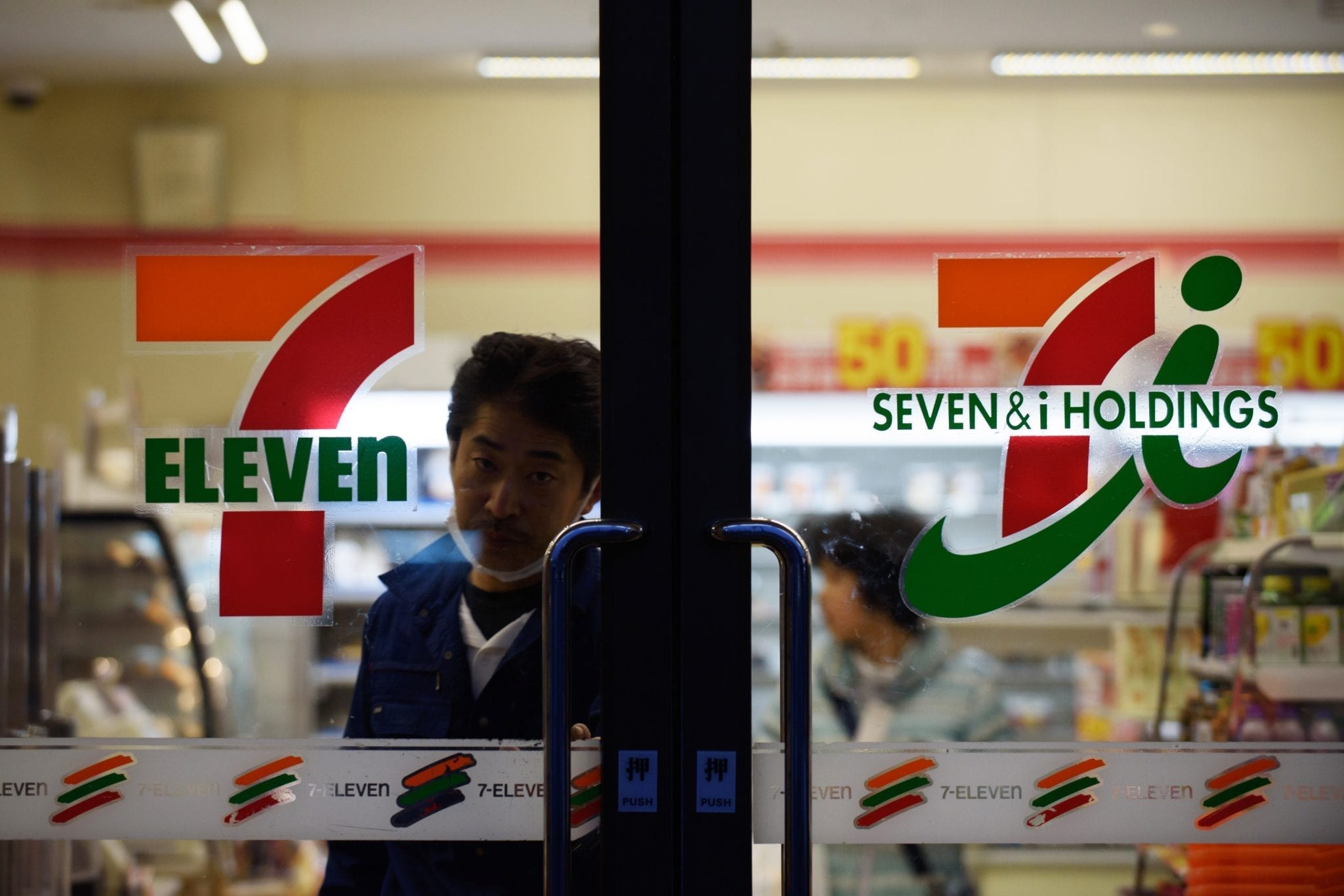
    7-Eleven has hit a new milestone with the opening of its 71,100th store, located in Seoul, the capital of South Korea.

    “7-Eleven’s iconic orange, green and red stripes are easily recognized in 17 countries around the world,” said 7-Eleven President and CEO Joe DePinto.

    “The company got its start because an entrepreneurial ice-dock employee saw his customers had a need and came up with a creative way to serve them. A lot has changed in how, when, and where 7-Eleven does business. But one thing that hasn’t changed is our commitment to putting customers at the forefront of all we do.”

    The brand opens a new store somewhere in the world roughly every 3.5 hours. Early last month, the first 7-Eleven in Hunan, China broke the international opening-day sales record for the company brand, reporting US$70,310 of turnover.

    With the new 7-Eleven milestone passing, the growth shows no signs of slowing. Master franchisees for India and Cambodia are expected to be taken up soon. In Asia, 7-Eleven already has networks in China, Hong Kong, Singapore, Thailand, Malaysia, Japan, South Korea, and Vietnam.

  • Seoul department store to host online fashion show to help small brands

    Seoul department store to host online fashion show to help small brands

    Hyundai Department Store will hold the industry’s first no-guest fashion show to help small and medium-sized fashion brands suffering from the aftermath of the novel coronavirus pandemic.

    The fashion show will feature 25 Korean small and mid-sized fashion brands and be broadcast live on Hyundai Department Store’s official YouTube channel for three hours from 7 pm on Saturday.

    In partnership with the Global Video Commerce Association, the fashion show will also be broadcast on live channels of overseas online malls such as Taobao, an online mall in China, and Shopee, an online mall in Southeast Asia.

    In addition, 30 influencers will participate in the event and broadcast the fashion show live on their respective social media accounts.

  • Hanssem opens Nexus flagship in Seoul

    Hanssem opens Nexus flagship in Seoul

    South Korean furniture maker Hanssem affiliate Nexus has launched a new flagship store in Seoul.

    The 3300sqft store targets Korea’s burgeoning luxury lifestyle consumership from its location in Nonhyun-dong, retailing 16 ultra-luxury and exclusively imported European brands. It also offers consulting services by professional decorators and interior designers.

    “It is time for us to export our interior design ability, just like we grew from a fashion importer to exporter,” said Hanssem Nexus CEO Lee Young-sik.

  • Blue Bottle Coffee’s industrial-style flagship opens in Seoul

    Blue Bottle Coffee’s industrial-style flagship opens in Seoul

    Blue Bottle Coffee’s first South Korean cafe which opened in Seoul’s artsy Seongsu neighborhood earlier this year, features an industrial-style design with steel surfaces and red-brick fixtures.

    The cafe was designed by Schemata Architects, which has already created several of the brand’s branches in Tokyo, Japan.

    South Korea is the second international market for the US coffee company, which opened its first Tokyo cafe in 2015, inspired by the hospitality of traditional Japanese kissaten (coffee house) culture.

    In the new three-floor, 14,000sqft Seongsu location, each level is dedicated to a different use. The cafe has been designated to the basement – a decision made by the practice after seeing that the ground floor overlooked a busy road often blocked with traffic.

    “Having the cafe in the basement provides a calm and peaceful space away from the bustle on the ground,” the design team explained to Dezeen.

    At its centre is a huge stainless-steel service counter, above which a section of the ceiling has been cut away to provide views to the upper floor.

    Large stacks of red bricks – a material typically used to clad the facades of buildings in Seongsu – have been dotted throughout the space, where brand merchandise like packets of coffee and mugs can be displayed.

    “As a mark of respect for [Seongsu’s] history, we decided to also use brick inside the building,” explained the practice.

    A short set of stairs leads down to a lowered seating area that’s dressed with timber tables and chairs, as well as a couple of long beige sofas.

    The ground level hosts a roastery, a storage room for coffee beans and an area dedicated to cupping: the practice of observing the taste and aroma of brewed coffee. It is all fronted by glass allowing pedestrians outside to see the coffee-making process.

    “The basic design rules for Blue Bottle Coffee cafes remained the same in this project, which is to use a limited number of materials to create a space with a sense of unity and to create a flat relationship between the customers and the staff over the counter,” the practice’s founder, Jo Nagasaka said.

  • Aesop store in Seoul features reclaimed red bricks

    Aesop store in Seoul features reclaimed red bricks

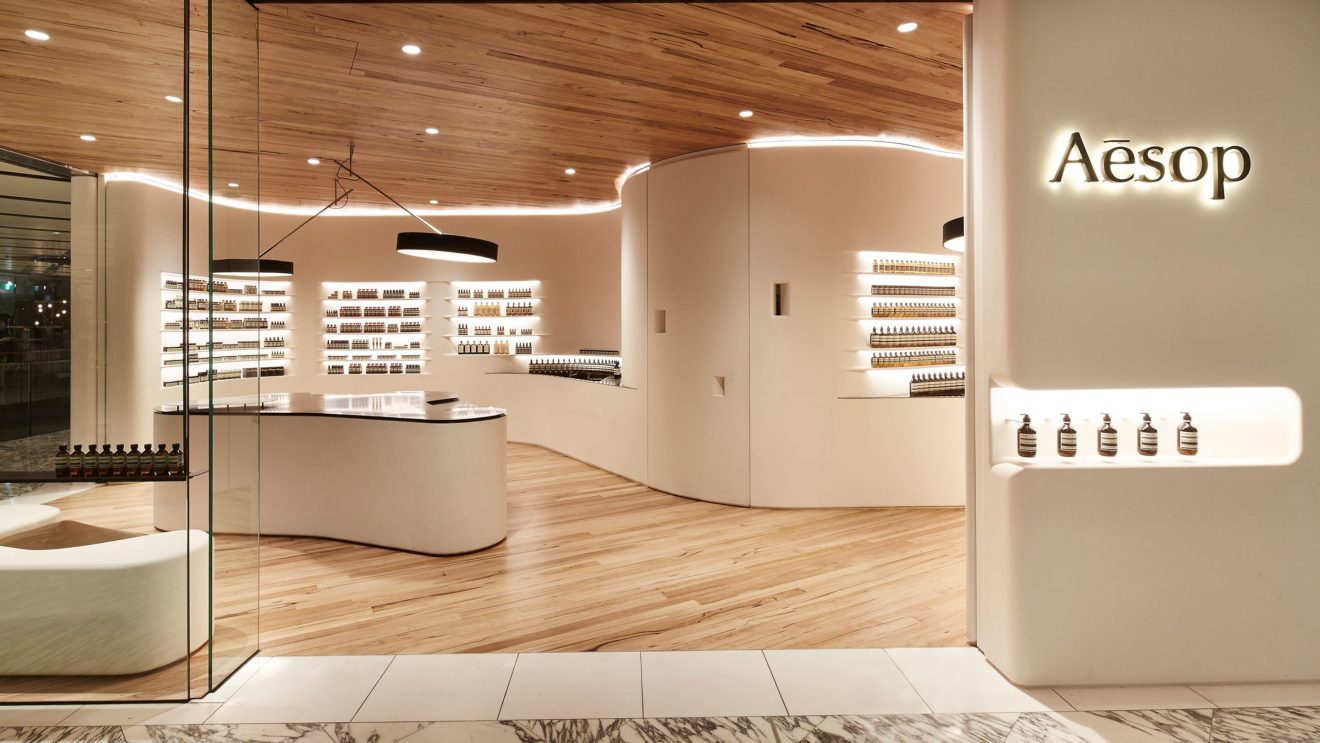
    Luxury skincare brand Aesop has opened a distinctive store in south-central Seoul designed by Hong Kong designers Mlkk Studio.

    The designers laid out the two-level Aesop store in Seoul using reclaimed red bricks to fashion within the building’s slate-grey brick facade to create a warm and inviting shop interior. It is intended to provide a cozy retreat for shoppers, especially during the cold winter months.

    “It gave an exciting opportunity to do something just the opposite with the same material,” said an Mlkk Studio spokesperson. “The choice of material also creates a dialogue with the architecture and effortlessly blends the interior and the exterior … The bricks add color variety and enrich the sense of time and history of the space.”

    The bricks are also used in the store’s service counter and for a sink where customers can try out the products. Two arched cubby holes with copper shelving are built into the rear wall, resembling traditional Korean kilns.

    The Aesop store in Seoul is one of many stores by the brand profiled on design site Dezeen.

  • Blue Bottle Coffee Taking Off in Seoul

    Blue Bottle Coffee Taking Off in Seoul

    The first South Korean cafe for Blue Bottle Coffee has launched today.

    The brand’s 14,000sqft headquarters in Seoul includes a roastery and training lab, which is open for public tours, classes, and tastings. Blue Bottle will open a second cafe in Seoul later in the second quarter and has plans for more by the end of the year.

    South Korea is the second international market for the company, which opened its first Tokyo cafe in 2015, inspired by the hospitality of traditional Japanese kissaten (coffee house) culture.

    “Every time we visit Korea, we are deeply honored by the enthusiasm and love for our brand,” said Blue Bottle Coffee CEO Bryan Meehan. “Our Instagram account has more followers in Seoul than any other city in the world. South Korean guests have travelled thousands of miles to meet us in the US and Japan. Finally, we are bringing Blue Bottle to our loyal Korean guests.”

    The industrial, red-brick building that Blue Bottle Korea has launched in is located in the Seongsu neighbourhood, often referred to as the “Brooklyn” of Seoul. The space, designed by Jo Nagasaka of Schemata Architects, displays the brand’s signature emphasis on natural light and warm minimalist design.

    Featuring an open atrium with glass separating the first and second floors, the building offers a transparent view from street level into Blue Bottle’s roastery. Guests may descend a staircase into the intimate below-ground cafe featuring classic walnut chairs and tables.

    Seongsu is situated next to the idyllic Seoul Forest, an urban green space frequented by families of all generations.

    Blue Bottle sees huge potential for growth in the Korean coffee market, which is quickly emerging as an international destination for specialty coffee. Koreans consume more than 25 billion cups of coffee per year, and more than half of the world’s Q-graders – coffee specialists licensed to purchase premium green coffee beans – live in South Korea.

    With more than 18,000 coffee shops already trading in Seoul alone, Blue Bottle Coffee has entered a highly competitive market. It intends to differentiate itself by quality and sustainable practices, bringing expressive blends and rare single origins sourced through direct trade to the country.

  • Seoul mall uses media art To Indicate the Air Quality

    Seoul mall uses media art To Indicate the Air Quality

    Hanwha Galleria is informing Seoul citizens of fine-dust levels by using media art installed on the exterior of its department stores.

    If the fine-dust concentration is at “bad” levels, the lighting installed on the exterior of the Galleria Luxury Hall sends out red flashing signals three times before displaying a video consisting mainly of red.

    And on days when fine dust is low, images will be composed mainly of green hues.

    The initiative is part of Hanwha Galleria’s “Right! Galleria” campaign to encourage a culture of eco-friendly and sustainable consumption.

    As part of the Galleria campaign, the company will publicise fine dust levels.

    Hanwha Galleria will also give KF94 certified masks to customers who make a purchase on days when fine dust levels are 81μg/m3 or higher.

    The masks will be provided 10 times every day when fine dust levels are recorded as “bad.”

  • Kia Showcasted Three Concept Cars At The Seoul Motor Show

    Kia Showcasted Three Concept Cars At The Seoul Motor Show

    Kia Motors is all set to reveal a trio of new concepts at the 2019 Seoul Motor Show and they will preview the brand’s future design direction. Two of the three concepts make their international debut in Seoul, with the rugged Kia Masterpiece Concept which shows off a large SUV body with a luxurious, high-tech cabin. The Masterpiece is accompanied by the Kia Signature which is essentially the SP concept that the company showcased at the 2018 Auto Expo and finally the Imagine by Kia concept car which is an all-electric sports sedan which embodies Kia’s desire to create exciting low-emissions passenger cars.

    Each of the cars illustrate different elements of the brand’s future model strategy. The Kia Masterpiece concept makes its first public appearance, with a rugged and robust large SUV. The Masterpiece hints at how the brand could adapt its latest designs and features for the large off-road SUV segment. It sees sculpted bodywork and bold lines and it combines a purposeful SUV stance and raised body, and an all-wheel drive system. The front of the car features Kia’s new tiger nose grille, extended outwards across the whole front section of the concept, with no clear boundaries between grille and LED headlamps. The design of the front of the car is echoed in the rear of the car, with signature lines at both ends of the vehicle giving the car a consistent design all round.

    The Signature Concept is the made its international debut at the India’s Auto Expo 2018 in Delhi. Driven by advanced technology, the Kia SP Concept hints at the company’s plans to introduce a new small SUV for its global markets as well. The SP Concept gets a wide grille and long hood at the front, and a rear design which emphasises stability with wide rear lamps and body lines, the Signature stands out on the road. At the front, its lamps are connected to the ‘tiger nose’ grille, with integrated daytime running lamps. Its strong shoulder line, with a glasshouse which tapers towards the rear of the car, lends the compact SUV an air of understated sportiness. The exterior is completed with a series of distinct styling features, contributing to the car’s contemporary, technical design. These include thin LED lamps at the front and rear, sharp lines pressed into the bodywork, and precise metallic details. Of course the production ready version will be revealed later this year.

    Finally, it’s the Imagine by Kia concept which was revealed at the 2019 Geneva International Motor Show, but it’ll now make its Asian debut. The fully-electric sports sedan concept has been designed at Kia’s European design center in Frankfurt, Germany. This concept is Kia’s first pure electric four-door passenger car. The Imagine by Kia concept represents a more progressive Kia design language for the future, with intelligent reinterpretations of existing Kia motifs and a bodywork characterized by a blend of tautly-drawn sheet metal, crisp lines, and efficient aerodynamics.

    The design team has exploited the chassis architecture of the powertrain’s all-electric layout to maximise cabin space and create an airy and spacious interior. The concept features 21 individual ultra high-resolution screens. While not immediately destined for production, the Imagine by Kia concept hints at interior and exterior design elements that could be adapted for future production models from the brand.

  • Renault Samsung XM3 Unveiled At The Seoul Motor Show

    Renault Samsung XM3 Unveiled At The Seoul Motor Show

    Renault and Samsung who operate in a joint venture in the South Korean market have unveiled a new C-segment coupe SUV at the 2019 Seoul Motor Show. The Renault Samsung XM3 Inspire concept was first showcased at the Arkana concept last year at the Moscow Auto Show and has been rebadged for the South Korean market. To be specific, the second party in the JV- Samsung Motor is different from Samsung electronics which manufacture electronic goods and smartphones. The company was commissioned in 1994 and started market operations in 1998.

    The key difference between both the show cars is limited to the grille which has been tweaked and sports the Renault-Samsung logo instead of Renault’s diamond logo and is finished in white paint shade. The Renault Samsung XM3 Inspire being a coupe concept sits high up the ground wearing the top hat of a sedan. It gets a tapering roofline and a panoramic glass roof along with massive wheel arches that cover the 19-inch alloy wheels. It is also equipped with LED headlights with C-Shaped daytime running lights.

    The XM3 Inspire concept is a part of Renault Samsung Motor’s future product line up. The production model of the Renault Samsung XM3 Inspire will be launched in the South Korean Market in 2020.

  • Chloe’s brand new flagship opens in Seoul

    Chloe’s brand new flagship opens in Seoul

    French fashion house Chloe has opened a new flagship in Seoul.

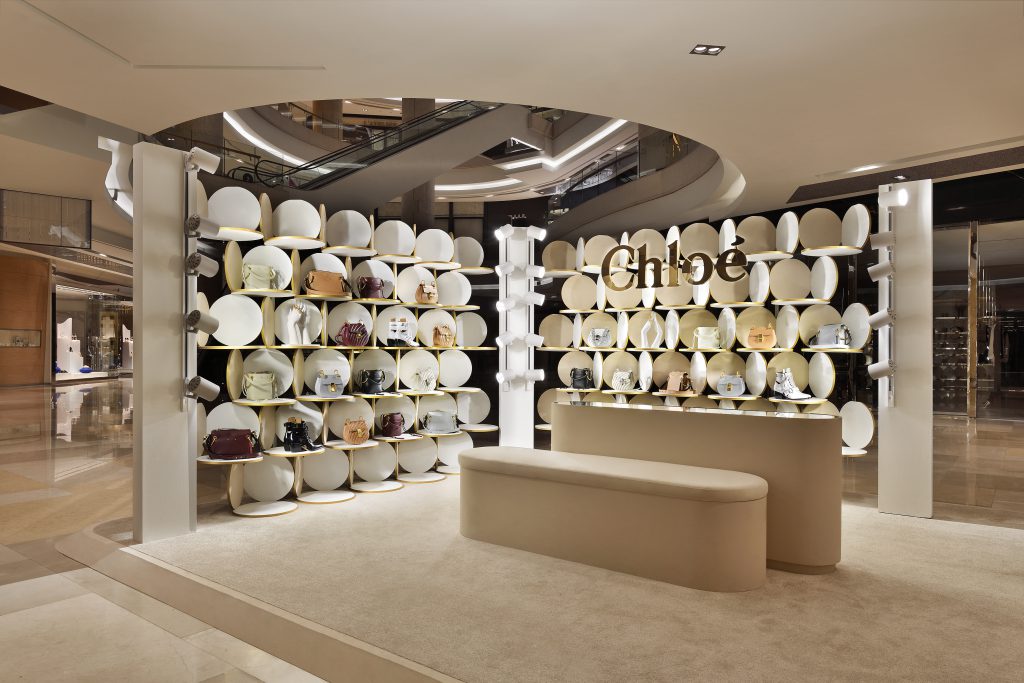
    The new 386sqm two-story boutique in the luxury shopping district of Cheongdam features an eye-catching facade consisting of beige marble stones and the maison’s logo in brass.

    Chloe flagship - Seoul 1

    The first floor entrance ushers clients into the accessories and small leather goods section, while on the second floor the full collection is hung up on brass rails, sitting alongside footwear.

    Chloe flagship - Seoul 2

    Furnishings and decor are used to express the brand’s vocabulary, mirroring the maison’s flagship boutique on avenue Montaigne which contrasts a light femininity with robust architectural details and raw mineral materials.

    Chloe flagship - Seoul 3


    Chloe flagship - Seoul 4

    Tender curvilinear forms on the ceiling, floor and furniture echo the roundness of the letters in the Chloe logo, while a palette of white and powdery beige rose warmed by mustard and polished natural brass illuminate the space.

    Vintage designer furniture is found on the second floor, which includes a private VIP space.

  • Tiger Sugar to open first Korea store next month

    Tiger Sugar to open first Korea store next month

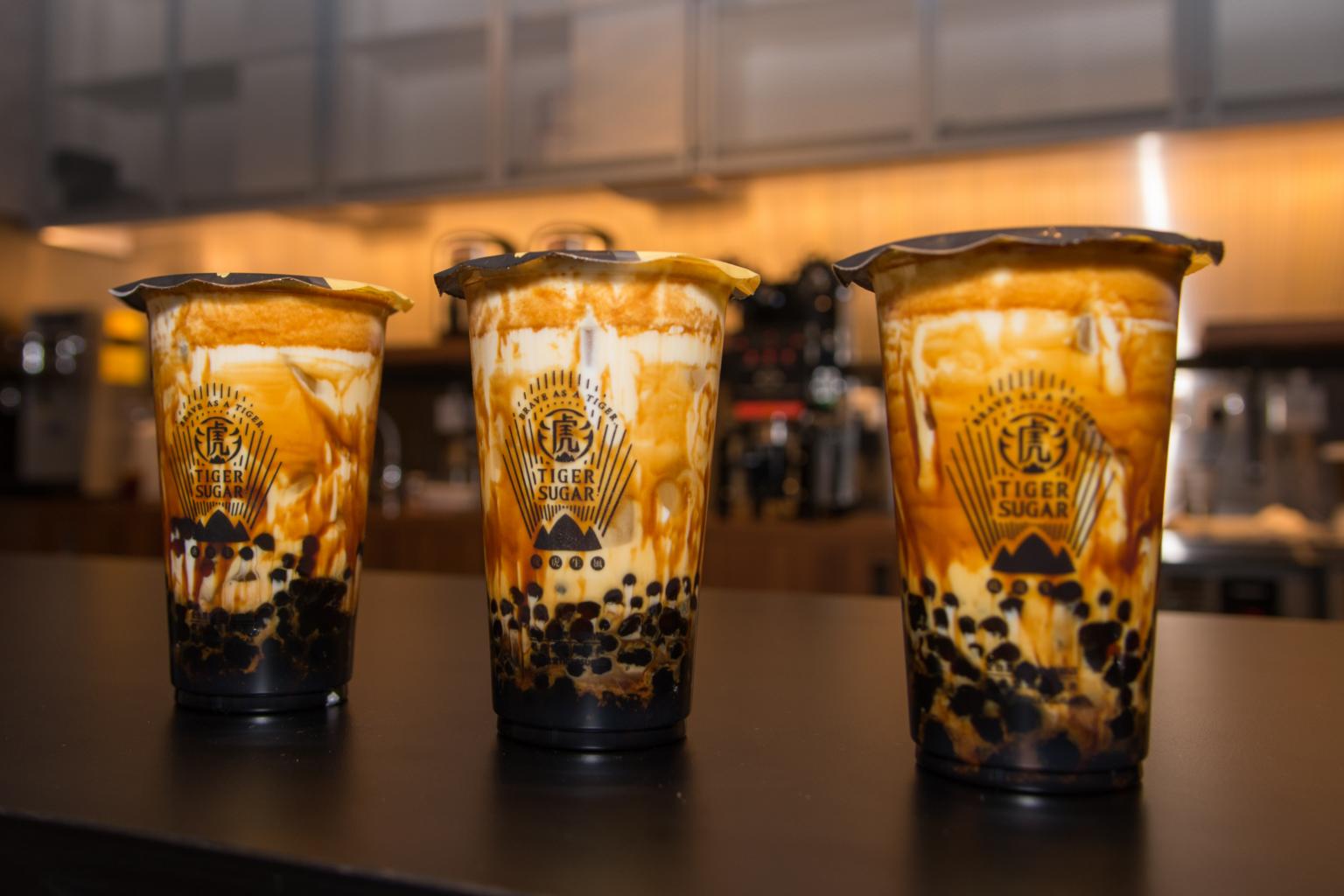
    Bubble milk tea brand Tiger Sugar Korea will open first branch in Hongdae, a bustling university town of Seoul.

    Located at a popular hang-out area for young people, the Hongdae store will offer the same taste as that in Taiwan and use premium ingredients to “become the hottest dessert drink this year”.

    In order to do that, Tiger Sugar Korea will be competing with another original Taiwanese chain Gong Cha, which is now popular among locals.

    First opened in Taiwan in 2017, Tiger Sugar is known for drinks with dark-brown sugar syrup inside. The chain now has branches in eight countries including Hong Kong, Singapore, and Korea.

    It also plans to open stores in the US and China.

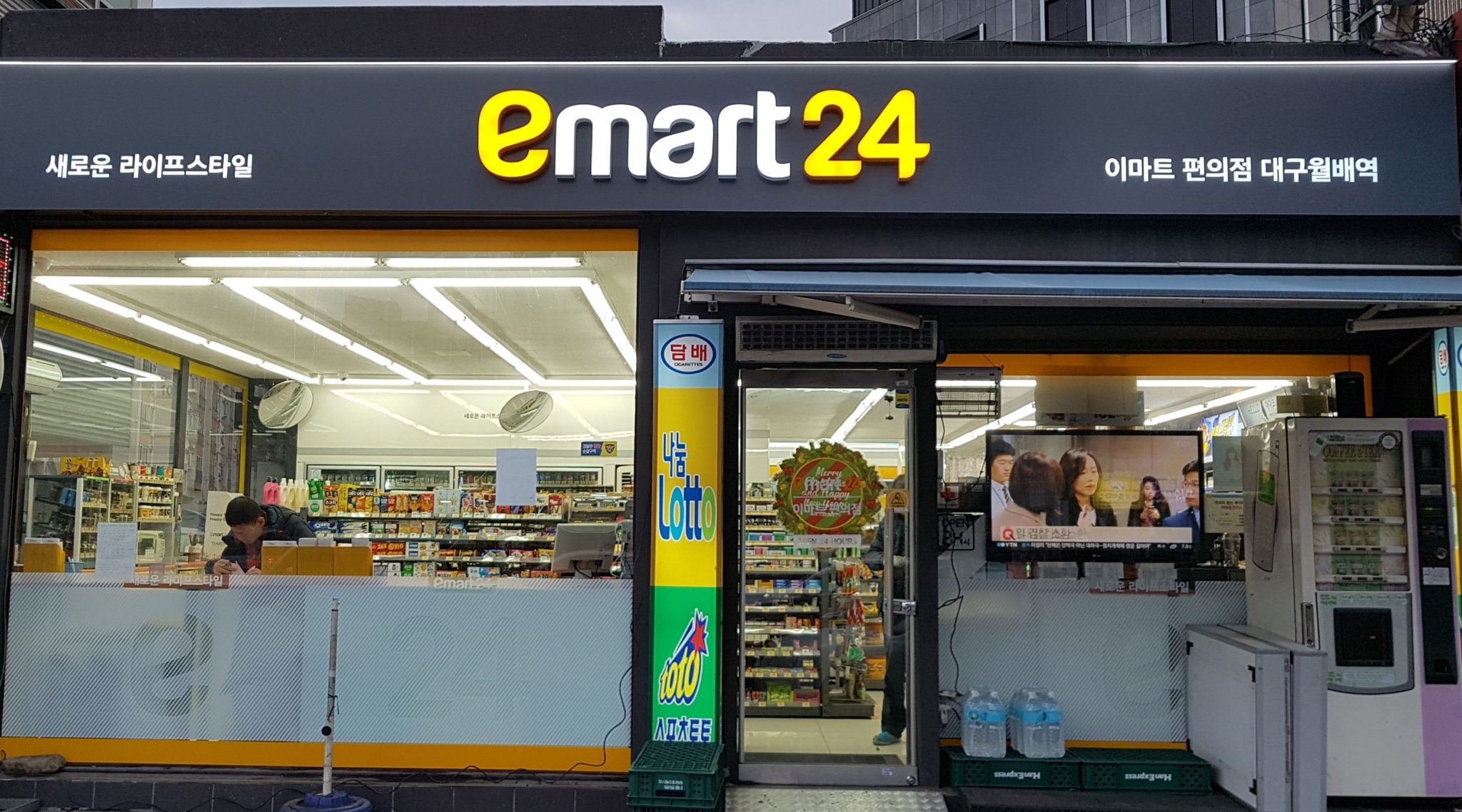
  • Seoul to get its first Emart Traders branch next month

    Seoul to get its first Emart Traders branch next month

    Emart, a Shinsegae Group company, will open a new branch of Traders, its big-box warehouse chain, in Seoul next month. It will be the first branch in the capital. The outlet will be located in Wolgye-dong, Nowon District, northern Seoul, with the opening scheduled for March 14. The Wolgye Traders is being built in the parking lot of Emart’s Wolgye store. The warehouse store will be 9,917 square meters (106,746 square feet) in size, with 45,302 square meters of floor area.

    Emart said the annual sales goal for the first Seoul branch of Traders is 140 billion won ($12.6 million). The company is planning to raise the new branch’s competitiveness by offering instant and fresh food at prices that could be 45 to 50 percent lower than the average price at department stores.

    There are currently 15 Traders branches nationwide, and Emart is planning to expand the number to 18 by the end of this year.