Retail News CRM

Tag: seoul

  • Seoul’s Fashion District Transforms As Gucci And Louis Vuitton Ignite Luxury Dining Rivalry

    Seoul’s Fashion District Transforms As Gucci And Louis Vuitton Ignite Luxury Dining Rivalry

    In a fashionable district of Seoul, two premier luxury brands are shifting their rivalry from the fashion world to the restaurant industry.

    Gucci is set to open its redesigned and relocated restaurant, Gucci Osteria da Massimo Bottura Seoul, within its flagship store in Cheongdam. The restaurant, which will replace the brand’s former establishment in Itaewon that was launched in 2022, is located on the fifth floor. According to Gucci, the new space is conceptualized with exquisite interiors and a carefully selected menu to engage diners with the brand’s identity.

    This development comes hot on the heels of Louis Vuitton’s recent opening of Le Café Louis Vuitton in its Maison Seoul boutique, also situated in Cheongdam. The café, which is an extension of the brand’s burgeoning “culinary community” spanning across Paris, New York, Tokyo, Milan, and Bangkok, has been garnering attention for serving dishes branded with Vuitton’s trademark monogram – even featuring the iconic pattern on dumplings.

    The two new dining establishments are located just blocks away from each other on Apgujeong-ro, transforming the neighborhood into a hot spot for luxury dining. Other high-end fashion houses, such as Hermès with its Café Madang in Sinsa and Dior with Café Dior in Seongsu and Cheongdam, have already ventured into the food and beverage sector.

    Industry experts view this trend as more than just a simple venture into the hospitality realm. By providing immersive experiences at relatively affordable price points, luxury brands aim to foster customer loyalty and extend their cultural influence beyond their high-end products. As some experts put it, “Dining allows consumers to taste…”

    Questions & Answers

    Why are luxury brands like Gucci and Louis Vuitton opening restaurants?
    Luxury brands are exploring the hospitality sector as a means to expand their cultural influence and foster stronger customer loyalty.

    What is unique about the new Gucci and Louis Vuitton dining establishments in Seoul?
    These dining establishments are strategically located in a fashionable district in Seoul and provide immersive brand experiences for diners. Louis Vuitton’s café, for instance, serves dishes branded with its trademark monogram.

    Are other luxury brands also venturing into the food and beverage industry?
    Yes, other luxury brands such as Hermès and Dior have also established their own dining establishments in Seoul.

  • Perfumer H Marks Global Expansion With Inaugural Store Launch In South Korea’s Apgujeong-dong District

    Perfumer H Marks Global Expansion With Inaugural Store Launch In South Korea’s Apgujeong-dong District

    Perfumer H, a prominent fragrance brand originating from the UK and established by Lyn Harris, has recently launched its inaugural store in South Korea, marking a crucial milestone in the brand’s ongoing international expansion efforts.

    A Strategic Location

    The newly-opened flagship outlet is situated within the high-end Apgujeong-dong district in Seoul. This strategic location was chosen in collaboration with the local architecture firm, Chak Chak.

    The store, a standalone two-storey structure, showcases a minimalist design aesthetic which mirrors the brand’s principal focus on aroma, craftsmanship, and building a community.

    Continued Growth in Asia

    The introduction of the Perfumer H store in Seoul signifies the brand’s consistent expansion within the Asian market. It complements the brand’s existing presence in other prominent markets like Taiwan, China, and Japan.

    Since its inception in 2015, Perfumer H has received high praise for its sophisticated, personality-filled fragrances which are artfully crafted to complement an array of individual styles.

    Questions & Answers

    What is Perfumer H?
    Perfumer H is a British fragrance brand that was established by Lyn Harris in 2015. It’s known for creating elegant, character-rich fragrances.

    Where has Perfumer H opened its first South Korean store?
    Perfumer H has opened its first South Korean store in the upscale Apgujeong-dong district of Seoul.

    What is the significance of the new Perfumer H store in Seoul?
    The new store in Seoul signifies Perfumer H’s continued growth in the Asian market, adding to its presence in other markets such as Taiwan, China, and Japan.

  • Chanel Unveils Signature Duplex Boutique At Seoul’s Incheon Airport, Partners With Shilla Duty Free

    Chanel Unveils Signature Duplex Boutique At Seoul’s Incheon Airport, Partners With Shilla Duty Free

    Chanel, the renowned French luxury brand, has recently launched a duplex store in partnership with Shilla Duty Free at Seoul’s Incheon International Airport. This store, situated in Terminal 2, is a reflection of the brand’s signature style, featuring a colour scheme of black and white, adorned with touches of modern art.

    At this duplex store, customers can look forward to browsing through Chanel’s vast collection. The offerings include ready-to-wear clothing, footwear, and accessories. The ground floor is dedicated to showcasing iconic Chanel bags as well as the brand’s newest products, like the Chanel 25 handbag.

    A representative from Shilla Duty Free expressed their optimism regarding the new store. They anticipate the Chanel duplex boutique will become a significant attraction at Incheon International Airport due to its size, unique interior design, comprehensive product range, and superior customer service.

    Chanel is not the only luxury brand under Shilla Duty Free’s umbrella. Other high-end names, such as Tiffany & Co, Omega, and Dior, are also managed by Shilla Duty Free, with plans for these brands to open stores next year.

    In related news, Chanel has also taken a significant step towards sustainability. The company has set up Nevold, a separate division that focuses exclusively on waste management and recycling.

    Despite challenges faced by the luxury sector, resulting in a 4.3% decrease in revenues to $18.7 billion for the year ending on December 31, Chanel remains committed to providing high-quality luxury products and outstanding customer experiences.

    Questions & Answers

    What is unique about Chanel’s new duplex store at Incheon International Airport?
    The store stands out for its size, stylish interior design inspired by Chanel’s brand colours of black and white, its extensive range of products, and its outstanding customer service.

    What can customers expect to find in this new Chanel store?
    Customers can explore a wide selection of Chanel’s collection including ready-to-wear clothing, footwear, accessories, and iconic bags like the Chanel 25 handbag.

    What other luxury brands are operated by Shilla Duty Free?
    Shilla Duty Free also operates other high-end brands such as Tiffany & Co, Omega, and Dior, which are all planning to open stores next year.

  • Misto Holdings Reports Robust Q2 Performance: Fila And Acushnet Divisions Drive Revenue Growth

    Misto Holdings Reports Robust Q2 Performance: Fila And Acushnet Divisions Drive Revenue Growth

    Misto Holdings, the parent company of Fila, has announced robust performance for its second quarter, with its consolidated revenue showcasing a 4.5 percent leap from the previous year to reach 1.23 trillion won ($888.8 million).

    The growth in operating profit was particularly noteworthy, surging by 29.8 percent to 181.9 billion won ($131 million). This uptick was powered by strong results from both the Misto and Acushnet business divisions.

    Misto Segment’s Performance

    The Misto segment reported revenues of 216.3 billion won ($156.3 million), maintaining the promising trend initiated by Fila’s Echappe franchise. The segment introduced new product lines, Peito and Panthera, generating notable momentum.

    The establishment of the Fila 1911 Myeong-dong concept store, which opened its doors in Seoul in April, bolstered the brand’s prominence in Korea. Simultaneously, the company has been widening its presence in Greater China, with the first Marithe Francois Girbaud store launching in the Xintiandi district of Shanghai.

    Acushnet’s Contribution

    Misto’s golf equipment subsidiary, Acushnet, also made significant contributions, with a year-over-year revenue increase of 7.9 percent, amounting to 1.01 trillion won. This boost was spearheaded by the enduring demand for Pro V1 and Pro V1x golf balls, GT Series clubs, and Scotty Cameron putters. Acushnet achieved steady growth in the US, Europe, and key Asian markets.

    “Even with external policy uncertainties and adjustments in certain operating areas, our strong brand competitiveness, particularly with Acushnet, and the restructure of certain overseas operations, have positively influenced the overall performance of the company,” stated Ho Yeon (Aaron) Lee, CFO of Misto Holdings.

    Lee added, “The Misto segment is also committed to enhancing product competitiveness and streamlining distribution efficiency as part of its mid- to long-term strategy, while also continuing to support balanced growth throughout our brand portfolio.”

    Rebranding to Misto Holdings

    Earlier in the year, Fila Holdings underwent a rebranding exercise to become Misto Holdings. This change was made to better represent the company’s diverse brand portfolio and its global aspirations.

    Questions & Answers

    What were the key drivers of Misto Holdings’ profit growth in Q2?
    The robust performances of both the Misto and Acushnet segments contributed to the rise in profits. The Misto segment benefited from the successful launch of new product lines and the Acushnet segment reported significant growth due to sustained demand for its golf equipment.

    How is Misto Holdings expanding its footprint in Asia?
    Misto Holdings is increasing its presence in Asia through the opening of new stores, such as the Fila 1911 Myeong-dong concept store in Seoul and the first Marithe Francois Girbaud store in Shanghai.

    Why did Fila Holdings rebrand to Misto Holdings?
    Fila Holdings rebranded as Misto Holdings to more accurately reflect the diversified nature of its brand portfolio and to affirm its global ambitions.

  • Vuori Plans Asian Expansion: New Stores In Seoul And Beijing, E-commerce Platform Reaching 11 More Countries

    Vuori Plans Asian Expansion: New Stores In Seoul And Beijing, E-commerce Platform Reaching 11 More Countries

    Performance and lifestyle brand Vuori has announced plans to extend its reach in Asia, with new retail locations set to open in Seoul, South Korea, and Beijing, China, later this year.

    Vuori’s expansion plans include the launch of a store in Seoul through a franchise partner in September, followed by the opening of its inaugural store in Beijing in October. This move is part of the company’s broader aim to strengthen its international presence and increase brand recognition in key Asian markets.

    E-commerce Growth

    In addition to its physical store expansion, Vuori will extend its e-commerce platform to 11 more countries. These include Japan, Sweden, Norway, Denmark, Finland, Switzerland, Spain, Italy, Belgium, Austria, and Portugal. This online growth strategy will allow the retailer to explore and adapt to these new markets in a responsive and efficient manner.

    Previous Successes

    These expansion plans come on the heels of successful store openings in London and Shanghai, as well as a robust start to wholesale operations in Japan and Europe. Senior Vice President of International, Andy Lawrence, commented on the company’s strategic, patient, and long-term approach to international growth, emphasizing their commitment to building brand equity across all key channels where their customers shop.

    Upcoming Milestones

    Vuori has set ambitious goals for the near future. The brand aims to surpass the milestone of 100 stores globally by the end of the year, and plans to operate 15 stores outside the US by next year. Vuori’s products are already available in more than 18 countries worldwide.

    Questions & Answers

    What are Vuori’s plans for international expansion?
    Vuori plans to open new stores in Seoul, South Korea, and Beijing, China, later this year. In addition, the company will launch its e-commerce platform in 11 additional countries.

    What is Vuori’s approach to international growth?
    Vuori adopts a strategic, patient, and long-term approach to international growth. It aims to build brand equity across all key channels where its customers shop.

    What are Vuori’s goals for the near future?
    Vuori aims to surpass the milestone of 100 stores globally by the end of this year, and plans to operate 15 stores outside the US by next year.

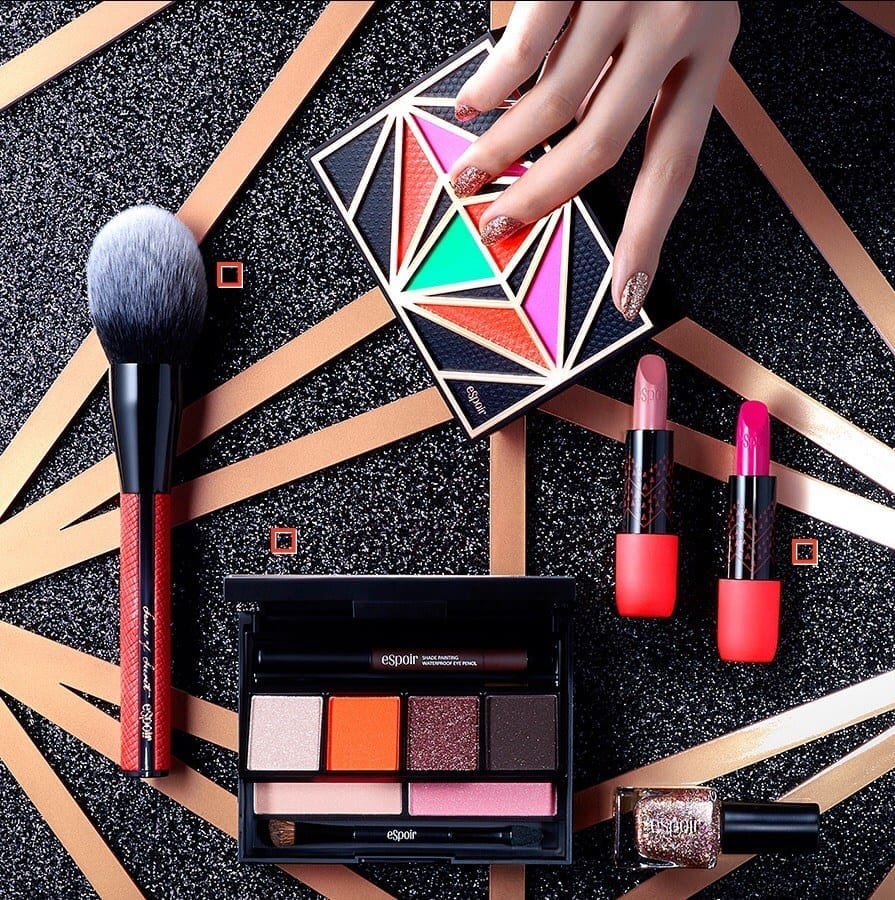
  • Espoir enhances customer experience by new concept store “MAKE-UP MARKET”

    Espoir enhances customer experience by new concept store “MAKE-UP MARKET”

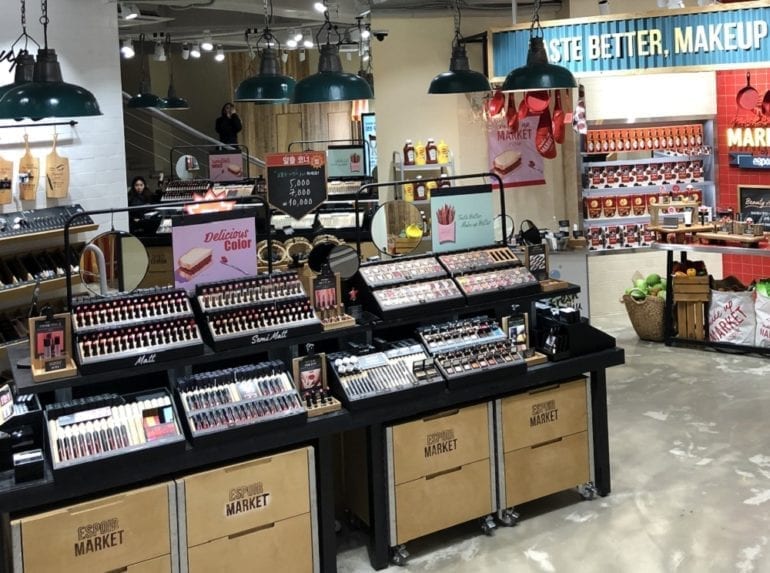
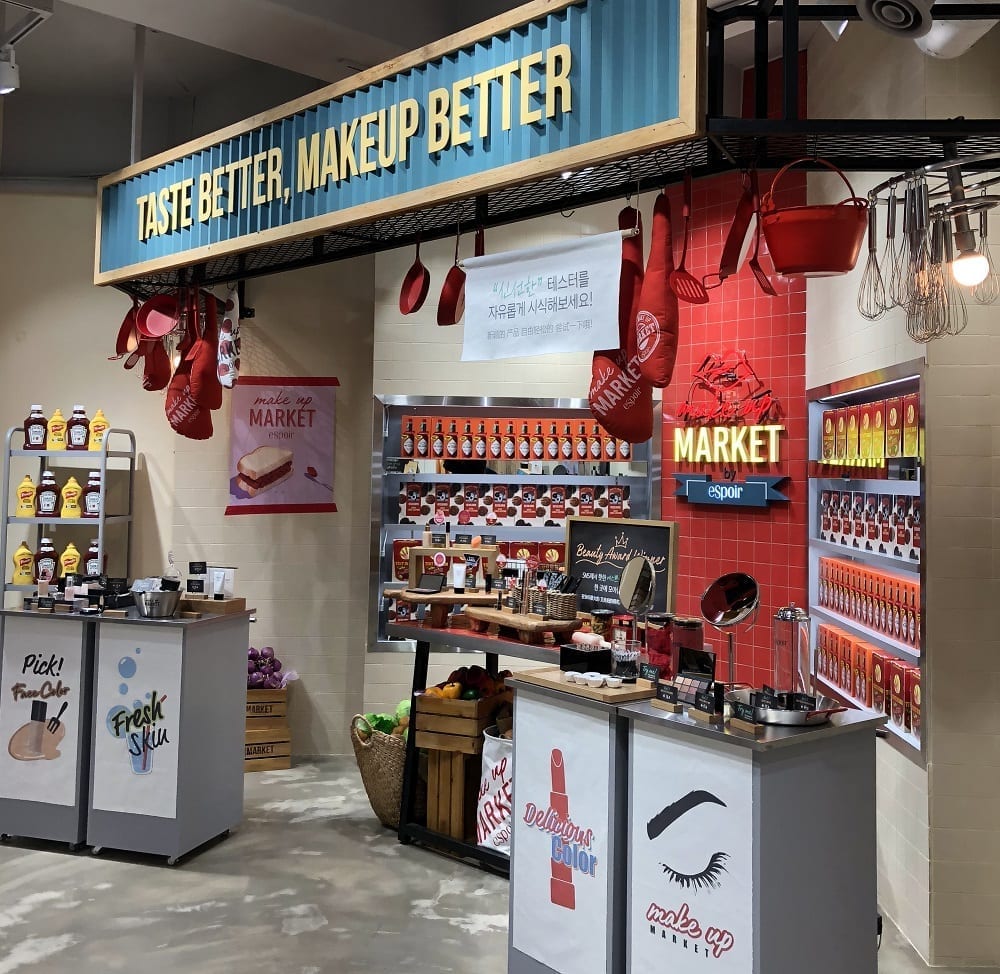
    Espoir opened new concept store with the theme ‘Market’ in order to provide a new brand experience in Shinsa-dong, Seoul.

    Inspired by the European market, the ‘MAKE-UP MARKET’ of Espoir brings a feeling of a colorful  interior to the actual food market.

    The make-up market store is the first self-picking concept store.

    Espoir has introduced a self-picking process that allows customers to test and buy their own products through a space configuration that considers the customer’s movement.

    Additionally, they provide free stamps, ribbons, etc. in the self-packing zone so that customers can freely wrap their own products when they have finished all their purchases.

    There is a tasting zone in the market  so that anyone who visits the store can test the best-selling products of Espoir. There is also a flea market zone on the first floor and the basement floor for best-selling items at special price.

    In this concept store, pre-sales promotions that were only offered online will be carried out in the off-line store alone so that customers can experience new more quickly than anyone else.

    There are also a variety of exclusive set items available only in ‘MAKE-UP MARKET’ store.  Customers will receive a ‘slim fit air puff’ or a special market sticker on a first-come, first-served basis for customers purchasing from a concept store during February 2018.

    “We hope that customers will be able to experience various aspects of our products through the new concept store of ‘MAKE-UP MARKET’ following the concept store of Hongdae ‘MAKE-UP PUB concept store’, and we will prepare a various event that will provide fun and new products for customers in the future,” company said.

  • J Lindeberg opens five-story flagship in Seoul’s Gangnam district

    J Lindeberg opens five-story flagship in Seoul’s Gangnam district

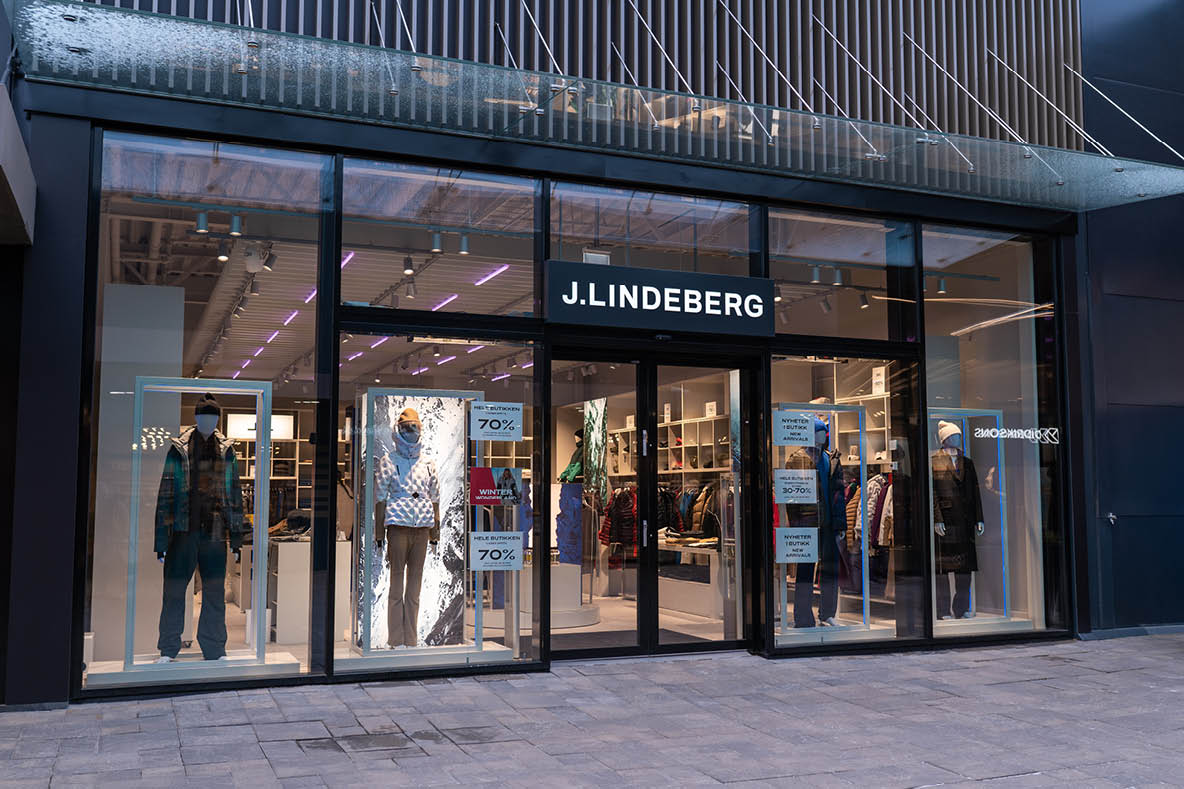
    In Seoul’s trendy Gangnam district, Swedish apparel label J Lindeberg has opened its largest store yet, a five-storey flagship.

    The concept store is inspired by the rhythm of golf and each floor showcases the company’s apparel as if navigating a golf course.

    The store was designed in collaboration with interior creatives, Showmakers, to celebrate movement, performance, and modern luxury through its furniture, themed zones and hangout spaces.

    The store offers different services on each floor,

  • Lazada Group and Seoul Business Agency sign strategic partnership

    Lazada Group and Seoul Business Agency sign strategic partnership

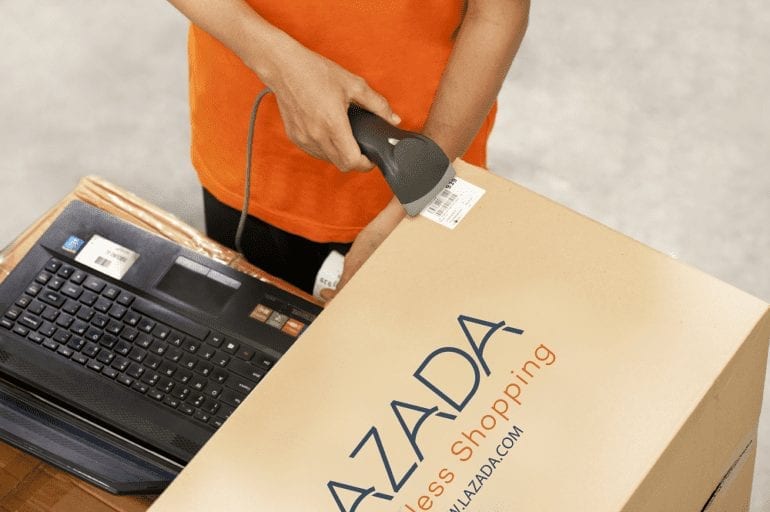
    Lazada Group and the Seoul Business Agency (SBA) have signed a Memorandum of Understanding to allow South Korean SMEs to expand into the Southeast Asia market.

    The SBA will take the lead in promoting Lazada as a prominent Southeast Asian e-commerce marketplace destination among SMEs in Seoul under the terms of this partnership. The collaboration will begin in Singapore, where the SBA and Lazada will collaborate to onboard and nurture chosen new cross-border sellers from Seoul onto the Lazada Singapore platform.

    “This collaboration not only strengthens our commitment to offering buyers an extensive variety of products but also reinforces our dedication to fostering cross-border shopping and welcoming brands and sellers from across the globe to our e-commerce ecosystem,” said Jason Chen, chief business officer, Lazada Group and CEO, Lazada Singapore

    “South Korean SMEs have much to offer, and together with Seoul Business Agency, we aim to unlock their potential in Southeast Asia.”

    This agreement intends to expand chances for South Korean businesses and empower them to grow the Southeast Asian digital commerce arena by utilising Lazada’s technology, resources, and solutions. This will also broaden the selection of items and brand alternatives available to Lazada customers.

    According to Bloomberg, e-commerce behemoth Alibaba Group Holding spent an additional US$845 million on its Southeast Asia affiliate Lazada in July, despite the region’s tough competition.

  • AirAsia X says it’s back in profit

    AirAsia X says it’s back in profit

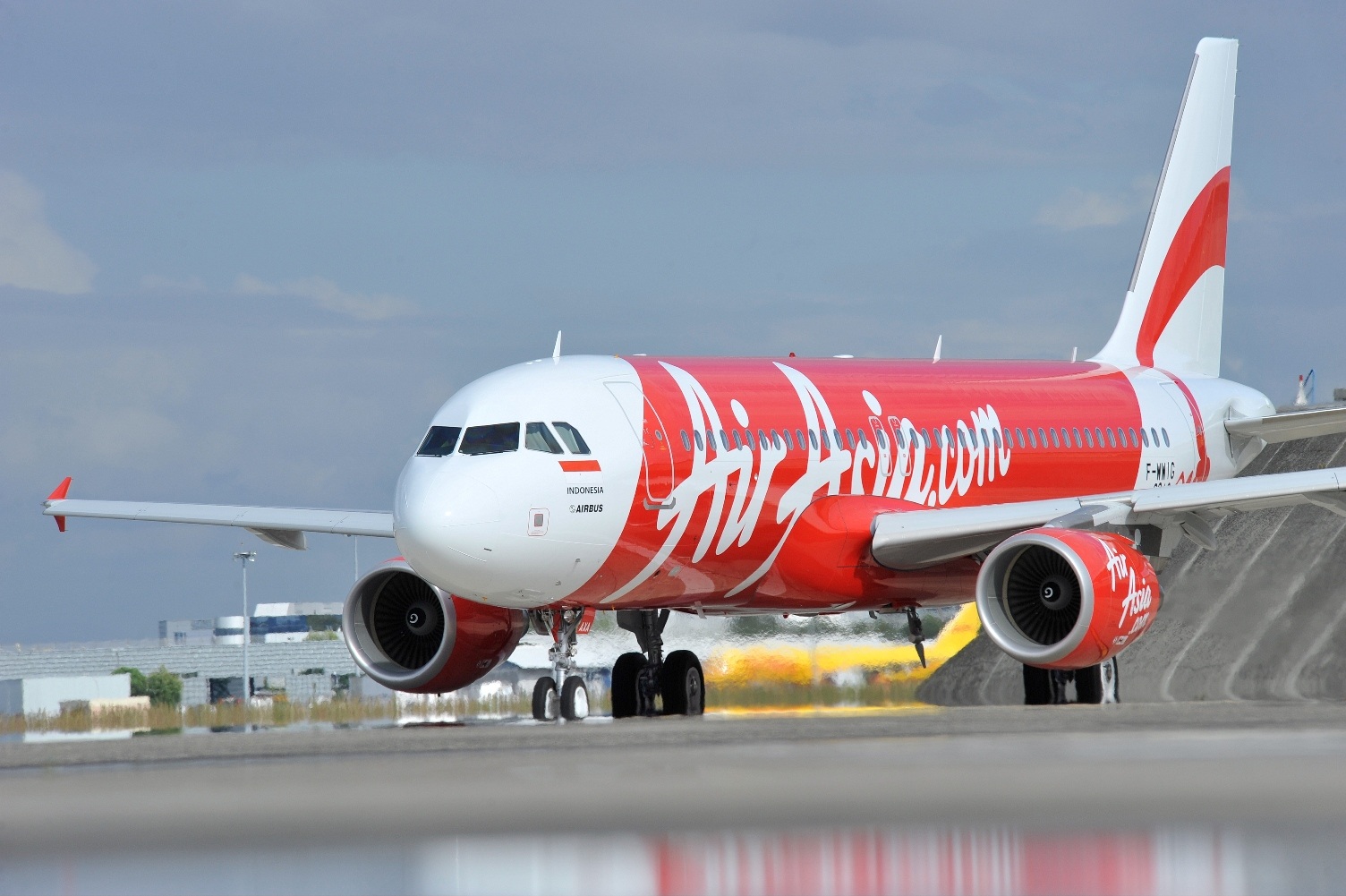
    AirAsia X (AAX) said it posted a quarterly net profit of RM25.1 million (US$5.6 million) compared to a net loss of RM652.5 million in the preceding quarter. Revenue was slightly lower at RM100.1 million as compared to RM107.2 million during the period ending 30 June 2022 (4Q22) on the back of a reduction in revenue from the freight services segment due to normalized scheduled flight operations.

    In other segments, recovery across all key metrics has significantly improved as scheduled passenger and charter flights as well as ancillary revenues, have demonstrated a strong recovery compared to the preceding quarter. For 5Q22, the Company posted earnings before interest, taxes, depreciation, and amortization (EBITDA) of RM25.4 million, while profit before tax for the period stood at RM23.8 million.

    Operationally, the Company reported Passenger Load Factor (PLF) was recorded at 73% during the quarter – less than ten percentage points short of its pre-COVID-19 PLF of 81% in 2019. The Company carried a total of 80,385 passengers during the period under review, compared to 8,892 passengers from April – June 2022. Seat capacity grew to 110,615 during the quarter from 27,521 in the preceding quarter as additional markets and frequencies were introduced in 5Q22.

    During the period under review, the total number of sectors flown increased to 291 sectors from 226 sectors in 4Q22. Following its return to scheduled services in April 2022, the Company has made notable progress in its network recovery – adding Sydney and two new dense-short-haul routes to Kota Kinabalu and Kuching to its network in September 2022. AAX also introduced increased frequency to existing markets in Seoul and Delhi to cater to strong pent-up demand.

    In terms of balance sheet and cash flow, the Company charted a cash balance of RM79.5 million for the period ending 30 September 2022 – an increase of beyond 100% as compared to RM25.1 million in the preceding quarter. This was achieved predominantly on the back of a V-shaped air travel revival supporting the resumption of scheduled passenger flights to many of its most popular and profitable destinations, along with charter and cargo flights.

    AirAsia X Malaysia CEO Benyamin Ismail said: “AAX is now well on track in its recovery path even as the airline is compelled to operate in a challenging operational environment dictated by high fuel prices and a weakened Malaysian Ringgit against the US Dollar. While we are cautious of the strenuous operating conditions, we remain confident that the recovery of the Company is on the horizon, if not already within our reach. In the previous quarter we resumed our scheduled passenger flights to Seoul and Delhi, and are pleased to report that we have also resumed our services to Sydney and introduced additional frequencies to Seoul and Delhi in 5Q22.

    Due to high demand, AAX had also commenced operations to dense, short-haul routes during the quarter where demand has exceeded currently available aircraft capacity; namely Kota Kinabalu and Kuching. At the beginning of 5Q22, AAX was charting three flights per week and this surged to 23 flights per week by the end of the period under review.”

  • AirAsia X adds three new routes

    AirAsia X adds three new routes

    AirAsia X confirms its latest services to Melbourne (Tullamarine), and Perth in Australia and Auckland in New Zealand will launch on 1 November 2022.

    The three new services boost the airline’s routes to 13. It is already serving  Sydney, New Delhi, Seoul, Tokyo, Sapporo, Osaka and Honolulu, as well as London, Dubai and Istanbul.

    AAX will recommence its services to Melbourne (Tullamarine), Perth and Auckland (via Sydney) with three weekly flights starting in November and gradually increasing to daily flights by the first quarter of 2023.

    On the AirAsia Super App and website, the starting fare to Perth is MYR 499, to Melbourne  MYR699 and Auckland MYR999 (inclusive one-way economy). Premium Flatbed fares start from MYR1,999 to Perth, MYR2,999 to Melbourne and MYR5,999 to Auckland.

    Guests flying to Kuala Lumpur can also enjoy all-in value fares one way from AUD209 from Perth, AUD359 from Melbourne, and NZD499 from Auckland in economy class.

    AAX also flies from Kuala Lumpur to Sydney with all-in fares from MYR899 (economy) and MYR2,799 (Premium Flatbed) one-way.

  • 7-Eleven introduces autonomous delivery robot in Seoul

    7-Eleven introduces autonomous delivery robot in Seoul

    Korea Seven, which operates 7-Eleven stores in South Korea, has partnered with Neubility, a South Korean autonomous robot startup, to commercialize autonomous robots for short-range delivery.

    Most large convenience store chains in South Korea offer delivery to customers via third-party food delivery apps. For example, the popular Yogiyo food delivery app delivers groceries and other products from CU and GS25 chains. Typically, third-party delivery services receive about $3.51 per delivery.

    The domestic food-delivery services market hit $19.8 billion last year, according to the South Korean Fair Trade Commission.

    Korea Seven’s agreement with Neubility calls for it to commercialize the autonomous robot Neubie in Seoul and surrounding areas by the end of this year. Neubie robots can navigate deliveries in urban areas in any weather conditions.

    However, it can be difficult for these robots to operate in the Gangnam district because the numerous skyscrapers could block the satellite signals needed for the robot’s GPS system. To overcome this, Neubie robots have cameras and sensors in addition to GPS, so they are more adaptable for those areas.

    “The two companies will cooperate to build a model for [a] next-generation delivery service that brings convenience to store management as well as increased profits,” said Choi Kyung-ho, CEO of 7-Eleven in South Korea.

    Elsewhere in Asia, 7-Eleven Japan this week announced plans to launch national delivery services by 2026. The country’s top c-store chain will mobilize its national network for last-mile delivery to take on Amazon.

  • Nike launching sustainable concept store in Seoul

    Nike launching sustainable concept store in Seoul

    After launching the Rise concept store last year to Guangzhou, China, sportswear giant Nike has unveiled a new version of the concept which will launch in Seoul, South Korea.

    The store will feature a new digital platform, Sports Pulse, which will seek to bridge the gap between physical and online retail and create an “immersive retail experience”, as well as an interactive RFID-enabled footwear table, Inside Track, where shoppers can compare product details by simply placing products on the table.

    Three new ‘experience zones’ will also be debuted in the Seoul store: The Sports Hub, which will help shoppers connect with sporting opportunities in the city; The City Replay, a space to showcase hyperlocal products; and The Huddle, a place for a group or one-on-one expert sessions tailored to their fitness goals.

    And, according to Nike, it does so while also boosting the business’ sustainability and circularity.

    “In addition to being among the first Nike stores to secure a LEED Gold certification, Nike Seoul is also the first in Asia to launch … Nike’s fully integrated service for recycling and donating gently worn footwear and apparel,” the business said in a statement.

    “Shoppers can drop off gently-worn shoes – and now, for the first time, apparel – to the Seoul store, where the products will either be recycled or donated to partnering organizations that help communities facing disasters and other challenging circumstances.”

  • Aromatica converts Korean store into zero-waste space

    Aromatica converts Korean store into zero-waste space

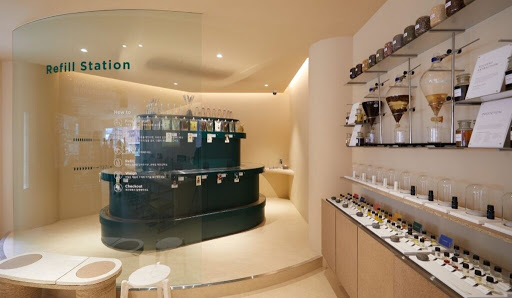
    South Korean sustainable beauty brand Aromatica has introduced its zero-waste beauty refill space, Aromatica Zero Station, in Seoul.

    Aromatica said the space is a combination of retail, refill station, aromatherapy, recycling, and upcycling centre – and features a tea house.

    Aromatica Zero Station features 18 products, including rosemary shampoo, aloe vera gel, conditioner, body oil, and toner. All products are organic, vegan, and directly produced at Aromatica’s eco-friendly smart factory in Osan, Gyeonggi-do. Consumers can buy their post-consumer recycled plastic or glass bottle at the store or bring their own.

    Aromatica Zero Station has an ‘Aromatherapy Zone’ where customers can try a range of natural and organic raw materials and essential oils used in its products. It also displays the traditional method of extracting oils from each raw material – leaves, stems, trees, and roots.

    The tea house offers 11 tea drinks, including Rosemary Mint Green Tea, Jasmine White Tea, Milky Oolong Tea, and Hibiscus Kombucha. Take-out beverages are only available in tumblers – there are no single-use plastics.

    Meanwhile, the recycling space helps visitors learn to separate, recycle and dispose of their empty containers properly according to the material.

    Aromatica is not the first beauty brand to roll out the beauty refill station concept in South Korea. Last October, Amorepacific launched its first refill station in a key area in ‘Amore Store Gwanggyo’, selling the shampoo and body wash by volume.

  • Gentle Monster opens another flagship store

    Gentle Monster opens another flagship store

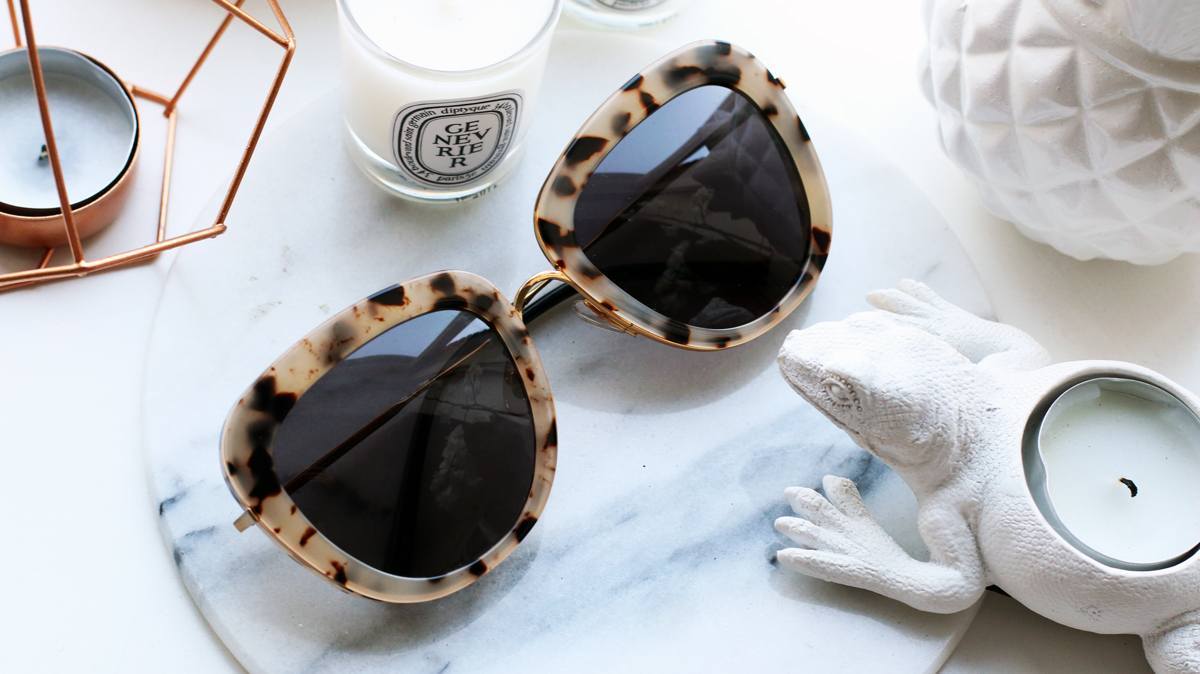
    South Korean luxury eyewear brand Gentle Monster has unveiled its latest themed store in Starfield Hanam, Seoul.

    Dubbed ‘Self Similarity’, the theme reinterprets the mathematical concept through visual and spatial elements. The Starfield Hanam storehouses various artwork, images, and installations representing “the infinite possibility of ‘expansion’” through repeating geometric structures, such as fractals, Mandelbrot sets, and Julia sets.

    The newly opened flagship features The Probe, the brand’s six-legged walking robot which can also be seen in the Haus Dosan outlet.

    “The kinetic installations located at the facade, repeatedly expanding and contracting, and artwork that expresses infinite proliferation show Gentle Monster’s unique and artistic perspective on the concept of self-similarity,” the company described.

    Meanwhile, Gentle Monster chose Starfield Hanam to land Nudake’s second store in South Korea, offering a range of artistic desserts.

  • Arket opens doors in Korea

    Arket opens doors in Korea

    H&M’s ‘Nordic lifestyle brand’ Arket has opened its first brick-and-mortar store in Seoul, South Korea.

    Located at Yeouido’s department store The Hyundai Seoul, the Arket South Korea store spans 8000sqft and features the brand’s collections of New Nordic design for men, women and children. The flagship store also houses an Arket cafe, offering vegetarian dishes, drinks, pastries and snacks.

    “Opening the new store in Seoul is an incredibly exciting step for us, as it is our first physical location outside of Europe,” said Pernilla Wohlfahrt, MD at Arket.

    The launch in South Korea is part of its strategy to expand its presence in Asia. Last month, the retailer announced that it will open its first brick-and-mortar store in China, at Beijing.

    Launched in 2017, the brand now operates more than 20 stores across major European cities, including Copenhagen, Amsterdam, London and Berlin.