Category: Logistics

Retail News Asia is committed to providing both local and global retailers with the latest Logistics news throughout the Asian market. This on a daily base.

  • Petrobangla Halves Net Worth Requirement to $50 Million for Spot LNG Suppliers

    Petrobangla Halves Net Worth Requirement to $50 Million for Spot LNG Suppliers

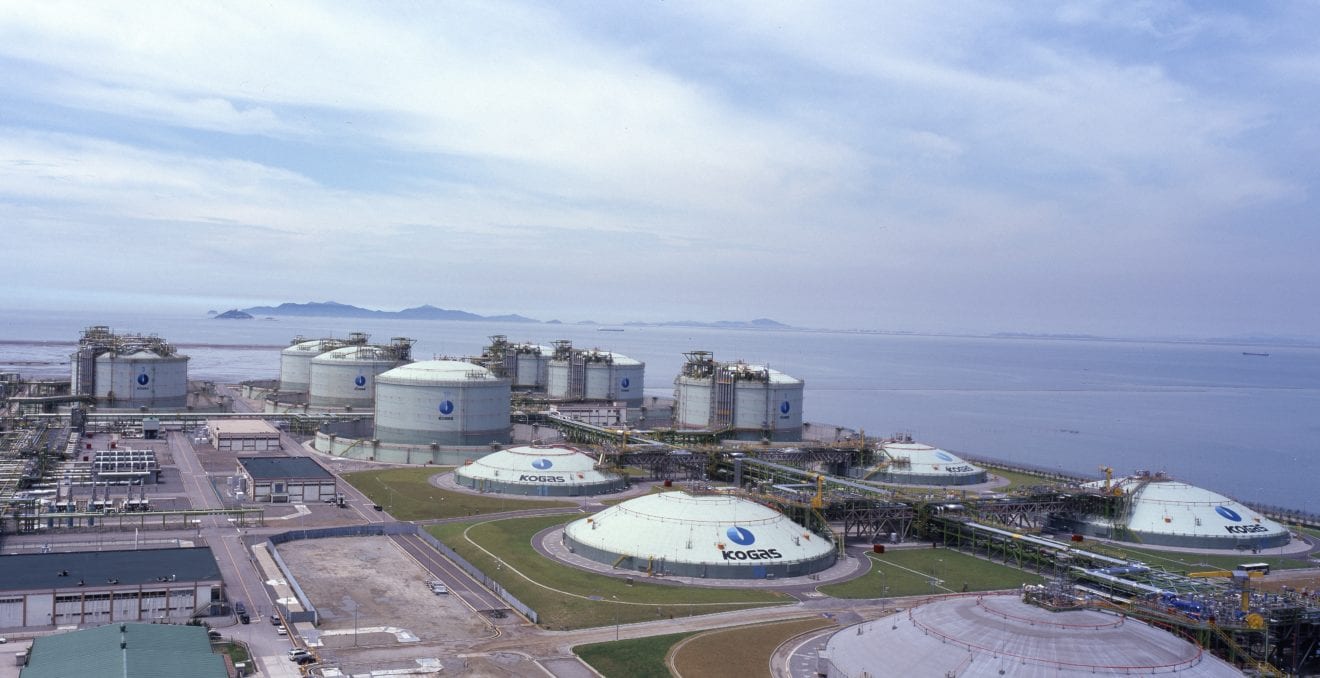
    Petrobangla has slashed its financial and experience thresholds for spot liquefied natural gas suppliers, halving the required net worth to $50 million to ease severe national fuel shortages.

    The state-run energy company now demands just one completed supply contract with no minimum cargo volume, dropping a previous rule requiring 0.5 million tonnes delivered across two separate years.

    Lower barriers for commodity traders

    Under the revised criteria issued on August 29, Petrobangla eliminated requirements for suppliers to own or charter an LNG vessel, prove experience with floating storage and regasification units, or guarantee lean gas containing at least 91 percent methane. Applicants no longer need to verify an absence of failed cargo deliveries over the past five years or limit their arbitration losses to three awards. For joint ventures, the lead partner must cover 75 percent of the $50 million financial capacity, while partners supply the remaining 25 percent.

    “We are looking for more participants in the spot market,” Petrobangla Director for operations and mines Md Shoyeb said.

    Pressure on industrial output

    For industrial manufacturers and export supply chains across South Asia, reliable gas flow dictates factory uptime and power tariffs. Bangladesh faced severe disruption in August when average gas deliveries dropped to 2,235 million cubic feet per day against official demand of 3,860 million cubic feet per day, the lowest August supply figure in a decade. Terminal outages and global supply bottlenecks forced emergency spot purchases at more than $28 per million British thermal units, up sharply from historical norms of $10 to $12 per MMBtu.

    Lowering entry barriers allows smaller trading houses without dedicated fleets to bid against established multinational commodity merchants. The tradeoff sits squarely in operational risk: by waiving past delivery guarantees and vessel charter proofs, Petrobangla accepts higher exposure to cargo defaults and scheduling failures when spot vessel availability tightens.

    Procurement shift since 2024

    The revised criteria follow a governance overhaul that suspended the Quick Enhancement of Electricity and Energy Supply Act, which previously allowed direct, non-tender contracts. The interim administration shifted spot purchases under the Public Procurement Rules 2025, expanding the active spot tender roster to 30 companies from an earlier pool where purchases were concentrated among five suppliers.

    Applications for the new supplier pool close on September 15.
  • Former Bamboo Airways Chairman Barred from Leaving Vietnam over $1.7M Tax Debt

    Former Bamboo Airways Chairman Barred from Leaving Vietnam over $1.7M Tax Debt

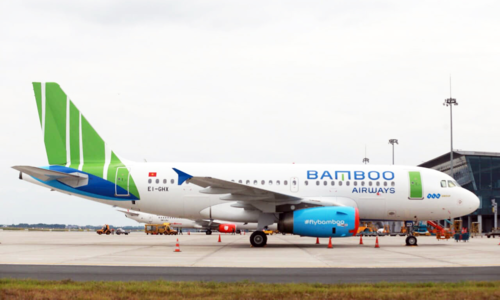
    Vietnamese immigration authorities have barred former Bamboo Airways chairman Le Thai Sam from leaving the country over VND44.06 billion ($1.7 million) in unpaid corporate taxes.

    The restriction follows a formal request submitted on Sept. 3 by the tax department in Gia Lai province, where the airline accumulated the arrears. Officials confirmed the travel ban applies to Sam directly as the carrier’s beneficial owner.

    Under Vietnamese regulations, authorities define a beneficial owner as an individual who directly or indirectly controls at least 25 per cent of a company’s voting shares or charter capital. Provincial tax officers stated that the exit ban will remain in effect until Bamboo Airways settles the entire outstanding balance through the National Public Service Portal.

    Leadership Shifts and Ownership Transfers

    Sam joined the private carrier in 2022 and built up a controlling stake to become its largest individual shareholder. He took over as chairman from July 2023 to February 2024 before shifting to the role of standing vice chairman.

    A brief return to the chairmanship in August 2025 ended after about a month, when his investor consortium transferred the carrier back to property developer FLC Group. Sam stated at the time that the managerial and capital demands of running the airline had outstripped his group’s financial capacity, though he pledged to remain accountable for operations during the restructuring phase.

    Sam vacated the chairman role in mid-November 2025 while retaining his seat on the board of directors. He also remains general director and legal representative of Viet Bamboo Airways Cargo JSC and several related entities.

    Turbulence in Private Aviation

    Aviation operators across Southeast Asia continue to grapple with heavy debt loads and fleet restructuring following years of market volatility. Vietnamese tax regulators have increasingly turned to personal travel bans against corporate representatives to force prompt settlements on unpaid fiscal liabilities.

    FLC Group is working to stabilise Bamboo Airways’ domestic flight schedules as the carrier resolves legacy tax debts with provincial authorities.

  • South Korea Exports Hit Record 709.4 Billion Dollars Year to Date

    South Korea Exports Hit Record 709.4 Billion Dollars Year to Date

    South Korea’s exports reached 709.4 billion dollars year to date, breaking the nation’s previous full-year record months ahead of schedule. Outbound trade surpassed the total volume recorded across the whole of the prior year, according to data released by the customs office in Seoul on Saturday, September 5.

    Record Outbound Shipments

    Customs authorities confirmed the milestone as cross-border shipments cleared major domestic terminals, including Pyeongtaek port. The rapid accumulation of trade value puts outbound volume well ahead of typical seasonal delivery cycles.

    Strong shipment volumes from South Korea offer clear insight into regional manufacturing activity and commercial freight movement. As a key supplier of finished goods and critical components to global retailers and technology companies, the country’s export pace reflects sustained international purchasing appetite.

    Trade Trajectory

    Export momentum heading into the fourth quarter establishes an unprecedented baseline for the economy’s external trade balance. Market analysts and logistics planners are tracking upcoming monthly customs reports to see whether shipment velocity holds steady through the close of December.

  • Ares Closes $4 Billion Japan Logistics Fund Backed by CPPIB

    Ares Closes $4 Billion Japan Logistics Fund Backed by CPPIB

    Ares Management closed its fifth Japan logistics development fund at JPY 612 billion ($4 billion). The raise hit its hard cap, led by Canada Pension Plan Investment Board.

    Known as Japan Logistics Development Partners V, the vehicle is the largest closed-end institutional fund raised by the Los Angeles firm’s real estate arm. It grew nearly 50 percent beyond its JPY 412 billion predecessor from 2021.

    CPPIB committed JPY 150 billion as cornerstone backer, taking a 24.5 percent stake. Other capital came from sovereign wealth funds, insurers and pension systems across North America, Asia-Pacific, Europe and the Middle East.

    Expanding the Marq Logistics Footprint

    This close follows the integration of GLP’s international fund management business, which Ares bought for $3.7 billion through GCP International in March 2025. That deal handed Ares the Japan logistics series along with digital infrastructure assets under Ada Infrastructure.

    Marq Logistics will build and manage facilities under the fund. Ares created the platform to oversee its industrial assets. As of June, Marq operated 120 million square feet of warehouse space across Japan and 655 million square feet globally.

    Pipeline Across Core Metro Hubs

    Institutional capital continues to target Japanese logistics space because corporate supply chains face structural warehouse shortages along major metropolitan transport corridors. CPPIB has backed every JDP vintage since 2011. That track record makes it one of the longest institutional partnerships in Asia-Pacific industrial real estate.

    Total investment capacity for the vehicle reaches JPY 1.7 trillion ($11 billion), focused on Greater Tokyo, Greater Osaka and Nagoya. Ares has committed JPY 450 billion, or about 26 percent of that capacity, to initial projects ahead of site acquisitions in the coming quarters.

  • Country Road Group Returns to Profit on Disciplined Inventory Management

    Country Road Group Returns to Profit on Disciplined Inventory Management

    Country Road Group posted an operating profit of $2.3 million for the year ended June 28, rebounding from a loss in the prior year. Earnings before interest and tax climbed 113 per cent as the Australian apparel group trimmed inventory by 14 per cent and curbed promotional discounting.

    Total sales edged up 1 per cent across the portfolio, while comparable sales rose 1.5 per cent. Gross profit increased 3 per cent over the twelve-month period.

    Brand splits and inventory cuts

    Repositioning efforts drove the bulk of the gains across the group’s standalone menswear and womenswear banners. Witchery recorded comparable sales growth of 9.5 per cent, and Politix delivered a 10.2 per cent increase in comparable sales.

    Stock levels dropped 14 per cent as management focused on inventory turnover rather than clearance sales to support margins. Chief executive Steven Cook said the retailer focused on tighter cost control and establishing clearer product positioning across individual labels to support sustainable expansion.

    Fashion groups across the region have spent the past year paring back stock purchases to protect margins against sluggish discretionary spending, swapping aggressive discounting cycles for smaller, targeted product drops.

    Leadership shifts into FY27

    Flagship brand Country Road recorded sales improvements in the second half of the financial year following management adjustments. Trenery tightened its product assortments, while accessories brand Mimco began initial restructuring for its next operational phase.

    The group enters the 2027 financial year tracking whether the reconstituted leadership team at the Country Road banner can sustain full-price sales momentum in a cautious retail market.

  • Asia Air Cargo Rates Diverge as Transpacific Prices Surge 30 Percent

    Asia Air Cargo Rates Diverge as Transpacific Prices Surge 30 Percent

    Air cargo rates from China to the United States climbed 30 per cent year-on-year ahead of the peak shipping rush, driven by steady semiconductor and e-commerce shipments.

    By contrast, rates on the China-to-Europe corridor rose 12 per cent over the same period, slowed by the European Union ending its de minimis tax exemption on July 1.

    The price split reflects an uneven recovery across Asian export corridors. While air space out of Taiwan remains tight on artificial intelligence hardware, and outbound demand from South Korea, Malaysia and Singapore holds firm, outbound volumes from mainland China and Hong Kong have cooled. Pricing data from the TAC Index shows transpacific air freight maintaining a sharp premium, supported by technology shipments alongside higher jet fuel expenses caused by Persian Gulf shipping disruptions.

    Ground Bottlenecks and Route Shifts

    Airlines and forwarders face wide gaps in aircraft fill rates across the region. Dedicated freighter aircraft operate at roughly 65 per cent average load factors, compared with only 36 per cent for passenger aircraft belly hold space, according to IATA figures cited in the Journal of the Air Transport Research Society.

    Freight forwarder Dimerco Express Group noted that cross-border shippers altered transport modes to bypass tight air lanes, diverting freight between China, Vietnam and Thailand onto road networks and utilizing rail corridors into Europe. Early tariff front-loading by retail importers also pulled seasonal volumes forward into earlier quarters.

    Capacity limits on the ground often matter more than available aircraft. At regional transshipment hubs such as the Maldives’ Velana International Airport, which handled nearly 89,000 tonnes of cargo in 2025, warehouse throughput and labor deployment govern holiday processing speeds rather than runway slots.

    Shifting Asian Supply Chain Flows

    For consumer brands and electronics manufacturers across Asia, these fragmented lane dynamics mean freight procurement can no longer rely on broad regional averages. Shippers managing supply chains out of Taipei or Penang face sustained space premiums that do not match the softer spot rates available out of southern Chinese export hubs.

    Carriers are adjusting winter flight schedules to manage the uneven demand. Velana International Airport expects flight movements to rise 12 per cent during the 2026/27 winter schedule, supported by new scheduled freighter operations including Raya Airways’ weekly service from Penang.

  • Airbus Expands Indian Supply Chain with New A320 Work for Mahindra

    Airbus Expands Indian Supply Chain with New A320 Work for Mahindra

    Airbus expanded its manufacturing supply chain in India by awarding new A320 aircraft component work to Mahindra.

    The contract deepens the industrial partnership between the European aerospace manufacturer and the Indian conglomerate, adding production volume for the primary commercial passenger aircraft programme in the Airbus fleet.

    Expanded Aerostructures Work

    Under the agreement, Mahindra manufactures structural parts and assemblies for the Airbus A320 single-aisle programme. The components feed directly into the final assembly lines that Airbus operates across its global network.

    Local operations handle precision machining, sheet metal fabrication, and sub-assemblies. The expanded work strengthens domestic aerospace manufacturing capabilities across industrial facilities in India.

    Deepening Sourcing in India

    Airbus has broadened its supplier base across South Asia to support international delivery rates. Major commercial aircraft manufacturers continue to scale procurement contracts with Indian engineering and manufacturing firms to secure critical assembly inputs.

    Production under the expanded work package feeds into the global assembly schedule as Airbus works toward higher monthly output rates across its single-aisle line.

  • Sea Limited Posts $14.9 Billion First-Half Revenue as Logistics Spending Expands

    Sea Limited Posts $14.9 Billion First-Half Revenue as Logistics Spending Expands

    Singapore-based Sea Limited generated $14.9 billion in revenue during the first half of 2026, up 47 percent from a year earlier as Shopee expanded regional fulfillment networks.

    Net income rose 9 percent to $896 million over the six-month period, slowed by higher credit loss provisions at financial services arm Monee and heavy capital spending on domestic shipping capacity.

    Logistics and Fintech Reshape Core Operations

    Shopee solidified its lead across Southeast Asian markets by pouring capital into dedicated logistics networks, countering delivery bottlenecks that earlier pressured merchant margins. The group also preserved its overseas footprint in Brazil after retreating from short-lived retail expansions across other overseas territories.

    Financial unit Monee expanded consumer credit to bring unbanked shoppers onto Shopee’s marketplace. Higher lending volumes brought higher delinquency reserves, tracking the rising credit costs across Southeast Asian digital banking books.

    Earnings Split and Margin Pressures

    Gaming division Garena, developer of mobile title Free Fire, provided cash flow but continued to operate with few operational ties to the group’s retail and payment wings. Sea holds a market capitalization of $68 billion, trading at 44 times earnings with a gross margin of 44.34 percent.

    By comparison, Latin American peer MercadoLibre posted $19 billion in first-half revenue, though its net income slid 13 percent to $883 million under identical pressures from bad debt provisions and retail competition. Both operators demonstrate that defending marketplace supremacy in developing economies requires running integrated logistics and consumer credit arms directly on the corporate balance sheet.

    Investors are monitoring whether provisions inside the Monee lending portfolio stabilize ahead of the third-quarter financial filing.

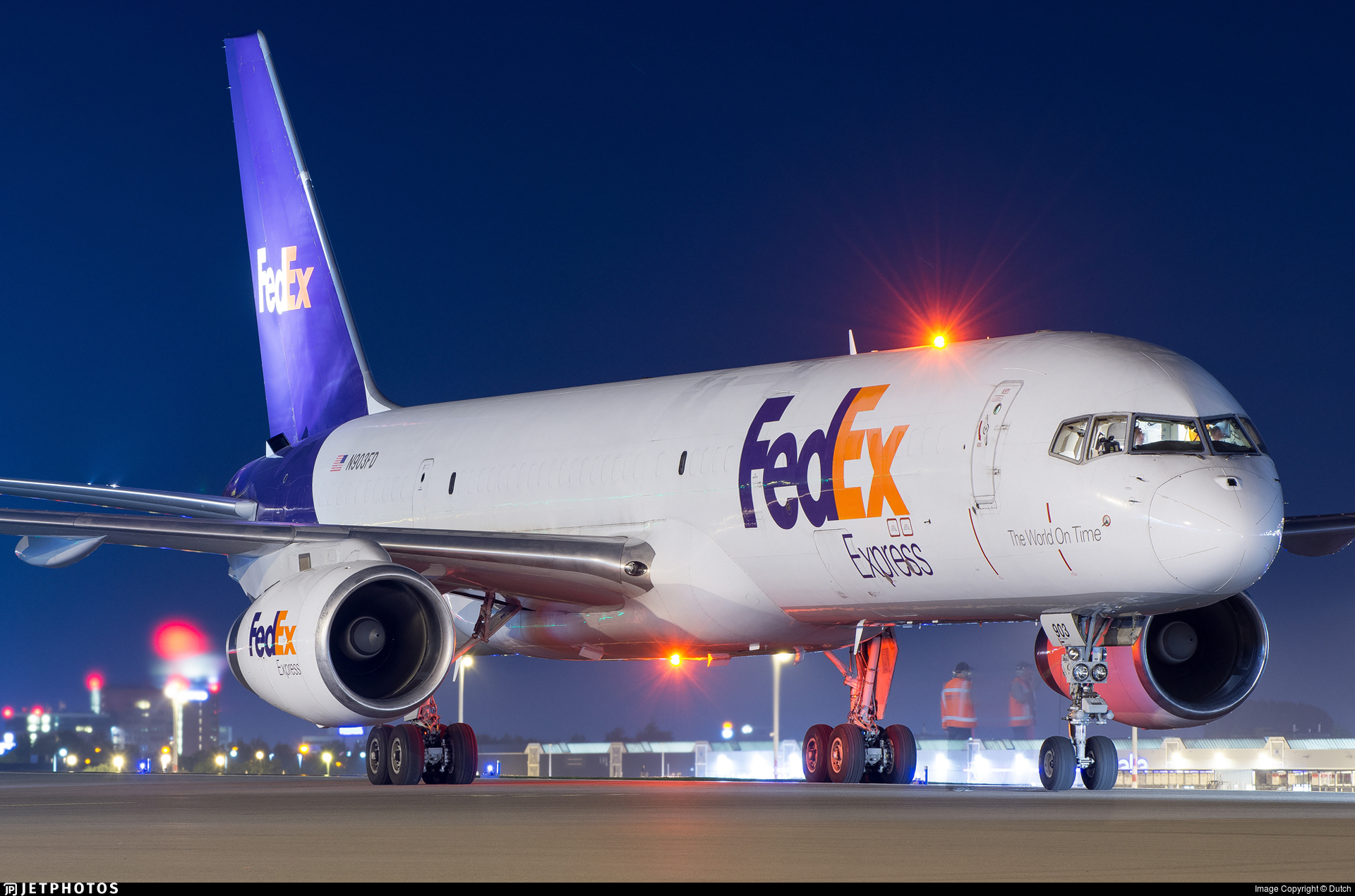
  • FedEx Commits $150 Million to Build Automated Air Cargo Hub at Delhi Airport

    FedEx Commits $150 Million to Build Automated Air Cargo Hub at Delhi Airport

    FedEx will spend $150 million to build and equip a dedicated air freight terminal at Delhi international airport, expanding its international cargo processing capacity across northern India. The planned 230,000-square-foot facility will lift the carrier’s sorting rate at the airport from 600 packages an hour to 5,000.

    The investment will consolidate FedEx’s scattered pickup and delivery operations around the airport into a single base. It includes high-speed automated conveyor lines and computer vision scanners powered by artificial intelligence to route international parcels through customs and sorting lanes.

    Consolidation at GMR Cargo Campus

    Airport operator GMR Airports Ltd is developing the broader cargo zone to house airlines, freight forwarders, and logistics providers. Phase 1 will cover roughly one million square feet, with construction starting shortly. A planned second phase could add between 500,000 and one million square feet of space.

    FedEx is leasing the warehouse structure from GMR and financing all internal sorting systems, scanning hardware, and IT infrastructure. The site design allows for modular physical expansion as freight volumes increase.

    “India is a critical market in our global network, with North and East India playing an important role in the country’s growing trade and economic opportunity,” said Kami Viswanathan, president of FedEx Middle East, Indian Subcontinent and Africa. Viswanathan noted that the expanded presence aims to give regional exporters faster links to overseas buyers as annual Indian merchandise trade exceeds $1.2 trillion.

    Expanding the Indian Triangle

    The Delhi project is the third major air cargo site FedEx has funded in India over the past nine months. In February, the Memphis-based logistics group committed $250 million for an on-airport freight facility at Navi Mumbai International Airport, an Adani Group project targeting 500,000 metric tons of cargo capacity in its initial phase. FedEx will run that site alongside its existing operations at Mumbai’s legacy airport.

    Before that, in December, the company opened a 60,000-square-foot hub at Kempegowda International Airport in Bengaluru, processing up to 4,000 packages an hour across pharmaceutical, industrial, and technology export lines.

    Connecting Delhi, Mumbai, and Bengaluru gives FedEx dedicated airport-side sorting hubs across India’s three largest manufacturing and technology corridors. Construction on the Delhi cargo park begins in the coming weeks, with GMR preparing the phase one site for tenant fit-outs.

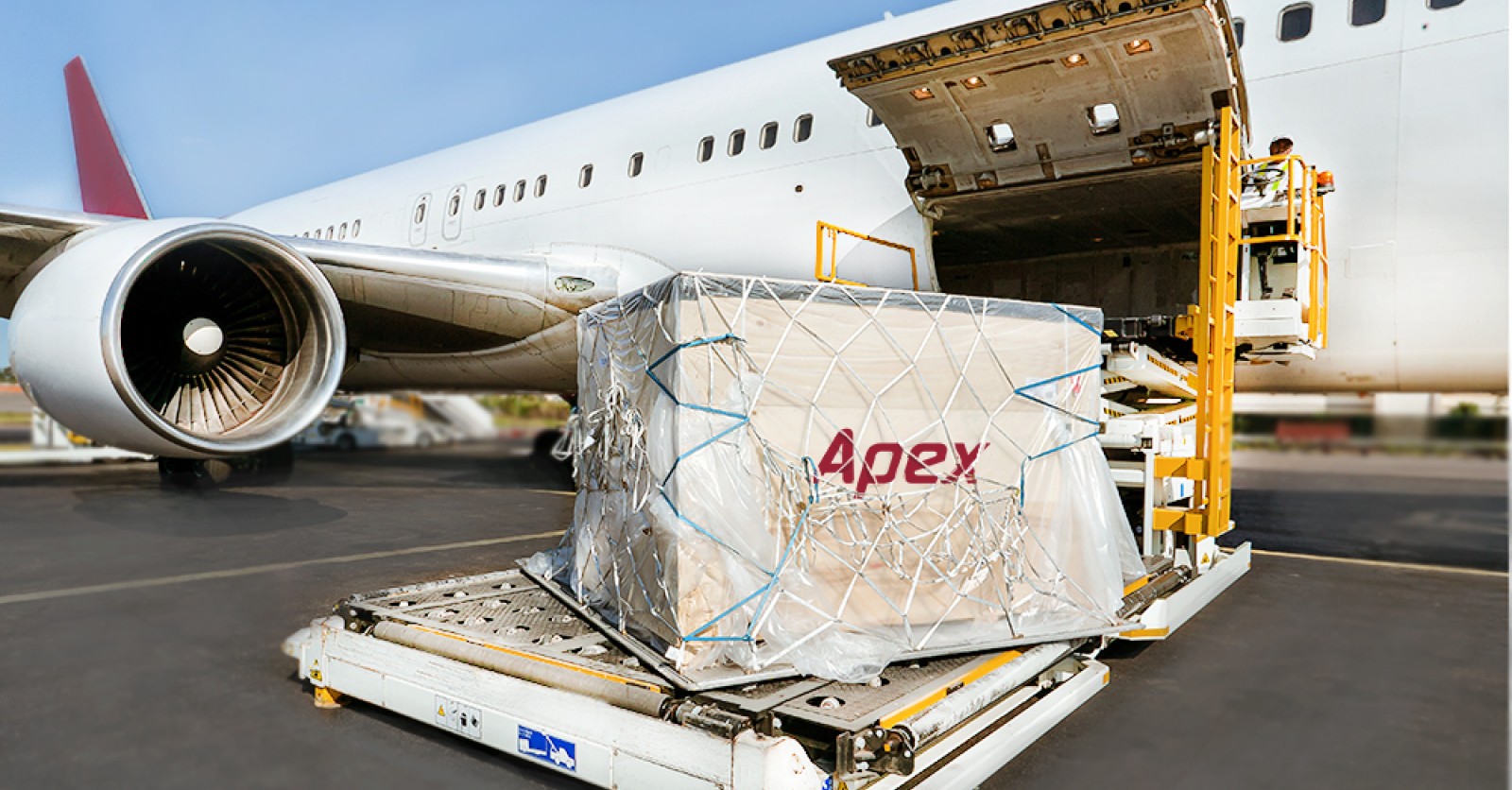
  • Apex Logistics Faces US Probe over Alleged Nvidia Chip Transshipment to China

    Apex Logistics Faces US Probe over Alleged Nvidia Chip Transshipment to China

    US authorities are investigating Singapore-headquartered Apex Logistics over the suspected diversion of Nvidia-powered artificial intelligence servers to mainland China through Southeast Asian transshipment hubs. The inquiry focuses on cargo handled in 2024 and could mark the first US enforcement action against a commercial freight company for illicit semiconductor trade.

    Swiss logistics group Kuehne+Nagel, which bought a majority stake in Apex in May 2021 and acquired the remaining shares in October 2025, confirmed the subsidiary is assisting the investigation. Kuehne+Nagel stated it has not been contacted directly by US investigators, describing the probe as an isolated issue concerning specific past shipments.

    How the Taiwan to Hong Kong routing worked

    Investigators are examining a supply line that moved Nvidia-powered server hardware from Taiwan to the United States, dispatched it to a destination in Southeast Asia, and then forwarded it to Hong Kong. From Hong Kong, ground carriers transported the hardware across the border into mainland China. The US inquiry centers on the leg between American ports and Southeast Asian distribution points.

    Apex acknowledged US scrutiny regarding a limited batch of cargo moved during 2024 that reached prohibited destinations. The company stated it is cooperating with investigators and maintains compliance protocols across its network. Apex was founded in Shanghai in 2001 and registered its corporate entity in Singapore in February 2016.

    The servers under review were assembled by California-based Super Micro Computer. Super Micro maintains no direct contract with Apex, as the freight forwarder was hired directly by third-party buyers purchasing the hardware.

    Scrutiny on Southeast Asian hubs

    Washington has restricted direct sales of advanced AI processors to China since 2022, expanding those curbs to include custom chips such as the H20 over national security and military computing concerns. As export controls tightened, enforcement agencies increased audits on cross-border logistics firms that handle transshipment routes across Asia.

    Freight forwarders across Singapore and Malaysia face heightened compliance checks from Western trade officials seeking to close multi-leg shipping channels. Singapore Prime Minister Lawrence Wong stated on August 23 that the country will not permit illicit trade through its facilities, while noting ports cannot audit the full manufacturing chain of every container in transit. The US Commerce Department is reviewing freight documentation from the 2024 shipments to determine if formal export violation penalties apply.

  • Shippit Targets Grocery Fleets with NowGo Dispatch Software

    Shippit Targets Grocery Fleets with NowGo Dispatch Software

    Shippit rolled out its NowGo fleet software to fast-moving consumer goods suppliers in Australia, aiming to automate dynamic re-routing across supermarket delivery networks. The Sydney-based logistics provider claims the system lifted vehicle utilisation by 15 per cent and expanded completed drops by 12 per cent.

    Built on historical Australian and New Zealand transport data, the platform manages temperature-controlled loads, fixed dock booking windows, and delivery-in-full, on-time performance targets. The software combines owned vehicle fleets and third-party transport operators into a single dispatch dashboard. Dispatchers reassign delivery stops and adjust routes instantly when vehicles break down or store receiving slots shift, replacing manual spreadsheet adjustments.

    Dynamic Dispatch and FMCG Time Slots

    Supermarket supply chains across Australia enforce strict delivery windows and immediate penalties for missed dock bookings. When a chilled vehicle fails or a store moves a delivery window forward, manual rescheduling across legacy software often forces suppliers to dispatch costly emergency backup vehicles.

    NowGo allows operators to adjust live runs without pulling drivers off the road, according to Helen Studley, Senior Product Manager at NowGo. The platform also includes scenario-modelling tools designed to test fleet capacity ahead of seasonal volume spikes.

    Fleet Pressures Across Regional Supply Chains

    Across Asia-Pacific grocery networks, suppliers face continuous margin pressure from elevated fuel prices, driver shortages, and tighter supermarket service agreements. While regional logistics giants have historically built bespoke tracking tools or relied on fragmented transport management systems, software providers are pushing modular dispatch algorithms to mid-tier suppliers.

    Fleet operators now face the challenge of integrating real-time routing data across mixed subcontractor networks ahead of peak end-of-year trading volumes.

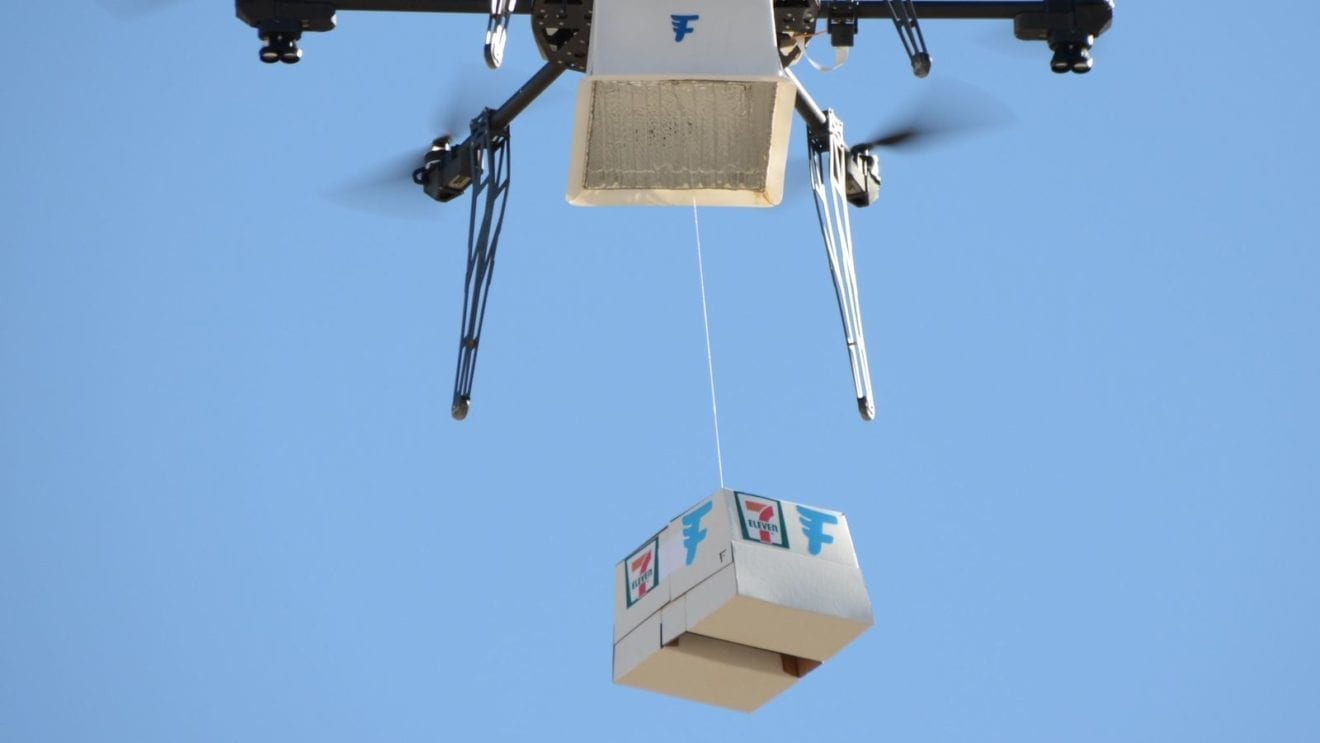
  • Asia-Pacific Delivery Drone Market to Expand 33.7% Annually Through 2031

    Asia-Pacific Delivery Drone Market to Expand 33.7% Annually Through 2031

    The Asia-Pacific delivery drone market will expand at a compound annual rate of 33.68 per cent through 2031 as retailers and carriers shift from pilot trials to commercial flight networks.

    Global market revenue reached 1.47 billion dollars in 2026 and is projected to hit 6.74 billion dollars by 2031. The expansion relies heavily on dense urban on-demand delivery alongside rural distribution corridors across Asia.

    Economics and Airspace Pressures

    Operating costs explain the push into commercial airspace. At sufficient route density, autonomous drone delivery can drop to approximately 2 dollars per parcel, compared with roughly 13.50 dollars for traditional truck-based last-mile transport. That cost gap is accelerating investments from e-commerce platforms seeking two-hour order fulfillment from urban micro-hubs.

    Technical hurdles continue to cap immediate capacity. Rotary-wing aircraft captured 72.56 per cent of shipments in 2025 because they can hover and access tight landing spots in crowded cities. However, payloads under 5 kilograms made up 65.71 per cent of all deliveries, limiting most operations to prepared meals, pharmaceuticals, and small consumer packages.

    Unmanned traffic management systems around metropolitan airports also remain incomplete. Regulators require geofencing and collision-avoidance systems, yet aviation authorities still lack the digital infrastructure needed to coordinate thousands of simultaneous commercial flights over dense residential blocks.

    Payload Limits and Regional Flight Paths

    Asian operators are tackling geography by deploying different airframes for different terrains. In China, JD Logistics now flies fixed-wing drones across approximately 200 rural routes, using the platform’s longer range to bridge transport gaps where road links add hours to delivery times.

    Government policy is shaping fleet deployment across the rest of the region. India has carved out dedicated corridors for medical supplies under its Drone Rules while offering incentives for domestic airframe manufacturing. Japan has cleared multi-prefecture autonomous flight operations, and logistics providers in Indonesia and the Philippines are testing island-to-island freight runs.

    For retailers across the region, aerial logistics is ceasing to be an experimental marketing exercise. While western operators like Walmart and Wing Aviation scale across suburban markets in the United States, Asian carriers are building high-frequency routes where physical geography makes ground transport uncompetitive.

    The next metric to track is the commercial rollout of hybrid vertical-takeoff aircraft and 5-to-10-kilogram payload capacity, which operators plan to clear with regional civil aviation bodies before 2028.

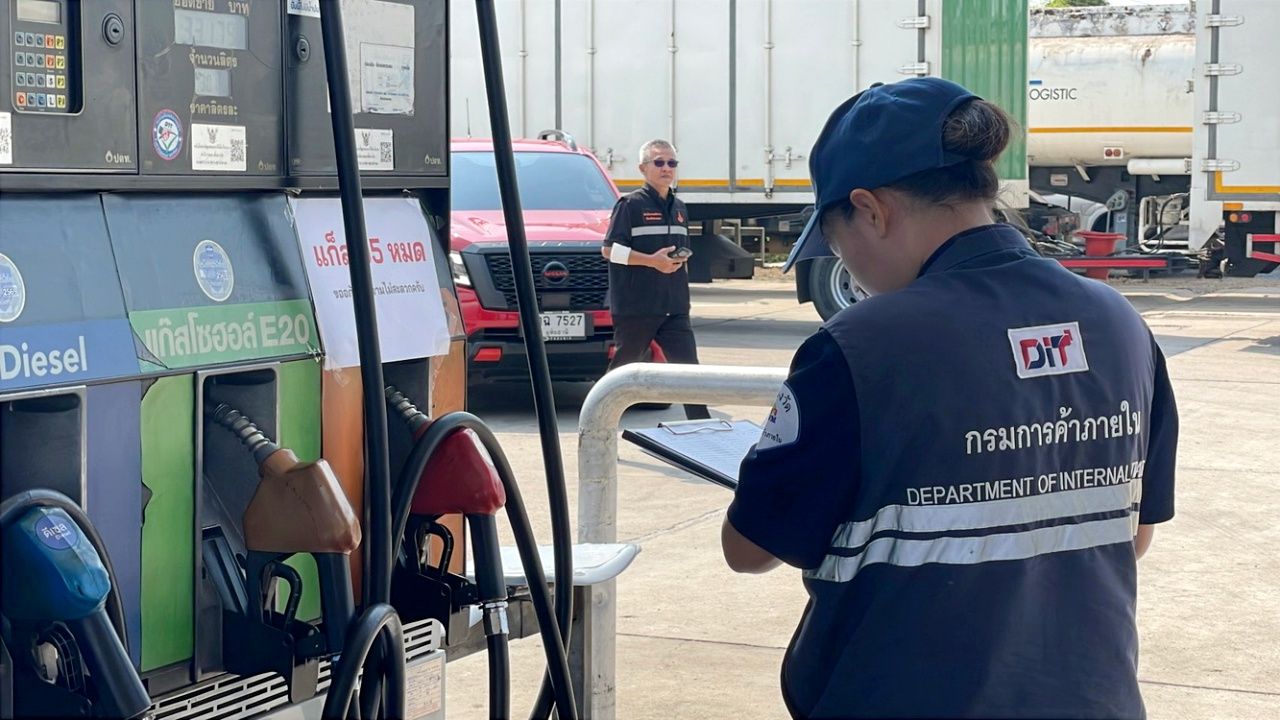
  • Pakistan Raises Petrol and Diesel Prices Under Daily Mechanism

    Pakistan Raises Petrol and Diesel Prices Under Daily Mechanism

    Pakistan raised the ex-depot price of petrol by Rs 1.12 and high-speed diesel by Rs 1.11 per litre, effective August 26, 2026.

    The adjustments lift petrol to Rs 343.10 per litre and diesel to Rs 371.80 per litre, according to notifications issued by the Oil and Gas Regulatory Authority and the Petroleum Division of the Ministry of Energy.

    Daily Pricing Adjustments

    Official pricing records show the revision extends the daily pricing mechanism introduced on July 21, when petrol stood at Rs 315.80 and diesel at Rs 367.58 per litre. Rates had held steady at Rs 341.59 for petrol and Rs 368.29 for diesel between August 22 and August 24 before rising slightly on August 25 to Rs 341.98 and Rs 370.69 respectively.

    Fuel rates remain substantially below their record peaks set on April 3, 2026, when petrol hit Rs 458.41 and diesel reached Rs 520.35 during the Strait of Hormuz supply disruption. Current rates, however, stay well above the pre-crisis baseline of Rs 266.17 for petrol and Rs 280.86 for diesel recorded on February 28.

    Transport and Retail Supply Chains

    For fleet operators and retail distribution networks across South Asia, frequent pump revisions complicate freight budgeting and last-mile consumer delivery margins. The shift from fortnightly reviews to daily pricing transfers global crude volatility directly to local commercial transport, forcing fast-moving consumer goods distributors to update their delivery surcharge formulas in real time.

    Market participants are now tracking whether daily adjustments will hold prices around current levels or push transport diesel closer to the Rs 400 threshold as regional energy markets stabilize.

  • Japan Caps Gasoline at ¥170 as Middle East Tensions Drain Subsidy Fund

    Japan Caps Gasoline at ¥170 as Middle East Tensions Drain Subsidy Fund

    Japan will keep regular gasoline pump prices capped at around ¥170 per liter to shield household spending and transport operators from Middle East oil disruptions, Prime Minister Sanae Takaichi said on Tuesday.

    The decision freezes an earlier plan to raise the price ceiling, committing the government to fund fuel market interventions that have already cost ¥9 trillion since January 2022.

    Tapping the emergency reserve

    Takaichi instructed Industry Minister Ryosei Akazawa to negotiate funding with Finance Minister Satsuki Katayama. Tokyo plans to draw money from a ¥2.5 trillion reserve fund created under the fiscal 2026 supplementary budget enacted in June.

    Fresh money is required quickly. The existing subsidy balance fell to approximately ¥210 billion at the end of July, leaving little room to absorb crude price swings without direct state cash.

    The program has proved difficult to unwind. Tokyo paused the subsidy at the end of December following the abolition of the provisional gasoline tax rate, only to reinstate pump relief in March as global oil markets tightened.

    Pressure on freight and fleet operators

    For retailers, logistics fleets and consumer delivery networks across Japan, the cap provides short-term pricing certainty on last-mile freight. Fuel surcharges remain a persistent drag on supply chain margins throughout the domestic retail sector.

    Akazawa and Katayama will now finalize the exact allocation from the June reserve fund before the current ¥210 billion balance runs out.

  • Mid-Market Retailers Risk Logistics Stalls as Growth Outpaces Warehouses

    Mid-Market Retailers Risk Logistics Stalls as Growth Outpaces Warehouses

    Fast-growing retailers risk capping their own expansion when warehouse operations and inventory models fail to adapt to higher order volumes, according to supply chain advisory firm Prological Consulting.

    Operational breakdowns typically surface when mid-market businesses reach national scale, creating sudden spikes in freight bills, warehouse labour hours, and fulfilment errors.

    Peter Jones, managing director and founder of Prological Consulting, said businesses frequently rely on informal employee knowledge and manual workarounds during early growth phases. While nimble setups support early trade, those same methods turn into severe constraints once product catalogues and sales channels multiply across regions.

    Warning signs in warehouse operations

    Operational friction usually appears first in financial metrics monitored by chief financial officers and operations heads. Unbudgeted transport charges, rising import costs, and climbing warehouse labour hours signal that existing facilities can no longer handle inventory flow efficiently.

    Fulfilment disruptions follow quickly. Split shipments, inaccurate stock counts, and delayed customer deliveries indicate that facility layouts and tracking methods have reached capacity limits.

    Jones cited a Sydney-headquartered retailer that expanded from a startup into a national store network and online business generating 45 million Australian dollars in annual turnover. The company operated out of an overcrowded warehouse where pallets blocked internal transit paths and inbound import processing slowed due to heavy reliance on a handful of veteran workers.

    The business resolved the bottleneck by shifting into a larger facility within six months. The transition allowed the retailer to surpass its revenue forecasts and restore reliability across its e-commerce fulfilment operation.

    Balancing automation and inventory compromises

    Competing effectively against automated logistics networks requires retailers to integrate machinery and digital tracking into their supply chain plans. Manual operations face higher unit handling costs and slower turnaround times compared to rivals using automated storage and retrieval systems.

    Across the Asia-Pacific region, mid-tier consumer brands encounter similar friction when transitioning from local store footprints to omni-channel distribution. Operators that delay warehouse redesigns often see fulfilment expenses consume operating margins before corrective capital investments are made.

    Retailers must evaluate trade-offs between inventory holding costs, distribution points, and lead times rather than pursuing unattainable logistics perfection. Merchandising teams, store networks, digital storefronts, and third-party logistics partners need coordinated forecasting to prevent misplaced stock across regional hubs.

    Prological expects automated picking systems and predictive replenishment tools to dictate cost competitiveness as regional freight and warehouse labour expenses remain elevated.