Category: Logistics

Retail News Asia is committed to providing both local and global retailers with the latest Logistics news throughout the Asian market. This on a daily base.

  • Doris Magsaysay Ho Becomes First Woman to Win RVR Nation Building Award

    Doris Magsaysay Ho Becomes First Woman to Win RVR Nation Building Award

    Doris Magsaysay Ho has received the Ramon V. Del Rosario Nation Building award in Manila, making her the first woman to win the business honour since its creation in 2010.

    Ho leads the Magsaysay Group of Companies, a Philippine shipping, human resources, and logistics group operating in a sector where Filipino seafarers account for more than 25 percent of the global maritime workforce.

    Workforce Equity in Transport and Logistics

    Women represent only 6 percent of the Philippine seafaring workforce, according to data from UP-CIFAL Philippines, with most concentrated in passenger catering and hospitality rather than technical posts. Under Ho, Magsaysay secured EDGE Assess certification for gender equity after lifting female representation in junior management roles to 45 percent.

    Her group also set up internal support systems for crew members. The company operates Fundamayan for family emergency aid and MATTERS, a dedicated program handling healthcare, financial literacy, and career planning for Filipino crews deployed globally.

    Training Capacity and Regional Board Leadership

    To secure skilled labour for international routes, Magsaysay partnered with Japan’s Mitsui O.S.K. Lines in 2018 to establish the MOL Magsaysay Maritime Academy, a facility built to train up to 1,000 cadets annually.

    For supply chain operators across Southeast Asia, crewing and vessel management remain critical bottlenecks as global fleets push for higher compliance and skilled technical crews. Previous recipients of the award include SM Group founder Henry Sy Sr., Jollibee Foods founder Tony Tan-Caktiong, and Ayala Corporation chairman Jaime Augusto Zobel de Ayala.

    The award is administered by the PHINMA Group, De La Salle University, the Asian Institute of Management, and Junior Chamber International Manila, with candidate evaluations conducted annually.

  • DragonSea Deploys 37 Farizon Electric Vans to Expand UK Removals Fleet

    DragonSea Deploys 37 Farizon Electric Vans to Expand UK Removals Fleet

    Chinese logistics specialist DragonSea took delivery of 37 Farizon SV electric vans to handle door-to-door residential moves across the United Kingdom.

    The two-year lease deal equips the operator with battery-powered commercial vehicles tailored for cargo arriving from China. Broker Driveway Vehicle Solutions structured the transaction, with Pentagon Farizon Derby supplying the vehicles directly.

    Payload specs and route range

    Each SV L1H1 van runs on a 93 kWh battery pack delivering an operating range of up to 234 miles (377 kilometres) under WLTP testing. Cargo capacity reaches 6.95 cubic metres alongside a maximum payload rating of 1,265 kilograms and a 550-millimetre loading height.

    Those specifications allowed DragonSea to switch heavy household freight to electric traction without sacrificing daily operating radius on domestic transfer routes. Farizon Auto UK head of sales Zoe Tonks noted the model combines cargo volume with driver assist functions suited for dense urban removals.

    Chinese commercial EVs target European fleets

    Chinese commercial vehicle manufacturers are pushing rapidly into western European fleet networks, using competitive battery capacities and pricing to displace legacy diesel models. For cross-border logistics providers managing Asian trade flows, deploying Chinese-built electric vans in overseas destination markets creates fleet consistency across both ends of the supply chain.

    Farizon expanded its British lineup earlier this year by introducing the V7E medium electric van in Birmingham, alongside refreshed Core trim packages for the SV platform. Fleet operators will watch real-world battery degradation and second-hand residual values as these two-year lease terms approach renewal in 2028.

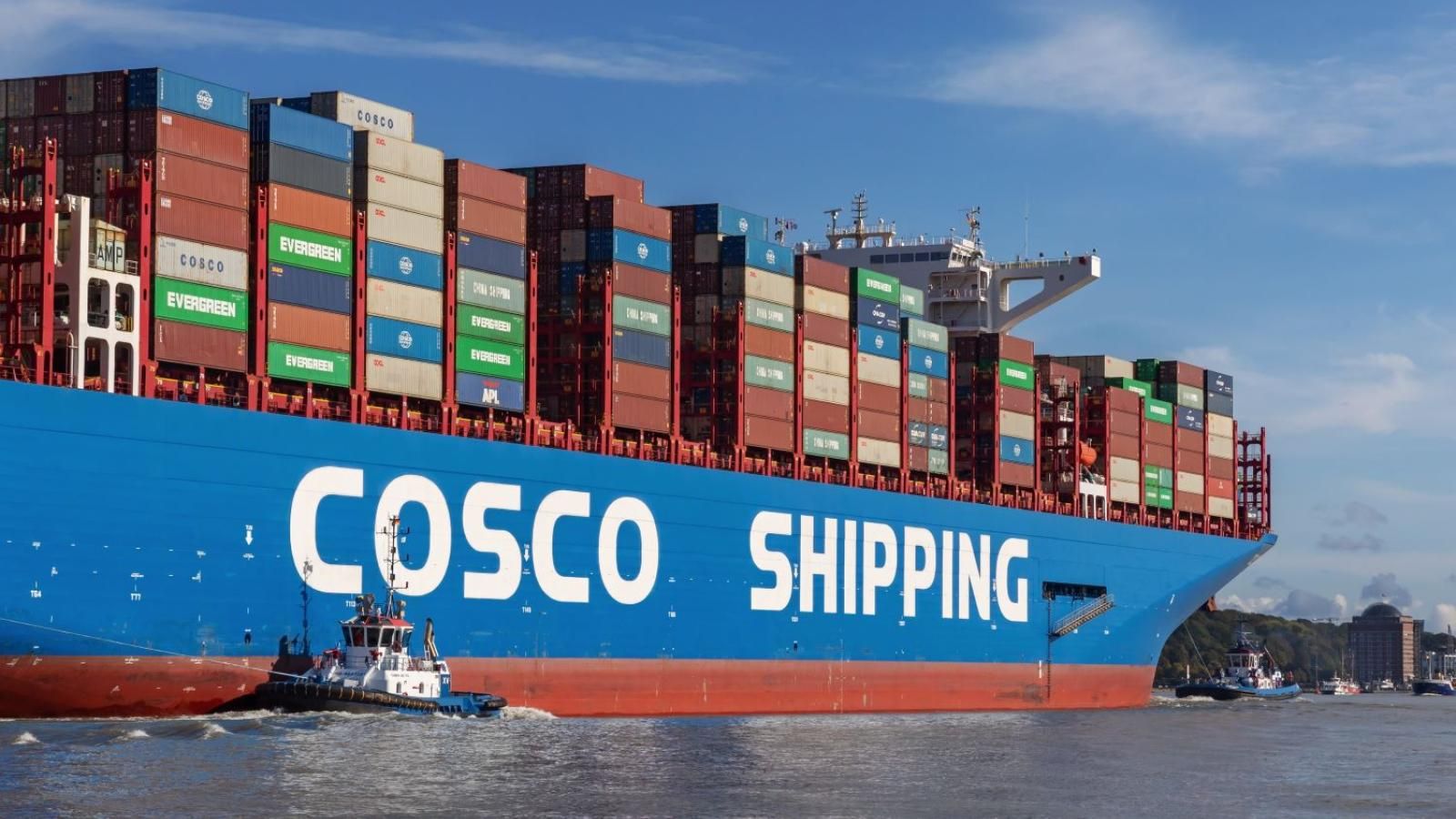
  • Cosco Shipping Sets Sights on Southeast Asia: Plans Expansion in Vietnam and Indonesia Amid Growing Trade Demand

    Cosco Shipping Sets Sights on Southeast Asia: Plans Expansion in Vietnam and Indonesia Amid Growing Trade Demand

    Cosco Shipping International (Singapore) is setting sights on increased investment in Vietnam, Malaysia, and Indonesia within the next three to five years, in anticipation of a surge in Southeast Asian trade. The firm’s president, Jiang Kai, expresses a robust sense of assurance in the potential of the Southeast Asian market.

    Cosco Shipping International, the logistic subsidiary of the Chinese state-owned maritime behemoth China Cosco Shipping Corporation, is currently listed in Singapore. The company generates its consolidated revenue primarily from its operations in Singapore and Malaysia, with the city-state contributing to approximately 87% of the total. The firm also has a vested interest in logistical enterprises in Indonesia and Vietnam, along with a share in a dry-bulk shipping associate that operates throughout the region. These affiliated firms provide about one-fourth of the group’s pre-tax profit, as witnessed in the latest financial results for the first half of 2026.

    Resilience Amid Global Trade Uncertainties

    Global trade has witnessed a few turbulent years, with factors such as U.S. tariffs and geopolitical instabilities in Ukraine and Iran causing disruptions in shipping routes and supply chains. However, manufacturing activities continue to show resilience in Southeast Asia, notes Jiang. There is also an observed revival in the region’s dry-bulk shipping market, which deals in the transportation of industrial raw materials like coal and iron ore, as manufacturing activities gain traction.

    The demand for specialized cargo shipping, catering to industrial machinery, vehicles, and new energy equipment, is also on the rise, mirroring the region’s progression. “The expansion in Southeast Asia’s shipping industry has resulted in a steady surge in logistics demand,” says Jiang. He adds that many Chinese manufacturing firms, when exploring overseas markets, often consider Southeast Asia as a preferred manufacturing base, a trend that spells long-term benefits for Cosco.

    In the first half of the year, Cosco Shipping International recorded a 6% rise in revenue to SGD96.8 million (US$76 million), propelled by increased contributions from logistics, ship repair, and marine engineering. The company is also expanding its footprint in Singapore. One of its prominent ongoing projects is the Jurong Island Logistics Hub Phase II.

    This project, the company’s most significant investment in Singapore, promises enhanced integrated logistics services and is projected to be completed in the fourth quarter of this year.

    Questions & Answers

    What is Cosco Shipping International’s plan over the next three to five years?
    They are planning to increase investment in Vietnam, Malaysia, and Indonesia in anticipation of a surge in Southeast Asian trade.

    What is the primary source of Cosco Shipping International’s consolidated revenue?
    The majority of the company’s consolidated revenue comes from operations in Singapore and Malaysia, with Singapore contributing about 87%.

    What trends are observed in the Southeast Asian dry-bulk shipping market?
    There is a recovery observed in Southeast Asia’s dry-bulk shipping market, with increasing demand for the transportation of industrial inputs such as coal and iron ore, as manufacturing activity strengthens.

  • DHL Express Boosts Asia-Europe Trade with New Direct Shanghai-Bangkok Flight Amid Rising Indochina Economy

    DHL Express Boosts Asia-Europe Trade with New Direct Shanghai-Bangkok Flight Amid Rising Indochina Economy

    DHL Express, the global logistics company, has recently introduced a new direct flight service connecting Shanghai and Bangkok. This additional capacity expands a trade route that forms a critical link between China and the burgeoning economies of Indochina. The newly launched flight route—travelling from Shanghai, via Bangkok and Bahrain, to Brussels and then back to Shanghai—significantly bolsters interconnectivity between various markets in Asia, the Middle East, and Europe. The sourcing, manufacturing, and consumption markets across these regions will benefit from this enhanced connectivity.

    The new route is serviced by a DHL Boeing 767 freighter, which has a maximum payload of 50 tons. This daily service underscores DHL Express’s continued commitment to invest in network capacity and infrastructure in high-growth markets. It also mirrors DHL’s ongoing efforts to monitor and adapt swiftly to changing trade patterns.

    Responding to Changing Trade Flows

    Peter Bardens, Senior Vice President for Network Operations & Aviation – Asia Pacific, DHL Express, expressed the company’s proactive response to evolving trade flows in Asia. Bardens highlighted the company’s observation of an increasing shift of goods between China and Southeast Asia, matched by a continued demand from European and Middle Eastern customers for products manufactured in the region. The new route is designed to bolster DHL’s network, providing greater capacity and more direct connections between pivotal production and consumption markets.

    Bangkok, being a strategic gateway to the Indochina region, is an important part of the new route. Additionally, DHL Express hubs in Bahrain and Brussels play a crucial role. The Shanghai-Bangkok route allows DHL Express to efficiently consolidate shipments from China and Southeast Asia before distributing them to various destinations across Europe and the Middle East.

    Supporting Increased Trade and E-Commerce

    The introduction of DHL’s direct flight service is timely, with manufacturers and traders in markets including Thailand, Vietnam, Cambodia, and Laos increasingly sourcing from China. These shipments frequently form part of intricate production chains that span several countries. As trade links between China and Southeast Asia strengthen, DHL Express is enhancing the speed, flexibility, and resilience of its network, which assists customers in moving materials, components, and finished products across Asia and onto global markets.

    Despite the dispersion of international business activities across global markets, businesses in Europe and the Middle East continue to maintain robust trade relations with their counterparts in China and Southeast Asia. The new route fosters trading opportunities for businesses and enhances accessibility for both regions.

    In conclusion, as both intra-Asia and global trade flows continue to display resilience, DHL remains committed to investing in its dedicated air network.

    Questions & Answers

    What is the purpose of the new DHL flight route connecting Shanghai and Bangkok?
    The new route aims to enhance connectivity between markets across Asia, the Middle East, and Europe by increasing the capacity of a trade route linking China and the rapidly growing economies of Indochina.

    Who is expected to benefit from this new route?
    Manufacturers, traders, and customers moving materials, components, and finished products from China and Southeast Asia to various destinations across Europe and the Middle East will benefit from this new route.

    How is DHL responding to changes in trade patterns?
    DHL is actively investing in network capacity and infrastructure in high-growth markets. The company is also improving the speed, flexibility, and resilience of its network to enhance its service for customers in these markets.

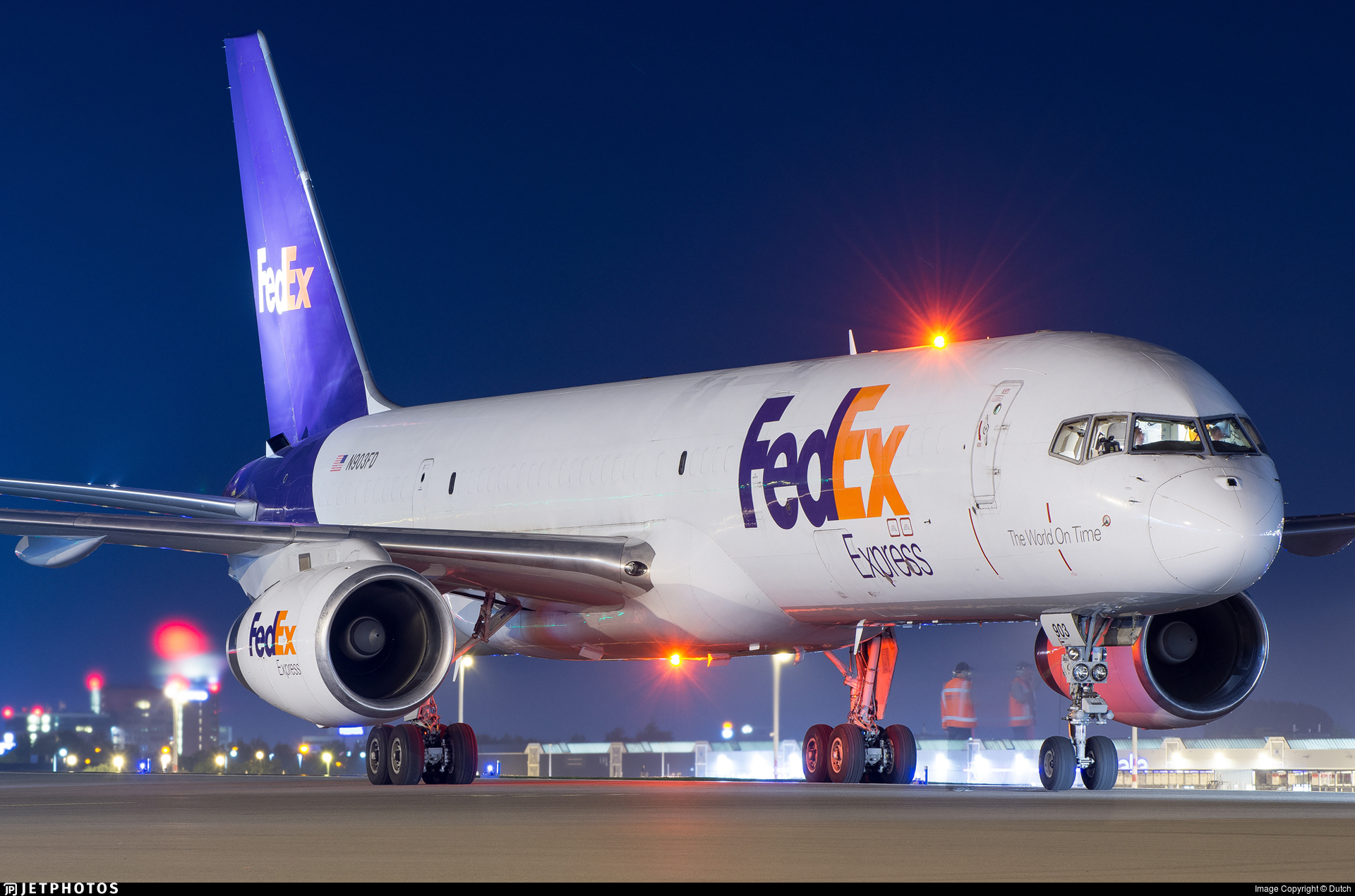
  • Boosting Intra-Asia Trade: FedEx Launches Speedy Non-Stop Freighter Service from Guangzhou to Sydney

    Boosting Intra-Asia Trade: FedEx Launches Speedy Non-Stop Freighter Service from Guangzhou to Sydney

    Federal Express Corporation (FedEx) has expanded its intra-Asia network through introducing a dedicated, uninterrupted cargo service between its Asia-Pacific hub located in Guangzhou, China, and Sydney, Australia. This move is expected to bolster the import trade connections within Australia from several major markets spread across Asia.

    The new route, which will be serviced by Boeing 777 freighter aircrafts five times a week, promises to offer significantly faster transit periods for selected shipments originating from key Asia-Pacific markets. Customers can expect their goods to reach Australia from areas such as Southern Mainland China, Hong Kong SAR, Japan, South Korea, Malaysia, the Philippines, and Thailand within an impressive two business days.

    Boosting Growth for Asian and Australian Businesses

    The updated service is tailored to assist Asian exporters. It offers customers from Southeast Asia, North Asia, and Greater China more direct and reliable access to the Australian market. This is a significant benefit for industries that depend on the swift, punctual delivery of high-value shipments. With the new link, businesses across the region can expect to:

    – Enhance supply chain efficiency through improved speed-to-market and reduced inventory holding costs.
    – Expand capacity for heavy-weight freight and high-value goods.
    – Foster B2B growth in time-sensitive and high-value sectors.

    Salil Chari, president of FedEx Asia Pacific, believes that this development strengthens their intra-Asia connectivity, allowing their customers to access key markets like Australia more quickly and operate with greater agility.

    Fueling the Growth Momentum of the Intra-Asia Corridor

    The intra-Asia trade recorded a revenue increase of over ten percent year-on-year in 2025, projecting the region as a significant contributor to global growth. Companies are reconfiguring their supply chains to make them faster, more regional, and resilient, making seamless air connectivity across Asia crucial. The new direct connection through the FedEx Guangzhou Hub strengthens this backbone, enhancing high-speed trade and reinforcing Asia’s role as a central player in global commerce.

    The service is part of the company’s ongoing investments that aim to strengthen connectivity. These include dedicated nonstop Guangzhou–Penang cargo flights, additional weekly freighters between Guangzhou and Bangkok, and an enhanced outbound connection from Hanoi to South Korea. These improvements assist businesses in the region to tap into growing trade flows and expand into new markets.

    Questions & Answers

    What is the purpose of the new FedEx service between Guangzhou, China, and Sydney, Australia?
    The service aims to improve the import trade connections into Australia from major markets across Asia.

    How will the new FedEx service benefit businesses in the region?
    It will enhance supply chain efficiency through improved speed-to-market, expand capacity for heavyweight freight and high-value goods, and foster B2B growth in time-sensitive sectors.

    What other investments is FedEx making to strengthen connectivity in the region?
    FedEx is also investing in dedicated nonstop Guangzhou–Penang cargo flights, additional weekly freighters between Guangzhou and Bangkok, and an enhanced outbound connection from Hanoi to South Korea.

  • Hanoi Property Flippers Struggle Amid Market Downturn and High Mortgage Rates

    Hanoi Property Flippers Struggle Amid Market Downturn and High Mortgage Rates

    Property buyers who invested in under-construction apartments in Hanoi are facing difficulties in selling their properties due to falling prices and high mortgage rates. These speculators had capitalized on the previously increasing prices, expecting to make a profit upon re-sale. However, the prices have ceased to rise and have even plunged in some localities, putting these speculators under pressure to sell off their properties.

    Investors who bought early were offered a grace period for their interest rates. This period is now coming to an end, subjecting them to high fluctuating rates. For instance, Thuy Vy, a 35-year-old investor, purchased a one-bedroom apartment in Gia Lam Commune in 2024 for VND3 billion (US$114,300). She planned to sell it for a profit once the construction was completed, but despite reducing the asking price by VND150 million, she is struggling to find a buyer. The situation is similar for other investors who bought apartments during 2024-2025.

    Market Updates

    According to a recent market report by the Vietnam Association of Realtors, many projects are now in the handover phase, and buyers are required to pay the remaining 45% of their investment. Online property platform Batdongsan’s historical data shows that prices in several Hanoi localities have dropped from their peaks by about 8% to 13%.

    Real estate brokers reveal that many speculators are moving away from short-term flipping strategies, focusing on selling their properties as quickly as possible, even if it means incurring losses. Duc Trung, a broker specializing in east Hanoi apartments, noted a 20-30% rise in the number of property owners looking to sell their apartments compared to the start of the year.

    Concerns and Predictions

    Pham Duc Toan, CEO of real estate agency EZ Property, suggested that it’s now challenging to sell apartments, especially those launched during the 2024 market boom. Borrowing costs remain high, making secondary buyers cautious. Vo Huynh Tuan Kiet, Director of the Residential Market at CBRE Vietnam, agreed that as property prices continue to rise, the market could reach a saturation point where sellers are unwilling to lower prices and buyers are wary of risks.

    Several research firms predict that selling pressure from highly leveraged investors will heighten as a large supply of properties is set to enter the market. The situation is exacerbated by high bank lending rates, with mortgage rates now standing at 12-14%, and even 15-16% in many cases. Consequently, market liquidity has taken a hit, with the property absorption rate dropping to 20-30% in the first half of the year, down from 50-60% in the latter half of 2025.

    Questions & Answers

    What is the current state of the Hanoi property market?
    The Hanoi property market has fallen into a slump, with falling prices and high mortgage rates dampening sales.

    How are speculators responding to the current conditions?
    Many speculators who had earlier invested in under-construction properties are now struggling to sell their units. Some are even willing to sell at a loss to offload their properties quickly.

    What is the outlook for the Hanoi property market?
    The outlook remains uncertain. Market liquidity has been hit, borrowing costs are high, and a large supply of properties is set to enter the market, which could further intensify selling pressures.

  • Indonesia Sparks Digital Evolution in Retail with First Nationwide Connected Packaging Contest

    Indonesia Sparks Digital Evolution in Retail with First Nationwide Connected Packaging Contest

    Over 40 universities are participating in a national initiative to explore how product packaging can be transformed into a constant customer engagement platform through augmented reality. This comes at a time when retailers and brands are grappling with increased customer acquisition costs, diminishing organic social media reach, and the growing need to cultivate direct customer relationships. In response to these challenges, a new avenue for marketing is emerging in the form of product packaging, a tool consumers already bring home with them.

    Traditionally viewed as a mere protective container or branding surface, packaging is increasingly transitioning into a digital touchpoint capable of extending the customer journey beyond the point of purchase. This connects physical products with digital experiences on the web, enabling brands to continue educating consumers, tell more elaborate product narratives, verify authenticity, provide after-sales services, encourage repeat purchases, and foster direct customer interaction even after products have left the retail shelves.

    This transformation underlines a wider evolution happening in retail, where every physical product has the potential to transform into an owned media channel. This allows brands to maintain direct communication with consumers, minus the reliance on paid advertising or third-party digital platforms.

    Turning Packaging into Interactive Retail Experiences

    Recognizing this opportunity, Singapore-based MarTech firm HOVARLAY has launched the Nusantara Packaging Experience Awards (NPEA) 2026, Indonesia’s inaugural national competition focusing on connected packaging innovation.

    Participants from over 40 universities and polytechnics across Indonesia have come together for this competition, which encourages students to reimagine traditional packaging as a strategic business asset. It is not just about visual design; it’s about strengthening customer interactions, improving retail experiences, and creating tangible value for brands.

    The participants, focusing on Indonesia’s rich oleh-oleh industry, have been tasked to revamp regional food, beverage, and souvenir packaging using HOVARLAY’s no-code, web-based augmented reality platform. By merely scanning with a smartphone, consumers can unlock interactive digital experiences that range from destination storytelling and artisan heritage to product education, loyalty programs, recipes, promotions, sustainability information, and brand experiences.

    Seizing Opportunity through Connected Packaging

    For Indonesia, one of Southeast Asia’s most extensive consumer markets, this opportunity is particularly notable. With its vibrant ecosystem of regional specialty products and tourism-driven retail, connected packaging offers local brands the chance to stand out and emphasize the cultural stories behind their products.

    While technologies like QR codes have become increasingly familiar to consumers, their use has largely been confined to payments or basic product information. Through NPEA, students are challenged to broaden their vision and transform packaging into an interactive retail experience that fluidly merges physical products with digital storytelling and customer engagement.

    Questions & Answers

    1. How is packaging evolving in the retail industry?
    Packaging is no longer just a protective container or branding surface. It’s becoming a digital touchpoint that extends the customer journey beyond the point of purchase, by linking physical products to digital experiences.

    2. What is the Nusantara Packaging Experience Awards (NPEA) 2026?
    The NPEA 2026 is Indonesia’s first national competition dedicated to connected packaging innovation. It pushes students to reconsider traditional packaging and view it as a strategic business asset that can strengthen customer engagement and enhance retail experiences.

    3. How can connected packaging benefit brands and consumers?
    Connected packaging can extend customer engagement beyond the point of purchase, providing ongoing education and support. For brands, it creates an owned media channel for direct communication with consumers, gathering valuable engagement insights for future marketing and customer retention strategies.

  • J&T Express Hits Record with Daily Parcel Volume Surpassing 100 Million in Q2 of 2026

    J&T Express Hits Record with Daily Parcel Volume Surpassing 100 Million in Q2 of 2026

    J&T Global Express Limited (J&T Express), a premier international logistics provider, has shared its business performance and operating statistics for the second quarter which concluded on June 30, 2026.

    Business Milestones and Growth Metrics

    The company reported that its total parcel volume for the said quarter reached a significant 9.177 billion, marking a 24.2% increase from the same period the previous year. The average daily parcel volume for the quarter also hit a milestone, surpassing 100 million which underscores a new phase in the company’s growth. Parcels delivered outside of China reached 2.966 billion, a 66.9% rise year-on-year, making up 32.3% of the total parcel volume. This represented an 8.3 percentage point increase from the same period the previous year. For the first half of the year, the company’s total parcel volume rose to 17.503 billion, a 25.1% increase year-on-year. Non-China parcels accounted for 33.6% of this, marking a 9.4 percentage point increase. The company saw robust growth overall, with Southeast Asia and other markets experiencing high growth rates, China showing steady growth, and continued improvements in the scale and operational capabilities of their global network.

    In Southeast Asia, J&T Express, as a leading express logistics provider, reported strong growth in the second quarter with parcel volumes in the region hitting 2.755 billion, a 63.2% increase year-on-year. The average daily parcel volume in the region reached 30.3 million. For the first half of the year, the regional parcel volume climbed to 5.523 billion, marking a 71.2% increase year-on-year. To continue enhancing its regional operational abilities, the company focused on network optimization and infrastructure investment. By June 30, 2026, the number of sorting centers in Southeast Asia had grown by 6 to 127 from the end of 2025, while automated sorting lines increased by 11 to 75, providing solid support for the region’s strong e-commerce and express delivery demand.

    Business Prospects and Market Positioning

    In China, J&T Express adjusted to industry shifts by proactively tweaking its strategy and continually optimizing its network structure, customer resources, and operational efficiency. For the second quarter, the parcel volume in China rose to 6.211 billion, a 10.6% increase year-on-year, with an average daily parcel volume reaching 68.2 million. In the first half of the year, automated sorting lines in China increased by 8 to 346, bolstering parcel volume growth and enhanced sorting efficiency.

    In other markets, the parcel volume for the quarter reached 211 million, a 136.5% increase year-on-year, with an average daily parcel volume of 2.3 million. The company continued to leverage e-commerce development and cross-border logistics opportunities across regions including Latin America and the Middle East. It has also deepened its partnerships with global e-commerce platforms such as TikTok, TEMU, SHEIN and AliExpress, as well as local platforms like Mercado Libre, thereby broadening its business prospects in emerging markets. To accommodate this expanding business, the number of outlets in other markets increased by about 700 to 2,700, and the number of sorting centers rose by 8 to 52 by June 30, 2026.

    J&T Express’s global reach and growth potential continue to pique the interest of capital markets. In June, the company was included as a constituent of the Hang Seng Index, joining the ranks of Hong Kong’s elite blue-chip stocks. This reflects the market’s strong belief in the company’s business resilience and long-term value. The company will persist in enhancing service quality and operational efficiency around customer needs, continue investing in infrastructure, and fortify the development of its global logistics network, laying a solid foundation for long-term and steady development.

    Questions & Answers

    What was the total parcel volume for J&T Express in the second quarter of 2026?
    The total parcel volume for J&T Express in the second quarter of 2026 was 9.177 billion.

    How has non-China parcel volume contributed to the company’s growth?
    Non-China parcel volume contributed significantly to the company’s growth, accounting for 32.3% of the total parcel volume in the second quarter of 2026 and marking a 66.9% increase year-on-year.

    What are the company’s future plans to maintain growth and resilience?
    J&T Express plans to continue improving service quality and operational efficiency around customer needs, invest in infrastructure, and strengthen the development of its global logistics network as part of its strategy for long-term and steady development.

  • FedEx Smooths APAC Business Compliance with New US Product Safety E-file Requirements

    FedEx Smooths APAC Business Compliance with New US Product Safety E-file Requirements

    FedEx Corporation, a major global express transportation company, is intensifying its support for businesses in the Asia Pacific (APAC) as they gear up for the forthcoming compulsory U.S. Consumer Product Safety Commission (CPSC) e-filing requirements, which are scheduled to become effective on July 8, 2026.

    The incoming requirement stipulates that all U.S. importers of CPSC-regulated products must e-file the necessary data elements for clearance when the goods enter the United States. This is designed to enhance safety supervision and improve compliance transparency. U.S. importers of CPSC-regulated products are required to include the complete CPSC PGA message set for each product imported. To make the process more efficient, importers have the option to pre-file product information in CPSC’s Product Registry, which allows them to send a condensed CPSC message set. This signifies a noteworthy change for APAC exporters, as this product information will now be made available before shipment.

    Awareness Versus Readiness

    While overall awareness of the mandatory CPSC e-filing is on the rise, operational readiness remains limited. Almost two-thirds (64%) of APAC businesses exporting consumer products to the U.S. are not yet prepared, with 28% understanding the requirements but yet to act, and 18% anticipating significant disruptions to U.S.-bound shipments. Only 15% of businesses are currently fully operational. Those businesses that have not yet addressed product safety data requirements, electronic documentation standards, and certificate referencing may face clearance delays, penalties, or denial of entry at U.S. borders.

    Businesses need clarity on identifying products within the CPSC scope which is the primary need (32%), followed by digital tools for pre-validating data (23%) and simplified guidance on scope, registration, and documentation (19%). In preparation for the new requirements, businesses are looking for solutions that minimize clearance delays and integrate compliance into their operations.

    The Role of FedEx

    Salil Chari, President, Asia Pacific, FedEx, noted that changes of this scale can introduce complexity for businesses operating across borders. His focus is on making compliance effortless for customers, so they can continue moving goods seamlessly while confidently meeting new standards.

    FedEx is assisting customers in navigating this transition more confidently through integrated digital solutions, regulatory guidance, and operational expertise. By simplifying compliance processes and integrating requirements into existing shipping workflows, FedEx aims to reduce disruptions while supporting timely, accurate submissions.

    Questions & Answers

    What is the new requirement set by the U.S. Consumer Product Safety Commission (CPSC)?
    The new requirement mandates all U.S. importers of CPSC-regulated products to e-file the needed data elements for clearance at the time of entry into the United States.

    What are the top needs of APAC businesses in relation to these new requirements?
    The primary need is clarity on identifying products within the CPSC scope, followed by digital tools for pre-validating data and simplified guidance on scope, registration, and documentation.

    What is FedEx doing to help businesses navigate these changes?
    FedEx is enabling customers to manage this transition more confidently through integrated digital solutions, regulatory guidance, and operational expertise.

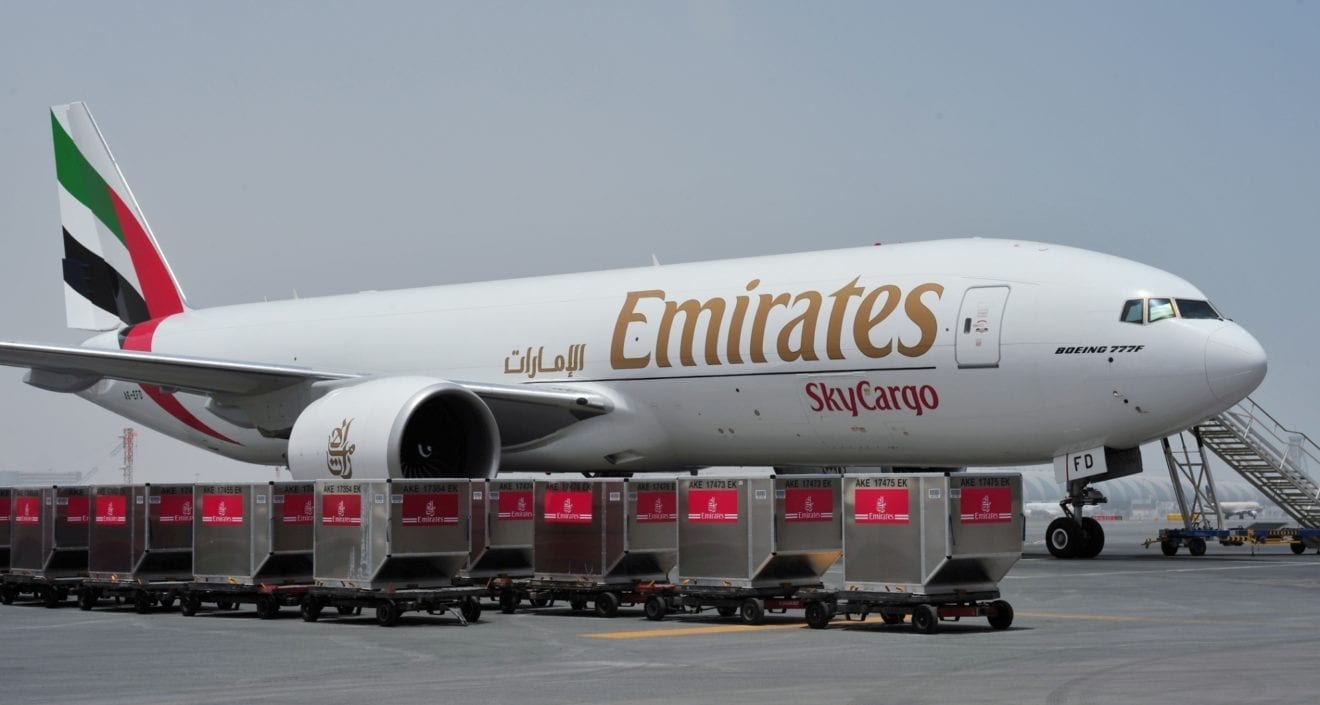
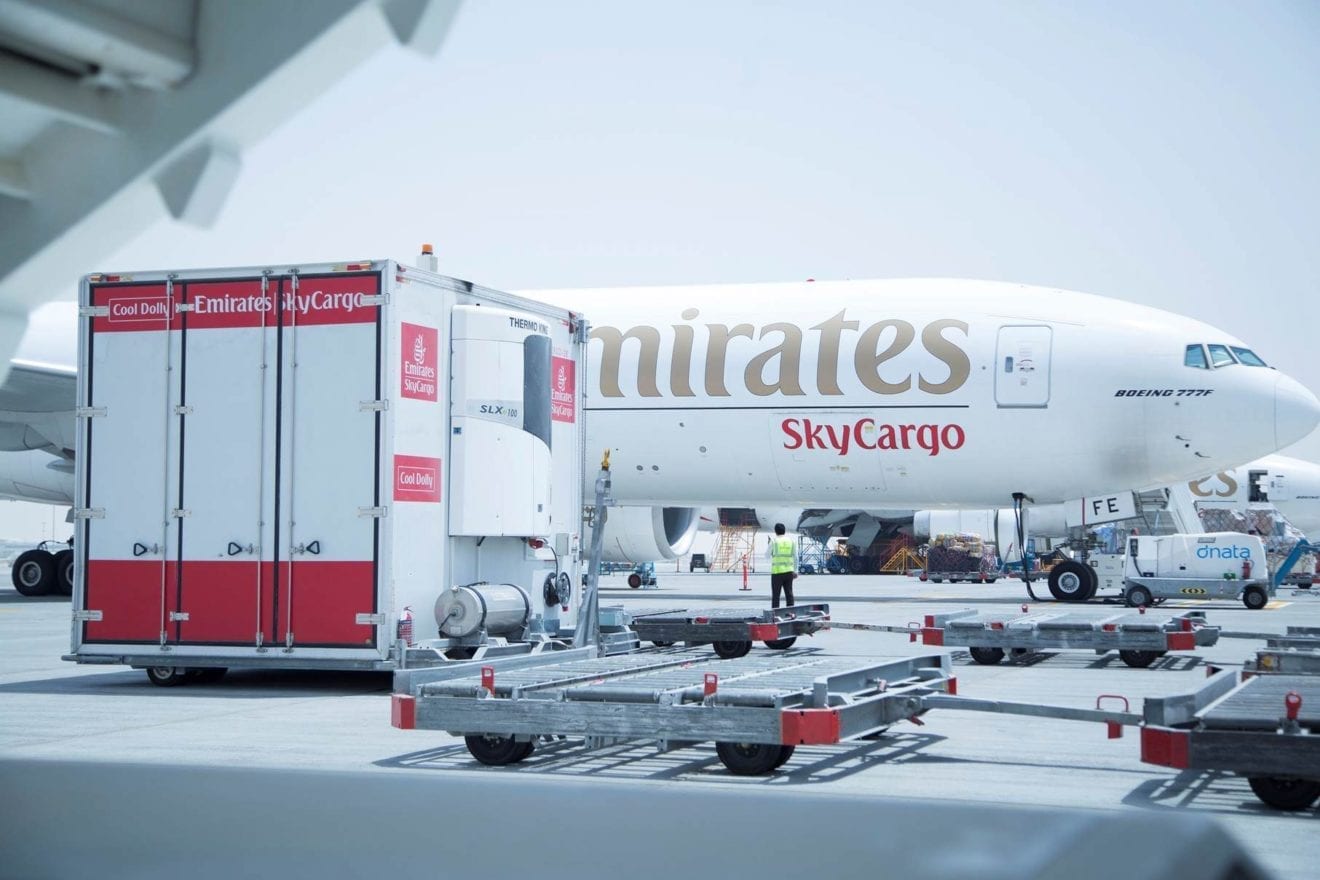
  • Emirates SkyCargo Boosts Freight Services in East and Southeast Asia Amid Rising Demand

    Emirates SkyCargo Boosts Freight Services in East and Southeast Asia Amid Rising Demand

    Emirates SkyCargo, the air cargo carrier, has unveiled a strategic expansion plan for its freight services throughout East and Southeast Asia. The move is aimed at enhancing the cargo flight frequencies and destinations to meet the increasing demand. Businesses and manufacturers in East and Southeast Asia are seeking comprehensive connections to rapidly and securely transport their goods to high-demand markets in the Middle East, Africa, Europe, and the Americas.

    Facilitating International Trade

    In the FY 25/26, Emirates SkyCargo transported over 439,000 tonnes of cargo via its freighter and passenger flights from 12 markets in East and Southeast Asia. This reflects a 5% increase in cargo tonnage compared to FY24/25, illustrating the thriving demand from businesses and exporters to transport goods across the globe.

    Badr Abbas, Divisional Senior Vice President at Emirates SkyCargo, highlighted the importance of East and Southeast Asia as global manufacturing epicentres. They contribute significantly to the production of high-tech goods, export of perishables, and are a significant origin for global e-commerce flows. He added that by increasing the number of freighter flights and expanding their freighter services, they provide rapid connectivity to ensure swift and safe cargo transportation to customers worldwide.

    Expansion of Freighter Flights

    Emirates SkyCargo plans to double its freighter capacity to Narita Airport in Tokyo, increasing from one to two weekly freighter flights. This expansion will cater to Japan’s robust manufacturing industry, spanning diverse sectors like automotive, electronics, and pharmaceuticals.

    The carrier is also escalating its flights to Hong Kong to 37 weekly freighter flights, offering maximum flexibility and choice to customers in this export-led economic corridor. Moreover, Emirates SkyCargo has broadened its reach into Central China with three weekly flights from Zhengzhou, linking the industrial hub of Henan province to Dubai and other destinations.

    The carrier has also resumed its freighter flights from Singapore, with a weekly flight connecting to Dubai via Mumbai. This forms a vital trade lane across Asia. Furthermore, Emirates SkyCargo plans to double its footprint in Taiwan, enhancing its service from one weekly to twice-weekly freighters to Taipei, to meet the increasing demand for high-tech electronic cargo movement.

    Questions & Answers

    What is the main aim of Emirates SkyCargo’s expansion in East and Southeast Asia?
    The primary objective is to increase the freighter flight frequencies and destinations to meet the surging demand for rapid and secure transportation of goods to high-demand markets.

    How is Emirates SkyCargo responding to the demand in Japan’s manufacturing industry?
    The company plans to double its freighter capacity to Narita Airport in Tokyo, thereby catering to diverse sectors in Japan’s robust manufacturing industry.

    What new development has taken place regarding Emirates SkyCargo’s operation in Taiwan?
    Emirates SkyCargo intends to double its footprint in Taiwan, increasing its service from one weekly to twice-weekly freighters to Taipei, to meet the rising demand for high-tech electronic cargo movement.

  • From Delivery Uniforms to Designer Accessories: DHL and Eric Wongs Eco-Friendly Upcycled Collection Takes Flight

    From Delivery Uniforms to Designer Accessories: DHL and Eric Wongs Eco-Friendly Upcycled Collection Takes Flight

    In a novel sustainability initiative, DHL Express has teamed up with Eric Wong, a renowned Hong Kong-based fashion designer, to create the DHL x Absurd Laboratory BFFS Upcycled Collection. This unique line of accessories is fashioned from old courier uniforms which have been taken out of service.

    Eric Wong, the creative mind behind Absurd Laboratory, earned the DHL GoGreen Plus Alumni Prize at the Redress Design Award held the previous year. His design philosophy is commonly recognized for its utilization of deconstruction and upcycling techniques.

    The Upcycled Collection

    The upcycled collection features an array of items crafted from repurposed DHL polo shirts and cargo trousers. Included in the collection is a multipurpose bucket hat, a sling bag, a pair of clogs, and bear-shaped pendants that boast cartoon-inspired designs.

    The revenue generated from this assortment will be used to fund Redress and its initiatives aiming to help budding designers who are passionate about sustainable and circular fashion.

    A Step Towards Sustainability

    Andy Chiang, Senior Vice President and Managing Director of DHL Express Hong Kong and Macau, expressed that this project aligns with the company’s wider sustainability objectives.

    DHL, being a crucial logistics ally to the fashion industry, will be fulfilling international orders of this collection using its GoGreen Plus service. It is a purposeful move aimed at lowering CO2 emissions by employing Sustainable Aviation Fuel.

    Eric Wong shared that this project was a chance to breathe new life into discarded materials. By reusing old DHL courier uniforms, he endeavored to create modern accessories that tell a tale of sustainability and circular design.

    The DHL x Absurd Laboratory BFFS Upcycled Collection can be purchased from the Absurd Laboratory’s online store, Midwest Vintage stores, and The Redress Closet.

    Questions & Answers

    What is the DHL x Absurd Laboratory BFFS Upcycled Collection?
    It’s a collection of accessories created from old courier uniforms which are no longer in use. The collection includes a convertible bucket hat, sling bag, clogs, and bear-shaped pendants.

    Where will the profits from this collection be directed?
    The revenue generated from the sales will fund Redress, an organization that supports emerging designers with a focus on sustainable and circular fashion.

    How does this project support sustainability?
    This initiative contributes to sustainability in two ways: firstly, it upcycles old courier uniforms into fashionable accessories, reducing waste. Secondly, DHL will be using its GoGreen Plus service, which employs Sustainable Aviation Fuel, to ship international orders of the collection, thereby reducing CO2 emissions.

  • Emirates SkyCargo Expands Global Network with Weekly Freighter Service to Almaty, Central Asias Growing Commercial Hub

    Emirates SkyCargo Expands Global Network with Weekly Freighter Service to Almaty, Central Asias Growing Commercial Hub

    Emirates SkyCargo, the freight arm of the prominent Emirates airline, recently announced the commencement of weekly freighter flights to Almaty International Airport, Kazakhstan, starting from 16 June 2026. In what marks the company’s first foray into Central Asia, the Dubai-based flights are set to establish a robust trade channel, tying the region to the Emirates SkyCargo global network.

    Strengthening Trade Corridors

    As the major city of Kazakhstan, Almaty is a fast-developing commercial and logistical center, serving as an economic and trading nexus in Central Asia. By offering weekly freights every Tuesday, Emirates SkyCargo aims to supply over 100 tonnes of weekly cargo capacity. This will facilitate the smooth transportation of key commodities including electronics, perishables, machinery, and other consumer items between Dubai and Almaty.

    Badr Abbas, Divisional Senior Vice President of Emirates SkyCargo, noted that the decision to offer weekly freighter services to Almaty was in line with the company’s role as a global trade facilitator. He expressed optimism that the new service would provide businesses in Almaty and the surrounding region with opportunities to expand their international operations. Furthermore, it would offer the company’s global customers quick and convenient access to a strategic marketplace. Abbas also stated that the Almaty expansion supports the company’s long-term growth strategy and the D33 Dubai Economic Agenda objectives by increasing foreign trade and solidifying Dubai’s status as a global logistics hub.

    Expansion of Freighter Fleet and Network

    In response to a surge in global demand, Emirates SkyCargo has strategically expanded its freighter fleet and worldwide network. Since March 2026, the airline has taken delivery of four new Boeing 777 freighters, with six more due for delivery later this year. This will bring the total Emirates freighter fleet to 21 aircraft by December 2026. Emirates SkyCargo offers its global customers scalable and flexible cargo capacity solutions. In addition to dedicated freighter flights, the carrier also provides high-frequency bellyhold cargo capacity on Emirates’ passenger aircraft fleet, operating to destinations across six continents.

    Questions & Answers

    What is the significance of Emirates SkyCargo’s new service to Almaty?
    The new service will open up a new channel of trade, linking Central Asia, particularly Kazakhstan, to Emirates SkyCargo’s global network. It offers businesses an opportunity to expand their operations and provides global customers with a strategic marketplace.

    How does this expansion fit into Emirates SkyCargo’s broader strategy?
    The expansion aligns with the company’s long-term growth strategy and the D33 Dubai Economic Agenda objectives. It supports the company’s role as a global trade facilitator and strengthens Dubai’s standing as a global logistics hub.

    What are Emirates SkyCargo’s plans for their freighter fleet?
    With the delivery of four new Boeing 777 freighters in 2026 and six more expected later in the year, Emirates SkyCargo plans to expand its freighter fleet to 21 aircraft by the end of 2026.

  • Besi APac Partners with DHL Express to Slash Greenhouse Emissions through Sustainable Aviation Fuel

    Besi APac Partners with DHL Express to Slash Greenhouse Emissions through Sustainable Aviation Fuel

    Besi APac Sdn. Bhd., the Malaysian unit of top semiconductor assembly equipment manufacturer BE Semiconductor Industries N.V., has entered into a partnership with DHL Express by joining their GoGreen Plus programme. This programme aims to lower the emissions generated from Besi APac’s urgent global deliveries through the utilization of sustainable aviation fuel (SAF). The partnership is projected to result in a reduction of over 400 tonnes in Well-to-Wheel (WTW) CO₂e emissions.

    Reducing Emissions Through Responsible Practices

    Besi APac is dedicated to the energy transition and acknowledges the importance of decreasing operational emissions through responsible business operations. Henk Jan Jonge Poerink, Managing Director of Besi APac and Senior Vice President of Global Operations at Besi N.V., stated that the company’s sustainability strategy extends to its supply chain activities. They are striving to incorporate environmental considerations into their procurement processes. SAF is seen as one of several methods that can assist in reducing aviation-related emissions. The company eagerly anticipates the opportunity to support the expansion of renewable alternatives.

    Introduced in 2023, GoGreen Plus allows its clients to utilise SAF to decrease their indirect Scope 3 emissions, which arise from upstream and downstream transportation and distribution. This service is made possible through numerous SAF contracts that DHL has signed with its partners.

    SAF, which is made from sustainable feedstocks like used cooking oil and other residues, can lower lifecycle greenhouse gas emissions by approximately 80% compared to standard jet fuel. The ‘book & claim’ approach enables DHL to replace fossil fuels with sustainable fuels within its network directly and assign the associated lifecycle emission reductions to clients like Besi APac.

    Besi APac’s Commitment to Sustainability

    Besi APac’s subscription to GoGreen Plus is applicable across its international trade routes, covering major markets in the Asia Pacific, Europe, Americas, and Middle East. The initiative is aligned with the company’s 2025-2029 strategic plan, which includes minimising its environmental impact as a primary goal. Besi APac has significantly reduced its Scope 1 & 2 emission intensity ratio, fuel consumption intensity ratio, and increased electricity usage from renewable sources since 2019.

    Alex Lee, Vice President of Commercial at DHL Express Malaysia, stated that DHL is committed to increasing the availability of emissions-reduced logistics solutions. Partnerships like this one showcase the practical application of this commitment.

    DHL is one of the largest global users of SAF. The company increased the percentage of SAF in its own aircraft fleet to 10 percent in 2025, a significant increase from the 3.5 percent the previous year. DHL currently uses SAF at airports worldwide.

    Questions & Answers

    What is Besi APac’s strategy to reduce emissions in their operations?
    Besi APac is committed to decreasing operational emissions through responsible business practices. This includes integrating environmental considerations into their procurement processes and using SAF to reduce aviation-related emissions.

    How does DHL’s GoGreen Plus programme help to reduce emissions?
    GoGreen Plus allows its customers to utilise SAF to reduce their indirect Scope 3 emissions arising from upstream and downstream transportation and distribution. It replaces fossil fuels with sustainable fuels within its network, attributing the associated emission reductions to its customers.

    What progress has Besi APac made in reducing its environmental impact?
    Besi APac has made significant strides in reducing its environmental impact. The company has greatly reduced its Scope 1 & 2 emission intensity ratio and fuel consumption intensity ratio. Additionally, it has increased its electricity usage from renewable sources to 99 percent since 2019.

  • Air China Cargo Boosts A350F Freighter Fleet to 10 with New Purchase Agreement

    Air China Cargo Boosts A350F Freighter Fleet to 10 with New Purchase Agreement

    Air China Cargo Co., Ltd. has cemented a deal with Airbus to procure an additional four A350F freighters. This agreement expands the company’s total order for this aircraft model to 10 units, supplementing the six A350F freighters previously ordered in November 2025.

    A Strategic Move

    The recent acquisition emphasizes the company’s strategy to optimize its fleet composition and enhance transportation capacity. Wang Hongyan, Air China Cargo’s Vice President, shared that the decision will enable them to align more effectively with international air cargo market demands, providing a robust groundwork for the company’s long-term consistent growth.

    Airbus’ EVP Sales of the Commercial Aircraft business, Benoît de Saint-Exupéry, lauded Air China Cargo’s move to augment its A350F freighter order. According to him, this decision signifies the company’s unwavering confidence in Airbus products and solidifies the A350F’s leading stature as the next-generation freighter.

    Air China Cargo initiated the integration of Airbus freighters into its fleet at the close of 2023. It currently manages a fleet of eight Airbus A330-200P2F aircraft. The forthcoming inclusion of the A350F freighter will supplement the A330-200P2F freighters, maximizing their benefits on long-haul and medium-to-long-haul routes.

    The Sophistication of the A350F

    The A350F, designed to be the most advanced cargo aircraft globally, caters to the evolving needs of the international air freight market. Its range capability extends up to 8,700 kilometers with a payload capacity of up to 111 tonnes, allowing operators to utilize it on international long-haul routes. Over 70% of the A350F comprises advanced materials, making it 46 tons lighter than competitive aircraft.

    The A350F features the latest Rolls-Royce Trent XWB-97 engines, promising up to a 20% reduction in fuel consumption and carbon emissions compared to previous generation aircraft with similar payload-range capabilities. As the only freighter that fully adheres to ICAO’s 2027 CO₂ emission standards, the A350F is capable of operating with up to 50% Sustainable Aviation Fuel (SAF) upon entry-to-service, aiming for 100% capability by 2030.

    As of the end of April 2026, the A350F garnered 101 orders from 14 customers.

    Questions & Answers

    How many total A350F freighters has Air China Cargo ordered?
    Air China Cargo has ordered a total of 10 A350F freighters from Airbus.

    What is the range and payload capacity of the A350F?
    The A350F has a range capacity of up to 8,700 kilometers and can carry a payload of up to 111 tonnes.

    What is the unique feature of the A350F in regard to emission standards?
    The A350F is the only freighter that fully meets the ICAO’s 2027 CO₂ emission standards. It can operate with up to 50% sustainable aviation fuel upon entry-to-service, with an aim to achieve 100% capability by 2030.

  • J&T Express Skyrockets: Q1 Parcel Volume Soars by 26.2% Globally, Promising Stunning 80% Surge in Southeast Asia

    J&T Express Skyrockets: Q1 Parcel Volume Soars by 26.2% Globally, Promising Stunning 80% Surge in Southeast Asia

    Global logistics service provider, J&T Global Express Limited (J&T Express), recently reported their first quarter business performance ending March 31, 2026. The firm highlighted a significant increase in total parcel volume, reaching 8.326 billion, a 26.2% year-on-year (YoY) rise. The average daily parcel volume hit a high of 92.5 million with non-China parcels accounting for 35.1% of the total, demonstrating a 4.3 percentage point rise on a quarter-on-quarter basis. The company’s key performance indicators displayed continuous improvement, signifying J&T Express’s successful expansion and effective operational management across international markets.

    Southeast Asia: A Hub of Strong Growth

    As a preeminent logistics provider in Southeast Asia, J&T Express experienced robust growth during the first quarter, with parcel volume in the region surging 79.9% YoY to 2.768 billion. The average daily parcel volume reached 30.8 million, with peak daily volume surpassing 47 million. This exceptional growth is indicative of the company’s increasing operational efficiency in the region and its deepening collaboration with leading e-commerce platforms. Other contributing factors include an escalating market demand and a surge in business due to the Ramadan shopping season. Additionally, to accommodate increasing demand, the firm expanded its regional capacity increasing the number of its line-haul vehicles to 6,200 and automated sorting lines from 64 to 73, thereby enhancing processing efficiency.

    Adapting to Change: The China Market

    In China, J&T Express responded effectively to industry transformations by adapting its strategies and refining its management. The parcel volume in the market reached 5.404 billion, an 8.4% YoY increase, with an average daily parcel volume of 60 million. The growth in this market mirrors the overall industry performance and indicates a recovery from previous quarters.

    Expansion in Other Global Markets

    In other international markets, J&T Express displayed strong growth, with parcel volume reaching 154 million, a 100.5% YoY increase, and an average daily parcel volume of 1.7 million during the first quarter. Latin America, in particular, demonstrated significant consumer potential. To seize emerging opportunities within e-commerce and logistics, the company partnered with numerous global cross-border e-commerce platforms and local partners. To support the business expansion, J&T Express added 400 outlets and 5 sorting centers in the first quarter. The company’s mature operating experience in China and Southeast Asia continues to bolster its business expansion in other markets.

    Charles Hou, Group Vice President of J&T Express, shared his optimism about the company’s robust start to 2026. He emphasized their successful efforts in seizing growth opportunities, strengthening infrastructure, and improving operational efficiency in Southeast Asia and other markets. He also acknowledged the sustained parcel volume growth in China, supported by network optimization and refined management.

    Questions & Answers

    How did J&T Express perform in the first quarter of 2026?

    J&T Express demonstrated significant growth in the first quarter of 2026, with a 26.2% YoY increase in total parcel volume, reaching 8.326 billion.

    What strategies did J&T Express use to boost growth in Southeast Asia?

    J&T Express expanded its regional capacity, deepened its cooperation with major e-commerce platforms, and took advantage of the surge in market demand and the Ramadan shopping season to enhance growth in Southeast Asia.

    How did J&T Express adapt to changes in the China market?

    In China, J&T Express proactively adjusted its strategies and improved its network efficiency and client structure through refined management, resulting in an 8.4% YoY increase in parcel volume.