Category: Logistics

Retail News Asia is committed to providing both local and global retailers with the latest Logistics news throughout the Asian market. This on a daily base.

  • Qantas Freight Expands Asia Pacific Presence with New Singapore Stop, Boosting Changi Airport’s Air Cargo Network

    Qantas Freight Expands Asia Pacific Presence with New Singapore Stop, Boosting Changi Airport’s Air Cargo Network

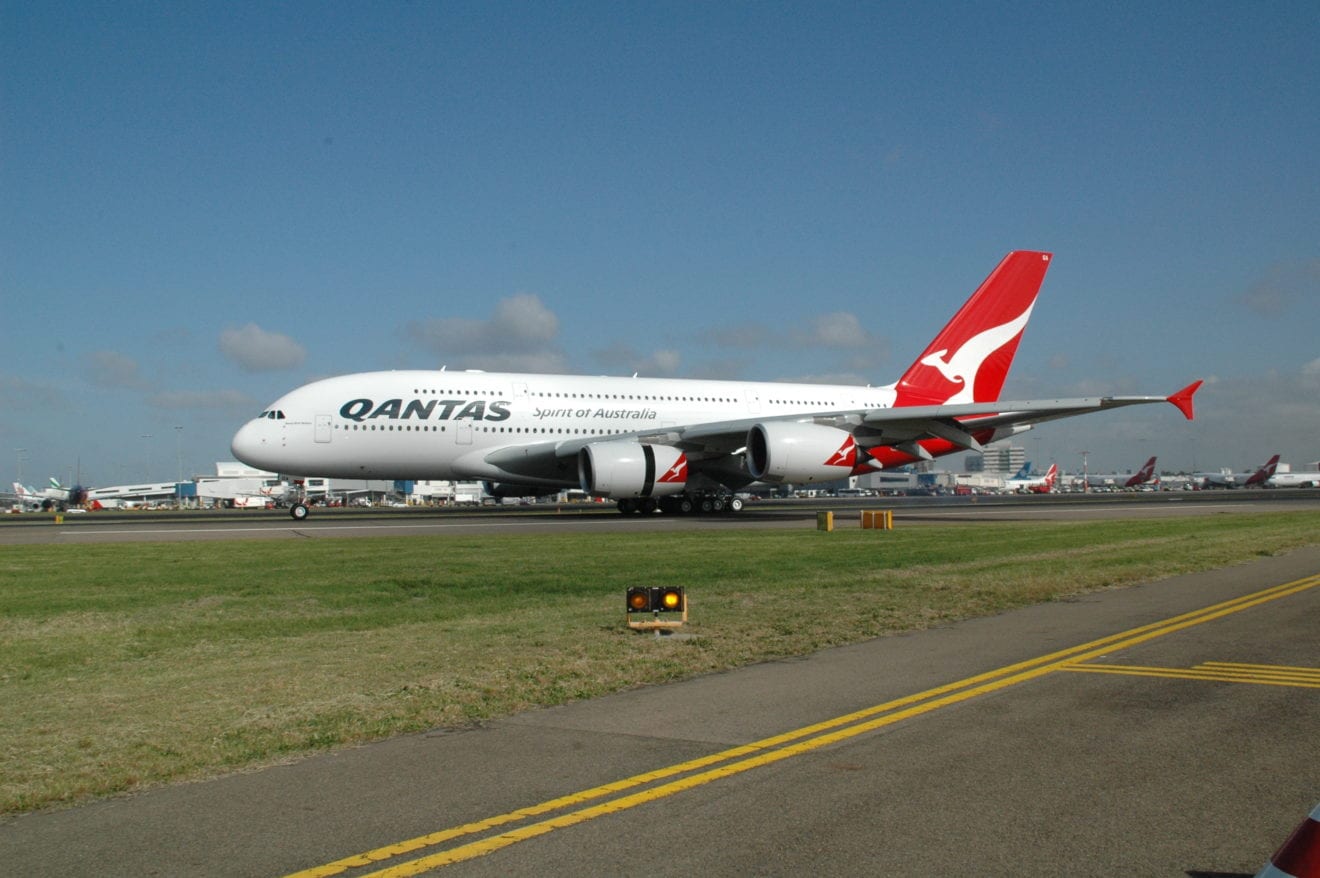
    Qantas Freight, a subsidiary of the Australian airline Qantas, recently announced the launch of its dedicated freighter services to Singapore. These services, which are expected to begin on April 3, 2026, will operate twice a week and include stops in Sydney, Shanghai, and Singapore.

    New Freight Services

    Qantas Freight’s new services are expected to further bolster the cargo network at Changi Airport. The services will provide increased capacity, more routing options, and more flexible scheduling for shippers and freight forwarders. The services will be carried out through Qantas’ A330 freighter flights on Fridays and Sundays, delivering more than 50 tons of cargo capacity per flight.

    The Singapore stopover is a new addition to Qantas’ existing Sydney-Shanghai freighter operations, which is set to enhance connectivity across the Asia Pacific cargo network.

    First Dedicated Freighter Service

    This is the first time Qantas is offering a dedicated freighter service to Singapore. This service is expected to complement its existing belly-hold cargo capacity on scheduled passenger services. Moreover, this new routing reflects the growing demand for time-sensitive air cargo moving across Asia, Australia, and beyond.

    Singapore’s strategic location and significant global air cargo connectivity make Changi Airport an essential consolidation and transshipment hub for regional and intercontinental cargo flows.

    Statements from Qantas Freight and Changi Airport Group

    Lim Ching Kiat, Executive Vice President of Air Hub and Cargo Development at Changi Airport Group, stated that Qantas Group’s decision to expand its freighter operations to Singapore couldn’t have come at a better time. According to him, there has been an increase in air cargo demand in the Asia-Pacific region, and the region is playing a more significant role in global air cargo growth.

    Igor Kwiatkowski, Qantas Freight Executive Manager, also remarked on the importance of the new Singapore stop. He said that it would be a significant addition to the airline’s Asia Pacific presence and freight network. According to Kwiatkowski, Singapore’s status as one of the world’s major cargo hubs will play a crucial role in connecting shipments between Australia, China, and Southeast Asia. He added that the new stop would provide freight forwarders with more routing options and flexibility, especially for high-tech goods and e-commerce.

    Questions & Answers

    What is Qantas Freight’s new service?
    Qantas Freight’s new service is a dedicated freighter service to Singapore, with twice-weekly operations that include stops in Sydney, Shanghai and Singapore.

    What benefits does this new service bring to shippers and freight forwarders?
    The new service provides increased capacity, more routing options, and more flexible scheduling to shippers and freight forwarders.

    How will the new service impact Qantas Freight’s presence in the Asia Pacific region?
    The new Singapore stop is expected to significantly enhance Qantas Freight’s presence and freight network in the Asia Pacific region. It will connect shipments between Australia, China, Southeast Asia, and improve routing options and flexibility for freight forwarders.

  • DHL Express Elevates Herbert Vongpusanachai to Drive Commercial Growth in Asia Pacific

    DHL Express Elevates Herbert Vongpusanachai to Drive Commercial Growth in Asia Pacific

    Global express service giant, DHL Express, has recently announced the appointment of Herbert Vongpusanachai to the position of Senior Vice President, Commercial for Asia Pacific, effective April 1, 2026. Vongpusanachai, in his current role as Managing Director for DHL Express Thailand & Indochina, will relocate to Singapore to undertake his new responsibilities.

    Vongpusanachai’s vast experience within DHL Express spans over two decades, during which time he has effectively overseen several significant markets across the Asia Pacific region. Starting his career with the company in 2003 as Managing Director for Thailand & Indochina, he later assumed leadership of Singapore in 2008, and Hong Kong & Macau in 2016. Vongpusanachai’s return to Thailand & Indochina in 2020 saw him drive consistent profitability and growth year after year, establishing the cluster as a crucial catalyst for regional expansion.

    Exceptional Leadership

    Vongpusanachai’s exceptional track record of notable business performance, coupled with his effective team management across diverse markets, sets him apart from his peers. His deep comprehension of customer needs, his cooperative leadership style and his ability to identify opportunities in complex environments position him as the ideal leader to advance DHL Express’s commercial agenda for Asia Pacific. Ken Lee, CEO of Asia Pacific for DHL Express, expressed confidence that under Vongpusanachai’s stewardship, the region will continue to see a rise in sustainable growth.

    In his new role, Vongpusanachai will set the pace and accelerate the commercial strategy for DHL Express across the Asia Pacific. Collaborating with other departmental leaders, he will evaluate potential new sectors, routes and trade lanes for growth. His focus will remain on deepening customer engagement, supporting their expansion, driving sustainable volume growth, and promoting the integration of new technologies to improve commercial execution across markets. With an extensive understanding of regional nuances and an emphasis on people-first leadership, Vongpusanachai is expected to elevate the commercial performance of both regional and country teams.

    Commercial Success and Future Prospects

    Vongpusanachai commented that the Asia Pacific region’s vital role in global trade as highlighted in the latest DHL Global Connectedness Report underscores the importance of logistics in facilitating the movement of goods. With the introduction of the Heavyweight Express solution, which allows customers to ship heavyweight consignments promptly and reliably, Vongpusanachai anticipates working with the talented teams at DHL Express to help shape the company’s future commercial success.

    The latest DHL Global Connectedness Report reveals the Asia Pacific region’s continued importance in global commerce, with several economies rising in global connectedness rankings and Southeast Asia strengthening its position as a rapidly growing trade corridor. This aligns with DHL Groups’ strategy to enhance support for 20 markets globally to drive growth, with eight of these markets located in the Asia Pacific. This appointment fortifies DHL Express’s position in Asia Pacific, as trade flows diversify and intra-Asia integration deepens.

    Questions & Answers

    What significant experience does Herbert Vongpusanachai bring to his new role?
    Mr. Vongpusanachai brings more than two decades of leadership experience at DHL Express, having effectively managed multiple key markets across the region.

    What is the primary focus of his new role as Senior Vice President, Commercial for Asia Pacific?
    In his new role, Mr. Vongpusanachai will focus on shaping and accelerating the commercial strategy for DHL Express across the Asia Pacific. His responsibilities include identifying growth potential in new sectors, routes and trade lanes, deepening customer engagement, and promoting the adoption of new technologies.

    How does this appointment align with DHL’s overall strategy?
    This appointment supports the DHL Group’s strategy to enhance support for 20 global markets to accelerate growth. The role strengthens DHL Express’s position in the Asia Pacific, a region that plays a critical role in DHL’s global network.

  • DHL Supercharges Asia-Europe Trade Lanes with Expanded Air Freight Capacity

    DHL Supercharges Asia-Europe Trade Lanes with Expanded Air Freight Capacity

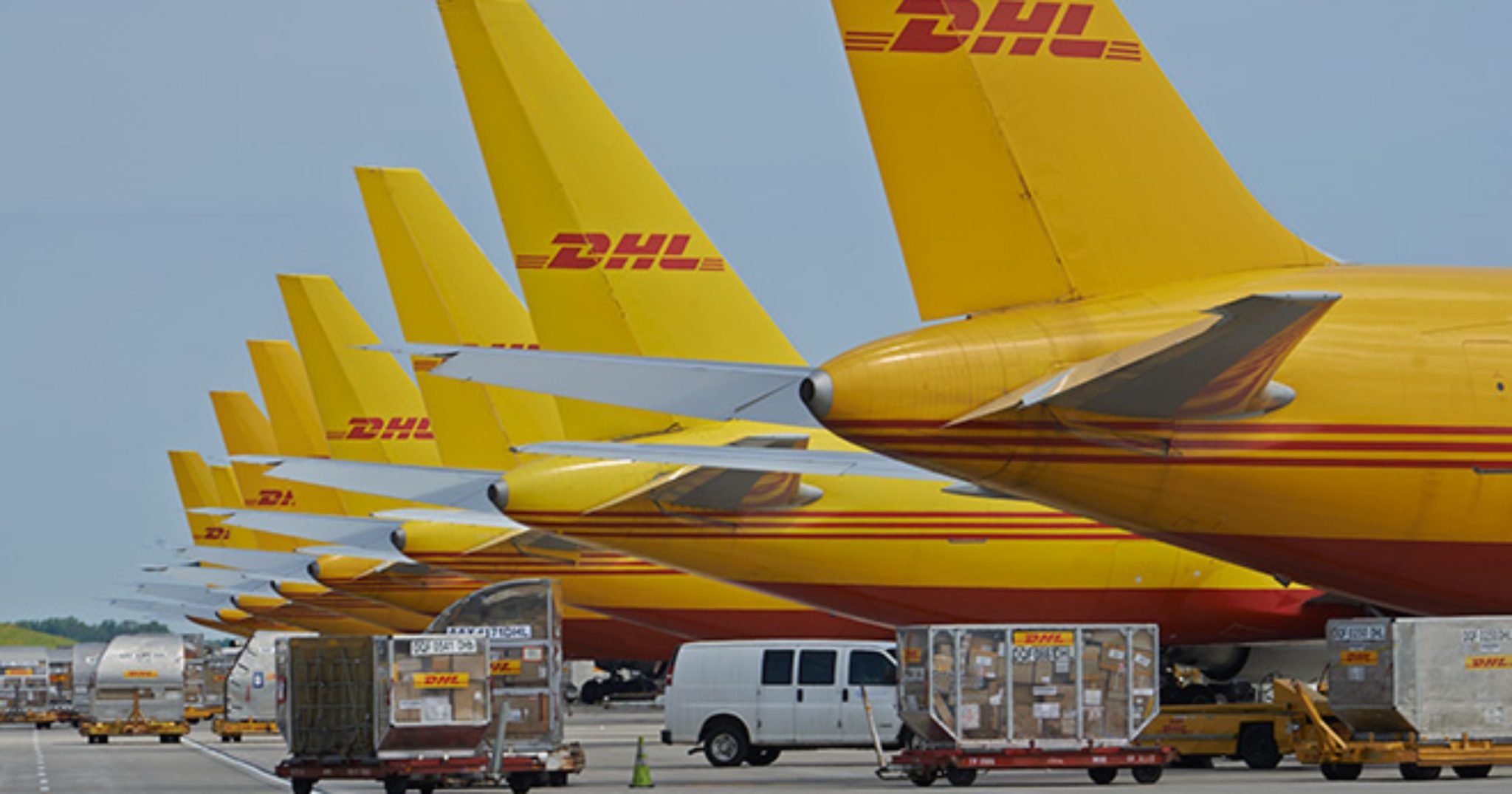
    DHL Global Forwarding, which is part of the DHL Group and specializes in air and ocean freight, is looking to increase its dedicated air capacity between Asia and Europe. This will be achieved through the introduction of new weekly flights that will connect the primary logistics centers of Shanghai-Leipzig and Liège-Hong Kong. The new service offering highlights the synergy between DHL Global Forwarding and DHL Express, thereby bolstering the Group’s capacity to cater to the burgeoning Asia-Europe trade routes.

    Launch of Weekly Boeing 777F Rotations

    Coinciding with the initiation of the summer flight schedule, DHL Global Forwarding will commence weekly Boeing 777F rotations. These rotations will connect Shanghai-Leipzig and Hong Kong-Liège, facilitating further distribution across Europe. These flights will significantly augment the uplift available for DHL Global Forwarding’s client base.

    Henk Venema, the Global Head of Air Freight at DHL Global Forwarding, stated that the expansion of their company’s controlled capacity on the Asia-Europe route underscores their commitment to delivering reliability, speed, and resilience for their clients. He mentioned that the demand on this specific trade lane is escalating at a remarkable rate, and bolstering their network will allow them to remain a step ahead of their customer’s needs.

    Enhancing DHL’s Asia-Europe Air Freight Capacity

    Leipzig was selected as it is a pivotal DHL Express aviation hub and boasts robust infrastructure for operational processing. It will act as a crucial gateway for shipments received from Shanghai. This move aligns with DHL’s larger strategy of utilizing its European hubs to optimize efficiency and cater to demand spikes during high season.

    The Liège-Hong Kong route will include a stop in Tel Aviv, which is crucial in maintaining market support and ensuring consistent service for clients. In collaboration with the operating airline partner, the flight may also accommodate limited cargo loading or offloading if necessary. The return trip from Hong Kong will feed directly into DHL’s European distribution network.

    Enhancements Across Intercontinental Air Network

    DHL is also planning to make further improvements to its intercontinental air network, alongside the new Asia-Europe capacities. This includes the planned increase in transpacific uplift between Southeast Asia and the United States later this year.

    Travis Cobb, EVP Global Operations and Aviation at DHL Express, commented on the cross-divisional collaboration, stating that it exemplifies their commitment to facilitating global trade flows. This collaboration between DHL Global Forwarding and DHL Express will allow customers to capitalize on their combined strength as the world’s premier logistics provider.

    By offering additional flight capacities, DHL Global Forwarding and DHL Express are closely aligning to provide customers with enhanced reliability, flexibility, and global reach across the supply chain. Leveraging shared assets and operational strengths within DHL, the divisions continuously deliver integrated solutions that complement each other.

    Questions & Answers

    Why is DHL Global Forwarding expanding its air capacity between Asia and Europe?
    DHL Global Forwarding is expanding its dedicated air capacity to cater to the increasing demand on the Asia-Europe trade lanes and to enhance the Group’s ability to serve this rapidly growing market.

    What role will Leipzig play in DHL’s expanded services?
    Leipzig will serve as a key gateway for shipments arriving from Shanghai, leveraging its status as a major DHL Express aviation hub with a strong operational processing infrastructure.

    How is DHL working to enhance its intercontinental air network?
    In addition to the new Asia-Europe capacities, DHL is preparing further enhancements across its intercontinental air network. Plans include increased transpacific uplift between Southeast Asia and the United States later in the year.

  • J&T Express Sees Stellar 18.5% Revenue Growth in 2025, Marks Profitability in New Markets

    J&T Express Sees Stellar 18.5% Revenue Growth in 2025, Marks Profitability in New Markets

    In 2025, global logistics service provider, J&T Global Express Limited (J&T Express), reported robust financial results. For the first time, the company’s total parcel volume breached the 30-billion mark, reaching 30.1 billion, a 22.2% increase from the previous year. The full-year total revenue also experienced significant growth, reaching US$12.2 billion – an 18.5% year-over-year (YoY) increase. These figures underscore the consistent growth momentum of the company’s global network, which spans across 13 countries.

    Continued Profitability and Expansion

    J&T Express reported continuous improvements in profitability, with an adjusted net profit of US$425 million, marking a 112.3% YoY increase. The Southeast Asia market, in particular, saw substantial growth, achieving what the company refers to as a “trifecta” of volume growth, market share expansion, and profit improvement. The adjusted Earnings Before Interest and Taxes (EBIT) in this market alone surged 77.5% YoY to US$538 million.

    In new markets, the company also reported positive figures with an adjusted EBIT of US$4 million, just three years after launching operations in 2022. Meanwhile, in the China market, despite intense competition and a challenging policy backdrop, the company maintained profitability through effective cost control, posting an adjusted EBIT of US$94 million.

    Dominance in Southeast Asia

    J&T Express further solidified its leadership position in the Southeast Asia market in 2025. The company’s parcel volume in this region reached 7.66 billion, a four-year high growth rate of 67.8% YoY. The revenue also soared 39.8% YoY to US$4.5 billion. By parcel volume, J&T Express increased its market share in Southeast Asia to 34.4%, ranking as the top express delivery operator in the region for six consecutive years since 2020.

    Growth in China

    In the China market, J&T Express reported high-quality growth in 2025, with business volume ranking fifth and revenue increasing 5% YoY to US$6.71 billion. The company handled 22.07 billion parcels, up 11.4% YoY. The company’s cost per parcel decreased YoY to US$0.28, maintaining the profit resilience of the business.

    New Markets

    In new markets, such as Saudi Arabia, UAE, Mexico, Brazil, and Egypt, J&T Express reported a parcel volume increase of 43.6% YoY to 404 million and a revenue rise of 51.2% YoY to US$870 million. The adjusted EBIT improved significantly from the same period last year to a profit of US$4 million, marking an important milestone in the company’s globalisation strategy.

    Questions & Answers

    What was the total revenue of J&T Express in 2025?
    The total revenue of J&T Express in 2025 was US$12.2 billion.

    What was the parcel volume of J&T Express in Southeast Asia in 2025?
    The parcel volume of J&T Express in Southeast Asia in 2025 reached 7.66 billion.

    What were the new markets for J&T Express in 2025, and how did they perform?
    The new markets for J&T Express in 2025 included Saudi Arabia, UAE, Mexico, Brazil, and Egypt. They reported a parcel volume increase of 43.6% to 404 million and a revenue rise of 51.2% to US$870 million. The adjusted EBIT improved significantly from the previous year to a profit of US$4 million.

  • Green Milestone: FedEx Pioneers Solar Energy at Shanghai Hub, Amplifying Renewable Commitment in Asia Pacific

    Green Milestone: FedEx Pioneers Solar Energy at Shanghai Hub, Amplifying Renewable Commitment in Asia Pacific

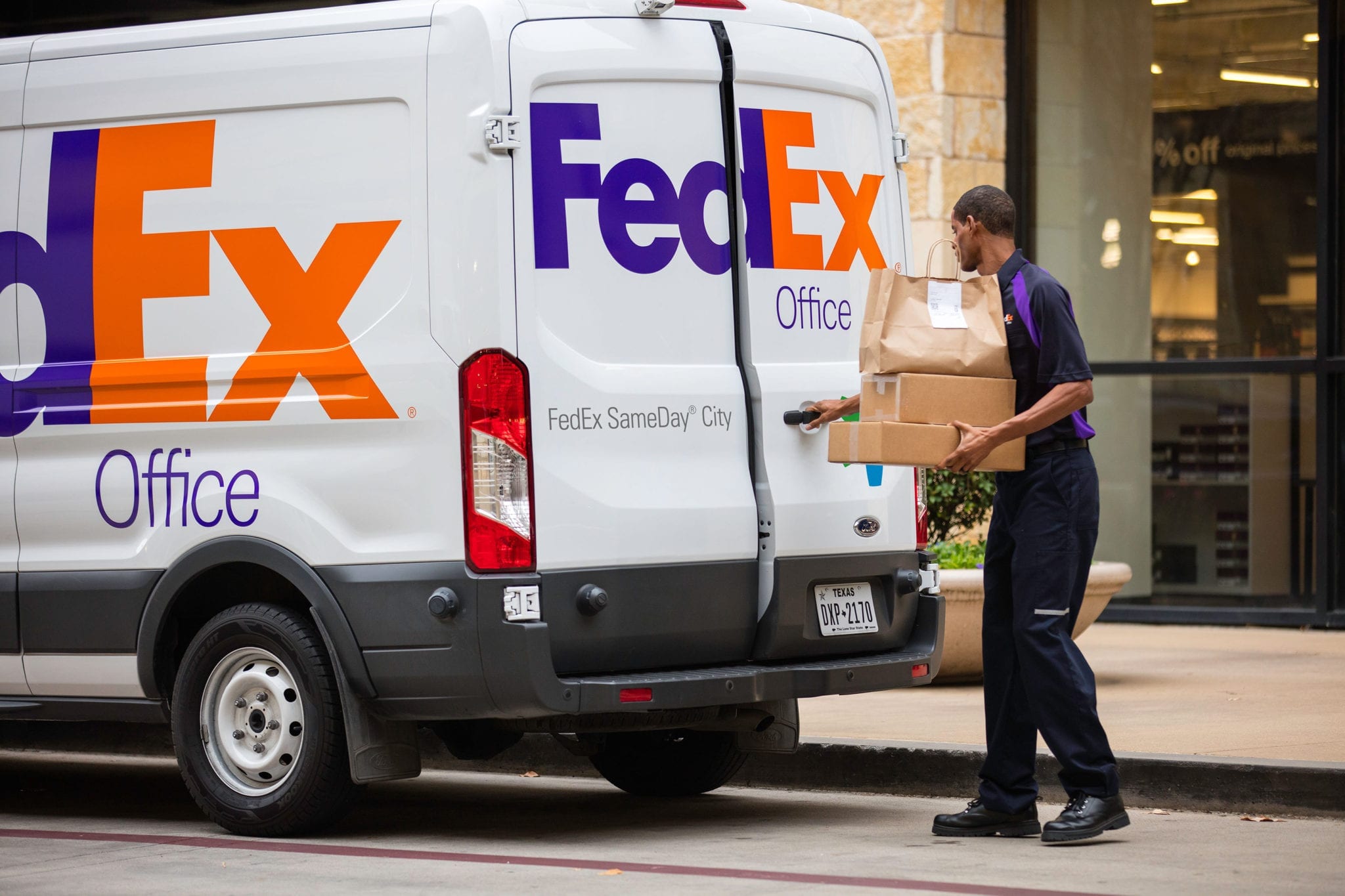
    FedEx, a global leader in express transportation, is bolstering its commitment to sustainability across the Asia Pacific through the inauguration of a new solar installation at the FedEx Shanghai International Express and Cargo Hub. This marks a significant landmark in the company’s drive towards sustainable logistics infrastructure, cementing FedEx’s position as the first and, currently, the only logistics and freight company at the Shanghai Pudong International Airport cargo area to generate on-site solar energy.

    Harnessing Solar Power in Shanghai

    The new solar installation at the Shanghai Hub takes advantage of existing parking facilities, with over 4,000 square meters of solar panels installed. This system is anticipated to produce around 743,000 kilowatt-hours of electricity each year. When compared to coal-fired power generation of the same capacity, this renewable energy source is expected to prevent roughly 417 metric tons of carbon dioxide emissions annually. The system will also reduce about 2.1 tons of particulate matter and 4.21 tons of sulfur dioxide. The electricity generated will primarily support office operations at the hub, substantially increasing the proportion of clean energy used in the company’s day-to-day activities.

    Fostering Renewable Energy in the Asia Pacific

    The newly installed solar panels in Shanghai represent the latest addition to a growing catalogue of renewable energy initiatives supporting FedEx facilities across Asia Pacific. Since November 2022, the FedEx Incheon Gateway in South Korea has been harnessing power from 2,400 rooftop solar panels, supplying about 19% of the facility’s monthly energy requirements. The building also exclusively uses LED lighting, resulting in annual energy savings of more than 22,000 kW hours.

    Moreover, since January 2025, over 50 percent of the electricity consumed at the FedEx South Pacific Regional Hub in Singapore has been generated by on-site solar energy, which also powers the company’s local electric vehicle fleet.

    Advancing towards Low-Carbon Operations

    FedEx has produced over 31 GWh of solar energy at more than 30 locations worldwide to date. The company continues to promote energy conservation, emissions reduction, and low-carbon operations via a mix of emerging technologies, digital innovation, and community sustainability initiatives, including an expanded global electric vehicle fleet, innovative digital tools and the use of emerging technologies such as AI and IoT.

    FedEx also prioritizes sustainability-focused community programs through FedEx Cares, the company’s global community engagement program. Through collaborations with NGOs and local organizations across Asia Pacific, FedEx supports environmental restoration initiatives.

    Questions & Answers

    What is the estimated annual energy production of the new solar installation at the FedEx Shanghai Hub?
    The solar installation at the FedEx Shanghai Hub is projected to generate around 743,000 kilowatt-hours of electricity annually.

    What are some of the renewable energy initiatives across FedEx’s Asia Pacific facilities?
    Some initiatives include using electricity from 2,400 rooftop solar panels at the FedEx Incheon Gateway in South Korea, and supplying over 50% of the electricity at the FedEx South Pacific Regional Hub in Singapore via on-site solar energy.

    What are some of the sustainable initiatives that FedEx has implemented?
    FedEx has implemented a range of sustainable initiatives, including vehicle electrification, innovative digital tools for efficient shipping, deployment of emerging technologies like AI and IoT for operational efficiency, and engaging in sustainability-focused community programs.

  • Maersk Enhances E-Commerce Capabilities with State-of-the-Art, Fully Automated Distribution Centre in Singapore

    Maersk Enhances E-Commerce Capabilities with State-of-the-Art, Fully Automated Distribution Centre in Singapore

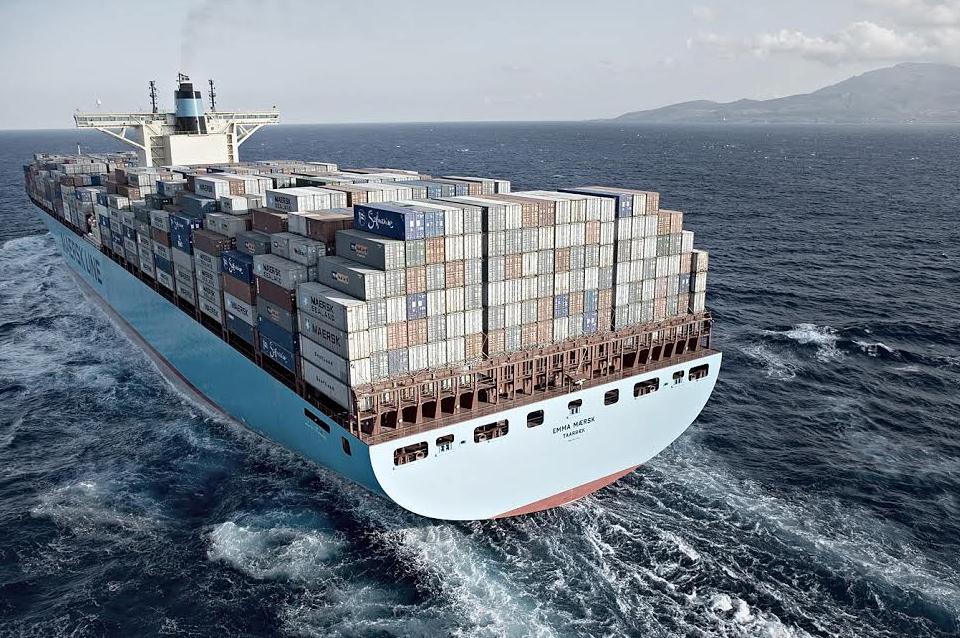
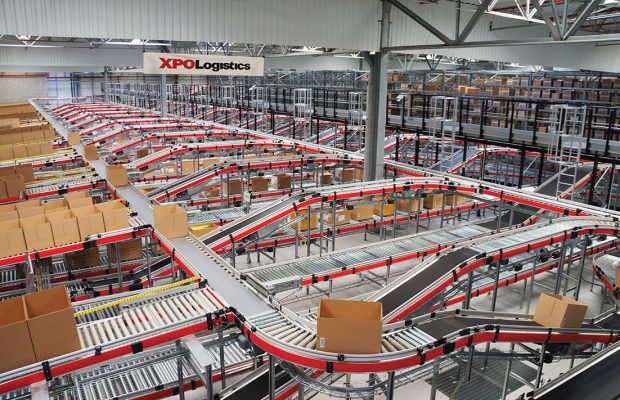
    A.P. Moller – Maersk (Maersk) has officially unveiled its World Gateway II: a state-of-the-art, fully automated global and regional distribution centre in Singapore. Stretching over 1.1 million square feet, the facility marks a significant expansion in Maersk’s contract logistics and e-commerce capabilities in the Asia Pacific region.

    Singapore: A Prime Location

    The Singapore Government backed the establishment of World Gateway II, which is poised to cater to the rapidly growing needs of companies that utilize Singapore as a regional or global distribution hub. Singapore’s strategic location and reputation as a top logistics centre make it an ideal choice for business-to-business (B2B) and business-to-consumer (B2C) e-commerce fulfilment across Asia Pacific.

    The new centre will handle a diverse range of products from various sectors, including lifestyle, fast-moving consumer goods (FMCG), retail, wellness, and technology. Its proximity to major transport infrastructure, such as the Tuas Port and Changi Airport, facilitates efficient overseas cargo distribution. Additionally, it lies a short distance from Maersk’s existing 1.0 million square feet World Gateway regional distribution centre.

    Efficiency and Scale through Advanced Automation

    The facility boasts leading-edge automation technologies such as a Multi-Shuttle System, Automated Storage and Retrieval System (ASRS), Autonomous Case-handling Robots (ACR), and Autonomous Mobile Robots (AMRs). These systems increase efficiency by reducing manual handling, thereby enhancing order fulfilment speed, shortening lead times, and improving accuracy.

    Investment and Job Creation

    Maersk has invested over S$200 million in the development of World Gateway II, which currently stands at approximately 70% occupancy. When fully operational, the facility is expected to create around 500 jobs that leverage advanced digital and automation capabilities.

    World Gateway II: Key Features

    The facility is designed with an 11-metre clear height per floor to support dense storage and advanced automation. It also features ample loading bays and rooftop container parking to cater to peak season demand.

    Its strategic location is only 16.8 kilometres from Tuas Mega Port and 42.6 kilometres from Changi Airport. Furthermore, the facility offers customs bonded, zero-GST warehouse storage, real-time shipment tracking, and full visibility of goods flow through an end-to-end transport management system.

    Additional offerings include various value-added services such as labelling, coding, bundling, kitting, and repacking. Moreover, the facility has an integrated Warehouse Management System (WMS) that enhances accuracy, visibility, and agility by integrating with customer systems.

    Finally, World Gateway II adheres to top-tier security standards and is LEED Platinum & Green Mark Platinum certified. The facility optimizes energy and water use with features such as solar panels, smart LED lighting, and energy-efficient insulation.

    Questions & Answers

    What is the significance of Maersk’s World Gateway II distribution centre?
    World Gateway II marks a significant expansion of Maersk’s contract logistics and e-commerce capabilities in the Asia Pacific region. Its strategic location in Singapore, a key logistics hub, makes it ideal for B2B and B2C e-commerce fulfilment across the region.

    What advanced technologies does the World Gateway II distribution centre employ?
    The facility uses a range of cutting-edge automation technologies such as a Multi-Shuttle System, Automated Storage and Retrieval System (ASRS), Autonomous Case-handling Robots (ACR), and Autonomous Mobile Robots (AMRs). These technologies enhance efficiency by reducing manual handling and improving order fulfilment speed and accuracy.

    What impact does the World Gateway II have on job creation in Singapore?
    Once fully operational, the World Gateway II distribution centre is expected to create approximately 500 jobs that leverage advanced digital and automation capabilities.

  • DHL Express and Malaysia Aviation Group Join Forces for Eco-Friendly Sky: Aiming to Cut Emissions with Sustainable Aviation Fuel

    DHL Express and Malaysia Aviation Group Join Forces for Eco-Friendly Sky: Aiming to Cut Emissions with Sustainable Aviation Fuel

    DHL Express has entered into a contract with Malaysia Aviation Group (MAG), the parent firm of Malaysia Airlines, to employ DHL’s GoGreen Plus service. The arrangement will allow MAG to decrease the greenhouse gas emissions connected to its punctual international shipments by investing in environmentally friendly aviation fuel (SAF) utilized within DHL’s airspace. The partnership is expected to reduce approximately 300 tons of lifecycle carbon dioxide equivalent (CO₂e) emissions by 2026, compared to the previous year.

    Supporting Emissions Reduction

    “SAF is presently one of the most advanced lower-carbon solutions for decreasing lifecycle emissions from long-distance air transport,” observed Julian Neo, Managing Director of DHL Express Malaysia and Brunei. “It is rewarding to see an esteemed national carrier like MAG bolster its stance in the lower-carbon aviation fuel landscape and inspire broader sector adoption. This partnership reaffirms our commitment to assisting the sustainability objectives of businesses through carbon-reduced logistics.”

    The GoGreen Plus service, initiated in 2023, lets customers use SAF to diminish indirect Scope 3 emissions in their value chain resulting from upstream and downstream transportation and distribution. The service is facilitated by multiple SAF agreements DHL has established with various partners.

    SAF, produced from renewable sources like used cooking oil and other residues, can lessen lifecycle greenhouse gas emissions by roughly 80 percent compared to traditional jet fuel. DHL’s GoGreen Plus service operates on a ‘book & claim’ model, allowing DHL to directly substitute fossil fuels with sustainable fuels within the logistic company’s network.

    Strengthening Sustainability

    MAG’s adoption of GoGreen Plus applies to both incoming and outgoing air freight handled by DHL Express throughout the United States, Europe, and Asia Pacific. This supports MAG’s corporate sustainability strategy by addressing the lifecycle emissions related to its international logistics activities and supports its wider push to promote SAF adoption across all passenger and cargo operations.

    As an aviation group managing both airline and air cargo businesses, MAG continues to identify scalable SAF solutions across consumer and commercial sectors, reinforcing its ongoing dedication to lower-carbon air transport solutions.

    Since 2021, MAG has operated flights powered by SAF for both passenger and cargo services, thereby building operational readiness and strengthening infrastructure integration across its network. This foundation is now allowing the Group to increase SAF usage in support of lower-carbon air freight solutions for corporate clients.

    Fostering Regional Growth

    In an effort to foster regional ecosystem development, MAG carried out a two-week SAF uplift on the Kuala Lumpur–London route in 2025 to evaluate Malaysia’s local supply chain preparedness at KLIA. This provided crucial groundwork for future SAF adoption. Simultaneously, the Group continues to collaborate with industry partners and local feedstock suppliers to explore avenues for domestic SAF production, thereby promoting commercially viable SAF solutions for passenger, corporate travel, and cargo operations.

    “SAF remains one of the most important components in aviation’s transition to net-zero by 2050. Scaling SAF requires coordinated action across the entire value chain—from policy to production to infrastructure and demand creation,” expressed Philip See, Group Chief Sustainability Officer of MAG. “Our partnership with DHL Express indicates the growing momentum for market-based solutions such as book-and-claim mechanisms that can quicken SAF uptake beyond regulatory mandates. We are committed to playing our part—not merely through operational adoption across our network, but by fostering ecosystem development in Malaysia and the region to enable progress towards a credible and scalable pathway for a lower-carbon aviation industry.”

    Questions & Answers

    What is the partnership between DHL Express and MAG aiming to achieve?
    This partnership aims to significantly reduce greenhouse gas emissions from international shipments by investing in sustainable aviation fuel (SAF) within DHL’s airspace.

    What is the GoGreen Plus service?
    Launched by DHL Express in 2023, GoGreen Plus is a service that allows customers to use SAF to reduce their indirect Scope 3 emissions, which arise from transportation and distribution activities.

    What actions has MAG taken to support lower-carbon air transport solutions?
    MAG has committed to the use of SAF across its passenger and cargo operations. It has also collaborated with industry partners and local suppliers to explore avenues for domestic SAF production, and invested in assessing and preparing local supply chains.

  • Revolutionizing Logistics: FedEx Unveils Expanded Taiwan Hub, Boosting APAC Supply Chain Capabilities

    Revolutionizing Logistics: FedEx Unveils Expanded Taiwan Hub, Boosting APAC Supply Chain Capabilities

    FedEx, a leading express transportation company worldwide, is bolstering its Asia Pacific network by unveiling its recently expanded Transhipment Centre at Taoyuan International Airport. This development symbolizes FedEx’s most substantial investment in Taiwan throughout its 35 years of presence. The expansion greatly optimizes the centre’s sorting capacity, catering to the escalating logistics demands originating from high-tech, semiconductor, and e-commerce industries within Taiwan and the broader APAC region.

    Overview of the New Facility

    The freshly expanded facility is twice the size of the previous location, covering approximately 19,000 square meters. It integrates an advanced automated sorting system capable of handling up to 9,000 packages every hour. The efficiency of the new facility outmatches the previous one, with imports being 2.5 times more efficient and exports 1.2 times more efficient. Enhanced abilities to manage express parcels, freight, and specialized shipments, including hazardous materials and cold-chain goods, bolster operational safety and supply-chain resilience. This development contributes significantly to businesses engaging in cross-border shipping by promising greater speed and reliability.

    Supporting Technological Advancements

    The new facility mirrors the rising significance of the APAC region as a global technology force. The region is responsible for over 80% of the global semiconductor production. The rapid progression in AI and other burgeoning technologies is spurring the need for a logistics infrastructure that can seamlessly connect technology hubs, manufacturing centers, and high-growth markets.

    Shipping high-value, time-sensitive products such as semiconductors and precision instruments compels exceptional reliability, real-time visibility, and strict security throughout the shipping process. FedEx addresses these prerequisites by incorporating FedEx Surround® Monitoring and Intervention, and SenseAware ID sensor technology into its cross-border shipping.

    Investment in Trade Support

    Salil Chari, the regional president of Asia Pacific for FedEx, commented on the need for a robust logistics network in a world where economies are becoming more interconnected through trade and investment. The expansion of the Taiwan Transhipment Centre showcases FedEx’s dedication to develop a logistics infrastructure that delivers agility, speed, and reliability that customers need to strengthen their supply chains and expand their reach across emerging markets.

    With 40 weekly flights linking Taiwan to the United States, Europe, and other Asia Pacific markets, the new facility upgrades FedEx’s network capabilities. Businesses can tap into intra-Asia’s trade growth and access new opportunities in Europe and the US.

    In line with FedEx’s 2025 network enhancements, this investment strengthens intra-Asia trade corridors. New flight routes connecting South Korea with Vietnam and Taiwan have improved transit times for high-tech and e-commerce shipments. Also, extended connectivity between the FedEx Asia Pacific Hub in Guangzhou with key Southeast Asian markets has further boosted FedEx’s value proposition.

    To meet the growing demand along the Asia-Europe trade lane, FedEx has added five weekly flights connecting the Asia-Pacific to its European hub in Paris, making the total weekly frequencies 26. These network investments enable more flexible and efficient cross-border movement of goods, helping reduce trade barriers and accelerate access to international opportunities for small and medium-sized enterprises (SMEs) across APAC.

    Supporting Asia-Pacific’s growth as a global trade engine, FedEx continues to invest in air networks, logistics infrastructure, and smart digital solutions that aid businesses to flourish along the world’s most dynamic trade corridors.

    Questions & Answers

    Q: What capacity does the new automated sorting system at FedEx’s expanded Transhipment Centre have?
    A: The advanced automated sorting system at the center can process up to 9,000 packages per hour.

    Q: How does the new Transhipment Centre support high-tech supply chains?
    A: The facility can handle the movement of high-value, time-sensitive products like semiconductors and precision instruments with exceptional reliability, real-time visibility, and strict security.

    Q: What are FedEx’s plans to support intra-Asia trade growth?
    A: FedEx is planning more direct flights within Asia, connecting South Korea with Vietnam and Taiwan. It has also expanded connectivity between the FedEx Asia Pacific Hub in Guangzhou and key Southeast Asian markets.

  • Unprecedented Semiconductor Cargo Movement: Kitakyushu Airport and DHL Global Forwarding Set New Standards in Air Transport

    Unprecedented Semiconductor Cargo Movement: Kitakyushu Airport and DHL Global Forwarding Set New Standards in Air Transport

    In a noteworthy collaboration between Kitakyushu Airport and DHL Global Forwarding, a division of DHL Group that specializes in air and ocean freight, the airport successfully facilitated the transportation of semiconductor manufacturing equipment towards the end of the preceding year. This operation is considered to be the airport’s largest and most technically complex cargo operation to date, necessitating an exceptional level of transportation expertise.

    Details of the Unprecedented Semiconductor Equipment Transport

    The equipment in question, semiconductor manufacturing equipment, weighed nearly 180 tons. The transport route commenced from Amsterdam Schiphol Airport, located in the Netherlands, and culminated at Kitakyushu Airport. The dedicated cargo aircraft, a sizable freighter, was used for this purpose.

    Development of a Robust Handling System for Semiconductor Equipment

    Commencing in 2023, Kitakyushu Airport, spearheaded primarily by DHL Global Forwarding Japan Co., Ltd. (DGF) and Korean Air, planned to import semiconductor manufacturing equipment to satisfy regional transport requirements. By working in close association with companies in charge of regular cargo flights’ ground handling, the airport was able to develop a strong handling system.

    Staff members from each entity joined forces to devise and implement comprehensive strategies, ensuring the safe and efficient transport of the equipment from Amsterdam Schiphol Airport to Kitakyushu Airport. Every aspect, ranging from risk management to temperature, humidity control, and vibration reduction, was meticulously taken care of. These collective endeavors have contributed to establishing a steady operational structure for managing similar consignments in the future.

    Joint Effort for Sophisticated Semiconductor Logistics

    Karsten Michaelis, the CEO of North Asia, DHL Global Forwarding, and the President and Representative Director of DHL Global Forwarding Japan, acknowledged the vital role of semiconductors in contemporary technology. He emphasized that DHL had constructed a solid framework to facilitate this significant supply chain operation with precision and expertise. The establishment of a dedicated office at Kitakyushu Airport, coupled with the collaborative efforts of the Semiconductor Specialist Team, Kitakyushu Airport authorities, and Korean Air, led to the creation of an integrated setup. This amalgamation of infrastructure development and seamless operational collaboration extends beyond this project. DHL’s global CapX Qualification Program and standardized processes across multiple locations ensure consistency, safety, and operational excellence.

    Kitakyushu Airport Promotion Council’s Semiconductor-Related Cargo Consolidation Efforts

    The Kitakyushu Airport Promotion Council, comprising Fukuoka Prefecture, Kitakyushu City, and other members, provides subsidies to businesses for international air cargo transport. They also offer subsidies for the transportation of semiconductor manufacturing equipment and related items.

    Questions & Answers

    What was the weight of the semiconductor manufacturing equipment transported?
    The semiconductor manufacturing equipment weighed approximately 180 tons.

    Who were the key entities involved in the transportation project?
    The key entities involved were Kitakyushu Airport, DHL Global Forwarding Japan Co., Ltd. (DGF), and Korean Air.

    What steps have been taken by the Kitakyushu Airport Promotion Council regarding semiconductor-related cargo?
    The Kitakyushu Airport Promotion Council provides subsidies to businesses for international air cargo transport, including the transportation of semiconductor manufacturing equipment and related items.

  • DHL Aviation Strengthens Economic Growth in Africa with Two New Boeing 737s in Lagos

    DHL Aviation Strengthens Economic Growth in Africa with Two New Boeing 737s in Lagos

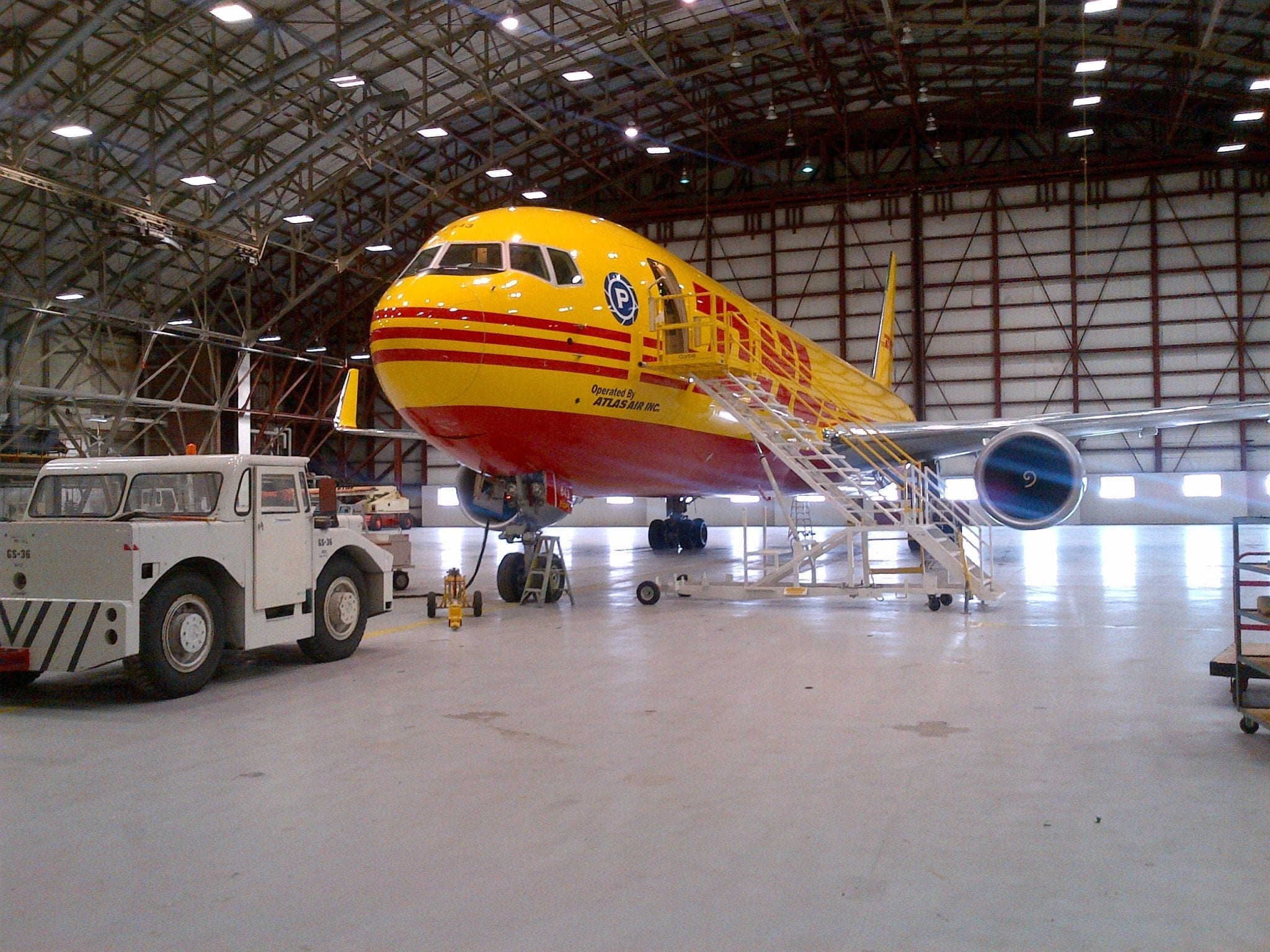
    DHL Aviation recently debuted two fully branded Boeing 737-400 aircraft at Murtala Muhammed International Airport in Lagos, marking a significant step forward in the company’s ongoing enhancement of Sub-Saharan Africa’s (SSA) logistics infrastructure. The increase in air transport capacity is set to bolster transit times, augment delivery predictability, and widen DHL’s scope to support businesses throughout West Africa and beyond.

    Air Network Expansion in Sub-Saharan Africa

    As the sole logistics provider with a dedicated air network in SSA, DHL is persistently extending its aviation uplift capacity to accommodate the increasing demands of West African businesses. The industries driving this growth comprise e-commerce, perishable goods, energy, and life sciences & healthcare.

    The African Continental Free Trade Area has ushered in a period of expanding commerce across the continent. Consequently, businesses are seeking reliable transit times and consistent delivery performance. The two exclusive aircraft will be incorporated into DHL Aviation’s African air network, fortifying connections on pivotal Africa-Europe and Africa-Asia trade lanes, said Anthony Beckley, VP Operations and Aviation at DHL Express SSA.

    Sustainable Growth and Digitalisation

    DHL’s investment in aviation capacity aligns with the company’s wider commitment to sustainable growth. DHL is proactively fostering digitalisation through AI-enhanced route optimisation and digital customs tools. Furthermore, the company is currently trialling renewable energy and alternative fuel projects across its facilities to aid its long-term environmental objectives.

    The latest investment further solidifies DHL Express’s standing as the go-to logistics partner for businesses aiming to expand their footprint in regional and global value chains, commented Riaan Vorster, Aviation Senior Director at DHL Aviation SSA.

    Questions & Answers

    What impact will DHL Aviation’s investment have on Sub-Saharan Africa’s logistics infrastructure?
    The investment, which includes two fully branded Boeing 737-400 aircraft, will improve transit times, enhance delivery predictability, and enable DHL to better support businesses across West Africa and beyond.

    Why is DHL expanding its aviation uplift in Sub-Saharan Africa?
    DHL is responding to the growing demand from West African businesses across key sectors, including e-commerce, perishables, energy, and life sciences & healthcare.

    How does DHL’s latest investment align with its broader commitments?
    By increasing its aviation capacity, DHL is demonstrating its commitment to sustainable growth. The company is also advancing digitalisation efforts through AI-enabled route optimisation and digital customs tools and piloting renewable energy and alternative fuel projects to support long-term environmental goals.

  • DHL Group’s Bold Strides Towards Sustainability: Green Innovations Across Asia Pacific

    DHL Group’s Bold Strides Towards Sustainability: Green Innovations Across Asia Pacific

    DHL Group has made substantial progress in its commitment to environmental sustainability across the Asia Pacific region. This comes as part of their initiative to meet the region’s increasing need for reduced-emission logistics solutions. By 2025, DHL has put forth an array of initiatives to advance its sustainability roadmap, with five notable examples being sustainable fuel agreements, the deployment of electric vehicles, and the establishment of carbon-neutral facilities.

    Focusing on Sustainable Fuels

    In spite of the challenges in decarbonizing the aviation industry, DHL is taking considerable strides towards achieving a 30% usage of sustainable aviation fuel (SAF) by 2030. In 2025, DHL Express entered into critical SAF agreements with notable partners in Asia, increasing the demand and adoption of SAF for air cargo flights. These agreements contributed to nearly 20 million litres of SAF being supplied to DHL Express flights departing from Narita, Incheon, and Singapore, solidifying DHL as a leading SAF user in the logistics industry.

    Furthermore, DHL’s GoGreen Plus service has facilitated the adoption of SAF by numerous customers in the Asia Pacific region. In 2025 alone, over 153,000 customers utilized this service, thereby reducing their international air shipments’ Scope 3 emissions. This system allows DHL to substitute fossil fuels with sustainable fuels across its network, attributing the resulting environmental benefits to customers who opt for GoGreen Plus.

    Global Partnerships for a Sustainable Future

    DHL Global Forwarding collaborated with CMA CGM, purchasing 8,800 metric tons of UCOME second-generation biofuel. This partnership aims to reduce roughly 25,000 metric tons of greenhouse gas emissions and reaffirms DHL’s commitment to enhancing the demand for sustainable marine fuel, thereby enabling low-carbon maritime transport.

    Growth of Electric Vehicle Fleet

    In its endeavor to transition to reduced-emission ground transport, DHL has expanded its fleet of electric vehicles and introduced hydrogen-powered vehicles. DHL Supply Chain has deployed hydrogen-powered trucks in Japan for long-haul operations and supported the launch of an all-electric vehicle fleet to service over 250 stores across Thailand. Meanwhile, DHL Express has incorporated more than 100 electric vehicles into its Asia Pacific fleet, contributing significantly to its target of operating two-thirds of its final-mile fleet with electric vehicles by 2030.

    Carbon-Neutral Facilities

    In a bid to further its ‘Green Logistics of Choice’ agenda, DHL Group has constructed new facilities to operate in a carbon-neutral manner. In Thailand, DHL Supply Chain unveiled its first fully renewable energy-powered warehouse, which relies solely on on-site solar systems. This innovative move eliminates the need for fossil-fuel-based grid power. Similarly, new DHL Express service centers in Thailand and the Philippines were designed to minimize energy consumption.

    Questions & Answers

    What is DHL’s objective with its sustainability initiatives in the Asia Pacific region?

    DHL is committed to meeting the region’s increasing demand for reduced-emission logistics solutions and aims to achieve net-zero emissions by 2050.

    What is the significance of DHL’s sustainable fuel agreements and how do they work?

    DHL’s sustainable fuel agreements aim to increase the demand and adoption of sustainable aviation fuel (SAF) in the logistics industry. They allow DHL to substitute fossil fuels with SAF across its network, attributing the resulting environmental benefits to customers who opt for their GoGreen Plus service.

    What steps has DHL taken to encourage the use of electric vehicles and reduce emissions?

    DHL has expanded its fleet of electric vehicles and introduced hydrogen-powered vehicles in an endeavor to transition to reduced-emission ground transport. They aim to operate two-thirds of their final-mile fleet with electric vehicles by 2030.

  • APAC SMEs Prioritize Sustainability: FedEx Study Reveals Green Business Imperative in Supply Chain

    APAC SMEs Prioritize Sustainability: FedEx Study Reveals Green Business Imperative in Supply Chain

    FedEx, a leading global express transportation company, has recently disclosed significant insights from its Asia Pacific (APAC) research. The study examines consumer and business perspectives on sustainability and international trade, spotlighting key areas of interest for businesses throughout the region.

    APAC Businesses Show High Environmental Awareness

    The study reveals that majority (80%) of the region’s small and medium-sized enterprises (SMEs) take into account environmental issues when carrying out trade activities with Europe. This showcases how sustainability is progressively playing a more significant role in logistics-based decisions. SMEs from Southeast Asian markets, including over 55% of those in Malaysia and Indonesia, are at the forefront of this trend, with a keen focus on sustainable supply chain alternatives. This demonstrates an escalating awareness and proactive approach towards environmental concerns among regional businesses and consumers.

    Consumer Influence on Business Sustainability

    According to the study, consumers are the primary force behind the demand for eco-friendly business practices. 84% of APAC consumers are encouraging businesses to establish environmentally conscious e-commerce alternatives. Environmental responsibility is increasingly becoming a key differentiator that is impacting purchasing choices.

    The study shows that 81% of APAC consumers show a preference for companies that visibly integrate sustainability into their operations, as opposed to competitors providing similar products without clear sustainable practices. While product authenticity and competitive pricing remain crucial for e-commerce consumers, nearly 40% are willing to pay higher prices for products with sustainable packaging. As environmental consciousness increases, businesses are responding accordingly, recognizing that sustainable practices are vital for maintaining competitiveness in the digital marketplace. This consumer-driven environmental focus could directly influence business profitability.

    Salil Chari, the regional president for Asia Pacific at FedEx, commented, “Sustainability is transitioning from being merely a compliance requirement to being a critical element for growth, resilience, and differentiation in global commerce. At FedEx, we are dedicated to supporting this transition by aiming to achieve carbon-neutral operations globally by 2040.”

    Innovative Steps Towards Sustainable Logistics

    FedEx is responding to the growing demand for sustainable logistics by investing in advanced technologies and infrastructure that not only reduce environmental impact but also enhance operational efficiency.

    An illustration of this innovative approach is FedEx’s AI-powered Stops Sequencing tool, which intelligently organizes delivery routes in real-time based on package volume and customer requirements. By minimizing unnecessary mileage, this tool has the potential to lower carbon emissions and improve operational efficiency.

    Moreover, FedEx offers customers the transparency needed to make informed decisions about sustainability. FedEx® Sustainability Insights, a cloud-based platform, provides improved transparency into environmental impact. Using up-to-the-minute FedEx network data, the platform estimates CO2e emissions for individual tracking numbers and entire FedEx shipping accounts.

    In addition to these efforts, FedEx has started using sustainable aviation fuel (SAF) at Chicago O’Hare and Miami International Airports. This is another step towards reducing aviation-related emissions within its global air network. In urban delivery, FedEx is going electric. Electric vehicles have been deployed across several APAC markets and account for over 20% of the company’s delivery fleet in China. In Taiwan, electric tricycles have been introduced to navigate dense urban environments more efficiently, resulting in lower emissions and improved delivery efficiency.

    As international trade evolves, FedEx maintains its commitment to providing faster, smarter, and more sustainable shipping solutions. These solutions will not only enable customers to succeed but also contribute to a more sustainable future.

    Questions & Answers

    What percentage of APAC SMEs consider environmental issues in their trade activities with Europe?
    Around 80% of APAC SMEs take environmental issues into account when trading with Europe.

    What proportion of APAC consumers are willing to pay premium prices for sustainable packaging?
    Nearly 40% of APAC consumers are ready to pay higher prices for sustainable packaging.

    What is FedEx’s goal for carbon-neutral operations?
    FedEx aims to achieve carbon-neutral operations globally by 2040.

  • Emirates SkyCargo Expands into Belgium, Adds Liege to Global Freighter Network Amid Rising Cargo Demand

    Emirates SkyCargo Expands into Belgium, Adds Liege to Global Freighter Network Amid Rising Cargo Demand

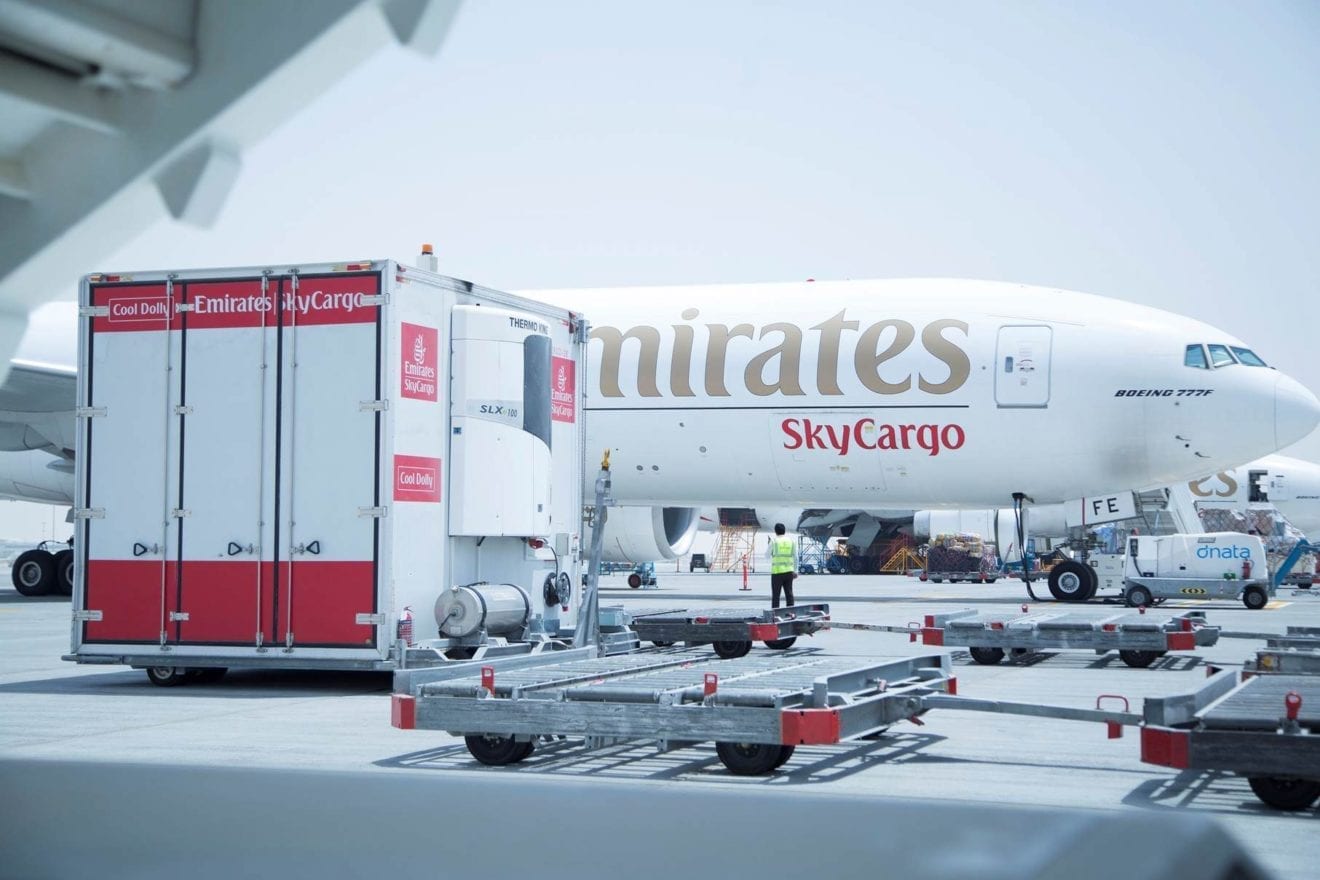
    Emirates SkyCargo, renowned for being the freight division of the largest international airline worldwide, has recently announced that Liege, Belgium (LGG) is the newest addition to its freighter network. A considerable enlargement of their network is planned throughout the next year, with Liege being the inaugural freighter destination for 2026.

    Strategic Location

    Liege Airport is strategically located within the Amsterdam-Paris-Frankfurt production ‘golden triangle’. Its prime location, combined with unmatched road connectivity, makes it one of the rapidly expanding cargo hubs globally. In 2025, the airport saw a 14% increase in cargo volumes. Over the past years, Emirates SkyCargo has utilized Liege Airport for sporadic freighters, transporting specialized items such as freshly cut flowers, e-commerce packages, and specific charters for horses headed for global competitions. With the continuing demand, the airline will now deploy five weekly freighters, enhancing cargo capacity by 500 tonnes each week to facilitate quick, reliable, and efficient movement of goods.

    Expanded Connections

    Among the five weekly freighters, three will provide connections between Liege, Chicago’s O’Hare International Airport, and Al Maktoum International Airport in Dubai. These connections will ensure the safe transportation of crucial, temperature-sensitive pharmaceutical products through a seamless and efficient cool chain. The remaining two freighters will commence in Hong Kong and transport e-commerce shipments to and via Liege.

    Khawla Abdulla, Vice President of Cargo Commercial for Europe, Emirates SkyCargo, highlights that establishing Liege as a permanent fixture in their freighter network is a strategic decision that enhances their European footprint and offers more connectivity for their global customers. She estimates considerable growth with the deployment of the five weekly freighters, considering the successful transportation of over 15,000 tonnes of cargo from Belgium in 2025. The high-quality infrastructure, freighter-first operations, and well-connected logistics at Liege Airport further support their aim to provide high-level service to Belgium and its neighboring countries.

    Torsten Wefers, Vice President Sales and Marketing, Liege Airport, expressed his honor at Emirates Sky Cargo’s decision to include Liege Airport in their global freighter network. He views this development as a testament to Liege Airport’s rising importance in the European air cargo industry and further strengthens its position as the largest European freighter hub.

    Continued Expansion

    Europe remains a vital and bustling region for Emirates SkyCargo, with 38 freighters and 538 passenger flights serving it weekly. The airline is planning further expansion, recently announcing the commencement of passenger operations to Helsinki, Finland, in October 2026. With a tentative delivery of up to 10 new Boeing 777Fs by December 2026, along with the continued delivery of passenger aircraft, Emirates SkyCargo is poised for growth and service to more destinations with its top-tier product and service.

    Questions & Answers

    What percentage increase in cargo volumes did Liege Airport see in 2025?
    The airport saw a 14% increase in cargo volumes in 2025.

    How many weekly freighters will Emirates SkyCargo deploy to Liege?
    Emirates SkyCargo plans to deploy five weekly freighters to Liege.

    What is the significance of adding Liege to Emirates SkyCargo’s freighter network?
    This strategic addition enhances the company’s European footprint, providing more connectivity for their global customers, and facilitating the efficient and reliable transportation of various goods.

  • E-commerce Boom in Australia Fuels Demand for Compliant Warehouse Racking Systems: Vinatech Rises to the Challenge

    E-commerce Boom in Australia Fuels Demand for Compliant Warehouse Racking Systems: Vinatech Rises to the Challenge

    Australia’s logistics and warehousing sector is experiencing robust growth, increasing the demand for storage systems that adhere to rigorous technical and safety standards. This has led suppliers to modify their products to align with the country’s stringent regulatory requirements.

    Booming Australian Warehousing Market

    The warehousing and logistics market in Australia is a foundational aspect of the national supply chain, currently estimated to be worth around AUD15 billion (US$10.1 billion). The rapid proliferation of e-commerce has been fueling this sector, with predictions suggesting a compound annual growth rate (CAGR) of approximately 6-7% over the next five to ten years.

    Entry of Vinatech Australia into the Market

    In response to this burgeoning market, Vinatech Australia has entered the scene not simply as a traditional supplier, but as a strategic partner providing comprehensive warehouse racking solutions. The company specializes in supplying industrial warehouse racking and storage solutions fine-tuned for the Australian market, aiming to provide top-quality warehousing systems that align with international standards while catering to the unique operational needs of each client.

    Vinatech Australia is supported by the Vinatech Group, a prominent Vietnamese manufacturer of industrial warehouse racking systems. Benefiting from extensive industry experience and state-of-the-art production infrastructure, the Vinatech Group has provided warehouse and storage solutions to numerous national and international clients, spanning logistics warehouses, manufacturing facilities, and large-scale distribution centers.

    The operational model of the company allows customers to maximize project budgets without sacrificing product quality, ensuring alignment with AS4084 standards and compliance with relevant Australian rules. Vinatech also offers full certification and technical documentation upon request, facilitated by engineering teams knowledgeable in both Vietnamese manufacturing standards and Australian compliance requirements. This capability underpins the company’s prevailing message: “Made in Vietnam – Used in Australia.”

    Comprehensive Industrial Solutions

    Vinatech Australia also provides a comprehensive range of industrial solutions, including consultancy and warehouse system design from the initial site survey stage, customized industrial warehouse and pallet racking solutions to meet specific operational needs, full project management from conception to operational deployment, and the capacity to deliver large volumes with consistent and reliable timelines.

    The company affirms its commitment to quality assurance and standards compliance as a vital element of its operations, addressing concerns regarding whether products sourced from Asia can meet the demanding standards of developed markets.

    All Vinatech products are designed and manufactured in compliance with international technical and safety standards. This ensures every industrial warehouse and pallet racking system fulfills strict criteria on load capacity, structural stability, workplace safety, and Australian fire protection regulations.

    Full Support from Planning to Operation

    Vinatech Australia positions itself not just as a product supplier but as a comprehensive solutions partner, aiding customers from the early planning stages through to real-world operation. This includes advising clients on long-term development strategies and integrating their warehouse racking systems seamlessly with advanced automation technologies.

    This strategy facilitates a phased approach to warehouse automation, allowing customers to commence with a fundamental solution such as pallet racking and progressively upgrade without the need to replace their entire warehouse racking infrastructure.

    Vinatech’s goal is not to become the largest supplier, but to be the most trusted provider of industrial warehouse racking solutions in Australia. They aspire to be the first name businesses consider when planning or upgrading their warehouse operations, not just due to competitive pricing but also their professionalism, reliability, and commitment to long-term partnerships.

    Questions & Answers

    What is Vinatech Australia’s specialization?
    Vinatech Australia specializes in providing industrial warehouse racking and storage solutions tailored for the Australian market.

    How does Vinatech assure adherence to technical and safety standards?
    Vinatech designs and manufactures all products in accordance with international technical and safety standards. They also provide complete certification and technical documentation upon request.

    What differentiates Vinatech Australia’s approach to customer support?
    Vinatech Australia positions itself not only as a product supplier but as a comprehensive solutions partner, supporting customers from early planning through to real-world operation.

  • J&T Express Shatters Records with 30 Billion Parcel Deliveries in 2025: A Year of Robust Growth and Innovation

    J&T Express Shatters Records with 30 Billion Parcel Deliveries in 2025: A Year of Robust Growth and Innovation

    J&T Global Express Limited (J&T Express), an international integrated logistics service provider, has reported its operational statistics for both the fourth quarter and the entire year of 2025. In the last quarter, the company saw a total parcel volume of 8.46 billion, marking a 14.5% year-on-year increase with an average daily parcel figure of 92 million. For the year 2025, J&T Express surpassed the 30 billion mark in total parcel volume for the first time ever by reaching 30.13 billion; this was a 22.2% increase from the previous year. The average daily parcel volume also rose by 22.6% to 82.5 million. The company credits this steady overall growth to a strong business performance, particularly in Southeast Asia and new markets, and a consistent input from the China market.

    Performance in Different Regions

    Throughout the fourth quarter, J&T Express experienced significant growth in both Southeast Asia and new markets. This was largely due to the peak e-commerce season and the company’s strong business strategies. In Southeast Asia, the company delivered 2.44 billion parcels in Q4, marking a 73.6% year-on-year increase, and delivered 7.66 billion parcels for the year, which was a 67.8% increase. The company also maintained its growth in new markets such as Saudi Arabia, UAE, Mexico, Brazil, and Egypt. Quarter 4 saw these markets surpassing 100 million parcel volume to reach 130 million, a 79.7% year-on-year increase; for the entire year, the parcel volume reached 400 million, increasing 43.6% from the previous year. The China market also enjoyed good quality growth, with a parcel volume of 5.89 billion for the quarter and 22.07 billion for the whole year, marking an increase of 11.4%.

    Investment in Infrastructure

    In 2025, the company made significant investments in infrastructure and resource allocation. It strategically optimized its network partners and outlets across different markets and upgraded its sorting centers to enhance operational efficiency. The company pushed outlet automation and cloud warehouse expansion initiatives in China, supporting the investment in automated equipment in outlets and the deployment of unmanned vehicles. This led to a 26% increase in automated equipment in outlets by the end of the year, and the deployment of 1,000 unmanned vehicles to greatly improve last-mile efficiency.

    Cloud Warehouses & Automated Sorting Equipment

    Simultaneously, J&T Express established 173 cloud warehouses, providing value-added services to address a variety of customer needs, solidify customer retention, and improve the overall customer experience. J&T Express also introduced Southeast Asia’s first industrial-grade automated sorting equipment at last-mile outlets in Thailand, planning a nationwide automation upgrade by 2026. This technology has been implemented across similar outlets in Vietnam, Indonesia, Malaysia, and the Philippines. At the end of 2025, the company operated 19,300 outlets and 246 sorting centres, with the number of automated sorting machines increasing by 134 year-on-year, bringing the total to 413.

    Charles Junyi Hou, Group Vice President of J&T Express, commented on the company’s performance, stating that the rapid development of e-commerce and a diversified customer base contributed to the robust growth in Southeast Asia and new markets. He noted that in China, the company is actively seeking higher-quality growth and that the delivery of more than 30 billion parcels globally by 2025 will serve as a new starting point for the company. Looking forward, he said they will continue to fortify their global network, stimulate growth through innovation, and consistently meet market demands.

    Questions & Answers

    What led to the year-on-year increase in parcel volume for J&T Express in 2025?
    The increase was a result of robust growth in Southeast Asia and new markets, coupled with the steady contribution from the China market.

    What is J&T Express’s strategy for increasing operational efficiency?
    J&T Express is investing in infrastructure, optimising its network partners and outlets across various markets, upgrading its sorting centres, and deploying automated equipment and unmanned vehicles.

    What are the company’s future plans?
    The company plans to continue strengthening its global network, driving growth through innovation, and consistently meeting market demands. It also aims to complete a nationwide automation upgrade in Thailand by 2026.