Category: Logistics

Retail News Asia is committed to providing both local and global retailers with the latest Logistics news throughout the Asian market. This on a daily base.

  • FedEx Gears up for Freight Division Spin-Off: Reveals Plan in SEC Form 10 Filing

    FedEx Gears up for Freight Division Spin-Off: Reveals Plan in SEC Form 10 Filing

    FedEx Corp. recently publicized its plan to file a Form 10 registration statement with the U.S. Securities and Exchange Commission (SEC) for the proposed separation of FedEx Freight. This document is accessible through the SEC’s website and FedEx’s Investor Relations page.

    FedEx Excited About the Spin-Off

    Raj Subramaniam, FedEx Corp.’s president and CEO, expressed optimism about the Form 10 filing, signifying significant progress towards the imminent launch of FedEx Freight as an autonomous industry-leading Less Than Truckload (LTL) company. According to Subramaniam, this separation will allow both entities to better cater to their customers and unlock long-term value for all shareholders.

    John Smith, the incoming president and CEO of FedEx Freight, commended the organization’s strong foundation, underpinned by its vast network, unique service model, and 39,000 dedicated team members. He views this filing as a significant step towards independence, which will enable them to deliver more value as North America’s leading LTL freight carrier.

    Key Takeaways from the Form 10

    The Form 10 filing provides valuable insights into the expected future of FedEx Freight, highlighting its aim to:

    – Bolster customer relationships through its extensive nationwide LTL network, leading scale, and premium flexible model, while also improving transit times and reliability, consequently solidifying its standing in the resilient LTL market.
    – Implement a strategic commercial and operational strategy focusing on high-growth verticals, technology and infrastructure investments, and continuous efficiency initiatives to facilitate meaningful growth, amplify its competitive advantage, and maximize the benefits of a streamlined LTL-focused operating model.
    – Encourage sustainable profitable growth, robust cash generation, and prudent capital allocation to fund high-yield innovation and network investments and responsibly distribute capital to shareholders over time.

    Further Details

    The separation of FedEx Freight from FedEx is scheduled for June 1, 2026, pending final board approval and other standard conditions. FedEx Freight’s common stock is anticipated to be listed on the New York Stock Exchange under the symbol “FDXF”. The planned separation aims to be tax-neutral for both FedEx and its stockholders for U.S. federal income tax purposes, excluding any cash that stockholders may receive for fractional shares.

    Governance Update

    In anticipation of the separation, FedEx has disclosed the preliminary board of directors for the future independent FedEx Freight, chaired by the current FedEx Corp. executive chairman, R. Brad Martin. Comprising senior leaders with extensive experience in transportation, logistics, finance, and technology, the board reinforces FedEx Freight’s position as an independent LTL operator.

    FedEx Freight Investor Day

    FedEx Freight will host an Investor Day on April 8, 2026, in New York City. The leadership team will elaborate on FedEx Freight’s unique positioning, appealing financial model, and future growth opportunities during the event. A real-time webcast of the event and associated presentation materials will be obtainable on FedEx’s Investor Relations website.

    Subsequent alterations to the Form 10 will be submitted to the SEC under FedEx Freight. The Form 10 filed on January 16, 2026, may be subject to changes and will be finalized before the effective date.

    Questions & Answers

    When is the expected spin-off date for FedEx Freight from FedEx?
    The separation is scheduled for June 1, 2026, subject to necessary board approval and other customary conditions.

    Who will be leading the newly independent FedEx Freight?
    John Smith, the incoming president and CEO, will lead FedEx Freight.

    What will the common stock for FedEx Freight be listed under?
    FedEx Freight’s common stock is anticipated to be listed on the New York Stock Exchange under the ticker symbol “FDXF”.
  • Rising to the Top: Clark International Airport Corporation Paves the Way for Next-Gen Logistics Hub in the Philippines

    Rising to the Top: Clark International Airport Corporation Paves the Way for Next-Gen Logistics Hub in the Philippines

    The Clark International Airport Corporation (CIAC) is taking decisive steps to establish the Clark Civil Aviation Complex (CAC) as the Philippines’ next central hub for cargo and logistics. This development is supported by the extensive redevelopment of the 2,367-hectare property, with CIAC rapidly improving infrastructure, managing the estate, and reforming policies to accommodate the increasing regional demand.

    Heading in a New Direction

    Joseph P. Alcazar, President and CEO of CIAC, states that the corporation has revised its strategy and has refocused on managing the estate and developing airport infrastructure. Their goal is to support the Clark International Airport (CRK) and convert the Clark Civil Aviation Complex into the Clark Aviation Capital.

    Within the first five months of 2025, the Clark International Airport (CRK) doubled its cargo throughput compared to the previous year, handling over 35,900 tonnes across more than 2,500 flights. Historically, CRK has been seen as a strategic alternative to the crowded gateways in Metro Manila. Now, CRK is utilising its prime location, extensive aviation estate, and updated infrastructure to further CIAC’s logistics vision.

    Geography and Policy: The Advantages of Clark

    Central Luzon is the location of CAC, providing it with direct access to major expressways, seaports, and the market in Metro Manila. This connectivity enables quick cargo movement with various transportation options.

    CAC, the largest aviation complex in the Philippines, is uniquely positioned, offering operational and tax advantages due to its status as one of the few freeport zones housing an international airport.

    Claude’s close proximity to the industrial corridors in Luzon and its uncongested airspace make it an ideal location for time-sensitive cargo, including e-commerce deliveries and Maintenance, Repair, and Overhaul (MRO) operations.

    Strengthening Connections

    To keep up with its expanding role in logistics, Clark is investing in long-term infrastructure that improves accessibility to key economic zones and trade routes.

    Cargo volumes have soared at Clark, with a 100% increase in the first five months of 2025, which builds on a 32% increase from 2024.

    Building Infrastructure and Future Hubs

    The progress is supported by a series of infrastructure projects led by CIAC, including a new air traffic control tower, upgraded airfield lighting systems, and radar installations.

    CIAC is also focusing on future growth areas such as temperature-sensitive cargo and e-commerce logistics. For instance, in 2024, CIAC signed a Memorandum of Understanding with Philippine Pharma Procurement, Inc. to explore the development of pharmaceutical logistics capabilities within the complex.

    Enhancing Resilience and Multimodal Mobility

    As part of its long-term strategy, CIAC is considering new infrastructure aimed at resilience and disaster readiness.

    CIAC is also developing plans for a Multimodal Mobility Hub, a compact, connected space that integrates various transport modes, improving urban access and logistics efficiency.

    Governance, Services, and Sustainability

    CIAC plays a crucial supporting role for estate locators and cargo operators, despite not directly operating cargo services.

    Policy reforms are helping to accelerate infrastructure development. The Public-Private Partnership (PPP) Code institutionalises best practices for private-sector participation and offers a transparent framework for implementing major projects.

    Sustainability remains at the forefront of CIAC’s long-term perspective. CIAC actively supports initiatives that promote sustainable aviation.

    Questions & Answers

    What is the strategic plan of CIAC for Clark International Airport?
    CIAC is focusing on improving infrastructure, managing the estate, and reforming policies to support Clark International Airport (CRK) and convert the Clark Civil Aviation Complex into the Clark Aviation Capital.

    Which areas is CIAC targeting for future growth?
    CIAC is exploring potential growth areas such as temperature-sensitive cargo and e-commerce logistics. The corporation is also planning to develop pharmaceutical logistics capabilities within the complex.

    How is CIAC working towards sustainability?
    CIAC actively supports initiatives that promote sustainable aviation. The corporation is planning infrastructure across Clark Aviation Capital that incorporates green building standards, efficient land use, and transport connectivity to reduce the carbon footprint of logistics operations.

  • Pattaya Airways Bolsters Southeast Asia Air Freight Access via WebCargo by Freightos Partnership

    Pattaya Airways Bolsters Southeast Asia Air Freight Access via WebCargo by Freightos Partnership

    Freightos, a global frontrunner in online reservation and payment systems for the international freight industry, has recently confirmed the addition of Thai carrier, Pattaya Airways, to the WebCargo by Freightos’ platform. This collaboration enables freight forwarders to digitally reserve and pay for cargo space throughout Pattaya’s robust Southeast Asia network.

    Platform Integration and Expansion Plans

    The integration provides freight forwarders on the platform with digital access to Pattaya Airways’ regional routes. This facilitates connections between several major economic centres of the Association of Southeast Asian Nations (ASEAN). The initial phase of this integration will allow bookings between Bangkok and Ho Chi Minh City. Future plans include expansion to other countries such as Thailand, Myanmar, Cambodia, Vietnam, and Laos.

    Freightos CEO, Zvi Schreiber, expressed great enthusiasm about the integration, stating that welcoming Pattaya Airways to their platform is a significant step towards streamlining global trade and enhancing responsiveness. As Thailand continues to bolster its position in global trade networks, having immediate digital access to regional carriers like Pattaya Airways enables freight forwarders to build more adaptable supply chains for their clients.

    Digital Transition and Enhanced Accessibility

    Nat Boonyavichkanont, CEO of Pattaya Airways Company Ltd., emphasised that the transition to digital is not just about modernisation, but also about staying attuned to the realities of contemporary freight movement. He expressed pride in the company’s collaboration with WebCargo by Freightos, stating that it will significantly improve digital air-cargo accessibility across Southeast Asia.

    Boonyavichkanont also highlighted that this partnership reinforces their commitment to providing quicker booking capabilities, increased transparency, and seamless regional connectivity for their customers. In the current scenario, forwarders want to compare routes, make bookings swiftly, handle cargo payments, and ensure customer satisfaction. The expansion of Pattaya Airways’ services on the WebCargo by Freightos platform allows them to cater to these evolving needs, benefiting everyone involved in the process, from local shippers to large regional players.

    Questions & Answers

    What is the significance of Pattaya Airways joining the WebCargo by Freightos’ platform?
    The integration of Pattaya Airways into the platform allows freight forwarders to digitally reserve and pay for cargo space across Pattaya’s Southeast Asia network. This enhances transparency, efficiency, and connectivity in the region’s freight industry.

    What are the future expansion plans for this integration?
    Initially, bookings will be available between Bangkok and Ho Chi Minh City. There are plans to expand this service to other Southeast Asian countries such as Thailand, Myanmar, Cambodia, Vietnam, and Laos.

    What are the benefits of this digital transition for freight forwarders?
    This digital transition facilitates quicker booking capabilities, increased transparency, and seamless regional connectivity. It allows forwarders to compare routes, make bookings swiftly, and handle cargo payments, thereby ensuring higher customer satisfaction.

  • DHL Express Boosts Trade Potential with Expanded Cargo Capacity on Hong Kong-Penang Route

    DHL Express Boosts Trade Potential with Expanded Cargo Capacity on Hong Kong-Penang Route

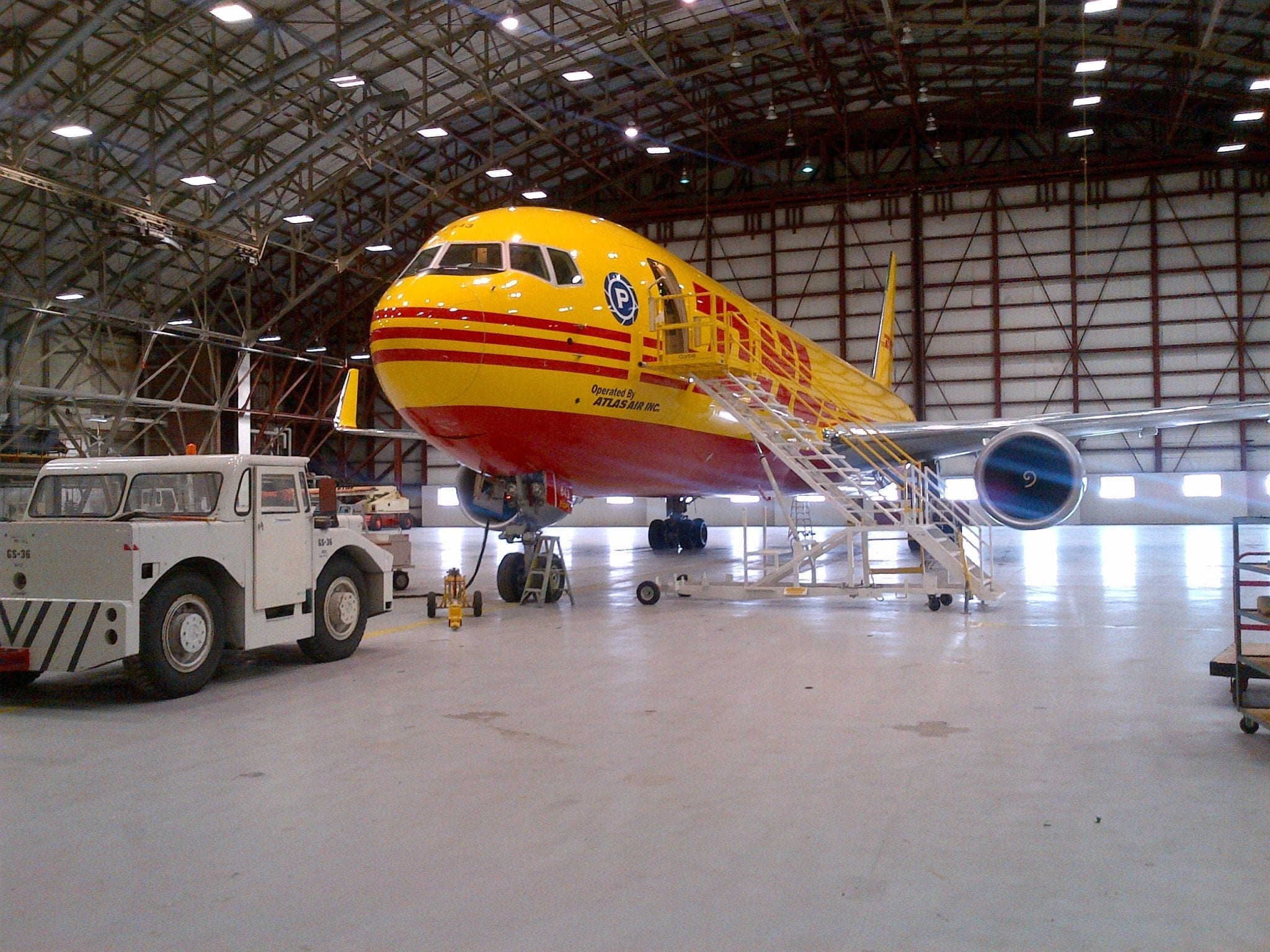
    DHL Express has enhanced its network with increased capacity for the Hong Kong to Penang route. A Boeing 767 freighter will now ply the route, taking over from the previous Airbus A321, adding an extra 20 tons of cargo capacity per flight.

    Meeting Rising Demand

    Operating on a daily basis with its partner Raya Airways, DHL is poised to meet the increasing demand for time-sensitive shipments from technology and semiconductor manufacturers in Malaysia’s northern manufacturing hub. The Boeing 767 freighter provides enhanced payload and range capabilities, thus accommodating more shipments. This ensures that clients in Penang are better linked to their trading partners in Hong Kong and beyond.

    Peter Bardens, Senior Vice President for Network Operations & Aviation – Asia Pacific, DHL Express, expressed pride in the firm’s significant footprint and network that have contributed to the growth in Penang, a long-standing attractive destination for tech giants. “The introduction of a larger aircraft and a daily schedule not only increases capacity, but it also reaffirms our commitment to connecting Asia’s innovation hubs with the rest of the world. As trade routes evolve, we remain focused on maintaining our network’s flexibility and agility to cater to changing customer needs,” Bardens said.

    Supporting Malaysia’s Growing Role

    This strategic enhancement reflects DHL’s commitment to bolster Malaysia’s growing role in global supply chains, particularly in the electronics and semiconductor sectors. This move is timely as Penang continues to attract high-value investments and expand its footprint in the global tech ecosystem. The state marked a significant manufacturing investment of approximately EUR2.56 billion (RM12.5 billion) in the first half of 2025, a 150% increase compared to the same period in 2024.

    Julian Neo, Country Manager, DHL Express, Malaysia, affirmed that the network enhancement aligns with findings from the DHL Global Connectedness Tracker 2025. It showed that Asia Pacific is increasingly central to global trade, despite geopolitical tensions and tariff disruptions. “Intra-Asia trade continues to show momentum, with Malaysia ranked among the top 10 fastest-growing trading nations globally in the first half of 2025,” said Julian Neo.

    Strengthening Partnerships

    “Our partnership with DHL Express has grown over the years through operational reliability and close collaboration. The introduction of the Boeing 767 further strengthens our support for Penang’s expanding electrical and electronics industries, while enhancing Malaysia’s connectivity to global markets. We look forward to continuing this partnership as we grow our capacity and serve the evolving needs of our customers,” said Mohamad Najib Ishak, Group Managing Director, Raya Airways.

    Malaysia’s trade value growth highlights its resilience and increasing significance in global supply chains, despite shifting trade dynamics. DHL Group has identified Malaysia as one of the 20 global markets with the highest growth potential. The recently concluded DHL GoTrade Summit 2025, held for the first time outside Germany in Kuala Lumpur, also underscores the logistics provider’s commitment to elevating local enterprises and reinforcing Malaysia’s position as a key player in the global marketplace.

    Questions & Answers

    What is the significance of the Boeing 767 freighter in DHL’s operations?
    The Boeing 767 freighter adds an extra 20 tons of cargo capacity per flight, offers enhanced payload and range capabilities, and accommodates more shipments.

    How does the network enhancement impact Malaysia’s position in global trade?
    The enhancement bolsters Malaysia’s growing role in global supply chains, particularly in the electronics and semiconductor sectors, and strengthens Malaysia’s connectivity to global markets.

    What does the DHL GoTrade Summit 2025 signify?
    Held in Kuala Lumpur, the summit underscores DHL’s commitment to supporting local enterprises and reinforces Malaysia’s position as a key player in the global marketplace.

  • Holiday Sales Set to Soar as FedEx Survey Reveals Business Confidence Bolstered by E-commerce Shopping Festivals

    Holiday Sales Set to Soar as FedEx Survey Reveals Business Confidence Bolstered by E-commerce Shopping Festivals

    Federal Express Corporation (FedEx), a global leader in express transportation, has shared valuable data from a survey conducted to understand attitudes and trends related to the year-end festive shopping period among businesses and consumers in the Asia Pacific and European regions.

    Survey Insights

    The survey, conducted in September 2025, collated responses from 850 small and medium-sized enterprises (SMEs) and 850 consumers from 13 Asia Pacific markets, as well as more than 1,200 SMEs from nine European markets. The study aimed to identify business expectations for the holiday shopping season and highlight consumer preferences and concerns.

    The results indicated a strong sense of optimism, with over 70% of Asia Pacific businesses and more than 80% of European businesses anticipating improved holiday sales compared to the previous year. Asia Pacific businesses are preparing for a significant cross-border demand from Europe during the year-end shopping season.

    This rise in e-commerce across borders and the influence of major online shopping festivals are driving demand. This year, 88% of Asia Pacific consumers are planning to do at least a quarter of their holiday shopping online, with 53% intending to ramp up their online activity. Shopping festivals such as Double 11, Black Friday, and Cyber Monday are particularly influential, with 83% of Asian shoppers incorporating these events into their holiday purchasing plans. SMEs are modifying their strategies accordingly, with 91% of Asia Pacific businesses and 83% of European businesses considering these e-commerce shopping festivals vital for capturing seasonal demand.

    Consumer Preferences

    While there is strong demand among Asia Pacific shoppers for European goods, more product choices, competitive delivery speed, and costs remain paramount. Almost nine in ten Asia Pacific shoppers identify efficient shipping as crucial when buying holiday gifts online.

    However, delays in delivery (55%) and high shipping costs (45%) are the main issues faced in previous seasons, highlighting the need for e-tailers to enhance logistics performance and customer experience. These concerns directly influence purchasing decisions, with more than half of Asia Pacific consumers suggesting that lower shipping costs (53%) and faster delivery times (50%) would make them more likely to buy from European vendors.

    Business Response

    Businesses in both regions are elevating their efforts to meet growing customer expectations. Close to one-third of businesses in the Asia Pacific (29%) and Europe (33%) are improving their fulfillment and delivery operations to better accommodate cross-border demand. Over one-third of enterprises in the Asia Pacific (34%) and Europe (32%) are bolstering their customer service capabilities. Interestingly, 85% of businesses in both these regions are confident about meeting delivery deadlines during this year’s holiday season.

    Integrated E-commerce and Digital Logistics Solutions

    Salil Chari, Senior Vice President of Marketing and Customer Experience at FedEx Asia Pacific, said, “In Asia Pacific, the festive gifting season extends beyond Christmas and into the Lunar New Year, forming one of the world’s most dynamic periods for cross-border commerce. E-tailers are poised to maximize sales with the surge in e-commerce across Asia Pacific and Europe. We assist businesses in delivering superior customer experiences and optimizing logistics, particularly during the business holiday season, through our extensive network and smart, digital solutions.”

    FedEx’s comprehensive e-commerce solutions aid e-tailers in streamlining order fulfillment. The company has integrated its Ship Manager platform with prominent e-commerce marketplaces such as Shopify and BigCommerce, allowing Asia Pacific e-tailers to manage shipments and paperwork directly from their online orders. These user-friendly, seamless services are essential for e-commerce merchants, especially during the bustling holiday season when order volumes spike.

    To meet increasing expectations for speed and reliability, FedEx offers services such as FedEx® International Connect Plus (FICP), which enables merchants to ship within the Asia Pacific and to the U.S. and Europe. This affordable international solution typically delivers most shipments within one to three business days, closely aligning with consumer demand for speedy delivery.

    Questions & Answers

    What is the primary expectation of Asia Pacific consumers when shopping online for the holiday season?
    Efficient shipping is the top expectation of almost nine in ten Asia Pacific consumers when they shop online for the holiday season.

    What percentage of Asia Pacific consumers plan to do their holiday shopping online?
    According to the survey, 88% of Asia Pacific consumers plan to conduct at least a quarter of their holiday shopping online.

    What actions are businesses in the Asia Pacific and Europe taking to meet growing customer expectations?
    Approximately one-third of businesses in both regions are enhancing their fulfillment and delivery operations to accommodate increased cross-border demand, while over one-third are strengthening their customer service capabilities.

  • DHL Invests €130M in Boosting Saudi Logistics with New Hub: A Strategic Leap towards Vision 2030

    DHL Invests €130M in Boosting Saudi Logistics with New Hub: A Strategic Leap towards Vision 2030

    DHL Supply Chain, the world’s leading contract logistics provider, has announced an investment of approximately €130 million (560 million SAR) towards the establishment of a regional logistics and distribution hub in Riyadh, located in Saudi Arabia’s Special Integrated Logistics Zone (SILZ). This strategic investment reaffirms the company’s commitment to the Kingdom’s Vision 2030 and its goal of becoming a global logistics powerhouse. This facility is part of DHL’s larger investment strategy in Saudi Arabia.

    Features of the New Facility

    The new distribution hub will be built on a 78,000 sqm land plot, with a 53,000 sqm facility, under a lease agreement for a 26-year term. This multi-user warehouse will service various sectors, such as technology, retail and consumer, automotive, energy, and e-commerce, offering customised solutions for each industry. Construction is set to commence in the first quarter of 2026, with completion projected for the second quarter of 2027. This new warehouse is a component of the €500 million investment announced by DHL Group for the Middle East extending to 2030.

    Hendrik Venter, CEO of DHL Supply Chain, commented on the growth potential of the region, saying, “The Middle East is one of the fastest-growing logistics regions globally, and Saudi Arabia sits at the centre of this transformation… Our new multiuser facility at SILZ will not only accelerate supply chain resilience and connectivity but also enable global businesses to migrate their distribution centres to the Kingdom…”

    Strategic Location and Benefits

    Situated just eight kilometres from King Khalid International Airport and connected via a bonded corridor, the new hub will offer unrivalled proximity to global air routes. This advantageous location will ensure faster lead times and seamless access to and from the Middle East’s largest consumer market—facilitating efficient inbound flows into the Kingdom and supporting the burgeoning outbound export trade.

    Mostapha Mokdad, DHL Supply Chain KSA’s Managing Director, stressed the alignment of this initiative with the Kingdom’s Vision 2030, saying, “…our lighthouse site at SILZ is a testimony of supporting our global customers to actively serve the Kingdom of Saudi Arabia as the largest market in the region…”

    Significant Milestone and Future Opportunities

    The agreement represents a significant step in DHL Supply Chain’s long-term expansion strategy in the Kingdom and mirrors the strong alignment between the company’s growth ambitions and Saudi Arabia’s Vision 2030 objectives. The new facility is anticipated to generate new employment opportunities, contributing to local workforce development in line with Vision 2030.

    The collaboration between the two parties will continue through the construction and development phases. Operations at the new hub are expected to enhance regional connectivity and unlock significant long-term economic value.

    Questions & Answers

    When is the construction of the new DHL facility expected to begin?
    Construction is scheduled to start in the first quarter of 2026.

    What is the primary purpose of the new DHL facility in SILZ?
    The facility will serve as a regional logistics and distribution hub catering to various sectors, including technology, retail, automotive, energy, and e-commerce.

    How will the new DHL facility contribute to Saudi Arabia’s Vision 2030?
    The facility aligns with the Vision 2030 objectives by creating new employment opportunities and aiding in the development of the local workforce. It also supports the Kingdom’s ambition to become a global logistics hub.

  • DHL Group to Propel India’s Dynamic Market with €1 Billion Investment by 2030

    DHL Group to Propel India’s Dynamic Market with €1 Billion Investment by 2030

    DHL Group, a world-renowned logistics company, has shared its ambitious plans to invest approximately EUR 1 billion across various business sectors in India by 2030. This hefty investment highlights DHL’s confidence in India’s potential for growth and aligns with the company’s Strategy 2030 for accelerating sustainable development.

    Investment Program Details

    The investment program is set to span various sectors, such as life sciences, healthcare, new energy, e-commerce, and digitalisation. Major developments in infrastructure include:

    – Establishing the first DHL Health Logistics hub for DHL Supply Chain India in Bhiwandi
    – Building India’s largest low-carbon-emission integrated operating facility for Blue Dart in Bijwasan
    – Setting up the first automatic sorting center for DHL Express India in Delhi
    – Opening the fifth DHL IT Services Centre in Indore
    – Creating an Electric Vehicle (EV) and Battery Logistics Centre of Excellence (COE) in Chennai and Mumbai
    – Constructing the largest low greenhouse gas (GHG) emission integrated ground hub for Blue Dart in Haryana

    Tobias Meyer, CEO of DHL Group, expressed confidence in India’s dynamic market despite current global trade challenges. He remarked that India’s diversified business strategies and policies support long-term investments, making it a promising location for the implementation of DHL’s investment program.

    The Significance of India in DHL’s Strategy 2030

    Despite the headwinds from tariffs, global trade remained resilient, with India’s combined merchandise and services exports witnessing a growth of 6.18% from April to August 2025. The average distance of goods trade in India is also projected to reach 6,190 kilometers in 2025, underscoring the growth of India’s exports to various countries across Asia, the Middle East, Europe, Africa, and the Americas.

    R.S. Subramanian, SVP – South Asia and Managing Director, India, DHL Express, noted that India’s diversification strategy has started to yield results, with increased trade to a wider range of markets. He added that the complexity of evolving supply chains, ranging from new supplier ecosystems to customs declarations, is handled efficiently by DHL’s logistics experts and digital tools.

    Investments in Life Sciences and Healthcare

    India has emerged as a global hub for contract manufacturing, research and development, and clinical trials in the life sciences and healthcare sector. To support India’s ambitions in this field, DHL has invested in its capabilities, establishing the Health Logistics Excellence Centre in Mumbai and a facility in Bhiwandi dedicated to life sciences and healthcare companies.

    New Energy Initiatives

    Edwin Pinto, Managing Director, India, DHL Global Forwarding, stated that DHL’s focus on New Energy aligns with India’s ambition for clean energy and electrification. As part of this focus, DHL plans to set up an EV and Battery Logistics Center of Excellence (COE) by Q4 2025.

    E-commerce Investments

    Balfour Manuel, Managing Director of Blue Dart, highlighted the importance of logistics and e-commerce sectors in driving India’s growth. To support this, DHL plans to invest in upgrading infrastructure, network, capacity, and last-mile reach and delivery centers nationwide.

    Sustainability Drive

    As part of its Strategy 2030, DHL Group has added a new pillar: Green Logistics of Choice. The company aims to reduce its absolute CO2 emissions to 29 million metric tons by 2030 and to achieve net-zero emissions by 2050. In India, the Group’s sustainability journey is focused on the electrification of its fleet.

    Digitalisation Initiatives

    The Group has also invested in making India a hub for digital innovation and technology talent. This includes the opening of its fifth DHL IT Services (ITS) center and the first dedicated technology training academy center in Indore.

    Questions & Answers

    What is the focus of DHL’s investment in India?
    The investment program focuses on sectors such as life sciences, healthcare, new energy, e-commerce, and digitalisation. Infrastructure developments include the establishment of logistics hubs, low-carbon-emission facilities, and IT Services centers.

    What are DHL’s sustainability goals in India?
    DHL aims to reduce its absolute CO2 emissions to 29 million metric tons by 2030 and to achieve net-zero emissions by 2050. The company’s sustainability efforts in India center around the electrification of its fleet.

    What does DHL’s digitalisation initiative in India involve?
    The digitalisation initiative involves making India a hub for digital innovation and technology talent. This includes the opening of DHL IT Services centers and the establishment of a dedicated technology training academy center in Indore.

  • APAC SMEs Eye European Trade Boom: FedEx Survey Unveils Surging Confidence & Growth Trends

    APAC SMEs Eye European Trade Boom: FedEx Survey Unveils Surging Confidence & Growth Trends

    Federal Express Corporation, a global leader in express transportation, has released the findings of a survey focusing on trade lane trends between the Asia Pacific (APAC) and Europe. The study illuminates the main drivers and obstacles to cross-border trade.

    Survey Details and Findings

    The survey, carried out in September 2025, gathered responses from 850 small- and medium-sized businesses (SMEs) across 13 APAC markets and over 1,200 SMEs across nine European markets. The study sought to understand business sentiment, readiness, and challenges in the context of cross-border expansion among APAC firms looking towards Europe and European firms eyeing APAC.

    The results show a significant upswing in European trade among APAC SMEs, with 76% of respondents noting elevated export volumes over the previous year. The United Kingdom (42%), Germany (40%), and France (38%) were identified as the chief markets propelling business growth.

    European SMEs also displayed strong confidence, as 87% of businesses are tilting their trade balance in favor of the APAC region or maintaining their current levels. China (55%), Japan (36%), and South Korea (24%) were identified as the top growth markets for the next two years. Importantly, this mutual optimism among SMEs mirrors the broader market dynamics, as the Asia–Europe trade lane witnessed thirty consecutive months of growth up to August 2025, underlining the impressive growth momentum in this critical business corridor.

    Trade Lane Developments and Challenges

    The escalation in Asia-Europe trade is attributable to several key factors. In the APAC region, robust consumer demand in Europe, better price competitiveness for Asian products and services, and strategic expansion opportunities have been instrumental, with 68% of participants attributing growth to these elements. A notable 85% of APAC businesses plan to inaugurate or expand trade with Europe in the next 12–24 months.

    Conversely, European businesses are attracted to APAC due to strategic potential, comprehensive logistics solutions, and favorable trade agreements. Despite the strong interest from both APAC and European SMEs to broaden cross-border trade, they also recognize the hurdles that lie ahead. Changes in regulations, intricate customs procedures, and worldwide market volatility are major apprehensions, affecting 86% of APAC SMEs and 78% of European SMEs.

    To address these issues, SMEs are exploring solutions. 30% of APAC and 41% of European firms are seeking digital tools to enhance supply chain visibility, simplify shipping, and decrease delivery times. Moreover, 27% of APAC and 41% of European SMEs are calling for improved customs expertise to steer through shifting regulations, avert delays, and manage costs effectively.

    Supporting Asia-Europe Trade

    Salil Chari, senior vice president, Marketing and Customer Experience at FedEx, Asia Pacific, asserted, “In the face of ongoing changes in global trade, it’s heartening to witness APAC and European SMEs exhibiting strong confidence in expanding along the Asia–Europe trade corridor. At FedEx, we’re aiding our customers to unlock their next growth phase by combining the reach of our global network, the strength of digital innovation, and our profound trade expertise, helping them trade smarter, more efficiently, and with greater confidence.”

    To bolster the growing trade, FedEx added five weekly flights connecting Asia to Europe during this month. Additionally, FedEx improved connectivity between Vietnam and Europe, lessening shipment time by one day. FedEx currently operates 26 weekly flights connecting APAC shipments to Europe, ensuring express shipments reach major European destinations within 48 hours.

    FedEx’s integrated air-and-road network, one of the fastest in Europe, guarantees swift deliveries across the region. With logistics hubs in Paris, France, and Liege, Belgium, the network supports over 550 pick-up and delivery stations across 45 countries and territories, sorting more than two million packages daily.

    FedEx also provides a wide array of smart digital solutions and specialized trade expertise to simplify cross-border trade. Their tools allow customers to streamline customs declarations by uploading Electronic Trade Documents digitally, track clearance status through the FedEx Import Tool, and access the FedEx Go-To Europe Hub – a platform with multimedia resources, trade guidelines, and local market insights.

    Questions & Answers

    What percentage of APAC SMEs reported an increase in export volumes to Europe over the past year?
    76% of APAC SMEs reported an increase in export volumes to Europe over the past year.

    What are the main concerns for SMEs conducting business across borders?
    Regulatory shifts, complex customs procedures, and global market volatility are major concerns for SMEs conducting business across borders.

    What measures has FedEx taken to support the growing trade between APAC and Europe?
    FedEx has added five weekly flights connecting Asia to Europe, improved connectivity between Vietnam and Europe, and offers a suite of smart digital solutions and specialized trade expertise to facilitate cross-border trade.

  • Air China Cargo Leaps Ahead with First-ever A350F Freighter Purchase in Mainland China

    Air China Cargo Leaps Ahead with First-ever A350F Freighter Purchase in Mainland China

    Air China Cargo has made history by becoming the first purchaser of the highly-anticipated A350F on the Chinese mainland, following the signing of a purchase agreement for six units of the cutting-edge aircraft.

    Boosting Efficiency with the A350F

    According to Wang Hongyan, the Vice President of Air China Cargo, the inclusion of the A350F in the company’s diverse cargo fleet will bolster operational and maintenance efficiency. He believes that the A350F will enhance the airline’s resilience and ensure its long-term stability.

    Airbus EVP Sales of the Commercial Aircraft business, Benoît de Saint-Exupéry, expressed his delight in welcoming Air China Cargo as the newest customer for the A350F. The advanced aircraft is expected to bring unprecedented capacity, loading flexibility, and next-generation efficiency and performance to the company. Airbus is committed to ensuring a smooth transition for Air China Cargo with the integration of the A350F.

    Air China Cargo’s Expanding Operations

    Air China Cargo, which is based in Beijing, proudly carries the Chinese national flag and stands as the country’s sole cargo airline to do so. Since June 2025, the airline has been managing all cargo aircraft operations across North, East, South, and Southwest China. The organization has established 25 exclusive cargo routes connecting major regions and cities across the globe, including destinations in the Asia-Pacific, Europe, the Americas, and the Middle East. This extensive network is further complemented by over 1,500 ground trucking routes worldwide.

    The Advanced A350F Aircraft

    The A350F, known as the most technologically advanced freighter aircraft in the world, is designed to cater to the changing demands of the global air cargo market. It boasts a maximum capacity of 111 tonnes and a range of 8,700 km. Equipped with Rolls-Royce Trent XWB-97 engines, the A350F promises a reduction in fuel consumption and CO₂ emissions by up to 40% compared to its predecessors.

    Constructed with over 70% advanced materials, the A350F is significantly lighter than its rivals, weighing in at 46 tonnes less. Its main deck cargo door is also the largest in the industry. The aircraft fully complies with the ICAO’s 2027 CO₂ standards, and by the time it is commissioned, it is expected to be 50% SAF capable, with an ambition of reaching 100% by 2030. The assembly of test aircraft is currently in progress in Toulouse.

    By the conclusion of October 2025, the newest widebody A350 Family had received a total of 1,445 orders from 63 different global customers. This includes 74 orders for the all-new A350F from 12 different customers.

    Questions & Answers

    What is the A350F’s cargo capacity and range?
    The A350F can carry up to 111 tonnes and cover a range of 8,700 km.

    What is the expected reduction in fuel consumption and CO2 emissions with the A350F?
    The A350F, powered by Rolls-Royce Trent XWB-97 engines, is expected to offer up to a 40% reduction in fuel consumption and CO₂ emissions.

    How does the A350F stand in comparison to its competitors in terms of weight?
    The A350F is made of over 70% advanced materials, making it lighter than its competitors by 46 tonnes. It also features the industry’s largest main deck cargo door.

  • Unveiling the Future of Retail: $575M ‘The Central’ Landmark Mall Set to Transform Bangkok’s Shopping Landscape

    Unveiling the Future of Retail: $575M ‘The Central’ Landmark Mall Set to Transform Bangkok’s Shopping Landscape

    Central Pattana, a leading retail and property development company based in Thailand, has recently publicized plans for a new shopping mall project in Bangkok. The project, named “The Central,” comes with a hefty price tag of $575 million and is slated to become the city’s new landmark shopping center in the northern district. Promising a mix of global brands and an array of retail experiences, The Central is poised to redefine the retail landscape of Northern Bangkok.

    The Central will be situated in the bustling northern central business district of Bangkok, stretching over an impressive 7851 square meters. The strategic location places the mall between Vibhavadi Rangsit Road and Phahon Yothin Road, two major thoroughfares in the city. The grand opening of the high-profile establishment is scheduled for the last quarter of next year.

    Chanavat Uahwatanasakul, the President of Retail and Development at Central Pattana, spoke enthusiastically about the project. He emphasized that The Central will carry forward the company’s legacy of top-tier shopping centers to the northern part of the city. Uahwatanasakul also spoke of the project as representing a significant step in urban evolution, fusing commerce, creativity, and community into a globally acclaimed experience. He envisions the new project as a catalyst for the next phase of retail and cultural development, potentially catapulting Bangkok into the league of the world’s most dynamic and liveable cities.

    The Central aims to provide seamless accessibility by connecting to major transportation services like the BTS, MRT, and the Don Mueang International Airport. Furthermore, it expects to draw in a large number of consumers from a 2.6 million-strong catchment area. According to Central Pattana, the consumers in this local catchment boast a purchasing power that is 2.3 times higher than the city’s average. The company also predicts retail sales, based on gross leasable area, to outperform other city malls by 45 per cent. Visitor frequency is expected to be twice that of the city’s average.

    The project is conceptualized under the theme “Flagship-reimagined destination,” aiming to attract global retailers seeking to launch flagship stores. The architectural design and interior layout have been meticulously planned to cater to this demand.

    Juthatham Chirathivat, Head of Business at Central Pattana, elaborates that The Central is much more than a shopping center. It is envisaged as a curated community for the new generation, marrying global design excellence with Thai hospitality. He believes that this unique blend of multi-generational living, flagship retail, and sustainable innovation will significantly shape the future of Bangkok.

    Questions & Answers

    What is the projected visitor frequency at The Central?
    The projected visitor frequency at The Central is expected to be twice the average of Bangkok city.

    What is the concept behind the design of The Central?
    The Central is designed under the theme “Flagship-reimagined destination,” aiming to cater to global retailers planning to establish their flagship stores.

    Who are the key people involved in the development of The Central?
    The key people involved in the development of The Central are Chanavat Uahwatanasakul, the President of Retail and Development at Central Pattana, and Juthatham Chirathivat, the Head of Business at Central Pattana.

  • Shaping the Future: DHL’s Strategic Leap into Digitalization, Sustainability & Infrastructure Growth in Asia Pacific

    Shaping the Future: DHL’s Strategic Leap into Digitalization, Sustainability & Infrastructure Growth in Asia Pacific

    DHL Express has confidently set its sights on growth amidst a rapidly changing global trade environment. The company is guided by its recently launched Strategy 2030, marking a full year of an ambitious plan. CEO for Asia Pacific, Ken Lee, explains that the strategy focuses on harnessing key strengths such as a robust and resilient network, deep industry know-how, and a dedicated workforce. Simultaneously, it emphasizes proactive investments in infrastructure, digital transformation, and sustainability in order to capture opportunities in high-growth sectors.

    Strategic Highlights

    Strategy 2030 outlines five primary areas of growth: capitalizing on geographic advantages, targeting life sciences and healthcare, focusing on new energy, bolstering e-commerce, and enhancing digital sales. Additionally, it introduces a new “fourth bottom line” aimed at making DHL the preferred choice for green logistics, reflecting the company’s commitment to leading in low-carbon logistics.

    DHL’s investments in infrastructure, including expanding air hubs in Hong Kong, Singapore, and Kuala Lumpur as well as modernizing the Air Hong Kong fleet, aim to increase resilience, enhance capacity, and offer seamless connectivity across its global network. These tangible improvements are reinforced by innovations in digital technology, robotics, automation, and strategic partnerships to increase Sustainable Aviation Fuel (SAF) usage and develop carbon-neutral facilities. These efforts have led to DHL being recognized as the first-ever Sustainability Advocate of the Year at the 2024 Payload Asia Awards.

    Resilience amidst Global Trade Dynamics

    Global trade continues to be influenced by changing supply chain patterns, geopolitical tensions, and economic uncertainty. However, DHL maintains a robust position as a logistics leader and trade enabler, underpinned by three core strengths: a complete portfolio spanning air, road, and ocean transportation; a presence in over 220 countries and territories; and a seasoned, committed workforce.

    Lee acknowledges the uncertainty of the current trade environment but stresses DHL’s ability to navigate it, citing their agility and flexibility in adapting to shifting customer demands and trade regulations. This resilience bolsters DHL’s capacity to make bold, forward-looking infrastructure investments across the region.

    Expanding Hubs and Modernizing Fleet

    DHL’s role as a trade facilitator involves assisting customers in expanding internationally. This necessitates a network of hubs and gateways at critical airports, backed by service centers and state-of-the-art ground facilities. In recent years, DHL has consistently invested ahead of demand to accommodate rising shipment volumes.

    Significant developments include the second expansion of the Central Asia Hub in Hong Kong in 2023 to meet growing shipment demand within and outside Asia. DHL also opened an expanded gateway in Kuala Lumpur and upgraded its South Asia Hub in Singapore. These improvements cater to expected growth from e-commerce and the region’s increasing importance as a global trading partner.

    Additionally, DHL has modernized its fleet, upgrading the Air Hong Kong-operated fleet with 14 new A330 freighters and retiring the older A300-600 aircraft. Lee notes that companies are increasingly requiring their suppliers to diversify sourcing options to minimize operational risks, and this is where DHL’s expertise comes into play.

    Operational Excellence and Customer Flexibility

    DHL’s success is not solely defined by its physical infrastructure. The company is also deeply integrating advanced digital technologies into its operations to streamline workflows, enhance service quality, and create a safer, more efficient working environment.

    In warehouses, AI-based tools and robotics platforms are reducing travel distances for staff and speeding up robot integration. Automated guided vehicles transport shipments and cargo pallets safely, improving productivity while relieving employees from strenuous tasks.

    The introduction of On-Demand Delivery (ODD) offers customers the flexibility to reschedule contactless deliveries at their convenience. This not only optimizes operational and cost efficiencies but also enhances the overall customer experience.

    Green Logistics and Decarbonization

    DHL Express’ commitment to sustainability is evident in its recognition as the first-ever Sustainability Advocate of the Year at the 2024 Payload Asia Awards. With a clear target of achieving net-zero greenhouse gas emissions by 2050, DHL is advancing initiatives such as fleet electrification, carbon-neutral building design, and scaling of SAF adoption.

    However, the scaling of SAF does pose its challenges. Lee acknowledges that supply has not yet reached economies of scale, which is why DHL is investing in SAF and other areas that can significantly reduce GHG emissions. DHL is also aiming to electrify two-thirds of its pickup and delivery fleet by 2030, although progress in some markets is limited due to the lack of mature charging infrastructure.

    Future Growth and Employee Contribution

    Looking ahead, DHL is focusing on 20 markets worldwide that exhibit strong geographic and economic advantages, two-thirds of which are in Asia. These markets are expected to benefit from increasing domestic and foreign investment, reshoring, and nearshoring strategies.

    Life sciences and healthcare logistics remain a top priority, with DHL expanding its Health Logistics division and strengthening its pharmaceutical capabilities. Growth in e-commerce, particularly in emerging markets, also shows no signs of slowing down. “With more SMEs turning to e-commerce to engage more customer segments, we continue to put resources into capturing these opportunities,” Lee says.

    Lee emphasizes that DHL’s ability to execute these ambitious plans relies on its people. Hence, the company offers training programs to ensure staff alignment with DHL’s culture and equips them with tools for continuous improvement. Emphasizing the importance of employee contribution, Lee encourages team members to contribute ideas and solutions, thereby fostering a sense of ownership over initiatives.

    Shaping the Future of Logistics

    Beyond its network, DHL engages with partners, regulators, and governments to strengthen the logistics ecosystem. Lee underscores the importance of public forums, workshops, and seminars to identify sector challenges and encourage collaboration. Despite global uncertainties, Lee remains optimistic, attributing DHL’s competitive edge to the strength of its group and its presence in many markets worldwide.

    Questions & Answers

    What is DHL’s Strategy 2030?
    Strategy 2030 focuses on harnessing key strengths such as a robust and resilient network, deep industry know-how, and a dedicated workforce. It emphasizes proactive investments in infrastructure, digital transformation, and sustainability in high-growth sectors.

    How is DHL addressing the challenge of sustainability in its operations?
    DHL is advancing initiatives such as fleet electrification, carbon-neutral building design, and scaling of Sustainable Aviation Fuel (SAF) adoption. The company aims to achieve net-zero greenhouse gas emissions by 2050.

    What role do DHL’s employees play in the company’s strategic plans?
    CEO Ken Lee emphasizes that DHL’s ability to execute ambitious plans relies on its people. The company offers training programs to ensure staff alignment with DHL’s culture and equips them with tools for continuous improvement. Employees are encouraged to contribute ideas and solutions, fostering a sense of ownership over initiatives.

  • Etihad Cargo and SF Airlines Boost Global Trade: Amplifying Seamless Connectivity in Major Chinese Logistics Hubs

    Etihad Cargo and SF Airlines Boost Global Trade: Amplifying Seamless Connectivity in Major Chinese Logistics Hubs

    Etihad Cargo, the freight and logistics division of Etihad Airways, and SF Airlines, China’s premier air cargo provider, have recently unveiled a significant capacity expansion as part of their Joint Business Agreement (JBA). This collaboration will establish a streamlined, mutual network, bolstering connections between Abu Dhabi and Chinese logistics powerhouses Shenzhen and Ezhou.

    Enhanced Connectivity Between Logistics Hubs

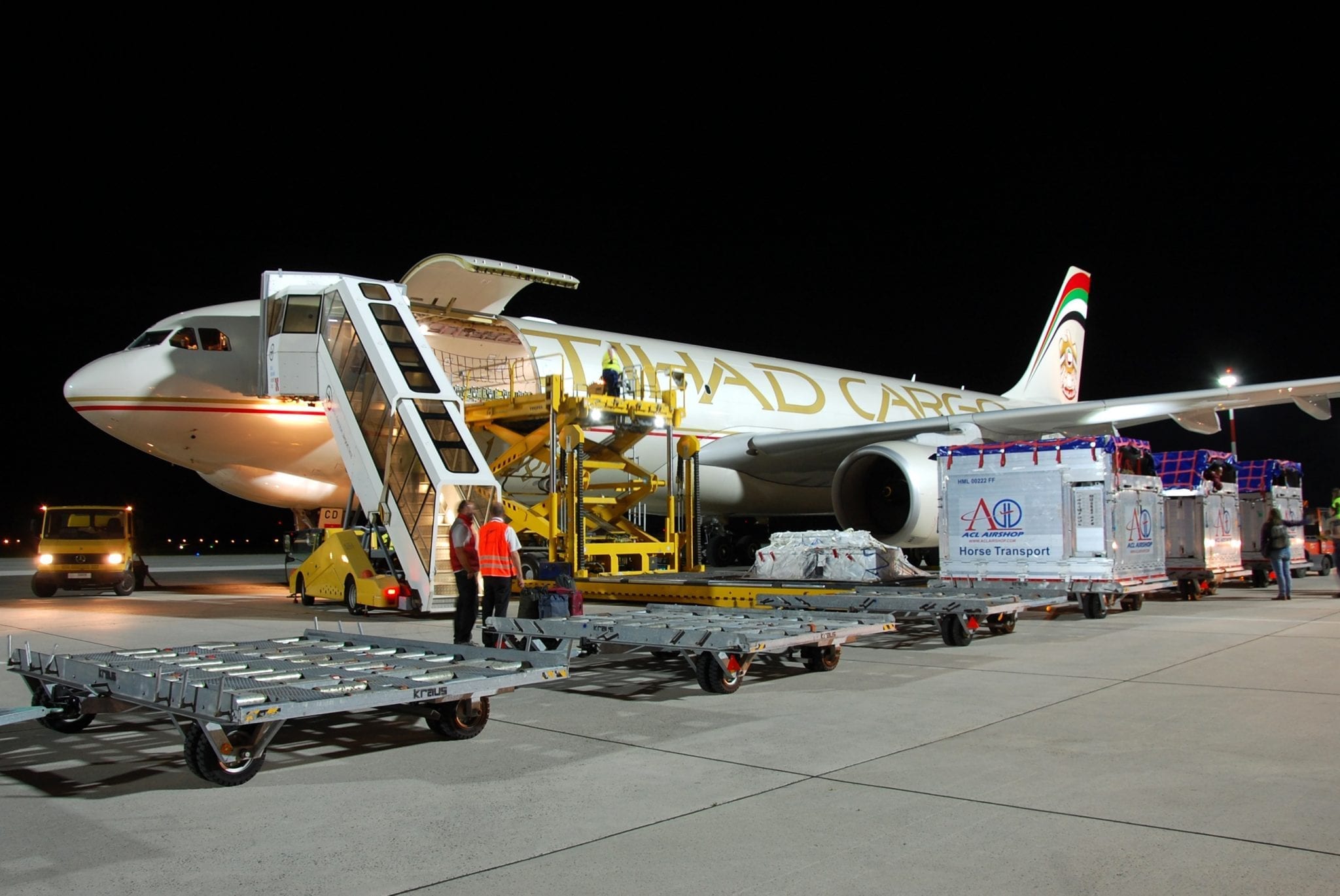
    Through the integration of freighter services from both Etihad Cargo and SF Airlines, the JBA delivers a combined total of nine weekly flights to Shenzhen, China’s first international cargo station operating round-the-clock. This setup at Shenzhen Bao’an International Airport allows for swift turnaround times, enhancing the overall customer experience.

    Furthermore, the collective number of flights to Ezhou, recognized as Asia’s first dedicated cargo airport, has increased to seven per week. Located in the Hubei Province, Ezhou Huahu Airport provides unmatched domestic reach and ever-increasing international connectivity.

    Collaborative Business Agreement

    The agreement was formalized in June by Antonoaldo Neves, CEO of Etihad Airways, and Li Sheng, Chairman of SF Airlines. Operating on a metal-neutral basis, both airlines will jointly market and combine their airfreight services, align service standards, and establish coordinated pricing.

    The collaboration is aimed at supporting burgeoning markets like cross-border e-commerce and pharmaceuticals. The alignment of Etihad Cargo’s SecureTech and PharmaLife solutions with SF Airlines’ robust domestic distribution network facilitates the smooth transport of electronics, time-critical goods, and precision equipment across Asia, the Middle East, and further afield.

    The consolidated Shenzhen and Ezhou figures include additional weekly flights recently introduced by Etihad Cargo as part of their winter 2025 schedule.

    Driving Global Trade Opportunities

    Stanislas Brun, Chief Cargo Officer of Etihad Airways, expressed, “Shenzhen and Ezhou are among China’s most dynamic and effective logistics hubs. Our joint business agreement connects our customers with China’s main distribution hub and an expanded global network. In strengthening our partnership with SF Airlines, we anticipate facilitating new trade opportunities and connecting more businesses and communities beyond borders.”

    Echoing these sentiments, Li Sheng, Chairman of SF Airlines, stated, “This strategic collaboration is projected to yield substantial business efficiencies, support revenue growth, and enhance customer satisfaction. By synergizing their strengths, Etihad Airways and SF Airlines are poised to deliver top-tier air cargo solutions that meet the dynamic needs of the global logistics industry.”

    This partnership aims at establishing stronger global connections to facilitate the movement of goods and ideas more effortlessly, thereby empowering the people and businesses behind each shipment. Both Etihad Cargo and SF Airlines are setting a new benchmark for international trade by promoting growth through collaboration and innovative ways to transport cargo globally.

    Questions & Answers

    What does the Joint Business Agreement between Etihad Cargo and SF Airlines entail?
    The agreement facilitates the integration of freighter services from both airlines, aligns service standards, and establishes coordinated pricing. It also involves a significant increase in the weekly flights to Chinese logistics hubs, Shenzhen and Ezhou.

    How does the partnership impact burgeoning markets?
    The collaboration supports growing markets like cross-border e-commerce and pharmaceuticals. The alignment of Etihad Cargo’s SecureTech and PharmaLife solutions with SF Airlines’ robust domestic distribution network enables seamless transport of goods across Asia, the Middle East, and beyond.

    What are the long-term goals of this collaboration?
    The long-term objectives of this strategic collaboration are to yield significant business efficiencies, support revenue growth, enhance customer satisfaction, and establish stronger global connections. It aims to facilitate new trade opportunities and connect more businesses and communities globally.

  • Korean Air Takes Flight with A350F: New Era of Eco-Friendly and Efficient Cargo Transport Unveiled

    Korean Air Takes Flight with A350F: New Era of Eco-Friendly and Efficient Cargo Transport Unveiled

    Korean Air has joined the ranks of customers for the world’s only newly designed large freighter, the A350F, by modifying seven of its current A350-1000 passenger aircraft orders to the freighter model.

    Endorsement from a Major Cargo Operator

    Korean Air is a leading global cargo operator, making its choice to incorporate the A350F into its fleet a significant endorsement of the freighter’s unique capabilities. The A350F is set to provide Korean Air with the most efficient solution in the large freighter segment.

    The A350F’s Unique Features

    The A350F stands out with the industry’s largest main deck cargo door, its fuselage length and capacity optimally designed for standard pallets and containers. More than 70% of its airframe boasts advanced materials, resulting in a take-off weight that is 46 tonnes lighter than its nearest competitor. Indeed, the A350F is the only freighter aircraft that completely complies with the International Civil Aviation Organization’s (ICAO) forthcoming CO₂ emissions standards, set to take effect in 2027.

    Technological Advancements and Payload Capacity

    The A350F, which is currently under development, can carry an impressive payload of up to 111 tonnes and can fly up to 4,700 nautical miles or 8,700 kilometers. It’s equipped with the latest Rolls-Royce Trent XWB-97 engines, which will enable the aircraft to reduce its fuel consumption and carbon emissions by up to 40% compared to previous generation aircraft with similar payload-range capabilities.

    A350 Family’s Growing Popularity

    As of the end of September 2025, the newest generation A350 family had secured 1,445 orders from 63 global customers. This includes 65 orders for the brand-new A350F from 10 cargo carriers and one leasing company.

    Korean Air’s total order of A350 aircraft now stands at 33, which includes 20 A350-1000s, seven A350Fs, and six A350-900s. The first two of these have already been delivered.

    Questions & Answers

    What is significant about Korean Air’s decision to incorporate the A350F into its fleet?
    Korean Air is a major global cargo operator. Its decision to include the A350F in its fleet is seen as a significant endorsement of the aircraft’s unique capabilities.

    What sets the A350F apart from other freighter aircraft?
    The A350F has the industry’s largest main deck cargo door and has a fuselage length and capacity designed to optimize standard pallets and containers. The airframe uses advanced materials in more than 70% of its construction, making the aircraft lighter and more efficient.

    What can be expected from the A350F in terms of its payload and emissions?
    The A350F can carry a payload of up to 111 tonnes and fly up to 4,700 nautical miles or 8,700 kilometers. Powered by the latest Rolls-Royce Trent XWB-97 engines, the aircraft is expected to reduce fuel consumption and carbon emissions by up to 40%, meeting the ICAO’s enhanced CO₂ emissions standards due in 2027.

  • Cargojet Bolsters Global Presence: New Direct Air Cargo Service Bridges Canada and Europe

    Cargojet Bolsters Global Presence: New Direct Air Cargo Service Bridges Canada and Europe

    Cargojet Inc. has expressed delight in the launching of a direct air cargo service bridging Canada and Europe, set to commence on November 1, 2025. The service will establish a connection between Liege Airport (LGG), an outstanding cargo gateway in Europe, and the principal cargo hubs in Canada.

    Strengthening Transatlantic Ties

    Co-CEOs of Cargojet, Pauline Dhillon and Jamie Porteous, jointly remarked on the new service. They asserted that this move would further solidify the ties between Canada and Europe, in addition to offering broader opportunities for their clientele. They further noted that by leveraging Cargojet’s unmatched reputation for punctuality and dependability, the service is set to position Cargojet at the heart of transatlantic trade. This will effectively cater to the forwarder community’s changing demands by providing quicker transits, reliable service, and superior flexibility for shippers across both continents.

    Welcome to Liege Airport

    VP Marketing & Sales at Liege Airport, Torsten Wefers, voiced his excitement about welcoming Cargojet to Liege Airport, which is acknowledged as one of the top cargo hubs in Europe. He emphasized that this collaboration signifies a significant advancement for the LGG community and Europe-Canada logistics, providing new prospects and connectivity for their clients and partners.

    Expansion of Global Network

    This weekly service denotes a considerable broadening of Cargojet’s global network, guaranteeing customers reliable, time-sensitive capacity and improved intercontinental connectivity. Incorporated within Cargojet’s domestic overnight network, the route promises to offer streamlined connections throughout Canada, enhancing overall transit times and providing increased flexibility for freight forwarders, logistics providers, and shippers.

    The route, initially operating once a week, improves access to one of Europe’s most strategic cargo hubs, with intentions to amplify frequency as demand and opportunities persistently grow. This integration bolsters Cargojet’s long-term expansion design and reaffirms its status as a dependable associate in the global logistics market.

    Questions & Answers

    What is the significance of Cargojet’s new direct air cargo service?
    The service strengthens the ties between Canada and Europe, expands opportunities for Cargojet’s customers, and positions the company at the center of transatlantic trade.

    What benefits does the weekly service provide?
    The service extends Cargojet’s global network, offers reliable, time-sensitive capacity, and enhances connectivity across continents. It also provides streamlined connections throughout Canada and increased flexibility for freight forwarders, logistics providers, and shippers.

    What are the future plans for this route?
    Initially, the route will operate once a week, with plans to increase frequency as demand and opportunities continue to grow. This move supports Cargojet’s long-term expansion strategy in the global logistics market.

  • J&T Express Rides Southeast Asia Wave, Achieves 23% YoY Surge In Q3 Parcel Volume

    J&T Express Rides Southeast Asia Wave, Achieves 23% YoY Surge In Q3 Parcel Volume

    Global logistics service provider, J&T Global Express Limited, has released its operational data for Q3 of 2025. The company witnessed a year-on-year growth of 23.1% as of September 30, 2025, accumulating a total parcel volume of approximately 7.68 billion. The average daily parcel volume stood at 83.4 million, with all primary markets seeing double-digit growth. The most significant expansion was witnessed in Southeast Asia and new markets.

    Impressive Growth in Southeast Asia

    As the top express delivery company in Southeast Asia by market share, J&T sustained significant growth momentum throughout the third quarter in the region. The parcel volume in Southeast Asia escalated to 2.00 billion, marking a staggering 78.7% increase year-on-year. The average daily parcel volume in the region was recorded as 21.7 million. The company saw an increase in the number of outlets in the region, reaching 10,700 at the end of September 2025 — a rise of 900 compared to the end of the year 2024. The increase in parcel volume also stimulated higher demand for line-haul capacity, resulting in the number of line-haul vehicles in Southeast Asia rising to 5,500 in the third quarter, a jump of 900 from the end of 2024.

    Positive Performance in China and New Markets

    Despite fierce competition in China, J&T managed to maintain a healthy double-digit year-on-year growth rate of 10.4% in Q3. The parcel volume reached 5.58 billion, with an average daily parcel volume of 60.6 million. In the case of new markets, including Saudi Arabia, the UAE, Mexico, Brazil, and Egypt, J&T’s parcel volume for the third quarter clocked in at 104 million, a robust year-on-year surge of 47.9%. The average daily parcel volume in these markets was 1.13 million.

    Questions & Answers

    What was J&T Global Express Limited’s total parcel volume for Q3 of 2025?
    The company experienced a total parcel volume of approximately 7.68 billion.

    How much did the parcel volume grow in Southeast Asia?
    The parcel volume in Southeast Asia reached 2.00 billion, marking an impressive year-on-year growth of 78.7%.

    What was the year-on-year growth in new markets?
    In new markets, J&T’s parcel volume for the third quarter saw a robust year-on-year surge of 47.9%, reaching 104 million.