Category: Logistics

Retail News Asia is committed to providing both local and global retailers with the latest Logistics news throughout the Asian market. This on a daily base.

  • FedEx Bolsters APAC-Europe Trade Lane with Five New Weekly Flights, Fueling E-commerce and Retail Growth

    FedEx Bolsters APAC-Europe Trade Lane with Five New Weekly Flights, Fueling E-commerce and Retail Growth

    Federal Express Corporation (FedEx), a prominent international express transportation corporation, recently disclosed its plans to add five additional weekly flights connecting the Asia Pacific region (APAC) with its European base at Paris Charles de Gaulle Airport. This move will not only reinforce the reliability of services on the Asia-Europe trade route but also paves the way for businesses to access European markets swiftly and reliably. Moreover, this move comes just in time for the year-end holiday shopping season, offering businesses increased flexibility.

    Details of the Expansion

    The additional flights will emanate from two main hubs: three flights from the FedEx APAC hub at Guangzhou Baiyun International Airport and two from the FedEx Shanghai International Express and Cargo Hub. Employing Boeing B777 freighters, all flights will connect directly to the FedEx European hub at Paris Charles de Gaulle Airport.

    This expansion will augment the average daily capacity between APAC and Europe, enabling businesses in the area to leverage growth prospects in sectors experiencing high demand, such as e-commerce, manufacturing, hi-tech, and retail industries. The Europe-Asia trade lane has been thriving, with a consistent increase in air freight volume over the previous two and a half years and an impressive 13% year-on-year surge in August 2025.

    The European Union serves as the largest import market for more than 100 countries, with APAC economies being among the fastest-growing suppliers. This upward trend is expected to accelerate as businesses are seeking out new trade and growth prospects in Europe.

    Supporting Asia-Europe Trade

    Salil Chari, Senior Vice President of Marketing and Customer Experience, Asia Pacific, FedEx, noted that the Asia-Europe corridor is one of the fastest-growing trade routes. According to a survey conducted by FedEx of nearly 4,000 customers in Asia this year, over 20% stated plans to shift their trading focus to Europe within the coming year.

    FedEx’s increased service frequency between APAC and Europe means that the company now operates 26 weekly flights connecting APAC deliveries to Europe. This enhanced service allows express shipments to reach major European destinations in as little as 48 hours. FedEx has also improved its connectivity from Northern Vietnam to Europe, further strengthening trade links for Asia’s importers and exporters.

    Long-term Commitment

    This expansion of flight services underlines FedEx’s long-term commitment to facilitating global commerce and boosting the success of businesses across the Asia Pacific and beyond.

    Questions & Answers

    How is FedEx enhancing its services?
    FedEx is adding five additional weekly flights connecting the Asia Pacific region to its European base at Paris Charles de Gaulle Airport.

    Which sectors will benefit from this expansion?
    High-demand sectors such as e-commerce, manufacturing, hi-tech, and retail industries will benefit from this expansion.

    What is the frequency of FedEx’s service between APAC and Europe?
    With the increased service frequency, FedEx now operates 26 weekly flights connecting Asia Pacific deliveries to Europe.


  • Major Expansion: Gia Binh Airport’s $7.5b Upgrade To Boost Northern Vietnam’s Aviation Sector

    Major Expansion: Gia Binh Airport’s $7.5b Upgrade To Boost Northern Vietnam’s Aviation Sector

    The Gia Binh International Airport, currently under construction near Hanoi, is anticipated to cost around VND196.37 trillion (US$7.5 billion) due to recent upgrades. The airport, situated in Bac Ninh Province, 40 kilometers from Hanoi, is now projected to handle 50 million passengers and 2.5 million tons of cargo per year by 2050. This is a significant increase from the previously predicted 15 million passengers and 1.6 million tons of cargo.

    Construction and Upgrades

    The construction of the airport commenced in December of the previous year, with the Ministry of Construction giving the approval for the upgrades recently. The airport is being constructed by the Masterise Group, a property developer. It is being perceived as the primary aviation gateway for the northern region, intended for both passenger and cargo transport.

    The airport is planned to house four runways, spaced sufficiently apart to allow for independent operations. These runways will be constructed in accordance with 4F standards, which means the airport will be able to accommodate large aircraft, such as the Boeing 777 and Airbus A330.

    Comparison with Noi Bai International Airport

    Currently, Hanoi’s primary airport is the Noi Bai International Airport, which has a capacity of 25 million passengers per year. However, there are plans in place to increase this capacity to 55 million by 2030 and 85 million by 2050. This indicates a significant push for development in the region’s aviation sector, with the Gia Binh International Airport being a crucial part of this expansion.

    Questions & Answers

    How much is the Gia Binh International Airport expected to cost after recent upgrades?
    The Gia Binh International Airport, after recently approved upgrades, is projected to cost around VND196.37 trillion (US$7.5 billion).

    What is the expected capacity of the Gia Binh International Airport by 2050?
    The Gia Binh International Airport is expected to handle 50 million passengers and 2.5 million tons of cargo per year by 2050.

    Who is responsible for the construction of the Gia Binh International Airport?
    The airport is being built by the Masterise Group, a property developer.

  • Weightwatchers Teams Up With Amazon Pharmacy: A Strategic Move For Medication Delivery Boosting Shares By 9%

    Weightwatchers Teams Up With Amazon Pharmacy: A Strategic Move For Medication Delivery Boosting Shares By 9%

    WeightWatchers announced on Monday its collaboration with Amazon to distribute medications such as injectable GLP-1 obesity treatments to its members. This partnership led to a 9% increase in the telehealth provider’s shares, as investors anticipated financial gains from facilitating prescription fulfillment.

    New Partnership to Boost Medication Delivery

    WeightWatchers clients can now confirm medication availability and arrange more efficient delivery of refrigerated drugs using the Amazon Pharmacy feature on the WeightWatchers website, said COO Jon Volkmann. The company, alternatively known as WW International, emerged from bankruptcy in July with a plan to vie for online weight-loss clients, sans debt. The announcement of the collaboration led to a surge of over 9% in the company shares, reaching $29.39 by the afternoon.

    Focus on Branded Drugs

    While competitors concentrated on compounded replicas of Wegovy from Novo Nordisk and Zepbound from Eli Lilly, WeightWatchers chose to align with branded drugs. They announced a collaboration with Novo to supply Wegovy to cash-paying clients through NovoCare and its partner, CenterWell Pharmacy. The company assured that it would still allow clients to fill prescriptions through other pharmacies.

    Demand for GLP-1 obesity treatments skyrocketed following clinical trials that demonstrated their effectiveness, helping individuals lose around 15% of their body weight by inducing a feeling of fullness. In 2022, the US Food and Drug Administration reported a shortage of these drugs, creating difficulties for rural WeightWatchers customers to access them through physical pharmacies.

    Improving Access in Rural Areas

    Despite an abundance of both drugs, Amazon stated that access remains a challenge in rural regions. “With GLP-1s specifically, there’s been an issue with people hopping from one pharmacy to another, searching for these drugs,” said Tanvi Patel, a VP at Amazon Pharmacy.

    Amazon recently launched kiosks at some of its One Medical clinics, allowing patients to pick up common prescriptions. Although Amazon delivers GLP-1s by mail, drugs requiring cold storage will not be available in the kiosks.

    The e-commerce giant’s commitment to quick delivery, particularly for perishable items, has enabled Amazon to maintain appropriate temperatures for GLP-1 shipments nationwide, Patel added. Amazon has been delivering GLP-1s to patients since 2020. Amazon Prime subscribers can expect to receive their medications within one to two days, while non-Prime members may anticipate an average four-day delivery time, though actual delivery often occurs more quickly.

    In June, Amazon announced plans to extend same-day and next-day delivery to 4000 additional locations by year-end, focusing on small towns and rural areas. The company also intends to invest over US$4 billion to triple its delivery operations by 2026.

    Questions & Answers

    What is the partnership between WeightWatchers and Amazon?
    WeightWatchers has partnered with Amazon to facilitate the delivery of medications, including injectable GLP-1 obesity treatments, to its members via Amazon Pharmacy.

    What impact has the partnership had on WeightWatchers’ shares?
    Following the announcement of the partnership, WeightWatchers saw a 9% increase in its shares, suggesting investor optimism about the financial benefits of the collaboration.

    What measures is Amazon taking to improve medication access in rural areas?
    Amazon has plans to expand same-day and next-day delivery, especially focusing on rural areas. The company has also begun setting up kiosks at some of its One Medical clinics for patients to collect common prescriptions.

  • Asia Pacific Bolsters Global Trade Resilience Amid Policy Fluctuations: DHL Tracker Reveals

    Asia Pacific Bolsters Global Trade Resilience Amid Policy Fluctuations: DHL Tracker Reveals

    The Asia Pacific region is becoming an increasingly significant catalyst in bolstering worldwide trade resilience, despite international commerce encountering numerous challenges due to policy fluctuations. This finding is part of a recent update to the DHL Global Connectedness Tracker, produced in collaboration with New York University’s Stern School of Business. This update is the first systematic evaluation of the responses of international trade and business investment to alterations in U.S. trade policy during the second term of President Trump.

    Asia Pacific’s Strategic Adaptability

    According to Ken Lee, DHL Express’s CEO for Asia Pacific, the region has exhibited unique adaptability and strategic positioning. “The latest data illustrates how cooperation within the region is intensifying, even amidst global uncertainty,” said Lee. He pointed out that businesses in the Asia Pacific are demonstrating agility and a forward-thinking attitude, from the ASEAN’s growing role in accommodating trade flows to Asia Pacific countries engaging more intensively with neighboring nations. Lee emphasised that DHL is well-placed to assist its customers in navigating any changes in trade patterns and pledged to continue developing capabilities in customer-preferred locations.

    Global Trade Growth Amidst Tariff Uncertainty

    In the first half of 2025, the DHL Global Connectedness Tracker indicated that international trade grew at an unprecedented pace, unmatched by any previous half-year since 2010, barring the pandemic recovery. There was a significant surge in U.S. imports early in 2025 as purchasers hastened to make purchases before the impending tariff increases. After this initial rush, global trade volumes continued to exceed the levels of the previous year.

    On examining the world’s 100 largest trade routes, six out of the ten fastest-growing were exports from an Asian economy, emphasising Asia’s integral role in propelling global trade. Notably, Hong Kong SAR, Thailand, Malaysia, and Vietnam were among the top 10 fastest-growing markets, underlining Asia Pacific’s increasing influence and durability in supply chain networks.

    Rise of Intra-Asia Trade

    Intra-Asia trade demonstrated ongoing integration and burgeoning connections. The intra-regional trade share of East Asia & Pacific rose from 55% to 56%. Furthermore, the greatest reductions in trade distances were observed in countries including Thailand, China, Singapore, and Hong Kong SAR. These shifts represent Asian economies’ redirection of trade flows towards regional partners to sustain growth and their efforts to boost infrastructure and connectivity, thereby enhancing the attractiveness of participating in cross-border trade.

    ASEAN’s Growing Role in Chinese Exports

    Despite a 15% decrease in exports to the U.S. during the first eight months of 2025, China fully balanced this loss with a 15% rise in exports to the ASEAN region. ASEAN emerged as a significant growth destination for Chinese exports, signifying the region’s increasing relevance in China’s trade portfolio. Vietnam, Thailand, and India witnessed the most substantial increases in their share of China’s exports, while the U.S., Russia, Korea, Brazil, and Mexico experienced decreases.

    Reflecting on the latest trends, Prof. Steven A. Altman, Director of the DHL Initiative on Globalization at NYU Stern’s Centre for the Future of Management, stated, “The trends in trade and international business investment thus far in 2025 do not substantiate the belief that globalisation is in regression.” He noted that despite existing policy threats to globalisation, companies are not generally retreating from international markets. Instead, they are managing risks and opportunities in a connected world.

    Questions & Answers

    What factors have contributed to the Asia Pacific region’s role in driving global trade resilience?
    Adaptability, strategic positioning, and increased collaboration among countries in the region have played major roles in solidifying the Asia Pacific’s position in global trade.

    How has the ASEAN region become a crucial aspect of China’s export strategy?
    Despite a drop in exports to the U.S., China has compensated by increasing exports to the ASEAN region by 15%. This shift highlights the growing importance of ASEAN in China’s trade portfolio.

    What trends in global trade have been observed during 2025?
    Despite policy shocks and tariff turbulence, global trade has grown significantly. Asian economies, in particular, have demonstrated resilience by adjusting trade flows towards regional partners and enhancing infrastructure and connectivity.

  • Cathay Cargo Revolutionizes Air Freight With Real-time Customs Clearance Updates

    Cathay Cargo Revolutionizes Air Freight With Real-time Customs Clearance Updates

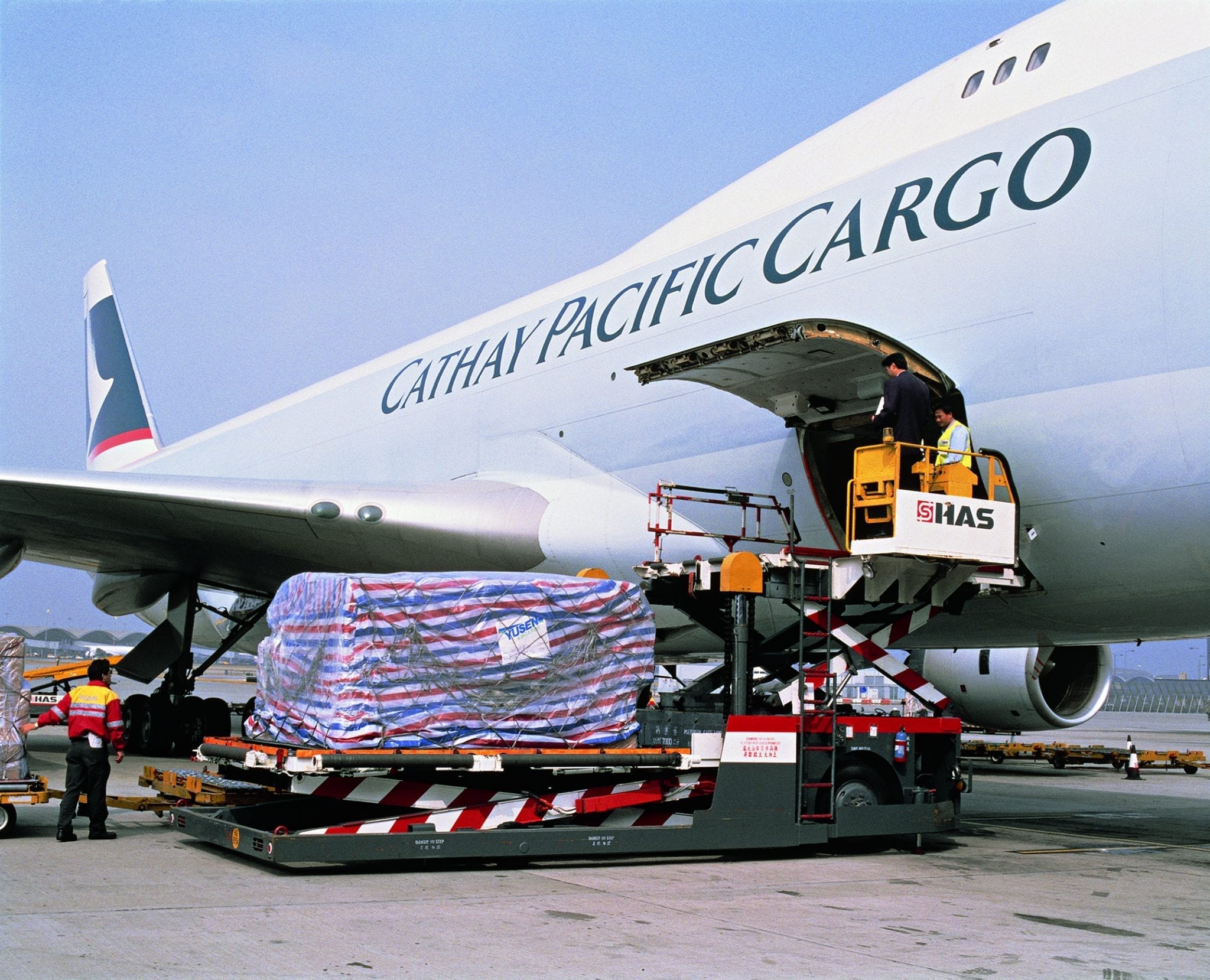
    Cathay Cargo has become a trailblazer in the industry by being the first airline to provide real-time updates on customs clearance to its customers. They have achieved this by integrating these updates into their EzyCargo platform, and to customers who have already set up ONE Record API links with the airline’s system. This innovation brings a new level of transparency and effectiveness to the air-cargo shipping journey.

    Enhancing Communication with Air Cargo Stakeholders

    This significant development is built upon the IATA ONE Record data protocol. It incorporates customs authorities as a new stakeholder in Cathay Cargo’s real-time customer communication. The integration of customs authority requirements promotes efficiency in the process of cargo shipping.

    Understanding and fulfilling the prerequisites of customs authorities is crucial in the shipping industry. Many require PLACI (pre-load advanced cargo information), and will not allow a shipment to be loaded until they have given clearance. Most also require another level of approval before releasing a shipment upon its arrival. With the new system, customers will have access to live updates as their shipments progress through these stages.

    The initial phase of this project will provide users with clearance status updates from customs authorities in Europe (ICS2 Import Control System), the United States, Canada, and the United Arab Emirates. These updates will be recorded as ONE Record “Logistic Events”. Customers will be able to track the status of their shipment, whether it is still pending, under assessment, permitted for load or not, and if it has been held for inspection or cleared for collection at the destination.

    Improving Efficiency and Transparency

    Before this development, obtaining this information required manual updates from ground handling agents. Now, customers can independently access these updates in real-time, allowing them to take necessary corrective steps or adapt to delays due to customs inspections.

    EzyCustoms and EzyCargo are components of the EzyCargo suite of air cargo tools. These were created by Cathay Cargo’s innovation partner, Global Logistics System (HK) Company Limited (GLS). GLS has also spearheaded other digitalization projects for the airline’s commercial and operational settings, including Click & Ship, Cathay Cargo’s online booking platform.

    James Evans, Cathay General Manager Cargo Commercial, emphasized that this integration demonstrates Cathay Cargo’s dedication to the ongoing digitalization of the air-cargo shipment process. “We recognize the value of involving all stakeholders in the air cargo industry in IATA ONE Record, to enhance the transparency and data connectivity of air cargo,” he said.

    Questions & Answers

    How does this new integration by Cathay Cargo benefit customers?
    This new system provides real-time updates on customs clearance status to customers, enhancing transparency and efficiency in the air-cargo shipping journey.

    What is the ONE Record data protocol?
    The ONE Record data protocol is a standard developed by the International Air Transport Association (IATA) to increase data interoperability in the air cargo industry.

    What is the future plan for this integration?
    This extended ONE Record integration is currently only available to Cathay Cargo customers who are subscribed to the EzyCargo platform. However, the company has plans to integrate this additional visibility into the Cathay Cargo website for registered account holders in 2026.

  • Tragic Runway Mishap At Hong Kong Airport Claims Two Lives, Investigation Underway

    Tragic Runway Mishap At Hong Kong Airport Claims Two Lives, Investigation Underway

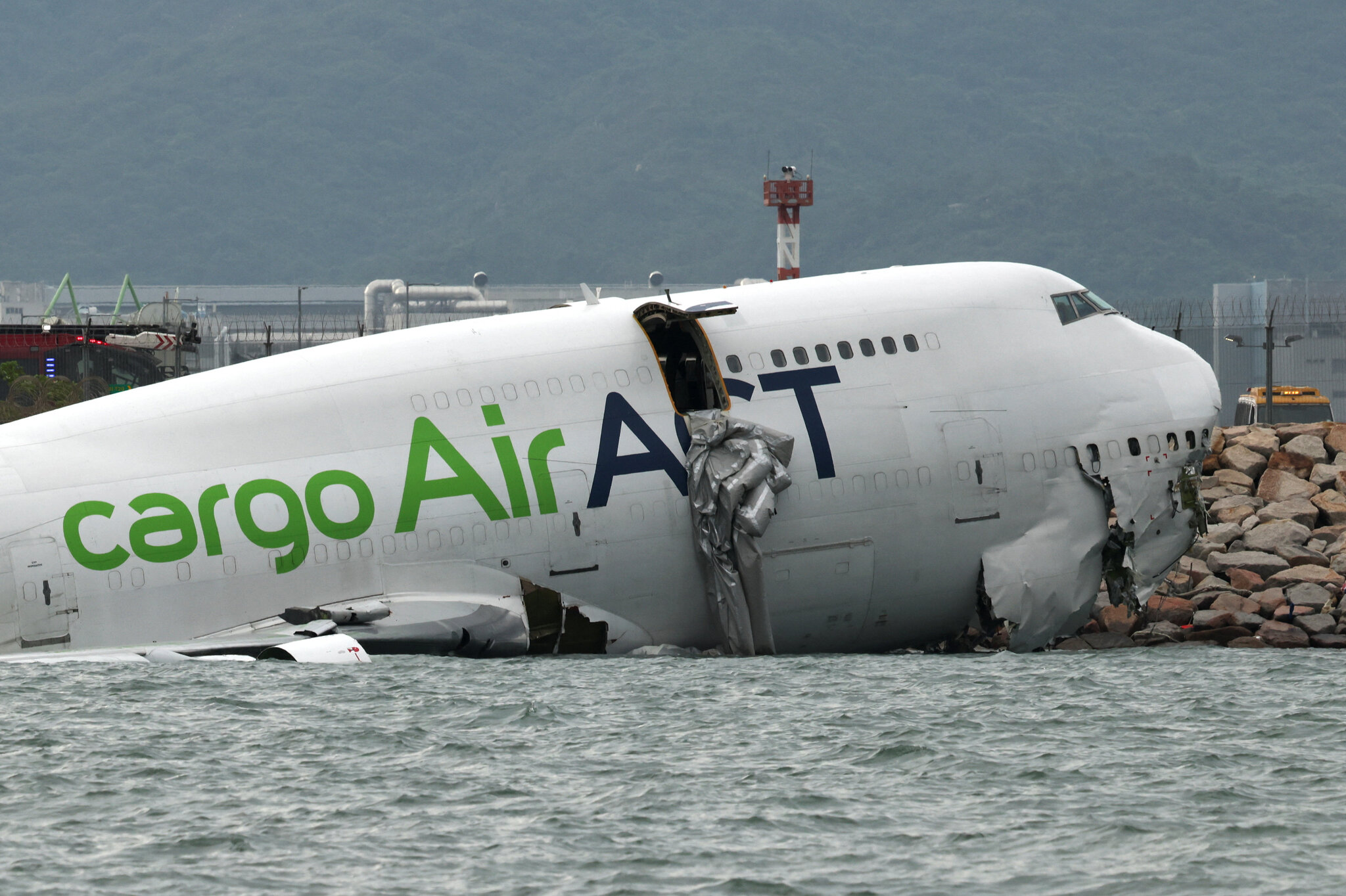
    On Monday, a shocking incident occurred at Hong Kong International Airport, one of the world’s busiest air cargo hubs, when a cargo plane veered off the runway during landing and splashed into the sea. This unfortunate event resulted in the death of two ground crew members.

    Details of the Accident

    The freight Boeing 747 had flown in from the United Arab Emirates. According to the Civil Aviation Department of Hong Kong, the plane failed to remain on the North Runway after touching down and ended up in the sea. A preliminary report reveals that the aircraft’s four crew members were rescued and taken to the hospital. Sadly, two ground personnel were impacted by the incident and drowned.

    The occurrence, which happened around 3:50 a.m. local time, left the aircraft’s front section floating above the water with its tail end detached. The plane had also hit a ground vehicle during the accident, which too plunged into the sea.

    Loss of Lives

    According to the authorities, a 30-year-old man inside the ground vehicle was pronounced dead at the site of the accident. Another worker, aged 41, tragically died after being rushed to the hospital.

    Impact on Airport Operations

    In response to the incident, the airport’s north runway was temporarily shut down on Monday, while the other two runways remained in use. A dozen cargo flights were canceled throughout Monday, but passenger flights were not affected.

    Investigation Underway

    The Transport and Logistics Bureau’s spokesperson expressed grave concerns about the incident and confirmed that the Air Accident Investigation Authority would actively probe into the cause of the mishap. Helicopters from the Government Flying Service and vessels from the Fire Services Department were dispatched to the scene.

    Hong Kong’s airport, already one of the busiest globally, commenced operations on its third runway last November after an expansion project costing HK$142 billion ($18 billion) and spanning eight years of construction. This development was aimed at boosting the city’s competitiveness as an aviation hub.

    Questions & Answers

    What happened at Hong Kong International Airport on Monday?
    A cargo plane veered off the north runway during landing and ended up in the sea, resulting in the death of two ground crew members.

    What was the impact of the incident on the airport’s operations?
    The north runway at the airport was temporarily closed following the incident. Although a dozen cargo flights were canceled throughout Monday, passenger flights operated as usual.

    What measures have been taken following the accident?
    The Transport and Logistics Bureau has initiated an active investigation into the accident’s cause. Additionally, helicopters from the Government Flying Service and vessels from the Fire Services Department were deployed to the accident site.

  • Kuehne+nagel Boosts India’s Logistics Sector With Five New Fulfilment Centres, Creating 1,500 Jobs

    Kuehne+nagel Boosts India’s Logistics Sector With Five New Fulfilment Centres, Creating 1,500 Jobs

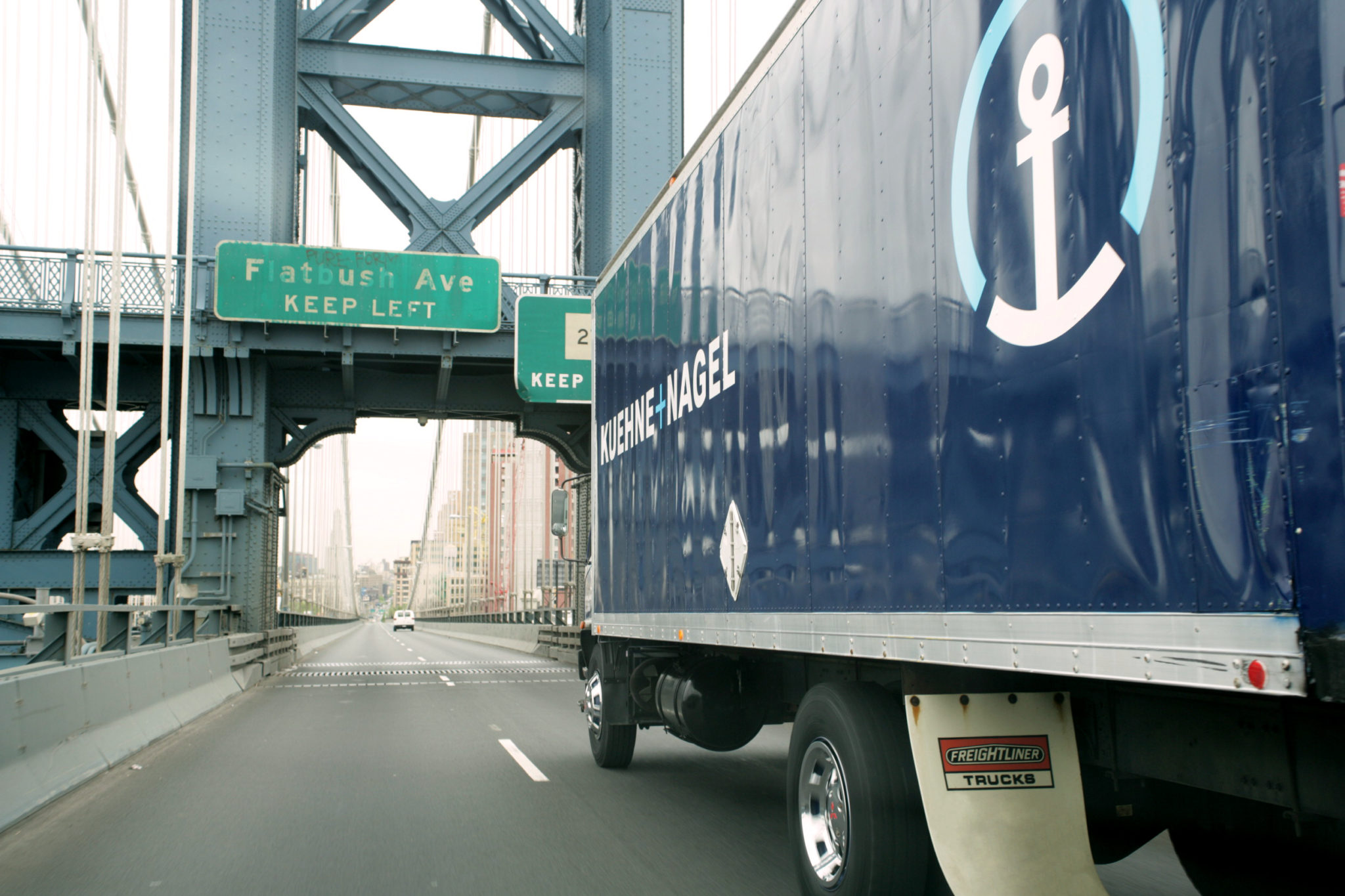
    Kuehne+Nagel, the international logistics firm, is expanding its operations in India with the establishment of five new fulfilment centres. The locations for these centres include Gurgaon, Kolkata, Nagpur, Mumbai, and Rajpura. This expansion will provide 100,000 square meters of additional capacity, raising the company’s total fulfillment centre footprint in the country to nearly 500,000 square meters. The new centres will create over 1,500 jobs nationwide, supporting local economic growth.

    India’s Economic Potential

    India is expected to rise to the position of the world’s third-largest economy by 2030, underpinned by robust growth in industries such as high-tech, automotive, consumer goods, and healthcare. As these sectors continue to expand, there’s an increasing demand for a scalable, efficient logistics infrastructure.

    Automation and Boosting Order Handling Capacity

    The new fulfilment centres will employ advanced automation technologies like telescopic conveyors and high-performance sorting systems. These will facilitate an increase in peak order handling capacity by 75%.

    City Selection and Industry Growth

    The locations of the new centres cover the spectrum of Indian cities. This includes tier-1 cities like Mumbai and Kolkata, tier-2 hubs Gurgaon and Nagpur, and the tier-3 city, Rajpura. The diverse location selection aligns with India’s industrial growth across multiple cities. Gurgaon and Nagpur are emerging as growth centres for various industries, while Rajpura is experiencing a surge in manufacturing and distribution.

    Strategic Investment

    Damian Raczynski, Senior Vice President of Contract Logistics at Kuehne+Nagel Asia Pacific, expressed his optimistic views regarding the company’s expansion. He shared that India is a crucial growth market for Kuehne+Nagel and that they invest where their customers are. He further emphasized that this expansion enhances their ability to serve high-demand sectors, like consumer and healthcare. The goal is to deliver a service that’s characterized by speed, reliability, and flexibility.

    Questions & Answers

    What is the purpose of Kuehne+Nagel’s expansion in India?
    The expansion aims to meet the growing demand for efficient logistics infrastructure in India’s expanding industries such as high-tech, automotive, consumer goods, and healthcare.

    What additional features will the new fulfilment centres have?
    The new centres will incorporate advanced automation technologies such as telescopic conveyors and high-performance sorting systems, which will boost peak order handling capacity by 75%.

    How will this expansion benefit the local economy?
    The expansion will generate over 1,500 new jobs nationwide, contributing positively to the growth of local economies.

  • Thai Airways Partners With Unilode For Advanced Uld Management: A Leap Towards Operational Excellence And Sustainability

    Thai Airways Partners With Unilode For Advanced Uld Management: A Leap Towards Operational Excellence And Sustainability

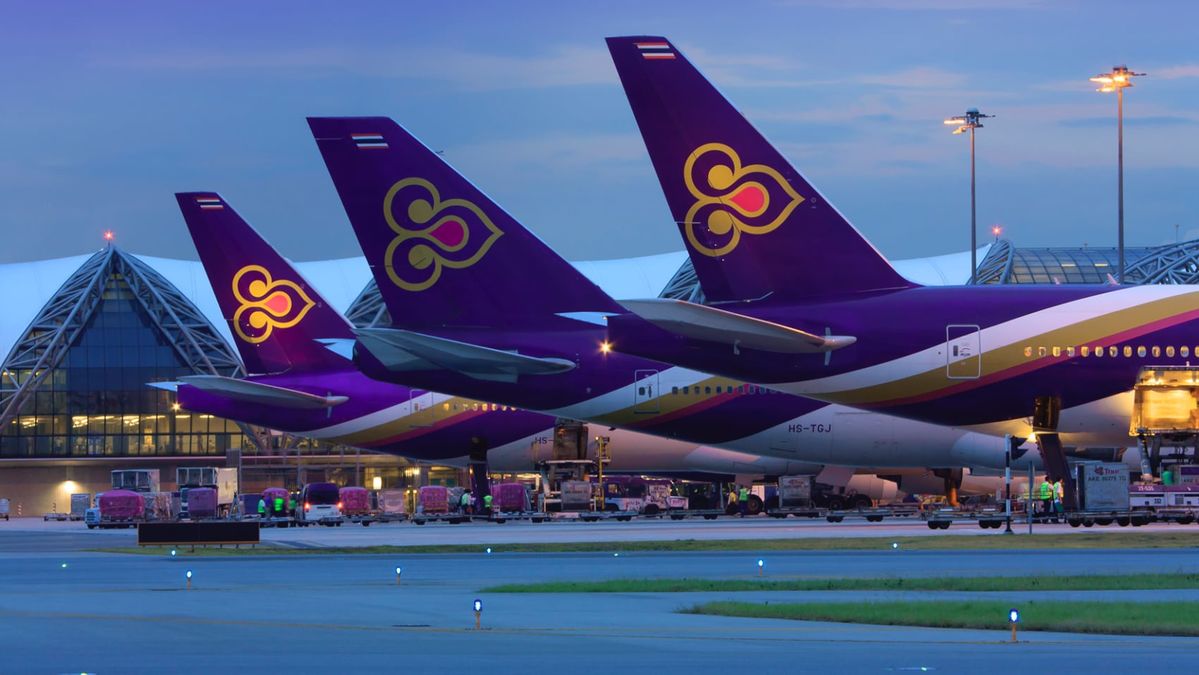
    THAI Airways, Thailand’s national airline, has named Unilode Aviation Solutions, a leader in the Unit Load Device (ULD) management, repair, and digital solutions realm, as its provider for comprehensive ULD management services.

    Advancing THAI Airways’ Transformation

    The partnership with Unilode Aviation Solutions signifies a significant stride in THAI Airways’ ongoing evolution, underlining the airline’s commitment to operational excellence, digital innovation, and long-term sustainability throughout its international network.

    After a successful business rehabilitation, THAI Airways is embarking on a new chapter of growth and modernization. The airline’s five-year strategic plan includes a focus on operational excellence, fleet renewal, and digital transformation. It also aims to nearly double its fleet to approximately 150 aircraft by 2033 and expand its market share across essential international markets.

    In collaboration, Unilode will deliver extensive ULD management, maintenance, repair, and digital tracking services across THAI Airways’ international network. This partnership will enhance fleet utilization, decrease operational complexity, and boost reliability for THAI Airways’ passenger and cargo operations.

    Sustainability Goals Alignment

    The alliance with Unilode Aviation Solutions aligns closely with THAI Airways’ sustainability objectives. The pooling of assets across Unilode’s international network results in fewer ULDs required to support operations, thereby diminishing raw material consumption, minimizing waste, and reducing carbon emissions. Unilode’s centralized repair and refurbishment service further prolongs asset lifecycles, promoting circular economy principles and more responsible resource use.

    Unilode’s digital platforms and data-driven insights, leading the market, will offer THAI Airways real-time visibility, improved asset utilization, and enhanced sustainability reporting throughout its operations. Unilode’s Operations Control Centre in Bangkok and a global team of over 800 ULD experts further support the partnership, ensuring local responsiveness and customer success at every interaction.

    Investment and Expansion

    Unilode has made significant investments over recent years, strengthening its infrastructure, expanding its Maintenance, Repair and Overhaul (MRO) footprint, and enhancing its workforce through advanced training, development, and external education programs. These initiatives, coupled with ongoing innovation in digital technology and product development, enable a broader international network and a larger, more flexible pool of assets, yielding higher efficiency, resilience, and service reliability for all airline partners.

    Unilode’s expanding asset base across an increasing number of airports and regions continues to provide tangible benefits to its entire customer network. These benefits include improved operational agility, quicker turnaround times, and greater access to resources and repair capabilities. These investments underscore Unilode’s commitment to long-term growth and customer value creation, reinforcing its position as a global leader in sustainable ULD management.

    As airlines worldwide prioritize sustainability and efficiency, ULD pooling and complete service management are rapidly becoming the industry norm. THAI Airways’ collaboration with Unilode emphasizes its leadership in adopting innovative, environmentally responsible solutions that combine operational excellence with long-term sustainability.

    Expert Opinions

    Ross Marino, Chief Executive Officer at Unilode Aviation Solutions, expressed his delight and pride in becoming THAI Airways’ comprehensive ULD management service provider. He believes that their partnership will yield measurable results, improve efficiency, foster digital transformation, and support THAI Airways’ sustainability goals.

    The Head of Cargo & Mail Commercial at THAI Airways acknowledged the partnership with Unilode as a critical step in their transformation strategy. They believe Unilode’s expertise, global network, and digital solutions will help streamline operations, fortify reliability, and make substantial progress towards sustainability goals.

    Questions & Answers

    What does the partnership between THAI Airways and Unilode Aviation Solutions signify?
    The partnership signifies a significant stride in THAI Airways’ ongoing evolution, reinforcing the airline’s commitment to operational excellence, digital innovation, and long-term sustainability throughout its international network.

    How will Unilode Aviation Solutions assist THAI Airways?
    Unilode will deliver extensive ULD management, maintenance, repair, and digital tracking services across THAI Airways’ international network. This collaboration will enhance fleet utilization, decrease operational complexity, and boost reliability for THAI Airways’ passenger and cargo operations.

    How does this collaboration align with THAI Airways’ sustainability goals?
    By sharing assets across Unilode’s international network, fewer ULDs are required to support operations, thereby diminishing raw material consumption, minimizing waste, and reducing carbon emissions. Unilode’s centralized repair and refurbishment service further prolongs asset lifecycles, promoting circular economy principles and more responsible resource use.

  • Adapting To Trade Changes: Fedex Bolsters Support For Asia Pacific Businesses Amid Market Shifts

    Adapting To Trade Changes: Fedex Bolsters Support For Asia Pacific Businesses Amid Market Shifts

    Federal Express Corporation, a world-leading express transportation company, is enhancing its support for businesses throughout the Asia Pacific. This move is in response to adapt to shifting market priorities, alterations in tariffs, and changes in customs regulations.

    In response to recent modifications to the U.S. de minimis exemption rules, FedEx arranged a series of webinars across nine markets in the Asia Pacific. These sessions attracted over 3,800 customers ranging from small- and medium-sized enterprises to multinational corporations. The webinars offered valuable insights on maintaining operational efficiencies, customs clearance, avoiding unexpected costs, and enhancing shipping automation. This has equipped businesses with the necessary tools and guidance to navigate the intricate trade environment of today.

    Trade Priorities and Market Shifts

    Feedback received after the webinars underlined two significant trends in cross-border trade priorities: Delivered Duty Paid disbursement fees and shipment duties and taxes.

    Whilst one-fourth of the APAC businesses surveyed still regard the United States as their primary market, over 40% are planning to redirect their attention to Intra-Asia (22%) and Europe (21%) over the coming year.

    Cost control and duty visibility are key concerns, with 25% of APAC businesses emphasising the need for clear pre-regulatory volatility. The difficulty of keeping pace with ever-changing rules has been cited by 27% of businesses as a significant barrier to trade.

    Salil Chari, Senior Vice President of Marketing and Customer Experience for the Asia Pacific at FedEx, stated, “We are working closely with our customers to ensure they maintain efficient access to vital markets. We are leveraging our deep regulatory expertise, innovative digital tools, and the strength of our global network to help Asia Pacific businesses improve cost and duty transparency, reduce clearance friction, and unlock new growth opportunities across the region and Europe with confidence.”

    Strengthening Cross-Border Business

    In response to businesses’ increasing demand for greater trade guidance and digital solutions to support supply chain diversification and cross-border trade expansion, FedEx plans to expand its comprehensive suite of offerings.

    FedEx is one of the leading entry-filers in the U.S. and provides 24/7 support to ensure smooth shipment movement across more than 220 countries and territories. For U.S.-bound trade requiring particular attention, FedEx’s U.S. Tariff Hub offers updated guidance on tariffs, required documentation and customs policies.

    Furthermore, 27% of APAC businesses are seeking automated tools to expedite customs clearance. To this end, FedEx continues to invest in digital trade solutions, such as the industry-leading AI-enabled Harmonized Tariff Schedule code-lookup feature and a Customs AI chatbot.

    FedEx is also working to strengthen connectivity across critical intra-Asia and Asia-Europe trade corridors to support Asia Pacific businesses looking to diversify beyond the U.S.

    Questions & Answers

    What initiatives has FedEx introduced to support businesses in the Asia Pacific?
    FedEx has arranged a series of webinars providing insights on maintaining operational efficiencies, customs clearance, and cost management. They are also expanding their suite of offerings to include automated tools for customs clearance and strengthening connectivity across critical trade corridors.

    What are the top concerns of APAC businesses according to the feedback received by FedEx?
    The top concerns are cost control, duty visibility, and the difficulty of keeping pace with changing trade regulations.

    What digital solutions has FedEx introduced to support customs clearance?
    FedEx has introduced an AI-enabled Harmonized Tariff Schedule code-lookup feature and a Customs AI chatbot to help expedite the customs clearance process.

  • Pharma Leaders At Flypharma Highlight Air Cargo’s Role In Global Health

    Pharma Leaders At Flypharma Highlight Air Cargo’s Role In Global Health

    At the FlyPharma Amsterdam 2025 conference, leaders from the worldwide pharmaceutical industry gathered to highlight the importance of collaboration for the steady global transportation of essential healthcare items and life-saving medicines. The conference took place amidst the backdrop of rapidly changing regulations, shifting trade flows, and an uncertain geopolitical landscape.

    Growth in Pharma Sector Increases Demand for Specialised Air Cargo

    The global healthcare and pharmaceutical industry is projected to achieve a total worth of USD 1.77 trillion by 2025. This growth is primarily attributed to advances in biologics, digital health, and personalized medicine, along with increased patient access on a global scale.

    The industry’s momentum is directly reflected in increased demand for airfreight capacity, especially for temperature-sensitive, high-value shipments. The pharma airfreight segment alone is predicted to witness over 6 percent annual growth, as manufacturers and logistics providers prioritize speed, dependability, and adherence to Good Distribution Practice (GDP) standards.

    Air cargo carriers and airports are making significant investments in IoT tracking, cold-chain infrastructure, and digital visibility tools to cater to this growing vertical. The fastest growth is anticipated in corridors linking Asia, Europe, and North America. The pharma and healthcare logistics sector is emerging as a strong and premium segment within the global air cargo market.

    Schiphol: A Global Centre for Pharma Logistics

    Amsterdam Airport Schiphol is a crucial global hub for pharmaceutical logistics. With its central European location, advanced infrastructure, and robust network of logistics partners, the airport is essential for global pharmaceutical supply chains. Schiphol contributes significantly to the worldwide distribution of vaccines and medicines and enhances the Dutch economy, further establishing the Netherlands as a hub for international trade and innovation in life sciences.

    The pharmaceutical logistics ecosystem at Schiphol has considerable implications not only for global public health but also for the Dutch economy. In 2024, the Netherlands exported pharmaceutical products worth USD 38.49 billion, highlighting the sector’s role in driving trade, innovation, and high-value employment. Schiphol’s success as a pharma logistics hub encourages companies to invest, expand, and drive innovation in the Netherlands, making the country more competitive and appealing to life sciences entities.

    Schiphol’s importance as a global logistics hub was further underscored during the COVID-19 pandemic, during which it served as one of Europe’s primary gateways for vaccine transportation and temperature-sensitive pharmaceuticals.

    The Role of Air France KLM Martinair Cargo in Pharma Logistics

    Air France-KLM Martinair Cargo (AFKLMP Cargo) has positioned itself as a leading player and innovator in pharmaceutical logistics, being among the first airlines to receive IATA CEIV Pharma certification. The airline’s dual-hub structure in Amsterdam Schiphol and Paris Charles de Gaulle, situated in Europe’s “pharma belt,” provides unique resilience and adaptability in a fluctuating market.

    According to GertJan Roelands, SVP Commercial, AFKLMP Cargo, the company’s growth in the pharmaceutical and healthcare segment has been a strategic priority over the past five years. The airline has made considerable investments in infrastructure and introduced new digital solutions while optimizing processes to enhance resilience and transport quality. The airline’s commitment to this strategy is reflected in its record-breaking performance in the pharmaceutical and healthcare segment and its increasing market share.

    Innovation, Sustainability, and Excellence in Cool Chain

    AFKLMP Cargo continues to expand cool-room capacity, develop digital monitoring dashboards for operational visibility, and pioneer sustainable temperature-control solutions such as CO₂-based refrigerant technology at Paris CDG. As personalized medicine and advanced therapies gain traction, the airline collaborates closely with shippers, forwarders, and life science clusters, providing time-critical solutions that are fully compliant with GDP and CEIV.

    Despite market volatility and geopolitical pressures, AFKLMP Cargo remains steadfast in its focus on on-time delivery and maintaining the integrity of the cool chain supply. The resilience demonstrated during the pandemic continues to shape the airline’s long-term strategy.

    In the words of GertJan Roelands, “Pharmaceutical logistics is not just about transportation — it’s about trust, responsibility, and resilience. Our mission is to deliver healthcare products safely and reliably, adapting to new challenges while ensuring patients around the world receive the medicines they need.”

    Questions & Answers

    What are the main factors driving the growth of the global pharmaceutical industry?
    The main factors driving this growth include advances in biologics, digital health, and personalized medicine, along with increased patient access globally.

    What is the projected growth for the pharma airfreight segment?
    The pharma airfreight segment is predicted to grow more than 6 percent annually.

    What role has Schiphol played in global pharmaceutical logistics?
    Schiphol serves as a crucial global hub for pharmaceutical logistics, contributing significantly to the worldwide distribution of vaccines and medicines, and enhancing the Dutch economy.

  • Liege Airport records a strong growth of +23% in the third quarter of 2025

    Liege Airport records a strong growth of +23% in the third quarter of 2025

    Liege Airport (LGG) has been experiencing an upward trajectory in terms of both aircraft movements and cargo volumes during the third quarter. A robust 23% growth in tonnage was recorded for the months of July, August, and September in 2025 as compared to the same quarter in 2024, while aircraft movements increased by 9%.

    Unwavering Performance

    Liege Airport’s performance remains commendable not only in the short term but also over the past two years. The airport’s CEO, Laurent Jossart, shed light on the recent success, stating that the air cargo community processed a significant 334,956 tons of freight in Q3 2025. This figure represents an impressive 23% growth from the previous year’s Q3 tonnage of 272,210. In addition, a year-to-date growth of 14.4% was reported.

    The notable growth of the last quarter was primarily driven by a healthy uptick in e-commerce imports, as well as the robust European exports flown via Liege Airport, which saw a quarterly growth of 26% compared to the previous year. This substantial growth underscores the increasing significance of Liege Airport to the European export industry.

    Concerning aircraft movements, a total of 7,262 cargo flights were operated – a 9% rise from Q3 2024, which recorded 6,691 cargo flights.

    Europe’s Prominent Full Freighter Airport

    Further highlighting LGG’s success is its consolidation as the leading full freighter airport in Europe, a milestone reached in 2025. In the first nine months of the year, Liege Airport became the leading hub for three verticals – flowers, e-commerce, and horses. Jossart added that a total of 961,640 tons of air cargo passed through their facilities.

    Looking at a longer timeframe, from 2019 to 2024, a recent global air traffic survey positioned Liege Airport among the top 5 cargo airports worldwide in terms of freight growth, having experienced a 29% increase.

    Laurent Jossart concluded by stating that this performance solidifies Liege Airport’s strategy of being a sustainable, efficient, and multimodal European logistics hub.

    Questions & Answers

    What has been the growth rate of Liege Airport in Q3 2025 as compared to Q3 2024?
    The airport recorded a 23% increase in tonnage and a 9% rise in aircraft movements in Q3 2025 compared to the same period in 2024.

    What factors contributed to the significant growth of Liege Airport in the last quarter?
    The growth was primarily driven by the healthy flow of e-commerce imports and the robustness of the European exports flown via the airport.

    What leadership position did LGG consolidate in 2025?
    LGG consolidated its position as Europe’s leading “full freighter” airport in 2025, handling a total of 961,640 tons of air cargo in the first nine months of that year.

  • Vietnam’s Import-export Turnover Hits Record $680.66b In 2025, Reflecting 17.3% Yoy Increase

    Vietnam’s Import-export Turnover Hits Record $680.66b In 2025, Reflecting 17.3% Yoy Increase

    In the initial three quarters of 2025, Vietnam’s total import-export turnover reached a staggering $680.66 billion, which signifies a 17.3% increase in comparison to the same period in the previous year.

    Exponential Export Growth

    The National Statistics Office released data revealing export figures of $348.74 billion during this period, marking an impressive 16% year-on-year rise. The domestic economic sector contributed 24.5%, or $85.41 billion, to the total sum, reflecting a modest 2% annual increase. Meanwhile, the foreign-invested sector, including crude oil, made a more substantial contribution of $263.33 billion, posting a robust 21.4% year-on-year surge.

    A breakdown of the export data shows 32 items with exports surpassing the $1 billion threshold, accounting for 93.1% of the total export turnover. Notably, seven of these items exceeded a hefty $10 billion each.

    Category Analysis

    Further analysis by category illuminates that manufactured industrial products led the pack, generating $309.03 billion or 88.6% of the total exports. Following this were agro-forestry products, with earnings of $29.51 billion, equivalent to 8.5% of the total. Aquatic products and fuels and minerals contributed $8.17 billion (2.3%) and $2.03 billion (0.6%) respectively.

    Import Increase

    On the other side of the trade coin, imports amounted to $331.92 billion during the same period, reflecting a significant 18.8% increase from the prior year. The domestic sector accounted for $105.67 billion of this total, up 4.6%, while an impressive $226.25 billion, up 26.8%, was attributed to the foreign-invested sector.

    In terms of individual items, 43 surpassed the $1 billion mark, contributing to 92.9% of the total import value. Among these, three items went beyond $10 billion.

    Examining imports by category, production inputs formed the vast majority, accounting for $311.22 billion or 93.8%. The remaining $20.7 billion comprised consumer goods.

    Trade Surplus and Services Trade

    Vietnam registered a trade surplus of $16.82 billion in the first nine months of 2025, according to the National Statistics Office.

    Simultaneously, service exports and imports were estimated at $21.99 billion and $30.29 billion respectively, marking a 19.1% and 16.3% increase year-on-year. This resulted in a service trade deficit of $8.3 billion for the period.

    Questions & Answers

    What was the total import-export turnover for Vietnam in the first nine months of 2025?
    The total import-export turnover for Vietnam during this period was $680.66 billion.

    What sector made the most substantial contribution to Vietnam’s exports in this timeframe?
    The foreign-invested sector made the most significant contribution, accounting for $263.33 billion of the total exports.

    How much was Vietnam’s trade surplus in the first nine months of 2025?
    Vietnam recorded a trade surplus of $16.82 billion in the first nine months of 2025.

  • Exploring the Stability of Kuala Lumpur’s Logistics Sector: Insights for 2023

    Exploring the Stability of Kuala Lumpur’s Logistics Sector: Insights for 2023

    The logistics landscape in Kuala Lumpur is poised for remarkable stability through 2025, as detailed in a recent report by JLL. This trend is largely fueled by the booming e-commerce sector and the global technology upcycle, spurred on by a surge in artificial intelligence (AI) innovations that are reshaping the demand for modern logistical spaces.

    Tax Changes and Market Adjustments

    A significant shift is on the horizon with Malaysia’s expansion of the Sales and Service Tax (SST), effective July 2025. This adjustment brings real estate leasing transactions into the tax fold, introducing an 8% taxation rate. As landlords and tenants grapple with these changes, negotiations will likely become central to finding a balance in operational costs.

    Rapid Growth in Logistics Properties

    The logistics property sector is experiencing exceptional growth, propelled by new developments that are witnessing impressive net absorption rates. High-quality facilities are attracting eye-catching tenancies from leading sports brands and consumer goods companies.

    This surge can be predominantly traced back to sectors such as Automotive, Electrical and Electronics (E&E), and third-party logistics (3PL) providers, alongside various manufacturers. Current projects are enjoying robust pre-commitment rates, signaling strong market confidence.

    Major Developments on the Horizon

    In the second quarter of 2025, notable expansions in Shah Alam and Pulau Indah added approximately 2 million square feet of Grade A warehouse space to the market, answering specialized demand from the Automotive and E&E industries. Surprisingly, vacancies remain astoundingly low, at just 2%, even amid these new deliveries. Companies are increasingly migrating towards premium quality spaces, indicating a clear preference for top-tier facilities.

    Stability Amid Potential Challenges

    Despite some anticipated challenges, such as increases in SST and electricity costs slated for July, rental rates have held steady within the market. Pulau Indah, in particular, has seen notable growth as emerging prime facilities close the gap with more established submarkets.

    Real Estate Investment Trusts (REITs) are actively expanding their portfolios through strategic acquisitions. A prime example is AmanahRaya REIT’s acquisition of a warehouse in Kuala Langat through a sale-and-leaseback arrangement, which not only secures stable income but also assures operational continuity for the tenant—a win-win in today’s fast-paced market.

    Questions & Answers

    What key factors are driving growth in the logistics sector in Kuala Lumpur?
    The logistics sector’s growth is primarily driven by the expansion of e-commerce, the Automotive and Electrical and Electronics industries, along with 3PL providers, each increasing demand for modern storage solutions.

    How will the new Sales and Service Tax affect landlords and tenants?
    The introduction of the 8% SST on real estate leasing transactions will likely prompt landlords and tenants to engage in negotiations to adapt to the new tax landscape, helping to manage the impact on operational costs.

    What does the current vacancy rate suggest about the market?
    With the vacancy rate at an impressive 2%, the logistics market shows strong demand dynamics, as companies prefer to incorporate higher-quality spaces, indicating a healthy appetite for premium logistical solutions.

  • Karen Tan Assumes Role As Dhl Express’s Cio For Asia-pacific Region: A Stepping Stone For Digital Innovation

    Karen Tan Assumes Role As Dhl Express’s Cio For Asia-pacific Region: A Stepping Stone For Digital Innovation

    DHL Express, the internationally recognized express service provider, recently announced the appointment of Karen Tan as the Chief Information Officer (CIO) for the Asia-Pacific region. Tan, who is based in Singapore, will assume the position currently held by Jimmy Yeoh, who is set to retire from the organization at the close of 2025 after thirty-three years of dedicated employment.

    Karen Tan’s Professional Journey

    Prior to accepting this new position, Tan held the role of CIO for DHL Express Singapore. In this capacity, she led the creation of a comprehensive digitalization framework. She also implemented robust data protection and information security practices, significantly enhancing both employee engagement and leadership scores within her IT team.

    Tan served as the company’s Data Protection Officer (DPO) Champion as well, collaborating with global DPO and legal teams to ensure the implementation of policies and procedures to effectively manage personal data. Furthermore, Tan was the DEIB (Diversity, Equity, Inclusion & Belonging) Champion, leading initiatives such as International Women’s Day, International Men’s Day, and Generations Day, fostering an inclusive and empowered workplace culture.

    New Role Expectations

    In her new role, Tan will manage the region’s IT infrastructure, the digital acceleration plan, and the cybersecurity strategy, supporting a network that extends over 40 countries and territories. Her leadership will be central to promoting cross-functional collaboration and communication among various teams, essential for maintaining smooth cross-border trade and delivering superior service to customers across the region.

    Company Statements

    Ken Lee, the CEO for Asia Pacific at DHL Express, considers digitalization as one of the major trends that will impact the logistics industry. The company’s Strategy 2030 emphasizes the growth of this segment to expedite digital innovation for an enhanced customer experience. Lee praised Tan’s record of driving digital acceleration, data protection, and cross-functional collaboration, and her passion for innovation.

    On her part, Tan recognizes the importance of meeting the challenges of cybersecurity and data protection as digital ecosystems become increasingly complex. She expressed her honor in assuming her new role and her commitment to maintaining the standards and quality of the employee and customer experiences.

    Professional Background

    Tan commenced her career at DHL Express in 1990 in the role of a customer service trainer. She has held a variety of positions across the DHL Group in the ensuing years, including roles in IT, commercial operations, and regular operations. From 2014, she held the position of Vice President of Operations Programs for the Asia Pacific region, before being appointed the CIO at DHL Express Singapore in 2021.

    Questions & Answers

    Who has been appointed as DHL Express’s new CIO for the Asia-Pacific region?
    Karen Tan has been appointed as the new CIO for the Asia-Pacific region.

    What were some of Tan’s responsibilities in her previous role as CIO for DHL Express Singapore?
    In her previous role, Tan led the development of a nationwide digitalization framework and strengthened data protection and information security practices. She also worked to improve employee engagement and leadership scores within the IT team.

    What will be some of Tan’s main responsibilities in her new role?
    As the CIO for the Asia-Pacific region, Tan will oversee the region’s IT infrastructure, manage the digital acceleration roadmap, and strategize cybersecurity measures. Her leadership will be crucial in facilitating cross-functional collaboration and communication across multiple teams.

  • Dhl Express Recognized As Second Best Workplace In Asia Amidst Industry Challenges

    Dhl Express Recognized As Second Best Workplace In Asia Amidst Industry Challenges

    DHL Express has once again secured a commendable position as one of Asia’s top employers, landing the second spot on the coveted 2025 Great Place to Work® Best Workplaces in Asia™ list. This triumph marks the express logistics provider’s continued success in maintaining a people-centric culture amidst an ever-changing and challenging external landscape.

    Standing Strong Amid Challenges

    Despite the presence of external obstacles, DHL Express has remained unwavering in its commitment to uphold a resilient and cohesive culture. Such an achievement reiterates the organization’s steadfast focus on being an employer of choice, prioritizing the health and welfare of its personnel.

    At the heart of DHL Express is its people-centric ethos. “The team’s dedication, passion and innovation ensure every employee has access to the resources and opportunities necessary to succeed. We remain focused and adaptable, ensuring the safety and overall wellbeing of our people,” stated Ken Lee, CEO for Asia Pacific at DHL Express.

    Empowerment Through Strategy 2030

    The award comes at a time where the logistics industry faces increasing challenges brought on by shifting workforce dynamics. DHL Express remains committed to future-proofing its organization, focusing on improving skills, promoting diversity and inclusion, and embracing digitalization.

    As part of this, the firm has been investing in and deploying advanced technology platforms to enhance the productivity and quality of their sales and customer service operations.

    Celebrating Excellence: Employee of the Year Awards

    DHL Express understands the importance of celebrating and recognizing the exceptional contributions of its employees. The annual Employee of the Year awards provides a platform to honor employees across the Asia Pacific region who embody DHL’s values. More than 200 employees were recognized this year for their exceptional performance and commitment.

    Commitment to the Future

    As DHL Express progresses, its dedication to its people, purpose, and planet remains unwavering. The company will continue to utilize its internal Smart Connect platform to encourage collaboration, enable personalized learning, and foster a strong sense of community among its employees.

    Questions & Answers

    What has DHL Express recently achieved?
    DHL Express has been recognized as one of Asia’s top employers, securing the second position on the 2025 Great Place to Work® Best Workplaces in Asia™ list.

    What strategies does DHL Express employ to strengthen its workforce?
    DHL Express is committed to improving skills, promoting diversity and inclusion, and embracing digitalization. It invests in advanced technology platforms to enhance the productivity and quality of its operations.

    What does DHL Express do to honor its employees?
    DHL Express hosts the annual Employee of the Year awards to celebrate and recognize employees who embody the company’s values and go beyond their job responsibilities.