Category: Logistics

Retail News Asia is committed to providing both local and global retailers with the latest Logistics news throughout the Asian market. This on a daily base.

  • FedEx strengthens connectivity between Singapore and Johor amid JS-SEZ growth

    FedEx strengthens connectivity between Singapore and Johor amid JS-SEZ growth

    Federal Express Corporation, one of the world’s largest express transportation companies, is strengthening trade connectivity between Singapore and Johor to better serve customers in the region. Inbound shipments from Asia, Europe, and the U.S. will be routed to the FedEx Gateway in Singapore before journeying to Johor, enabling importers and businesses to receive their packages two hours earlier.

    This enhancement is enabled by direct import clearance at Senai customs, bypassing the previous route through Kuala Lumpur that added a 300-kilometer detour before reaching the FedEx Senai Gateway for processing and delivery. This new approach not only enables businesses in Johor, particularly industries that rely heavily on timely imports, including manufacturing, retail, and e-commerce, to receive their shipments with greater convenience, it also offers Singapore exporters greater efficiency in delivering their packages to Southern Malaysia.

    “Optimising logistics is more than just speed — it’s about enabling businesses to grow and serve their customers better,” said Eric Tan, managing director of FedEx Singapore. “This improvement not only reinforces Singapore’s role as a key gateway for global trade, but also empowers businesses to thrive in an increasingly competitive and interconnected marketplace.”

    The Johor-Singapore Special Economic Zone (JS-SEZ) is poised to significantly enhance economic connectivity between Johor and Singapore, focusing on key sectors such as electronics, medical equipment, food manufacturing, and data centres. In 2023, Malaysia was Singapore’s third-largest trading partner, with bilateral trade reaching USD 79.6 billion. Singapore also served as Malaysia’s largest source of approved foreign direct investment (FDI), contributing USD9.5 billion. As trade volumes rise, enhanced logistics connectivity will be instrumental in facilitating seamless cross-border movement of goods, further reinforcing Singapore’s position as a regional trade hub.

    As Singapore continues to grow as a key logistics hub in Southeast Asia, FedEx remains dedicated to fostering local businesses’ success and contributing to the regions’ economic development. The accelerated delivery service is just one of many ways FedEx is working to drive growth for its customers.

  • Senior Aerospace UPECA and DHL contribute to more sustainable air freight with SAF

    Senior Aerospace UPECA and DHL contribute to more sustainable air freight with SAF

    Senior Aerospace UPECA, a subsidiary of Senior plc, an international manufacturer of high technology components and systems, has signed an agreement with DHL Express for the use of the GoGreen Plus service. The partnership enables UPECA to invest in sustainable aviation fuel (SAF) to drive up to 30 percent reduction in carbon emissions associated with their time-definite international shipments.

    “At UPECA, we believe SAF is one of the most promising means of decarbonising long-haul flight,” said Kavan Jeet Singh, Chief Executive Officer of UPECA. “Ready for deployment in existing aircraft, it complements intensive efforts to transform aviation into a more sustainable industry. We are delighted to sign up for DHL Express’ GoGreen Plus and help contribute to a commercially-viable market for such renewable energies.”

    GoGreen Plus currently stands as the sole solution within the global express logistics sector that allows customers to leverage SAF towards their Scope 3 footprint, which refers to the indirect release of greenhouse gases within a company’s supply chain activities. Made from sustainable feedstocks such as used cooking oil and other residues, SAF cuts around 80 percent of lifecycle carbon emissions from air transport compared to conventional jet fuel.

    UPECA’s subscription to GoGreen Plus applies across its overseas trade lanes, encompassing key markets in Europe and North America. It comes amidst a report by the International Energy Agency that aviation has grown faster in recent decades than rail, road, and sea transport as a source of worldwide CO2e emissions. The trend emphasises the urgency for the upscale and uptake of SAF in order to meet the International Air Transport Association (IATA) target of having SAF comprise 50 percent of global aviation fuel consumption by 2050.

    “SAF is an important lever for achieving cleaner air mobility, but there remains progress to be made on the production and adoption fronts. Having UPECA onboard demonstrates an increasing shift among businesses to explore innovative pathways for a green transition in their operations. These collaborations are essential as we continue to promote SAF accessibility and affordability at the pace needed to address current climate challenges,” said Julian Neo, Managing Director of DHL Express Malaysia and Brunei.

    Launched in 2023, GoGreen Plus is made possible through strategic collaborations with bp and Neste to procure up to 800 million litres of SAF as well as an agreement with World Energy to purchase up to 668 million litres of SAF via sustainable aviation certificates. The air freight network accounts for around 70 percent of DHL Group’s carbon footprint, so sustainable air transportation solutions are crucial for emission-reduced logistics.

  • Turkish Cargo makes eBookings more efficient and flexible for customers

    Turkish Cargo makes eBookings more efficient and flexible for customers

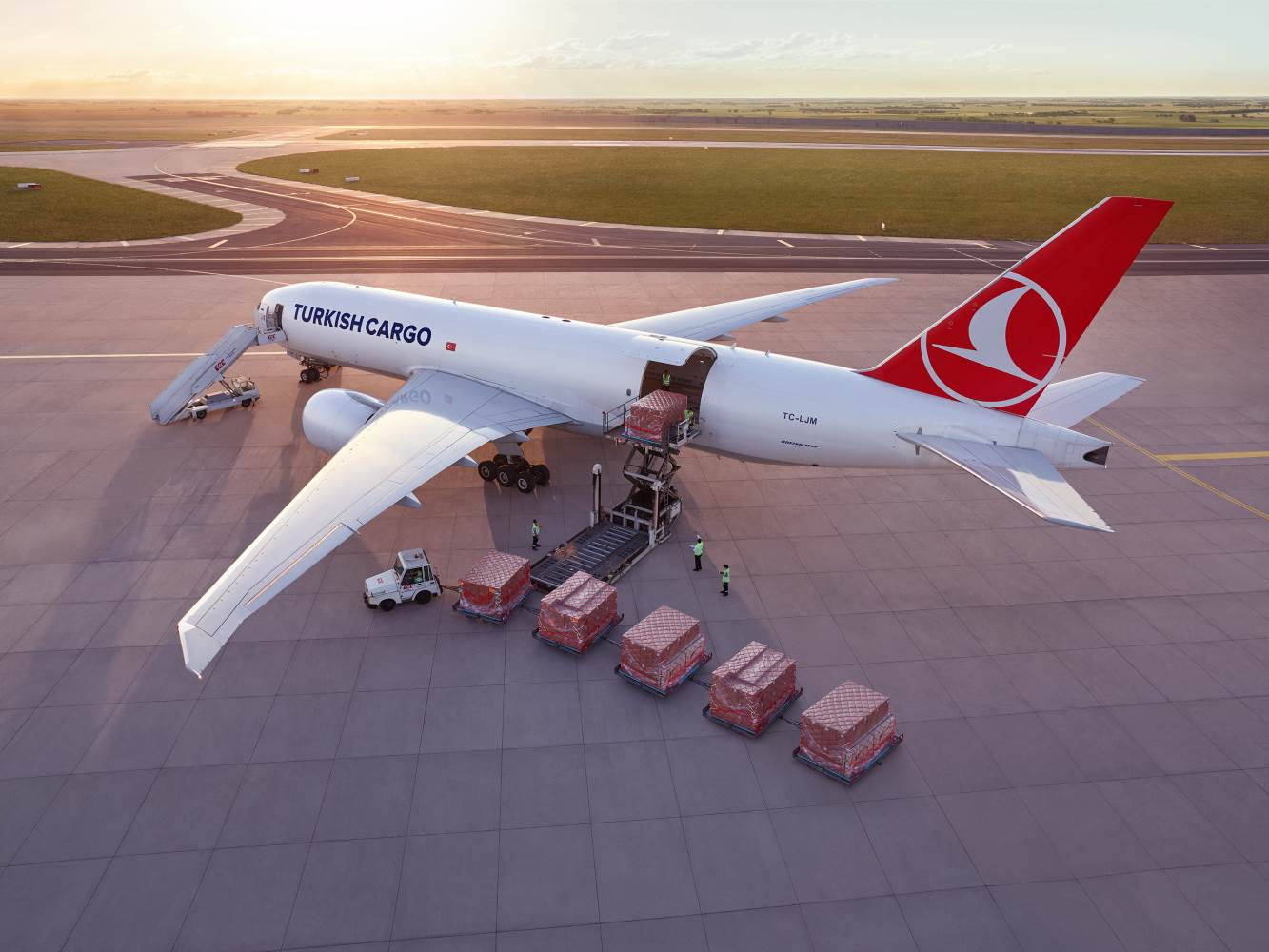
    Boasting the world’s widest international flight network, Turkish Cargo continues to provide innovative and flexible solutions to the air cargo industry through digital transformation. Through a direct data connection with CargoWise, Turkish Cargo offers shippers on the platform real-time rates, capacity availability, and e-Reservation services within the leading logistics operating system used by the world’s largest freight forwarders and 3PLs.

    The eReservation integration between CargoWise and Turkish Cargo’s management system, COMIS, enables real-time access to air cargo rates, flight availability, and booking confirmations. Shippers can easily choose the suitable flights and make bookings with Turkish Cargo, all without leaving the CargoWise platform. The API connection enhances operational efficiency by eliminating errors due to manual data entry. This approach makes processes more transparent and helps reduce costs.

    Commenting on the collaboration, Turkish Airlines Senior Vice President of Cargo Marketing Selçuk Gençaslan, said: “As Turkish Cargo, we transport approximately 2 million tons of cargo to over 360 destinations within our flight network every year. Our wide flight network and high capacity allow us to be globally accessible while offering competitively cost-effective, innovative solutions. Consequently, we focus on offering digital solutions to our customers by swiftly adapting to the evolving dynamics of the industry and thus, we are pleased to advance our mission of delivering the best service to our customers through this collaboration with Cargo Wise.”

    Jorre Cobelens, Vice President – Logistics Data and Connectivity, WiseTech Global, said: “By establishing direct data connectivity with Turkish Cargo we enable our CargoWise customers to efficiently process tens of thousands of unique shipments on the world’s largest air cargo network from within CargoWise. This increases productivity for the entire industry during and after the eBooking process, avoids double data entry, reduces human errors, and eliminates unnecessary emails. The API integration provides Turkish Cargo’s customers with real-time communication directly within CargoWise, which also includes the ability to modify a booking until final execution of the Master Air Waybill. With this partnership, the transparent data sharing enables Turkish Cargo to optimize their planning and capacity management.”

    Turkish Cargo continues to provide its business partners with more flexible, efficient, and reliable solutions by accelerating digital transformation projects in the logistics industry.

  • Vietjet hikes Singapore-HCMC flight frequency

    Vietjet hikes Singapore-HCMC flight frequency

    Vietjet is set to boost its number of flights between Singapore and HCMC starting March 30.

    There will be three flights a week, up from the current two. There are now 35 flights between the two cities per week.

    The announcement comes with a 50% off sale on eco-class tickets for all Vietjet routes, including those to Hanoi and Da Nang (currently served by one daily flight each).

    Last year Vietjet added 10 aircraft to its fleet, bringing the total to 115. It operated on 170 routes.

  • Google Maps and Apple Maps have different names for the same body of water

    Google Maps and Apple Maps have different names for the same body of water

    In case you haven’t noticed it yet, the Gulf of Mexico today has been officially renamed the Gulf of America in the U.S. on Google Maps. We first told you about the change at the end of last month, and now that the Geographic Names Information System (GNIS) has made the revision, it was time for Google to do likewise. In some countries, Google Maps will show two names, with the Gulf of Mexico as the primary name and the Gulf of America in parenthesis.

    Apple, on the other hand, continues to refer to the body of water as the Gulf of Mexico. We haven’t seen Google Maps and Apple Maps call the same geographic area by different names since Apple Maps was released in September 2012 alongside the launch of iOS 6. Apple Maps had so many problems with some countries and streets mislabeled or missing. In Australia, Apple Maps was considered dangerous after it led some drivers to the Outback teeming with poisonous snakes, a temperature of 115 degree, and a lack of cell service.

    We don’t consider Apple’s decision not to follow Google Maps to be a conscious effort to ignore President Trump’s executive order. After all, tech firms seem more willing to get behind the president during this term. For some, like Google, it’s a matter of self-preservation. As recently as last September, then-candidate Trump threatened to prosecute Google for Election Interference if returned to the White House.

    Trump complained that Google Search was showing only negative stories about him while listing only positive stories about his opponent, then-Vice President Kamala Harris. You might recall that in 2018, during his first term, Google was accused by the president of “rigging” search results, so when users searched for “Trump news,” 96% of the results came from the “National Left-Wing Media” according to Trump.

    Besides Google, other tech companies that have shown support for President Trump in some manner include Amazon, Meta, and Apple. All three of these firms or their CEOs donated $1 million toward the president’s inauguration. Most tech companies learned during Trump’s first term that you kill more flies with honey. All four tech companies, Apple and Google particularly, might need help from Trump to avoid being prosecuted by the Justice Department for anti-trust violations.

    So, if all it takes for Google to get on the president’s good side is to change the name of the Gulf of Mexico to Gulf of America on the U.S. version of Google Maps, that’s a small price for the company to pay. Also expected to get a name refresh soon is the Denali mountain in Alaska; the president has ordered that the mountain be called by its original name, “Mount McKinley.”

  • Vietjet announces partnership with OpenAirlines to enhance fuel efficiency with AI-driven optimisation

    Vietjet announces partnership with OpenAirlines to enhance fuel efficiency with AI-driven optimisation

    Vietjet has signed a strategic partnership with OpenAirlines, a global leader in AI-driven airline fuel efficiency solutions. With this collaboration, Vietjet becomes the first airline in Vietnam to adopt SkyBreathe, an advanced AI-powered platform that analyses flight data to optimise fuel consumption and reduce carbon emissions.

    With SkyBreathe, Vietjet will harness AI, big data algorithms, and machine learning to analyse extensive flight data and enhance fuel efficiency. The platform consolidates information from multiple sources, including aircraft sensors and fuel reports, into a unified platform. Having processed data from over 21 million flights, SkyBreathe leverages the world’s largest fuel efficiency database for airlines.

    The SkyBreathe 360° eco-flying platform pinpoints key fuel-saving opportunities and provides tailored recommendations for pilots and flight operations managers. By tapping on SkyBreathe’s intuitive interface and detailed analytics, Vietjet is projected to reduce fuel consumption by 2% and cut CO2 emissions by over 96,000 tons annually.

    Vietjet will also introduce the SkyBreathe MyFuelCoach application to all its pilots, providing personalised eco-briefings and debriefings. This application helps pilots track performance, identify improvement areas, and implement best practices to optimise fuel efficiency, ultimately lowering fuel consumption and minimising environmental impact.

    “This partnership underscores Vietjet’s unwavering commitment to more sustainable flight operations. By harnessing the power of innovation and digitalisation, the airline is transforming its ambitious goal of net-zero emissions by 2050 into concrete actions that benefit not only itself but the entire aviation ecosystem, travelers, and the planet. The implementation of SkyBreathe is already underway, ensuring Vietjet can quickly unlock its full potential and start seeing measurable results,” said Alexandre Feray, CEO of OpenAirlines.

    Vietjet Vice President Nguyen Duc Thinh also shared: “Today’s agreement with OpenAirlines represents a significant milestone in Vietjet’s sustainable development strategy. By leveraging advanced technologies, we can continuously innovate, optimise operations, reduce fuel consumption and CO2 emissions, and enhance passengers’ flight experiences at reasonable costs. This collaboration also highlights Vietjet’s relentless efforts towards sustainability while delivering long-term benefits to the global aviation industry.”

    As the newest member of the SkyBreathe Community, Vietjet joins 73 airlines worldwide committed to advancing sustainable aviation. Through this dynamic network, Vietjet will receive ongoing support from OpenAirlines’ fuel experts to optimise performance and fully leverage the benefits of SkyBreathe.

    This partnership reflects Vietjet’s commitment to sustainable development, supported by strategic collaborations with international aviation and technology leaders.

  • Australia Restricts DeepSeek AI on Government Devices

    Australia Restricts DeepSeek AI on Government Devices

    Australia has prohibited the use of DeepSeek on all government devices due to concerns about security risks posed by the Chinese artificial intelligence (AI) startup. The Secretary of the Department of Home Affairs has directed all government entities to stop using DeepSeek products, applications, and web services, and to remove any existing instances from Australian government systems and devices.

    Home Affairs Minister Tony Burke stated that DeepSeek presents an unnecessary risk to government technology, and the ban is necessary to safeguard Australia’s national security and interests. This ban does not apply to devices owned by private citizens. After DeepSeek released its latest AI model last month, which is cheaper and requires less sophisticated chips compared to other models, technology stocks worldwide plummeted.

    Australia’s decision to ban DeepSeek follows similar actions taken in Italy, with other countries in Europe and beyond also investigating the AI firm. Similarly, Taiwan recently prohibited government departments from using DeepSeek’s AI service.

  • Google Sheets update greatly improves performance in various scenarios

    Google Sheets update greatly improves performance in various scenarios

    Google Sheets is getting a small but important update this week. The update includes some under-the-hood improvements that greatly enhances the app’s overall performance.

    After doubling the calculation speed in Google Sheets last year, the app is now getting some extra improvements for everyday actions. First off, the pasting data is now 50 percent faster when pasting from one spreadsheet to another.

    Another important improvement included in this update is related to filter conditions, which can now be set up to 50 percent faster than before. Lastly, the spreadsheets now load existing data up to 30 percent faster.

    I think it’s safe to say that these improvements will help the large majority of Google Sheets users. Here are some scenarios in which the latest Google Sheets performance improvements really shine:

    • A data analyst can paste small or large quantities of data from an existing spreadsheet to a new one in a quicker manner.
    • A campaign manager can add filtering conditions to better understand the performance of a campaign at a certain time faster.
    • A small business owner can quickly see their data load.

    Google confirmed that these improvements have already been rolled out and should be available to Sheets users today. Since these are under-the-hood improvements, there’s no need to enable them.

    According to Google, these Sheets improvements are now available to all Google Workspace customers, Workspace Individual Subscribers, and users with personal Google accounts.

  • Philippines arrests 100 suspects in online scam farm raid

    Philippines arrests 100 suspects in online scam farm raid

    Philippine authorities arrested around 100 people on Friday in a raid on a suspected online scam farm in Manila they said extorted victims.

    The raid in the Makati financial district was part of a crackdown against online crime operators that often act under the guise of gaming firms.

    Agents from the Presidential Anti-Organized Crime Commission (PAOCC) and the National Bureau of Investigation, armed with assault rifles, surrounded two offices of a lending agency and arrested the suspects as they worked side-by-side at computers.

    The suspects, many of them young Filipinos, allegedly sought out victims via TikTok and other social media, offering collateral-free loans of up to 25,000 pesos (US$428).

    Borrowers were charged 35% weekly interest and those who fell behind on payments were harassed, humiliated and threatened with having their personal information spread online, PAOCC director Gilberto Cruz told reporters at the scene.

    “Some of those they harassed developed mental problems, others fell into depression, and there have even been some suicide incidents that occurred because of the harassment perpetrated by these people,” Cruz said.

    The suspects could be charged with fraud and other violations under the country’s cybercrime laws, he added.

    The raided company, Wewill Tech Corp, required victims to provide personal information and family photographs, which the scammers then used for threats, according to Cruz.

    Some victims of similar scams have reported having coffins and funeral wreaths delivered to their homes, he said.

    Authorities are checking the nationality of the owners, Cruz said, adding that they had arrested Chinese suspects running similar operations in the past.

    The scam farm owners are suspected to be remnants of online gaming operators that were banned under orders of President Ferdinand Marcos last year, he said.

    “Most of their keyboard workers are Filipino” and communicated with victims in the local language, Cruz told reporters.

  • Instagram rolls out more actionable insights for its Creators

    Instagram rolls out more actionable insights for its Creators

    Instagram is making some changes to its Insights feature to help creators better understand how their content is performing. The goal is to give creators more actionable insights and personalized recommendations so they can learn more about overall trends across their audience and their content’s performance.

    One of the new metrics is called “View Rate.” This metric tells creators what percentage of their followers and non-followers continue to watch after the first 3 seconds. The first few seconds of a reel are the most important, so this metric can help creators see if their reels are grabbing their audience’s attention right away.

    Another new metric is called “Views Over Time.” This metric shows creators how many views their post has received so far compared to the average views their posts typicaly get over the same time period. Creators will also be able to break down their views between followers and non-followers.

    In addition to these new metrics, Instagram is also providing more actionable, personalized tips to help creators understand if their content is performing better or worse than usual. These tips are meant to help creators more easily see which content is resonating with their audience.

    These changes are part of Instagram’s ongoing effort to help creators grow their audience and reach. By providing creators with more data and insights, Instagram hopes to make it easier for them to create content that resonates with their audience and achieve their goals.

    I think these metrics are very valuable to Instagram creators, and it’s frankly surprising they hadn’t been made available until now. As a creator myself, I’m always looking for ways to improve my content and reach a wider audience. These new features and personalized tips in Insights will definitely be helpful in this regard. I’m also excited to see how these changes will help other creators grow their audience and reach. With TikTok right now on shaky ground, it’s important for creators to diversify and be able to find ways to monetize in more than one platform, and I’m glad Instagram is providing the tools to assist with that goal.

  • Thai VietJet partners with ECS Group’s AVS GSA Thailand to boost cargo operations on Bangkok-Mumbai route

    Thai VietJet partners with ECS Group’s AVS GSA Thailand to boost cargo operations on Bangkok-Mumbai route

    ECS Group is pleased to announce a new agreement between Thai VietJet and its subsidiary, AVS GSA Thailand on the Bangkok-Mumbai route.

    This collaboration boosts Thai VietJet’s cargo capabilities, leveraging ECS Group’s network and expertise to support the airline’s growing presence in the international cargo market. The first shipment under this agreement was successfully transported on January 21, 2025, on the Bangkok (BKK) to Mumbai (BOM) route.

    This partnership allows Thai VietJet to enhance its cargo offerings and optimize capacity utilization on its daily BKK-BOM-BKK flights. Using A320/321 passenger aircraft, the collaboration focuses on transporting general cargo, spare parts and e-commerce shipments. Key exports from Mumbai will include pharmaceuticals and garments, with transshipment opportunities via Bangkok to Thai VietJet’s broad route network.

    Jean Ceccaldi, CEO of ECS Group, stated, “This agreement with Thai VietJet underscores our dedication to empowering airline partners through our extensive network, advanced solutions, and industry expertise. By working together, we can support Thai VietJet maximize its cargo potential and seize new market opportunities efficiently.”

    Chirasak Chandratat, Managing Director of AVS GSA Thailand, commented, “Our collaboration with Thai VietJet demonstrates the power of partnerships in achieving growth and operational excellence. Leveraging ECS Group’s capabilities, we aim to enhance Thai VietJet’s cargo reach while delivering exceptional service to the market. This agreement marks a significant step forward for both organizations.”

    This partnership highlights ECS Group’s role as a global leader in air cargo services, while enabling Thai VietJet to expand its cargo operations and better serve the rising demand in key markets.

  • DHL Global Forwarding Japan and Nippon Cargo Airlines successfully complete charters for semiconductor manufacturing equipment to Hokkaido

    DHL Global Forwarding Japan and Nippon Cargo Airlines successfully complete charters for semiconductor manufacturing equipment to Hokkaido

    DHL Global Forwarding Japan, the freight specialist of DHL Group, and Nippon Cargo Airlines (NCA) have successfully transported semiconductor manufacturing equipment via four charters aimed at significantly reducing transit time from Amsterdam Schiphol Airport (AMS) in the Netherlands to New Chitose Airport in Japan.

    To support this process, a main deck loader specifically designed for unloading and loading semiconductor equipment was transferred from Narita Airport to New Chitose Airport. Additionally, onsite personnel have been trained to take all necessary precautions to ensure smooth operations.

    Flexible measures, including regular cargo temperature checks and close collaboration with ground handling and logistics shed companies, have been implemented to minimize temperature fluctuations, even in winter conditions. Efforts have also been made to shorten the time between aircraft and truck loading.

    “As Japan experiences a strong 17.3% year-on-year growth in semiconductor equipment sales from January to August 2024, it has also maintained a 30% market share in the sector, second only to the United States. This remarkable growth reflects the country’s strength in advanced manufacturing and innovation,” said Karsten Michaelis, President/Representative Director, DHL Global Forwarding Japan.

    “It also underscores the importance of efficient and reliable transportation solutions to support the semiconductor industry. Our collaboration with Nippon Cargo Airlines is a key step in ensuring that Japan continues to lead in this critical sector.”

    In the year leading up to the four charters, DHL Global Forwarding’s local semiconductor specialist teams worked closely with NCA and customers to plan the necessary infrastructure requirements and strategize the safe, efficient transport of semiconductors. This ensures the transportation process adheres to the strictest requirements, even in Hokkaido’s severe winter weather.

    “This charter was very challenging for us under severe weather and constraints of operations in Chitose, and we could never achieve to success without cooperation of our reliable partner, DHL Global Forwarding Japan. I am honored that we could build our collaboration and to be a part of this national project. I would like to express my sincere appreciation to the great efforts of DHL Global Forwarding Japan and partner companies. NCA will keep on serving to meet customers’ requirement”, said Hitoshi Watanabe, Executive Officer, Nippon Cargo Airlines.

    As global competition and geopolitical pressures intensify, Japan is shifting its focus towards its semiconductor industry, emphasizing growth and localization. The goal is to triple semiconductor sales from 2020 until 2030, reaching over US$108 billion. Hence, establishing efficient transportation for sensitive semiconductors is crucial in supporting market growth.

    DHL Global Forwarding Japan and NCA will support the further development of Hokkaido and the Japanese manufacturing industry by exploring ways to strengthen transportation for the local semiconductor sector.

  • Sa Sa International’s sales fall in fiscal third quarter

    Sa Sa International’s sales fall in fiscal third quarter

    Sa Sa International’s sales declined in the fiscal third quarter amid a significantly weaker performance in Mainland China, Hong Kong, and Macau.

    The group’s sales declined 10.7 percent year over year to HK$1.06 billion (US$136.2 million) as Mainland China sales plunged 35.8 percent to HK$120 million while Hong Kong and Macau slid 8.1 percent to HK$817 million.

    Southeast Asia sales rose 12.4 percent to HK$115.4 million, while other regions decreased 11.8 percent to HK$2.7 million.

    In Mainland China, the company has already closed 13 offline stores due to a continuous sluggish environment. The group ended the period with 175 stores.

    The company intends to boost promotion on popular social media platforms and channels, tapping influencers to promote brand awareness and establish credibility among target buyers.

  • Muji to open its largest store yet in Nara Prefecture

    Muji to open its largest store yet in Nara Prefecture

    Muji will open its largest store in Kashihara City, located in Japan’s Nara Prefecture, on March 1.

    The Japanese variety retailer is set to unveil the expanded Muji Aeon Mall Kashihara, the sales floor area of which will be about 10 times larger than the previous store that closed last November.

    The venue will offer a wide range of food, clothing, and home products. It will also have a workshop to repair, maintain, and sell second-hand furniture from Japan and overseas, making it a new resource circulation base.

    Another highlight is the Books and Cafe, featuring over 100,000 books from Kashihara Bookstore and rice bowls, coffee, tea, and ice cream from Cafe&Meal Muji.

    Earlier, Ryohin Keikaku executive vice-president and director Satoshi Shimizu delivered a new management policy plan for Muji, underscoring the lifestyle brand’s ambition to pursue its “second founding” via global expansion.

  • Etihad Cargo operates over 300 flights from Ezhou to Abu Dhabi

    Etihad Cargo operates over 300 flights from Ezhou to Abu Dhabi

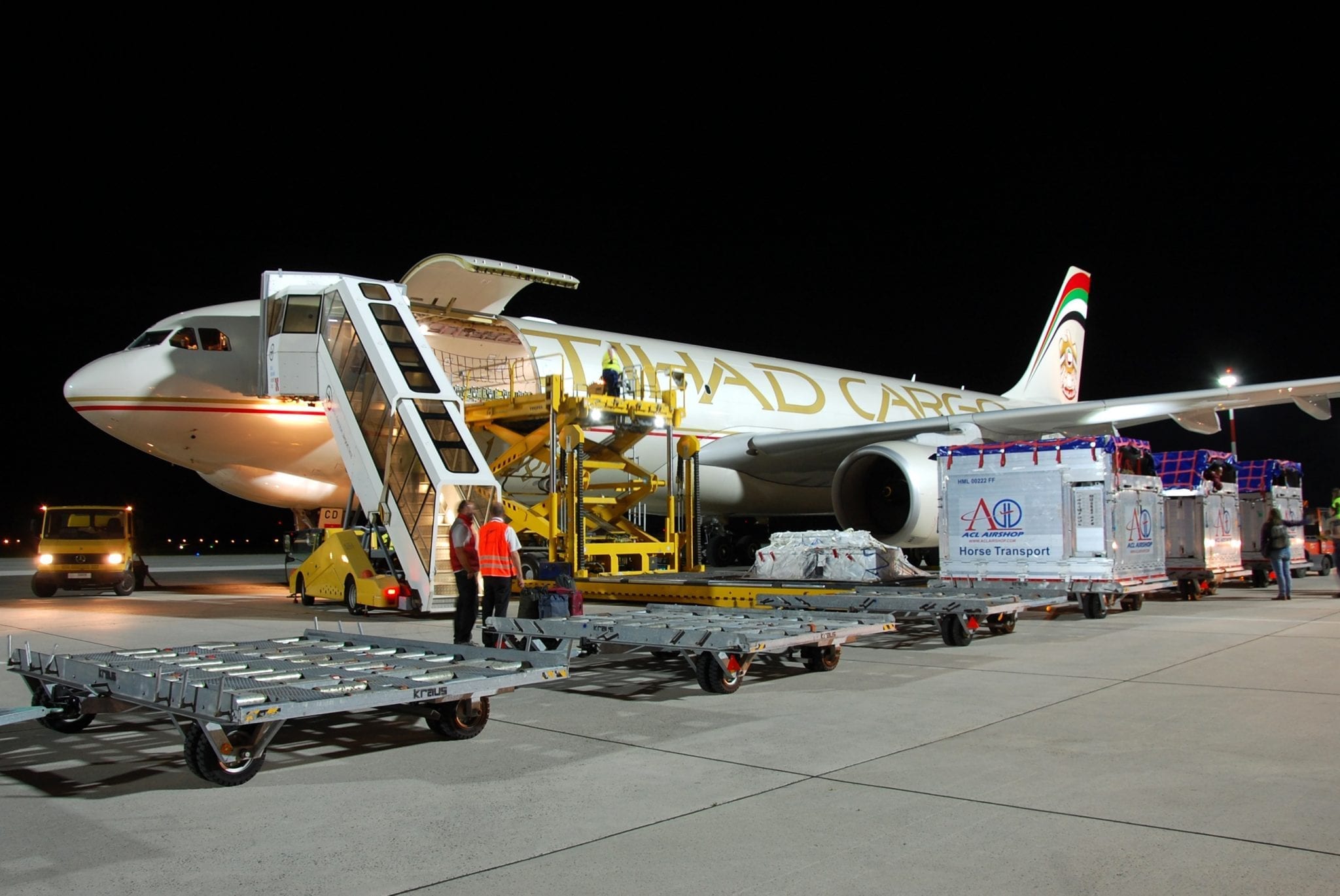
    Etihad Cargo, the cargo and logistics arm of Etihad Airways, has operated 329 scheduled flights and charters from Ezhou Huahu Airport to Zayed International Airport, further reinforcing its position as a trusted partner for customers across diverse industries, including pharmaceuticals, e-commerce, and perishables. Since the carrier’s inaugural flight to Ezhou Huahu Airport on August 18 2023, making it the first international airline to operate flights to Ezhou, Etihad Cargo has demonstrated its commitment to strengthening connectivity between Abu Dhabi and key markets in Asia, Europe, and beyond.

    Ezhou Huahu Airport, Asia’s first dedicated freighter hub, has provided a strategic base for Etihad Cargo’s operations, facilitating the movement of over 18,700 tonnes of export cargo and more than 400 tonnes of imports through Abu Dhabi since 2023. The introduction of a sixth weekly scheduled flight in July 2024 and a seventh flight in 2025 have boosted the carrier’s network, ensuring seamless and efficient connections to key global markets. The recently achieved IATA CEIV Pharma certification by Ezhou Huahu Airport’s ground handling services has further improved its capabilities to support specialised cargo requirements, particularly for the pharmaceutical sector.

    Stanislas Brun, Vice President Cargo at Etihad Cargo, said: “As the first international carrier to operate from Ezhou, Etihad Cargo is proud to have played a pivotal role in demonstrating the airport’s superior capabilities and strategic importance within just one year of operations. Etihad Cargo’s customers have expressed high satisfaction with the reliability and efficiency of the service, validating the carrier’s decision to partner with Ezhou and recognising its potential as a global cargo hub. Ezhou Huahu Airport’s advanced infrastructure has impressed exporters and local customers alike, especially in facilitating seamless imports, while Etihad Cargo’s efforts to showcase Ezhou’s connectivity and capabilities to exporters in Europe and beyond are paving the way for even greater opportunities.”

    Ezhou Huahu Airport, with its advanced facilities and strategic location, has emerged as a key logistics hub, enabling the seamless movement of goods across Asia and beyond. Its extensive network of 36 international cargo routes, combined with Etihad Cargo’s global connectivity through Abu Dhabi, has created significant value for customers seeking efficient and reliable cargo solutions. The collaborative efforts of partners, stakeholders, and local authorities have been essential in driving the success of Etihad Cargo’s operations in the region.

    Li Wei, Deputy General Manager of Ezhou Huahu International Airport, said: “Ezhou Huahu International Airport is located in central China, boasting a strategic geographical advantage and solid foundational conditions. A domestic hub-and-spoke route network is already established, while international logistics channels are rapidly taking shape. Port functionalities are continuously improving, and operational capabilities are steadily advancing. In 2024, the airport’s cargo and mail throughput is projected to rank fifth nationwide, with 36 international cargo routes already operational. Ezhou Huahu International Airport regards Etihad Cargo as a key strategic partner and supports the launch of more cargo routes at the airport, achieving even greater milestones in the future.”

    Etihad Cargo’s operations in Ezhou are a key component of the carrier’s extensive network in Greater China, which will grow to 23 weekly freighters and 25 weekly passenger flights in 2025.