Category: Logistics

Retail News Asia is committed to providing both local and global retailers with the latest Logistics news throughout the Asian market. This on a daily base.

  • Two new ride-hailing platforms set to launch in Singapore in 2025

    Two new ride-hailing platforms set to launch in Singapore in 2025

    Two ride-hailing platforms, namely Geolah and Trans-cab Services, will begin operations in Singapore next year.

    They have received one-year provisional licenses that allow them to provide ride-hailing services, the city-state’s Land Transport Authority said on Monday.

    The new brands will join the five other ride-hailing platforms currently on the market, namely Grab, Ryde, TADA, Gojek and CDG Zig.

    Trans-cab Services, established in 2003 in Singapore, is the city-state’s third-largest taxi operator with a fleet of 2,079 taxis as of October, trailing Comfort (6,388) and CityCab (2,136).

    A Trans-cab spokesperson informed The Business Times that the company is preparing to launch its ride-hailing platform, which is “nearing completion,” without announcing a specific launch date.

    Geolah, founded in 2020, is a Singapore-based mobility platform powered by artificial intelligence. Its smartphone application of the same name will offer ride-hailing services in addition to its current limousine bookings and parcel delivery services.

    Its smartphone app, also named Geolah, will expand to include ride-hailing services alongside its existing limousine booking and parcel delivery options.

    The company stated that it operated in a “beta phase” for two weeks last February and now has 900 registered drivers.

  • WhatsApp to end support for older Android phones and iPhones in 2025

    WhatsApp to end support for older Android phones and iPhones in 2025

    Starting January 1, 2025, WhatsApp will no longer be supported on older Android phones running Android KitKat or earlier. This change means that if you’re still using an older device as your primary phone, you’ll need to upgrade to a newer model to continue using WhatsApp.

    Meta, the company behind WhatsApp, is discontinuing support for these older devices because they lack the hardware capabilities to support the app’s evolving features and functionalities. As WhatsApp continues to add new features, such as AI functionalities, it needs more powerful hardware to ensure a smooth user experience.

    Some of the popular phone models that will be affected by this change include the below:

    • Samsung Galaxy S3
    • Samsung Galaxy Note 2
    • Samsung Galaxy S4 Mini
    • Motorola Moto G (1st Gen)
    • Motorola Razr HD
    • Moto E 2014
    • HTC One X
    • HTC One X+
    • HTCDesire 500
    • HTCDesire 601
    • LG Optimus G
    • LG Nexus 4
    • LG G2 Mini
    • LG L90
    • Sony Xperia Z
    • Sony Xperia SP
    • Sony Xperia T
    • Sony Xperia V

    If you’re currently using one of these older devices, it’s important to back up your WhatsApp data to a newer device before the deadline. Otherwise, you’ll lose all your media and chat history from WhatsApp.

    This isn’t the first time Meta has announced plans to end support for older devices. A few months ago, the company announced that it would stop supporting iPhones running on iOS older than version 15.1.

    For iPhone users, however, the deadline to upgrade to a newer device is May 2025. This gives iPhone users a bit more time to prepare for the change compared to Android users. However, it’s still important to be aware of the deadline and to start planning for an upgrade if you’re still using an older iPhone.

    The decision to end support for older devices is likely to affect a significant number of users, particularly in developing countries where older phones are still common. However, as these tech companies continue innovating and diving deeper into AI, I’m afraid it will become a necessity to update even more often than in the past — at least if having the most recent version of an app is a priority. It’s a reminder that technology is now moving very quickly, and we will need to make some choices in order to avoid losing access to our favorite apps and services.

  • Google now allows Microsoft Teams messages to be migrated to Google Chat

    Google now allows Microsoft Teams messages to be migrated to Google Chat

    Google announced this week that it’s expanding the ability to migrate messages to Microsoft Teams. Starting today, Google Workspace admins can migrate conversations from channels in Microsoft Teams to spaces in Google Chat.

    In order to migrate data from Microsoft Teams to Google Chat, admins must use the dedicated console. Here are the steps an admin must follow to migrate their organization’s data from Microsoft Teams to Google Chat:

    • First, connect to your Microsoft account.
    • Then, upload a CSV of the teams from where you want to migrate the messages. You can specify the source to destination identity mapping by uploading a CSV of the email ID’s from source to target.
    • Next, you’ll enter the starting date for messages to be migrated from Teams. Then you can begin your data migration.
    • Finally, you’ll complete the migration by making migrated spaces, messages and related conversation data available to Google Workspace users.

    It’s imporant to mention that admins can only migrate data to accounts of existing users with a user license and the Google Chat service turned on.

    Equally important is the fact that the Chat migration tool will not delete or modify existing Google Chat spaces or messages. On top of that, admis can also run a delta migration, which will migrate any messages added to Teams channels since the primary migration (messages already migrated will be skipped).

    As soon as the migration process is complete, admins can export a report that contains detailed information regarding content that skipped, failed or had warnings during the migration.

  • Indonesia rolls out $52B stimulus package for 2025

    Indonesia rolls out $52B stimulus package for 2025

    Indonesia has unveiled economic stimulus packages totaling IDR827 trillion (US$51.65 billion) for 2025, designed to mitigate economic shocks and address the weakening purchasing power of low- and middle-income groups.

    The stimulus also aims to cushion the impact of an upcoming increase in the value-added tax (VAT) rate from 11% to 12%, set to take effect on January 1, 2025.

    Minister of Finance Sri Mulyani Indrawati said the stimulus measures are carefully designed to provide balanced support, particularly for lower-income segments of society, to ensure their financial stability despite the VAT increase.

    A significant portion of the stimulus, amounting to IDR265.6 trillion, will go toward VAT incentives that benefit a range of sectors. These include micro-, small-, and medium-sized enterprises (MSMEs), essential food staples, education, healthcare, transport, energy, low-cost housing, and financial services. Basic necessities like rice, meat, fish, eggs, vegetables, and milk will remain exempt from the VAT.

    The government and the House of Representatives have decided not to impose VAT on essential commodities needed by the public, she said, adding some IDR394 trillion has been allocated for energy subsidies and compensation, which will cover the costs of subsidised fuel, electricity, and LPG.

    To further support the economy, the government is allocating IDR129 trillion to social aid programmes, including food aid, subsidies for health insurance premiums, and easier access to unemployment benefits for laid-off workers.

    In the automotive sector, the government will offer tax incentives for electric and hybrid vehicles. Electric vehicles and hybrid cars will receive substantial tax breaks, including a 3% reduction in luxury taxes for hybrid vehicles.

    For labor-intensive industries, the government will provide tax exemptions, financing support, and 50% subsidies for workplace accident insurance to encourage job creation and economic growth in this sector.

    In the housing sector, the government would extend VAT exemptions for house purchases. The sector not only meets the public’s basic needs but also has a significant multiplier effect, creating jobs and stimulating economic growth, the minister said.

  • ChatGPT down for hours globally

    ChatGPT down for hours globally

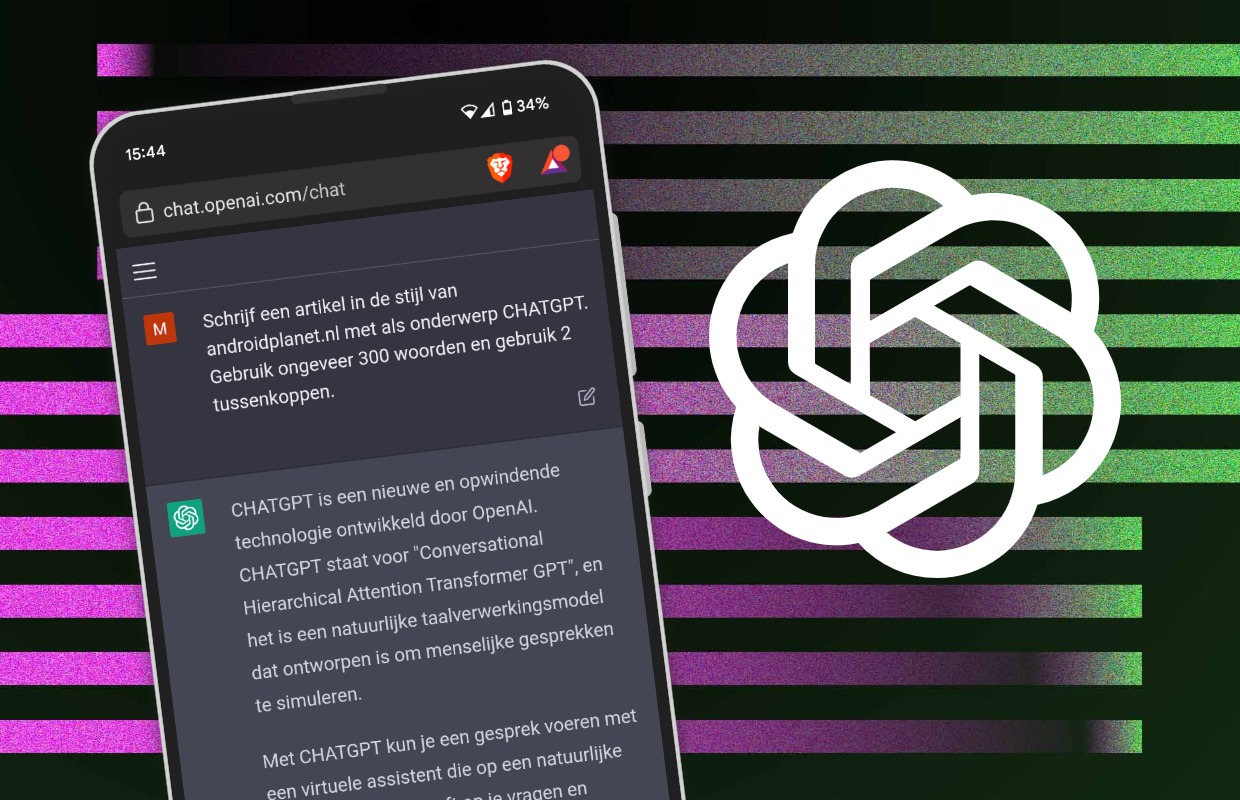
    AI chatbot ChatGPT suffered outage globally for several hours Thursday before resuming services.

    “ChatGPT, API, and Sora were down today but we’ve recovered,” the parent company OpenAI said in a post on X at around 1:00 p.m.

    It referred to API, a cloud interface that gives users access to AI models, and Sora, the new video generation AI model.

    OpenAI’s data shows that a “major outage” occurred for 4 hours and 10 minutes Thursday morning.

    But at the time of publishing the issues have been resolved.

    “All services are now fully operational,” OpenAI said in a note on its website, adding that it will run a full root-cause analysis of the outage and will share details when complete.

    Users began reporting outages at around 7:00 a.m, according to Downdetector, a platform which tracks the status of websites.

    In the U.S., nearly 28,500 people were unable to access ChatGPT as of 7:40 a.m.

    ChatGPT, launched in 2022, has more than 300 million weekly active users, OpenAI CEO Sam Altman said earlier this month.

  • WhatsApp working on a way for you to forward a message to Meta AI

    WhatsApp working on a way for you to forward a message to Meta AI

    WhatsApp is working on making Meta AI more useful and with the help of an upcoming update, you could be getting more context about the messages you are receiving.

    WhatsApp has been putting a lot of effort into tackling scams and fake news on its platform. Now, there’s a new feature being developed that would let you forward messages to Meta AI so you can get more context on them.

    Meta AI has been present on WhatsApp since April of this year. The AI chatbot is there to answer your questions, give advice, and also generate content among other things. However, previously you weren’t able to forward messages or media you’ve received to the chat with Meta AI. But that seems to be about to change.

    The folks at WABetaInfo have found that WhatsApp will be letting you get more context of messages you’ve received thanks to Meta AI. The new feature will let you select Meta AI from the contact list when you decide to forward a message. Right now, the functionality has been found for WhatsApp for Android.

    Right now, you can send media or messages to Meta AI by copy-pasting it in the conversation with the chatbot. Also, you will be able to add your question along with the forwarded message with a new “Ask a question” box which will appear at the bottom when you’re forwarding to Meta AI.

    If you choose not to provide context when you’re forwarding the message to the AI chatbot, it will just analyze the message as is and generate a response. If you want it to check the authenticity of a message, it would be better to ask things like “Is this information accurate”, so Meta AI will know what you want it to do with the forwarded message.

    Right now, the feature is under development. It is not clear when it will launch to the public, but hopefully it’s sooner rather than later.

    I’m a big fan of generative AI and I feel like it’s super useful. The above use case is another great way to take advantage of the power of AI.

    You will be able to check if a message is a scam, but you can also verify how truthful the info in a message is as well, which will help you think critically about things that you receive. And we all know that critical thinking is super important on the internet these days. Just don’t forget to think critically about the Meta AI answer as well.

  • Google Docs users can now use 40 more document templates

    Google Docs users can now use 40 more document templates

    Google Docs grows and grows: the Big G has introduced a refreshed library of templates, featuring 40 new designs.

    The rollout of these templates began on December 10, 2024, and will be accessible to Google Workspace customers, Workspace Individual Subscribers, and users with personal Google accounts.

    The new collection focuses on improving both the visual appeal and functionality of documents. Designed to be pageless, these templates come with features like document tabs for better organization, placeholder chips that streamline data entry, and building blocks with pre-set layouts and styles to give documents a polished and premium look.

    Users can find these templates by selecting the “Templates” button in a new document or navigating to File > New > From template gallery in an existing one.

    A wide range of use cases is covered by the templates, from blog posts and press releases to business proposals and journals.

    Business users are taken care of as well: they can take advantage of templates for project roadmaps, marketing plans, and sales emails, while HR teams are offered options like interview guides, onboarding guides, and training manuals.

    Recently, Google Slides also got decorated with a new collection of cool templates to help users create presentations quickly and effectively. This new collection has sales pitches, product roadmaps, and strategic plans for business users. Education-focused options include lesson plans, book reports, and project reports. Additionally, templates for milestone celebrations, workshops, and team games are designed to enhance collaboration. Pretty versatile!

    I guess templates help users save time by eliminating the need to start documents from scratch, but… probably many people are just asking various AI clients to provide the

  • Global disruption of Meta services hits Facebook, Instagram

    Global disruption of Meta services hits Facebook, Instagram

    Meta’s apps like Facebook, Messenger, Instagram, and WhatsApp experienced outages Thursday, leaving users worldwide unable to connect or facing intermittent disruptions.

    The Vinh of Ha Dong District in Hanoi said at around 1 a.m. on Thursday he received a message notification on Messenger but was unable to view it as the app failed to load.

    “Initially I thought it was due to an undersea fiber-optic cable issue or heavy nighttime gaming traffic slowing the internet.

    When he tried to access other Meta apps, he found Facebook was accessible, though slowly, but Instagram displayed login errors. Many users reported being unable to access Messenger or Facebook on both phones and computers.

    According to Downdetector, a tool that monitors the status of internet services, reports of issues began surfacing globally at around 12:30 a.m. Vietnam time and peaked at 1 a.m.. There were over 80,000 reports for Facebook, 66,000 for Instagram and more than 10,000 for Messenger and WhatsApp.

    Unlike in March this year the outage did not cause a complete service disruption. Users experienced sporadic connectivity issues; some could not use the platforms on computers but managed to chat on their phones. Many users took to X to express their frustrations, causing hashtags like #facebookdown and #metadown to trend widely.

    By 2 a.m. Meta’s official X account acknowledged the issue in a statement: “We’re aware that a technical issue is impacting some users’ ability to access our apps. We’re working to get things back to normal as quickly as possible and apologize for any inconvenience.”

    By 5:26 a.m. Meta announced that the recovery process was “99% of the way there – just doing some last checks.” By 6 a.m. Instagram’s X account confirmed that the issue had been resolved.

    In March Meta’s services were down for about an hour. A comparable event occurred in 2021 when its multiple platforms were inaccessible globally for six hours due to a “configuration error” in their system. In 2019 Facebook’s web version also experienced a 24-hour connectivity loss.

  • DHL integrates the groundbreaking GEN3 Evo race car into its Formula E logistics

    DHL integrates the groundbreaking GEN3 Evo race car into its Formula E logistics

    DHL, the Official Founding and Logistics Partner of Formula E, is enabling the delivery of the 11th season of the ABB FIA Formula E World Championship. This coming season, as a special highlight, DHL is handling the transport of the new GEN3 Evo race cars. These groundbreaking vehicles set new standards: accelerating from 0 to 60 mph in just 1.82 seconds, 30% faster than a Formula 1 car and 36% faster compared to the original GEN3 model.

    DHL transports the GEN3 Evo cars in specially designed crates, tailored to securely accommodate this highly valuable and delicate cargo. The crates are carefully packed to ensure every component is correctly placed, immobilized, and protected from damage.

    “As the trusted logistics partner for Formula E, DHL is proud to transport the new GEN3 Evo cars from race to race, delivering innovation and high performance with every journey,” says Manuela Gianni, Head of Motorsports Italy at DHL Global Forwarding. “These vehicles are redefining what’s possible in motorsport, and DHL is committed to ensuring that every car and piece of essential race equipment arrives exactly when and where it’s needed.”

    DHL has been an integral part of the world’s first all-electric motorsport championship since 2013. Drawing on 40 years of global motorsport experience, DHL has played a crucial role in bringing the championship to cities worldwide.

    DHL offers Formula E logistics with a focus on low-carbon services, utilizing multimodal transport solutions, including both sea and road freight, to maximize efficiency. Formula E uses sustainable fuels in these transport modes, which can cut GHG emissions around 80% compared to traditional fuels. This effort aligns with Formula E’s long-term commitment to the Science Based Targets initiative, aiming for a 45% reduction in absolute GHG emissions by 2030, compared to Season 5 levels. Additionally, Formula E has reduced the volume and weight of aviation freight by one-third, significantly lowering air freight emissions in season 11.

    The season opener in São Paulo on December 7, 2024, will be followed by races in major global cities, including Miami, Tokyo, Shanghai, Berlin, and London. DHL will manage the transportation of around 400 metric tons of essential freight per race, ensuring the smooth delivery of race cars, batteries, charging units, broadcast equipment, and hospitality materials.

    In addition to providing logistical support, DHL is launching its new “Positive Power” campaign, celebrating the unstoppable impact of Formula E. The campaign emphasizes the passion of the sport and its global fanbase. DHL’s founding sponsorship aims to ignite enthusiasm for Formula E, showcasing the speed and innovation of the series, especially with the new GEN3 Evo car.

    DHL was the first logistics company to set a measurable carbon efficiency target: improve efficiency by 30% compared to 2007 levels by 2020. This goal was achieved four years ahead of schedule, in 2016. In 2017, DHL committed to an even greater sustainability goal: to achieve net-zero emissions by 2050. As part of this sustainability approach, DHL Group aims to reduce logistics-related GHG emissions to less than 29 million metric tons by 2030 and implement decarbonization measures across all modes of transport, which includes the electrification of 66% of the first and last-mile fleet.


  • Google Messages update will make you wish it’s the last of its kind

    Google Messages update will make you wish it’s the last of its kind

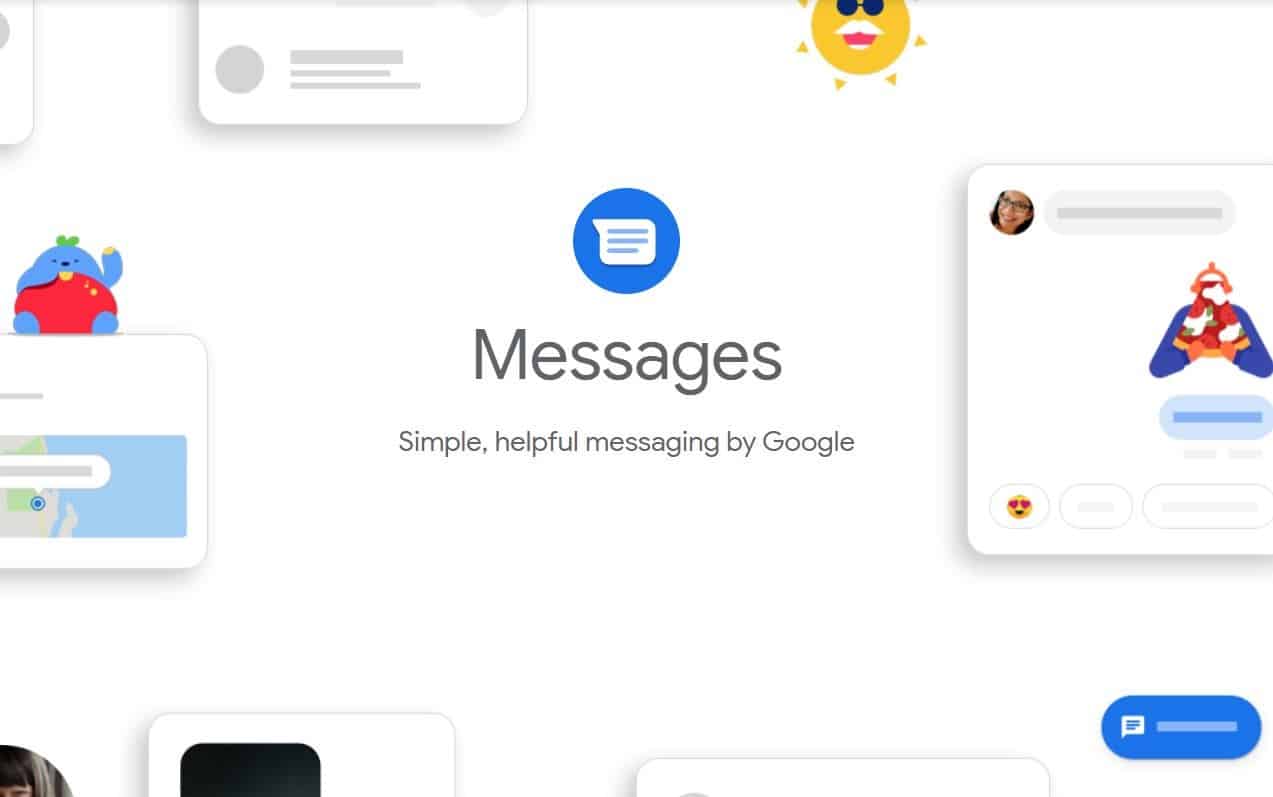
    If you thought you were indecisive, wait till you have a look at the latest Google Messages update. Google can’t seem to make up its mind about how it wants the text field to look. Of course, we can’t fault it for wanting to come up with the best possible design.

    When examining the new beta version of the Google Messages app, 9to5Google discovered that some changes have been made to the compose field again.

    To bring you up to speed, earlier this year, Google Messages featured a pill-shaped compose box with the emoji button in the beginning, followed by Magic Compose, Gallery, and the ‘plus’ menu. Voice Messages was outside the box, in a circle. It transformed into Send after you typed something.

    In late October, that change was reverted, with Google going back to the previous design with Plus, Gallery, and Magic Compose on the left, pushing the text field to the right, with emoji and voice memo shortcuts residing within it. Not everyone was a fan of this design, which is understandable, as it looked rather cluttered.

    Google has moved things around again in the latest beta. The text box is now again positioned on the left, but button placements have changed. The Plus is still the first button, and then comes Magic Compose, Emoji first, and Gallery. The Voice Memo/Send button remains outside. Once something is typed, only Plus and Emoji remain.

    Whether you like the new design or not, you might find yourself wishing that it remains the same for a long while. After all, muscle memory is hard to retrain and even harder to shake.

    Also, don’t be surprised if the change is not live at your end, as the report notes that it’s yet to roll out to everyone.

    Other than this, the beta version also features redesigned read receipts, but the implementation seems buggy at the moment and the new design only shows up in the main message list.

  • Qatar Airways Cargo and Cainiao strengthen partnership to meet global e-commerce demand

    Qatar Airways Cargo and Cainiao strengthen partnership to meet global e-commerce demand

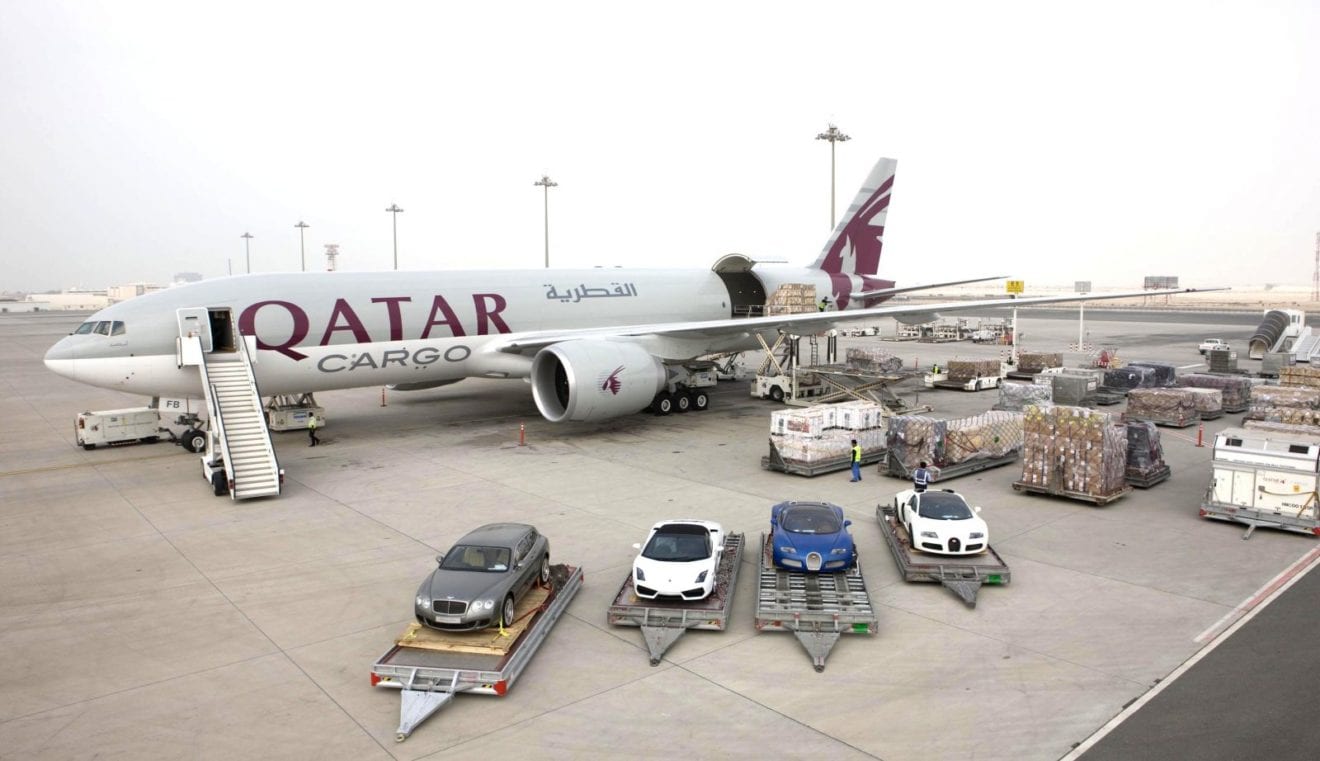
    Qatar Airways Cargo, the world’s leading air cargo carrier, and Cainiao, a global leader in e-commerce logistics, agree to strengthen their existing partnership, aiming to support the growth of cross-border e-commerce and enhance consumer experiences worldwide.

    Cainiao, with its deep e-commerce insights and technological expertise, and Qatar Airways Cargo, with its extensive global connectivity, will together leverage their complementary strengths through this partnership to enhance global e-commerce logistics and stimulate economic growth at both regional and global levels.

    Mark Drusch, Chief Officer Cargo at Qatar Airways Cargo, said: “Since the inception of our collaboration with Cainiao in 2021, the partnership has seen strong growth, driven by ongoing flying agreements and a shared vision to support the burgeoning e-commerce industry.”

    “We are now further deepening our ties with Cainiao to work even closer together. By utilising the Qatar Airways Cargo hub at Hamad International Airport in Doha, we aim to expedite shipments to customers in Europe, the Middle East, and Africa, reinforcing our commitment to Cainiao.”

    Wan Lin, Chief Executive Officer of Cainiao, said: “At Cainiao, we’re committed to building a smart, future-proof logistics network for e-commerce. We are pleased to strengthen our partnership with quality players like Qatar Airways Cargo to build a more robust global express network and better support our global customers with faster deliveries and enhanced supply chain efficiency.”

    E-commerce remains the largest driver of air cargo capacity demand worldwide. Qatar Airways Cargo’s extensive global network and state-of-the-art fleet have positioned it as an essential partner in meeting this demand. Through this collaboration, both companies continue to enhance connectivity and reliability for businesses and consumers across the globe.

    Qatar Airways Cargo looks forward to further developing this strategic relationship, reinforcing its position as a leader in the air cargo industry.

  • airBaltic Cargo partners with cargo.one to accelerate and enhance its digital sales

    airBaltic Cargo partners with cargo.one to accelerate and enhance its digital sales

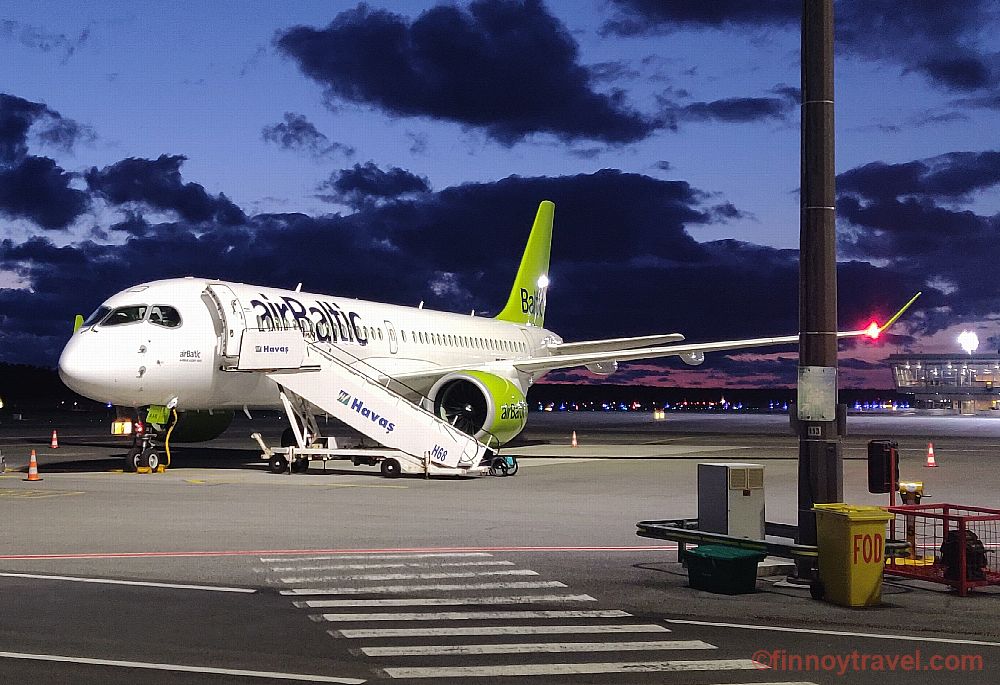
    airBaltic Cargo, the cargo division of the Latvian national airline, has joined forces with cargo.one to soon offer its services upon the air freight industry’s go-to procurement platform. airBaltic Cargo is partnering with cargo.one as part of plans to expand its market presence globally and boost revenues. cargo.one will offer airBaltic Cargo customers the most convenient and user-friendly booking method, and will enable the airline to market its services to a footprint of freight forwarders across 134 countries.

    Headquartered in Riga, Latvia, airBaltic Cargo offers freight forwarders modern and flexible belly capacity on more than 100 routes throughout Baltics, Europe, the Middle East, North Africa, and the Caucasus. Leveraging its main hub in Riga and additional bases in Tallinn, Vilnius, Tampere, and seasonally Gran Canaria, airBaltic Cargo flies into many shorter runway destinations that other airlines often do not. airBaltic Cargo also boasts one of the youngest and most efficient fleets in the world, consisting of 49 Airbus A220-300 aircraft, and planned to expand to 100 aircraft by 2030.

    The partnership coincides with airBaltic Cargo’s exciting program of expansion, having recently invested in The Baltic Cargo Hub – soon to be the largest dedicated air cargo handling center in the Baltics, and will further enhance airBaltic Cargo’s import, export and transit capabilities at RIX Riga Airport. cargo.one will soon deliver thousands of forwarders a step-change in access to airBaltic Cargo capacity for its entire network – with the ability to discover, quote, book and track its capacity in seconds. The addition of airBaltic Cargo is the latest example of cargo.one’s uniquely strong depth and diversity of global supply options.

    Iļja Seļiverstovs, VP Cargo at airBaltic, commented, “Digital sales is a vital driver of our cargo growth plans. It makes every sense to leverage cargo.one to expand our market reach and sales, and ensure airBaltic Cargo services remain front of mind with thousands of forwarders using the platform daily. Working alongside cargo.one, we will ensure that every customer receives the best possible end-to-end experience.”

    Moritz Claussen, Founder & Co-CEO of cargo.one, added, “We are thrilled to enable airBaltic Cargo to take its digital sales strategy to the next level, and our collaboration will capitalize upon its strengths in relevant markets. Forwarders rely upon cargo.one’s comprehensive global market view to discover, quote and book their air shipments, and the addition of airBaltic Cargo capacities will provide a strong option for many.”

    Accelerating its digital distribution with cargo.one allows airBaltic Cargo to better scale sales across a truly global footprint, build its brand presence within thousands of forwarding branches, lower its cost of sale, and boost sales efficiency and market responsiveness. cargo.one is the industry leader for optimizing the digital distribution progress of all sizes of airline.

    airBaltic Cargo’s partnership with cargo.one strengthens the airline’s digitalization program, ensuring that a greater proportion of customers benefit from digital speeds, accuracy and convenience. Booking on cargo.one also equips airBaltic Cargo customers with cutting-edge tools for winning and processing air shipments.

    From Winter 2024, freight forwarders using cargo.one will be able to book airBaltic Cargo capacity for general cargo, perishables and temperature sensitive pharma shipments, across its entire network.

  • WhatsApp makes sharing channels easier with a new QR code feature

    WhatsApp makes sharing channels easier with a new QR code feature

    Earlier this year, we got wind that WhatsApp was working on a new QR code feature to make accessing channels super easy. Well, now, it looks like the most popular messaging app in the world is bringing that feature to life.

    recent report reveals that the latest WhatsApp beta for Android, version 2.24.25.7, is introducing a new feature that lets users scan QR codes to view and follow channels.

    As you can see from the screenshot, in the newest beta, WhatsApp users can test out the new feature for sharing channels through QR codes. If you’re one of the users who already have access, getting the QR code for a channel is easy:

    1. Just open the channel.
    2. Tap on the sharing options in the top bar.
    3. Select the QR code option.

    Once it’s generated, you can effortlessly invite others to follow the channel with just a quick scan. The feature should roll out to more users in the coming weeks.

    In my opinion, QR codes are a way smoother way to share not only channels but everything compared to “old-school” links. To be honest, I always go for a QR code if it’s an option — especially as an iOS user (copying and pasting on iOS can be a real pain, but let’s save that rant for another time), so hopefully the feature will roll out on iOS as well.

    So, with this new feature, instead of messing around with copying links and sending them through texts or emails, you can just flash a QR code on your screen and let others scan it. This works perfectly in face-to-face situations where people can quickly scan and skip all the extra steps. Once scanned, the code takes them straight to the channel, where they can check out the content and follow it with a single tap.

    In other WhatsApp updates, voice message transcripts are finally making their way to the app. And that’s not all — WhatsApp is turning up the color with a new test feature that adds themed icons for contacts and group chats.

  • Instagram levels up DMs with live location sharing and nicknames for your friends

    Instagram levels up DMs with live location sharing and nicknames for your friends

    Instagram rolling out a few new features for Direct Messages that will make it easier to meet up with friends and family in real life. One of these is a new live location sharing feature. This means you can let others know exactly where you are for a set period of time, which is perfect for coordinating meetups at events or when you’re out and about.

    To share your live location, you just need to open a direct message with a friend or a group chat. From there, you can choose to share your live location for up to an hour. If you’d rather not share your live location constantly, you can also just drop a pin on the map to show people where you are.

    If you’re worried about accidentally leaving location sharing on, you don’t have to, because the feature is turned off by default and you have to choose to use it each time actively. Plus, Instagram has added a handy reminder at the top of the chat to let you know when you’re sharing your location. Additionally, to enhance privacy, you can only share your location with people you’re already connected with in a chat.

    In addition to location sharing, Instagram is rolling out a new feature that lets you create unique nicknames for your friends (and yourself) within your direct messages. It’s a fun way to personalize your chats and add some extra laughs. These nicknames are only visible within your DMs, so they won’t affect your actual username on Instagram.

    You will have complete control over your nicknames and can change them whenever you want, in addition to being able to decide who has permission to change your nickname in a chat —  whether it’s just you or the people you follow. To start using this, just head to the top of your chat and tap on the chat name, then select “Nicknames” and choose the person you want to give a nickname to.

    And if you’re a fan of stickers, Instagram has also added a bunch of new sticker packs to its DMs, giving you even more ways to express yourself. You can now also favorite stickers from your chats so you can easily reuse them later, and create your own stickers using the “cutouts” feature.

    I think the location-sharing feature is the most impactful feature from this update as it could be really useful for planning meetups with friends. It could also be helpful for letting people know you’re safe and on your way, especially if you’re traveling alone. I’m a little bit concerned about privacy, but it seems like Instagram has put some safeguards in place.  I guess we’ll have to see how it works in practice.

  • Kerry Logistics Network appoints Wong Siew Loong as Chief Commercial Officer for the group

    Kerry Logistics Network appoints Wong Siew Loong as Chief Commercial Officer for the group

    Kerry Logistics Network Limited announced the appointment of Wong Siew Loong as its Chief Commercial Officer for the Group and Managing Director for South East Asia. The appointment is a key step in accelerating KLN’s growth strategy and advancing its development plan across the globe.

    With more than 25 years of experience in the global transportation and logistics sector, Siew Loong joins KLN from Kuehne+Nagel where he last served as President of the Asia Pacific region and brings extensive international experience and a proven track record. Based in Singapore, Siew Loong will lead KLN’s global commercial growth strategies and operational advancement efforts to unlock new opportunities and drive greater growth.

    Vic Cheung, Executive Director and CEO of KLN, said, “We are delighted to welcome Siew Loong to our leadership team. His vision for commercial excellence, along with his strong understanding of market dynamics and customer needs, will be invaluable as KLN continues to innovate and deliver exceptional value to our customers across regions and markets.”

    Wong Siew Loong commented on his new appointment, “I am excited to be joining KLN and bringing my commercial experience and insights to contribute value to its strategic development and long-term growth. I look forward to working collaboratively with the talented team across the network to drive success.”