Category: Logistics

Retail News Asia is committed to providing both local and global retailers with the latest Logistics news throughout the Asian market. This on a daily base.

  • New Instagram feature to entice TikTok users also compromises privacy

    New Instagram feature to entice TikTok users also compromises privacy

    It is highly likely that within a few hours TikTok will cease operations in the U.S. In an effort to capitalize on this golden opportunity Instagram is adding a new feature to the app to entice TikTok users to switch platforms. However this new feature also compromises your privacy and may be something that you wish to turn off.

    Adam Mosseri — head of Instagram — announced in a video that the app will be rolling out a new feed where you will see reels that your friends have liked or commented on. The idea is that you can quickly start a conversation with your friends about content they’ve watched. While the concept definitely encourages more interaction over Instagram it also means that your history is being shared openly.

    I quite like that I can watch whatever I want on Instagram — mainly cat videos — and not announce it to the world. This new feature is one that I will turn off immediately once it arrives in my country. Meta is only releasing the update in certain regions for now and will expand coverage once the company has studied how it is received by users.

    The whole TikTok debacle has sent multiple platforms racing to replace it. Instagram is already quite similar to TikTok and is trying everything it can to win over people looking for a new short-form video sharing app. However this hasn’t gone exactly to plan as TikTok users are migrating to another Chinese app instead: RedNote.

    While Instagram would have welcomed the influx of new users with open arms, RedNote is not as thrilled. The company is already considering isolating foreign IP addresses from Chinese ones so “American influence” can be minimized. This transition from TikTok to RedNote is also profiting an unsuspecting third app

    Instagram has taken some very welcome steps in recent years to protect user privacy on the platform, especially for minors. This is why I’m hopeful that the new dedicated feed will be optional as well. The app had a similar feature years ago that it discontinued and I wouldn’t be surprised if this new addition eventually meets the same fate.

    Instagram can still play its cards right and snag some former TikTok users as RedNote hands out bans for “inappropriate” content.

  • Qatar Airways Cargo and Unilode announce a major digitalisation partnership

    Qatar Airways Cargo and Unilode announce a major digitalisation partnership

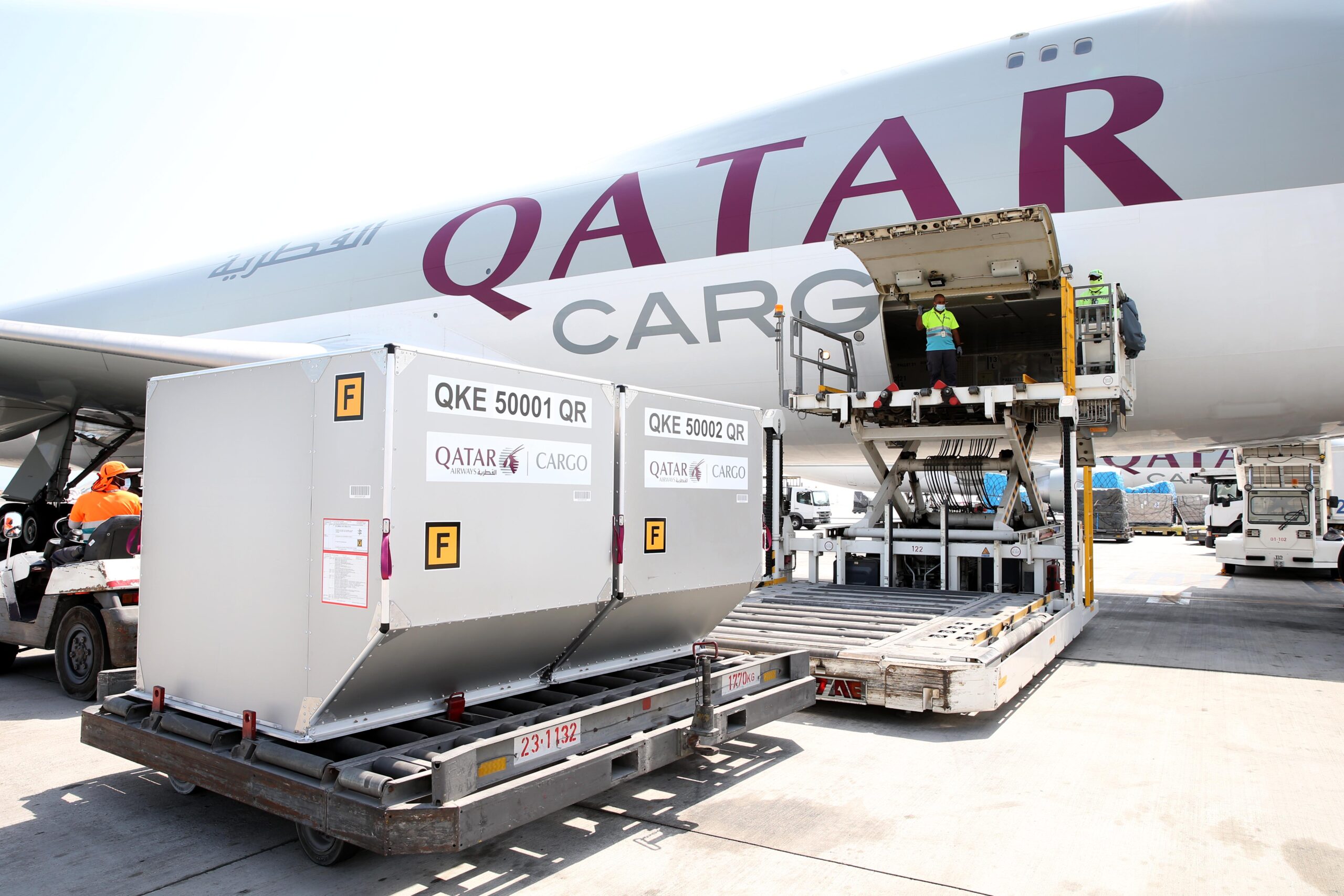
    Qatar Airways Cargo, the leading air cargo carrier and Unilode Aviation Solutions, the market leader in outsourced Unit Load Device (ULD) management, repair and digital services, announce their partnership for the digitalisation of the airline’s fleet of over 42,000 ULDs.

    The partnership represents the largest ULD digitalisation programme undertaken by an airline. Qatar Airways Cargo will leverage Unilode’s advanced ULD digitalisation capabilities to gain data-driven insights and real-time visibility into ULD locations, sensory data, and asset utilisation rates. Through Unilode’s digital technologies Qatar Airways Cargo will continue to strengthen its position to be at the forefront when it comes to streamlining operations, optimising resources, increasing revenue opportunities, and boosting performance.

    The partnership with Qatar Airways Cargo will make sure Unilode’s tag and reader network is further extended to cover the carriage of ULDs on the airline’s global passenger and cargo network. The tag and reader network will be supported by E-ULD, Unilode’s in-house developed mobile app and web portal that enables real time visibility & tracking of ULDs, and Unilode’s Enterprise Data Warehouse and customer portal, which provide the airline with enhanced data analytics to improve ULD utilisation and further reduce costs.

    Qatar Airways Cargo’s Chief Officer Cargo, Mark Drusch said, “We are excited to join forces with Unilode to embark on this ground breaking transformative digital journey. Our shared vision for ULD digitalisation and innovation will undoubtedly set new benchmarks in the air cargo industry for operational excellence, enabling us to elevate our customer experience and further optimise our resources. By implementing Unilode’s innovative digital solutions, we are able to allocate ULDs more effectively across our vast network of destinations and this in turn will increase asset utilisation, reduce costs, and contribute to a more sustainable and environmentally-friendly operation.”

    Unilode, Chief Executive Officer, Ross Marino, said, “Our collaboration with Qatar Airways Cargo represents a major digital milestone in the industry. This reinforces our commitment to our digital journey and providing our customers with technology-based solutions for their own fleet, or as part of our full service ULD management solutions.

    With this partnership we are confident that it will reshape ULD digitalisation across the industry and contribute to a more connected, efficient, and sustainable aviation ecosystem. With Qatar Airways Cargo as our partner, we look forward to working together on developing and enhancing our digital solutions further.”

  • Seafrigo opens in Vietnam and appoints Fabian Hautiere to head up the country

    Seafrigo opens in Vietnam and appoints Fabian Hautiere to head up the country

    Seafrigo, the cold chain logistics expert, specialising in food logistics has opened its first office in Vietnam. At the same time, it has appointed Fabian Hautiere to head up operations in the country as Managing Director.

    A new office in Vietnam aligns with the Seafrigo Group’s long-term growth strategy to develop its own operations in key locations around the globe.  The new office is located in Ho Chi Minh City, the economic capital of the country with easy access to the main ports and airports and also home to the leading exporters of seafood and fruit.

    Vietnam will be both an air and ocean operation and will cater to exports and imports. It is one of the most dynamic and fastest growing economies in South East Asia with an average GDP growth rate of +6% for the last 15 years (excluding the 2 years of COVID where the growth rate was +2.7%). The country also has Free Trade Agreements in place with trading partners including the EU and Asia-Pacific countries.

    Fabian Hautiere joins Seafrigo from Kuehne Nagel where he was National Key Account Manager specialising in consumer goods. He also has extensive experience on the operational side of the business where he worked as a Senior Supply Chain Manager for a leading fine food import company in Vietnam where he has lived for the last 12 years.

    Says Fabian Hautiere: “This is an exciting time to be setting up the Seafrigo business in Vietnam in its own right. There are many specialist products such as pangasius, shrimps, dragon fruit and mangoes etc, to name just a few, where we will be using our team’s cold chain logistics expertise to bring these goods to markets around the world both by air and ocean.  With my long-standing experience in Vietnam, I already knew Seafrigo well. I used and approved their services as an importer in the past, so I am well versed in the company’s passion for excellence and its commitment to the highly specialised chilled and fine foods business, joining them was a natural choice”.

  • WhatsApp’s upcoming AI feature could be your new Google Lens

    WhatsApp’s upcoming AI feature could be your new Google Lens

    While Meta, the parent company of Facebook, Instagram, and WhatsApp, has been rolling back some of its policies lately, the push for AI seems to be going full steam ahead. The company is focused on making it even easier to access Meta AI, its AI-powered assistant, on Android phones.

    With the release of the latest WhatsApp beta for Android 2.25.1.27 update on the Google Play Store, it’s been discovered that WhatsApp is working on adding a widget for easy access to Meta AI

    It looks like, with an upcoming update, one of the most widely used messaging apps will let you access Meta AI right from your Home Screen. This new widget will be totally optional and will appear alongside other widgets WhatsApp offers.

    Just keep in mind that this feature will only be available to accounts that already have access to AI-powered chats. Since Meta AI is still limited to certain regions and users, not everyone will get this widget right off the bat. For example, it’s unavailable in the EU due to local laws and regulations.
    For those who do have access, though, the widget will make it super easy to start a conversation with Meta AI without needing to open WhatsApp or dig through its menus. It’ll be right there on your Home Screen, ready to go.
    With the widget, you’ll be able to ask questions, get help, or chat with Meta AI however you like. It’ll also include a quick shortcut to snap a photo and send it directly to Meta AI. Once that’s done, you’ll be able to ask the AI to edit the image, explain what’s in it, or answer any questions you might have about the photo.

    I think it’s kind of like how Google Lens works, offering more details about what’s in the image. However, WhatsApp’s feature is still in the works and will be rolled out in a future update.

    In other WhatsApp updates, the app could soon introduce a simpler, more streamlined way to create groups and communities. On top of that, it’s also working on a new “Chat with us” feature, which will make getting human support faster through its web app.
  • DHL acquires reverse logistics leader, Inmar Supply Chain Solutions

    DHL acquires reverse logistics leader, Inmar Supply Chain Solutions

    DHL Supply Chain, the world’s leading contract logistics provider, announced the acquisition of Inmar Supply Chain Solutions, a division of Inmar Intelligence and a leading returns solutions provider for the retail e-commerce industry. The strategic acquisition will make DHL Supply Chain the largest provider of reverse logistics solutions in North America.

    The acquisition will result in 14 return centers and around 800 associates joining the DHL Supply Chain business expanding the company’s North American footprint which currently stands at over 520 warehouses supported by 52,000 associates. Additionally, DHL Supply Chain will now strengthen its returns capabilities to include product remarketing, recall management, and supply chain performance analytics. Inmar Intelligence will retain its pharmaceutical reverse distribution business.

    In the light of a rapidly growing e-commerce market and changing consumer behavior, returns are an increasingly important touchpoint for retail customers, both in store and online. These solutions will expand the value-added services available to DHL customers and create a more strategic delivery of holistic solutions for their most complex supply chain needs.

    “DHL Supply Chain’s market-leading logistics expertise and the addition of Inmar’s suite of returns services and its talented workforce will enable us to provide best-in-class logistics services to our industry customers. Together, we will create a returns business in North America that is unmatched in its depth, breadth, capabilities, and talent to fuel long-term growth,” said Oscar de Bok, Global CEO of DHL Supply Chain.

    “As companies strive to simplify their supply chain strategies and enhance their operational agility, DHL Supply Chain continues to innovate to provide comprehensive and integrated solutions. This acquisition strengthens our existing capabilities, allowing us to offer our customers a single-source solution for their entire supply chain, including the critical and complex area of returns management. This enhances the value we deliver to our customers by streamlining their operations, reducing complexity, and improving their overall supply chain efficiency,” said Patrick Kelleher, CEO of DHL Supply Chain, North America.

    He further added that, “The strategic growth opportunities that the returns market brings will enhance the success of DHL Supply Chain. It also puts us on the right path to support DHL Group’s plan to achieve 50% revenue growth by 2030 compared to 2023 as outlined in our recently announced Strategy 2030.”

    “Inmar Intelligence and DHL share a deep commitment to customer-focused innovation. Because of that, we are confident that DHL will build even greater things on top of the Inmar Supply Chain Solutions foundation that we developed over time. As well, we are thrilled that Inmar associates will have an even broader set of supply chain experiences available from which they can continue to learn and develop over time at DHL. For Inmar Intelligence, this deal sets the stage for us to apply an even deeper level of focus and investment into our core businesses that are expanding rapidly,” said Spencer Baird, CEO of Inmar Intelligence.

    Consumers expect retailers to provide a seamless returns process while retailers are faced with new challenges such as returns abuse and rising operational costs. Thus, the acquisition marks a logical step to foster DHL’s customer centric approach that involves collaboration, expertise, and integration to solve the greatest supply chain challenges.

    The acquisition of Inmar Supply Chain Solutions will also contribute to DHL’s strategic goal of decarbonizing its business by 2050. In the company’s recently announced Strategy 2030, sustainability is a strategic priority, recognizing its growing role as a key differentiator in the logistics sector. Assisting global customers to become carbon neutral is crucial, and DHL Group aims to achieve this by remaining the frontrunner in low-carbon logistics operations.

    At the core of returns management is the need to drive sustainability, and Inmar’s technology-driven reverse logistics solutions are recognized across the industry for reducing cost and eliminating the waste generated from returned consumer goods. Emphasis is placed on recommerce, which has diverted 99% of consumer returns from reaching a landfill; an approach that aligns with DHL’s commitment to make customers’ supply chains more sustainable.

  • Indonesia raises retirement age to 59

    Indonesia raises retirement age to 59

    Indonesia will raise the retirement age for workers to 59, effective this year, in accordance with a government regulation on the Implementation of the Pension Guarantee Program.

    A regulation issued in 2015 set the retirement age at 56, with a provision for gradual increases. Starting Jan. 1, 2019, the retirement age was raised to 57, with plans for it to increase by one year every three years until reaching a maximum of 65.

    As outlined by the regulation, the retirement age will increase to 59 beginning in January 2025 and remain in effect until 2028.

    The updated retirement age also serves as a reference for workers registered with the Employment Social Security Administration Agency (BPJS TK) to claim their pension benefits.

    The gradual increase reflects Indonesia’s efforts to address demographic and economic changes, ensuring the sustainability of the pension system while promoting the financial security of the country’s aging workforce.

  • Miniso opens first Thai flagship store in Bangkok

    Miniso opens first Thai flagship store in Bangkok

    Lifestyle brand Miniso is about to open its first theme park-style flagship store in Bangkok, Thailand.

    Located at Asiatique The Riverfront, the two-story, 600sqm space will feature more than 20 unique IP collections across various products, including plushies, toys, cosmetics, and stationery.

    The store will also introduce its Harry Potter collection to the country, showcased in a Hogwarts-inspired fireplace area. Additionally, themed zones and installations will feature characters such as Lotso Bear from Toy Story, Stitch, Winnie the Pooh, and a Minions zone.

    “By reimagining the shopping experience with IP collaboration at its core, we hope to capture the imaginations of shoppers around the world,” said the company.

  • J&T Express reports 32.5% parcel volume growth in Q4 2024

    J&T Express reports 32.5% parcel volume growth in Q4 2024

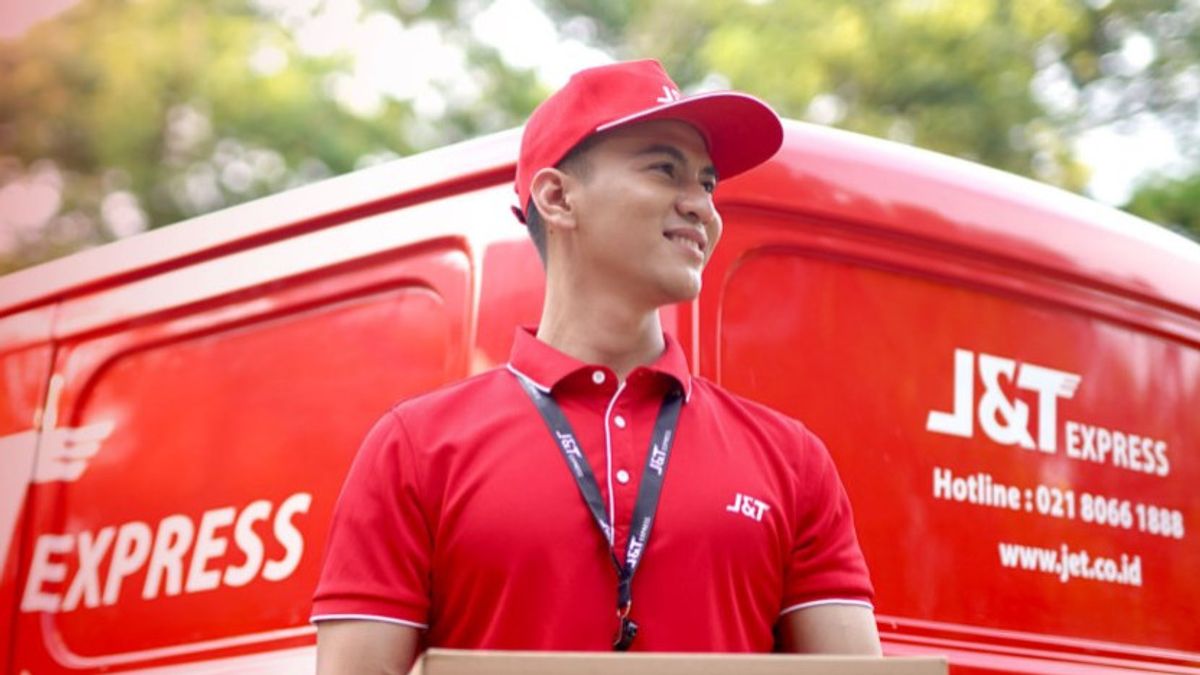
    J&T Global Express Limited announced its key operating data for the fourth quarter and full year of 2024. The company achieved a total parcel volume of 7.39 billion in Q4, a 32.5% year-over-year (“YoY”) increase, with an average daily volume of 80.3 million parcels. For the full year 2024, J&T Express handled 24.65 billion parcels, representing a 31% YoY increase and a 30.7% increase in average daily volume to 67.3 million parcels.

    Q4 growth was primarily driven by Southeast Asia and China, coinciding with the peak e-commerce season in these key markets. In Southeast Asia, J&T Express saw parcel volume jump 62.5% YoY to 1.4 billion in Q4. Full-year parcel volume in the region reached 4.56 billion, a 40.8% YoY surge, significantly exceeding market expectations of industry growth.

    In China, Q4 parcel volume grew 27.4% YoY to 5.91 billion. Full-year volume reached 19.8 billion, a 29.1% increase, outpacing industry growth in the first eleven months of the year.

    Parcel volume in New Markets (including the Middle East and Latin America) reached 74.4 million in Q4, a marginal 0.1% YoY increase. Full-year volume grew 22.1% to 280 million parcels.

    Throughout 2024, J&T Express continued to invest in infrastructure, expanding its transportation fleet and deploying automated sorting equipment. The company’s line-haul vehicles grew by 1,300 vehicles in Southeast Asia and 900 vehicles in China, reaching totals of 4,600 and 7,100 vehicles, respectively. The number of automated sorting machines across all markets increased by 45 to 279.

    J&T Express also strategically optimized its network partnerships and outlets, upgrading sorting centers to enhance operational efficiency. As of year-end 2024, the company operated 19,100 outlets and 238 sorting centers.

    “J&T Express delivered strong growth in Q4 2024, fueled by robust performance in Southeast Asia and China,” said Dylan Tey, Chief Financial Officer of J&T Express. “The over 60% surge in Southeast Asia’s Q4 volume, in addition to a low base from the same period last year, was driven by strong shipments from major e-commerce clients during peak shopping festivals like Double 11, as well as our continued expansion of parcel volume from non-e-commerce platforms. In China, we capitalized on the continued rapid growth of the express delivery industry, strengthening our market position with key e-commerce platforms. Our strategic focus on reverse logistics and individual parcels also contributed to strong results. With our robust network, high-quality service, and diversified growth strategies, J&T Express is well-positioned to benefit from the continued rapid growth of the e-commerce market.”

  • China Cargo Airlines appoints Tam Group as GSSA in the Philippines

    China Cargo Airlines appoints Tam Group as GSSA in the Philippines

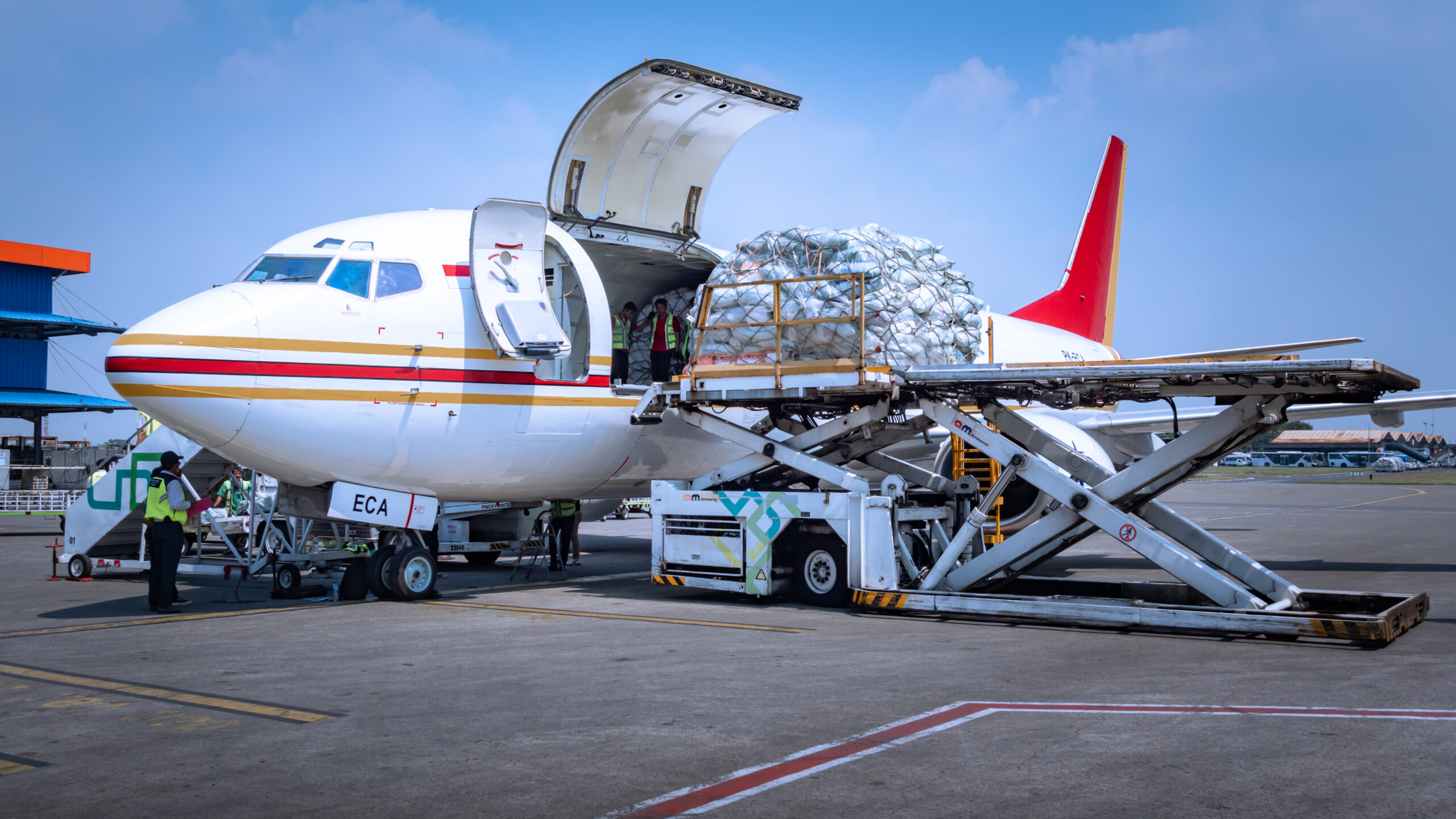
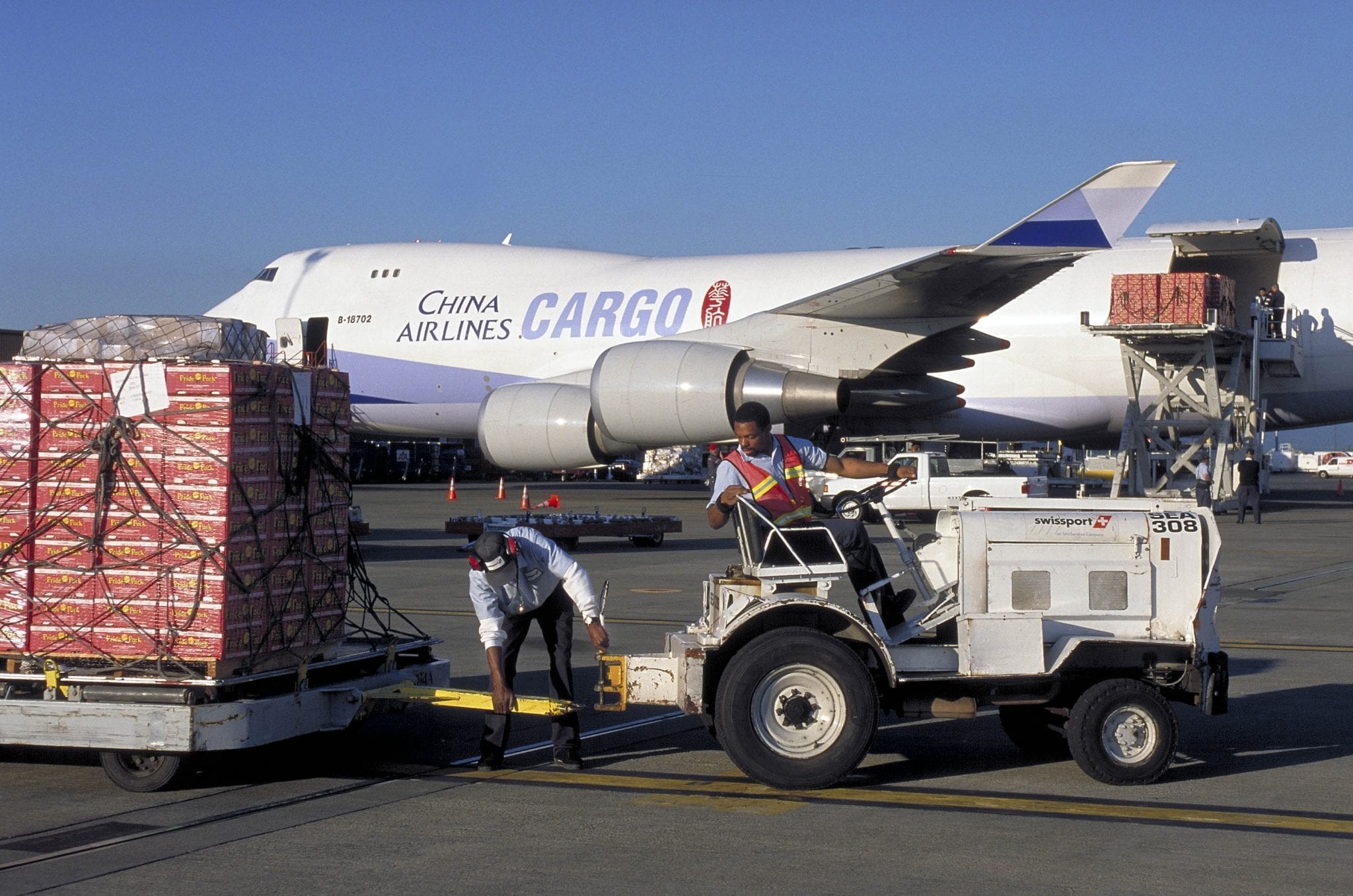
    Tam Group has been appointed as the General Sales and Service Agent (GSSA) for China Cargo Airlines in the Philippines, with this appointment being recognized as the third territory in which Tam Group has been assigned this role, following Malaysia and Vietnam. This strategic alliance represents a crucial step in strengthening China Cargo Airlines’ operations across Southeast Asia. The partnership oFicially commenced on January 1, 2025.

    The flights between the Philippines and China play a vital role in facilitating trade and commerce, connecting businesses and consumers across these two dynamic markets. China Cargo Airlines presently operates five weekly flights from Manila to Shanghai and three from Cebu to Shanghai, utilising A320 series aircraft for these crucial routes. This connectivity supports the timely transport of goods, including perishables and electronics, enhancing economic ties and logistics capabilities between the countries. Notably, this agreement facilitates same-day delivery of perishables to major cities in Eastern China via Road Feeder Service (RFS), utilising the region’s earliest flight schedules.

    Alvin Tam, Senior Vice President of Tam Group, stated, “We are excited to deepen our partnership with China Cargo Airlines in the Philippines. This appointment not only enhances our regional footprint but also enables us to deliver improved services and support for their operations. At Tam Group, we have implemented various solutions, including a robust CRM system and 24/7 customer service, to ensure a seamless experience for our clients. We are continuously seeking enhancements to our offerings and look forward to collaborating closely with China Cargo Airlines to unlock their full potential in the Philippine market.”

    This appointment is expected to create significant opportunities for both Tam Group and China Cargo Airlines, enhancing their market presence in the rapidly growing Southeast Asia logistics sector.

  • SingPost appoints Neo Su Yin as Group Chief Operating Officer

    SingPost appoints Neo Su Yin as Group Chief Operating Officer

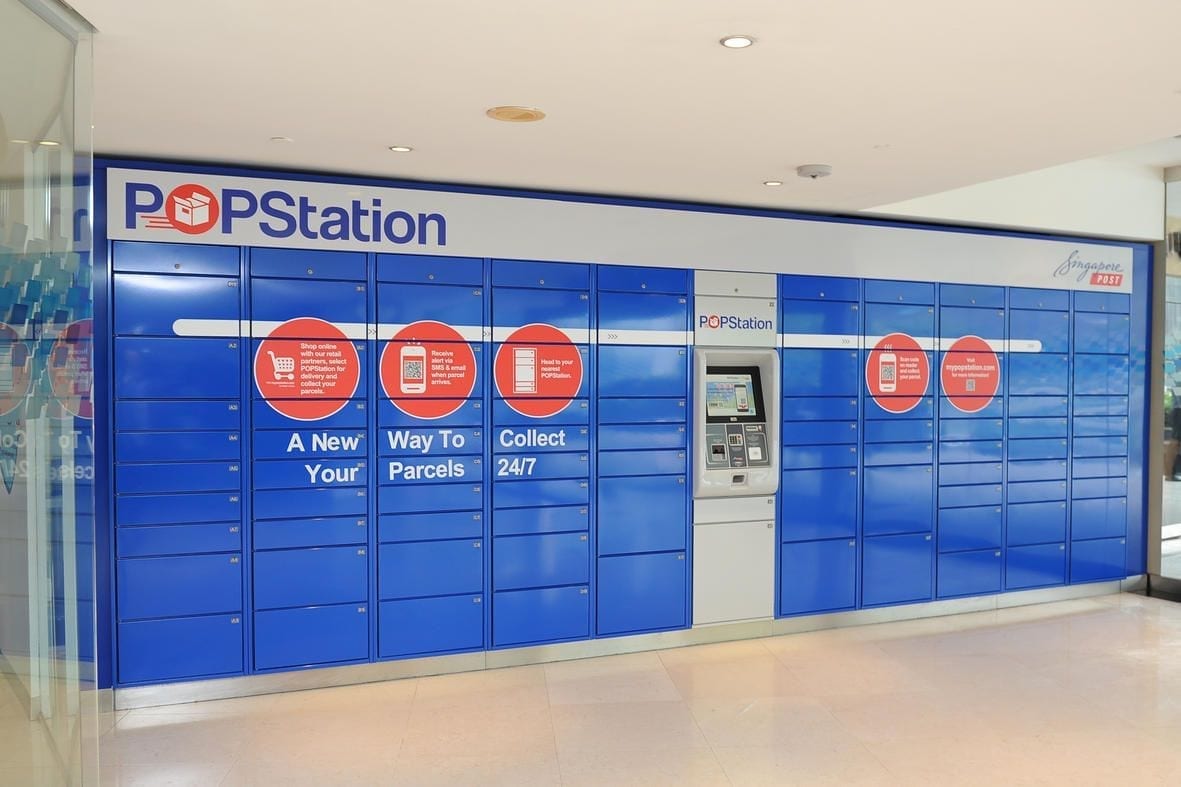
    Singapore Post (SingPost) announced the appointment of Neo Su Yin as Group Chief Operating Officer (GCOO), effective 2 January 2025. In this newly created role, Su Yin will be responsible for the Singapore Business Unit, the International Business Unit and Property. Under transitional management arrangements, she will take guidance from the Chairman of the Board, Simon Israel.

    The position of the GCOO is a pivotal role to translate transformation into tangible results, ensuring high quality execution, while fostering a culture of innovation and continuous improvement.  Su Yin will also support the Board in a review of the International Business Unit.

    “The Board is pleased to welcome Su Yin back to SingPost as our Group Chief Operating Officer,” said Simon Israel, Chairman of the Board. “She has a proven track record and deep understanding of SingPost’s business and operations. Her appointment greatly strengthens our leadership’s focus on driving operational performance and excellence – a core foundation for sustainable growth.”

  • Indonesia says 2024 was hottest year on record

    Indonesia says 2024 was hottest year on record

    Indonesia experienced its hottest year on record in 2024, the country’s weather agency said Friday, matching several other nations which have reported similar rises in temperature.

    Indonesia still relies enormously on fossil fuel energy — which scientists say is a leading cause of global warming — and is listed as one of the top greenhouse gas emitters in the world.

    The average air temperature in 2024 was 27.5 degrees Celsius (81.5 Fahrenheit), some 0.8 degrees Celsius warmer than between 1991 and 2020, the country’s meteorology, climatology and geophysics agency (BMKG) posted on its website Friday.

    It said the data was obtained from 113 monitoring posts across the country.

    Indonesia had its hottest April in more than four decades last year as extreme heat swept parts of Asia.

    The United Nations said Monday that 2024 was set to be the hottest year ever recorded worldwide.

    Both China and India have already said the year was their hottest in decades.

  • Japan Airlines’ vision for the future of pharmaceutical logistics

    Japan Airlines’ vision for the future of pharmaceutical logistics

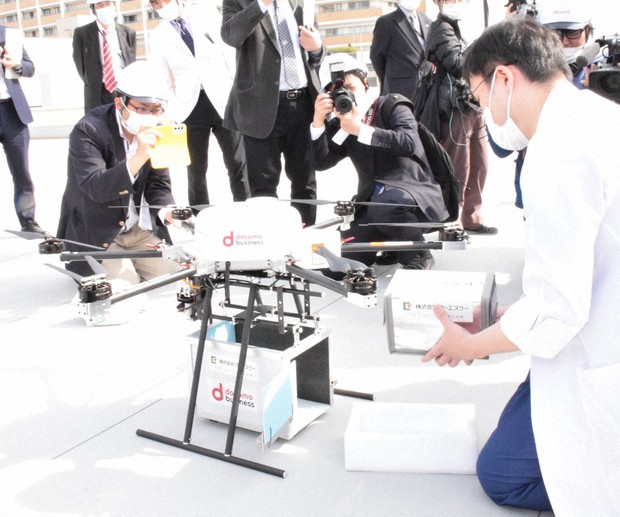
    Japan Airlines (JAL) is taking a significant leap forward in the logistics and healthcare sectors by incorporating drone technology into its broader business strategy. This initiative is part of JAL’s Digital Transformation (DX) strategy, which focuses on integrating advanced technology with the airline’s expertise in safe operations. By collaborating with other companies and aligning with government policies, JAL aims to revolutionise air mobility through drones and electric Vertical Take-Off and Landing (eVTOL) vehicles.

    At the core of this transformation is the Air Mobility Operation Platform (AMOP), a social infrastructure designed to manage the safe operation of next-generation air mobility services. AMOP offers more than just operational management systems providing consulting, communication support, insurance, aircraft provision, and pilot training services. While the platform’s applications are vast, JAL sees particular potential in using drones to deliver lightweight, high-value, and time-sensitive medical supplies.

    “Combining our expertise in safe operations with advanced technology, we are collaborating with other companies to promote the next-generation air mobility business,” explains Eriko Yano, Manager, Drone Business Group, Air Mobility Business Creation Department, Innovation Division, at Japan Airlines. The airline envisions a future where drones and eVTOLs are a common feature of healthcare logistics, transforming how medical supplies are delivered.

    Pioneering drone-based pharmaceutical delivery
    One of JAL’s most promising ventures is its drone-based pharmaceutical delivery system, which aims to streamline the transportation of essential medications. In a demonstration in Tokyo, JAL partnered with consortium companies to deliver low-frequency, high-value pharmaceutical products from warehouses to hospitals. This initiative aims to reduce wastage caused by expired pharmaceuticals, while also addressing the unique logistical challenges faced by hospitals in densely populated areas like Tokyo.

    JAL has also expanded its efforts to more remote locations. On Amami Oshima Island, in collaboration with the Setouchi Town Office, JAL established “Amami Island Drone Co., Ltd.” to deliver pharmaceuticals to residents of remote islands. These efforts demonstrate how drone technology can bridge logistical gaps, ensuring that vital medical supplies reach even the most isolated communities.

    Enhancing healthcare logistics with drone ports
    A key takeaway from JAL’s recent demonstration in Koto-ku, Tokyo, was the potential of drone ports in hospital settings. These ports could allow hospitals to receive pharmaceutical deliveries at their convenience, reducing reliance on traditional logistics systems. As the airline continues to explore the capabilities of drone technology, it also recognises the importance of addressing the shortage of manpower in the pharmaceutical industry.

    In terms of operational efficiency, JAL is focusing on safety and reliability. The airline sees drone ports as an essential component in achieving this, allowing for automated takeoff and landing procedures that minimise human involvement while ensuring temperature control and delivery management. Hospital personnel involved in the demonstration expressed enthusiasm for the potential of drone ports, particularly in emergencies when road closures or disasters isolate healthcare facilities.

    Overcoming challenges and advancing technology
    JAL has faced challenges in its pursuit of drone-based logistics, particularly regarding Level 4 flights—drones flying beyond visual line of sight (BVLOS) in populated areas. Currently, only one drone model, the PF2-CAT3 by ACSL, is certified for these flights. To overcome this limitation, JAL works with partners to diversify drone options and expand operations into urban areas. “We need drones with advanced control capabilities and high-precision landing, especially for operations in limited spaces like urban areas,” Eriko noted.

    In addition to enhancing drone technology, JAL is also developing a flight management system that allows a single operator to control multiple drones. This would significantly reduce operational costs and improve efficiency, paving the way for widespread drone adoption.

    Building strategic partnerships
    Collaboration is key to JAL’s success in the drone industry. The airline has partnered with several organisations, including KDDI Corporation, East Japan Railway Company, and local hospitals, to bring its vision to life. Each partner plays a unique role: KDDI provides essential LTE communication, East Japan Railway Company offers implementation support, and local hospitals serve as demonstration sites, providing valuable feedback on the practicality of drone deliveries.

    These partnerships are vital not only for the technical success of the project but also for gaining public acceptance of drones in everyday life. JAL has been proactively educating the public and healthcare professionals about the benefits and safety of drone technology through workshops and demonstrations. The airline is also working on initiatives to help hospital staff acquire the necessary skills to handle drone operations.

    Navigating regulations and ensuring safety
    Navigating Japan’s regulatory landscape for drone operations has been a complex process for JAL. The airline is working closely with Prodrone Co., Ltd. to meet the stringent requirements for Type 1 Certification, which allows for Level 4 flights in densely populated areas. In addition, JAL has introduced training programs based on Crew Resource Management (CRM), a concept used in aviation to improve safety and coordination among pilots.

    JAL is also taking steps to ensure the sustainability of drone operations. One of its long-term goals is to reduce manpower and increase aircraft utilisation by allowing a single pilot to control multiple drones. Supported by the New Energy and Industrial Technology Development Organization (NEDO), JAL is conducting technological verification to achieve this.

    The future of drone-based healthcare logistics
    JAL’s drone initiatives can potentially transform healthcare logistics in Tokyo and beyond. Drones could be crucial in maintaining healthcare systems in depopulated areas, ensuring patients receive necessary medications and blood supplies even in remote regions. During emergencies, drones could provide uninterrupted delivery services, ensuring the continuous flow of critical supplies.

    “We believe that drones can contribute significantly to maintaining medical systems in areas where healthcare infrastructure is difficult to maintain,” Eriko states. The airline also sees potential for expanding drone deliveries to sectors beyond pharmaceuticals, such as food supplies and newspapers, as demonstrated by its operations on Amami Oshima Island.

    Ultimately, JAL’s vision is to create a sustainable, efficient, and reliable drone logistics service that benefits healthcare providers and patients. By reducing medication waste, improving delivery times, and enhancing operational safety, drones have the potential to revolutionise the healthcare industry—not just in Tokyo, but across the globe.

  • Vietnam nuclear power program needs 2,400 workers for revival, shortage feared

    Vietnam nuclear power program needs 2,400 workers for revival, shortage feared

    Vietnam needs around 2,400 engineers, scientists and other personnel to revive its defunct nuclear program with two plants in Ninh Thuan Province, but officials flag a likely shortage.

    A typical nuclear power plant with two reactors requires 600-1,200 personnel, according to the International Atomic Energy Agency, Ly Quoc Hung, director of the Department of Science and Technology, said at a forum Thursday.

    Another 350 people with expertise in nuclear development and regulations are needed, he added.

    The National Assembly approved last November revival of the nuclear program eight years after it was scrapped.

    Nuclear power is expected to help Vietnam diversify its energy sources, ensure energy security and meet its net zero target by 2050.

    But it lacks personnel in terms of both numbers and capability, particularly scientists, according to a report by the Department of Science and Technology.

    The number of professors in nuclear science and technology is limited, and the facilities and equipment available for teaching and research are outdated, it said.

    When the Ninh Thuan nuclear power project was being considered in 2010, the government planned to produce 2,400 engineers and 350 master’s and doctoral graduates in nuclear power and send 13% of them overseas for training.

    While 55 Vietnam Electricity engineers were sent to Russia and Japan for training, most quit the state-owned company or have shifted to other areas after the program was binned in 2016.

    Human resources are critical to the success of the program, Minister of Industry and Trade Nguyen Hong Dien said.

    He emphasized the importance of proactive planning to churn out scientific, technological and technical personnel.

    “This is not just about the program but about building a nuclear power ecosystem and technology for the future.”

    He has directed relevant agencies to make plans for meeting personnel requirements and creating specialized training programs by the first quarter of 2025.

    “The Ministry of Industry and Trade and the Ministry of Education and Training will establish standardized training programs for nuclear power personnel.”

  • WhatsApp working on a new “Chat with us” feature for faster human support through its web app

    WhatsApp working on a new “Chat with us” feature for faster human support through its web app

    WhatsApp is making it easier for users to get help with a new “Chat with Us” feature that’s being developed for the web app. This feature is designed to streamline the process of getting support by letting users quickly connect with the WhatsApp support team.

    In the past, getting help through WhatsApp often involved navigating through a long list of frequently asked questions (FAQs). This could be time-consuming and might not always provide the specific answer users were looking for. With the new “Chat with Us” feature, users will be able to bypass the FAQs and directly contact the support team.

    When users click on the “Chat with Us” option in the Help section, they’ll be notified that they’ll soon receive a message from the support team in a WhatsApp chat. The support team might initially respond with an AI-generated message or an automated response. However, users can request to chat with a human representative if needed.

    For those not in the know, WhatsApp’s web version can be used on devices that don’t support its Android or iOS apps. This means you can use WhatsApp on your tablet, Chromebook, or desktop computer. However, the web app works by connecting to your WhatsApp account on your phone using a QR code, so it’s basically like an extension of your phone’s WhatsApp app.

    I think this direct access to human support could be a game-changer for users who need quick solutions to their problems. It’ll be interesting to see how this feature is implemented and how effectively it addresses user queries. While AI and automated responses can be helpful for common issues, having the option to connect with a human representative provides a level of reassurance and personalized assistance that’s often needed for more complex problems.

    It’s also good to see WhatsApp paying so much attention to its web app lately by adding new features. One of the most interesting ones is a reverse image search feature that’s currently in development. This will let users search for images they’ve received in chats, which could be super useful for finding the source of an image or tracking down information about it.

    With all these new features, WhatsApp is making its web app more and more useful. It’s becoming a real alternative to the mobile app, especially for people who spend a lot of time working on their computers. I’m excited to see what other features WhatsApp adds to its web app in the future.

  • Taiwan blocks Uber’s $950M Foodpanda deal over competition concerns

    Taiwan blocks Uber’s $950M Foodpanda deal over competition concerns

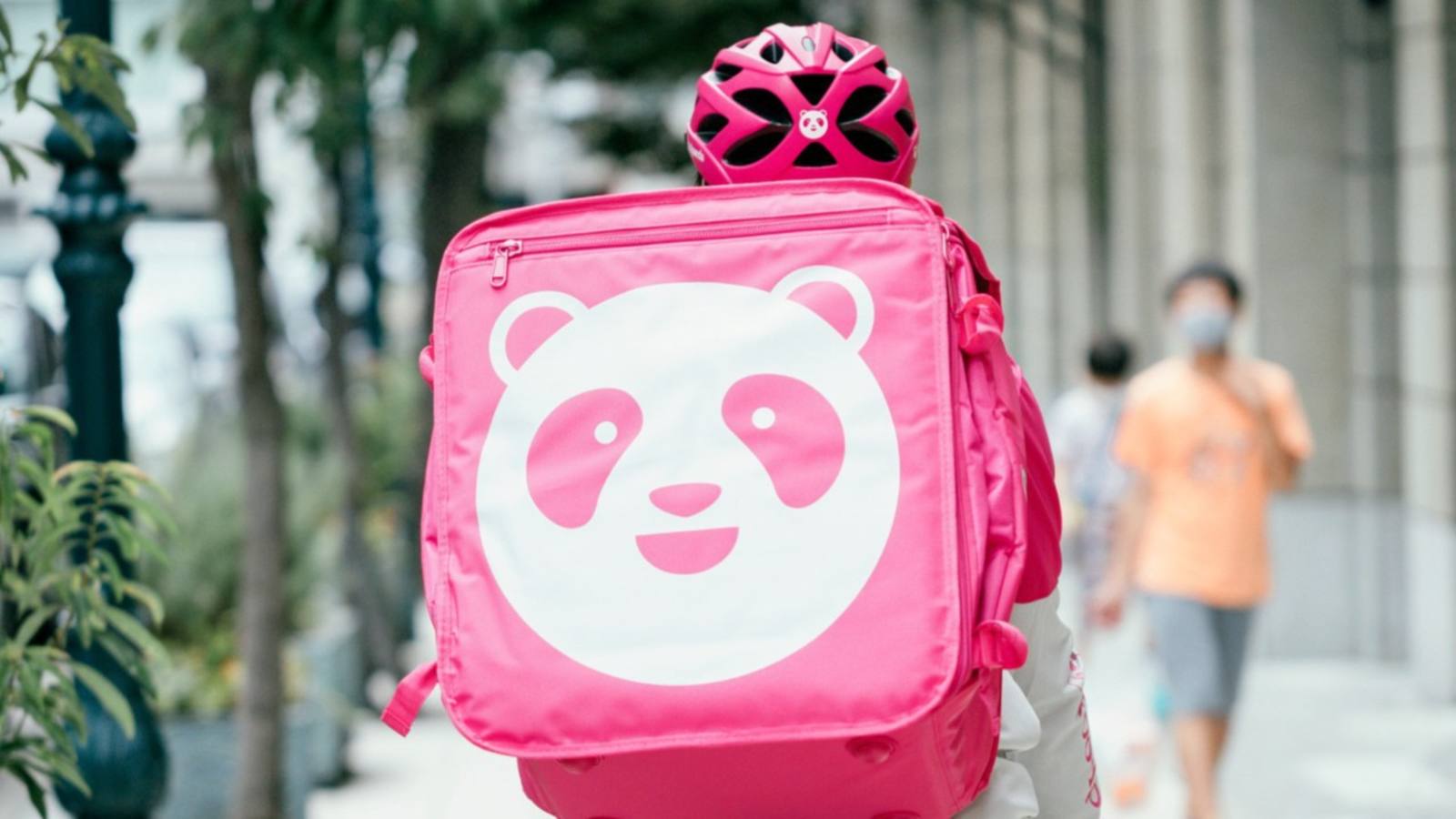
    Taiwan has blocked Uber Technologies’ $950 million purchase of Delivery Hero’s Foodpanda business on the island because of concerns it would be anti-competitive, the Fair Trade Commission (FTC) said on Wednesday.

    Uber and Foodpanda did not immediately respond to requests for comment outside regular business hours.

    Delivery Hero said in a statement Uber may either appeal the commission’s decision or terminate the acquisition.

    In a media briefing, the commission said the merger’s negative impact would outweigh the overall economic benefits, and corrective measures would not be able to address the competition concerns.

    “In the food delivery platform market, UberEats’ main competitive pressure comes from Foodpanda. The merger would eliminate this competitive pressure,” Chen Chih-min, vice chairman of Taiwan’s FTC, said.

    “Post-merger, UberEats would be less constrained by competition, giving it more incentive to raise prices for consumers and even increase commissions for restaurant operators.”

    Chen added that post-merger, the combined market share of both companies in Taiwan would exceed 90%.

    Uber and Delivery Hero announced in May the Taiwan deal that included a separate agreement for Uber to purchase $300 million worth of newly issued shares of the German food delivery firm.

    The U.S. company expected the acquisition to contribute at least $150 million annually to the adjusted core profit of its delivery business within a year of the deal’s closing, which was seen likely in the first half of 2025.

    Online food delivery platforms represent a small fraction of Taiwan’s competitive food delivery market. Foodpanda’s operations on the island were break-even in terms of adjusted core earnings for the 12 months ended March 31, 2024, the companies said.