Category: Logistics

Retail News Asia is committed to providing both local and global retailers with the latest Logistics news throughout the Asian market. This on a daily base.

  • Chang Beer producer says ‘cheers’ to Manhattan

    Chang Beer producer says ‘cheers’ to Manhattan

    Asian beverage producer ThaiBev has now completed a multi-site implementation of Manhattan Associates’ warehouse management technology, as it looks to improve service levels and fulfil orders more profitably.

    Using the vendor’s Warehouse Management Solution (WMS), the Chang Beer producer is aiming to grow its business and expand its reach across its local market of Thailand and into new territories, while it also hopes to benefit from better inventory management and improved stock visibility.

    The project was delivered by a joint team from Manhattan and ThaiBev’s distributor arm Thai Beverage Logistics, as well as IT infrastructure and managed services partner TCC Technology (TCCT). The Manhattan solution, which has been embedded into ThaiBev’s existing SAP ERP system, is hosted at TCCT’s data centre.

    ThaiBev is working towards its “2020 Vision”, which is centred on the development of five core principals: growth, diversity, brand, reach and professionalism. Its latest investment in technology has been made with these business goals in mind.

    Kosit Suksingha, senior vice president at ThaiBev, commented: “In Thailand alone, Thai Beverage Logistics operates a supply network comprising three regional DCs and a series of provincial warehouses.

    “With Manhattan’s WMS technology and with TCCT’s complementary hosting infrastructure, we have improved product availability for our trade customers and are now able to fulfil customer orders within 24 hours of receiving the order.”

    He added that the technology is driving top-line sales growth and helping to improve the organisation’s operating margins.

    Manhattan has recently announced supply chain partnerships with baby and maternity products retailer Mothercare and fashion house Paul Smith, with both companies looking to improve their stock visibility and behind-the-scenes systems.


  • AirAsia on track with turnaround plans

    AirAsia on track with turnaround plans

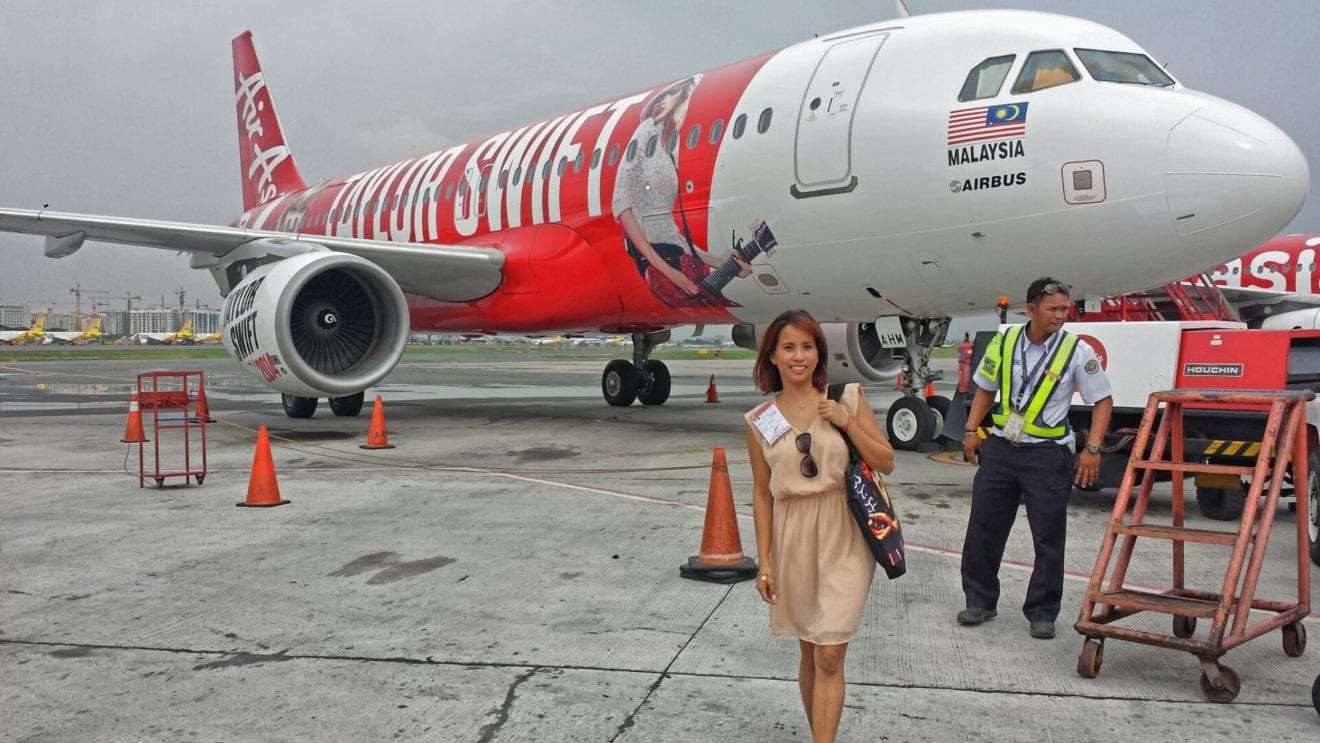
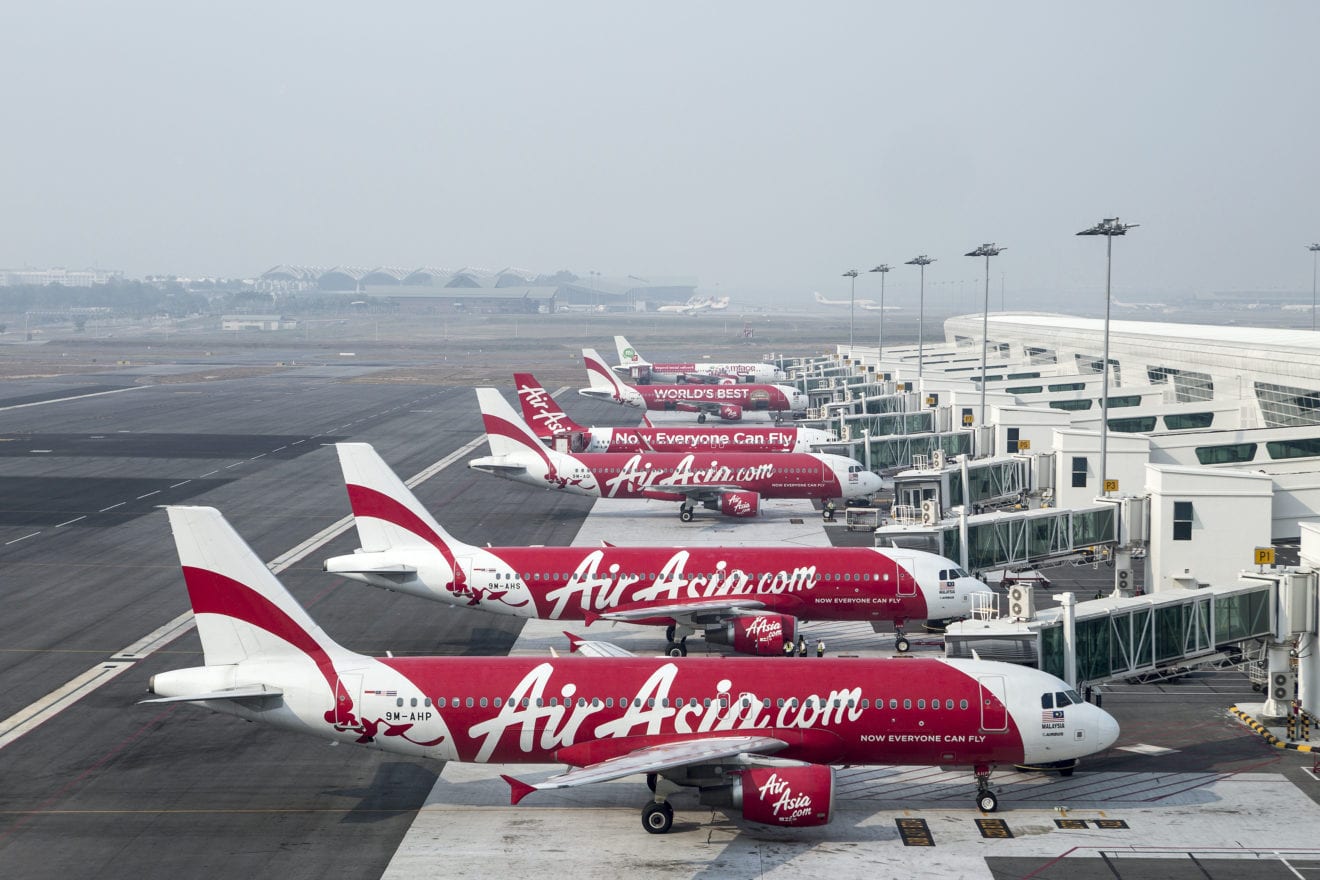
    AirAsia group is on track with its turnaround plans and fund raising exercise for both Indonesia and Philippines units, according to Public Invest Research.

    It said on Friday yield is expected to improve towards the end of the year and the low-cost carrier is positive on 2H performance due to seasonally stronger quarters and capacity reduction by Malaysia Airlines.

    “We reiterate our Outperform recommendation and price-to-earnings based target price of RM1.88, pegged to 10 times FY16F EPS (20%-discount).

    “Our target price implies 98.1% potential upside from current level,” it said.

    At current share price, AirAsia is trading at 2016F price-to-book value of 0.46 times and at a compelling PE ratio of 4.0 times, which is at its lowest four-year historical PER.

    “We believe in AirAsia’s future performance based on positive fare trend, strong growth in ancillary income, lower fuel prices and strong brand name within Southeast Asian market,” said the research house.

    To recap, Public Invest Research met the investor relations team of AirAsia for updates on its operation and outlook in 2HFY15.

    Indonesia AirAsia (IAA) is considering the option of issuing non-voting reedemable and convertible preference shares (RCPS) to deal with its negative equity position with the conversion of part of its receivables.

    “Nevertheless, the discussions with the existing shareholders is still ongoing, and expected to complete by end of this month.

    “Meanwhile, its initial plan to issue new convertible bond of US$150mil is on track and expected to complete by end of FY15,” it said.

    Public Invest Research also  said  Philippines AirAsia’s (PAA) board on July has approved for a new equity injection of 5bil pesos (US$110mil) and also agreed on the plans on issuing new convertible bonds, which the term sheets is currently being drafted.

    Indonesia will be removing at least four to five aircraft from Jakarta, Bandung, Denpasar and Medan starting August to improve its aircraft utilisation.

    To deal with Indonesia’s floor price ruling, IAA targeted to shift c.65% of its capacity to international routes, which have a higher margin than domestic routes.

    It will also terminate its unprofitable routes such as Jakarta-Medan and Denpasar Bali-Solo, to minimise its losses.

    Philippines will be selling two of its older aircraft in Zest and in discussion for an early return of at least two older lease aircraft to third party lessors by the end-2015.

    To further improve its profitability, PAA is expected to reduce its capacity primarily from Cebu hub and redeploy it to China routes, which have a higher yield market.

  • Air Asia to connect 4 more cities with Kuala Lumpur

    Air Asia to connect 4 more cities with Kuala Lumpur

    Low-cost carrierAir Asia today said it will connect four more Indian cities with its hub in Kuala Lumpur to take the number of destinations linked to the Malaysian capital to 12.

    Its Executive Director and CEO Aireen Omar announced here that four more Indian cities will be connected with the Malaysian capital.

    She, however, did not specify the cities which will be connected or offer details on the timelines by when the new flights will start.

    The airline, which entered the country in 2008, had launched a Visakhapatnam-Kuala Lumpur service in May, which was followed up by a flight to Goa from the Malaysian capital.

    Other Indian cities it connects with Kuala Lumpur include Tiruchirappalli, Kochi, Kolkata, Chennai, Bengaluru and Hyderabad.

    Omar today said it is also increasing the frequency of the Kochi-Kuala Lumpur route to 14 per week, from the present 10 per week, starting November 19.

    The airliner has chosen Bengaluru as its operating hub in the country.

    “India is an important market to us, and together with AirAsia India, we are committed towards providing the Indian consumers with low fares and high-value services. We entered the Indian market with Tiruchirappalli as AirAsia Berhad’s first destination back in 2008, and today, we serve eight cities to Kuala Lumpur and beyond,” she said.

    She said factors like exhaustion of traffic rights sometimes hampers its plans and added that the airline has already sought to increase bilateral rights so that AirAsia Berhad can expand frequencies on existing routes.

    The average flight load of the Visakhapatnam-Kuala Lumpur route since its launch in May has been 78 per cent, she added.

  • Thai AirAsia sets up Utapao base

    Thai AirAsia sets up Utapao base

    Thai AirAsia (FD, Bangkok Don Mueang) has set about establishing a base in Utapao with the launch of flights to Hangzhou, China on September 1. The 3x weekly charter service runs until October 24.

    Airline Route indicates the AirAsia (AK, Kuala Lumpur Int’l) subsidiary will also launch a 4x weekly service to Nanning on September 25 followed by a 3x weekly Nanchang service on September 26.

    Flights are on-board an A320-200.

    Currently, Thai AirAsia serves forty-four destinations spread across eleven countries including China, India, Macau, Myanmar, Vietnam, Hong Kong, Malaysia, Cambodia, Singapore, and Indonesia. It has four bases in Thailand, Bangkok’s Don Mueang airport, Chiang Mai, Krabi and Phuket.

  • Infrastructure to host Sail Tomini to be readied on time

    Infrastructure to host Sail Tomini to be readied on time

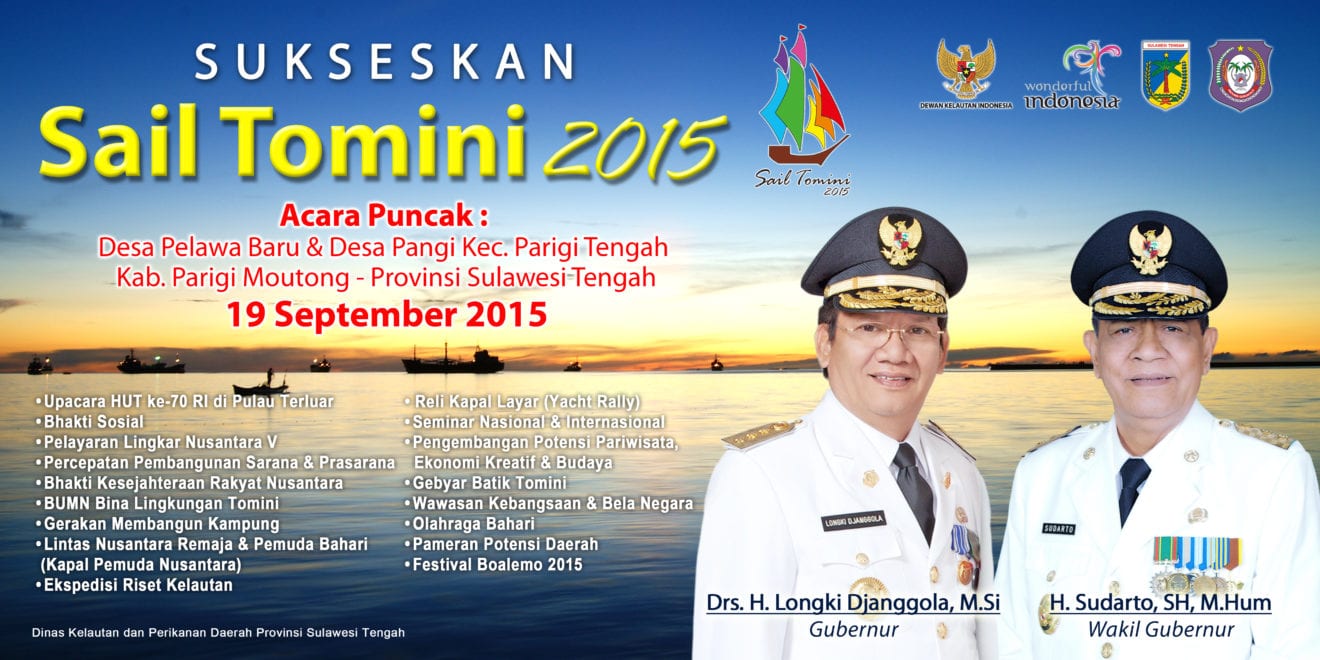
    The infrastructure necessary to host the upcoming international maritime event of Sail Tomini 2015 will be readied on time, stated Director General of Cipta Karya of the Public Works and Housing Ministry Andreas Suhono.

    “The supporting infrastructure for hosting Sail Tomini is 90 percent ready, and it will be completed on time,” Suhono noted in a written statement here on Tuesday.

    According to Suhono, the yard for hosting Sail Tominis main event and the infrastructure for providing accommodation to tourists are almost ready and expected to be completed on time.

    He pointed out that the basic infrastructure for providing accommodation includes wastewater infrastructure, integrated sanitation infrastructure, and a communal wastewater treatment plant through a community-based sanitation program, an integrated waste treatment plant, a primary drainage system for special areas, and a water supply system.

    Parigi Moutong Deputy District Head Badrun Nggai remarked in Palu, Central Sulawesi, recently that the construction of infrastructure and facilities for hosting Sail Tominis main event in Parigi Moutong district was 90 percent complete.

    “The construction of facilities and infrastructure for hosting Sail Tominis main event on September 19, 2015, is 90 percent complete,” Nggai remarked last Saturday.

    He noted that all work will be accelerated and completed on time.

    The main event of the international maritime event of Sail Tomini will be attended by President Joko Widodo and some 10 thousand guests.

    Central Sulawesi Governor Longki Djanggola emphasized that Sail Tomini is an international maritime event organized to promote tourism in Central Sulawesi province, situated in the heart of the island of Sulawesi.

    The governor stated that the success of Sail Tomini is expected to boost tourist visits to various attractions in Central Sulawesi and to increase foreign exchange earnings for the country.

    Therefore, he urged the public to participate in supporting the smooth operations, security, and success of the event.

    “Let us all work together to maintain security and order, so that this important event can run smoothly and successfully,” the governor remarked.

  • Indonesia building airstrips to boost export of fresh fish

    Indonesia building airstrips to boost export of fresh fish

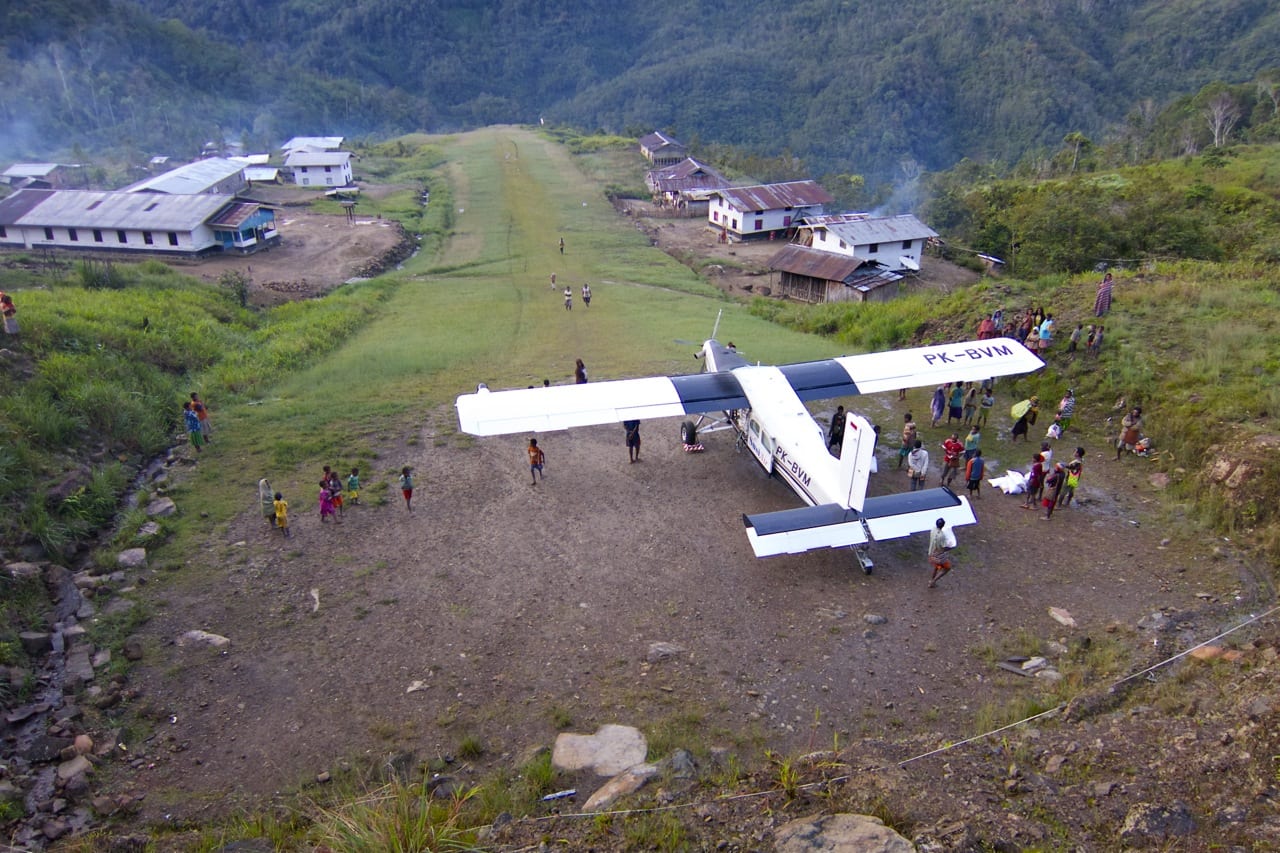
    Indonesia is building small runways near 15 fishing villages to help local fishermen export their catch while they are fresh and command a premium, said Maritime Affairs and Fisheries Minister Susi Pudjiastuti yesterday.

    The entrepreneur-turned-politician said these 1km-long airstrips – or just long enough to land light aircraft – will connect fishermen from various parts of Indonesia to markets at home and abroad.

    “We can send our fresh products immediately on the same day to Japan or Europe… by opening up direct flights from the eastern part of Indonesia,” she said.

    “The obstacle right now is that everything has to go through Jakarta which takes longer.”

    Ms Susi was in Singapore to deliver a public lecture, organised by the S. Rajaratnam School of International Studies, on Indonesia’s maritime policy and its challenges.

    She is also meeting businessmen here to discuss trade opportunities and hopes to see investors from Singapore involved in the project to build the 15 airstrips.

    Opening up new gateways to global markets from each fishing sector of Indonesia will be an “incredible breakthrough”, she said.

    Airfreight capabilities will offer the opportunity for local fishermen to enter a high value market because consumers pay a premium for fresh seafood, she added.

    In a public opinion survey carried out in mid-2015, the Indo Barometer Survey and Political Communication Institute ranked Ms Susi as the best-performing minister.

    She also survived President Joko Widodo’s recent Cabinet reshuffle that was prompted by Indonesia’s flagging economic growth since he took office in 2014.

    Her ministry is a key driver behind Mr Joko’s plan to revive the shipbuilding and fisheries industries in a bid to re-establish Indonesia as a maritime power.

    Latest figures showed that the fisheries sector in the country grew 8.6 per cent in the first quarter, outperforming the national growth rate of 4.7 per cent.

    Ms Susi said the sector is set to achieve its target of 10 per cent for the year.

    Noting the importance of the fisheries industry, Indonesia has been trying to maximise the potential of the sector through, among other things, modernisation of current industry practices, abolishing trans- shipment activities, and going after poachers. According to Mr Joko, Indonesia suffers annual losses of more than US$20 billion (S$28 billion) from illegal fishing.

    Enforcement efforts have been ramped up, including the enhancement of its maritime surveillance capabilities. To send a strong signal to poachers, illegal fishing boats seized in Indonesia were duly sunk.

    Statistics in handouts distributed to participants at yesterday’s lecture showed that between 2007 and 2014, the Maritime Affairs and Fisheries Ministry sank 38 vessels for breaching fishing laws. Joint enforcement efforts with the Indonesian Navy and police, however, saw a total of 59 vessels sunk between last year and this year.

    They do not include the 37 illegal fishing boats it put underwater on Aug 18. The original plan was to take down 70 illegal vessels to commemorate Indonesia’s 70th Independence Day, which falls on Aug 17.

    Its policy of sinking vessels seized from poachers has attracted some criticism.

    Ms Susi defended the policy yesterday, saying that it has not only helped reduce intrusions but also curbed the illegal trade of highly subsidised fuel sold to poachers.

    “The media has made (the sinking of illegal fishing vessels) more sensational, which is sometimes inappropriate but it is needed for a deterrent effect,” she said.

    “But it is good that that we didn’t have that many poachers coming to our waters any more (and) it’s a good sign that we could not sink 70 in August – only 37.”

  • AirAsia launches 8th route to India

    AirAsia launches 8th route to India

    AirAsia has expanded its route network from its main base at Kuala Lumpur (KUL) with the addition of a new service to Goa (GOI) in India. The thrice-weekly service (Tuesdays, Thursdays and Saturdays) on the 3,360-kilometre route launched on 27 August and will be flown by the carrier’s A320s. The route is not served by any other carrier.

    Goa becomes AirAsia’s eighth route to India as it already serves Bengaluru, Chennai, Hyderabad, Kochi, Kolkata, Tiruchirappalli and Visakhapatnam. In total AirAsia now serves 68 destinations non-stop from the Malaysian capital.

    For Goa Airport this is the sixth international destination served after Doha (with Qatar Airways), Dubai (Air India), Kuwait City (Air India), Muscat (Oman Air) and Sharjah (Air Arabia).

  • Air India to start evening Surat-Delhi flight from Oct 1

    Air India to start evening Surat-Delhi flight from Oct 1

    This year’s Diwali is set to usher in loads of surprises for the high-flying Surtis.

    Air India is preparing to introduce daily evening flight between Delhi and Surat by deploying the 168-seater Airbus-320 from October 1.

    This will be over and above the existing morning flight to Delhi. Hence, the Diamond City will have two daily flights to the national capital and same day return option will be available to business flyers at both ends. International connections to the USA, Europe and South East Asia will also be offered.

    By the end of October, Air India plans morning flight between Mumbai and Surat in its ATR aircraft.

    Thanks to the efforts of Surat and Navsari MPs — Darshana Jardosh and CR Paatil — frequent fliers from the Diamond City will get an opportunity to fly to Mumbai and Delhi after a break of more than 11 months.

    He added, “We also met Air Asia CEO Mittu Chandaliya who has agreed to introduce daily flights between Bangalore, Jaipur, Delhi and Surat this winter session.”

    Despite being the second largest city in the state, ninth in India and fourth fastest growing city in the world, Surat is very unfortunate in getting domestic as well as international air connectivity.

    Jardosh said, “We have been successful in convincing Air India authorities on introducing evening Delhi flight from Surat. We also met Prime Minister Narendra Modi in August and he instructed Air India CMD to take positive action. We are grateful to AirAsia CEO Chandaliya who is keen on starting flight operations from Surat.”

    Airport director Pramod Thakre said, “The DGCA will be sending the slot schedule of Air India’s evening flight to and fro from Delhi. The evening slot is open for smooth operation at the airport.”

  • Domestic airfreight industry hits turbulence

    Domestic airfreight industry hits turbulence

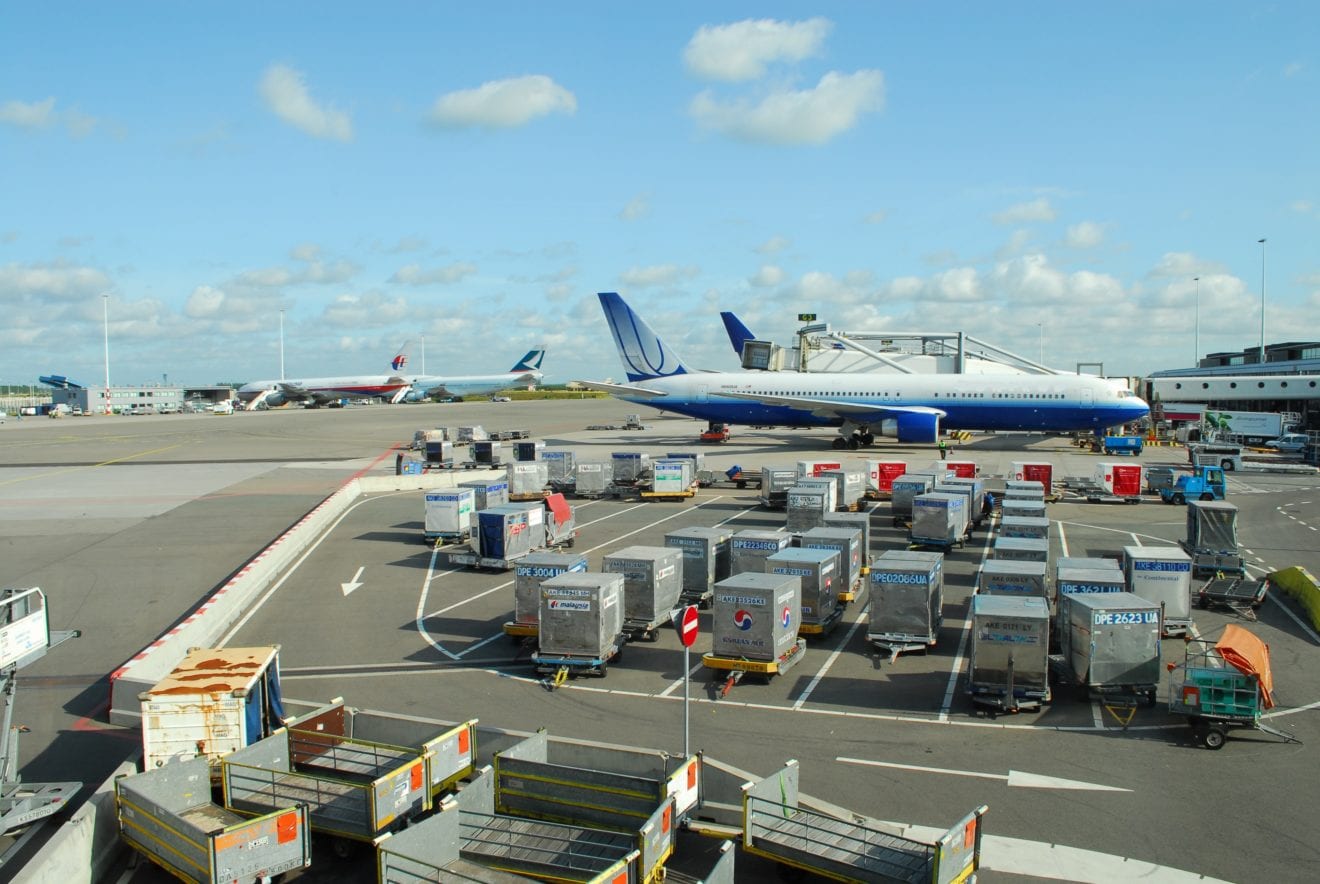
    The country’s airfreight services industry will likely flat line this year amid the domestic economic slowdown, which has affected exports and imports, an industry group has said.

    The International Air Transport Association (IATA) released data recently saying that the global airfreight market remains slow with respect to air cargo demand in June.

    “The mid-year report for air cargo is not encouraging. With growth of just 1.2 percent compared to June of last year, markets are basically stagnating. But overall it has been a disappointing first half of 2015, especially considering the strong finish to 2014,” IATA’s director general and CEO Tony Tyler said in a statement.

    “The remainder of the year holds mixed signals. The general expectation is for an acceleration of economic growth, but business confidence and export orders look weak. Air cargo and the global economy will all benefit if governments can successfully focus on stabilizing growth and stimulating trade by removing barriers,” he said.

    According to the report, Asia-Pacific carriers saw a drop in freight ton kilometers (FTKs), which measures actual freight traffic, of 0.3 percent in June from a year earlier. The region has experienced a notable slowdown in imports and exports over recent months, and the latest data shows trade in emerging Asian markets down 8 percent.

    In line with global and regional airfreight performance, during the first half of this year, national-flag carrier Garuda Indonesia’s cargo volume decreased to 176,000 tons from 193,500 tons in the same period last year, as stated in the company’s financial report.

    Garuda’s president director Arif Wibowo said that 60 percent of the cargo revenues were derived from the domestic market, while the remaining 40 percent came from the international market, mainly in China, South Korea and Japan.

    Garuda Indonesia Cargo currently operates around 70 cargo service centers across the archipelago, including in Medan, Jambi, Jakarta, Bandung, Yogyakarta, Surakarta, Semarang, Surabaya and Denpasar.

    The carrier’s acting vice president for communications Ikhsan Rosan said that it aimed at pushing for more cooperation with other air cargo operators and increasing international services to improve the performance in the second quarter.

    Meanwhile cargo airline Cardig Air CEO Boyke Soebroto said that he was pessimistic that the company would be able to reach the target cargo volume of up to 10,000 tons this year.

    “The government recently announced that economic growth in the first semester reached only 4.7 percent and they will push it to 5 percent in the second semester, I believe that the demand for air cargo will remain stagnate until the end of the year and it is highly unlikely to reach our target,” he said.

    The carrier transported a total of 6,000 tons of cargo with a value of around Rp 20 billion (US$1.5 million) last year, according to Boyke.

    Data from the Central Statistics Agency (BPS) shows that the country’s exports declined 11.86 percent to US$78.29 billion during the first six months of this year. From January to June, overall imports declined 17.81 percent to $73.94 billion.

    AirAsia Indonesia’s revenue and business head Rifai Taberi separately said that the carrier, which is the Indonesian affiliate of Malaysia’s AirAsia, also saw decreasing demand for air cargo with a 17 percent decrease in volume in the first semester of 2015 as compared to the same period in 2014.

    Without mentioning the volume, Rifai said that the steep decrease was seen in the domestic routes, particularly in Java.

    “Apart from the current economic slowdown, the improvement in land and railway transportation has highly affected the air cargo demand in Java as we see up to a 25 percent decrease in volume for the Jakarta-Surabaya route in the first semester,” Rifai

    Rifai said that the air cargo service could not outcompete the land and railway transportation in terms of costs, since air cargo require more cost components such as x-ray procedures and warehouses.

  • Garuda Indonesia Surabaya-Jakarta flight takes off despite false bomb threat

    Garuda Indonesia Surabaya-Jakarta flight takes off despite false bomb threat

    Garuda Indonesia flight GA 311 from Surabaya to Jakarta received a bomb threat this morning. Authorities said the plane flew in spite of the terrorist threat because it did not reach the pilot before he took off.The PT Angkasa Pura I and Garuda ticketing offices in Surabaya received the bomb threat via text message at 10 am. It read:“This is a warning that the Garuda flight from Surabaya-Jakarta will blow up in the air tonight, that is all the information from us, please check every passenger’s luggage and cargo for the passengers’ safety.”

    The message was signed off by someone who claims to be Erwin.

    When the two offices received the bomb threat, 147 passengers were already on board the plane, which was preparing for take off at Surabaya’s Juanda International Airport. The flight went ahead because takeoff preparations have already begun and the bomb threat did not reach the pilot before take off.

    Luckily, the flight went off without a hitch and the plane made a safe landing at Soekarno-Hatta Airport at 11:35 am. No bomb was found on the plane.

    “After thorough checks on Surabaya-Jakarta flight GA 311 PK GFN, which landed at 11:35 am, [it was concluded that] there were no dangerous items on board,” said Garuda Indonesia Spokesman Ikhsan Rosan.

    Ikhsan said authorities have already apprehended a suspect.

    “The mobile phone number was traced, the suspect was confronted but they denied ever sending the terrorizing message,” he said.

    Ikhsan added that Garuda Indonesia is tightening security measures in the light of this incident.


  • Indonesia orders new Bali airport closure due to volcano

    Indonesia orders new Bali airport closure due to volcano

    Indonesian authorities ordered a fresh shutdown of the airport on the resort island of Bali today, sparking flight cancellations and travel misery for tourists during peak holiday season.

    Transport ministry spokesman J A Barata said Ngurah Rai airport would be closed for several hours from midday (0930 IST) due to ash drifting from Mount Raung, on Indonesia’s main Java island.

    Australian carriers Jetstar and Virgin Australia announced they were canceling flights in and out of Bali today, a popular holiday destination that attracts millions of tourists from around the world every year.

    The closure was the fourth shutdown of Bali airport in recent weeks due to the volcano, which has been spewing ash and lava high into the air since late June.

    The disruption has come during peak holiday season, leaving thousands of tourists stranded.

    The most serious period was between July 9 and 12, when two closures forced almost 900 flights to be canceled or delayed and created a backlog that took days to clear.

    Indonesian government vulcanologist Gede Suantika told AFP that the volcano was today shooting out ash clouds that were larger than those it had recently been emitting.

    “The volcano normally shoots out ash 700 to 800 metres but it’s around 1,000 metres today,” he said.

    Air traffic is regularly disrupted by volcanic eruptions in Indonesia, which sits on a belt of seismic activity running around the basin of the Pacific Ocean and is home to the highest number of active volcanoes in the world, around 130.

  • Garuda Indonesia partners with China’s CFM International over the airline’s 737 MAX Fleet

    Garuda Indonesia partners with China’s CFM International over the airline’s 737 MAX Fleet

    State-run flag-carrier PT Garuda Indonesia Tbk (GIAA) and China’s CFM International have announced the expansion of their long-term partnership, under which, CFM will provide support for the airline’s future fleet revitalization program.

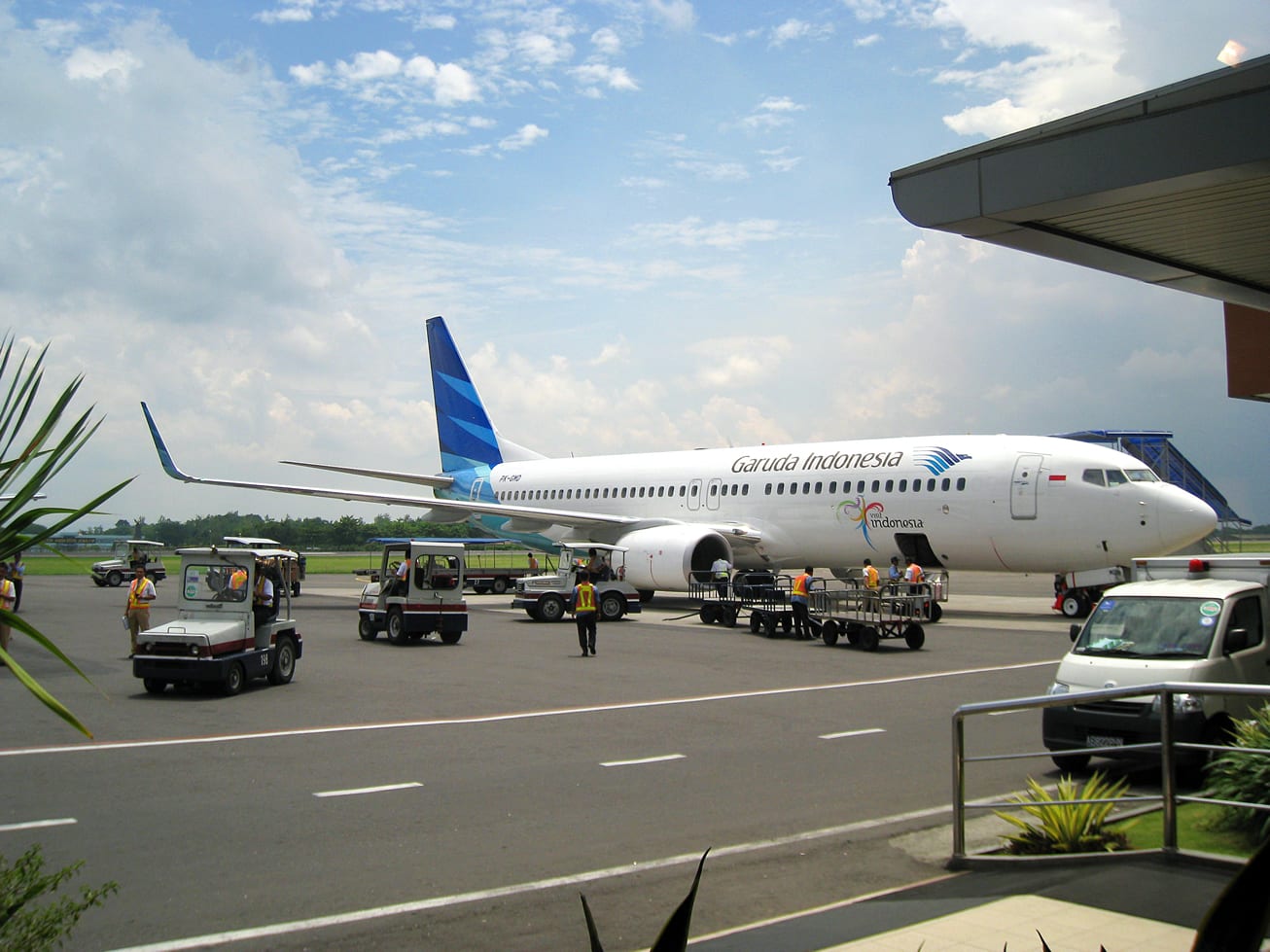
    Under the arrangement, Garuda is committed to purchase 50 Boeing 737 MAX 8 aircraft, which will be powered by CFM LEAP-1B engines.

    “The Next-Generation 737 with CFM56-7B engines is the backbone of our current fleet and this order for the 737 MAX shows our continued commitment to providing our passengers with the most modern, fuel efficient aircraft/engine combination available today,” said Arif Wibowo, President Director and Chief Executive Officer of Garuda Indonesia.

    Garuda Indonesia is a long-time CFM customer and began operating the CFM56-3-powered Boeing 737-300 in the late 1990s. Today, the airline’s fleet includes approximately 80 CFM-powered 737 aircraft in service or on order.

    “We are pleased that Garuda Indonesia has continued to place its trust in CFM,” said Max York, Regional General Manager of Sales for CFM International.

    The LEAP engine is to be the most advanced, reliable, fuel-efficient powerplant for the new generation of single-aisle aircraft.

    Garuda said the lower weight and higher durability these components provide will result in a 15 percent improvement in fuel efficiency, with an equivalent reduction in CO2 emissions; a 50 per cent margin to new emissions regulations; a dramatically lower noise signature; CFM’s industry-leading reliability and low overall operating costs.

    Garuda announced in October 2014 the airline’s intent to purchase 50 737 MAX 8 aircraft. The agreement is part of the airliner’s revitalization program in order to provide its passengers with the best possible experience with the youngest fleet in the sky and to support the airline’s future plan to further expand its network globally.

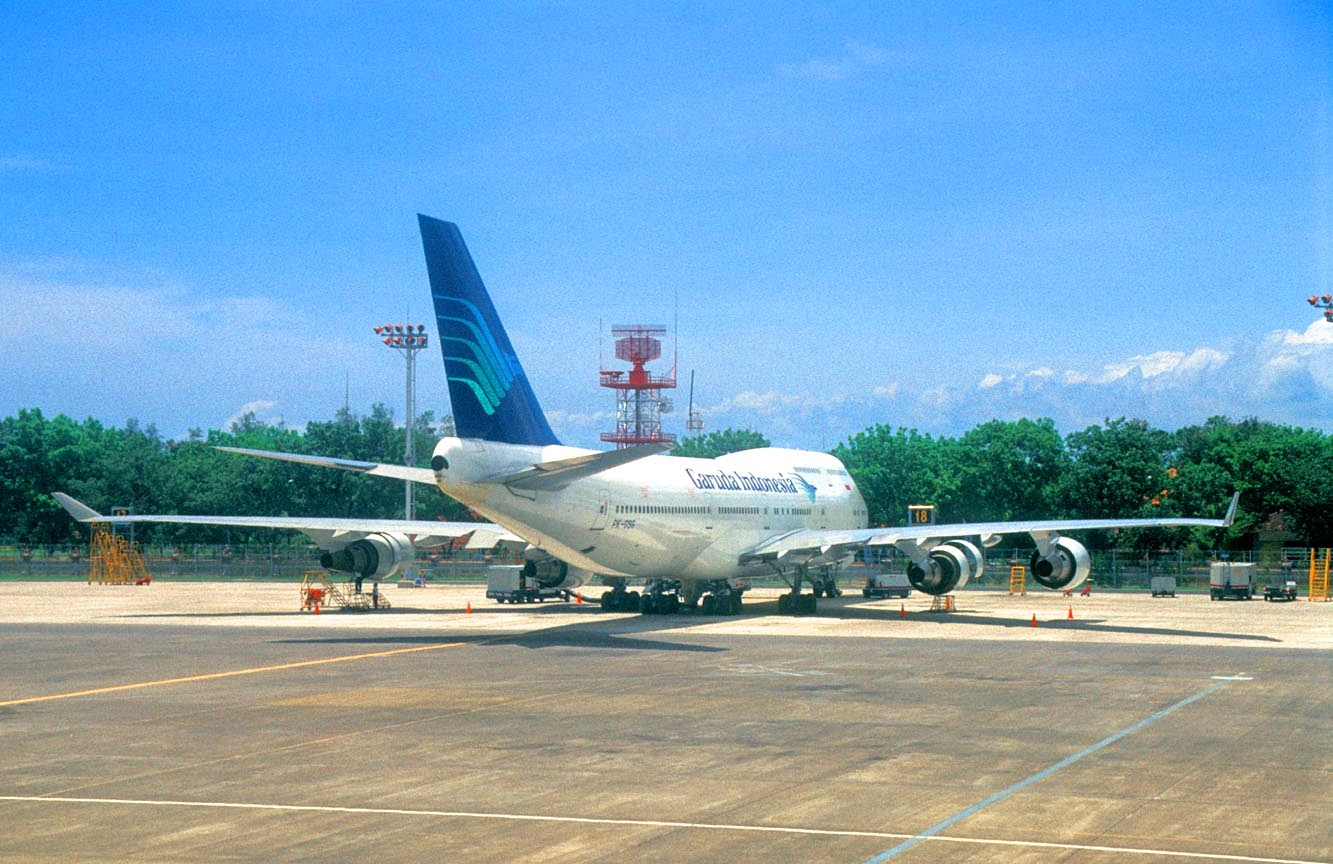
    The airliner currently operates more than 90 Boeing airplanes, including Next-Generation versions of the 737, 777-300ERs and 747-400s.

  • Blue Bird to use Honda Mobilio taxis

    Blue Bird to use Honda Mobilio taxis

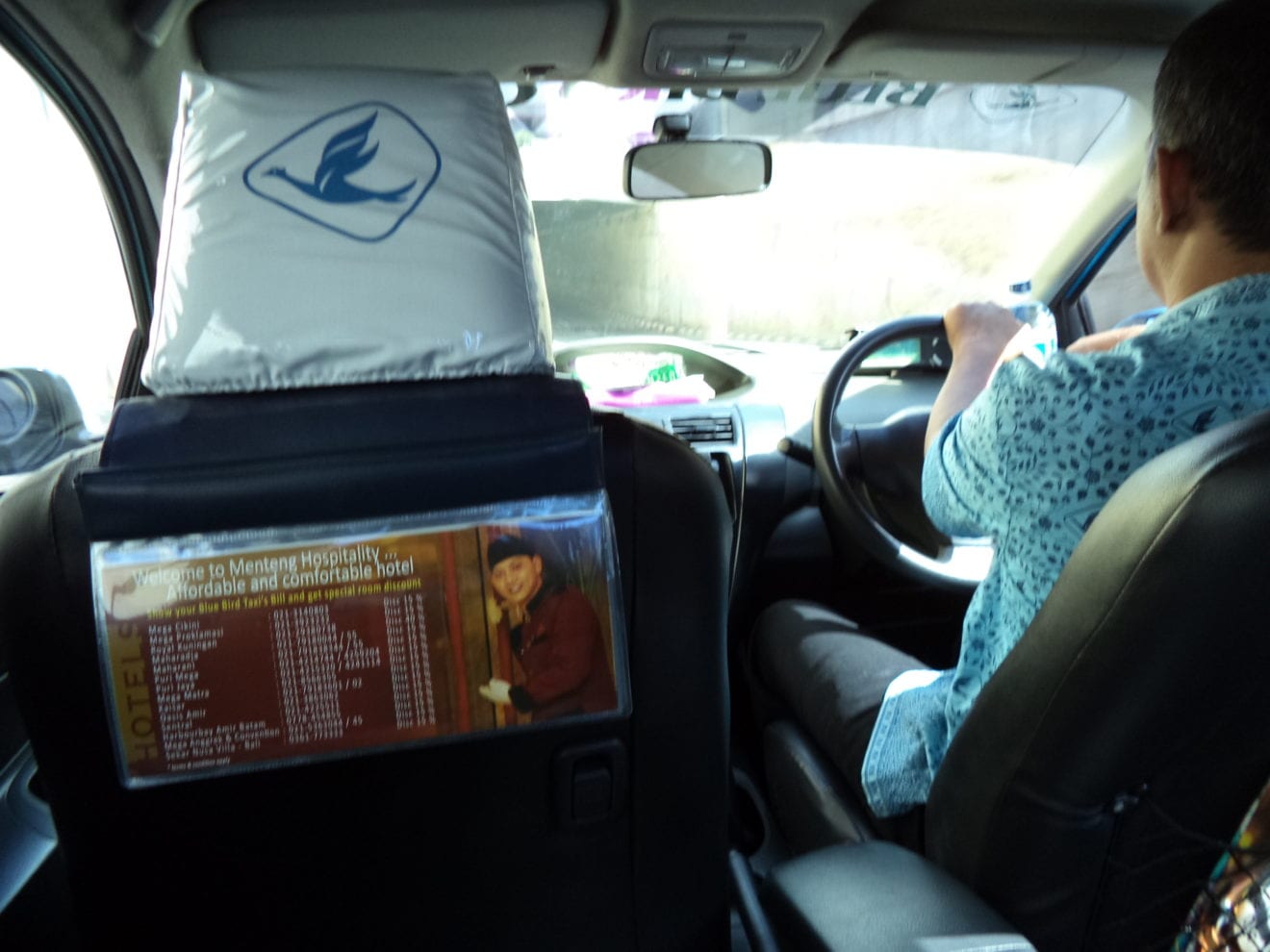
    Taxi operator Blue Bird Group will add the Honda Mobilio multi-purpose vehicle to its fleet in September.

    Blue Bird public relations manager Teguh Wijayanto said the new taxis would charge the regular fare. “The fare will be the same as the regular taxis,” said Teguh as quoted by kompas.com, adding that the Honda Mobilio taxis would be part of its regular fleet, not for its Silver Bird executive service.

    Blue Bird did not reveal the number of Mobilios to be used as taxis as it was still testing the cars.

    Currently, Blue Bird uses five-seater sedans as taxis. The seven-seater Mobilio will be able to carry up to six passengers.

  • Global Logistics Properties sets up US$7 billion China-focused fund

    Global Logistics Properties sets up US$7 billion China-focused fund

    Singapore-listed GLP has secured US$3.7 billion in equity commitments from seven unnamed investors, six of them national pension or sovereign wealth funds, for the CLF II fund. The largest China-focused logistics infrastructure fund so far, it will have an investment capacity of US$7 billion after adding leverage.

    “We continue to see strong demand from China,” GLP chief executive Ming Z. Mei said. “Despite the recent headlines about the GDP growth slowdown, 7 per cent is by definition a healthy rate anywhere in the world. Retail consumption, which is more relevant to logistics demand, maintains a double-digit growth rate.”

    Retail consumption, which is more relevant to logistics demand, maintains a double-digit growth rate

    Ming Z. Mei, GLP chief executive

    CLF II is an add-on to the US$3 billion CLF I, whose capital was fully allocated more than two years ahead of the planned investment horizon. GLP, created from a spin-off of US industrial property developer Prologis, dominates industrial property markets in China, Japan and Brazil. It is 36 per cent controlled by Singapore’s sovereign wealth fund GIC.

    The US$7 billion in funds will be channelled to develop 13 million square metres of warehouses in four years. GLP, the fund manager, holds a 56 per cent stake.

    China’s burgeoning industrial property market has lured investors from around the world – most recently Carlyle Group, Glodman Sachs and RRJ Capital – who believe a shifting economic pattern has created vast demand for modern warehouses, where courier firms, e-commerce outlets and third-party logistics service providers store, distribute and process goods.

    “Over the last few years, many people make noises about raising capital. Actually raising capital is not the hard part. Executing on the ground is,” Mei said. “As the market gets heated up, it requires deeper knowledge of logistics patterns.”

    As capital flocked in, oversupply had started to surface in certain locations, he said.

    “The market is no longer the way it used to be five, six years ago,” Mei said. “Supply and demand is more balanced now, with some markets oversupplied in the short term.”

    CLSA senior analyst Yew Kiang Wong said: “The big question mark here is demand. These investments are in anticipation of future demand. Third-party logistics companies represent large demand potential and are GLP’s bread and butter. But there’s also some cannibalisation from e-commerce companies which are now trying to develop their own warehouses, such as Alibaba. So there’s some risk in that respect.”

    GLP’s top tenants in China include e-commerce powerhouses JD.com and Amazon, and logistics firms Sinortans and Best Logistics.

    Mei said it was getting harder to source new land. Due to lower tax and employment contributions, local governments are less willing to release land for logistics use.

    In order to gain better access to land reserves and customers, GLP last year sold a 34 per cent stake in its China portfolio for US$2.5 billion to a consortium of state-owned investors including China Life Insurance, China Development Bank and Bank of China.

  • Carrefour’s Six China Distribution Centers To Be Opened Within Two Years

    Carrefour’s Six China Distribution Centers To Be Opened Within Two Years

    The world’s leading supermarket retailer Carrefour announced that the company will enhance investments in logistics distribution centers in mainland China over the next two years.

    Carrefour’s new distribution center in Kunshan was completed in June 2014, serving the East China region; and its distribution center in Chengdu was completed in April 2015, serving the West China region. In 2015, the company plans to build two more distribution centers: one in Wuhan, Hubei province, and the other is responsible for the Beijing and Tianjin region. In 2016, Carrefour expects to have two more logistics distribution centers for Northeast region and South China region, respectively.

    By the end of 2016, Carrefour will have six modern distribution centers in the Chinese mainland which will lead the Chinese retail industry sector by construction scale and speed-to-market.

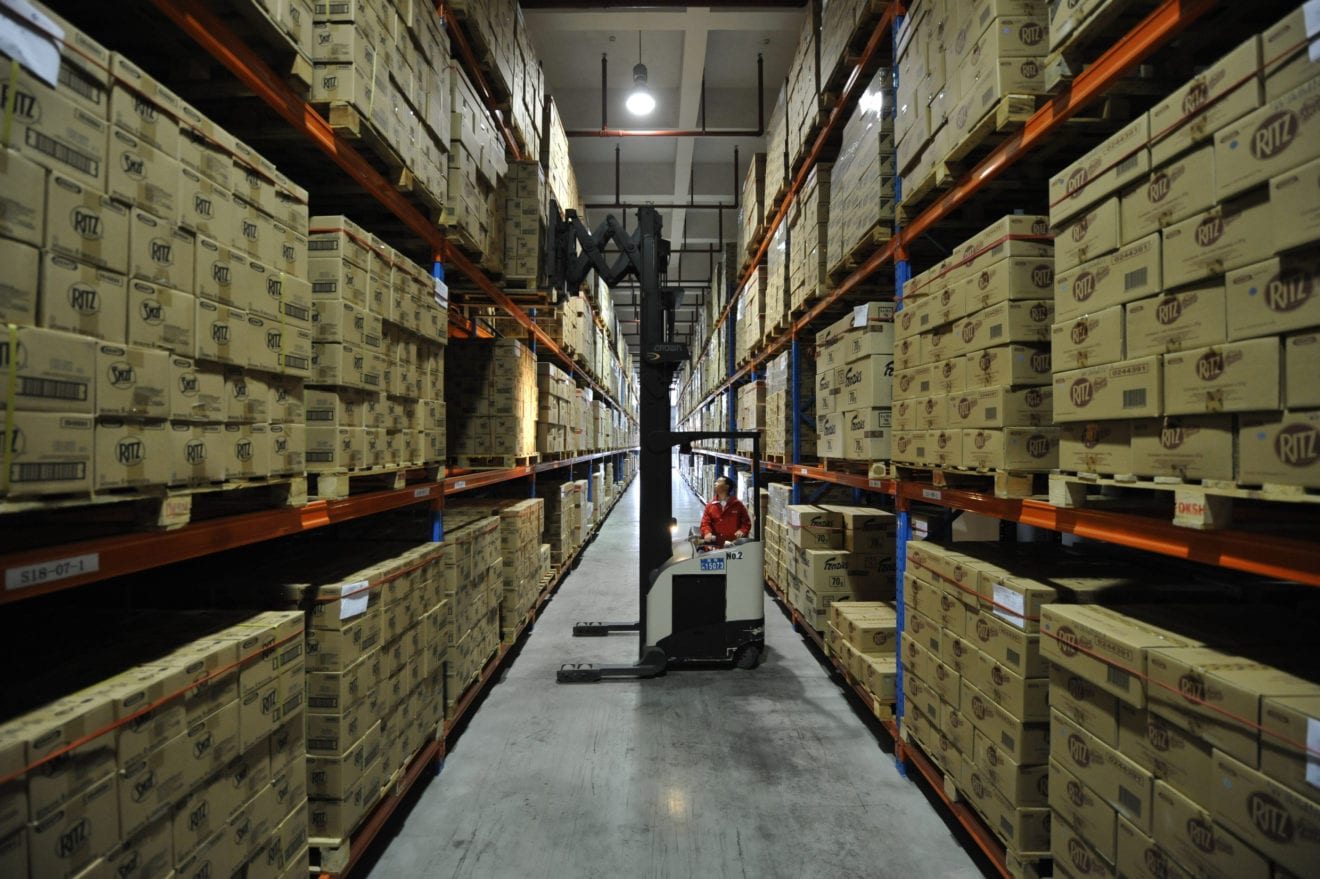
    Carrefour’s Kunshan logistics distribution center, which has already been completed, covers 60 hypermarkets in Jiangsu, Zhejiang, and Shanghai. It adopts the world’s most advanced voice picking system, which boasts a voice picking accuracy of 99.97%.