Category: Logistics

Retail News Asia is committed to providing both local and global retailers with the latest Logistics news throughout the Asian market. This on a daily base.

  • Phuket Airport expansion to double passenger capacity

    Phuket Airport expansion to double passenger capacity

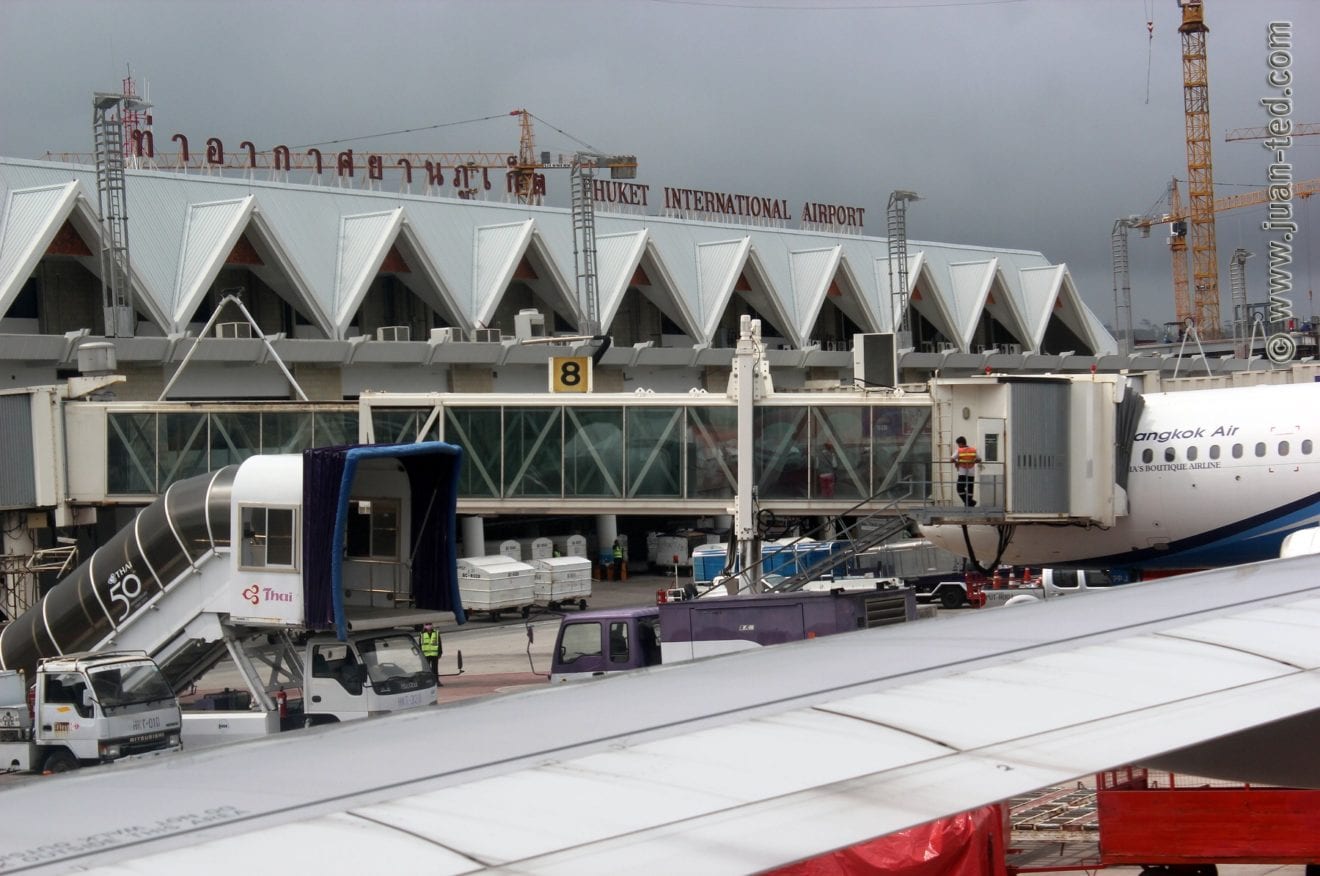
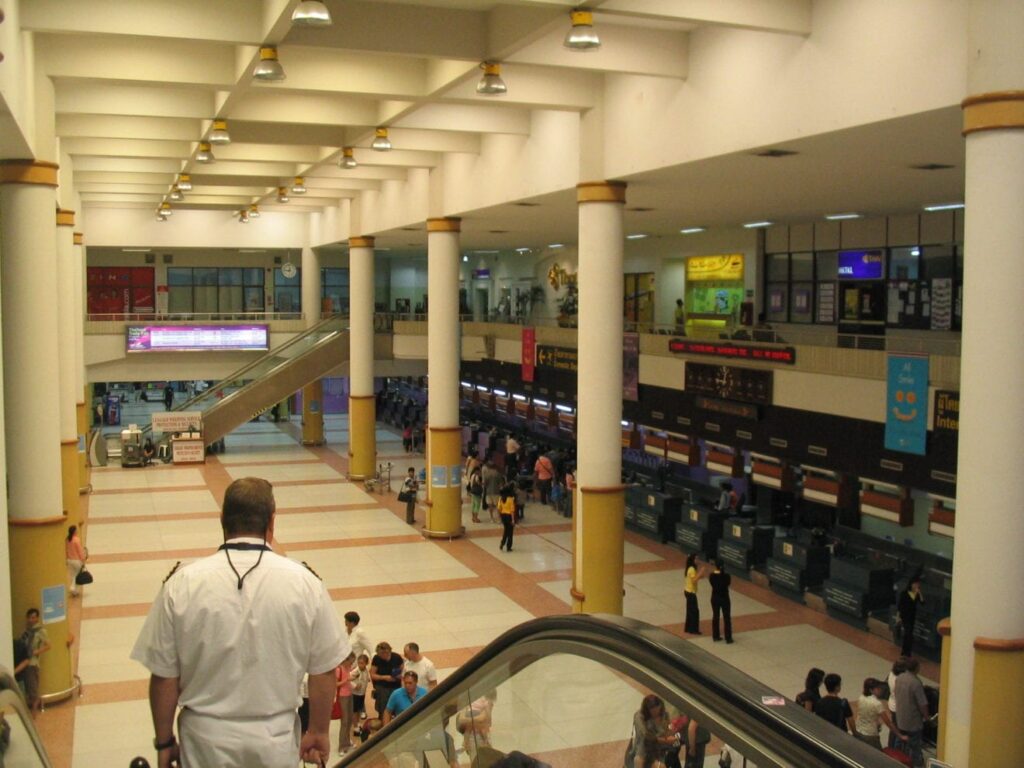
    Phuket Airport’s new international terminal is set to double its passenger capacity when it opens next May, according to airport director Monrudee Gettuphan.

    Construction of the terminal is more than 80 percent complete. It will undergo initial systems checks this month ahead of its soft opening on Feb. 14 and is on target to be fully operational by May, Monruidee said.

    “The new international terminal will be able to handle 12.5 million passengers annually, which is almost double the existing one, which can take only 6.5 million passengers per year,” Monrudee said.

    5868233

    The new terminal will include 10 aircraft parking bays, four gangways for passengers to embark and disembark from aircraft, and a brand-new shopping area with duty-free shops and restaurants.

    “But we are not only rushing the project to be done according to the plan, but also ensuring that the airport meets the standards by the Civil Aviation Authority of Thailand,” Monrudee added.

    The new terminal is part of a major THB5.7 billion overhaul of the airport, which began more than two years ago.

    phuket_airport_expansion

    Concerns have already been raised that Phuket Airport will be over-capacity soon after the expansion project is complete. A THB3 billion “upgrade of the upgrade” to raise passenger capacity to 18 million has already been tabled.

  • Don Mueang to reopen terminal 2 on Christmas Eve

    Don Mueang to reopen terminal 2 on Christmas Eve

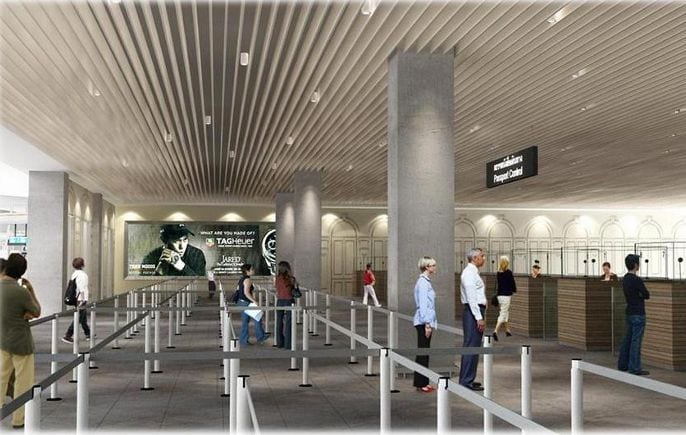
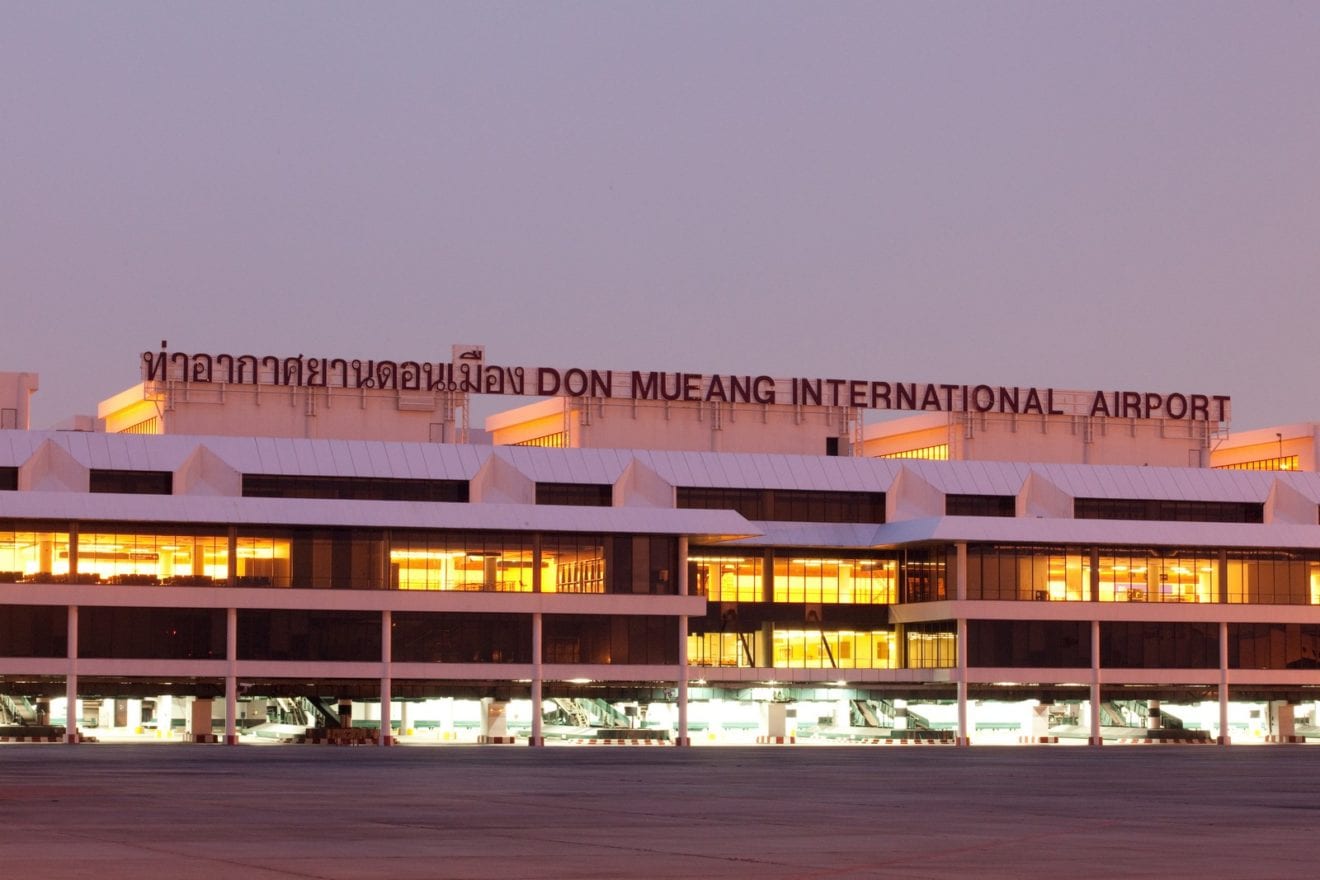
    Don Mueang International Airport, Bangkok’s hub for low-cost airlines, will reopen its newly renovated Terminal 2 for domestic flights on Christmas Eve.

    Due to the popularity of the budget airline service, Terminal 2 was put into renovation to improve the situation and to also ease the crunch on low-cost flyers. It is expected to serve up to 70% of domestic travel during the New Year holiday.

    Terminal 1 will continue to serve international flights but will soon undergo renovation as well.

    Don Mueang was initially closed down when Suvarnabhumi Airport was opened, but after Suvarnabhumi experienced overcrowding and service issues, Don Mueang was eventually put back into operation.

    1_45

    Don Mueang now accommodates between 80,000 and 110,000 passengers daily, and the newly added terminal will enlarge capacity from 18.5 million  to 30 million passengers annually.

    The airport has also recently launched a 33-seat Airport LimoBus Express on Nov. 27 which has free Wi-fi and takes travellers to the city center.

  • Budget flights launched from Thailand to Europe

    Budget flights launched from Thailand to Europe

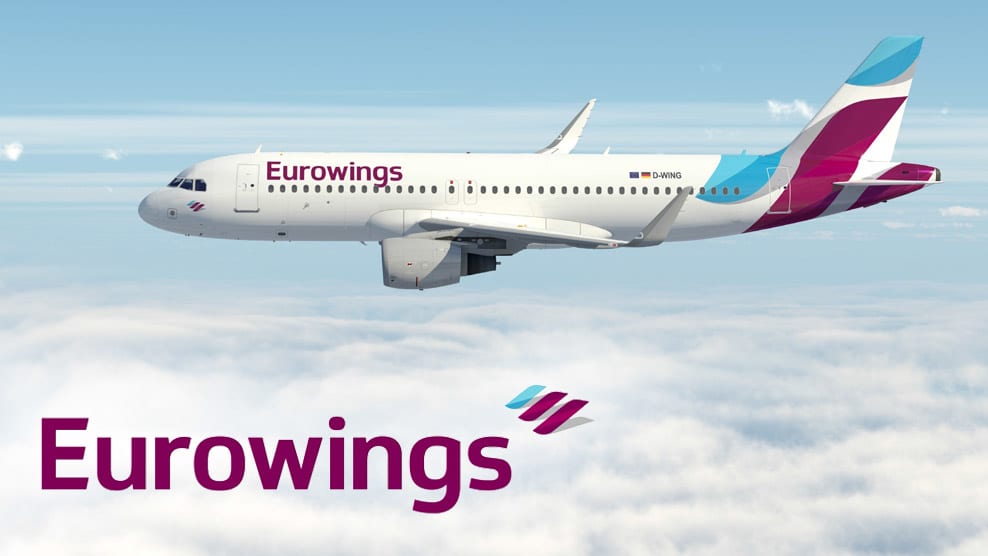
    Budget travelers can now hop on a cheap flight to Europe as low-cost German carrier Eurowings launches flights to Bangkok and Phuket this week.

    Its first flight from Cologne to Phuket leaves on Friday, while its first flight from Cologne to Suvarnabhumi departs next Monday.

    Flights from Bangkok to Cologne or Bonn will take off at 6.25am every Monday and 9.20am every Thursday, while flights from Phuket will leave at 2.05pm every Tuesday and 6.35am every Saturday.

    Travelers can then connect to the UK, Austria, Croatia, Czech Republic, Hungary, Italy, Spain, Sweden, and Switzerland.

    “We are very pleased to be introducing the low cost long-haul concept to Thailand this December. The Eurowings strategy is to strengthen our position in point-to-point traffic and offers affordable ticket prices and attractive route network,” said Christian Hein, Eurowings senior vice-president, sales. 

    He added that air travel in the region would continue to grow as the number of international travelers increases

  • Hong Kong and Shenzhen should improve transport connections

    Hong Kong and Shenzhen should improve transport connections

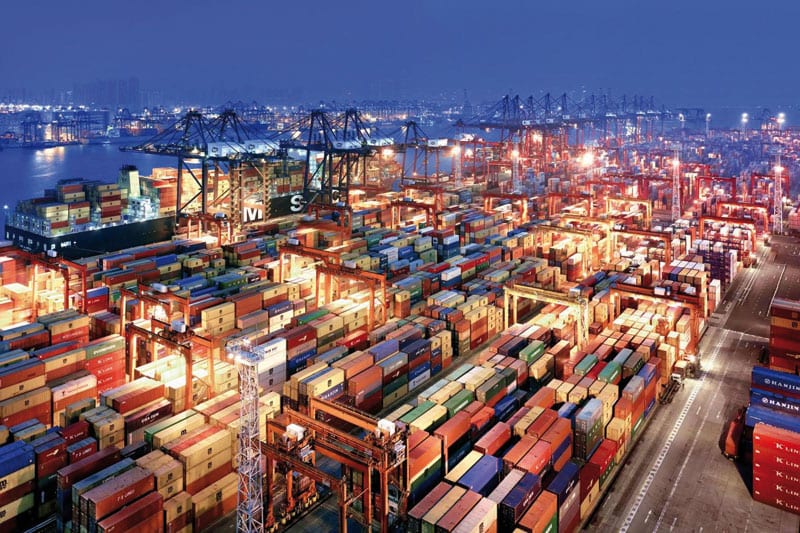
    Hong Kong and Shenzhen are key points on China’s planned “Maritime Silk Road”, and the emergence of east and south axes in the Pearl River Delta bay area will help to realize Beijing’s bigger strategy.

    However, the existing transport infrastructure, based on the “stores in front and factories behind” model, is no longer sufficient for the deepening interaction among cities in the region.

    In recent years, both Hong Kong and Shenzhen have planned new metropolitan areas in the western Pearl River Delta.

    For example, the focus of development in Shenzhen has shifted from its commercial hub in Lo Wu and administration and finance centre in Futian to Qianhai and Houhai, while the financial and technology industries are also moving to the bay area.

    The western part of the city is now turning into a new central business district.

    Meanwhile, the future development of Hong Kong will center around Lantau Island, which will become a new centre for retail, business, tourism and exhibitions.

    Also, the soaring number of passengers commuting between Hong Kong and Shenzhen requires a review of the existing transport system, which focuses on moving goods rather than people.

    The “one-hour living zone” — where home, office, shopping and leisure venues are within an hour’s traveling time of one another — has increased cross-border living and consumption among residents of both cities.

    Leisure travel and visits to families and friends have increased rapidly in recent years.

    Shenzhen Bay Port was designed for daily traffic of 50,000 vehicles and 60,000 passengers.

    However, vehicle traffic is around 10,000 a day at present, while passenger traffic has already surged to 160,000.

    Emerging cross-border e-commerce will push both cities toward a three-level transport system, which includes a national high-speed railway, regional intercity rail and connecting subway systems.

    First, the authorities should push and further improve the high-speed railway network between Hong Kong and Guangdong.

    Rail transport is fast, convenient and green.

    China’s nationwide high-speed railway network is in the midst of developing a link between Shenzhen and Hong Kong.

    The Guangzhou-Shenzhen-Hong Kong high-speed railway will shorten the travel time from Hong Kong to Guangzhou to 48 minutes.

    The high-speed railway link will bring Hong Kong into China’s ambitious nationwide high-speed railway network.

    It will become a key route for Hong Kong to connect with the mainland, as well as connect with the intercity railway network in the Pearl River Delta region.

    In addition, as Shenzhen gradually becomes one of China’s key high-speed transport hubs, Hong Kong will also benefit from the six main high-speed railway lines connecting Shenzhen with other parts of the country.

    The six lines will be the Shanghai-Shenzhen coastal high-speed railway, the Ganzhou-Shenzhen high-speed railway, the Beijing-Guangzhou-Hong Kong high-speed railway, the Guangzhou-Guiyang-Chongqing high-speed railway, the Guangzhou-Nanning-Kunming high-speed railway and the coastal high-speed railway in western Guangdong.

    Also, both cities should strive to create an integrated intercity railway link, which would enhance goods and passenger transport in the region.

    Lantau Island will be a gateway and new metropolitan area for Hong Kong after land reclamation and construction of the Hong Kong-Zhuhai-Macau bridge.

    The area will become the city’s third major business area, as well as a key hub connecting Hong Kong with Shenzhen.

    Hong Kong should also improve the connection of its metro system with that of Shenzhen.

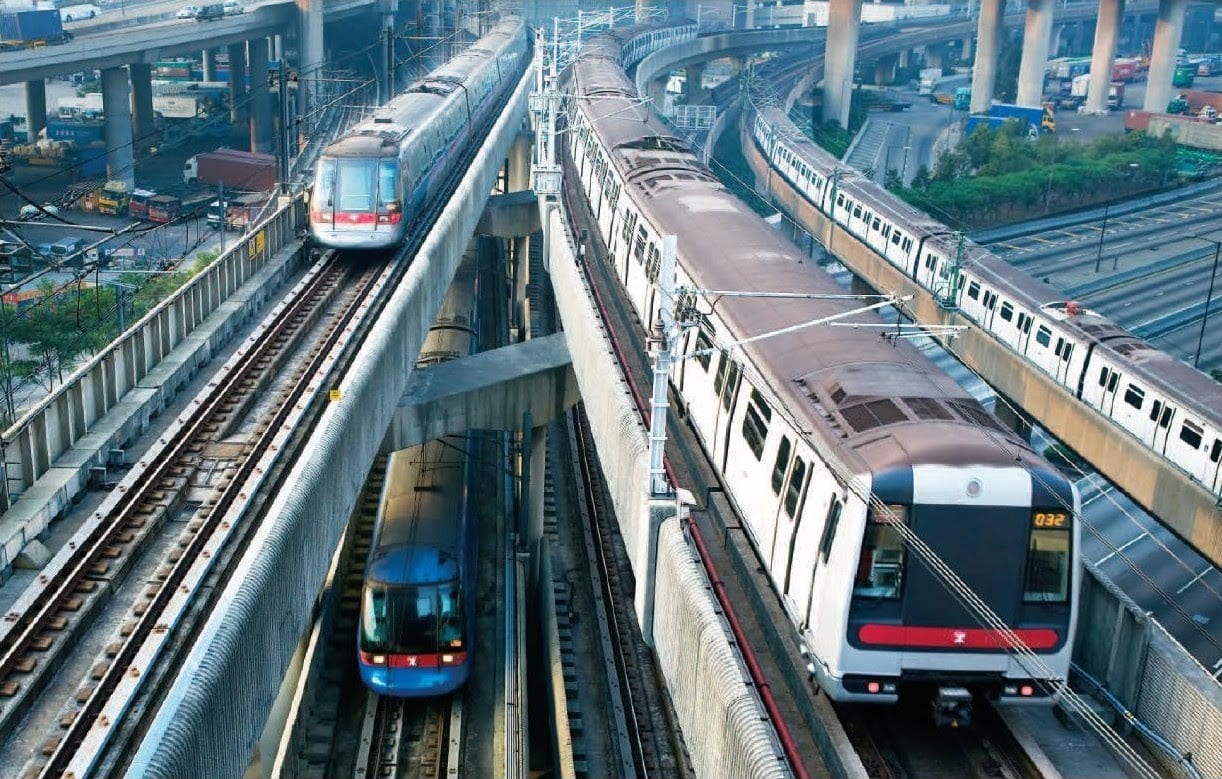
    The MTR Lok Ma Chau Station already connects with Line 4 of Shenzhen’s metro system, and the MTR Lo Wu Station connects with Line 1 of Shenzhen.
  • AirAsia pushes new regional schedules, secondary hub growth

    AirAsia pushes new regional schedules, secondary hub growth

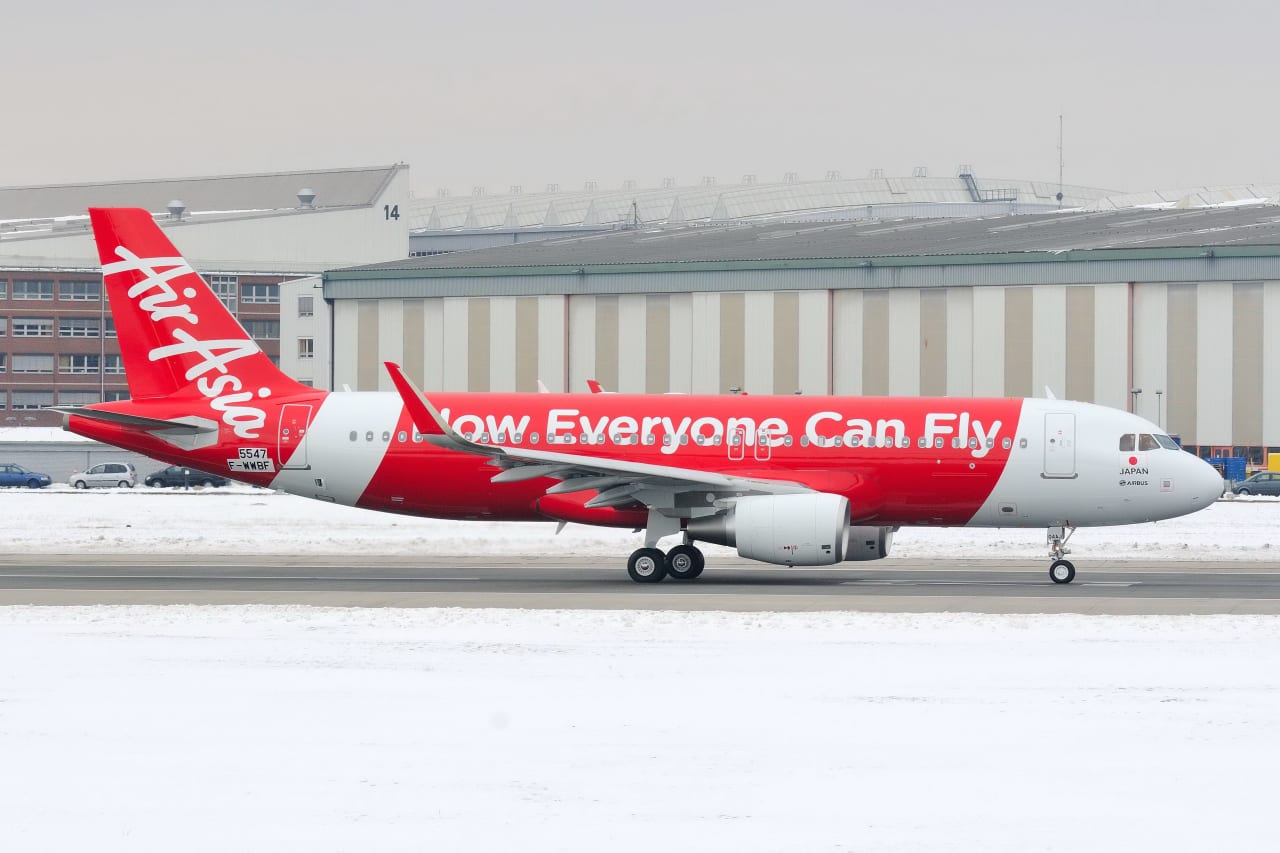
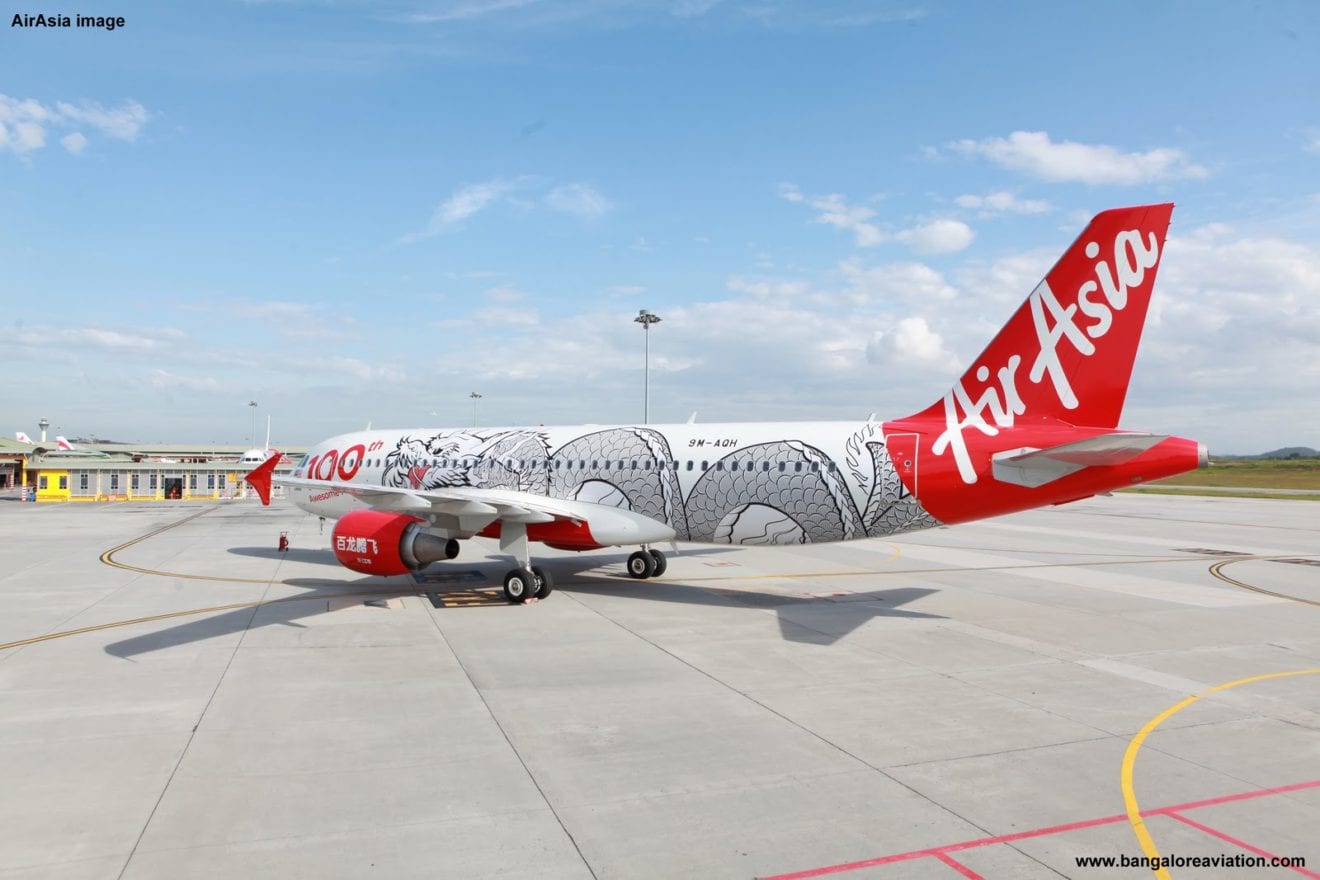
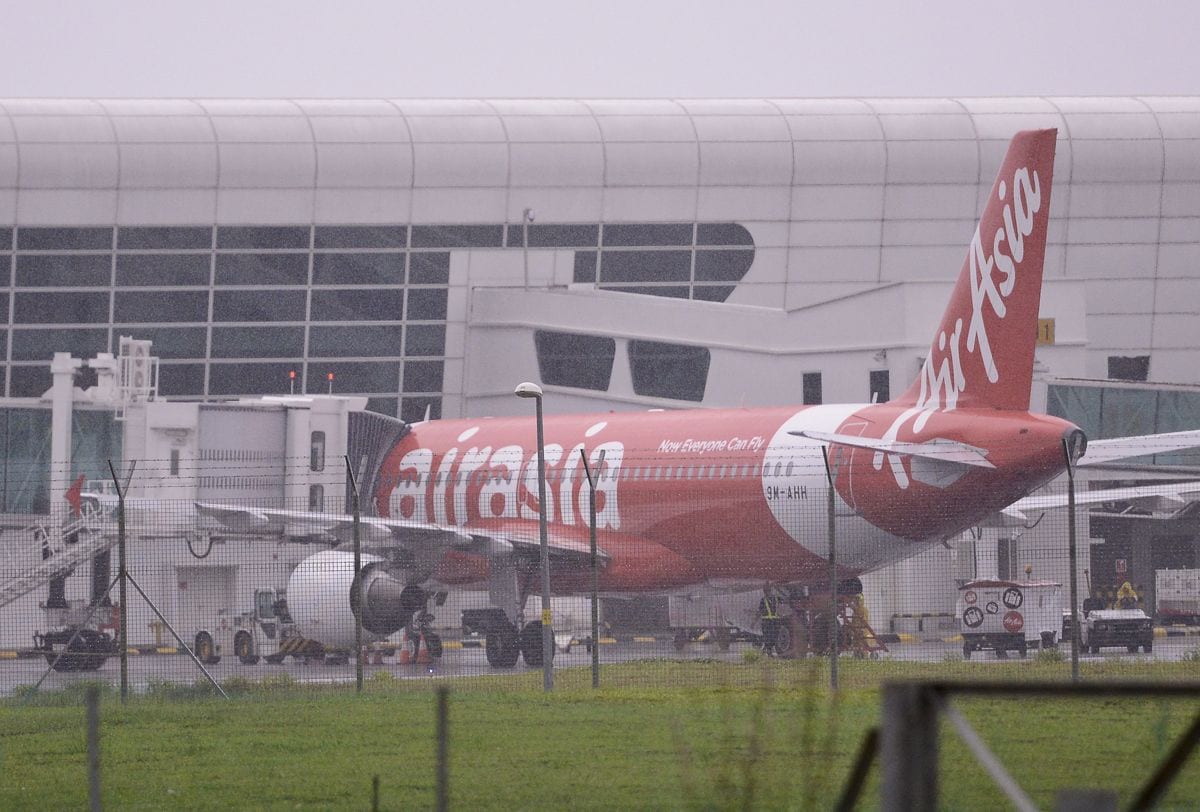
    Malaysia-based low cost carrier AirAsia Berhad plans to launch its latest direct flight between tier-two Chinese city Guangzhou and Langkawi, Malaysia at the end of January 2016.

    The choice of tourist destination Langkawi for the group’s latest international route underlines the company’s strategy to develop services on less heavily serviced routes. The schedule will see 4X-weekly Airbus A320 departures.

    AirAsia CEO Aireen Omar said the airline is focused on expanding its connectivity into China, especially second-tier cities such as the recently launched Changsha-Kuala Lumpur service.

    This secondary city approach is echoed by the AirAsia Group’s introduction of flights from Changsha-Bangkok operated by Thai AirAsia; a Krabi (Malaysia)-Guangzhou (China) service by AirAsia; and a Wuhan (China)-Kota Kinabalu (Malaysia) service, also by AirAsia.

    Additionally, the Thai subsidiary has introduced new international schedules from its newest regional hub at Thailand’s U-Tapao International Airport to Macau, Singapore, and is reportedly looking at new routes to India.

    “We will continue to add more aircraft orders as we go further because we are not only growing in Malaysia, but also in Thailand, Indonesia, the Philippines, India and hopefully in Japan,” Omar said.

    AirAsia is scheduled to take delivery of its first Airbus A320 neo aircraft from the 2016 second half, which Omar said will be used to expand existing regional business as well as act as fleet replacements.

  • Introducing Indonesia`s Newest VVIP Helicopter

    Introducing Indonesia`s Newest VVIP Helicopter

    Member of Cimmission I of the House, TB Hasanuddin, said that PT Dirgantara Indonesia (PT DI) has produced new choppers NAS 332 a.k.a. EC 225 Super Puma Mark II. Even better, EC 225 Super Puma Mark II has been used by 32 head of states as a executive chopper.

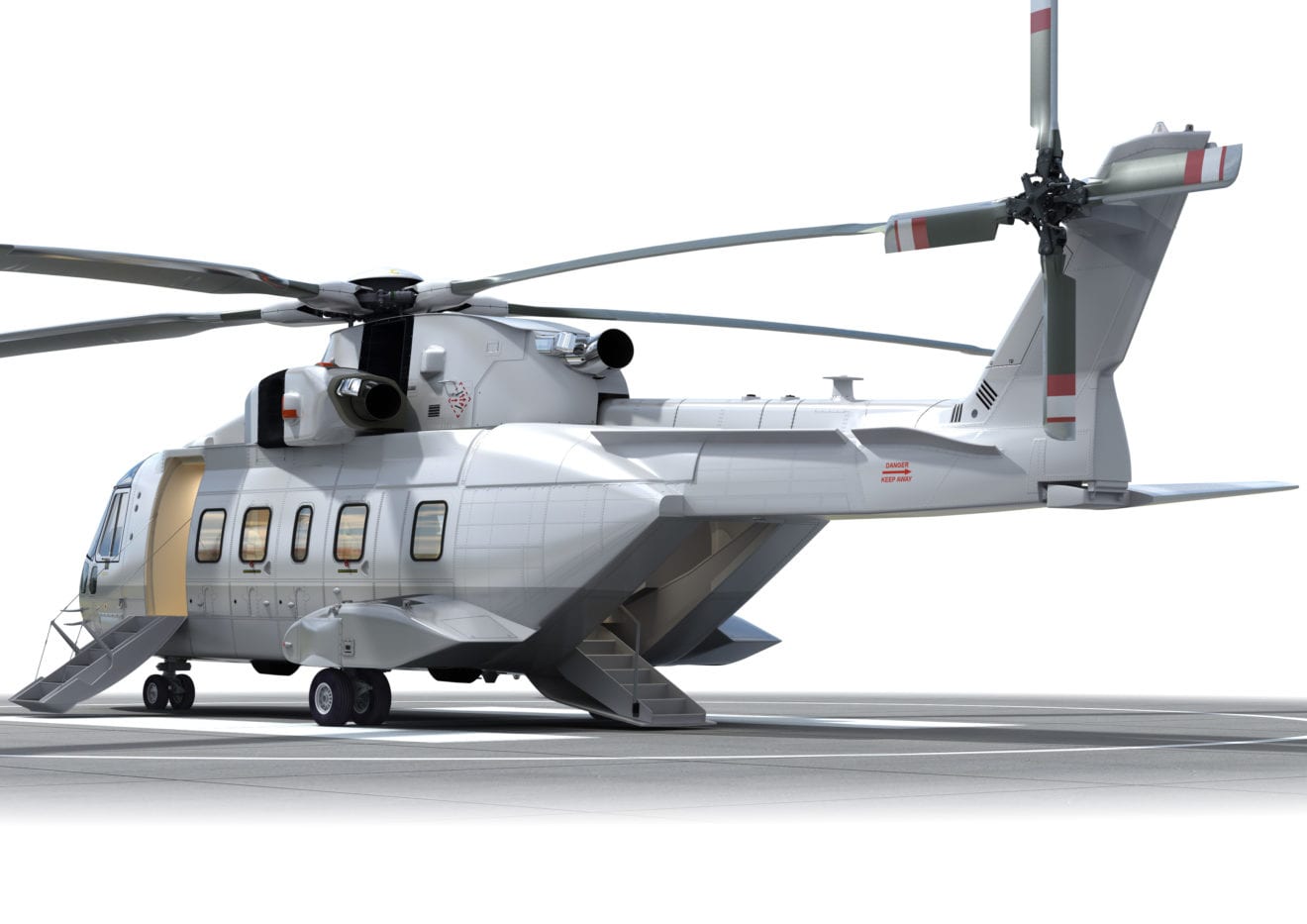
    However, Hasanuddin said that the Airforce, instead of using Super Puma, purchased Westland AW 101 Merlin, notably of use by four countries.

    AgustaWestland-AW101-VVIP

    “Why can’t we be proud of our products?” said Hasanuddin.

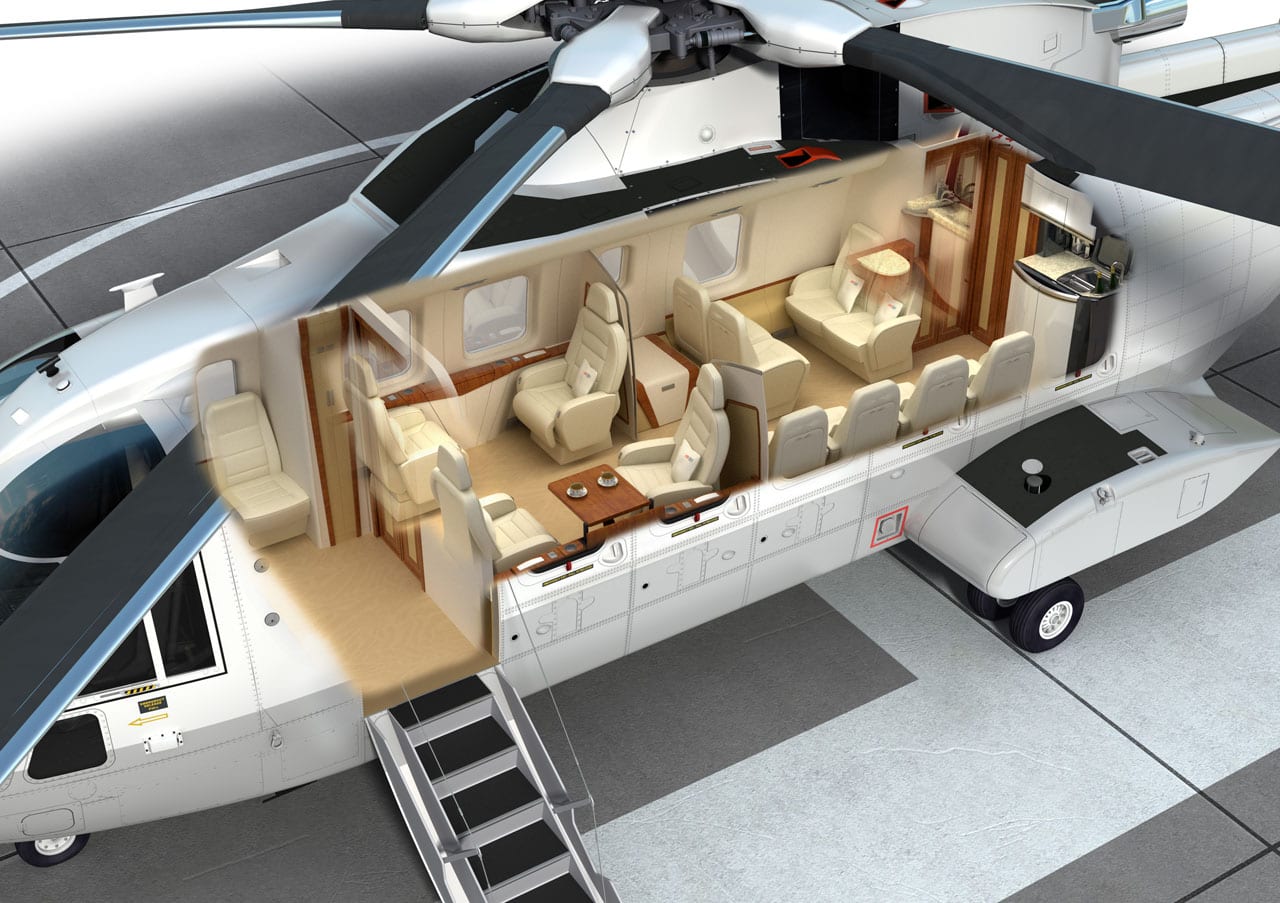
    AW101 will arrive next year and will be for VVIP guests, including President Vice President, and state guests. “The chopper is in the airforce’s plan and strategy of 2014-2019. It is not for president [Jokowi]. It is for VVIP guests, including president, vice president, and state guests,” said Air Marshall Dwi Badarmanto.

  • AirAsia X to resume Delhi flights

    AirAsia X to resume Delhi flights

    AirAsia X will relaunch flights to Delhi in February 2016, four years after it suspended the service. The Malaysian low-cost carrier has confirmed that it will start operating four weekly direct flights between Kuala Lumpur and India’s capital on 3 February.

    Flights will depart KLIA every Monday, Wednesday, Friday and Sunday at 1900, arriving in Delhi at 2200. The return services will then leave the Indian capital at 2315, arriving back in KL at 0730 the next morning. The flight time is approximately five and a half hours.

    Like all other AirAsia X flights, the Delhi service will be operated using a 377-seat Airbus A330-300 aircraft, offering flat-bed seats in business class.

    AirAsia X pulled out of India in 2012, suspending its Delhi and Mumbai routes due to high operating costs. It will now compete with Malaysia Airlines and Malindo Air on the KL-Delhi route.

  • Embraer Selects DHL for Worldwide Bizjet Logistics

    Embraer Selects DHL for Worldwide Bizjet Logistics

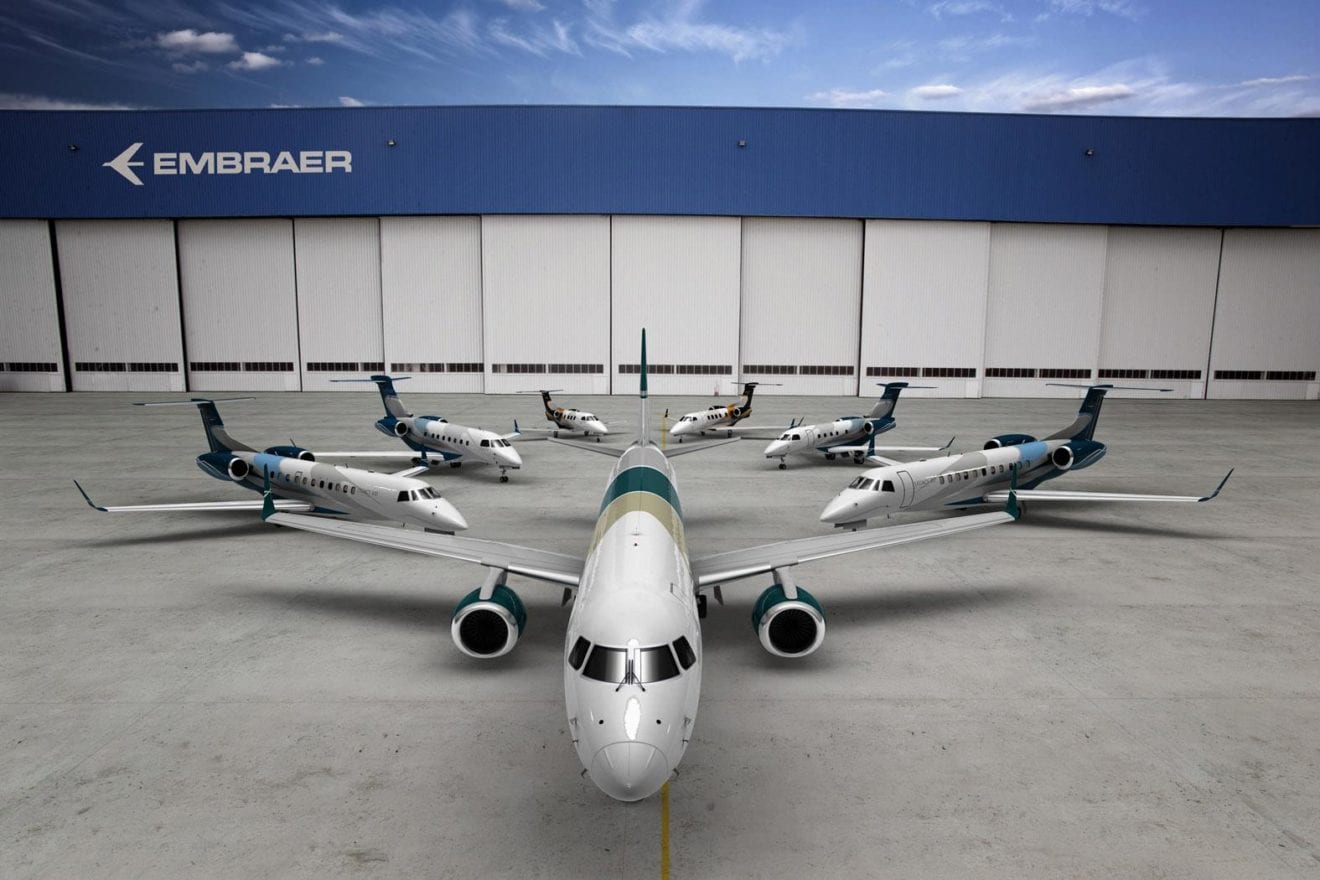
    Embraer Executive Jets and DHL have teamed up on a new global logistics model designed specifically for business aviation. With 930 executive jets (and increasing to more than 1,000 next year) flying in some 60 counties, Embraer clearly has the need for sophisticated logistics support.

    “We have been continuously improving our customers’ experience in all aspects, thanks to relevant actions taken in process quality and support infrastructure,” said Waldir Goncalves, Embraer senior vice-president of customer support and services worldwide. “I’m glad that DHL will join us for this unparalleled global logistics model for business aviation.”

    According to Peter Bonte, DHL’s vice president global business development server parts logistics, “DHL has a network of several locations around the world and we have selected the best of these locations to support Embraer’s customers. Some of the locations are Memphis, Belgium, Dubai and Singapore.” Some warehouses are multi-customer, but all warehouses are certified to distribute parts for Embraer. DHL segregates a part of the building for Embraer and Embraer has people in each location to manage the operation.

    Embraer selected DHL because of its global footprint and relevant experience in the aerospace industry. The logistics service will provide overnight deliveries even when an order comes in late in the day. An integrated ITsolution will offer real-time visibility and improved tracking.

    Asked if Embraer is considering using dedicated AOG (aircraft on the ground) business jets to ferry parts and technicians, Goncalves replied, “No, because now we have hundreds of [DHL] airplanes delivering parts around the world, so if I select just one or two jets, it is not comparable. The logistic model we have selected is much more powerful–we can get parts where we need, when we need. It’s a difference in concept.”

  • MTR railway Hong Kong duty free tender(s) open

    MTR railway Hong Kong duty free tender(s) open

    Hong Kong’s MTR Corporation has published its duty free prequalification tender invitation(s) for Hung Hom and Lo Wu railway stations and/or Lok Ma Chau – either as separate bids, or as part of a three-strong station package.

    The current business comprises Hung Hom Station serving the Guangzhou-Kowloon through train service; Lo Wu, which is the primary connection for rail travellers between the two territories and Lok Ma Chau which ultimately connects with the Longhua Line leading into Shenzhen.

    Anway – the sister company to Sky Connection in Hong Kong – currently operates separate Hong Kong-China duty free railway business at both Lo Wu and Lok Ma Chau stations.

    The existing MTR contract commenced on January 1, 2013, with the Lo Wu duty free shop historically accounting for more than 90% of combined gross revenues back in 2010, but this share has since changed. [The existing contract covers Lo Wu, Hung Hom and the onboard Hong Kong-Guangzhou train duty free shops-Ed].

    HK station commercial HY1 2015

    Hong Kong MTR DF ad

    Right now, MTR is requesting that qualified bidders should apply for the prequalification process before the end of January 2016, with invitations to tender expected to be issued ‘tentatively’ in April 2016.

    The various requirements for each offer can be found at the MTR site here [https://www.mtr.com.hk/en/corporate/tenders/Q043332.html]

    Basic requirements include bidders to submit their shareholding and financial information, along with audited financial statements for the past three years, references from landlords and annual gross sales turnover data spanning the last six years.

    Exif_JPEG_PICTURE

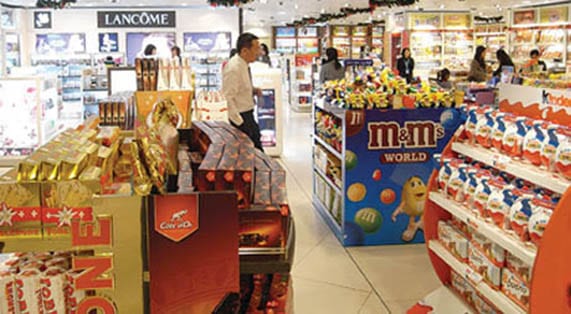
    The Lo Wu duty free railway station shop run by Anway has been substantially improved, with a wider range of merchandise on offer than ever before.©

    MTR is also asking for information relating to the number of years in duty free; number of sales outlets in Hong Kong and/or elsewhere; and operational capability and relevant experience of operating duty free businesses involving cross-boundary and international borders.

    As reported many times before, Lo Wu and Lok Ma Chau stations feed railway services directly into Mainland China as part of the estimated 100m-plus cross-boundary travellers who use these facilities each year.

    Historically, tobacco formed a very big element of the group’s port and railway store business. However, this received a big blow in August 2010 when the Hong Kong SAR Government’s cigarette allowance entitlement for ‘incoming’ travellers to Hong Kong was cut from three packs to 19 cigarettes as part of its public health programme.

    Following this, Anway has done a remarkable shop in trading customers up at Lo Wu and Lok Ma Chau shops by mitigating tobacco losses by pushing more spirits and other alcohol beverages – including offerings below 30% alcohol content like wine, where excise duties in Hong Kong were abolished in 2008.

    Lok Mau Chau Anway

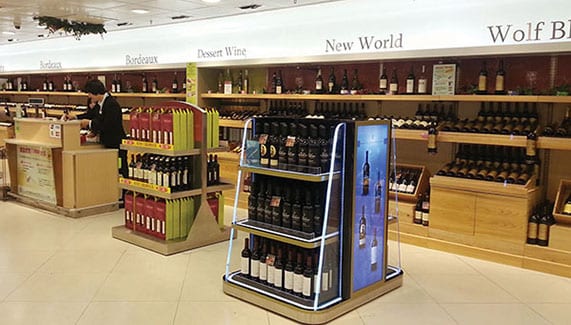
    Anway/Sky Connection have upgraded the retail offer impressively and substantially in recent years. Shown here: the quality wine offer at Lok Mau Chau.©

    The retailer also made very positive efforts – along with MTR – to try and find ways to increase the retail space at Lo Wu in particular to help the operation. As a result of these efforts, Anway/Sky Connection Ceo Baker Salleh told TRBusiness at the time that the loss of tobacco sales proved surprisingly less damaging than the company had originally envisaged.

    Currently, MTR has a ‘total’ average weekday patronage of over 5.4m passengers across its entire network and is one of the busiest railway systems in the world.

    Revenue from its Hong Kong station commercial businesses in the half year ended 30 June 2015 up 8.5% to HK$2,579m ($332m) while the cross-boundary service to Lo Wu and Lok Ma Chau grew by 3.2% to 56.2m passengers for the six-month period to the end of June 2015.

    According to MTR’s accounts, the increase was driven mainly by higher rental income from station shops, resulting from rent renewals and increased turnover rents.

    Baker Salleh CEO Anway and Sky Connection

    Anway and Sky Connection CEO Baker Salleh and his team have improved Hong Kong’s railway duty free business impressively in recent years, despite significant challenges, including developing the Lok Mau Chau business from its infancy.©

    Station retail revenue for the period increased by 11.2% to HK$1,743m (224.8m). MTR says that the increase reflected rental increases and higher turnover rent, particularly from the Lok Ma Chau Station Duty Free Shops, as well as rent earned from shops in the new stations of the Western extension of the Island Line.

    Interested operators are being asked to express interest by submitting the relevant correspondence to the MTR Corporation Limited, 20/F, MTR Headquarters Building, Telford Plaza, Kowloon Bay, Hong Kong.

    Correspondence should be addressed to the Purchasing Manager – Property & Marketing, quoting ‘Expression of Interest for the Tender no. Q043332 – Operation of Duty Free Business at Hung Hom Station, Lo Wu Station and Lok Ma Chau Station” – on or before 15 January 2016.

  • Garuda, Lion Air to Add Bali-China Routes Next Year

    Garuda, Lion Air to Add Bali-China Routes Next Year

    Flagship airline Garuda Indonesia and Lion Mentari Airlines are adding direct flights to more Chinese cities from Bali next year in a move that would boost tourism for both countries.

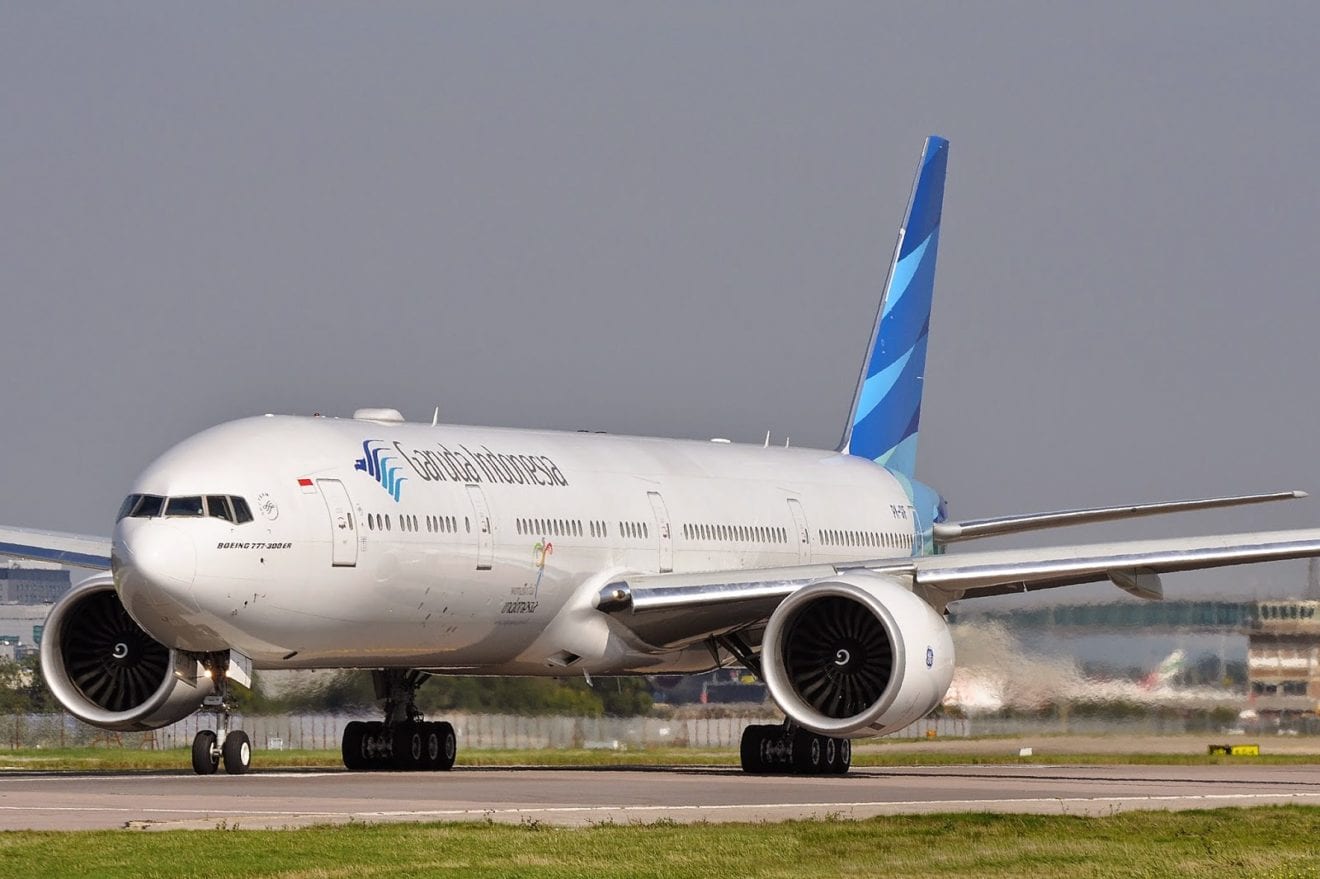
    Garuda will launch the Guangzou-Denpasar and Shanghai-Denpasar routes in January, the company’s president director Arief Wibowo said in recent interview.

    “We will deploy our wide-body Airbus A330-300, which previously served hajj pilgrims,” Arief said, adding that the aforementioned flights will be available three times a week.

    Garuda now serves passengers traveling from Jakarta to Beijing, Shanghai and Guangzou.

    Lion is currently applying for a license from China authorities to fly into eight of its cities, including Shanghai, Guangzhou, and Nanning.

    “We are optimistic because the number of tourists coming from China is growing and the demand [for flights to Bali] is quite big,” said Lion Air director Edward Sirait.

    The number of Chinese tourists visiting the archipelago almost tripled to 926,000 last year, from 337,000 in 2008.

  • Exporting the key to Asian SME growth

    Exporting the key to Asian SME growth

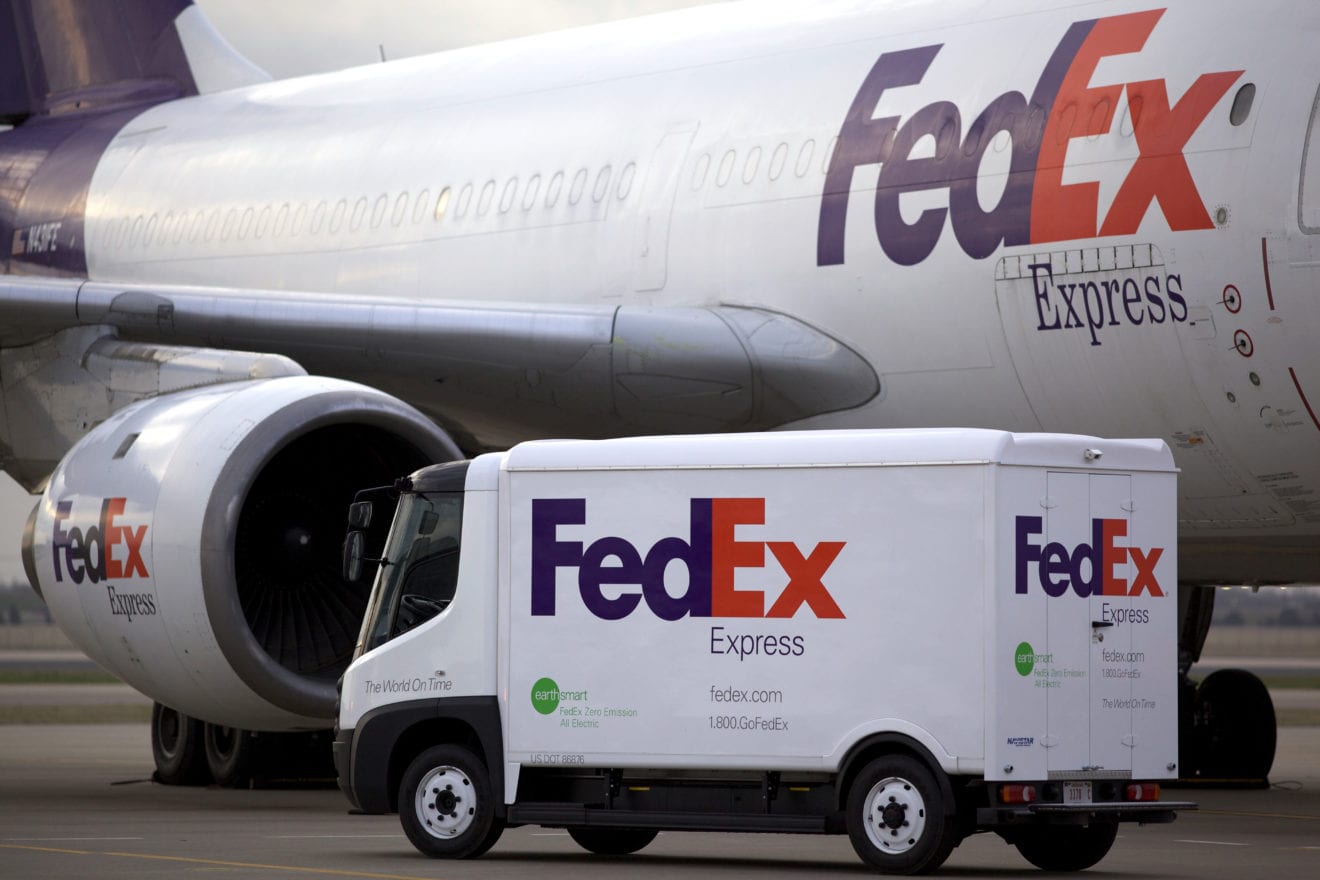
    If you’re an Asian SME and a retailer and you are not pursuing an export strategy – you’re missing out, according to a study completed by FedEx.

    Small- to medium-size enterprises throughout Asia Pacific that export to overseas markets are twice as likely to be experiencing growth of 11 per cent or more than SMEs who are focused solely on their home market.

    That’s the conclusion of a new global research study commissioned by FedEx Express, the world’s largest express transportation company.  In the survey that includes six key markets in the region –China, Hong Kong, Japan, Singapore, South Korea and Taiwan – 22 per cent of exporting SMEs reported that they were growing rapidly, compared to just 11 per cent of SMEs that sell only in their home market.

    The independent study, entitled Global opportunities: Examining Import and Export Trends Among Small Businesses, reveals the considerable revenue opportunities on offer to SMEs that export.  In Apac, SMEs reported that exports generate an average of US$1.8 million in revenue each year – the highest of the four global regions in the study.  In certain Apac markets, this figure was far higher: Taiwanese SMEs generate an average of US$2.8 million in revenue per year from exports, the highest level of export-driven revenue in the study, while Hong Kong SMEs came in second place, generating an average of almost US$2.6 million.

    “Small businesses are a critically important part of the Asia Pacific economy, and this study shows how they are able to thrive when they grasp the opportunity to sell to markets beyond their own borders,” said Karen Reddington, president, FedEx Express Asia Pacific.

    “However, while many Asia Pacific SMEs see the potential of exporting, they are not confident in their ability to translate that potential into business success as they feel they lack the necessary advice and support. This should serve as a wake-up call to all stakeholders. Helping SMEs to succeed in overseas markets can only be good for the entire region,” she said.

    Despite this significant opportunity, many SMEs are still hesitant about targeting overseas markets.  Currently, only 36 per cent of Apac SMEs are exporting, despite a much higher proportion (77 per cent) recognising that there is a whole world of customers out there.

    One of the reasons for this seems to be a lack of advice and support. Only 10 per cent of Apac SMEs believe they already have sufficient support to succeed in international markets – the lowest level among the four global regions in the study.

    Logistics plays a vital role in tackling this confidence gap. SMEs in Singapore and Taiwan ranked logistics providers as their top source of expertise on exporting, and SMEs in five out of six Apac markets rank logistics providers among their top sources. A reliable logistics service provider plays an important role in connecting SMEs with overseas opportunities and shaping the experience that SMEs provide to their customers.

    Despite the perceived barriers, SMEs are optimistic about the prospect of exporting in the future. Some 52 per cent of Apac SMEs anticipate they will be doing so by 2020, an increase of 16 per cent on the current level. They are even more positive when it comes to international business growth: 61 per cent anticipate greater revenue from overseas business in five years’ time, compared to just 45 per cent that predict this for their domestic business.

    The study was conducted by market research consultancy Harris Interactive on behalf of FedEx Express to provide insights into global import and export behavior among SMEs and the challenges they face. Completed in September, the results are based on interviews with 6891 senior executives from 13 markets across four regions, including 3315 from Apac.

  • Matta welcomes shifting of AirAsia’s operations to Terminal 1

    Matta welcomes shifting of AirAsia’s operations to Terminal 1

    The shifting of AirAsia’s operations to Terminal 1 next month will certainly be welcomed by passengers, said Malaysian Association of Tour and Travel Agents (Matta) vice president (inbound) Datuk KL Tan. He said the Terminal 2, which the low-budget-carrier is operating now, has poor ventilation, lack of check-in counters, immigration and goods and services tax refund counters, poor toilet facilities, among others.

    The terminal at the Kota Kinabalu International Airport (KKIA) has also exceeded its passenger capacity of two million passengers per annum (ppa), as last year its actual passenger volume was 3.6 million ppa. “This has been a long tussle for some years and we are glad AirAsia Group chief executive officer Tan Sri Tony Fernandes has realised we need to be law-abiding citizens. “Matta Malaysia wishes to thank Prime Minister Datuk Seri Najib Razak for giving the final directive to AirAsia to move to Terminal 1,” he said in a statement.

    The Prime Minister, who officiated the RM1.7 billion Terminal 1 on Sept 16, had delivered an ultimatum to AirAsia to move its operations from Terminal 2, stating the airline had exceeded its timeframe. AirAsia has been involved in disagreements with Malaysia Airports Holdings Bhd since the airline was asked to move its operations back in 2011, with the last deadline being on Aug 1 this year.

  • SingPost to build $150 mil mall offering e-commerce logistics solutions

    SingPost to build $150 mil mall offering e-commerce logistics solutions

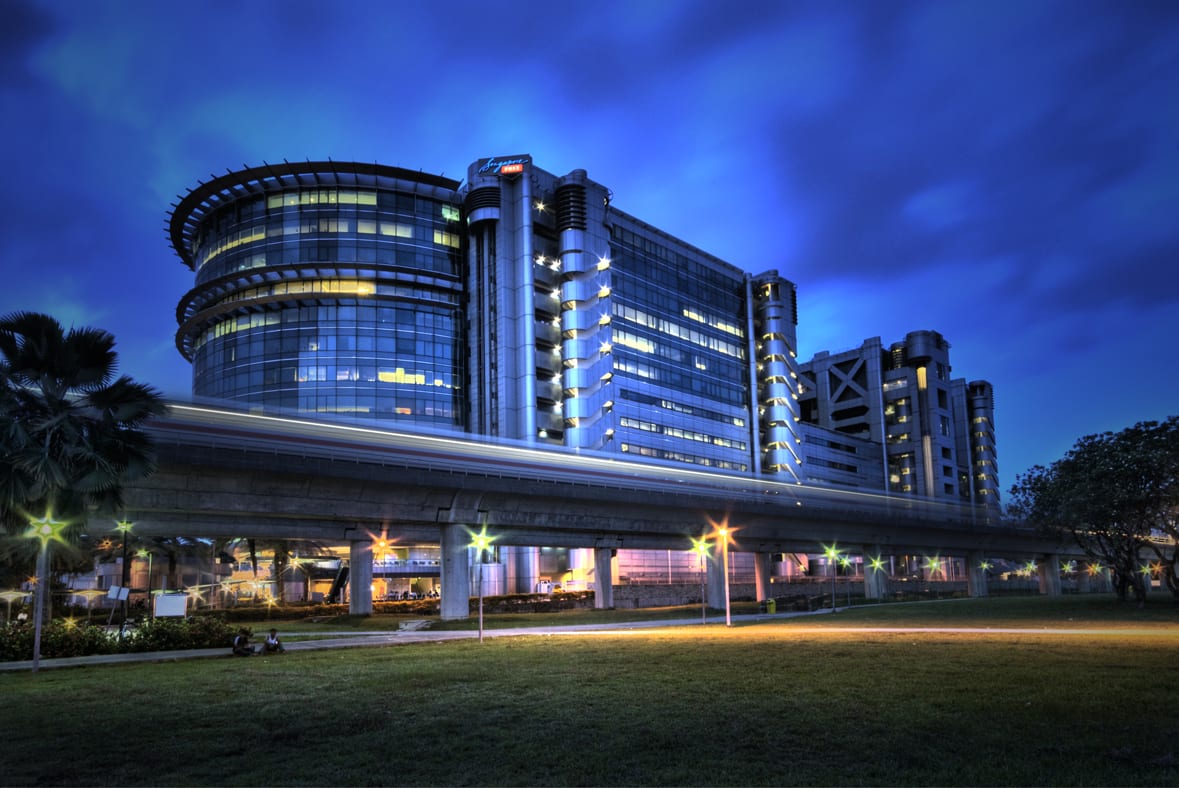
    Singapore Post will build a $150 million shopping mall that offers a “complete suite” of e-commerce logistics solutions, the first of its kind in Singapore.

    The new retail mall at Singapore Post Centre (SPC) will boast 269,097.8 sf of retail space and it will be located next to the Paya Lebar MRT station.

    Construction works have commenced today with a target completion in around mid-2017. It includes upgrading amenities and facade for the adjoining office building.

    The postal and e-commerce logistics provider says this development is aimed at creating opportunities for businesses in the changing retail landscape and catering to the evolving needs of consumers.

    It will offer greater convenience, choices and experiences to consumers by providing online e-merchants and offline brick-and-mortar shops all under one roof, SingPost says.

    It adds that online shopping through e-merchants will include in-shop online ordering and flexibility in delivery and pickup timings.

    SingPost ended lower at $1.90 on Tuesday.

  • DHL Express boosts Philippine presence with new Las Piñas service center

    DHL Express boosts Philippine presence with new Las Piñas service center

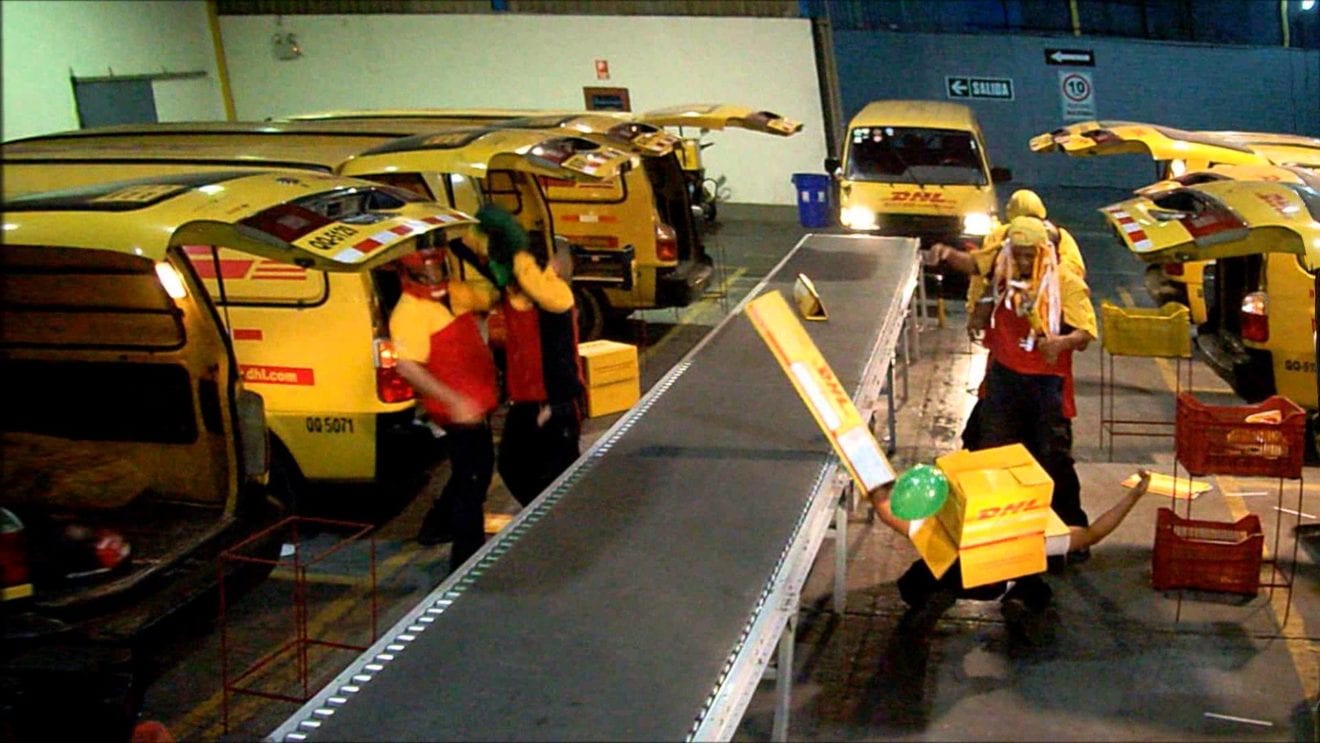
    DHL Express Philippines inaugurated yesterday its P80 million South Service Center in Las Piñas to complement the logistics company’s goal of widening its presence in the country.

    The facility is also expected  to cater to the growing logistics demand of businesses in Parañaque, Pasay, Cavite and nearby provinces in South Luzon.

    During the inauguration of the new facility, DHL Express country manager Nurhayati Abdullah said the company’s investment underscores their long term view on the local market.

    “DHL takes a long term view in the Phillippine market as it holds great potential for growth and trade with gross domestic product forecasted to grow at an average annual rate of 5.9 percent in 2015-2019,” Abdullah said.

    The new facility in Las Piñas marks the continued commitment of DHL Express to invest in the country following the successful opening of Clark Service Center in Northern Luzon in February. The company had invested P30 million in its facility in Clark.

    Abdullah said the proximity of the South Service Center would benefit  customers located in free trade zones in South Luzon, such as those in Gateway Business Park in Gen.  Trias, Cavite; Philippine Export Zone Authority in Rosario, Cavite; and First Cavite Industrial Estate in Dasmariñas, Cavite.

    Las Piñas is a gateway to Manila for many industries such as electronics, semiconductors and manufacturing.

    “The South Service Center will play a critical role by supporting growth of our customers across South Luzon. Our investment in Las Piñas reaffirms our commitment to upgrade our services to meet the changing demand of our customers,’’ Abdullah said.

    In particular, growth in demand for express services from the  semiconductors, technology and the life sciences industries as well as small and medium enterprises is expected to continue in the following years.

    “We do see growth in those areas…so we’re quite confident it will spur  the continued growth (in revenues and volume) in the following years,” Abdullah said.

    The Philippines is among the company’s top four countries in terms of revenues in  Southeast Asian and South Asian region.

    For next year, Abdullah said the company is looking to expand its retail footprint in Cebu and Quezon City by opening more service points where walk-in customers can drop off shipments.

    Occupying a land area of 3,000 square meters, the South Service Center will hold new vehicles and state-of-the-art material handling  equipment, IP cameras and 30 CCTV cameras capable of tracking shipments throughout the entire process within the service center.

    Currenty, DHL Express has eight service center facilities and more than 200 retail outlets in the country.

    DHL operates in more than 220 countries and territories worldwide.

  • Who needs Santa when there is lalamove ?

    Who needs Santa when there is lalamove ?

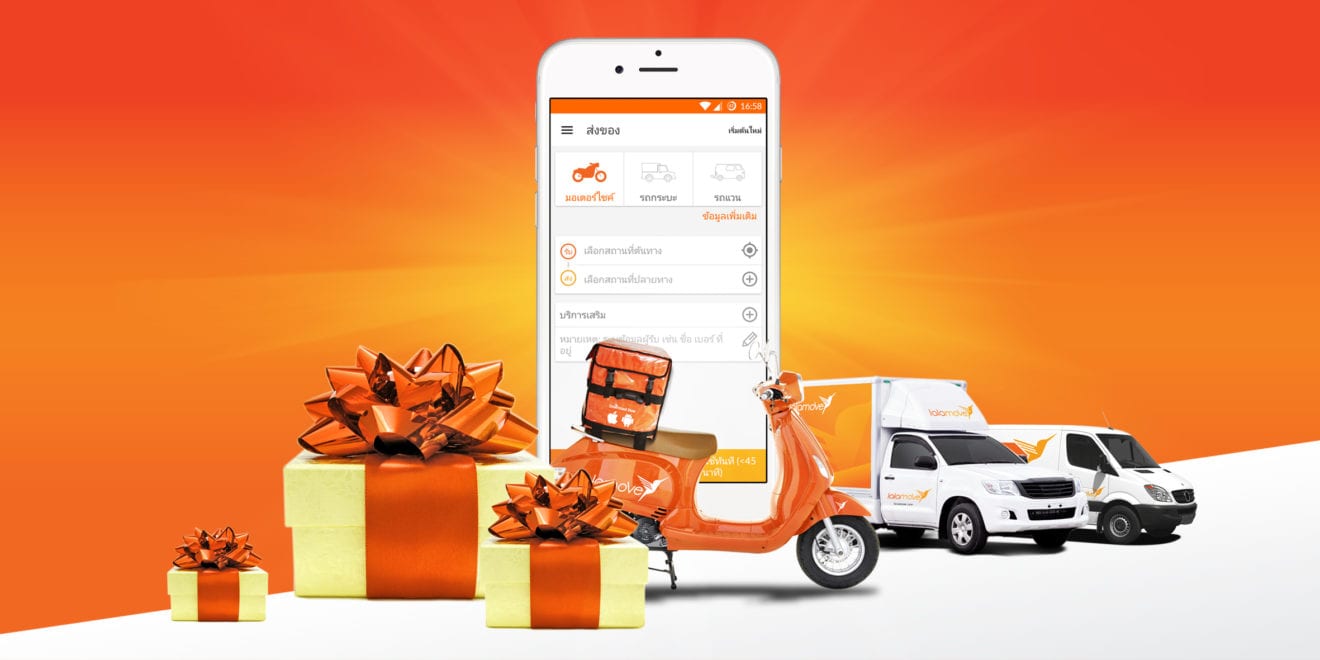
    lalamove, the leading professional on-demand delivery service throughout Asia, has added new features to its mobile and web application to handle increased delivery demand in Bangkok during the upcoming holiday season.

    “The holiday season is a busy time for gift-giving and many companies struggle with ensuring that their gifts are delivered on time and handled with care – which are two areas that lalamove has extensive experience with” said Santit Jirawongkraisorn, Co-founder and managing Director of lalamove Thailand.

    “We have added more bikes, MPVs and pick-up trucks to ensure timely deliveries during the busy holiday season. We have also introduced the “route optimization” feature, which saves clients time in having to plan the routing.

    “With this feature, clients just have to type in the addresses where the gifts need to delivered and within minutes, the app with automatically schedule the quickest and shortest route. This is most practical especially when companies are looking at delivering corporate gifts or perishable goods like food hampers and festive cookies to their clients,” added Santit.

    Hiring freelance couriers or motorcycle taxis can be tiresome and sometimes unreliable, but thanks to lalamove, clients now have a delivery service which is fast, cost-effective, transparent and professional.

    lalamove allows personal users and businesses to quickly find a professional driver anytime of the day to help move their goods with a few clicks on their smartphone. By typing the vehicle type, location, destination, the weight of the physical goods, and other information and special instructions via the app, users will be notified within minutes if a driver is available.

    In addition to the driver verification feature, lalamove also has a driver rating system, a GPS tracking which allows full transparency on the route, on-demand booking and an insurance protection of up to Baht 2000 for each delivery, ensuring that delivery via lalamove is both easy and safe.  It is also the only delivery app offering 24/7 service and advance booking.

    In September, lalamove secured an investment of USD 10 million led by Mindworks Ventures as well as  AppWorks, Crystal Stream and individual investors. lalamove is preparing for the advanced stages of its expansion — adding 50 cities throughout Asia to the company’s delivery network by the end of 2016. 

    The number of registered users regionally has grown to 435,000 while over 23,000 drivers have been registered. The app has been downloaded more than half a million times in the past year.

    In Thailand, the number of download is currently 27,000 with over 1,600 drivers registered drivers.