Category: Logistics

Retail News Asia is committed to providing both local and global retailers with the latest Logistics news throughout the Asian market. This on a daily base.

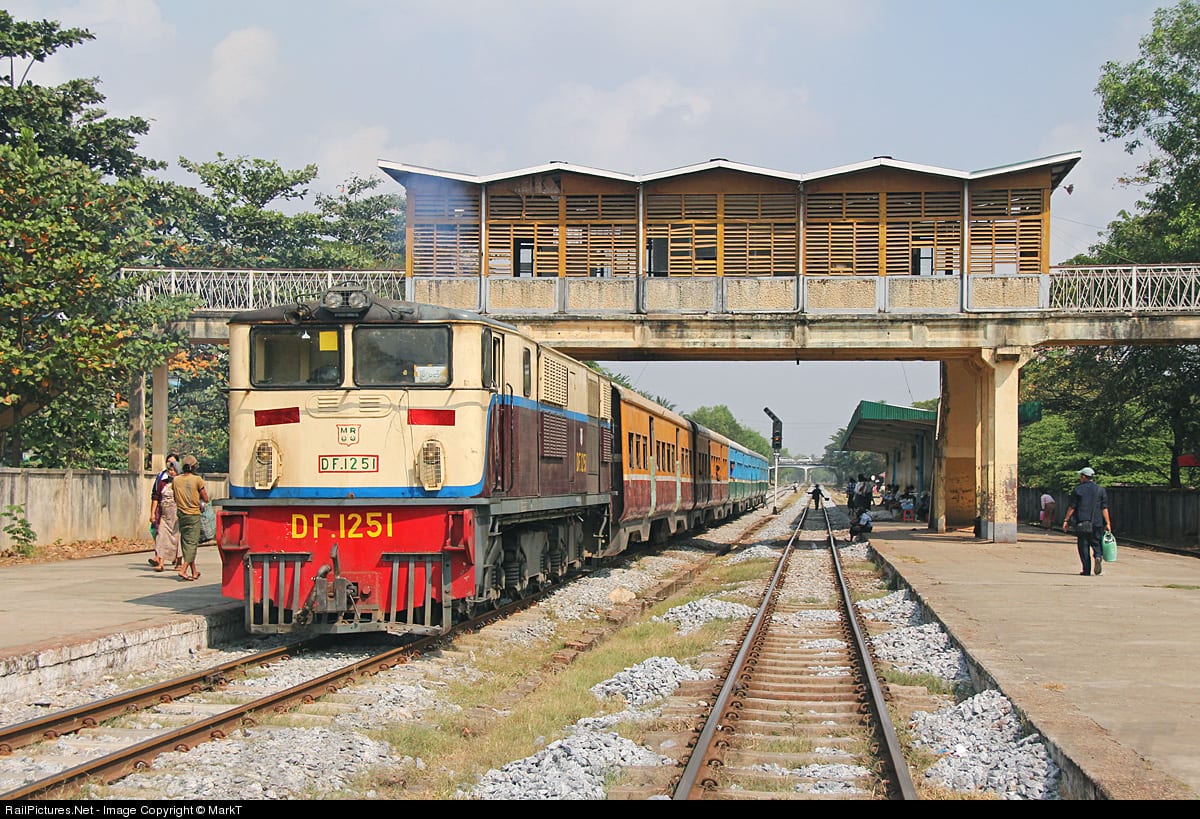
  • Indian traction for Myanmar

    Indian traction for Myanmar

    India is to supply 18 metre-gauge 1350 hp diesel electric locomotives to Myanma Railways. The traction will augment the railway’s fleet and enable it to meet increasing demand for passenger and freight transport services in Myanmar. The requisite contract was signed at Naypyitaw (Myanmar) in week 9.

    The locomotive order is a vital project that is being funded under an existing Indian government line of credit for Myanmar. The traction, sporting several modern features such as microprocessor controls, fuel-efficient engines and an ergonomic cab design etc, will be manufactured at the diesel locomotive works in Varanasi

  • Myanmar National Airlines To Yangon Airport New Terminal

    Myanmar National Airlines To Yangon Airport New Terminal

    Asia World Group has opened the first phase of a new airport terminal in Yangon that will be capable of handing up to 20 million passengers a year when complete, with US fast-food chain Kentucky Fried Chicken the first international restaurant confirmed to open in the new space.

    President U Thein Sein (right) and Steven Law (left) attend the new airport terminal opening. Photos: Aung Myin Ye Zaw / The Myanmar Times

    Yangon Aerodrome Company Limited (YACL), an Asia World subsidiary, built the airport in less than two years, completing the project in time to be claimed as one of the final achievements of the outgoing administration. U Thein Sein opened the terminal, which will be known as T1, on March 12, in one of his last public appearances as president as his five-year term draws to a close.

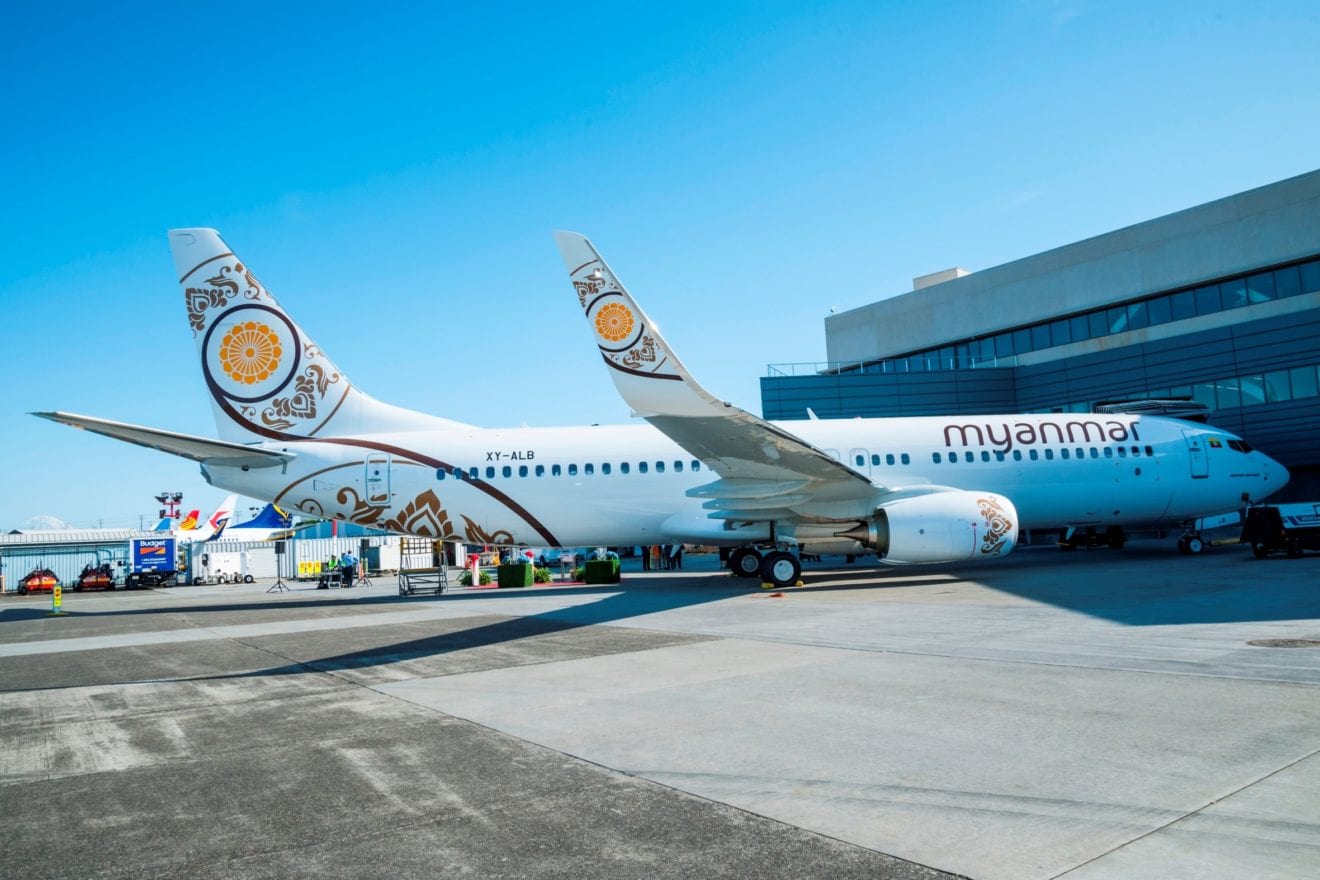
    Myanmar National Airlines, the recently rebranded national carrier, will be the first to move into the new terminal, officials said, with the airline’s maiden departure scheduled for March 20.

    Yangon’s existing international terminal, which is also managed by Asia World Group, will be rebranded as Terminal 2. Work on a new domestic terminal has already begun and plans are being drawn up for an “airport city” comprising a cultural centre, hotels, commercial and retail space.

    A view over the new Yangon International Airport Terminal 1.

    US-blacklisted Asia World was awarded a contract to build the US$660 million project in 2013 in controversial circumstances – the tender committee did not award it the highest mark, favouring a bid by a Japanese consortium, asreported last year.

    In response to a question about the tendering process, project manager Jerzy Wilk told The Myanmar Times that the company had no influence over the DCA’s decision-making, and that the tender was carried out in the public domain. The company’s track record demonstrates its capability, he said.

    YACL was awarded the contract in 2013 and signed a concession agreement with the Department of Civil Aviation in 2015. The group has provided 100 percent of the funding, through equity and loans from banks, said Mr Wilk.

    Balloons mark the opening of the new international airport.

    YACL chair U Htun Myint Naing, who also goes by the name Steven Law, said in a speech on March 12 that in building the airport the company had been confronted with several challenges.

    “First, as everybody is aware, this is not a greenfield project. It is an in-operation project and we needed to carefully deliver during this period,” he said.

    “Another challenge is our airport is a city airport, so we had a lot of limitations in the master plan and design … Also we built all these things within a short time period.”

    The company is operating with limited space – much of the land around the airport is taken up with military compounds and golf courses. Singapore’s CPG Corporation, which designed the world-class Singapore Changi Airport, helped with the design and planning, as did Surbana, said Mr Law in his speech.

    Around 88pc of flights into Myanmar land in Yangon. The airport has seen passenger numbers rise from 1.99 million in 2010 to 4.68 million in 2015, according to literature distributed by YACL.

    Guests ascend an escalator in the new terminal building.

    Weekly international flights from Yangon increased 3.88 times between 2010 and 2015. Twenty-eight international airlines now fly into Yangon and several more have confirmed new routes – Emirates Airlines, for example, will begin daily flights to Dubai in August and Hong Kong Express will launch flights later this year.

    YACL targets 8 million international arrivals through the airport in three years, according to YACL’s chief operating officer, Sulaiman Zainul Abidin.

    Last May, Singapore Myanmar Investco signed a 10-year agreement with DFS Group to develop and operate duty-free retail outlets at Yangon and Nay Pyi Taw airports and the company will be responsible for bringing in international brands.

    A tender has been called for the 7800 square metres of retail space with 50 retail outlets, and 3400 sq m of space across 16 restaurants. KFC has already set up its restaurant on the airport’s ground floor, and plans to open from the end of this month, said Mr Abidin.

    While Asia World Group and Mr Law are on the US Specially Designated Nationals list, YACL is not. Company officials did not explain how KFC has been able to sign with the group, and KFC’s local partner Yoma Strategic had not responded to questions by press time.

    Staff talk beside new baggage reclaim belts.

    Asked whether US sanctions had an impact on international demand to open outlets in the new terminal, Mr Abidin said it had not. “We conducted a tender. So far the response is from almost any country you can find … I don’t see any problems.”

    Despite the sanctions link, international trade will be able to pass freely through the airport, under the US Treasury’s General Licence 20, issued in December. While the license is only valid for six months, it is widely expected to be renewed in June.

    Mr Law has benefited more than most sanctioned companies from the license, which also allows trade to pass through his Yangon port terminal.

    The license is aimed at promoting trade and does not cover business deals between Asia World and US companies beyond transactions “ordinarily incident” to trade, officials from the Office of Foreign Assets Control said on a media call last December.
  • IDA, SPRING Singapore & CapitaLand partner to boost last-mile delivery for retailers in $20m project

    IDA, SPRING Singapore & CapitaLand partner to boost last-mile delivery for retailers in $20m project

    The three parties have signed a Memorandum of Intent (MOI) to launch an In-Mall Distribution (IMD) trial expected to benefit 300 retailers.

    If successful, the model may be rolled out to other shopping malls owned or managed by the CapitaLand Group in Singapore.

    With two CapitaLand malls – Tampines Mall and Bedok Mall – part of the pilot project, the trial will provide useful insights into how to calibrate the logistics solution for wider implementation.

    The initiative falls under the Nationwide Urban Logistics Programme spearheaded by IDA and SPRING Singapore.

    The idea was first mooted in the Infocomm Media 2015 followed by a funding announcement of $20 million from IDA and SPRING Singapore to implement urban logistics in the retail sector.

    According to the IDA, if deployed nationwide, it could lead to an estimated reduction of trucks on the road by 25 per cent and a cut in waiting and queuing time for deliveries by 65 per cent. The aims is to enable trucks with less-than-full loads to consolidate and sort their goods in an offsite centre before delivering to malls.

    Subsequently, these goods can then be re-loaded and then delivered to their intended destinations on a single truck within the same day, reducing the number of trucks going to the same destination and improving truck load utilisation.

    Teresa Teow, head of retail management in Singapore for CapitaLand Mall Asia Limited, the manager of CMT malls, explained: “As the owner and manager of Singapore’s largest shopping mall network, we are constantly looking at ways to innovate and further improve our operations and shopping experience by leveraging technology and strategic partners.”


    Steve Leonard, executive deputy chairman of the IDA said, “Achieving the Smart Nation vision of Singapore will only be possible if government and industry work closely together, adopting new ideas and embracing new technologies.”

    Leonard added, “We know that the complexities and logistics of moving large amounts of goods in densely-populated areas is a big challenge. Together with our partners, we want to explore how analytics and robotics can be part of new ways to solve these challenges. It is imperative that the government and the industry not only work together, but keep looking forward to adopt new ideas and new tech in business.”


  • Jokowi Opens Bonded Logistics Centers to Improve Indonesia’s Competitiveness’

    Jokowi Opens Bonded Logistics Centers to Improve Indonesia’s Competitiveness’

    Indonesian President Joko Widodo inaugurated 11 bonded logistics centers on Thursday (10/03) as part of Indonesia’s second economic stimulus package that was unveiled on 30 September 2015. These bonded logistics centers aim to curtail the country’s notoriously high logistics costs which makes businesses in Indonesia less competitive and the general business climate in Southeast Asia’s largest economy less attractive. The official opening ceremony for the 11 centers (mostly located on the island of Java) was held in Jakarta.

    At a bonded logistics center imported goods – which can be subject to certain tax incentives – are stored that are later distributed to the industries. Currently, however, the bulk of goods imported by Indonesian companies are stored in Singapore or Malaysia. This causes logistics costs to rise steeply as storage costs in Singapore and Malaysia are high.

    Indonesian Finance Minister Bambang Brodjonegoro said the flow of goods at these centers will be closely monitored by Indonesia’s Tax Department in order to combat illegal activities. Brodjonegoro added these centers will be given tax incentives such as a moratorium (delay) for tax and import duty payments (these are paid when goods are moved outside the center, not – as is the case now – when goods enter the center).

    Contrary to the bonded warehouse system (which is only used by the owner), the bonded logistics center can be used by other companies.

    Entrepreneurs and other industry players have reacted positively to this news. Ernovian Ismy, Secretary General of the Indonesia Textile Association (API), said these centers can curtail logistics costs for textile companies by 34 percent. Adhi Lukman, General Chairman of the Indonesian Food and Beverage Association (GAPMMI), said logistics costs in the food and beverage sector can be cut as the supply of raw materials can be sped up.

    Next year Indonesian authorities want to see the existence of 50 bonded logistics centers in the country.

  • Korean investors to venture in sea transport business in Indonesia

    Korean investors to venture in sea transport business in Indonesia

    An investor from South Korea wants to invest US$80 million in shipping business in Indonesia, the Capital Investment Coordinating Board (BKPM) said.

    The unnamed investor is especially interested in operating liquefied natural gas (LNG) tankers, BKPM chief Franky Sibarani said.

    The Korean investor hoped to operate two LNG tankers in the country, Franky, who visited South Korea recently, said here on Saturday.

    The Korean investor also opened the possibility of building terminal for gas storage, he said.

    He said the prospective investor plans to visit the county to look for local partner to operate the business.

    “We are not only interested in the size of investment but more important is the added value created by the investment,” he said.

    The investor also indicated interest in President Joko Widodos vision of developing sea toll, he said.

    “The program is seen as positive in contribution to the countrys development in general,” he added.

    He said South Korea is one of the countries actively increasing investment in Indonesia.

    South Korean investment implemented in 2015 alone reached Rp15.1 trillion in 2,329 projects. From 2010 to 2015, Korean investment in the country totaled Rp79.6 trillion.

    “In the past five years, South Korea has continued to rank among five largest investors in the country,” her added.

    Korean investment commitments were worth US$4.6 billion in 2015 or an increase of 86 percent from 2014.

  • Maersk Line Sees Improving Asia-Europe Demand on Retail Restocking

    Maersk Line Sees Improving Asia-Europe Demand on Retail Restocking

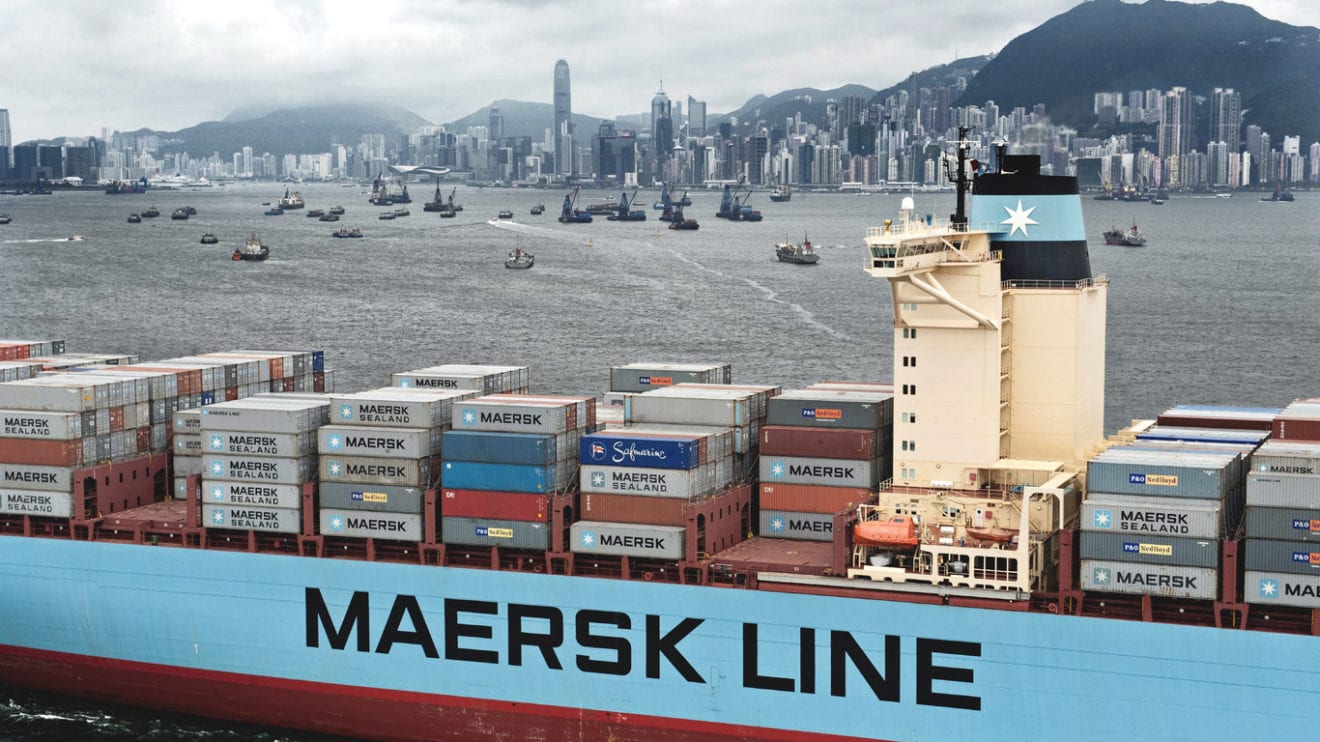
    The container shipping arm of Danish conglomerate AP Moller-Maersk A/S says the company saw strong growth in shipping volumes from Asia to the rest of the world in the first weeks of the year, sounding a positive tone for an industry still struggling with weak demand and overcapacity.

    The world’s biggest container shipping line by capacity estimates shipping volumes out of Asia increased 10% to 15% over last year in the runup to this month’s Lunar New Year break, as retailers rushed to move goods out of China before the nation’s factories shut for a couple of weeks.

    “There has been more demand certainly this time around than it was last year…That in itself is a positive sign of a good start to the year,” Robbert Van Trooijen, chief executive of Maersk Line Asia Pacific, said in an interview.

    “What we don’t know yet is what will happen when the factories come back from collective holidays. We don’t know how fast production would pick up after factories come back and to what level of exports they would resume,” Mr. Van Trooijen said.

    Despite the strong start, falling freight prices and excess capacity continue to haunt the global shipping industry, with spot shipping rates in major trade lanes near record lows. Shipping consulting firm Drewry Maritime Research estimates the container shipping sector faces a loss of more than $5 billion in 2016.

    Overall shipping capacity for the industry rose 8% last year, with nearly all the newly-delivered ships idled, said Mr. Van Trooijen. He said it would take several years for the industry to reach a better balance between supply and demand.

    The low freight rates helped drag Maersk Line into a fourth-quarter net loss of $182 million, compared with a net profit of $655 million a year earlier. Spot freight rates in December for shipping on the key trade lane from Shanghai to Europe’s Port of Rotterdam were down 79% from early 2015 to around $222 per twenty-foot equivalent unit, a standard measurement for shipping containers. That level isn’t considered profitable for most lines.

    The performance of the container-shipping industry, which carriers a wide range of consumer goods and industrial products, is considered an important barometer of the global economy.

    “We certainly feel that the current level of freight rates isn’t creating any more demand. It’s not because of low freight rates that demand would increase,” said Mr. Van Trooijen.

    A need to restock retail warehouses and store shelves in Europe this spring after cautious retailers kept inventories very low in 2015 may help fuel demand on the Asia-Europe trade lane. Meanwhile, the trans-Pacific trade for shipments from Asia to North America will likely continue to deliver moderate growth on the back of a rebounding U.S. economy.

    But Mr. Van Trooijen said demand for shipping from Europe to Asia, which is largely dominated by goods such as base manufacturing materials, wastepaper and chemical products, will remain weak in 2016, as currency weakness in Asia and China’s economy slowdown hamper local purchasing power.

    “I don’t yet see that there’s going to be a major recovery in 2016” for the Europe-Asia trade, he said.

  • SingPost GD Express sale to boost eCommerce

    SingPost GD Express sale to boost eCommerce

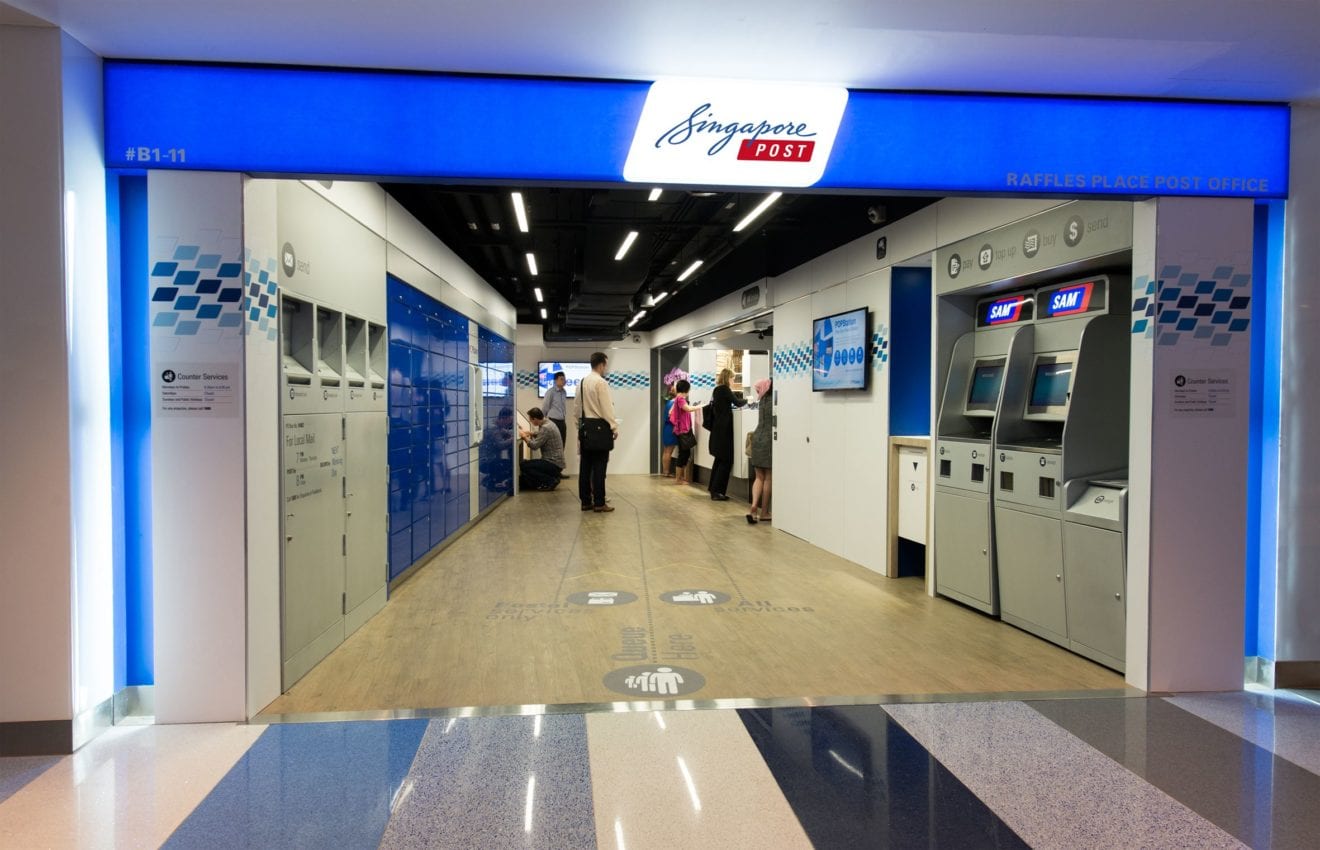
    Singapore Post (SingPost) has sold off part of its stake in GD Express (GDEX) for S$78.4 million (US$55.88 million) and will use the proceeds to drive global growth for its eCommerce logistics.

    This is a net gain of S$64 million – about five times return on the initial investment.

    Yamato Asia, a wholly owned subsidiary of Japanese transportation and forwarding group Yamato Holdings, has bought the 137,418,000 shares.

    Proceeds from the SingPost GD Express sale will be reinvested into its eCommerce services and networks in the US, Europe, China and the rest of Asia Pacific, in line with the group’s strategy to continue strengthening its integrated end-to-end eCommerce logistics, including front-end web management, warehousing and fulfilment, last-mile delivery and international freight-forwarding.
    SingPost deputy group CEO Mervyn Lim says the group is gearing up “on an accelerated path” to becoming a global leader in end-to-end eCommerce logistics.

    “This deal gave us a good return on our investment and also boosted our available resources to drive SingPost’s eCommerce logistics growth as it pivots into the US with the recent investments inTradeGlobal and Jagged Peak.”
    With interlinked systems with GDEX, the group will continue to reap business synergies with the added uplift Yamato brings to GDEX.

    “Collaborations and partnerships are vital to SingPost as we connect the dots in building a global eCommerce logistics ecosystem,” says Lim. “We continue to work with strategic partners in Malaysia and the rest of Southeast Asia while leveraging the Quantium Solutions commercial network, as well as those of our associated companies, to reinforce the ecosystem we are building.”

    SingPost now holds a 11.2 per cent strategic stake in GDEX and retains its board seat.

  • Thailand gains DHL eCommerce

    Thailand gains DHL eCommerce

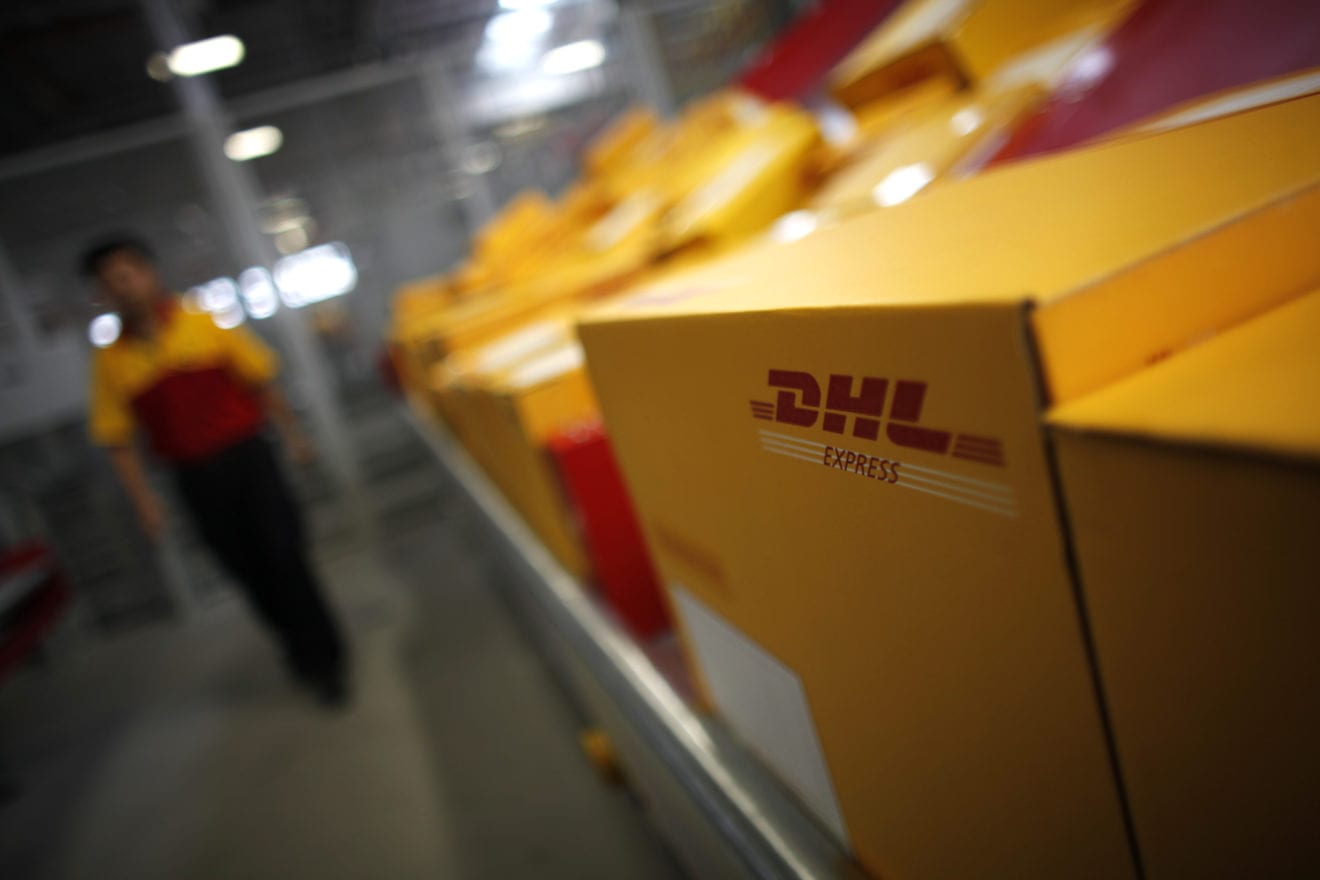
    Thailand has been identified as a key market in Southeast Asia for the launch of the DHL eCommerce domestic delivery service.

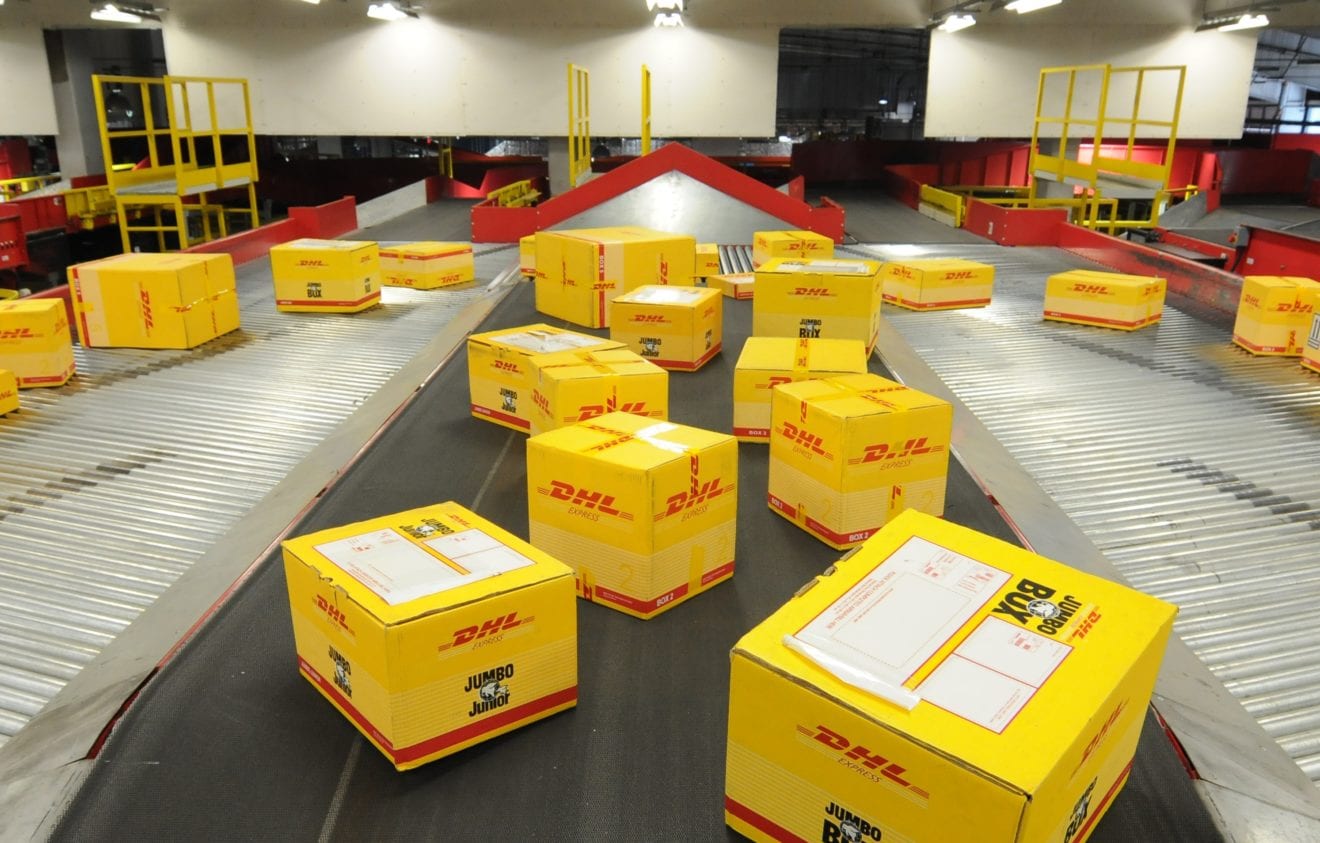
    The end-to-end service for Thai eCommerce merchants offers next-day delivery to key urban centres with an easy-to-use portal for preparing shipments and full tracking visibility for consumers. It has been introduced as Thailand’s eCommerce market gathers strength.

    DHL eCommerce, a division of global logistics company Deutsche Post DHL Group, says it aims to enable a better eCommerce experience for both consumers and merchants through efficient logistics and a seamless online shopping experience.

    Major additions will be made to DHL’s delivery infrastructure in the country, including a 3000 sqm central distribution centre in Bangkok and a network of more than 20 depots throughout the nation to ensure full coverage.

    DHL plans to more than double the number of depots in Thailand by next year, and expand its fleet, primarily using two-wheel vehicles to deal with the traffic in major cities.

    DHL eCommerce’s fleet of vehicles will provide next-day delivery to all urban areas, and a two- to three-day delivery to other locations. All merchants have access to cash on delivery (COD) with daily remittance and access to a multilingual call centre.

    Launching in Thailand is seen by the company as a showcase for Strategy 2020, the corporate strategy of Deutsche Post DHL Group, which has renamed its mail division as “Post – eCommerce – Parcel”. DHL has been in Thailand since 1973 with its other business units – DHL Express, DHL Global Forwarding and DHL Supply Chain.

    “The Thai eCommerce market is expected to more than triple in size to EUR 3.6 billion ($3.94 billion) between now and 2020, and with this investment we are well positioned to support the growth of eCommerce businesses in Thailand,” says DHL eCommerce CEO Thomas Kipp.

    “We see major strategic opportunities for eCommerce growth in Thailand, particularly with the ASEAN Economic Community, which is expected to increase the movement of goods within the region.

    “Despite eCommerce already being a billion-dollar sector with extremely rapid adoption, Thailand’s share of the market is still relatively low compared to other high-growth economies,” says DHL eCommerce Asia Pacific CEO Malcolm Monteiro. “Only 1.7 per cent of total sales in Thailand are from eCommerce, compared to more than 10 per cent in China.

    “Thailand is ranked as one of our top-priority markets in South-east Asia: its expected annual market growth of more than 20 per cent (from 2014 to 2020) is likely to be largely driven by significant numbers of SMEs beginning to extend their business models into online marketplaces.”

    DHL eCommerce Thailand MD Kiattichai Pitpreecha says businesses need logistics services that keep up with extremely rapid changes in consumer expectations.

    “This makes the need for a tailored eCommerce delivery service greater than ever before so merchants, especially SMEs, can focus on their core business and grow faster.”

    Monteiro says the company’s success in India and China have proven that customer service bolstered by robust and scalable end-to-end delivery networks are essential for winning eCommerce market share.

  • Uber strategy that will change retail face

    Uber strategy that will change retail face

    Isn’t it fascinating that the world’s largest accommodation provider doesn’t own a room, or that the world’s largest retailer doesn’t own a shop (for the time being) and here we have the world largest taxi company that doesn’t own a taxi.

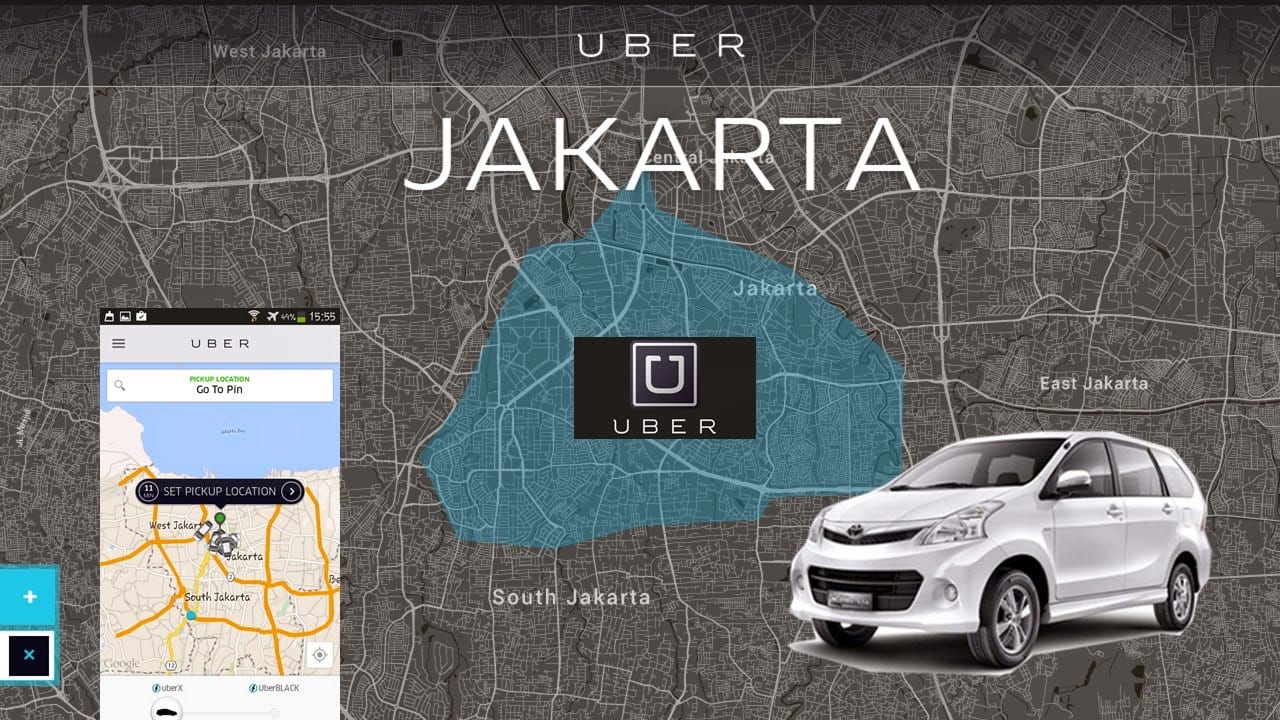
    So what might some of the lessons of Uber show us as retailers? The past five years have seen the logistics and transport app, Uber, grow from a start up with big ambitions based out of San Francisco into a global disruptive business operating in more than 350 cities, 64 countries and over six continents. Such rapid unheralded growth, underpinned by technology disruption and adaptation and above all challenging the normal or established models and just being disruptive, yet focussed on one central competency.

    As a natural-born disruptor of the transport sector, of course Uber has naturally asked how do we build at transporting people? After all, Uber is not narrowly interested in transportation; instead, the company is building a logistics platform that captures and predicts supply & demand so well that it can be applied to many other commercial domains. However at the heart of the Uber offer is one common foundation offer – one great “glue” that transcends and links all their offers globally.

    We live in an on-demand economy, where consumer’s ‘need it now’ tendencies dictate the retail strategies of retailers around the world. Smart or “fit” businesses are partnering their offers in collaborative models as distinct from attempting to “be all things and to simply attempt to acquire”

    The horizontal integration model, in a world increasing without boundaries is becoming yesterday’s approach. Today’s Uber-like approach is to disrupt and collaborate with other specialists enabling global growth and far greater efficiencies in all forms of the business operations.

    So where does Uber sit in the future of the retail sector in Australia and how is partner collaboration showing the way forward?

    Last October Uber launched Uber Rush in Chicago, New York and San Francisco. An on-demand delivery service for retailers, and while it’s launch coincided with partnerships with some big name retailers such as Rent The Runway and Nordstrom, the potential this service offers to small retail businesses is huge.

    Entering this on-demand delivery market aligns Uber alongside logistics giant Amazon.com and in particular Amazon’s program Flex, which pays independent drivers to deliver orders locally.

    However it also aligns independent brick and mortar retailers alongside the big e-commerce giants. While in the past it may have seen like a long lost dream to small independent retailers to be able to compete on the same level as the e-commerce giants who own their own complex logistics models allowing for same day and next day delivery, Uber Rush makes this dream a reality at very little cost. Retailers signed up to Uber Rush are given their own merchant platform to book the cars or bike couriers live as the orders come in, and all they pay for is the trips they use.

    According to Jo Bertram, regional general manager for the UK, Ireland and Nordics at Uber at a WIRED retail conference in London last year, the goal of Uber Rush is to make getting anything in your city more convenient, affordable and reliable than picking it up yourself.

    UberRush is particularly exciting for small independent retailers, allowing them to cater to today’s consumer’s ‘need it now’ tendencies’, boost customer loyalty and satisfaction, and ultimately provide customers with the same cost effective and efficient shopping experience when shopping local that they would get online. This platform also provides the small retailers the opportunity to grow and scale by reaching customers further away than they may have been able to before.

    Research by Uber suggests 60 per cent of customers would pay more to get same day delivery. Add this to today’s consumer journey to a brand or retailer often beginning and ending on mobile, the potential growth and adoption of this service all around the world is huge.

    Retailers who understand this disruptive positioning coupled with smart partnering and who don’t define the market by geography, rather by customer catchments are trailblazing the new frontier of retail.

  • Amazon shores up logistics in China as its global delivery business

    Amazon shores up logistics in China as its global delivery business

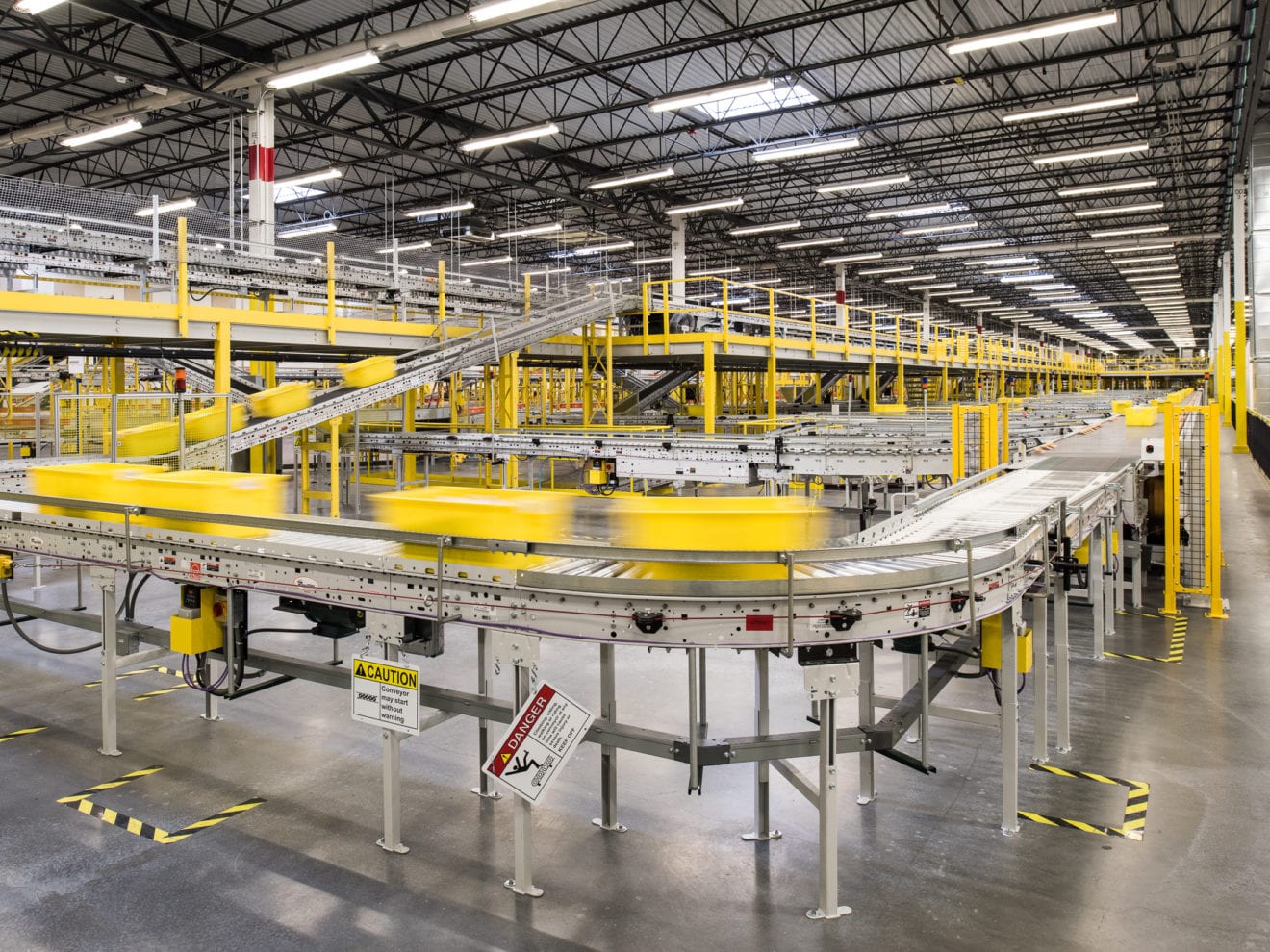
    Amazon is expanding its logistics services into mainland China and other major shipping hubs to reduce logistics costs as it seeks to expand into the cross-border e-commerce market.

    This would see it take on domestic market leader Alibaba Group in the global cross-border e-commerce market, which is projected to reach US$1 trillion by 2020, according to data supplied by Accenture and AliResearch.

    However, its ambitions may be grander yet. One rumour doing the rounds this month maintains that Amazon has even begun leasing planes – under the radar, so to speak – to further its ambitions that may extend to taking on its current delivery partners like FedEx and the United Parcel Service.

    Seattle-based e-commerce juggernaut Amazon filed an application with the Shanghai Shipping Exchange last year that would allow its Chinese subsidiary, Beijing Century Joyo Courier Service, to serve as a shipping broker to countries in Europe, Japan and the United States.

    A broker takes care of cargo and customs issues on behalf of merchants so make sure goods reach their final destination.

    Amazon submitted a similar application to the US Federal Maritime Commission in November, allowing it to serve as a middleman for ocean freight services to other US-based companies that wish to export to other countries.

    These moves suggest the company is one step closer to becoming a transnational logistics and fulfilment hub, as outlined in a 2013 proposal to senior executives at the company, Bloomberg reported.

    Although Amazon deals with e-commerce, it does not hold its own inventory, similar to Chinese online retailer JD.com. Amazon largely taps merchants who wish to sell their products on its own platform.

    Merchants can choose to list their products and sell to customers directly from the site, or ship their goods to Amazon, which then fulfils orders on their behalf.

    By serving as a middleman in ocean freight, Amazon can tap the growing e-commerce cross-border market in China and the US by consolidating large volumes of cargo from merchants there.

    “The licenses that Amazon have received not only strengthens its own position as a fulfilment channel for its own cross border trade, but also allows it to act as a potential competitor to the likes of DHL, Fedex and UPS in delivery services,” said Michael Yeo, analyst at market research firm IDC.

    Amazon’s strategy in logistics is similar to that of its cloud computing business unit, Amazon Web Services. AWS was launched with the aim of fulfilling Amazon’s cloud computing needs but has since expanded into providing cloud services for other companies.

    “Much like how Amazon Web Services now provides cloud services to others, we can assume that Amazon has larger plans for its logistics services than simply for goods that are purchased directly on Amazon,” said Yeo.

    Amazon’s logistics strategy puts it head-to-head with Alibaba Group, which has also been aggressively expanding its logistics subsidiary Cainiao.

    Cainiao has struck partnerships with domestic and international logistics partners such as Singapore’s SingPost and the United States Postal Service for its cross-border logistics solutions.

    Meanwhile, Alibaba’s Tmall leads the retail e-commerce sector in China, wielding 58.6 per cent market share in the first quarter of 2015, according to data by iResearch.

    In contrast, Amazon China only held 1.1 per cent of the market, despite having its hand in the game since 2004, four years ahead of Alibaba’s Tmall launch.

    Doug Gurr, president of Amazon China, said the company was chasing areas where it has “unique competitive advantages” in satisfying local appetites for imported products.

    “We want to help Chinese customers gain easy access to high quality and authentic international products at fair prices around the world … and help sellers from China to grow their business globally,” he said.

  • DHL launches S$10m innovation centre in Singapore

    DHL launches S$10m innovation centre in Singapore

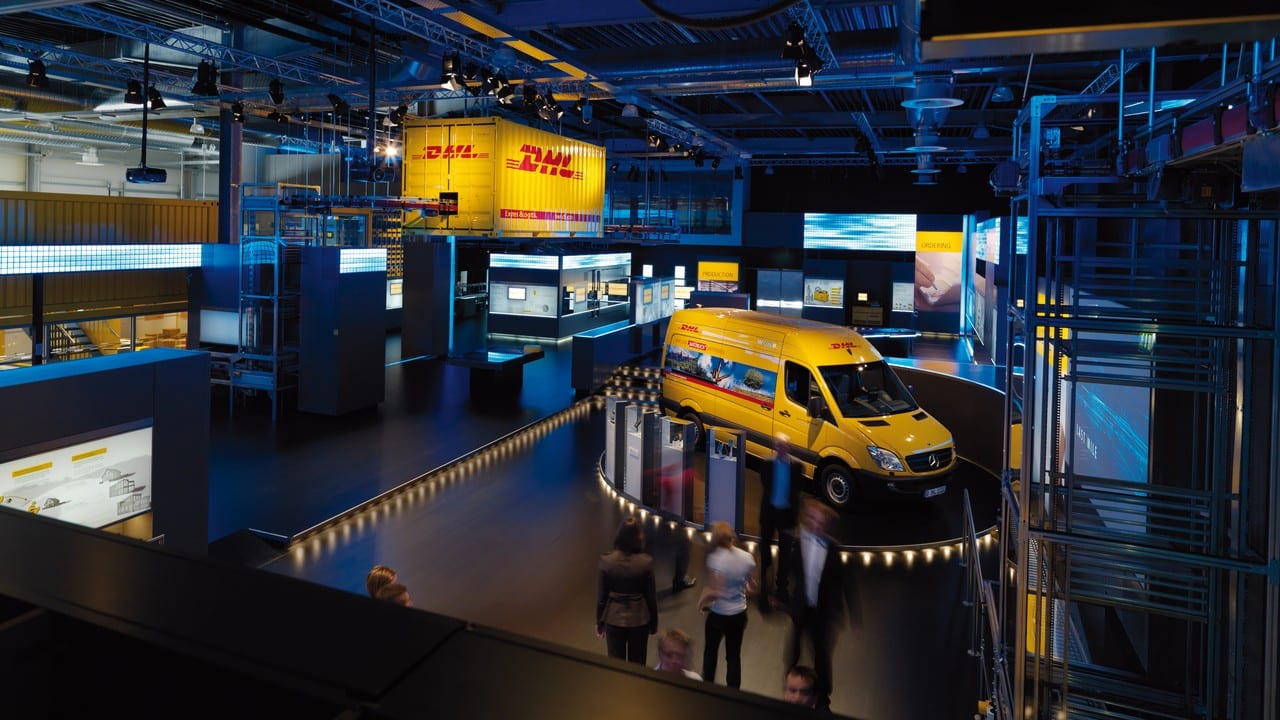
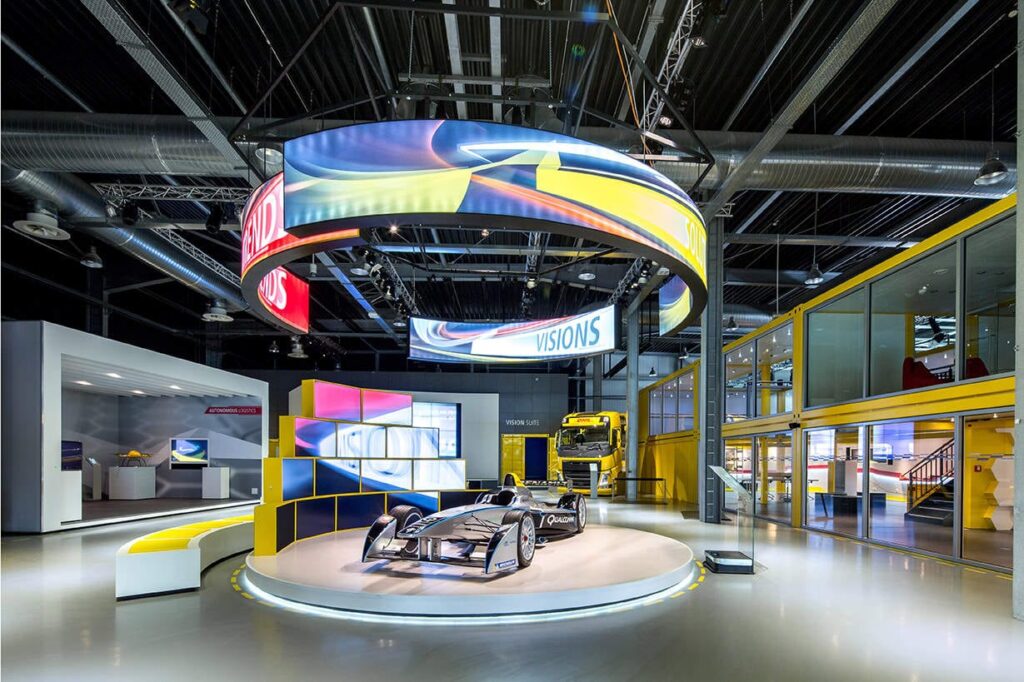
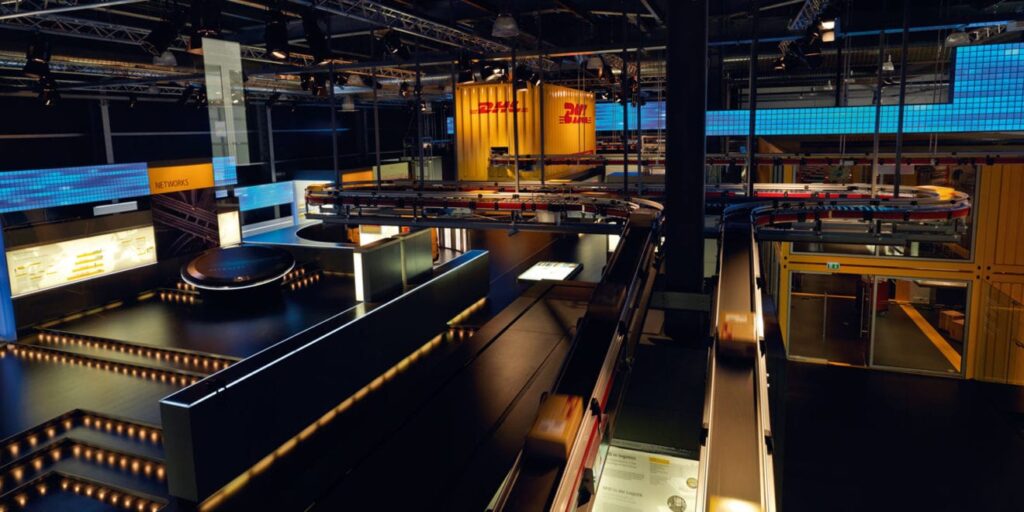
    DHL  launched its Asia Pacific Innovation Centre (APIC) in Singapore, its first innovation centre outside of Germany.

    Located at DHL’s Supply Chain Advanced Regional Centre building at Tampines LogisPark, the S$10 million facility is also the company’s first dedicated centre for innovation logistics services in the Asia Pacific region.

    DHL-Innovation-Center-1_xlarge

    APIC showcases technologies that will transform logistics operations, such as driverless shuttles for faster and more efficient transportation, and drones for the delivery of time-critical goods such as medicines. It was launched with the support of the Economic Development Board (EDB), the company said.

    Additionally, APIC also serves as a regional platform for collaborative innovation between DHL and its partners. The centre will also drive research initiatives that focuses on emerging trends in Asian logistics and economic activity. For instance, DHL’s Chief Commercial Officer Bill Meahl cited growing opportunities in e-commerce as well as growth in markets like India and China.

    There are also guided tours, innovation workshops and forums available for visitors to the facility, it added.

    DHL_pics_1600x800_01

    Said Mr Lee Eng Keat, Director, Logistics and Natural Resources at EDB: “The launch of the APIC is another important step towards enhancing Singapore’s value-adding role in the realm of global supply chain solutions.

    “With DHL as a strategic partner in this journey, Singapore is well positioned to serve the needs and harness the opportunities presented by the dynamic supply chain landscape and emerging technology and trends globally.”

  • Angkasa Pura has world-class logistics warehouse in Bali

    Angkasa Pura has world-class logistics warehouse in Bali

    State-owned airport operator PT Angkasa Pura-I now has a logistics warehouse of international standard in the Indonesian island resort of Bali, according to the companys President Director, Sulistyo Wimbo Hardjito.

    Speaking to reporters here on Friday, Hardjito remarked that the international standard warehouse, named the Bali Logistics Park, is projected to boost the distribution of logistics in the eastern Indonesian region.

    “The presence of the Bali Logistics Park is expected to facilitate the flow of goods and encourage the growth of the logistics services sector and tourism in Bali,” he noted.

    According to Hardjito, the logistics warehouse building is located in proximity to the eastern side of the Ngurah Rai International Airports runway.

    In the meantime, Director of Angkasa Pura Property Miduk Situmorang explained that the Bali Logistics Park was built on a 1.6-hectare plot of land, with a building area of 7.2 thousand square meters.

    Situmorang said the building, constructed in nine months, has eight storage rooms, each measuring 960 square meters.

    “We hope the Bali Logistics Park would be able to address the needs of warehousing facilities of customers and businesses,” he affirmed.

    Angkasa Pura Director for Logistics Affairs Garniwa Irwan explained that the Bali Logistics Park has a loading and unloading area, which is able to serve 40-feet trucks, equipped with forklifts.

    Irwan remarked that the logistics warehouse, with a capacity of five thousand kilograms per square meter, can be operated by using advanced technology that allows users to store and organize their items accurately.

    Further, he remarked that the customers can choose and manage their own storage and distribution of several products in the warehouse or store a pallet unit in one of the storage consoles.

    He noted that the Bali Logistics Park in Bali will serve as an example for the central and eastern regions of Indonesia.

    “With the presence of the Bali Logistics Park complex, the businesses will not hesitate to expand their distribution of goods in Bali. We are also planning to build a similar facility in Surabaya, East Java,” Irwan added.

  • Logistics operators intensify e-commerce focus in Thailand and China

    Logistics operators intensify e-commerce focus in Thailand and China

    Global logistics companies continue to pile into the Asia e-commerce market, with Damco launching a China solution and DHL expanding its growing presence in the region deeper into Thailand.

    DHL is building a 32,000 square foot, central distribution center in Bangkok and a network of over 20 depots located throughout Thailand to provide full coverage across the country. To meet increasing business demands, the integrator plans to more than double the number of depots in Thailand by 2017 and expand its fleet primarily in two-wheel vehicles that can operate more efficiently in the traffic situations in Thailand’s major cities.

    “The Thai e-commerce market is expected to more than triple in size to $3.93 billion between now and 2020 and with this investment, we are well positioned to support the growth of e-commerce businesses in Thailand,”  said Thomas Kipp, CEO, DHL eCommerce.

    Only 1.7 percent of total sales in Thailand were obtained from e-commerce, compared to more than 10 percent in China, said Malcolm Monteiro, CEO, Asia Pacific, DHL eCommerce.

    “We see major strategic opportunities for e-commerce growth in Thailand, particularly with the Asean Economic Community which is expected to increase the movement of goods within the region,” Monteiro said.

    “Despite e-commerce already being a billion-dollar sector with extremely rapid adoption, Thailand’s e-commerce share of the retail market is still relatively low compared to other high-growth economies.”

    Damco has focused its latest service offering in China where it is launching an end-to-end e-commerce solution, from inbound goods management and consumer order receipt to final delivery.

    Damon Gu, Damco’s head of supply chain management for Asia, said the large and rapidly growing Chinese market for online shopping was a magnet for both importers and domestic producers.

    “Online shopping events such as China Singles Day are already creating world-beating levels of activity for e-retailers locally in China, as well as globally,” he said. “Discerning Chinese consumers in this highly competitive marketplace expect the highest standards of fulfilment. This new program helps companies to guarantee that level of service.”

    Using its 1,500 local staff and 26 locations in China, Damco will arrange delivery to end-consumers in more than 1,600 Chinese cities.

  • Thailand’s airports set new passenger records

    Thailand’s airports set new passenger records

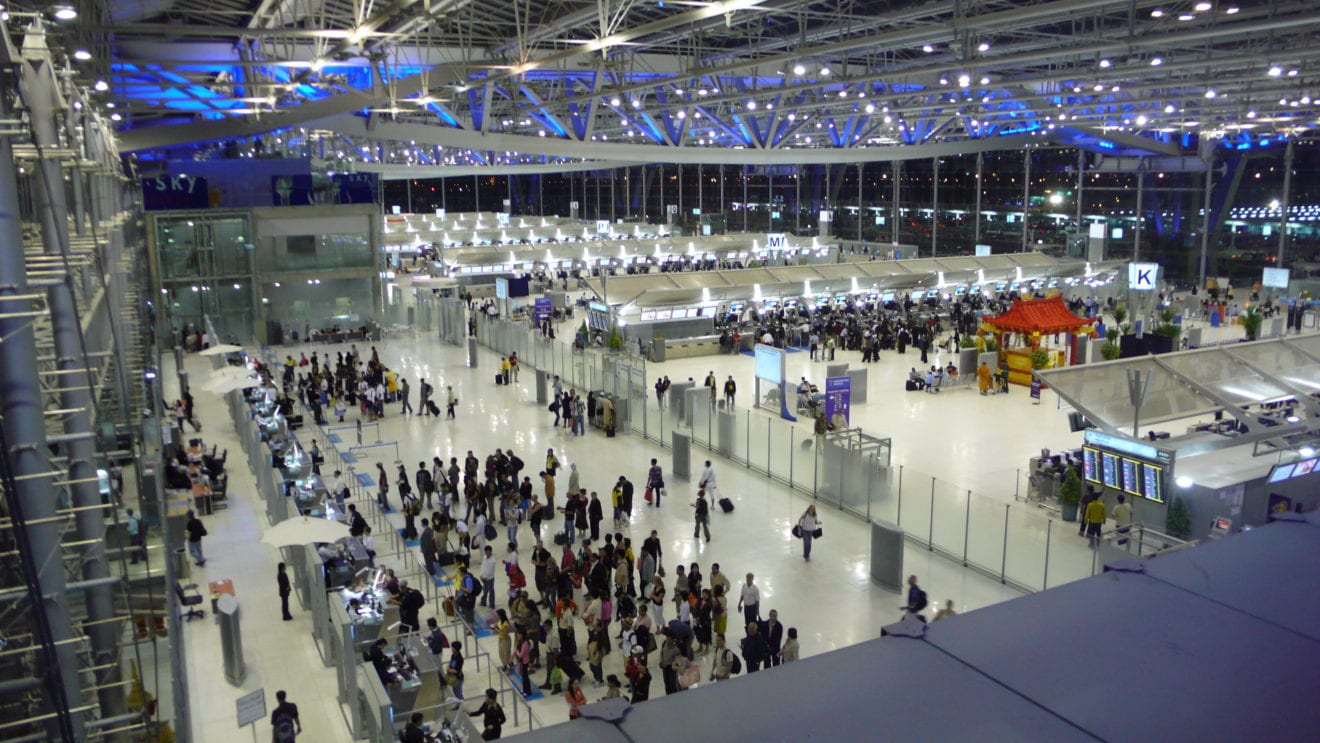
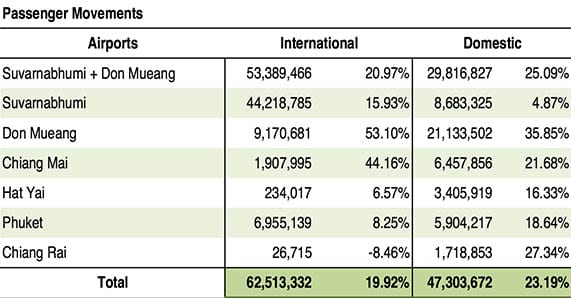
    Airports of Thailand has reported 2015 calendar year ending international passenger traffic of $62.5m passengers across all six airports. Added together with the 47.3m domestic passengers last year, this set a new record of nearly 110m passengers for the 12-month period according to Airports of Thailand (AOT).

    All but one of the six airports reported positive international numbers, with Suvarnabhumi Airport in Bangkok generating a +15.93% increase to 44,218,785, followed by Don Mueang with 9,170,681 (+53.10%); Phuket with +8.25% to 6,955,139; Chiang Mai +44.16% to 1,170,681; and Hat Yai +6.57% to 234,017 and Chiang Rai -8.46% to 26,715.

    All six airports were also in positive territory in terms of domestic passenger numbers, with Don Mueang leading the rest up 35.85% to 21.2m (see table for full list).

    Suvarnabhumi New Year

    Thai airports traffic 2015 copy

    Above: Suvarnabhumi International Airport, Bangkok. (Data source: Airports of Thailand).

    Meanwhile, in the last declaration of AOT’s financial results dated 27 November 2015, the publicly listed AOT reported a rise of more than 20% in operating performance for the year ended September 30 2015.

    Reported net profits were up by 53%, thanks to a 15.97% increase in flights and a 21.94% rise in passengers in this quoted period. This, in turn, resulted in aeronautical revenues increasing by 18.87% and concession revenues rising by 19.99%.

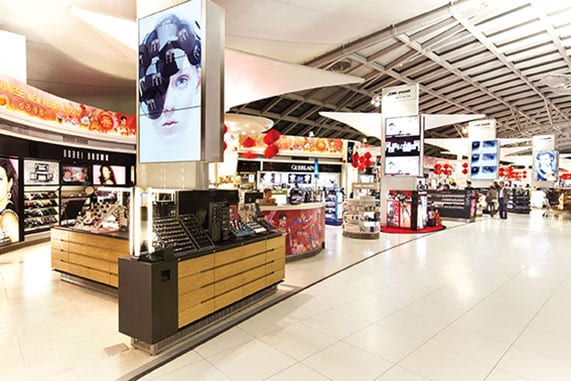
    AOT’s exclusive duty free concessionaire is the King Power International Group, which operates airport shops at Suvarnabhumi, Don Mueang, Phuket and Chiang Mai.

  • KAI to be single operator of LRT

    KAI to be single operator of LRT

    State railway company PT Kereta Api Indonesia will be the single operator of Light Rapid Transit (LRT) system in and around Jakarta (Jabodetabek), Transportation Minister Ignasius Jonan said.

    “PT KAI is assigned to operate LRT in Jabodetabek according to the presidents directives. So, there is no need to put it to auction because that will take a long time,” he said after a coordination meeting at the Coordinating Ministry for Economic Affairs to discuss LRT here on Wednesday.

    The meeting, led by Coordinating Minister for Economic Affairs Darmin Nasution, was also attended by Coordinating Minister for Maritime Resources Rizal Ramli, National Development Planning Minister/Head of the National Development Planning Agency (Bappenas) Sofyan Djalil, and West Java Vice Governor Deddy Mizwar.

    Jonan gave the assurance that the state budget-funded project will run on schedule although several technical problems will still have to be resolved.