Category: Logistics

Retail News Asia is committed to providing both local and global retailers with the latest Logistics news throughout the Asian market. This on a daily base.

  • Good logistics key for SMEs to ride the global wave of ecommerce

    Good logistics key for SMEs to ride the global wave of ecommerce

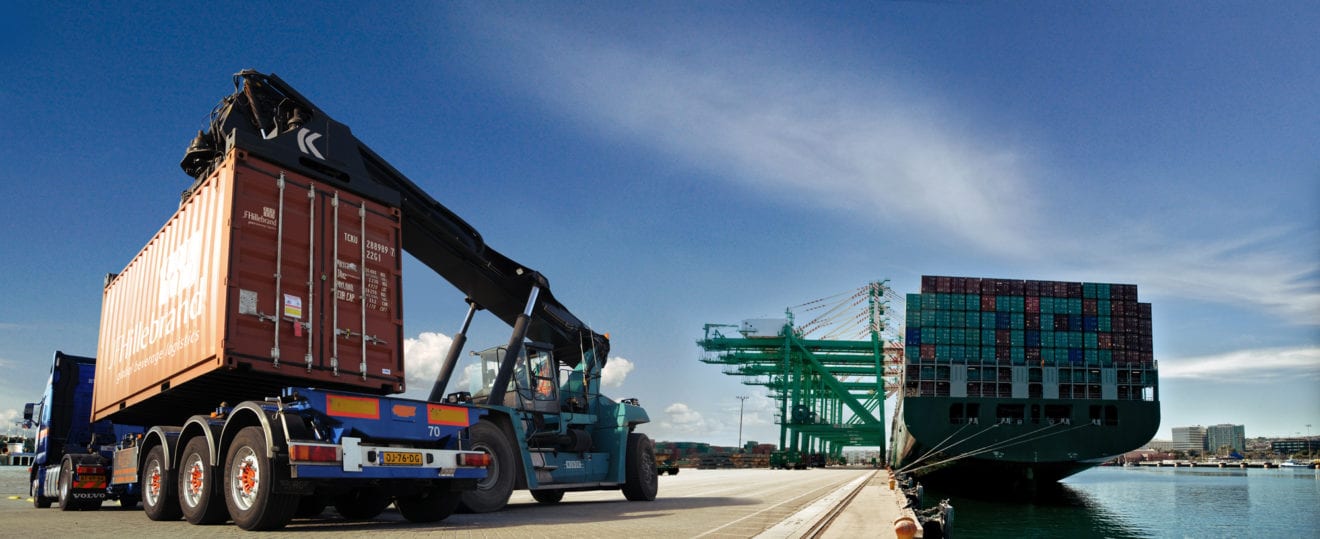
    Online shopping is booming and will continue to grow exponentially – the global online retail market now tops USD1 trillion a year and is set to double within four years.

    Asia is at the centre of that consumer-led, technology-enabled revolution in e-commerce. China alone is tipped to exceed USD1 trillion in retail ecommerce sales in the next three years, making up more than 40 percent of the global ecommerce market.

    With this huge growth set to continue, all kinds of businesses in Asia can benefit from the new world of ecommerce. In fact, being a minnow in the world of big business no longer carries the disadvantage of size.

    A new study by Forrester Consulting found that cross-border e-commerce is a major revenue opportunity for small to mid-sized businesses (SMEs), but they can still be losing out because of logistics concerns. The question they must answer is – are the time and the cost of moving goods across borders going to be worth it for my business?

    Many SMEs in this region have already seized this opportunity. An eBay report on APEC SMEs, for example, showed that the average commercial seller on eBay exported to 36 countries.

    The good news for manufacturers is that the Forrester study showed that physical items dominate online purchases. Clothing and apparel are by the far the most popular, but books, consumer electronics, cosmetics and personal electronics are also frequently purchased.

    Concerns of consumers centre around reliability – how can they be assured that the goods they are buying are exactly what is advertised? What can they do about returns if they have a problem with the product?

    The Forrester research found shipping and logistics at the forefront of consumers’ minds when considering cross-border purchases. It cited shipping cost (51 percent) and long delivery time (47 percent) as the top two concerns.

    Many of the problems with e-commerce logistics are the result of deliberate policy choices by governments. They include high tariffs, cumbersome import procedures, or inefficient transport networks and infrastructure that do nothing to move goods across borders in the easiest and most cost effective way.

    Updating what are often “pre-internet” trade policies is crucial. One issue that is especially important is trade facilitation – making the movement of goods across borders easier and more efficient.
    Other research shows online mass merchants and marketplaces are the most popular destinations for online shoppers who want to buy clothing in China and Japan. In South Korea, mobile applications are key since almost one in three online clothing buyers last bought something via their smartphone.

    Trade facilitation, including customs modernization, can help resolve 21st century logistics issues that might otherwise prevent consumers from buying online from overseas companies.

    For example, the World Economic Forum estimates that cross-border activity by SMEs would jump by 60 to 80 percent if supply chain barriers were addressed.

    Raising the de minimis thresholds to a much higher level – above which full duties and value added tax is levied – would be an important first step in delivering greater economic benefits for SMEs. The current de minimis threshold in the European Union is just EUR22 , while many business groups recommend raising these thresholds globally to several hundred US dollars, if not USD1000.

    Increasing shipment processing hours to a 24 hours a day-customs clearance would also go a long way towards reassuring consumers and supporting ecommerce. So too would increase electronic filing of customs documents and e-payments, preferably through a single window.
    Yet feeling comfortable buying goods from an online supplier or website in your own country doesn’t always translate to cross-border purchases.

    The bottom line is that trade facilitation really does work for SMEs. A 2013 European University Institute working paper concluded “that the gains from trade facilitation accrue to large and small firms alike: all size classes of firms export more in response to improved trade facilitation.”

    Likewise, barriers faced by SMEs can be reduced or even eradicated with access to technology because it helps open doors, quickly and efficiently, to global markets.

    There is little doubt the opportunities for SMEs are out there. E-commerce clearly offers new opportunities for SMEs to expand their reach into overseas markets, but good logistics are key to realizing that opportunity.

    Improved trade facilitation is critical, and it’s the role of business and governments to work together to make that potential a reality for SMEs around the region.

  • Lawson, SG Holdings to offer new delivery service

    Lawson, SG Holdings to offer new delivery service

    Retailer Lawson Inc. and logistics company SG Holdings Co. are to begin a delivery service under a new alliance pitched at time-deprived workers and seniors.

    Lawson, a Tokyo-based convenience store operator, said on Tuesday that it will take a 51 percent stake in the new company to be created in June, with Kyoto-based SG Holdings, which runs Sagawa Express Co., holding the remaining 49 percent.

    They will work together to expand their customer base as demand for home delivery increases with a growing number of elderly people and more women opting to work rather than stay at home.

  • Li & Fung takes profit hit

    Li & Fung takes profit hit

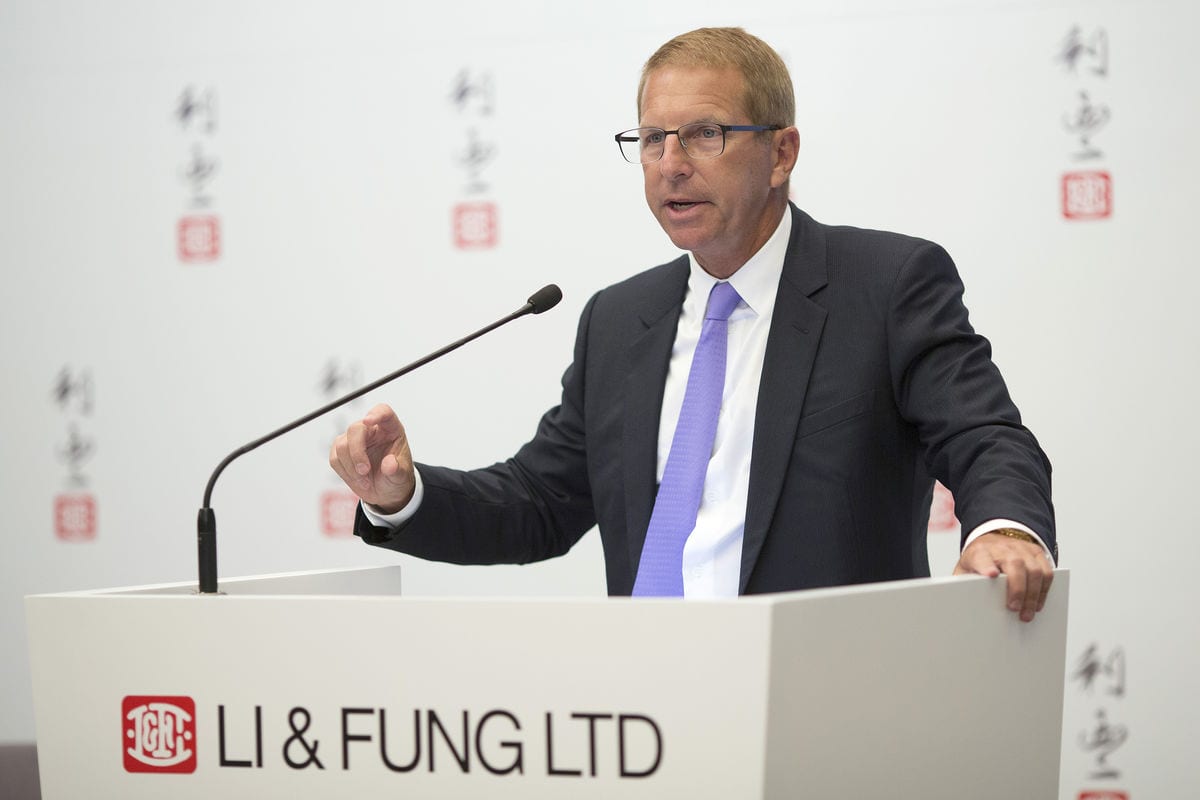
    Li & Fung has blamed an 18 per cent slide in annual profit on tighter retail margins and transitional costs associated with repositioning the business.

    Turnover for the internationally renowned consumer goods design, development, sourcing, logistics and retail business rose 1.4 per cent, driven by growing customer bases in its trading and logistics arms.

    But the company said “heavy promotions by retailers” and a shift in mix of business impacted margins across supply chains.

    “2014 was a year of transition and investment for Li & Fung. The successful spin-off of Global Brands has allowed us to focus on ways to create value for our customers across our core businesses of Trading and Logistics and this positions us well for the future,” said Spencer Fung, group CEO.

    Due to the Global Brands spin-off last July, the company has reclassified that business as ‘discontinued operations’ and removed its contribution from the figures for the year to December 31 and the previous period to allow accurate comparisons of the ongoing business activity.

    Li & Fung put a positive spin on the 2014 results, describing them as “solid against a challenging macroeconomic environment”.

    “Despite difficult retail conditions in a number of key markets, the business delivered overall growth in turnover. As part of the transition and in line with investments historically made in the first year of a new Three-Year Plan, the company took the opportunity to invest in strategic initiatives for future growth. The increase in top-line turnover was offset by reduced margins and required investments which had an adverse impact on core operating profit,” the company said in a statement.

    William Fung, group chairman said 2014 was a challenging year for both the company’s customers and retail generally.

    “We navigated difficult global market conditions and made necessary investments for the future.”

    Spencer Fung added: “In spite of tough headwinds, our core customers in our trading business grew and our logistics business continued to have high growth. We fully expect that the investments we have made will position the company for growth in the short, medium and long term.”

    The company’s total turnover was US$19.288 billion, but the logistics division achieved a stunning 66 per cent increase. The trading business was stable.

    Total margin decreased by 2.2 per cent due to an overall reduction in margin across the supply chain as a result of brands and retailers conducting heavy promotional sales. In addition, total margin was also impacted negatively by the shift in the mix of our business from principal to the lower margin agency business.

    The company made investments across a number of initiatives to strengthen and improve its core business aligned to its Three-Year Plan goals of building a sustainable enterprise, simplifying the business and accelerating organic growth. Strategic areas of investment included strengthening the logistics network and also adding significant freight forwarding capabilities through the China Container Line (CCL) acquisition.

    The company also made investments in setting up the new Vendor Support Services unit which it expects will gain traction in the coming years. Further investments included new talent and expertise, presence in new markets, new product categories, and support infrastructure to drive organic growth in the business over the coming years.

    Excluding the result of Global Brands, profit attributable to shareholders decreased by 12 per cent to US$539 million.

    Concluded Spencer Fung: “As we enter into 2015, we remain focused on executing our growth strategies with the added benefit of a simpler and more nimble operating model. We are committed to creating value for our customers and developing key product expertise to position us for future opportunities. Despite ongoing economic uncertainty, we are confident that we have taken the right steps to ensure we are well positioned to build a long-term sustainable business. We have tremendous opportunities ahead of us for the remainder of our Three-Year Plan and beyond.”

  • The ‘last mile’ in customer fulfilment

    The ‘last mile’ in customer fulfilment

    Grow your business across the region at Last Mile Fulfilment Asia (LMFAsia) 2015 Conference & Exhibition – the business platform which brings together retailers, eCommerce companies and the Last Mile Fulfilment Industry.

    With the burgeoning potential and growth opportunities in eCommerce, many retailers find themselves constrained by logistical and technological issues, specifically within the last mile fulfilment aspect of the supply value chain. The race to decrease order fulfilment time and reach is key to building a competitive advantage and greater take-up of eCommerce.

    Last Mile Fufilment Asia 2015 (LMFAsia) is a two-day conference and exhibition from March 19-20 and the only Asian business platform for all players in the fufilment industry. Logistics companies, postal agencies and parcel courier companies will gather and exchange best practices with eCommerce companies and retailers, as well as to discuss and find solutions to address the last mile challenges they face in common across the ASEAN region.

    Serving as a dynamic and dedicated platform, the event will provide an opportunity for industry players to target the niche sector of the logistics sector, which is not commonly discussed and could open new gateways to future possibilities in the last mile industry.

    The conference aims to foster discussion around key concerns of the last mile fulfilment eco-system by focusing on issues pertaining region and country specific challenges of eCommerce fulfilment, solutions and emerging opportunities.

    Key Highlights:

    • Take the pulse of the state of eCommerce fulfilment in regional countries and learn about the ground realities of operating there featuring speakers representing different segments of the fulfilment eco-system.
    • Hear from industry experts on different fulfilment models, trends, emerging innovations and methods for fulfilment optimisation.
    • Learn about the last mile fulfilment concerns, perspectives, and opportunities of major international retailers.

    The event has the support of Singapore Economic Development Board, AT Kearney, Internet Retailer Conference & Exhibition (IRCE) and various regional eCommerce associations.

    Pre-register at www.lmfasia.com/register before March 13 to secure your complimentary trade visitor pass and access to LMFAsia’s exclusive Industry Networking Night.

    The venue is Max Atria at Singapore Expo and runs from 9am to 6pm. Further information:lmfasia@singex.com

  • Amazon China to open Tmall shopfront

    Amazon China to open Tmall shopfront

    Amazon has shocked the online world by announcing a partnership with China archival Tmall.

    Amazon China will open a store on Tmall, the successful Alibaba subsidiary, in April. It will offer a “select range” of about 500 goods in what it stresses is a pilot program.

    Alibaba, with Tmall, Taobao and other portals, account for more than 70 per cent of the online market in China, a market in which Amazon has struggled since 2004 to gain any critical momentum.

    “We welcome Amazon to the Alibaba ecosystem and their presence will further broaden the selection of products and elevate the shopping experience for Chinese consumers on Tmall,” an Alibaba spokeswoman said in a statement.

    Chinese have an insatiable thirst for foreign made and marketed goods, but selling to them through eCommerce platforms other than local ones has proven a virtually impossible challenge for companies outside China. If you don’t open on Tmall, or a smaller rival site, it’s almost impossible to achieve a sustainable volume.

    That reality is well illustrated by the fact that Amazon is the fifth largest player in China’s eCommerce market, yet its market share is a miniscule 1.4 per cent.

    Analysts surmise Amazon’s move is intended to boost visitor numbers to its own site rather than any prelude to a merger, by increasing local brand awareness.

    “China’s e-commerce industry is fast growing and nobody wants to miss it,” said Yang Xiao of eCommerce service provider HC International. “Amazon wants to add an additional distribution channel in China.”

    He suggests the strategy may be aimed more at gaining traffic and volume away from JD.com, a smaller rival to Tmall with a similar business model to Amazon.

    “It’s simple game logic – an enemy’s enemy is a friend,” Yang said. “Amazon is more likely targeting JD.com and it’s a win win situation for Tmall.”

  • Alibaba’s drone delivers in 3 Chinese cities

    Alibaba’s drone delivers in 3 Chinese cities

    Chinese e-commerce giant Alibaba on Wednesday tested its first drone delivery service in China, promising to whisk ginger tea to customers within an hour.

    The experience, however, is confined to just three days and covers a few areas of three cities – Beijing, Shanghai and Guangzhou – with a total of 450 deliveries.

    The Chinese e-commerce giant launched the three-day test by partnering Shanghai YTO Express Logistics Co on its flagship consumer-to-consumer Taobao Marketplace, according to a statement filed on microblogging site Sina Weibo.

  • Hanoi retail market retains lustre

    Hanoi retail market retains lustre

    The retail market in Hanoi is still attractive for investors, even though it has experienced business impediments during the past, a Hanoi Industry and Trade Department official said.

    Last year was continuously marked by numerous fluctuations in the modern retail market nationwide, as well as in Hanoi, which encountered many challenges in business, said Tran Phuong Lan, Director of the Department.

    Some trading centres in the city had to sell or temporarily stop their operations, including the Thai Berli Jucler Group buying Metro Vietnam, and the operations at Parkson Landmark 72 and Trang Tien Plaza being stopped for restructuring of retailers in the plaza, Lan stated.

  • Japan Post, Rakuten to offer delivery lockers

    Japan Post, Rakuten to offer delivery lockers

    Japan Post Co. and e-commerce giant Rakuten Inc. are teaming up to offer lockers where customers can pick up items purchased online at their own convenience, sources said on Thursday.

    The new service, being arranged to start in April at about 30 locations including post offices in Tokyo, will allow clients of the major internet mall to have items delivered without revealing their addresses.

    The two firms will consider adding locations across Japan after the limited launch, the sources said.