Category: Logistics

Retail News Asia is committed to providing both local and global retailers with the latest Logistics news throughout the Asian market. This on a daily base.

  • Lalamove delivers good luck during Chinese New Year

    Lalamove delivers good luck during Chinese New Year

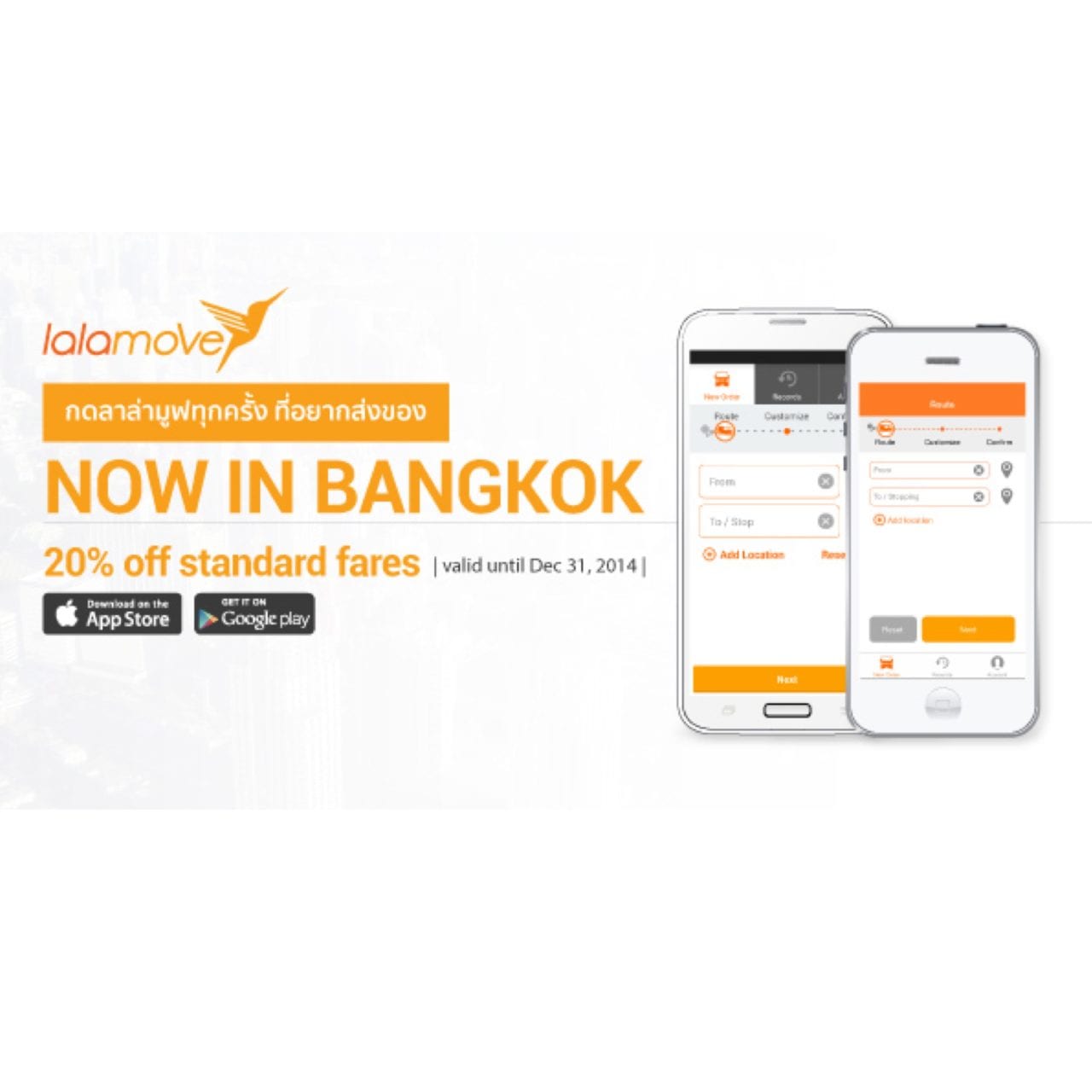
    Hong Kong based logistics app provider, lalamove is going bananas over the Year of the Monkey with delivery discounts for new and existing customers in Thailand. The number eight symbolizes good luck and prosperity in Chinese culture and lalamove is bringing eight days of delivery discounts leading up to Chinese New Year.

    From today, Monday, February 1st until Monday, 8th February, 2016, inclusive, first-time lalamove customers are being gifted with a good-fortune THB 88 discount off their first delivery fee.

    To claim their Chinese New Year gift, newbie customers simply download the free android and iOS app and enter the promo code: CNY88 while making the booking.

    Loyalty is being rewarded by lalamove too, with free credit for lucky customers who already use the 24-7 delivery service. The first 100 lalamove customers who request eight deliveries in one day, during the promotion period, will be gifted with a THB 200 delivery credit for that day.

    2653554c-6a5b-4849-a5e2-727f2137dbe6

    The reliable Bangkok-wide express courier and delivery service is expecting greater demand over the Chinese festive period and its fleet is ready for a prosperous new year. Businesses and individuals find lalamove services an ideal way to send special gifts to corporate customers and partners, as well as good wishes, wealth and happiness for the future to family and friends during the week-long Chinese New Year celebrations.

  • DHL Signs EMS Deal with Pos Indonesia

    DHL Signs EMS Deal with Pos Indonesia

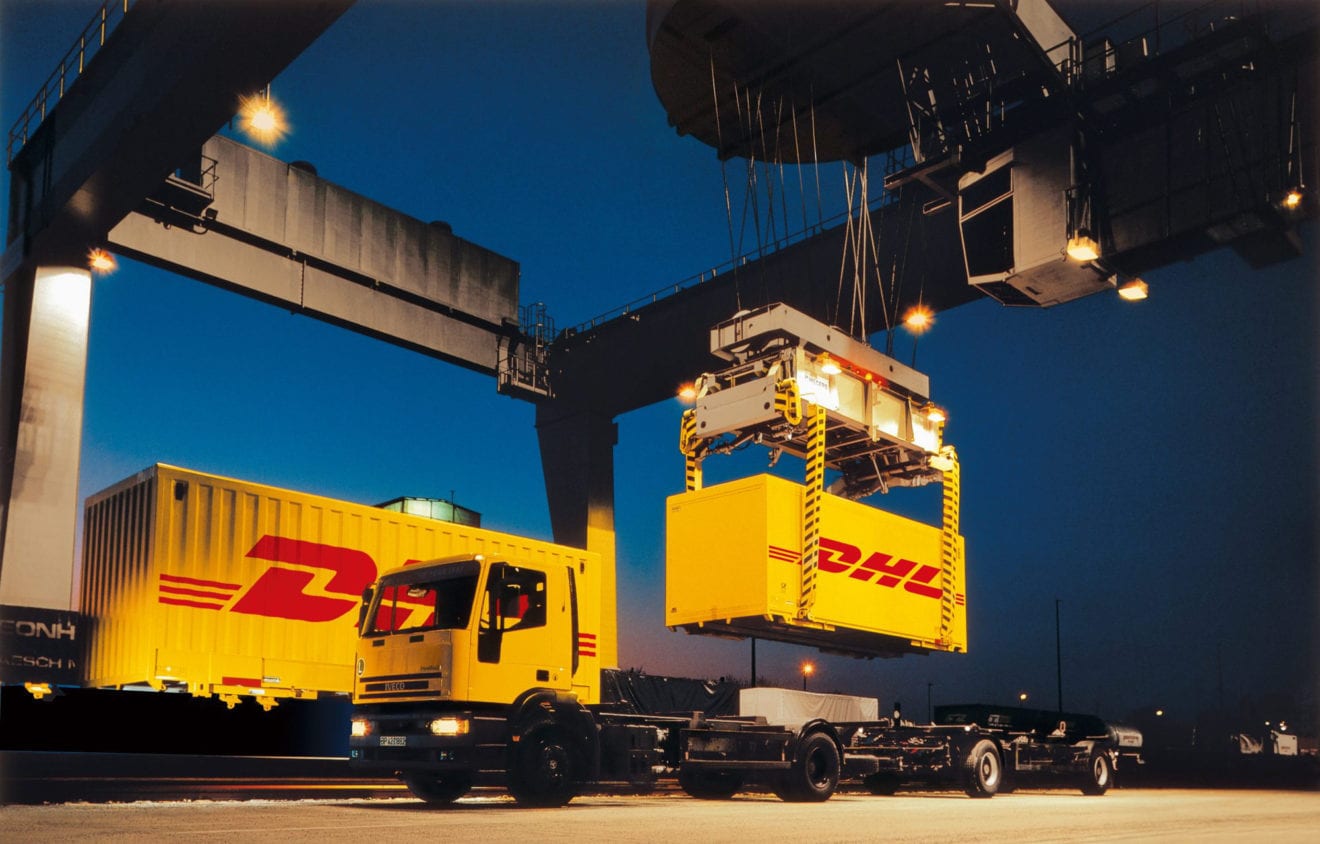
    International logistics service provider DHL Express has signed an addendum to the  cooperation agreement with PT Pos Indonesia (Persero) for an Express Mail Service (EMS) to overseas destinations.

    The agreement was signed on Wednesday, January 20 by DHL Express Indonesia’s senior technical advisor Ahmad Mohamad and PT Pos’ president director Gilarsi Wahyu Setijono.

    The collaboration is aimed at supporting the growth of small and medium enterprises (SMEs) in Indonesia, through the provision of a reliable international express delivery service to more than 220 countries and territories within DHL’s global network; facilitating the growth of SMEs on a global scale.

    The partnership was first developed in 2005, and has since provided significant benefits for SMEs through the opening of access to global markets. Pos Indonesia can learn best practices in handling international express delivery service through this cooperation.

    “The most important thing is that, through this cooperation, Pos Indonesia and DHL Express Indonesia can grow and advance together to serve the people of Indonesia,” Gilarsi said.

  • DHL eCommerce Eyes Thailand’s Fast-Growing Online Retail Sector

    DHL eCommerce Eyes Thailand’s Fast-Growing Online Retail Sector

    DHL eCommerce, a division of the world’s leading logistics company, Deutsche Post DHL Group, has expanded its operations into Thailand and is offering end-to-end domestic delivery service for Thai e-commerce merchants. With its new service, DHL eCommerce is offering a range of unique service options that caters to Thailand’s burgeoning e-commerce market.

    Understanding that a strong backbone for e-commerce growth lies in a good logistics system, DHL eCommerce aims to enable a better e-commerce experience for both consumers and merchants through efficient logistics and a seamless online shopping experience. Major additions will be made to DHL’s delivery infrastructure in the country, including a 3,000 sqm central distribution center in Bangkok and a network of over 20 depots located throughout Thailand ensuring full coverage across the entire country. To meet increasing business demands, DHL plans to more than double the number of depots in Thailand by 2017 and expand its fleet primarily in two-wheel vehicles that can operate more efficiently in the traffic situations in Thailand’s major cities.

    As part of its service offerings, DHL eCommerce’s fleet of two- and four-wheel vehicles will provide next-day delivery to all urban areas, and a 2-3 day delivery to all other locations. All merchants have access to Cash on Delivery (COD) with daily remittance and access to a multilingual call center.

    DHL eCommerce launches in Thailand

    The launch of DHL eCommerce in Thailand is a great showcase for Strategy 2020, the corporate strategy of Deutsche Post DHL Group, which has seen a rename of its Mail division to “Post – eCommerce – Parcel” to better reflect the focus on products and services offered for the high-growth e-commerce market. DHL has been operating in Thailand since 1973, through its other business units – DHL Express, DHL Global Forwarding and DHL Supply Chain.

    “Thailand, with its tremendous growth potential, fast e-commerce adoption and high smartphone penetration rates, has been identified as the first Southeast Asian country to launch DHL eCommerce’s domestic delivery service in line with our group’s Strategy 2020,” said Thomas Kipp, CEO, DHL eCommerce. “The Thai e-commerce market is expected to more than triple in size to EUR 3.6 billion between now and 2020[1] and with this investment, we are well positioned to support the growth of e-commerce businesses in Thailand.” 

    “We see major strategic opportunities for e-commerce growth in Thailand, particularly with the Asean Economic Community which is expected to increase the movement of goods within the region. Despite e-commerce already being a billion-dollar sector with extremely rapid adoption, Thailand’s e-commerce share of the retail market is still relatively low compared to other high-growth economies. Only 1.7% of total sales in Thailand are obtained from e-commerce, compared to more than 10% in China,” said Malcolm Monteiro, CEO, Asia Pacific, DHL eCommerce. “Thailand is ranked as one of our top priority markets in Southeast Asia: its expected annual market growth of more than 20% (from 2014 to 2020) is likely to be largely driven by significant numbers of SMEs beginning to extend their business models into online marketplaces.”[2]

    “In order to fulfill Thai consumers’ expectations of seamless and simple e-commerce, businesses need logistics services that keep up with extremely rapid changes in consumers’ expectations while providing high operational excellence,” said Kiattichai Pitpreecha, Managing Director, DHL eCommerce Thailand. “This makes the need for a tailored e-commerce delivery service greater than ever before – so that merchants, especially SMEs, can focus on their core business and grow faster based on a high performing logistical backbone.”

    “Our successful offerings in India and China have proven that exceptional customer service bolstered by robust and scalable end-to-end delivery networks are the two essential ingredients needed to win e-commerce market share. That applies to all players, from small businesses to multinational retail conglomerates,” added Malcolm Monteiro, CEO, Asia Pacific, DHL eCommerce. “As Thai consumers continue to come online and join the region’s appetite for e-commerce, we are confident that our services will give customers both a first-mover advantage and a unique competitive edge.”

  • Pos Indonesia eyes eCommerce boom

    Pos Indonesia eyes eCommerce boom

    Indonesia’s national postal service, Pos Indonesia, is mulling a spin-off its logistics arm in 2019 an IPO to capitalise on the online shopping boom.

    Pos Indonesia is aiming for Rp 11 trillion ($796 million) in revenue within the next two years, according to its director of technology and financial services, Indyruwani Asikin Natanegara. One third of this would come from its logistics arm, Pos Logistik Indonesia.

    This would more than double Pos Indonesia’s estimated revenue of about Rp 4 trillion last year, and be a nearly eightfold increase (about Rp 500 billion) for Pos Logistik Indonesia.

    Established four years ago, Pos Logistik Indonesia may make its trading debut before its holding company. It is something Pos Indonesia has been discussing for three years. With a network of 4367 offices and more than 28,000 agents, Pos Indonesia has established ties with such eCommerce companies as MatahariMall and Zalora Indonesia, in providing pickup and delivery services.

    Pos Logistik Indonesia’s business solutions director Yan Hendry Jauwena says the idea is to provide logistics for eCommerce companies. It has formed a partnership with Singapore-based technology firm Anchanto, which will be offering its services for warehousing and inventory, processing orders and delivery.

  • Singapore’s Anchanto in MoU with Pos Logistik Indonesia

    Singapore’s Anchanto in MoU with Pos Logistik Indonesia

    Singapore-headquartered e-commerce fulfillment company Anchanto said it has signed a Memorandum of Understanding (MoU) with Pos Logistik Indonesia to bring its technology, expertise and regional network to the fast-growing Indonesian market.

    Indonesia is the largest e-commerce market in South-East Asia, and growing rapidly as local consumers shift to online purchasing, Anchanto said in a statement.

    However, one barrier is that logistics providers continue to use processes built for B2B (business-to-business), and not purpose-built technology. This results in a lack of end-to-end visibility of orders, errors and delays in deliveries, and higher costs, the company argued.

    Anchanto was founded in June 2011, and last November landed an undisclosed Series B round from Japan’s Transcosmos Inc.

    The MoU between Anchanto and Pos Logistik Indonesia, a subsidiary of PT Post Indonesia, will bring Anchanto’s e-commerce-focused technology to Indonesia, it added.

    This will offer both local and cross-border companies fulfillment services that are developed from the ground-up.

    “This MoU allows us to build the biggest e-commerce fulfillment and logistics offering for the Indonesian market,” said Anchanto cofounder and chief executive officer Vaibhav Dabhade.

    “Our mission is to let e-commerce companies, sellers and brands focus on what they do best, while we take care of providing world-class fulfillment technology and infrastructure with 3PL (third-party logistics) partners in the region to them at scale, on demand,” he added.

    Once implemented by March, Anchanto and Pos Logistik Indonesia will carve out a dedicated e-commerce team to offer a complete suite of services.

    This will include real-time order visibility, picking and packing, channel sales management, persistent inventory listing across local and regional marketplaces, and customer support.

    “We have a robust plan to capture e-commerce logistics and cross-border e-commerce market share for the Indonesian market by helping SMEs (small and medium enterprises), local businesses and brands,” said Pos Logistik Indonesia director Hariyanto.

  • Baewan Airport Ready to be Operated

    Baewan Airport Ready to be Operated

    Harun Thohir airport in Bawean, East Java province, is ready to be operated in early 2016. The construction of the airport began in 2008.

    “The airport is ready and now we’re waiting for the readiness of Transportation Minister Ignasius Jonan to come to Bawean (to inaugurate the airport),” said Head of East Java Transportation Agency Wahid Wahyudi on Saturday (23/1).

    According to Wahid, the airport is 100 percent ready to be used.

    The airport is expected to be used by DHC 6 Twin Otter Series 3000 planes owned by airline PT Airfast Indonesia and the plane has the capacity of 18 passengers.

    Meanwhile, Surabaya-Bawean route flight will receive transportation subsidy. However, Wahyudi admitted that the discussion of the subsidized price of ticket has not been settled but it is estimated that the price would be around Rp350,000.

  • SingPost fuses e-commerce businesses to form global commerce enabler

    SingPost fuses e-commerce businesses to form global commerce enabler

    It plans to further widen its US logistics footprint.

    The Postman is putting its eCommerce business on laser focus as it integrates its logistics limbs TradeGlobal and Jagged Peak to further expand its eCommerce logistics footprint in the US, the largest retail market in the world.

    According to a press release by Singapore Post, the resulting product from the integration would be SP Commerce, a global commerce enabler for brands and retailers.

    SingPost says SP Commerce is a pioneering project in omni-channel enablement for global brands and retailers, and will provide customers easy access to eCommerce markets around the world.

    “The solutions that SP Commerce offer include end-to-end services spanning webstore development and operations, global fulfilment, omni-channel order management, cross-border commerce, performance marketing, and customer care services,” SingPost said.

    Additionally, SingPost said it now provides end-to-end eCommerce logistics solutions to more than 100 mono-brands including Adidas and Calvin Klein.


  • Amazon China Registers As Ocean Freight Forwarder

    Amazon China Registers As Ocean Freight Forwarder

    Online retail giant Amazon has registered its China arm as an ocean freight forwarder, the US Federal Maritime Commission has announced.

    The move will give the retailer more control over shipping goods from its factories in China to customers.

    By expanding its logistics operations in this way, the retailer can cut costs with the possibility of being in a position to offer third-party logistics services at a later stage.

    In response to the news, Sian Hopwood, senior vice president for B2B operations at supply chain software supplier Kewill, commented, “Delivering products direct from manufacturers to consumers is not a new concept, but this is the first time we have seen this ‘drop shipping’ model on a global scale.”

    Retailers wanting to regain market share will have to step up their efforts to ensure they are able to respond more flexibly and responsively to demand – “importing stock as it is ordered rather than having to predict stockpiling requirements and risk warehousing unwanted items”, added Hopwood.

    “By removing the middleman, retailers can reduce costs and provide customers with an always-on, always-available shopping experience which traditional models can’t sustain.”

    With the retail environment still being in a state of flux with the rise of digital and mobile shopping, a key part of making this system work is visibility.

    “If companies are to retain customer trust, they will need to have supply chain management solutions in place to ensure shoppers know exactly what’s happening to their shipment.”

  • Is Amazon moving into the ocean freight business?

    Is Amazon moving into the ocean freight business?

    Amazon has garnered a lot of attention recently for its moves to muscle into nearly all miles of delivery, and this development shows it’s apparently willing to log nautical miles as well.

    An ocean freight forwarder organizes shipments from suppliers to far-flung receivers, which Flexport calls a $350 billion market. An entry into the ocean freight forwarding market could be significant because it could allow Chinese factories a more direct path to American consumers, Flexport CEO Ryan Petersen noted.

    In fact, while Amazon could smooth logistics or make them cheaper for its Marketplace sellers, those sellers aren’t likely to take Amazon up on that. That’s because they’re unlikely to be willing to give Amazon, a rival retailer, the kind of information that an ocean freight company would be privy to, Petersen said. And it’s likely that any full-blown development of Amazon’s ocean freight forwarding capabilities is still months, if not years, away.

    Still, the move could be a boon to Chinese sellers interested in reaching the American market as well as Amazon’s other markets globally, especially considering the expectation that Amazon would keep costs down.

    “I don’t think people realize how threatening this is for their U.S.-based merchants, who are making money selling goods from Chinese factories,” Petersen told Retail Dive. “It makes sense for Amazon, for a company so focused on driving down costs. But considering that 40% of their business comes from their Marketplace, it would have to be a graceful transition and managed really well.”

    The registration means that Amazon China can provide freight forwarding services to Chinese companies looking to move products directly into Fulfillment by Amazon warehouses, or “even cross-docking the goods for direct injection into Amazon’s courier network,” according to Petersen.

    While some may think that Amazon has Alibaba in its sights with such a move, Petersen believes it may, if anything, be an answer to Wish, a mobile e-commerce platform that has built much of its fortunes so far on bringing Chinese sellers to customers in the U.S. and elsewhere.

    “We think we’re going to be the second or third trillion-dollar-a-year marketplace,” Wish CEO Peter Szulczewsk. “We think Alibaba will be first and then it’s either us or potentially Amazon depending on how quickly, or if, they win in India.”

    Taking on the ocean freight market “to create a streamlined, vertically-integrated system for Chinese factories to sell directly through Amazon would be a classic Bezos response to Wish’s threat,” Petersen said, predicting that “Amazon’s ocean freight offering could be a huge hit for Chinese merchants.

  • AirAsia X promotes KL-Jeddah route to Indonesians via charter contract

    AirAsia X promotes KL-Jeddah route to Indonesians via charter contract

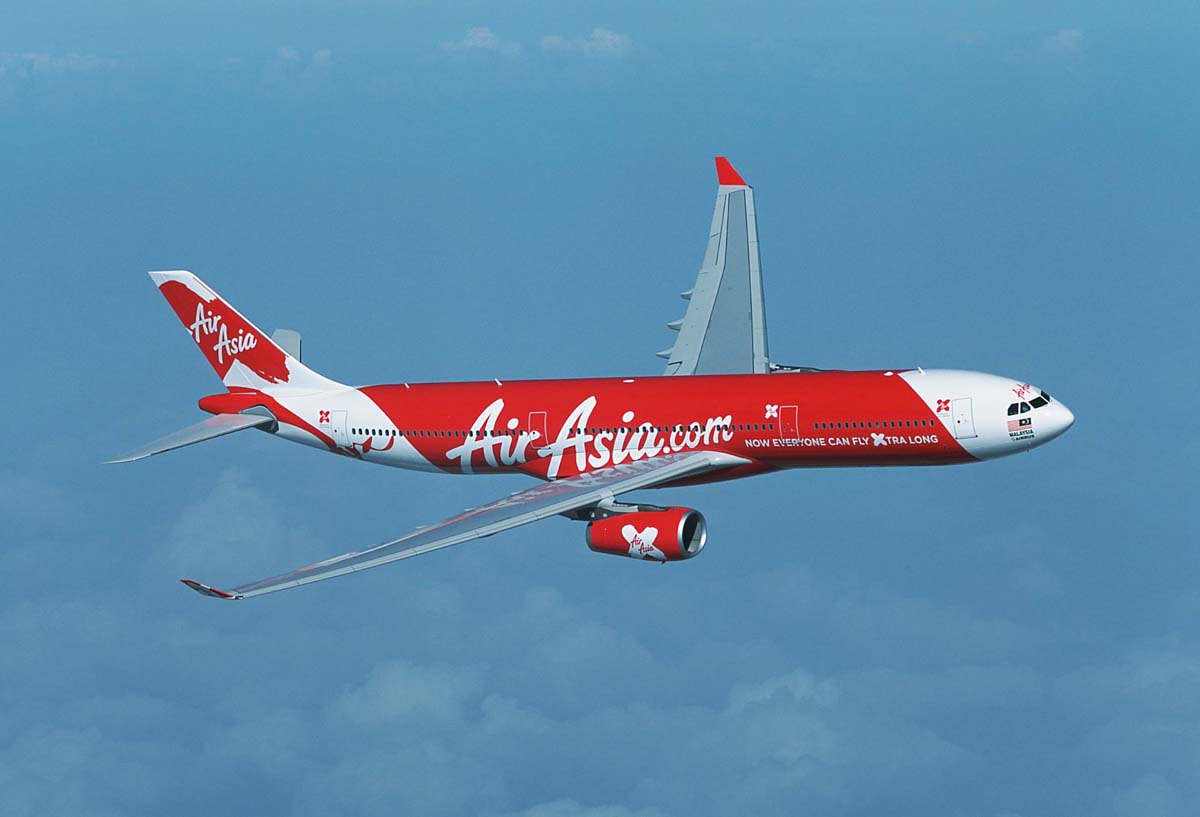
    AirAsia X Bhd (AAX) has signed an agreement to charter aircraft from sister company PT Indonesia AirAsia (IAA) for 24 return flights between Jakarta and Kuala Lumpur for US$648,000 (RM2.82mil).

    The long-haul, low-cost airline told Bursa Malaysia that the two companies had on Jan 4 signed the charter agreement which summed up to 8,640 seats as a dedicated fly-through connectivity with its current Kuala Lumpur – Jeddah – Kuala Lumpur operations.

    It said the transaction was aimed at promoting the Kuala Lumpur – Jeddah route to Indonesian passengers via the charter and to generate positive returns for AAX.

    “The charter between AAX and IAA shall commence on the date of the agreement and will expire on Feb 29, 2016 or at the end of the extension period as may be agreed by AAX and IAA,” the airline said.

    AirAsia Investment Ltd, a wholly owned subsidiary of AirAsia Bhd, and PT Fersindo each hold 49% and 51% equity interest respectively in IAA. IAA is deemed to be a related party to AAX as AirAsia Bhd’s directors and major shareholders, Datuk Kamarudin Meranun and Tan Sri Tony Fernandes, are also the directors and major shareholders in AirAsia X.

    Last month Indonesia AirAsia launched the inaugural Jakarta-Jeddah flight, which is scheduled to depart twice a week.

    AAX shares closed unchanged at 18 sen on Monday with 6.75 million shares being transacted.

  • Garuda Indonesia to open direct flight on Shanghai-Denpasar route

    Garuda Indonesia to open direct flight on Shanghai-Denpasar route

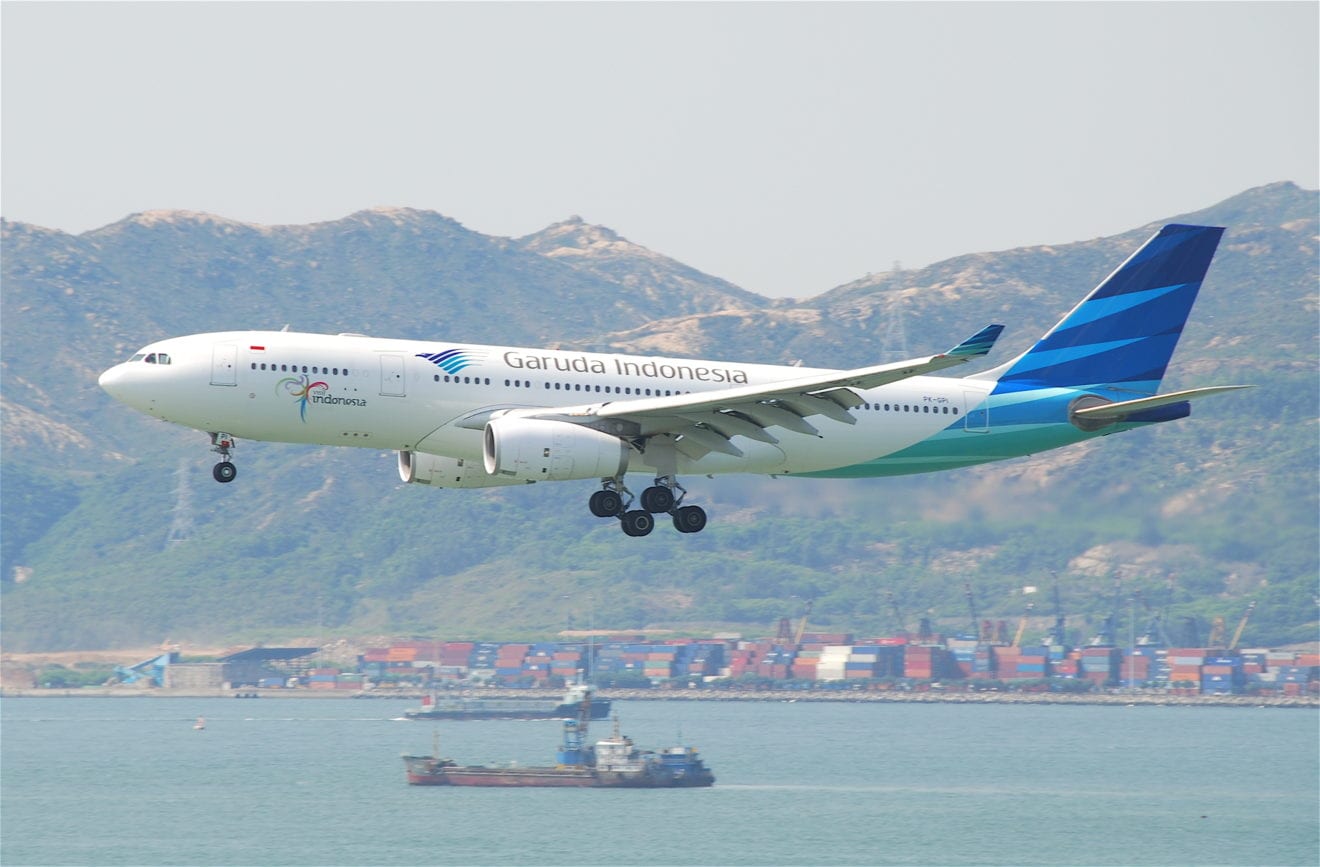
    Indonesian flag carrier Garuda Indonesia is planning to start a direct flight between Shanghai, China, and Denpasar, Bali, on January 13.

    “The non-stop flight between Shanghai and Denpasar will operate twice e a week using an Airbus-330 aircraft,” Vice President of Garuda Indonesia for China Region I, I Wayan Subagja, in Beijing, on Tuesday.

    As Bali is the favorite destination for Chinese tourists visiting Indonesia, hence Garuda will continue to increase the number of direct flights to Bali through regular and unscheduled flights.

    Garuda Indonesia also provides regular flights on the Beijing-Jakarta route that operate thrice a week and seven weekly flights each on the Shanghai-Jakarta and Guangzhou-Jakarta routes.

    Since January 2013, the national flag carrier has been operating four non-stop weekly flights on the Beijing-Denpasar route and has also added a new flight on the Guangzhou-Denpasar route at the end of 2015.

    Moreover, Garuda facilitates unscheduled flights for people from eleven Chinese cities who plan on visiting Bali for the Chinese New Year and summer holidays.

    “They still have huge interest to visit Bali due to which Garuda has tried to provide ease and comfort to tourists who want to visit Bali. We also promote other destinations in Indonesia,” Subagja emphasized.

    The opening of flights between several cities in Tiongkok and Bali is expected to support an increase in the number of Chinese tourists to Indonesia, which is targeted to reach ten million people in the next five years since 2015.

  • Amazon is Secretly Testing Air Cargo Operations

    Amazon is Secretly Testing Air Cargo Operations

    Amazon.com, Inc. has been conducting secret trial flights that have carried thousands of packages to and from its fulfillment centers in the United Kingdom. Evening Standard reports that the tech-giant has chartered a Boeing 737 aircraft, which has been flying on routes between Poland, Germany, and England since mid-November.

    The online-retail giant has reportedly chartered the aircraft from DB Schenker, a German logistics company. Five weekly flights have been determined so far, on which the planes travel first from Katowice, Poland to Kassel, Germany. Katowice and Kassel are both significant stops, as the airports in these towns are within close proximity of the e-commerce giant’s huge warehouses in the two countries, respectively.

    The flight then continues from Germany to England, where the plane finally lands at one of the airports in Luton, Doncaster or East Midlands. The packages are dispatched from these airports to Amazon’s various fulfillment centers, including its biggest one at Dunfermline and another in Hemel Hempstead. The company is also rumored to extend the trials by chartering more planes and include its centers in Italy and Spain in this network.

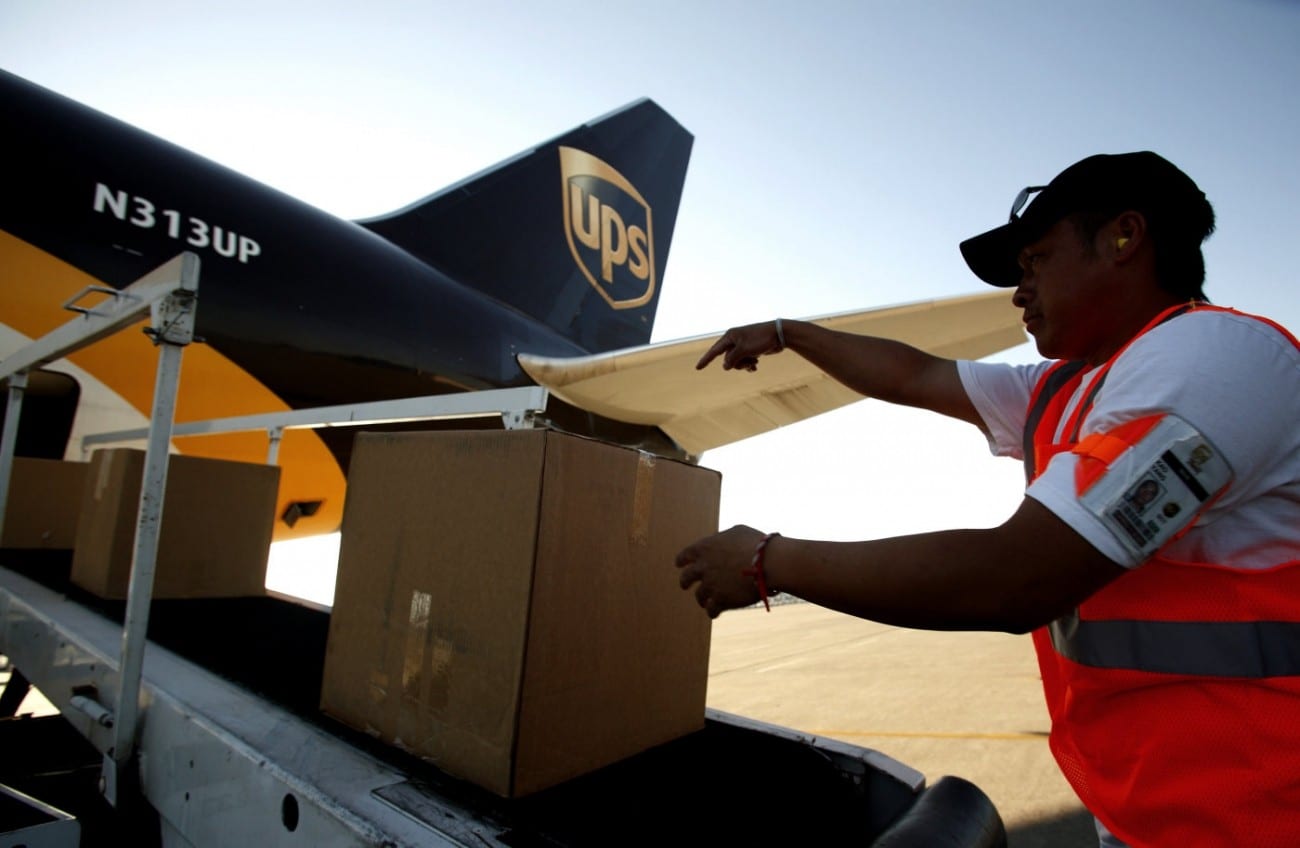
    The move highlights Amazon’s urgency to limit reliance on traditional courier firms. The company has already built its own van delivery fleet in the UK this year, after one of its couriers, CityLink, went bankrupt. On a global-scale, the company has locked horns with its chief carrier UPS. Amazon provides business worth around $1 billion to UPS, but its dissatisfaction has risen due to the increasing shipment charges. Shipping cost has increased 10.4% in a year, compared to revenues growth of 11.7% in the same period.

    This means generating higher revenues did not have the expected positive impact on earnings, if supply chain costs had been further streamlined. Amazon was further unhappy with UPS services, when during last two Christmas periods the courier services was unable to deliver consumer packages on schedule, due to delivery overload. Consequentially, the e-commerce giant has sought to build its own distribution network to restrict costs, and have more control over its distribution network.

    Even within the US, recent reports suggest Amazon is looking to lease 20 Boeing 767 freight aircrafts. While these are positive cost control strategies for the online-retail firm, its air cargo expansion spells trouble for traditional freight carriers such as UPS, FedEx, and DHL. These couriers will likely lose a great chunk of business when Amazon starts carrying its own inter and intra-continental freight.

    An Amazon spokesman was quite tight-lipped when the Evening Standard asked for a comment over the European flights, and did not reveal information beyond the fact that the retail-firm employs various distribution and fulfillment modes, including air transport. No other official statement was made by the company.

  • Kulon Progo Airport construction to kick off in May

    Kulon Progo Airport construction to kick off in May

    The construction of an international airport in Kulon Progo district, Yogyakarta province, will kick off in May 2016, Vice President M. Jusuf Kalla has hinted.

    “God willing, it will be built starting May. Hopefully, land clearance and design will be completed in May so it can be completed in 2019 or 2020,” he said after holding a closed-door meeting at Congot Radar in Kulon Progo, Saturday.

    All serious problems related to the planned construction of the airport have been resolved so that the project can be started soon, he said.

    “There are no longer any land problems. The Yogyakarta governor has ordered (his staff) to resolve them. Furthermore, state airport operator Angkasa Pura I is also ready,” he said.

    The funds needed to construct the airport will come from Angkasa Pura Is budget and the company will cooperate with foreign parties to build and manage the airport, he said.

    The project will also include the construction of roads and railway tracks. In the initial phase of the project, an estimated three thousand workers will be employed, he said.

    After holding a closed-door meeting for nearly one and a half hours, the Vice President and his entourage observed the planned location for the construction of the airport from the third floor of the Congot radar.

  • China to add 200 new international routes in 2016

    China to add 200 new international routes in 2016

    The Chinese Government has delivered an unexpected Christmas present by agreeing to add another 200 international air routes in 2016. Xinuanet, the Civil Administration of China is committed to the new programme, with China’s official news agency referring directly to The China Daily newspaper’s coverage of remarks made by Li Jiaxiang, head of the Civil Aviation Administration of China.

    Xinuanet reports that Jiaxiang told this month’s Beijing civil aviation industry conference that these new routes will be in addition to the existing 660-plus approved international bi-lateral agreements between China and its foreign partners.

    He said these new initiatives will be based around the highly strategic ‘One Belt, One Road’ (OBOR) initiative announced by Chinese President Xi Jinping in 2013.

    This consists of new preferred-status free-trade agreements with 65 countries (as opposed to the previous 12) on a line from China to Europe, linking multiple points in Asia and Africa.

    He also predicted that this new initiative should provide yet another strong stimulus to China’s civil aviation sector, although he also apparently warned that pressures on existing infrastructure and air traffic control congestion need to be addressed.

    It is hardly any secret that Chinese air space is already highly congested, with the Civil Administration of China routinely juggling its ability to expand new air corridors without encroaching on the automatic priority given to military-controlled air space corridors.

    As a result, delays at the country’s airports are now the norm rather the exception.

  • 180 flights added to Bali in anticipation of Christmas and New Year’s rush

    180 flights added to Bali in anticipation of Christmas and New Year’s rush

    With natal and tahun baru fast approaching, Bali’s Ngurah Rai Airport has received a list of 180 extra flights destined for Bali. 

    The statement was disclosed by the General Manager of Angkasa Pura I Ngurah Rai Airport, Trikora Harjo. 

    “The flights will account for 34,508 passengers in total. This figure is an increase of 55 percent compared to last year (2014). These extra flights include 88 from Citlink and 68 from Lion Air. All are Denpasar-Jakarta,” he explained on Friday, as quoted by Tribun Bali. 

    Besides the Citilink and Lion Air flights, Garuda Indonesia and Sriwijaya will also be offering extra flight services for the holidays, Harjo added.