Category: Logistics

Retail News Asia is committed to providing both local and global retailers with the latest Logistics news throughout the Asian market. This on a daily base.

  • Shopping mall with e-commerce logistics services to rise in Singapore

    Shopping mall with e-commerce logistics services to rise in Singapore

    Construction is now underway for Singapore’s first shopping mall that offers e-commerce logistics solutions as well.

    Scheduled to be completed in mid-2017, the new retail mall will be located at the prent open concourse in front of the SPC, located next to Paya Lebar MRT station.

    The project’s developer, Singapore Post Limited (SingPost), said it will have 25,000 square meters of retail space and will be built at a cost of S$150 million ($107 million), which includes upgrading amenities and façade for the adjoining office building.

    “The redevelopment of the retail mall at SPC is part of our efforts to extract maximum value from our property portfolio and support our accelerated transformation from Singapore mail to global eCommerce logistics,” said Lim Ho Kee, Chairman of SingPost, in a news release.

    As a mall that combines both online and offline shopping, SingPost said shoppers could browse in-store, purchase the product and arrange for delivery of the product directly to the home. They could then continue shopping, watch a movie or have a meal at the mall without having to carry bulky shopping bags. The retailer, on the other hand, could save on storage space in the store as fulfilment would be done at the backend of the warehouse.

    Dr. Wolfgang Baier, Group Chief Executive Officer of SingPost, said the unique and disruptive concept – converging online and offline – was thought of to allow customers to experience both worlds.

    “This is an important shift in mindsets as well as the retail and e-commerce landscapes. The convergence of online and offline will bring exponential benefits to consumers and businesses – therefore we view this as ‘O²’ (O-squared) instead of O2O (Online-to-Offline). The SPC’s O² retail concept puts consumers at the heart of this evolution, allowing them to have greater retail options and more convenience,” he said.

    The new retail mall at SPC will consist of four above-ground levels and one basement, an eight-hall cineplex, SingPost’s flagship post office, retail shops, as well as food and beverage outlets. The mall will also come equipped with three levels of underground car park.

    Under the Urban Redevelopment Authority masterplan 2008, the area around the Paya Lebar MRT station will be developed into a suburban commercial node, while retaining its cultural identity. The new retail mall at SPC will reinforce the plan and add more buzz into the area by introducing the new O² retail experience. It will also  be a smart mall in a Smart Nation, using technology and innovation to support smart living environments while helping businesses to grow.
  • FedEx sees record holiday shipments on rising retail

    FedEx sees record holiday shipments on rising retail

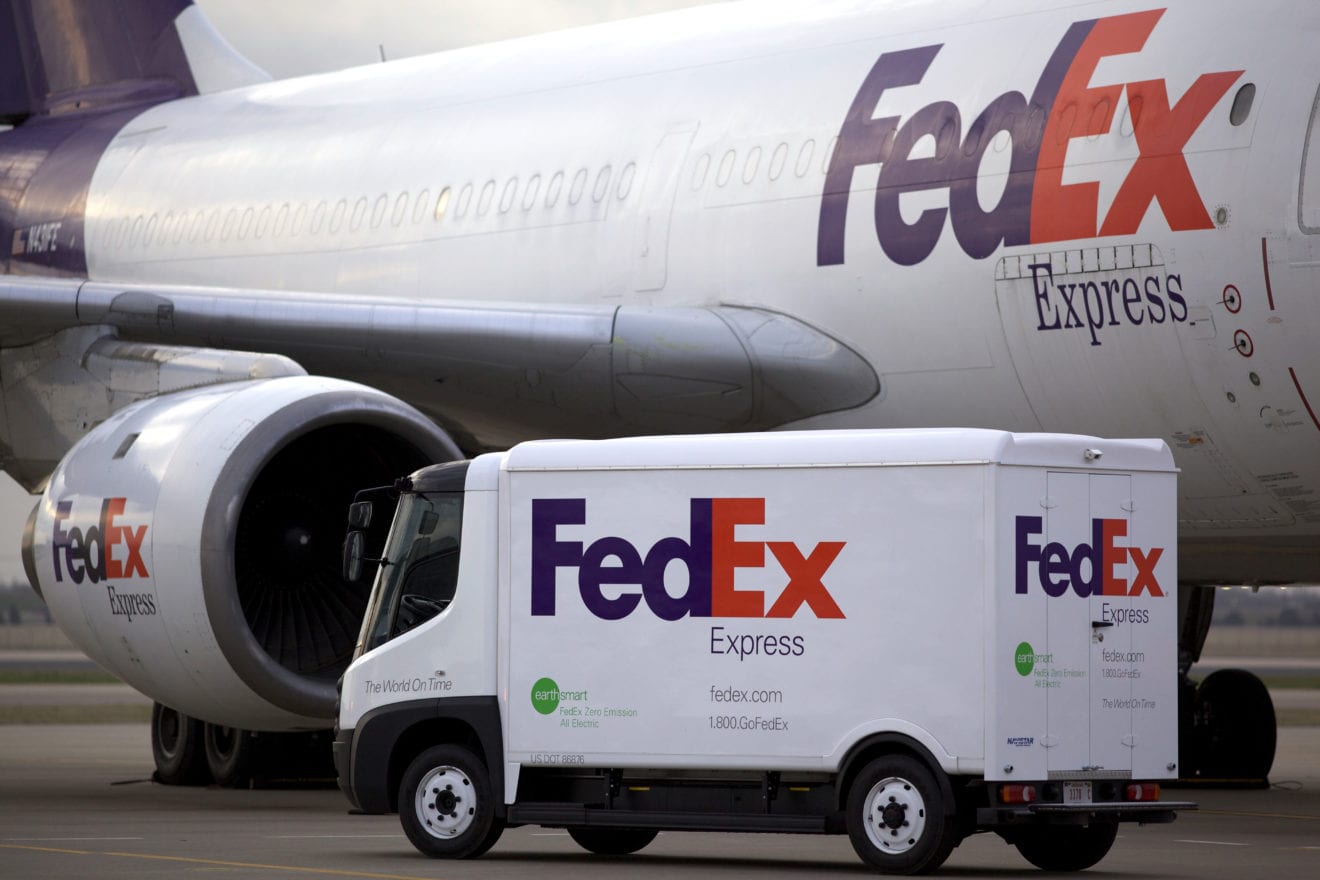
    Package delivery company FedEx Corp said on Monday that it expects to see a record number of shipments during this year’s busy holiday season, driven by rising retail sales and a jump in ecommerce.

    The Memphis-based company said it expects to handle 317 million shipments between Black Friday, traditionally the busiest U.S. shopping day of the year, and Christmas Eve, an increase of 12.4 percent over the previous year.

    “Each year we face a challenge that’s greater and that’s driven by ecommerce,” Patrick Fitzgerald, FedEx senior vice president for integrated marketing and communications told Reuters. “We’ve learned that planning and preparation is key.”

    The National Retail Federation has predicted retail sales in November and December – excluding automobiles, fuel and restaurant sales – will increase 3.7 percent to US$630.5 billion after a 4.1 percent increase last year. The NRF said online retail sales could increase up to 8 percent, to as much as US$105 billion.

    FedEx said that it expects to see three spikes in package volumes during peak season, on Cyber Monday and the first two Mondays in December. The company said its holiday projections are included in its full-year fiscal 2016 earnings guidance of between US$10.40 and US$10.90 per share.

    The rapid rise of ecommerce poses challenges for retailers and package delivery companies alike. In 2013 bad weather and a late surge in online retail packages caught FedEx and main rival United Parcel Service Inc off guard, leaving an estimated 2 million packages undelivered on Christmas Eve, the majority in UPS’ network.

    Last year both companies touted investments in their networks and close collaboration with major retailers to manage package flows during the holidays. UPS ended up over-spending to prepare for package volume spikes that did not materialize, hurting its fourth-quarter earnings. FedEx did not report any problems.

    This year FedEx has invested US$1.6 billion in capacity and automation projects at FedEx Ground to help with peak season.

    FedEx’s Fitzgerald said that if retailers come in way above forecast with a sudden surge in packages, the company may “need to cap volumes” in order to protect its network.

  • 40% of Indian food retailers to grow by 10% or more this year

    40% of Indian food retailers to grow by 10% or more this year

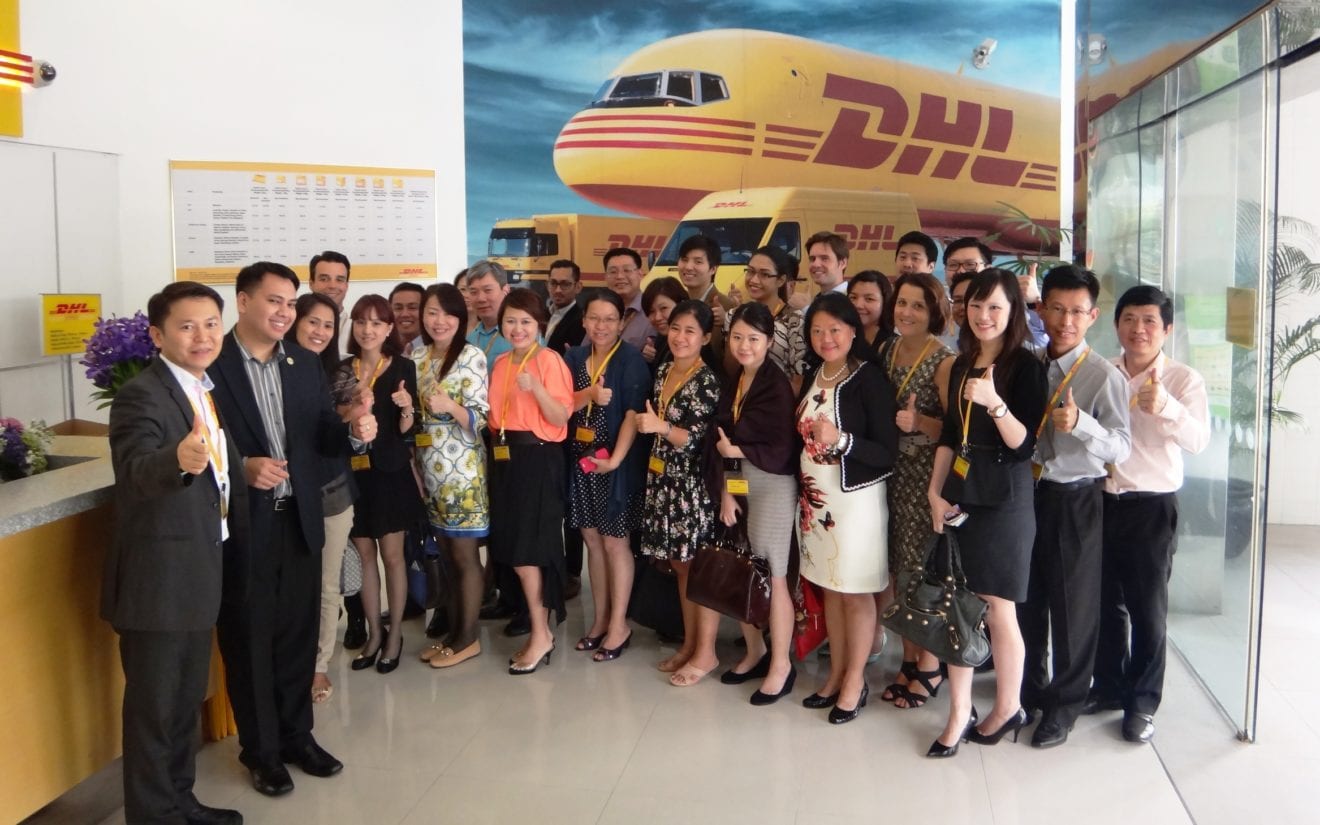
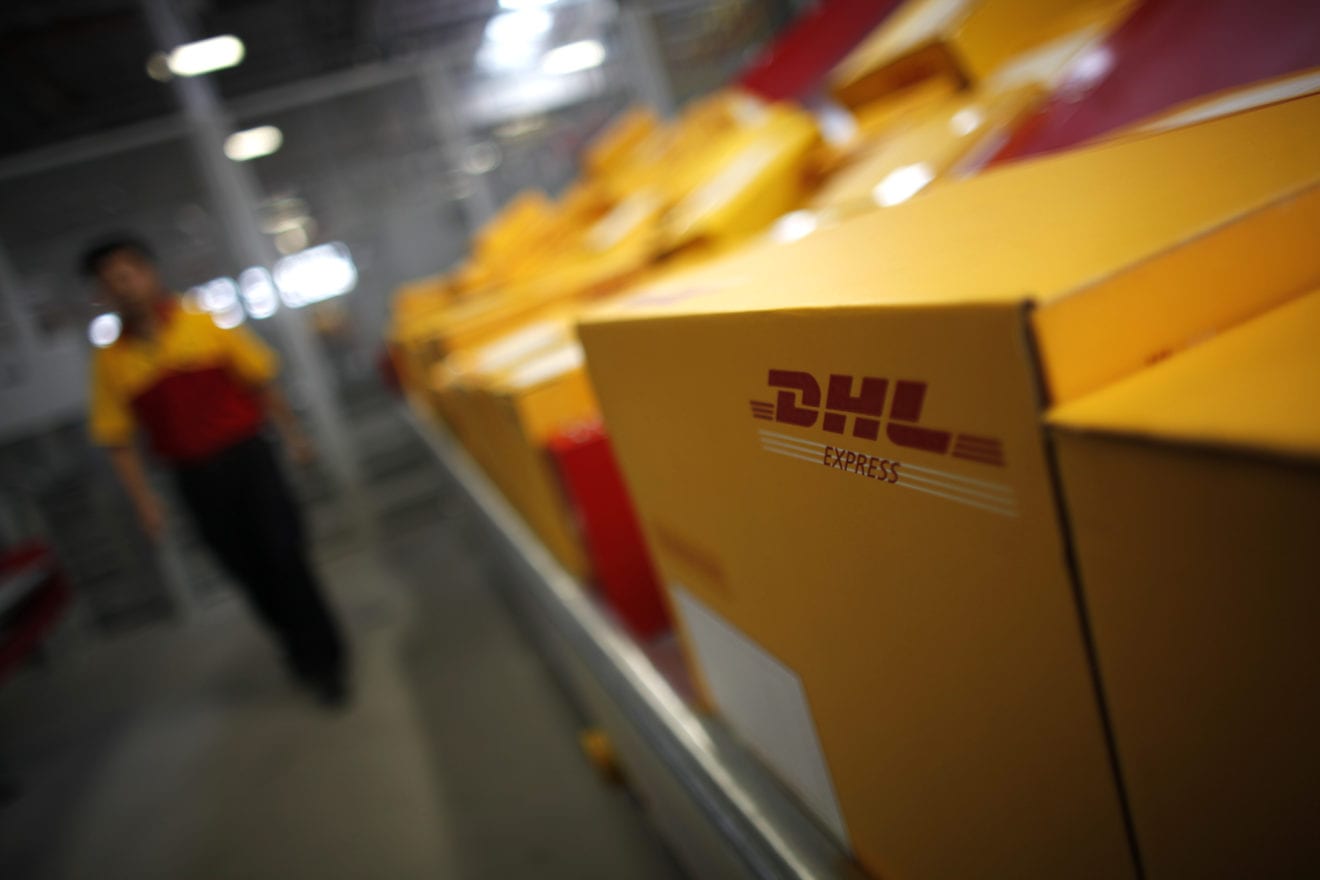
    Almost four in 10 Indian food retailers are expected to grow by 10 per cent or more this year, according to research commissioned by DHL Supply Chain, the global market leader for contract logistics solutions.

    Based on interviews with more than 300 industry decision-makers in India, Indonesia, Thailand and Vietnam, the study titled, Hungry for Growth: Logistics Trends in Asia’s High-Growth Food Retail Markets, found that more than one in four food retailers in some of Asia’s fastest-growing economies expect to grow by 10 per cent or more this year, as a result of expanding populations and rising income levels.

    However, the report also found that while 86 per cent of Indian food retailers understand their supply chain costs, six in 10 are struggling to maintain adequate levels of shipment accuracy in fulfilling growing demand – potentially impacting their ability to keep shelves stocked and orders filled as demand and competitive factors grow increasingly complex.

    “Rapid increases in purchasing power, coupled with surges in demand driven by population growth, will yield obvious expansionary benefits to food retailers,” said Dean Eichorn, Vice-President – Retail, DHL Supply Chain Asia Pacific. “However, any food retailer’s success is ultimately dependent on the agility of their supply chains when faced with demand volatility, seasonal fluctuations, and other complex market factors. Asia’s food retail industry looks set to undergo significant growth in the next year, and only with greater understanding and control of their logistics processes will companies be able to take advantage of new opportunities.”


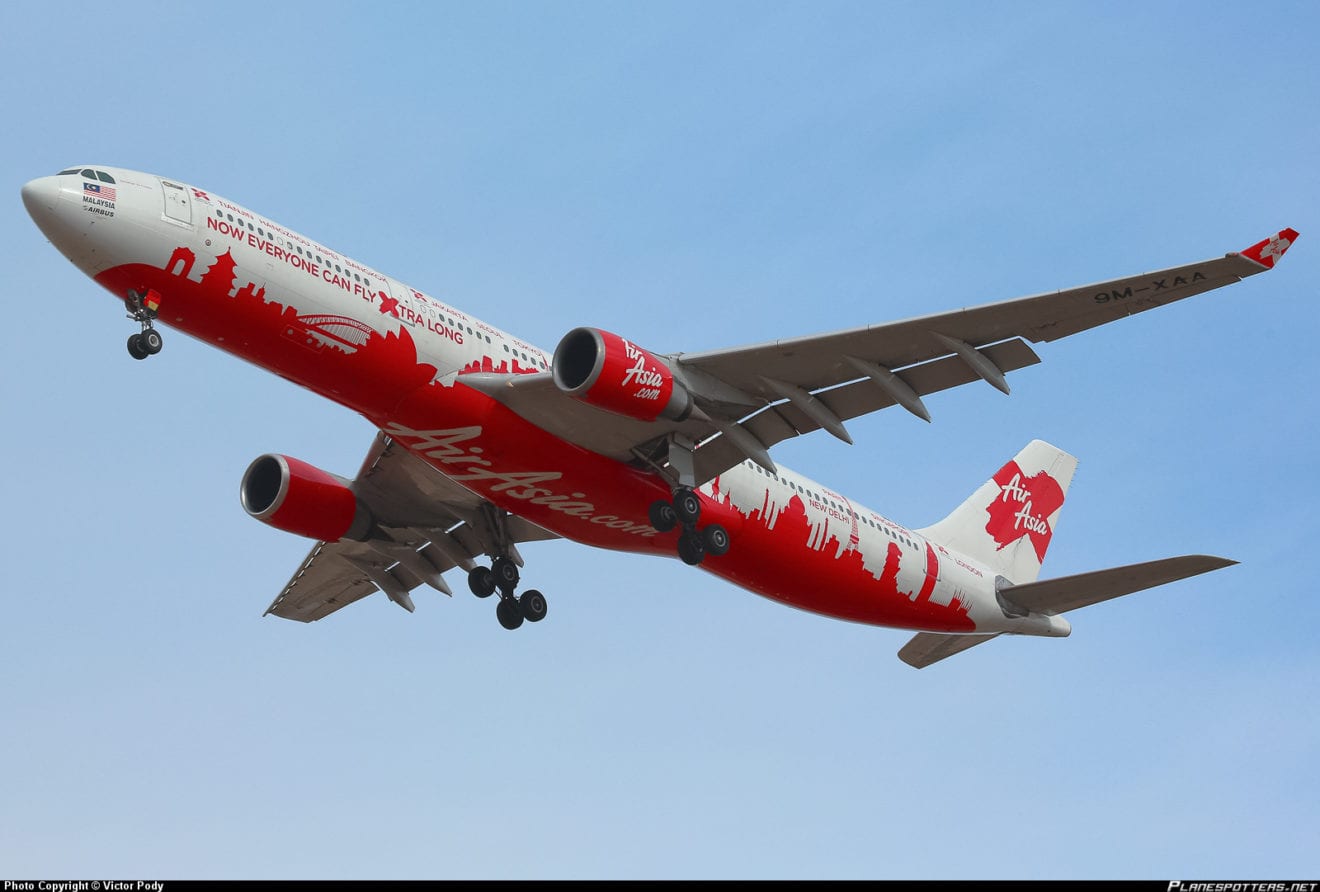
  • AirAsia to revive Davao-Clark

    AirAsia to revive Davao-Clark

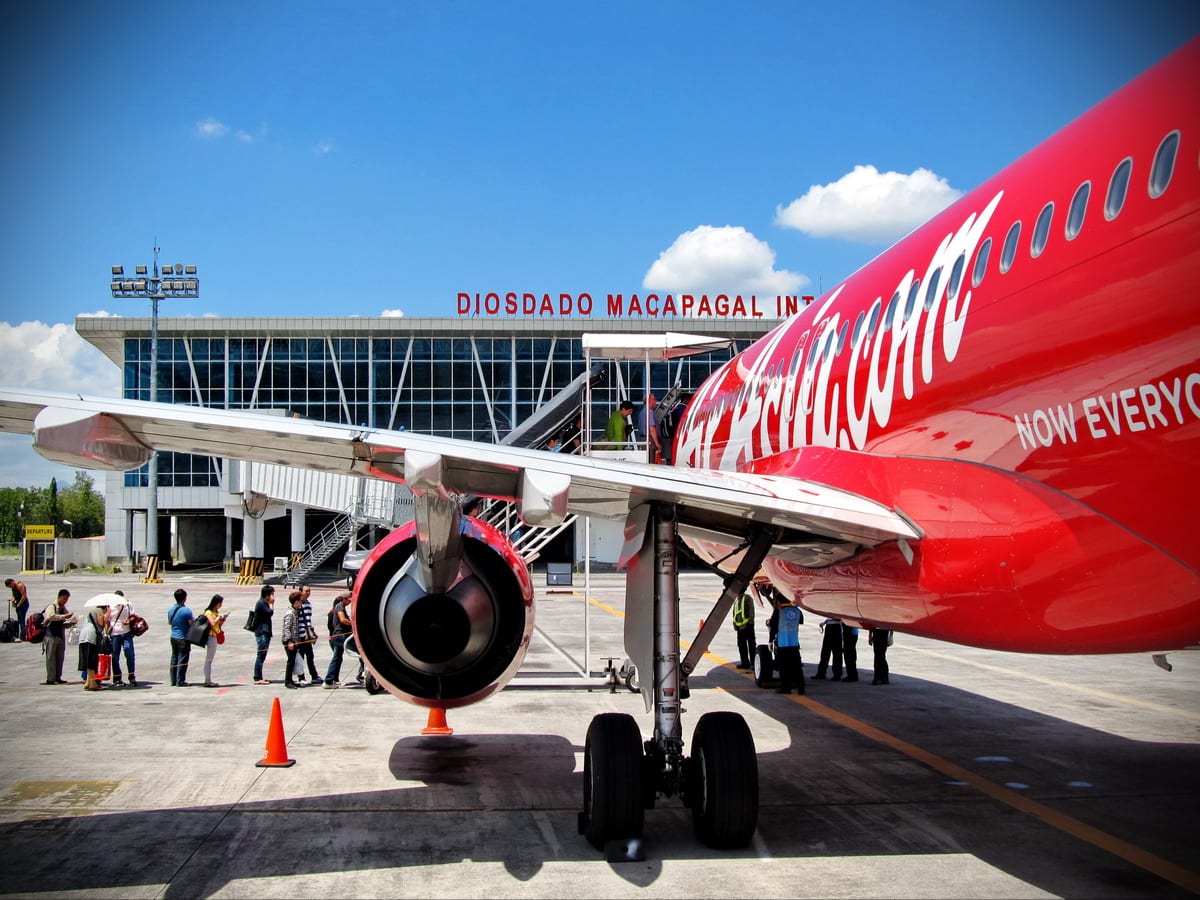
    Around two years since Davao-Clark flights were suspended, the budget airline Philippine’s AirAsia is gearing up to revive the route, a tourism officer said.

    Arwin Lingat, provincial tourism officer of Pampanga, said that AirAsia is working out to offer again the Davao-Clark, Pampanga flights.

    “Though it is still up for confirmation, there are plans to revive the flight from Davao-Clark and vice versa,” he said.

    He also pointed out that Davao-Clark Pampanga route has a big chance to be revived especially now that AirAsia inked an agreement with Davao tourism industry sector last September 30, 2015 during the recently-concluded 16th National Convention of the Association of Tourism Officers of the Philippines (Atop) in SMX Convention Center, Lanang, Davao City.

    Davao City Tourism Operations Officer Lisette Marquez, for her part, said that the signing of agreement with Air Asia for a special arrangement for Meetings, Incentives, Conventions and Events or Exhibitions (Mice) participants would mean an easier arrangement with no fee if the ticket holder wants the fare be upgraded or rebooked.

    The partnership between the city and Air Asia was signed during the formal launching of Mice Davao Program. The program is aimed to signify the city as a potential Mice destination in the country.

    In a report last 2013, budget airline Philippine’s AirAsia announced it will temporarily stop servicing the route starting October 9. The airline said the suspension was made to cushion the impact of losses made by its affiliate Zest Airways following the suspension order imposed by Civil Aviation Authority of the Philippines (Caap) last August 16, for safety violations.

    “The temporary suspension is primarily to manage costs following the recent grounding of Zest Air by Caap. This has affected many factors and allocating necessary resources such as aircraft and crew critical to ensure its recovery,” the airline said.

    Among the violations committed by Zest Air, as cited by Caap, were the series of occurrences like fuel overflow that affected several flight operations, refueling with passengers on board, excessive flight duty time of pilots, and failure to present an airman license during ramp inspection.

    Air Asia holds around 49 percent share in Zest Air.

    Flights from F. Bangoy International Airport, Davao City to Clark International Airport in Clark, Pampanga, is at four times a week.

    The airline route was suspended only after over a year of operations.

  • Asia’s food retailers forecast fast-expanding business, DHL finds

    Asia’s food retailers forecast fast-expanding business, DHL finds

    Food retailers in some of Asia’s fastest-growing economies are expecting solid growth this year as expanding populations and rising income levels drive up demand, according to research commissioned by DHL Supply Chain.

    The logistics operator surveyed more than 300 industry decision-makers in India, Indonesia, Thailand and Vietnam for its report, Hungry for Growth: Logistics Trends in Asia’s High-Growth Food Retail Markets.

    It found that a quarter of those companies polled expected to grow by 10 percent or more this year,  with 6 out of 10 predicting growth of at least 6 percent.

    However, the report also found that up to 38 percent of those surveyed were unaware of their total logistics costs, while 37 percent lacked any KPIs or formal measurements for their supply chain performance, potentially impacting their ability to keep shelves stocked and orders filled as demand and competitive factors grow increasingly complex.

    “Rapid increases in purchasing power, coupled with surges in demand driven by population growth, will yield obvious expansionary benefits to food retailers,” said Dean Eichorn, vice president retail for DHL Supply Chain Asia Pacific.

    “However, any food retailer’s success is ultimately dependent on the agility of their supply chains when faced with demand volatility, seasonal fluctuations, and other complex market factors. Asia’s food retail industry looks set to undergo significant growth in the next year, and only with greater understanding and control of their logistics operations will companies be able to take advantage of new opportunities.”

    The research found that food retailers are increasingly at risk from unpredictability on both demand and supply sides of their operations. In the four countries surveyed, late supplier deliveries were most commonly cited as food retailers’ top concern, while 36 percent admitted that demand volatility had a major impact on their businesses.

    Issues around supply chain performance and costs varied around the region: fuel, labor, and imbalances between supply and demand ranked amongst retailers’ top cost issues.

    “Many of these concerns are amplified because a large number of food retailers don’t have visibility of their logistics operations, let alone the resources or subject expertise to improve and optimize them,” said Eichorn.

    “Food retailers need reliable, agile supply lines if they’re to focus on their core competencies and compete. This agility only comes from being able to manage the supply chain as an end-to-end process across transport, warehousing, and value-added services in a way that’s rapidly scalable without creating extra complexity.”

    The research also found that more than 60 percent of food retailers have not outsourced any aspects of their supply chains, suggesting that retailers who actively adopt third-party logistics solutions stand to gain significant first-mover advantages over their competition. Of those surveyed, 44 percent believe inventory optimization technologies would be beneficial to their overall performance, while 38 percent see advanced transport management services, like track and trace, as helping them improve reliability in meeting demand.

    “Asia’s food retailers recognize the need to innovate and change, but the technologies and process transformations required to do so aren’t their domain of expertise, and nor should they be,” said Eichorn.

    “The key to growth and expansion in Asia’s food retail industry, and those of other developing regions where we’re seeing similar trends, will be how effectively operators can take advantage of third-party expertise and managed solutions in everything from technology to end-to-end supply chain management.”

    The DHL report said food retailers in Asia’s emerging markets are headed for a period of significant disruption, driven largely by rapidly growing competition and consolidation both within and between national markets.

    For the vast majority of those retailers, the strength and agility of their supply chains will make or break how they align customer service to the rising expectations of increasing middle-class consumers, respond to demand and cost fluctuations, and develop new ways to differentiate themselves against increasingly hungry competition, the report stated.

  • Qantas & China Eastern pact to drive Oz arrivals

    Qantas & China Eastern pact to drive Oz arrivals

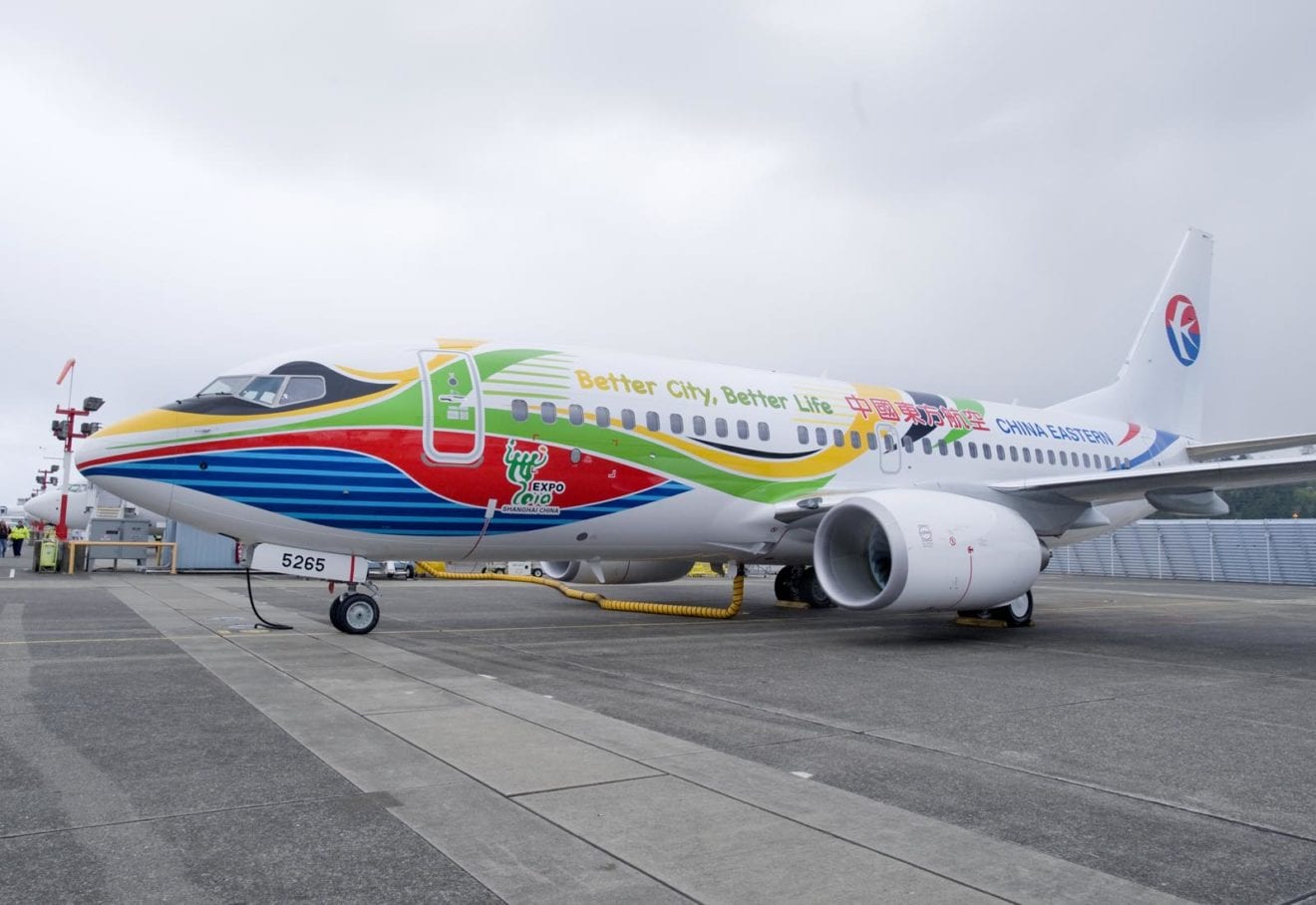
    A tie-up between Australian carrier Qantas and China Eastern will create one of the world’s largest airline partnerships following the June signing of the China-Australia Free Trade Agreement (ChAFTA) – and open the door more widely to tourist traffic.

    Speaking on Talk to China, the interview series from the China government news agency Xinhua, Qantas Chief Executive Alan Joyce said of the deal: “We can benefit out of tourism, and out of economic activity.”

    The partnership with China Eastern – given a green light last month by the Australian Competition & Consumer Commission – boosts each airline’s access to the other’s markets [for an initial five-year period], strengthening travel links that have already been enhanced in recent years. The approval is also subject to strict capacity conditions and reporting on seats and passengers flown between Australia and Shanghai.

    Australian airport retailers are currently benefiting from the higher number of Chinese travellers at the country’s major gateways. In the year to July, Chinese nationals were Sydney Airport’s fastest growing market, up +17%.

    Joyce told Xinhua that both airlines will increase capacity on the Australia-Shanghai route starting with Brisbane and plan to grow the market by over +20%.

    CHINESE TRAFFIC BOOM

    Chinese tourists have overtaken the British to become the second biggest tourism market in Australia with 864,000 arrivals behind New Zealand’s 1.15m, but they are closing in on the number one spot due to high annual growth rates.

    The Australian government says that tourism “will be a big winner” from ChAFTA. “We forecast about 40% of inbound expenditure growth in the tourism sector to 2022-23 to be sourced from China. Some 1.5m Chinese are expected to visit Australia by that year and they are projected to spend more than A$10.2bn/$7.5bn.”

  • DHL launches new hub at Bangkok’s international airport

    DHL launches new hub at Bangkok’s international airport

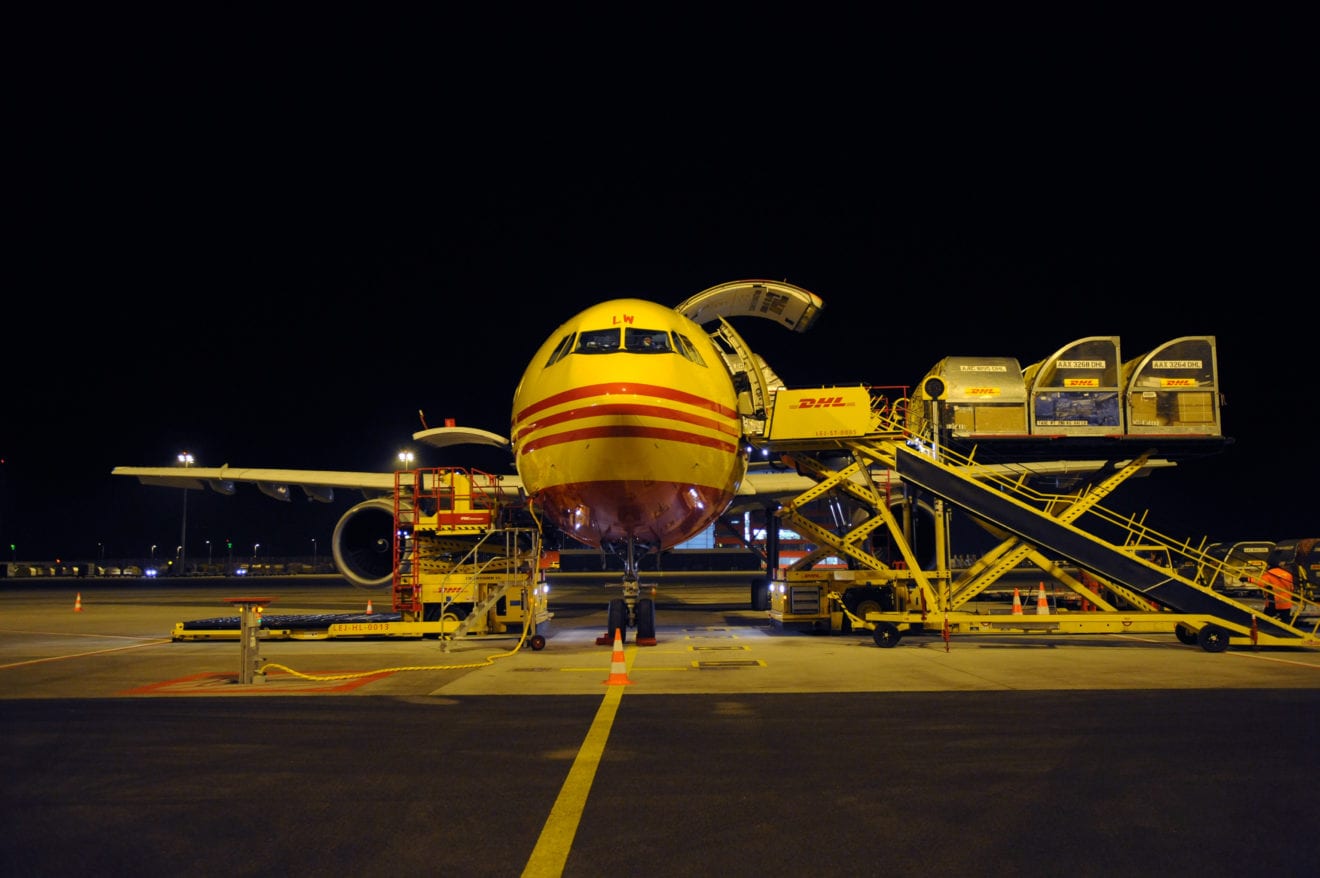
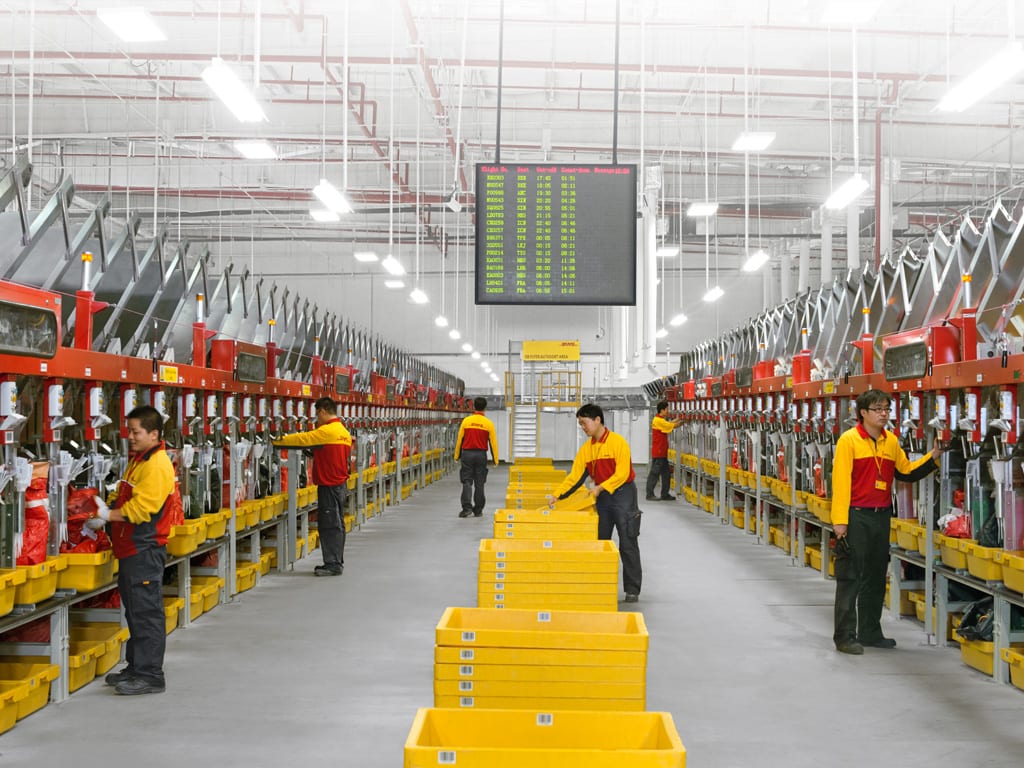
    Global logistics giant DHL launched its 22-million-dollar hub on Monday at Bangkok`s new international airport as part of the company`s strategy to boost its growth in Southeast Asia.

    “We consider Thailand as the gateway to Indochina,” Scott Price, CEO of DHL Express for Asia and the Pacific, told a news conference at Suvarnabhumi International Airport, which opened in late September.

    DHL`s 12,000 square meter (129,000 square feet) cargo facility at Suvarnabhumi is five times larger than its former facility at the old Don Muang airport and has the capacity to handle more than 23,000 pieces per hour, the company said.

    “The facility puts us in a position for very accelerated growth both in Thailand and in the region,” Price said, adding the new DHL hub is expected to process more than six million shipments per year.

    Asia currently leads the world in the air cargo industry with the inter-Asian air cargo market expanding at a rate of almost 11 percent per year and express volume expected to grow up to twice that rate, the executive said.

    Express operations in Asia account for 15 percent of DHL`s global revenues, which were 26 billion euro (33.4 billion dollars) in 2005, and the region is expected to grow three to four times faster than the rest of the world, he said.

    Bangkok is one of DHL`s six hubs in Asia along with Hong Kong, Seoul, Singapore, Sydney and Tokyo and the company has invested more than 1.7 billion dollars in the region since 2000.

    Price said the September coup that ousted former premier Thaksin Shinawatra and the military-installed government have not affected DHL`s operations in Thailand.

    “As long as foreign direct investment continues to be sought after, supported and rewarded then import and export will continue to be a significant part of the Thai economy and we`ll benefit,” Price said.

  • DHL Express opens new quality control centre in Singapore

    DHL Express opens new quality control centre in Singapore

    DHL Express has announced the opening of a facility in Singapore that will host a new global quality control centre and serve as a centre of excellence for global service quality and business IT activities.

    “Quality is one of the main sources of differentiation in our highly competitive industry, and our Quality Control Centers are a major investment by DHL in ensuring that we continue to lead the international time definite delivery market over the long-term,” said Ken Allen, CEO, DHL Express.

    Singapore has played an important role in DHL’s global network since 1972, as one of our first international markets and a major Asian economy with a strong trade orientation. This was a key factor in the decision to base one of our four global Quality Control Centers and the centers of excellence for global service quality and business IT in Singapore.”

    DHL has been operating global quality control centres since 2007. They provide real-time tracking capabilities for individual shipments, flights and truck movements. The teams operating in the centres monitor the status of DHL’s delivery network to identify exceptional incidents and delays and take proactive action both to address them and to inform customers.  In addition, the centres allow the company’s global network operations team to identify systematic issues affecting the delivery process and take steps to resolve them, and they can also operate as a crisis centres.

    DHL’s three other global quality control centres are located in: Cincinnati, in the US; the East Midlands, in the UK; and Leipzig, in Germany.

  • DHL announces 2016 rate adjustments

    DHL announces 2016 rate adjustments

    DHL Express has announced its annual general average price increase, which will come into effect on 1 January next year.

    In Germany and in the UK, the average price increase will be 3.9%. Globally, price adjustments will vary from country to country, depending on local conditions, and will apply to all customers where contracts allow.

    The DHL Express products offered for private customers via post office branches in Germany, however, remain unaffected by the price increase.

    Ken Allen, CEO, DHL Express, said: “Our annual price increase enables us to continue investing in our international time definite network and to maintain our leading service quality.

    “Our major investment announcements in 2015 have included new hubs in Brussels, Belgium, and Singapore, and an expanded Americas hub in Cincinnati.

    “We are also continuing to invest in the Middle East and Africa, where we have unrivalled networks, and to add freighter aircraft, particularly to strengthen our intercontinental connections.”

    On 16 September, FedEx announced that it would be raising its shipping rates by an average of 4.9%.

  • DHL Philippines appoints Shaikh as new country manager

    DHL Philippines appoints Shaikh as new country manager

    Logistics firm DHL Global Forwarding (DGF) Philippines Inc has appointed Imran Shaikh as its new country manager.

    A certified Global Logistics Specialist, Imran has over 15 years of experience in international logistics, accounts management, freight forwarding and import and export operations.

    He is coming off from his previous post as managing director of DGF Pakistan, a role he performed in the last seven years where he successfully expanded their domestic operations.

    Earlier, he held the role of Import Manager at Exel DHL Global Logistics in LA, where he handled US freight management accounts, import operations for LAX branch and the control tower for North America.

    He was a member of the U21 global strategy team and was involved in the design and implementation of the west coast competency center procedures, the first in North America. Imran also had a working stint in DGF Singapore from 2006 – 2008 as Director for Strategic Accounts.

    Imran holds a Bachelor of Science degree in Business Management from the California State University.

    DGF Philippines started its logistics operations in 1976 and has 12 local offices in key airports and ports across Luzon, Visayas and Mindanao.

  • UPS expands Chinese operations

    UPS expands Chinese operations

    UPS has expanded its presence in 13 additional cities in China improving transit times and extending cut-off times.

    Customers in the cities, situated in Jiangsu, Shandong, Zhejiang, Guangdong provinces, and in Chongqing Municipality, will have direct access to UPS’ full portfolio of services.

    Nando Cesarone, president of UPS Asia Pacific, said: “As China continues to liberalise its economy, balance growth across the country, and improve its infrastructure through initiatives such as ‘One Belt, One Road’, UPS is committed to expanding our presence in China and enabling more businesses to achieve their cross-border pursuits. This expansion is part of UPS’ long-term Asia Pacific strategy to facilitate trade growth within and beyond Asia.”

  • Nok Air plans big push in Phuket

    Nok Air plans big push in Phuket

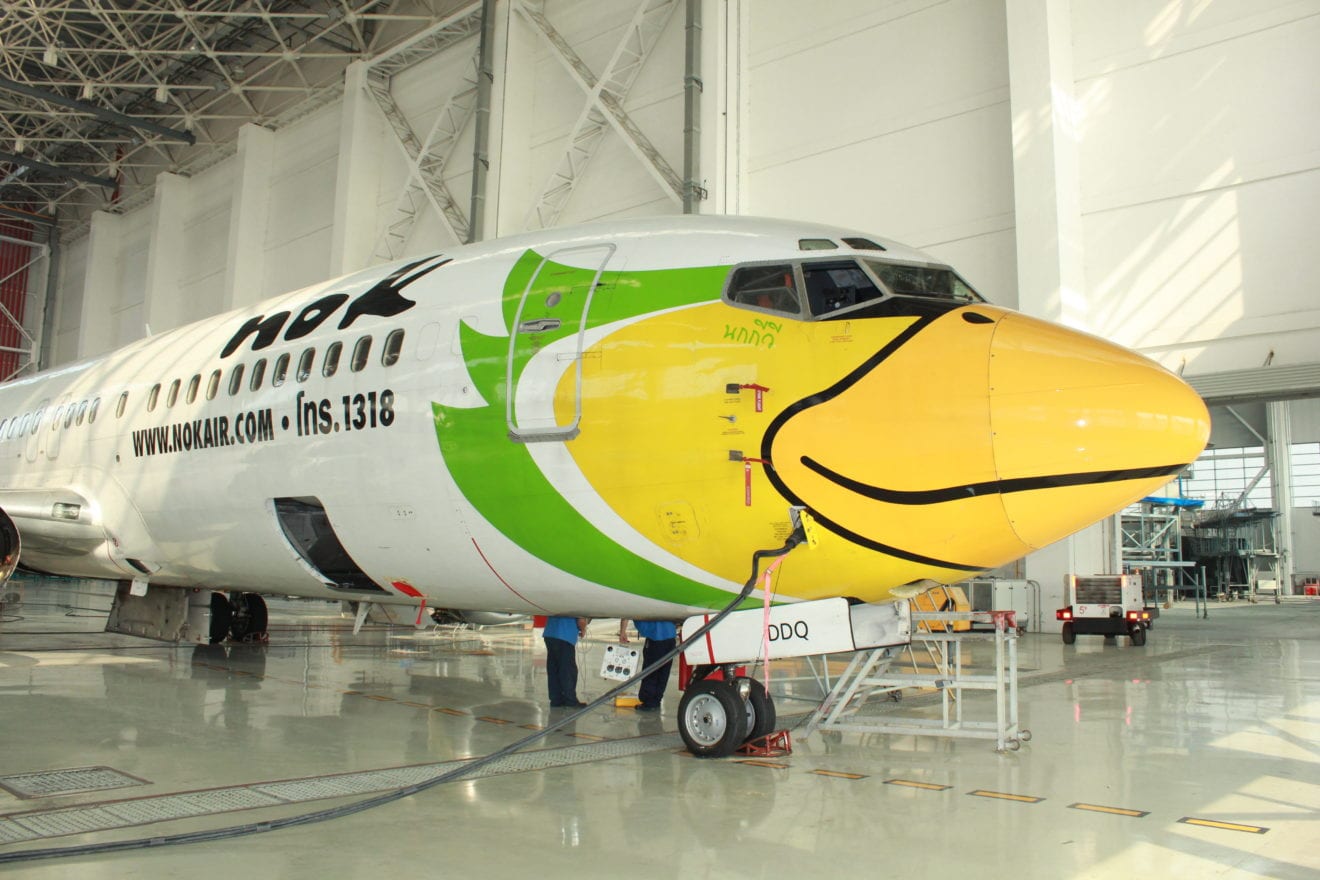
    Low-cost carrier Nok Air hopes to better tap into the potential of Phuket’s large foreign market over the next high season, an executive told the Phuket Gazette recently.

    Pinyot Pibulsongkram, a Nok Air Vice President, told ‘Up in the Air’ that Nok currently has five daily flights between Bangkok and Phuket, with six flights on Fridays and Sundays. Nok plans to increase these services for the upcoming high season.

    Operating out of Don Mueang Airport in Bangkok, Nok offers flights to Phuket from the capital aboard its fleet of 189-seat Boeing 737-800s.

    The load factor on the Phuket flights has been consistently strong at about 90 per cent, even in the aftermath of the Erawan Shrine bombing, Mr Pinyot said.

    The effect of the tragedy on its Phuket service was largely mitigated by the fact that as much as 95 per cent of its passengers to Phuket are Thai, he added.

    “Usually after an event like that one would expect to see an immediate drop in bookings, but that was not the case. We were all really surprised by it, to be quite honest.

    “We expected a slight seasonal dip in September followed by demand rising in October and into the high season.”

    Nok plans to increase the number flights to Phuket even further after the current airport expansion project is completed. Work on the mega-project is on schedule and should be finished by mid-February. Nok deems six or seven flights daily as ‘manageable’ after the work is finished.

    Seasonal demand for flights to Phuket has changed a great deal over the past five years and the island is now much more of a year-round destination. Nok uses a variety of advertising campaigns to remind its main client base, Thais living in metropolitan Bangkok, that it does not rain continuously in Phuket during the monsoon season.

    Load factors on the Bangkok-Phuket route have consistently been among Nok’s highest in recent years.

    “In the mechanics of low-cost carriers, we do not typically push promotions on flight routes that are doing well. But the downside of this is that we have not directed much promotion effort to foreigners.

    “Our passengers to Phuket are about 95 per cent Thai, but in a market like Phuket where as much as 80 per cent of passengers in transit are foreigners, we need to do a better job capturing that market,” Mr Pinyot said.

    Nationwide, Nok Air and Thai AirAsia are neck-and-neck in terms of market share, each with about one-third of the domestic market. The final third is divided among other carriers including Lion Air, Bangkok Airways and Thai Smile.

    “But it varies from city to city. For Phuket, AirAsia has greater market share because they offer more flights,” he said.

    When asked about the rapid expansion of Indonesian carrier Lion Air into the Thai market, Mr Pinyot said, “Luckily, Phuket has quite a high demand, so the market is huge. Lion Air is in direct competition with us and their rates are really low – ridiculously so, on some routes.”

    He cited the Hat Yai-Bangkok route as an example. Pre-booked flights start at about 1,400 baht on Nok; about 700 to 800 baht for AirAsia. Lion Air now offers flights on the route for as low as 350 baht.

    Such low fares pull down the low-cost air carrier market overall, but it also puts Lion Air in direct competition with land transport services offered on trains, vans and buses which still dwarf air traffic in terms of volume.

    “It does have an effect when the price difference on the route is over 1,000 baht. It is affecting us in terms of fares because we cannot push fares up as much as we would like to, but it does not affect us so much in terms of passenger numbers,” he said.

    Competing with Lion Air differs from doing so with AirAsia, he noted.

    “Lion completely ignores the low-cost model. You can go to the airport, pay 350 baht, and fly the same day, which is a complete ‘no-no’ under the standard low-cost model. So the nature of the competition is very different. We see the competition with AirAsia as more of a fair fight. With Lion, it’s more like a street fight.”
    – See more at: https://www.phuketgazette.net/phuket-lifestyle/Up-the-air-Nok-Air-plans-big/62021#sthash.n2nHaDgK.dpuf

  • Air Asia starts Pattaya-Macau flights in November

    Air Asia starts Pattaya-Macau flights in November

    Air Asia says it will launch on November 27 a service connecting the Thai coastal resort of Pattaya direct with Macau.

    Air Asia’s website says the low-cost airline will make one return flight per day until October 29 next year.

    Air Asia already has four return services a day between Bangkok and Macau, and one return service a day between the northern Thai city of Chiang Mai and Macau.

  • Omni-channel to be the next big play in retail

    Omni-channel to be the next big play in retail

    “I haven’t seen such a behaviour in other South East Asian markets. While businesses in countries like Taiwan, Thailand and Philippineshave adopted e-commerce in a big way, there is a clear focus on bottomline. Money is being made on every transaction and majority of the companies there are gross margin positive,” said Iyer at the inaugural session of the two-day IRF summit in Mumbai on Tuesday.The fast emerging e-commerce sector in India has been talked about in the business world as the next big thing to be in. However, according to Krish Iyer, president and CEO, Walmart India and chairman of India Retail Forum (IRF) 2015, one thing that has hit him in the last year and half isthe whole craze about building valuations while not really looking at the bottomline.

    “I haven’t seen such a behaviour in other South East Asian markets. While businesses in countries like Taiwan, Thailand and Philippines have adopted e-commerce in a big way, there is a clear focus on bottomline. Money is being made on every transaction and majority of the companies there are gross margin positive,” said Iyer at the inaugural session of the two-day IRF summit in Mumbai on Tuesday.

    Defending the valuations game being played in the e-commerce sector in India, Alok Goel, managing director, SAIF Partners, said that India is the only country that offers an opportunity for growth investment in the global scheme of things. “Lot of money is flowing into India looking for opportunities and return on investment. And when lot of money is chasing fewer products out therein the market, the price of that product increases. This roughly explains the rapid price-valuation situation that’s come up in the market,” said Goel, adding that from a valuations point of view, businesses need to be looked at in terms of growth they will register over the next five to 10-year horizon.

    Stressing on the need for Indian retail (online / offline) players to seek profitable growth, Anurag Mathur, retail and consumer goods practice leader, PricewaterhouseCoopers India, said, currently mom-n-pop stores are enjoying operating margins of between 6% and 8%over gross margins of 16% and 18%, while the organised retailers had high gross margins of 20% and 22% though operating margins were as low as 2% and 4%. “The online / e-commerce players are still ages away from getting into the positive space with gross margins anywhere between -3% and -8% and operating margins between -15% and -22%,” he said.

    While the recent past has seen the Indian retail fraternity debate aggressively about retail and omni-channel, Iyer pointed out that a few years ago, it was about retail and e-commerce. “And from what I see on the ground, I can tell you that omni-channel will be the key focus of discussion next year. The brick-n-mortar players will continue to learn from the pure-play e-commerce players and then will be able to drive profitable growth while providing omni-channel experience to the customers. And that to my mind, is the only way to go,” he said adding that retail players, particularly those in the brick-n-mortar space, are clearly focused on profitable growth.

    Iyer stressed that ongoing economic adjustments around the world offered businesses in India a brilliant opportunity to lead global growth. And the fact that India has been a domestic consumption-driven economy has come handy. “We are not an export-driven economy and that’s one of the primary reasons why the economic turmoil and global events haven’t had as much impact on India as we have seen in other BRIC countries viz. Brazil, Russia and China,” he said.

    The next phase of retail revolution, retailers and experts said, will be driven by India and China unlike the past phases that were driven by the West. However, Indian retailers lagged in retaining a black bottomline when compared with their foreign counterparts.

    “Operating margins (ebitda) of Indian retailers have dropped to 2% in 2014 from8% in 2011. During the same period, ebitda of select international retail chains like Walmart, Target, Tesco and Home Depot have maintained 7-11% during the same period,” said Mathur.

    In fact, according to a survey conducted by PricewaterhouseCoopers India, over 65% of Indian retailers are focusing on improving profitability through improvement in revenue throughput as fast-changing consumer behaviour is driving many retailers to rethink their business model. As per the survey, 53% retailers are considering a change in their operating model driven by changing consumer behaviour.

    With the emergence of new formats, distinct paths to sustainable profitability will need to be crafted as retailers in India face a herculean task of reaching out to the customer through a combination of mobile, social and human connect, experts said.

    According to Abheek Singhi, senior partner and director, Asia Pacific leader –consumer and retail practice, The Boston Consulting Group, online and e-commerce with varying digital density along with omni-channel are straining traditional business models in retailing. “Moreover, with consumer companies selling directly via offline and online tools, value chains are also getting disrupted,” he said.

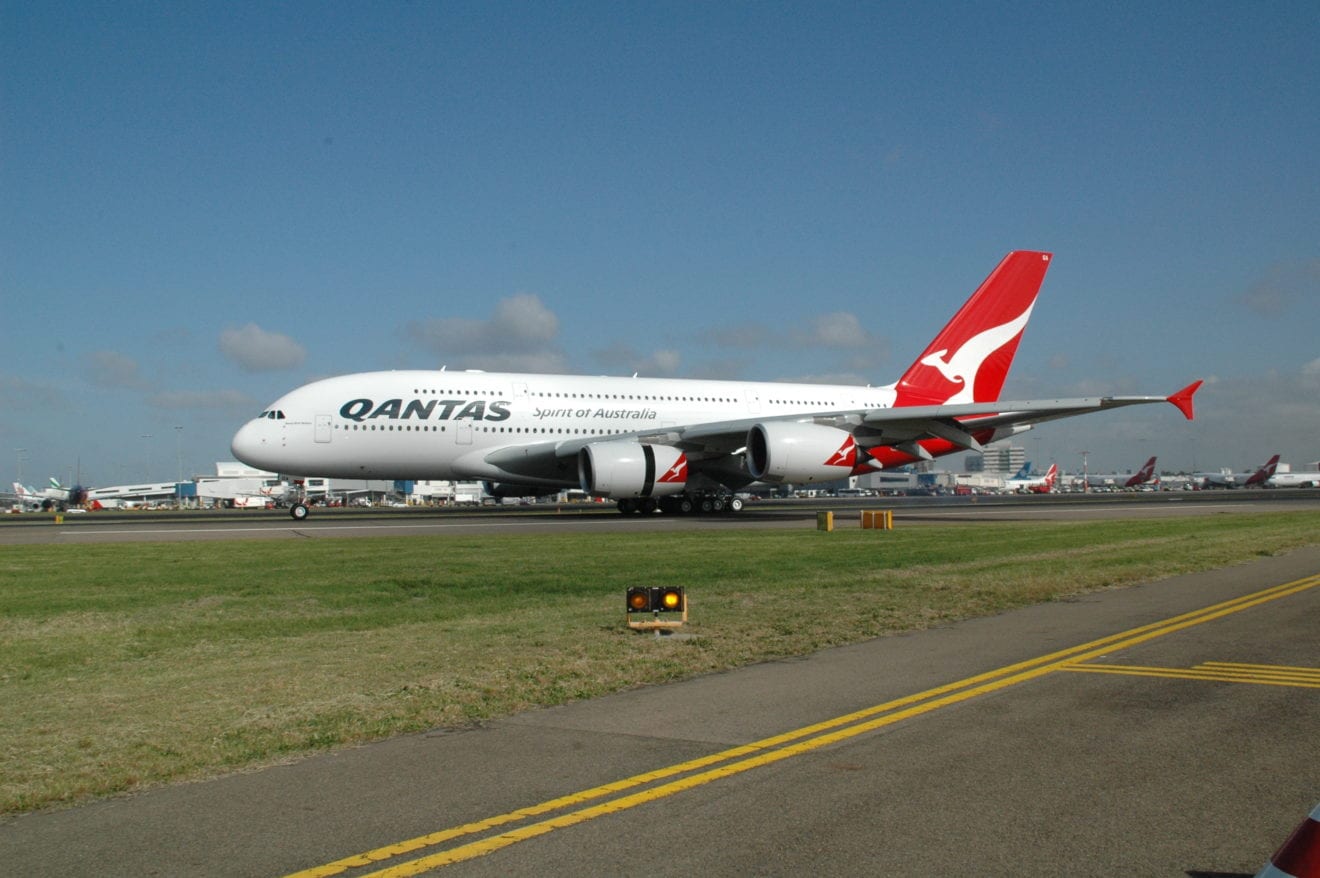
  • Qantas adds more flight to Sydney from Hong Kong

    Qantas adds more flight to Sydney from Hong Kong

    Qantas will add more flights between Hong Kong and Sydney, Australia as a result of increasing demand from travellers.

    From 26 October 2015*, Qantas will operate an additional four Hong Kong-Sydney services each week, on top of the current daily services available to Sydney, Melbourne and Brisbane.

    Qantas International CEO Gareth Evans said the airline was pleased to offer customers more choice from Hong Kong, on a route that is experiencing strong demand from customers.

    “Customers travelling from Hong Kong will have the choice of double daily flights to Sydney on peak days of the week for business travel and we’ll look at expanding beyond that if the opportunity is available,” said Mr Evans.

    The four new Hong Kong-Sydney services will be operated by Qantas’ refurbished A330 aircraft with lie-flat seats in Business and new Economy seats, the first time customers travelling on this route will experience the airline’s latest international product.^

    The new services have been made possible by Qantas’ continued focus on more efficient use of aircraft across its fleet. It coincides with the airline also today announcing an increase in services from Manila to Sydney from four to five per week between early December 2015 and late March 2016 and follows an additional 140 international services recently announced to operate to Australia from Singapore, Jakarta and New Zealand over the upcoming summer holiday season.

    “We’re pleased to add to the seasonal services we’re set to operate from Asia later this year, with the new services again representing the dynamic nature of our network, which has the flexibility to offer our customers more flights during peak seasons,” said Mr Evans.

    With the new services, Qantas will operate 25 services per week from Hong Kong to Australia, in addition to daily services which operate from Shanghai to Australia. From 21 January to 16 February, Qantas will upgrade its B747 services to daily A380 services between Sydney and Hong Kong. 

    Schedule*

    Flight

    Dep

    Arr

    Days of week

    Aircraft

    QF118 HKG-SYD

    2135

    1000+1

    Monday, Tuesday, Wednesday, Thursday

    A330

    QF117 SYD-HKG

    1315

    1940

    Monday, Wednesday, Thursday

    A330

    1340

    2005

    Tuesday

    A330


    * Flights subject to regulatory approval.

    ^ All aircraft subject to change for operational requirements.