Category: Logistics

Retail News Asia is committed to providing both local and global retailers with the latest Logistics news throughout the Asian market. This on a daily base.

  • Delhi NCR Logistics Space Set to Soar to 108.6 Million Sq Ft by End of 2025!

    Delhi NCR Logistics Space Set to Soar to 108.6 Million Sq Ft by End of 2025!

    The National Capital Region’s (NCR) warehousing market is on track to soar to 108.6 million square feet by the end of 2025. This surge is largely driven by Grade A projects, which have captured the interest of institutional investors, as detailed in a recent report by JLL. The Delhi-NH8 submarket is poised to remain at the forefront of this growth.

    “Proposed infrastructure projects, particularly along freight corridors such as DMIC, WDFC, and EDFC, are significantly enhancing warehouse demand by improving connectivity between Delhi and surrounding areas in both Western and Eastern India,” the report stated. Smart investments in these corridors are transforming transportation—and possibly saving future delivery delays that plague today’s e-commerce giants.

    Explosive Growth in Demand

    In a remarkable showing, net demand for warehousing space soared by an impressive 80% year-over-year in the first half of 2025, reaching 4.13 million square feet. Notably, 88% of this demand stemmed from Grade A facilities, highlighting a clear trend toward high-quality spaces. The Delhi-NH8 remained a powerhouse in this surge.

    The third-party logistics (3PL) and logistics sectors emerged as the primary demand drivers, closely followed by light manufacturing fields, such as auto components and engineering, which together constituted 58% of the demand during this period. Other notable contributors included fast-moving consumer goods (FMCG), e-commerce, and retail sectors.

    Institutional Developers Make Their Mark

    The market has witnessed transformative expansion in the first half of 2025, with 4.66 million square feet of new supply entering the fray. Institutional developers and investors are making a strong entrance—particularly concentrated in the lucrative Delhi-NH8 corridor.

    Despite this growth, vacancy rates rose to 21.4% in H1 2025, a reflection of the accelerating supply from large Grade A developers that outstripped demand in the market.

    Rising Rents Reflect Market Trends

    Rents in the NCR have experienced a healthy uptick, rising by 5.3% year-over-year in the first half of 2025. This increase is primarily a response to the surging demand for Grade A spaces that boast superior specifications. With institutional investors gaining a robust foothold, rents are expected to continue climbing, driven by escalating land prices, forthcoming infrastructure projects, and heightened investments.

    As the NCR warehousing market evolves, it’s clear that Grade A facilities will remain the main attraction, drawing interest and investment from across the region. In a landscape where quality is becoming king, businesses are increasingly keen to secure their place in this thriving sector.

    Questions & Answers

    What factors are driving the demand for Grade A warehouse spaces in NCR?
    The demand for Grade A warehouse spaces is primarily driven by strong interest from institutional investors and the significant growth of 3PL and logistics sectors. Additional contributors include light manufacturing fields and e-commerce, all seeking high-quality facilities.

    How have recent infrastructure projects influenced the warehousing market?
    Recent infrastructure projects, especially along freight corridors like DMIC, WDFC, and EDFC, have improved connectivity, boosting warehouse demand by facilitating smoother transport routes between Delhi and surrounding regions.

    What does the future look like for rents in the NCR warehousing market?
    Rents are projected to continue increasing as demand for Grade A spaces persists, propelled by rising land prices, ongoing infrastructure developments, and the growing presence of institutional investors in the market.
  • DHL Express Appoints Karen Tan as New Asia Pacific CIO, Driving Innovation in Logistics

    DHL Express Appoints Karen Tan as New Asia Pacific CIO, Driving Innovation in Logistics

    DHL Express has announced the appointment of Karen Tan as chief information officer (CIO) for Asia Pacific (excluding China), a move that takes effect on September 1, 2025. Positioned in Singapore, Tan steps into her new role following the retirement of Jimmy Yeoh at the end of this year.

    Leading Through Digital Transformation

    In her capacity as CIO, Tan will oversee the comprehensive IT infrastructure, drive digital acceleration, and formulate cybersecurity strategies across more than 40 countries and territories in the region. Her responsibilities also extend to enhancing cross-functional collaboration, ensuring a smooth flow of cross-border trade, and elevating customer service standards.

    Cybersecurity and Customer Experience: A Central Focus

    Addressing the growing complexities of digital ecosystems, Tan emphasized the increasing importance of cybersecurity and data protection. “It is essential to uphold the standards and quality of employee and customer experience,” she stated, capturing the balancing act between innovation and security in today’s landscape.

    A Seasoned Leader with a Vision

    Tan’s affiliation with DHL Express dates back to 1990, where her impressive journey has culminated in her recent role as the CIO for DHL Express Singapore. There, she established a national digitalization framework and bolstered data protection and information security practices. Her influence extends further as the Data Protection Officer (DPO) Champion, as well as a leader in Diversity, Equity, Inclusion & Belonging (DEIB) initiatives, including celebrations for International Women’s Day and Generations Day. Talk about multitasking!

    Strategic Alignment with DHL’s Future Goals

    Ken Lee, CEO of DHL Express for Asia Pacific, lauded Tan’s extensive experience and successful track record in digital acceleration and data protection, asserting that she is the ideal leader to elevate the region’s IT function. Her appointment aligns seamlessly with DHL Express’ Strategy 2030, which emphasizes digital innovation and resilience in an ever-evolving global trade environment.

    Questions & Answers

    What key responsibilities will Karen Tan have as CIO of DHL Express for Asia Pacific?
    Tan will lead IT infrastructure, digital acceleration, and cybersecurity strategies across an expansive network in over 40 countries, while also enhancing customer service and cross-border trade operations.

    How long has Karen Tan been with DHL Express?
    Karen Tan has been part of DHL Express since 1990, bringing over three decades of experience to her new role.

    What initiatives has Tan led in her previous positions?
    She has developed a nationwide digitalization framework in Singapore, championed data protection efforts, and led Diversity, Equity, Inclusion & Belonging initiatives within the company.

  • TWC’s Bold Expansion Into Asia: New Zealand Retail Giant Opens First Store In Singapore

    TWC’s Bold Expansion Into Asia: New Zealand Retail Giant Opens First Store In Singapore

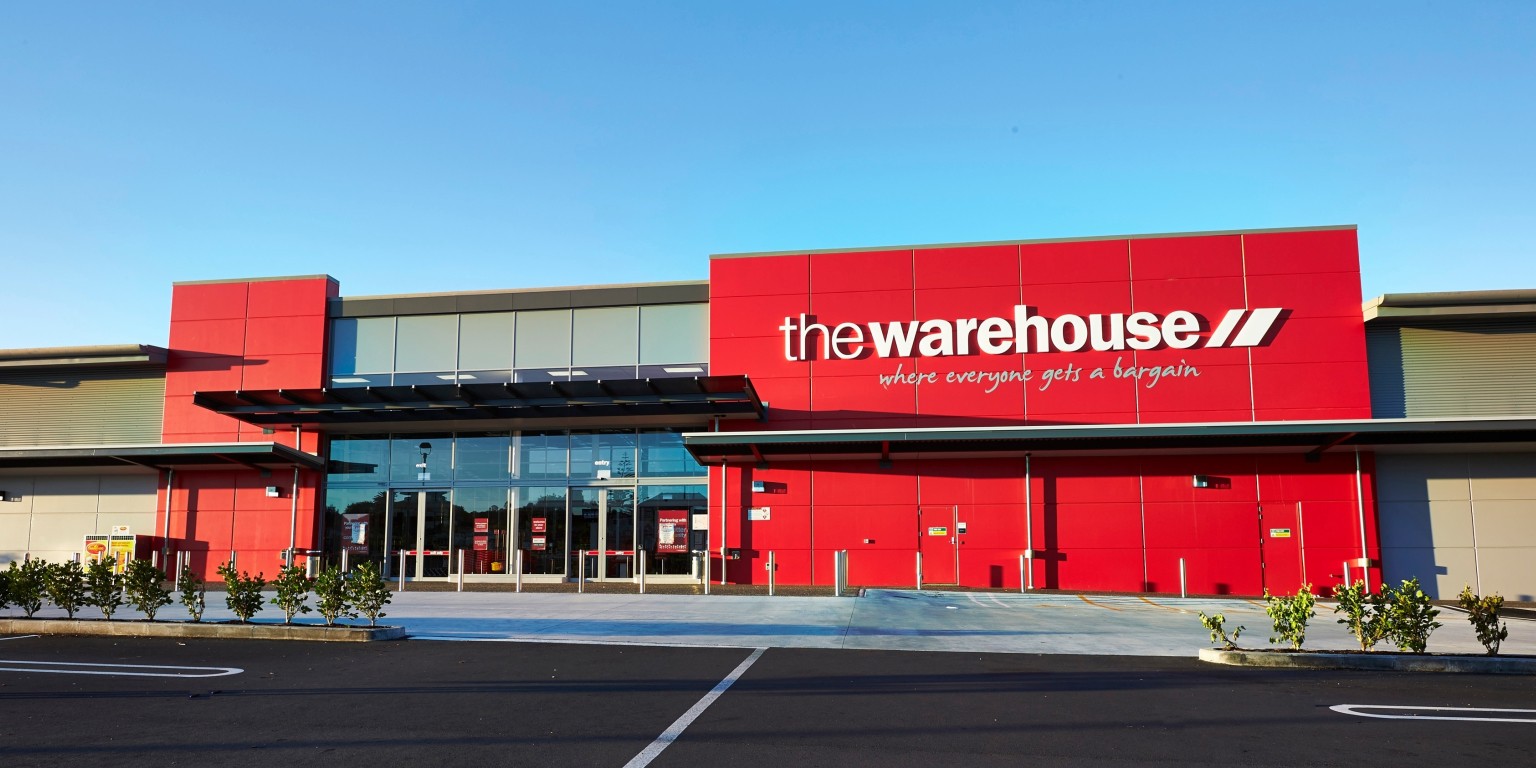
    In an audacious move showcasing the evolving landscape of retail in Asia, The Warehouse Company (TWC) has launched its first-ever store in Singapore, marking a significant step in its expansion strategy across the region. This new outlet, strategically positioned in heart of Orchard Road, not only adds a fresh vibrancy to the retail scene but also represents TWC’s commitment to introducing its popular Australasian offerings to the Singaporean market. Initially founded in New Zealand, TWC is best known for providing customers with quality products at affordable prices, a winning formula it is now eager to share with a new audience.

    Inspiring Growth Through Innovation

    The opening ceremony, which took place amidst a fanfare of excitement, highlighted TWC’s full range of offerings, including apparel, home goods, and a variety of lifestyle products. Executives shared that they aim to replicate the success seen in their home markets by bringing the same ethos of value and customer-centric shopping experience to Singapore. “Our goal is to create a retail environment that fosters community and actively engages shoppers,” said TWC CEO, Sara Tunstall. She expressed optimism about meeting the diverse needs of consumers in Singapore, a city renowned for its cosmopolitan flair and discerning shoppers.

    Creating a Retail Experience Like No Other

    The Orchard Road store isn’t just about transactions; it’s a thoughtfully designed space where shoppers are encouraged to explore and discover. TWC has cleverly integrated local design elements into the store’s aesthetic, resulting in an inviting atmosphere that feels distinctly Singaporean. And if you think that’s a nod to local flavor, wait until you see what they’ve done with their product selection — think tropical-themed goods that scream “staycation!”

    A Considered Approach to Sustainability

    As sustainability becomes a cornerstone of retail strategy, TWC is keen on reducing its environmental footprint. The store features eco-friendly materials in its layout and packaging, reflecting a commitment to not just profit, but planet as well. This initiative aligns perfectly with the growing consumer demand for sustainable practices within the retail sector, particularly in Asia, where eco-conscious shopping is becoming the norm rather than the exception.

    Potential Sparks of a Retail Revolution

    The opening of TWC’s Singapore location has caught the attention of industry analysts and competitors alike. It is seen as a bold gamble, not just due to the high-competition retail landscape but also because of evolving consumer behaviors shaped by the pandemic. Experts speculate that TWC’s arrival could inspire similar brands to consider Asia as a key market for growth. “They’re stepping onto a battlefield filled with giants; can they weave their own tale of success? Only time will tell,” remarked retail analyst Priya Chen.

    Setting the Stage for Future Engagement

    TWC’s presence in Singapore is more than a statement; it’s an invitation for ongoing dialogue with the local community. As part of its launch, TWC plans to host a series of events aimed at engaging consumers directly, from workshops to community fairs. This approach not only fosters brand loyalty but also creates a vibrant retail ecosystem where customers feel connected and valued.

    Questions & Answers

    What distinguishes TWC’s Singapore store from other retailers?
    The store blends local design elements with TWC’s diverse product range, creating a unique shopping experience that resonates with Singaporean consumers.

    How is TWC addressing sustainability in its operations?
    The company is focused on eco-friendly materials in both its store design and product packaging, responding to growing consumer demand for sustainability.

    What future activities does TWC plan to engage the Singapore community?
    TWC intends to host various community-focused events, such as workshops and fairs, to foster connection and loyalty among local shoppers.

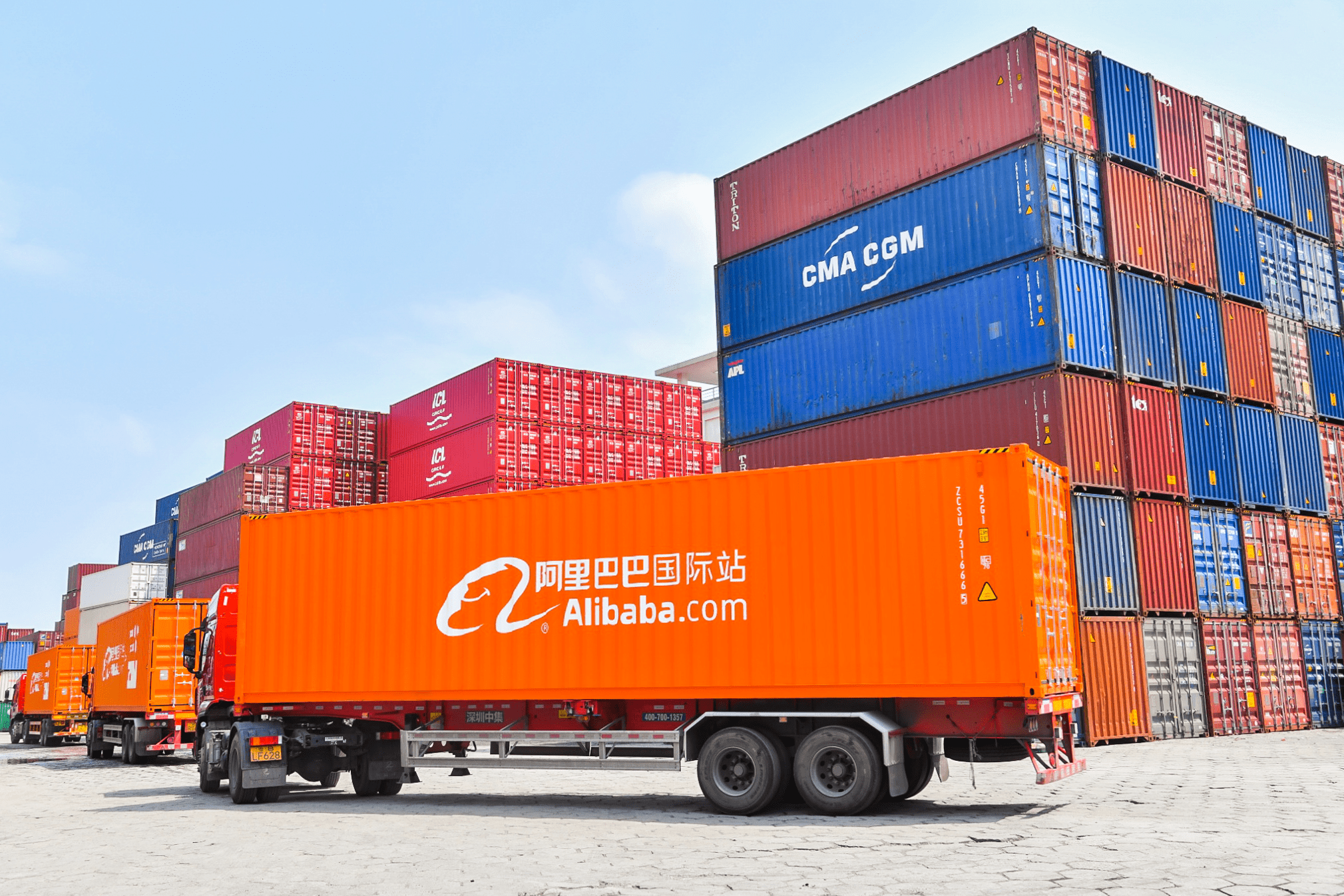
  • Alibaba Unveils Bold One-hour Delivery Strategy Amidst Intense E-commerce Competition

    Alibaba Unveils Bold One-hour Delivery Strategy Amidst Intense E-commerce Competition

    In a significant shift within the Asian retail landscape, e-commerce giant Alibaba has unveiled an ambitious plan to reshape its supply chain infrastructure. As the competitive landscape intensifies, Alibaba aims to enhance its logistics capabilities and streamline operations, responding to the increasing demand for faster delivery times and improved customer satisfaction.

    Alibaba’s Strategic Goals for Enhanced Logistics

    At the core of this initiative is Alibaba’s commitment to achieving a “one-hour delivery” promise in major urban centers. This bold goal reflects a broader industry trend towards rapid fulfillment and personalized service. The retail behemoth is pouring substantial resources into its logistics arm, Cainiao, which is expected to lead the charge in implementing innovative technologies such as artificial intelligence and data analytics to optimize delivery routes and inventory management.

    “Hurry up and wait” could soon be a phrase of the past for Alibaba shoppers, as the company plans to leverage its extensive network of fulfillment centers and last-mile delivery partners to reduce shipping times to unprecedented levels. With consumers increasingly expecting instant gratification from their online purchases, Alibaba is determined to stay ahead of the curve, and this strategic pivot could make all the difference.

    A Competitive Edge Among Retail Rivals

    Alibaba’s strategy comes at a time when its competitors are also racing to improve their logistics operations. Companies like JD.com and Pinduoduo are enhancing their own supply chains to capture a larger share of this rapidly expanding market. However, with its robust resources and technological prowess, Alibaba is well positioned to maintain its dominance in the e-commerce sector.

    The company also aims to address the growing challenge of sustainability within the logistics space. By implementing greener practices in its supply chain, Alibaba hopes not only to reduce its carbon footprint but also to appeal to a customer base that is increasingly eco-conscious. Amidst frequent reports about the environmental impact of e-commerce, this move could give Alibaba a dual edge — improving both its operational efficiency and public image.

    Collaborations and Innovations on the Horizon

    Key to Alibaba’s logistical overhaul will be strategic partnerships with third-party delivery services and technology firms. This collaborative approach is expected to help the company integrate cutting-edge solutions, thus paving the way for more seamless and efficient retail experiences. With the help of emerging technologies like drone deliveries and automated warehouses, Alibaba is venturing into uncharted territory, raising the stakes in the race for e-commerce supremacy.

    Not to be outdone, Alibaba has also doubled down on social commerce, creating an ecosystem where shopping and social interaction are intertwined. This not only enriches consumer engagement but also allows the company to harness valuable data insights to tailor its offerings more effectively.

    As this logistics game plan unfolds, Alibaba’s commitment to a more responsive and responsible supply chain model could set a new standard in the Asian retail arena.

    Questions & Answers

    What is Alibaba’s primary goal with its new logistics initiative?
    Alibaba aims to achieve “one-hour delivery” in major urban centers, significantly improving delivery times to enhance customer satisfaction.

    How is Alibaba addressing sustainability in its logistics operations?
    The company plans to implement greener practices in its supply chain to reduce its carbon footprint and appeal to environmentally conscious consumers.

    What role do partnerships play in Alibaba’s logistics strategy?
    Strategic partnerships with third-party delivery services and technology firms will help Alibaba integrate innovative solutions, enhancing the efficiency and effectiveness of its retail operations.

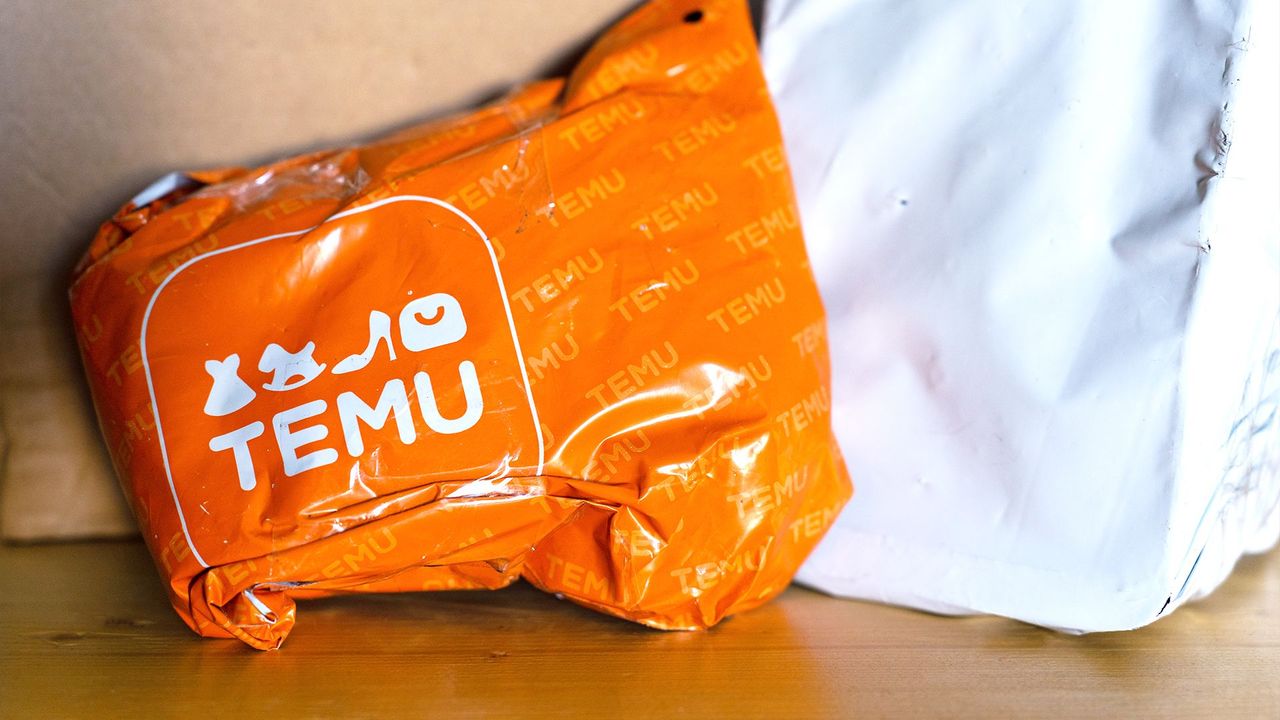
  • Temu Partners with Austrian Post to Strengthen Local Delivery Strategy in Europe

    Temu Partners with Austrian Post to Strengthen Local Delivery Strategy in Europe

    Temu Aims for Seamless Deliveries in Europe Amid Regulatory Challenges

    In a notable response to mounting scrutiny from European regulators, Temu has entered into a strategic partnership with Austrian Post, enhancing its delivery operations across the continent. This initiative is designed to cultivate a “local-to-local” customer experience, which industry analysts suggest is a crucial step for the Chinese e-commerce platform as it seeks to bolster its reputation amid EU sanctions targeting the sale of illicit goods.

    This collaboration signifies more than just an operational upgrade; it reflects Temu’s commitment to adapt to the rigorous standards imposed by European markets. By streamlining logistics and ensuring timely deliveries, Temu aims to reassure customers that while it may have emerged from the bustling e-commerce scene of China, it can seamlessly integrate into local European shopping habits.

    Experts see this as a pivotal moment for Temu. The platform is navigating a complex landscape where transparency and compliance are increasingly becoming the price of entry into markets plagued by concerns over product safety and authenticity. As it faces EU sanctions, Temu’s alliance with Austrian Post could serve as a powerful antidote to its current image troubles, demonstrating a dedication to responsible business practices.

    In a twist that might surprise many, it’s not just about getting products from factory floors to front doors; it’s also about transforming perceptions. Temu’s proactive approach could turn regulatory challenges into a competitive edge, showcasing how innovation in logistics can serve as a bridge between East and West.

    As Temu implements these changes, the retail landscape in Europe is evolving, with major implications for consumer trust and brand loyalty. It will be fascinating to observe how this initiative impacts Temu’s standing in a fiercely competitive market, especially as it strives to move beyond the shadow of its controversies.

    Questions & Answers

    How does Temu plan to improve its image in Europe?
    Temu is enhancing its delivery services by partnering with Austrian Post to create a “local-to-local” customer experience, aiming to build trust and comply with EU regulations.

    What regulatory challenges is Temu currently facing?
    The platform is under EU scrutiny for selling illegal goods, which has prompted a reevaluation of its business practices in the region.

    What broader implications does Temu’s partnership with Austrian Post have for the retail sector?
    This partnership highlights the importance of logistics and compliance in enhancing brand reputation, potentially reshaping consumer expectations in the e-commerce space.

  • Kardex Launches Affordable AutoStore StarterGrid to Revolutionize Warehouse Automation in Singapore

    Kardex Launches Affordable AutoStore StarterGrid to Revolutionize Warehouse Automation in Singapore

    Global intralogistics specialist Kardex has unveiled its new AutoStore™ StarterGrid, which is an affordable, plug-and-play automated storage and retrieval system (ASRS) now available to customers in Southeast Asia. It immediately streamlines storage and fulfilment operations and is targeted at startups, small and medium-sized businesses, and companies wanting to test the impact of automation on their warehouse operations.

    Kardex, the world’s fastest-growing AutoStore integrator, has exclusively designed and configured the 4,000-bin system to provide customers with the chance to embrace warehouse automation without complexity, high costs or long lead times. It provides the ideal starting point for automation, as it is easy to install, built for simplicity, and could cost companies in Singapore as little as S$8,300 a month.

    AutoStore StarterGrid: Scalable, precise, and maximizing warehouse space

    AutoStore is the world’s fastest goods-to-person (GTP) system per square-meter and maximizes space efficiency, reducing warehouse footprint by over 50% and increasing storage capacity. The AutoStore StarterGrid from Kardex can be installed into existing facilities without costly adaptations or power upgrades.

    Precise AutoStore robots can boost picking accuracy up to 99% and throughput can double or even triple compared with manual operations. In addition, the AutoStore ASRS solution enhances warehouse safety and carries out mundane, physically demanding and repetitive tasks, freeing workers up to carry out more rewarding work.

    Designed with scalability in mind, the Kardex AutoStore StarterGrid can be easily expanded without disrupting business operations or requiring any rework, with new ports and robots added swiftly to meet surges in demand. As company needs grow, the grid can even be customized by Kardex to meet evolving requirements.

    A 4,000-bin ASRS solution within 6 months

    The AutoStore StarterGrid from Kardex offers a standardized, pre-configured setup featuring all the essential components to start automating quickly and efficiently. It is simple and hassle-free to implement, comprising a compact, high-density Grid Frame of up to 6 meters, 4 R5 Robots for fast, accurate item retrieval, 4,000 storage bins, and 2 efficient Conveyor-Ports for precise order picking – handling 180 to 240 bins per hour with 99% accuracy.

    Return on investment (ROI) for new solution is 2-3 years on average and businesses can reach out to Kardex to find out more, with a dedicated project team providing expert end-to-end guidance to unlock the benefits of automation within 6 months. In Singapore, the Kardex AutoStore StarterGrid could cost as little as S$8,300 per month, delivering dramatic improvements in storage density, fulfilment accuracy and throughput.

    Kardex: An expert AutoStore integrator and innovator

    Businesses that want to find out more about the impact AutoStore could have on their operations can visit Kardex’s new office and Experience Center in Singapore. The new facility, recently opened in the Nordic European Centre at the International Business Park, positions Kardex for further growth in Southeast Asia and provides a dedicated space for customers to meet with the expert team and see firsthand how AutoStore systems powered by Kardex can revolutionize their operations.

    Kardex also has the most extensive portfolio of exclusive products designed to enhance the AutoStore system. These include: the purpose-built FulfillX warehouse execution system (WES), designed to streamline operations and enhance performance; the Intuitive Picking Assistant (IPA), which guides operators through the picking process by projecting all relevant information to optimize picking efficiency and accuracy; and the SnapVac cleaning robot to keep the AutoStore grid free from dust, debris, and operational slowdowns.

    Freddy Zhong, APAC Director of Business Development for AutoStore, says, “Smarter automation starts with smart prices. The AutoStore StarterGrid from Kardex provides companies of all sizes with automation that’s practical for today AND prepares them for tomorrow. We want to get through to the people who think that warehouse automation is not for them or is too expensive. The StarterGrid has been specially designed for companies that want to improve their storage and fulfillment operations with a solution that is fast to implement, scalable and efficient.”

  • SeaCube Cold Solutions Partners with The Wonderful Company to Establish Primary California Depot in Shafter

    SeaCube Cold Solutions Partners with The Wonderful Company to Establish Primary California Depot in Shafter

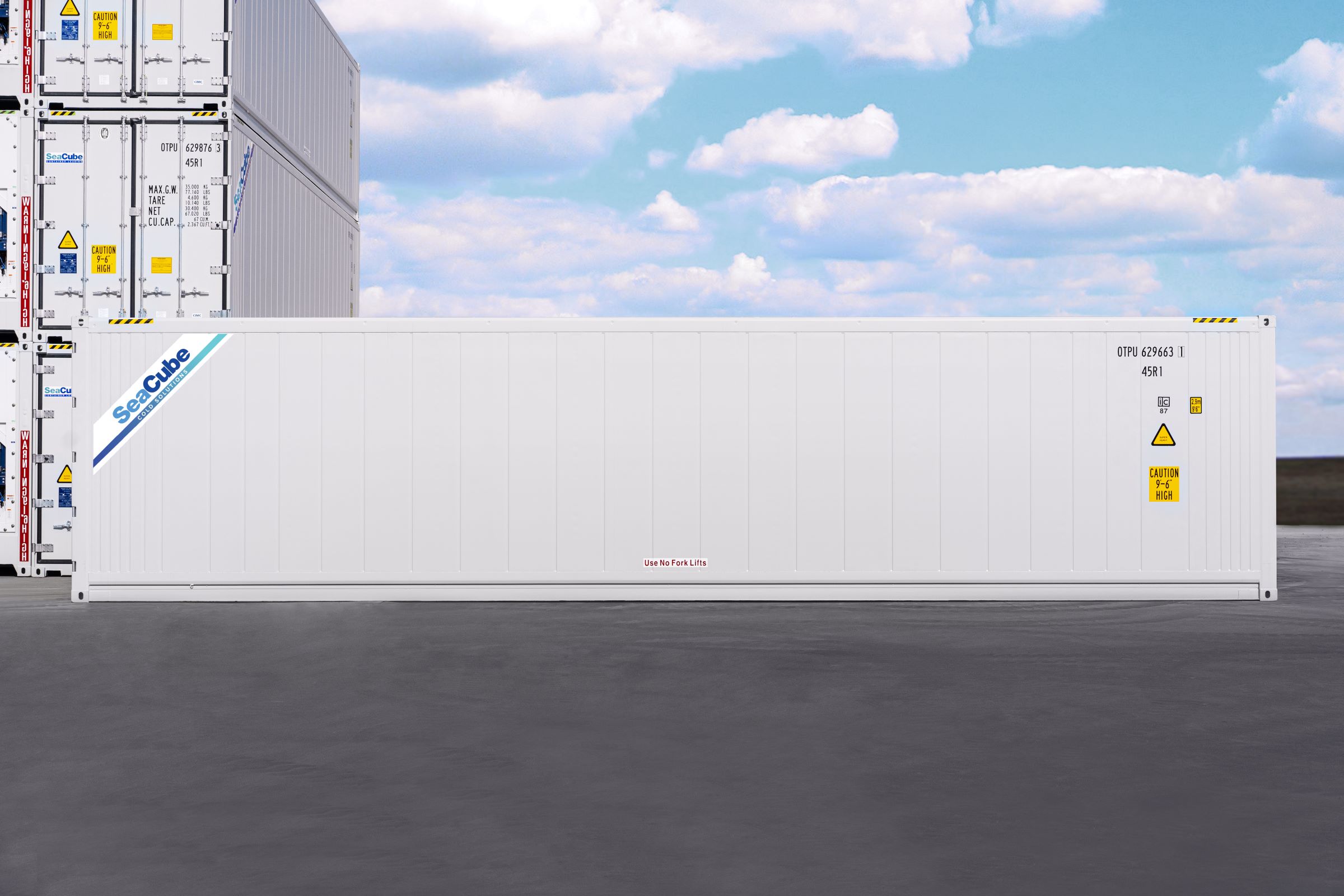
    SeaCube Cold Solutions (SCS), an affiliate of SeaCube Container Leasing and a leading provider of portable cold storage, announces a new partnership with The Wonderful Company. Under this agreement, The Wonderful Company’s Shafter facility will serve as the primary California depot for SCS, providing reefer storage and maintenance and repair services in the region.

    As part of SeaCube Container Leasing, SCS is backed by over 30 years of experience in refrigerated equipment, providing unmatched reliability and innovation in cold chain logistics. This new facility in Shafter represents a significant step forward in SeaCube’s investment in strategically located infrastructure to support its growing SCS customer base.

    “Partnering with The Wonderful Company at the Shafter depot marks a significant step in strengthening our presence in a key logistics corridor,” said James Armstrong, Senior Vice President of SeaCube Cold Solutions. “We’re excited to launch operations at the Shafter, California depot, where we are establishing a significant refrigerated container presence to support not only California’s Central Valley but also a 250-mile radius.

    This location strategically extends our reach across the West Coast, including Arizona and Nevada. With the addition of Shafter, SeaCube Cold Solutions now has full coverage over the entire Southwest Region.”

    The Shafter depot will serve as a hub for both storage and maintenance of SeaCube refrigerated containers. Its strategic location offers direct access to key customers in California’s Central Valley, while its position within a less congested logistics park provides efficient transportation routes to the Los Angeles basin, Arizona, and Nevada. SeaCube is the first—and currently the only—reefer operation at the facility.

    “SeaCube’s portable cold storage solution offers tremendous flexibility during seasonal market fluctuations. We are pleased to have their support and involvement in the Wonderful Logistics Center,” said Sepehr Matinifar, Vice President of Logistic Services at the Wonderful Company.

  • Autonomous Agents Set to Revolutionise Retail Transportation Management

    Autonomous Agents Set to Revolutionise Retail Transportation Management


    Manhattan Associates Inc., the global leader in supply chain commerce, today announced the findings of its latest collaboration with international research firm Vanson Bourne. The global research surveyed 1,450 senior decision-makers* from organisations in retail, wholesale, consumer goods, grocery and food & beverage sectors.

    “Transportation is the backbone of supply chains, essential to ensuring goods are delivered on time to meet customer expectations,” commented Bryant Smith, director, Transportation Management Systems (TMS) at Manhattan Associates. “Yet, managing transportation is becoming increasingly complex, pressured by demands on shorter fulfilment times, capacity and cost efficiencies, tighter sustainability regulations, and the growing necessity for access to end-to-end visibility across all operations,” Smith added.

    Fragmented systems: operational visibility and efficiency still challenging

    The true value of visibility extends beyond simply accessing operational data: it lies in the ability to address issues highlighted by this information and action operational improvements more quickly and efficiently. Beyond disruptions however, 60% of organisations say that enhancing visibility leads to greater customer satisfaction, through more accurate and timely updates, while 50% cite reductions in transportation costs as a key benefit of increased operational visibility.

    The AI revolution: excitement but readiness challenges

    61% of organisations anticipate fully autonomous Agentic AI, capable of acting independently to achieve specific goals within the next five years, however, only 37% have deeply integrated AI and machine learning in their TMS today.

    While many might view five years in the AI space like an eon, the gap between future expectations and current usage is noteworthy given adoption is rarely straightforward: although almost half (48%) said that they already feel very prepared for autonomous agents by 2030, practically every organisation (99%) reported facing, or expecting to face, hurdles, with concerns including skill shortages (49%), integration difficulties (44%) and data quality and availability issues (44%).

    With many organisations seemingly well-placed to take advantage of the cost, efficiency and scalability gains afforded by autonomous agents, those organisations on the other side need to rethink their AI strategies otherwise they risk losing significant (and possibly irretrievable) market share to rivals.

    Sustainability compliance: a priority and significant pain point

    The push for more sustainable transportation is widespread. 69% of organisations say sustainability is either a global mandate or an area of significant pressure, with 62% already implementing Corporate Sustainability Reporting Directive reporting. Navigating complex and shifting compliance requirements remains a global challenge, with sustainability compliance most frequently cited as a constraint expected to impact organisational performance over the next five years. A modern TMS can help to deliver the data visibility and functionality needed to measure progress and demonstrate compliance, vital to ensuring sustainability remains at the forefront of organisational thinking.

    Smith summarised: “Modern transportation management demands organisations balance a range of competing priorities, and the research clearly illustrates many organisations are still unprepared to meet the challenges of evolving sustainability mandates, expectations around AI and the need for more visible, actionable data insights. Looking ahead to 2030, these demands will intensify, increasing the pressure on organisations to operate transportation operations in smarter more intuitive ways.

    “87% of respondents anticipate that challenges in areas such as operational visibility, AI adoption and sustainability compliance will intensify, leaving their current Transportation Management Systems struggling to keep pace. Failure to act now will expose organisations to rising costs, questions over long-term efficacy, and the risk of falling short of customer promises,” Smith concluded.

  • JD Super Boosts Blueberry Offerings Through Exciting New Partnership with Camposol

    JD Super Boosts Blueberry Offerings Through Exciting New Partnership with Camposol

    JD Super has partnered with Camposol, a leading fruit exporter from Peru, to kick off the 2025 Peruvian blueberry season, marked by the arrival of the first shipment in Shanghai on July 4. This direct collaboration means JD Super can now source premium blueberries directly from northern Peru’s lush orchards, resulting in lower costs and a fresher product for consumers in China.

    This season, JD Super aims to import over 1,000 tons of blueberries, targeting a robust 10% share of the total 72,000 tons expected to arrive in the country—a notable leap from last year’s figures. The initial shipment features the prized Madeira variety, meticulously graded to ensure it meets the highest standards of size and quality, promising a delectable taste experience for buyers.

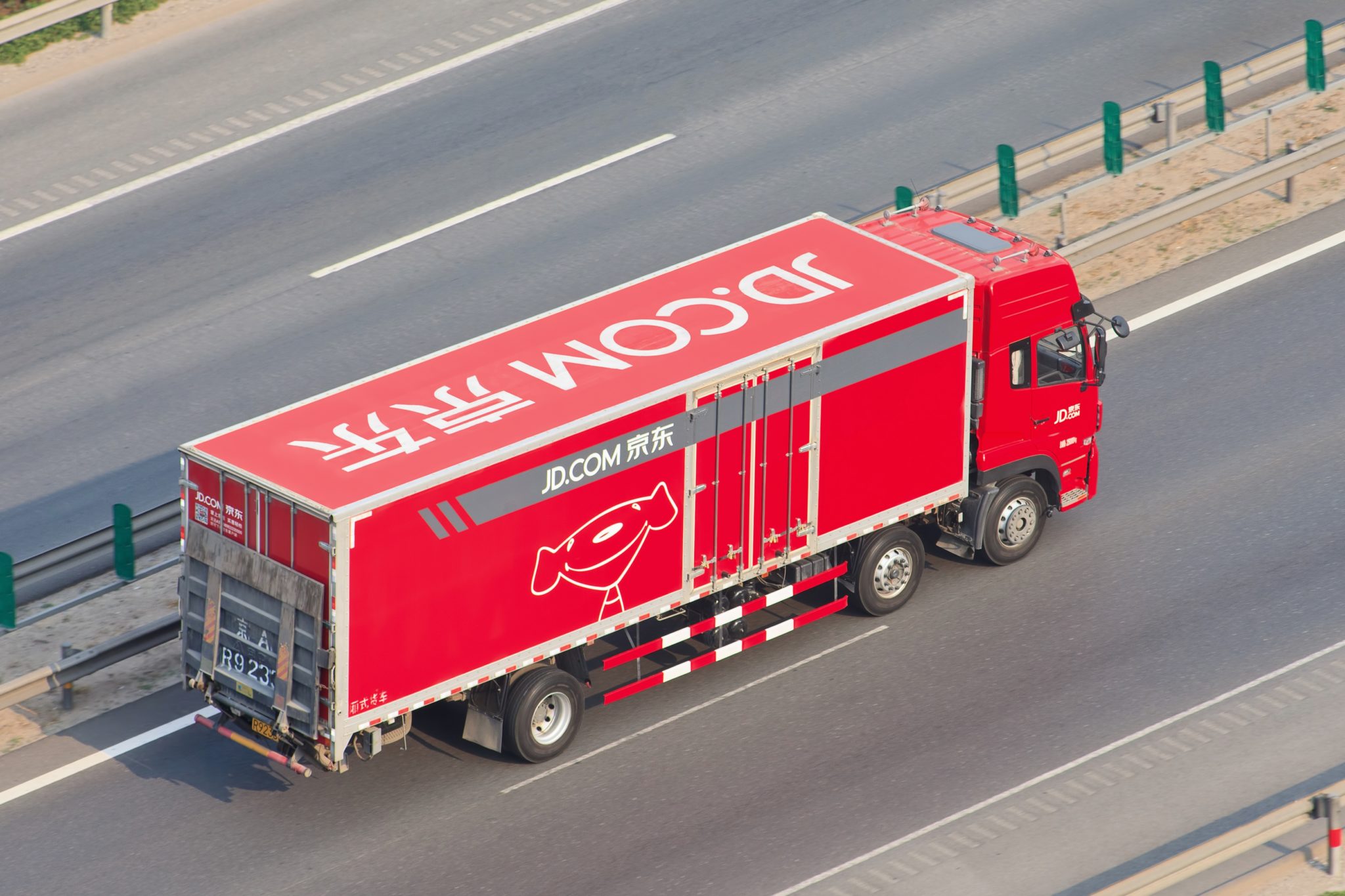
    Strict quality control measures are in place, with Camposol experts monitoring the fruit from its origin and JD Super committing to rigorous ongoing checks. The blueberries travel via a carefully sanitized cold chain—a logistical effort that features refrigerated transport courtesy of JD Logistics, ensuring the fruit maintains its freshness during its journey to over 300 cities across China.

    Since venturing into the imported blueberry market in 2018, JD Super’s direct sourcing model has driven a surge in the popularity and affordability of Peruvian blueberries in China. This rapidly-growing market reflects a remarkable transformation in Peru’s agriculture, where blueberry production has skyrocketed from just 80 hectares in 2012 to an impressive 20,500 hectares today. Who knew blueberries could tell such a remarkable tale of agricultural evolution?

    Questions & Answers

    What new partnership is JD Super launching this season?
    JD Super has partnered with Camposol, a fruit exporter from Peru, to kick off the 2025 Peruvian blueberry season with the arrival of fresh shipments in China.

    How much blueberries does JD Super plan to import this season?
    JD Super aims to import over 1,000 tons of blueberries this season, targeting 10% of the total 72,000 tons expected from Peru.

    What has driven the increase in blueberry production in Peru?
    The rapid growth in Peru’s blueberry production, which expanded from 80 hectares in 2012 to over 20,500 hectares today, can be attributed to increased demand and the efficiency of direct sourcing partnerships like the one with JD Super.

  • FedEx report: Micro-business boom in APAC

    FedEx report: Micro-business boom in APAC

    Micro-multinational businesses in the Asia Pacific are experiencing a business boom, according to new FedEx research.

    Its study shows that 63 per cent of these businesses are achieving annual revenue growth, a success rate achieved by only half of small- to medium-size enterprises (SMEs).

    A previous study last year revealed the greater potential for business growth among SMEs that export goods to overseas markets compared to those that do not. Taken together, the two studies underscore the business benefits of export markets generally, either through simple exports or, like the micro-multinationals in the latest study, by establishing a more direct presence.

    Conducted in September by Harris Interactive for FedEx Express, the study examined trends and characteristics among micro-multinationals, a subset of SMEs that either set up with a presence in multiple markets, or leverage online business platforms and the increased openness of the global economy to expand into overseas markets.

    Another key finding was that APAC micro-multinationals have a marked preference for markets within the region. Other APAC markets make up six of the top eight overseas markets targeted by APAC micro-multinationals, with China topping the list of markets with a micro-multinational presence.

    “We’ve long believed that businesses don’t need to be big to be global, and this study confirms that small businesses that have established a presence in other markets are seeing this strategy pay off substantially,” says FedEx Express Asia Pacific president Karen Reddington.

    “Asia Pacific micro-multinationals have overwhelmingly chosen to set up in other Asia Pacific markets, strengthening regional interconnectivity and driving growth in the intra-Asia trade corridor, the world’s fastest-growing international trade lane. This will translate into job creation, a more efficient pipeline for goods and services and, ultimately, economic growth across the region.”

    As well as accelerated growth opportunities, APAC micro-multinationals believe their presence in multiple markets provides other advantages unavailable to SMEs in a single market. These include access to lower-cost workers (46 per cent), lower overheads (37 per cent) and the availability of different skill sets (36 per cent).

    Also, 63 per cent of micro-multinationals say that running a business in multiple markets is easier than it would have been even five years ago, while 19 per cent do not even believe this would have been possible for them then.

    Harris Interactive used a mix of telephone and online interviews to survey 595 senior decision-makers in micro-multinational companies (companies with 1-249 employees based in more than one country). The research covered 12 global markets across four regions.

  • Körber buys majority stake in DMLogic

    Körber buys majority stake in DMLogic

    The international technology Group Körber concluded the acquisition of the US American company DMLogic on June 30, 2017. With its takeover of the software specialists´ majority shares, the Group is pushing ahead with the internationalization of its Business Area Logistics Systems.

    DMLogic is a specialized supplier of logistics software products, with its headquarters in Pittsburgh, Pennsylvania, USA. The company is also active at other sites in Eindhoven, the Netherlands, and Sydney, Australia. Most of its customers are from the pharmaceutical and automotive industries as well as the trading sector. With its software solutions the company supports customers in designing their warehouse management more efficiently and productively. From the design to the implementation and ongoing support, DMLogic operates as a complete supplier. With STEPLogic, the logistics software specialist has a software development platform that allows customers to develop new processes and apps for the warehouse management systems.

  • Kerry Logistics among awardees named by Bloomberg Businessweek

    Kerry Logistics among awardees named by Bloomberg Businessweek

    Kerry Logistics Network Limited was for the fourth year in a row among the awardees named as the Listed Enterprises of the Year 2019 (the ‘Award’) presented by Bloomberg Businessweek/Chinese Edition, which recognised its excellent performance and contribution to Hong Kong’s economy.

    William Ma, Group Managing Director of Kerry Logistics, said: “We are grateful to the organiser for once again including us among the cream of the crop in the Hong Kong business world. As a Hong Kong-listed company, we always do our best to abide by the highest standards of corporate governance, as well as to contribute to the prosperity of the city in which we are rooted.

    “This encouragement and recognition will continue empowering us to maintain a socially responsible and sustainable business operation, and pursue innovation and development that is beneficial to all our stakeholders.”

    Organised annually by Bloomberg Businessweek/Chinese Edition, part of the internationally renowned brand of business journalism, the Award is the only event applying Bloomberg Terminal data to analyse listed enterprises in Hong Kong.

    Awardees are judged by a panel made up of senior government officials, professionals and academics according to business/financial performance, corporate governance, investor relationship, development strategy, corporate social responsibility, sustainability, innovation and risk management.

    With an expanding global network and a diverse range of businesses, Kerry Logistics has continued its efforts in strengthening its service capabilities, extending its network coverage and building its business scale in order to give itself a competitive advantage in adapting to the changing global logistics landscape.

  • DHL supply chain sharpens growth focus on Singapore, Malaysia and the Philippines

    DHL supply chain sharpens growth focus on Singapore, Malaysia and the Philippines

    DHL Supply Chain, the global market leader for contract logistics solutions, has named Jerome Gillet as CEO of the new Singapore cluster which includes Singapore, Malaysia , and the Philippines . In this role, Jerome will continue to report to Terry Ryan, CEO, DHL Supply Chain Asia Pacific, while remaining as a member of the regional board.

    The appointment will bring synergy for the three markets and drive new growth for the region. The DHL Supply Chain businesses locally continue to be led by the respective country heads – Jason Goh, managing director, DHL Supply Chain Singapore; Mike Davies, managing director, DHL Supply Chain Malaysia; and Suzie Mitchell, managing director, DHL Supply Chain Philippines — who now report to Jerome.

    “We see tremendous opportunity in Singapore, Malaysia and the Philippines to grow our business with even more focus on greater service quality in the markets. Jerome has repeatedly demonstrated his commitment to customer needs, and, in a changing economic climate, he is well placed to help customers deliver greater value from their supply chains,” said Terry Ryan , CEO, DHL Supply Chain Asia Pacific. “An innovator and strategic leader, Jerome is well suited to lead the next stage of growth transformation in our Singapore cluster. With his track record of delivering accelerated growth and building strong customer relationships, I am confident he will drive this new cluster in achieving high and sustainable growth.”

    “I am looking forward to accelerating growth in the newly formed cluster with a strong focus on Quality, Innovation and Customer centricity,” said Jerome Gillet , CEO, Singapore cluster, DHL Supply Chain.

    Jerome’s career in logistics spans over 20 years (the last 17 years in Asia Pacific ) and includes roles in general management, operations and business development. His last appointment as chief customer officer (CCO) of DHL Supply Chain Asia Pacific saw him turn Asia Pacific into the fastest-growing region worldwide within DHL Supply Chain. The tremendous growth was driven by his business development efforts in key sectors such as consumer & retail, technology and life sciences. Prior to his role as the CCO, Jerome was the vice president of consumer sector for Asia Pacific , and increased annual new business gains by over 200 percent between 2008 and 2014.

  • Citilink Adds Another A320 to its’ Fleet

    Citilink Adds Another A320 to its’ Fleet

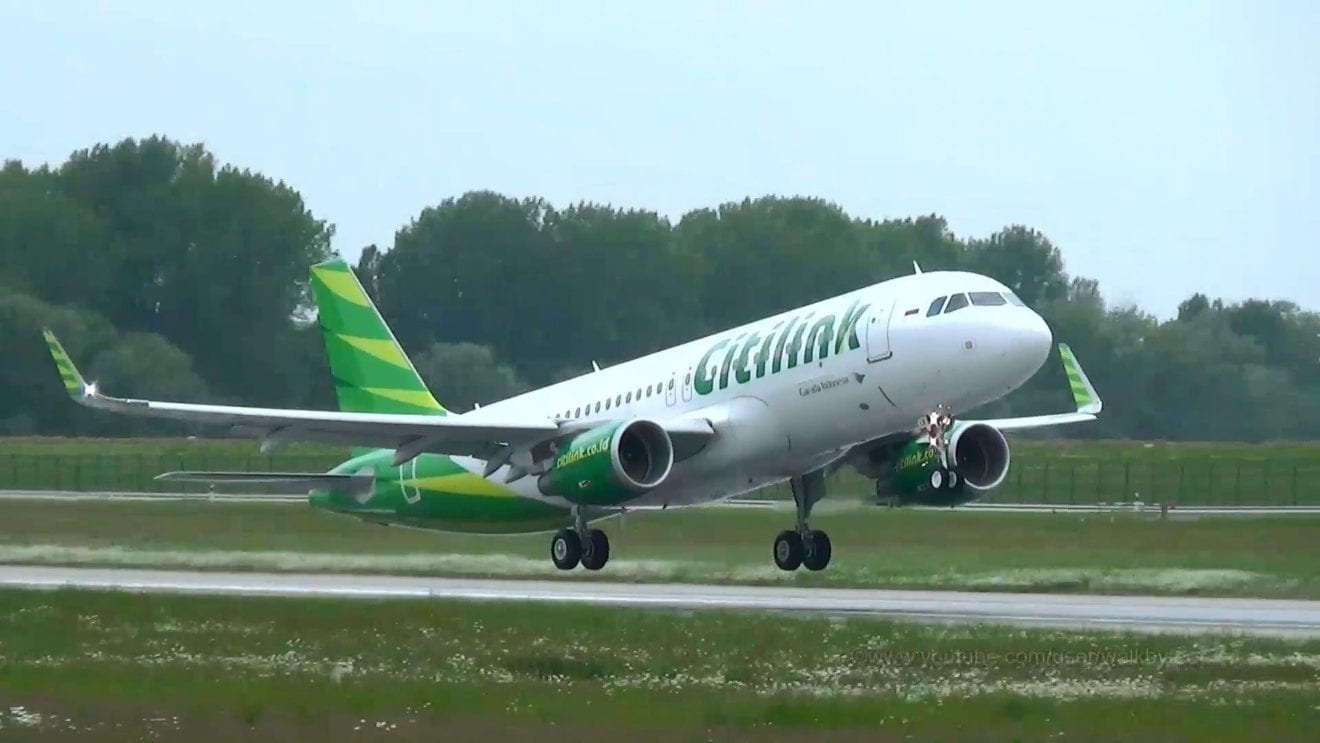
    Indonesia’s flag carrier’s low cost subsidiary, Citilink Indonesia, has acquired a new aircraft that will alow it to operate extra services during the upcoming Eid holiday period.

    The Airbus A320 aircraft, which arrived from Hamburg, Germany on Thursday, is the 35th new aircraft acquired by the airline, said the Executive Director for Citilink Indonesia, Albert Burhan, through a press conference in Jakarta.

    “The addition of the new aircraft is reflective of the company’s growth in the first quarter (Q1) of 2015, which would also support Citilink’s ambition to expand its’ reach and stake in the domestic aviation industry,” said Burhan.

    “The arrival of this aircraft will also enable is to operate more services in light of the upcoming Ramadhan peak season,” said Burhan, before adding that Citilink plans to add up to 16 more flights per day between June 1 to June 15, 2015.

    It is known that extra services will be added to Citilink’s existing services between Jakarta’s Soekarno-Hatta Airport and Jogjakarta, Solo, Malang, Batam, Bali, and Medan’s Kuala Namu airport.

    Burhan explained in the press conference that Citilink needs to have at least 50 aircraft in order to get a bigger chunk of the domestic, low-cost aviation market. Citilink’s fleet, he continued, will grow to around 40 units by the end if the year, which will allow it to meet its’ target of delivering services to 11,2 million passengers annually – up from 7,6 million in 2014.

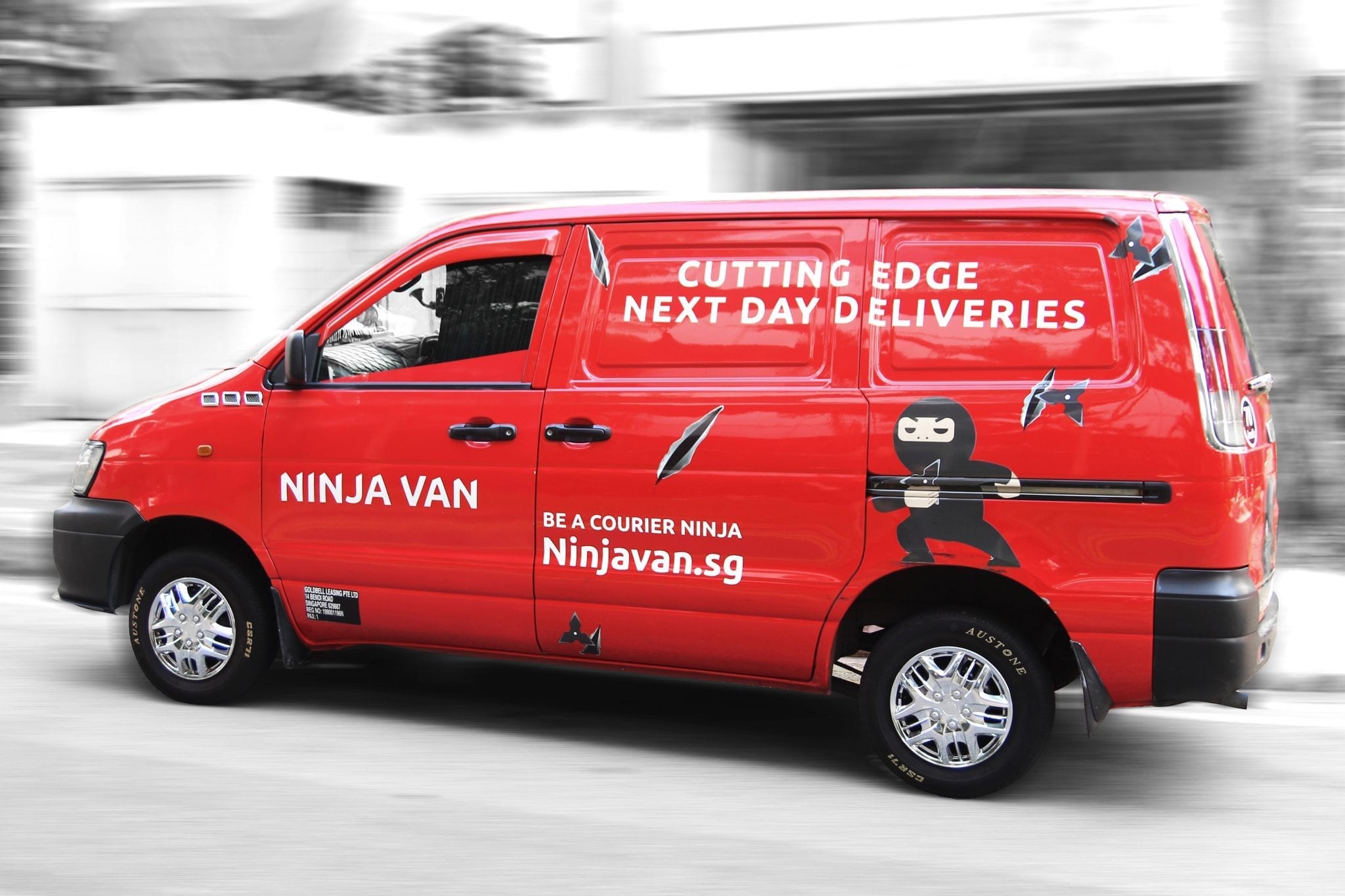
  • Ninja Van expands network in Vietnam

    Ninja Van expands network in Vietnam

    Ninja Van has introduced PUDO (Pick-up Drop-off) franchising into Vietnam, providing local small-cap entrepreneurs a profitable opportunity.

    Ninja Van’s Agency Sales Network, the official name for Ninja Van Retail’s revolutionary PUDO business, is now expanding, with over 200 agents entering the network.

    To keep up with the changing pace of the e-commerce market, Ninja Van Vietnam, a fast-growing and leading e-logistics company in the market, is steadily becoming a favorite courier brand. Thanks to its well-built ecosystem, Ninja Van’s agency sales network with PUDO points is expanding its presence across the country, promoting quick and precise delivery to end-users and boosting the revenue of business partners.

    The company has been offering new businesses its agency sales network – PUDO point franchising – to reduce risks in the logistics market. Ninja Van’s agency sales network is an initiative to assist inexperienced partners in launching their first firm, maximizing their profits in the e-logistics market with minimum investment. With more than 200 PUDO points deployed by agents since 2020, the network has grown faster than expected thanks to its appealing policy and high return on investment rate.

    Partners with a small amount of capital for a new business can open a well-prepared branded agent for as little as VND25 million.

    Ninja Van Retail’s team will take all the responsibility for store renovation and support partners from all provinces despite geographical barriers to innovate logistics improvements.Ninja Van Retail provides new partners with important assistance in deploying their first business in e-logistics with standardized operation, relevant to PUDO management and profitable services. One of the most significant features of Ninja Van’s agency sales network is that the PUDO partners will be one of the important links in Ninja Van Retail’s complex technical network and excellent customer services nationwide.

    The team will provide operation training to agency sales network partners, and the PUDO agent will be looked after by Ninja Van’s personnel directly to ensure quality services across the network are synchronized. On the other hand, the team assists PUDO agents in evaluating operation quality on a quarterly basis in order to maximize business effectiveness. Ninja Van’s agency retail network promotes manual threading, reducing agent labor while providing a stable income for partners.

    The investment in Ninja Van franchising is refundable. Ninja Retail’s partners can decrease their financial risk because the franchiser will not impose fines or business pressure on its agents.

    Compared to the previous period in 2021, the scale of e-commerce in Vietnam has increased by 53 percent despite Covid-19, and nearly 60 percent of Vietnamese consumers continue to shop online since social distancing.

    According to VECOM, e-commerce business in Vietnam might be worth $52 billion in 2025. The results confirm the potential of e-commerce in the near future, and PUDO points are expected to be its spine to continue the momentum by 2025.

    One can become a Ninja Van Retail partner by registering here. The joining fee is refundable. Ninja Van Retail will reward agents for expanding with more profitable costs and discounts; agents who refer others will receive VND5 million in cash and a 5 percent commission on income in two months.