Retail News CRM

Category: Logistics

Retail News Asia is committed to providing both local and global retailers with the latest Logistics news throughout the Asian market. This on a daily base.

  • DHL Express adds innovative feature on AI-powered platform to help businesses access new markets

    DHL Express adds innovative feature on AI-powered platform to help businesses access new markets

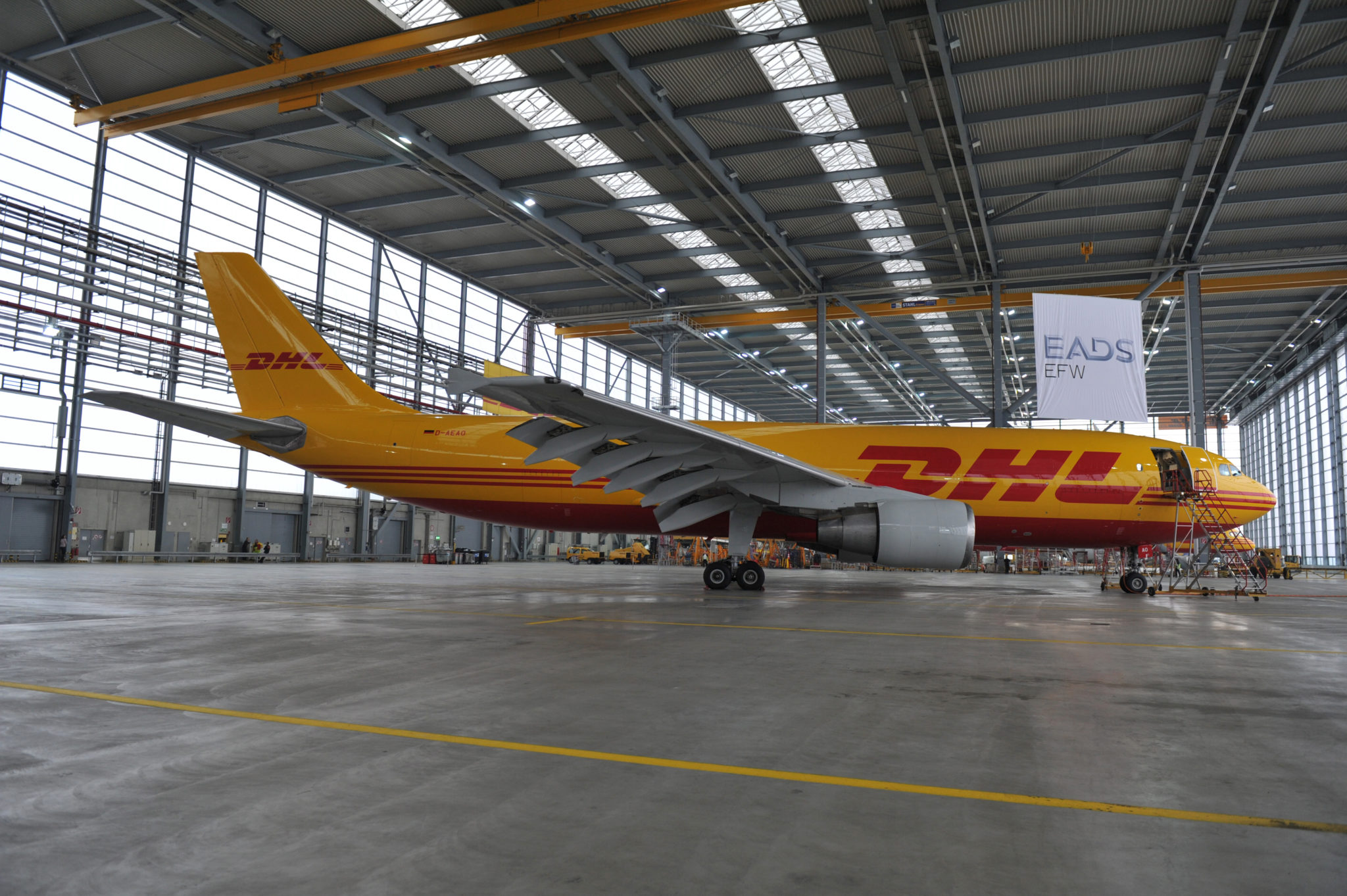
    DHL Express, the world’s leading international express service provider, has further enhanced its AI-powered platform, “My Global Trade Services” (MyGTS), with a new “trade lane comparison” feature. This feature enables businesses of all sizes to find references to existing trade lane regulations and requirements between the exporting and importing country or territory. With this, companies planning a market expansion strategy can leverage the solution to make well-informed decisions to maximize efficiency and gain competitive advantage.

    MyGTS is an online self-serve portal that helps users easily retrieve customs information to pre-plan shipments as they access new markets or launch new products. The new feature uses artificial intelligence and machine learning to provide an overview of the trade agreements in place and estimated duties/taxes which are included in the landed cost of the different trade routes. Landed costs can be defined as the total cost of getting a product from the factory to a customer’s door. Besides shipping fees and insurance, it includes estimated customs duties and taxes for cross-border shipments.

    On the platform, users will simply need to indicate the product they are shipping and the desired exporting and importing country or territory. This is especially useful to small and medium enterprises (SMEs), often challenged by a lack of internal resources, knowledge, and expertise to navigate a complex landscape of customs regulations and procedures.

    “Companies including SMEs are doing what they can to boost business resilience and global presence. However, SMEs tend to be impeded by the intricacies of trade regulations and processes, slowing down their expansion plans,” said Yung C. Ooi, Asia Pacific Senior Vice President for Commercial, DHL Express. “The new trade lane comparison capability helps SMEs enhance the understanding about customs requirements and landed cost. It aligns with our commitment to providing innovative solutions to help SMEs lower major trade barriers and become more confident in cross-border trade activities.”

    With this information, businesses can analyze and identify routes that offer the most favorable import and export conditions, leading to potential cost savings and increased profitability. When sourcing or procuring materials from different factories or vendors, importers can identify references of where import license or permits are required for entry. On the other hand, exporters will be informed about the import customs requirements for the products that they want to ship to the destination country or territory. This valuable insight helps businesses to define their go-to market strategy, strategically positioning themselves in new markets.

    With a heightened focus on risk mitigation and resilience, companies can leverage this feature to reduce reliance on single-sourcing locations. Moreover, businesses can tap into the burgeoning Asia market, which presents immense market opportunities fueled by many manufacturing powerhouses and emerging consumer markets. The latest DHL Global Connectedness Report shows that corporate globalization is rising, as companies invest in overseas markets, and expand their international presence.

    MyGTS is part of DHL’s Global Trade Services, which contains a suite of capabilities that help shippers easily navigate the increasingly complex customs regulations and requirements. Besides the new trade lane comparison feature, MyGTS also includes a pre-shipment planner tool that helps businesses know the import/export requirements regulations and calculate landed costs.
  • WestJet Cargo launches three new routes

    WestJet Cargo launches three new routes

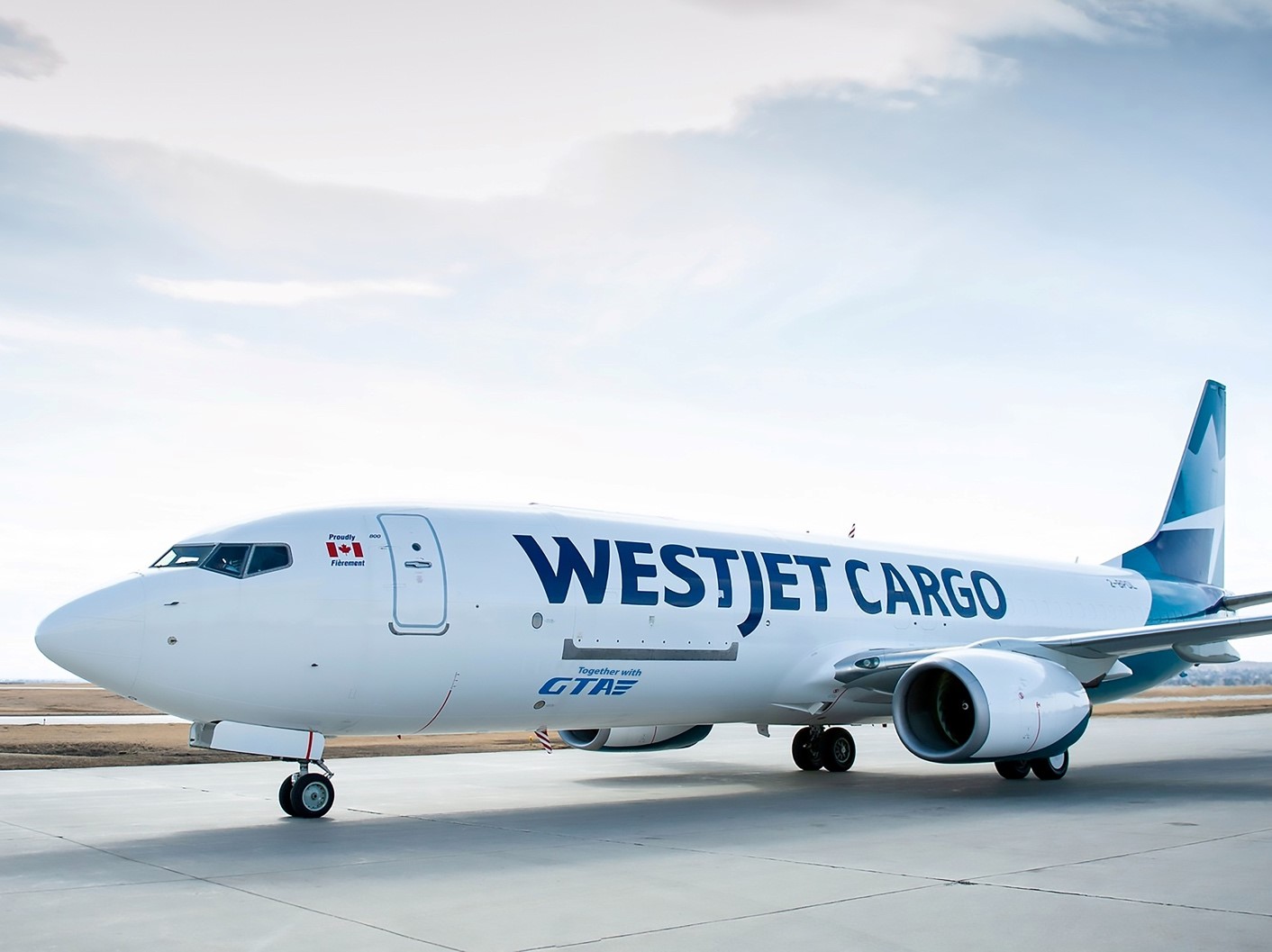
    The Chicago route was opened for cargo sales on May 16th, connects Calgary to the US city three times a week, increasing to daily flights by June 17th and will continue to operate year-round. Operating with 737 aircraft, this route offers cargo capacities of 2,700 kg per flight, focusing on the transportation of perishables. This route addresses increasing demand and marks the opening of WestJet Cargo’s passenger belly network in addition to the weekly freighter that already operates into Chicago.

    Moncton, Canada, was opened for cargo sales on May 17th to meet the growing needs of the Canadian market and will continue to operate year-round. Also utilizing a 737 aircraft, this route links Moncton to Calgary, Edmonton, and Toronto with varying frequencies: up to daily flights to Calgary, 3 to 4 weekly flights to Edmonton, and 3 to 5 weekly flights to Toronto. The primary cargo for this route is live animals and can also accept 2,700 kg per flight of cargo.

    The Calgary to Incheon route, launched on May 18th, operates three days weekly with a 787 Dreamliner, offering a 60 tonnes capacity for all cargo commodities. This route is already highly popular with the WestJet cargo customers!

    “These new routes will significantly enhance our ability to serve the Canadian market by offering greater capacity and more options for our customers,” said Kirsten De Bruijn, Executive Vice President of WestJet Cargo. “We’re delighted to expand our network and provide reliable and efficient cargo services to meet the growing demand.”

  • Kuehne+Nagel launches specialised road logistics services for the MedTech industry in Europe

    Kuehne+Nagel launches specialised road logistics services for the MedTech industry in Europe

    Kuehne+Nagel accommodates the MedTech industry by launching new service options for the transportation of medical technology devices as part of its road freight offering in Europe. The MedTech industry continues to grow due to the introduction of innovative technologies that address the needs of aging populations and patients with increasingly prevalent diseases like diabetes, hypertension, asthma, and heart failure.

    The extended offering answers a demand for logistics services that do not have to fulfil GxP requirements but still meet the elevated safety and quality requirements of high-value medical and diagnostics devices. It is available in Germany, France, the UK, the Netherlands, Spain and Italy.

    As part of the service, products are transported with special handling within Kuehne+Nagel’s reliable network. Trained experts in MedTech competence centres provide a centralised customer service and proactively handle unexpected deviations.  Depending on the service option—MedTech or MedTech+—customers can also count on regular consignment inspections, end-to-end visibility, and white glove deliveries, including device installation and removal of packing material.

    “What is exceptional is that customers can also choose this service option for groupage shipments, in addition to LTL and FTL. We can guarantee the quality through focused investments in safety procedures, skilled staff and specially equipped cross-docks and stations,” said Joerg Woyke, Global Head of Road Logistics Healthcare. “Even when GxP compliancy is not required for medical devices, sensitive handling is highly important.”

    Developing new solutions for healthcare customers is in line with Kuehne+Nagel’s Roadmap 2026, with Healthcare being a growth area.

  • Lufthansa Cargo presents commitment to transforming the aviation industry

    Lufthansa Cargo presents commitment to transforming the aviation industry

    Air freight remains essential for the German economy. No other mode of transportation offers the necessary speed to transport time-critical, temperature-sensitive, and valuable goods. Whether it’s urgent spare parts, vaccines, relief supplies, or animals on their way to a new home – when speed, safety, and care are paramount, shipping by air freight is the best choice for freight forwarders, industrial and private customers.

    On Supply Chain Day, 18 April, Lufthansa Cargo highlights the importance of air freight and how the company facilitates global trade. Lufthansa Cargo invites interested parties for a behind-the-scenes look at the Lufthansa Cargo Center in Frankfurt, the airline’s primary hub for cargo.

    Frankfurt Airport plays a crucial role as a major hub in Europe: With a handling capacity of 20,000 tons per week, Lufthansa Cargo operates its largest logistics center worldwide at Frankfurt Airport. To continue supporting companies in participating in global trade amid growing industry demands, Lufthansa Cargo primarily relies on digitalization and innovative measures.

    “Air freight remains a growth market, and the stable supply chains we can provide are indispensable,” explains Thomas Rohrmeier, Head of Handling Frankfurt at Lufthansa Cargo. “This is especially essential in times of global tensions and changing customer needs. For this, we need innovative solutions that meet our requirements, those of our customers, and society.”

    However, these can only work with a modern infrastructure. For this purpose, the cargo airline is investing around 500 million Euros in construction and modernization measures in the Cargo City North.

    “With a handling share of approximately 80 percent of Lufthansa Cargo’s global cargo volume, the Frankfurt hub significantly determines the operational stability of Lufthansa Cargo,” says Rohrmeier. The modernization will enable increased handling speed, smooth transportation processes, and supply chains, and an improvement in service quality. Thus, the company reaffirms its commitment to the Frankfurt location and contributes to its attractiveness as a business hub.

    Furthermore, Lufthansa Cargo is further advancing the reduction of its carbon footprint and aims for a neutral CO2 balance by 2050. By 2030, the company aims to halve net CO2 emissions through reduction and compensation measures compared to 2019. “A large portion of our emissions occur during flying,” says Brian Kowalke, Environmental Manager at Lufthansa Cargo. “Therefore, Sustainable Aviation Fuels (SAF) are an important lever for reduction, which we already use and which already enable more sustainable flying today, reducing CO2 emissions by up to 80 percent compared to fossil fuels.” In addition, the airline’s freighter fleet is gradually being equipped with AeroSHARK technology. This involves applying a surface film specially developed by Lufthansa Technik and BASF to the aircraft, which reduces friction resistance and thus reduces the fuel consumption of the machines.

  • Southeast Asia emerges as top growth market for APAC region, according to new FedEx survey

    Southeast Asia emerges as top growth market for APAC region, according to new FedEx survey

    FedEx Express, a subsidiary of FedEx and one of the world’s largest express transportation companies, today released findings from its latest research report conducted in partnership with Forbes Insights. The report aimed to identify key international growth trends for small and medium-sized enterprises (SMEs) in the Asia Pacific region over the next three years. The survey identified growth opportunities for small businesses as well as challenges to international cross-border commerce.

    The survey polled 250 small and mid-sized business leaders, including founders and C-suite executives, across a range of industry sectors in the Asia Pacific region.

    A key finding was that 68 percent of respondents see the greatest potential for growth in Southeast Asian countries such as Thailand, Vietnam, and Indonesia. Economic growth, cultural affinities, and improved regional trade deals are fuelling optimism around ASEAN markets, according to the report. While 88 percent of those surveyed said that they were planning customer base expansions globally over the next three years, APAC business leaders find it harder to do business with partners, suppliers, and customers in markets like Europe and North and South America.

    Challenges remain for truly realizing cross-border opportunities even within the APAC region. When asked about barriers to international expansion, half of the respondents cited complex customs requirements and documentation as their primary hurdles ahead of finding new customers (45%) and finding partners or suppliers in global markets (42%). With limited in-house trade compliance expertise, navigating different customs regulations across markets remains complicated, according to those surveyed.

    “Our data shows that economic headwinds and global competition are seen as the most pressing business challenges for Asia’s SMEs today. Southeast Asian markets are currently growing faster than in many other parts of the world, so it makes sense for them to focus on intra-Asia trade,” said Kawal Preet, president of Asia Pacific, Middle East & Africa region, FedEx Express. “Yet there remains work to do in surmounting barriers to entry into international markets despite the rising number of regional and bilateral trade agreements. Understanding how to navigate complex customs regulations is where expert partners like FedEx can add value allowing SMEs to concentrate on their core strengths.”

    According to Ross Gagnon, Executive Director of Research, Forbes Insights, “the findings provide valuable insights into high-growth areas and the continuing barriers facing export-driven SMEs. Collaborations focused on unlocking border compliance and bridging digital divides will be key to realizing their international ambitions.”

    Enhancing the customer experience was the most highly ranked business priority for SMEs (57%). While small businesses typically invest only five percent of the total revenue of their annual IT budget on digital transaction capabilities, digital technology was seen as instrumental in tackling customer experience challenges by applying analytics, machine learning, AI, real-time tracking and visibility solutions and technology training to upskill employees. Although the potential of technology is clear, nearly three-quarters (71%) of respondents stated that developing or implementing a digital strategy was their biggest challenge, followed by mitigating security threats (65%) and the cost of upgrading existing systems (64%).

    Where specialized skills and costs are prohibitive, digital transformation can be simplified by choosing partners that have their own digital tools and platforms they can use or incorporate into their own.

    The full FedEx research report is available at fedex.com and offers more data on trends to guide Asian SME strategies for success.

  • FedEx makes ‘historic’ cross-border delivery with electric vehicle

    FedEx makes ‘historic’ cross-border delivery with electric vehicle

    FedEx Express has set a record for successfully executing the first cross-border package delivery from Malaysia to Singapore with an electric vehicle.

    The attempt was recognized by the Malaysian Book of Records for ‘First Zero Emission Cross-Border Delivery.’ On 27 February 2024, the milestone journey commenced at a FedEx station in Shah Alam and concluded at Changi Airport in Singapore, spanning a total distance of 406 kilometres,

    “When we set our goal of carbon neutral operations by 2040, we knew we were setting a bold target that set us apart in our industry and across other industry sectors. Transitioning successfully to a zero emissions operating model means we need to think strategically about all of our ground operations, not just last mile delivery,” said Kawal Preet, president of Asia Pacific, Middle East, and Africa region.

    FedEx discovered that the zero-emissions package delivery, which was completed with just a single charge in Johor, demonstrated an approximately 100 kilogram reduction in tailpipe CO2 emissions compared to diesel-powered vans.

    “This cross-border trial has been a successful proof of concept that will help advance our fleet electrification program. This will be pivotal in shaping the future of its operations, which will not only benefit the environment, but also improve the efficiency of its fleet, while providing excellent service to its customers.”

    FedEx is using the insights gained from this trial to assess operational effectiveness for future cross-border pick-up and delivery operations. In addition to vehicle electrification, the company has a tailored approach to efficient and responsible resource management of both its air and ground operations. Specific sustainability efforts include fuel savings initiatives, renewable energy investments, and sustainable packaging solutions implementation.

    The company also recently launched a cloud-based carbon emissions reporting tool, FedEx® Sustainability Insights, giving customers access to historical emissions information on their shipments within the FedEx network.

  • Ministry of Finance wants 50% tax on e-cigarette atomizer

    Ministry of Finance wants 50% tax on e-cigarette atomizer

    The Ministry of Finance has maintained its proposal to impose a 50% Most-Favored Nation (MFN) tariff on electronic atomizer, the device used to heat up liquid solution used for vaping.

    In a recent response to the Ministry of Health, which has advised the government to ban the imports of e-cigarettes due to health concerns, the finance ministry said that as the code of e-cigarette products were included in Vietnam’s list of exported and imported goods, it needed to impose a tax on such products in case the government allows their import in the future.

    The MFN is what countries promise to impose on imports from other members of the World Trade Organization.

    Vietnam now imposes a 50% MFN tariff on the liquid solution used in e-cigarettes and on the e-cigarettes in which the atomizer and the solution are inseparable.

    The tariffs, however, have mostly no practical impact as Vietnam does not allow the imports of e-cigarette components. These products, however, are widely popular in the country, mostly because of smuggling.

    The Ministry of Industry and Trade has reminded the finance ministry that atomizers should be regulated as electronic products already subject to an MFN tariff of 5% according to Vietnam’s commitments to the WTO.

    But the finance ministry said that e-cigarette components were new products that did not exist when Vietnam made commitments with the WTO.

    Government officials estimate that smoking is the cause of over 40,000 deaths in Vietnam every year.

    Experts say that the rising popularity of e-cigarettes means they should be regulated to prevent smuggling.

  • 4,800 containers unclaimed at HCMC ports

    4,800 containers unclaimed at HCMC ports

    Over 4,800 containers have been left unclaimed for more than 90 days at Ho Chi Minh City sea ports, causing difficulties for logistics activities.

    HCMC Customs said that the goods include wood, scrap and others.

    Many companies imported their goods in excess before the seven-day Lunar New Year holiday which began Feb. 8., causing a surge in the number of containers in January.

    Many importers of scraps are “ghost” companies, established with incorrect information regarding who operates them.

    Goods that are left unclaimed will be either sent back to the sender or be destroyed.

    A large number of unclaimed goods can cause congestion at ports and create a shortage of empty containers, which can result in higher transportation charges.

  • DB Schenker names new Asia Pacific chief

    DB Schenker names new Asia Pacific chief

    DB Schenker has named Vishal Sharma as its new CEO for the Asia Pacific Region, taking over the duties of Dr. Niklas Wilmking who will now represent the contract logistics and supply chain management division as board member.

    The 52-year-old brings more than 30 years of experience in the logistics sector and has been serving as CEO for DB Schenker’s Greater China cluster since 2021. He joined the German forwarder in 2018 as the CEO of the Indian subcontinent cluster.

    Before joining DB Schenker, Vishal has held various executive leadership positions in several forwarding companies in the US, Singapore, India and Denmark. He assumed the new role on 1 February.

  • JD.com partners with parcel company Evri in the UK

    JD.com partners with parcel company Evri in the UK

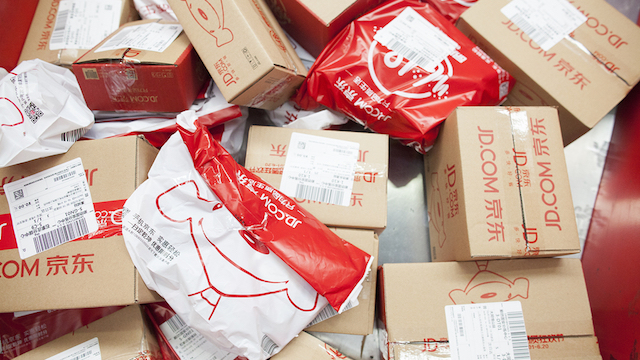
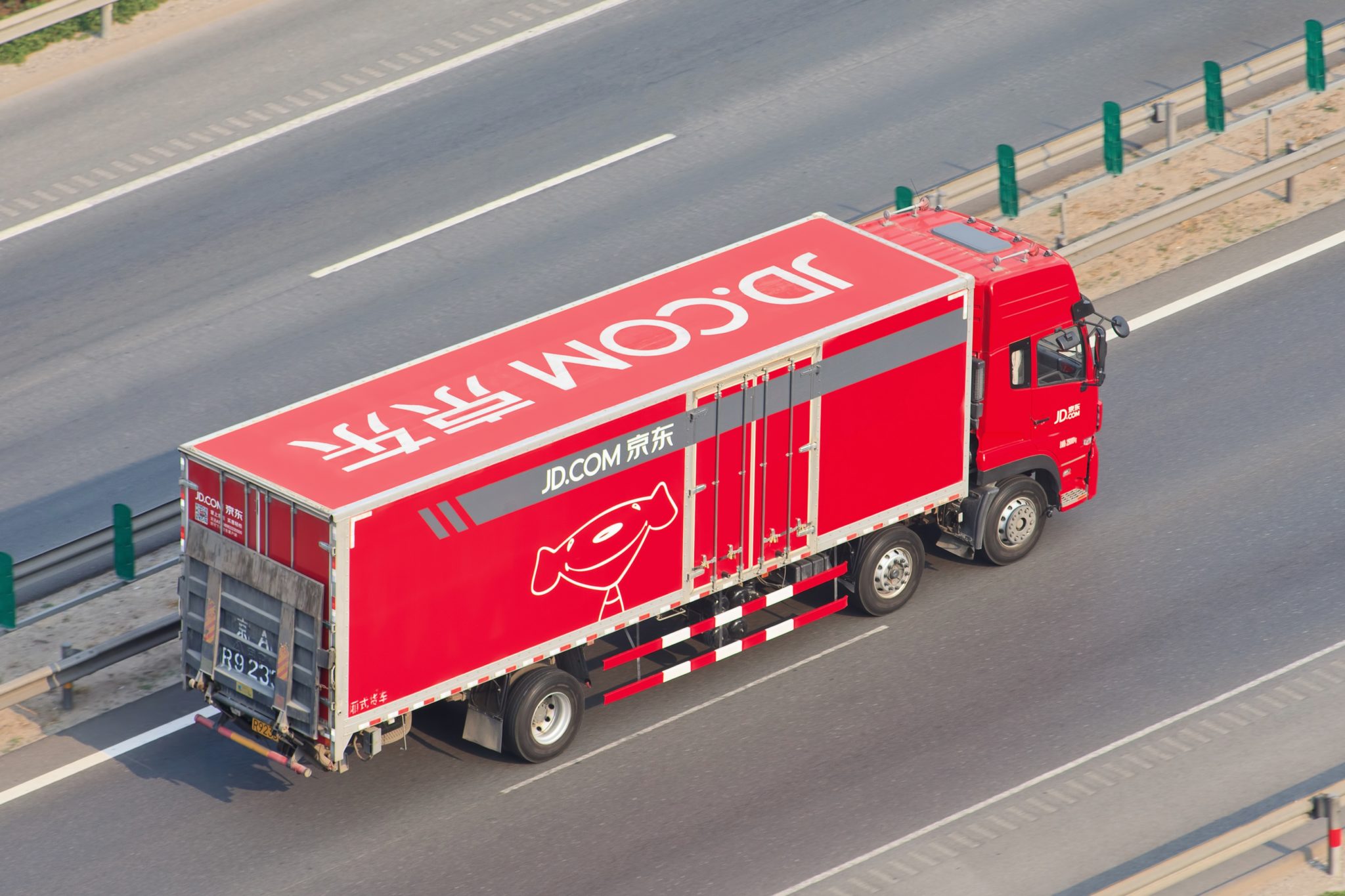
    JD.com is supporting the growth of British businesses in the Chinese market as it partnered with parcel delivery company Evri to combine their expertise and resources in e-commerce and logistics.

    The partnership will combine JD.com’s advanced e-commerce capabilities with Evri’s extensive delivery network across Europe. The services will include local pickup, warehousing, international transportation, access to Chinese bonded warehouses, customs clearance, and comprehensive delivery across China.

    The team-up will initially focus on the beauty and apparel sectors, where JD.com has substantial insights, including consumer behaviour, marketing and pricing strategies, product selection advice, and online operational strategies specific to the Chinese market.

    The collaboration will also enable JD Logistics to offer integrated warehousing and comprehensive delivery solutions to clients in Europe by leveraging its self-operated overseas warehouses and Evri’s local distribution network.

    Qun Xue, Vice President of JD.com and Head of JD Logistics International said: “This partnership underscores our dedication to building a robust global logistics network and our commitment to the success of international brands.”

  • Cathay Cargo volume up 20 percent in December

    Cathay Cargo volume up 20 percent in December

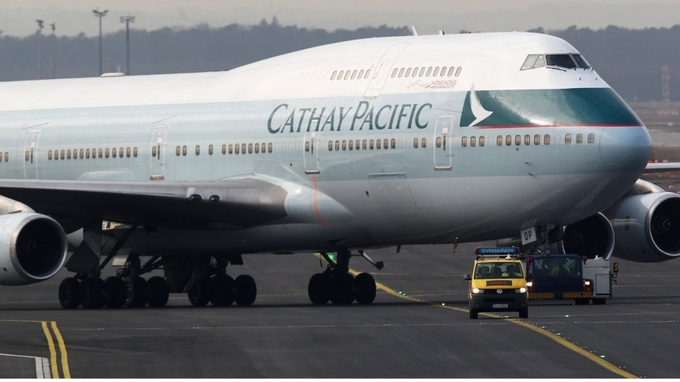
    Cathay Pacific’s cargo business ended 2023 on a high note, finishing with around 1.4 million tonnes, compared with about 1.2 million tonnes in 2022, in what it described as ‘an encouraging result.’

    Cargo volume in December jumped 20.7 percent year on year, as the airline carried 128,546 tonnes with cargo revenue increasing 14.1 percent year on year for the month. The cargo load factor slid 6.5 percentage points to 60.8 percent, as capacity measured in available cargo tonne kilometres (AFTKs) increased by 26.3 percent year on year.

    In the full year of 2023, the tonnage increased by 19.6 percent against a 59.7 percent increase in AFTKs and a 40.3 percent increase in RFTKs, as compared with 2022, the airline noted.

    “Our cargo business performed well in December, and finished on a high, primarily driven by the strong year-end demand for e-commerce products. Additionally, there was increased demand for perishable goods for the holiday season. December also saw a pickup in our Live Animal solutions with significant numbers of racehorses being moved across our network in support of the Hong Kong international race events.

  • JD.com partners with parcel company Evri in the UK

    JD.com partners with parcel company Evri in the UK

    JD.com is supporting the growth of British businesses in the Chinese market as it partnered with parcel delivery company Evri to combine their expertise and resources in e-commerce and logistics.

    The partnership will combine JD.com’s advanced e-commerce capabilities with Evri’s extensive delivery network across Europe. The services will include local pickup, warehousing, international transportation, access to Chinese bonded warehouses, customs clearance, and comprehensive delivery across China.

    The team-up will initially focus on the beauty and apparel sectors, where JD.com has substantial insights, including consumer behaviour, marketing and pricing strategies, product selection advice, and online operational strategies specific to the Chinese market.

    The collaboration will also enable JD Logistics to offer integrated warehousing and comprehensive delivery solutions to European clients by leveraging its self-operated overseas warehouses and Evri’s local distribution network.

    Qun Xue, Vice President of JD.com and Head of JD Logistics International said: “This partnership underscores our dedication to building a robust global logistics network and our commitment to the success of international brands.”

  • DHL Express adds more capacity on Singapore-US route

    DHL Express adds more capacity on Singapore-US route

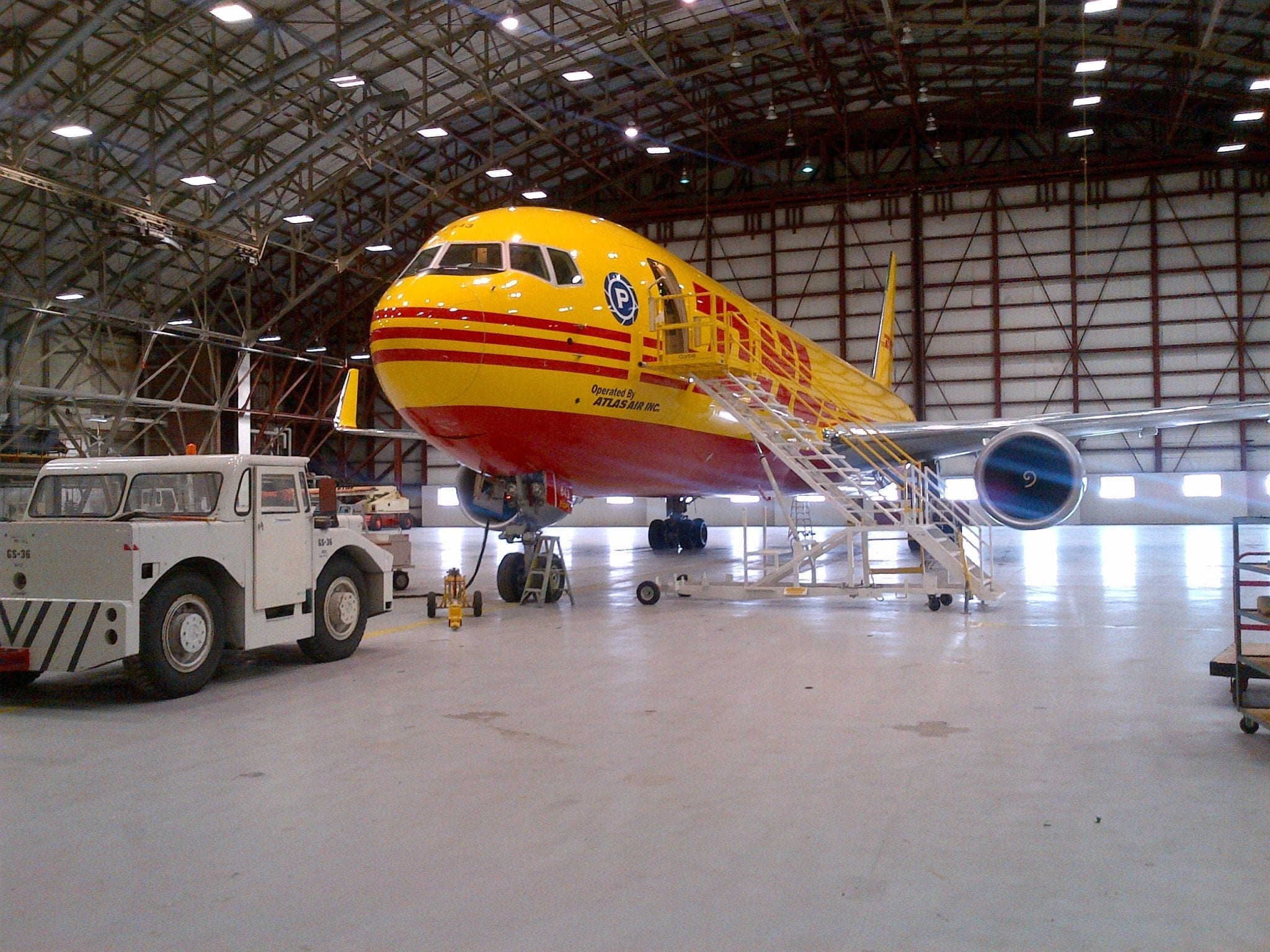
    DHL Express and Singapore Airlines welcomed the final Boeing 777 freighter as part of a 5-aircraft deal signed in 2022 that will add further add capacity between Asia Pacific and the Americas via the DHL South Asia Hub in Singapore. 

    The aircraft, sporting a dual DHL-SIA livery, joins four other B777F, providing 1,224 tonnes of payload capacity to accomodate international express shipments on the US-Asia route.

    As early as December 2023, three of the five freighters were operated on the Singapore-Bangkok/Taipei-Incheon/Nagoya-Cincinnatti-Honolulu-Sydney-Singapore route seven times a week. The other two cover the Singapore-Nagoya-Los Angeles-Honolulu-Singapore route five times a week.

    DHL is capitalising on Singapore’s main hub status and location to cut the delivery times between Asia Pacific and the US West Coast to one day for time-sensitive shipments.

    In March 2022, DHL Express and SIA signed the crew and maintenance agreement, where the airline would operate and oversee the maintenance of the five Boeing 777 freighters deployed at the South Asia Hub. These five freighters are part of the express operators’ 28-unit order of the type since the first purchase was made in 2018. The first freighter as part of the deal saw its debut in August 2022.

  • DHL Express makes management changes in Asia Pacific

    DHL Express makes management changes in Asia Pacific

    DHL Express has announced several retirements and strategic appointments for Asia Pacific, including Hong Kong and Macau, South Korea and Taiwan.

    Yung C. Ooi, most recently country manager for Taiwan, has been elected as Asia Pacific’s senior vice president for commercial. He will take over the responsibilities of Yasmin Khan, who retires after 23 years at the DHL Group. Appointed in Yung’s place is Chee Choong, who was managing director for  Hong Kong & Macau.

    30-year veteran Andy Chiang, former head of global strategic finance for DHL Express, has moved to a new position as managing director for Hong Kong & Macau.

    In North Asia, Ji Hun (Michael) Han will be the new managing director for DHL Express Korea, succeeding Byung Koo Han, who has retired after 16 years at DHL Group.

    DHL Express is present in more than 40 countries and territories in Asia Pacific with a market share of 57 percent in time-definite international (TDI) revenue. In December 2023, the express operator signed a long-term contract with Japan Airlines to utilize the latter’s first freighter, a Boeing 767-300, to add more connectivity to and from Japan.

  • JD Logistics launches express service to North America, Europe

    JD Logistics launches express service to North America, Europe

    JD Logistics has launched an international express delivery service on 15 December for one-way deliveries from China bound for North America and Europe.

    The new service will initially cover 23 countries across North America and Europe and will be available in Shenzhen and Guangzhou with plans to expand its availability throughout China.

    Leveraging the company’s robust express delivery network, customers in China can book doorstep pick-ups through the JD Express mini program on WeChat and expect one-hour pickup by in-house couriers, complete with real-rime parcel tracking.

    The new service marks a significant milestone for JD Logistics, representing both an expansion of its renowned logistics services to the global stage and a key phase in the company’s broader international market expansion.

    The company’s overseas warehousing operations already offer same-day fulfillment services in key European markets, including Germany, The Netherlands, France, the UK, Spain, and Poland, with two- to three-day delivery services across 90 percent of the regions in the United States.