Tag: india

  • Vodafone Idea and BSNL Agree to Share Networks Across All Indian Circles

    Vodafone Idea and BSNL Agree to Share Networks Across All Indian Circles

    Vodafone Idea and state-owned carrier Bharat Sanchar Nigam Limited have agreed to share their mobile network infrastructure across all telecommunications service circles in India.

    The agreement allows both operators to expand operational coverage across urban and rural markets without duplicating infrastructure expenditure. Talks finalized after a direct meeting between Vodafone Idea chief executive Abhijit Kishore and BSNL chairman and managing director Robert J. Ravi.

    Terms of the Circle Sharing Agreement

    Under the framework, the two carriers will implement intra-circle roaming arrangements nationwide. The pact enables subscribers of both providers to access the partner carrier’s towers and base stations in regions where their primary network has limited coverage.

    BSNL operates an extensive footprint in rural and secondary markets across India, while Vodafone Idea maintains higher network density in key metropolitan areas and major urban hubs.

    Infrastructure Collaboration in Indian Telecoms

    The deal reflects broader pressure on Indian telecom operators to optimize network capital costs as they manage heavy operational outlays and ongoing technology upgrades. Sharing radio access networks has become an essential tool for cash-conscious operators competing against better-funded rivals Reliance Jio and Bharti Airtel.

    Both carriers will now begin technical integration across individual service zones to activate intra-circle roaming on existing spectrum bands.

  • Coles Transitions Hundreds of Jobs to India Amid Intense Retail Competition

    Coles Transitions Hundreds of Jobs to India Amid Intense Retail Competition

    Australia’s supermarket behemoth, Coles, has announced that it will be outsourcing numerous jobs to India through a strategic alliance with Accenture, management consultants. This move comes as a result of the intensifying competition within the retail industry.

    Technological Advancement and Cost Reduction

    Coles asserts that this initiative will enhance its technological and specialist capacities to adapt to evolving customer demands. Simultaneously, the partnership with Accenture spanning over several years will decrease the cost of backroom operations. Coles, already the second-largest supermarket retailer in Australia, revealed that some of its corporate workforce’s roles would be transferred to Accenture’s international branches.

    The company voiced its concern for the employees affected by this transition, acknowledging the significant impact it might have on them and their teams. A spokesperson for the company emphasized, “These decisions are never made lightly.” They went on to add that the company plans to reassign as many impacted employees as possible, providing opportunities for them to acquire new skills and transition into different roles within the company.

    The information surfaced ahead of the company’s intended announcement, revealing that Accenture has already started recruiting for the program, primarily situated in Mumbai. One of the job listings sought a marketing campaign management specialist with seven to eleven years of experience, offering the chance to collaborate with the “Coles 360 teams on cross-functional campaigns.” However, the advertisement did not disclose any salary or pay scale details.

    Minimal Impact on Workforce, Future Plans

    Coles was prompt in pointing out that these changes would only affect a small fraction of its 115,000 Australian employees and would not impact the majority of its team members working in stores across the country.

    The retailer affirmed its commitment to compensate for any job losses resulting from the offshoring deal through its ongoing store expansion program. It also suggested that individuals affected by the Accenture arrangement might be reassigned within the Coles Group. However, the spokesperson had to admit that redundancies would be an inevitable part of this process.

    Questions & Answers

    What is the primary reason for Coles’ decision to offshore jobs to India?
    The decision was influenced by the mounting competition within the retail sector. Coles intends to strengthen its technological and specialist skills while also reducing backroom operation costs through this move.

    How will the offshoring affect the current employees at Coles?
    While the changes will impact a small portion of the workforce, Coles has committed to redeploying as many of the affected employees as possible and providing reskilling opportunities.

    Will the offshoring lead to a reduction in the overall number of jobs at Coles?
    Coles maintains that any jobs lost due to offshoring will be compensated for through its ongoing store expansion program. However, there may be some redundancies.

  • Kim Kardashian’s Skims Expands to India: A Revolutionary Partnership with Reliance Retail

    Kim Kardashian’s Skims Expands to India: A Revolutionary Partnership with Reliance Retail

    Renowned fashion brand, Skims, has recently launched in India through an exclusive collaboration with Reliance Retail. The brand is going to be available across both physical retail outlets and digital platforms.

    Co-created by Kim Kardashian and Jens Grede in 2019, Skims is celebrated for its unique range of shapewear, underwear, loungewear, and staples that cater to a diverse range of body shapes and sizes.

    The Rollout Process

    The brand’s rollout in India is being spearheaded by Reliance Brands (RBL). The process is set to kick off with the opening of stores in Delhi and Mumbai. Following this, the expansion will continue over time to include more cities and sales channels.

    Isha Ambani, the director of Reliance Retail, spoke positive words about the partnership. She emphasized that the collaboration with Skims indicates the increasing demand for premium brands in India.

    “Skims has indeed revolutionized the way the world perceives shape, comfort, and inclusivity. It directly appeals to consumers who desire fashion that is both aspirational and tailored for them,” Ambani stated. She added, “We take immense pride in introducing Skims to India and establishing it here for the long haul.”

    Kim Kardashian, on her part, asserted that the brand has already received a substantial amount of interest from Indian consumers. “The enthusiasm that we have witnessed from the Indian community has been truly astounding, and we are eagerly looking forward to welcoming them into our stores for the very first time,” she expressed.

    Questions & Answers

    Who are the founders of Skims?
    Skims was co-founded by Kim Kardashian and Jens Grede in 2019.

    Where will the first Skims stores be opened in India?
    The first Skims stores in India will be opened in Delhi and Mumbai.

    What is the aim of introducing Skims to India?
    The goal is to cater to the growing demand for premium brands in the country, offering fashion that is aspirational and tailored to diverse body shapes and sizes.

  • Boost for Vietnam Durian Exports as India Welcomes the King of Fruits

    Boost for Vietnam Durian Exports as India Welcomes the King of Fruits

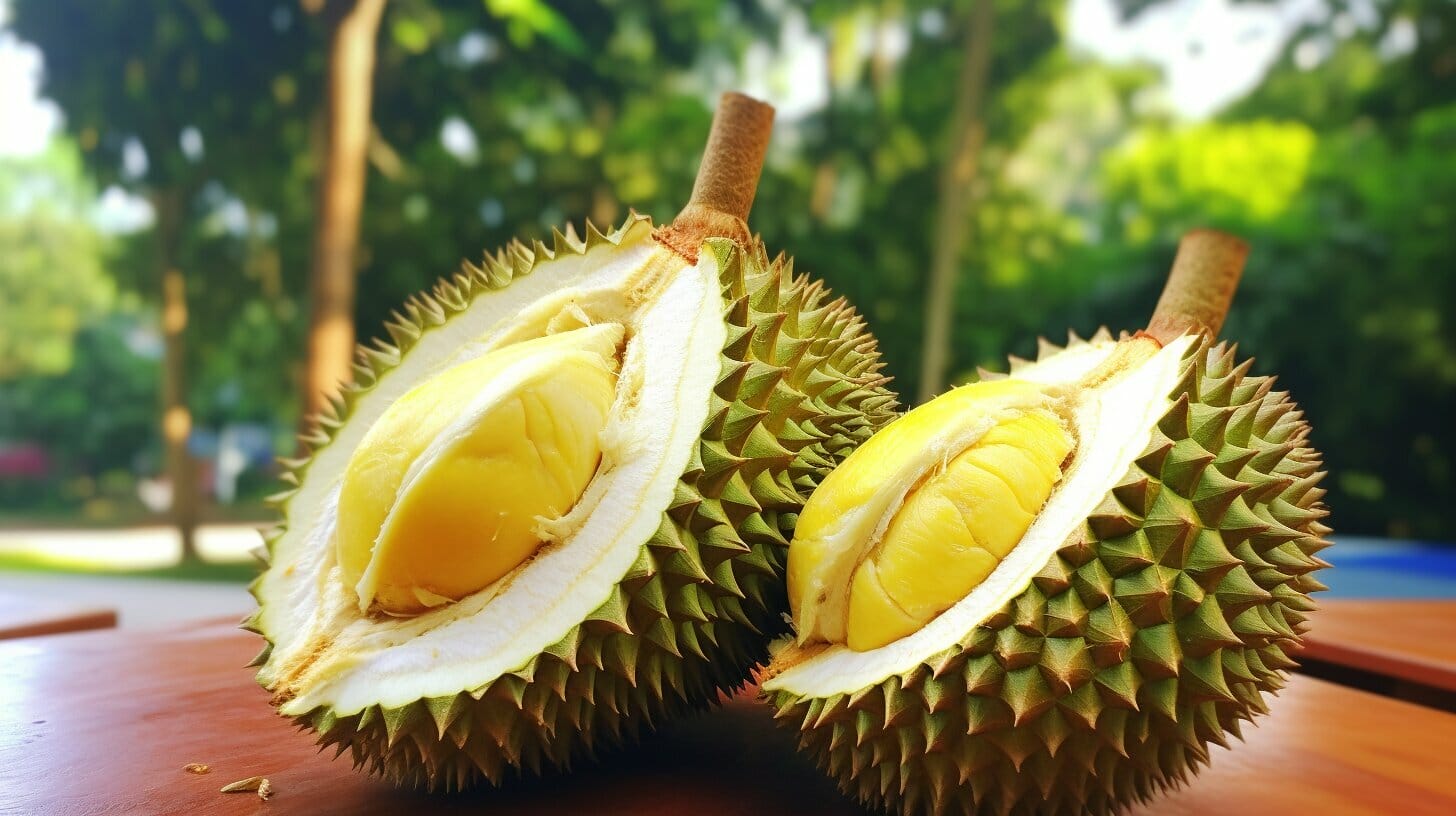
    India recently greenlit fresh durian imports from Vietnam. This move gives exporters the opportunity to tap into a market boasting 1.47 billion consumers, and also offers them an alternative to their traditional target destinations. The decision to include Vietnam in its list of approved countries came in mid-July, as announced by the Department of Crop Production and Plant Protection.

    There are no special import conditions or further phytosanitary declaration requirements imposed by Indian authorities. This comes in the aftermath of successful negotiations between the two nations. However, the department points out that India is still a fresh market. In the preliminary phase, it is expected that Vietnamese durian will predominantly be sold in major cities, through high-end retail chains, eateries, hotels, and online commerce platforms.

    The department has therefore urged exporters to thoroughly research consumer preferences in India, product specifications, transportation logistics, and distribution networks to craft suitable market entry strategies.

    Impact on Vietnamese Durian Exports

    At the beginning of this year, there was a drastic decrease in durian exports to China, Vietnam’s primary market. This was a result of Chinese authorities intensifying quality control measures and traceability requirements, as well as escalating inspections for chemical residue. Many shipments encountered delays due to extended customs procedures, leading to a significant drop in farm gate prices in Vietnam.

    This situation occurred during the peak harvest period, leading to an abrupt increase in the supply of the fruit. The first half of this year saw a rise by 12.7% in output, the highest among any major fruit, totaling 603,300 metric tons.

    Despite the price pressures in China, their main market, Vietnam’s durian exports are projected to exceed $2 billion by the end of July, as reported by the Vietnam Fruit and Vegetable Association.

    Questions & Answers

    What is the potential impact of India approving durian imports from Vietnam?
    The approval opens up a new market of 1.47 billion people for Vietnamese durian exporters, potentially reducing their dependence on traditional export destinations.

    What is the current state of Vietnam’s durian exports?
    Despite stricter quality controls and traceability measures in China, durian exports from Vietnam are projected to surpass $2 billion by the end of July.

    What advice has been given to Vietnamese durian exporters with regard to the Indian market?
    The Department of Crop Production and Plant Protection has advised exporters to study consumer preferences in India, product specifications, transportation logistics, and distribution networks to formulate suitable market entry strategies.

  • Uniqlo Plans Major Expansion in India: 100 New Stores by 2031

    Uniqlo Plans Major Expansion in India: 100 New Stores by 2031

    Uniqlo, a renowned clothing brand, is set to significantly extend its footprint in India. The company’s ambitious expansion plan aims to increase its store network in the country by five times, amounting to over 100 stores within the next five years.

    Expansion Strategy and Local Production

    Uniqlo’s primary expansion target will be New Delhi and other major Indian cities. The company has a comprehensive strategy in place, which includes importing apparel from its Asian factories. However, in accordance with local regulations, Uniqlo will also initiate production within India.

    Uniqlo, a subsidiary of Japanese retail mogul Fast Retailing, boasts a presence in over 25 global markets and a network of more than 2,500 stores worldwide. The brand made its entry into India in 2019, and as of June this year, it had 20 stores operating across the nation, notably in major cities like New Delhi, Mumbai, and Bengaluru.

    This expansion forms a part of Uniqlo’s business strategy to reinforce its presence in the Global South, encompassing South Asia and Southeast Asia.

    Focus on Southeast Asia

    Uniqlo’s operational presence in Southeast Asia is already substantial when compared to its Indian market. The brand has 81 stores in the Philippines, 78 in Indonesia, 73 in Thailand, 60 in Malaysia, and approximately 30 each in Singapore and Vietnam.

    The combined sales of Uniqlo in South Korea, Southeast Asia, India, and Australia have witnessed a robust increase of 32% for the first nine months ending in May. The growth in sales in India and Southeast Asia alone has continued to exhibit a sustained double-digit increase.

    Takeshi Okazaki, CFO of Fast Retailing, stated that the company views Asia as the next major global growth center for the long term. He added that, similar to successful strategies implemented in the US and Europe, Fast Retailing aims to enhance its brand power in Asia by improving its product lineup and store operations.

    Questions & Answers

    What is Uniqlo’s expansion plan in India?
    Uniqlo aims to expand its store network in India fivefold, reaching over 100 stores within the next five years.

    Where will the expansion primarily focus?
    The primary focus of the expansion will be in New Delhi and other major cities in India.

    What is the company’s strategy for product sourcing in India?
    Uniqlo plans to import clothes from its factories in Asia and also initiate production within India, in accordance with local regulations.

  • Uniqlo Targets Massive Expansion in India with Over 100 Stores by 2031

    Uniqlo Targets Massive Expansion in India with Over 100 Stores by 2031

    Uniqlo, a highly recognized retail brand, is set to embark on a substantial expansion plan in India. The company’s strategy involves a fivefold increase in its store network, boosting the number from 20 to over 100 within the next five years.

    The company’s expansion will primarily concentrate on New Delhi and other significant urban areas, as per inside sources. Uniqlo, a division of the Japanese retail powerhouse Fast Retailing, has a presence in more than 25 markets and boasts a global network of over 2,500 stores.

    Local Production and Global Expansion

    In line with local regulations, Uniqlo will not only import clothes from Asian factories but will also initiate production within India. This move is consistent with the company’s broader strategy to expand its influence in the Global South, encompassing South Asia and Southeast Asia.

    The retail brand’s presence in Southeast Asia is considerably more extensive than in India. Uniqlo operates 81 stores in the Philippines, 78 in Indonesia, 73 in Thailand, 60 in Malaysia, and approximately 30 in both Singapore and Vietnam.

    Impressive Sales Growth

    Uniqlo’s consolidated sales in South Korea, Southeast Asia, India and Australia experienced a surge of 32 per cent for the initial nine months ending in May. Sales in India and Southeast Asia alone continued to demonstrate double-digit growth. “We see Asia as the next global growth centre in the long term,” stated Takeshi Okazaki, CFO of Fast Retailing. The brand aims to bolster its reputation in Asia, with plans to enhance its product lineup and store operations.

    Questions & Answers

    What is Uniqlo’s expansion plan in India?
    Uniqlo plans to expand its store network in India fivefold, from 20 to over 100 stores within the next five years.

    What strategy will Uniqlo employ to meet local regulations?
    To adhere to local regulations, Uniqlo will not only import clothes from Asian factories but will also begin manufacturing in India.

    How has Uniqlo performed in other Asian markets?
    Uniqlo has seen significant growth in Southeast Asia. The brand operates numerous stores in the Philippines, Indonesia, Thailand, Malaysia, Singapore and Vietnam, and has experienced a 32% increase in sales in South Korea, Southeast Asia, India and Australia.

  • Vietnam’s Sparkling Affair: $121.5M Diamond Imports in H1 2026, India Emerges as Top Supplier

    Vietnam’s Sparkling Affair: $121.5M Diamond Imports in H1 2026, India Emerges as Top Supplier

    In the first half of 2026, Vietnam saw diamond imports totalling an estimated US$121.5 million. Of this figure, India emerged as the main supplier, accounting for approximately 52% of the total imports, around $63.2 million. This figure is a significant increase compared to the previous year, where diamond imports from India totalled $107.6 million over the year.

    Other Notable Diamond Suppliers

    Belgium, another key player in the diamond market, came in second as a supplier. The country’s diamond exports to Vietnam amounted to $17.9 million, a decrease from the previous year’s total export value of $51.7 million. Israel followed closely as the third largest supplier with $9 million worth of diamond imports. Botswana and Thailand completed the list of top five suppliers, with imports valued at $7.7 million and $5.1 million, respectively.

    Other noteworthy suppliers to Vietnam included the U.S., contributing $3.6 million worth of diamonds, Hong Kong at $2.8 million, Japan at $2.7 million, and finally China at $2.2 million.

    Under current regulations, the Department of Customs stated that rough diamonds can only be imported from markets that participate in the Kimberley Process Certification Scheme (KPCS). The accompanying shipment must have a valid KPCS certificate issued by the appropriate authority of the exporting market, and it must comply with all customs documentation and clearance procedures.

    Customs authorities bear the responsibility of examining documentation, inspecting consignments, issuing certificates for imported rough diamond, and managing imports in line with the law. Customs clearance is executed based on import declarations, KPCS certificates, and other relevant documents submitted by importers.

    Recent Diamond Smuggling Incident

    These import figures have come under public scrutiny following the recent crackdown on a significant cross-border diamond smuggling operation. This operation, dismantled by police in the central province of Thanh Hoa, led to charges against 22 suspects and the seizure of 1,100 diamonds. According to police reports, the network had conducted 141 smuggling operations since 2024, trafficking more than 28,000 diamonds from Hong Kong into Vietnam. The estimated turnover of this operation was VND280 billion (roughly US$10.6 million).

    Questions & Answers

    Who is Vietnam’s largest diamond supplier in the first half of 2026?
    India was Vietnam’s largest diamond supplier in the first half of 2026, accounting for 52% of total imports.

    What is the Kimberley Process Certification Scheme (KPCS)?
    The KPCS is a scheme that regulates the trade of rough diamonds, ensuring the diamonds are legally mined and sold, to prevent the sale of conflict diamonds.

    What were the details of the recent diamond smuggling incident in Vietnam?
    A major cross-border diamond smuggling operation was recently dismantled by police in the central province of Thanh Hoa. The operation had trafficked more than 28,000 diamonds from Hong Kong into Vietnam since 2024, netting an estimated turnover of VND280 billion (roughly US$10.6 million).

  • Lululemon Breaks Ground in India: First Store to Launch in New Delhis DLF Promenade

    Lululemon Breaks Ground in India: First Store to Launch in New Delhis DLF Promenade

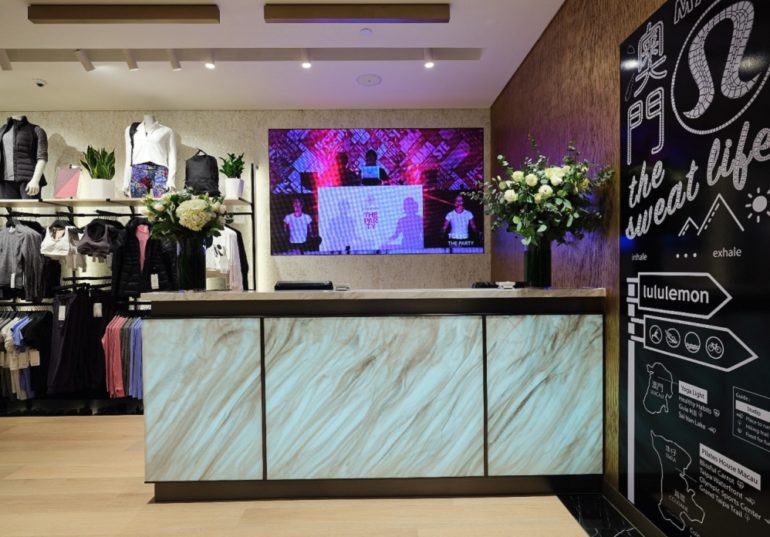
    Canadian sportswear label, Lululemon, has announced plans to open its first shop in India during the forthcoming fall season. The inaugural store is slated to be located in DLF Promenade. This move falls under the company’s franchise agreement with Tata CLiQ, which will also facilitate the introduction of Lululemon products to consumers all across India via its Tata CLiQ Luxury and Tata CLiQ Fashion platforms, coinciding with the store’s launch.

    First Store Stock and Community Building

    Lululemon’s premier store in New Delhi will carry the company’s technical athletic clothing and accessories for both men and women. The product range will encompass various categories such as yoga, pilates, running, training, tennis, golf, and everyday movement. In addition to retailing products, the store is intended to function as a community hub for events, fostering connections between customers, brand ambassadors, and local fitness communities.

    Sarah Clark, Lululemon’s Senior VP, EMEA, expressed pride in the company’s venture into India. She conveyed that the company’s teams have been collaborating with Tata CLiQ to engage with the New Delhi community. The vibrant and active consumer base in the city is reportedly eager for high-quality performance products that merge technical innovation with superior style.

    Lululemon’s International Expansion

    The brand’s launch in India forms an integral part of its wider global expansion strategy. Lululemon currently operates in over 30 global markets. Earlier this year, it extended its reach to Poland, Greece, Hungary, and Romania, utilizing its franchise model.

    Questions & Answers

    What is Lululemon’s main product range?
    Lululemon primarily sells technical athletic apparel and accessories for men and women.

    Where will Lululemon’s first store in India be located?
    Lululemon’s inaugural store in India is planned to open in DLF Promenade, New Delhi.

    How is Lululemon expanding its brand internationally?
    Lululemon is growing its global presence primarily through a franchise model, which has recently led to its expansion into countries like India, Poland, Greece, Hungary, and Romania.

  • Starbucks Brews Major Expansion in India: Targets 100 New Stores Annually

    Starbucks Brews Major Expansion in India: Targets 100 New Stores Annually

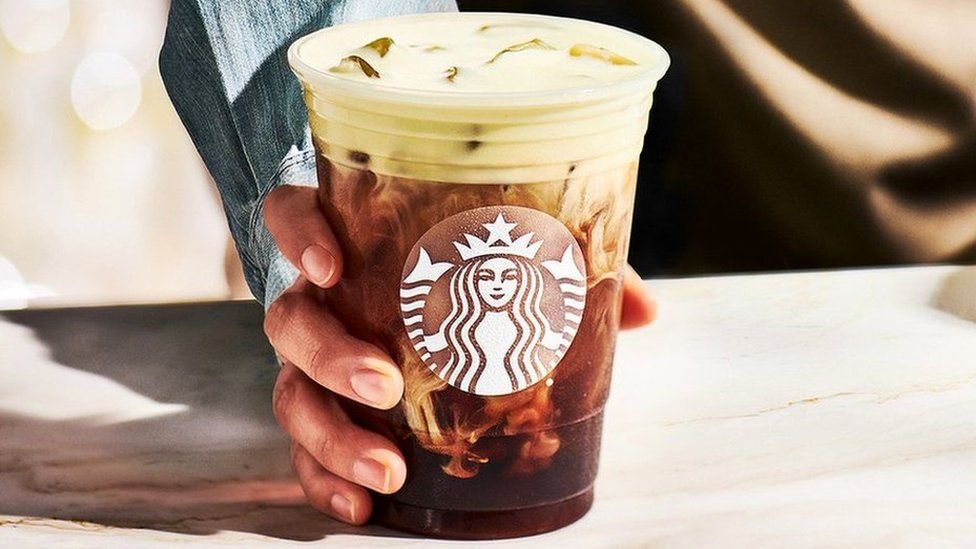
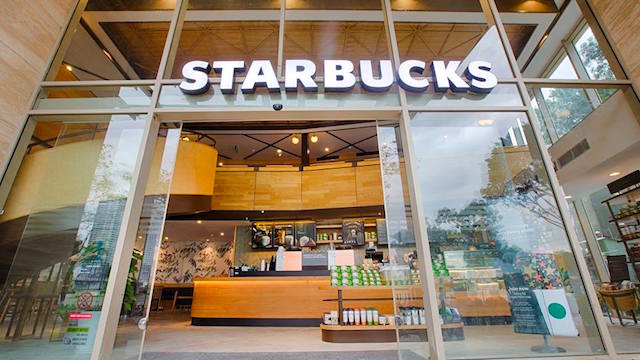
    Starbucks has announced ambitious plans to open up to 100 outlets annually in India, marking an accelerated expansion in one of the company’s most rapidly growing global markets.

    Sushant Dash, CEO of Tata Starbucks, emphasized the potential for significant expansion in India, despite the country’s dominant tea culture. Coffee remains a smaller category, but the industry size and potential for growth cannot be overlooked.

    Tata Starbucks, a successful joint venture between Starbucks and the Tata Group, presently manages more than 500 outlets across India, accounting for roughly 30% of the nation’s structured coffee market. The partnership plans to amplify its presence by inaugurating between 50 to 100 stores each year.

    According to Dash, India ranks as one of Starbucks’ fastest expanding markets globally. The renowned coffee chain has more than doubled its number of stores in the country within the last four to five years.

    This aggressive expansion comes in response to the observed increase in coffee consumption amongst the youth and urban consumers in India. This uptick has sparked intensified competition from both local and international brands.

    To seize this opportunity, Tata Starbucks is considering a multi-format expansion strategy that includes drive-through outlets, highway locations, kiosks, and experiential stores. The company has also invested in its Starbucks Reserve concept, with six locations currently operating across major cities like Mumbai, Delhi, and Kolkata.

    This most recent expansion supports the company’s aspiration to reach 1,000 stores in India by 2028. In line with this goal, Tata Starbucks aims to increase its workforce to approximately 8,600 partners and further extend its network of drive-through outlets, airport cafes, and 24-hour locations.

    Notably, the company’s expansion plans extend beyond metropolitan areas. Tata Starbucks seeks to tap into India’s next wave of consumer growth by stepping up its presence in Tier 2 and Tier 3 cities.

    Questions & Answers

    What are Starbucks’ expansion plans in India?
    Starbucks plans to open between 50 to 100 outlets annually in India, aiming to reach 1,000 stores in the country by 2028.

    Is coffee popular in India?
    Despite India’s tea-dominant culture, the consumption of coffee is rising, particularly among the younger and urban demographics, leading to a surge in growth opportunities for coffee retailers.

    How does Starbucks plan to capture the growing coffee market in India?
    Starbucks, through its joint venture with the Tata Group, aims to leverage the growing coffee market in India by expanding its network of drive-through outlets, airport cafes, and 24-hour locations. The company is also broadening its reach to Tier 2 and Tier 3 cities.

  • Starbucks Brews Plan for India Expansion, Aiming for 100 New Stores Annually in the Tea Land

    Starbucks Brews Plan for India Expansion, Aiming for 100 New Stores Annually in the Tea Land

    Starbucks is setting its sights on India, one of its fastest-growing markets worldwide, with plans to launch up to 100 stores per year. The renowned coffee chain, despite coffee being a less popular choice than tea in India, sees substantial potential for growth in the region.

    Tata Starbucks, a joint venture between Starbucks and the Tata Group, currently boasts over 500 stores across India, holding around 30% of the country’s structured coffee market. It intends to continue expanding its footprint by adding 50 to 100 outlets each year.

    Sushant Dash, Tata Starbucks CEO, highlighted the significant growth rate India represents for Starbucks on a global scale. He noted that the store count in India has more than doubled over the last four to five years. This growth coincides with the rise in coffee consumption among younger and urban consumers, which has sparked competition from both local and international entrants.

    Adapting to Local Consumer Needs

    To seize the emerging opportunities, Tata Starbucks is broadening its horizons by diversifying its store formats, including drive-through stores, highway locations, kiosks, and experiential outlets. The company is investing in the Starbucks Reserve concept, now operating in six different locations in Mumbai, Delhi, and Kolkata.

    This expansion aligns with the company’s ambition to operate 1,000 retailers in India by 2028. In line with this aspiration, Tata Starbucks intends to increase its workforce to approximately 8,600 partners and extend its network of drive-through stores, airport cafes, and 24-hour locations.

    In addition, the company is exploring opportunities beyond major metropolitan areas, intending to extend its presence in Tier 2 and Tier 3 cities to capitalize on India’s upcoming wave of consumer growth.

    Questions & Answers

    What is Starbucks’ growth plan for India?
    Starbucks plans to open up to 100 stores per year in India, aiming to operate 1,000 stores by 2028.

    How is Tata Starbucks adapting to the Indian market?
    Tata Starbucks is diversifying its store formats to meet local needs, including drive-through stores, highway locations, kiosks, and experiential outlets. It is also expanding its presence in Tier 2 and Tier 3 cities.

    What is the current position of Starbucks in the Indian coffee market?
    Starbucks, through its joint venture with the Tata Group, Tata Starbucks, currently operates over 500 stores and holds about 30% of the country’s structured coffee market.

  • Converse Unveils Mega Flagship Store in Bengaluru, Launches Converse By You Customisation Platform in India

    Converse Unveils Mega Flagship Store in Bengaluru, Launches Converse By You Customisation Platform in India

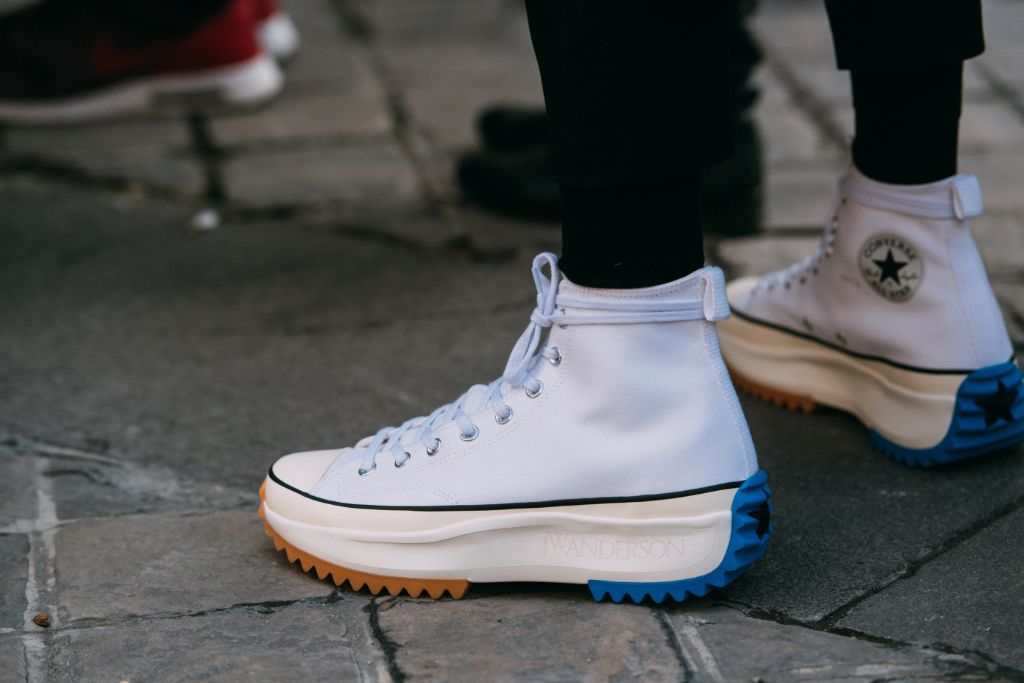
    Converse, the iconic American shoe company, has unveiled its largest flagship store in Bengaluru, India, located in the esteemed Phoenix Mall of Asia. This venture has been accomplished in collaboration with Bhaane Group and it marks a significant milestone for Converse as it introduces its global customisation platform, Converse By You, to the Indian market for the first time.

    A New Retail Experience

    The Converse By You platform grants customers the ability to add a personal touch to their purchases using an array of design elements, limited-edition patches, and artwork inspired by the local culture. This move underscores Converse’s commitment to offering an enhanced retail experience that is tailored to its customers’ preferences and the prevailing local trends.

    The new store goes beyond the conventional retail experience by seamlessly integrating elements of skateboarding, art, music, and youth culture to create an immersive atmosphere for customers. Noteworthy features of the store include ‘Play for Peace,’ an interactive skateboard installation designed by artist Ansh Kumar, and a grand mural by Bengaluru’s very own artist, Benson Diengdoh.

    Besides offering an innovative retail experience, the store also houses Converse’s staple footwear collections, such as the Chuck Taylor All Star and Chuck 70 ranges, as well as a selection of newer products.

    Converse’s Journey in India

    Converse, established in 1908 and a part of Nike Inc since 2003, launched its first standalone store in India in November 2024 through an exclusive collaboration involving franchise, wholesale, and e-commerce distribution with Bhaane Group. In addition to the newly minted flagship store in Bengaluru, Converse operates three other standalone stores across India, specifically in Mumbai, Chennai, and Kolkata.

    Questions & Answers

    What is the significance of the new Converse store in Bengaluru?
    This store is Converse’s largest flagship outlet in India and it introduces the Converse By You platform to the Indian market, allowing customers to personalise their purchases.

    What unique features does the new store offer?
    The store includes an interactive skateboard installation named ‘Play for Peace’ by artist Ansh Kumar, and a large mural by local artist Benson Diengdoh. The store also integrates elements of skateboarding, art, music, and youth culture to offer an immersive shopping experience.

    What are the key products available at the new store?
    The store offers Converse’s core footwear lines, including the Chuck Taylor All Star and Chuck 70 collections, as well as an assortment of newer product ranges.

  • Prada Embraces Indian Craftsmanship: Launches Authentic Kolhapuri Sandals to Mend Cultural Appropriation Rift

    Prada Embraces Indian Craftsmanship: Launches Authentic Kolhapuri Sandals to Mend Cultural Appropriation Rift

    Prada, the renowned Italian luxury brand, is set to debut a limited-edition collection of sandals crafted in India, bearing a keen resemblance to the traditional Indian Kolhapuri footwear. This initiative comes just months after the brand had to face a wave of criticism for showcasing similar designs without giving due credit to their Indian origins.

    Price Point & Controversy

    These exclusive pairs, each having a price tag of approximately 750 euros (US$881), are set to make a grand entrance into the luxury fashion platform. This initiative has its roots in a controversy that stirred up in June 2025. Prada was under fire for presenting sandals at a Milan fashion show which greatly resembled the traditional Indian Kolhapuri chappals. This led to an uproar among Indian artisans and political figures, who claimed this to be a case of cultural appropriation.

    In response, Prada acknowledged the inspiration drawn from the timeless Indian styles and disclosed that it had initiated discussions with artisan groups for potential collaboration.

    Production & Distribution

    In December, Prada revealed its plans to manufacture a total of 2000 pairs of these Indian-inspired sandals. This production will take place in the Indian states of Maharashtra and Karnataka, as part of agreements with two state-endorsed organizations. This collaboration aims to blend localized craftsmanship with innovative Italian technology.

    The brand announced that these sandals will be available for purchase in 40 carefully chosen Prada outlets around the globe, as well as online.

    Artisan Training Programme

    Moreover, Prada has initiated a three-year training programme specifically designed for artisans hailing from the eight districts in India traditionally associated with the crafting of Kolhapuri sandals. This programme, divided into six-month structured modules, will be delivered by two esteemed Indian design institutes. The objective is to enhance the skills of 180 artisans, with the first batch starting next month.

    In a statement, Tanu Kashyap, the director general at the National Institute of Fashion Technology, expressed her enthusiasm for the initiative, stating, “It is time that Indian traditional crafts take their rightful place on the world stage”.

    Additionally, these artisans will be given a chance to visit the Prada Group Academy in Italy to enhance their technical prowess further.

    Questions & Answers

    What was the controversy Prada faced in June 2025?
    Prada faced backlash for showcasing sandals at a Milan fashion show that resembled traditional Indian Kolhapuri chappals, without acknowledging their cultural origin.

    How is Prada merging traditional Indian craftsmanship with Italian technology?
    Prada plans to manufacture 2000 pairs of sandals in Maharashtra and Karnataka in India, in collaboration with local artisans and under agreements with two state-backed organizations.

    What is the three-year training programme initiated by Prada?
    Prada has kicked off a three-year training programme for artisans from eight districts in India traditionally associated with Kolhapuri sandal-making. Delivered by two leading Indian design institutes, the programme aims to enhance the skills of 180 artisans.

  • Air India Appeals to Tata, Singapore Airlines for Bailout Amid $2.4B Loss Crisis

    Air India Appeals to Tata, Singapore Airlines for Bailout Amid $2.4B Loss Crisis

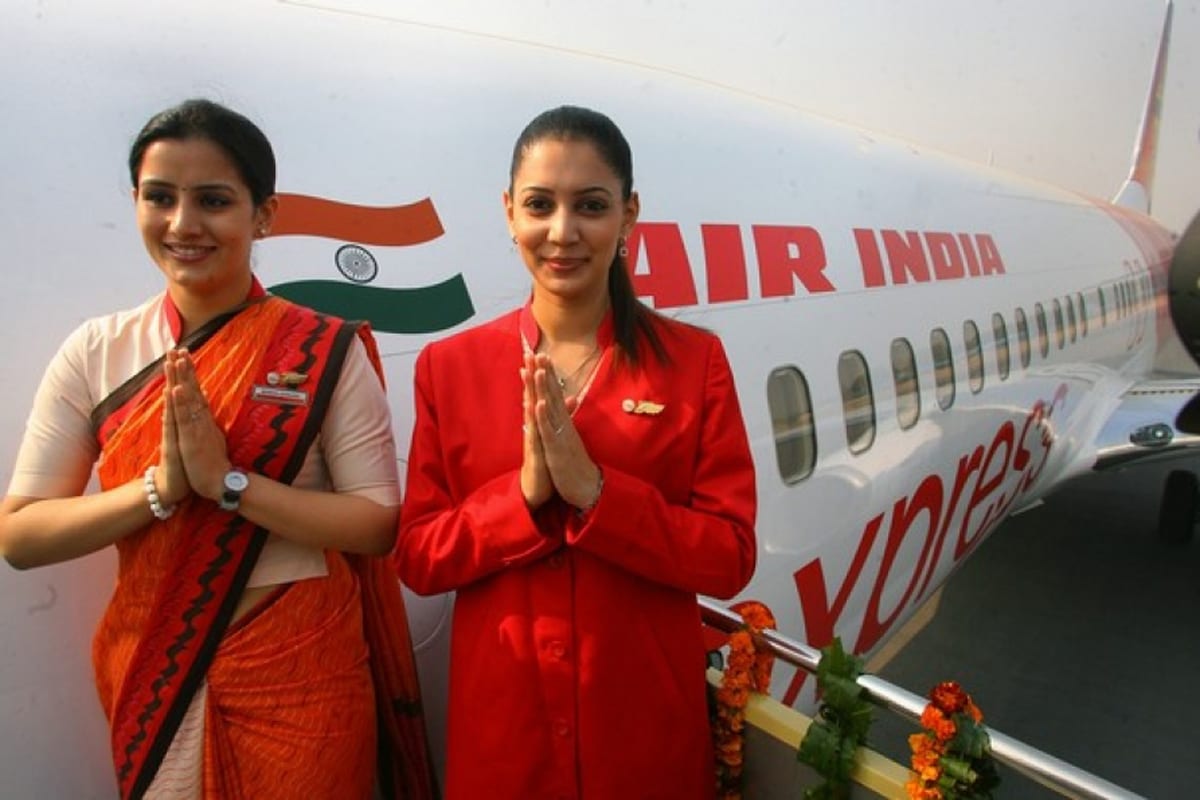
    Air India has reported an annual deficit surpassing INR220 billion ($2.4 billion), a more substantial loss than initially anticipated. This unexpected financial setback has led the airline to seek monetary aid from its stakeholders.

    Fiscal Losses and Contributing Factors

    The fiscal loss was recorded for the financial year ending March 31. This period was characterized by various unfortunate incidents such as the deadly crash of a Boeing 787 Dreamliner, the shutting down of Pakistani airspace for Indian airlines, and escalating conflict in the Middle East.

    Air India’s principal owner, Tata Group, and minority shareholder Singapore Airlines, which holds a 25.1% stake, are currently engaged in discussions to infuse new capital into the struggling airline. However, the exact amount being deliberated remains undisclosed and may not completely address the airline’s financial needs. This shortfall might necessitate Air India to seek additional avenues for funding.

    Critical Period for Air India

    The unprecedented loss arrives at a critical juncture for Air India. The company’s CEO, Campbell Wilson, announced his intention to resign later in 2026. The airline was designated the least safe in the most recent annual audit by the aviation regulator, despite ambitious expansion plans. The carrier has also grappled with efforts to enhance service standards and yields.

    Air India began the fiscal year on a more positive note, with operating profits reported in early April 2025. Nevertheless, circumstances took a downward turn following the closure of Pakistani airspace to Indian airlines after a short-lived conflict in May. This situation necessitated longer routes to the United States and Europe. Subsequently, the fatal Dreamliner crash in June, which resulted in more than 240 casualties, further disrupted operations, compelling the airline to reduce both international and domestic services.

    External Pressures

    The airline also faced external pressures such as punitive tariffs imposed by the U.S. President on India and stricter controls on foreign worker visas. Air India found itself among the most adversely impacted foreign carriers due to the escalating tensions in the Middle East. This crisis disrupted flights to Europe and the U.S., requiring longer and costlier routes amidst rising jet fuel prices.

    Singapore Airlines, which acquired its minority stake following the merger of its local affiliate Vistara with Air India in 2024, has also faced a negative impact on its earnings due to the airline’s declining performance.

    Questions & Answers

    What is the extent of Air India’s annual loss?
    Air India has reported an annual loss of over INR220 billion ($2.4 billion).

    What factors have contributed to Air India’s substantial loss?
    Several factors have contributed to this loss, including an unexpected Boeing 787 Dreamliner crash, the closure of Pakistani airspace to Indian airlines, conflict in the Middle East, and punitive tariffs imposed by the U.S. President on India.

    What steps are being taken to mitigate the loss?
    The principal owner, Tata Group, and Singapore Airlines are discussing an infusion of fresh capital. However, the exact amount under consideration remains undisclosed.

  • Billionaires’ Battle: India’s Race to Revolutionize Weight-Loss Drugs with Affordable Alternatives

    Billionaires’ Battle: India’s Race to Revolutionize Weight-Loss Drugs with Affordable Alternatives

    Indian billionaires are vying to introduce cost-effective medications for diabetes and obesity in response to the escalating demand for reasonably priced alternatives to the well-known weight-loss drug, Ozempic. Sun Pharmaceutical Industries, established by billionaire Dilip Shanghvi, has recently released weight-loss pen injections under the Noveltreat and Sematrinity brands.

    Competitive Pricing

    Priced at approximately INR3,600 (US$38.3) per month for the lowest dose, Noveltreat competes directly with higher-priced options. Sematrinity offers a similarly affordable alternative at INR3,000 monthly, less than half the cost of Ozempic and Wegovy, notable weight-control medications manufactured by the Denmark-based company, Novo Nordisk.

    Kirti Ganorkar, Sun Pharmaceutical’s Managing Director stated, “With the launch of Noveltreat and Sematrinity, we are striving to offer a high-quality, cost-effective therapy to a broader patient demographic in India.”

    Expanding Treatment Options

    Dr. Reddy’s Laboratories, the brainchild of billionaires Satish Reddy and G. V. Prasad, has also launched Obeda, an injectable drug for managing type 2 diabetes, priced at INR4,200 per month. In addition to Obeda, the firm plans to create an integrated care ecosystem including metabolic centres aimed at enhancing diabetes treatment and associated metabolic conditions.

    Erez Israeli, CEO of Dr. Reddy’s, expressed that Obeda reinforces the company’s vision of “ensuring advanced diabetes treatments are not only accessible but affordable.”

    Similarly, Torrent Pharmaceuticals, led by billionaire brothers Sudhir Mehta and Samir Mehta, has introduced both injectable and oral weight-loss drugs under the Sembolic and Semalix brands, priced at INR3,999 per month.

    CEO Amal Kelshikar said, “Our entry into the GLP-1 therapy segment reflects Torrent’s commitment to expanding treatment options available to healthcare professionals managing complex metabolic conditions at affordable prices.”

    The Market Landscape

    A study conducted in 2023 by the Indian Council of Medical Research revealed that over 100 million people in India have diabetes, and the World Health Organization estimates that approximately 8% of the population is obese.

    These companies are part of a larger group of at least eight significant pharmaceutical manufacturers that have introduced semaglutide copies. The market has quickly become competitive, with research firms estimating that up to 40 companies could eventually enter the segment.

    As a result, a price war is predicted, with analysts projecting that intense price competition could reduce the cost of some weight-loss drugs in India by up to 90%. Investment bank Jefferies referred to the development as a “magic pill moment” for India, predicting the market could grow to $1 billion.

    India, often referred to as the “pharmacy of the world,” is now emerging as a crucial low-cost supplier in the global fight against obesity, much like its past role in reducing the cost of HIV treatments and expanding access worldwide.

    Regulatory Oversight

    The increase in new product launches has led to heightened scrutiny from regulatory bodies. Concerns have been raised about the availability of generic versions of weight-loss drugs through various channels, such as retail pharmacies, online platforms, wholesalers, and wellness clinics.

    The Ministry of Health in India has cautioned that these drugs, when used without proper medical supervision, could potentially lead to serious adverse effects and related health risks. The ministry has also imposed restrictions on marketing such drugs, banning indirect promotional activities that could mislead consumers or promote off-label usage.

    There are concerns that patients may view these weight-loss drugs as a “magic pill” solution and may rely on them indefinitely. Mumbai-based diabetologist Rahul Baxi cautioned that these medications are not a substitute for a proper diet or lifestyle change.

    Questions & Answers

    What is the price of the new weight-loss medications?
    Noveltreat is priced at approximately INR3,600 (US$38.3) a month, while Sematrinity costs INR3,000 a month. Obeda, a diabetes medication, is priced at INR4,200 a month.

    Is there a predicted price war in the pharmaceutical industry?
    Yes, analysts project intense price competition could decrease the cost of some weight-loss drugs in India by up to 90%.

    What are the concerns raised by the Ministry of Health in India?
    The Ministry of Health has raised concerns about the availability of generic weight-loss drugs without proper medical supervision, which could potentially lead to serious adverse effects and health risks. It has also expressed worry about potentially misleading or indirect promotional activities for these drugs.

  • Flipkart Makes Monumental Move to India, Preps for Anticipated IPO

    Flipkart Makes Monumental Move to India, Preps for Anticipated IPO

    Flipkart, the Indian e-commerce company owned by Walmart, has relocated its holding company from Singapore to India, a move that marks an important prerequisite for the company’s anticipated stock market debut in India.

    Returning Home for Better IPO Prospects

    The move sees Flipkart joining numerous other Indian startups that initially set up base overseas, lured by the promise of easier access to capital and lower taxes. However, these companies are now seeking to return to India, drawn by the potential for more lucrative Initial Public Offerings (IPOs) in the domestic market.

    In an official statement, Flipkart revealed that it had received the Indian government’s green light for its internal restructuring, thus culminating in its successful “redomiciliation” to India. The company hailed this development as a “significant milestone”.

    A Decade of Expansion

    Flipkart, founded in 2007 as an online bookseller, has grown into a dominant player in India’s e-commerce landscape, rivaling global giant Amazon. The company relocated its holding company to Singapore in 2011, a decision reversed in 2021 when Walmart acquired a majority stake in the company for a whopping US$16 billion.

    As of 2024, Flipkart had an estimated valuation of approximately US$37 billion. This valuation followed a $350 million investment by Alphabet’s Google for a minority stake in the company.

    Looking Forward to the Mumbai Listing

    The company has set its sights on a listing in Mumbai by March 2027. However, details regarding the company’s valuation for the IPO and the size of the offering are yet to be finalized.

    Questions & Answers

    What is the importance of Flipkart’s move to India?
    The relocation of Flipkart’s holding company from Singapore to India paves the way for its anticipated IPO in the Indian stock market.

    Why are Indian startups returning home from overseas?
    Indian startups that had initially set up base abroad for better access to capital and lower taxes are now returning due to the potential for higher returns from IPOs in India.

    What are Flipkart’s future plans?
    Flipkart is planning to list on the Mumbai stock market by March 2027, but the details regarding its valuation for the IPO and the size of the offering are yet to be finalized.