Tag: india

  • Japanese Coffee Titans Brew Expansion Strategy to Rival Starbucks in India and Southeast Asia

    Japanese Coffee Titans Brew Expansion Strategy to Rival Starbucks in India and Southeast Asia

    Japanese-themed full-service café chains are accelerating their proliferation across India and Southeast Asia. They are banking on the allure of their high-end atmosphere and Japan-centric menus to the emerging middle and upper-class consumers in these regions.

    Emergence of Full-Service Cafés

    Coffee-Kan, a full-service café where customers place their orders at the table and enjoy comprehensive waiter service, is gearing towards inaugurating its debut international outlet in India by 2027. The company is targeting to set up 60 stores throughout India and Southeast Asia within the next decade.

    Targeting urban office-goers and middle to high-income consumers in cities like Mumbai and Bengaluru, café operator C-United anticipates an average spending to surpass JPY2,000 yen (US$12.90), which is over double its average expenditure in Japan.

    The number of international café chain outlets in India saw a 13% hike in 2024 from the preceding year, tallying up to around 5,300 outlets. Leading the pack was Starbucks, followed by native brands Barista and Café Coffee Day, all of which only offer counter service. Industry experts believe that full-service cafes have a high growth potential.

    “Full-service cafes are gaining in popularity as a space where office employees and university students can relaxingly spend longer durations indulging in food, reading, and socializing,” remarked Takanori Higuchi of the Japan External Trade Organization office in New Delhi.

    C-United’s President Yuki Tomonari commented that “there is a demand for more expensive options in the full-service café format.”

    Thriving Market Potential

    Market research company Euromonitor International predicts that by 2030, India’s middle to high-income population will leap to over 40% from just 10% in 2020.

    Another Japan-based firm, Doutor Nichires Holdings, has plans to inaugurate the first international branch of its full-service concept Kanno Coffee in Taiwan by March 2026. The chain, which currently operates 12 outlets chiefly in urban areas in Japan, will spotlight matcha-based offerings in Taiwan and anticipates an average customer spending of approximately 1,000 yen.

    Doutor Nichires has already opened roughly 20 branches of its Hoshino Coffee brand across Taiwan and the Philippines. Kanno Coffee boasts numerous Japanese-style menu items that incorporate matcha,” observed President Masanori Hoshino. “We believe it will be successful even at a higher price point than Hoshino Coffee.”

    Komeda is also broadening its reach in Taiwan and Indonesia, managing about 80 international stores compared to 18 as of February 2021.

    Questions & Answers

    What does the term ‘full-service café’ refer to?
    Full-service cafes offer a dining experience where customers place their orders at their tables and enjoy complete waiter service.

    What are the expansion plans of Coffee-Kan?
    Coffee-Kan plans to open its first overseas outlet in India by 2027 and aims to establish 60 stores across India and Southeast Asia by 2030.

    What is the special offering of the Kanno Coffee chain?
    Kanno Coffee, a chain run by Doutor Nichires Holdings, places special emphasis on matcha-based offerings at its outlets.

  • DHL Group to Propel India’s Dynamic Market with €1 Billion Investment by 2030

    DHL Group to Propel India’s Dynamic Market with €1 Billion Investment by 2030

    DHL Group, a world-renowned logistics company, has shared its ambitious plans to invest approximately EUR 1 billion across various business sectors in India by 2030. This hefty investment highlights DHL’s confidence in India’s potential for growth and aligns with the company’s Strategy 2030 for accelerating sustainable development.

    Investment Program Details

    The investment program is set to span various sectors, such as life sciences, healthcare, new energy, e-commerce, and digitalisation. Major developments in infrastructure include:

    – Establishing the first DHL Health Logistics hub for DHL Supply Chain India in Bhiwandi
    – Building India’s largest low-carbon-emission integrated operating facility for Blue Dart in Bijwasan
    – Setting up the first automatic sorting center for DHL Express India in Delhi
    – Opening the fifth DHL IT Services Centre in Indore
    – Creating an Electric Vehicle (EV) and Battery Logistics Centre of Excellence (COE) in Chennai and Mumbai
    – Constructing the largest low greenhouse gas (GHG) emission integrated ground hub for Blue Dart in Haryana

    Tobias Meyer, CEO of DHL Group, expressed confidence in India’s dynamic market despite current global trade challenges. He remarked that India’s diversified business strategies and policies support long-term investments, making it a promising location for the implementation of DHL’s investment program.

    The Significance of India in DHL’s Strategy 2030

    Despite the headwinds from tariffs, global trade remained resilient, with India’s combined merchandise and services exports witnessing a growth of 6.18% from April to August 2025. The average distance of goods trade in India is also projected to reach 6,190 kilometers in 2025, underscoring the growth of India’s exports to various countries across Asia, the Middle East, Europe, Africa, and the Americas.

    R.S. Subramanian, SVP – South Asia and Managing Director, India, DHL Express, noted that India’s diversification strategy has started to yield results, with increased trade to a wider range of markets. He added that the complexity of evolving supply chains, ranging from new supplier ecosystems to customs declarations, is handled efficiently by DHL’s logistics experts and digital tools.

    Investments in Life Sciences and Healthcare

    India has emerged as a global hub for contract manufacturing, research and development, and clinical trials in the life sciences and healthcare sector. To support India’s ambitions in this field, DHL has invested in its capabilities, establishing the Health Logistics Excellence Centre in Mumbai and a facility in Bhiwandi dedicated to life sciences and healthcare companies.

    New Energy Initiatives

    Edwin Pinto, Managing Director, India, DHL Global Forwarding, stated that DHL’s focus on New Energy aligns with India’s ambition for clean energy and electrification. As part of this focus, DHL plans to set up an EV and Battery Logistics Center of Excellence (COE) by Q4 2025.

    E-commerce Investments

    Balfour Manuel, Managing Director of Blue Dart, highlighted the importance of logistics and e-commerce sectors in driving India’s growth. To support this, DHL plans to invest in upgrading infrastructure, network, capacity, and last-mile reach and delivery centers nationwide.

    Sustainability Drive

    As part of its Strategy 2030, DHL Group has added a new pillar: Green Logistics of Choice. The company aims to reduce its absolute CO2 emissions to 29 million metric tons by 2030 and to achieve net-zero emissions by 2050. In India, the Group’s sustainability journey is focused on the electrification of its fleet.

    Digitalisation Initiatives

    The Group has also invested in making India a hub for digital innovation and technology talent. This includes the opening of its fifth DHL IT Services (ITS) center and the first dedicated technology training academy center in Indore.

    Questions & Answers

    What is the focus of DHL’s investment in India?
    The investment program focuses on sectors such as life sciences, healthcare, new energy, e-commerce, and digitalisation. Infrastructure developments include the establishment of logistics hubs, low-carbon-emission facilities, and IT Services centers.

    What are DHL’s sustainability goals in India?
    DHL aims to reduce its absolute CO2 emissions to 29 million metric tons by 2030 and to achieve net-zero emissions by 2050. The company’s sustainability efforts in India center around the electrification of its fleet.

    What does DHL’s digitalisation initiative in India involve?
    The digitalisation initiative involves making India a hub for digital innovation and technology talent. This includes the opening of DHL IT Services centers and the establishment of a dedicated technology training academy center in Indore.

  • Armani Beauty Debuts in Mumbai with Flagship Store and Celebratory Diwali Campaign

    Armani Beauty Debuts in Mumbai with Flagship Store and Celebratory Diwali Campaign

    Armani Beauty has recently unveiled a flagship store in Mumbai’s Phoenix Palladium Mall. This grand opening coincides with the brand’s debut Diwali campaign in India, marking the luxury beauty brand’s retail expansion within the nation during the festive season.

    Embracing Local Culture

    To celebrate this milestone, Armani Beauty has decorated its Palladium Mall store with Diwali-themed items that draw inspiration from the marigold motifs prevalent in Indian culture. This approach aims at highlighting India’s largest festive season, thereby blending Armani’s presence seamlessly with local traditions.

    Charles-Alexandre Bockzmak, GM of L’Oréal International Distribution Sapmena, noted that this novel Diwali initiative in India aligns with Armani Beauty’s goal of local and cultural relevance. It also aims to provide Indian consumers with unique experiences that transcend mere commercial transactions.

    Biju Kassim, CEO of Global SS Beauty Brands, which is Armani Beauty’s distribution partner in India, echoed this sentiment. He emphasized that this first-ever Diwali campaign by Armani in India signifies a transformative beauty movement in the country.

    A Vision Beyond Commerce

    Both Bockzmak and Kassim agreed that this venture reaffirms Armani’s mission to “take beauty beyond commerce,” making the brand more relatable and in tune with the evolving needs and trends of Indian consumers. This collaborative approach with local partners underscores the brand’s commitment to remain current and connected with its target market.

    Armani Beauty operates under the Giorgio Armani fashion house and is marketed under a long-term license with L’Oréal. The brand announced its first flagship store in India in November of the previous year, marking a significant expansion in its global retail footprint.

    Questions & Answers

    What is the significance of Armani Beauty’s new flagship store in Mumbai?
    The store marks Armani Beauty’s retail expansion in India, timed perfectly to coincide with the festive season of Diwali.

    What is unique about Armani Beauty’s first-ever Diwali campaign in India?
    The campaign emphasizes Armani’s commitment to cultural relevance and aims to offer Indian consumers unique experiences that extend beyond traditional commercial interactions.

    How does Armani Beauty plan to stay current with the evolving needs of Indian consumers?
    Armani Beauty aims to remain current by embracing local culture and traditions, and working collaboratively with local partners to understand and cater to evolving consumer trends and demands.

  • TGI Fridays Ignites Indian Market with Massive Expansion: 51 New Locations on the Horizon

    TGI Fridays Ignites Indian Market with Massive Expansion: 51 New Locations on the Horizon

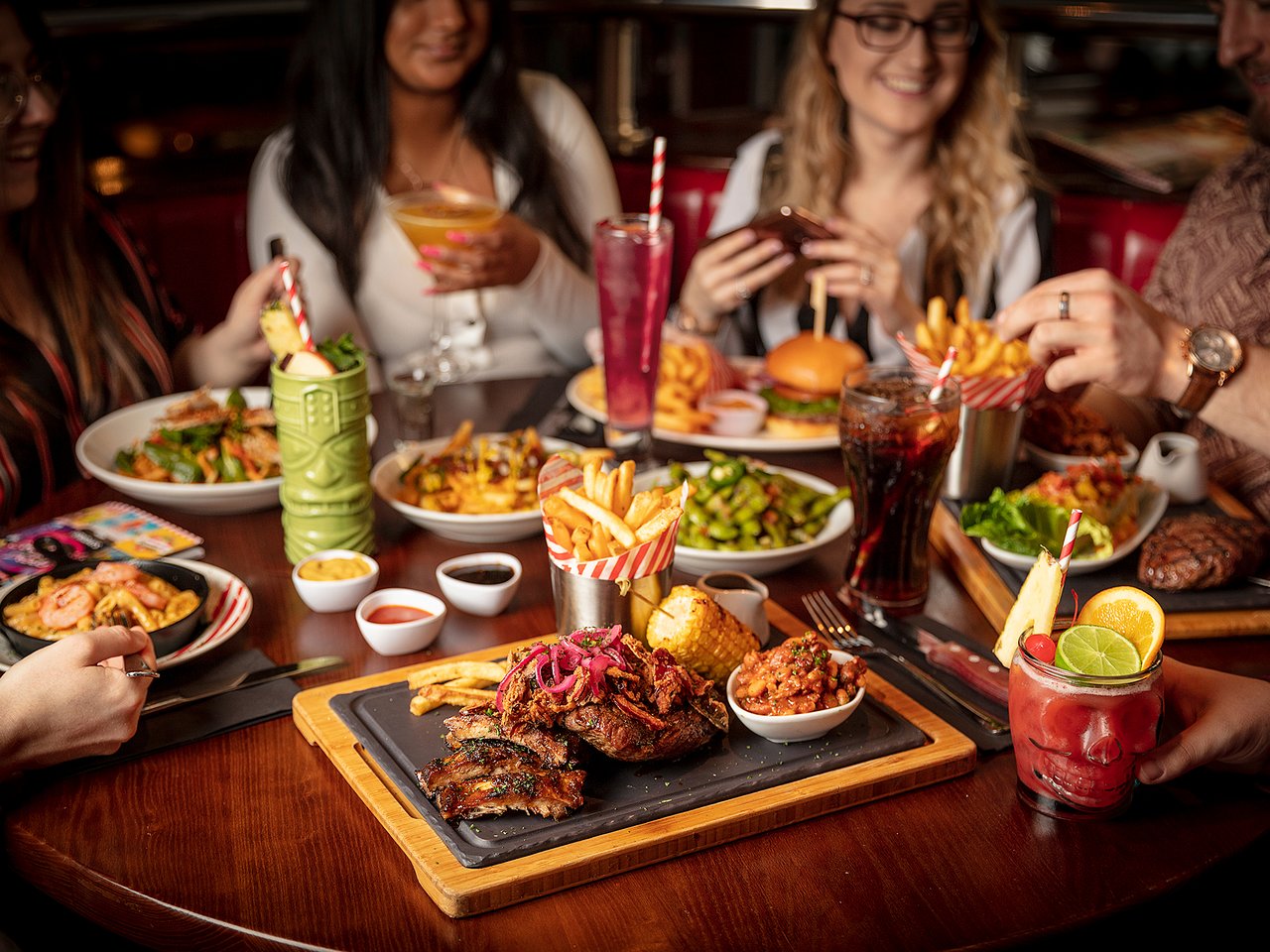
    Sugarloaf TGIF Management, the parent company of TGI Fridays, has entered into a master franchise agreement with USR Hospitality, an Indian corporation. The intention is to open 51 TGI Fridays restaurants throughout India.

    Key Personnel

    John Neitzel, former president and COO of TGI Fridays, has come on board with USR Hospitality to assist in the brand’s expansion within the Indian market. His leadership and comprehensive knowledge of the TGI Fridays brand, coupled with his record of achievement, were cited by USR Hospitality as key reasons for his appointment.

    “We’re privileged to serve as the master franchisee in India and are excited about collaborating with John to extend the TGI Fridays brand throughout the nation,” commented Prasoon Mukherjee, the Chairman of USR Hospitality.

    He went on to further explain the company’s strategic advantages, stating, “John is an accomplished leader with a profound understanding of the TGI Fridays brand and a solid track record of success. Coupled with our in-depth expertise in the hospitality industry, comprehension of the consumer preferences in our markets, and real estate development acumen, USR is uniquely positioned to spur unprecedented growth for the brand.”

    Expansion Plans

    USR Hospitality’s development plans for TGI Fridays include both high-street and mall locations. Furthermore, the company has acquired exclusive rights to establish restaurants in airports across the country. This strategy aims to bring the TGI Fridays dining experience to millions of travelers throughout India.

    Questions & Answers

    What is the nature of the agreement between Sugarloaf TGIF Management and USR Hospitality?

    The two companies have entered into a master franchise agreement that will see the development of 51 TGI Fridays restaurants across India.

    Who is John Neitzel and what is his role in this project?

    John Neitzel is the former president and COO of TGI Fridays. He has joined USR Hospitality to assist in the expansion of the brand in India.

    What are the locations targeted by USR Hospitality for the development of TGI Fridays?

    USR Hospitality plans to develop TGI Fridays restaurants in high-street and mall locations across India. They have also secured exclusive rights to open restaurants in airports nationwide.

  • Nissan India Celebrates Export of 1.2 Million Vehicles: Triumph for Made-in-India Cars Globally

    Nissan India Celebrates Export of 1.2 Million Vehicles: Triumph for Made-in-India Cars Globally

    Nissan India Reaches Export Milestone

    Nissan India has marked a significant achievement with the announcement of its 1.2 millionth vehicle export. The Japanese automotive company has primarily centred its focus on the Magnite model, with occasional offerings of fully imported models such as the X-Trail. Nissan India exports vehicles to the AMIEO region, comprising Africa, Middle East, India, Europe, and Other markets.

    The milestone vehicle, a Magnite, is destined for the Gulf Cooperation Council (GCC) region. It was officially unveiled by Saurabh Vatsa, the Managing Director of Nissan Motor India, at Kamarajar Port in Ennore, Tamil Nadu. While the Magnite has been the mainstay, Nissan India has a history of exporting various models. These include the Sunny, Kicks, and Micra, which have been shipped to regions such as Africa, the Middle East, Latin America, and Southeast Asia.

    Changes in Model Exports Over Time

    Over time, however, these models were phased out due to lacklustre sales performance following the introduction of BS6 emission standards. At present, the Magnite is exported to 65 countries and is available in both left-hand (LHD) and right-hand (RHD) drive versions.

    Saurabh Vatsa, Managing Director, Nissan Motor India, commended this achievement, attributing it to the collective efforts of their teams and the global trust in their Made-in-India cars. He stated, “The Nissan Magnite continues to be a global success story, representing our focus on design, quality, and innovation that transcends borders.”

    Updates to the Magnite Model

    In December of the previous year, Nissan introduced a minor facelift to the Magnite, including subtle cosmetic changes and additional features. However, the mechanical aspects of the vehicle remain the same. The Magnite is offered with two petrol engine options: a 1.0-litre naturally aspirated engine and a 1.0-litre turbocharged engine. The former delivers 72 bhp and 96 Nm of peak torque, while the latter offers 99 bhp and 160 Nm (or 152 Nm with automatic transmission) of torque.

    Questions & Answers

    What milestone has Nissan India recently achieved?
    Nissan India has recently announced the export of its 1.2 millionth vehicle.

    Which regions does Nissan India export its vehicles to?
    Nissan India exports its vehicles to the AMIEO region, which includes Africa, the Middle East, India, Europe, and other markets.

    What changes were made to the Nissan Magnite in its latest update?
    In its latest update, the Nissan Magnite received a mild facelift with subtle cosmetic enhancements and additional features. The mechanical aspects of the vehicle, however, remain unchanged.

  • Emirates NBD To Acquire Majority Stake In Rbl Bank In Unprecedented $3 Billion Investment

    Emirates NBD To Acquire Majority Stake In Rbl Bank In Unprecedented $3 Billion Investment

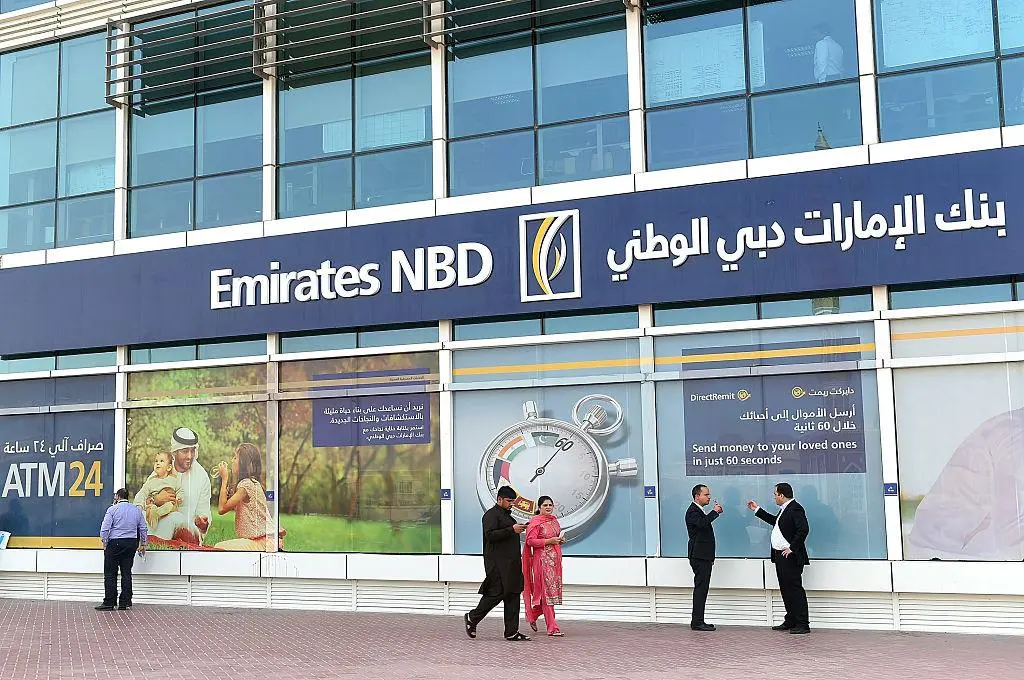
    Dubai-based banking group, Emirates NBD, has revealed that it will acquire a majority share in an Indian bank. This move represents the most significant foreign investment in India’s financial sector to date.

    Emirates NBD has confirmed an arrangement to purchase a 60 percent stake in RBL Bank, based in Mumbai. The deal, worth approximately $3 billion, will be carried out through a preferential issue of shares. This acquisition will set a new record for foreign direct investment in India’s financial services industry.

    Emirates NBD has expressed that the acquisition demonstrates its confidence in the Indian economy and emphasizes the strategic significance of India within the India-Middle East-Europe Economic Corridor (IMEC).

    “This strategic partnership marries RBL Bank’s burgeoning domestic franchise with Emirates NBD’s regional reach and financial expertise, providing a unique platform for growth and innovation”, says Shayne Nelson, group CEO of ENBD. He further added that a more substantial presence in India via a well-established business such as RBL Bank will complement ENBD’s services to customers operating across the MENATSA region.

    Questions & Answers

    What percentage stake is Emirates NBD acquiring in RBL Bank?
    Emirates NBD is acquiring a 60 percent stake in RBL Bank.

    What is the approximate worth of the deal between Emirates NBD and RBL Bank?
    The deal is approximately worth $3 billion.

    How does the acquisition of RBL Bank benefit Emirates NBD?
    The acquisition not only allows Emirates NBD to increase its presence in India but also complements its services to customers across the MENATSA region. It also provides a unique platform for growth and innovation by combining RBL Bank’s domestic reach with Emirates NBD’s regional reach and financial expertise.

  • Hyundai Appoints First Indian Ceo In Landmark Move For Global Auto Industry

    Hyundai Appoints First Indian Ceo In Landmark Move For Global Auto Industry

    Hyundai Motor India Limited (HMIL) made the exciting announcement today that Mr. Tarun Garg will assume the role of Managing Director and Chief Executive Officer. Subject to shareholder approval, his tenure will commence on January 1, 2026. This appointment marks a significant landmark for HMIL; for the first time since its inception 29 years ago, an Indian national will lead the company. Mr. Garg currently holds the position of Whole-time Director & COO at HMIL. As he assumes his new role, the present Managing Director, Mr. Unsoo Kim, will be transitioning into a strategic position at Hyundai Motor Company (HMC) in South Korea.

    A Milestone for Hyundai and India

    Mr. Garg’s appointment is a testament to Hyundai’s faith in Indian leadership and the nation’s burgeoning importance in the global automotive industry. HMC singled out his capabilities for this position. Over the past two years, Mr. Garg diligently worked alongside global management in anticipation of this promotion.

    HMC President and CEO, Mr. Jose Munoz, celebrated Mr. Garg’s appointment, recognizing it as a momentous occasion in HMIL’s nearly three-decade history. He commended Mr. Garg’s transformative and innovative leadership style, remarking on his in-depth understanding of the Indian market, and attributing HMIL’s record-breaking sales for three consecutive years, record profits, and India’s largest IPO in 2024 to his guidance. He also acknowledged Mr. Garg’s focus on customers, teams, and long-term investment. Mr. Munoz ended his remarks by thanking Mr. Kim for his immense contributions to HMIL’s success.

    A Vision for the Future

    Mr. Garg expressed deep gratitude for the faith and trust placed in him by the Hyundai Motor Group. He acknowledged the transformative phase of India’s automotive sector and expressed his eagerness to contribute to HMIL’s continued growth. He emphasized the importance of excellence in all aspects, from design and engineering to sales and service, and expressed his gratitude to Hyundai’s talented employees, dealer partners, and suppliers.

    Mr. Garg affirmed that he and his team would remain committed to enhancing HMIL’s 29-year legacy of customer satisfaction and loyalty, shaping the future of mobility, and building enduring relationships in India.

    Questions & Answers

    What does Mr. Garg’s appointment mean for Hyundai Motor India Limited (HMIL)?
    Mr. Garg’s appointment marks a significant milestone in HMIL’s history. He is the first Indian national to lead the company since it was established 29 years ago, reflecting Hyundai’s strong confidence in India’s leadership capabilities and its growing strategic importance in the global automotive landscape.

    What are Mr. Garg’s achievements as COO at HMIL?
    Under Mr. Garg’s guidance as COO, HMIL achieved record sales for three consecutive years, record-breaking profits, and completed India’s largest IPO in 2024.

    What is Mr. Garg’s vision for HMIL?
    Mr. Garg aims to continue HMIL’s growth in the Indian market, maintaining a strong focus on excellence across all areas, from design and engineering to sales and service. He is committed to strengthening HMIL’s legacy of customer satisfaction and loyalty and to shaping the future of mobility in India.

  • Kuehne+nagel Boosts India’s Logistics Sector With Five New Fulfilment Centres, Creating 1,500 Jobs

    Kuehne+nagel Boosts India’s Logistics Sector With Five New Fulfilment Centres, Creating 1,500 Jobs

    Kuehne+Nagel, the international logistics firm, is expanding its operations in India with the establishment of five new fulfilment centres. The locations for these centres include Gurgaon, Kolkata, Nagpur, Mumbai, and Rajpura. This expansion will provide 100,000 square meters of additional capacity, raising the company’s total fulfillment centre footprint in the country to nearly 500,000 square meters. The new centres will create over 1,500 jobs nationwide, supporting local economic growth.

    India’s Economic Potential

    India is expected to rise to the position of the world’s third-largest economy by 2030, underpinned by robust growth in industries such as high-tech, automotive, consumer goods, and healthcare. As these sectors continue to expand, there’s an increasing demand for a scalable, efficient logistics infrastructure.

    Automation and Boosting Order Handling Capacity

    The new fulfilment centres will employ advanced automation technologies like telescopic conveyors and high-performance sorting systems. These will facilitate an increase in peak order handling capacity by 75%.

    City Selection and Industry Growth

    The locations of the new centres cover the spectrum of Indian cities. This includes tier-1 cities like Mumbai and Kolkata, tier-2 hubs Gurgaon and Nagpur, and the tier-3 city, Rajpura. The diverse location selection aligns with India’s industrial growth across multiple cities. Gurgaon and Nagpur are emerging as growth centres for various industries, while Rajpura is experiencing a surge in manufacturing and distribution.

    Strategic Investment

    Damian Raczynski, Senior Vice President of Contract Logistics at Kuehne+Nagel Asia Pacific, expressed his optimistic views regarding the company’s expansion. He shared that India is a crucial growth market for Kuehne+Nagel and that they invest where their customers are. He further emphasized that this expansion enhances their ability to serve high-demand sectors, like consumer and healthcare. The goal is to deliver a service that’s characterized by speed, reliability, and flexibility.

    Questions & Answers

    What is the purpose of Kuehne+Nagel’s expansion in India?
    The expansion aims to meet the growing demand for efficient logistics infrastructure in India’s expanding industries such as high-tech, automotive, consumer goods, and healthcare.

    What additional features will the new fulfilment centres have?
    The new centres will incorporate advanced automation technologies such as telescopic conveyors and high-performance sorting systems, which will boost peak order handling capacity by 75%.

    How will this expansion benefit the local economy?
    The expansion will generate over 1,500 new jobs nationwide, contributing positively to the growth of local economies.

  • India’s 5g Infrastructure Surges With 6,400 New Stations: Reinforcing Digital Economy Growth

    India’s 5g Infrastructure Surges With 6,400 New Stations: Reinforcing Digital Economy Growth

    In September 2025, India significantly extended its 5G coverage, introducing over 6,400 new 5G base transceiver stations (BTS). This latest data was provided by the Department of Telecommunications (DoT), which also reported that the total count of nationwide 5G BTS has increased to 504,588 compared to 498,135 in August.

    Exponential Expansion of 5G Infrastructure

    The robust additions in September are an upward trend from the 5,615 sites incorporated in August, emphasizing India’s consistent growth in the expansion of next-generation mobile infrastructure. This steady rise, marked by monthly BTS additions consistently surpassing 4,000 since March 2025, is a clear indication of strong operator commitment to a nationwide 5G rollout.

    Key Industry Players

    Vodafone Idea (Vi) made a significant move in expanding its 5G reach by introducing services in Dehradun on September 17, 2025. This is part of Vi’s implementation across 17 priority circles where it aims to utilize its 5G spectrum assets to elevate customer experience and match the competitiveness of market leaders like Reliance Jio and Bharti Airtel.

    Bharat Sanchar Nigam Limited (BSNL), on the other hand, is advancing its focus on indigenous technology with the launch of its fully Indian-developed and manufactured Swadeshi BSNL 4G network. This network, which incorporates a core developed by C-DOT, Tejas Networks’ radio access solutions, and TCS integration, is now connected with over 22 million subscribers across 92,000 sites. The Ministry of Communications has hailed this achievement as a significant milestone in India’s self-reliance efforts for telecom infrastructure.

    Continued Growth and Future Prospects

    The DoT data points to a steady monthly growth in BTS deployments, which is anticipated to continue. As the India Mobile Congress (IMC) 2025 approaches, all major telecom operators are expected to enhance their network expansion and innovation efforts. It is expected that industry giants Reliance Jio, Airtel, and Vi will reveal new 5G and AI-driven solutions during the event.

    The robust expansion of India’s 5G infrastructure solidifies its position as one of the world’s rapidly growing digital economies. This growth lays the groundwork for enhanced connectivity, enterprise innovation, and a robust digital ecosystem.

    Questions & Answers

    What is the total number of 5G BTS in India as of September 2025?
    As of September 2025, the total number of 5G BTS in India is 504,588.

    How is Vodafone Idea (Vi) expanding its 5G reach?
    Vodafone Idea (Vi) is expanding its 5G reach by introducing services in Dehradun and other priority circles, using its 5G spectrum assets to improve customer experience and competitiveness.

    What is the significance of Bharat Sanchar Nigam Limited (BSNL)’s Swadeshi BSNL 4G network?
    The Swadeshi BSNL 4G network is significant as it is fully developed and manufactured in India, marking a major milestone in the country’s self-reliance efforts for telecom infrastructure.

  • Srini Kannan Takes Charge As Citi India’s New Head Of Digital And Technology

    Srini Kannan Takes Charge As Citi India’s New Head Of Digital And Technology

    Citi Commercial Bank has announced the appointment of Srini Kannan as the new Head of Digital and Technology in India. The appointment is set to take effect in early December.

    Srini Kannan’s Career and Expertise

    Kannan brings to Citi a wealth of experience in various fields such as equity, debt, mergers and acquisitions (M&A), financing, risk management, and payments. He recently held the post of Head of Innovation Economy and Venture Capital Coverage in India at J.P. Morgan. He also played a key role in the development of J.P. Morgan’s mid-corporate business in South India.

    Prior to these positions, Kannan began his career with Citi in 2002, as a part of the corporate banking team. He now returns to lead the charge in digital and technology.

    Expectations for Kannan at Citi

    Kannan’s addition to the team is expected to significantly boost Citi Commercial Bank’s operations in India, which is one of the bank’s largest markets globally. It is also projected that the bank will expand further in the coming years.

    K Balasubramanian, the CEO of Citi India, and Banking Head of the Indian subcontinent, expressed his optimism about Kannan’s appointment. The bank currently plays a major role in supporting India’s dynamic startup scene, catering to nearly half of the country’s unicorns.

    Questions & Answers

    What is Srini Kannan’s new role at Citi India?

    Srini Kannan has been appointed as the Head of Digital, Technology, Communication, Business & Professional Services and Industrials for Commercial Banking at Citi India.

    What previous positions has Kannan held?

    Kannan has held various positions at J.P. Morgan, most recently as the Head of Innovation Economy and Venture Capital Coverage in India. He began his career with Citi in 2002 as part of the corporate banking team.

    What is the significance of Kannan’s appointment for Citi India?

    Kannan’s appointment is expected to strengthen Citi India’s operations, which is one of the bank’s largest markets globally. His expertise and experience are seen as assets in the bank’s plans for expansion in the coming years.

  • Standard Chartered Expands Reach In Singapore: Strategic Partnerships To Boost Global Indian Operations

    Standard Chartered Expands Reach In Singapore: Strategic Partnerships To Boost Global Indian Operations

    Standard Chartered, a London-based financial institution, has recently entered into strategic agreements intended to increase its reach within Singapore’s business networks and boost the growth of its global India operations. These partnerships are with the Singapore Indian Chamber of Commerce & Industry as well as with the Institute of Chartered Accountants of India in Singapore.

    Unlocking Indian Networks

    The primary aim of these collaborations is to strengthen Standard Chartered’s global Indian proposition. This will be achieved by expanding its access to Indian business networks in Singapore and increasing its involvement within these communities.

    According to Standard Chartered, the number of high net worth individuals in India has doubled over the past decade. This demographic is projected to expand to 1.6 million individuals by the year 2027.

    James Lye, Standard Chartered’s Global and Singapore International Banking Head, has stated that these local partnerships will bolster the bank’s relevance in critical markets. It will also solidify its unique proposition and place the bank in a position where it can support and grow alongside the significant wealth creation occurring within these communities. He noted an increasing demand within the global Indian community for cross-border banking and wealth management solutions.

    Continuing the 2024 Initiative

    These new agreements are a continuation of broader efforts initiated in 2024 to update Standard Chartered’s global Indian proposition. The initial phase of this initiative involved enhancing connectivity with the bank’s hubs in various locations such as Singapore, Hong Kong, the United Arab Emirates, and the United Kingdom. This also included the development of a comprehensive set of global solutions and the provision of access to a new affluent wealth center in Mumbai, as well as various lifestyle experiences.

    Celebrating Deepavali

    A notable example of these lifestyle experiences was an exclusive Deepavali celebration recently hosted by the bank in Singapore. The event saw more than 200 clients from priority, private, and corporate banking sectors in attendance. This celebration was headlined by acclaimed Hindi playback singer Sonu Nigam and featured a traditional Diya lighting ceremony, as well as a classical sitar and tabla performance.

    Questions & Answers

    What is the aim of Standard Chartered’s recent strategic agreements?
    The aim is to strengthen the bank’s global Indian proposition by expanding its access to Indian business networks in Singapore and increasing its involvement within these communities.

    What demographic trends have been noted by Standard Chartered in India?
    The number of high net worth individuals in India has doubled over the past decade, and it is projected to continue growing, reaching 1.6 million individuals by 2027.

    What was the 2024 initiative by Standard Chartered?
    Initiated in 2024, the project aimed at updating Standard Chartered’s global Indian proposition. This included enhancing connectivity with the bank’s hubs across the globe, developing comprehensive global solutions, and providing access to an affluent wealth center in Mumbai, along with various lifestyle experiences.

  • Cos makes Indian debut in New Delhi

    Cos makes Indian debut in New Delhi

    Cos, the fashion label under the H&M brand, has unveiled its first retail outlet in India, situated in the Select Citywalk Mall, New Delhi, marking its entrance into the burgeoning South Asian marketplace.

    Store Design and Sustainability Efforts

    Cos boasts a store aesthetic that was crafted completely in-house. It features a harmony of intricate architectural nuances and eco-friendly materials, resulting in a stylish, welcoming ambience. The exterior of the store is adorned with Armourcoat clay lime plaster, a material that according to the fashion brand, acquires a unique patina from its interaction with water minerals during its application.

    The store’s floors are fitted with terrazzo tiles from Grassi Pietre, which are made from 90% recycled material. These tiles are further enhanced with hand-tufted wool rugs by Kasthall.

    Interior Arrangements and Furniture

    The interior of the store presents ready-to-wear garments and accessories, showcased on aluminium railing systems and recycled shelving units from Smile Plastics. These displays are augmented by a sculptural table by Paper Factor that is constructed from recycled cellulose fibres and natural pigments.

    The store also features an array of specially curated furniture from esteemed international design houses. These pieces include the Scarpa 925 chair, crafted by Cassina and Karakter, the Offset coffee table by Resident, Bon Bon lamps designed by Helle Mardahl, and the iconic Pumpkin sofa, a creation of Pierre Paulin for Ligne Roset.

    New Collection Launch

    Coinciding with the store’s launch is the release of Cos’s Autumn/Winter 2025 collections for men and women. These collections showcase the brand’s distinctive minimalist tailoring and high-quality fabric use.

    Questions & Answers

    Where is Cos’s first store in India located?
    Cos’s first store in India is located in the Select Citywalk Mall in New Delhi.

    What materials have been used in the design of the store?
    The store design incorporates sustainable materials such as Armourcoat clay lime plaster, terrazzo tiles composed of 90% recycled material, and recycled shelving units. It also features a sculptural table made from recycled cellulose fibres and natural pigments.

    What collections has Cos launched with the store opening?
    Cos has launched its Autumn/Winter 2025 collections for men and women, featuring the brand’s signature minimalist tailoring and premium fabrics.

  • India To Implement Facial Recognition, Fingerprint Verification For Upi Transactions From October 8

    India To Implement Facial Recognition, Fingerprint Verification For Upi Transactions From October 8

    Starting October 8, India will incorporate facial recognition and fingerprint verification as methods for approving transactions carried out through the nationally renowned Unified Payments Interface (UPI), according to insiders with direct knowledge of the situation.

    The authentication process will employ biometric data stored within Aadhar, the Indian Government’s singular identification system, an anonymous source disclosed.

    This initiative comes after the Reserve Bank of India issued new guidelines allowing for alternative means of authentication. This marks a significant shift from the existing system, which necessitates a numeric PIN for transaction verification.

    The National Payments Corporation of India (NPCI), the entity responsible for operating UPI, intends to unveil this novel biometric attribute at the ongoing Global Fintech Festival in Mumbai, stated the sources who requested anonymity due to not being permitted to speak to the press.

    The NPCI has not responded immediately to requests for comment.

    Questions & Answers

    When will the new biometric features for payment approval through the UPI be introduced in India?
    The new features for payment approval which include facial recognition and fingerprint verification will be introduced starting October 8.

    What is the current system for approving transactions carried out through the UPI?
    The existing system of approving transactions carried out through the UPI requires a numeric PIN for transaction verification.

    Who operates the UPI and who intends to showcase the new biometric feature?
    The UPI is operated by the National Payments Corporation of India (NPCI), which plans to debut this novel biometric feature at the ongoing Global Fintech Festival in Mumbai.

  • Mumbai Emerges as India’s Thriving Data Centre Hub: A New Era in Digital Infrastructure

    Mumbai Emerges as India’s Thriving Data Centre Hub: A New Era in Digital Infrastructure

    Mumbai is positioning itself as the data centre powerhouse of India, commanding an impressive 40% of the country’s overall capacity and 44% of its active IT infrastructure, according to a recent report by Knight Frank. The city experienced a notable surge in capacity during the first half of the year, increasing by 14.3% and surpassing the crucial 4 gigawatt (GW) mark. Currently, it boasts 591 megawatts (MW) of operational capacity, with an additional 185 MW under construction and a staggering 3.2 GW in the pipeline.

    This remarkable growth is largely fueled by the rapid adoption of cloud technology, stringent data localization mandates, and the burgeoning local sectors of fintech and banking, financial services, and insurance. In fact, Mumbai’s tight vacancy rate of 5.4% starkly contrasts with India’s overall colocation vacancy rate of 12.3%. Impressively, two-thirds of the city’s current construction projects are already pre-leased, indicating a robust demand in the market.

    However, amidst this frenzy of development, Mumbai faces a critical shortfall in capacity for hyperscale deployments. Currently, only three sites are operational that can support such extensive needs, with just one facility offering more than 10 MW of available capacity. This situation creates a short-term shortage for large-scale requirements, leaving enterprises in a scramble for solutions.

    Knight Frank notes that this fragmented supply landscape is opening doors for well-capitalized global players and joint ventures to step in and provide high-capacity facilities, challenging local dominance in the sector. In an industry where the demand for data infrastructure seems to accelerate daily, the race is on for companies to capitalize on Mumbai’s emerging status as a data-driven hub.

    Questions & Answers

    How much of India’s data centre capacity is located in Mumbai?
    Mumbai accounts for 40% of India’s total data centre capacity and 44% of the country’s active IT capacity.

    What factors are driving the growth of data centres in Mumbai?
    The growth is primarily driven by rapid cloud adoption, increasing data localization requirements, and the expansion of local fintech and banking sectors.

    Is there an immediate supply issue for hyperscale data centre deployments in Mumbai?
    Yes, there is a short-term supply tightness, with only three live sites currently equipped to handle hyperscale deployments and just one site offering over 10 MW of capacity.

  • India Launches Ambitious 5GW Renewable Energy Tender Initiative in August to Boost Sustainable Growth

    India Launches Ambitious 5GW Renewable Energy Tender Initiative in August to Boost Sustainable Growth

    Shifting consumer habits and an evolving retail landscape are pushing brands to rethink their strategies in Asia, particularly in the wake of a retail renaissance fueled by innovation and adaptability. As global giants and local players navigate an environment marked by increasing competition and shifting shopping behaviors, the need to stand out has never been more crucial.

    Engagement Strategies in High Demand

    Brands are tapping into new ways of engaging consumers, particularly through social media platforms. Recent reports indicate that nearly 75% of shoppers in Asia rely on social media for product inspiration. This trend sees retailers harnessing platforms like TikTok and Instagram to create immersive shopping experiences and foster deeper connections with consumers.

    Yet, it’s not just about flashy campaigns; authenticity remains vital. Companies that succeed are those that effectively communicate their values and provide engaging narratives that resonate with local consumers. High-profile collaborations, limited-edition releases, and interactive experiences have become common tools in the marketer’s kit. In a region where personalization holds the key to consumer hearts, brands are increasingly embracing tailored approaches to meet diverse preferences.

    The E-commerce Boom Continues

    E-commerce is riding a wave of growth in Asia, spurred by the pandemic’s acceleration of online shopping trends. Data shows that countries like China and India are at the forefront, with millions of consumers opting for digital marketplaces over traditional retail outlets. This evolution presents a promising landscape for both established players and newcomers eager to capture market share.

    One notable development is the rise of live shopping events, where brands combine entertainment with commerce, transforming how consumers interact with products. Striking a delicate balance between engagement, entertainment, and education has proven effective, as retailers look to bring a personal touch to the digital shopping experience. What’s more surprising is how these events can turn a simple product showcase into a thrilling, must-watch experience, reminiscent of a blockbuster movie premiere.

    Results Driven by Data

    The importance of leveraging data analytics has never been clearer. Retailers are increasingly utilizing insights from consumer behavior to drive decision-making, streamline inventory management, and even influence product design. Understanding the journey of the consumer—from initial interest to final purchase—enables brands to refine their strategies and enhance customer satisfaction.

    Companies that effectively integrate real-time data are more aligned with their customers’ evolving needs, making informed decisions that can drastically reduce overhead and increase profits. The modern retail battleground requires adaptability, and the wise brands are ensuring they remain a step ahead by making data their loyal ally.

    Challenges Ahead

    However, as retailers in Asia push for innovation, challenges abound. Navigating regulatory hurdles, adapting to rapidly changing consumer preferences, and addressing sustainability concerns complicate the path to success. Brands must be agile, ready to pivot in response to unforeseen circumstances while remaining committed to their long-term vision and values.

    In this dynamic landscape, partnerships and collaborations can provide the support needed to tackle these hurdles. Whether it’s teaming up with tech innovators or collaborating with local influencers, the right alliance could very well be the secret ingredient to thriving in Asia’s bustling retail sector.

    Questions & Answers

    How are retailers in Asia adapting to changing consumer habits?
    Retailers are increasingly leveraging social media for consumer engagement, focusing on authenticity and personalized experiences to stand out in a competitive market.

    What role is e-commerce playing in Asia’s retail landscape?
    E-commerce is booming in Asia, spurred by the pandemic, with innovations like live shopping events radically transforming the e-commerce experience and engaging consumers in new ways.

    What challenges do retailers face in this rapidly evolving market?
    Retailers grapple with regulatory hurdles, shifting consumer preferences, and sustainability concerns, all of which require agility and strategic partnerships to navigate successfully.