Tag: india

  • India’s Consumer Loan Market Poised to Hit $1 Trillion by 2029: Key Insights Ahead

    India’s Consumer Loan Market Poised to Hit $1 Trillion by 2029: Key Insights Ahead

    The Indian consumer lending market is set for an extraordinary leap, potentially reaching $1 trillion by 2029, driven by a robust economic landscape and shifting consumer behaviors. According to projections from GlobalData, this sector is expected to experience a compound annual growth rate (CAGR) of 7.4% between 2025 and 2029, emphasizing the surging appetite for credit.

    Record Growth in Consumer Loans

    As of 2025, the consumer loan market in India is poised at an impressive $758.8 billion, a figure that stands as a testament to the changing financial dynamics in the country. The remarkable 27.6% growth recorded in 2023 highlights a significant rise in consumer income alongside evolving spending habits.

    Government Initiatives Fueling Demand

    Ravi Sharma, lead banking and payments analyst at GlobalData, notes that India’s vigorous economic expansion, bolstered by substantial government investments in infrastructure and rising household spending on real estate, is a key driver behind the surge in consumer lending. “Consumers are enjoying increased disposable incomes, opening the door to more discretionary spending and elevating the demand for various credit products,” he explains.

    Challenges on the Horizon

    However, it’s not all smooth sailing. Global economic uncertainties, particularly those stemming from US tariffs, pose a risk to consumer sentiment, potentially affecting new loan originations across the board. As the market expands, stakeholders will need to navigate the delicate balance between growth and these external pressures.

    In a landscape where rising incomes are bringing dreams of homeownership and new vehicles within reach, one might wonder if India’s consumers will soon be buying their way into luxury as easily as picking up a new smartphone. Perhaps it’s time for retail strategists to shape their offerings to cater to these evolving desires.

    Questions & Answers

    What factors are driving the growth of India’s consumer lending market?
    Robust economic growth, urbanization, and increased disposable income are primary drivers, alongside government investments in infrastructure and rising household demand for real estate and consumer durables.

    How much is the consumer loan market expected to be worth by 2029?
    The consumer lending market in India is projected to reach $1 trillion by 2029, fueled by a compound annual growth rate of 7.4% between 2025 and 2029.

    What challenges could impact the growth of consumer lending in India?
    Global economic uncertainties, particularly the effects of US tariffs, may dampen consumer sentiment, potentially slowing the growth of new loan originations across various products.

  • APTelecom Enhances India’s Future with Robust Subsea Infrastructure Development

    APTelecom Enhances India’s Future with Robust Subsea Infrastructure Development

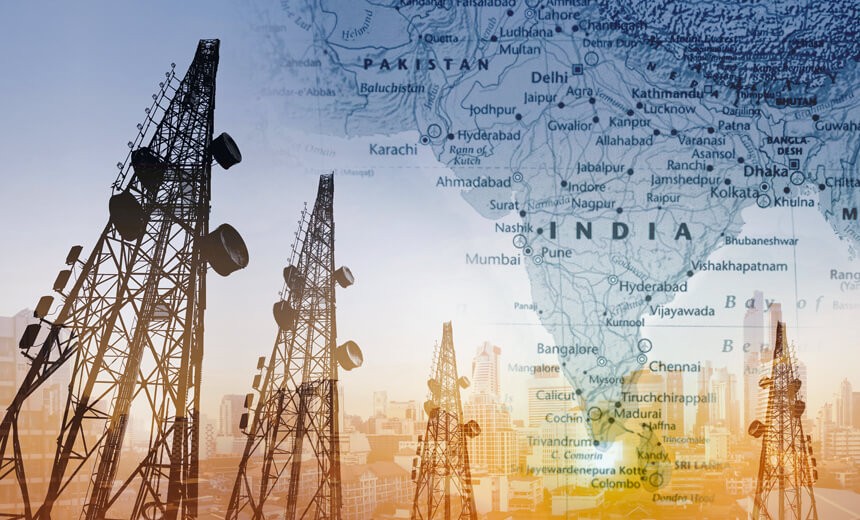
    India’s digital growth has become a tale of promise interwoven with significant challenges. As the country’s digital economy surges, the demand for low-latency, high-capacity connectivity has never been greater, with subsea cables emerging as vital conduits. At the forefront of this evolution is APTelecom, a company spearheading crucial projects and forging partnerships to enhance regional infrastructure.

    Bridging the Digital Divide: APTelecom’s Vision for India

    In a candid interview during the Submarine Networks World 2025, Anup Gupta, President for India and the SAARC region at APTelecom, discussed the transformative role the company is playing in India and the broader region. Gupta emphasized how APTelecom is not just contributing to infrastructure but is also reshaping the future of connectivity.

    Unlocking India’s Digital Potential through Subsea Systems

    With India as a major strategic focus, APTelecom recently hosted its inaugural submarine cable event, Wavelength, in New Delhi. This successful gathering illuminated the critical needs for India to advance its digital landscape. Among the pressing requirements outlined were the establishment of independent maintenance and repair capacities, open-access landing stations, redundancy beyond key hubs like Mumbai and Chennai, and the development of a domestic submarine cable system.

    “Our engagement with various stakeholders is pivotal,” Gupta explained. “We see India not just as a market, but as an essential partner in shaping the global digital future.”

    The Global Reach: APTelecom’s Expanding Network of Partnerships

    APTelecom’s scope extends far beyond India, as it plays a crucial role in projects across Asia and the Pacific. The company is currently working in regions like Indonesia, Vietnam, the Pacific Islands, Bangladesh, Australia, Malaysia, and Thailand, with many initiatives in the early stages or recently secured. As Gupta pointed out, “Every project we undertake aims to transform vision into reality.”

    The company’s involvement spans feasibility studies and vendor selection to full project management, all underpinned by a belief that subsea systems are not just about capacity—they are strategic digital assets of the future. “We ensure projects not only launch successfully but also scale sustainably, aligning with our long-term mission of fostering trusted connectivity in emerging markets,” he highlighted.

    Building Trust in Uncertain Waters

    In an environment where infrastructure investments can often be unpredictable, APTelecom focuses on nurturing long-term trust with stakeholders. “Whether operating in India or any other market, our credibility stems from expertise, local insight, and a hands-on approach,” Gupta stated.

    Rather than simply advising and stepping away, APTelecom commits to walking alongside its customers from strategy formulation to execution. “That consistency fosters the trust necessary for growth in complex investment landscapes,” he noted, affirming the company’s dedication to its partners.

    Pioneering the Future of Subsea Connectivity

    In the fast-evolving subsea market, APTelecom distinguishes itself not just by what it delivers but by how it navigates change. “We’re in a period of rapid evolution, marked by new technologies and emerging financial models,” Gupta remarked, hinting at the industry’s dynamic nature.

    By offering a comprehensive advisory model encompassing strategy, investment, and execution, APTelecom ensures its projects are both robust in design and viable in the marketplace. Their work transcends mere cables; it’s about forging partnerships that foster growth and resilience in a changing world.

    Questions & Answers

    What is APTelecom’s strategy for enhancing digital infrastructure in India?
    APTelecom focuses on developing resilient infrastructure that includes independent maintenance capabilities and open-access landing stations while engaging with multiple stakeholders to unlock India’s digital growth.

    How does APTelecom differentiate itself within the subsea cable market?
    APTelecom sets itself apart by combining strategic advisory services with hands-on project management, ensuring that their initiatives are not only technically sound but also commercially viable.

    What is APTelecom’s approach to building trust with its partners?
    By demonstrating credibility through expertise and local insight, APTelecom fosters long-term trust by remaining engaged with clients throughout the entire project lifecycle, rather than just offering guidance and moving on.

  • Zen Diamond Expands Footprint In India With Two New Stores In Bengaluru

    Zen Diamond Expands Footprint In India With Two New Stores In Bengaluru

    Zen Diamond, a worldwide jewellery retailer, has broadened its reach in India by inaugurating two additional stores in Bengaluru. This decision follows the brand’s successful introduction in Mumbai in the previous year.

    Expansion into South India

    Zen Diamond’s expanded presence is marked by the establishment of new outlets at the Phoenix Mall of Asia and Phoenix Marketcity. These locations represent the company’s initial expansion in South India, an area of increasing interest for the business.

    Neil Sonawala, Managing Director of Zen Diamond, expressed enthusiasm about this development, saying, “The Indian market has always been highly valued by our brand. The positive response we received from our Mumbai outlets was remarkably encouraging. With the inauguration of our two additional stores in Bengaluru, we’re excited about introducing Zen Diamond’s tradition of superior craftsmanship to the southern region of India.”

    Store Design and Services

    The brand’s new locations will be distinguished by a sophisticated decor featuring subdued grey color schemes, fluted panels, and stucco textures. These elements have been chosen to accentuate the company’s premium jewellery collection.

    To bolster customer trust and assurance, Zen Diamond will also offer Natural Diamond Certification within India.

    Rituu Mehhta, the Centre Director of Phoenix Mall of Asia, praised the launch of the Zen Diamond stores, stating, “The introduction of a globally recognized brand like Zen Diamond significantly enhances our retail portfolio.”

    Global Presence

    Zen Diamond has a substantial international presence, operating over 450 stores worldwide. Alongside its primary jewellery offerings, the company also sells accessories, including watches, pens, ties, and gold coins.

    Questions & Answers

    What led to Zen Diamond’s expansion into South India?
    The positive feedback and success from the company’s ventures in Mumbai encouraged them to expand to other parts of India.

    What unique features can customers expect in the new Bengaluru stores?
    The Bengaluru stores will be distinguished by their refined grey palettes, fluted panels, and stucco textures, all aimed to enhance the brand’s luxurious jewellery collection.

    What steps is Zen Diamond taking to improve customer trust in India?
    To increase consumer trust and confidence, Zen Diamond will provide Natural Diamond Certification in India.

  • India’s Urban Boom: A Magnet for Private Equity Investment

    India’s Urban Boom: A Magnet for Private Equity Investment

    In a recent meeting in Zurich, the founders of RootBridge, Ajay P. Singh and Nayan Srivastava, discussed the potential impact of the new free trade agreement between Switzerland and India, which takes effect on October 1. While the treaty may not have an immediate investment angle, Singh expressed optimism about its long-term stimulating effects, remarking, “We do expect a stimulating effect, including for our activities.”

    Investing in India’s Transformative Growth

    RootBridge has unveiled the Diversified India Growth Fund, a Luxembourg-domiciled evergreen investment vehicle that allocates 47.5 percent to private and publicly listed Indian companies. The focus centers on PIPE transactions, or Private Investments in Public Equity. “In India, even listed firms are often controlled by anchor shareholders, and with our investments, we are able to join them at the table,” Srivastava shared, painting a vivid picture of strategic investing in a dynamic market.

    A Cultural Connection to Entrepreneurial Success

    The ethos behind RootBridge resonates with the Swiss and German Mittelstand tradition, where investment is often sourced from personal capital. “We usually invest with our own capital. That’s why we are accepted by Indian entrepreneurs as peers,” Srivastava noted, underlining the importance of building trust and camaraderie in business relationships.

    Growing Ambitions with a Strong Foundation

    The fund aims to raise an initial target of 100 million francs by the end of 2025, with about half already secured. Envisaged to grow to one billion francs over the coming years, this evergreen fund is also compatible with the new free trade agreement, which anticipates that EFTA states and the U.S. will invest $50 billion in India over the next decade.

    Targeting Wealth Managers and Investors

    Initially aimed at wealth managers, family offices, and qualified private investors in Switzerland, RootBridge has plans to extend its reach across Europe in the future. The founders’ unique narratives add richness to their investment approach; both men grew up in Germany after their parents emigrated from India in the 1960s, seeking new opportunities amidst tight social structures.

    Experience Backed by Expertise

    Singh, armed with a doctorate in theoretical physics, has a background in consulting with McKinsey and technology sectors. As the chief representative of the Indian Chamber of Commerce in Germany, he leverages his expertise to bridge investments in the region. Meanwhile, Srivastava, who also represents the Chamber in Switzerland, cut his teeth at UBS’s investment bank before co-founding Praefinium with Singh in 2009. The firm invested for years in small and mid-sized companies, laying the groundwork for their current fund.

    A Focused Investment Thesis

    The core investment thesis of RootBridge is about “capturing the rising demand curve of India’s urbanization and formalization.” With India being the world’s youngest major economy, the founders are keenly aware of the country’s burgeoning consumer base, which is increasingly digitally connected. Their investment sectors include consumer goods, retail, food and beverage, IT, fintech, industry, and mobility, all poised for growth. They target an ambitious net annual return of 16 to 18.5 percent, a figure Singh insists is within reach.

    Welcoming Developments in the Swiss Market

    As a cherry on top, the founders welcomed the news that UBS Asset Management is gearing up to launch an India ETF in Switzerland. “Anything that highlights India’s opportunities is good news for us,” they agreed, noting that India’s market is more accessible to investors than that of its colossal neighbor, China. Their mission with RootBridge is clear: to create a pathway connecting international capital to India’s growth narrative, harmonizing family-driven ownership with Swiss private equity discipline.

    Questions & Answers

    What is the primary focus of RootBridge’s investment strategy?
    RootBridge emphasizes investing in the urbanization and formalization of India’s economy, targeting consumer goods, retail, IT, and other growing sectors.

    How much capital is RootBridge aiming to raise for its Diversified India Growth Fund?
    The fund aims to raise an initial target of 100 million francs by the end of 2025, with plans for expansion to one billion francs in subsequent years.

    What unique perspective do the founders bring to RootBridge?
    Ajay P. Singh and Nayan Srivastava’s backgrounds as children of Indian immigrants in Germany enable them to blend cultural understanding with investment acumen, creating a bridge between India and European investors.

  • Equinix Expands Its Presence in India with New IBX Data Center Launch in Chennai

    Equinix Expands Its Presence in India with New IBX Data Center Launch in Chennai

    Equinix has made a significant stride in India’s burgeoning digital landscape with the opening of its first International Business Exchange (IBX) data centre in Chennai. Here, on a nearly six-acre site in Siruseri, the newly inaugurated facility—designated as CN1—will be seamlessly interconnected with Equinix’s existing campus in Mumbai, which comprises three IBX data centres.

    Driving Digital Transformation and Resilience

    This expansion is poised to bolster business digitisation, enhance resilience, and support artificial intelligence (AI) development across the region. With phase one of CN1 already operational, the facility will initially deliver 800 cabinets, backed by a hefty $69 million investment. Ultimately, the four-storey site is designed to accommodate 4,250 cabinets, showcasing Equinix’s commitment to meeting the demands of a high-density, compute-intensive economy.

    Engineering Excellence and Future-Ready Facilities

    Engineered with a fault-tolerant architecture that promises an astonishing 99.999 percent uptime, CN1 is also crafted to integrate liquid cooling systems, preparing it for the high demands of today’s technology. This is not just another data centre; it’s where your nearest algorithm might just feel at home.

    Connecting Businesses with Cloud Opportunities

    Equinix aims to enhance its interconnection services through offerings such as Equinix Fabric and Fabric Cloud Router. These services enable enterprises to construct robust hybrid multicloud infrastructures. Notably, customers in Chennai will enjoy low-latency access to major cloud service providers, including AWS, Google Cloud, Microsoft Azure, and Oracle Cloud, all of which are conveniently hosted at the Mumbai campus.

    Strategically Located for Future Growth

    Conveniently situated just 28 km from the Central Business District and close to anticipated submarine cable landing sites, the Chennai facility positions itself as a strategic hub for digital connectivity. With over 300 companies already hosted in India, including several network service providers and five internet exchanges, Equinix continues to solidify its leadership in the data centre sector. Globally, the company operates more than 270 data centres across 77 markets in 36 countries, boasting over 60 sites throughout the Asia-Pacific region.

    Questions & Answers

    What is the significance of Equinix’s new data centre in Chennai?
    The new IBX data centre represents a major investment in India’s digital infrastructure, aiming to enhance business digitisation, build resilience, and foster AI development in the region.

    How does equinix facilitate access to cloud services for businesses in Chennai?
    The data centre provides low-latency access to cloud service providers such as AWS, Google Cloud, and Microsoft Azure, ensuring businesses can effectively leverage hybrid multicloud infrastructures.

    What unique features does the CN1 facility offer?
    Equipped with fault-tolerant architecture and readiness for liquid cooling, CN1 promises an impressive 99.999 percent uptime, making it well-suited for the demands of high-density computing.

  • Italian Fashion Powerhouse OVS To Open First Store In India Amid Global Expansion

    Italian Fashion Powerhouse OVS To Open First Store In India Amid Global Expansion

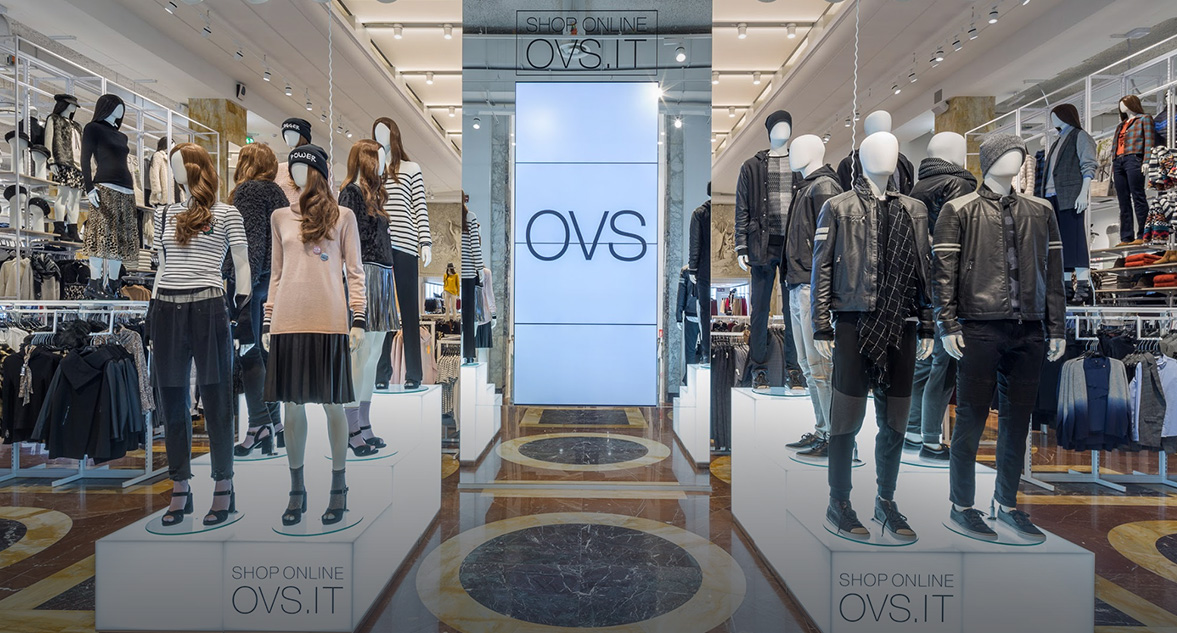
    Italian fashion retail giant, OVS, is preparing to penetrate the Indian market. The company is set to open its first store at Pacific Mall, Tagore Garden, New Delhi, next month. This move is part of the company’s larger global expansion strategy. OVS, which reported sales of €1.63 billion in 2024 and operates over 2200 stores globally, sees the Indian market as a significant growth opportunity.

    Targeting India’s Dynamic Fashion Market

    India is known for its dynamic fashion landscape, fueled by a young population with an increasing appetite for international styles. Sundeep Chugh, MD at OVS India, shared his enthusiasm about introducing OVS’s unique blend of Italian design, quality, and affordability to Indian consumers.

    Store Features and Collection Highlights

    The New Delhi OVS store will showcase the brand’s latest retail concept. Additionally, it will offer a diverse product range, from everyday essentials to premium lines. The company’s creative director, Massimo Piombo, designs collections with the goal of inspiring and encouraging customers to embrace their creativity. The essence of Italian style – a blend of art, travel, and culture – is embodied in all OVS collections. With India’s vibrant and style-conscious market, the brand anticipates a significant response to their offerings.

    Global Footprint Expansion

    OVS already serves more than 6 million customers worldwide. The company views its entry into India as a critical turning point in its growth strategy. OVS plans to bring its ‘Love People, Not Labels’ philosophy to global markets, adding another dimension to its international expansion.

    Questions & Answers

    What is the significance of OVS’s entry into the Indian market?
    The entry into the Indian market is a part of OVS’s broader international expansion strategy. It provides the company access to one of the world’s most dynamic fashion markets, characterized by a young demographic with a growing preference for global styles.

    What can customers expect from the first OVS store in New Delhi?
    Customers visiting the New Delhi store can expect to see the brand’s latest retail concept and a diverse product range, from everyday essentials to premium lines.

    What is OVS’s growth strategy?
    OVS’s growth strategy includes expanding its global footprint and bringing its ‘Love People, Not Labels’ philosophy to international markets. This involves catering to diverse customer preferences and promoting inclusivity in fashion.

  • Off-white Set To Enter Indian Market: A $5m Investment And Partnership With Brand Concepts

    Off-white Set To Enter Indian Market: A $5m Investment And Partnership With Brand Concepts

    In the first quarter of the upcoming year, the renowned Italian luxury streetwear brand, Off-White, is set to make its debut in the Indian market. This move is a result of an exclusive distribution partnership with Brand Concepts, a prominent fashion retail house.

    Investment and Expansion Plans

    Over the next few years, an estimated investment of US$5 million is anticipated to establish the Off-White brand across India. This follows the sale of the brand last year from LVMH to Bluestar Alliance.

    Abhinav Kumar, co-founder and CEO of Brand Concepts, stated, “Until now, our primary focus has been on accessories within the premium segments. The launch of Off-White will see us venturing into two new arenas: the luxury segment and the mainstream apparel business.”

    Product Range and Retail Platform

    The brand’s diverse product range, which includes apparel, bags, wallets, and a comprehensive footwear line, will be launched under the premium multi-brand store, Bagline. This retail platform currently showcases brands such as Tommy Hilfiger Travel Gear, United Colors of Benetton, and Juicy Couture.

    Commenting on the current market trends, Kumar remarked, “The streetwear culture in India is burgeoning, which is evident in the escalating sneaker movement across the country. India, being home to one of the world’s youngest populations, has a timely and relevant demand for streetwear, making it an ideal market for expansion.”

    Future Visibility and Presence

    As part of its growth strategy, Off-White aims to bolster its visibility in luxury multi-brand destinations like The Collective and Iconic. Additionally, there are plans to inaugurate two outlets in key metropolitan cities and to launch a bespoke e-commerce platform.

    Kumar added, “In the following two to three years, we aim to establish five to six flagship stores, backed by a broader shop-in-shop presence. We anticipate Off-White to be available across 25-30 points of sale in India.”

    To bring Off-White to the Indian market, Brand Concepts will collaborate with Sportlux General Trading, a global distributor of luxury brands.

    Questions & Answers

    When is Off-White expected to enter the Indian market?
    Off-White is set to debut in the Indian market in the first quarter of next year.

    How will Off-White’s products be introduced in India?
    Off-White’s product range will be launched under Brand Concepts’ premium multi-brand store, Bagline.

    What are the plans for Off-White’s visibility and presence in India?
    Off-White plans to increase its visibility in luxury multi-brand destinations, open two outlets in key metropolitan cities, and launch its own e-commerce platform.

  • Audi Slashes Prices Across Range In India Following Gst 2.0 Implementation

    Audi Slashes Prices Across Range In India Following Gst 2.0 Implementation

    In response to the newly implemented Goods and Services Tax (GST) 2.0 regime, Audi India has released an updated price listing for its various models. The reductions, varying from Rs 2.6 lakh to a substantial Rs 7.8 lakh depending on the model, intend to make Audi’s luxury cars and SUVs more affordable. As a result, they hope to stimulate customer demand just in time for the upcoming holiday season. For the precise cost of their chosen model, customers are encouraged to visit their local Audi dealership or the official website.

    Audi Q3, Q5, and Q7: More Affordable Than Ever

    There have been notable price drops across the Audi range. The Audi Q3, originally on the market at a starting price of Rs 46,14,000 (ex-showroom), now has a new starting price of Rs 4,307,000 (ex-showroom). The Audi Q5 has also seen a significant decrease in price, with a reduction of up to Rs 4.55 lakh. This adjustment lowers the starting price to Rs 63.75 lakh (ex-showroom), a significant discount from the previous Rs 68.30 lakh (ex-showroom).

    Even Audi’s Q7 model has become more affordable, thanks to the new pricing. The earlier price tag of Rs 92.29 lakh (ex-showroom) is now reduced to a more wallet-friendly Rs 86.14 lakh (ex-showroom). Furthermore, the Audi Q8, the brand’s flagship SUV, has also been reduced by up to Rs 7.83 lakh. This cuts the previous price from Rs 1,17,49,000 (ex-showroom) to its current starting price of Rs 1,09,66,000 (ex-showroom).

    Discounts for Audi A4 and A6 Models

    The price changes also affect the Audi A4 and A6 models. These popular vehicles have received price reductions of up to Rs 2.64 lakh and Rs 3.64 lakh, respectively. The adjusted starting price for the Audi A4 is now at Rs 46,25,000, while the A6 starts from Rs 63.74 lakh (ex-showroom).

    Questions & Answers

    What are the new starting prices for the Audi Q3 and Q5?
    The Audi Q3 now has a starting price of Rs 4,307,000 (ex-showroom), while the Audi Q5 starts at Rs 63.75 lakh (ex-showroom).

    How much has the price been reduced for the Audi A4 and A6?
    The Audi A4 and A6 have seen price reductions of up to Rs 2.64 lakh and Rs 3.64 lakh respectively.

    What impact is the GST 2.0 regime expected to have on Audi sales?
    With price reductions across Audi’s range of models, the company anticipates these changes will drive customer demand, particularly ahead of the festive season.

  • Uniqlo India Aims for 300% Sales Boost and Plans to Double Store Count!

    Uniqlo India Aims for 300% Sales Boost and Plans to Double Store Count!

    Uniqlo is poised for a dramatic uplift in its Indian operations, aiming for a threefold sales increase by 2028, according to insights shared by the company’s COO with Nikkei Asia. This ambitious goal surfaces amid a backdrop of tepid consumer spending and fierce competition facing many fashion retailers in the region.

    The launch of its 17th Indian store in Bengaluru on August 29 signifies a strategic shift as Uniqlo ventures into new territory, marking its first retail footprint in Southern India. The company’s expansion mirrors its commitment to raise brand awareness and strengthen its presence in major urban centers.

    As consumer habits continue to evolve amid economic pressures, Uniqlo remains undeterred. “We see immense potential in the Indian market, which is largely untapped compared to other regions,” the COO emphasized. With this new store opening, Uniqlo aims not just to sell clothing but also to weave itself into the fabric of the local culture.

    Considering the array of global fashion choices, it seems consumers are craving quality at an accessible price, a sweet spot where Uniqlo excels. Perhaps this strategy will prove to be the fashion equivalent of finding buried treasure in the bustling marketplace.

    This push into Bengaluru is also expected to play a vital role in bolstering Uniqlo’s positioning against its rivals, leveraging its unique brand identity and commitment to innovative fabrics. As they gear up for the store’s launch, the spotlight is firmly on how Uniqlo plans to capture the hearts—and wallets—of another diverse consumer base in India.

    Questions & Answers

    What are Uniqlo’s sales goals in India by 2028?
    Uniqlo aims to achieve a threefold increase in sales in India by 2028.

    What is significant about the upcoming Bengaluru store?
    The Bengaluru store will be Uniqlo’s 17th in India and its first in Southern India, marking a key expansion into new territory.

    How does Uniqlo plan to differentiate itself in the competitive Indian market?
    The company plans to leverage its strong brand identity, innovative fabrics, and the promise of quality apparel at accessible prices to appeal to Indian consumers.

  • Walmart’s $2 Billion Gamble: Aiming For E-commerce Dominance In India Amid Fierce Competition

    Walmart’s $2 Billion Gamble: Aiming For E-commerce Dominance In India Amid Fierce Competition

    In a significant move to bolster its presence in Asia, American retail giant Walmart has announced plans to expand its operations in India, aiming to capture a larger share of the country’s burgeoning e-commerce market. This strategic decision comes amid increasing competition from local players like Reliance and Flipkart, which have been rapidly transforming the online shopping landscape in India.

    Walmart’s Bold Investment in India

    Walmart has unveiled a commitment of $2 billion to enhance the capabilities of its wholesale business in India. This substantial investment will focus on scaling infrastructure, increasing digitization, and expanding the supply chain network. With India’s retail market projected to reach $1.3 trillion by 2025, Walmart’s initiative underscores its ambition to remain a formidable force, especially in the wake of the coronavirus pandemic, which has accelerated the shift to online shopping.

    Leveraging Local Partnerships

    Key to Walmart’s strategy is its partnership with Flipkart, the e-commerce unicorn, which Walmart acquired in 2018. By leveraging Flipkart’s extensive reach and understanding of the local consumer base, Walmart is poised to tap into the growing demand for products ranging from everyday groceries to fashion. Incorporating local trends into its offerings, Walmart aims to present a uniquely Indian shopping experience while utilizing advanced technologies to streamline operations.

    The Digital Transformation Horizon

    As part of their expansion, Walmart is focusing on digital transformation, which includes the introduction of a new mobile application designed to enhance user experience and provide personalized shopping recommendations. Imagine a virtual shopping assistant that knows you better than your closest friend! Such innovations will likely resonate deeply with the tech-savvy young consumers in India, who are increasingly prioritizing convenience and personalization in their shopping journeys.

    Challenges and Opportunities Ahead

    However, the competitive landscape is not without its challenges. The Indian retail sector is fiercely competitive, with giants like Amazon also investing heavily to capture market share. Moreover, navigating the complexities of local regulations and consumer preferences adds an extra layer of difficulty. Yet, with a well-planned approach and robust investment, Walmart seems ready to embrace both the hurdles and opportunities that come with this dynamic market.

    As Walmart sets its sights on India, the retail giant’s strategy is not just about increasing sales but also about embedding itself into the cultural fabric of the nation—a calculated move that could redefine the shopping experience for millions of Indian consumers.

    Questions & Answers

    What are Walmart’s main objectives for expanding in India?
    Walmart aims to capture a larger share of India’s rapidly growing e-commerce market by investing $2 billion to enhance its wholesale business, focusing on infrastructure, digitization, and supply chain improvements.

    How does the partnership with Flipkart benefit Walmart?
    The partnership allows Walmart to leverage Flipkart’s extensive reach and understanding of local consumer habits, facilitating easier access to the Indian market and enhancing the customer shopping experience.

    What challenges does Walmart face in the Indian retail market?
    Walmart faces stiff competition from local players like Reliance and global rivals like Amazon, in addition to navigating local regulations and diverse consumer preferences, which adds complexity to their expansion efforts.

  • Swiss Fintech Pioneer Finpension Contends For ‘EY Entrepreneur Of The Year 2025

    Swiss Fintech Pioneer Finpension Contends For ‘EY Entrepreneur Of The Year 2025

    Finpension, a fintech trailblazer based in Lucerne, has earned a spot in the limelight as it vies for the prestigious “EY Entrepreneur Of The Year 2025” award. Founded by Beat Bühlmann and Ivo Blättler, this dynamic duo has been nominated in the “Visionary Entrepreneurs” category for the Swiss iteration of the globally recognized accolade.

    They now find themselves in esteemed company, competing against other innovative entities such as the meteorology startup Meteomatics and the digital real estate broker Neho. The suspense builds as the winners of all categories will be revealed on October 17 in Bern, a date circled in bold on many calendars.

    Recognizing Trailblazers in Entrepreneurship

    The “EY Entrepreneur Of The Year” award stands as a pinnacle of entrepreneurial achievement, connecting an expansive network of over 50,000 visionaries across 60 countries. The process is not a walk in the park; finalists and winners are chosen by an independent jury that scrupulously evaluates them against rigorous criteria. Innovation, entrepreneurial vision, and sustainable success are at the forefront of their considerations. Remarkably, this marks the 28th iteration of the award in Switzerland.

    A Glimpse into Finpension’s Success

    The jury’s admiration speaks volumes about the team’s groundbreaking approach. They commended Bühlmann and Blättler as pioneers in digital pension solutions, highlighting how their platform champions simplicity and transparency. This acknowledgment is particularly noteworthy considering that Finpension has achieved financial success that places it in a rarefied group within the Swiss fintech landscape.

    Future Aspirations and Banking Dreams

    Echoing its forward-looking ethos, Finpension continues to chart an ambitious course. As reported by finews.com in April, the startup—established in 2016—has amassed over 3 billion Swiss francs in managed assets by the close of 2024. The founders are not stopping there; they are actively pursuing a banking license, which would empower them to broaden their offerings to include mortgages alongside their pension and wealth management services. Now that’s what you might call a “fintech fairy tale” in the making!

    Questions & Answers

    What is the significance of the “EY Entrepreneur Of The Year” award?
    The award is a major accolade in the entrepreneurial community, connecting over 50,000 entrepreneurs globally and recognizing innovation, vision, and sustainable business success.

    What unique contributions has Finpension made to the fintech sector?
    Finpension has revolutionized digital pension solutions, focusing on simplicity and transparency, setting it apart from many of its Swiss fintech counterparts.

    What are Finpension’s future goals?
    The company aims to obtain a banking license to expand its services to include mortgages, further enhancing its pension and wealth management offerings.

  • Papa John’s Plans Major Indian Comeback: 650 Outlets In Next Decade Despite Market Challenges

    Papa John’s Plans Major Indian Comeback: 650 Outlets In Next Decade Despite Market Challenges

    Papa John’s International, a leading American pizza chain, has announced its intentions to re-establish its presence in India by October. The company has set an ambitious goal of opening 650 outlets across the nation within the next 10 years, despite the challenging landscape in which fast-food businesses find it difficult to maintain sustained sales growth.

    Papa John’s, ranking third worldwide in terms of pizza delivery, withdrew from the Indian market in 2017 due to unsatisfactory performance. However, this move parallels that of its American competitor, Little Caesars. The latter made its debut in India earlier in the year, with a plan to inaugurate approximately 100 establishments by the end of the decade.

    Re-entering the Indian Market

    The first Papa John’s outlet in the country is set to open in the southern city of Bengaluru, according to Vish Narain, managing partner at Pulsar Capital. This Indian investment firm, in association with the UAE-based PJP Investments Group, will serve as the joint master franchisees of Papa John’s in India.

    The pizza giant announced its plans to return to this intricate market back in April 2023. This decision comes at a time when fast-food chains are dealing with declining sales in India. Urban consumers, who form the primary customer demographic, are scaling back on expenditures due to sluggish wage growth and the burden of rising competition.

    Devyani International, one of the two Pizza Hut franchisees in India, is responding to this trend by shutting down underperforming outlets. Simultaneously, Sapphire Foods India, a smaller operator, is exercising caution with their expansion strategies.

    The Competitive Landscape

    The hurdle of competition is not one to be taken lightly. Papa John’s will have to contend with Domino’s Pizza, which boasts over 2,200 Indian outlets, Pizza Hut with around 950 stores, and upscale chains such as Pizza Bakery and PizzaExpress.

    However, Pulsar Capital seems optimistic about India’s long-term potential, mirroring the stance of consumer-facing companies like Hindustan Unilever, the maker of Dove soap, and brewery giant Heineken. Both companies continue to invest in India, banking on its massive population of 1.4 billion.

    “The fast-food category is under-penetrated, so we are many years away from saturation,” said Narain.

    Papa John’s aims to modify its pizza to cater to local taste preferences while also offering its signature dishes. This strategy aligns with the practices of other fast-food competitors. For instance, KFC offers a paneer zinger burger, Domino’s serves a chicken tikka pie, and Subway has a potato-patty sandwich on its menu.

    Questions & Answers

    When is Papa John’s planning to re-enter the Indian market?
    Papa John’s plans to re-establish its presence in India by October.

    Which city will be home to the first new Papa John’s outlet in India?
    The first new Papa John’s outlet in India will be opened in the southern city of Bengaluru.

    What is the projected number of Papa John’s outlets in India over the next decade?
    The company aims to open 650 outlets in India over the next ten years.

  • Vodafone Idea and IBM Unveil Exciting New AI Innovation Hub to Transform Retail Experience

    Vodafone Idea and IBM Unveil Exciting New AI Innovation Hub to Transform Retail Experience

    Vodafone Idea (Vi) is embarking on a transformative journey, partnering with IBM to streamline its operations and enhance customer experiences through cutting-edge technology. This strategic alliance aims to harness the power of artificial intelligence (AI) and a unified DevOps model, ultimately accelerating Vi’s digital initiatives.

    Navigating the Digital Landscape with an AI Innovation Hub

    At the heart of this initiative lies the newly established AI Innovation Hub, designed to continually modernize Vi’s IT and business processes. This hub will unite experts from both Vi and IBM Consulting, who will co-develop AI solutions, automation tools, and digital accelerators utilizing IBM’s state-of-the-art AI technologies. The collaboration will ensure seamless integration of AI into Vi’s development and operational frameworks, forging new pathways for efficiency.

    Commitment to Intelligent Innovation

    Jagbir Singh, Chief Technology Officer of Vodafone Idea Limited, expressed enthusiasm about the partnership, stating, “Our collaboration with IBM marks a pivotal milestone in Vi’s digital journey. It reflects our commitment to AI-led innovation and our ambition to drive accelerated growth through intelligent decision-making and automation. The AI Innovation Hub will play a critical role in modernizing our operations and expediting our go-to-market execution of critical business initiatives through faster software development cycles, setting new benchmarks for the telecom industry.”

    Enhancing Agility and Exploring New Horizons

    This alliance is not merely about technology; it’s also about envisioning smarter digital experiences and enhancing IT agility to tap into new revenue streams. By leveraging IBM’s extensive global partner ecosystem and industry expertise, Vi aims to reinforce its long-term digital resilience while driving ongoing innovation.

    IBM’s Role in India’s Telecom Evolution

    Juhi McClelland, Managing Partner at IBM Consulting for Asia Pacific, highlighted the significance of their collaboration with Vi, stating, “India’s telecom sector stands at the crossroads of surging data consumption, rapid digital transformation, and large-scale 5G deployments. Our collaboration with Vi allows IBM to serve as a strategic enabler to help modernize the organization’s IT ecosystem and fast-track their digital transformation.” The AI Innovation Hub exemplifies the potential of co-creation, as IBM consultants lend their expertise to build a future-ready digital foundation.

    Strengthening a Long-Standing Partnership

    Rishi Aurora, Managing Partner at IBM Consulting India & South Asia, noted that their partnership with Vi spans more than 17 years. “This recent collaboration marks a significant step in redefining how AI and automation can transform telecom operations at scale. With the AI Innovation Hub and unified DevOps execution, we’re bringing together the best of IBM’s global expertise to help Vi deliver superior customer experiences, drive innovation, and strengthen digital resilience for the future.”

    With these collaborative efforts, Vi is set to design and adopt rapid and seamless digital experiences, underscoring the pivotal role of AI in enhancing customer-focused service delivery. As this partnership unfolds, the telecom landscape in India may soon witness a blend of creativity and technology that could spark a revolution.

    Questions & Answers

    What is the main goal of Vi’s partnership with IBM?
    The partnership aims to optimize operations, enhance service reliability, improve customer experiences, and accelerate digital initiatives using AI and a unified DevOps model.

    How will the AI Innovation Hub benefit Vi?
    The AI Innovation Hub will modernize Vi’s IT and business processes by co-developing advanced AI solutions and automation tools with expertise from both Vi and IBM Consulting.

    What does this collaboration signify for the future of India’s telecom sector?
    This collaboration positions IBM as a strategic enabler for Vi, helping to modernize its IT ecosystem, enhance operational efficiencies, and fast-track digital transformation amidst rising data consumption and 5G deployments.

  • IKEA Expands Boldly in India with Diverse Store Formats and Enhanced Supply Chain Strategy

    IKEA Expands Boldly in India with Diverse Store Formats and Enhanced Supply Chain Strategy

    In a bold leap towards modernization and urban adaptation, Swedish home furnishings behemoth IKEA is expanding its footprint across India. The retailer is introducing a fresh approach that encompasses compact city storefronts, expansive mixed-use developments, and an enhanced online shopping experience. As part of this transformation, IKEA is also weaving India more tightly into its global supply chain, aiming to meet domestic demand while diversifying its production capabilities.

    Gone are the days when Indian shoppers had to navigate massive warehouse-style locations. Instead, IKEA’s new city-friendly outlets are tailored for bustling, high-density areas, making accessibility a priority for urban residents. It’s a clever twist that invites customers to experience IKEA without the trek across town.

    This strategic shift comes at a time when India’s retail market is increasingly vibrant, characterized by rapid urbanization and a growing middle class hungry for innovative and affordable home solutions. In 2024, the Indian retail market is estimated to reach nearly $1 trillion, providing a conducive environment for IKEA’s expansion.

    To accommodate this dynamic landscape, IKEA plans to launch not just stores but also mixed-use developments that incorporate residential and commercial elements, reimagining the shopping experience. The idea is to create vibrant community hubs where shopping, dining, and living intertwine seamlessly—because who wouldn’t want a cozy cup of coffee after an afternoon of furniture browsing?

    Simultaneously, IKEA is bolstering its online presence, a move essential in an era where e-commerce continues to rise. With a robust digital strategy in place, the retailer is targeting younger consumers who prioritize convenience and innovation in their shopping experiences. It’s a blend that captures the essence of modern retail, bringing the entire IKEA ecosystem closer to the consumer.

    Questions & Answers

    How is IKEA adapting its store formats for the Indian market?
    IKEA is transitioning from large warehouse-style stores to more compact city-friendly outlets, designed for high-density urban areas to enhance accessibility for city dwellers.

    What additional developments is IKEA pursuing in India?
    In addition to launching new stores, IKEA is investing in mixed-use developments that blend shopping with residential and commercial spaces, creating vibrant community hubs.

    Why is strengthening its online presence crucial for IKEA?
    A robust online strategy is essential as e-commerce continues to surge, helping IKEA connect with younger consumers who seek convenience and innovative shopping experiences.

  • Asics Unveils Flagship Store In India: A Strategic Move In Expanding Market Presence

    Asics Unveils Flagship Store In India: A Strategic Move In Expanding Market Presence

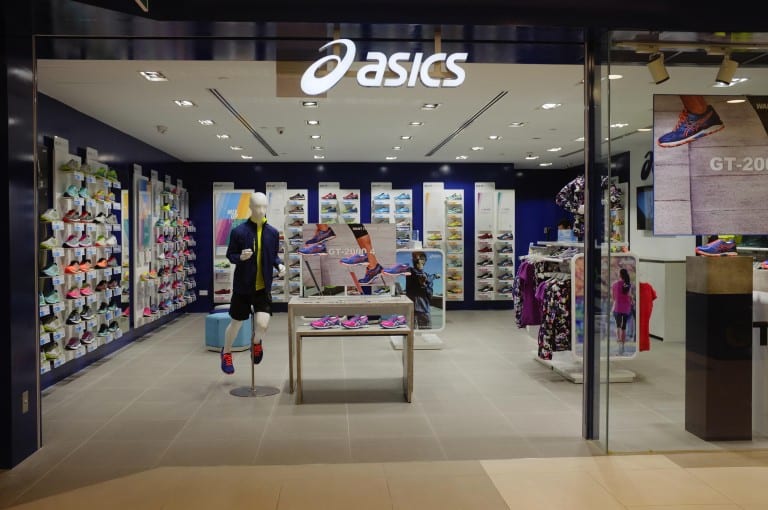
    Global athletic apparel titan Asics has recently unveiled its flagship store in India, occupying a prime location in the heart of New Delhi’s bustling Connaught Place. As the brand’s largest retail space in the country, this new outlet represents a significant strategic move aimed at expanding Asics’ presence in the Indian domestic market.

    The Flagship Store

    Sprawling over an expansive 2800 square feet, the flagship store is a comprehensive showcase of Asics’ diverse product lines. In addition to its highly regarded performance running gear, the store offers a broad range of core performance sports items, SportStyle products, and apparel ranges.

    Asics has designed this extensive retail space to cater to a wide spectrum of consumers. Beyond its core performance offerings, the brand aims to appeal to casual wearers and leisure-focused customers by integrating SportStyle and athleisure into their product repertoire. The store is thus positioned to attract everyone from elite athletes to lifestyle-focused and fitness-conscious consumers.

    Store Design and Layout

    The store layout features numerous wall displays and category zones, reflecting Asics’ commitment to innovation and product discovery. These strategic elements of the store’s design facilitate seamless navigation for customers and ensure that the full range of Asics’ products are effectively showcased.

    Brand Expansion and Growth

    The launch of this flagship store underscores Asics’ ongoing investment in strategic store zoning, comprehensive product assortments, and experiential sales formats. Furthermore, it serves as a clear signal of the brand’s expansion objectives, with plans to establish a network of 200 stores across the country by the forthcoming year. This ambitious expansion includes the launch of the brand’s first company-owned outlet later this year.

    Asics’ decision to strengthen its physical retail footprint in India is a testament to the country’s robust footwear market, which is projected to grow at a compound annual growth rate (CAGR) of 12.2 per cent.

    Manufacturing Plans

    In response to India’s stringent import regulations, Asics announced in June its plan to increase domestic manufacturing to 40 per cent over the coming years, thereby ensuring a consistent product supply.

    Questions & Answers

    What is the significance of Asics’ new flagship store in India?

    The new flagship store represents Asics’ strategic move to expand its market presence in India and cater to a broader range of consumers, from elite athletes to lifestyle-focused and fitness-conscious individuals.

    What is Asics’ expansion plan in India?

    Asics plans to extend its network to 200 locations across India by next year, including the launch of its first company-owned outlet.

    How does Asics plan to maintain a steady supply of products in India?

    To ensure a consistent supply chain, Asics intends to increase its domestic manufacturing in India to 40 per cent over the coming years, in response to the country’s strict import regulations.