Tag: india

  • Indian Apple Reseller Ample Announces Ambitious Growth Plan, Aims For 35% Revenue Surge By 2026

    Indian Apple Reseller Ample Announces Ambitious Growth Plan, Aims For 35% Revenue Surge By 2026

    Ample, an Indian reseller of Apple products, has outlined ambitious growth plans aimed at achieving a 35 percent surge in revenue by the fiscal year 2026, according to the company’s Chief Executive Officer (CEO).

    Expanding Footprint and Brand Portfolio

    Based in Bengaluru, Ample supplies a variety of tech products, including Apple computers, to a large and diverse client base of over 1500 entities. Key clients include high-profile names such as SAP, Broadcom, Infosys, and Wipro. Currently, the firm operates more than 120 stores across India, with nearly 50 of these outlets dedicated to Apple products. Other brands, such as Under Armour and Asics, are also showcased in the company’s stores.

    CEO Rajesh Narang revealed plans to increase the company’s footprint to around 175 stores across various brands within the next three years. However, no specific target for the expansion of Apple-only stores was provided.

    Financial Performance and Growth Strategy

    As of the fiscal year that ended on March 31, Ample reported a revenue of 17 billion rupees (equivalent to US$197.33 million). Going forward, the company plans to focus on forging partnerships with global capability centers. These centers are operational hubs that manage various aspects such as operations, finance, and research for large multinational companies.

    Notably, Apple, which itself reported nearly $8 billion in sales in India for the year ending March 2024, operates its own stores in New Delhi and Mumbai. Despite this, Narang believes that Apple’s plans to further expand its presence in India will be beneficial for partners like Ample, as the market tends to expand in line with the brand’s presence.

    Future Plans and Investment Needs

    To fund its ambitious growth strategy, Ample plans to list on stock exchanges within the next five years. “Considering our growth ambition, there will be a requirement for capital,” Narang stated.

    Questions & Answers

    What is Ample’s future growth strategy?
    Ample plans to expand its store footprint to around 175 outlets across various brands within the next three years. The company also intends to forge partnerships with global capability centers to drive growth.

    How will Ample fund its growth plan?
    Ample plans to list on stock exchanges within the next five years to raise the necessary capital to fund its growth strategy.

    What is the anticipated impact of Apple’s expansion in India on Ample’s business?
    Ample’s CEO, Rajesh Narang, believes that Apple’s expansion in India will be beneficial for partners like Ample, as the market often grows in tandem with the brand’s presence.

  • Reliance Industries Expands Consumer Durables Reach With Electrolux’s Kelvinator Acquisition

    Reliance Industries Expands Consumer Durables Reach With Electrolux’s Kelvinator Acquisition

    Reliance Industries, a prominent Indian retailer, has recently acquired Swedish firm Electrolux’s Kelvinator, which is known for selling electronics such as refrigerators, washing machines, and air conditioners. This acquisition was carried out by the retail division of Reliance, demonstrating its ongoing expansion in the rapidly growing consumer durables market.

    Boosting Presence in Home Electronics and Appliances

    Reliance Retail is not only widening its presence in the consumer durables market but also extending its private-label portfolio of home electronics and appliances. This growth has been propelled by increased income levels, urbanisation, and sharpening competition in the market.

    The Background of Kelvinator

    Kelvinator, originating in the United States, had a significant international presence during the 1970s and 1980s, including a strong foothold in India. However, the brand experienced a downturn around the 1990s due to increased global competition and shifts in consumer preferences.

    Electrolux’s Profit from the Divestment

    Electrolux, in its latest quarterly report, disclosed that it had realised a profit of US$18.5 million from the sale of the Kelvinator brand.

    Questions & Answers

    What is the significance of Reliance Industries’ acquisition of Kelvinator?
    The acquisition signifies Reliance Industries’ commitment to expanding its presence in the burgeoning consumer durables market.

    What contributed to the expansion of Reliance Retail’s private-label portfolio?
    The expansion of Reliance Retail’s private-label portfolio has been driven by rising incomes, urbanisation, and increased competition in the market.

    What led to the decline of Kelvinator’s prominence in the market?
    Kelvinator’s market prominence declined around the 1990s due to heightened global competition and shifts in consumer preferences.

  • Cos, H&m’s High-end Fashion Brand, To Debut In India With New Delhi Store

    Cos, H&m’s High-end Fashion Brand, To Debut In India With New Delhi Store

    Cos, the fashion brand owned by H&M and renowned for its “Collection of Style,” is set to make its debut in India later this year.

    Store Location and Offerings

    The inaugural store will be situated in New Delhi, India’s capital. It will exhibit the brand’s trademark contemporary aesthetic, featuring ready-to-wear collections along with accessories. The product range will cater to women, men, and children, thereby covering all demographics.

    Cos is globally recognized for its minimalist design, with a strong emphasis on craftsmanship. The brand is eager to bring its approach of creating long-lasting, durable fashion pieces to the new Indian market.

    Company Vision

    The company expressed its excitement for the new venture stating, “We are excited to introduce Cos to the Indian market and bring our emphasis on craftsmanship and innovative materials to a new audience.”

    Established in 2007, Cos has grown into a significant global presence. The brand operates 239 stores across 48 physical markets and holds an online presence in 38 markets. Apart from running its own outlets, the brand also sells through wholesale and franchise channels, marking its omnipresence in the fashion industry.

    Questions & Answers

    Where will Cos open its first store in India?
    The first Cos store in India will be opened in New Delhi.

    What is Cos known for?
    Cos is globally recognized for its minimalist design and a strong emphasis on craftsmanship.

    How does Cos distribute its products?
    Cos operates physical stores, has an online presence, and sells through wholesale and franchise channels.

  • Lululemon Partners With Tata Cliq To Expand Global Reach Into India

    Lululemon Partners With Tata Cliq To Expand Global Reach Into India

    Lululemon, a prominent Canadian athleisure brand, is preparing to penetrate the Indian market. This development comes as a result of a franchise agreement with domestic distributor Tata Cliq, signaling a crucial phase in Lululemon’s strategy for global expansion.

    Brick-and-Mortar Store Set to Launch in India

    The first physical Lululemon store in India is expected to open its doors in the latter half of next year. To complement this physical presence, the athleisure brand will also carve out a digital space on Tata Cliq Luxury and Tata Cliq Fashion.

    Gopal Asthana, in his capacity as CEO of Tata Cliq, expressed his excitement about the partnership. He emphasized that the collaboration is aimed at acquainting the Indian consumer with Lululemon’s superior-quality athletic wear and lifestyle products.

    Lululemon’s Product Range

    Asthana further elaborated on the range of products Lululemon will introduce in India. These include innovative athletic and lifestyle apparel, shoes, and accessories. The brand’s high-performance items are designed for a variety of activities, including yoga, running, training, tennis, and golf.

    Lululemon’s Global Presence

    Since its inception in 1998, Lululemon has spread its wings to operate over 760 stores across the globe. Its presence is felt in North America, Europe, and the Asia-Pacific region.

    The upcoming launch in India aligns with the broader vision of Lululemon’s CEO, Calvin McDonald. He anticipates expanding the brand’s global reach to a total of 1,000 locations.

    Questions & Answers

    Who is Lululemon partnering with to break into the Indian market?
    Lululemon has entered into a franchise agreement with Tata Cliq, a local distributor, to make inroads into the Indian market.

    What range of products will Lululemon be introducing in India?
    Lululemon will present an array of products to the Indian consumer, including innovative athletic and lifestyle apparel, shoes, and accessories designed for activities such as yoga, running, training, tennis, and golf.

    What is the broader vision of Lululemon’s CEO, Calvin McDonald?
    Calvin McDonald has expressed his goal of expanding Lululemon’s global footprint to encompass 1,000 locations.

  • India’s Banks Thrive Amid Infrastructure Boost and Rising Demand

    India’s Banks Thrive Amid Infrastructure Boost and Rising Demand

    Weak loans in India’s banking sector are projected to climb to 3.1% by March 2026, a trend that S&P Global Ratings attributes to both ongoing economic pressures and specific vulnerabilities within certain retail lending segments. Nonetheless, the overall outlook for India’s financial institutions remains optimistic, buoyed by substantial infrastructure investments and a steady rise in private consumption.

    Economic Outlook Despite Challenges

    According to Deepali V Seth Chhabria, a primary credit analyst at S&P Global Ratings, India is well-positioned to navigate upcoming challenges in the global market. The country’s limited exposure to U.S. trade significantly lessens potential tariff risks, a point that instills confidence in the financial landscape over the next few years. However, areas such as steel and chemicals may face setbacks if trade relations deteriorate, as highlighted in S&P’s midyear outlook for 2025.

    Retail Loans Show Signs of Stress

    While the banking sector may face headwinds, Seth Chhabria notes that certain segments, particularly unsecured loans and microfinance, are under pressure. She highlights that the quality of underwriting for secured retail loans remains robust, keeping delinquencies in a manageable range. The anticipated rise in weak loans is largely a reflection of these vulnerable areas.

    Mitigating Risks with Stronger Regulations

    In response to these challenges, tightening regulations and enhanced underwriting standards in microfinance are expected to help stabilize asset quality. “India’s sound growth prospects, alongside decreasing interest rates, will also play a crucial role in supporting the banks’ asset quality,” Seth Chhabria stated, shedding light on the financial system’s resilience.

    Proactive Measures for the Future

    To further bolster stability, strengthening internal controls and risk management practices in sectors like unsecured personal loans is essential. Addressing the risks associated with low-income borrowers will be pivotal, especially as the growth of household leverage continues to slow. Seth Chhabria predicts that non-performing loans (NPLs) will likely peak in fiscal 2026, presenting both a challenge and an opportunity for lenders to recalibrate their approaches.

    Questions & Answers

    What are the projected weak loan rates for India’s banking sector by March 2026?
    Weak loans are expected to reach 3.1% in March 2026, reflecting pressures in specific retail segments.

    Which sectors might be impacted by potential trade reductions?
    Sectors such as steel and chemicals could face significant challenges if trade relations deteriorate.

    What strategies are being implemented to mitigate risks in unsecured loans?
    Strengthened regulations and improved risk management practices are key strategies to address the accumulation of risks in unsecured personal and microfinance loans.

  • Starlink Gains Final Nod for Satellite Internet Launch in India: A New Era of Connectivity Awaits!

    Starlink Gains Final Nod for Satellite Internet Launch in India: A New Era of Connectivity Awaits!

    Starlink, the satellite broadband arm of Elon Musk’s SpaceX, has garnered final regulatory approval to operate commercially in India, marking a pivotal moment for satellite-enabled connectivity in the nation. The Indian National Space Promotion and Authorization Centre (IN-SPACe) has issued Starlink a five-year license, effective until July 7, 2030, granting the company the go-ahead to deploy its Gen1 satellite constellation across India.

    Joining the Ranks of Elite Providers

    This license positions Starlink alongside Eutelsat’s OneWeb and Reliance Jio, making it one of the select operators authorized to deliver satellite-based internet services in the country. Such advancements are crucial to advancing India’s burgeoning space-tech landscape and enhancing its digital connectivity framework.

    Moving from Approval to Action

    However, approval is merely the first chapter. Starlink must lay significant groundwork before launching its services. The company faces several essential steps, including the establishment of local ground infrastructure, securing spectrum allocation from the Indian government, and proving its compliance with IN-SPACe’s security protocols through rigorous trials and testing. Insiders suggest that the commercial rollout could commence by the end of this year or early 2026, contingent on the speed of deployment and necessary approvals. It’s a race — but don’t forget to pack your patience!

    Innovative Connectivity through Satellite Technology

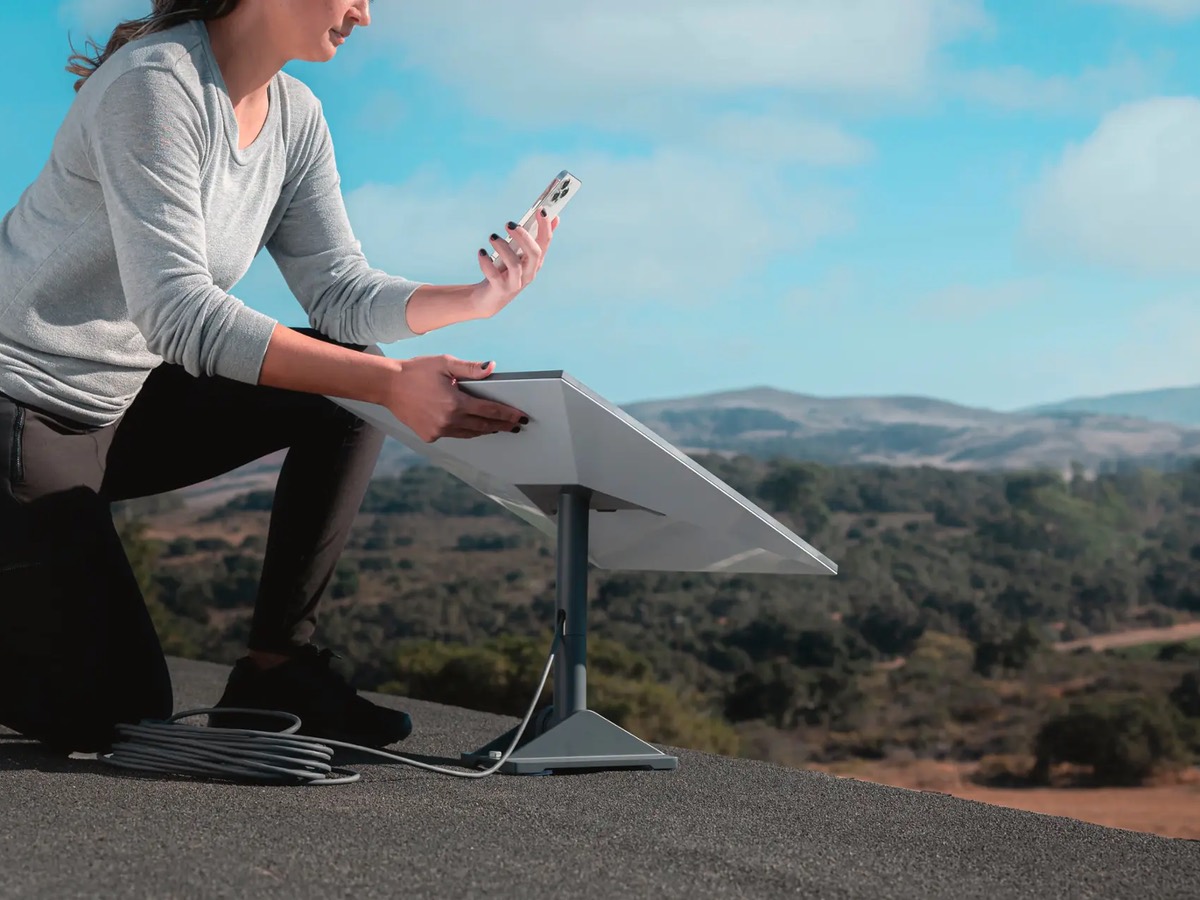
    Starlink sets itself apart from traditional fiber-based internet service providers (ISPs) by utilizing a low-Earth orbit (LEO) satellite constellation. This innovative approach enables high-speed internet delivery without the need for extensive terrestrial infrastructure. The result? Unmatched coverage, even in India’s most remote and challenging terrains, presenting a formidable competitor to conventional broadband providers.

    Strategic Partnerships to Boost Market Entry

    In anticipation of its Indian market launch, Starlink is reportedly collaborating with Reliance Jio for distribution and installation services. As part of this arrangement, Jio will sell Starlink hardware through its retail outlets while facilitating deployment and activation. Additionally, discussions are underway between Bharti Airtel and SpaceX to explore potential collaborations aimed at enhancing satellite connectivity in India’s underserved regions.

    Local Players Join the Satellite Race

    As Starlink prepares to make waves, India’s satellite internet sector is also witnessing increased momentum from homegrown players. State-owned BSNL is advancing its ambitious ‘Direct-to-Device’ initiative, which seeks to harmonize satellite and terrestrial mobile networks. This initiative gained attention during a recent demonstration where BSNL successfully transmitted a message from a commercial Android phone to a Viasat satellite orbiting 36,000 kilometers above the Earth, showcasing the compelling potential for hybrid satellite-mobile connectivity in underserved areas.

    Questions & Answers

    What is the significance of Starlink’s approval to operate in India?
    Starlink’s approval signifies a crucial step for satellite-based internet services in India, offering a modern alternative to traditional broadband, particularly in underserved areas.

    What must Starlink accomplish before it can launch services in India?
    Before launching, Starlink needs to establish local ground infrastructure, secure spectrum allocation, and demonstrate compliance with security protocols through trials and testing.

    How is Starlink partnering with local companies in India?
    Starlink is forming partnerships with Reliance Jio for distribution and installation, and is also in discussions with Bharti Airtel to enhance satellite connectivity, reflecting a collaborative approach to market entry.

  • Vodafone Idea Expands 5G Network to 23 New Cities – What It Means for Customers!

    Vodafone Idea Expands 5G Network to 23 New Cities – What It Means for Customers!

    Vodafone Idea (Vi) is on an ambitious path to strengthen its 5G network, announcing plans to expand services to 23 additional cities across India. The targeted cities for this rollout include prominent locations like Ahmedabad, Agra, Aurangabad, Kozhikode, Cochin, Dehradun, Indore, Jaipur, Kolkata, and many more, demonstrating the company’s commitment to improving connectivity in both urban and semi-urban areas.

    Building on Recent Success

    This latest announcement follows the successful launch of 5G services in major hubs such as Mumbai, Delhi-NCR, Bengaluru, Chandigarh, and Patna, marking a significant step in Vi’s strategy to cover 17 key regions where it holds 5G spectrum rights.

    Innovation Through Collaboration

    To enhance its network capabilities, Vodafone Idea is not just resting on its laurels. The company is leveraging artificial intelligence (AI) through self-organizing networks (SON) and is teaming up with industry giants including Nokia, Ericsson, and Samsung. This collaboration aims to boost both its 4G and 5G infrastructures, aptly showcasing how partnerships can supercharge technological advancements in the sector.

    CTO’s Vision for the Future

    Jagbir Singh, CTO of Vodafone Idea, expressed his enthusiasm for the ongoing rollout. “Our 5G rollout is progressing steadily in a phased manner, and we’re excited to bring next-gen connectivity to more users. At the same time, we’re strengthening our 4G network to ensure a seamless experience for our users. With enhanced indoor coverage, increased capacity, and 84% population coverage with our 4G network, we remain focused on delivering superior digital experiences to Vi users,” he noted. It’s a promise that not only aims to keep users connected but also to enhance their overall digital experience — because who wouldn’t want to binge-watch their favorite shows in superfast 5G?

    Questions & Answers

    What cities will see the expansion of Vodafone Idea’s 5G network?
    Vodafone Idea plans to expand its 5G network to 23 cities, including Ahmedabad, Agra, Aurangabad, Kozhikode, and Kolkata, among others.

    What technology does Vodafone Idea employ to enhance its networks?
    The company is utilizing AI-based self-organizing networks (SON) and collaborating with Nokia, Ericsson, and Samsung to bolster both its 4G and 5G networks.

    What is the current coverage of Vodafone Idea’s 4G network?
    Vodafone Idea boasts an impressive 84% population coverage with its 4G network, aiming to provide a seamless experience for its users.

  • Starlink Poised for Final Approval to Launch in India, Revolutionizing Connectivity!

    Starlink Poised for Final Approval to Launch in India, Revolutionizing Connectivity!

    Elon Musk’s satellite internet venture, Starlink, is on the verge of a breakthrough in India, nearing the final regulatory stamp of approval needed to commence operations. The Indian National Space Promotion and Authorization Centre (IN-SPACe) has issued a draft agreement, which awaits Starlink’s signature before granting formal authorization.

    Competition Heats Up in the Satellite Arena

    This pivotal step places Starlink in the same competitive league as established players like Eutelsat OneWeb and Jio Satellite, both of which are already licensed to provide satellite communication (SATCOM) services throughout the country. Recently, Starlink secured its Global Mobile Personal Communication by Satellite (GMPCS) licence, becoming the third entity authorized to offer SATCOM services in India.

    Awaiting Ground Infrastructure Before Launch

    However, don’t expect Starlink to flip the switch immediately. The company needs to develop ground infrastructure, including satellite gateways and a control center, along with proving its compliance with security protocols — a non-negotiable step for all SATCOM operators. To date, neither OneWeb nor Jio Satellite has ticked this important box, with both providers recently having their trial spectrum extended by six months for ongoing testing.

    Security Concerns and Regulatory Requirements

    Concerns have been raised by security agencies regarding the unregulated use of Starlink terminals in border regions. In March, the Ministry of Home Affairs directed the Department of Telecommunications (DoT) to probe Starlink’s hesitance in sharing essential operational data. Compliance with Indian regulations mandates that all SATCOM traffic be routed through Indian gateways, with monitoring of transmissions and the establishment of buffer zones along international borders.

    Pricing Rules Could Shape Industry Dynamics

    Meanwhile, the DoT is finalizing pricing schemes for satellite spectrum, with the Telecom Regulatory Authority of India (TRAI) suggesting a five-year administrative allocation that includes an annual fee of 4% of adjusted gross revenue (AGR). Urban users might have to pay ₹500 per year, but those in rural areas could find themselves exempt from these fees — a move that may well tantalize new subscribers.

    Starlink’s Vision for Connectivity

    Communications Minister Jyotiraditya Scindia recently engaged with SpaceX officials to explore partnerships in satellite technology. Should all approvals come through, Starlink could become a transformative player in enhancing internet connectivity across India, particularly in areas where access is limited. As the demand for reliable internet continues to grow, the prospect of Starlink bringing connectivity to the remotest corners of India is certainly one to keep an eye on.

    Questions & Answers

    What key regulatory step is Starlink approaching in India?
    Starlink is close to receiving the final regulatory approval required to commence its satellite internet operations in India, pending the signing of a draft agreement by IN-SPACe.

    What infrastructure must Starlink develop before launching its services?
    Before launching, Starlink needs to establish its ground infrastructure, which includes satellite gateways and a control center, and demonstrate compliance with security requirements.

    How is the pricing structure for satellite spectrum being determined in India?
    The DoT is finalizing pricing rules that include an annual fee of 4% of adjusted gross revenue for providers, with urban users potentially paying ₹500 annually while rural users may be exempt.

  • Uniqlo Set to Debut in South India with Exciting New Store in Bengaluru!

    Uniqlo Set to Debut in South India with Exciting New Store in Bengaluru!

    Retailers in Asia are facing a significant market shift as consumer spending trends evolve amid a changing economic landscape. With inflation and cautious consumer sentiment on the rise, businesses are strategizing to capture attention in an increasingly competitive environment.

    Adapting to Consumer Sentiment

    For many retailers, the focus is shifting from unconditional loyalty to a deeper understanding of consumer behavior. Brands are working tirelessly to adapt, employing data analytics to glean insights that go beyond the shopping cart. A recent survey revealed that 62% of consumers are now prioritizing value over brand allegiance, significantly impacting purchasing decisions across sectors.

    This newfound pragmatism has prompted retailers to reconsider promotional strategies, ensuring that discounts and offers align tightly with customer expectations. Some companies are even getting playful, testing quirky ad campaigns that resonate with younger audiences while remaining relatable—a refreshing departure from the usual marketing motifs.

    Investing in Sustainability

    Sustainability has taken a primary seat at the strategy table for numerous brands aiming to woo environmentally conscious shoppers. As greenwashing becomes a more serious issue, authentic commitment stands out. Retail giants are increasingly investing in sustainable supply chains and eco-friendly practices, with reports indicating a 25% uptick in consumer willingness to pay a premium for sustainable products.

    Brands like Uniqlo and Zara have rolled out extensive recycling programs, encouraging customers to return old garments while promoting a circular economy. The early adopters are seeing positive feedback, proving that a commitment to sustainability is not just a trend—it’s becoming a consumer expectation.

    Digital Transformation and E-Commerce Growth

    The pandemic hurled the retail sector into a digital renaissance, and now, e-commerce is not just a complementary channel but often the primary shopping avenue. Many brands are enhancing their online presence with immersive shopping experiences that merge practicality with engagement. Virtual try-ons and live-stream shopping events have become staples in the arsenal of savvy retailers, capturing the attention of a tech-savvy demographic yearning for connection.

    Moreover, social commerce is skyrocketing, with platforms like TikTok and Instagram evolving into marketplaces where sales can happen with a simple swipe. As the line between social interaction and shopping continues to blur, retailers are finding innovative ways to turn idle scrolling into spending.

    Understanding Regional Nuances

    It’s essential for retailers to recognize that Asia is not a monolith. Consumers in Southeast Asia have distinct tastes compared to their counterparts in East Asia, influenced by local cultures, economic conditions, and social dynamics. Brands that embrace these regional differences—by localizing products and marketing strategies—are often the ones that emerge victorious in this complex landscape.

    As retailers gear up for the future, the ability to blend tradition with innovation will be crucial. After all, in an age where consumer preferences can swing like a pendulum, agility may well be the most valuable asset.

    Questions & Answers

    How are retailers adapting to changing consumer sentiments in Asia?
    Retailers are focusing on understanding consumer behavior through data analytics and are shifting their promotional strategies to prioritize value, reflecting consumers’ increased price sensitivity.

    What role does sustainability play in modern retail strategies?
    Sustainability is becoming a key element for retailers, with many investing in eco-friendly practices and transparent supply chains to meet the expectations of environmentally conscious consumers.

    How is digital transformation impacting retail in Asia?
    Digital transformation has led to significant e-commerce growth, with brands enhancing online experiences through innovative technologies and social commerce, turning platforms into marketplaces.

  • Vodafone Idea and AST SpaceMobile Launch Groundbreaking D2D Satellite Connectivity in India

    Vodafone Idea and AST SpaceMobile Launch Groundbreaking D2D Satellite Connectivity in India

    Vodafone Idea (Vi) is set to embrace a new frontier in connectivity by partnering with U.S.-based AST SpaceMobile to roll out direct-to-device (D2D) satellite connectivity in India. This bold move places Vi in a strategic race alongside competitors Reliance Jio and Bharti Airtel, both of which have recently struck deals with Elon Musk’s SpaceX to deliver Starlink services to Indian consumers.

    Innovative Satellite Solution for Enhanced Connectivity

    The partnership aims to synergize Vi’s extensive mobile network with AST’s state-of-the-art satellite technology, allowing users to receive signals directly to their standard smartphones—no special apps or hardware needed. While most smartphones aren’t currently equipped to communicate with low-Earth orbit (LEO) satellites, AST’s innovative approach aspires to change that dynamic.

    Building a Breakthrough Communication Network

    Together, the companies will create the ‘SpaceMobile Satellite System,’ a revolutionary space-based cellular broadband network intended to expand Vi’s reach into remote and inaccessible areas. AST SpaceMobile will oversee the design, manufacture, and management of the satellite constellation, while Vi will manage spectrum operations and regulatory access in India, seamlessly integrating satellite capabilities into its terrestrial network.

    “Vi is committed to harnessing technology to connect every Indian, and we view satellite communication as an essential enhancement to terrestrial connectivity,” remarked Avneesh Khosla, Chief Marketing Officer at Vi. He expressed enthusiasm about ushering in a new era of reliable connectivity through this innovative solution.

    Addressing Diverse Market Needs

    The partnership between AST and Vi extends beyond connectivity, as they plan to co-develop commercial solutions targeting various sectors, including consumer mobile, enterprise services, and Internet of Things (IoT) applications. “India, with its vast and dynamic telecom market, is the ideal place to demonstrate how our space-based cellular broadband can seamlessly complement terrestrial networks,” noted Chris Ivory, Chief Commercial Officer of AST SpaceMobile. He added, “We’re not just expanding coverage; we’re breaking down barriers to connectivity, making it possible for everyday smartphones to connect to 4G and 5G networks directly from space.”

    AST SpaceMobile envisions deploying 60 LEO satellites between 2025 and 2026, with ambitions stretching to markets like the United States, Europe, Japan, and of course, India. While Starlink boasts a significantly larger fleet of over 6,000 satellites, AST’s direct smartphone connectivity focus offers a compelling and unique advantage.

    Sky’s the Limit for India’s Mobile Users

    With India’s mobile subscriber base soaring past 1.1 billion—predominantly making use of 4G and emerging 5G networks—satellite connectivity promises to extend services into rugged terrains and remote locations, thus becoming a crucial support to the existing ground networks. As they say, in the world of connectivity, the sky may not be the limit—it could be just the beginning.

    Questions & Answers

    How will the partnership between Vi and AST SpaceMobile enhance mobile connectivity in India?
    The partnership will integrate Vi’s network with AST’s satellite technology, enabling direct connectivity to smartphones, thereby expanding coverage in remote and challenging locations.

    What unique advantage does AST SpaceMobile offer compared to Starlink?
    AST SpaceMobile focuses on direct-to-device satellite connectivity, allowing standard smartphones to access 4G and 5G networks directly from space, offering a unique proposition in the market.

    When does AST SpaceMobile plan to deploy its satellites, and how many will there be?
    AST SpaceMobile plans to deploy 60 low-Earth orbit satellites between 2025 and 2026, targeting regions including the United States, Europe, Japan, and India.

  • India’s Banks Set to Thrive Amidst Margin Challenges and Rising Costs

    India’s Banks Set to Thrive Amidst Margin Challenges and Rising Costs

    According to Fitch Ratings, India’s banking sector is on a promising trajectory, poised for growth bolstered by enhanced asset quality, robust capital reserves, and a stable profitability outlook. As banks maneuver through the financial landscape, analysts suggest that credit metrics will largely hold steady into fiscal year 2026, although earnings could be impacted by cyclical pressures on margins and credit costs.

    Slowdown or Steady Forward March?

    Currently, the sector is experiencing its slowest loan growth in four years, hovering at just 10.6%. Lending to non-bank financial institutions (NBFIs) and unsecured retail customers has particularly softened, a shift attributed to stricter regulatory oversight and challenging funding conditions. However, optimism remains. Fitch projects a rebound in loan growth to between 12% and 13% in FY2026, fueled by an accommodating monetary policy and gradually easing funding constraints.

    Deposits and Ratios: The Balancing Act

    Despite this optimistic outlook, banks must enhance their deposit mobilization to sustain the nearly 120 basis points improvement in loan-to-deposit (LDR) ratios they have achieved. A notable decrease in the impaired loans ratio, falling by 60 basis points to 2.2% in FY2025, indicates a positive shift. Bad loans saw a decline of 12%, further painting a brighter picture for the sector as a whole.

    A Brave New Banking Era?

    Fitch emphasizes that the impaired-loan ratios and credit costs for most banks have likely hit their lowest point. There remains potential for gains as some banks might improve their standings through write-offs of legacy bad loans, which would further shrink the outstanding bad loan stock. In Fitch’s eyes, the Indian banking sector’s strong performance is not merely a flash in the pan; expectations are set for sustained progress, contingent on banks maintaining solid core financial metrics that enhance their resilience against economic fluctuations.

    Questions & Answers

    What does Fitch Ratings predict for India’s banking sector in FY2026?
    Fitch Ratings forecasts a rebound in loan growth to 12% to 13% in FY2026, supported by an accommodative monetary policy and improved funding conditions, while projecting that credit metrics will remain stable.

    Why is the current loan growth considered the slowest in four years?
    The current loan growth rate of 10.6% is primarily due to tighter regulatory scrutiny and tougher funding conditions impacting lending, particularly to NBFIs and unsecured retail customers.

    What improvements have been observed regarding banks’ impaired loans?
    The impaired loans ratio has fallen by 60 basis points to 2.2% in FY2025, accompanied by a 12% reduction in bad loans, indicating a trend towards better asset quality in the banking sector.

  • India Pursues Trump Tariff Agreement Following UK Trade Pact Breakthrough

    India Pursues Trump Tariff Agreement Following UK Trade Pact Breakthrough

    Starting July 9, U.S. President Donald Trump’s vast array of global trade tariffs is set to roll out, posing serious implications for economies and businesses worldwide.

    In a race against time, India is working diligently to forge an agreement that could shield its exports from a hefty 26% tariff imposed on goods shipped to its largest market. However, unlike many nations navigating these choppy waters, New Delhi has a fresh strategy in place: the recently announced free trade agreement (FTA) with the U.K. This deal not only highlights India’s proactive stance but also mandates some tough choices as it seeks to solidify its trading relationships.

    With the clock ticking down to the implementation of these tariffs, all eyes are on how India can maneuver its way through the evolving trade landscape. Meanwhile, business owners and consumers alike watch anxiously, wondering how these changes will ripple through their wallets and shopping carts.

    Questions & Answers

    Questions & Answers

    What are the main implications of the U.S. tariffs for India?
    The tariffs could impose a 26% levy on Indian goods, significantly increasing costs for exporters and potentially leading to a drop in trade volumes.

    How is India responding to the impending tariffs?
    India is actively seeking trade agreements and has recently announced a free trade agreement with the U.K. as part of its strategy to mitigate the impacts of U.S. tariffs.

    What does the future hold for India’s trade relationships?
    The path ahead is uncertain, but with proactive measures like the FTA with the U.K., India is positioning itself to adapt and thrive in the changing global trade landscape.

  • Amazon To Inject $233m Into India Operations: Aims For Infrastructure Expansion And Enhanced Delivery Safety

    Amazon To Inject $233m Into India Operations: Aims For Infrastructure Expansion And Enhanced Delivery Safety

    By 2025, Amazon is planning to inject more than 20 billion rupees (equivalent to US$233 million) into its operations in India. This significant investment will be used to enhance and widen the scope of its operational infrastructure, as well as devise innovative technology for its product fulfillment networks and augment delivery safety procedures.

    The Aim of the Investment

    This substantial financial commitment comes in continuation of Amazon’s previous investments aimed at constructing a comprehensive operations network that can cater to all serviceable postal codes within the nation.

    A key player in the Indian e-commerce market, Amazon competes with other heavyweights such as Walmart’s Flipkart and Reliance Retail, owned by billionaire Mukesh Ambani. The corporation had previously announced that by 2030, its total investment in the Indian market would reach $26 billion, however, the specifics regarding this allocation were not disclosed.

    Investment Implementation

    The new funding will be allocated toward the establishment of new sites and modernization of existing facilities across its fulfillment and delivery network to enhance processing speed and capacity.

    In addition to infrastructural developments, Amazon also has plans to incorporate technology that will ensure the safety of its delivery associates. This includes implementing systems that will notify associates of unsafe speeds and enable the equitable distribution of delivery routes.

    Investing in Employee Welfare

    Part of the funding will also be directed toward initiatives designed to improve the health and financial stability of Amazon’s employees. This showcases the company’s commitment to not just expand its market presence, but also to enhance the welfare of its workforce.

    Earlier this year, it was announced that Amazon’s cloud services provider, Amazon Web Services, was earmarked to invest approximately US$8.2 billion in India.

    Questions & Answers

    What is the purpose of Amazon’s planned investment in India?
    The investment is intended to expand and modernize Amazon’s operational infrastructure, develop new technology for its product fulfilment networks, and boost delivery safety.

    How will Amazon’s new investment benefit its delivery associates?
    Amazon plans to implement technology that will alert delivery associates about unsafe speeds and ensure fair distribution of delivery routes, enhancing their safety and work experience.

    What commitment has Amazon made towards the welfare of its employees?
    Amazon has pledged to allocate a portion of its new investment to initiatives aimed at improving the health and financial well-being of its employees in India.

  • Indian lingerie Clovia eyes international expansion over 5 years

    Indian lingerie Clovia eyes international expansion over 5 years

    Founder and Director, Neha Kant, says that apart from the 10 EBOs in Delhi, the brand has 2 EBOs in Gujarat and 1 in West Bengal. The average size of a Clovia store is between 275 and 400 sq. ft. “Aside from this, we are also present in 50+ shop-in-shops in these three states in India.” “We have also introduced a new distribution model – Clovia Partnership Program. Under this program, we invite women around the country to educate other women about sizing and fits and run their enterprise by selling Clovia products from the comfort of their home. At present, we have around 3,000 members on board,” she adds.

    Operating Model

    The lingerie brand sells through direct sales channels including exclusive brand e-store, partner websites like Myntra, Jabong, Flipkart and Amazon among others and also through offline retail outlets.

    “As a brand we want to be present at every customer touch point and offline was a natural progression for us. The intent was to make product touch-points that can be brand builders and self-sustaining at the same time. While online continues to grow profitably, offline helped us capture a completely complementary user base, while continuing to build the brand,” asserts Kant.

    “Our Noida office is also the central design hub. Designs and raw materials are shipped out to exclusive third party manufacturing units which have been incubated by us and work exclusively with us. Our skillful use of technology helps us ensure the industry’s most efficient mind-to-market and extremely tight inventory management. On the online front, we’ve innovated to deliver some of the best sales conversion rates. These innovations have ensured the company is operationally profitable since inception,” she adds.

    TG & Product Portfolio

    The brand’s target audience includes working women between the ages of 25-35 years and young girls aged between 18 to 24 who are either in college or have just entered the workforce.

    The brand designs, manufactures and sells premium fashion lingerie, innerwear, nightwear and shapewear. Tier II and III contribute to over 60 percent of Clovia’s orders.

    “Clovia has redefined the lingerie market by going beyond standard fits, colours and sizes. We offer customers a wide variety of choices in ‘everyday essentials’, along with ‘fashion solutions’ keeping up with customer’s evolving wardrobes,” says Kant.

    “As a brand which lives on feedback, and iterates its entire portfolio basis that, we are focused on a few major categories for now and have been slowly expanding our category focus. Clovia, started predominantly as a ‘bra & brief’ brand which extended into nightwear, shapewear and loungewear with time and demand. Within the categories, we’ve identified a lot of verticals for example: in bras, we have ranges for beginners and nursing mothers, as well as sizes till 44F. We launch 200+ new options including colours and prints per month across women’s bras, briefs, nightwear, shapewear, lounge wear, resort wear, swim wear, leisure wear and active wear categories,” she explains.

    The brand, which produces all its products in India, offers 2,000+ plus styles across categories.

    Supply Chain & Production Capacity

    Clovia is a full stack lingerie brand that controls every part of its supply chain from mind-to-wardrobe.

    “We procure raw material, design in-house, manufacture in third-party facilities working exclusively for us, ensure our own 4-level quality control and sell through a host of direct sale channels. Every product we create is first made in small quantities, monitored via state-of-the-art backend technology, which predicts future sales (based on sales patterns and customer feedback) and recommends what further quantities should be produced,” states Kant.

    At the moment, the brand is manufacturing almost a million units per month and ship close to 2 million units in a quarter.

    “We deliver pan India across 970 cities and to over 13,000 pin codes,” she says, adding, “Clovia has an established operating infrastructure with a 30,000 sq. ft. capacity warehouse and a wide distribution network with logistic partners pan India.”

    A Technology Forward Company

    Clovia uses smart technology and big data analytics for smart management of inventory ensuring that they have a highly consumer-relevant range all times with high sell-through rates resulting in industry best inventory holding.

    “We have set up a unique distribution system (both online and offline) which is based on direct interaction with customers, getting their direct feedback and using the same in planning the next product range. Big data played a big role here and this led to an extremely strong connect with our customers, leading to creation of a brand on the back of experience and not pure-play marketing,” she says.

    “We use smart technology and big data analytics to plan consumptions and purchase patterns. We stock the maximum number of SKUs in the industry with minimum inventory holding. Also, using technology for geographical understanding of tastes, we’re bringing structure to a traditionally unorganised market,” she further states.

    Future Plans

    The lingerie brand is expanding both in the online and the offline space with equal vigour. The brand is putting in the effort to understand audiences and nuances of each channel to ensure a true Omnichannel experience for customers and sellers. This is the key focus for Clovia over the next five to six quarters.

    “We have been operationally profitable,” she says.

    The brand currently generates around 15 percent of its revenue from offline channels and expects the revenue to witness a 50 percent growth in the current financial year.

    “Clovia gets over 55 percent of its total online sales through its own website which will maintain its share. The rest comes from online marketplaces such as Amazon,” Kant concludes.


  • Louis Vuitton India sales and profits surge

    Louis Vuitton India sales and profits surge

    Louis Vuitton India has reported a 24.5-per-cent increase in profit year on year, representing a doubling of income since 2017.

    Sales have grown by 41 percent since 2017 with the luxury retailer now operating three stores in the country, at Delhi, Mumbai and Bengaluru.

    The growth reflects a strengthening Indian luxury-goods market estimated to be worth about US$8 billion now and growing at a rate as high as 18 percent through to 2023.

    Louis Vuitton India’s net profit for the 2019 financial year was ₹16.17 crore (US$2.25 million), over ₹12.98 crores ($1.8 million) for the previous year, according to local regulatory filings.

    Globally, the company, LVMH recorded revenue of €53.7 billion last year, up 15 percent year on year.

    Meanwhile, LVMH India’s country manager Sunaina Kwatra has announced her intention to resign from the firm’s board.