Tag: india

  • Unilever CEO eyes more opportunities in India

    Unilever CEO eyes more opportunities in India

    Unilever’s newly-appointed CEO Fernando Fernandez has voiced optimism about the Indian market, believing in its long-term growth potential despite quarterly revenue shortfall.

    In an interview with Barclays earlier this month, Fernandez highlighted the brand’s long-term prospects in India, despite the country’s substantial food inflation.

    He says India is unique since richer and poorer Indians dwell close together, resulting in a demand and supply of labour. That made quick commerce a logical channel to grow.

    “Our position in India is exceptional. We have great brands; we have a great portfolio,” he said.

    “The economic environment in India will get better in the second half of the year. There are significant changes in the channels in India. The rise of affluent India is very important. There are 60 million households of the 320 million households in India. They have serious money now.”

    According to Unilever’s financial results for the fourth quarter and full year 2024, India rose 1.8 percent, with underlying volume growth of 2.4 percent. Home care and beauty and well-being were the primary drivers, while personal care declined.

  • Meta to Bring World’s Longest Undersea Cable to India

    Meta to Bring World’s Longest Undersea Cable to India

    The announcement, made in accordance with the recent U.S.-India joint leaders’ statement, highlights Meta’s focus on India’s expanding digital ecosystem. The undersea network will play a crucial role in global internet connectivity, linking countries and supporting local telecom operators in delivering services.

    “Meta is investing in India—one of its largest markets—bringing the world’s longest, highest capacity, and most technologically advanced subsea cable project to connect India, the U.S., and other locations,” a Meta spokesperson said.

    This investment comes amid growing calls from telecom operators for major tech firms, including Meta, to contribute to network infrastructure development and alleviate data traffic congestion.

    According to Meta, Project Waterworth will utilize advanced routing techniques and innovative cable burial strategies to safeguard the cable system against damage, particularly in high-risk coastal regions. The cable will reach depths of up to 7,000 meters in deep-sea areas.

    A Meta spokesperson said the investment reflects the company’s commitment to economic growth, resilient infrastructure, and digital inclusion, driven by India’s increasing demand for digital services.

    The U.S.-India joint statement, released following Prime Minister Shri Narendra Modi’s visit to the U.S., also emphasized India’s plans to invest in undersea cable maintenance and financing in the Indian Ocean using trusted vendors.

    “This project will enable greater economic cooperation, facilitate digital inclusion, and open opportunities for technological development in these regions,” Meta noted. “In India, where we’ve already seen significant growth and investment, Waterworth will help accelerate progress and support the country’s digital economy ambitions.”

  • India Becomes World’s Second-Largest 5G Handset Market in H1 2024

    India Becomes World’s Second-Largest 5G Handset Market in H1 2024

    Senior Research Analyst at Counterpoint Research, Prachir Singh, remarked on the overall market dynamics, noting that 5G handset shipments have been consistently increasing. He highlighted that the rise in availability of budget-friendly 5G handsets has led to significant growth in emerging markets.

    According to Singh, India has become the second-largest 5G handset market, surpassing the US during the first half of the year. “The strong shipments from Xiaomi, vivo, Samsung and other brands in the budget segment were the main reason for this trend. Other emerging markets also witnessed high growth in 5G handsets. Consumers in emerging markets are looking at 5G handsets as an upgrade to their devices, even in the lower price segments,” explained Singh.

    “The Caribbean and Latin America (CALA) region was the fastest-growing region, registering 63% YoY growth, driven by high growth in key countries like Mexico and Brazil. The CALA region accounted for 14% of global net adds despite having a 6% 5G shipment share in H1 2024. Asia Pacific accounted for 63% of the overall global net adds and commanded a 58% 5G shipment share. In Europe and the Middle East and Africa (MEA) regions also, 5G handset shipments witnessed double-digit growth,” he added.

    Apple led global 5G handset shipments, capturing over 25% of the market share, due to strong sales of the iPhone 15 and 14 series. Samsung was the second-largest player with more than 21% of the market, driven by its Galaxy A and S24 series. Both Apple and Samsung secured five positions each in the top-10 list of 5G models for the first half of 2024, with Apple dominating the top four spots.

    Xiaomi ranked third, primarily due to significant growth in India, where it saw triple-digit increases, and double-digit growth in the Middle East, Europe, and China. vivo also experienced notable growth, driven by strong performances in India, China, and other emerging Asian markets. Among the top 10 brands, Motorola achieved the fastest growth, with notable advances in the CALA region, India, MEA, and North America.

    Commenting on the near-term outlook for 5G shipments, Research Director, Tarun Pathak, indicated that, “5G handset contribution to the overall handset market was over 54% in H1 2024, crossing 50% for the first time. As the democratization of 5G handsets increases with increasing 5G penetration in lower price segments as well as increasing expansion of 5G networks, this trend will further grow. The ongoing global premiumization trend will further fuel this growth. According to our market outlook, [the] 5G share will cross 57% in 2024 and 65% in 2025.”

  • Amazon and Flipkart found to have breached India’s antitrust laws

    Amazon and Flipkart found to have breached India’s antitrust laws

    An Indian antitrust investigation has found US e-commerce giant Amazon and Walmart’s Flipkart violated local competition laws by giving preference to select sellers on their shopping websites, according to reports seen by Reuters.

    The Competition Commission of India (CCI) in 2020 ordered an investigation into Amazon and Flipkart for allegedly promoting certain sellers with which they had business arrangements and giving priority to certain listings.

    In a 1027-page report on Amazon and a separate 1,696-page report on Flipkart, both dated August 9, the CCI investigators said the two companies were found to have created an ecosystem where preferred sellers appeared higher in search results, elbowing out other sellers.

    “Each of the anti-competitive practices alleged … were investigated and found to be true,” said both reports, which are not public and are being reported by Reuters for the first time.

    “Ordinary sellers remained as mere database entries,” the two reports said in identical conclusions on both companies.

    Amazon and Flipkart, as well as the CCI, did not immediately respond to Reuters queries. They have previously denied wrongdoing and said their practices are in line with Indian laws.

    The two companies will now review the report and file any objections before CCI staff decide on any potential fines.

    The investigation’s findings are the latest setback for Amazon and Flipkart in a country where they continue to face criticism for their business practices from smaller retailers, who say their businesses have suffered in recent years due to deep discounts offered online.

    The investigation was triggered by a complaint from the Delhi Vyapar Mahasangh, which is an affiliate of the country’s biggest trade body, Confederation of All India Traders (CAIT), that represents 80 million retailers.

    In a statement to Reuters, CAIT welcomed the CCI investigation findings, saying it would study the reports and “escalate the matter” with the federal government.

    Amazon and Flipkart are leading players in India’s e-retail market which was estimated to be worth $57-60 billion in 2023, and set to top $160 billion in value by 2028, consultancy firm Bain estimates.

    In the United States, the Federal Trade Commission has sued Amazon alleging the company uses “anticompetitive and unfair strategies to illegally maintain its monopoly power”. Amazon has said that the FTC lawsuit is wrongheaded and would hurt consumers by leading to higher prices and slower deliveries.

    Indian investigators raided certain sellers of Amazon and Flipkart during the probe, following a Reuters investigation in 2021 which was based on Amazon internal documents and showed the company gave preferential treatment for years to a small group of sellers on its platform, and used them to bypass Indian laws.

    The company has denied any wrongdoing but the CCI previously told an Indian court the Reuters special report corroborated evidence it had against Amazon.

    The CCI investigation report on Amazon said preferred sellers on the platform “get the advantage in the (online) listing” and when a customer searches for any product, “his attention is drawn towards” those listings.

    The practice of preferential listings and deep discounting of mobile phones – including selling products below cost price – causes a “catastrophic impact on the existing competition in the market.”

    In the report on Flipkart, the CCI said preferred sellers were provided various services such as marketing and delivery at a “miniscule cost.” They were also enabled by Flipkart to sell phones with deep discounts which amounts to “predatory pricing” and forecloses competition, the CCI said.

    “The anti-competitive practies are not limited to sales of mobile phones. They are equally prevalent in other categories of goods,” both reports said.

    Flipkart and Amazon for months tried to block the investigation through legal challenges in courts, but the Supreme Court in 2021 allowed it to go ahead.

    Last month, India’s commerce minister publicly called out Amazon by saying the company’s investments were often used to cover its business losses.

    Amazon in June last year said it will increase its Indian investment to $26 billion by 2030, including for its cloud business. It is also targeting merchandise exports worth $20 billion from India by 2025.

  • Kopi Kenangan to enter the Philippines and India

    Kopi Kenangan to enter the Philippines and India

    Indonesian coffee chain Kopi Kenangan – also known as Kenangan Coffee – is expanding its global footprint, beginning with the launch of its first stores in India and the Philippines.

    The company will open its first Philippine store in October at SM Mall of Asia, Pasay City.

    In India, Kopi Kenangan will make its debut early next year through a licensing agreement with a local F&B business. However, specific details have yet to be finalised.

    During its initial expansion phase in Southeast Asia, the company said it would focus on establishing at least 10 stores in shopping centres.

    “Our expansion into Malaysia and Singapore is a testament to our commitment to serving quality coffee to more people around the world,” said Edward Tirtanata, founder and CEO of Kopi Kenangan.

    “Moving forward, we hope to continue expanding our reach by opening 500 international Kenangan Coffee outlets across various countries,” he said.

    Founded in 2017, Kopi Kenangan is one of the largest branded coffee chains in Indonesia, with more than  900 outlets across 60 cities.

    The brand made its international debut in Malaysia in 2022, followed by an expansion into Singapore last year, where it currently operates 48 and seven locations, respectively.

  • Indian jeweller makes Chicago debut

    Indian jeweller makes Chicago debut

    Tata Group’s jewellery brand Tanishq has increased its presence in Chicago by opening a store at 4300 East New York Street.

    The Chicago store will feature a specialised and exclusive workwear selection targeting the different demands of women on professional and casual occasions.

    Additionally, collections including Tales of Mystique and Rhythms of Rain feature worldwide and contemporary jewellery influenced by the cultural riches of Jodhpur, Rajasthan, and Kerala.

    “Having already captured the imagination of the discerning consumer in New Jersey and Texas, Tanishq is excited to be entering another iconic American city with a diverse customer base who can now enjoy our unrivaled offering right at their doorstep,” said Kuruvilla Markose, CEO of Titan International Business.

    “Our stunning Chicago store plays a pivotal role in Tanishq’s global expansion, aiming to cater not only to the Indian diaspora but also to the broader American and international communities residing in the city, with an unrivalled offering of more than 2000 unique designs.”

    Tanishq, which had previously established a presence in New Jersey and Texas, now has 420 outlets in India and is expanding internationally into Dubai, the UAE, Qatar, Singapore, and the US.

  • Flipkart invests US$54 million into Myntra

    Flipkart invests US$54 million into Myntra

    Myntra has secured a US$54 million investment from parent company Flipkart amid its tough competition with Reliance’s Ajio and Tata Cliq.

    This is Flipkart’s second investment in Myntra following $105 million in March last year.

    The new investment came as Walmart, Flipkart’s largest shareholder, committed $600 million to the India-headquartered parent company as part of a $1 billion funding round.

    Last July, Myntra commenced a restructuring program that included prioritising private labels over a wide range of in-house brands.

    Myntra currently has more than 420 global brands on its platform, up from 280 two years ago.

  • Yum Restaurants India to sell stake in local Yum Brands franchisee

    Yum Restaurants India to sell stake in local Yum Brands franchisee

    Yum Restaurants India is reported to have sold its 4.4 per cent share in Devyani International for US$105 million.

    Devyani International, from which Yum Restaurant acquired the stake in 2021, is the main franchisee of Yum Brands in China, operating KFC, Pizza Hut and Taco Bell.

    SBI Mutual Fund (MF), Axis MF, Franklin Templeton MF, Nippon India MF, and Goldman Sachs are among the investors in Devyani International’s stock.

    Devyani is planning to push the expansion of these brands, strengthening its growth strategy in FY24 by purchasing 274 KFC restaurants in Thailand, marking its first foray into Thailand’s quick-service and limited-service restaurant markets.

    The business also plans 2000 stores across the globe by the end of this year, ahead of the previous target date of 2026.

  • Indian beef imports half local price

    Indian beef imports half local price

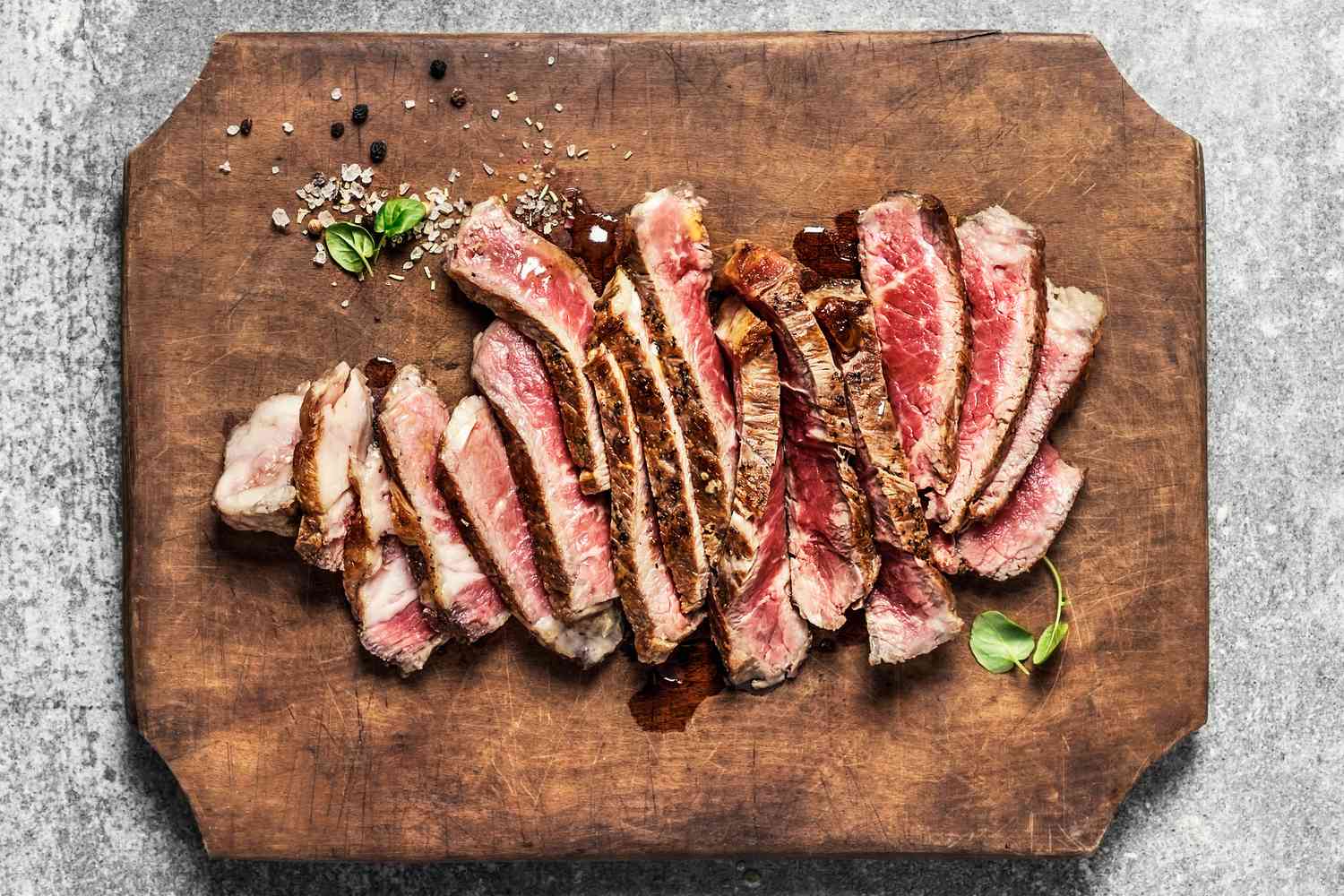
    Beef and buffalo meat imported from India are being sold for VND60,000-100,000 (US$2.47-4) per kilogram on some online marketplaces in Vietnam, half the price of local beef.

    According to data from the General Department of Vietnam Customs, Vietnam imports meat and meat products from 44 countries worldwide. In the first 10 months of 2023, it imported 127,000 tons of meat and meat products from India, making the country Vietnam’s biggest meat supplier with a 22.2% market share.

    In the same period, the average price of these imported products decreased 6.8% year-on-year, down to VND72,000 (US$3) per kilo.

    Oanh, who operates a meat import business in Ho Chi Minh City’s Tan Binh District, said beef imported from India had never been as cheap as it has been in previous years.

    Some online marketplaces sell Indian beef brisket for just VND63,000 a kilo, and topside for VND107,000-110,000 a kilo.

    In comparison, Vietnamese beef fillet is currently priced at VND250,000-280,000 per kilo, while American and Australian beef can fetch as much as VND350,000-450,000 a kilo, Oanh said.

    Toan, who runs a frozen meat importer in District 7, said this year, he imported all cuts of Indian beef and buffalo meat.

    These products are well-liked by meat processing facilities and restaurants due to their low prices and quality on par with beef from other countries, Toan said.

    “They were imported through official quotas and vacuum-packed before being shipped to Vietnam, so they meet all food safety regulations.”

    Cattle and buffaloes are raised on a large scale in India and the country accounts for 58-60% of the world’s cattle and buffalo population, yet consumption of beef and buffalo meat is very low in the country.

    Therefore, most of the beef produced in India is exported and the abundance of supply causes prices to plummet.

    Smuggling is also to blame, says the Animal Husbandry Association of Vietnam, an organization representing the livestock and veterinary industry.

    According to official statistics, there were131 cases of cattle and poultry smuggling in Vietnam over the first nine months of 2023, up 14.5 times from the previous year.

  • Apple could be forced to use USB-C ports on older iPhone models in India

    Apple could be forced to use USB-C ports on older iPhone models in India

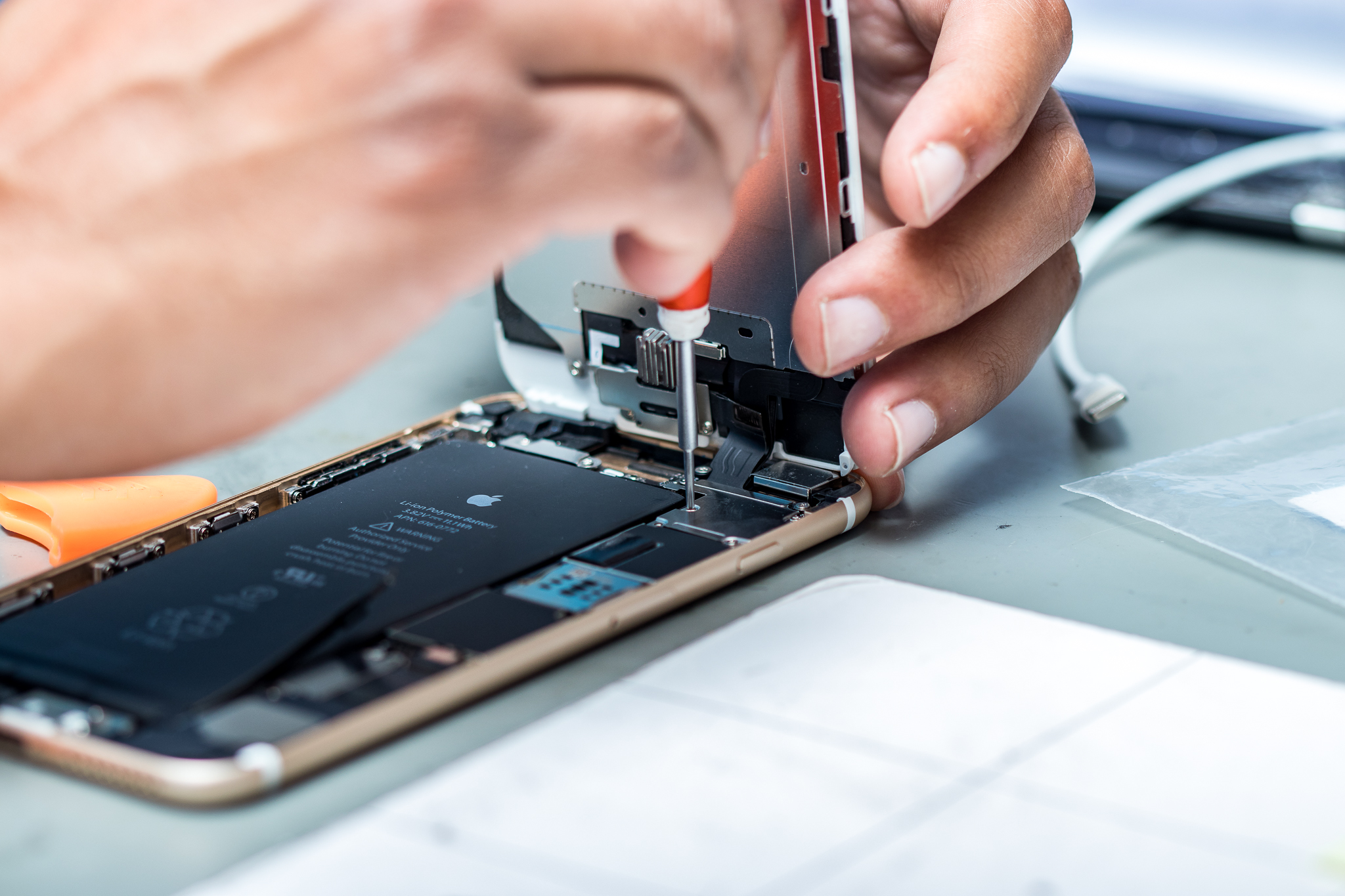
    Just as the EU did with its common charger rule that led Apple to equip the iPhone 15 series with USB-C ports replacing the company’s proprietary Lightning ports, India added a similar rule of its own. But Reuters reports that Apple met with the country’s IT Ministry at the end of last month and during the closed-door meeting, Apple requested that some exemptions be added to the new common charger rules in the country. India’s new rule requires all electronic devices to charge USB-C by June 2025.

    One part of the new rules would force Apple to replace the Lightning port on older iPhone models with a USB-C port and that is the issue that has Apple meeting with India’s IT Ministry. While the EU’s rule change only affected new iPhone models released after the rule takes effect in 2024, Apple decided that instead of having to change things up in the middle of the iPhone 15 release cycle, it would switch to USB-C starting with the release of the 2023 iPhone models last September.

    India’s new rules, on the other hand, must be followed for all electronic devices sold in the country regardless of when a specific device was originally released. This would require Apple to change the charging and data transfer ports on older models it sells in India including the iPhone 14, iPhone 14 Plus, and the iPhone 13. To Apple, this would be a hardship and would probably raise the prices of these models which would be a problem in a developing country like India.

    Since the majority of iPhones sold in India are older models (again, due to India being a developing country), the common charger rule in India could hit Apple hard in India. Apple says that if it must make the changes to older iPhone models, the company won’t meet targets for India’s Production-Linked Incentive scheme (PLI). A pet project of Indian Prime Minister Narendra Modi, PLI gives manufacturers financial incentives for increasing production in India and making investments in the country.

  • Supercuts plans foray into India, eyes 100 stores initially

    Supercuts plans foray into India, eyes 100 stores initially

    Regis Corporation is set to bring its hair salon chain Supercuts to the Indian market via a master franchise agreement with Ravissant Style Private Limited, a subsidiary of Ravishing Style.

    Ravishing Style, an existing franchisee of Supercuts locations in the US, plans to open at least 100 salons in India within the first five years. The company also eyes further expansion through exclusive sub-franchising rights across Northern and Western India.

    Neeru Jain Wadhwa, CEO, and Alok Wadhwa, president of Ravishing Style said Supercuts will offer a “differentiated customer experience”, with a comprehensive salon experience including expert haircuts, masterful colouring, highlights, hair spa treatments, rejuvenating facials, nail services, professional makeup application, and exclusive Indian bridal services.

    Matthew Doctor, president and CEO of Regis Corporation, described the agreement as an important milestone in the company’s growth strategy.

    “India, a market full of long-term growth potential, is primed to experience the first large-scale, US-based salon brand in the country,” Doctor added.

    Regis Corporation is a leader in the haircare industry, franchising or owning 4863 locations as of June 30. Aside from Supercuts, which currently has more than 2000 stores across the US, the company’s brands include SmartStyle, Cost Cutters, Roosters and First Choice Haircutters.

  • AirAsia India takes over Air India Express Sharjah flights

    AirAsia India takes over Air India Express Sharjah flights

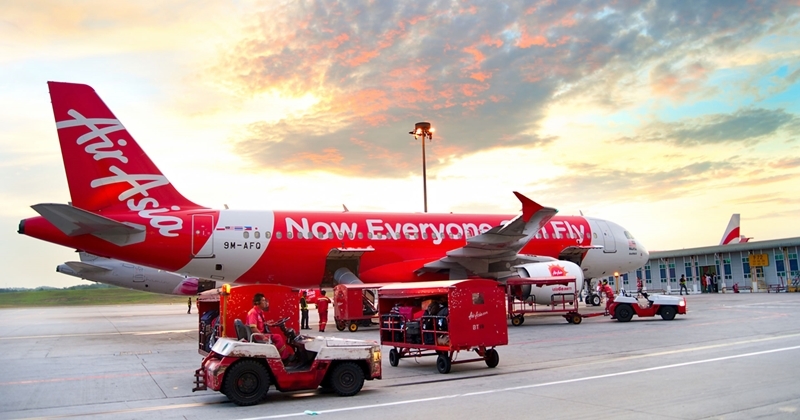
    AirAsia India will begin operating flights to Sharjah on behalf of Air India Express on August 28. This follows the carrier beginning to operate codeshare flights on Air India’s behalf earlier this month.

    According to ch-aviation schedules data, from August 28, AirAsia India will deploy one of its A320-200Ns onto a daily Delhi International – Sharjah – Varanasi – Sharjah – Delhi rotation, replacing the B737-800 service operated by Air India Express. It comes ahead of the merger of the two low-cost airlines. Following recent approval from India’s Directorate General of Civil Aviation, that merger is now expected to finalize in early 2024. The Sharjah flights also mark AirAsia India’s sole foreign foray. Presently, it only flies within India.

    As recently reported in ch-aviation, AirAsia India also began operating some domestic codeshare flights for Air India on August 1. AirAsia India is putting the full-service carrier’s flight designator on selected flights between Bangalore International and Bhubaneswar, Mumbai International – Goa Dabolim, Delhi International – Lucknow, and Delhi International and Pune.

    The closer cooperation comes as Tata Sons seeks to consolidate its Indian airline interests. In addition to the AirAsia India – Air India Express merger, it also intends to merge Vistara with Air India, in the process creating one large low-cost carrier and one large full-service carrier.

  • India’s rice export ban gives Vietnam golden y

    India’s rice export ban gives Vietnam golden y

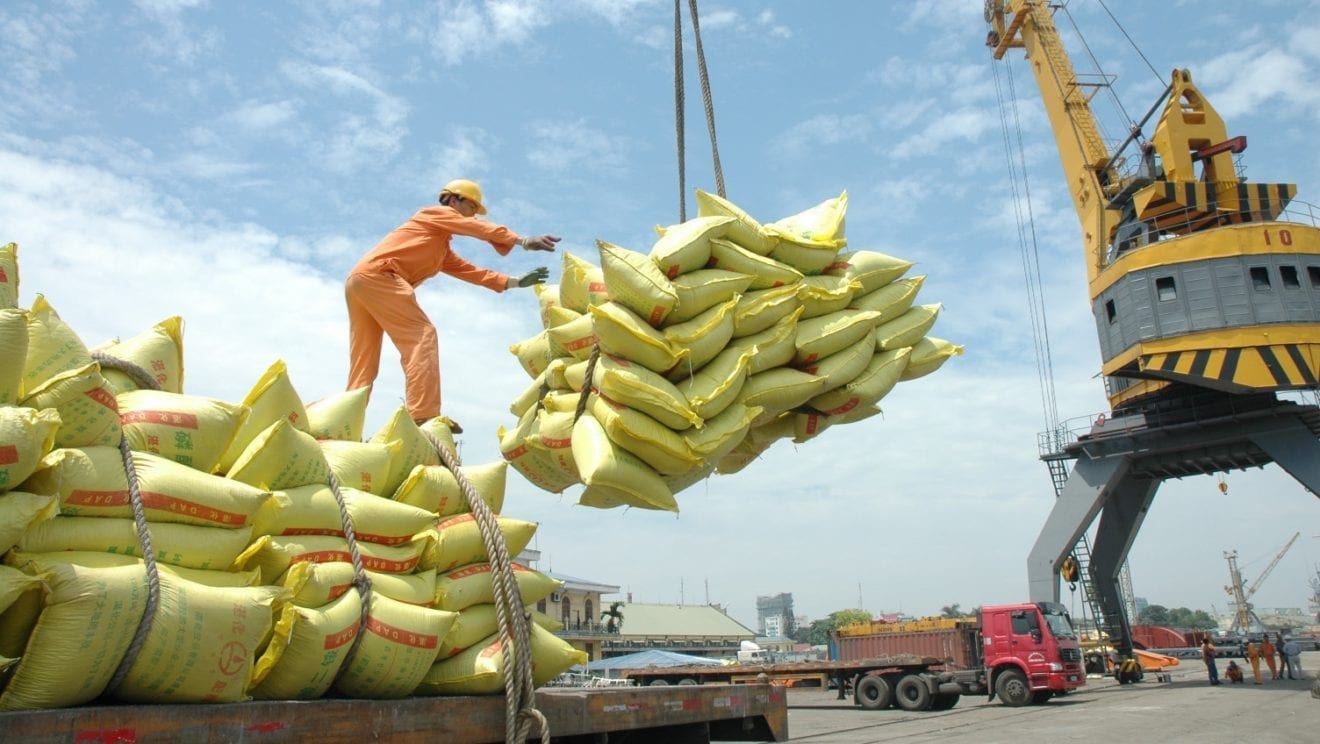
    Vietnam’s rice exporters could raise prices and sign long-term contracts with buyers now that India, the world’s largest supplier, has ordered an export halt.

    Indian government on July 20 announced a ban on non-basmati white rice as retail rice prices climbed 3% in a month after heavy monsoon rains caused significant damage to crops.

    India accounts for more than 40% of world rice exports, and non-basmati white and broken rice accounted for around 10 million tons of a total of 22 million tons of Indian rice exports last year, according to the U.S. Department of Agriculture. With the ban taking effect, global insiders have raised concerns about food price rises.

    Professor Vo Tong Xuan, an economist and expert in rice farming, said given the situation, the second half of the year will offer a golden opportunity for Vietnamese rice exports.

    In the first half of the year, the average export price of Vietnamese rice increased by 11% to US$539 a ton.

    After this ban, Xuan thinks the price could be as high as $600 per ton on average and high-quality varieties that can be sold at $700 a ton.

    The professor said India’s sudden export ban will “create big impacts” on importing countries because they cannot find replacing rice shipments from countries with small supply.

    Therefore, Vietnam and Thailand will be their next destinations. He forecast that Vietnam’s export turnover in the second half of this year could increase dramatically.

    The director of a rice export company in Can Tho said that in July, the company’s rice export orders increased by 20% from the previous month and by 30% compared to the same period last year.

    “Two days after the news that India banned rice exports, many buyers have asked us to sign them long-term contracts to ensure supply, but we’re still considering the offer,” said the director.

    He added that in the first half of this year, the company’s rice export price increased by 22% over the same period last year.

    After the ban, he forecasted that export prices could increase by 30-40% compared to last year.

    The Rice Exporters Association says that rice is a staple for more than 3 billion people, and nearly 90% of the water-intensive crop is produced in Asia, where the El Nino weather pattern usually brings lower rainfall. Global prices are already hovering at their highest level in 11 years.

    According to official data, India’s rice shipments reached a record 22.2 million tons in 2022, more than the combined shipments of the world’s next four biggest exporters of the grain – Thailand, Vietnam, Pakistan and the U.S. India exports rice to more than 140 countries.

    Nguyen Duy Thuan, CEO of Loc Troi Group, agrees that India’s ban on rice exports is an opportunity for rice-exporting countries and that Vietnam can take advantage of this opportunity to act as a sustainable rice supply source for the international food market.

    However, he noted that Vietnamese rice still has many challenges to face in terms of quality and export scale.

    “In particular, farmers are yet to have access to high-quality varieties and therefore the rice yield has not reached the optimal level,” Thuan said.

    Meanwhile, their farming techniques are still limited, resulting in many fertilizers and pesticides, affecting the rice’s quality and the environment.

    In addition, the large-scale management capacity of Vietnam’s rice industry is still limited, Thuan added.

    Thuan suggested that Vietnamese rice needs to improve quality and traceability in the supply chain to gain trust from consumers and regulators.

    Professor Xuan said the government needs to take specific actions to monitor planting areas and create favorable legal corridors to support businesses.

    “At the moment, in order to secure a large rice output for export, businesses need to associate long-term cooperation with traders and farmers, and ensure benefits for them,” Xuan said.

    With import partners, businesses should ask them to sign long-term contracts to ensure stable export activities and also help farmers feel more secure in production.

    Forecasting for this year’s supply, Xuan said that Vietnam has quite favorable weather and the yield could be high. He said that Vietnam can produce nine million tons of rice this year.

    Data from the Ministry of Agriculture and Rural Development shows that rice exports in the first six months reached 4.27 million tons in volume and $2.3 billion in value, up 22.2% and 34.7%, respectively against the same period last year.

    The U.S. Department of Agriculture has raised its forecast for Vietnam’s rice exports 2023 to 7.2 million tons, up from 7.05 million tons in 2022. Vietnam will rank third in the world in rice exports this year, after India and Thailand.

  • China’s Xiaomi bets bigger on India retail stores amid Samsung rivalry

    China’s Xiaomi bets bigger on India retail stores amid Samsung rivalry

    China’s Xiaomi 1810.HK will focus on boosting its India sales from retail outlets after years of big bets on e-commerce, its India president said, as the company seeks to revive smartphone sales after falling behind South Korea’s Samsung 005930.KS.

    E-commerce sales in India via Amazon AMZN.O and Walmart’s WMT.N Flipkart have surged in recent years, helping Xiaomi and others expand in one of the world’s fastest-growing markets, with 600 million smartphone users.

    But while 44% of India’s smartphone sales are now online, the brick-and-mortar segment remains the bigger play and Xiaomi expects it to grow further.

    “Our market position in offline is substantially lower than what it is online,” Xiaomi’s India head, Muralikrishnan B., said in an interview on Friday. “Offline is where you have other competitors who have been executing fairly well and have a larger market share.”

    Just 34% of Xiaomi’s India unit sales this year have come from retail stores, with the rest through websites that have long been its dominant sales generator, data from Hong Kong-based Counterpoint Research shows. Samsung, in contrast, gets 57% of its sales from stores.

    Xiaomi plans to expand its store network beyond the current 18,000 and increasingly partner with phone vendors to offer other products, such as Xiaomi TVs or security cameras, where Muralikrishnan said competition is less intense.

    He said Xiaomi found some partner stores that put its bright orange branding outside shops were displaying rival brands more prominently inside, a marketing issue the company would address.

    Xiaomi’s offline push comes months after it lost its leadership position to Samsung, which had a much bigger portfolio of premium phones now in vogue. The South Korean giant has a 20% market share in India, while Xiaomi, which historically focussed on budget phones, has 16%.

    “Offline remains a key platform as India embraces the premiumization trend,” said Counterpoint analyst Tarun Pathak. “Consumers spending more would like to have the look and feel of the premium product.”

    Xiaomi plans to hire more store promoters – salespeople who lure, pitch and sell phones to prospective buyers inside outlets. It targets tripling the count to 12,000 promoters by the end of next year from early 2023 levels, Muralikrishnan said.

    Another significant India challenge for Xiaomi is a federal agency’s $673 million freeze on its bank assets since last year. The agency alleges Xiaomi made illegal remittances to foreign entities in the name of royalties. The company denies wrongdoing.

    “We’ll continue to be confident … that ultimately our position will be heard and validated,” Muralikrishnan said.

  • Volvo Cars India Records 33% Growth In First Half Of 2023

    Volvo Cars India Records 33% Growth In First Half Of 2023

    Volvo Cars India has reported a significant growth of 33 percent in its sales for the first half of 2023 in India. During the period from January to June, the company delivered 1,089 cars, a notable increase from the 818 units delivered in the same period last year.

    The driving force behind this impressive growth can be attributed to the XC60, one of Volvo’s most popular models, which experienced a substantial 35 percent surge in deliveries. This particular model contributed to a total of 376 cars being delivered during the first half of the year.

    Another notable highlight is the strong performance of the locally assembled all-electric XC40 Recharge, which garnered good demand. With a total of 289 units sold during this period, the XC40 Recharge accounted for 27 percent of the overall sales volume. This success further demonstrates the growing demand for electric vehicles in the Indian market.

    “The first half has been highly successful, with the XC40 Recharge representing 27 percent of the sales volume. The impressive 33 percent growth reaffirms the positive feedback from customers regarding our luxurious mobility options and their strong trust in the Volvo brand. The performance in the first half serves as a promising indicator, instilling confidence that the upcoming months will yield even better outcomes. With the upcoming launch of our Born Electric model C40 Recharge in August, we aim to surpass our best-ever year.” said Jyoti Malhotra, Managing Director, Volvo Car India.

    Volvo Car India recently unveiled its latest addition to the electric vehicle lineup, the C40 Recharge. This marks their second offering in the electric car segment, following the XC40 Recharge. The new EV will also be assembled locally at Volvo’s manufacturing plant located in Hoskote, near Bengaluru. Bookings for the C40 Recharge will start in August, with deliveries scheduled to commence in September 2023.