Tag: india

  • India Offers Free 5G Test Bed to Startups and MSMEs

    India Offers Free 5G Test Bed to Startups and MSMEs

    With an objective to boost the 5G ecosystem within India and to achieve the objectives of Aatmanirbhar Bharat and Make in India initiatives, the Government of India has decided to offer the use of Indigenous 5G Test Bed free of cost to the Indian government-recognized start-ups and MSMEs for the next six months up to January 2023.

    It will be available at a very nominal rate to all other stakeholders. The Department of Telecommunications, Government of India has strongly urged all 5G stakeholders – i.e. industry, academia, service providers, R&D institutions, government bodies and equipment manufacturers – to utilize the 5G testbed facilities and expertise to test and facilitate the speedy development and deployment of their products in the network.

    In keeping sight of India’s specific requirements and to take lead in 5G deployment, the Department of Telecommunications (DoT) approved a financial grant for the multi-institute collaborative project to set up an “Indigenous 5G Test Bed” in India in March 2018 with a total cost of Rs 224 crore.  The eight collaborating institutes in the project are IIT (Indian Institute of Technology) Madras, IIT Delhi, IIT Hyderabad, IIT Bombay, IIT Kanpur, IISc Bangalore, Society for Applied Microwave Electronics Engineering & Research (SAMEER) and Centre of Excellence in Wireless Technology (CEWiT).

    The Indigenous 5G Test Bed was dedicated to the nation by the Hon. Prime Minster Shri. Narendra Modi on 17 May 2022.

    The end-to-end test bed is compliant with the global 3GPP standard and the ORAN standard.  Indigenous 5G Test Bed provides an open 5G test bed that enables R&D teams of Indian academia and industry to validate their products, prototypes and algorithms, and demonstrate various services. Further, it provides complete access for research teams to work on novel concepts/ideas holding potential for standardization in India and on a global scale. It provides the facilities of 5G networks for experimenting and demonstrating applications/use cases of importance to Indian society like rural broadband, smart city applications and intelligent transport system (ITS) and will provide help to Indian operators to better understand the working of 5G technologies and plan their future networks.

    The development of this Indigenous Test Bed is a key milestone for India’s becoming self-reliant in the 5G technology domain and pushing towards 5G Aatmanirbhar Bharat. This test bed is providing the indigenous capability for testing and validation of 5G products being developed and manufactured by Indian start-ups, MSME, R&D, academia and industry users. This has resulted in huge cost efficiency and reduced design time, due to which, Indian 5G products are likely to become more market competitive globally.

    The development of this test bed has also resulted in the development of many 5G technologies/IPs that are available for technology transfer to Industry players which will facilitate for Industry players the smooth and speedy deployment of 5G in India.

  • India’s Zomato shares tumble to record low

    India’s Zomato shares tumble to record low

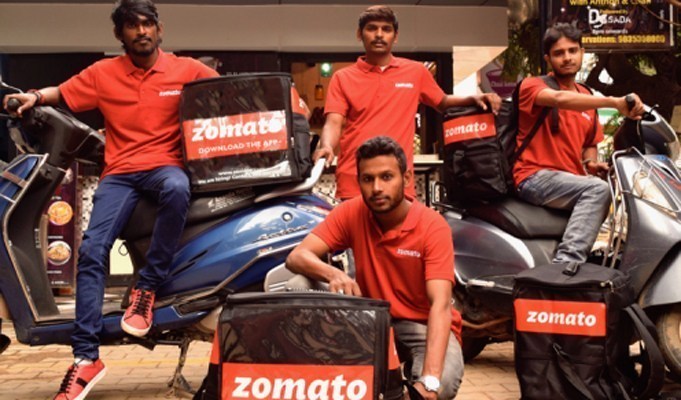
    Shares of Indian food-delivery company Zomato plunged 14.3 per cent to a record low today, as a one-year lock-in period for promoters, employees and other investors came to an end following last year’s listing.

    Zomato made a stellar debut on July 23 last year in the Mumbai market, but its shares have lost more than 60 per cent of their value since then.

    “Investors are concerned about the sell-off through employees and promoters,” said Prashanth Tapse, VP of research at Mehta Equities.

    Investors are also not comfortable with the acquisition of Blinkit, he said, adding that the fundamentals of the company were still good.

    Including Monday’s losses, Zomato shares have lost nearly 30 per cent since the company announced its deal to buy local grocery delivery startup Blinkit in June.

    Today, the stock posted its biggest intraday percentage drop since Janaury 24 in heavy-volume trade of 2.7 times the 30-day average.

    The company now has a market value of 366 billion rupees ($4.58 billion), compared with 1.29 trillion rupees at its peak in November.

    Analysts say Zomato needs to pump more money into Blinkit as the quick-commerce sector grows at a rapid clip, with rivals Swiggy, Reliance Industries-backed Dunzo, Tata-backed BigBasket and Zepto making big investments.

    Zomato is scheduled to report its first-quarter results on August 1. The company had reported a 75 per cent jump in fourth-quarter revenue in May, while gross order value – or the total value of all food delivery orders on its online platform – surged 77 per cent year-on-year to a record high.

    On Friday, Reuters reported that Domino’s Pizza’s India franchise will consider taking some of its business away from Zomato and Swiggy if their commissions rise further.

    In February, Zomato reported a smaller third-quarter loss, helped by a one-time gain from a stake sale, while revenue jumped due to increased demand for restaurant meals.

    Zomato’s dining out business, which offers customers discounts and offers when they eat out at partner restaurants, strengthened as eateries and bars reopened following a drop in Covid-19 cases during the quarter, while the company’s core food delivery business continued to grow.

    “The revival of in-restaurant dining (in the third quarter) led to some green shoots in our dining-out ad-sales business,” the Gurugram-based firm said in a regulatory filing.

  • Reliance Retail inks franchise deal with Gap

    Reliance Retail inks franchise deal with Gap

    Reliance Retail Ltd on Wednesday announced its long-term partnership with Gap and plans to bring the iconic American fashion brand to India.

    “Through a long-term franchise agreement, Reliance Retail has become the official retailer for Gap across all channels in India,” said a joint statement.

    Reliance Retail will introduce Gap’s offerings to Indian consumers through a mix of exclusive brand stores, multi-brand store expressions and digital commerce platforms.

    “The partnership is aimed at leveraging Gap’s position as a leading casual lifestyle brand and Reliance Retail’s established competencies in operating robust omni-channel retail networks and scaling local manufacturing and driving sourcing efficiencies,” it said.

    Founded in San Francisco in 1969, Gap is considered as an authority on modern American style. It continues to build on its heritage grounded in denim and connect with customers online and in company-operated and franchise retail locations globally.

    Reliance Retail CEO, Fashion & Lifestyle, Akhilesh Prasad said: “We believe that Reliance and Gap complement each other in their vision to bring industry-leading fashion products and retail experiences to their consumers.”

    Managing Director of International, Global Licensing and Wholesale at Gap Inc Adrienne Gernand said: “Partnering with regional experts, like Reliance Retail in India, allows us to deliver our relevant, purpose-driven brand to customers around the globe, while continuing to diversify our business portfolio through our partner-based model.”

    Reliance Retail is a subsidiary of Reliance Retail Ventures Ltd (RRVL), the holding company of all the retail companies under the Reliance Industries Ltd group.

    RRVL reported a consolidated turnover of Rs 1,99,704 crore ($26.3 billion) for the year ended on March 31, 2022.

    Gap Inc products are available for purchase worldwide through company-operated stores, franchise stores and e-commerce sites. Its net sales for the fiscal year 2021 was at $16.7 billion.

  • Kacific Deploys Over 2,500 Sites for Indonesia’s Government

    Kacific Deploys Over 2,500 Sites for Indonesia’s Government

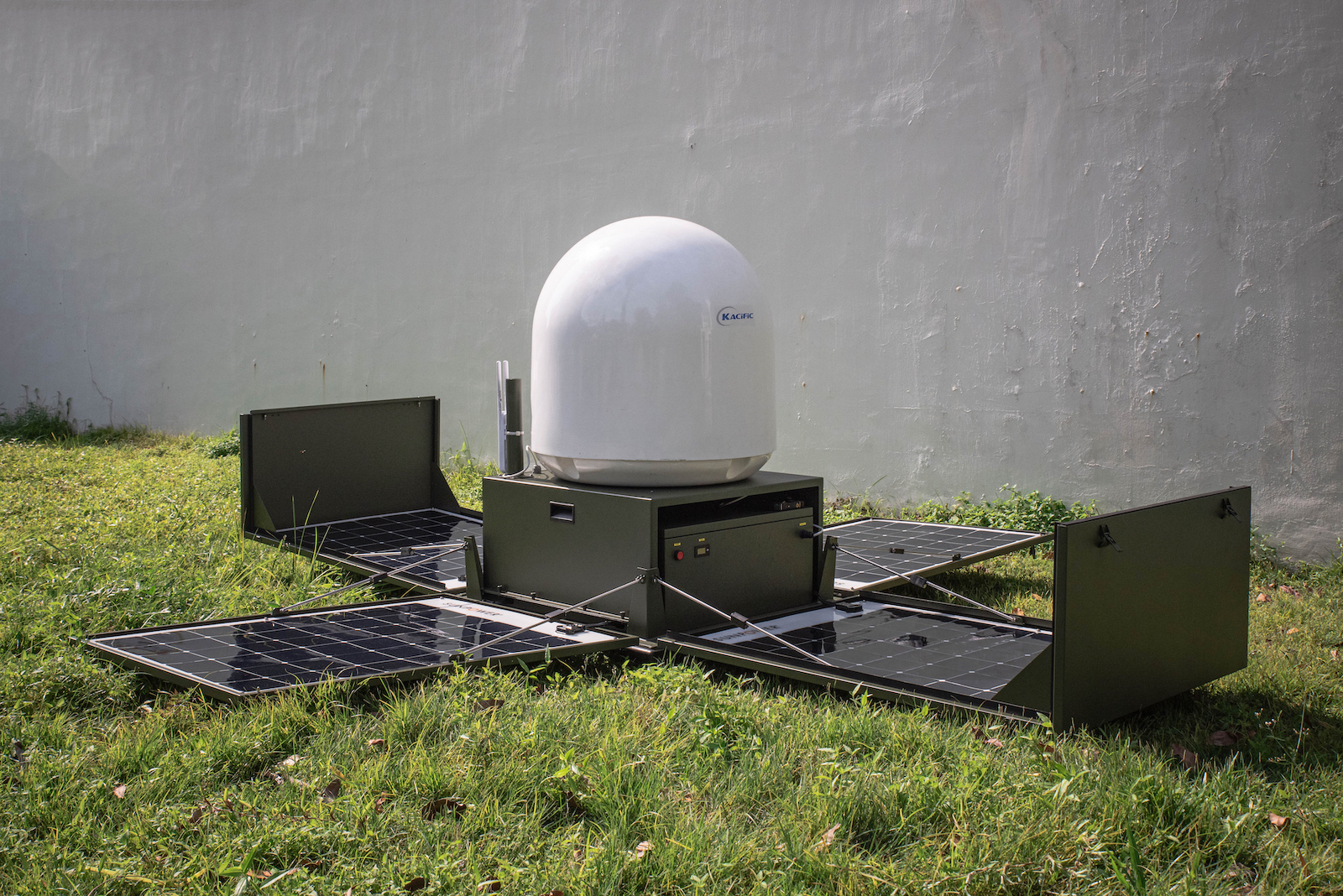
    Kacific Broadband Satellites Group, along with local partners PT Bis Data Indonesia (BIGNET) and PT Primacom Interbuana (PRIMACOM), has completed the deployment of over 2,500 sites, in a record five month timeframe, to provide satellite internet access to government infrastructure in remote areas of Indonesia. This project is led by the nation’s Telecommunication and Information Accessibility Agency (BAKTI) using funds from the Universal Service Obligation.

    BAKTI manages the Universal Service Obligation (USO) fund and the provision of telecommunications infrastructure and services. One of its major projects is to provide public internet access, through satellite services, in areas that have little or no access to affordable internet services: the 3T (disadvantaged, frontier, outermost) areas, border areas and other areas that are not considered economically viable by terrestrial service providers.

    Under this extensive and rapidly completed project, Kacific, BIGNET, and PRIMACOM worked with BAKTI to provide high-speed internet access to schools, vocational training centres, community health centres, tourist locations, village halls and government offices. The deployment of sites at remote destinations in multiple islands throughout the length of Indonesia was a logistical challenge.

    Kacific is one of the largest service providers for BAKTI’s project, due to its ability to meet demand in terms of high-speed bandwidth at the most competitive price. It is the only provider offering high-throughput Ka-band satellite services.

    The Kacific sites are pooled, allowing BAKTI to secure guaranteed bandwidth at every single site. Each terminal can achieve fast speeds of over 85 Mbps, easily meeting BAKTI requirements of 10 Mbps speeds from operators. Satellite services will also be used to support an improvement in the quantity and quality of transmission services for BAKTI’s Lastmile BTS program and other programs.

    “The Government of Indonesia display great leadership in their vision to connect all Indonesians. They are swiftly executing their impressive planning for nationwide connectivity with BAKTI successfully managing connectivity projects. Many countries would greatly benefit if they had a similar approach to addressing the digital divide,” said Christian Patouraux, CEO, Kacific.

    “BAKTI’s project aligns with Kacific’s mission to bridge the digital divide by providing access to affordable, high-speed internet in the most remote and under-served areas. The agency has made an excellent choice to use satellite technology to rapidly connect these communities, because of its ability to reach pockets of population in challenging geographies.”

    “I’d like to recognise the work of our local partners, BIGNET and PRIMACOM, who have been crucial in successfully delivering this project. They have expertise in managing large-scale telecommunications projects, but most importantly, they too want to increase the quality of life for Indonesian communities by allowing them to participate in the digital world,” said Patouraux.

    “With this satellite connectivity project, we take a significant step forward to our goal of the equal distribution of information and communication technology, to strengthen national unity, fuel economic growth and strengthen national resilience for disasters and emergencies,” said Bambang Noegroho, the Director of Infrastructure from BAKTI.

    “Kacific and its partners have completed a large-scale deployment in a very short timeframe, building a comprehensive network of satellite connectivity across Indonesia. This partnership connecting previously unserved or underserved communities is already benefiting hundreds of thousands of Indonesians. It will continue to improve education, health and security of our people into the future,” Bambang Noegroho also added.

    “BIGNET has become a partner of Kacific in 2015 long before its first satellite was launched. From the very beginning, I believed that Ka-Band HTS would be a game changer in Indonesia satellite industry. It was proven that in 2020, BAKTI awarded BIGNET a contract over 4 Gbps that covers over 2000 sites all over Indonesia, mostly in eastern part of Indonesia where is the internet connectivity is lowest compared to the western part of Indonesia. I’m proud to say that now Kacific has contracted nearly 100% of its capacity that cover Indonesia archipelago. It gives a huge impact to hundreds of thousands of people of Indonesia through education, health care and government offices in the area,” said Nicolas Tannady, CEO, BIGNET.

    “Satellite broadband is an increasingly important part of the telecommunications services PRIMACOM provides as it allows us to reach new markets and to provide specialised services in any location within Indonesia. We have been impressed with the speed, reliability and ease of deployment of Kacific’s satellite services,” said Domy K. Santoso, Marketing Director, PRIMACOM.

  • India Approves 5G Spectrum Auction, Includes Bandwidth for Private Networks

    India Approves 5G Spectrum Auction, Includes Bandwidth for Private Networks

    India will be holding a 5G spectrum auction by the end of July, with frequencies set aside for private mobile networks.

    This was announced by the Union Cabinet chaired by Prime Minister Narendra Modi. 72 GHz of spectrum will be auctioned for a 20-year tenure across frequency bands including 600 MHz, 700 MHz, 800 MHz, 900 MHz, 1800 MHz, 2100 MHz, 2300 MHz, 3300 MHz, and 26 GHz. According to the Department of Telecommunications (DoT), 5G will be rolled out first in 13 major cities including Ahmedabad, Bengaluru, Chandigarh, Chennai, Delhi, Gandhinagar, Gurugram, Jamnagar, Hyderabad, Pune, Lucknow, Mumbai, and Kolkata.

    All three telecom operators, Reliance Jio, Vodafone Idea and Bharti Airtel are expected to participate in the upcoming auction. In addition, enterprises can acquire spectrum directly from the DoT to set up private networks to support applications in IoT and AI.

    Bandwidth reserved for private networks has been met with mixed sentiment. On one hand, the Cellular Operators Association of India (COAI) argues that this could diminish revenue. On the other hand, the Broadband India Forum (BFI) claims that this is a misconception.

  • Skoda Auto India’s Sales & Service Network Crosses 205 Outlets

    Skoda Auto India’s Sales & Service Network Crosses 205 Outlets

    Skoda Auto India has announced expanding its total customer touchpoints to over 205 outlets, across 123 cities. The carmaker says that it has 175 touchpoints in India in December 2021, and in the last six months the company has added more than 30 outlets. However, we must tell you that these are not just the larger dealerships, but rather also include Skoda’s low-cost sales and service touchpoints, which the company has been launching in tier 2 and tier 3 cities to have a wider network. Compared to a traditional dealership, these smaller outlets are 2- or 3-car showrooms with 2-bay workshops.

    Zac Hollis, Brand Director, Skoda Auto India said, “By rapidly increasing our customer touchpoints and expanding our network, we have the largest ever-presence of the Skoda brand in India. Not only have we expanded in quantity but have also focused on quality with our revolutionary digitalised showrooms.”

    In December 2021, Skoda had around 175 touchpoints in India, across 117 cities, and the company had set a target to reach 225 outlets by the end of 2022. However, given the number of new launches like – Skoda Slavia, Kodiaq and Kushaq Monte Carlo, the company ramped up its expansion plans, and now it is targeting 250 touchpoints by the end of this year. The company aims to add over 10 touchpoints in each of the four zones across India.

    Skoda wants to establish its presence in both metro and non-metro centres, covering important market clusters. In fact, Skoda will soon be opening its first touchpoints in Nagaland at Dimapur, and at Dibrugarh in Assam. In addition to these, the company will be entering or adding centres in other regions like Gandhidham and Morbi, in Gujarat, Ambala in Haryana, Amritsar in Punjab, Warangal in Telangana, Pollachi in Tamil Nadu, Haldwani in Uttarakhand and Tirur is Kerala.

  • India’s Imports Of Cheap Russian Crude Surge Since Ukraine Invasion

    India’s Imports Of Cheap Russian Crude Surge Since Ukraine Invasion

    India has received 34 million barrels of discounted Russian oil since Moscow invaded Ukraine on Feb. 24, according to Refinitiv Eikon data, more than trebling the value of total imports from Russia, including other products, compared with the same period of 2021. The volumes of India’s seaborne oil imports from Russia exclude CPC Blend oil, which is also exported via Russia’s Black Sea port, but mostly supplied by Kazakhstan’s subsidiaries of western countries as transit volumes.

    India’s oil imports from Russia have been rising since February, as Asia’s third largest economy and the world’s third biggest oil importer, turned to deeply discounted Russian oil, mostly Urals crude, to cut its imports bill.

    The country received more than 24 million barrels of Russian crude this month, up from 7.2 million barrels in April and about 3 million in March, and is set to receive about 28 million barrels in June, according to Refinitiv Eikon oil flows.

    Surging energy imports helped push India’s total goods imports from Russia between Feb. 24 and May 26 to $6.4 billion, compared with $1.99 billion in the same period last year, according to government figures seen by Reuters.

    India’s exports to Russia, however, fell nearly 50% to $377.07 million over that period, as its government is yet to set up a formal payment mechanism.

    As the West responded to the invasion with a barrage of sanctions, India has come under fire for its continued purchases of Russian energy. New Delhi has brushed off the criticism, saying those imports made only a fraction of the country’s overall needs and has said it will keep buying “cheap” Russian oil, arguing a sudden stop would drive up costs for its consumers.

    Russian and Indian energy companies have also been discussing term supply agreements and possible acquisitions of stakes in Russian oil and gas projects.

  • India Targets to Roll Out 6G by 2030

    India Targets to Roll Out 6G by 2030

    At an event celebrating the Telecom Regulatory Authority of India’s (TRAI) 25th anniversary, Prime Minister Narendra Modi said that the country is on track to roll out domestically developed 6G by the end of the decade.

    Currently, India’s 5G developments are still underway. Modi noted that connectivity will determine the pace of India’s growth, making it important for the country to pursue modernization at every level.He called for accelerated 5G network deployments to boost the Indian economy, which is projected to add $450 billion to the country.

    “5G technology will bring positive change in the governance of the country, ease of living and ease of doing business,” Modi stressed. “It will boost growth in agriculture, health, education, infrastructure and logistics.”

    At the same time, Modi announced the country’s first 5G testbeds, which would enable start-ups and industry players to test and validate their products locally and reduce dependence on foreign facilities.

    The Telecom Regulatory Authority of India (TRAI) had recommended a base price for upcoming spectrum auctions. According to sources, the Department of Telecommunications (DoT) is likely to move the 5G spectrum auction proposal to the Union Cabinet for approval next week.


  • Mastercard focuses on Southeast Asia, LatAm after India ban, Russia exit

    Mastercard focuses on Southeast Asia, LatAm after India ban, Russia exit

    Southeast Asia and Latin America are strong growth regions for Mastercard after its withdrawal from Russia in March and India’s 2021 ban on it from issuing new cards, the company’s co-president for international markets said.

    “Southeast Asia is exciting (due to) the right demographics, the adoption of technology and digitisation, and governments’ focus on financial inclusion,” Ling Hai told the Reuters Global Markets Forum, adding that countries in the region would also benefit as supply chains shift away from China.

    India’s central bank banned Mastercard after declaring it “non-compliant” with the country’s 2018 rules that required foreign card networks to store Indian payments data locally for “unfettered supervisory access”.

    “Our sense is we are getting really close to a resolution,” Hai said on the India ban, adding that the company was working “very constructively” with the Indian government and the Reserve Bank of India (RBI).

    Hai said Mastercard was ready to comply with India’s local data-storage rules. “The goal is to be 100% compliant. Anything we need to localise in India, we are taking tangible steps to get there.”

    Mastercard says India is a key growth market and has invested $2 billion in the country since 2014 to build technology centres and support innovation in digital payments.

    Mastercard suspended operations in Russia – a market that accounted for roughly 4% its net revenue in 2021 – in March, over its invasion of Ukraine.

    In Russia, if an opportunity arose to improve rules and regulations in areas such as financial inclusion, sustainability and data privacy, Mastercard will “work towards changing them together with other stakeholders in the ecosystem, including the government themselves”, Hai said.

    Hai also said that Europe was an exciting market for the company due to its post-COVID economic recovery and the scope of innovation that the continent offers.

    Besides geography, the payment network company is also focusing on high-growth parts of the business, such as business-to-business payments flows, telecommunications and retail.

  • Porsche To Enter Pre-Owned Car Segment In India

    Porsche To Enter Pre-Owned Car Segment In India

    The pre-owned car segment is a lucrative market, especially for a luxury carmaker like Porsche as it prepares to open it’s first ‘Porsche Approved’ pre-owned car store in Kochi on June 8, 2022. Part of the Volkswagen Group, the Porsche Approved Centres joins VW’s Das WeltAuto, and Audi Approved Plus program as the German carmaker aims to strengthen its one-stop solution to buy, sell or exchange certified pre-owned cars. Porsche says buyers would get an exclusive opportunity to discover and experience Porsche cars in an innovative way. More details would be shared at the time of the launch of the new Porsche Approved centre.

    Also Read: Volkswagen India Launches Das WeltAuto Excellence Centres For Pre-Owned CarsThe Porsche Approved centres will majorly focus on buying, selling, or exchanging pre-owned Porsche cars. Through this platform, the carmaker aims to provide competitively pricing for the used cars along with genuine accessories, insurance, and financial support to its customers. Porsche could also offer service and warranty packages.

    At present, Volkswagen has close to 120 Das WeltAuto centres across India. Since its launch in 2019, VW sold close to 3,000 cars, while that figure crossed 10,000 in 2020. The number doubled in 2021 as the carmaker sold more than 20,000 units through its pre-owned car centres.  On the other hand, Audi India is ramping up its pre-owned car business “Audi Approved Plus” to enable buyers to upgrade without having to spend on a new luxury car. The company aims to start at least 20 such centres by the end of 2022, from its current 14 centres.

  • Ford Shelves Plans To Manufacture EVs In India

    Ford Shelves Plans To Manufacture EVs In India

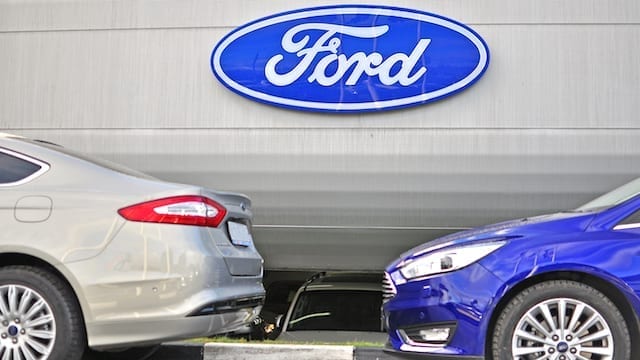
    Ford India has shelved its plans to manufacture EVs in India. The carmaker had as part of its ongoing business restructuring applied for the Indian Government’s Product Linked Incentive (PLI) scheme. Under the PLI scheme, Ford had considered utilizing one of its two manufacturing facilities to manufacture EVs for exports and domestic markets though it has now announced that it is no longer pursuing that avenue.

    In a statement, the company said, “After careful review, we have decided to no longer pursue EV manufacturing for exports from any of the Indian plants. We remain grateful to the Government for approving our proposal under the Production-Linked Incentives and for being supportive while we continued our exploration.”

    Ford India had announced a halt to its domestic car manufacturing operations in September last year, with manufacturing for export markets ending by the end of the calendar year. The company though had carried on manufacturing engines for export markets which too are set to close this quarter (Q2 2022).

    Coming to how this would affect its manufacturing facilities in India Ford commented, “Ford India’s previously announced business restructuring continues as planned, including exploring other alternatives for our manufacturing facilities. We continue to work closely with unions and other stakeholders to deliver an equitable and balanced plan to mitigate the impacts of restructuring.”

    Ford’s current restructuring plans involve moving to a CBU only line-up for the Indian market with models such as the Mustang and the all-electric Mach-e expected to be on the card for India with other models from its global range also likely to be considered. The company is also looking to sell its existing manufacturing facilities in the country with Tata Motors and Hyundai reportedly interested in acquiring the plants.

  • Indian startup Zoomcar bets on Vietnam as key Southeast Asian market

    Indian startup Zoomcar bets on Vietnam as key Southeast Asian market

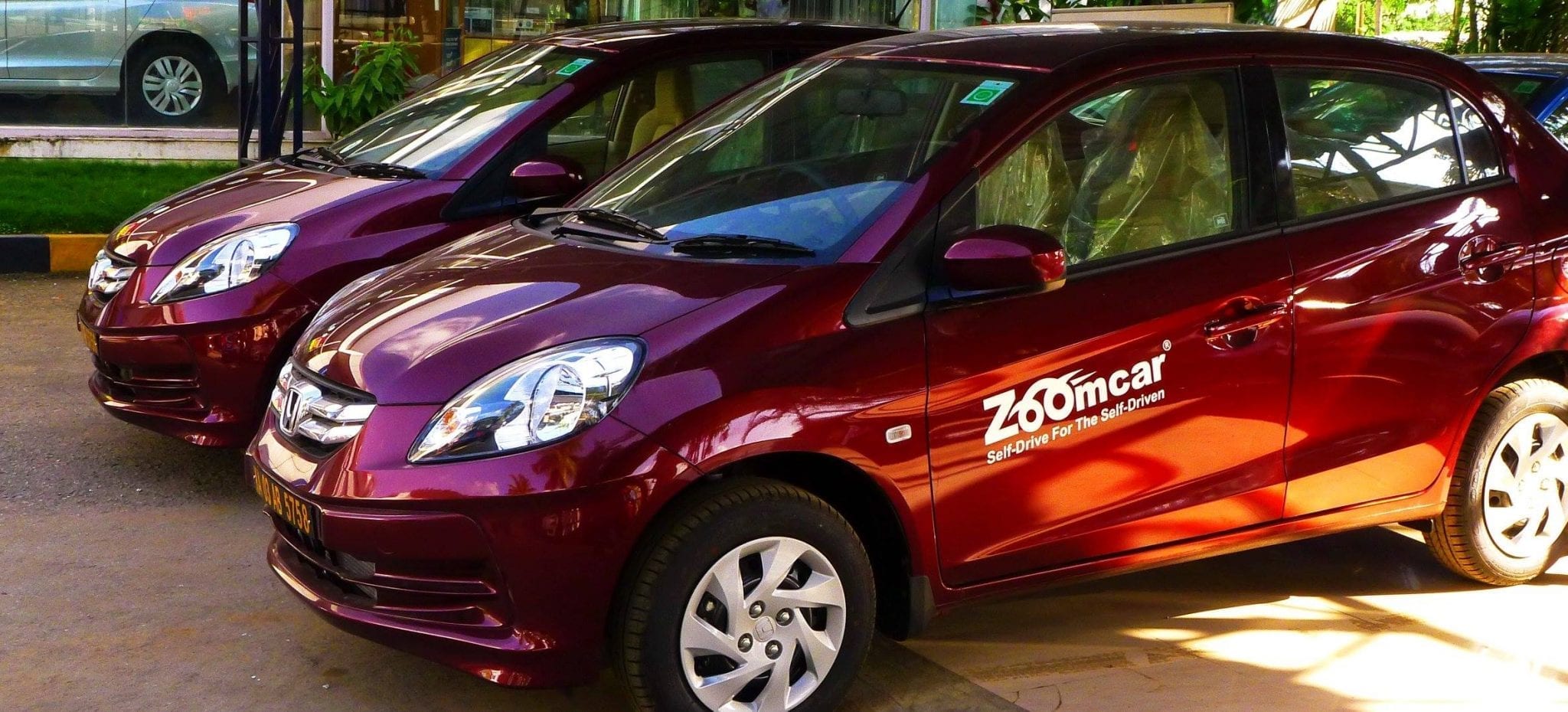
    Indian car rental startup Zoomcar eyes Vietnam as a major Southeast Asian market to take advantage of the rising demand for car ownership among its expanding middle class. Vietnam is set to account for 10 percent of Zoomcar’s revenues in the next financial year, which translates to $8 million, Kiet Pham, vice president and country director of Zoomcar Vietnam said.

    In Southeast Asia, the company is focusing on Indonesia and Vietnam, and plans to invest $100 million in the two countries. In Vietnam, it has around 1,000 cars for rent, or 10 percent of its total global number. To achieve the number, Zoomcar has been giving out large rewards to car owners to list their vehicles on its platform. An owner who listed during the four-day holiday earlier this month received VND3 million ($131).

    Zoomcar is also willing to burn cash to change Vietnamese consumers’ habit and make them familiar with renting cars.

    Kiet said the company is willing to spend $25 million to expand its presence in Vietnam. It has raised $207 million since its establishment.

    For Vietnamese users, though it is one of the top car rental companies in India, Zoomcar remains a new brand as it has only been active in HCMC for four months.

    Kiet said Zoomcar is betting big on Vietnam because the country is the fourth biggest car market (in terms of sales) in Southeast Asia and only 5.7 percent of households had a car in 2020.

    The dwindling sales of motorbikes, the expanding middle class and the development of major infrastructure projects are set to increase car usage, he added.

    Vietnam’s car rental market is set to reach $550 million this year and will grow by 10.9 percent annually in the next five years, according to data portal Statista. By 2026, it will reach $840 million with 8.7 million users.

    Kiet said: “This is the right time to enter the market. There is a lot of support for our entrance.”

    The number of trips has been doubling every month in the last four months, he said.

    “Those figures exceed our initial targets.”

    Traditionally, customers have to make a deposit of VND15-20 million, submit their household registration book, a vital identification document in Vietnam. Customers and hire a car for at least one day.

    On Zoomcar, users are not required to put down any deposit or documents, and can rent for six hours.

    But the commission of 40 percent of rental it charges discourages some car owners, who complain it is too high.

    Kiet defended it by saying it is an appropriate ratio to ensure the company has enough resources to develop the market and bear the risks of operation so that car owners only need to list their vehicles and not worry about customers’ trustworthiness.

    He also spoke about the low number of vehicles, saying only 50 percent of registered owners make them available at a time, at a time when the number of renters is increasing.

    The low rate of people with driver’s licenses (estimated to be 3 percent of the HCMC population) is also a challenge, he said.

    The company believes however that car rental would become a future trend in Vietnam as has happened in Singapore and the U.S., he said

    The company hopes to expand to Hanoi this quarter, he added.

  • India to launch open e-commerce network to take on Amazon, Walmart

    India to launch open e-commerce network to take on Amazon, Walmart

    The Indian government is all set to launch an Open Network for Digital Commerce to end the dominance of the US-based e-commerce companies like Amazon and Walmart in India. The ONDC platform will let buyers and sellers interact with each other and transact online. The launch of the ONDC platform comes in the wake of India’s antitrust body raid on domestic sellers of Amazon and some of Walmart’s Flipkart. The company’s were accused of violating the laws.

    With the launch of ONDC, the government aims to promote an open platform for the exchange of goods and services through electronic networks. The open network platform will be launched in five cities including Delhi NCR, Bengaluru, Bhopal, Shillong and Coimbatore, an official said on Thursday. It would later be expanded to other cities.

    As per Reuters report, the Modi government and its key supporters have long contended that Amazon and Flipkart only benefit a few big sellers through predatory pricing. However, the companies have always maintained that they comply with the laws set by the Indian government.

    Amazon and Flipkart are yet to react to the government’s ONDC platform. The report stated that India’s ONDC plan aims to onboard 30 million sellers and 10 million merchants online. The plan is to cover at least 100 cities and towns by August. The government will focus on apps in local languages for buyers and sellers. The apps would highlight small merchants and rural consumers.

    The government in a document revealed that the retailers and venture capital firms have lended support to the ONDC plan. Banks such as State Bank of India, ICICI Bank and Bank of Baroda have already committed total investments of 2.55 billion rupees.

    As per an investigation conducted by Reuters last year, Amazon was accused of giving preferential treatment for a years to a specific group of sellers on its platform and used them to bypass Indian laws. Amazon had denied the allegations.

  • India’s Tata launches “super app” in challenge to Amazon, Walmart

    India’s Tata launches “super app” in challenge to Amazon, Walmart

    India’s Tata Group on Thursday launched its much-awaited e-commerce “super app” offering everything from apparel to air tickets in a renewed push for a slice of a fast growing market dominated by Amazon.com and Walmart’s Flipkart.

    Tata Neu, which has been in the works for about two years, is a single platform for the group’s brands, including Westside fashion, Air Asia tickets, Croma electronics, the Taj group of hotels, BigBasket online grocery and 1mg online pharmacy.

    “Our aim is to make the lives of Indian consumers simpler and easier,” Tata’s Chairman N Chandrasekaran said on LinkedIn, adding that its joint venture airline Vistara and recently acquired Air India, as well as watch brand Titan will be available on the app soon.

    The 154-year-old group, which raked in $103 billion in revenue in 2020-21, is a leading player in steelmaking, IT outsourcing and utilities but arguably best known internationally as the owner of British luxury car brand Jaguar Land Rover. It also makes cars at home under its own brand.

    Tata also has an expansive offline retail portfolio, including a joint venture with Starbucks Corp. Its fashion and watch stores are ubiquitous on Indian high streets and it operates stores for Inditex fashion brand Zara.

    Despite launching the Tata CliQ online marketplace in 2016, the group has been a minnow in an e-commerce market widely projected to be worth $200 billion by 2026. With Tata Neu the group is determined to change that, sources told Reuters last year.

    Tata Neu will offer a membership program and a cross-brand loyalty scheme where customers can earn and redeem rewards while making purchases on the app.

  • Shopee to shut down India operations

    Shopee to shut down India operations

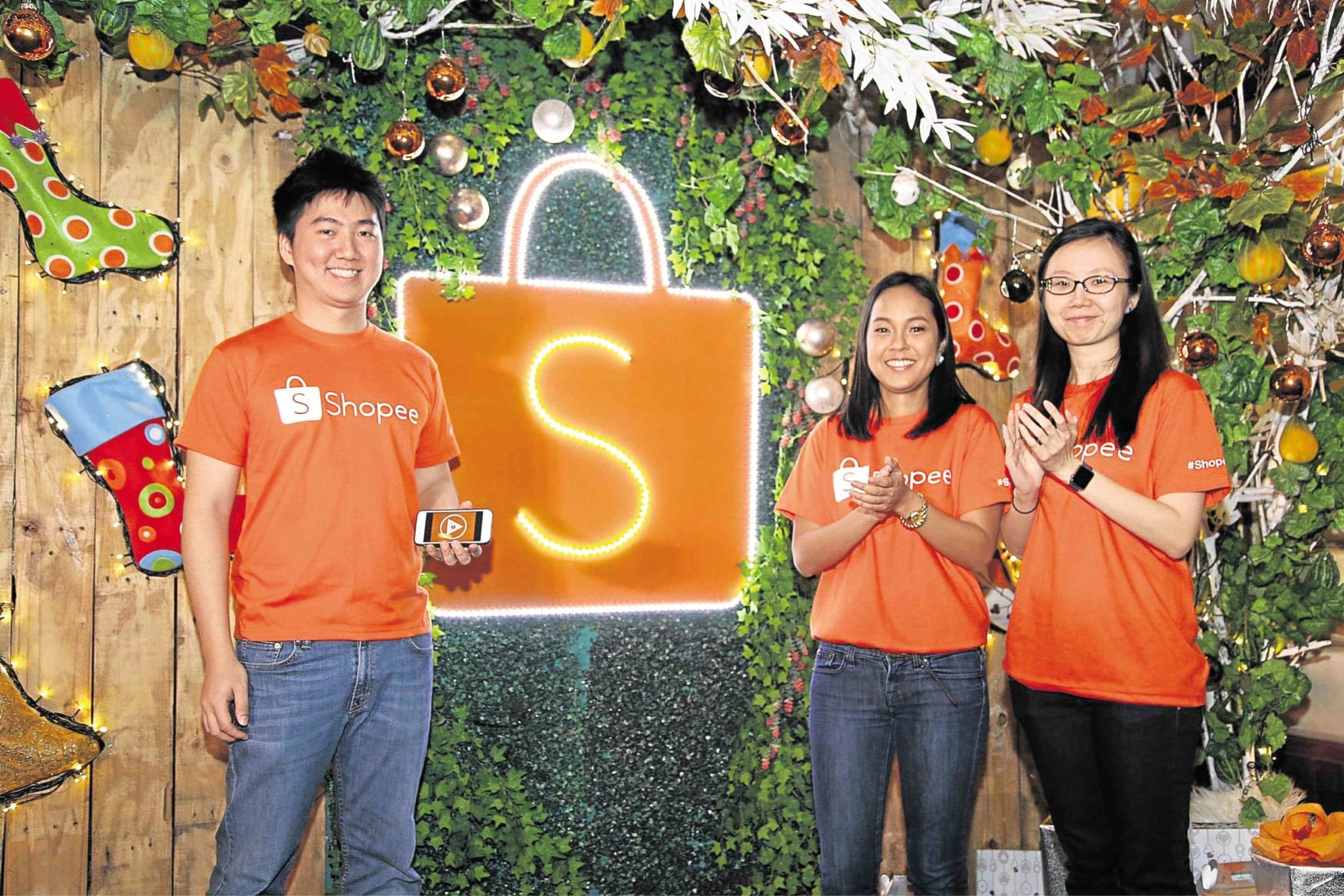
    E-commerce and gaming firm Sea said on Monday it is withdrawing from India’s retail market just months after starting operations there, the second pullback this month in an overseas expansion drive, as the loss-making firm faces a weak growth outlook.

    The withdrawal, effective beginning March 29, comes weeks after its e-commerce arm Shopee said it was pulling out of France and after India banned Sea’s popular gaming app “Free Fire”.

    After the ban, the market value of New York-listed Sea dropped by $16 billion in a single day, leading some investors to cut holdings in the Singapore-headquartered company.

    Shopee said in a statement its withdrawal came “in view of global market uncertainties” and that the company would make “the process as smooth as possible”.

    Sea earlier this month said revenue growth of its e-commerce business was expected to halve to around 76 percent this year from a blistering 157 percent in 2021, amid fewer online purchases and engagements as more countries emerge from the pandemic.

    “Due to a drastic shift in the market sentiment towards growth stocks, all these e-commerce companies are under real pressure to at least break even as soon as possible,” said LightStream Research equity analyst Oshadhi Kumarasiri, who publishes on the Smartkarma platform.

    Sea’s U.S.-listed shares fell 3.2 percent to $112.35 in afternoon trading.

    The company’s shares had already dropped 11 percent in January after Chinese tech giant Tencent announced it was selling 14.5 million shares in the group.

    There is no clear evidence that the decision to withdraw from India is based on government pressure or other operational decisions, Citi analyst Alicia Yap said.

    Reuters was the first to report Sea’s decision on its Indian operations.

    Shopee’s India business began in October 2021 as part of an aggressive international push that saw it expand into Europe. Sea’s market cap at the time was as much as $200 billion. It has since dropped to $64.76 billion in March 2022.

    The local unit, Shopee India, recruited local sellers and launched a shopping website and app. India’s fast-growing e-commerce market was already dominated by such players as Amazon.com Inc and Walmart’s Flipkart.

    One person with direct knowledge of the company’s thinking said Shopee’s decision to exit from India was sparked in part by stricter regulatory scrutiny that saw Sea’s gaming app Free Fire banned as part of a crackdown on companies allegedly sending data to servers in China.

    Sea said earlier in March it does not transfer or store data of Indian users in China.

    The person said Shopee had been planning to invest up to $1 billion in India, and that the pullback would hurt Indian logistics firms with whom it had signed lucrative contracts.

    The company, asked to comment on the figure, disputed the number as “not accurate”, without giving details, saying “the decision regarding Shopee India has nothing to do with regulatory matters”.

    “We continue to work on addressing the situation with Free Fire in India,” the firm added.

    Reuters reported in February, citing sources, that Singapore authorities had raised concerns to India over the ban, asking why Sea had been targeted.

    E-commerce players face a strict regulatory environment in India. New Delhi has for years imposed restrictions to protect smaller brick-and-mortar retailers.

    Offline retailers in India have often alleged foreign companies bypass regulations and offer deep discounts that hurt their business, allegations the companies deny. Shopee had in recent months faced boycott calls from such traders in India.