Tag: india

  • Apple India partner plans 75 new stores

    Apple India partner plans 75 new stores

    Apple premium reseller Unicorn Infosolutions is planning to set up 75 stores in the next three years, a senior company official said on Friday.

    Unicorn Infosolutions director Baljinder Paul Singh said the company is planning to open stores in north and west India, and if iPhone maker Apple recommends then stores will be opened in the southern and eastern region of the country as well.

    “Apple is growing. There is a great aspiration to buy Apple products in the country. We planned flagships two years back. It is just one after the other three flagships have been opened in the last one year. Today we are at 33 stores, then there is a horizon of bold ambition to get to 75 stores in the next 3 years,” Singh said.

    He was speaking at an event to launch the Apple Premium Reseller flagship store for Apple products at CyberHub in Gurugram.

    “This is our first flagship store in the city. Our customers will get to experience a wide range of Apple’s latest products and services and receive technical support from experts,” Singh said.

  • Flipkart Enters Strategic Alliance with Google Cloud to  Advance Innovation in a Digital-first Future

    Flipkart Enters Strategic Alliance with Google Cloud to Advance Innovation in a Digital-first Future

    Google Cloud and Flipkart, India’s homegrown consumer internet ecosystem, have entered into a multi-year strategic partnership to help fast-track Flipkart’s innovation and cloud strategy. This partnership will propel Flipkart into its next phase of growth and advance its vision of onboarding India’s next 200 million shoppers and lakhs of sellers.

    Working together, Google Cloud will help Flipkart:

    • Scale on Google Cloud’s infrastructure to reach more Flipkart customers — By leveraging Google Cloud’s secure and scalable global infrastructure and advanced networking technologies, Flipkart will be able to deliver robust app access and performance even during peak purchase seasons with heightened traffic. Flipkart will also continue to advance the pace of new product development by building on Google Cloud, furthering its expansion into Tier 2 and Tier 3 markets in India.

    • Accelerate data-led innovation to unlock customer insights — Flipkart will make its data platform more efficient by deploying Google Cloud’s advanced data analytics and machine learning technologies. This will enable the company to better analyze traffic and transactional data, unlock rich real-time insights into customer purchasing and shopping behavior,  identify trends and patterns with increased demand and create more personalized recommendations to enrich customer experience.

    • Advancing productivity and collaboration globally with Google Workspace — As a long time Google Workspace customer, Flipkart will expand its use of the flexible, innovative solution across its rapidly growing workforce to create innovative human-centered employee experiences and deepen connections in this new hybrid work environment.

    Jeyandran Venugopal, Chief Product and Technology Officer, Flipkart said, “Our strategic alliance with Google Cloud will enable us to accelerate our digital transformation, power productivity and advance our innovation agenda. We are excited by Google Cloud’s unique strengths and experience in AI/ML and its proven scalability and security, all of which will be critical in our next phase of growth.”

    “Flipkart’s growth in India has been powered by its digital-first strategy and forward thinking approach to cloud technology. As the company continues to scale and grow its ecommerce platform, we will work together to drive technological innovations and help Flipkart drive breakthrough businesses in the future,” said Bikram Singh Bedi, Managing Director,  Google Cloud India.

  • Zalora label arrives in India in a partnership with Myntra

    Zalora label arrives in India in a partnership with Myntra

    On 1st March, India’s fashion e-commerce platform, Myntra, announced its partnership with Zalora, Southeast Asia’s online fashion destination catering largely to the South East Asian markets, including, Singapore, Malaysia, Hong Kong, Taiwan, Philippines and Indonesia. As a house of brands with numerous private labels, Zalora offers an ever-expanding range of popular fashion trends and collections, with a firm focus on catering to evolving consumer needs and preferences.

    The announcement marks the arrival of the first brand from the Southeast Asia region to be brought to consumers in India with a wide range of in-house collections under one umbrella. The brand caters to the fashion-conscious urban value seekers, under the aegis of, Origin, Zalora Basics, Active, Occasion Wear and Work, at an average price point of INR 2500 (US$ 30.3). To begin with, Zalora will be offering approximately 5,000 options on Myntra from its portfolio of in-house brands. Its top selling products include, stylish basics, structured formal dresses, and timeless printed tops for women and suave shirts and sharp T-shirts for men.

    The first of its kind association with Myntra, a leading fashion and lifestyle e-commerce major in the country with a huge base of fashion-forward customers will set Zalora up for a strong start and enable it to establish its footprint in the burgeoning Indian fashion market, and build brand salience with the millions of fashion enthusiasts in the country. As the preferred platform for international brands to foray and scale in India, Myntra, is offering a dedicated brand store for Zalora on Myntra-Mall, its in-app mall to enable leading brands to showcase their offerings and efficiently assist consumers in brand and product discovery.

    Speaking on the launch, Sharon Pais, Chief Business Officer, Myntra said, “Myntra continues to be at the helm of enabling sought-after international brands to reach fashion-conscious consumers in India. Through our partnership with Zalora, we further our commitment to bring the best of global fashion within easy access of our shoppers. Zalora is a leader in the Southeast Asian markets and brings with it trendy and fashionable merchandise. Through this partnership, we continue to cater to the growing base of fashion and trend seekers in India.”

    On their partnership with Myntra, ZALORA Group’s CEO, Ms Gunjan Soni shared, “ZALORA’s commitment to connect more people to the limitless world of fashion went beyond the shores of Southeast Asia and reached the vibrant and exciting fashion consumers of India. We are super proud of our own label for its quality and as it offers a variety of styles, including our special collections made from sustainable materials – simply put there’s something for everyone from the Zalora label. More importantly, joining hands with Myntra reflects the evolving retail and e-commerce opportunity in Asia. ZALORA and Myntra are two e-commerce platforms that significantly impacted how people shop fashion in this part of the world, pushing the boundaries through innovation and cooperation.”

  • Insurance Policy For Electric Scooters In India

    Insurance Policy For Electric Scooters In India

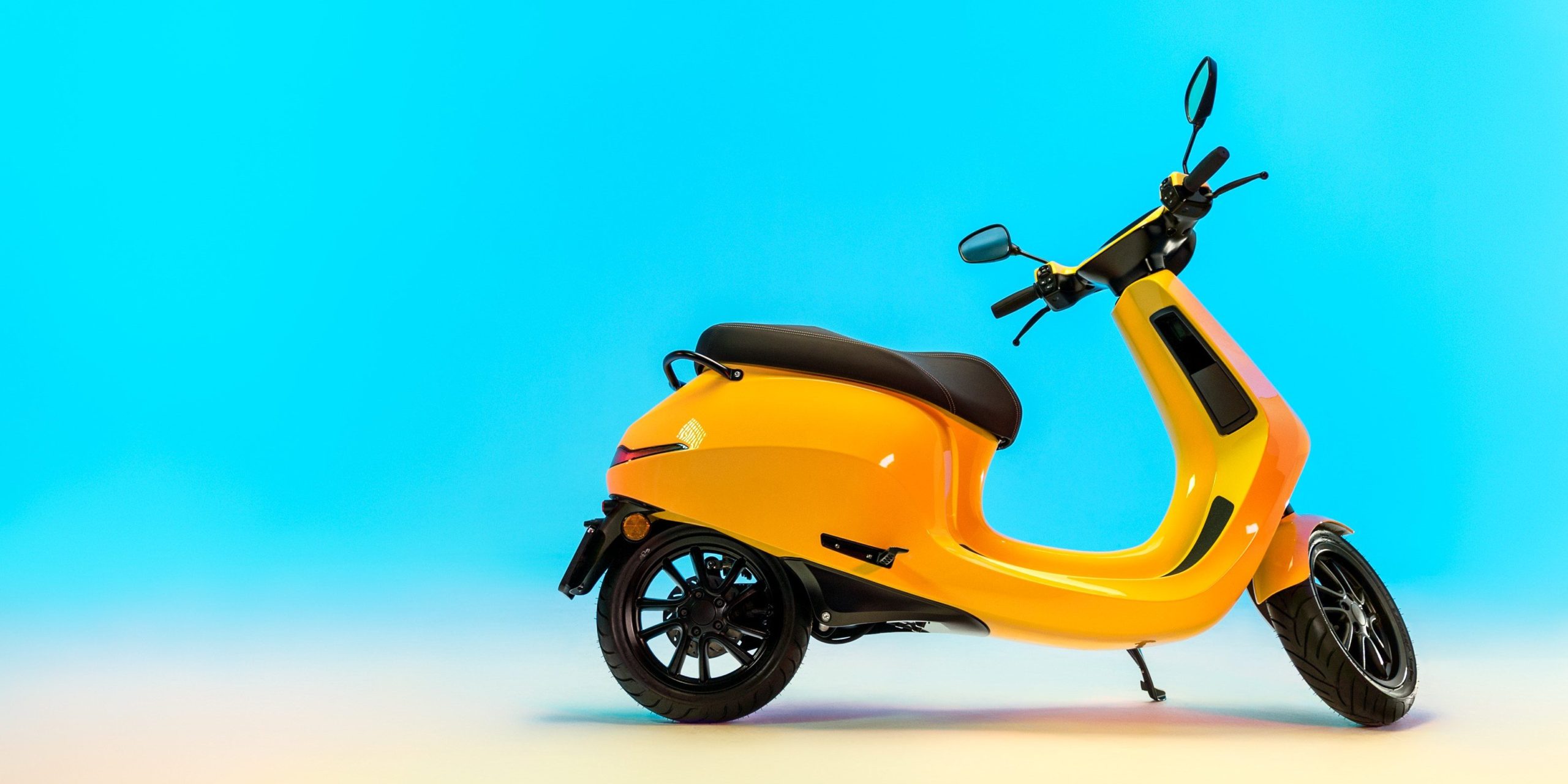
    The government of our country recently created a goal of going “completely electric” to limit the spread of pollution. India is one of the first five countries globally which use conventional fuels. Due to this, the environment faces a grave threat, which is why electric scooters are being promoted more and more these days. Having proper insurance if you have an electric scooter is important as well because your scooter is an asset. When you claim the insurance in case of damage, you get reimbursed.

    Some of the main benefits of getting your electric scooter insured include:

    • Getting insurance for your electric scooter complies with the government’s law. The government requires every vehicle to be registered and insured.
    • It helps you financially in case of accidents and mishaps. The components of electric scooters are very expensive and therefore, having insurance to cover the costs is very important.
    • Even if your electric scooter malfunctions or breaks down, the money will get reimbursed. Thus, an insurance policy saves you from spending money out of your pocket in case of accidents.
    • Go for a policy that offers full coverage at a reasonable price.
    • Prioritize going for digital-based insurance companies since they can be quickly acquired and easily claimed.
    • Compare the pros and cons of numerous policies before locking in on one.
    • Ensure that you are legally ready and responsible.
    • Read the fine print stating the terms and conditions thoroughly before making the purchase.

    DOCUMENTS NEEDED:

    • Proof of Identification – Voter’s ID Card, Aadhaar
    • Proof of Address – Passport, Driver’s License, Aadhaar
    • Recently-Captured Passport-Sized Photographs

    TYPES OF INSURANCES:

    There are generally two variants of electric scooter insurance in India. They are:

    • Third-Party Liability Insurance – Considered to be the main type of insurance, the third-party liability insurance protects the insured vehicle from any sort of financial as well as legal liability caused as a result of accidental damages.
    • Comprehensive Two Wheelers Insurance – This kind of insurance offers an extra layer of security and safety. This policy provides protects the insured vehicle from numerous natural as well as man-made disasters.

    WHY PURCHASE AN INSURANCE POLICY?

    There are two main reasons why you should get your electric scooter insured as soon as possible. They are:

    • Electric Scooters sport a heavy price tag and therefore, they should be insured to save money in case an accident takes place.
    • Electric scooters have high maintenance charges. They are quite powerful and therefore, need as much protection as they can get. An insurance policy guarantees that.

    Getting your electric scooter insured is both a logical and a sensible thing to do if you wish to save money in the long run. There are many insurance companies out there that offer electric scooter insurance. Do proper research and compare the plans before locking on a particular one.

  • India Will Not Give Tesla Any Tax Breaks

    India Will Not Give Tesla Any Tax Breaks

    Any special concessions and tax breaks for the world’s most valuable carmaker and electric car pioneer Tesla have been ruled out by the Indian government. In a report by ETAuto, it has been revealed that the government’s plans for local manufacturing have received an overwhelming response that could generate revenues of over Rs 2.3 lakh crore. Arun Goel, the heavy industries secretary, has revealed companies who have submitted proposals for localization have committed investments in India that go beyond the government’s projections.

    “We have received fresh investment proposals beyond the targeted INR 42,500 crore. The response has been overwhelming and the larger industry has been appreciative of our plan, which explains the robust investment commitment,” Goel said.

    But when asked about potential concessions to facilitate the entry of Tesla in India, he ruled out that possibility. “The concession plan is uniform (for the industry). We are a democracy,” he added.

    Transport minister Nitin Gadkari had also expressed concerns around Tesla’s proposed entry into India where it would start by selling imported vehicles made in its Shanghai Gigafactory.

    “The company (Tesla) wants workers from China and the market of India. This is not possible under the Modi government. Our government’s policy is that if the Indian market has to be used, job opportunities will also have to be given to Indians,” said Minister of State for heavy industries Krishan Pal Gujjar in the Lok Sabha opposing Tesla’s plans for entering India.

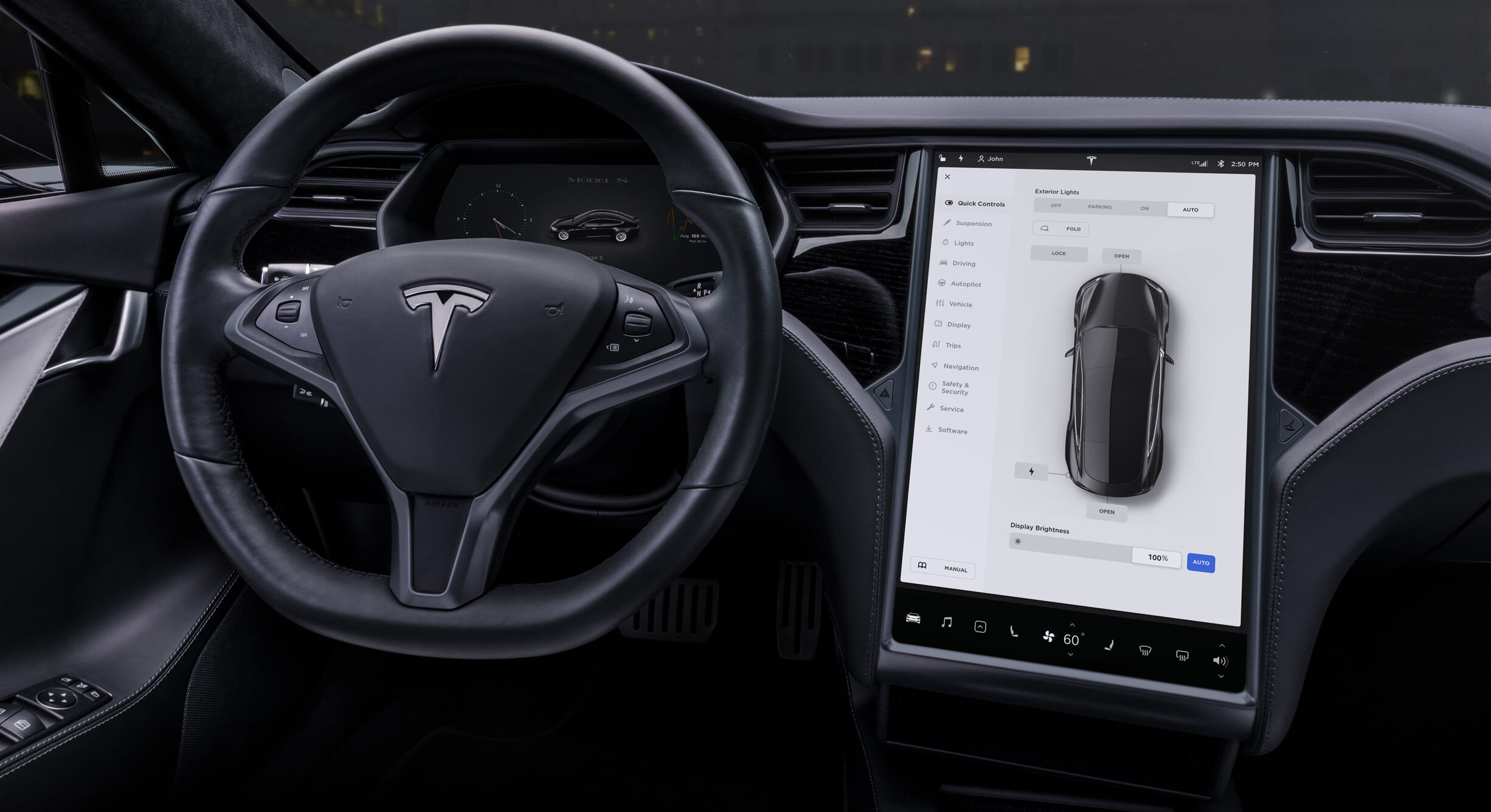
    Tesla’s predicament in India is a tricky one – it wants to leverage what will be the third-largest automobile market in the world, but its products aren’t viable for the market. Its cheapest models are vastly more expensive than the cost of the average sedan, which in turn is further hobbled by a potential 100 percent tax duty. Then there is the lack of local charging infrastructure which has been Tesla’s secret sauce.

    India doesn’t want to give Tesla tax breaks for numerous reasons. It has already secured investments from automotive giants like Hyundai and Mercedes who are making their top-tier EVs in India. It will need to extend the tax breaks to every car maker if exceptions were made for Tesla.

    Then there is the issue of Tesla likely importing its cars from China, a country with which India has had strained relations. On top of this, Prime Minister Narendra Modi’s government has championed localized manufacturing with its “Make in India” scheme so Tesla’s plans are at odds with what the Indian government wants.

  • AirAsia India unveils ‘FlyAhead’ service for fliers to take earlier flight

    AirAsia India unveils ‘FlyAhead’ service for fliers to take earlier flight

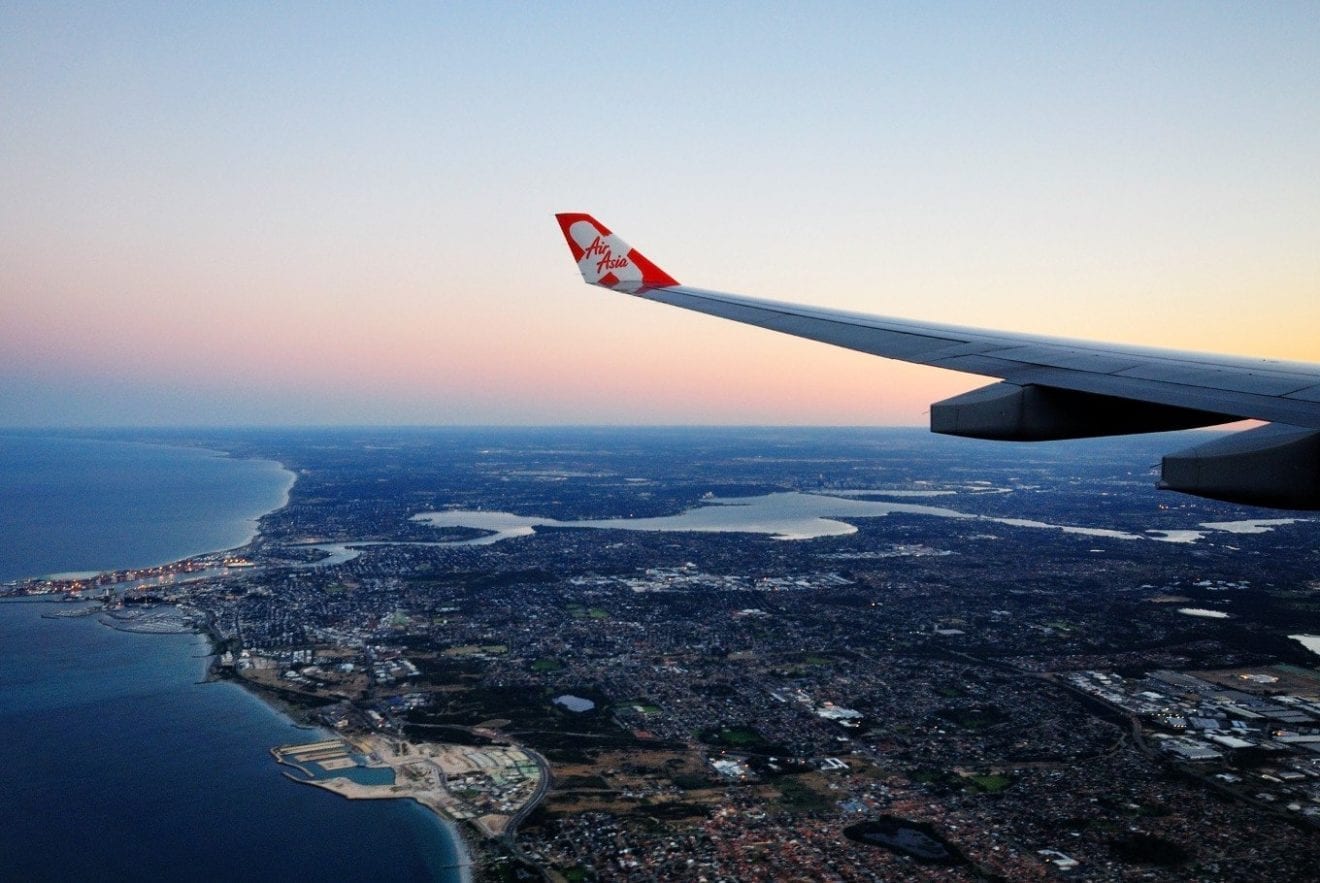
    AirAsia India has unveiled its new ancillary service, ‘FlyAhead’. With the ‘FlyAhead’ service, guests wishing to take an earlier flight will be able to seamlessly opt for this facility.

    The ‘FlyAhead’ service has been launched for a nominal fee of INR 1,500 for guests booked on standard fares and INR 500 for guests booked on Corporate and SME fares. Guests who reach the airport six hours or more prior to their scheduled flight departure can opt for the FlyAhead service at the AirAsia Airport Counter.

    Change fees, which are typically INR 3,000 would be waived for all guests opting for the AirAsia FlyAhead service and fare differences typically charged by airlines would also not be applicable.

    Speaking about the initiative, Dr. Ankur Garg, Chief Commercial Officer, AirAsia India, said: “AirAsia India has consistently developed innovative, future-proof solutions prioritizing the ease and comfort of our guests. Led by our core value of being ‘Guest Obsessed,’ our latest offering ‘FlyAhead’ is a new ancillary service which provides guests a flexible and convenient option to reach their destination ahead of schedule.”

  • Jio Platforms Ltd and SES partner to deliver high-performance satellite-based broadband across India

    Jio Platforms Ltd and SES partner to deliver high-performance satellite-based broadband across India

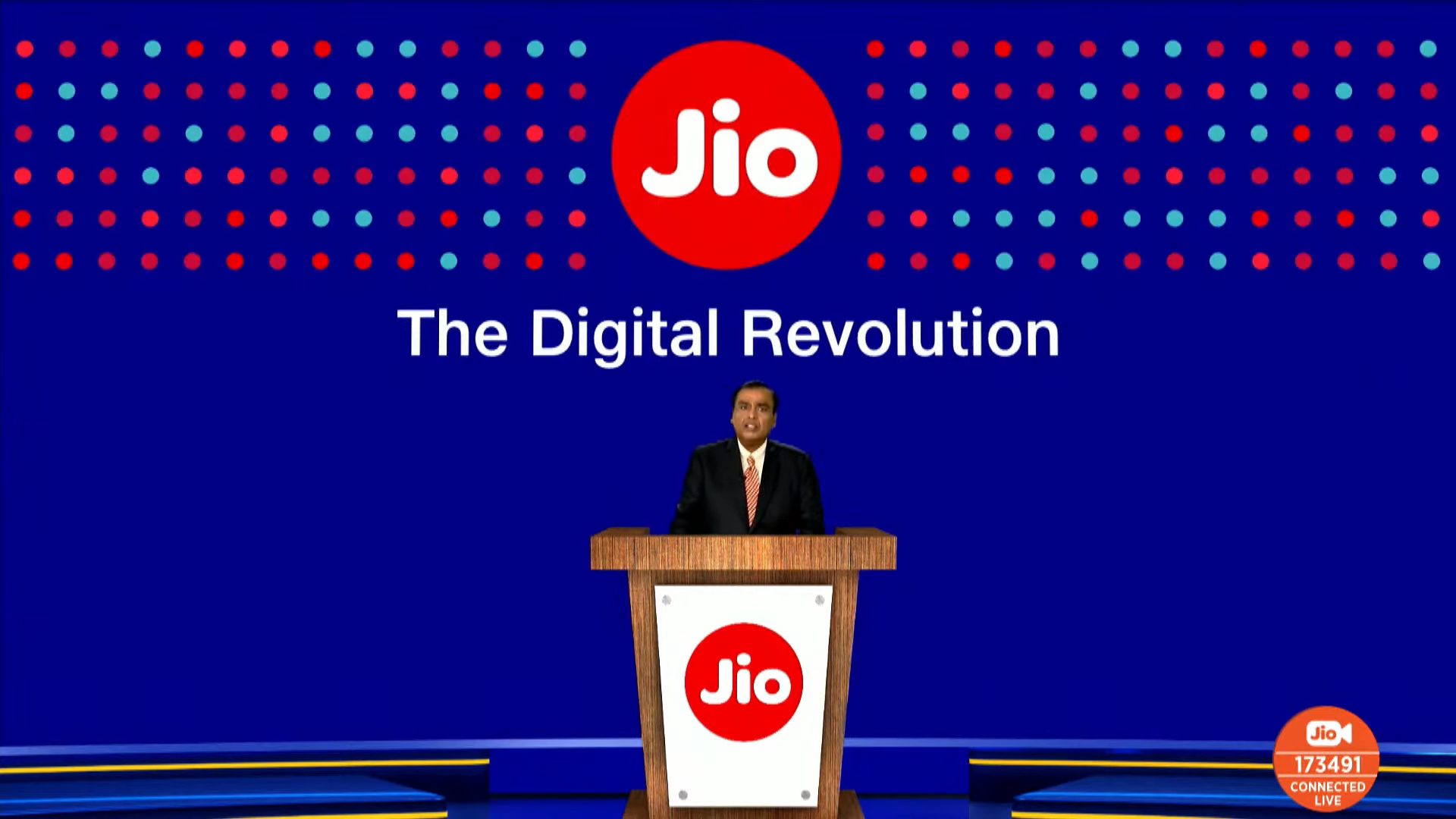
    Jio Platforms Limited, India’s leading digital service provider, and SES, a leading global satellite-based content connectivity solutions provider, announced the formation of a joint venture – Jio Space Technology Limited – to deliver the next generation scalable and affordable broadband services in India leveraging satellite technology. JPL and SES will own 51% and 49% equity stake in the joint venture respectively. The joint venture will use multi-orbit space networks that is a combination of geostationary (GEO) and medium earth orbit (MEO) satellite constellations capable of delivering multi-gigabit links and capacity to enterprises, mobile backhaul and retail customers across the length and breadth of India and neighbouring regions.

    The joint venture will be the vehicle for providing SES’s satellite data and connectivity services in India, except for certain international aeronautical and maritime customers who may be served by SES. It will have availability of up to 100 Gbps capacity from SES and will leverage Jio’s premiere position and sales reach in India to unlock this market opportunity. As part of investment plan, the joint venture will develop extensive gateway infrastructure in India to provide services within the country. Jio, as an anchor customer of the joint venture, has entered into a multi-year capacity purchase agreement, based on certain milestones along with gateways and equipment purchase with total contract value of circa US $100 million.

    The joint venture will leverage SES-12, SES’s high-throughput GEO satellite serving India, and O3b mPOWER, SES’s next-generation MEO constellation, to extend and complement Jio’s terrestrial network, increasing access to digital services and applications. Jio will offer managed services and gateway infrastructure operations services to the joint venture.

    As Covid-19 has demonstrated, access to broadband is imperative for full participation in the new digital economy. This joint venture will be a catalyst for connecting the unconnected areas within India and the region to the full range of digital services, offering access to remote health, government services, and distance learning opportunities.

    Akash Ambani, director of Jio, said, “While we continue to expand our fibre-based connectivity and FTTH business and invest in 5G, this new joint venture with SES will further accelerate the growth of multigigabit broadband. With additional coverage and capacity offered by satellite communications services, Jio will be able to connect the remotest towns and villages, enterprises, government establishments, and consumers to the new digital India. We are excited about this new journey combining our massive reach and customer base with SES’s innovative leadership and expertise in the satellite industry.”

    Steve Collar, CEO of SES said, “This joint venture with JPL is a great example of how SES can complement even the most extensive terrestrial networks to deliver high-quality connectivity, and positively affect the lives of hundreds of millions of people. We look forward to this joint venture whereby we can play a role in promoting digital inclusion in India.”

    The joint venture also aligns with the hon’ble prime minister’s ‘Gati Shakti: National master plan for multi-modal connectivity’ initiative to provide integrated and seamless connectivity by implementing diverse infrastructure. It will also accelerate the achievement of the Connect India goals in the 2018 National Digital Communications Policy and the Digital India programme by expanding broadband connectivity to Indian citizens across Indian geography.

  • Reliance joins calls for India to tighten marketplace rules

    Reliance joins calls for India to tighten marketplace rules

    Vedanta Chairman Anil Agarwal on Tuesday said India is on the path of encouraging ease of doing business and stressed that the government is production-minded and not revenue-minded.

    In a tweet, Agarwal said trust, talent, and technology are the cornerstones of development.

    ”We fully agree with PM Shri Narendra Modi Ji at #DavosAgenda that it’s the best time to invest in India. It is a great opportunity for entrepreneurs to identify partners and investors to collaborate with them, as general consciousness is that they’d like to work with local entrepreneurs,” he tweeted.

    He also tweeted, ”#India is definitely on the path of encouraging ease of doing business. Govt. is production minded and not revenue minded.” Citing India’s commitment to deep economic reforms and the ease of doing business, Modi on Monday asserted that this is the best time to invest in the country as policy-making is focused on the needs for the next 25 years for a ‘clean and green’ as well as ‘sustainable and reliable’ growth period.

    In his special address to the World Economic Forum’s online Davos Agenda 2022 summit, Modi underlined a host of reform measures undertaken by his government to stress that it has worked to reduce the administration’s interference in business by deregulating many sectors and to clear the way for free trade agreements with different countries.

    India was once associated with ‘License Raj’, he had noted highlighting the measures, including the reduction of corporate tax to boost business and doing away with over 25,000 compliance requirements.

    He also mentioned new challenges, including cryptocurrencies, facing the world and said they call for countries to respond together as measures by any one country may be inadequate.

  • BMW Group India Records Highest Ever Sales Growth In 2021

    BMW Group India Records Highest Ever Sales Growth In 2021

    BMW Group India has recorded the highest ever sales growth in a decade at 35 percent selling 8,876 cars (BMW + MINI) and 5,191 motorcycles in 2021. While the Bavarian carmaker sold 8,236 units of BMW cars, 640 units of MINI cars were sold in India. BMW India saw over 40 percent contribution from locally manufactured SUVs including the BMW X1, the BMW X3, and the BMW X5. The new models such as the BMW M 340i xDrive, BMW X7 and BMW 3 Series Gran Limousine which were quite a in demand were either completely sold out or had a long waiting period of several months.

    Vikram Pawah, President, BMW Group India said, “BMW Group India has remained strong and resilient with all its three brands – BMW, MINI and BMW Motorrad – posting stellar growth. Greater flexibility and farsighted planning in business processes ensured that we overcame unpredictable market situations and increased our market share. An attractive product portfolio specially designed keeping in mind the requirements of Indian customers and an unwavering emphasis on customer service has significantly propelled brand loyalty and drawn many new customers into our fold.”

    Coming to its sedan range, the BMW 3 Series and the BMW 5 Series continued to be strong performers for the brand. Even the MINI range saw a growth of 25 per cent compared to 2020 sales where the MINI Countryman remained the bestselling MINI contributing over 50 percent to overall sales. The MINI Hatch and the popular MINI Convertible contributed 18 percent each.

  • EVRE Partners With Zyngo To Offer 5,000 EV Chargers

    EVRE Partners With Zyngo To Offer 5,000 EV Chargers

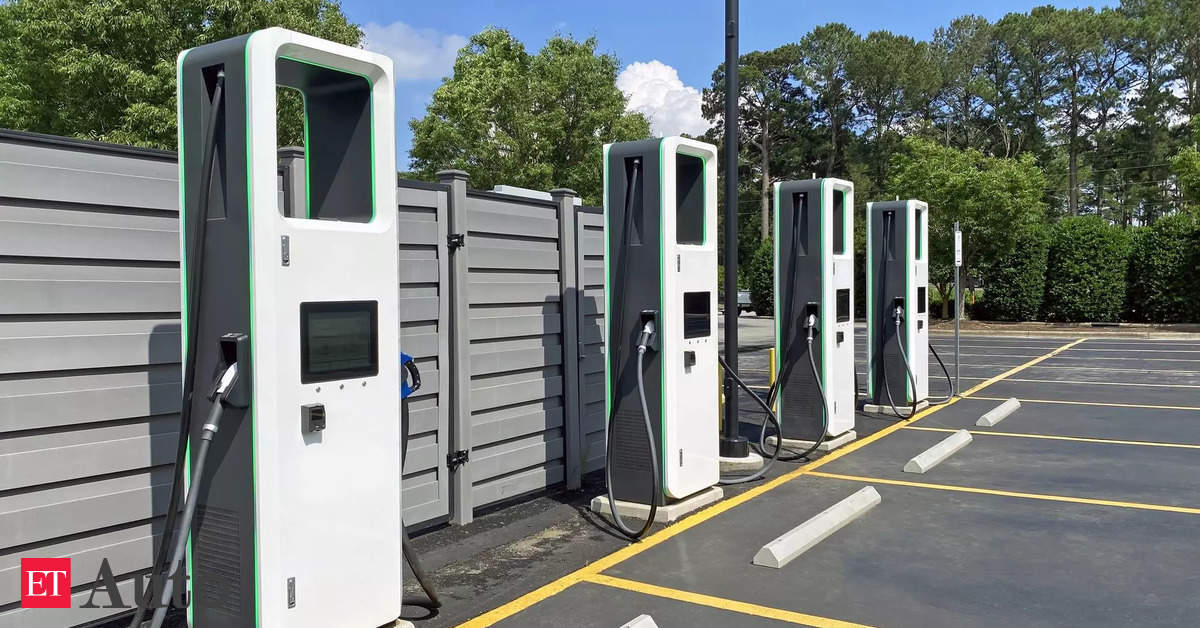
    EVRE, India’s leading EV charging infrastructure player, has announced a partnership with Zyngo, a last-mile delivery provider for parking and charging infrastructure solutions. Zyngo operates an existing 500+ strong fleet across 10 cities and is working towards achieving a 10,000-strong electric vehicle fleet by 2023. Under the partnership, EVRE will offer 5,000 EV charging stations across India within the next 24 months, which will be utilized by Zyngo and other EV fleet owners. Zyngo will use these chargers to extend its last-mile access and expand its reach, while EVRE will design, manufacture and execute the operation and maintenance of the EV charging infrastructure.

    During the first phase of the partnership, EVRE will support Zyngo with 500 charging stations for its fleet of 500 EVs. EVRE will lease the land, provide the parking and charging infrastructure operate and maintain, and take care of the insurance, safety and security of these hubs. According to a press statement, over the next few months, EVRE will provide the support to park and charge this dedicated EV fleet with its existing and upcoming infrastructure.

    Speaking on the partnership Prateek Rao, Founder & CEO, Zyngo said, “We are driving ahead the electrification of hyperlocal delivery services across E-commerce spectrum. This initiative requires such collaborations to enable the empanelment of EV ecosystem in the last mile delivery space. EVRE’s tech advanced charging infra combined with Zyngo’s fully competent and advanced Logistics tech platform and fleet management will strive the EV ecosystem and enable faster adoption.”

    Commenting on this partnership, Krishna K Jasti, Co-Founder and CEO of EVRE said, “We aim to increase new business value through co-creation with services and businesses, such as the advancement of computer vision technology. Through such partnerships, we are looking towards developing an integrated ecosystem for EV fleet owners as well as EV users across the country. Zyngo, with its unique proposition, is an apt partner as both the organizations will mutually benefit from the cross-utilization of resources in the EV ecosystem”.

    The 5,000 chargers will be integrated with the rest of the EV ecosystem across the country through the EVRE App. This will enable electric two-wheeler and three-wheeler Zyngo fleet operators with slow and fast unmanned smart chargers that are capable of metering, billing, and payment collection. EVRE is India’s leading integrated charging infrastructure company that follows EAAS (Energy-as-a-Service) model, offering public charging infrastructure in a pay-per-use model in nine cities across India. EVRE is focused on establishing and maintaining 50,000 EV charging stations by 2023.

  • Indian online grocer Zepto secures $100 million investment

    Indian online grocer Zepto secures $100 million investment

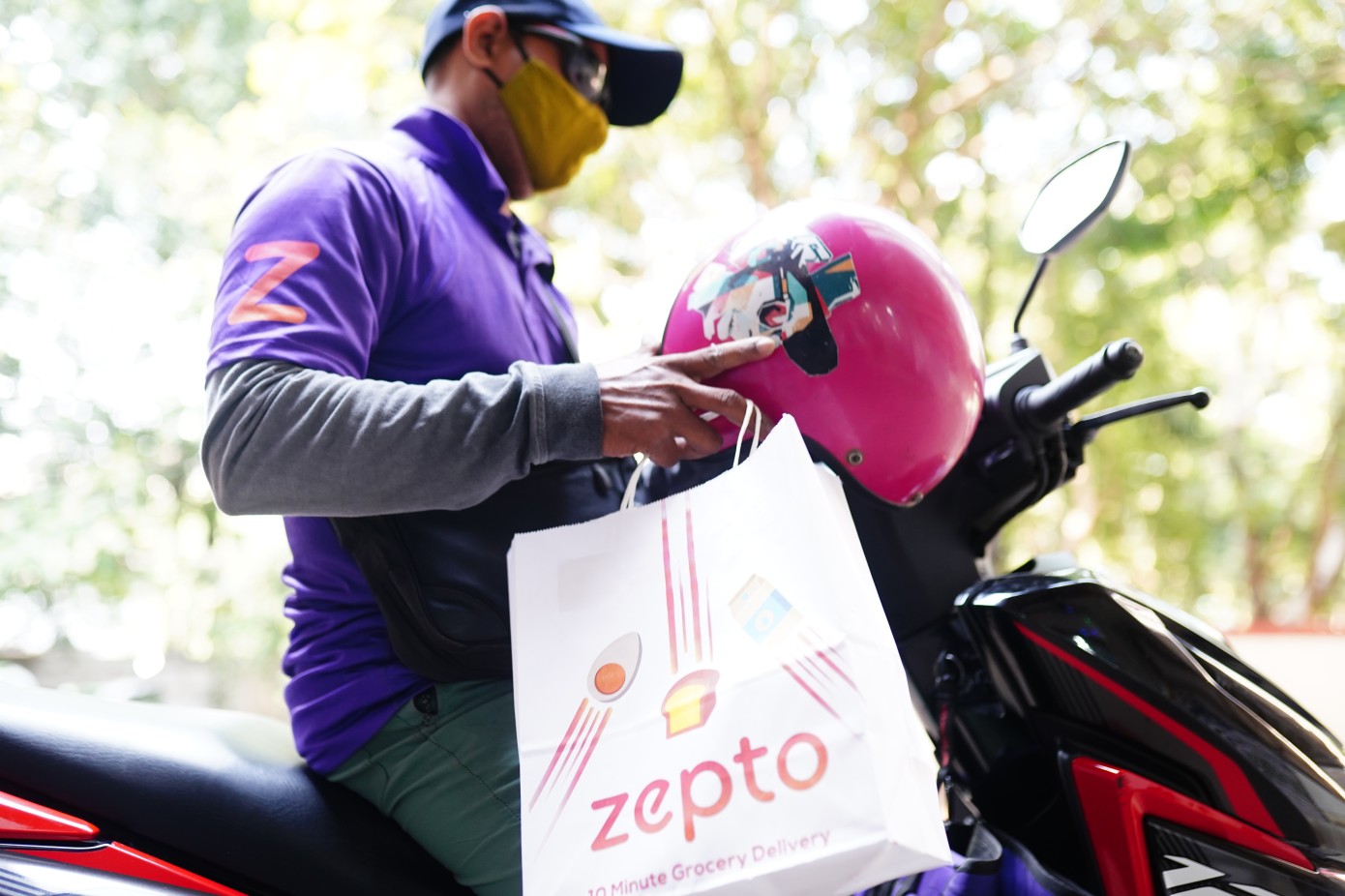
    Indian on-demand grocery-delivery service, Zepto, has bagged US$100 million during its Series-C funding, taking its value to US$570 million within five months of its launch.

    Led by Y Combinator’s Continuity Fund, the round included investors Nexus, Breyer Capital, Global Founders Capital and Glade Brook, among others. The Series-C funding follows Zepto’s earlier funding round in which it received $60 million valuing the business at $225 million.

    Zepto was founded by two 19-year-old entrepreneurs, Kaivalya Vohra and Aadit Palicha, who left Stanford last year to develop a solution for instant grocery delivery through a network of dark stores. The 10-minute grocery delivery service is currently available across metropolitan cities, including Mumbai, Delhi, Gurgaon, Bengaluru, and Chennai, with Pune and Kolkata to come.

    “Their attention to detail on the logistics experience is unparalleled and this has enabled them to scale to most major metros in just five months,” said Anu Hariharan, Partner at Y Combinator’s Continuity Fund. “Simply put, we’re confident Zepto will win in this space over the long-term.”

    Zepto will compete directly with local delivery giants, Swiggy and BlinkIt, who have also forayed into the instant grocery delivery sector.

    According to Y Combinator, Zepto’s month–on–month buyer retention rate is 65 per cent. The company has built a network of micro-warehouses, each of which can do more than 2500 orders a day, and are now adding 100,000 new customers every week.

  • Food poisoning and protests shut Foxconn plant building iPhone 12 5G in India

    Food poisoning and protests shut Foxconn plant building iPhone 12 5G in India

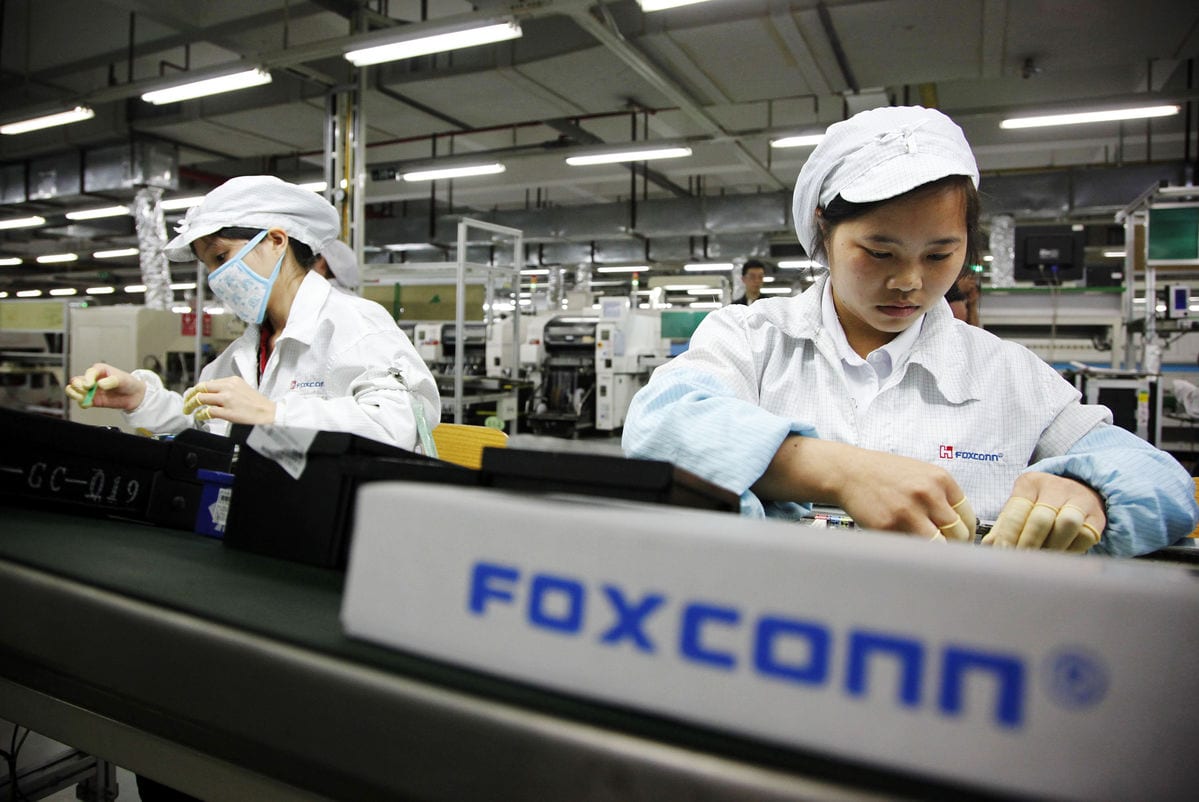
    News that the Foxconn factory near the city of Chennai in Southern India has closed means that iPhone production in the country will be negatively impacted. The plant churns out iPhone 12 models and factory workers have suffered through a bout with food poisoning which will leave the assembly lines shut down for the remainder of the week. With 150 employees in the hospital, the healthy workers started to protest the incident which also disrupted production.

    A senior official at the directorate of industrial safety and health in Tamil Nadu (which calls Chennai it’s capital) said, “The factory has been shut since Saturday and will be shut till coming Sunday.” Confirming the shutdown, two more senior state officials reiterated that the plant is not running.

    Protesters were arrested after blocking an important highway following the food poisoning incident. Yesterday, those arrested were released. While the factory, as we noted, currently produces the iPhone 12, Apple has been testing iPhone 13 assembly at the facility, and with the factory closed, that testing has been stopped.

    The decision to close the plant was made by Foxconn according to a police officer from the office of the Superintendent of Police in Kancheepuram. This police officer also said that employees at the factory who have been complaining for months about food poisoning and other issues should lodge their complaints with the state labor ministry.

    According to Navkendar Singh, India research director at market research firm IDC, “The impact on Apple is expected to below as it is a lean period … until at least February. In (the first half of 2022) we expect sales to pick up from new product launches and much-needed easing of supply chain issues.” Besides the iPhone, the factory also manufactures the Amazon Fire Stick and some devices for Xiaomi.

    This is the second incident in India over the last year that saw worker unrest at a factory that builds Apple products. Last December, a Wistron factory hosted a riot when 2,000 workers complained that they did receive their wages, and the incident caused $60 million in damages.

    India is the second-largest smartphone market in the world after China and the three contract manufacturers building the device for Apple, Foxconn, Wistron, and Pegatron, have budgeted $900 million over five years to make iPhone units in the country. But because India is a developing market, Apple has focused its Indian production of the iPhone on less expensive older models.

    Apple also plans on building some iPad tablets in India as the country, along with Mexico and Vietnam, have become alternative supply chain centers for Apple as the company seeks to lessen its reliance on factories in China. Apple is afraid that with tensions between the U.S. and China so high, getting access to factories based on the mainland won’t always be a sure thing.Those employees working on the assembly lines usually pay some of their wages for room and board in facilities found near the factory. The riot last year started when Wistron promised an engineering graduate Rs 21,000 ($285) per month, but instead, he was paid Rs 16,000 ($217) the first month which was reduced to Rs 12,000 ($163) over the last three months.

    Considering that Foxconn workers, like the ones toiling for Wistron, are paying their employer for food, the fact that many of them contracted food poisoning was enough of an issue to spark the protests that shut down the highway near the factory, and the factory itself.

    Apple had to get involved in last year’s riot because of the damage to the equipment at Wistron’s factory. This year, it appears that Foxconn was able to keep its production facilities intact.

  • eBikeGo To Manufacture Muvi Electric Scooter In India

    eBikeGo To Manufacture Muvi Electric Scooter In India

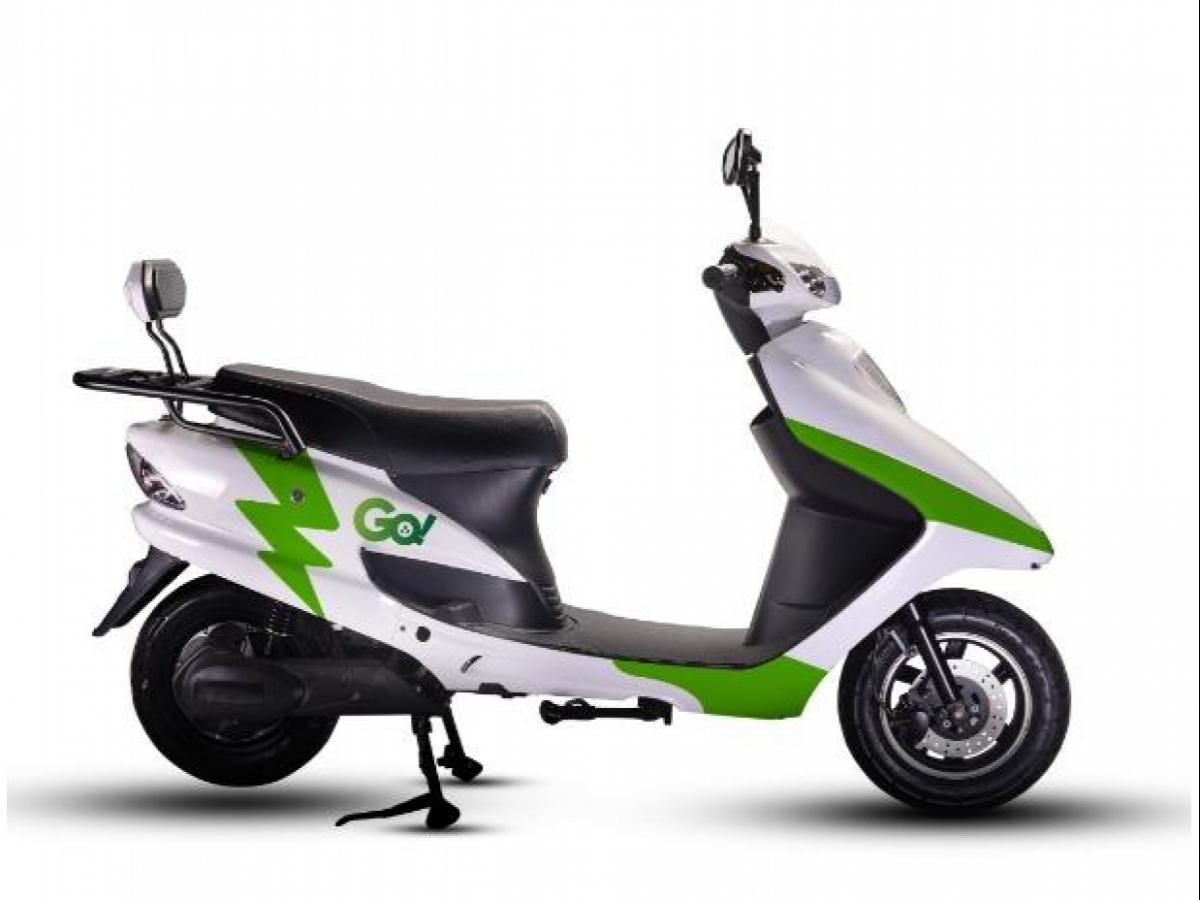
    eBikeGo, one of India’s largest electric two-wheeler mobility platforms has acquired the product license rights to manufacture the Muvi brand of electric vehicles of Spanish automotive company Torrot in India. The Muvi electric scooter will be manufactured in India, to be sold in India as well as across the world. eBikeGo intends to capture 5 percent of the worldwide two-wheeled electric vehicles market with its manufacturing, the company said in a statement. With Muvi, eBikeGo is optimistic about influencing the adoption of EVs in India.

    Muvi is an IoT and AI-enabled electric scooter with well-connected features and can be easily controlled and monitored via a smartphone. It has a switching battery, allowing consumers to use swapping stations. Designed in Europe, Muvi is accepted by 14 e-commerce and shared mobility companies.

    “We are extremely happy to have acquired the license of manufacturing Muvi, one of the leading electric vehicles from renowned international automotive company Torrot in India. Muvi, being a technologically advanced vehicle and already operating in 12 countries, does not require any homologation to supply in these markets, opening ways for global presence,” said Dr. Irfan Khan, Founder & CEO of eBikeGo.

    The Muvi electric two-wheeler is lightweight, weighing only 83 kg. It has a power of 4.1 CV (3 kW) which is equivalent to 125 cc. The Muvi electric scooter can go up to 100 km on a single charge in Eco mode, and has a top speed of 60 kmph.

  • Royal Enfield Anniversary Edition 650 Twin Motorcycles Sold Out In India

    Royal Enfield Anniversary Edition 650 Twin Motorcycles Sold Out In India

    Royal Enfield has sold 120 units of its limited-edition anniversary edition 650 Twins motorcycles in under 2 minutes on December 6, 2021. Launched in celebration of Royal Enfield’s 120th anniversary, the 60 Royal Enfield Interceptor 650 motorcycles, along with 60 Royal Enfield Continental GT 650 motorcycles attracted an overwhelming response from motorcycle enthusiasts from across the country. A total of 120-anniversary edition motorcycles were available for customers in India on a first-come-first-serve basis. The sale opened at 7:00 pm IST on December 6, 2021, and all the bikes were sold out within record time.

    Only 480 Anniversary Edition bikes of the Interceptor 650 and Continental GT 650 will be built. The 120 bikes earmarked for the India market have been sold out in under 2 minutes.

    The entire package included the anniversary edition motorcycles along with a special blacked-out Royal Enfield Genuine Motorcycling Accessories kits as well as an extended warranty for the 4th and 5th year over and above the 3 year OEM warranty. The limited-edition motorcycles will also be available for customers to buy in South-East Asia, Americas, and European markets soon.

    The unique, rich black-chrome tank color scheme, has been developed in-house, with Royal Enfield’s industry-leading chroming technology at the company’s original 1950’s manufacturing factory in Thiruvottiyur, Chennai – India.

    Only 480 special edition individually numbered motorcycles will be built, with 120 units each for India, Europe, the Americas, and South-East Asia. The 650 Twins have been instrumental in Royal Enfield’s global expansion and success over the past few years.

    To make each motorcycle even more exclusive, the tank top badge will feature the unique serial number of each motorcycle indicating that it is 1 of 60 unique motorcycles in any of the four regions mentioned around the world.

    The unique, rich black-chrome tank color scheme, has been developed in-house, with Royal Enfield’s industry-leading chroming technology at the company’s original 1950’s manufacturing factory in Thiruvottiyur, Chennai – India. The motorcycles are chromed with an alternate, sustainable trivalent eco-friendly process. To complement the black chrome tanks, both the Continental GT 650 and Interceptor 650 feature completely blacked-out components, with the engine, silencer, and other elements in an array of black color schemes. There are no mechanical changes to the motorcycles, otherwise.

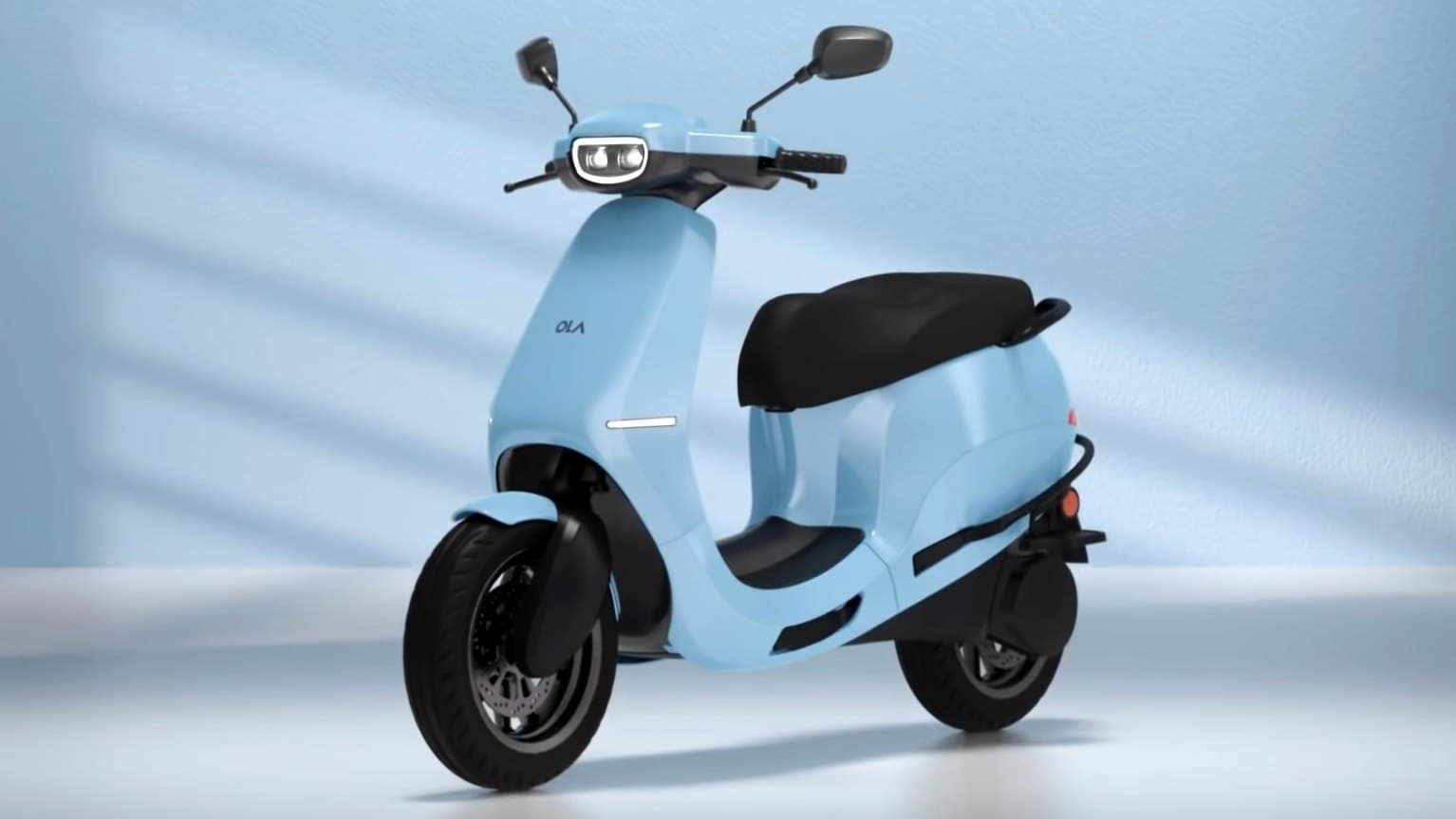
  • Ola S1 Electric Scooter Deliveries To Begin From December 15

    Ola S1 Electric Scooter Deliveries To Begin From December 15

    Ola Electric will finally commence deliveries for its long-awaited S1 range of electric scooters from December 15, 2021. The company’s Co-Founder and CEO, Bhavish Aggarwal, recently announced the delivery date through his social media account. Aggarwal in his tweet said, “Scooters are getting ready.

    Production ramped up and all geared to begin deliveries from 15th Dec. Thank you for your patience!” Ola was expected to begin deliveries from October this year, however, the company has been postponing the delivery date sighting various challenges. Now, the company finally has an official launch date for the scooter, which should come as a big relief for customers.

    After opening the first purchase window for the electric scooter, Ola had announced selling scooters worth ₹ 1,100 crore. The company was expected to open the second purchase window on November 1, however, due to delays in deliveries, it was pushed to December 16. Recently, the company again pushed the purchase window to sometime in late January 2022. Last month, the company also began to invite based test rides for the electric scooters, in four cities – Delhi, Kolkata, Ahmedabad, and Bengaluru. It was later expanded to over 1000 cities and towns.

    The Ola S1 is priced at ₹ 85,099, going up to ₹ 1.10 lakh (all prices, ex-showroom Delhi after FAME II subsidies). The prices could further go down at the time of delivery, depending on state subsidies on EVs across the country. The base model Ola S1 will come with a top speed of 90 kmph and a range of up to 121 km on a single charge. The S1 Pro, on the other hand, will offer a top speed of around 115 kmph and a range of up to 181 km.

    Ola Electric is building the S1 and S1 Pro electric scooters, with an all-women work crew, at its Futurefactory in Krishnagiri, Tamil Nadu. The factory, which is spread over 500 acres, will have a production capacity of 10 million vehicles per year when fully completed. Ola says that it will be the largest, most advanced two-wheeler factory in the world, and it has already completed phase 1 construction.