Tag: india

  • India announces major telecoms reforms to boost industry

    India announces major telecoms reforms to boost industry

    The Union Cabinet approved on Wednesday several structural and process reforms in a relief package targeting the telecom sector to ensure its healthy growth in a digital era.

    In a move lauded by industry players as a positive step towards promoting the industry and addressing long-standing concerns, the reforms are expected to foster healthy competition, protect the interests of consumers, infuse liquidity, encourage foreign investment and reduce regulatory burden on telecom service providers (TSPs).

    These reformatory measures will fuel the proliferation and penetration of broadband and telecom connectivity, which has witnessed heightened demand against a pandemic backdrop, where activities such as work from home and remote learning have driven an unprecedented surge in data consumption.

    The measures comprise nine structural reforms and five procedural reforms plus relief measures for TSPs. Bringing respite to the industry, all TSPs have a four-year moratorium for payment of adjusted gross revenue (AGR) due. According to minister Ashwini Vaishaw, the moratorium will ensure significant cash flow for telecoms without affecting the government’s revenue. This will help India’s telecom giants address prevailing cash flow issues, enabling them to conserve capital to fund capital expenditure and invest in 5G. Vodafone Idea, for instance, will be able to defer payments of about Rs 96,000 crore.

    To encourage foreign investment, another structural reform includes 100% foreign direct investment (FDI) under automatic route permitted in the telecom sector, though neighbouring countries including Pakistan and China will not be allowed to invest under the automatic route. Previously, only 49% was under the automatic route.

    In addition, spectrum sharing will also be made free, with an additional spectrum usage charge (SUC) of 0.5% for spectrum sharing being scrapped. There will also be no SUC for spectrum required in future spectrum auctions.

    The Cabinet also announced that there is no need for separate KYC to switch from postpaid to prepaid, or vice versa.

    Currently, India is the world’s second-largest telecommunications market with a subscriber base of 1.16 billion. These reforms demonstrate the government’s commitment towards building the nation’s digital future.
  • India’s September Diesel Sales Remain Below Pre-COVID Levels

    India’s September Diesel Sales Remain Below Pre-COVID Levels

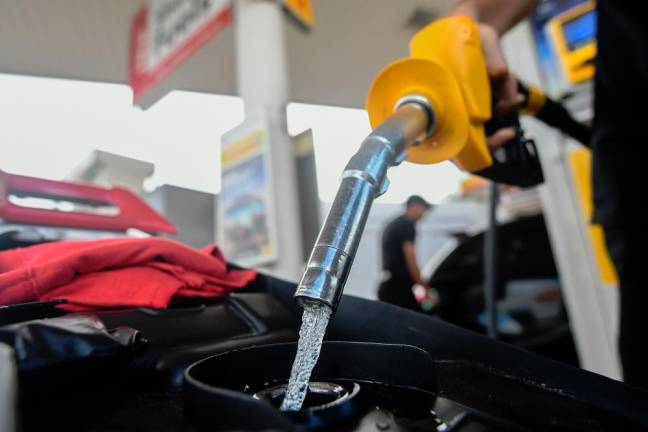
    India’s diesel consumption slowed in the first half of September from the previous month, staying below pre-COVID levels as a pick-up in monsoon rains hit mobility and demand for fuel from the agriculture sector, preliminary sales data showed.

    Diesel sales by the country’s state fuel retailers came in at 2.1 million tonnes during Sept. 1-15, a decline of about 1.5% from last year and down 6.8% from the same period in 2019, the data showed.

    State retailers Indian Oil Corp, Hindustan Petroleum Corp and Bharat Petroleum Corp Ltd own about 90% of the country’s retail fuel outlets.

    Sales of diesel, which account for about two-fifths of India’s overall refined fuel consumption, are directly linked to industrial activity in Asia’s third-largest economy.

    India’s monsoon rains revived this month after a patchy spell in August. Local diesel sales during September 1-15 was down by about 0.9% from the same period in August, the data showed.

    Improved electricity supplies also contributed to a decline in demand for diesel.

    In contrast, petrol sales stayed above the pre-COVID levels at 1.02 million tonnes as people continued to prefer using personal vehicles over public transport and shared mobility for safety reasons.

    India has not yet fully opened its public transport sector, which mostly use diesel.

  • Stellantis To Push Into Challenging Indian Market With Citroen

    Stellantis To Push Into Challenging Indian Market With Citroen

    Carmaker Stellantis plans to launch a new model in India and Latin America next year under its Citroen brand, the group said on Thursday, as it aims to push out of its European turf and branch further into emerging markets where it has less exposure.

    The plan marks Citroen’s return to India, a market it left in the 1930s, and comes at a time when some other foreign carmakers are leaving the country after struggling to make a profit.

    Stellantis, which was formed earlier this year by the merger between Fiat Chrysler and Peugeot-maker PSA, has brands like Jeep and Ram in the United States, but is still aiming to reduce its reliance on Europe.

    The company said it plans to produce a new version of the Citroen C3, positioned as a city car in Europe, in India and Latin America for launch in the second half of 2022.

    Citroen said it would be the first of three models which it will produce and aim at India and Latin America over the next three years.

    Stellantis has said it expects India to become the world’s third-biggest car market after China and the United States by 2030 with total new cars in the country reaching 4-5 million cars a year.

    Still, the country has proved challenging for many foreign carmakers, which compete with local manufacturers such as Maruti Suzuki there as well as South Korea’s Hyundai. Ford last week said it was stopping production in India.

    Stellantis aims to grow sales outside Europe to 30% of its revenue by the middle of this decade, compared to 15% now.

  • Singapore and India to Link Real-Time Payment Systems

    Singapore and India to Link Real-Time Payment Systems

    The link will facilitate instant, low-cost fund transfers directly from one bank account to another between Singapore and India.

    Singapore will be linking its national e-payments system PayNow to India’s Unified Payments Interface (UPI) by mind-2022, according to an announcement by the Monetary Authority of Singapore on Tuesday.

    This means that users in Singapore will be able to make fund transfers to users in India using a UPI virtual payment address. Transfers from India to Singapore can be made using the user’s mobile phone number.

    The linkage will provide for increased volumes of remittance traffic, multi-entity participation, automation of capital control rules, and enriched message formats to accommodate future innovation by linkage participants, the announcement said.

    As the cost and inefficiencies of remittances between Singapore and India is expected to be substantially reduced, MAS said the link will further anchor the substantial trade, travel and remittance flows between the two countries.

    Earlier this year, Singapore and Thailand connected their payments infrastructures to enable cross-border peer-to-peer transactions of up to S$1,000 or THB25,000 using just their mobile numbers.

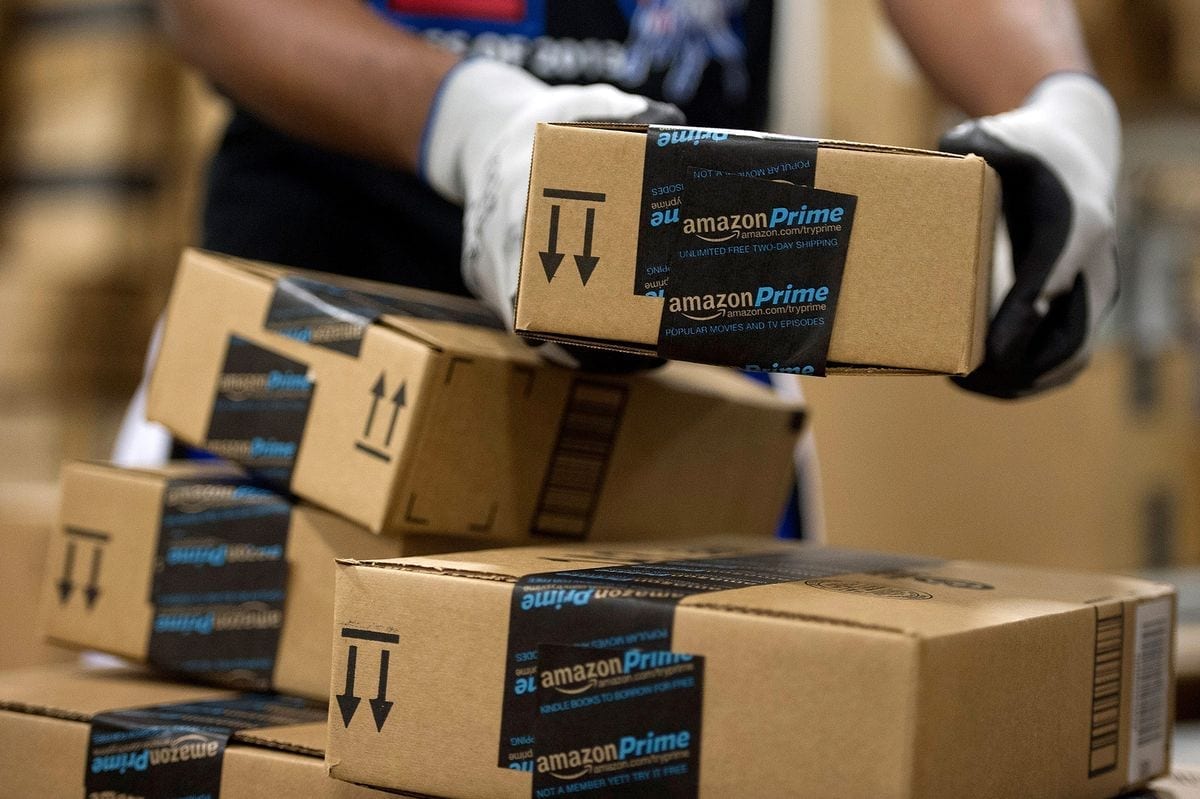
  • Amazon, Indian seller Cloudtail end relationship amid regulatory heat

    Amazon, Indian seller Cloudtail end relationship amid regulatory heat

    Amazon and one of its biggest sellers in India, Cloudtail, have decided to end their relationship, following years of allegations from brick-and-mortar retailers that the seller received preferential treatment.

    A joint venture between Amazon and India’s Catamaran that controlled Cloudtail was coming up for renewal next May, and the two sides said in a joint statement they had mutually decided not to extend it beyond that date.

    The decision comes after a Reuters investigation in February based on Amazon documents showed the US company had given preferential treatment for years to a small group of sellers, including Cloudtail, and used them to bypass Indian laws.

    Amazon has said it does not give preferential treatment to any seller and that it complies with the law.

    In their joint statement, Amazon and Catamaran did not say why they had decided to end their joint venture, but said the partnership ran successfully for seven years and made “tremendous strides.”

    Cloudtail had been controversial, with Indian brick-and-mortar retailers for years accusing Amazon of giving it preferential treatment which hurt smaller retailers.

    It was formed when Amazon entered a joint venture with an entity formed by one of India’s most famous tech moguls, N R Narayana Murthy, which was then used to create Cloudtail, which began offering goods on Amazon.in after it was set up in August 2014.

    The Reuters investigation in February found Amazon publicly called Cloudtail an independent seller offering goods on its marketplace website, but internal company documents revealed the US company was deeply involved in expanding it and used it, among other sellers, to circumvent the country’s foreign investment laws.

    The story had triggered calls for a ban and an investigation of Amazon, and the financial crime-fighting agency was looking into its findings. The antitrust watchdog had said the story corroborated evidence it had against Amazon.

    Arvind Singhal, chairman of retail consultancy Technopak Advisors, told Reuters that Amazon and Catamaran’s decision appeared aimed at defending against any possible future scrutiny of their business models.

    “Before it comes under more scrutiny, they are basically disengaging themselves. But given the relationship has been there for years, this will still hang as a sword on their heads,” said Singhal.

    India is a key growth market for Amazon, where it has committed investment of $6.5 billion. But it’s one where it has faced several regulatory challenges, including stricter laws that apply to foreign e-commerce giants.

    The Reuters investigation in February found Amazon gave Cloudtail, and another seller named Appario, discounted fees.

    Amazon is also in talks with the parent of Appario to determine whether it wants to renew its joint venture next year, a source with direct knowledge told Reuters this week. Appario did not respond to a request for comment.

    The source added that multiple sellers in India were likely to take over Cloudtail’s share on Amazon India over time.

    “There will be challenges, but the company is fairly confident it will manage,” the source added.

    Separately, India’s Supreme Court on Monday ruled that Amazon and Walmart’s Flipkart will have to face antitrust investigations ordered against them in India, dealing a blow to the companies in their key growth market.

  • India Considers Sharp Import Tax Cuts On EVs After Tesla Lobbying

    India Considers Sharp Import Tax Cuts On EVs After Tesla Lobbying

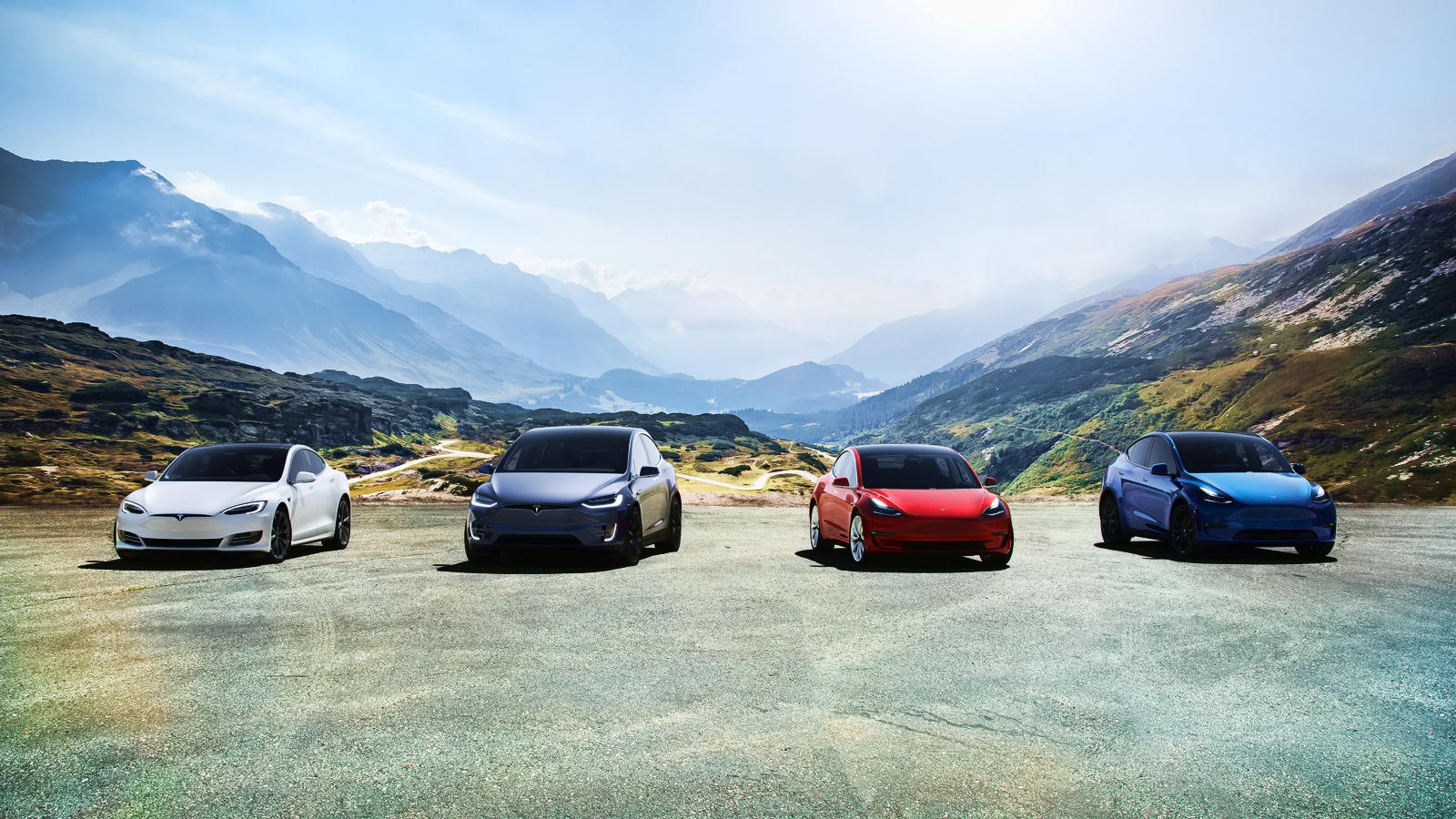
    India is considering slashing import duties on electric cars to as low as 40%, two senior government officials told Reuters, days after Tesla Inc’s appeals for a cut polarised the country’s auto industry. For imported electric vehicles (EVs) with a value of less than $40,000 – including the car’s cost, insurance and freight – the government is discussing slashing the tax rate to 40% from 60% presently, the officials told Reuters. For EVs valued at more than $40,000, it is looking at cutting the rate to 60% from 100%, they said.

    “We haven’t firmed up the reduction in duties yet, but there are discussions that are ongoing,” one of the officials said. India is the world’s fifth-largest car market with annual sales of about 3 million vehicles but the majority of cars sold are priced below $20,000. EVs make up a fraction of the total and luxury EV sales are negligible, according to industry estimates.

    Tesla, in its pitch to the government – first reported by Reuters in July, argued that lowering import duties on EVs to 40% would make them more affordable and boost sales. This triggered a rare public debate among automakers over whether such a move would contradict India’s push to increase domestic manufacturing. Even so, the government is in favour of a cut if it can see companies such as Tesla providing some benefit to the domestic economy – manufacture locally, for example, or give a firm timeline on when it would be able to, one of the officials said. “Reducing import duties is not a problem as not many EVs are imported in the country. But we need some economic gain out of that. We also have to balance the concerns of the domestic players,” the official said.

    Tesla CEO Elon Musk said on Twitter last month that a local factory in India was “quite likely” if the company was successful with vehicle imports but taxes on them are high. The second official said that since the duty cut is being considered only for EVs and not other categories of imported cars, it should not be a concern for domestic automakers – that mainly manufacture affordable gasoline-powered cars.

    India’s finance and commerce ministries, as well as its federal think tank Niti Aayog, chaired by Prime Minister Narendra Modi, are discussing the proposal and all stakeholders will be consulted, the person added. Both sources did not want to be identified as the discussions are still private. India’s commerce and finance ministries as well as Niti Aayog did not immediately provide comment.

    Automakers including Daimler’s Mercedes-Benz and Audi have for years lobbied for lower import duties on luxury cars but faced strong resistance mainly from domestic companies. As a result, India’s luxury car market has remained small with average sales of around 35,000 vehicles a year.

    Tesla’s demands have found support from Mercedes as well as South Korean automaker Hyundai Motor, which has around an 18% share of India’s car market.

    Tesla’s cars would fall into the high-end EV category, which are mainly imported into India and account for a much smaller percentage of sales. Mercedes, Jaguar Land Rover and Audi sell imported luxury EVs in the country.

    This time Tesla’s demands have found support from Mercedes as well as South Korean automaker Hyundai Motor, which has around an 18% share of India’s car market.

    Opposing the proposed cut are Tata Motors, which produces affordable electric cars in the country, and Softbank Group-backed Ola, which is making electric scooters in India.

    A third source familiar with the government’s thinking said there was awareness that a brand such as Tesla can make electric cars more penetrable in India, which is lagging other major auto markets in EV sales.

    The government is thinking about the best way to approach this and they want to see some benefit even if that only means Tesla pledges to source parts domestically, the person said.

  • Audi India To Launch At Least Three More Cars This Year

    Audi India To Launch At Least Three More Cars This Year

    German luxury carmaker Audi is likely to launch at least three more cars in India this year. The company launched the new Audi RS 5 Sportback in India, its fifth model after the A4 facelift, S5 Sportback, the all-electric e-tron and e-tron Sportback. During a post-launch interaction, Balbir Singh Dhillon, Head of Audi India hinted that the Ingolstadt-based carmaker has a strong product strategy in place for India, and as many as three more launches can be expected before the end of 2021.

    When asked about upcoming product launches Dhillon said, “Last month we did three cars launches, and (RS 5 Sportback) this month, and very soon we’ll again be facing each other with another launch, then another launch, and then another. So, successively you’re going to see many more cars coming.” In July Audi launched two variants of the all-electric e-tron – e-tron 50 and e-tron 55, along with its coupe version, the e-tron Sportback 55. And this month, the company has launched the Audi RS 5 Sportback.

    While Balbir did not mention which models are coming to our shores, we can expect at least one of them to be an electric car. In July, post the launch of the e-tron range, Dhillon told carandbike that the company will bring at least one more electric car to India this year. While details regarding the upcoming EV model were not shared, globally the e-tron GT and the RS e-tron GT four-door coupe sedans are the only electric models on sale, apart from the e-tron SUVs. So, chances of one of them, or both coming to India are very much plausible.

  • Indian beauty startup Nykaa to raise US$500 million through IPO

    Indian beauty startup Nykaa to raise US$500 million through IPO

    Indian e-commerce beauty company Nykaa plans to raise US$500 million through its initial public offering (IPO), a source with direct knowledge of the matter told Reuters, becoming the latest homegrown startup to pursue a listing on the domestic bourses.

    Private equity firm TPG-backed Nykaa, based in Mumbai, sells cosmetics, grooming products, and clothes. Nykaa said its IPO will consist of a fresh issue of shares of up to 5.25 billion rupees (S$95.49 million) and an offer for sale of up to 43.1 million shares, according to a copy of its draft red herring prospectus dated Monday.

    The source said the 5.25 billion rupees will come from fresh shares issued to investors, while the rest will come from existing shareholders.

    Nykaa’s filing comes after food-delivery firm Zomato’s stellar debut last month. Launched in 2012, Nykaa grew popular by selling cosmetics and grooming products on its website and apps, before expanding into fashion, pet care, and household supplies.

  • Delivery startup raises $12 mln from Alibaba-backed fund

    Delivery startup raises $12 mln from Alibaba-backed fund

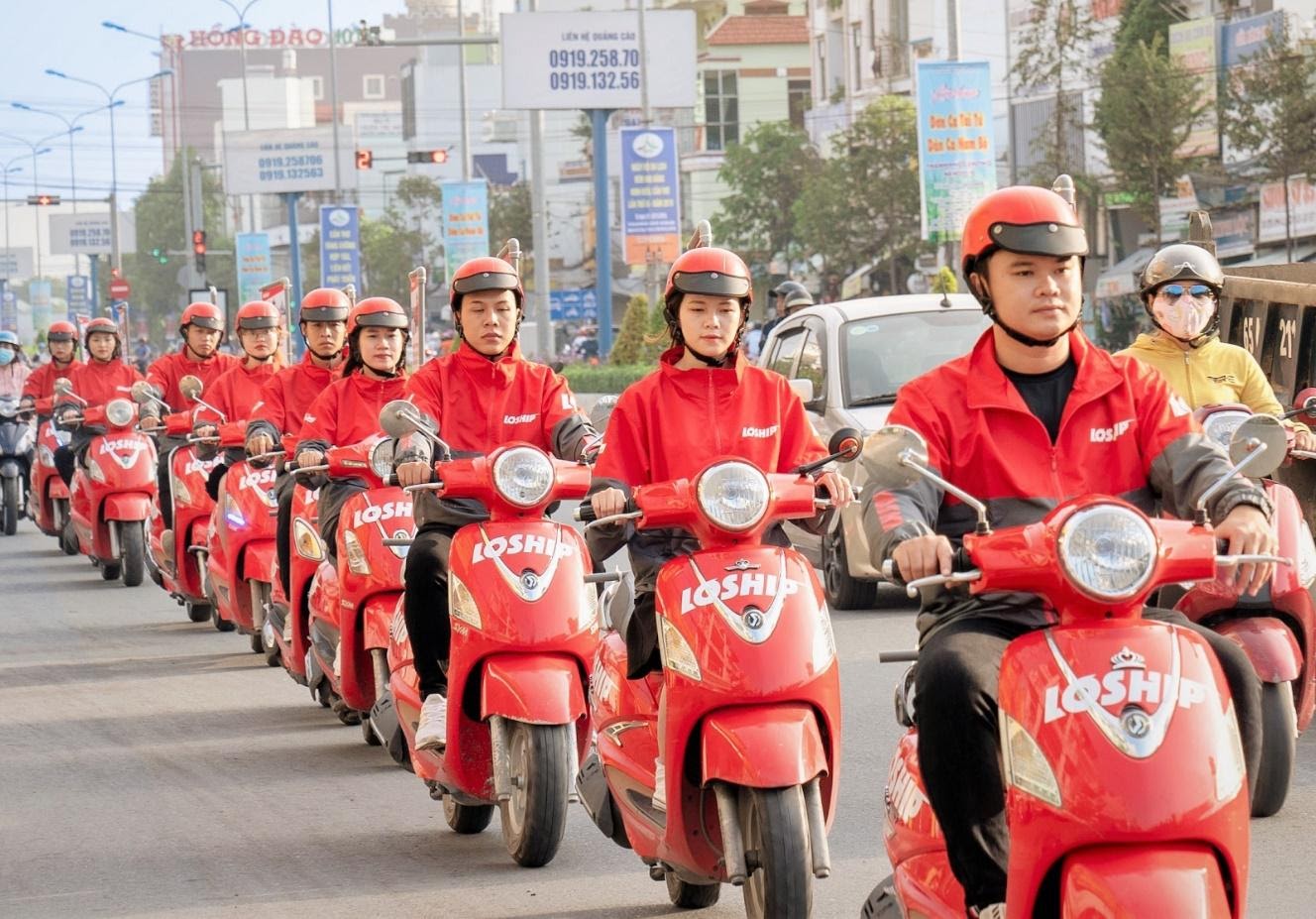
    Delivery startup Loship has raised $12 million from a consortium co-led by an Alibaba-backed investment fund. The lead investors are BAce Capital, which counts Ant Financial of Jack Ma as its largest limited partner, and Hong Kong investment firm Sun Hung Kai & Co.

    Loship plans to use the money to increase its presence in five main areas, including Ho Chi Minh City, Hanoi and Da Nang. It hopes to sign up 10 percent of the country’s population in the next two years and to have a presence in 10 localities.

    Loship CEO Nguyen Hoang Trung said that the company eyes top spot in the one-hour delivery segment. One-hour delivery is not as popular yet in Vietnam as in the U.S., Europe or China, he said. Loship’s aim is to deliver everything quickly to customers, including vegetables, meat and cosmetics, he said.

    Its challenges include delivery quality the fact that new competitors are set to enter the market including e-commerce platforms that could develop their own delivery units, he said.

    “All strategies can be easily copied and the only way to deal with this is for us to go faster than our competitors.”

    Loship was established in 2017 by transforming Lozi, a food recommendation platform.

    It has over 70,000 drivers and 200,000 seller-partners, and nearly two million customers, it said.

  • India seeks to pour $500-mln into Vietnam pharmaceutical hub

    India seeks to pour $500-mln into Vietnam pharmaceutical hub

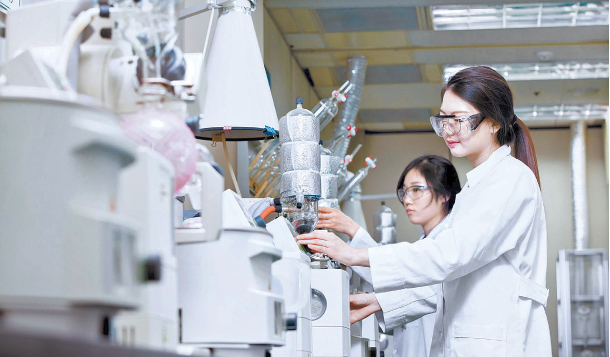
    Large pharmaceutical enterprises in India have expressed their hope to establish a pharmaceutical industrial park in Vietnam, with an initial investment of about $500 million.

    The idea of setting up the pharmaceutical industrial park was launched during recent trade and investment promotion sessions for the pharmaceutical industry organized by the Vietnamese Embassy in India, according to the local Vietnam Trade Office.

    Vietnamese Ambassador to India Pham Sanh Chau said construction of the pharmaceutical industrial park would open an opportunity to welcome large pharmaceutical giants for long-term investment, helping Vietnam reduce dependence on traditional pharmaceutical supplies and diversify production chains.

    It is estimated the industrial park would create jobs for 50,000 direct and 200,000 indirect workers, earning export revenue of about $5 billion per year.

    Leaders of localities in Da Nang and Thua Thien-Hue in central Vietnam, Long An in southern Vietnam, and Hai Duong, Bac Ninh, and Thai Nguyen in the north have discussed land rent, geographical location, transport infrastructure and investment incentive mechanisms with Indian investors.

    Ramesh Babu, chairman of India-based pharmaceutical manufacturing company SMS Pharmaceutical Group, which plans to invest in the pharmaceutical industrial park in Vietnam, said if successful, it would turn the country into a leading pharmaceutical research, development and production base in Southeast Asia and the world.

    Analysts at SSI Securities estimated Vietnam’s pharmaceutical industry to grow by 15 percent in 2021 mainly due to a rapidly aging population and rising incomes.

  • Toyota Extends Battery Warranty On Camry, Vellfire To 8 Years In India

    Toyota Extends Battery Warranty On Camry, Vellfire To 8 Years In India

    In line with its commitment to encourage the adoption of electrified vehicles, Toyota Kirloskar Motor today announced the extension of battery warranty for its Self-charging Hybrid Electric Vehicles (SHEVs) in India. Currently, the company offers only two cars with hybrid technology and that’s the Camry and the Vellfire. The warranty is extended from the existing three years or 100,000 kilometres to eight years or 160,000 kilometres (whichever comes first). Both cars sold with effect from August 1, 2021, will come with this warranty.

    Toyota was the first carmaker to bring hybrid electric vehicles to the Indian market with products such as the Prius and Camry. The Camry has been a very successful car for the company in India, so much so that the new model which was launched a couple of years ago, was brought to India in a hybrid-only avatar.

    V. Wiseline Sigamani, Associate General Manager (AGM), Sales and Strategic Marketing, Toyota Kirloskar Motor said, “Hybrids can run 40% of the distance and 60% of the time as an electric vehicle with a petrol engine shut off, as proven in a study by iCAT, a Government testing agency. This gives hybrids tremendous fuel efficiency improvements of 35 to 50% and much lower carbon emissions. In India, over the years (cumulative), sale of Toyota Camry Hybrid vehicles alone has resulted in CO2 emission reduction of over 18 million kilograms and fossil fuel savings of over 7.6 million litres.”

  • India court quashes Amazon, Walmart’s Flipkart bid to stall antitrust probe

    India court quashes Amazon, Walmart’s Flipkart bid to stall antitrust probe

    An Indian court on Friday dismissed appeals by Amazon.com and Walmart’s Flipkart that sought to stall an antitrust investigation into their business practices, dealing a major setback to the U.S. firms in a key market.

    The Competition Commission of India (CCI) last year ordered an inquiry after allegations from brick-and-mortar retailers that the U.S. firms promoted select sellers on their e-commerce platforms and used to business practices that stifle competition.

    The investigation was on hold for more than a year after companies challenged it, denying wrongdoing and arguing that the CCI lacked evidence, but a court allowed it to continue in June. On Friday, the High Court in southern Karanataka state rejected the U.S. firms’ appeals.

    “By no stretch of imagination can inquiry be quashed at this stage. The appeals are nothing but an attempt to ensure that action initiated by the CCI … does not attain finality,” a two-judge bench said while reading the decision in court. “The appeals are devoid of merit, and deserve to be dismissed.-

    The two firms are likely to appeal the decision at India’s Supreme Court, according to people familiar with the case. Amazon did not immediately respond to a request for comment.

    Flipkart said in a statement it would review the court’s order, adding that it remains in compliance with Indian laws.

    Abir Roy of Sarvada Legal, which filed the antitrust case against Amazon and Flipkart on behalf of a trader group, said the court’s decision “further reinforces that the CCI investigation should continue promptly.”

    The CCI investigation is the latest setback for Amazon and Flipkart, which are grappling with prospects of tougher e-commerce regulations and accusations from brick-and-mortar retailers that the companies circumvent Indian law by creating complex business structures.

    The companies face several allegations in the case, including exclusive launches of mobile phones, promotion of select sellers on their websites and deep discounting practices that drive out competition.

    Trade minister Piyush Goyal last month lashed out at U.S. e-commerce giants for filing legal challenges and failing to comply with the CCI’s investigation, saying “if they have nothing to hide … why don’t they respond to the CCI?”

  • Volkswagen India Rolls Out New Brand Design And Logo Across Dealerships Ahead Of Taigun Launch

    Volkswagen India Rolls Out New Brand Design And Logo Across Dealerships Ahead Of Taigun Launch

    Volkswagen recently rolled out its new brand design and logo across the company’s 150 dealerships across the country. The new brand logo was first unveiled at the 2019 Frankfurt Motor Show and it was showcased in India for the first time at the 2020 Auto Expo. The company is using a phase-wise approach for implementing the new brand design and logo. The first phase will have 30 touchpoints get the same, while the remaining outlets will get the flat two-dimensional logo in the coming weeks.

    Commenting on the announcement, Ashish Gupta, Brand Director, Volkswagen Passenger Cars India said, “The implementation of new brand design across our dealerships marks a new era for Volkswagen in India. By implementing the new brand design and logo, we aim to create a 360-degree customer experience, that is intriguing and contemporary across all channels and appeals to our customers.”

    Through the implementation of the new brand design, Volkswagen aims to make its dealerships more human, attractive and emotional, the company said in a statement. The brand will also provide behavioral training to its entire staff including the salesmen and service advisors to make them more customer-oriented. The automaker also introduced ‘Sarvottam 2.0’ to amp up its digital efforts and offer a more transparent purchase and ownership experience to customers

    The rollout comes right in time as Volkswagen India gears up to introduce the new Taigun compact SUV. The brand new offering that has been specifically designed for India is the first model from the automaker under the India 2.0 strategy. It follows in the footsteps of the Skoda Kushaq that’s based on the same MQB A0-IN platform and will be sold only with petrol engine options. We will be driving the Volkswagen Taigun very soon. So make sure to keep watching this space for all the action.

  • India’s Zomato raises US$1.26 billion in IPO

    India’s Zomato raises US$1.26 billion in IPO

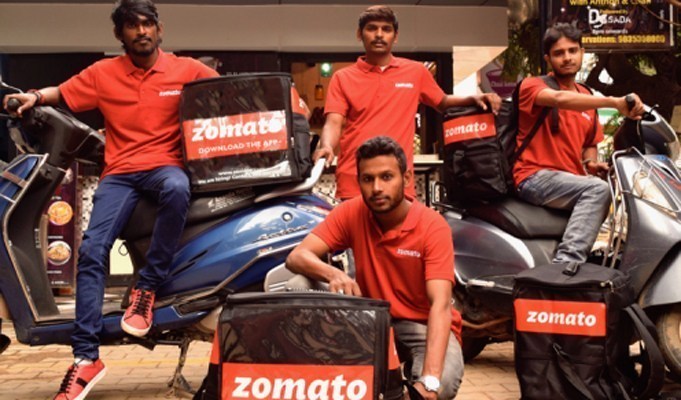
    Indian food delivery startup Zomato Ltd ` will raise US$1.26 billion by pricing its shares at 76 rupees each in its initial public offering, according to two sources with direct knowledge of the matter.

    The sources could not be named as the information has not yet been made public.

    Zomato did not immediately respond to a request for comment.

    The company, which is backed by Ant Group, will be valued at up to US$8 billion following the IPO which is the first for a food delivery group in India.

    The pricing is set at the top of the flagged range of 72 rupees (US$0.9649) to 76 rupees each at the start of the booking building process.

    Zomato, launched in 2008, collates restaurant reviews and offers home delivery of food, making it a competitor to the Swiggy and Amazon.com’s food delivery service.

    Swiggy was reported had raised US$1.25 billion in a private funding round from the likes of SoftBank’s Vision Fund 2 and Prosus.

    Zomato’s IPO was strongly backed by investors attracting bids worth US$46.3 billion as it was more than 38 times oversubscribed when the books closed on Friday, signalling confidence about the fast-growing sector.

  • Last Mile Mobility Solutions Firm eBikeGo Reports Rapid Revenue Growth

    Last Mile Mobility Solutions Firm eBikeGo Reports Rapid Revenue Growth

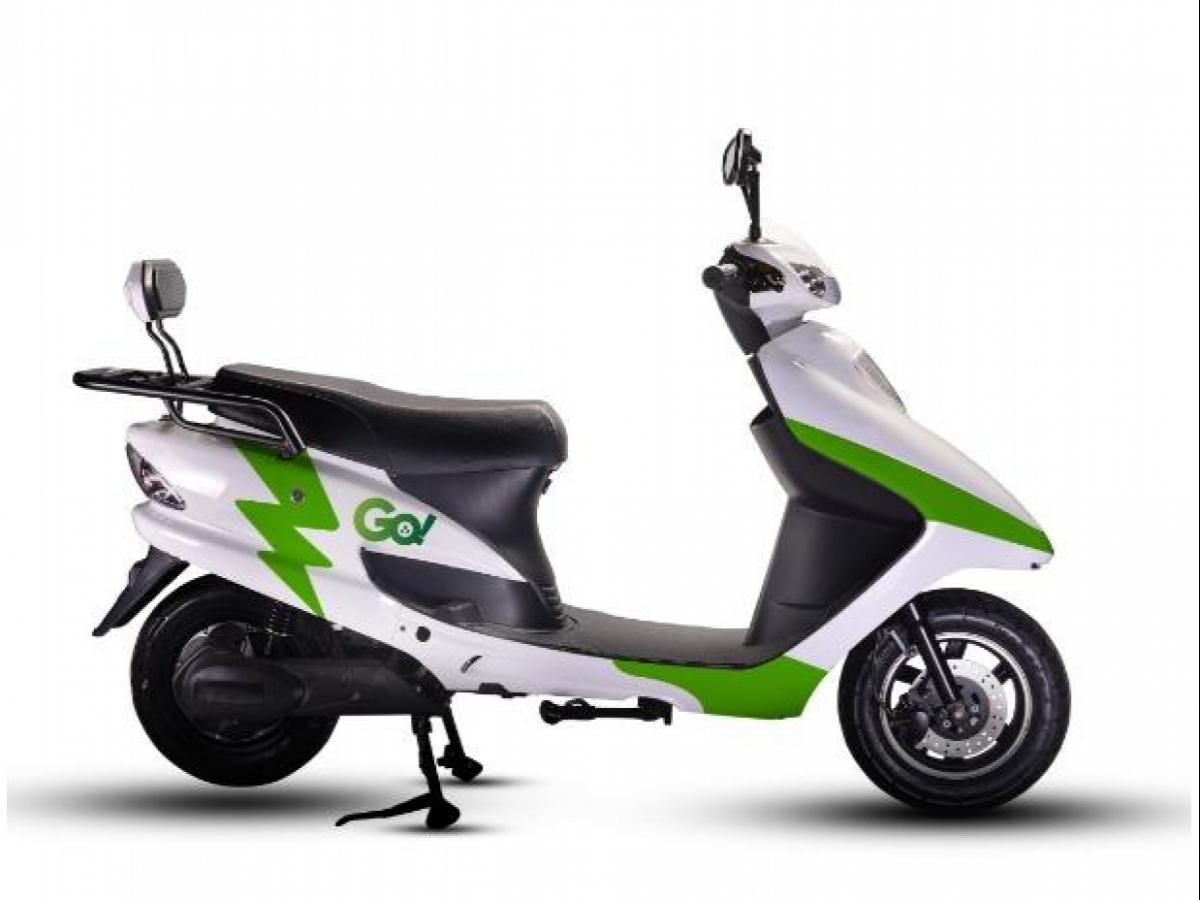
    One of India’s leading electric two-wheeler mobility platform, eBikeGo has reported rapid expansion during the nationwide lockdown due to the COVID-19 pandemic. The company’s revenue has grown from ₹ 15 lakh to ₹ 2.5 crore per month, while the electric two-wheeler fleet has growh from 300 scooters to 2,100 scooters, the company said in an announcement. eBikeGo has also expanded its workforce, and recruited over 70 professionals at leadership and managerial levels since the outbreak of the pandemic. The e-scooters of eBikeGo are currently operating in seven cities – Delhi, Mumbai, Hyderabad, Amritsar, Pune, Indore and Bengaluru and has shown a vertical growth in all spheres of operation in all these cities.

    “As per the current demand in online delivery, we have expanded our capacity in terms of fleet and manpower during this pandemic. While we are building this up, we’re also planning on improving our infrastructure, technology and existing facilities to provide ultimate convenience to all networked professionals, trained riders, our key partners, and stakeholders. With the existing tie-ups and increase in the volumes of fleets, we are targeting to fulfill 10,000 electric scooters within next financial year,” said Irfan Khan, Founder & CEO of eBikeGo.

    Earlier this year, the electric vehicle logistics start-up had raised ₹ 10.91 crore in pre-Series A funding from a group of Indian and foreign investors. In 2020, the start-up raised its first funding of ₹ 5.09 crore through an angel round. The company intends to scale up operations across 30 cities by FY 2022. eBikeGo partners with franchise owners, NBFCs, and OEMs through asset leasing models, and commenced operations in 2019. The company is a micro-mobility platform for last-mile logistics in e-commerce, food delivery, groceries and urban mobility.