Tag: india

  • India’s software market revenue projected to reach US$7.6 billion by year end

    India’s software market revenue projected to reach US$7.6 billion by year end

    According to the International Data Corporation (IDC) Worldwide Semiannual Software Tracker 2H20 (July–December), the India software market is estimated to reach US$7.6 billion by the end of 2021. The India software market was pegged at US$7.0 billion in 2020, registering a growth of 13.4% year-over-year (YoY) compared with that in 2019. India accounted for 17.5% share of the overall Asia/Pacific (excluding Japan and China) (APEJC) region software market in 2020. Microsoft, Oracle, and SAP maintained their leadership positions in the India market during the same year. 

    Shweta Baidya, Senior Research Manager for Software and IT Services at IDC India says, “Although the pandemic had a minor impact on the overall growth of the India software market, it acted as a catalyst for strong growth across some of the software segments as enterprises reevaluated their IT strategies and took concrete steps to move toward digital business models. Digitally matured enterprises were able to smoothly navigate through the crisis and maintain business continuity and operational resilience. However, enterprises with traditional business models charted out new strategies to leverage cloud and digital to stay relevant and consistent. Investment in collaborative platforms, network transformation, and security re-architecture witnessed a spike during the last few quarters.”

    IDC classifies the software market into three primary categories: applications, application development and deployment (AD&D), and systems infrastructure (SI) software. Applications contributed 60.4% to the overall market revenue, followed by AD&D and SI software with shares of 21.6% and 18.0%, respectively, in 2020.

    As per IDC’s current estimates, engineering applications, collaborative applications, customer relationship management (CRM) applications, enterprise resource management (ERM) applications, and content workflow and management applications are the leading software segments in terms of revenue. The collaborative applications market witnessed the highest growth of 36.7% in 2020, followed by artificial intelligence (AI) platforms and system and service management software at 30.9% and 24.8%, respectively.

    India Market Forecast

    IDC estimates India’s overall software market to grow at a compound annual growth rate (CAGR) of 11.6% from 2020 to 2025. India enterprises will continue to invest in technologies that will help them spur innovation to improve operational efficiency and employee productivity, and in turn, maintain business momentum. IDC expects acceleration in demand for technologies, such as robotic process automation (RPA) software, conferencing and collaborative applications, AI platforms, digital commerce applications, and IT service management (ITSM) software, among others. Additionally, cloud is also becoming one of the critical elements of enterprises’ digital strategy. IDC expects the contribution of platform-as-a-service (PaaS) and software-as-a-service (SaaS) markets to the overall software market to increase from 36.8% in 2020 to 57.1% in 2025.

    “In spite of the adverse impact of the pandemic, India continued to be one of the most resilient markets across the APEJC region. India software market registered a growth of 13.4%, which was the highest in the region. Enterprise sentiments improved during the second half of the year and investments were ramped up quickly on digital work models to enable smooth transition to a remote work environment. IT budgets were re-apportioned and allocated in accordance with the increased spending on emerging technologies. Software vendors have been aggressively acquiring customers by supporting them in the digital journey with flexible and scalable options,” adds Baidya.
  • Jawa Motorcycles Launches Midnight Grey And Khakhee Colours

    Jawa Motorcycles Launches Midnight Grey And Khakhee Colours

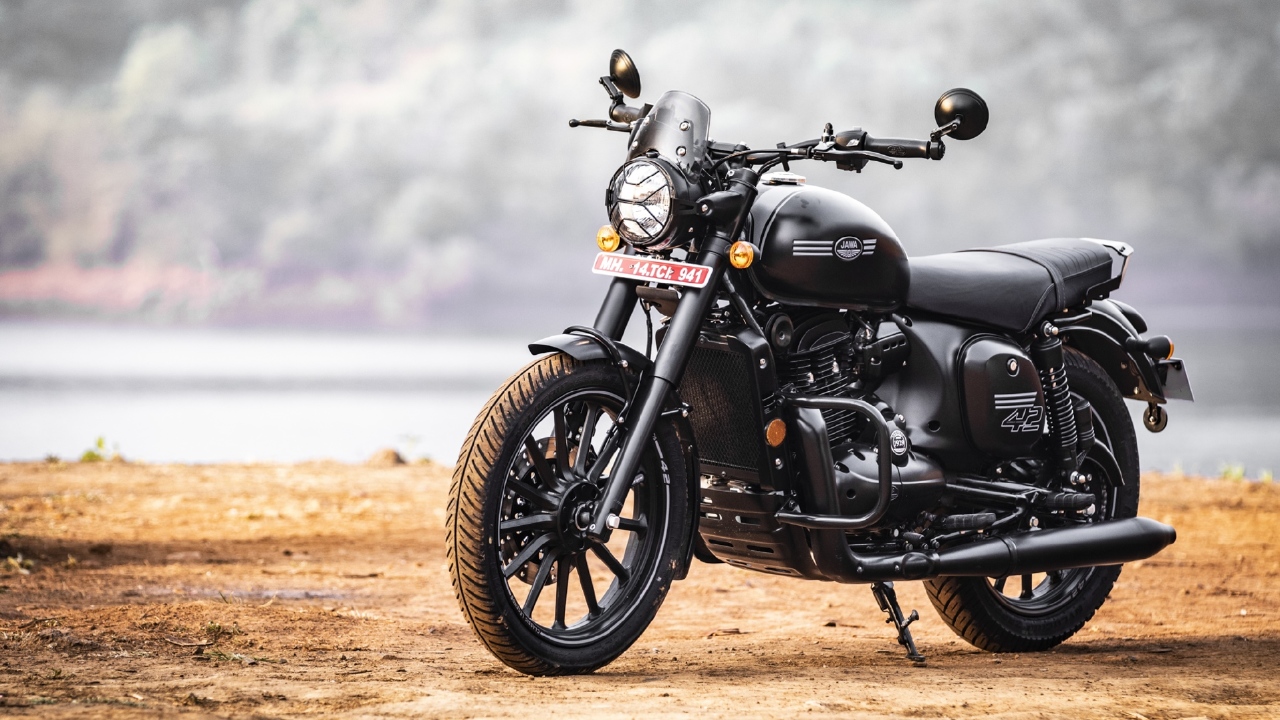
    Jawa Motorcycles has launched two new colors to commemorate India’s victory in the 1971 war against Pakistan as part of the Swarnim Vijay Varsh. The Jawa will now be available in two special colors – Khakhkee and Midnight Grey – that are inspired by the armed forces. The Jawa Special Edition is priced at ₹ 1.93 lakh (ex-showroom), which makes it about ₹ 15,000 more expensive than the Forty Two and ₹ 6000 more expensive than the Jawa. Customers can book the special edition motorcycle online on the company’s website.

    The new color options come with a host of subtle upgrades that make the model special. All the chrome bits have been finished in matte black including the headlamp bezel, suspensions forks, engine, and dual exhaust mufflers. Both colors are matte in finish and do look fantastic on the motorcycle. Making the model special though is the tri-color on the fuel tank along with the Indian Army emblem. It also gets an insignia that reads ‘Commemorating 50 years of the 1971 war victory,’ followed by ‘1971-2021 Special Edition.’

    Mechanically, the Jawa remains the same borrowing power from the 293 cc single-cylinder engine tuned for 26.9 bhp and 27.02 Nm of peak torque. The motor is paired with a 5-speed gearbox. Other mechanical bits also remain the same including the telescopic front forks, dual shocks at the rear, 280 mm disc brake at the front, and a 240 mm disc brake at the rear. The special edition motorcycle is only offered with dual-channel ABS. The bike rides on 18-inch front and 17-inch rear tires.

    2021 marks the 50th year of the war and the new colors are an ode to the Indian Armed Forces. The 1971 Indo-Pakistan war was fought on both the eastern and western fronts and lasted 13 days, which makes it one of the shortest wars in history. It led to the independence of Bangladesh, then known as East Pakistan, after Pakistan’s surrender. The war saw over 3000 Indian army personnel lose their lives while over 10,000 were injured.

  • Datsun India Rolls Out Benefits Up To 40,000 In July 2021

    Datsun India Rolls Out Benefits Up To 40,000 In July 2021

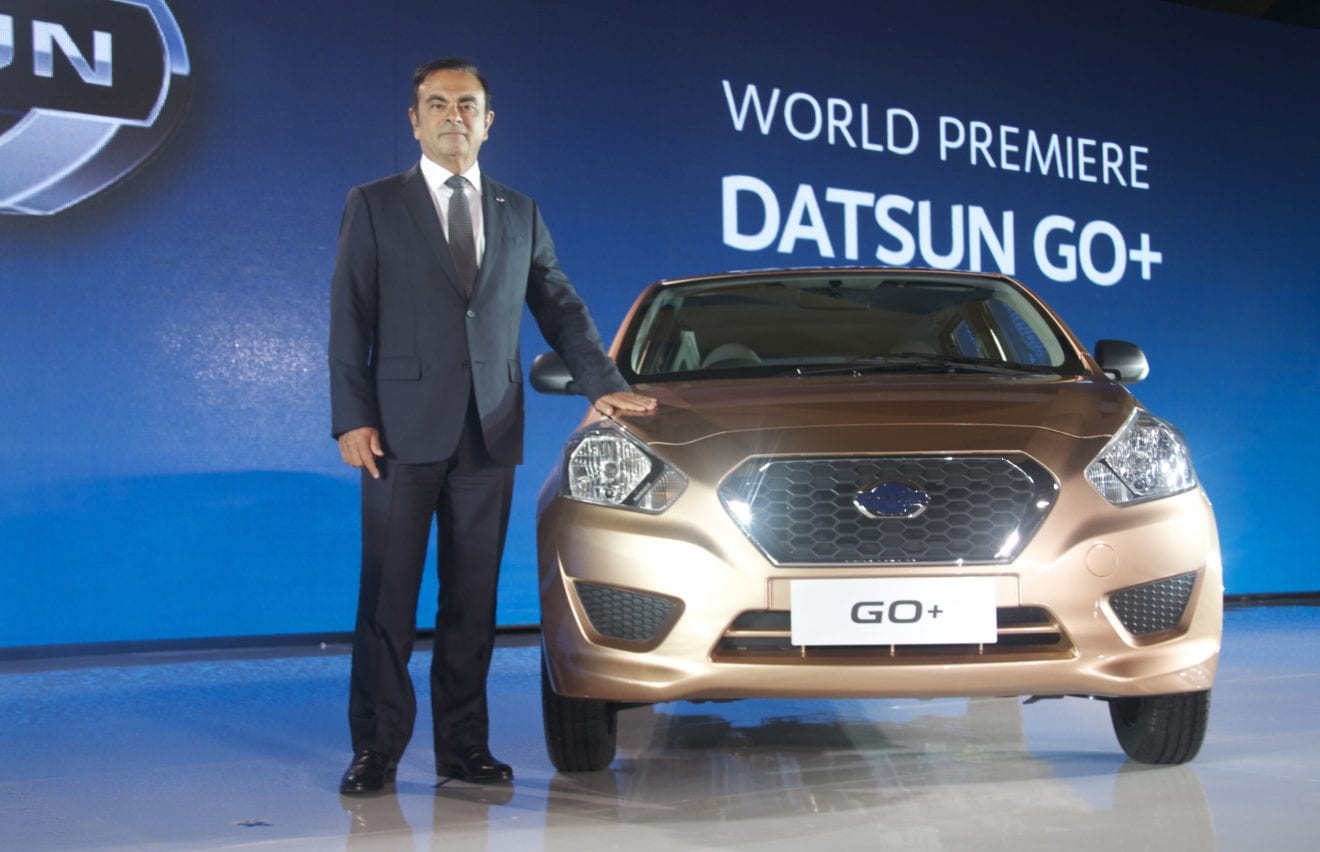
    Datsun India has been offering lucrative benefits on its entire model range for the last few months now. The carmaker has listed a bunch of offers worth up to ₹ 40,000 on its website for the month of July 2021. It includes cash benefits, exchange bonus and online booking bonus, corporate discount and special benefits. These offers are applicable on purchase on or before 30th July 2021. Do note, the amount may vary as per the city or state you are located in.

    Customers booking the Redi-Go online via the brand’s website will get an additional cash benefit of ₹  5,000

    The Redi-Go entry-level car is up for sale with maximum benefits of up to ₹ 39,000. It comprises cash benefit and exchange bonus of up to ₹ 20,000 and up to ₹ 15,000 respectively. Datsun is also providing benefits of ₹ 4,000 for select corporate and government employees. Apart from this, there’s also an online booking bonus worth ₹ 5,000, which is applicable for bookings made via Datsun’s official website. This benefit will be passed at the time of retail.

    There’s also a special offer of ₹ 4,000 for Doctors and Chartered Accountants. Additionally, the carmaker is also offering an EMI Holiday for 3 Months to customers buying the Redi-Go, which means the monthly EMIs will only start 3 months after the purchase of the vehicle.

    The Go 5-seater hatchback is also a part of the Datsun’s benefits this month. It gets total benefits of up to ₹ 40,000 which includes cash discount and exchange benefit of up to ₹ 20,000 each. Similar benefits are also offered on the Go Plus seven-seater MPV. It gets total benefits of up to ₹ 40,000 which includes a cash benefit of ₹ 20,000 and an exchange offer of ₹ 20,000. Do note, exchange benefits on the Datsun cars can be availed only at NIC-enabled dealerships.

  • Tata Motors To Increase Prices Across Its Passenger Vehicle Line Soon

    Tata Motors To Increase Prices Across Its Passenger Vehicle Line Soon

    Tata Motors, the home-grown automaker, today announced its plan to increase prices across its passenger vehicle line-up. As of now, the company has not revealed the timeline or the quantum of the price hike on cars, however, Tata did mention that the increase in prices is due to the steep climb in overall input costs. Tata has said that the formal announcement about the quantum of price increase is likely to be made within the forthcoming days or weeks. We expect the new prices to come into effect from August 1, 2021.

    In its official communication, Tata Motors said, “Tata Motors, India’s leading vehicle manufacturer intends to shortly mark an appropriate increase in prices of its ‘New Forever’ range of Cars and SUVs. The steep climb in overall input costs, especially due to continuing rise in costs of essential raw material including steel and precious metals, necessitates a transfer of at least some part of this increase to end customers.”

    Interestingly enough, it was just in May 2021 that the company increased car prices in India by up to 1.8 percent. And now the carmaker has made a price hike announcement in less than 2 months. Back then Tata Motors had said that the price hike was part of Tata’s ‘Business Agility Plan’ to protect and serve the interests of its customers, dealers and suppliers. The rise in the cost of raw materials was also a contributor to the hike. This will be the brand’s third price increase this year. Before May 2021, Tata had previously increased prices in January by up to ₹ 26,000.

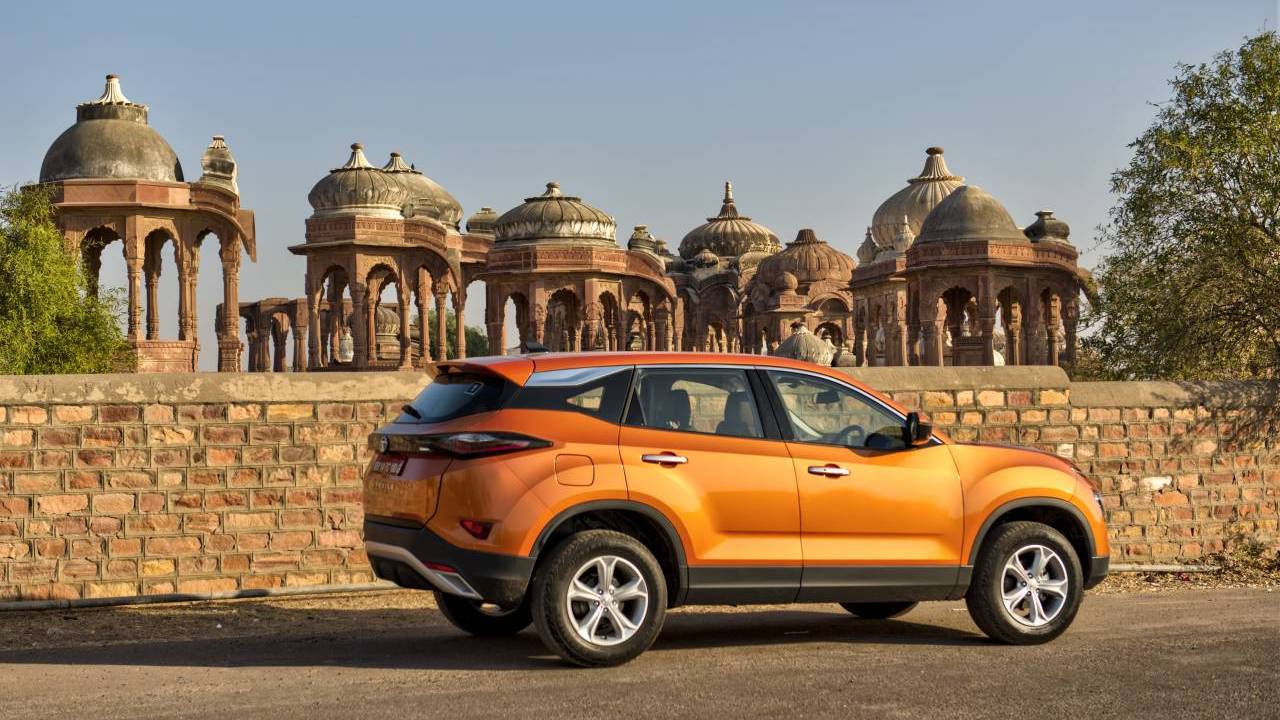
    Right now, Tata Motors is gearing up to launch its 2021 Dark Edition range in India, which, in addition to the Harrier, will also include the Altroz, Nexon and Nexon EV. The new Dark Edition models are expected to be launched in India as early as later this week.

  • Honda Gold Wing Tour First Batch Sold Out In India In 24 Hours

    Honda Gold Wing Tour First Batch Sold Out In India In 24 Hours

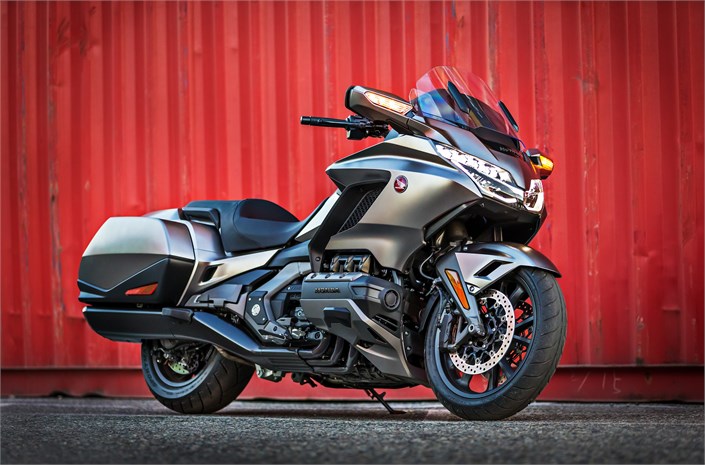
    Honda 2Wheelers India launched the 2021 Gold Wing Tour in the country last month and the first batch of the motorcycle has been sold out. The manufacturer’s flagship offering flew off the shelves as soon as bookings opened with all units sold in just one day. Honda though has not disclosed the number of units that were allocated for India under the first batch. It’s unclear at the moment when the company plans to introduce the second batch of the tourer.

    Power on the new Honda Gold Wing Tour comes from the BS6-compliant 1833cc, in-line six-cylinder, liquid-cooled engine that develops 124.7 bhp at 5500 rpm and 170 Nm of peak torque at 4500 rpm. The motorcycle gets two transmission choices – a 6-speed manual and a 7-speed dual-clutch automatic. Colour options on the motorcycle include the Pearl Glare White as well as Gunmetal Black Metallic with Matte Morion Black.

    The feature list is comprehensive on the 2021 Honda Gold Wing Tour that is aimed to maximize comfort on the road. It gets A 7-inch TFT-screen with gyrocompass navigation, Apple CarPlay, Android Auto connectivity, upgraded audio and speaker system, and Smart Key operation. The tourer is also loaded on the safety front and packs Hill Start Assist, ABS, Honda Selectable Torque Control, Dual Combined Brake System, and Idling Stop. There are four riding modes – Tour, Sport, Rain and Econ.

    The new Honda Gold Wing Tour also received visual upgrades over the older model. This includes sharper styling, all-LED lighting, and new alloys. The bike also gets a revised pillion seat for added comfort and a bigger top box. The Gold Wing is underpinned by a die-cast, aluminum frame, and a double-wishbone front suspension along with a preload-adjustable pro-link mono-shock at the rear. Braking duties are performed by twin discs at the front and a single disc at the rear with Combined Braking System.

  • Honda Cars India To Hike Prices Across Range From August 2021

    Honda Cars India To Hike Prices Across Range From August 2021

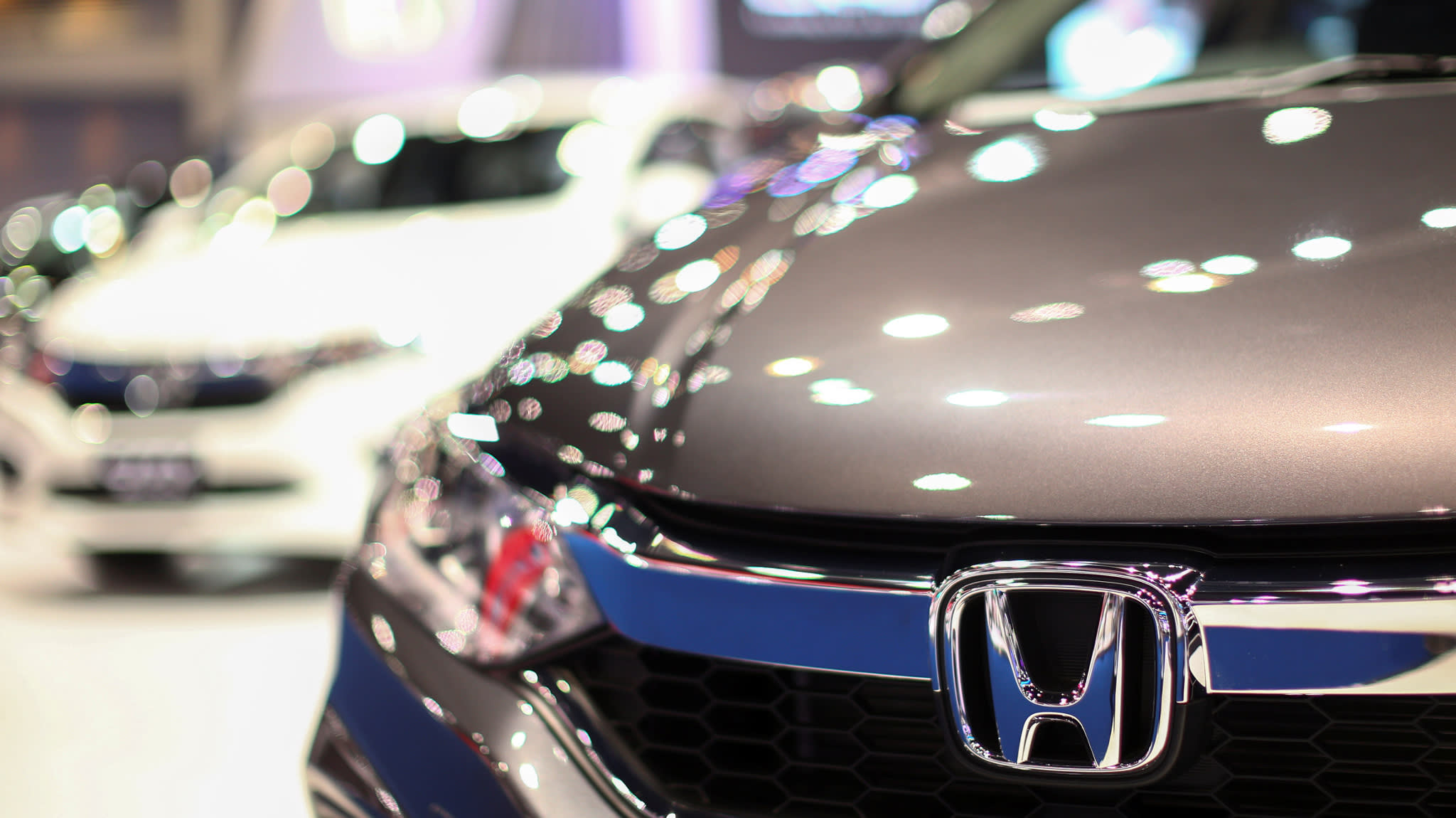
    Honda Cars India plans to increase the prices of its entire model range effective from August 2021. As reported by PTI, the Japanese automaker has cited an increase in input cost as the primary reason for the price hike. The carmaker looks to offset the impact of a sharp increase in the procurement cost of various essential commodities like steel and precious metals. However, the company hasn’t revealed the quantum of the hike, which is expected to vary from model to model.

    This will be the third price hike this year as the company had earlier increased prices in April because of rising input costs. In January 2021, prices of Honda cars were hiked as the company cited a rise in input costs to hike prices. The carmaker has four models in its product line-up for the Indian market, including the City and the Amaze sedan.

    Rajesh Goel, Senior VP and Director, Marketing and Sales, Honda Cars India today PTI, “The prices for raw materials like steel, aluminium and precious metals have increased sharply and many of them are at an all-time high, impacting our input costs significantly.”

    He further added that the carmaker is presently working out the details of the price hike which could be implemented from next month.

    “Our endeavour is to keep the cost of acquisition lower, so we are currently deliberating on how much of the additional cost we can absorb and how much will be inevitable to be passed on to our customers. The revised prices will be implemented from next month,” Goel noted.

    With input costs going up, Maruti Suzuki India last month announced that it would increase prices of its entire product portfolio in the second quarter of the financial year 2022. The Indo-Japanese auto major has already effected a price increase in April 2021.

  • Volkswagen Polo GTI Facelift Unveiled

    Volkswagen Polo GTI Facelift Unveiled

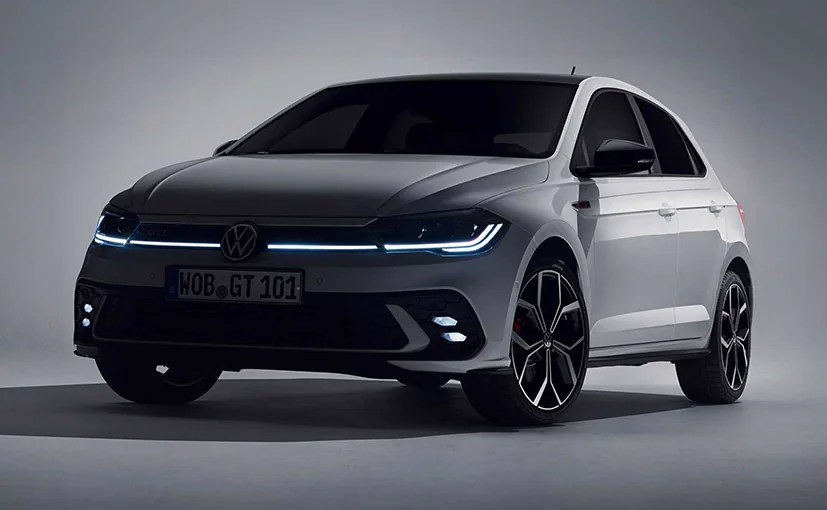
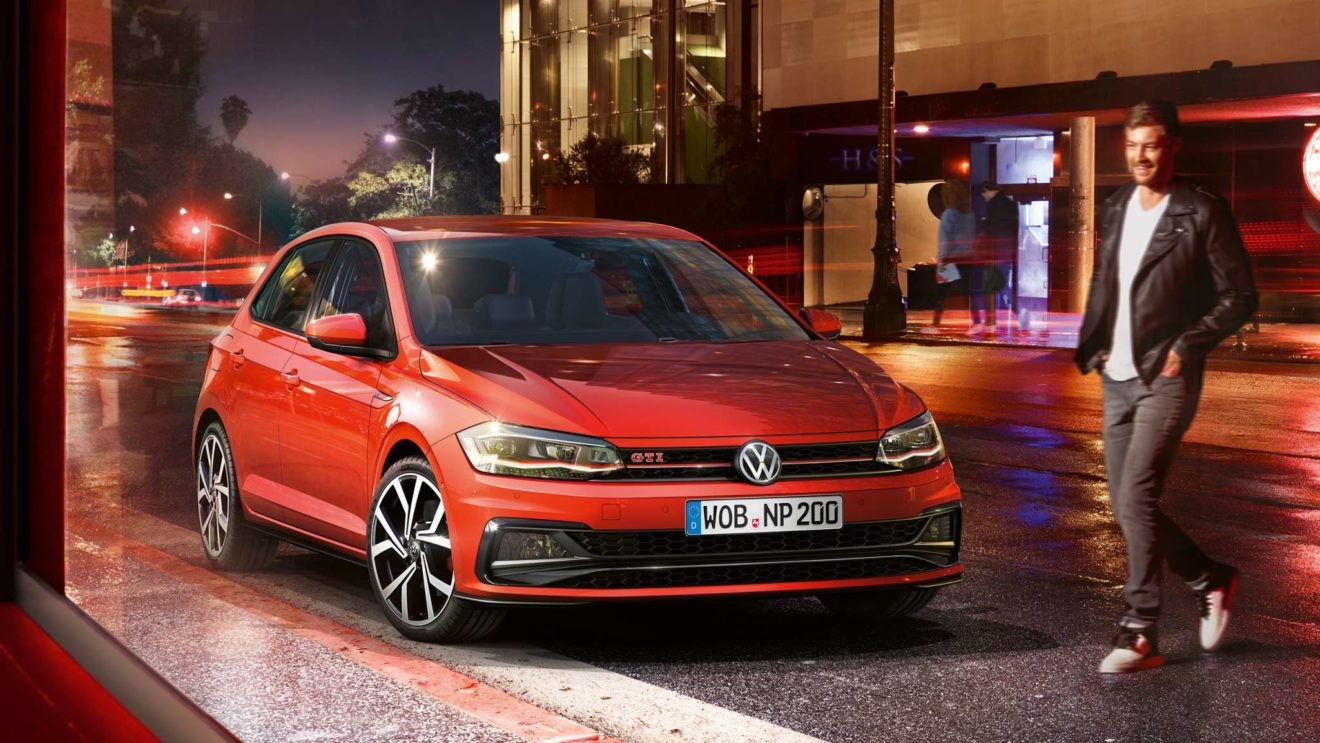
    Now before getting into the details of the new Volkswagen GTI facelift, let us tell you how these official pictures of the 2021 model year surfaced online. So we actually don’t know whether it is one of Volkswagen’s marketing strategies, or Ralf Brandstatter – CEO, Volkswagen Passenger Cars got so excited by looking at these official pictures of this new hot hatch, that he couldn’t help sharing them on his linked in profile. Yes! This is how the range-topping 2021 Volkswagen Polo GTI was unveiled, almost two years after the global debut of the line-up.

    In terms of design, the new GTI gives you exactly what you expect of a facelift as the changes remain subtle and it’s a predictable evolution if you will. It gets fully redesigned headlights along with the slim DRLs extending to the new grille, just like the Golf GTI. Then, there are wider taillights and the overall design has been spruced up with the usual red accents, dual exhaust tips, and a honeycomb grille. It also sports chunkier two-tone alloy wheels with upgraded brakes featuring red calipers and other sporty elements include contrasting black mirrors and roof.

    On the inside, it gets VW’s Discover Pro and Discover Media systems as optional, and the car also receives Volkswagen’s new ‘digital cockpit’ dashboard setup, as used by the Golf and ID 3. Other elements include a 9.0-inch touchscreen unit, panoramic sunroof, voice control, wireless charging, Beats sound system, and 18-inch alloy wheels. In the safety department, the new Polo gets Volkswagen’s Travel Assist system for the first time, which includes adaptive cruise control, lane assist, side assist and rear traffic alert. Autonomous emergency braking is also standard, as is a driver alert system and automatic post-collision braking.

    The new Polo GTI also comes with three driving modes – Eco, Normal and Sport with the last one tuned for enhanced exhaust note. The Polo GTI also gets a bespoke, performance-oriented chassis tune, lowering the body by 15 mm compared with the standard Polo and adding a large stabilizer on the car’s front axle, rigid coupling rods at the front and stiffer axle-locating mounts at the rear. Now Brandstatter is promising a powerful TSI engine under its hood, but mechanical details are not confirmed yet. We expect it to feature the same 2.0-litre, four-cylinder Turbo TSI motor tuned for optimum performance and it should come with the options of both six-speed manual and DSG transmission. Talking about the India context, the new Volkswagen Polo GTI is based on the sixth-generation Polo and both models are not likely to join VW India’s line-up anytime soon.

  • Logistics Company Cogos To Add 2500 EVs To Its Fleet Over Next 24 Months

    Logistics Company Cogos To Add 2500 EVs To Its Fleet Over Next 24 Months

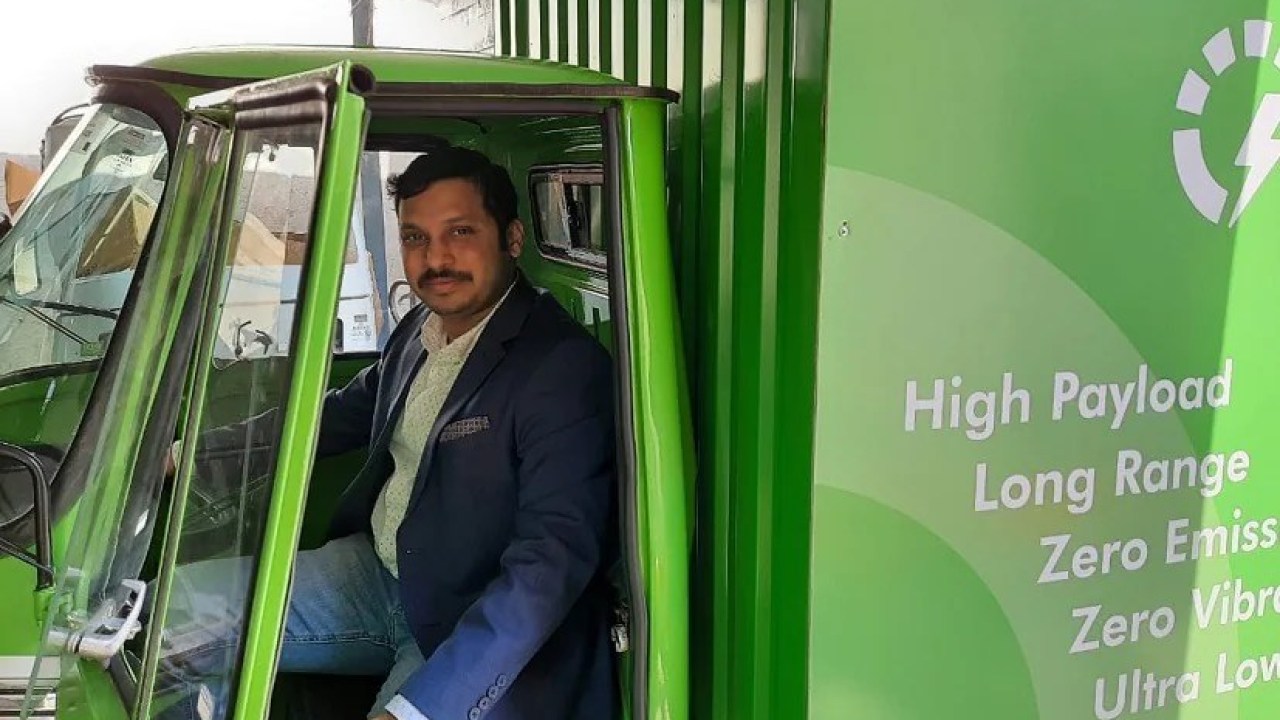
    Bengaluru-based logistics platform, Cogos, has announced that it will be adding 2500 electric vehicles (EV) to its delivery fleet across Bangalore, Hyderabad, Delhi, and Gujarat, and later in Maharashtra and Tamil Nadu. The company claims that it wants to reduce the carbon footprint of its fleet, and this move will help it achieve a reduction of 15000 tonnes of CO2 when running at full capacity, per year. The EVs will be added to the company’s fleet in a phased manner, over the next 24 months. Cogos has partnered with electric vehicle manufacturers like Altigreen, Mahindra, and Piaggio among others procure these EVs.

    Talking about the development, Prasad Sreeram, Co-founder and CEO, Cogos said, “It is important for us, as a logistics company, to focus not just on efficiency and cost, but also on sustainability. With this fleet augmentation of 2500 EVs, we are on track to achieve as much as 30 percent of our revenues from green technologies by 2023. We want to give customers a significant edge in efficient and responsible distribution and last-mile delivery solutions. EV is the future of mobility and city logistics have higher operating costs and lower traveling distances, hence are best suited for EV adoption for the logistics sector.”

    While currently, the company operates with three-wheeler commercial vehicles that have a payload capacity of 500 kgs, it is already working with the OEMs for four-wheeler EVs with a capacity of 1 tonne. The EVs will be used for the e-commerce, grocery, distribution, and mobility sector. Cognos has already entered into deployment agreements of 500+ vehicles for leading E-Com Enterprise and another 300+ with Food, FMCG, and Mobility enterprises.

    Cogos aims to strengthen the ecosystem by promoting EV ownership and creating a pool of fleet-owning entrepreneurs focused on sustainable growth. The company says that it will have a special focus on women empowerment through entrepreneurship and upskilling, along with evangelizing the benefits of EV to finance providers. To realize that, the company has entered into a tripartite agreement with the owner-operator and the financing entity, to support better financing for driver-partners. Cogos is also educating potential fleet owners on the benefits of EVs, like the fact that the cost of operating a commercial EV is only 50 paise per kilometer, which is multiple times lesser than fossil-fuel-based vehicles.

  • AirAsia India Operates 9 Flights With Fully Vaccinated Crew

    AirAsia India Operates 9 Flights With Fully Vaccinated Crew

    According to the airline, the flights were operated on Friday.

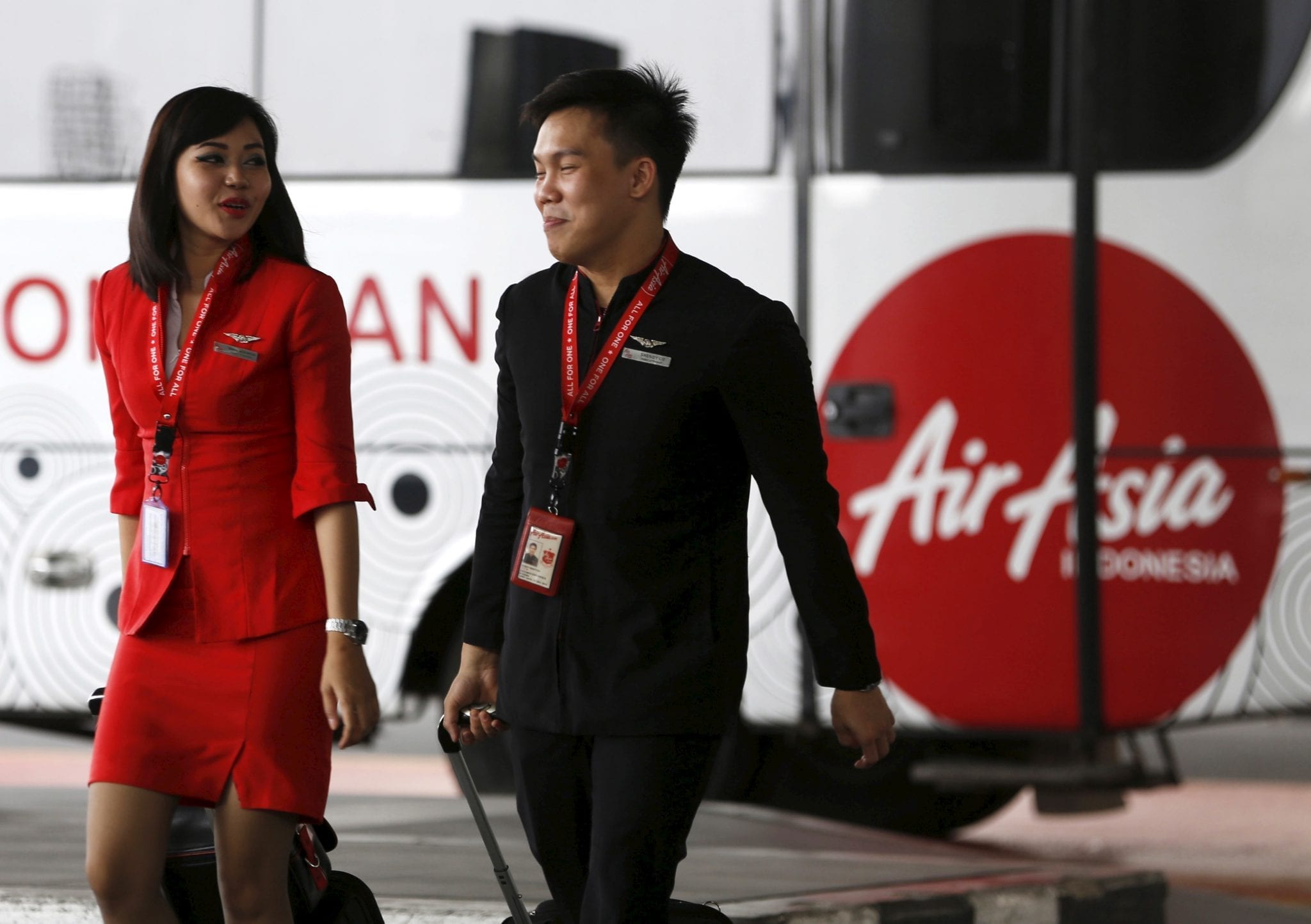
    “The sectors flown by fully vaccinated crew included Bengaluru-Kolkata, Kolkata-Bengaluru, Bengaluru-Chennai, Chennai-Guwahati, Guwahati-Bengaluru, Bengaluru-Pune, Pune-Jaipur, Jaipur-Pune and Pune-Bengaluru,” the airline said in a statement.

    “The operating crew members on these sectors are fully vaccinated, having received both doses in line with guidelines from health authorities and after going through all the mandatory tests and certified by the Chief Medical Officer, Dr Sangeeta Kujur.”

    AirAsia India is a venture between Tata Sons and AirAsia Investment.

  • India to expedite Amazon, Flipkart antitrust probe

    India to expedite Amazon, Flipkart antitrust probe

    India’s antitrust watchdog plans to expedite a restarted probe into allegations of anti-competitive behavior at Amazon.com Inc and Walmart Inc’s Flipkart, as it intensifies scrutiny of big-tech firms, two people close to the matter said.

    The comments come as major U.S. technology firms including Twitter Inc and Facebook Inc are at loggerheads with the government over issues such as data privacy bills and policies some industry executives have called protectionist.

    The Competition Commission of India (CCI) initiated a probe in January last year on the basis of a complaint alleging Amazon and Flipkart promoted select sellers on their e-commerce platforms and that deep discounts stifled competition.

    The companies have denied wrongdoing.

    Near-immediate legal challenges from the pair stalled the probe for over a year until a court last week allowed it to resume, having dismissed arguments that the CCI lacked evidence.

    Though Amazon and Flipkart are likely to appeal, the CCI plans to demand information from them related to the allegations “as quickly as possible”, said one of the people, who declined to be identified due to the sensitivity of the matter.

    The investigation “will be expedited”, the person said. Such investigations in India typically take months to complete.

    Amazon declined to comment. Flipkart and the CCI did not respond to requests for comment.

    The CCI is speeding up all cases involving big technology firms, including by deploying additional officers for some cases and working to more stringent internal deadlines, said the two people, who are familiar with the watchdog’s thinking.

    “Cases involving digital firms are getting a priority at CCI as they can have a significant impact on the economy and Indian startups,” said one of the people.

    Last year, the CCI began reviewing allegations of Google abusing the position of its Android operating system in the smart TV market, and is likely to soon order a comprehensive antitrust investigation, the people said.

    Google declined to comment.

    Such a probe would be the third against Google, with the Alphabet Inc unit already battling cases relating to Android as well as its payment app.

    The CCI is also investigating practices at MakeMyTrip Ltd and privacy policy changes at Facebook’s WhatsApp.The probe into Amazon and Flipkart is restarting at a time when both are battling accusations from offline retailers that their complex business structures allow them to circumvent foreign investment rules for e-commerce.

    Amazon, which has said it “does not give preferential treatment to any seller”, told the court here it disagreed with the report.

    The antitrust body will examine the Reuters report and could use it as part of its investigation, one of the people said.

    “The CCI’s plan to move faster on such cases is in line with other antitrust regulators globally that are investigating digital markets like e-commerce and online search, which are dynamic and evolving fast,” said an Indian antitrust lawyer who represents tech firms.

  • Vietnamese rice faces competition from India in Philippines

    Vietnamese rice faces competition from India in Philippines

    The Philippines is set to import a lot of rice from India at $100 cheaper per ton than Vietnamese rice as it diversifies its supply sources.

    A report by the Agricultural Products Processing and Development Department (Agrotrade) shows that in the first five months of this year, Vietnamese rice exports reached 2.7 million tons at $1.48 billion, down 11.3 percent in volume and 5 percent in value over the same period last year.

    There’s no significant demand by foreign traders as they wait for the summer-autumn harvest season, the report said.

    On the other hand, the price of Vietnamese rice is much higher than that of India and Thailand. A ton of Vietnamese rice is $20 higher than that of Thai rice and over $100 per ton over Indian rice.

    On average, Vietnam’s rice export price in the first four months of this year reached $543 per ton, up 15.4 percent year-on-year. The Philippines is Vietnam’s largest rice-consuming market, accounting for 35.6 percent, but export to this market decreased 20.7 percent in volume and 4.9 percent in value over the same period last year. Similarly, rice exports to Indonesia also decreased sharply by 71.1 percent year on year.

    According to Agrotrade, market demand in the coming time will be high, but Vietnamese rice will face competition in the international market when the prices of Thai and Indian rice are more attractive to buyers.

    Recently, the Philippines eliminated import duties for ASEAN, non-ASEAN, and “Most Favored Nation” (MFN) nations with the goal of increasing imports of cheaper rice from India and Pakistan.

    Specifically, the Philippines has lowered import duties for MFN on rice to a single rate of 35 percent. It had previously imposed a 40 percent in-quota tariff rate and 50 percent out-of-quota tariff rate.

    On June 7, Philippines Finance Minister Carlos Dominguez announced that the country would seek more rice from countries outside Southeast Asia with the goal of diversifying supplies and keeping import prices at a reasonable price. Accordingly, India is a country with cheaper rice that can become a main supplier.

    Vietnam has been the main rice supplier to the Philippines so far. In addition, the Philippines also buys rice from Thailand and India, apart from other countries outside Southeast Asia.

    Vietnam is set to produce 43 million tons of paddy and export 6.5 million tons of rice this year, according to the Ministry of Agriculture and Rural Development.

    The nation was the world’s second-largest rice exporter last year at 6.25 million tons.

  • Volkswagen, Ford To Exit Auto Finance Business In India

    Volkswagen, Ford To Exit Auto Finance Business In India

    The auto financing arms of Volkswagen AG and Ford Motor Co plan to stop giving new credit to car buyers and dealers in India and will exit from the country, sources aware of the development told Reuters. Volkswagen Finance Private Ltd, the German carmaker’s finance arm, stopped giving loans to car buyers in India last year and in May told dealers of all VW brands, which includes Volkswagen, Skoda and Audi, to find another financing, two sources with direct knowledge of the talks said.

    As some customers failed to make repayments, the finance unit has suffered losses, and will close for business by Dec. 31, the sources said.

    More than 50% of Volkswagen group dealers use credit from the finance arm, they said.

    Volkswagen Finance Private Ltd said in a statement that it had acquired a major stake in Indian loan brokerage portal KUWY Technologies to service its retail customers.

    It is in talks with dealers and will review its business strategy by the end of the year, the company said.

    The auto finance arms are classified as non-banking financial companies (NBFCs) and they compete with banks for providing credit. But banks have access to cheaper funding so can offer loans at lower rates than those offered by NBFCs or shadow lenders.

    To offset the disadvantage, Volkswagen and Ford would offer incentives to those dealers who have used their credit finance, the sources said.

    Dealers typically need credit to buy cars from automakers which they then sell on to customers.

    Volkswagen’s plan to exit the financing business has surprised dealers, coming weeks ahead of the launch of Skoda’s new sport-utility vehicle (SUV) to boost sales in India, the two sources said.

    Skoda dealers have been asked to find new financing by the end of the month – a tight deadline ahead of a new model launch, one source said.

    Ford Credit, the automaker’s financing arm, stopped lending to car buyers at the end of last year and will cease credit to dealers by June 30, two separate sources said.

    The decision to exit the financing business comes at a time when Ford is finalizing a new strategy for India after ending ties with Mahindra & Mahindra on Dec. 31.

    A Ford Motor India spokesperson said the company regularly assesses market conditions for its credit business and the decision to discontinue was conveyed to dealers in October – before it made any announcement on the Mahindra partnership.

    “We are confident the auto financing sector in India can support Ford customer and dealer new financing needs. Our team continues to service our existing book of business,” the spokesperson said, adding that 25%-30% of its dealers do business with Ford Credit.

  • Mercedes-Benz India Has No Plans To Launch The EQS Or Any Other EV This Year

    Mercedes-Benz India Has No Plans To Launch The EQS Or Any Other EV This Year

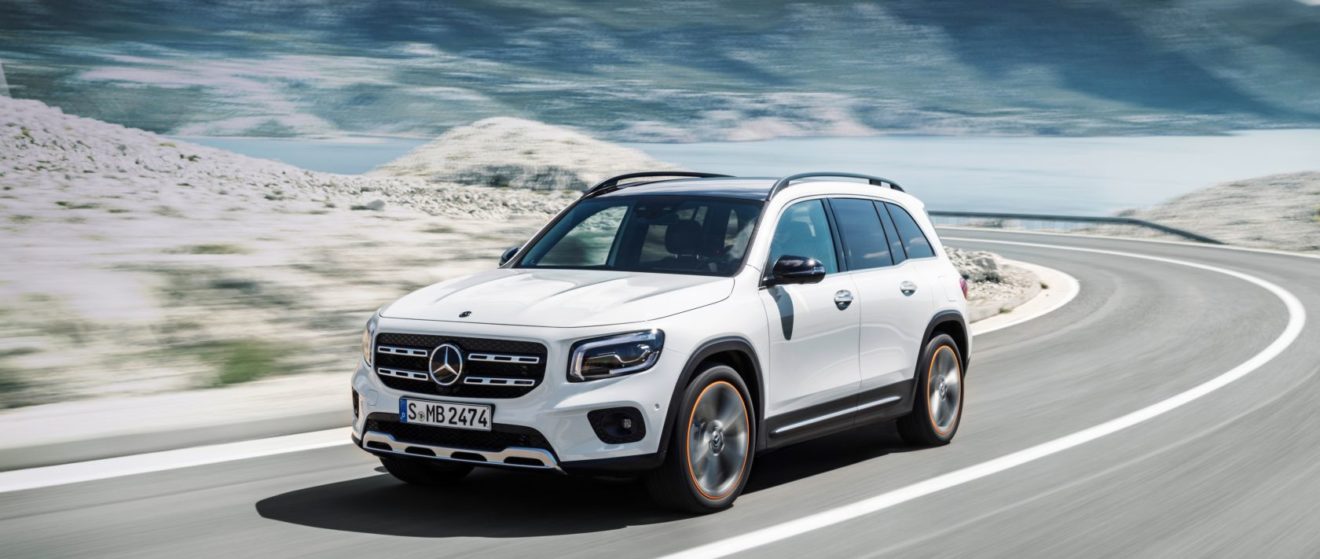
    Despite the challenges caused by the second wave of the COVID-19 pandemic, Mercedes-Benz India has been among the select few carmakers that have stayed on course with regard to product launches. The Stuttgart-based luxury carmaker has confirmed that it will launch 15 new models in India this year, however, that will not include any electric vehicles. When asked about the launch timeline for the EQS, during the post-launch interaction for the Maybach GLS 600, Santosh Iyer, VP – Sales & Marketing, Mercedes-Benz India confirmed that the company has no plans to launch the EQS or any other EV at least for next one year.

    Talking about the company’s product plan with regards to the EQS and other electric vehicles, Iyer said, “The EV portfolio for Mercedes-Benz is strong. You already saw the EQA, the EQB, there are many products that are getting launched. So, we’ll pick up the right products and definitely, surely introduce them in India. But, for now, the EQC remains our key driver when it comes to the volumes here. Again, we are struggling with the availability of EQC so no point in again launching more EVs and putting some confusion in the market at this stage. Also, EQS is available for sale only in the last part of the year, even worldwide. So, nothing in the next one year at least as far as the EQS or anything else goes.”

    Iyer pointed out that a lot of these electric vehicles introduced globally are high on demand worldwide, and they will make it other markets gradually. Assuring that India is a priority market for the brand, he said that there is no point in launching a product and not being able to cater to the demand. Right now, it’s even struggling with the demand for the EQC. So, before bringing a high-value product like the EQS electric sedan, the carmaker wants to get some volume and certain clarity.

    Having said that, Mercedes-Benz India has already listed its flagship electric vehicle – the EQS on its official website. When asked what that means for the Indian market, Iyer said, “For us electric is not an option. It is something that the automotive industry will transform, and we take pride that in India we were the first to start, and we’ll now continue to bring in new products. As regards that EQS, I think that a statement in terms of our brand, in terms of our commitment to electric.” He further added, “I think the EQS transforms, it makes a paradigm shift into the technology scape, into the luxury space apart from being a very good EV in terms of driving, in terms of battery charging, and some of the other dynamics. So, it was natural for us when there is a global unveil of such a product, which is now our flagship when it comes to the EV story to be there on our website.”

    The Mercedes-Benz EQS is the company’s flagship electric vehicle, and it was just in April 2021 that the sedan version of the EV made its debut. Mercedes also plans to introduce an SUV version of the EQS, which is likely to make its global debut in late 2022. The EQS sedan comes with a 107.8 kWh Lithium-Ion battery, promising a 770 km WLTP cycle certified drive range on a full charge. However, the carmaker has not provided detailed variant-wise range options. The car comes with a standard onboard charger of 11 kW with an optional 22 kW charger. The EQS can be charged from 10 to 80 percent in 35 minutes using a 110 kW DC fast charging, while a 240-volt household wall charger will take 11 hours for the same range.

  • Michelin To Hike Tyre Prices In India, Africa And Middle East

    Michelin To Hike Tyre Prices In India, Africa And Middle East

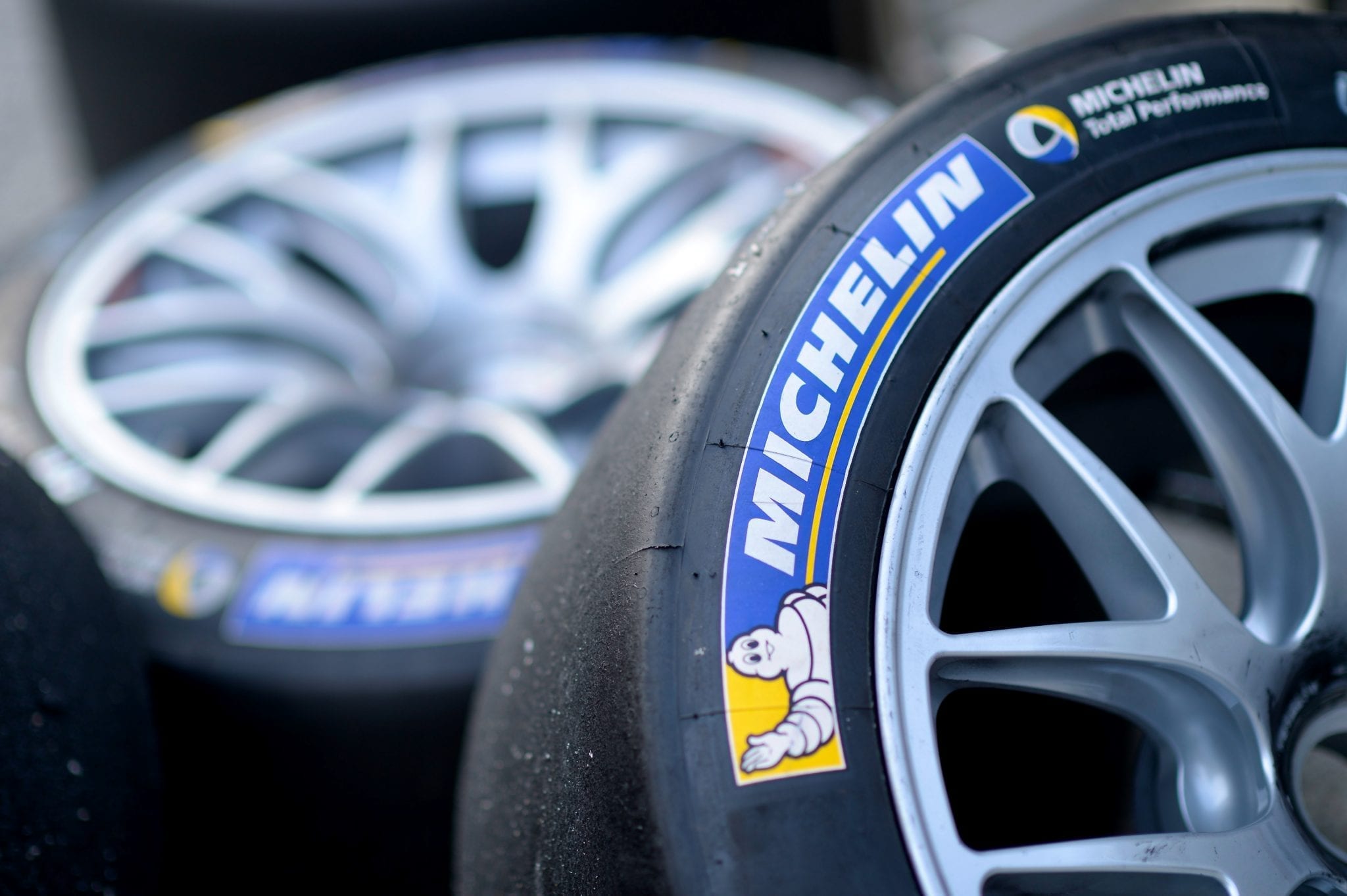
    Michelin today announced that it will be hiking tire prices in India, Africa & the Middle East region. The increase in price is effective from June 18 in India and July 1 for the Middle East region and is applicable to all Michelin Group brands. This is the second price hike this year by Michelin as the first one was made very recently in March 2021, where tire prices were hiked by 8 percent.

    In a statement by the company, it said, that it will increase its tyre prices by up to 6 per cent on passenger car, light truck and motorcycle tyres as well as up to 8 per cent on both on- and off-road commercial tyre. The hike in price has been attributed to the increase of raw material cost, global transportation cost and prevailing market dynamics

    Price changes may vary across specific products within each brand portfolio.

  • Lamborghini Huracan Evo RWD Spyder India Launch Date Revealed

    Lamborghini Huracan Evo RWD Spyder India Launch Date Revealed

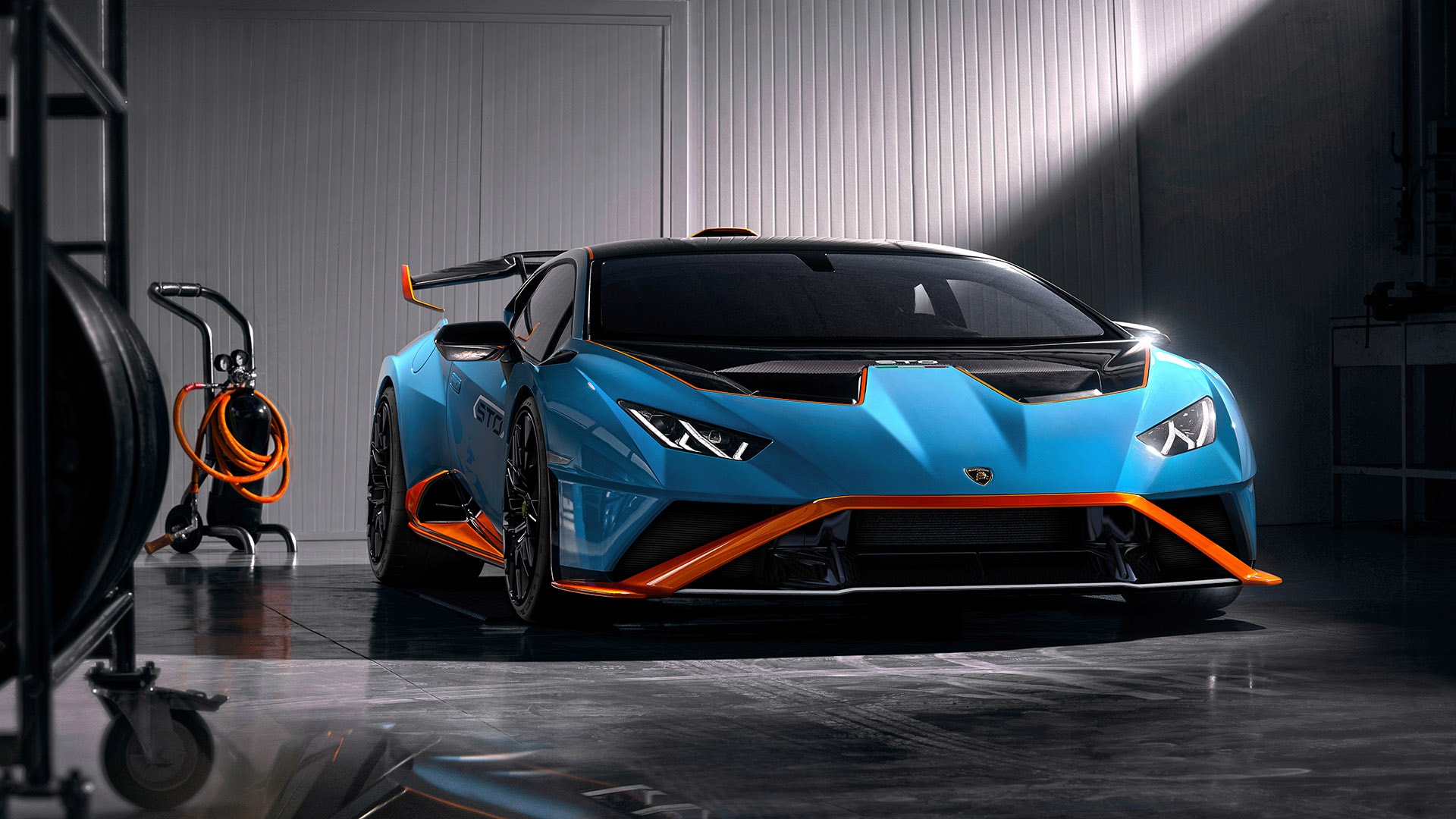
    The Lamborghini Huracan Evo RWD Spyder went on sale globally last year and is all set to hit our market on June 8, 2021. The car is powered by the same 5.2 litre V10 motor from the coupe version. It’s also the same engine that powers the regular Huracan but Lamborghini has upgraded the engine with bits like titanium valves, revised intake, and lighter exhaust. This enables the car to churn out a whopping 602 bhp and 560 Nm of peak torque although it is about 28 bhp and 40 Nm lesser than the AWD version. The engine comes mated to a seven-speed dual-clutch transmission then sends power to the rear wheels.

    Despite power and torque figures being almost identical to the RWD Coupe, the Spyder is marginally slower taking 3.5 seconds to clock triple-digit speeds, which is 0.2 seconds slower than the RWD Coupe. Then, it can clock a top speed of 324 kmph while the coupe does 325 kmph for the coupe, which is a minor difference. The Huracan also gets Lamborghini’s Aerodinamica Lamborghini Attiva, a new active aerodynamic tech allowing the car to switch between maximum downforce and low drag setups by adjusting flaps at the front and rear. This helps the car to create maximum vertical downforce. Lamborghini also says that it has specially tuned the car’s Performance Traction Control System for potent torque delivery and traction to maintain maximum agility even around corners. The carmaker claims that dynamic performance will be identical to that of the RWD Coupe.

    Now speaking about its looks, the RWD Spyder gets similar updates we already saw the RWD Coupe which also bagged our sports car of the year award. It gets a new front splitter, bespoke rear diffuser, and a new rear bumper. Compared to the RWD Coupe, the Spyder is about 120 kg heavier due to the structural updates and the mechanism for the folding soft-top roof. It takes 17 seconds to operate the roof and at speeds of up to 50 kmph. The car also sports a rear windscreen that can be raised and lowered individually.