Retail News CRM

Tag: india

  • Rapido, Zypp Electric Join Hands For Electric Bike Taxi Service

    Rapido, Zypp Electric Join Hands For Electric Bike Taxi Service

    Indian bike taxi platform Rapido, has joined hands with Zypp Electric to provide electric bike taxi service to its customers. Called Rapido EV, the new electric bike taxi is intended to reduce carbon footprint and encourage customers to use environment-friendly two-wheelers. More than 100 riders and electric two-wheelers will be onboarded on to the Rapido platform from Zypp as part of Rapido’s captain fleet. The service will be a pilot run for three months starting from March 2021 and will be tested for its demand and veracity in the Delhi-NCR area. Rapido is looking to on-board more such EV partners to further expand this business model across its Tier I market in the country, according to a press statement from the company.

    Announcing the launch of Rapido EV, Aravind Sanka, Co-Founder, Rapido, said, “While India is the largest two-wheeler market, only 1% of it is electric. With the launch of Rapido EV rides, we want to give a unique experience to our users along with contributing positively to the environment and reduce our carbon footprint. The recent World Air Quality report by Swiss technology company IQAir ranked Delhi as the world’s most polluted capital among 106 countries and we hope that this move helps contribute to the betterment of the air quality in the city.”

    On the partnership with Rapido, Akash Gupta, Co-Founder, Zypp Electric, said, “We at Zypp are becoming the de-facto EV layer when it comes to goods and people movement. The partnership with Rapido is part of highly focused EV utilization project where we wish to ensure that every segment is able to switch to EVs comfortably. With our robust battery-swapping network which will be tested with bike taxi services with Rapido, we’re here to bolster the EV proposition together with this partnership and would love to scale this nationally making people get pollution-free taxi rides too.”

    Rapido EV Rides will be available under the Ride section on the app and will be priced at the Rapido Ride rate with a minimal convenience fee. Customers have to download the app, log in to their account and book a Rapido Ride, through their iOS/Android phones. Rapido is a bike taxi service spread across all of India from Tier I to Tier III cities. The app allows customers to book bike taxis conveniently with very less wait time.

    Zypp Electric offers dedicated electric vehicles for delivery of essentials, goods, medicines and food packages. The company was started in 2017 to make last mile delivery carbon-free for local merchants to e-commerce giants. The company currently has more than 1,000 Zypp pilots (delivery executives) using IoT enabled electric scotoers for delivery services.

  • Indian lingerie model, age 52, hopes to inspire inclusivity

    Indian lingerie model, age 52, hopes to inspire inclusivity

    A 52-year-old Indian lingerie model is pushing e-commerce firms to hire older women for their advertising campaigns, challenging what she says are the ageist norms practiced by many companies.

    Geeta J, a former teacher who took to modeling when she turned 50, says she wants innerwear companies in India to be more inclusive and avoid featuring only younger women in their promotion drives.

    “Are women no more fit to become a lingerie model past a certain age?,” Geeta has said in an online petition on Change.org, captioned with the hashtags ‘#AgenotCage’ and ‘#LingerieHasNoAge’, which she started this year.

    Her job is bold and unusual in the largely conservative Indian society where religious and cultural norms limit women’s freedom to dress the way they want.

    Such norms are even more restrictive for women over the age of 40, Geeta told Reuters in an interview.

    More than 11,000 people have signed up to support her petition, which is addressed to the chief executive of the popular innerwear company Zivame.

    “This will lead to a change in the mindset of people in our country who think that after 40, women should dress and behave in a certain way,” Geeta said in the petition, adding that she hoped it would lead to more companies following suit.

    Geeta began her career after winning a runners-up prize in a beauty pageant for older women. While her family and friends had been supportive of her switch in careers at 50, however, she said she was aware many Indian women her age would find it hard to do so.

    “I want to tell this to all women that they should care about the dreams of their husbands and loved ones and support them, but they should never think that their own life is not important or their wishes are not important,” Geeta said.

  • Reliance Jio increases spectrum footprint by 55% in India

    Reliance Jio increases spectrum footprint by 55% in India

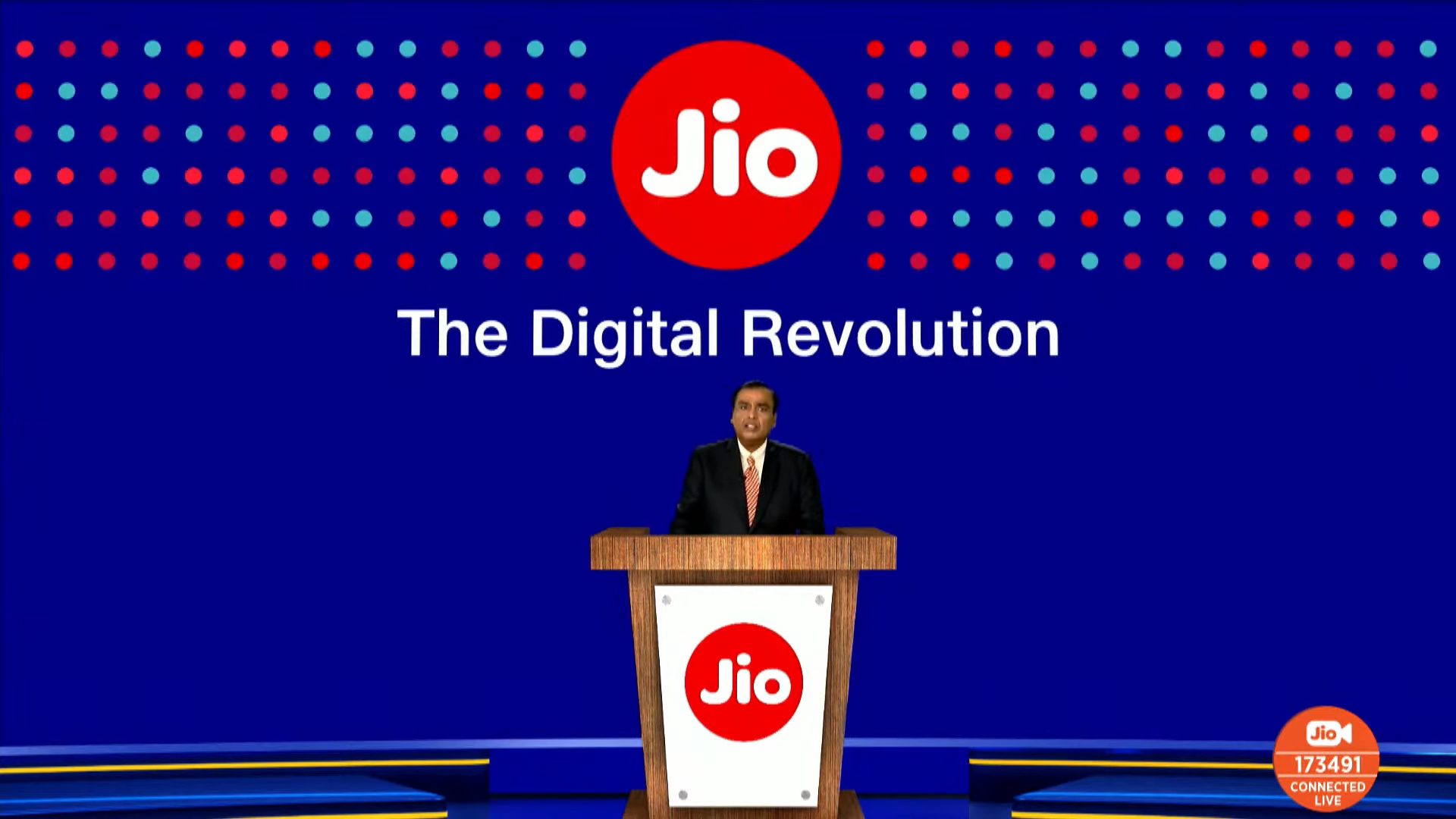
    Through this acquisition, RJIL’s total owned spectrum footprint has increased significantly, by 55%, to 1,717 MHz (uplink+ downlink). RJIL has the highest amount of sub-GHz spectrum with 2X10 MHz contiguous spectrum in most circles. It also has at least 2X10 MHz in 1800 MHz band and 40 MHz in 2300 MHz band in each of the 22 circles. RJIL has achieved complete spectrum derisking, with an average life of owned spectrum of 15.5 years. RJIL’s spectrum has been acquired in the most cost-efficient manner with an effective cost of Rs 60.8 crore per MHz.

    With the enhanced spectrum footprint, especially contiguous spectrum, and pan-India infrastructure deployed, RJIL has enhanced network capacity to service its existing users as well as hundreds of millions of more subscribers on its network.

    The acquired spectrum can be utilized for the transition to 5G services at the appropriate time, where Jio has developed its own 5G stack.

    Sh. Mukesh D Ambani, Chairman, Reliance Industries, said, “Jio has revolutionized the digital landscape of India with the country becoming the fastest adopter of Digital Life. We want to ensure that we keep on enhancing experiences, not only for our existing customers, but also for the next 300 million users that will move to digital services. With our increased spectrum footprint, we are ready to further expand the digital footprint in India as well as get ourselves ready for the imminent 5G rollout.”

  • Apple is moving up to 10% of iPhone 12 5G production to India

    Apple is moving up to 10% of iPhone 12 5G production to India

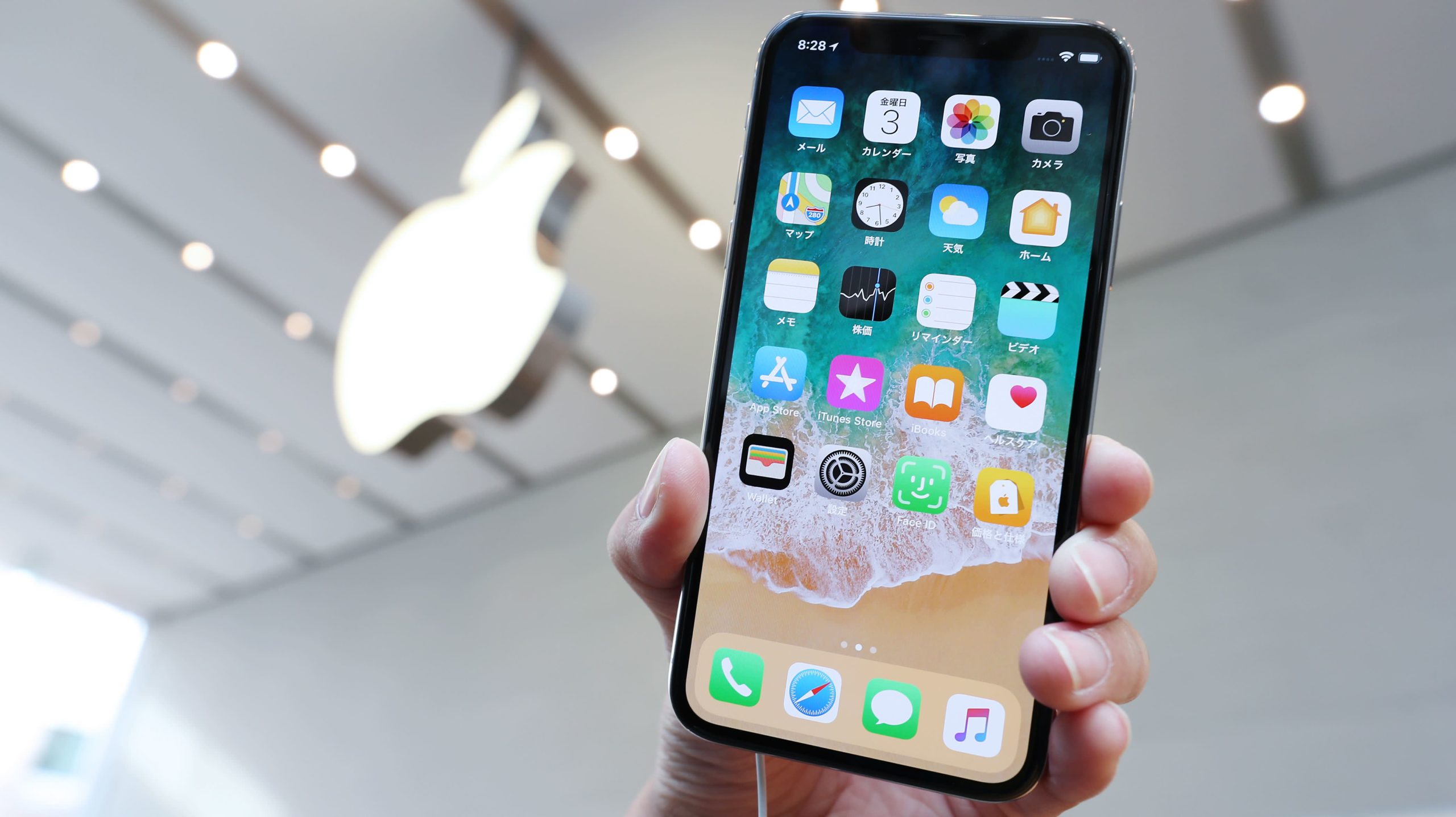
    Apple and its partners have already moved some iPhone 11 and iPhone XR production to India, and the iPhone 12 could too be manufactured in the region as the company looks to further reduce its dependence on China.

    iPhone 12 production is soon going to start in India, where devices for both the domestic market and export will be manufactured.

    The move means Apple will be able to avoid India’s hefty smartphone import tariffs. It might be able to lower the starting price of its flagship iPhone 12 in India as well, in turn providing a much-needed boost to its business.

    Apple doubled the size of its Indian business in the final quarter of 2020, but Tim Cook himself admitted that the company’s presence in the market is still very small considering its overall size.

    Apple’s initial goal is to shift between 7-10% of total iPhone 12 production to India from China. The Silicon Valley-based giant has discussed moving iPhone 12 mini production to India too, but a final decision is yet to be made.

    Foxconn is leading these local efforts and is planning an expansion to its factory in Tamil Nadu, where two of the best cheap iPhones — iPhone 11 and iPhone XR — are assembled, to accommodate for Apple’s iPhone 12.

    Later in 2021, Pegatron is expected to start manufacturing the iPhone 12 in India too. However, partner Wistron doesn’t seem to be involved at this stage, likely due to recent riots at an Indian factory that led to it being put on probation by Apple.

  • Vodafone Idea acquires spectrums in five telecom circles to enhance 4G capacity

    Vodafone Idea acquires spectrums in five telecom circles to enhance 4G capacity

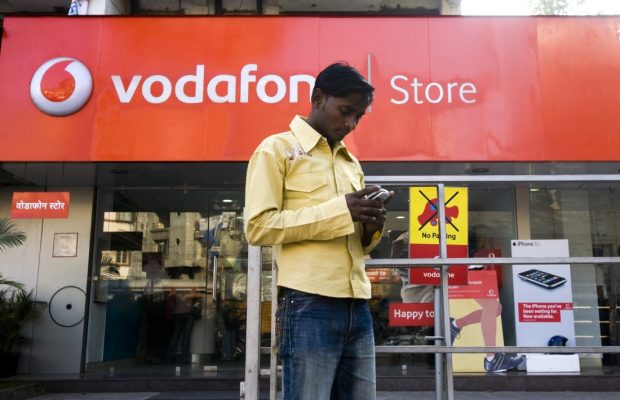
    Being India’s third-largest telecom operator in the 4G spectrum auctions, Vodafone Idea entered with the largest quantum of spectrum with a very small fraction. “This was administratively allocated and used for GSM services, coming up for renewal,” the company said.

    With the telecom industry gearing up for the 5G revolution, VI hopes that a large quantum of spectrum would be made available for all operators in the future at fair prices. The operator had reportedly submitted an earnest money deposit of Rs 475 crore. Yet, the company did not disclose the exact quantity of spectrum bought.

    In line with the government’s effort to innovate the country’s telecom sector, Vodafone Idea claimed that the Indian telecom segment is well-positioned to drive the Digital India agenda, as long as sufficient spectrum availability and an adequate number of market players are involved.

    Broadly speaking, India has 22 telecom circles. All major telecom operators — Reliance Jio Infocomm Ltd, Bharti Airtel Ltd, and Vodafone Idea — participated in the auction. According to the department of telecommunication (DoT), they put on the block 2,308.8MHz of spectrum at a base price of ₹3.92 trillion in the auction. Moreover, spectrum in the 700MHz, 800MHz, 900MHz, 1,800MHz, 2,100MHz, 2,300MHz, and 2,500MHz bands were put up for sale.

  • India’s Flipkart mulls US listing

    India’s Flipkart mulls US listing

    Walmart Inc.’s Flipkart is exploring going public in the U.S. through a merger with a blank-check company as it seeks to quicken its listing process, according to people familiar with the matter.

    The Bengaluru-based online retailer has been weighing a U.S. initial public offering and it’s now also looking at other options, the people said. Flipkart’s advisers have approached several SPACs, said one of the people, who asked not to be identified as the information is not public. Flipkart could seek a valuation of at least $35 billion in a blank-check transaction, the people said.

    Deliberations are at an early stage and Flipkart could still explore other options, the people said. A representative for Flipkart had no immediate comment.

    The e-commerce firm is joining other Indian firms like online grocer Grofers in exploring a U.S. listing through SPAC deals. ReNew Power last week agreed to merge with a U.S.-listed special purpose acquisition company in a deal that will give India’s biggest renewable power producer an enterprise value of $8 billion.

    Merging with SPACs, which are shell companies that raise money from public investors intending to acquire a business within two years, will allow Walmart to take its India unit to market at a faster pace than the usual IPO route. As many as 10 Indian companies could go public through SPAC deals before the end of the year, Utpal Oza, head of investment banking for India at Nomura Holdings Inc., said in an interview.

    Flipkart, which is battling with e-commerce arch-rival Amazon.com Inc. and Mukesh Ambani’s retail venture for market share in India, started operations in 2007 and now sells 80 million products on its platforms. Walmart acquired a majority stake in Flipkart in a $16 billion deal in 2018.

  • All-New Suzuki Hayabusa Teased For India, Launch Soon

    All-New Suzuki Hayabusa Teased For India, Launch Soon

    The all-new Suzuki Hayabusa finally broke cover last month and it turns out the new offering will come to India sooner than we were expecting. Suzuki Motorcycle India has released a teaser video on its social media handles for the new Hayabusa with the caption, “The ultimate superbike, coming soon.” It is likely that the all-new superbike will arrive in India in the next quarter of the year, and will be one of the first markets outside Japan to get the offering. It needs to be noted that India was one of the last markets globally where the second generation Hayabusa was sold before the model had to be pulled off the shelves with the transition to BS6 emission norms.

    The third-generation Suzuki Hayabusa has seen a comprehensive overhaul over its predecessor. The model gets a revised twin-spar aluminum frame and swingarm. The design language is an evolution over the older model and makes it instantly recognizable. There are plenty of changes including the new LED position lights on either side of the headlamp, new DRLs and air intakes on the side. The fairing has been completely revised and gets larger air scoops, while the LED taillight is all-new as well.

    Power on the 2021 Suzuki Hayabusa comes from the 1340 cc, liquid-cooled, DOHC, 16-valve, in-line four-cylinder engine. The motor has been thoroughly updated for Euro5 compliance. There are new internal components including an exhaust header pipe, optimized cam profiles, 1 mm education in throttle body inner diameter and a 12 mm extension in the overall intake pipe. While Suzuki says that the engine’s performance has been improved, power figures have seen a reduction with the model now producing 187 bhp at 9700 rpm and 150 Nm of peak torque at 7000 rpm. The motor is paired with a 6-speed gearbox. Compared to the second-gen model, the new Hayabusa is lighter by 4 kg but still tips the scales at 264 kg (kerb).

  • Walmart’s Flipkart expands grocery sales to more Indian cities

    Walmart’s Flipkart expands grocery sales to more Indian cities

    Walmart-owned Flipkart will sell groceries online in more Indian cities, as it seeks to compete better with Amazon and Reliance in an e-commerce market that has grown rapidly during the COVID-19 pandemic.

    Flipkart has already expanded online grocery sales to more than 50 Indian cities and intends to reach over 70 locations in the next six months, the company said in a statement on Tuesday.

    The Bengaluru-based firm said its grocery service had grown “exponentially” in the past year when many Indians began buying essential supplies online due to the health crisis.

    “Grocery continues to be one of the fastest-growing categories,” said Manish Kumar, senior vice president at Flipkart, adding that the company had seen increased demand for the service from smaller cities in 2020.

    Reliance Industries-owned JioMart last year became the latest big entrant to India’s e-grocery market, a sector that also includes Amazon.com Inc, BigBasket and several smaller players. Indian conglomerate Tata is reported to be buying a majority stake in Alibaba-backed BigBasket.

    Reliance, backed by India’s richest man, Mukesh Ambani, raised over $20 billion last year from global investors including Facebook and Alphabet’s Google for its digital arm, which is expected to support JioMart.

    India’s broader retail industry is also witnessing a high-stakes legal battle between Reliance and Jeff Bezos-led Amazon on the Future Group’s $3.4 billion sale of its retail assets to Reliance, which Future’s partner Amazon is contesting.

    Flipkart’s recent expansion has taken its grocery services to big cities including Kolkata, Pune and Ahmedabad, it said.

    “Grocery is the next big frontier for online shopping and is a key focus area for Flipkart to bring new customers online,” the company added.

  • Lamborghini Urus Sales Hit 100 Units Milestone In India

    Lamborghini Urus Sales Hit 100 Units Milestone In India

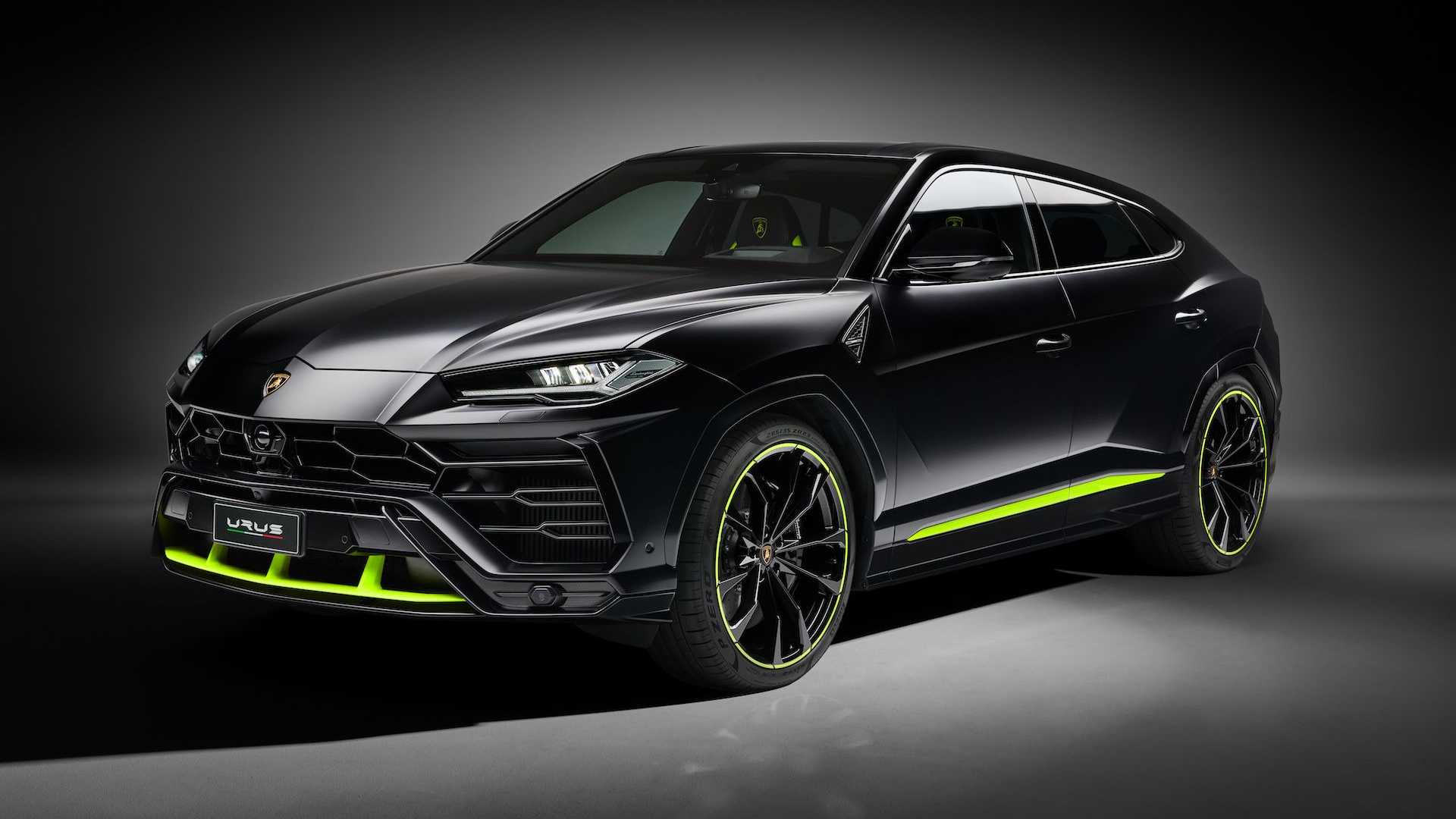
    Automobili Lamborghini has achieved a new sales milestone in India by selling 100 units of its super-luxury SUV – the Lamborghini Urus. Currently the most affordable Lamborghini model in India, the Urus was launched in January 2018, and the first car was delivered the same year in September. Within one year, the company managed to sell 50 units of the car in India, and despite the coronavirus pandemic the Italian marque has managed to sell the next 50 units in less than 18 months. In fact, before the pandemic, the company was delivering one Urus every week, which is huge for a car in this uber-luxury segment.

    Sharad Agarwal, Head of Lamborghini India, said, “When we launched Urus, we always knew that it’s going to be a gamechanger for us. Also, because it’s a car that comes with the dynamics of a sports car, but also has the versatility of an SUV. And limitations what we have in the Indian market with our congestions and roads we knew that it is a right answer or a right Lamborghini for an India user. When we launched the car, we delivered the first Urus in September 2018 and we were delivering one Urus every week, till we were hit by the pandemic. There were challenges in the market and also on the supply side, but the good thing is we are now back on track, we are now back on delivering almost one Urus every week, and now we could achieve the fastest hundred in the super-luxury segment, and this makes it really, really special.”

    The Lamborghini Urus has been a big contributor to the company’s sales in India. In 2019, the company sold a total of 65 units in the country and posted a growth of 30 percent compared to 2018, and this big boost to the sales was thanks to the Urus. With the pandemic hitting sales sharply in 2020, Lamborghini still managed to cross the 50 unit sales mark last year. The company sold 52 units in 2020 and is looking to grow on this momentum in 2021 spearheaded by the Urus.

    Talking about the expectations from 2021, Agarwal said, “The segment is slowly coming back. There are still challenges. Last year we saw that the segment was about -30 percent. This year, my anticipation is that the segment should come close to the 2019 level. As a brand, we are still going strong and we have set a target for us that we want to have another record year of performance in India despite what we face in terms of market conditions. So, we can say that 2021 will be another record year in terms of our volumes in the country. So, well definitely do much more than what we did in 2019.”

    The Lamborghini Urus has currently priced in India around ₹ 3.10 crore (ex-showroom, India) and it still commands a waiting period of about 10 months, and despite that, the company says, its order bank is growing healthier and healthier. Moreover, Lamborghini also says that the demand is not restricted to metros alone, but is growing in each part of the country, across the length and breadth. The Urus is powered by a 4.0-litre Twin Turbo V8 engine, which is tuned to produce 641 bhp and 850 Nm of peak torque. The SUV can go from 0-100 kmph in 3.6 seconds and reach 200 kmph in 12.8 seconds, before reaching the electronically limited top speed of 306 kmph.

  • Ikea starts building shopping mall in India

    Ikea starts building shopping mall in India

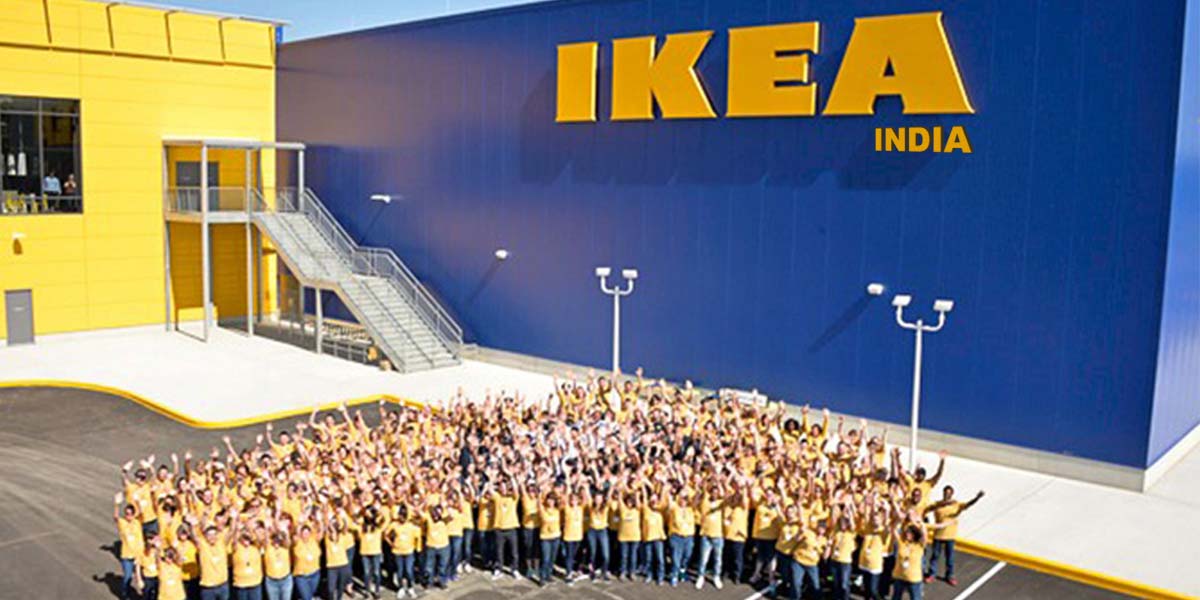
    Ikea’s arm Ingka Centers is to launch India’s first Ikea mixed-use destination in the outskirts of Delhi, Noida.

    The plan was announced after the retailer secured a 47,833sqm plot of land in Noida, Uttar Pradesh. The project will cost about US$760 million and take seven years to complete. The Ikea mega mall will feature two multi-storied buildings of more than 20 floors with separate blocks for retail, office, and hospitality.

    The project will provide more job opportunities, support infrastructure development, and the growth of the organized retail and home furnishings sector in the region.

    “Delhi NCR is one of our most important markets in India and we will reach the many people with our beautiful, affordable, well designed, and sustainable home furnishing products,” said Peter Betzel, CEO at Ikea India.

    “This next step in our expansion is in line with Ikea’s ambition to [reach] 100 million people in India in the coming years.”

    Entering India in 2018 with its first outlet in Hyderabad, Ikea opened its second store in the country last December in Navi Mumbai.

  • Infinet Wireless expands footprint with new regional office in Delhi

    Infinet Wireless expands footprint with new regional office in Delhi

    Infinet Wireless, the global leader in fixed wireless broadband connectivity, has opened a new regional office in India in line with the company’s growth strategy of accessing emerging markets. This new presence will be managed by Hari Shanker Pandey, a Regional Director. Mr. Pandey has considerable experience in the telecom and high-tech industry has been in charge of business development and sales growth in various companies. He will steer the strategic growth directions of Infinet Wireless by applying his knowledge and skills to work on expanding Infinet Wireless’ presence in India and nearby countries.

    Infinet Wireless’ office in this region was opened at the beginning of 2021. At the moment, the company is actively preparing the ground for testing deployment of its equipment and dealing with local partners and integrators. Infinet Wireless’ goals in the market are to reach out to local telecom segment, including connection provision to corporate and municipal clients, as well as middle-scale and large-scale operators; organizing radio links with mobile objects in the mining industry and deployment of technological lines for customers of different types.

    Infinet Wireless is planning the launch of its innovative solutions to a completely new market for the company, starting with its Quanta 5 / Quanta 6 product family aimed at organizing PtP radio links. In addition, Infinet Wireless can offer base stations and subscriber terminals of InfiMAN Evolution product family. These provide excellent throughput for PtMP radio links, and are compatible with Infinet Wireless products of previous generation, enabling operators to both deploy new infrastructures and expand coverage of existing networks in the 4.9–6.5 GHz range.

    One of the most outstanding features of Infinet Wireless devices is that it can work in the harshest weather conditions, as are typical for India, which is famous for its extremely high humidity and heavy rains, while in the highlands, low temperatures and strong winds can be a feature as well.

    Infinet Wireless products are also well-known for having one of the world’s longest mean times between failures, which is almost 10 years. It can be said that Infinet Wireless solutions represent carrier-grade products, whose quality is assured by Service Level Agreement (SLA).

    ‘India is a very prominent market for Russia, and we’re proud of the fact that Infinet Wireless, being a company of Russian origin, has an opportunity to enter this market and open a regional office there. Taking into account the close and cordial relationship between Russia and India, we count on a warm welcome for our solutions. India is a huge market with a developing infrastructure, and we’re sure that our products will be integrated perfectly into this strategically important sector for country’s economy ‘, said Roman Smirnov, Commercial Director at Infinet Wireless.

    Currently the company’s representatives are actively negotiating a certification of Infinet Wireless solutions and building the first testing zones.

    Established in 1993, Infinet Wireless is the global developer and manufacturer of reliable Broadband Wireless Access solutions used to create carrier-grade wireless backbones and access networks for service providers. The products are also a natural choice for global communication providers, corporations and municipalities who require uncompromised connectivity.

  • Indian officials to examine Amazon after Reuters probe

    Indian officials to examine Amazon after Reuters probe

    India’s federal financial crime-fighting agency will examine findings in a Reuters report, which revealed that Amazon.com Inc has for years given preferential treatment to a small group of sellers on its India platform and used them to circumvent the country’s foreign investment rules, a senior agency source told Reuters on Thursday.

    It provided an inside look at the cat-and-mouse game Amazon has played with India’s government, adjusting its corporate structures each time the government imposed new restrictions aimed at protecting small traders.

    On Thursday, a senior Enforcement Directorate source told Reuters that “we will be examining findings” of the story. The subject matter “is not entirely new for us,” said the source, without elaborating. The source asked not to be identified.

    Amazon didn’t immediately respond to a request for comment.

    Amazon is already under investigation by India’s Enforcement Directorate for possible violation of foreign investment rules. Such probes typically take years in India, and in most cases, details aren’t made public. In the Reuters report published Wednesday, Amazon said it was confident of its compliance when asked about the agency’s probe.

    In tweets issued on Wednesday, Amazon criticized the Reuters report as “unsubstantiated, incomplete, factually incorrect,” without going into specifics. “In last several years, there have been (a) number of changes in regulations; Amazon has on each occasion taken rapid action to ensure compliance,” the company said.

    In an e-mail to employees on Thursday, Amazon’s India head Amit Agarwal addressed the Reuters story, saying he understood “such instances can be distracting.”

    The company was on “the threshold of creating a legacy,” he wrote in the e-mail, which was reviewed by Reuters. “It will require significant innovation, it will push our abilities, we will be misunderstood, but it will be fulfilling.”

    Indian retailers, who are a crucial part of Prime Minister Narendra Modi’s support base, have long alleged that e-commerce giants like Amazon and Walmart’s Flipkart flout federal regulations and that their business practices hurt small traders. The companies deny the allegations.

    The documents reviewed by Reuters revealed that Amazon helped a small number of sellers prosper on its India platform, giving them discounted fees and helping one cut special deals with big tech manufacturers such as Apple Inc. The company has also exercised significant control over the inventory of some of the biggest sellers on Amazon.in, the documents show, even though it says publicly that all sellers operate independently on its platform.

    Government rules announced in 2016 required that an e-commerce platform should “not exercise ownership” over sellers’ inventory.

    Gopal Krishna Agarwal, a national spokesman for Modi’s ruling party, said the findings in the Reuters story were “serious” and that “any predatory policy, deep discounting … will not be tolerated by the government. The party will take a stand on that.”

    Small businesses are “very important” for the party, he said. “Their concerns will be taken care of.”

    In a written response to the Reuters report published on Wednesday, Amazon said it “does not give preferential treatment to any seller on its marketplace,” and that it “treats all sellers in a fair, transparent, and non-discriminatory manner.”

    A leading group of Indian retailers urged the government to ban the local operations of Amazon and said it was considering taking legal action, after the Reuters story was published.

    The Confederation of All India Traders, which says it represents 80 million retail stores, said “the shocking revelations” are “sufficient enough to immediately ban operations of Amazon in India.”

    Amazon did not respond to a request for comment on the trader group’s statement.

  • India Proposes Crypto Ban and E-Rupee Plans

    India Proposes Crypto Ban and E-Rupee Plans

    Indian authorities plan to propose a new law to ban private cryptocurrencies and implement a framework for an official central bank digital currency.

    India will seek «to prohibit all private cryptocurrencies in India», according to a legislative agenda published by the lower house’s website on Friday last wee, with exceptions for certain purposes such as the promotion of the underlying technology and its uses.

    In addition, lawmakers will look to «create a facilitative framework for the creation of the official digital currency to be issued by the Reserve Bank of India (RBI).

    Not unlike other central banks, the RBI has been accelerating efforts to launch its own electronic money and tighten regulation against cryptocurrencies. It first issued an order in April 2018 to cut ties with all individuals or businesses dealing in digital currencies like Bitcoins within three months.

    But India’s Supreme Court subsequently overturned the ban by allowing banks to handle crypto transactions from exchanges and traders.

    The pushback reflects broader shifts in sentiments worldwide, particularly amongst banks that have been demonstrating increasing openness to cryptocurrencies.

  • Indian investment in Vietnam yet to match potential

    Indian investment in Vietnam yet to match potential

    Indian foreign direct investment in Vietnam is relatively modest because of the lack of trade promotion activities, says a deputy minister of planning and investment.

    “Bilateral trade and investment relationship has seen many positive results in recent times but is still not commensurate with the potentials of both countries,” said Tran Duy Dong said at a recent forum.

    India ranked 26th in foreign direct investment in Vietnam with 296 projects and a combined registered capital of around $900 million last year, compared to Thailand (9th) and Malaysia (8th), according to official figures.

    One of the reasons for this is the lack of information sharing via trade promotion activities between the two countries, Dong said, adding that more offline and online trade activities should be organized.

    Pranay Verma, Indian Ambassador to Vietnam, said his country, with a population of 1.4 billion, is a large and potential market for Vietnamese companies to invest in.

    In recent years, direct flights between the largest cities of the two countries have been opened and this will serve to boost trade, he said.

    Don Lam, deputy head of Vietnam’s Private Economic Development Research Board, said that the two countries are seeing positive figures in trade relations with Vietnam’s imports from India rising 65 percent between 2017 and 2020 to reach $4.5 billion.

    Vietnam’s exports to India in the period surged nearly three times to $6.7 billion, he said.

    Many Indian companies are looking at Vietnam as an attractive investment destination and a hub for transferring goods to Southeast Asian countries, he added.

  • Maruti Suzuki Hikes Prices Due To Higher Costs

    Maruti Suzuki Hikes Prices Due To Higher Costs

    Maruti Suzuki India Ltd will raise prices for some car models to mitigate the impact of rising costs, the country’s largest automaker by market value said on Monday.

    The move comes after rival Mahindra and Mahindra Ltd increased prices of its personal and commercial vehicles by 1.9% this month due to higher commodity prices and input costs.

    Indian automakers were already under pressure due to costs and weak demand when the pandemic dealt a blow last March.

    Since then, carmakers have resumed operations and seen demand return during India’s festive season in October-November, but have warned of demand uncertainties ahead.