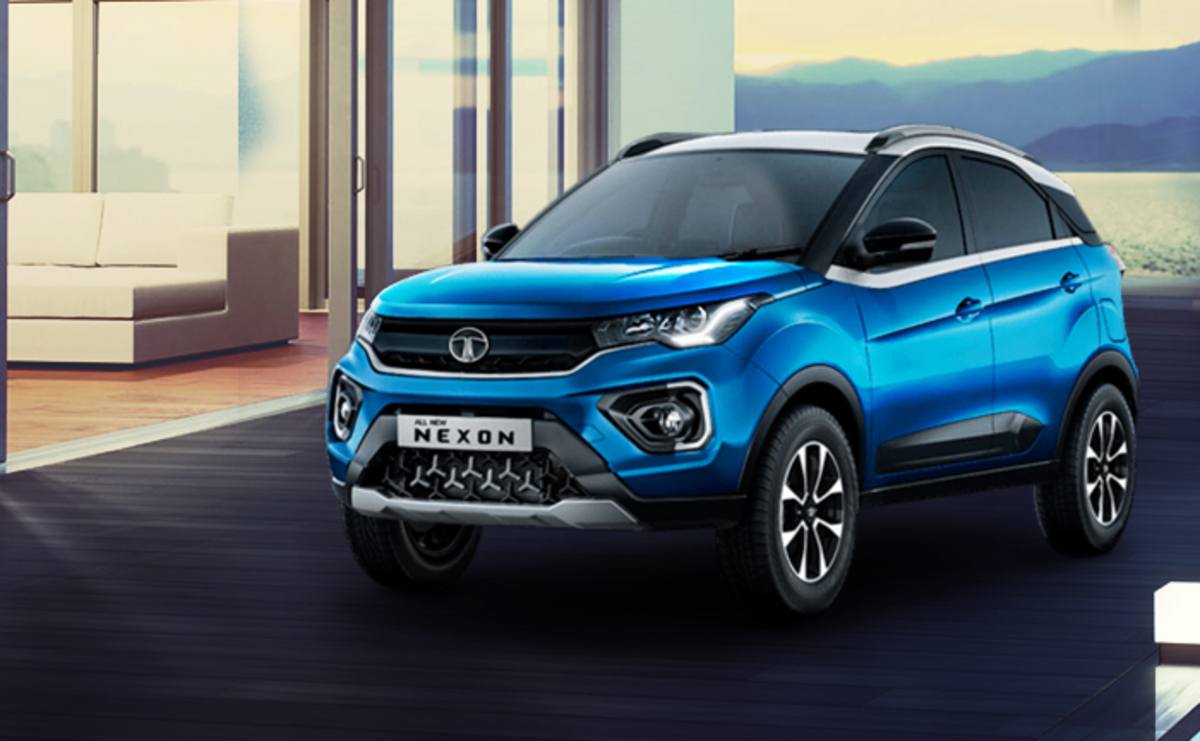
Tag: india

  • Tata Puts Post-Pandemic Bet On Digital

    Tata Puts Post-Pandemic Bet On Digital

    Tata Group plans to invest in digital, high-end electronics and healthcare in a post-pandemic world, the $100 billion conglomerate’s chairman said on Thursday. Tata, whose operations span hotels, steel, airlines, electronic goods and technology services, will also place big bets on electric vehicles, renewable energy and battery storage, N Chandrasekaran, who is also known as Chandra, added.

    “When you look at trends for the future, definitely there are clear signs you can pick up. Anything that is digital, we’re making a big bet on,” Chandra told the Reuters Next conference.

    The coronavirus pandemic has accelerated the adoption of technology, changing the way people live, work and consume as well as how companies operate, he added.

    Tata has already made public its intent to launch an umbrella app enabling access to all its consumer businesses, Chandra said, in a concept borrowed from China where apps such as Alipay allow everything from hotel bookings to e-commerce. Tata is also building an online business-to-business platform.

    The owner of British luxury brand Jaguar Land Rover (JLR) is placing big bets on electric vehicles as well as on battery storage and renewable energy for consumer and industrial use.

    “We are very serious about electric vehicles,” Chandra said, adding that Tata is investing in developing clean technology cars at home through Tata Motors and at JLR.

    Automakers are investing in EVs, largely driven by tighter government regulations on polluting vehicles, with Tesla, now the world’s most valuable car company, readying plans to launch in India this year.

    Chandra said the adoption of technology and shift in consumer and corporate behavior will lead to the creation of new and shared workplaces closer to where people live.

    Meanwhile, there will be a higher degree of automation in Indian factories driven by greater use of artificial intelligence, internet of things or connected devices and data.

    With some of these changes unlikely to reverse, Chandra is looking at new opportunities for Tata, particularly as India’s economy springs back from damage during the early stages of the pandemic last year.

    “I’ve been quite surprised with the speed with which the economy is recovering and bouncing back,” he said, adding that several Tata companies are already recovering losses as demand picks up except in areas like airlines.

    COVID-19 has also forced Tata to be more resilient to disruption in the global supply chains it depends on and for Chandra, one way to do this is to be a part of it.

    “There are couple of industries we have already identified. One is electronics, high-tech manufacturing, where we’ve already started the foray and we are developing plans for the future.”

    Tata also plans to cater to growing demand for medical devices in India and around the world, Chandra said.
  • Tata Motors’ Global Wholesales Grew 1% In Q3 FY2021

    Tata Motors’ Global Wholesales Grew 1% In Q3 FY2021

    Tata Motors has released the Group’s global wholesales numbers for the third quarter of Financial Year 2020-21. In the quarter that ended on December 31, 2020, Tata Motors Group’s global wholesales stood at 2,78,915 units (including Jaguar Land Rover), registering a marginal 1 percent growth as compared to what the company sold during the October-December period in 2019. However, compared to the second quarter that ended on September 30, 2020 (Q2 FY2021), when the company’s total wholesales were 2,02,873 units, Tata has witnessed a 37 percent growth.

    Between October and December 2020, the Tata Motors Groups passenger car wholesales stood at 1,88,550 units, witnessing a growth of 4 percent compared to Q3 FY2020. Out of this, global wholesales from Jaguar Land Rover alone accounted for 1,19,658 vehicles, which includes the 17,078 vehicles sold by CJLR the joint venture between JLR and Chery Automobiles, in Q3 FY21. Jaguar’s wholesales for the quarter were 22,466 vehicles, while Land Rover’s wholesales for the quarter were 97,192 units.

    Tata Motors vehicle sales in the domestic market have also been quite impressive in the previous quarter. Between October and December 2020, the company’s total Passenger Vehicle (PV) sales stood at 68,803 units, registering a massive 89 percent growth as compared to Q3 FY2020, when it sold 36,354 units. It was Tata’s highest-ever quarterly results for passenger vehicles in 33 quarters or over eight years.

    At the same time, the Group’s global wholesales from commercial vehicles, including, the Tata Daewoo range in Q3 FY21 were at 90,365 units, witnessing a decline of 4 percent, compared to what to company sold in Q3 FY20.

  • Tesla To Set-up Operations In Bengaluru, Registers Indian Subsidiary

    Tesla To Set-up Operations In Bengaluru, Registers Indian Subsidiary

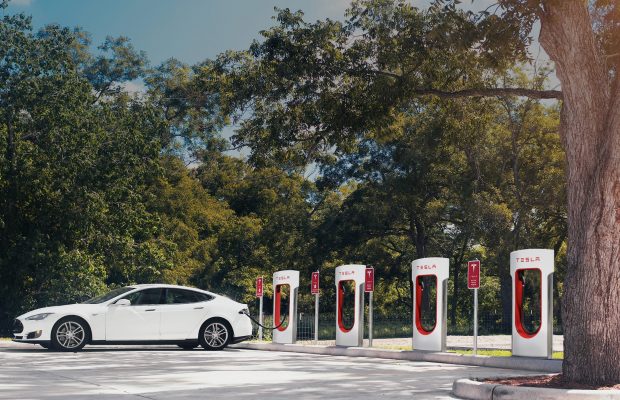
    The wait is nearly over as American electric carmaker Tesla is all set to set-up operations in India and zeroed down on Karnataka, as its preferred state to set-up its headquarters. The electric auto giant has registered its Indian subsidiary under the name ‘Tesla India Motors and Energy Private Ltd’, which was incorporated in Bengaluru on January 8, 2021. The company is expected to commence operations by June this year and the first product to be made available will be the Model 3 sedan, according to reports.

    According to the document filed with the Ministry of Corporate Affairs, Vaibhav Taneja, Venkatrangam Sreeram, and David Jon Feinstein have been named as directors. The company has been registered as a private unlisted company with an authorized capital of ₹ 15,00,000 and a paid-up capital of ₹ 100,000. The document also reiterates Tesla co-founder and CEO, Elon Musk’s tweet last year that said the automaker would enter India “next year for sure.

    India has been on Tesla’s radar since 2016 but plans did not materialize despite a number of speculations. It was also reported recently that state governments including Maharashtra, Andhra Pradesh, Tamil Nadu, and Karnataka had talks with the automaker to set-up operations in their region, while the company is also considering local partnerships. Reportedly, the Karnataka government has already offered a land parcel to Tesla in Tumkur, on the outskirts of Bengaluru, to set-up a manufacturing facility.

  • International Driving Permits Can Now Be Renewed While Abroad

    International Driving Permits Can Now Be Renewed While Abroad

    The Ministry of Road Transport and Highway (MoRTH) issued a notification about a week ago to the effect that Indian citizens can now renew their International Driving Permit (IDP) while they are abroad, in case their IDP expires. The new amendment allows Indian citizens to apply for renewal of their IDP through Indian embassies and Missions abroad. The said applications will then be moved to the VAHAN portal in India and will be considered for renewal by respective RTOs. After renewal, the IDPs will be couriered by the RTOs to Indian citizens at their respective addresses abroad.

    The amendment also removes the requirement of providing a medical certificate and a valid visa at the time of applying for IDP in India. MoRTH believes that a citizen who has a valid driving license should not have a requirement for another medical certificate. Plus, there are countries that offer a visa on arrival or cases where visas have been issued at the very last moment. Keeping these conditions in mind, the government will now allow IDP applications without a visa.

    The Ministry of Road Transport and Highways (MoRTH) has extended the validity of vehicular documents till March 31, 2021. The Ministry decided to take this step to prevent the spread of COVID-19. MoRTH has also issued a directory to the States and Union Territory administrations regarding the extension for the validity of documents. As per the notification, vehicular documents like fitness certificates, permits, driving license, registration certificates, and others will remain valid till the end of March 2021.

  • Honda 2Wheeler India Likely To Start Production On Gujarat Plant’s Third Line In Next 2-3 Years

    Honda 2Wheeler India Likely To Start Production On Gujarat Plant’s Third Line In Next 2-3 Years

    Honda Motorcycle & Scooter India is likely to initiate production on the third line of its Gujarat Plant in the next two to three years. According to a recent report from PTI, the two-wheeler manufacturer took this step as demand has shrunk in the market due to the coronavirus pandemic. The company commenced the construction activity of a third line to add six lakh units per annum at its Gujarat plant to increase total capacity to 12 lakh units per annum.

    Yadvinder Singh Guleria, Director – Sales & Marketing, HMSI said, “As for our new line which we had made in our fourth factory in Gujarat, we call it our third line. The construction activity and other activities went on as per schedule. However, we have put on hold the decision on when to start production at that line because the overall market has shrunk. In terms of demand, the existing lines and existing capacity are good enough to take care of the demand, which is currently in the market and in the coming next two years or so.”

    He further said, “It depends on how quickly the market rebounds and the new demand shoots, green shoots visible to us. That is the only time we will decide to start production in the third line. From today’s point of view, since the overall market condition is very fluid and a lot of unpredictability around, it looks like two to three years”.

    The company’s business is majorly contributed by scooters which constitute 60 to 65 percent while the remaining business comes from motorcycles. Currently, the two-wheeler maker has four production facilities across the country that are located at Manesar in Harayana, Tapukara in Rajasthan, Narsapura in Karnataka and Vithalapur in Gujarat. The total annual production capacity of all these four plants stands at 64 lakh units.

    The company official said the Indian two-wheeler industry has been hit adversely due to the pandemic which is down by 25 percent. While motorcycle and scooter segments are down by 22 percent and 33 percent respectively. However, the company had to face its challenges as the business is majorly driven from urban India, which had been in the lockdown for a significant number of days than the rural India that reflected on the business.

  • JK Tyre Partners With Hyundai To Supply Tyres For The Creta

    JK Tyre Partners With Hyundai To Supply Tyres For The Creta

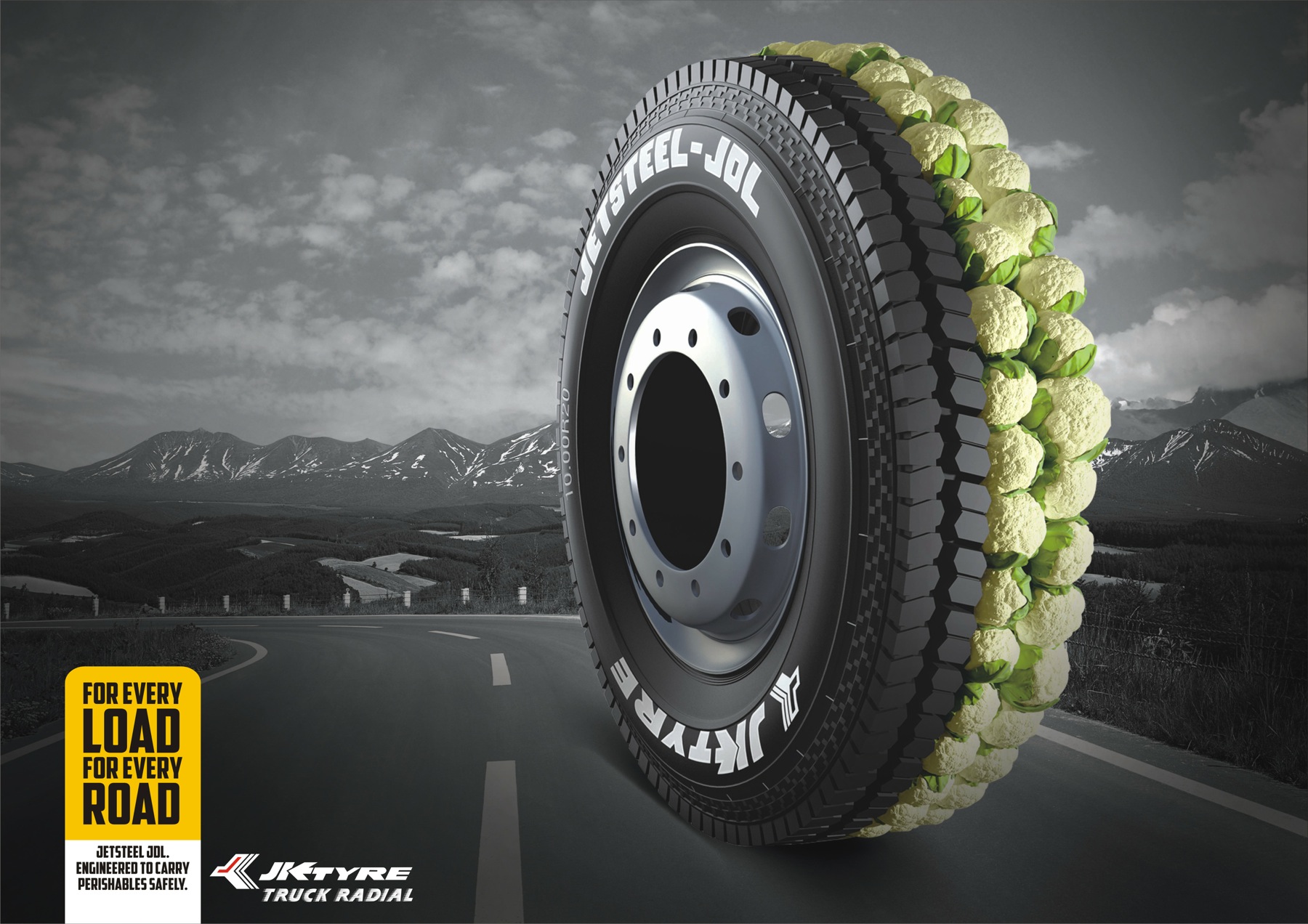
    JK Tyre India has joined hands with Hyundai Motor India to become its official tyre partner for the Creta. JK Tyre has been introducing hi-technological products that are specifically designed for Indian roads. The top-end variants of the Hyundai Creta are equipped with 17-inch alloy wheels and JK Tyre will be supplying its UX Royale 215/60 R17 radial tyre to the Korean carmaker. The tyre has been designed to suit the dynamics of the model and bring in a good balance between handling and right comfort.

    Commenting on the partnership, VK Misra, Technical Director, JK Tyre and Industries said, “We are proud to further strengthen our partnership with Hyundai India for one of India’s best-selling SUV’s Creta. Through this collaboration, we aim to provide supreme quality tyres with cutting-edge features to complement the ride quality for the customer. JK Tyre’s best-in-class technologies in radial tyres and tyre testing mechanism will ensure safety of customers driving Creta in multiple terrains. We are confident that this association will further strengthen our market presence and we look forward to a continued and reinforced partnership with Hyundai Motors.”

    Commenting on the partnership, Hyundai Motor India said, “All New Creta has been a benchmark SUV ever since it was launched in March 2020. Offering customers exceptional performance, unparalleled comfort & convenience as well as opulent aesthetics, the Creta continues to be the customers’ brand of choice. Our partnership with JK Tyre to offer the Creta with UX Royale 215/60 R17, continues to carry forward this SUV’s premium offering with superior handling & driving dynamics.”

    JK Tyre is claiming that the UX Royal 215/60 R17 tyre is the perfect fit for Hyundai Creta. With its 5-Rib asymmetric design, variable draft groove technology, stable shoulder tread blocks, waffle groove and aero wing design, it supports the dynamics of the car very aptly. JK Tyre is also the official tyre partner of Kia Motors for the Seltos.

  • Honda Two-Wheeler India Announces Voluntary Retirement Scheme For Employees

    Honda Two-Wheeler India Announces Voluntary Retirement Scheme For Employees

    Honda Motorcycle and Scooter India has initiated a voluntary retirement scheme (VRS) for the company’s permanent employees. The decision comes in the middle of challenging market conditions and a downturn in the Indian economy, although the automotive industry has seen somewhat of a bounceback after the challenges from the COVID-19 pandemic. The VRS will run from January 5 till January 23 this year and cover permanent employees, barring director-level officials. Permanent employees who have completed 10 years with the company as on January 31, 2021 or who are above 40 years of age can opt for the V ₹

    In a statement, HMSI said that the Indian auto industry is going through an exceptionally challenging phase from the past three years “considering the prolonged demand slowdown and overall economic fallout from the COVID-19 pandemic.”

    “The VRS scheme announcement for our associates is a part of Honda’s overall production realignment strategy across all 4 factories to improve our operational efficiency with the objective of ensuring long-term business sustainability,” HMSI said in a press statement.

    “As part of this strategy, the Voluntary Retirement Scheme (VRS) option for all eligible permanent associates. It gives a new opportunity to those associates who may wish to explore new dimensions in their life and empowers them with best among the industry financial and healthcare benefits, while helping the organisation improve its overall operational efficiency,” the statement added.

    Under the VRS, Senior Managers, Vice-Presidents and permanent workmen can get a maximum amount of ₹ 72 lakh. Managers can get ₹ 67 lakh, Deputy Manager , Assistant Manager, Senior Executive, Executive and Assistant Executive. The company is also offering ₹ 5 lakh extra for the first 400 employees who opt for the scheme.

    In December 2020, HMSI reported domestic sales of 2,42,046 units, just a 5 percent increase over the same month a year ago. Exports accounted for 20,981 units, with total December 2020 sales at 2,63,027 units. The October to December 2020 quarter stood out as the first quarter of the current financial year where Honda reported positive sales.

  • Honda To Pull The Plug On Car Sales In Russia In 2022

    Honda To Pull The Plug On Car Sales In Russia In 2022

    Honda Motor Company has said that it won’t be supplying new cars to its authorized dealers in Russia in 2022 as the company is trying to restructure its operations. The Japanese automaker has confirmed that it would keep its presence in the Russian market with motorcycle and power equipment sales only. The news comes after a drastic drop of 50 percent in its sales operations last month in Russia.

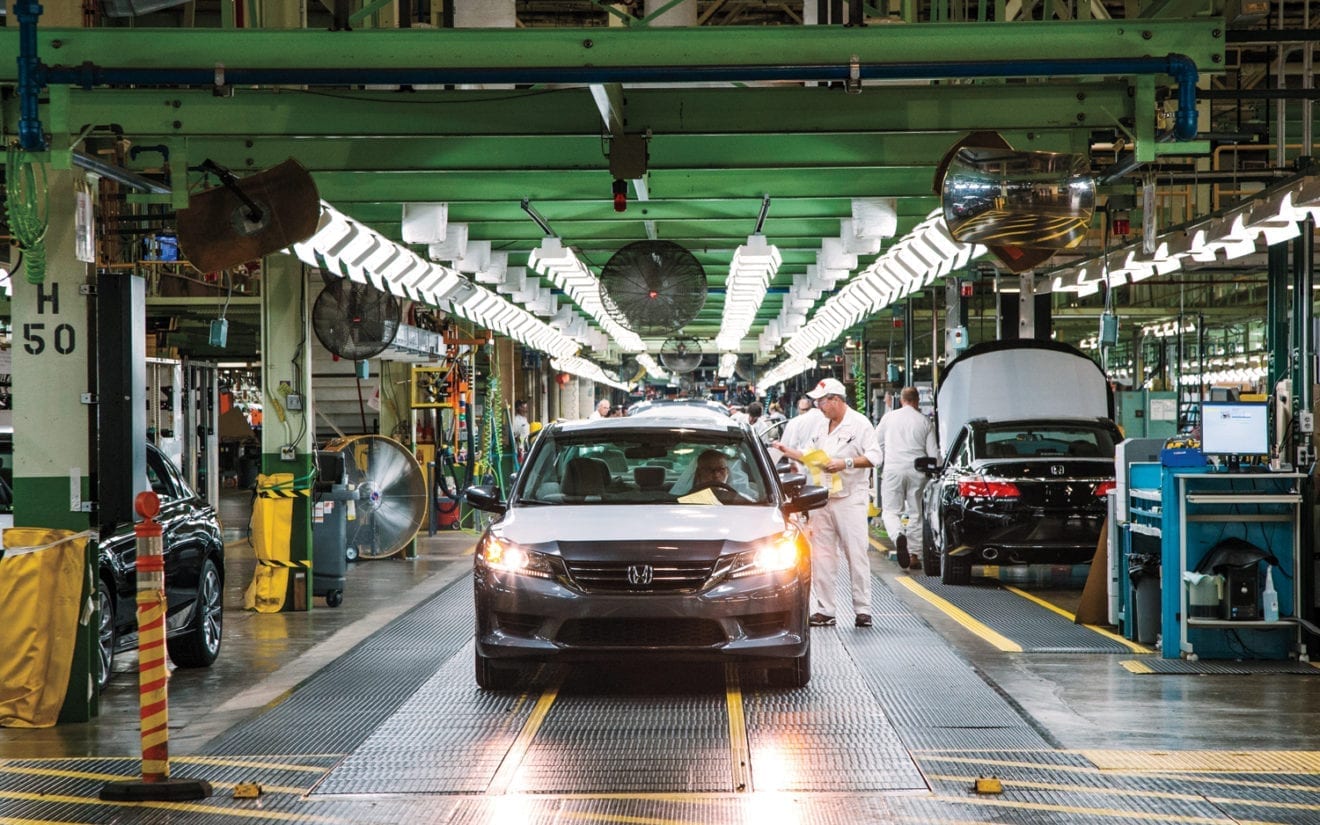
    Even in India, Honda has shut down its Greater Noida plant and has shifted its entire production unit to the company’s other facility in Tapukara, Rajasthan. The carmaker has said that it has realigned its production operations “to maintain sustainability by leveraging production and supply chain efficiencies.” To that effect, from this month, the manufacturing operations for vehicles and components will happen at the Tapukara plant for all domestic sales and exports. Until last month, the Greater Noida plant produced models like the Honda City sedan, CR-V SUV, and the Civic sedan. While the transition will see the production of the City move entirely to the Tapukara unit, at present, the company has also stopped the production of its flagship models, the Civic sedan and CR-V SUV.

    As far as the Russian market is concerned, Honda does not have any manufacturing unit in Russia unlike its other Japanese counterparts like Toyota and Nissan. All Honda models are sold as CBUs in the Russian market and the carmaker sold just 79 units last month. Its sales from January to November were down by 15 percent at 1,383 units, while over 1.3 million new cars were sold in Russia during that period.

  • Tata grabs bigger slice of AirAsia India

    Tata grabs bigger slice of AirAsia India

    A number of bids have been put forward for India’s loss-making national carrier, including one on behalf of its employees. The Indian government had tried to offload its stake in Air India in 2018 but failed to attract a single bid. One group is representing employees and plans to offer them a controlling stake in the struggling airline. Another bid is reported to have been put forward by the Tata Group, which originally founded the airline in 1932.

    Tata, which owns Jaguar Land Rover, sold its stake to the government in the 1950s. India’s Prime Minister Narendra Modi is keen to sell the government’s entire interest in the airline, which has been kept aloft by a bailout and racked up billions in debts. The airline has many assets, including prized slots at London’s Heathrow airport, a fleet of more than 100 planes and thousands of trained pilots and crew. One of the bids put in ahead of this week’s deadline was from US-based investment firm, Interups.

    Under its plan, Interups will hold 49% of Air India while a controlling stake of 51% will be held by its employees.

    “We are giving an open offer to employees of Air India to substantially own the airline,” Interups chairman Laxmi Prasad told the BBC.

    “Our group will invest the entire monies required for the airline, with no capital requirement from employees to contribute into the acquisition effort.”

    Calling them the “backbone to run the airline”, Mr Prasad added that the 51% stake would be “in exchange for the deep intangible contribution you all would be making for the airline.”

    “No-one knows Air India better than its employees and management.”

    “Any new owners will need to invest heavily in Air India, improving its technology and customer services operations,” said Jitendra Bhargava, former Executive Director of Air India and author of the book, The Descent of Air India.

    “But India is a growing market and offers huge potential. My take is that Air India is better run as a private company than by bureaucrats.”

    Interups, which specialises in turning companies around, says it has also targeted another Indian airline, and if successful, will merge it with Air India. They have not specified which airline that could be.

    “The combined operations will make Air India a global leader for passenger traffic to and from India,” said Mr Prasad.

    He described the potential battle with Tata for the airline as David versus Goliath. “But David mastered the winning, and we are equally confident.”

    The Indian government is expected to notify the qualified bidders in early January 2021.

  • India Seeks Comment On Proposal To Make Airbags Mandatory For Car Front Passengers

    India Seeks Comment On Proposal To Make Airbags Mandatory For Car Front Passengers

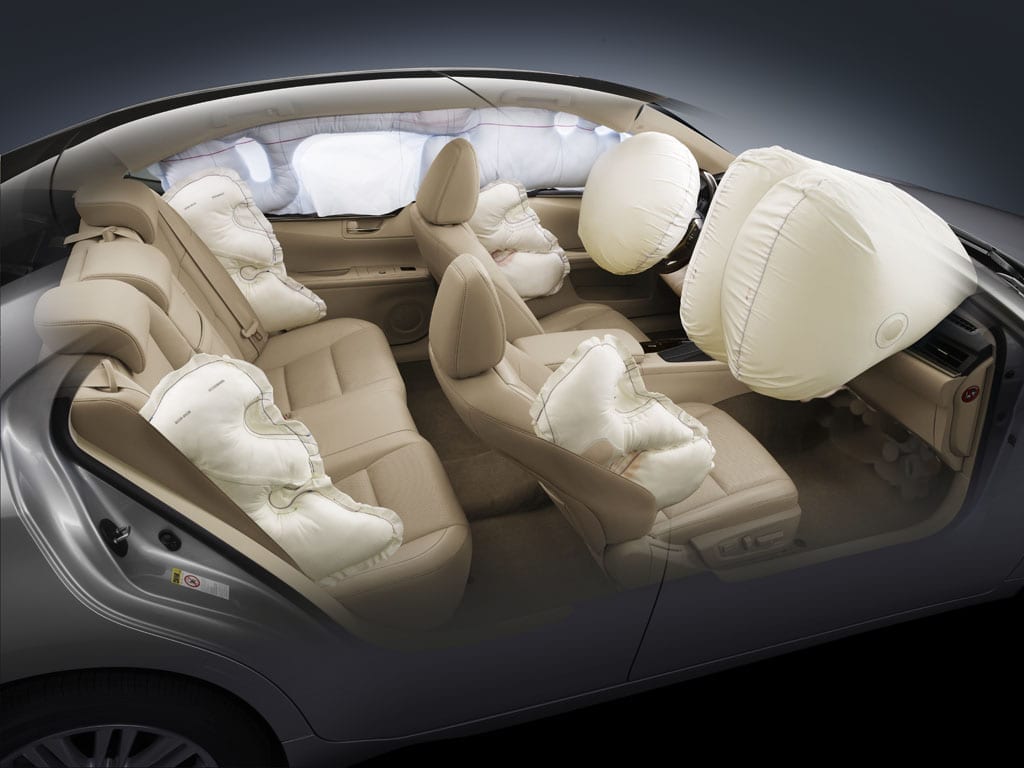
    India on Tuesday sought public comment on a proposal to make airbags mandatory for the front passenger in all cars from next year, in a move that could raise costs for automakers slowly seeing a revival in demand.

    Carmakers are required to provide an airbag only for the driver, though Indian officials have been talking about the need to improve safety.

    All new models manufactured from April 1, and existing models made from June 1, will have to meet the new guideline if approved, the Ministry of Road Transport and Highways said in the notification dated Dec 28.

    It asked for suggestions and objections from the public within 30 days from Tuesday before the rule is implemented.

  • Delhi High Court rejects Amazon challenge to $3.4 billion Reliance deal

    Delhi High Court rejects Amazon challenge to $3.4 billion Reliance deal

    The Delhi High Court on Monday refused to restrain Jeff Bezos-led Amazon from interfering in Kishore Biyani-headed Future Retail’s $3.4 billion deal with Mukesh Ambani-owned Reliance Retail by writing to statutory authorities.

    The order was pronounced by a Single Judge Bench of Justice Mukta Gupta in the suit by Future Retail Ltd after an Emergency Arbitrator of the Singapore International Arbitration Centre (SIAC) restrained Future Group from taking any steps in furtherance of the transaction with Reliance Retail, according to the information available on law platform Bar & Bench.

    “However, the court passed a neutral observation that the balance of convenience lay both in favor of FRL and Amazon and also observed that the statutory authorities were free to form their own opinion as per law,” said Salman Waris, managing partner at technology law firm TechLegis Advocates and Solicitors, after doing an analysis of the development. “The Court opined that it was ‘a matter of trial’ to determine whether Amazon’s case outweighed FRL’s claim and for now, it was for the statutory authorities (or) regulators to come to their own right conclusion.”

    In August, retail conglomerate Future Group struck a $3.4 billion asset sale deal with Reliance Industries Ltd (RIL). Amazon then sent a legal notice to Future, alleging the retailer’s deal breached an agreement with the American e-commerce giant. This was because last year, Amazon had bought a 49 percent stake in one of Future’s unlisted firms Future Coupons Pvt Ltd (FCPL) for Rs 1,430 crore. As per the conditions of the deal the disputes was arbitrated under SIAC rules and Amazon won a favorable ruling. Future Retail then approached the Delhi High Court seeking relief against the arbitration order passed by the SIAC with regard to its deal with Reliance.

    The Delhi High Court, prima facie, found that the suit filed by Future Retail was maintainable, the Emergency Award was valid, and that Future Retail’s resolution approving the transaction with Reliance was also valid, according to Bar & Bench.

    Waris of TechLegis said for Amazon, the court held that the ‘control’ as per the conflation of 3 agreements is not permitted under FEMA (Foreign Exchange Management Act) FDI (Foreign direct investment) rules, without the government’s approval. Thus, prima facie Amazon’s plea is void. However, Waris said the breach of the agreement by FRL would make a strong case for Amazon since it owns a stake in Future Coupons Pvt Ltd, which is, in turn, has a 9.82 percent shareholder in FRL.

    Without challenging the Emergency Award before the High Court, FRL had prayed Amazon be prevented from writing to statutory authorities such as the Securities and Exchange Board of India (Sebi) in an attempt to stall the deal, according to Bar & Bench.

    Also, FRL had asserted that the Emergency Award was of no consequence as it was not enforceable in the Indian regime.

    Earlier Future Retail’s representative had told the arbitration panel that if the deal with Reliance Retail fails, then the company would go into liquidation. The closure of the company would lead to over 29,000 job losses. Also, the company lost Rs 7,000 crore in revenue in the first three to four months of the pandemic phase.

    “(As) For Future, FRL does not want Amazon to interfere in the $3.4 Billion asset sale deal,” said Waris. “Moreover, it also contended that being an investor in Future Coupons Pvt Ltd and not FRL, Amazon had no say in a transaction between FRL and Reliance.”

    Waris said Reliance supported FRL’s case before the High Court, arguing that Amazon was “playing mischief” by stalling the deal that would save FRL from going under. “The said deal would get the benefit of economies of scale as Reliance Retail is India’s largest, most profitable retail business and is the fastest-growing retailer in the world thus far,” said Waris.

    Last month the court witnessed a lot of drama in this case. Future Retail which was represented by senior advocate Harish Salve likened Amazon to the “East India Company’” and told the court that its interference in the Future-Reliance deal would result in thousands of job losses and make FRL bankrupt. Amazon, represented by senior advocate Gopal Subramanium, told the court that it has invested $6.5 billion all over India and created 900,000 jobs. He had said some comments were made which were misplaced and said that the rhetoric should be kept aside on Amazon being called “East India Company.”

    Meanwhile, in November, the Competition Commission of India (CCI) cleared Reliance Industries’ (RIL) bid to buy Future group’s retail, wholesale and logistics assets even as Amazon had sought to block the transaction, alleging contractual violations by Future.

  • What Volkswagen India’s SUVW Strategy Entails

    What Volkswagen India’s SUVW Strategy Entails

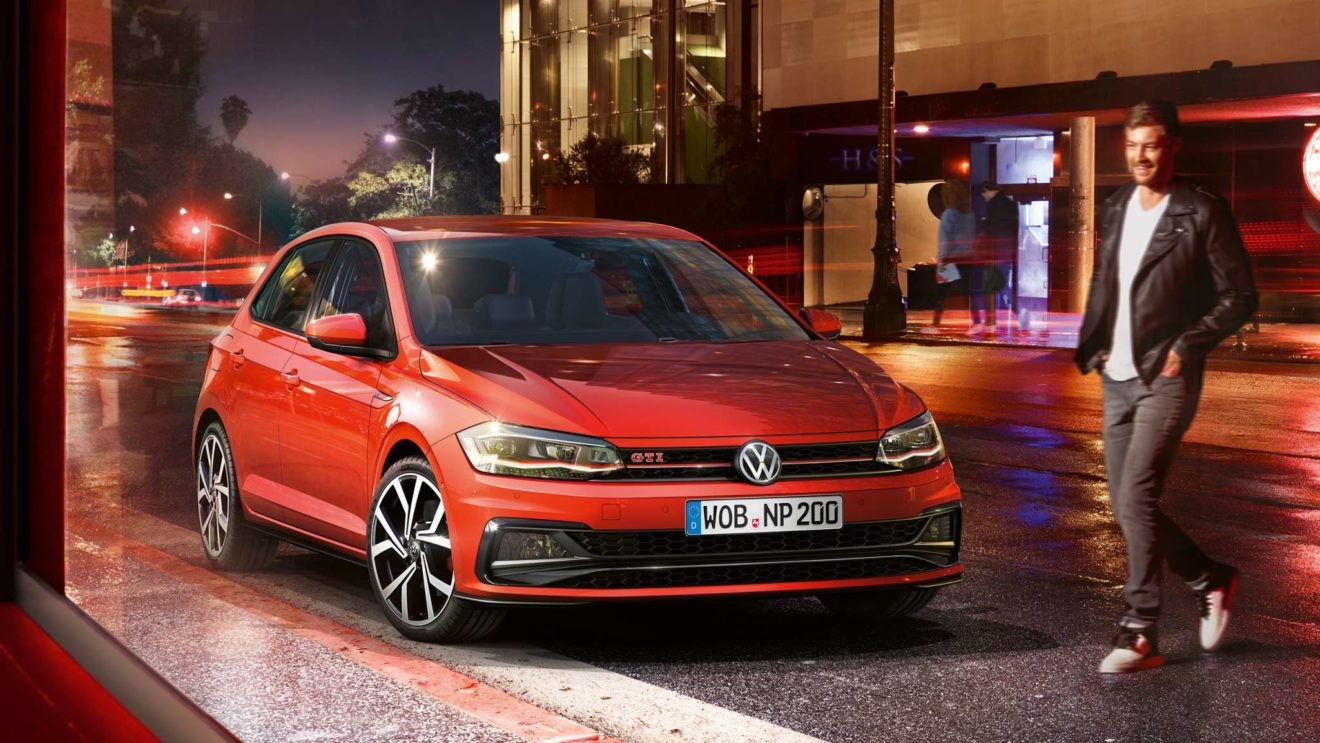
    How many times have you seen a Volkswagen Beetle and not given it another look? Well, the answer is zero and that’s because its design is timeless, ageless. That’s also why we can’t help but look at the new-gen models from Volkswagen India like the Jetta, Polo, Vento, Polo GTI or now even the Tiguan, T-Roc, and even the Tiguan AllSpace. It’s the design of all these cars evoke the same reaction – wow!

    And it’s because these cars have a strong lineage. They all are a culmination of what the company has been able to learn in so many years of being part of the global automotive fraternity. That’s why you see the technology funnel down to cars like the Polo GT TSI making it one of the best hot hatches in the country. In fact, it was the car that started the hot hatch trend in India and remains to date one of the most loved driver’s car in the country.

    But with SUVs fast becoming a trend in global markets, VW had to go back to the drawing board and figure out what it could do. It’s not as if the company had no SUV in the market earlier. Remember the Touareg? Yes, the one with the V6 engine. But it was ahead of its time, in fact, Indian buyers weren’t looking at buying SUVs back then, they were more into sedans. But as the market matured, VW India adapted to the change. The big step then in the SUV direction was in 2017, when the company introduced customers to the 5-seater Tiguan.

    With the Tiguan, Volkswagen tested the shores to understand the response and yes, it was a good one. The fact that you get German engineering, precision driving capabilities and of course great build quality, customers knew exactly what to expect from these products. And that was one reason why there’s a more strong focus on bringing in SUVs to India under the India 2.0 Project.

    With the Group investing ₹ 8000 for the India 2.0 project, there was going to be a strong focus on three aspects a) building cars with a high amount of localization content, b) align the business to make sure that service costs come down, and finally, make cars in India for the world!

    The company has already inaugurated a tech center in Pune in 2019 which will look into the development of these upcoming products but the attention is more on the new localized MQB-A0-IN platform. Just like the modular architecture of the MQB platform, where a number of body styles are made on a single platform, the A0-IN will also serve a similar purpose but given the high level of local content on the cars, all the products based on it will be price competitive. To put things into perspective, currently, the localized content in VW cars like the Polo and Vento is around 82 percent that will go up to 95 percent and that’s a massive leap.

    The Volkswagen Taigun will be one of the first SUVs to be built on the new localised MQB-A0-IN platform.

    The first car to be based on this platform is going to be the Taigun which was showcased just ahead of the Auto Expo 2020 and you got to see the car in the flesh back then. And this car will lead the charge for everything that comes post it. Now, the Tiguan AllSpace and the T-Roc have already had their fair share of success, so yes, it’s perfect timing for the Taigun to enter the market. The SUVW strategy then is falling into place and in 2021, we’ll see the Taigun and one more product coming to India. We can’t wait to drive everything that comes our way!

  • AirAsia Reduces Stake In Indian Subsidiary

    AirAsia Reduces Stake In Indian Subsidiary

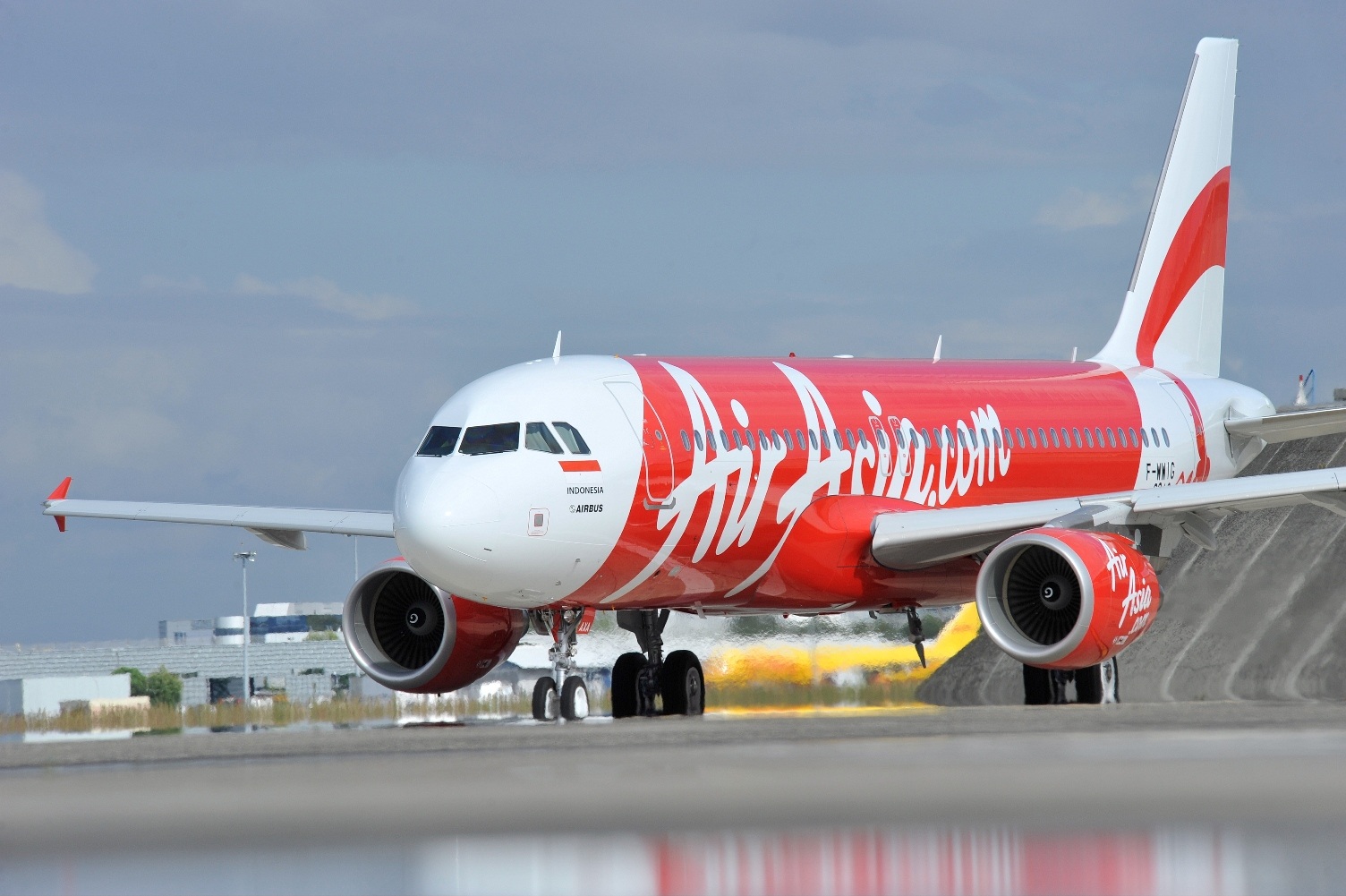
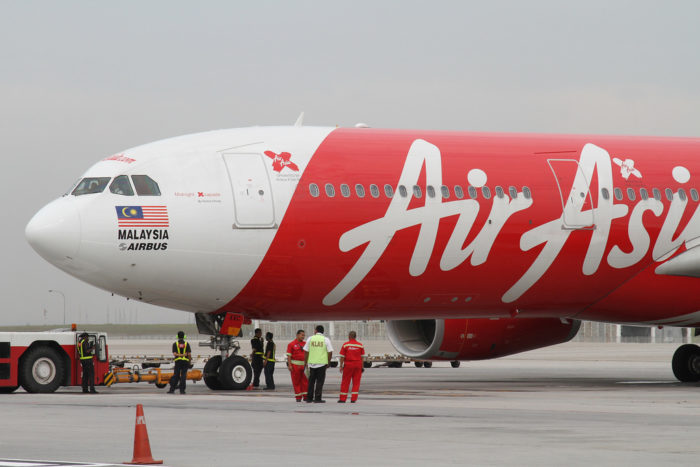
    AirAsia is scaling back its investment in AirAsia India as the group continues to face financial difficulties. The group will reportedly cut its stake to just 13%, giving the Tata Group significantly more stake in the airline. The change in ownership is unlikely to affect the AirAsia India brand but could see the airline separate from AirAsia’s operations.

    Questions over the future of AirAsia India have been swirling for a few months now, with both Tata and AirAsia considering an exit. Eventually, the AirAsia group stopped funding the airline and left Tata to decide the carrier’s future.

    According to a report, Tata has bought out most of AirAsia’s stake, leaving the group with only 13% of the airline. This means Tata now owns 87% of the carrier, making AirAsia more of an investor than a joint-venture partner. While the “AirAsia India” brand will survive, Tata is making some changes to the company.

    Tata is reportedly working on a new booking website for AirAsia India, which is currently integrated into the AirAsia group’s website. Additionally, a new crew scheduling software will also be put in place for the airline. While there are unlikely to be many changes on the surface, the Tata Group does have big plans for Indian aviation at large.

    AirAsia India first began flying in 2014, with 51% owned by Tata and 49% by AirAsia. The carrier hoped to capture the fast-growing low-cost market in India, similar to the model AirAsia had replicated in other regions. The partnership with Tata provided the airline with funding and strong name recognition in India.

    However, the airline struggled to make its mark in the Indian market, facing stiff competition from established players like IndiGo, SpiceJet, and GoAir. As of November 2020, the airline only has a market share of 6.6%. This places AirAsia India second-last on the list of major domestic airlines. The carrier currently operates a fleet of 33 aircraft, consisting of 30 A320-200s and three A320neo aircraft.

    All of this has resulted in AirAsia India being a loss-making airline for nearly all of its existence. Following a relatively better 2019, the pandemic has once again pushed AirAsia India deep into the red. The airline reported a 69% drop in revenue during the second fiscal quarter and losses of nearly $45 million in the first.

    This isn’t the first subsidiary AirAsia is exiting this year, with both its Indonesia and Japan arms being axed. The carrier has faced significant financial concerns this year, as flight traffic across Asia remains low. While traffic has been picking up slightly recently, the group continues to face existential crises as the pandemic drags on.

  • Melorra set to revolutionize shopping for gold with its brick-and-mortar store launch

    Melorra set to revolutionize shopping for gold with its brick-and-mortar store launch

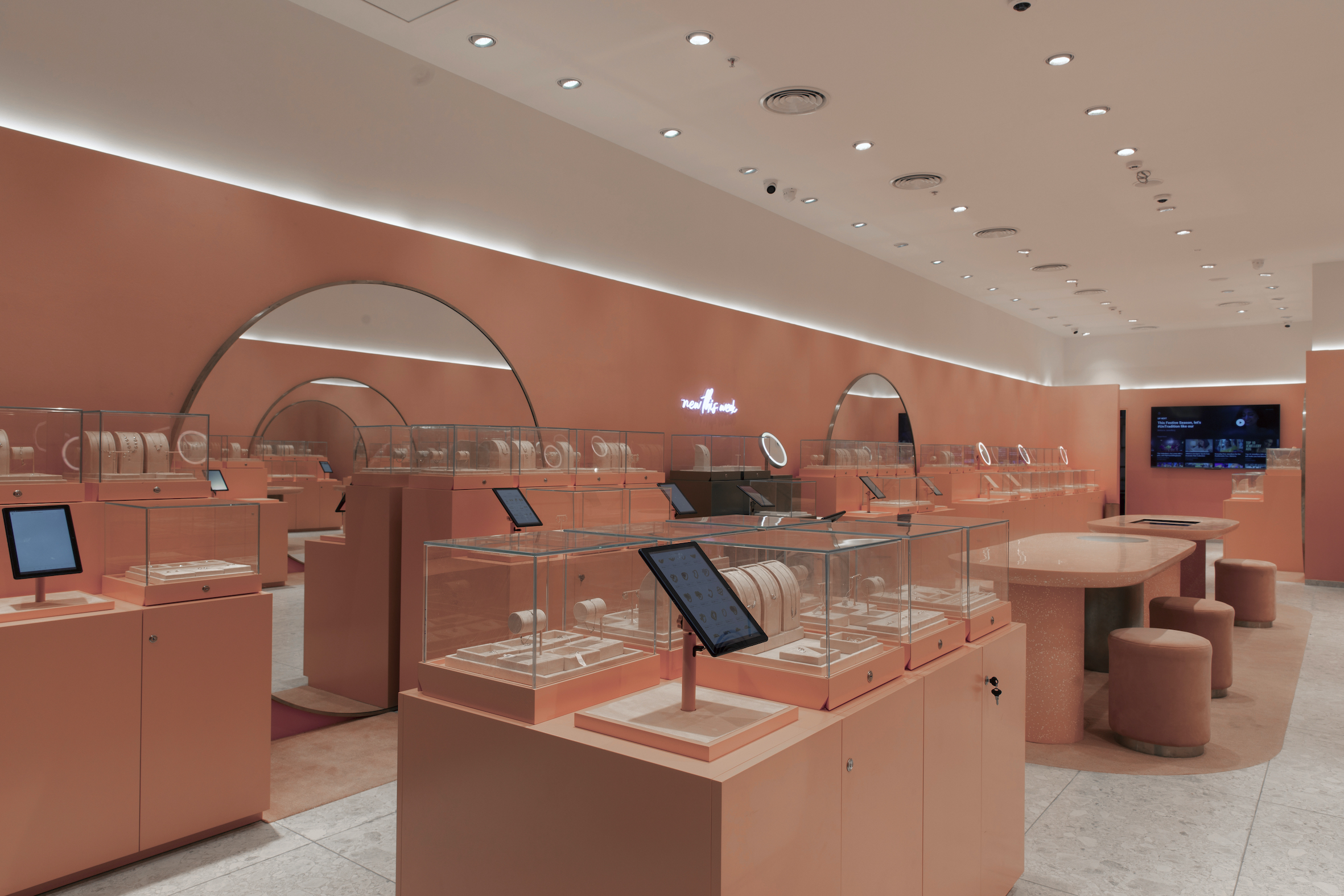
    India’s fastest growing lightweight fine jewellery brand designing affordable jewellery for everyday wear, recently launched its first brick-and-mortar store in Orion Mall, Rajajinagar Bangalore on 21st December 2020.

    The women-centric jewellery ‘experience centre’ for millennials is fresh and fun, driven by Melorra’s three pillars — fashion, technology and variety. The launch was attended by Siddharth Talwar, Co-Founder and Partner at Lightbox, Sandeep Murthy, Partner at Lightbox and Nirupa Shankar, Executive Director, Brigade Group.

    Built in line with the online experience that Melorra currently offers, the physical outlets are unique, fresh, and iconic. The brand aims to enhance a customer’s sense of touch, feel and trial of Melorra jewellery, through the experience centre.

    Speaking about this, Saroja Yeramilli, Founder and CEO, Melorra, said, “Melorra’s journey in the jewellery world has been completely unique in every respect. From online to offline, the launch of the retail stores will provide a seamless, customer-in-control experience. We are a brand taking inspiration from global fashion trends, and launch a new collection every week. Melorra is known for its design innovation offering customers easy to wear, comfortable everyday jewellery. We offer the largest range of over 10000 unique, contemporary, lightweight gold and diamond jewellery designs.”

    Adding further, Saroja Yeramilli said, “At our physical stores, customers can shop worry free with the option of a digital checkout. They walk in not just to buy jewellery, but also to get informed about global fashion trends. There is a Bliss Bar wherein women can get along their friends, have fun trying Melorra’s latest jewellery or just go through the recent trends.”

    Functionally, the stores are designed for any of the many journeys a customer may choose to adopt: shop online pick up in store; shop in store ship to home and everything in between.

    Melorra warmly welcomes their customers with beautiful full-length mirrors and in-store stylists available as advisors and consultants, enabling the woman to build her fashionable fine jewellery wardrobe. The brand aims to give its customers a high-energy and high-fashion experience – with the physical stores becoming a super happy place to be!

    Melorra has been a disruptor in the jewellery industry since it started operations in 2016. The brand is redefining the way fine jewellery is being perceived and worn. So far, Melorra has delivered to over 1900 towns in the country and made its mark everywhere – from villages with a population of less than 10,000 to cities with population above 1 million.

    Melorra recently raised US $12.50 mn in an oversubscribed funding round led by Symphony Asia (one of Asia’s first private equity firms), Lightbox Ventures, Alteria Capital and other leading family offices. The brand has been recording accelerated growth in order value and numbers ever since the lockdown was lifted.

  • Indian tech firm to hire over 3,000 people in Vietnam

    Indian tech firm to hire over 3,000 people in Vietnam

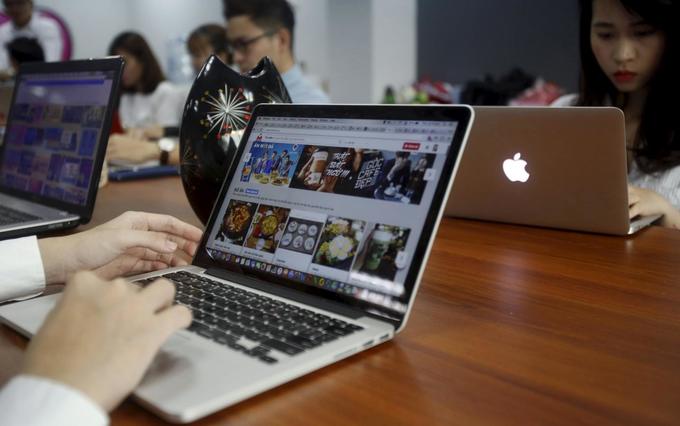
    India’s HCL Technologies, set to enter Vietnam next month, plans to hire more than 3,000 people for its operations in the country. HCL Vietnam will deploy advanced technology solutions for multinational businesses in a number of line departments in sectors like banking, financial service, healthcare, infrastructure, engineering and network security, the company said.

    “Starting with an office in Hanoi, HCL plans to expand and find more talent in other localities. We will cooperate with partners in Vietnam like universities to provide structured programs that will enhance students’ skills, so they can support HCL’s global clients from Vietnam,” said Sanjay Gupta, vice chairman of HCL Technologies.

    Gupta said HCL plans to build its organizational base with more than 3,000 university graduates and experienced experts in Vietnam. The main goal of HCL Vietnam’s business and development strategy is to provide training platforms that give new graduates the opportunity to work in the high-tech sector and improve their skills by working with multinational companies.

    The start of HCL’s activity chain will be an online job fair held December 19 for fresh university graduates and experienced professionals.

    Pham Sanh Chau, Vietnam’s ambassador to India, said HCL’s presence will help Vietnamese talents have the opportunity to work with international clients. He said the operation of HCL in Vietnam was also a good sign for promoting Indian investment in Vietnam. He hoped that Vietnam will become famous as a familiar destination for many global IT companies.

    In an earlier meeting with HCL, Deputy Minister of Information and Communications Phan Tam had said that Vietnam always welcomes digital enterprises like HCL to invest in the country to support digital transformation not only for global businesses but also for domestic firms. He said he believed that HCL would contribute to creating many job opportunities in the digital field as well as opportunities for Vietnamese workers to participate in the global supply chain by training and improving their skills in the digital age.

    Tam said the ministry was ready to support HCL in connecting with universities and colleges to train high-quality human resources and meet the recruitment requirements of companies in Vietnam. He assured that the ministry would consistently create the best conditions for HCL to develop in Vietnam.

    HCL is one of the three largest IT enterprises in India with revenues of around $9.7 billion per year. Currently, it has more than 153,000 employees working in 50 countries.