Retail News CRM

Tag: india

  • StanChart Fined for 2007 Takeover Blunder in India

    StanChart Fined for 2007 Takeover Blunder in India

    India’s regulator fined Standard Chartered one billion rupees over violation of foreign exchange rules during a takeover of a local bank in 2007. India’s anti-money laundering agency slapped one of the country’s largest fines on a foreign bank in history following an 8-year probe that found it in violation of the foreign exchange management act which monitors offshore financial transactions.

    According to a report citing an order from India’s enforcement agency, Standard Chartered – the country’s largest foreign bank by branches – acted as a dealmaker and custodian for the transferal of Tamilnad Mercantile Bank (TMB) shares to a group of overseas investors 13 years ago without seeking permission from the local central bank.

    Senior officials at Standard Chartered saw an investment in TMB shares as an opportunity that might ripen into eventually larger ownership for the bank,» Sushil Kumar, the enforcement agency’s special director, said in the order.

    46,862 shares were transferred to foreign investors including GHI, Swiss Re Investors, FI Investments, Cuna Group and Sub-Continental Equities, an affiliate of Standard Chartered in April 2008. The transfers were made through escrow accounts with Standard Chartered, which acted as both a transaction agent and a lender to one of the investors on the deal.

    Standard Chartered through its affiliate Subcontinental was a proposed and eventually an actual investor in TMB shares to be purchased through the escrow agreement arrangements, Kumar added.

    Separately, TMB was fined almost 170 million rupees ($2.3 million) for similar charges.

  • Alternative payments move mainstream in India

    Alternative payments move mainstream in India

    Alternative payments have moved mainstream in India amid Covid-19, according to GlobalData.

    Payment platforms such as mobile and digital wallets have gained popularity among online shoppers, gradually replacing traditional payments during the pandemic.

    “The adoption of alternative payments has been on the rise since demonetization in 2016,” said Ravi Sharma, lead banking and payments analyst at GlobalData. “The recent Covid-19 outbreak has further accelerated the usage of alternative payments as consumers are increasingly using electronic payments to avoid exposing themselves to disease vectors while merchants are also insisting on the digital mode of payments.”

    GlobalData’s 2020 Banking & Payments Survey found that the share of alternative payments in online transactions in India stands at 54 percent this year, followed by payment cards and cash, which accounted for 30.1 percent and 8.1 percent, respectively.

    Google Pay has been one of the beneficiaries with 9.3 percent share in the e-commerce payments, a significant surge from 3.5 percent share last year.

    “While alternative payment tools were initially available for online payments, they are now being used for in-store payments as well,” Sharma said.

    “With merchants increasingly opting for QR code-based payments due to their cost-effectiveness, alternative payments will disrupt the country’s overall consumer payments space in a big way.”

  • Apple to opens online sales in India

    Apple to opens online sales in India

    Tech giant Apple will launch an e-commerce store in India next month, according to a report by Bloomberg News.

    The firm will be timing its launch to begin trading in time for India’s busiest spending season, the Diwali festival. It follows CEO Tim Cook’s statement several months ago that Apple will start retailing within the territory next year.

    The firm’s smartphones are currently retailed via third parties within India, including existing online channels under Amazon and Walmart-owned Flipkart.

    Roughly a third of India’s 1 billion wireless subscribers do not use smartphones, representing a huge potential market for industry players in a region offering low pay rates to workers in manufacturing.

    A raft of Apple products are already being produced in southern India.

  • Kia Sonet Subcompact SUV Pre-Bookings Begin In India

    Kia Sonet Subcompact SUV Pre-Bookings Begin In India

    Pre-bookings for the Kia Sonet subcompact SUV will begin August 20, 2020 onwards. Interested customers can pay ₹ 25,000 and pre-book the Sonet at any Kia Motors dealership or even online on the company’s website. The Kia Sonet made its global debut on August 7, 2020 and is slated to be launched in September 2020. The Sonet will be the first sub-four-meter vehicle from Kia and will take on established rivals such as the Hyundai Venue, Maruti Suzuki Vitara Brezza, Tata Nexon, Ford EcoSport, Mahindra XUV300 and the upcoming Nissan Magnite.

    Like the Seltos, the Sonet will also come in two trim options – GT Line and Tech Line. Kia promises that the Sonet will offer a bunch of class-leading features such as ventilated seats, Bose Surround audio system, a 10.25-inch HD touchscreen with smartphone connectivity, integrated air purifier with virus protection, ambient lighting and wireless charging for mobile phone with cooling function. Like the Seltos and the Carnival, the Kia Sonet will have the company’s UVO connect technology with over 57 connectivity features which include voice assist and over-the-air updates for maps.

    Kookhyun Shim, Managing Director & Chief Executive Officer, Kia Motors India said, “The Sonet is Kia’s answer to customers in the compact SUV segment who want style and substance, quality and features, performance and technology, comfort and safety in one compelling package. The Sonet has been engineered and built with Indian inputs and is a global model for Kia from India. India is the first country in the world where the Sonet goes on sale, and with the commencement of pre-bookings, we are confident our smart urban compact SUV will be warmly received in the country.”

    The Kia Sonet is likely to get four engine options which are – 1.2-litre petrol, 1.0-litre turbo petrol and a 1.5-liter diesel engine in two states of tune. Expect the Sonet to get a 7-speed dual-clutch automatic, 6-speed manual, 6-speed automatic and an iMT or intelligent manual transmission option as well. All three engine options are the same as on the Hyundai Venue, a sibling of the Kia Sonet. We expect the Kia Sonet prices to between ₹ 7 lakh and ₹ 12 lakh (ex-showroom).

    Kia says that in phase-I, the Sonet will be manufactured exclusively in India and then exported to over 70 countries around the globe, a beautiful example of make-in-India, for the world.

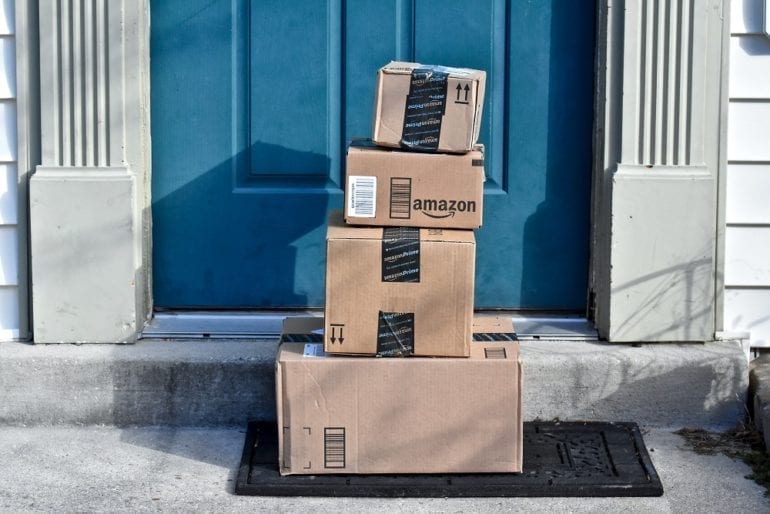
  • Amazon India diverts into online medicines sales

    Amazon India diverts into online medicines sales

    Amazon India has opened a digital pharmacy trading in Bangalore in an attempt to grow its market reach in the highly competitive territory.

    The new Amazon Pharmacy service extends the firm’s online offer by trading in prescription and over-the-counter drugs, in a region where restricted medicines can often be purchased without evidence of the prescription. The firm will also trade in traditional remedies and health devices.

    India’s online medications industry operates in an environment where regulations are unclear, and where numerous startup-level firms are operating on a local scale. Amazon moved into the sector in its home market two years ago, purchasing American online pharmacy Pillpack.

    Amazon has recently expanded into food delivery, liquor trading and automobile insurance within the Indian market as part of its expansion moves.

  • Audi India Introduces Ready To Drive Service Campaign With Special Offers

    Audi India Introduces Ready To Drive Service Campaign With Special Offers

    Audi India has rolled out its new Ready To Drive service campaign that brings a host of offers and benefits for its customers. Under the Ready To Drive campaign, customers can avail a 20 percent discount on brake pads, discs, and sensors, as well as a 10 percent discount on Audi genuine accessories, Audi Collection and merchandise for all models. The discount also extends to purchases made on the company’s virtual store. Customers can also avail savings up to 50 percent on myAudi Connect dongle on select vehicles in the range.

    Customers can save up to 20 percent on purchasing an extended warranty under the service campaign.

    Furthermore, Audi is offering savings up to 20 percent on availing extended warranty and service plans as well as the Comprehensive Service Value Package. For cars older than five years at the start of the campaign, customers will be eligible for a complimentary lube service. Customers will need to get in touch with their nearest authorized workshop to avail of the benefits of the campaign. The service campaign begins from August 17 and will continue until September 30, 2020.

    Commenting on the announcement, Balbir Singh Dhillon, Head of Audi India said, “At Audi, the customer is at the heart of everything we do. In line with our overall business strategy, we are happy to announce a service-specific campaign that brings savings and a host of offers that will ease a return to normalcy in the post lockdown period. All our workshops are fully sanitized and are constantly monitored to ensure that maximum hygiene is maintained at all times. We have seen increased aftersales activity over the last few weeks and we look forward to welcoming back our customers to our service centers. It is our endeavor to ensure that all Audis are running at their best, always.”

    The new campaign comes as life across the country goes back to normalcy in a phased manner with vehicles spending more time on the road instead of the garage. The service packages will also help those customers that have had their vehicles parked for a long time since the start of the lockdown.

    Audi India has been on a product offensive since October last year and has introduced four new models so far including the new-generation A6 and A8 L, Q8 SUV, and the RS7 Sportback. The automaker is gearing up to introduce the RS Q8 by the end of this month or in early September. The automaker also commenced online sales and service of its vehicles in May this year in the wake of the lockdown. More recently, the company announced the ‘One App’ that caters to the needs of new and existing customers.

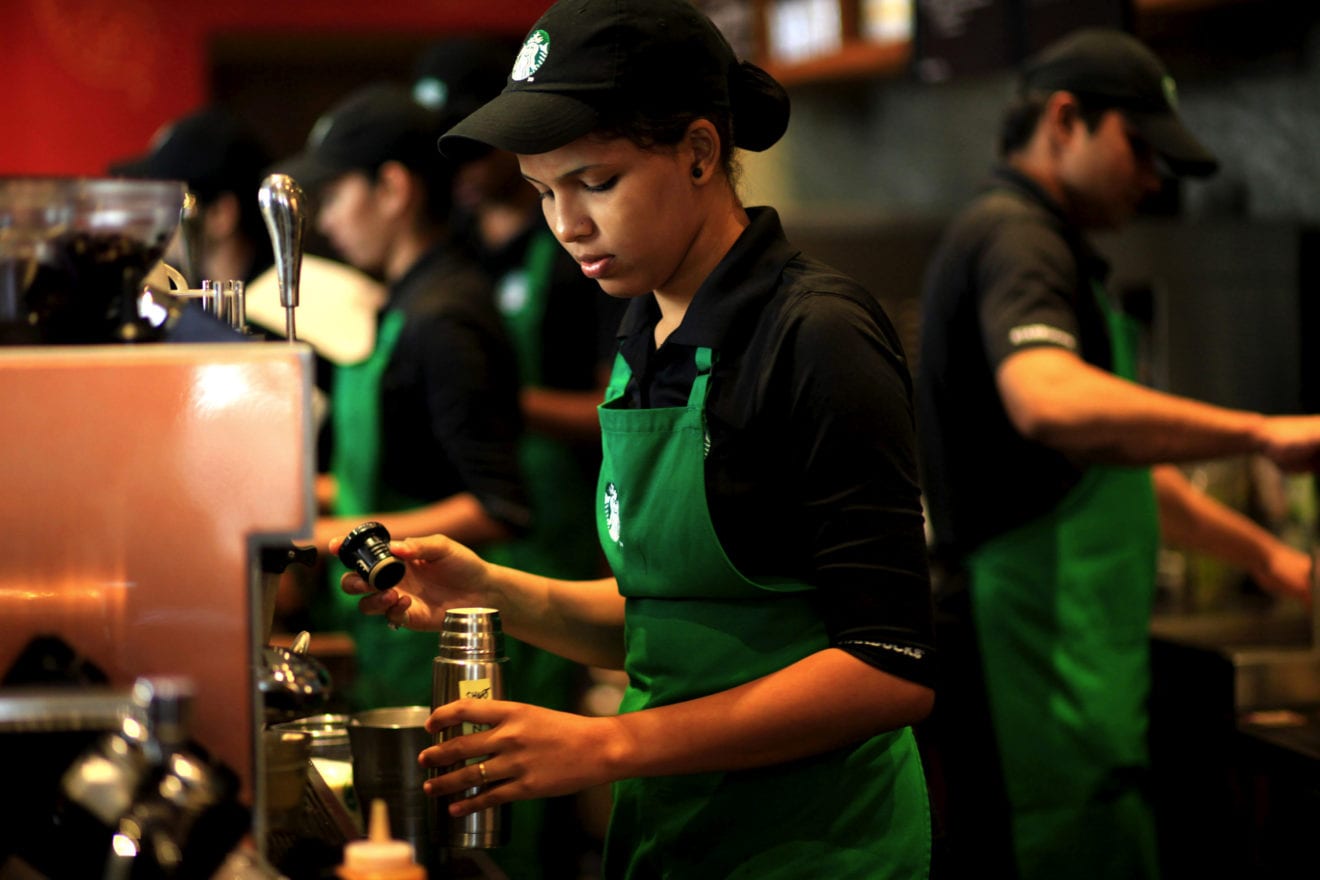
  • Tata Starbucks opens all-women stores

    Tata Starbucks opens all-women stores

    Tata Starbucks has opened two stores in India operated entirely by women as part of the firm’s efforts to address systemic inequities in opportunities for female workers within the country.

    The two female-staff-only stores are located in Delhi and Mumbai, and constitute a step forward in Tata Starbucks’ commitment to expanding the representation of women in the workforce. The program also includes initiatives to offer opportunities to women that take into account the responsibilities of motherhood. The firm offers 100-per-cent gender pay equity and aims to ensure women make up 40 percent of its total workforce by the end of 2022.

    Tata Starbucks says it will double the number of its female-led stores by the end of this year in the interests of empowering and supporting women leaders.

    “Tata Starbucks remains focused on creating and strengthening opportunities for women and fostering diversity across our organization,” said Tata Starbucks CEO Navin Gurnaney.

    “We are proud to open these all-women stores that will increase our commitment to diversity and inclusion in India and empower our female partners in new and meaningful ways.”

  • Indian retail sales plummet, but RAI points to early signs of recovery

    Indian retail sales plummet, but RAI points to early signs of recovery

    Indian retail sales figures reflect signs of recovery in the nation’s economy, even as the overall number shows a massive drop against last year due to the impact of the coronavirus pandemic.

    The Retailers Association of India (RAI), in the fifth edition of its fortnightly business survey, reported a 63-per-cent year-on-year decline in retail sales during July. The massive decrease compares favorably with that recorded for June (67 percent) and April (more than 80 percent).

    The trend towards recovery was most pronounced in the food & grocery and consumer durables product categories, but not apparent in the apparel, sports goods, and beauty & wellness sectors.

    The statistics signal challenges still facing retailers despite the easing of India’s lockdown last month.

    “With Unlock 3.0 now being rolled out across the country, there is a possibility of significant sales recovery for retail businesses,” said RAI CEO Kumar Rajagopalan. “However, localized lockdowns, weekend curfews, and not allowing formats like food courts and cinema halls to reopen are creating roadblocks on the path to revival.

    “In places where local authorities have been supportive, there is confidence in the minds of consumers. If the retail industry continues to be under pressure, it will have a serious rippling effect on other sectors such as manufacturing, entertainment, and artisans among others.”

  • Yokohama Begins Tyre Production After Phase Two Expansion

    Yokohama Begins Tyre Production After Phase Two Expansion

    Yokohama India has begun manufacturing tires after the completion of its second phase of expansion. The company began its manufacturing operations in India in 2014 with an annual capacity of 0.7 million and now it has gone up to 1.6 million tires per year. The company has also strengthened its standard operating practices in a bid to facilitate smooth progress of production lines at the factory. Yokohama entered the Indian market in 2007 and achieved the 1 millionth tire production mark in 2016.

    Anil Gupta, Vice Chairman Yokohama India said, “In response to the increasing demand for Yokohama Tyres in India and keeping in mind the projected market growth, we decided to double our domestic manufacturing capacities. Incidentally, it has happened at an opportune time as restrictions on the import of tires have been announced by the government. This decision is in line with the government’s clarion call for “Atmanirbhar Bharat” – from the drawing board to the dealer shops, the new Phase-2 facility is fully equipped to meet Indian market needs.

    With technological expertise from its parent company in Japan, Yokohama now manufactures its extremely popular Geolandar A/T along with Geolandar SUV tire and the BluEarth-RV02 tire at the new facility. The company says it has several new tire models on the anvil, ready to be launched in the near future.

    The company says that the expansion will also help increase employment opportunities at the Bahadurgarh plant. At present, the plant has 500 employees and with the increase in production, the plant will require an additional 200 people. The Yokohama Club Network or YCN is a specialized sales network that aims to provide a good experience to customers at the point of purchase and India has these dealerships as well. Yokohama is the original equipment supplier to automotive brands like Audi, Mercedes-Benz, Porsche, Nissan, Honda, Suzuki, Toyota, and Mitsubishi as well.

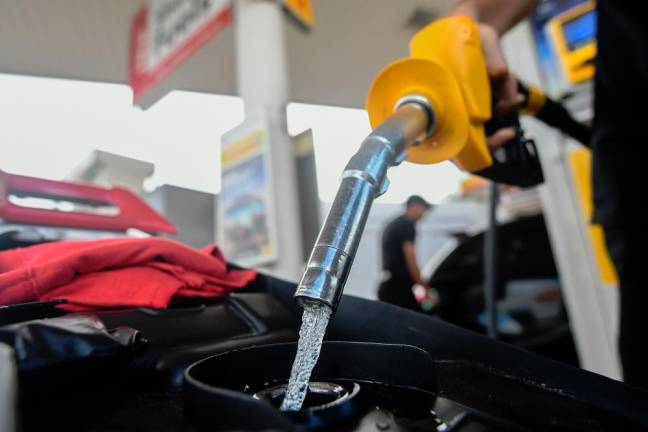
  • Total’s Indian Joint-Venture To Seek Fuel Retailing License

    Total’s Indian Joint-Venture To Seek Fuel Retailing License

    A joint-venture by India’s Adani Gas and France’s Total will soon seek government permission to open retail fuel stations in India, Adani’s chief executive said on Wednesday. India has become a lucrative market for global oil majors after the government removed controls on the retail pricing of gasoline and gasoil and relaxed rules for setting up fuel stations in the country, the world’s third-biggest oil consumer and importer. The joint venture, Total Adani Fuels Marketing Pvt Ltd, will soon apply for a license under the new liberal fuel retailing rules, Manglani said.

    “Definitely we will take full benefit of the expertise and strength of Total,” Suresh Manglani told reporters on an earnings call, adding that the intent was to become a full-service operator, providing a multi-fuel offering.

    Fuel demand in India is expected to rise in the coming years as Prime Minister Narendra Modi pushes for Asia’s third-largest economy to grow from $2.9 trillion of gross domestic product in 2019 to $5 trillion by 2025.

    British oil major BP has already teamed up with Reliance Industries in a fuel retailing joint venture, and Shell and Abu Dhabi National Oil Co also both want to strengthen their presence in India.

    Total bought a 37.4% stake in billionaire Gautam Adani-promoted Adani Gas last year to capitalize on India’s push for cleaner sources of energy. Adani Gas, which has so far focused on selling gas to industry and households, also wants to sell liquefied natural gas (LNG) for transportation. Modi wants to raise the share of gas in India’s energy mix to 15% by 2030 from the current 6.2%.

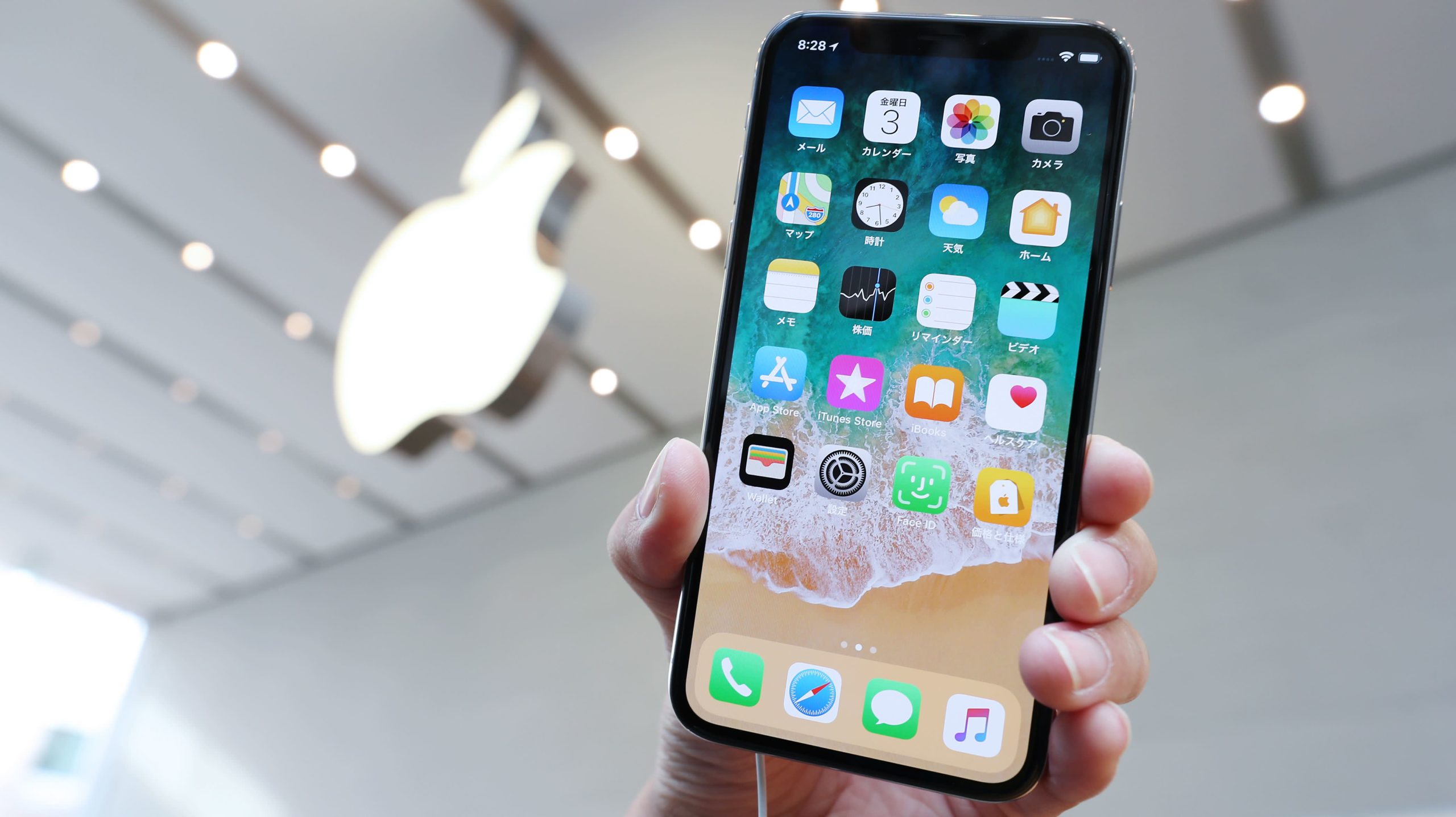
  • Apple is assembling a top-of-the-line iPhone in India for the first time

    Apple is assembling a top-of-the-line iPhone in India for the first time

    Two weeks ago we told you that Apple’s largest manufacturing partner Foxconn plans to invest the princely sum of $1 billion to increase the production of the iPhone in India. The latter is the second-largest smartphone market in the world after China, although it does remain a developing country. As a result, lower-priced phones sell the best including Xiaomi’s value for money handsets and Samsung’s Galaxy A series. The iPhone? It’s considered a luxury item in the country.

    By producing the iPhone in India, Apple avoids paying a hefty 22% import tax on units shipped into the country from China. And locally made iPhones fit in with Prime Minister Narendra Modi’s Make in India initiative that favors products made in, well, India. In the country, contract manufacturer Wistron assembles 2016’s iPhone 7 in Bengaluru while in Chennai, Foxconn makes the iPhone XR. By sticking with older models, Apple is able to sell iPhones to Indian consumers at a more affordable price.

    For some years there has been talk about Apple producing some of its higher-priced current models in India and India.com notes that on Friday, India’s Commerce and Industry Minister Piyush Goyal said that the tech giant has started to make the iPhone 11 at a Foxconn facility in India. While the phone is the lowest priced among Apple’s current flagship phones, Goyal proudly said in a tweet, “Significant boost to Make in India! Apple has started manufacturing iPhone 11 in India, bringing a top-of-the-line model for the first time in the country”

    In India, some iPhone 11 units that were produced in the country are available in retail stores. The lockdown that was ordered due to the coronavirus delayed these units from reaching store shelves but they are now slowly making their way there. However, the locally made iPhone 11 still has the same prohibitive (for Indians) manufacturer’s retail price listed as found on the units imported from China. Anonymous sources say that Apple has asked its supply chain in China to ship components to India for the iPhone SE (2020). The most affordable phone in the iPhone lineup, the device is tailor-made for Indian consumers who cannot afford any model in the iPhone 11 line.

    An import tax and the Phase One agreement signed by both countries saved Chinese manufacturers (and companies that assemble their phones in China-like Apple) from having to eat a tax or pass it on to their customers in the form of higher prices. While moving some production out of China was a subject that Apple reportedly had on the table for some time, last year there were some reports stating that the tech giant was looking to move 20% of handset production out of China. India would be the obvious choice although there are questions about whether Apple can put together a supply chain that can provide it with parts in the quantity and quality that Apple needs. The second-largest iPhone assembler, Pegatron, will join Foxconn and Wistron in India according to the latest rumors.

    There are over half-a-billion smartphone users in India, but the country had a Gross National Income per capita of $7,680 as of 2018 according to the World Bank; which compares to over $63,000 in the U.S. Thus, premium handset sales are far fewer in India. Apple is the leader in that category while Xiaomi is the top smartphone manufacturer in the country. During the second quarter, the top five smartphone vendors in India were Xiaomi, Vivo, Samsung, Oppo, and Realme. Because of the COVID-19 pandemic, the number of handsets delivered to the country declined almost in half from 33 million in the second quarter of 2019 to 17.3 million during this year’s quarter.
  • Giant Phoenix Palassio mall opens in India

    Giant Phoenix Palassio mall opens in India

    Indian developer Phoenix Mills has launched a 1 million sqft mall in Lucknow, called Phoenix Palassio.

    “Phoenix Palassio is the first mall to become operational of the five that we are developing as a part of our ongoing expansion of over 5 million sqft across Lucknow, Pune, Bengaluru, Indore, and Ahmedabad,” said The Phoenix Mills non-executive chairman Atul Ruia. “This expansion will see us double our mall portfolio by 2024.

    The new mall opens as India is gradually emerging from its coronavirus lockdown, meaning many visitors to the property may be entering a mall for the first time in months. With the pandemic in mind, Palassio has launched with minimal contact services, social distancing markers, UV bag screening, sanitized shopping trolleys, multiple convenient hand sanitizer locations and contactless payment points throughout the stores and parking areas.

    “We are confident that as the nation unlocks, rigorous compliance with government guidelines and global best practices in retail will set the tone for the sector’s revival,” said Ruia.

    The mall opened fully leased, with well-known international and local brands taking space, including some who making their debut in Lucknow.

    Despite the high-profile design and launch of the mall, the Phoenix Palassio website states opening hours will be restricted from 9 am to 11 pm during weekdays – closed on weekends.

  • India’s Cafe Coffee Day shuts 280 stores

    India’s Cafe Coffee Day shuts 280 stores

    Indian coffee chain Cafe Coffee Day shuttered 280 outlets between April and June due to low profitability and potentially rising costs.

    The firm, which now operates 1480 outlets, has also reported a decline in average daily sales from 15,739 cups to 15,445 cups during the period. This was counterbalanced by an uptick in Coffee Day’s vending machine count from 49,397 to 59,115 units year on year.

    “Export operations have been temporarily stopped due to lower margins and higher working capital requirement and around 280 outlets are closed during the quarter based on various factors including the profitability, future increase in major expenses,” said a spokesperson for the firm.

    The firm has struggled since the apparent suicide of founder VG Siddhartha a year ago. Siddhartha founded Coffee Day Enterprises in the late 1990s, years before Starbucks made its Indian debut, building a network of 1700 outlets – 10 times the size of Starbucks.

  • The world’s second largest smartphone market sees shipments drop in half during Q2

    The world’s second largest smartphone market sees shipments drop in half during Q2

    A double whammy negatively impacted the second-largest smartphone market in the world during the second quarter of the year. The global outbreak of coronavirus led to the shutdown of smartphone production in the country. And the demand for handsets dropped sharply as retailers both online and offline were not allowed to sell them. This was the case in India until the middle of May; that means that COVID-19 affected smartphone supply and demand in India for half of Q2.

    Xiaomi, with its value for money approach that is tailor-made for a developing country like India, remained the top smartphone manufacturer in the market during the second quarter. Even though shipments, at 5.3 million units, declined 48% year-over-year (the company shipped 10.3 million phones during the same quarter last year), Xiaomi’s market share barely declined from 31.3% during Q2 2019 to 30.9% during this year’s second quarter.

    Vivo was second during Q2 after delivering 3.7 million phones during the three months. Even with a 36% decline in the number of phones shipped, the manufacturer’s market share rose from 17.5% to 21.3% from April through June of this year. Samsung saw phone shipments in India declined by 60% on an annual basis as the number of phones it delivered dropped from 7.3 million to 2.9 million. Even the popular Galaxy A series couldn’t stop the bleeding as Sammy saw its slice of the Indian smartphone market decline from 22.1% to 16.8%.

    Oppo finished fourth for the quarter with a 27% decline in shipments from 3 million to 2.2 million, allowing the company to expand its market share from 9.2% to 12.9%. And in fifth place during the quarter was Realme. The latter shipped 1.7 million phones during the three months, one million or 35% fewer than during the same quarter last year. Realme owned 10% of the Indian smartphone market in Q2, which was up from the 8.1% share it had during Q2 of 2019.

    Canalys Analyst Madhumita Chaudhary said, “While vendors witnessed a crest in sales as soon as markets opened, production facilities struggled with staffing shortages on top of new regulations around manufacturing, resulting in lower production output. The fluidity of the lockdown situation across India has had a deep-rooted effect on vendors’ go-to-market strategies. Xiaomi and Vivo have undertaken an O2O (offline-to-online) strategy to support their massive offline network. Online channels, too, while seeing a positive effect of the pandemic on market share, have seen sales decline considerably.”

    What might negatively impact Chinese phone manufacturers like Xiaomi, Vivo, Oppo, and Realme in India during the current quarter is a border skirmish between the two countries. 20 Indian soldiers were killed by the Chinese and India started holding up shipments from China into the country. Canalys says that 96% of all smartphones sold in India last year were made locally. Despite this, Canalys analyst Adwait Mardikar notes that the lure of lower pricing on phones from Chinese companies like Xiaomi will help those manufacturers sell their wares in India. He says, “Vendors are driving the message of ‘Made in India’ to consumers and are eager to position their brand as ‘India-first.’ Despite the sentiment, the effect on Xiaomi, Oppo, Vivo, and Realme is likely to be minimal, as alternatives by Samsung, Nokia, or even Apple are hardly price-competitive.” Canalys analyst Chaudhary says that manufacturers are hoping that new 5G handsets lead to increased sales. He noted that “The transition to 5G is the next big opportunity, and Jio’s announcement of readiness to deploy 5G, as soon as spectrum is made available, has provided a ray of hope to most vendors who have been beaten by the current pandemic.”

    Speaking of Apple, the company turned in the best performance out of India’s top 10 smartphone manufacturers with a 20% year-over-year decline in shipments. The number of iPhones delivered in India was slightly over 250,000 units. Even though pricing makes iPhones luxury items in China, another iPhone assembler is working on building a new plant in India joining Foxconn and Wistron. Bloomberg reports that Pegatron, the second-largest iPhone assembler in China after Foxconn, will eventually start producing iPhone models in India. Apple is looking to move up to 20% of iPhone production out of China to avoid the possibility of tariffs in the future as the tense relationship between the U.S. and China continues.

    Overall for the quarter, 17.3 million handsets were shipped in India down 48% from the 33 million that were delivered during the same quarter last year.

  • Tesco, Tata invest US$9 million in Indian JV

    Tesco, Tata invest US$9 million in Indian JV

    British grocery retailer Tesco and Indian conglomerate Tata have invested another US$8.9 million into their joint venture Trent Hypermarket.

    The move marks the first major capital investment in the business by the partners in two years, and comes on the heels of the appointment of new CEO Martin Bailie.

    While revenues expanded 22.5 percent to $164 million in the previous financial year, the business’s losses have also grown. According to IGD Retail Analysis head of insight – Asia Pacific Nick Miles, Tata has been in talks with Walmart for renewed investment, following concerns over Trent’s relatively modest expansion in the territory.

    “The renewed investment from both parties should put talks on any new investors on hold for a while,” said Miles.

    “Having exited – or in the process of selling its operations in – China, Thailand, Malaysia and Poland in the past 12 months, perhaps Tata was nervous of Tesco’s commitment to the market. However, the investment signals that it remains committed to the JV.”