Retail News CRM

Tag: india

  • Petrol, Diesel Prices Hiked For Sixth Consecutive Day

    Petrol, Diesel Prices Hiked For Sixth Consecutive Day

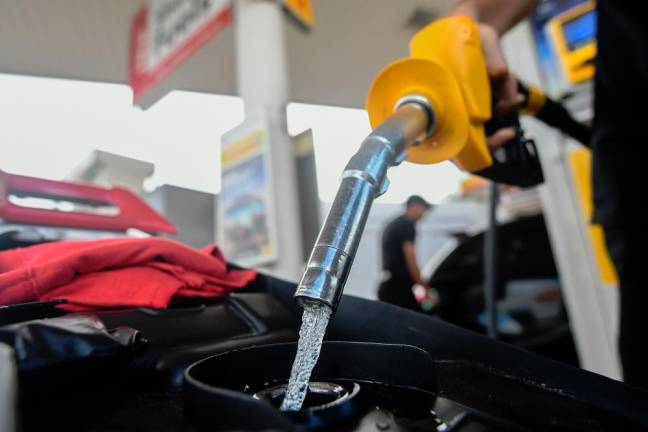
    Domestic fuel rates on Monday were hiked for the sixth consecutive day by the state-owned marketing companies across the metro cities in India leading the prices to touch two-year high. As per the notification from Indian Oil Corporation, petrol and diesel rates were increased by 30 paise and 26 paise in the national capital. Due to firming international oil prices, there has been a continuous revision in fuel prices across the country. In the last sixteen days, the fuel rates have been hiked on fifteen occasions that came into effect from 6 am today.

    Here are the prices of petrol and diesel per litre in the five metros on December 7, 2020:

    City Petrol Diesel
    Delhi ₹ 83.71 ₹ 73.87
    Mumbai ₹ 90.34 ₹ 80.51
    Chennai ₹ 86.51 ₹ 79.21
    Kolkata ₹ 85.19 ₹ 77.44
    Bengaluru ₹ 86.51 ₹ 78.31

    On Sunday, petrol and diesel prices shot past ₹ 90 per litre and ₹ 80 per litre in Mumbai. With a new revision in fuel rates, petrol retails at ₹ 90.34 per litre and ₹ 80.51 per litre. Buyers in the capital city will have to shell out ₹ 83.71 for one litre of petrol and will have to pay ₹ 73.87 per litre for diesel. The fuel prices have seen a cumulative hike of ₹ 2.65 per and ₹ 3.42 per litre, respectively. Petrol and diesel rates remained static since September 22 and October 2, respectively. The OMCs started revising rates of auto fuels from November 20 onwards.

    Petrol price in Kolkata has been increased to ₹ 85.19 per litre, which was ₹ 84.90 per litre on Sunday. Similarly, the cost of diesel also increased by 26 paise from 77.18 to 77.44 rupees per litre. In Chennai, petrol and diesel retailed at ₹ 86.51 per litre and ₹ 79.21 per litre, respectively. The two auto fuels in Bengaluru cost ₹ 86.51 per litre and ₹ 78.31 per litre for petrol and diesel respectively.

    Oil marketing companies (OMCs) have been revising the retail rates of petroleum products since November 20, 2020. The 58-day hiatus in petrol price revision and 48-day status quo on diesel rates were preceded by no change in rates between June 30 and August 15 and an 85-day status quo between March 17 and June 6.

  • Disney arrives with ShopDisney in India

    Disney arrives with ShopDisney in India

    Disney India on Tuesday forayed into the e-commerce space with the launch of its online marketplace ‘shopDisney.’ This will give Disney fans across the country access to authentic toys and accessories related to Marvel’s Avengers, Spider-Man, Mickey and Friends, Disney Princess and Frozen, among others.

    “With shopDisney, our endeavour is to bring genuine Disney-licensed products inspired by our stories and characters to every household in the country. shopDisney will extend the magic of Disney and be a truly immersive experience for kids and families wherever and whenever they want,” said Sanjeet Mehta, executive director and head, consumer products, Disney India.

    Disney India said at launch, over 3,000 items across various categories, including fashion, toys, apparel, back-to-school, accessories, and gifts will be available on the e-commerce site with delivery to more than 500 cities across India.

    “The product line-up will continue to grow to ensure consumers can always find what they want, to add the magic of Disney into their daily lives,” the company added.

  • CapitaLand Secures Green Loans in India

    CapitaLand Secures Green Loans in India

    The Singapore-based property developer has secured its first three green loans in India, from DBS and HSBC, totaling INR 17 billion ($230 million).

    CapitaLand’s first foray into sustainable finance in India will be used to finance the development of its green-certified International Tech Parks in Chennai, Gurgaon and Pune, it announced in a statement on Wednesday.

    The four-and-a-half-year INR 6.25 billion ($84 million) and three-year INR4.25 billion ($57 million) green loans provided by DBS will be used to finance the development of Phase 1 of International Tech Park Chennai, Radial Road, and Phase 1 of International Tech Park Gurgaon respectively. The four-year INR6.5 billion ($87 million) green loan provided by HSBC India will be used to finance the development of International Tech Park Pune, Kharadi.

    The securing of the first green loans in India demonstrates CapitaLand’s commitment to grow our business in a responsible manner as we create long-term value for our stakeholders, Vinamra Srivastava, CEO, Business Parks, CapitaLand India, said in the announcement.

    DBS head of institutional banking Tan Su Shan said that India is a promising market with ample opportunities to go green.

    We see immense potential for growth in Asia’s sustainable financing market as companies look to further their sustainability agenda through responsible financing practices. In becoming the first Singapore bank to finance green loans in India, we are also establishing Singapore as a regional sustainable financing hub with the expertise and experience to forge meaningful partnerships for a more sustainable Asia, Tan said in a separate announcement.

    CapitaLand owns and manages a global portfolio worth about S$133.3 billion ($99.13 billion) as at 30 September 2020. The company has a strong presence in India, with a portfolio of over 20 business and IT parks, industrial, lodging and logistics properties across seven cities – Bangalore, Chennai, Goa, Gurgaon, Hyderabad, Mumbai and Pune.

  • DBS India to Save Troubled Lakshmi Vilas Bank

    DBS India to Save Troubled Lakshmi Vilas Bank

    The Chennai-based bank, which has a 94-year history in India, with established retail and SME customer base, and a strong presence in South India, has undergone a steady decline with the bank incurring continuous losses over the last three years, eroding its net-worth.

    India’s banking regulator imposed a 30-day moratorium Tuesday on struggling Lakshmi Vilas Bank (LVB), superseded its board of directors and announced a draft scheme for the amalgamation of the bank with DBS Bank’s India subsidiary.

    The financial position of Lakshmi Vilas Bank has undergone a steady decline with the bank incurring continuous losses over the last three years, eroding its net-worth. In the absence of any viable strategic plan, declining advances and mounting non-performing assets (NPAs), the losses are expected to continue,» the Reserve Bank of India (RBI) said.

    To support the amalgamation, DBS will inject INR 2,500 crore ($345 million) into DBIL if the scheme is approved. This will be fully funded from DBS’ existing resources, the bank said.

    The proposed amalgamation will provide stability and better prospects to Lakshmi Vilas Bank’s depositors, customers, and employees following a time of uncertainty. At the same time, the proposed amalgamation will allow DBIL to scale its customer base and network, particularly in South India, which has longstanding and close business ties with Singapore, DBS said in a statement on Wednesday.

    DBS has been in India since 1994. To expand the franchise and build greater scale, DBS converted its India operations to a wholly-owned subsidiary in 2019, DBIL. The bank is now present in 24 cities across 13 states.

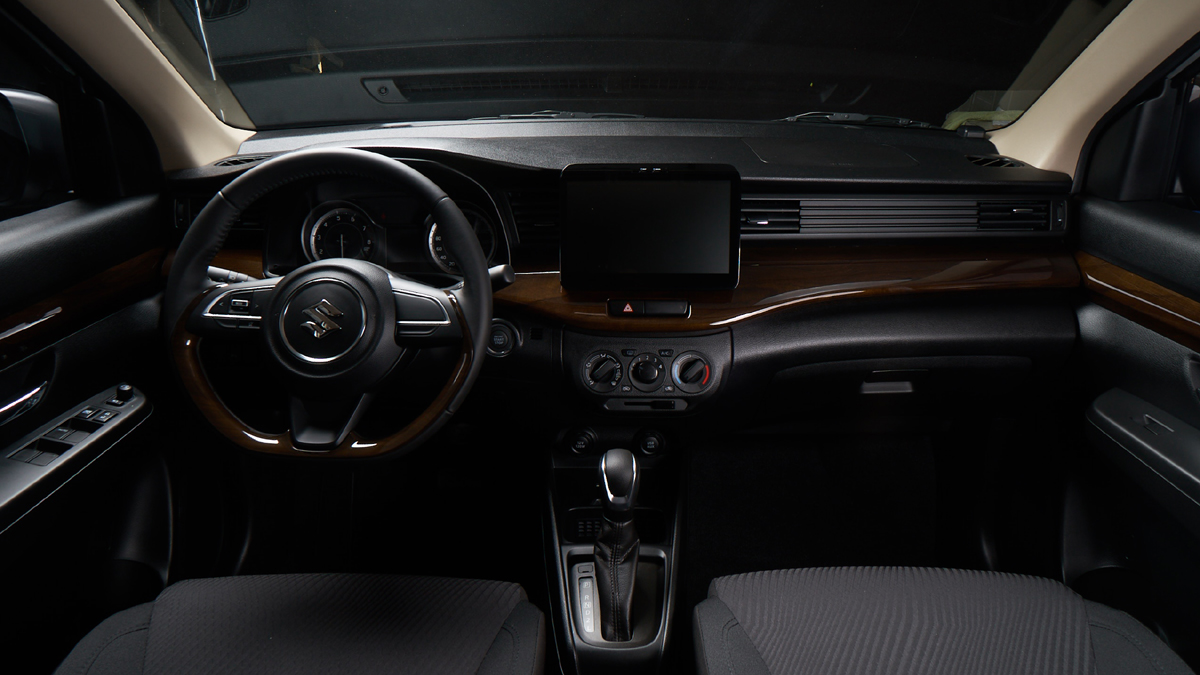
  • Suzuki Expects Annual Profit To Shrink By A Quarter As India Sales Slump

    Suzuki Expects Annual Profit To Shrink By A Quarter As India Sales Slump

    Suzuki Motor Corp on Thursday forecast operating profit to fall by a quarter to 160 billion yen ($1.5 billion) in the year to March as sales, including in its key Indian market, shrink amid the coronavirus pandemic. That prediction was more than an average estimate for a 124.3 billion yen compiled from 14 analysts polled by Refinitiv.

    Suzuki’s Indian car sales in the first half of the year fell 36% to 432,000 vehicles, and dipped in other markets, including Japan, Indonesia and Europe as people stay away from dealerships.

    “We don’t know what will happen with the coronavirus in India or what measures the government will implement, so that makes the market difficult to predict,” Suzuki’s president, Toshihiro Suzuki said in a conference call.

    India accounts for just over half of Suzuki’s global car sales. Through its majority stake in Maruti Suzuki India Ltd, the company accounts for roughly one in every two cars sold in the country.

    Last business year, Maruti Suzuki paid Suzuki 38.2 billion rupees in royalties, or about 5% of its revenue, according to its annual report

    For the full business year, the Japanese automaker expects to sell 2.38 million cars worldwide, 16.6% fewer than the previous twelve months.

    The forecast came as Suzuki posted a 73.6 billion yen operating profit in the three months ended Sept. 30 compared with a profit of 55.9 billion yen a year earlier, according to Reuters’ calculations.

    Japan’s fourth-largest automaker had declined to give a full-year forecast when it reported it first-quarter results.

  • Japanese Eyewear Brand Owndays expands India presence

    Japanese Eyewear Brand Owndays expands India presence

    Japanese eyewear brand OWNDAYS, one of the largest players in the fashion eyewear space, is now expanding its India footprint. The company announced the launch of a new store at Inorbit mall, Mumbai, others being in Kolkata, Chennai, Hyderabad, Bengaluru, and Chandigarh.

    Currently, the company has a global presence of 350 stores spread across 12 countries including Japan, Singapore, Taiwan, Hong Kong, Australia, Thailand, Philippines, Malaysia, Vietnam, Indonesia, and Cambodia. OWNDAYS’ India presence is in collaboration with GKB Opticals, which is a big name to reckon with in Indian Eyewear Industry already.

    Owndays will offer a range of around 1,500 styles from basic to functional, stylish, and fashionable eyewear for men and women starting at Rs. 2,990. With 24 brands under the parent company, Owndays offers eyewear for children, young adults, millennials, and the elderly.

    Established in Tokyo, Japan in 1989, Owndays Co., Ltd has redefined the world of optics by following Simple Pricing, Quick Servicing, and Value. With more than 1,500 designs of frames ranging from basic and functional, to stylish and fashion-forward.

    Owndays outlets have a list of a unique set of pointers to grab your interest:

    • State of the art Japanese eye testing equipment, that helps complete the process in almost half the time the regular testing process takes.
    • The company has a unique 20-minute process feature with over 2,000 lenses stocked in the store which allow glasses to be processed within 20 minutes after the eye check.
    • Pricing is simple and uncomplicated with price of best suitable lenses (minus customised ones) included with the frame

    Speaking on the launch Sanjay Malhotra Business Head – India, Owndays said, “We are thrilled to be opening yet another outlet in India as the demand for quality eyewear at affordable price is increasing considerably and our product has been loved by Indian customer’s youth and matured alike. The fact that we are even opening during the Covid environment shows that we are bullish about Indian market as we have been received exceptionally well in the country”.

    OWNDAYS Outlets in India:

    BANGALORE: Indiranagar & Phoneix Marketcity Mall

    CHENNAI: Palladium Mall

    HYDERABAD: Sarath City Capital Mall

    KOLKATA: South City Mall

    CHANDIGARH: Elante Mall


  • Deutsche Bank in Talks with Tata to Offload Tech Unit

    Deutsche Bank in Talks with Tata to Offload Tech Unit

    Deutsche Bank is reportedly in advanced talks to sell its technology services unit to India’s Tata Consultancy Services.

    Tata Consultancy Services – Asia’s biggest software exporter and the tech subsidiary of Indian conglomerate Tata group – could take over Deutsche Bank’s Postbank Systems, according to a «Bloomberg» report citing unnamed sources.

    There are expectations for a deal to materialize by year-end though negations are ongoing and no conclusions have been made.

    If successful, Tata Consultancy would onboard Postbank System’s 1,400 employees while Deutsche Bank would come closer to its restructuring target to reduce 18,000 jobs.

    The Bonn-based technology unit generated revenue of 533 million euros ($629 million) in 2015, the latest annual figures available.

    Bottom lines aside, the bank is currently focused on importing Postbank’s operational capabilities by merging with its technology in a move that would render Postbank System’s obsolete by 2021-end and shed 1 billion euros ($1.18 billion) of operational costs, the report added.

  • H&M India sales face first profit decline ever

    H&M India sales face first profit decline ever

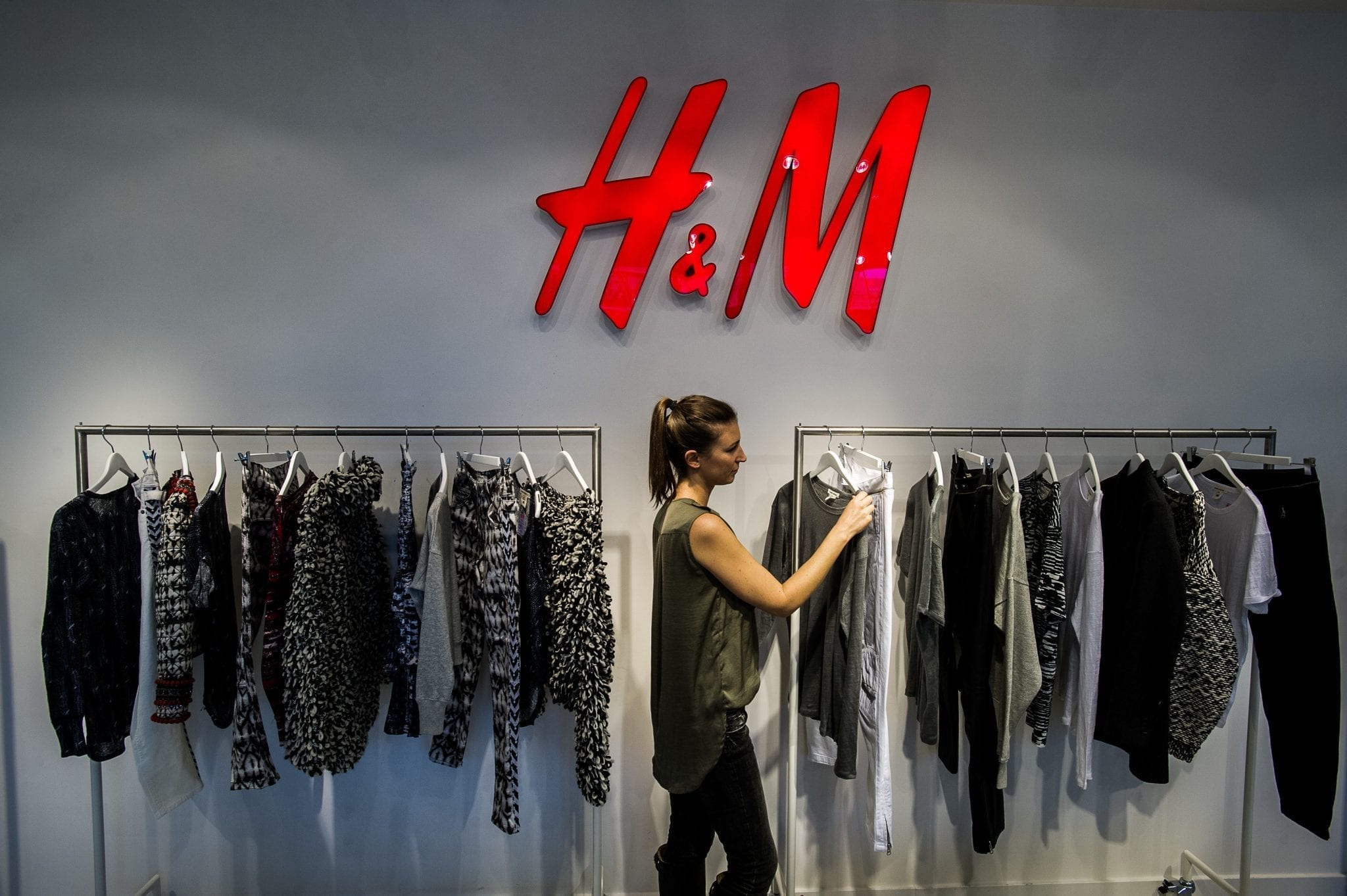
    Though H&M reported lower sales during the nine-month from December 2019-August 2020 loss, it returned to profitability in September as sales recovered in many of its markets. The brand’s sales decline narrowed to 5 percent year-on-year in September. Currently, 166 of its stores are closed, although a large number of stores have opened with local restrictions and limited opening hours.

    From June-August, net sales of the Swedish fashion retail giant fell by 16 percent in local currencies to SEK50.87 billion. Its gross profit for the quarter dropped to SEK24.85 billion from SEK31.81 billion in the prior year’s Q3it. This corresponds to a gross margin of 48.9 percent.

    Profit after financial items was SEK 2.36 billion. Excluding IFRS 16, profit after financial items plunged to SEK2.26 billion from SEK5 billion. The brand’s sales during the nine-month period were significantly affected by the COVID-19 situation. Its net sales fell to SEK134.48 billion from SEK171 billion a year ago as Q2 included the height of the pandemic.

    The company made a loss of SEK1.613 billion during the nine months and a net loss of SEK1.24 billion. Excluding IFRS 16, its loss was SEK1.847 billion, much worse that the profit of SEK11.98 billion a year earlier.

    The firm is on a recovery trajectory even though it’s far from business-as-usual as fashion sales remain challenged globally.

  • AirAsia Said to Stop Funding Indian Venture as Cash Dwindles

    AirAsia Said to Stop Funding Indian Venture as Cash Dwindles

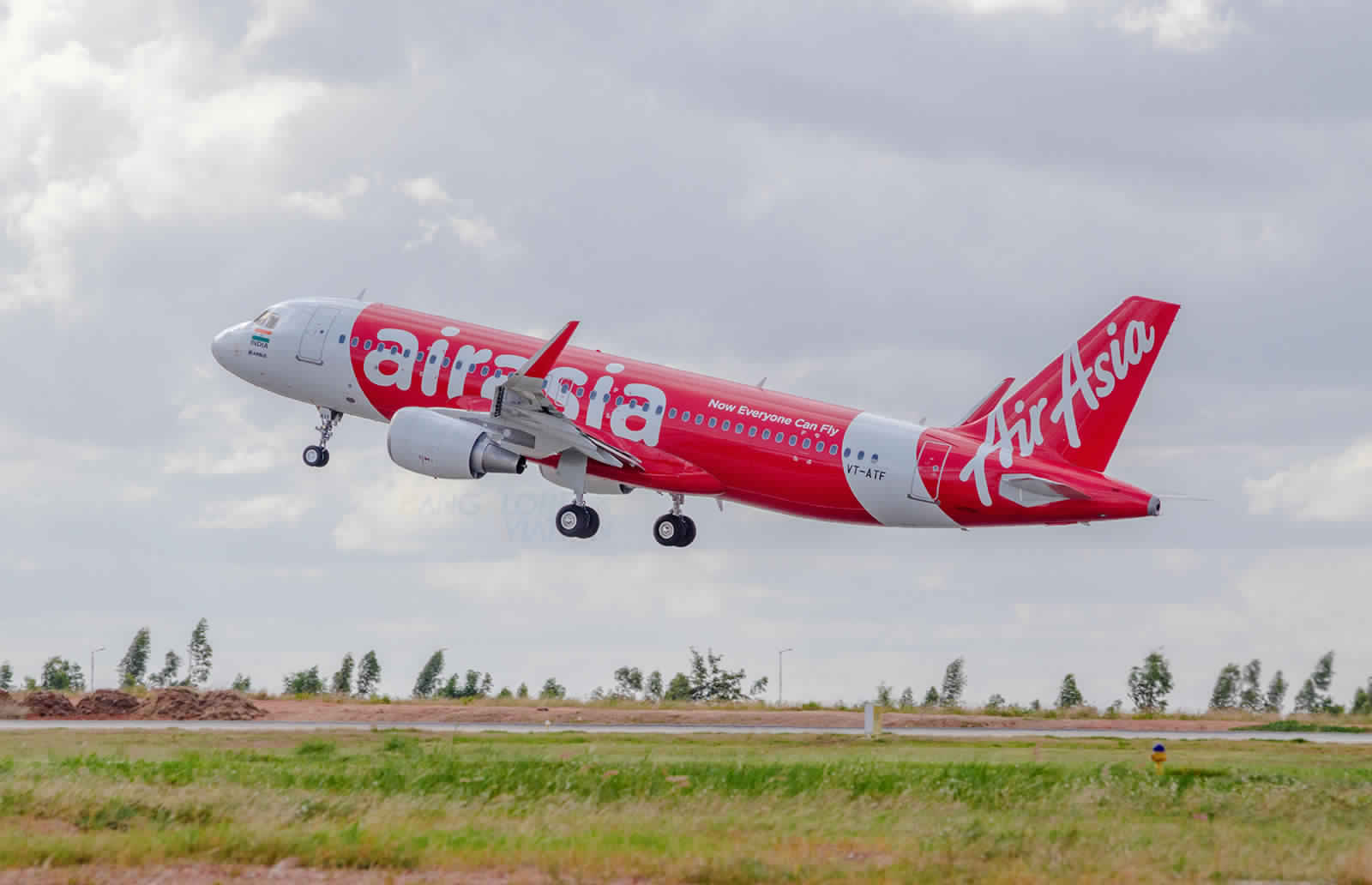
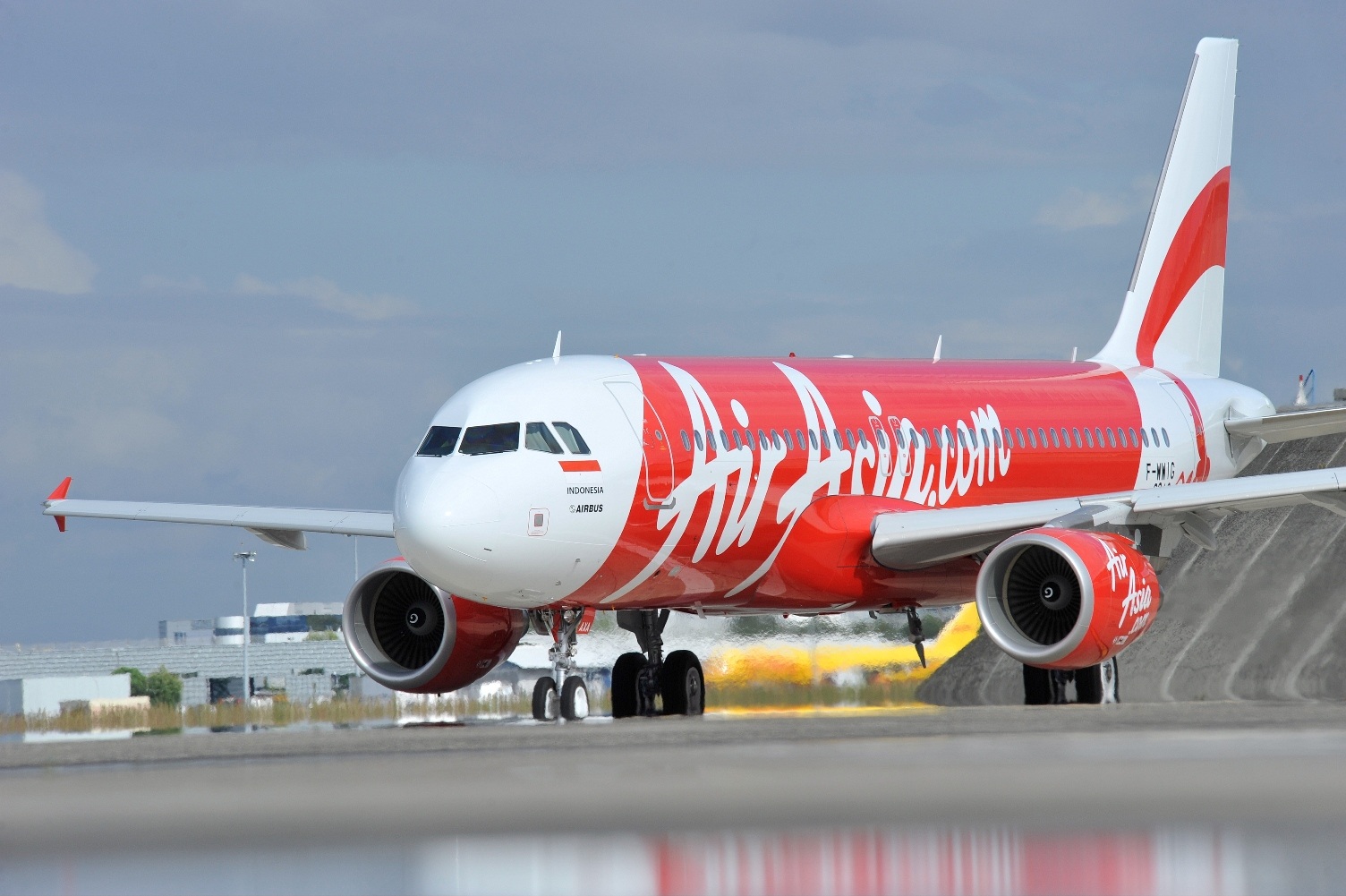
    AirAsia Group Bhd has stopped funding its Indian affiliate as the global travel slump leaves the Malaysian group struggling to support a sprawling empire of no-frills airlines, people familiar with the matter said.

    AirAsia India Ltd’s future may now depend on Indian conglomerate Tata Group, its majority shareholder, which has provided emergency funding but has yet to commit to a full rescue, according to the people, who asked not to be named discussing a confidential matter.

    The airline isn’t at any immediate risk of folding, the people said. India’s aviation minister said over the weekend that AirAsia was shutting up shop in the South Asian nation, though his office later suggested the comment was taken out of context.

    AirAsia India declined to comment, as did a representative for Tata Group. AirAsia Group didn’t respond to requests for comment after usual office hours.

    AirAsia said earlier Monday that its Japanese arm will cease flying immediately as the coronavirus outbreak continues to roil the airline industry. Once the poster child of the region’s revolution in low-cost travel, the group is seeking as much as RM2.5 billion to steer its way through the crisis.

    Long-haul arm AirAsia X Bhd has meanwhile said it needs to reach deals with major creditors to restructure debt amid “severe liquidity constraints” that threaten its ability to resume services and continue as a going concern.

    AirAsia India has survived on 3 billion rupees (US$41 million) in funding from Tata, which owns a 51% stake, with another round of financing expected soon, one of the people said.

    Tata is weighing its options and how much it would cost to buy out AirAsia and save the carrier, another person said. The industrial group also has a 51% holding in the Vistara full-service airline venture with Singapore Airlines Ltd.

    AirAsia India predicted it would break even in four months when it began flying in 2014. In reality, it has yet to make money in a market where high fuel taxes and cut-throat fares can make even dominant players unprofitable. The carrier has a market share of 6.8% and employs more than 3,000 people.

  • Harley-Davidson Decides To Discontinue India Operations

    Harley-Davidson Decides To Discontinue India Operations

    Harley-Davidson has decided to discontinue its sales and manufacturing operations in India, as part of restructuring actions that the company refers to as ‘The Rewire’ strategy. On Thursday, Harley-Davidson informed its employees of additional restructuring costs amounting to $75 million in 2020, which includes discontinuing the iconic American brand’s operations in India. Total costs associated with ‘The Rewire’ strategy outlined by Jochen Zeitz, President, Chairman and CEO of Harley-Davidson amount to $169 million this year. The motorcycle brand expects to complete the restructuring actions from August to be completed within the next 12 months, which will include optimizing its global dealer network, exiting certain international markets and discontinuing its sales and manufacturing operations in India. In India, Harley-Davidson will reduce the workforce by approximately 70 employees.

    In a statement to the United States Securities and Exchange Commission, Harley-Davidson outlined the development, adding some details about the restructuring costs.

    “As a result of the actions approved from August 6, 2020 through September 23, 2020, the Company expects to incur restructuring expenses of approximately $75 million in 2020, of which approximately 80% are expected to be cash expenditures, including one-time termination benefits of approximately $3 million, non-current asset adjustments of approximately $5 million, and contract termination and other costs of approximately $67 million. Full implementation of these Rewire actions may require the Company to commit additional funds for additional contract termination and other costs. Including previously disclosed restructuring charges, the Company expects total restructuring expenses associated with Rewire restructuring actions approved through September 23, 2020 of approximately $169 million in 2020. The Company expects to complete the restructuring activities approved through September 23, 2020 within the next 12 months. Announcements associated with additional actions under The Rewire are expected to occur, some of which will likely result in additional restructuring charges,” Harley-Davidson said.

    Harley-Davidson India has responded with a press statement saying that the company is “evaluating options” to continue to serve its customers. While H-D India has said that the manufacturing facility in Bawal will be closed down, and the sales office in Gurugram will be significantly reduced in size, there is still no concrete announcement on how the brand will support its existing customer base in India. All Harley-Davidson India has said is that the dealer network will continue to serve customers through the contract term. Harley-Davidson has 33 dealerships across India, and each dealership will have a different contract term, but how existing customers will be served in terms of spares and service in the future is still not clear. In fact, with the closure of the manufacturing facility in India, the Harley-Davidson Street 750 range will likely be discontinued, as will be assembly operations. But there’s still some hope that the brand will continue to have some presence, importing models from its facility in Thailand, and with India’s Free Trade Agreement, that may work out to be cost-effective as well.

    Harley-Davidson has been under pressure in recent years, with sales of the American motorcycle brand slowing down in several markets around the world. And India seems to be one such market, where Harley-Davidson has been present since 2009, and where the first Harley dealership came up in July 2010. Harley-Davidson still led premium motorcycle sales in India over the last few years, led by the made-in-India Street 750 models. Harley-Davidson also had assembly operations in India at its plant in Haryana, assembling several models from completely knocked down (CKD) kits. In the last financial year, Harley-Davidson sold fewer than 2,500 units in India, and between April-June 2020, only about 100 Harleys were sold in India, making it one of the worst-performing international markets. And just about 10 years since the iconic brand set up shop in the world’s largest motorcycle market, it’s now time to wind up manufacturing and sales.

    Earlier this year, Jochen Zeitz replaced former CEO Matt Levatich as President, Chairman and CEO of Harley-Davidson. Levatich was in Harley-Davidson for 26 years, and with increasingly slowing sales in recent years, his exit was seen as a move to give new strategic vision to revive the brand internationally. ‘The Rewire’ plan outlined by Zeitz intends to re-look Harley-Davidson’s product strategy, as well as focus on about 50 markets, mainly in North America, Europe and parts of Asia Pacific, that represent the “majority of the company’s volume and growth potential.” And India, the world’s largest motorcycle market, seems to have been given the miss from those important markets where Harley-Davidson sees potential growth.

  • Maruti Suzuki Launches Its Car Subscription Programme In Delhi, NCR And Bengaluru

    Maruti Suzuki Launches Its Car Subscription Programme In Delhi, NCR And Bengaluru

    Expanding its vehicle subscription program – Marti Suzuki Subscribe, to newer cities, the carmaker today launched it in Delhi, NCR (Noida, Ghaziabad, Faridabad, Gurugram) and Bengaluru. Earlier in August, the company had launched a pilot program for its vehicle subscription model, in partnership with Myles Automotive Technologies, in Pune and Hyderabad. However, this time around, the company has partnered with Orix Auto Infrastructure Services India to offer its car subscription program to individual buyers in Delhi, NCR and Bengaluru. The carmaker says that with this subscription model, it aims to offer easy, and flexible car ownership options to its customers.

    The subscription plan will include a duration ranging from 12 to 48 months, depending on customer preference, and will involve an all-inclusive monthly subscription fee. There will be no down payment, and the monthly charge will cover expenses like maintenance, zero dep insurance, and 24×7 roadside assistance. And all this will be handled by Orix India, through Maruti Suzuki’s dealer channel. To give you an example, the subscription fee for a Swift Lxi in Delhi, for a tenure of 48 months, starts at ₹ 14,463 (including taxes). In July too the company had launched a subscription program with Orix in Bengaluru and Gurugram, but now the prices have come down.

    After the completion of the subscription tenure, the customer can either opt to upgrade to a new vehicle, extend the tenure, or buy the car at market price. Under the new program, customers can select their desired Maruti Suzuki car – Swift, Dzire, Vitara Brezza or Ertiga from Maruti Suzuki Arena, and the Baleno, Ciaz or XL6 from the Nexa line up.

    Commenting on the new ownership program, Shashank Srivastava, Executive Director (Marketing and Sales) Maruti Suzuki India said, “The vehicle subscription market is new to India and as such offers huge untapped potential. Globally, the penetration of such a leasing program varies between 5% and 30%. The comprehensive Maruti Suzuki Subscribe initiative offers customers multiple advantages and peace of mind from the botheration of maintenance costs and insurance renewal. The program is especially focussed to bring convenience to the individual customers.” He further added, “Progressively we aim to offer Maruti Suzuki Subscribe in 40-60 cities in the next 2-3 years.”

    At the time of getting the new car, customers will have the option to register the vehicle in either white plate, that is under the name of the customer itself, or black plate with all India permit, in which case it will be registered in the name of Orix.

  • AirAsia Strengthens Mumbai-Srinagar Connectivity

    AirAsia Strengthens Mumbai-Srinagar Connectivity

    Identifying the demand forecast in the holiday season and driven by its mission to enhance the air connectivity in the country,  AirAsia India has launched two new routes, connecting Mumbai with Guwahati and Srinagar.

    The airline expanded its network by commencing operations on these new sectors from 19th Sept 2020 with fares starting from ₹5,192 and continues to deliver on its goal of providing connectivity between various cities in its network in India. The airline expanded its network and continues to deliver on providing connectivity between various cities on its network of 20 stations in India.

    The airline has embarked on a steady growth path as the travel industry recovers, to stay ahead of the curve. As per DGCA reports, The number of daily passengers flown continues to soar with the numbers trending at over 90K per day on an average in the month of August. With offerings such as ‘Flex Fares’, allowing guests the flexibility to change their travel dates an unlimited number of times at no additional cost, AirAsia India is focussed on ensuring a convenient and hassle-free travel.

    Speaking of the new connection, Ankur Garg, Chief Commercial Officer, AirAsia India, said “The launch of these routes is a testament to our confidence in growing passenger demand and strengthening our network. We are focused on building connectivity and introducing services that will assist our guests, making each journey enjoyable and memorable. We have been closely studying and mapping the needs of our guests and market conditions. Sensing the demand for more connectivity from the financial capital to Guwahati and Srinagar, we decided to launch these new routes before the festive season and aim to help patrons with a convenient, enhanced and safe travel experience.”

    AirAsia India will operate the following flights as per the schedule below:

    Mumbai-Guwahati from 19 Sep 2020

    FLT

    FROM

    TO

    DEPARTURE

    ARRIVAL

    I50678

    Mumbai

    Guwahati

    15:10

    18:15

    I50679

    Guwahati

    Mumbai

    19:00

    22:10

    Mumbai-Srinagar  from 21 Sep 2020

    FLT

    FROM

    TO

    DEPARTURE

    ARRIVAL

    I50633

    Mumbai

    Srinagar

    15:10

    18:05

    I50634

    Srinagar

    Mumbai

    18:50

    22:10

    With focus on operational excellence and endeavour to raise the bar of  On-Time Performance, reliability and customer experience, AirAsia India continues to leverage integrating processes and cutting edge technology to diversify its services. With an ever-growing range of service offerings, AirAsia India continually strives to provide a delightful experience to all its guests. The airline recently announced an array of innovative services like making the multilingual chatbot AVA available on WhatsApp and introducing Flyporter doorstep-to-doorstep baggage delivering key metro routes. A host of other initiatives offered by the airline such as safe and secure rides in partnership with Avis India, priority baggage and check-in with AirAsia India RedCarpet and biometric contactless boarding via the DigiYatra service at its hub in Bangalore has been paving the way forward and pioneering the new normal in Indian aviation.

  • Skoda To Add 100 New Dealers In India By The End Of 2020

    Skoda To Add 100 New Dealers In India By The End Of 2020

    Skoda Auto India is currently focusing on expanding its footprint across the country. Apart from adding new outlets, the company will also be replacing the existing ones, who do not have enough financial resources to expand with the brand. The Czech automaker is working on the dealer expansion network throughout the country alongside its digital sales growth. The automaker intends to double its dealership network by 2022 as a part of project India 2.0.

    As per the original plan, the company aimed to strengthen its network by opening 124 new dealers by the end of this year. However, the plans were disrupted by the COVID-19 pandemic and the brand has revised its target to 100 new outlets by the end of this year.

    Speaking on the sidelines of the launch of the Rapid automatic, Zac Hollis, Brand Director, Skoda Auto India, said, “We have reduced our target to 100 by this year-end and 130 by the middle of next year. This year we will open new outlets in Bhopal, Mysore, and Guwahati, and new service centers with completely new dealers in Navi Mumbai and other places. This year we will add 27 new outlets.”

    The company also confirmed that it will not be introducing the Kodiaq RS in the Indian market. But, the BS6 Kodiaq TSI model will hit the market by early next year. The recently launched the Skoda Rapid TSI automatic in India with a starting price of ₹ 7.49 lakh and goes up to ₹ 13.29 lakh (all prices ex-showroom).

  • Apple India opening online store early next week

    Apple India opening online store early next week

    Apple India will open its online store in India on September 23, representing the tech giant’s first formal step into direct retailing in the world’s second-most populous country.

    In a statement, the US company said the online Apple Store would offer a full product range and ship nationwide along with finance and a level of customer support similar to that offered in physical Apple stores elsewhere in the world.

    “We’re proud to be expanding in India and want to do all we can to support our customers and their communities,” said Deirdre O’Brien, Apple’s senior vice president of Retail + People. “We know our users are relying on technology to stay connected, engage in learning, and tap into their creativity, and by bringing the Apple Store online to India, we are offering our customers the very best of Apple at this important time.”

    Besides selling products, the store will offer customers technical support and training in using and setting up Apple products, in either English or Hindi.

    The company said all online orders will be shipped via a contactless delivery process to preserve the health of staff during the Covid-19 pandemic.

    While Apple has been selling products through retail partners and distributors in India for more than 20 years, it has long wanted to launch a direct-to-consumer presence there. Until recently it was hamstrung by foreign investment laws in the state which require a minimum proportion of locally sourced components in products sold in overseas-owned retail networks. The company has steadily increased its manufacturing in India and now claims to support almost 900,000 jobs nationwide.

    The company continues to plan the opening of its first physical store in the country, most likely in Mumbai, with CEO Tim Cook promising in February it would open next year.

    Apple has an App Design and Development Accelerator in Bengaluru which supports thousands of local developers.

  • Honda Motorcycle And Scooter India To Launch A New Premium Motorcycle This Month

    Honda Motorcycle And Scooter India To Launch A New Premium Motorcycle This Month

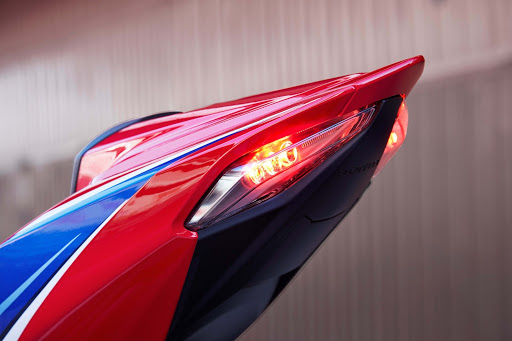
    Honda Motorcycle and Scooter India are all set to launch a new premium motorcycle on September 30, 2020. But which motorcycle is it exactly, is still a mystery. For all you know, it could be the Honda CBR1000RR-R, whose bookings started in July itself. But our sources suggest that it is likely to be an all-new model, which will have a displacement between 300 cc to 500 cc and the model is likely to go up against Royal Enfield, the king of the segment in that range.

    Honda has updated its 500 cc range of motorcycles for 2021 featuring all-new color schemes, as well as other minor changes to bring them in line with the latest emission regulations for global markets. These include the Honda CB500X, Honda CBR500R, and the Honda CB500F. So the new model could be one of the updated 500 cc models too.

    We suspect that Honda is likely to use an existing international model, set it up according to India (specifications and equipment), and introduce it as a new model. The company did something similar with the Honda Hornet 2.0. It is based on the CB190R, which is an international model.

    Though, the one detail Honda confirms is that the new motorcycle will be an all-new model for India. The new model will be retailed through Honda’s BigWing network which exclusively caters to sales and after-sales of Honda’s premium 300 cc plus bikes. Expect the company to release more information closer to the date of the launch.