Tag: india

  • Apple is assembling a top-of-the-line iPhone in India for the first time

    Apple is assembling a top-of-the-line iPhone in India for the first time

    Two weeks ago we told you that Apple’s largest manufacturing partner Foxconn plans to invest the princely sum of $1 billion to increase the production of the iPhone in India. The latter is the second-largest smartphone market in the world after China, although it does remain a developing country. As a result, lower-priced phones sell the best including Xiaomi’s value for money handsets and Samsung’s Galaxy A series. The iPhone? It’s considered a luxury item in the country.

    By producing the iPhone in India, Apple avoids paying a hefty 22% import tax on units shipped into the country from China. And locally made iPhones fit in with Prime Minister Narendra Modi’s Make in India initiative that favors products made in, well, India. In the country, contract manufacturer Wistron assembles 2016’s iPhone 7 in Bengaluru while in Chennai, Foxconn makes the iPhone XR. By sticking with older models, Apple is able to sell iPhones to Indian consumers at a more affordable price.

    For some years there has been talk about Apple producing some of its higher-priced current models in India and India.com notes that on Friday, India’s Commerce and Industry Minister Piyush Goyal said that the tech giant has started to make the iPhone 11 at a Foxconn facility in India. While the phone is the lowest priced among Apple’s current flagship phones, Goyal proudly said in a tweet, “Significant boost to Make in India! Apple has started manufacturing iPhone 11 in India, bringing a top-of-the-line model for the first time in the country”

    In India, some iPhone 11 units that were produced in the country are available in retail stores. The lockdown that was ordered due to the coronavirus delayed these units from reaching store shelves but they are now slowly making their way there. However, the locally made iPhone 11 still has the same prohibitive (for Indians) manufacturer’s retail price listed as found on the units imported from China. Anonymous sources say that Apple has asked its supply chain in China to ship components to India for the iPhone SE (2020). The most affordable phone in the iPhone lineup, the device is tailor-made for Indian consumers who cannot afford any model in the iPhone 11 line.

    An import tax and the Phase One agreement signed by both countries saved Chinese manufacturers (and companies that assemble their phones in China-like Apple) from having to eat a tax or pass it on to their customers in the form of higher prices. While moving some production out of China was a subject that Apple reportedly had on the table for some time, last year there were some reports stating that the tech giant was looking to move 20% of handset production out of China. India would be the obvious choice although there are questions about whether Apple can put together a supply chain that can provide it with parts in the quantity and quality that Apple needs. The second-largest iPhone assembler, Pegatron, will join Foxconn and Wistron in India according to the latest rumors.

    There are over half-a-billion smartphone users in India, but the country had a Gross National Income per capita of $7,680 as of 2018 according to the World Bank; which compares to over $63,000 in the U.S. Thus, premium handset sales are far fewer in India. Apple is the leader in that category while Xiaomi is the top smartphone manufacturer in the country. During the second quarter, the top five smartphone vendors in India were Xiaomi, Vivo, Samsung, Oppo, and Realme. Because of the COVID-19 pandemic, the number of handsets delivered to the country declined almost in half from 33 million in the second quarter of 2019 to 17.3 million during this year’s quarter.

  • Giant Phoenix Palassio mall opens in India

    Giant Phoenix Palassio mall opens in India

    Indian developer Phoenix Mills has launched a 1 million sqft mall in Lucknow, called Phoenix Palassio.

    “Phoenix Palassio is the first mall to become operational of the five that we are developing as a part of our ongoing expansion of over 5 million sqft across Lucknow, Pune, Bengaluru, Indore, and Ahmedabad,” said The Phoenix Mills non-executive chairman Atul Ruia. “This expansion will see us double our mall portfolio by 2024.

    The new mall opens as India is gradually emerging from its coronavirus lockdown, meaning many visitors to the property may be entering a mall for the first time in months. With the pandemic in mind, Palassio has launched with minimal contact services, social distancing markers, UV bag screening, sanitized shopping trolleys, multiple convenient hand sanitizer locations and contactless payment points throughout the stores and parking areas.

    “We are confident that as the nation unlocks, rigorous compliance with government guidelines and global best practices in retail will set the tone for the sector’s revival,” said Ruia.

    The mall opened fully leased, with well-known international and local brands taking space, including some who making their debut in Lucknow.

    Despite the high-profile design and launch of the mall, the Phoenix Palassio website states opening hours will be restricted from 9 am to 11 pm during weekdays – closed on weekends.

  • India’s Cafe Coffee Day shuts 280 stores

    India’s Cafe Coffee Day shuts 280 stores

    Indian coffee chain Cafe Coffee Day shuttered 280 outlets between April and June due to low profitability and potentially rising costs.

    The firm, which now operates 1480 outlets, has also reported a decline in average daily sales from 15,739 cups to 15,445 cups during the period. This was counterbalanced by an uptick in Coffee Day’s vending machine count from 49,397 to 59,115 units year on year.

    “Export operations have been temporarily stopped due to lower margins and higher working capital requirement and around 280 outlets are closed during the quarter based on various factors including the profitability, future increase in major expenses,” said a spokesperson for the firm.

    The firm has struggled since the apparent suicide of founder VG Siddhartha a year ago. Siddhartha founded Coffee Day Enterprises in the late 1990s, years before Starbucks made its Indian debut, building a network of 1700 outlets – 10 times the size of Starbucks.

  • The world’s second largest smartphone market sees shipments drop in half during Q2

    The world’s second largest smartphone market sees shipments drop in half during Q2

    A double whammy negatively impacted the second-largest smartphone market in the world during the second quarter of the year. The global outbreak of coronavirus led to the shutdown of smartphone production in the country. And the demand for handsets dropped sharply as retailers both online and offline were not allowed to sell them. This was the case in India until the middle of May; that means that COVID-19 affected smartphone supply and demand in India for half of Q2.

    Xiaomi, with its value for money approach that is tailor-made for a developing country like India, remained the top smartphone manufacturer in the market during the second quarter. Even though shipments, at 5.3 million units, declined 48% year-over-year (the company shipped 10.3 million phones during the same quarter last year), Xiaomi’s market share barely declined from 31.3% during Q2 2019 to 30.9% during this year’s second quarter.

    Vivo was second during Q2 after delivering 3.7 million phones during the three months. Even with a 36% decline in the number of phones shipped, the manufacturer’s market share rose from 17.5% to 21.3% from April through June of this year. Samsung saw phone shipments in India declined by 60% on an annual basis as the number of phones it delivered dropped from 7.3 million to 2.9 million. Even the popular Galaxy A series couldn’t stop the bleeding as Sammy saw its slice of the Indian smartphone market decline from 22.1% to 16.8%.

    Oppo finished fourth for the quarter with a 27% decline in shipments from 3 million to 2.2 million, allowing the company to expand its market share from 9.2% to 12.9%. And in fifth place during the quarter was Realme. The latter shipped 1.7 million phones during the three months, one million or 35% fewer than during the same quarter last year. Realme owned 10% of the Indian smartphone market in Q2, which was up from the 8.1% share it had during Q2 of 2019.

    Canalys Analyst Madhumita Chaudhary said, “While vendors witnessed a crest in sales as soon as markets opened, production facilities struggled with staffing shortages on top of new regulations around manufacturing, resulting in lower production output. The fluidity of the lockdown situation across India has had a deep-rooted effect on vendors’ go-to-market strategies. Xiaomi and Vivo have undertaken an O2O (offline-to-online) strategy to support their massive offline network. Online channels, too, while seeing a positive effect of the pandemic on market share, have seen sales decline considerably.”

    What might negatively impact Chinese phone manufacturers like Xiaomi, Vivo, Oppo, and Realme in India during the current quarter is a border skirmish between the two countries. 20 Indian soldiers were killed by the Chinese and India started holding up shipments from China into the country. Canalys says that 96% of all smartphones sold in India last year were made locally. Despite this, Canalys analyst Adwait Mardikar notes that the lure of lower pricing on phones from Chinese companies like Xiaomi will help those manufacturers sell their wares in India. He says, “Vendors are driving the message of ‘Made in India’ to consumers and are eager to position their brand as ‘India-first.’ Despite the sentiment, the effect on Xiaomi, Oppo, Vivo, and Realme is likely to be minimal, as alternatives by Samsung, Nokia, or even Apple are hardly price-competitive.” Canalys analyst Chaudhary says that manufacturers are hoping that new 5G handsets lead to increased sales. He noted that “The transition to 5G is the next big opportunity, and Jio’s announcement of readiness to deploy 5G, as soon as spectrum is made available, has provided a ray of hope to most vendors who have been beaten by the current pandemic.”

    Speaking of Apple, the company turned in the best performance out of India’s top 10 smartphone manufacturers with a 20% year-over-year decline in shipments. The number of iPhones delivered in India was slightly over 250,000 units. Even though pricing makes iPhones luxury items in China, another iPhone assembler is working on building a new plant in India joining Foxconn and Wistron. Bloomberg reports that Pegatron, the second-largest iPhone assembler in China after Foxconn, will eventually start producing iPhone models in India. Apple is looking to move up to 20% of iPhone production out of China to avoid the possibility of tariffs in the future as the tense relationship between the U.S. and China continues.

    Overall for the quarter, 17.3 million handsets were shipped in India down 48% from the 33 million that were delivered during the same quarter last year.

  • Tesco, Tata invest US$9 million in Indian JV

    Tesco, Tata invest US$9 million in Indian JV

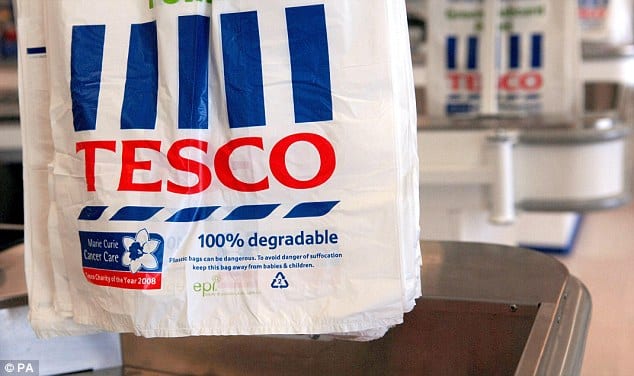
    British grocery retailer Tesco and Indian conglomerate Tata have invested another US$8.9 million into their joint venture Trent Hypermarket.

    The move marks the first major capital investment in the business by the partners in two years, and comes on the heels of the appointment of new CEO Martin Bailie.

    While revenues expanded 22.5 percent to $164 million in the previous financial year, the business’s losses have also grown. According to IGD Retail Analysis head of insight – Asia Pacific Nick Miles, Tata has been in talks with Walmart for renewed investment, following concerns over Trent’s relatively modest expansion in the territory.

    “The renewed investment from both parties should put talks on any new investors on hold for a while,” said Miles.

    “Having exited – or in the process of selling its operations in – China, Thailand, Malaysia and Poland in the past 12 months, perhaps Tata was nervous of Tesco’s commitment to the market. However, the investment signals that it remains committed to the JV.”

  • Allow foreign ownership in fuel distribution, ministry proposes

    Allow foreign ownership in fuel distribution, ministry proposes

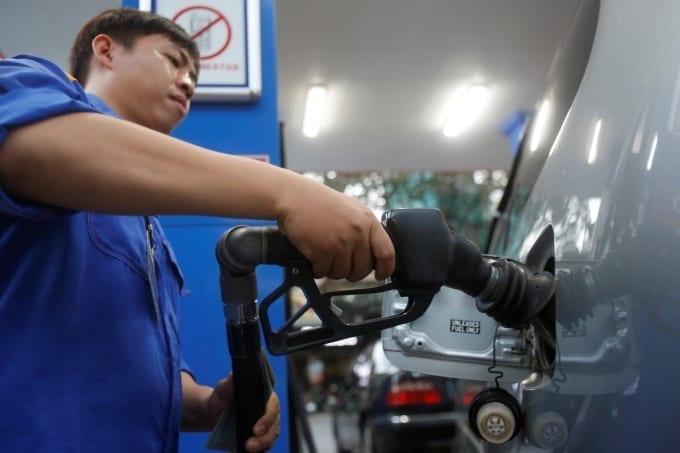
    The Ministry of Industry and Trade has proposed that fuel distributors be allowed to sell a maximum of 35 percent of their stake to foreign investors.

    The ministry rationalized that several exceptions the government has allowed so far, such as 20 percent foreign ownership in Petrolimex and 35 percent in Petrovietnam Oil, have considerably improved the performance, competitiveness and value of these fuel distributors.

    Vietnam joined the World Trade Organization in 2007 but did not open the market to foreign investors in order to allow local companies to grow and secure key positions in fuel distribution, the ministry said.

    Now, after 13 years, local companies have achieved the target and need more capital to invest in storage and port infrastructure to improve production to meet domestic demand, and for this, they need foreign investment, it said.

    The ministry added that the 35 percent cap will keep foreign investors from taking complete control of the sector, which is key to the nation’s economy.

    Petrolimex and Petrovietnam Oil are the two main fuel distributors in Vietnam and the government holds a majority stake in both companies. Japan’s Idemitsu Q8 is the only foreign-owned petrol chain in Vietnam with four outlets since entering the market in 2017.

    Idemitsu Kosan Co., Ltd is one of the four investors behind the Nghi Son Refinery and Petrochemical LLC in the central province of Thanh Hoa.

    Officials had said earlier that 70-75 percent of fuel consumed in Vietnam is being produced locally and the rest imported from several countries including South Korea, Malaysia and Singapore.

  • Mercedes-Benz India Launches New Digital Solutions For Its Customers

    Mercedes-Benz India Launches New Digital Solutions For Its Customers

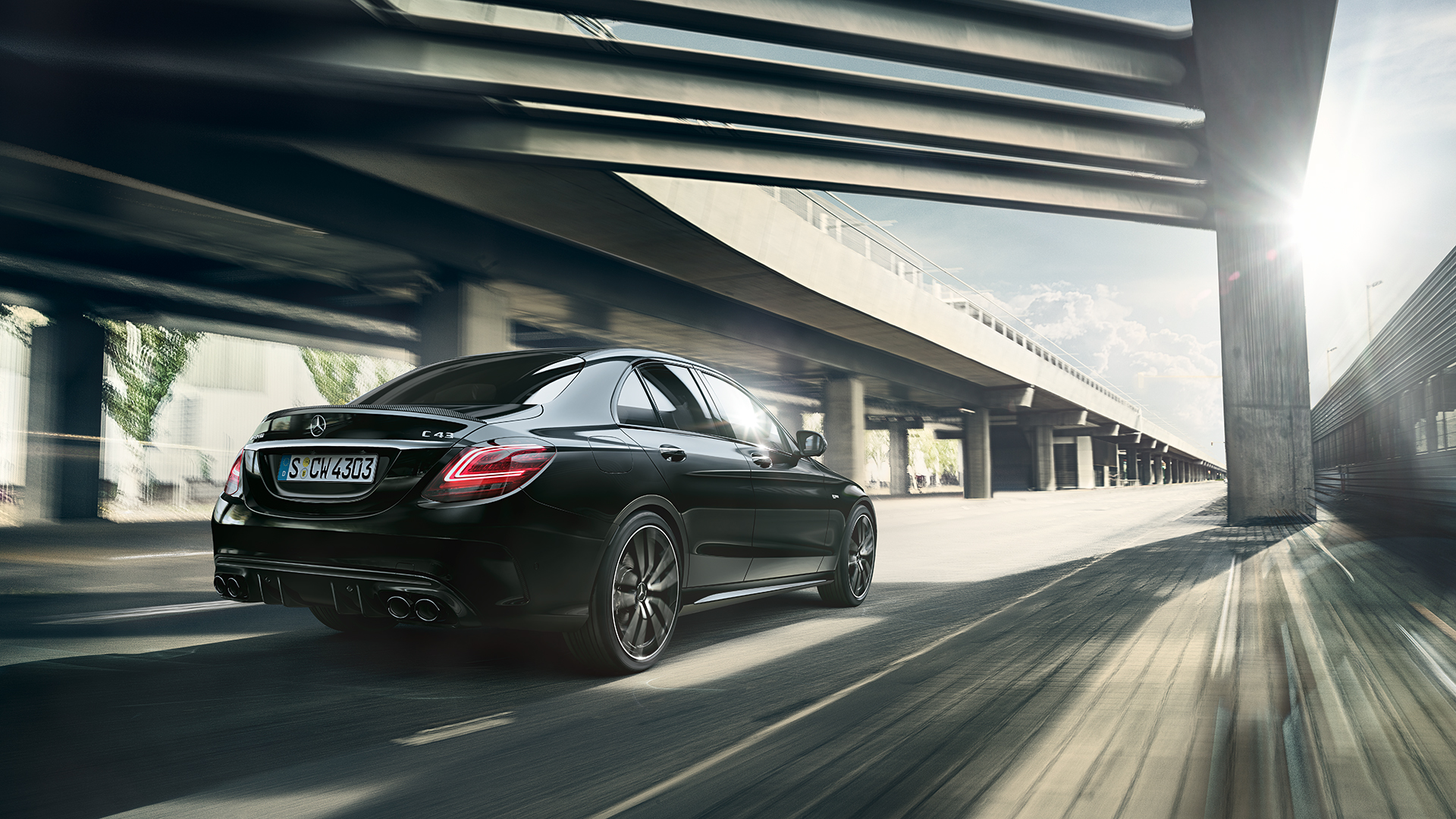
    Mercedes-Benz announced the launch of two new customer-centric digital solutions in India. These new solutions from the carmaker are aimed to provide not only seamless ownership experience but also reinforcing confidence in the Indian luxury car market. The Digital Service Drive Next solution comprises of several key digital service initiatives that ensure safe and hassle-free ownership experience. On the other hand, ‘Pay at your convenience’ is a smart financial solution that offers financial assistance to the customers.

    The visit of the customers to the workshop will now be auto-detected. They will be welcomed with a personalized message at the service facility along with an intimation to the entire service staff about the customer. Vehicle Digital Reception System (vDRS) is a unique services program that allows customers to stay connected with their vehicle at the comfort of being at home. The customer receives a link of ‘Service Web Check-In Pass’, which gives access to information related to the service appointment, preference selection, real-time tracking, real-time service updates, access to invoices & documents, online bill payment and more.

    The newly introduced service bill finance solution will guarantee easy payment for the service requirements, which is available with credit cards of more than 13 banks. The customers will be benefitted with credit card EMI option for up to 12 months, zero-cost EMI option for 3 months, one swipe EMI easy payment option.

    This digital program also includes WhatsApp as the new communication channel for the customer. They will now get updates related to their next service due date, allotment of service consultant, service estimate and service status on their smartphone.

    Martin Schwenk, MD & CEO, Mercedes-Benz India, said, “Every element of our strategy revolves around the customer. At Mercedes-Benz, we are designing the digital future and are responding to changing customer expectations, and faster innovation cycles. Digitalization is driving customer experience. As a customer-centric brand, we believe in the integration of digital technology in our entire value chain, from design and development to production, and finally to sales and service. Towards this strategy, today we rolled-out key customer service initiatives under our digital program DSDNxt, the Vehicle Digital Reception System (vDRS), and WhatsApp for Business. These initiatives will ensure real-time service updates to our customers remotely, ensuring utmost convenience.”

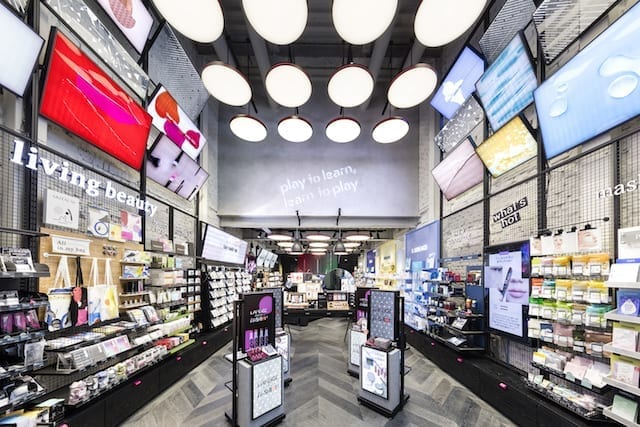
  • AmorePacific launches luxury brand Sulwhasoo into India

    AmorePacific launches luxury brand Sulwhasoo into India

    South Korea beauty giant AmorePacific has launched its luxury brand Sulwhasoo across India exclusively with Indian retailer Nykaa.

    “In recent years, Nykaa has led the South Korean beauty conversation in India, focusing on educating Indian customers on the novelty of the products and ingredients,” said Falguni Nayar, founder & CEO of Nykaa.

    Prior to Sulwhasoo, Amorepacific already introduced other brands in the country such as Innisfree, Laneige, and Etude.

    “I believe our customers in India are going to experience Sulwhasoo’s unique beauty solutions and to create more sophisticated and healthier skin care routines in the future,” said Michael Youngsoo Kim, Head of Amorepacific APAC RHQ.

    Sulwhasoo is Amorepacific’s signature luxury brand based on Korean ginseng.

    The Sulwhasoo India range will include the brand’s First Care Activating Serum and other lines such as Concentrated Ginseng Renewing line and Essential line.

  • Starbucks India opens first drive-thru store

    Starbucks India opens first drive-thru store

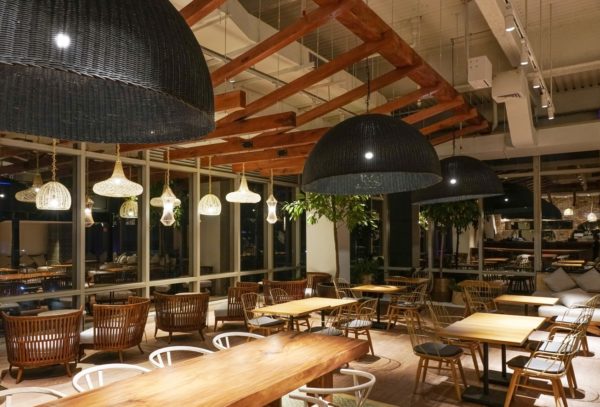
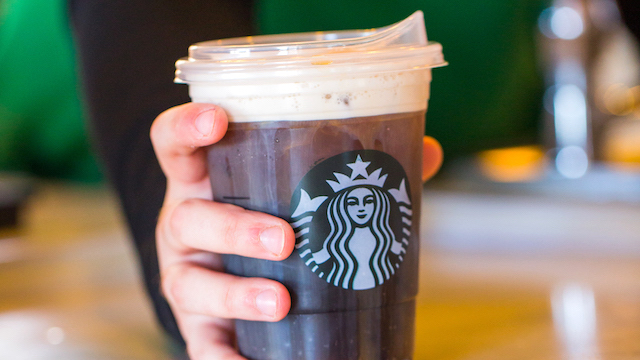
    Starbucks India has opened its first drive-thru store in Singhpura, Zirakpur. Located in Dhillon Plaza, the store spans two floors, featuring large in-store seating and ceiling-to-floor windows, offering a large dine-in space as well

    At the drive-thru window, customers can order drinks from the same menu as in-store and pick up from their car.

    “The opening of our first drive-thru store showcases our commitment to evolving our brand and business in India to provide new and meaningful experiences to our customers,” said Navin Gurnaney, CEO at Tata Starbucks, the local franchisee of the North American cafe chain.

    Tata Starbucks operates 187 stores across India.

  • Indian retail sales tumble

    Indian retail sales tumble

    Indian retail sales fell by 67 percent year on year in the last two weeks of June, according to a Retailers Association of India (RAI) survey reported.

    Mall retailers recorded an even sharper drop of 77 percent over the same fortnight, largely due to some remaining closed throughout the territory. High street retail, currently reopened for business throughout the country declined by 62 percent.

    While the scale of the decline reduced marginally in June, for the full June quarter, the fall was 74 percent.

    RAI CEO Kumar Rajagopalan aid the figures depict a grim situation for not just retailers but the entire economy, as retail is the backbone of consumption.

    “The need of the hour is concerted efforts by all stakeholders – while retailers are doing their bit by following stringent hygiene practices, the policymakers too need to ensure uniform opening of all kinds of retail across the country.”

    A previous RAI survey revealed that more than 60 percent of customers are waiting up to 90 days after lockdown restrictions are lifted before going shopping, for both financial and safety reasons.

  • India’s Fuel Demand Recovered Further In June

    India’s Fuel Demand Recovered Further In June

    India’s fuel demand in June extended its recovery from a 13-year low hit in April, lifted by pickup inactivity as the economy gradually reopens from lockdown restrictions imposed to combat the coronavirus pandemic, government data showed on Thursday. Consumption of refined fuels, a proxy for oil demand, rose to 16.29 million tonnes in June, 11% above the prior month, data from the Petroleum Planning and Analysis Cell (PPAC) of the Ministry of Petroleum & Natural Gas showed.

    However, demand was still down 7.9% compared with the same month a year ago. Demand for fuel plunged to 9.94 million tonnes in April, its lowest level since 2007 as stringent lockdown measures hammered economic activity, but it has since recovered by 64%. Diesel consumption, which accounts for about two-fifths of India’s overall fuel usage, nearly doubled to 6.30 million tonnes last month from 3.26 million tonnes in April.

    On a year-on-year basis, demand for diesel registered its fourth straight decline in June at 15.4%. Sales of gasoline, or petrol, fell by 13.6% from a year earlier to 2.28 million tonnes, but were about 134% higher than 0.97 million tonnes in April.

    Demand for industrial fuels also rose, with naphtha sales rising by 18.2% to 1.17 million tonnes from a year earlier and about 8% from May. Sales of bitumen, used for making roads, gained over 27% on an annual basis, and more than 16% month-on-month. As coronavirus lockdown measures ease, global fuel demand has gradually recovered, with road traffic picking up in major cities.

    Royal Dutch Shell on Tuesday said it would write $22 billion off the value of its assets after sharply lowering its oil and gas price outlook in the wake of the coronavirus pandemic. Ciara Lee reports

    “The recovery in oil demand should continue in the second half of the year, provided that there are no renewed far-reaching restrictions on public life due to the sharp rise in the number of new infections in some U.S. states and in other major oil-consuming countries such as India,” Commerzbank wrote in a note.

    India has overtaken Russia as the third-most affected country globally and deaths from the virus have surpassed 20,000.

  • AirAsia may eventually exit India JV

    AirAsia may eventually exit India JV

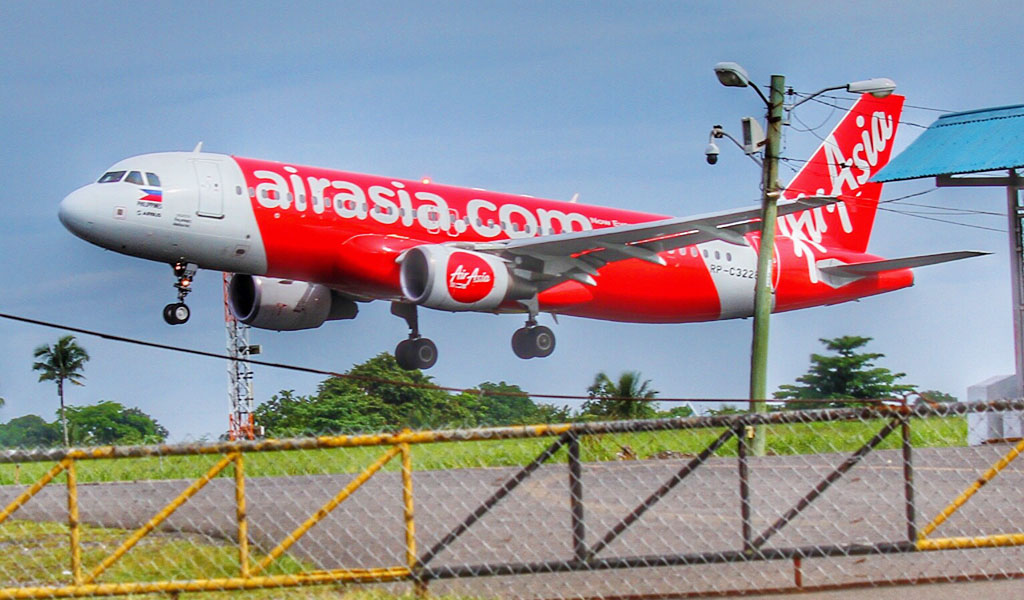
    India and Japan are peripheral markets for Malaysian no-frills airline, Air Asia Berhad, which could at some point exit its Indian venture with the Tata Group, the carrier acknowledged, according to a recent report by Credit Suisse that quoted the airline’s chief executive Tony Fernandes.

    The Asean region is a core market for the airline, while India and Japan are peripheral markets, Fernandes said during a global call arranged by Credit Suisse. “Thus he shared that while currently growing and committed, ‘we would never say that we would never exit India’. He shared that they have a good partner in Tata and are looking for an international license. There has been market share gain in this resumed phase of flying (from 25 May),” Credit Suisse said in a report on 22 June. “However, Air Asia said that it is not thinking of adding any new planes for a quite a while. Air Asia seemed to believe that oil prices can stay low for a long while (a lot of oil) and, thus, there are limited gains from a 15% fuel saving in a low oil price environment,” the report said. “Air Asia seemed willing to take second-hand capacity if need be rather than go for a new plane.”

    AirAsia India spokesperson was not available for comments. When contacted, a Tata Sons spokesperson said “no comments”

    AirAsia India, a joint venture between Tata Sons and AirAsia Berhad, reported 46% load factor and 7.8% market share in May, after domestic operations resumed on 25 May. It carried 22,000 passengers during the period. Market leaders IndiGo, which had a 50.6% market share in May, registered 52.6% load factor, carrying 142,000 passengers.

  • Geely Automobile Steps Toward Mainland China Listing

    Geely Automobile Steps Toward Mainland China Listing

    Geely Automobile Holdings Ltd said its board has approved a preliminary proposal to list new renminbi shares on mainland China’s Nasdaq-like STAR board, sending its Hong Kong-listed shares up as much as 7% on Thursday.

    The Zhejiang-based automaker is currently listed on the Hong Kong Stock Exchange with a market capitalization that exceeded HK$120 billion ($15.48 billion) in morning trade.

    Geely Automobile and sister company Volvo Cars, which parent Zhejiang Geely Holding Group Co Ltd bought from Ford Motor Co in 2010, are planning to merge and list in Hong Kong and possibly Stockholm – as well as on the mainland, if Geely Automobile’s latest proposal receives final approval.

    Zhejiang Geely Holding Group, led by billionaire Li Shufu, has a number of other investments including owning 9.7% of Germany’s Daimler AG, 49.9% of Malaysia’s Proton, and a majority stake in British sport car brand Lotus.

    Luxury EV brand Polestar is gearing up to take on Tesla in China, while Alibaba-backed Xpeng also has its sights set on the U.S. brand.

    Geely Automobile in a filing late on Wednesday said the proposed renminbi shares would be listed on the Shanghai Stock Exchange’s STAR board and would not involve the conversion of existing shares. It said its board will hold further talks on the size of the issue.

    Funds raised will be used for “business development and general working capital of the Group,” it said, without elaborating.

    “We believe such proceeds are likely to be used for the Volvo merger, although Geely cannot explicitly state it before the merger approval by disinterested shareholders,” said analyst Shi Ji at Haitong International.

    “It is a good way for the company to raise funds as valuations in the A-share market are usually higher than the H-share market,” Shi said, comparing mainland and Hong Kong markets.

    Geely Automobile plans to introduce six models under the Geely, Lynk&Co and Geometry marques this year. It sold 1.36 million cars in 2019 and targets sales of around 1.4 million vehicles this year. It reported profit of 8.19 billion yuan ($1.16 billion) last year.

    Last month, it raised HK$6.48 billion from a share placement.

  • Fuel Sales Recover In The First Half Of June In India

    Fuel Sales Recover In The First Half Of June In India

    India’s fuel demand continued to recover in the first half of June compared with the previous month as the nation eased restrictions on road transport, air travel and industries, provisional data from industry sources showed. Indian state fuel retailers’ gasoline sales jumped 63% to 903,000 tonnes in the first half of June compared with the same period last month, while diesel sales rose 39% to about 2.68 million tonnes.

     Indian state fuel retailers’ gasoline sales jumped 63% to 903,000 tonnes in the first half of June compared with the same period last month

    However, petrol and diesel sales declined 18% and 15%, respectively in June first half compared with a year earlier. State retailers’ LPG sales rose 6% to 960,000 tonnes in the first half of June compared with a year earlier, although consumption was down 20% from May first half.

    However, petrol and diesel sales declined 18% and 15%, respectively in June first half compared with a year earlier.

    Jet fuel consumption more than doubled to 85,000 tonnes in June first half from the previous month, while it dropped 73% compared with a year earlier. State companies – Indian Oil Corp, Hindustan Petroleum Corp and Bharat Petroleum – own about 90% of India’s retail fuel outlets.

  • Geely’s Polestar Plans China Showroom Expansion To Compete With Tesla

    Geely’s Polestar Plans China Showroom Expansion To Compete With Tesla

    Polestar, the premium electric vehicle maker owned by China’s Geely, plans a big expansion of its showroom network in the mainland, sources said, as it prepares for delivery of cars to compete with Tesla Inc’s locally made Model 3.

    Showroom strength is becoming an important differentiator for electric vehicle (EV) makers in the world’s biggest auto and EV market, as they line up new model launches.

    Polestar, which plans to deliver Polestar 2 electric sedans in China from July, currently has one showroom, in the capital of Beijing. It plans to have 20 showrooms, with most of the opening in the third quarter of this year.

    Polestar plans to deliver Polestar 2 electric sedans in China from July 2020

    Unlike sales of cars through dealers that most traditional automakers rely on, Polestar will sell directly to customers, a strategy also pursued by other EV makers including Tesla, Nio Inc, and Xpeng Motors, backed by Alibaba.

    Direct sales to customers can help automakers to better manage a car’s retail price and its production and inventory. However, it also adds to costs if automakers need to invest in self-owned showrooms like Tesla.

    Polestar, however, will partner with investors to build and operate the showrooms while still managing sales and delivery of cars, said the people, who spoke on condition of anonymity as the plan is not public.

    A rocket ship designed and built by Elon Musk’s SpaceX has lifted off with two Americans on a history-making flight to the International Space Station.

    A Polestar representative declined to comment.

    The automaker, based in Gothenburg, Sweden, started producing Polestar 2 sedans earlier this year in China and will also export them to Europe and the United States.

    It will open showrooms firstly in Shanghai and then expand to coastal Ningbo, northern Tianjin and southern Guangzhou. The showrooms will be mostly in shopping malls.

    In China, Tesla has over 50 showrooms. Nio currently operates around 110 showrooms, with some of the properties belonging to partners. Xpeng plans to have over 200 outlets by the end of the year from about 150 now, many of them belonging to partners.