Retail News CRM

Tag: india

  • Vespa, Aprilia Reopen Dealerships Across Karnataka

    Vespa, Aprilia Reopen Dealerships Across Karnataka

    Piaggio India has re-opened its Vespa and Aprilia dealerships across Karnataka, in Bengaluru, Mysore, Belgaum, Mangalore, Bijapur, Davangere, Shimoga and Udupi to serve the brands’ customers. The dealerships have been opened in a staggered manner over the last few days, after receiving permission from local authorities. All the touchpoints across the 21 dealerships have been fully and partially operational with due health, safety and care measures. The showrooms and workshops are completely sanitized in accordance to the guidelines introduced by the company for maximum safety of the employees and customers. Additional health and safety guidelines and protocols are also being followed, including usage of Arogya Setu App.

    “We have been working together with our dealers in navigating through the new reality and the opening of dealerships is a key step in that direction. Keeping in mind the anxiety of our customers we had previously announced extension of original equipment warranty and free services which expires during the lockdown period, and our dealerships are prepared to address all vehicle sales and service requirements. We want to ensure that our customers face no hurdles during the purchase of a new vehicle and are able to avail services seamlessly,” said Diego Graffi, Chairman and Managing Director, Piaggio India.


    The dealerships are operating in a safe environment and teams at every dealership are following social distancing protocols including contactless greeting, wearing protective gear and using hand sanitisers while addressing sales and service needs of the customer. Customers can call and pre-book service appointment to avoid crowding at the dealership. Piaggio India has also resumed manufacturing operations at its Baramati plant for the supply of Vespa and Aprilia scooters.
  • Yamaha Dealerships Restart Operations In Select States Of India

    Yamaha Dealerships Restart Operations In Select States Of India

    Like other two-wheeler manufacturers, Yamaha Motor India is slowly making its way towards the ‘new normal’ with its dealerships restarting operations in certain states of India. The company has a list of states and cities in which Yamaha dealerships have begun operations after the government relaxed rules and regulations for businesses in Orange and Green zones depending on COVID-19 spread. The company will be opening its dealerships in a phased manner and in compliance with lockdown 4.0 regulations. Plus, Yamaha insists on customers making a prior appointment with dealerships so as to maintain social distancing and hygiene guidelines issued by the government.

    Yamaha has also prepared a detailed action plan and guidelines for restarting operations in factories and area offices across the country. Yamaha will be prioritizing on fulfilling the existing orders of domestic and export customers as these were on hold since the beginning of the lockdown. India Yamaha Motor has a total installed production capacity of 17.5 lakh units, with the Surajpur plant in Greater Noida having capacity of 8.5 lakh unit production and the Chennai plant having a capacity of 9 lakh units per annum.

    Yamaha Motor India Group announced that its employees have joined the fight against the novel Coronavirus Pandemic by voluntarily donating a day’s salary from the month of April. The Yamaha Motor India Group employees donated a sum of ₹ 61.5 lakh. The employees include both white-collar and blue-collar and some trainees based at the three facilities in Tamil Nadu, Uttar Pradesh & Haryana along with the corporate office in Chennai and area offices across the country.

  • Harley-Davidson India Introduces Home Delivery Of Motorcycles

    Harley-Davidson India Introduces Home Delivery Of Motorcycles

    Harley-Davidson India has introduced home delivery of motorcycles during the months of April and May, along with extended service warranties and a completely online version of what the brand calls, the Harley-Davidson Passport To Freedom, the experience of riding a new Harley-Davidson motorcycle. Members of the Harley Owners Group (H.O.G.) from across India have also shot and made a film, which has been published online to share the spirit of camaraderie and stand strong with the extended Harley-Davidson family. Bikes whose product warranties are expiring during the lockdown will also get extended.

    “For an experiential brand like ours, it is critical to stay engaged with customers and enthusiasts continuously, keeping them hooked to the brand. We have introduced a number of initiatives to keep them motivated and look forward to riding,” said Sajeev Rajasekharan, Managing Director – Asia Emerging Markets and India, Harley-Davidson.

    Harley-Davidson India is also offering an extension of warranty on its motorcycles

    The Harley-Davidson Home Delivery Program will help customers explore the range of Harley-Davidson models on the Harley-Davidson website, and then directly contact a dealer expert via the dealer locator to discuss the purchase and payment opportunities. Home deliveries of the motorcycles are free for a distance of up to 40 km from the dealership and chargeable for every extra kilometer.

    Harley owners whose product warranties are expiring during the lockdown period will get a 30-day extension. The brand will also provide a 60-day extension to customers who fall under the HDFS (Harley-Davidson Financial Services) planned maintenance program. The H-D contact center and Road-Side Assistance will continue to provide support services to all customers. Harley-Davidson India has also rolled out a completely online avatar of its popular program- ‘Passport to Freedom Online series’ in partnership with some notable names in motorcycling to talk about motorcycling at large and some of their Harley experiences. Harley-Davidson India has also pledged its support to PM Cares fund for fight against COVID-19.

  • Toyota India Partially Resumes Retail And After-Sales Operations

    Toyota India Partially Resumes Retail And After-Sales Operations

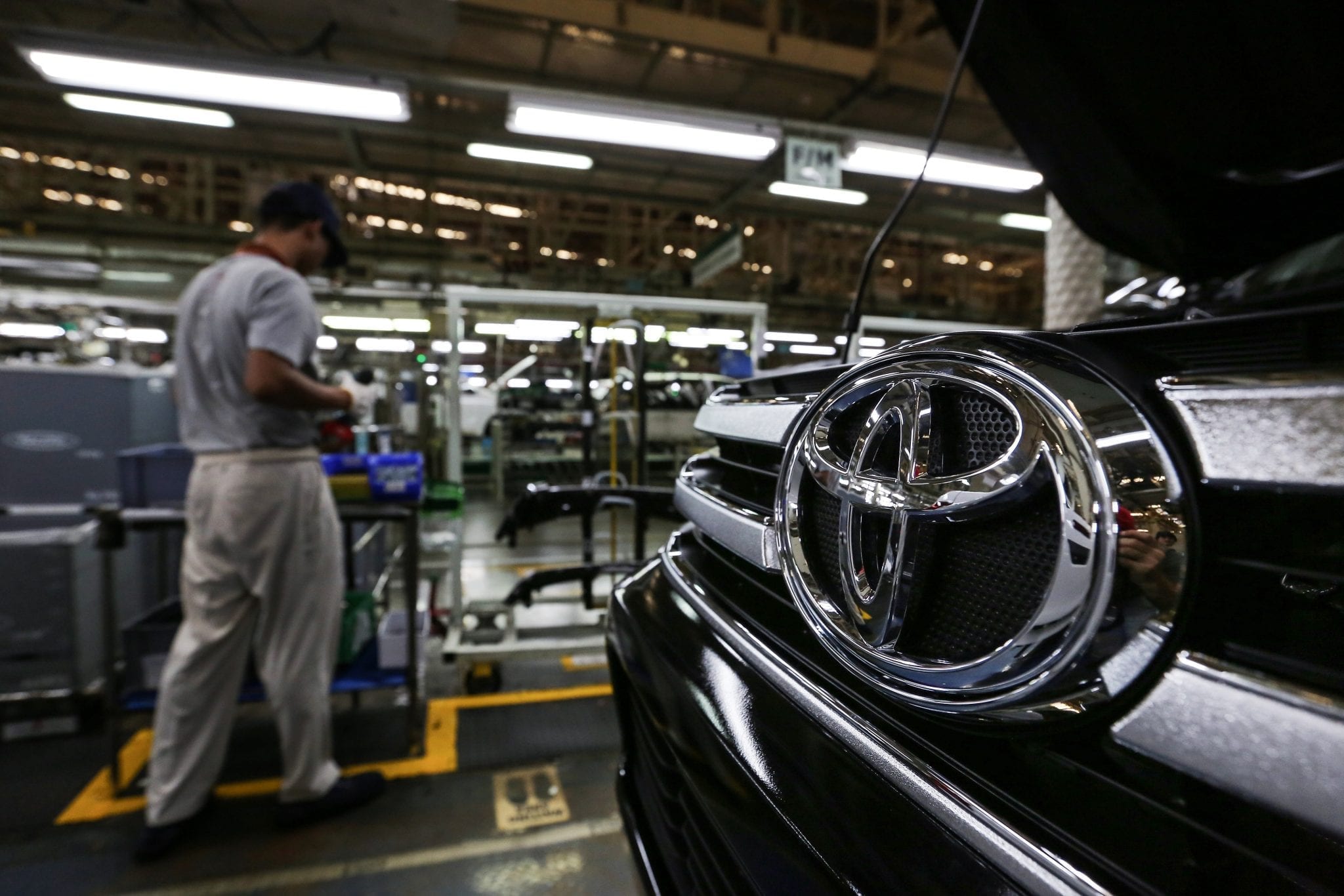
    Toyota Kirloskar Motor today announced that it has partially resumed retail and service operations in India. It was towards the end of March 2020 that the company announced suspending production and retail activities, in accordance with the nationwide lockdown to curb the spread of the coronavirus. Now, adhering to the advisory issued by the Central and State Governments, the company has re-opened 171 dealership outlets and 146 service outlets, across India. Toyota says that as per the government protocols, all dealerships will function with the prescribed percentage of the workforce, and they will practice stringent social distancing, ensuring the health and safety of all their staff.

    Commenting on the development, Masakazu Yoshimura, Managing Director, Toyota Kirloskar Motor said, “While the lockdown was a necessary step to counter the virus spread and curb the consequences triggered by the pandemic, it is paramount to reignite confidence among customers, and stakeholders and boost their morale, during these difficult times. As we gradually recommence operations, we are ensuring the safety and wellbeing of all our stakeholders while simultaneously safeguarding business continuity.” Toyota will continue to closely review the developments in each region and will take the necessary steps based on the situation.

    Last month, the company had also released a dealer restart manual as a guide for industries to follow post the lockdown withdrawal, Toyota Kirloskar Motor has come out with a similar measure for its dealerships. As per the guidelines, dealerships will maintain hygiene at all customer touchpoints, do regular sanitization and ensure minimized usage of air conditioners. The staff must always wear face masks and all visitors and employees must go through thermal checking before entering the facility. For sales operations product demonstration will see a change new disinfection process will be implemented before every demo, to assure customer safety. Masks and gloves will be provided during test drives and the company representative will be directed to sit in the rear seat while the customer drives, adhering to the rule of social distancing.

    The company understands that close to 75 percent of its suppliers have received a nod from the Government to recommence operations, while the remainders are expected to receive the necessary permission soon. Also, as of May 5, 2020, Toyota has begun preparatory operations at the plant to provide the workforce with an adequately safe environment to work in, duly prioritizing domains like spare parts supply. The operations at the TKM plant too will resume in a phased manner, keeping in mind the need for social distancing and thorough sanitization.

  • WhatsApp and JioMart commence e-commerce rollout

    WhatsApp and JioMart commence e-commerce rollout

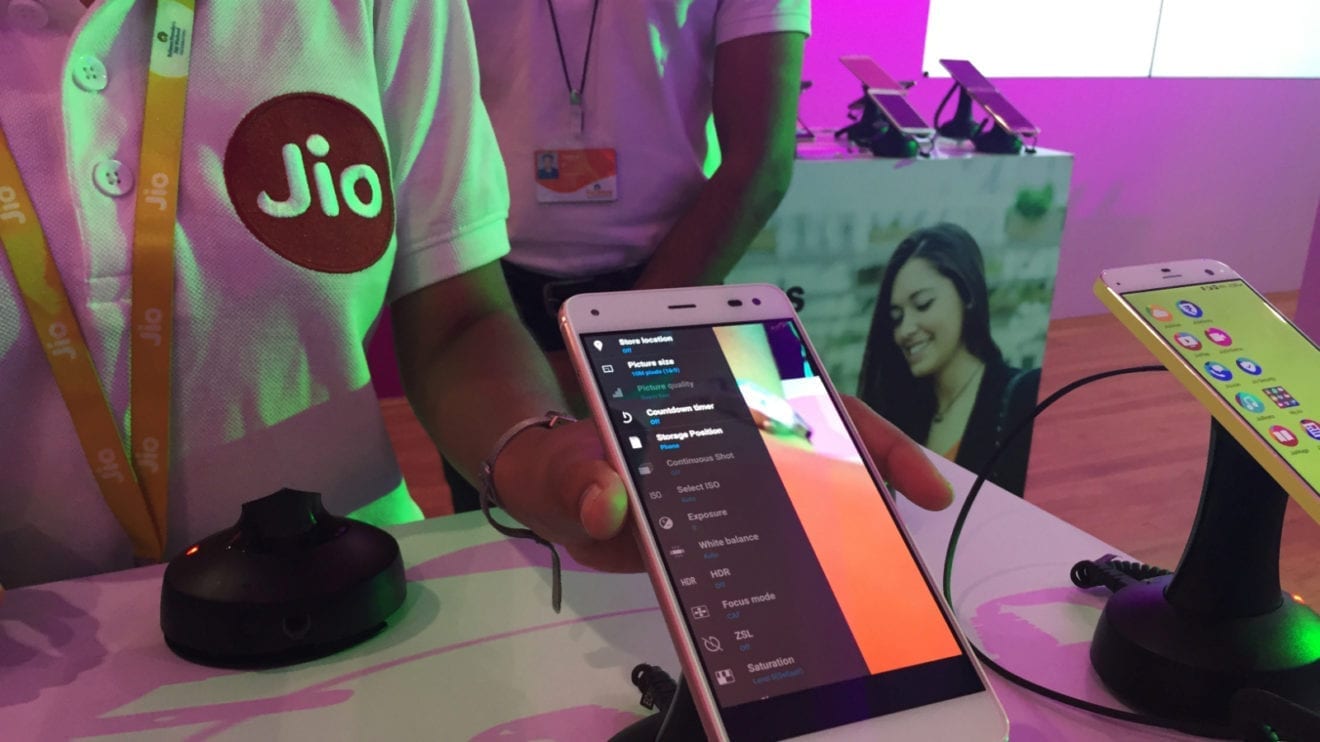
    Indian conglomerate Reliance Industries has partnered with Facebook’s WhatsApp messaging service to pilot its new online food and grocery channel JioMart in an attempt to redesign Indian retail.

    Last month, Facebook invested US$5.7 billion in Jiomart, to take a 9.99 percent interest in the digital platform and set a foundation for a joint venture with Reliance.

    JioMart, which has its own dedicated user base, will use WhatsApp’s extensive social reach to allow consumers to access the store’s e-commerce channel via web links shared on the platform. The service assigns any orders made to a nearby store, connecting small offline retailers and enabling them to expand digitally – a critical sales function during the coronavirus pandemic.

    JioMart plans to onboard 30 million offline retailers to Indian consumers’ smartphones.

    Data and analytics firm GlobalData has estimated the service to achieve ₹678 billion (US$8.9 billion) within three years.

    “Recently, JioMart tested its grocery ordering system through WhatsApp in the suburban areas of Mumbai, India,” said GlobalData retail analyst Hrishabh Kashyap. “That gave a glimpse of one of the many services Jio and Facebook can offer. The two popular communication platforms will work together to enable their consumers to interact with nearby stores online to place an order, allowing the retailer to retain its customers through digital association.

    “The pandemic might just have given the necessary push to the massive physical retailer network in India by forcing the retailers to go digital in order to sustain their businesses and thereby insulating them from the even more rapid shift online.”

  • India’s Reliance Industries set to buy into online pharmacy Netmeds

    India’s Reliance Industries set to buy into online pharmacy Netmeds

    Indian conglomerate Reliance Industries is holding talks to purchase a controlling share in e-commerce pharmacy business Netmeds.

    The talks, which according to the Economic Times are in advanced stages, could see a Reliance subsidiary pay US$130–150 million for the shares and fund a potential expansion of operations.

    The deal, if it goes ahead, will be Reliance’s second major investment in the pharmaceutical industry since acquiring 82 percent of C-Square Info Solutions last year, a producer of pharmaceutical software.

    “The deal is happening at a slight premium to their last funding round valuation,” a source said, which also shared that conversations between Reliance and Netmeds began before the coronavirus pandemic.

    The firms involved have not issued public statements about the prospective dea

  • India’s Reliance Retail opens over thousand new stores

    India’s Reliance Retail opens over thousand new stores

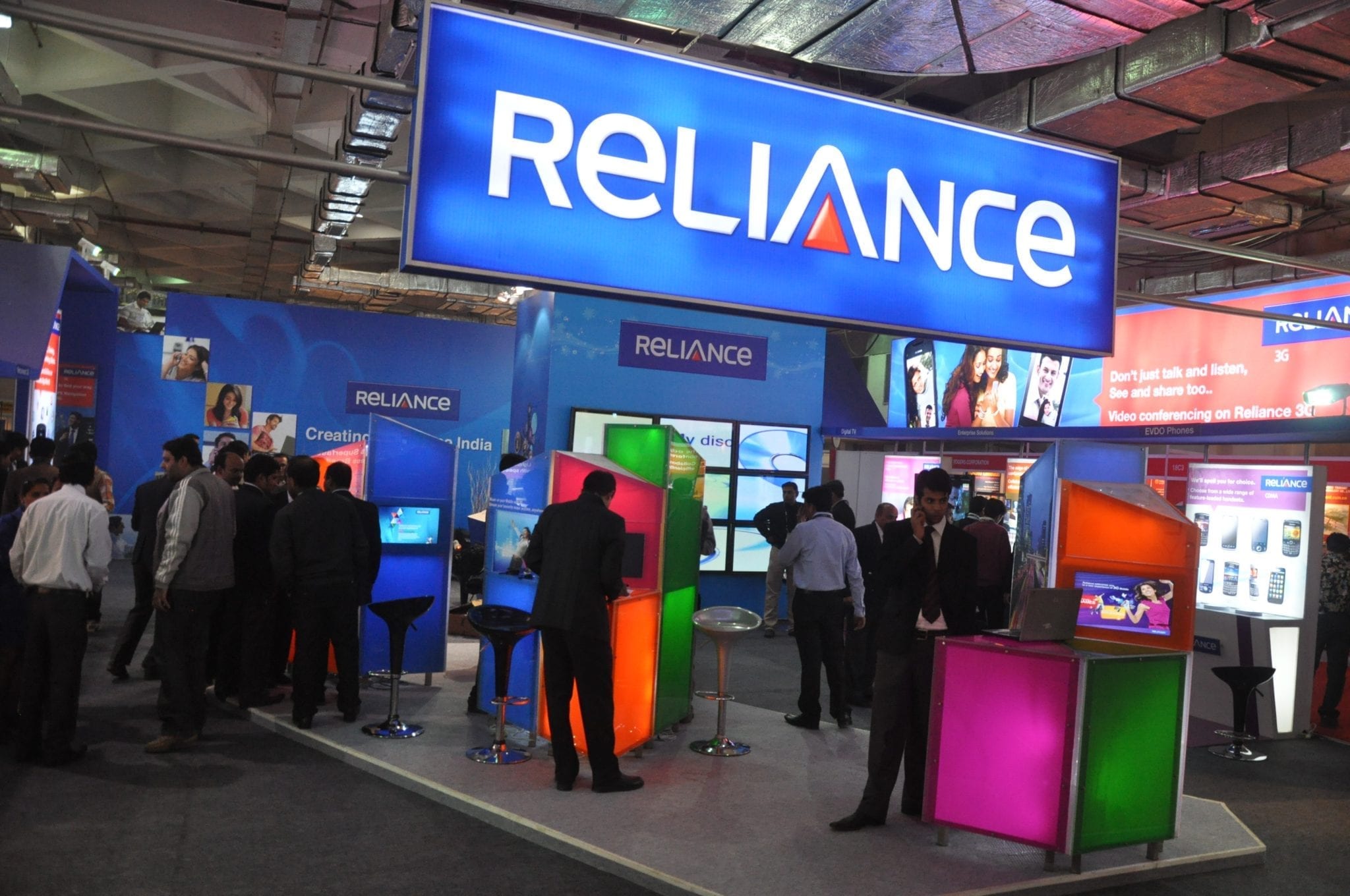
    India’s Reliance Retail opened 1533 new stores last fiscal year, taking its network to 11,784 as it boosts its strength across the food, fashion, and digital sectors.

    In results published this week the company says pre-tax earnings grew 55.7 percent to Rs 9654 crore (US$12.75 million) on sales up 24.8 percent to Rs 1.63 lakh crore. Fourth-quarter revenue rose by 4.2 percent as lockdowns across the nation restricted customer footfall in stores.

    However, grocery store sales reached record levels in March due to the advent of Covid-19 restrictions, but despite supply-chain challenges.

    During the lockdown period, daily orders quadrupled, with the company’s Smart and Reliance Fresh chains leading the growth.

    “In a response to the lockdown situation, all grocery stores were kept open for extended hours to provide access and availability of essential products to customers in these trying times,” Reliance Retail said in a results release.

    Including the company’s fashion and lifestyle business, the year saw solid growth for the business, despite the “tepid” March, the company said.

  • Volvo Cars India Launches Contactless Program For Sales And Service Bookings

    Volvo Cars India Launches Contactless Program For Sales And Service Bookings

    Following the footsteps of many of its rivals in India, Swedish luxury carmaker, Volvo, has introduced an online program for selling its cars as well as for service bookings. The company that has always been known to come out with path-breaking safety innovations has introduced the ‘Volvo Contactless Program’ for its customers and also for prospective buyers. This new initiative enables Volvo owners to book their car services online with their nearest dealership location and also provides an interactive online buying process to an interested buyer.

    The company is promising a safe and secure test drive process (post relaxation of norms), digitized finance offers, online documentation & finally an online channel to buy the car and get a contactless delivery. Charles Frump, MD, Volvo Cars India said “I am confident that the Indian economy will spring back to its pace very soon with the measures taken by authorities. Our Volvo Contactless Program emphasizes the need for businesses to adapt to the current environment with an assurance of safety.”

    As part of another initiative called #SafestPlaceToBe, all Volvo dealer facilities are being disinfected and personnel working at the nationwide dealerships are provided with PPEs and sanitizers. Cars at dealerships as well as the demonstration cars are being disinfected in partnership with 3M which is using expert solutions for the safety of all stakeholders. This includes the Interior GermKleen which eliminates 99% microbes in a car from interior surfaces including plastics and upholstery. AC Vent disinfectants and Air Refresher are also being used to reduce microbial infections by 99%.

  • Honda and Yamaha Prepare To Resume Operations In India

    Honda and Yamaha Prepare To Resume Operations In India

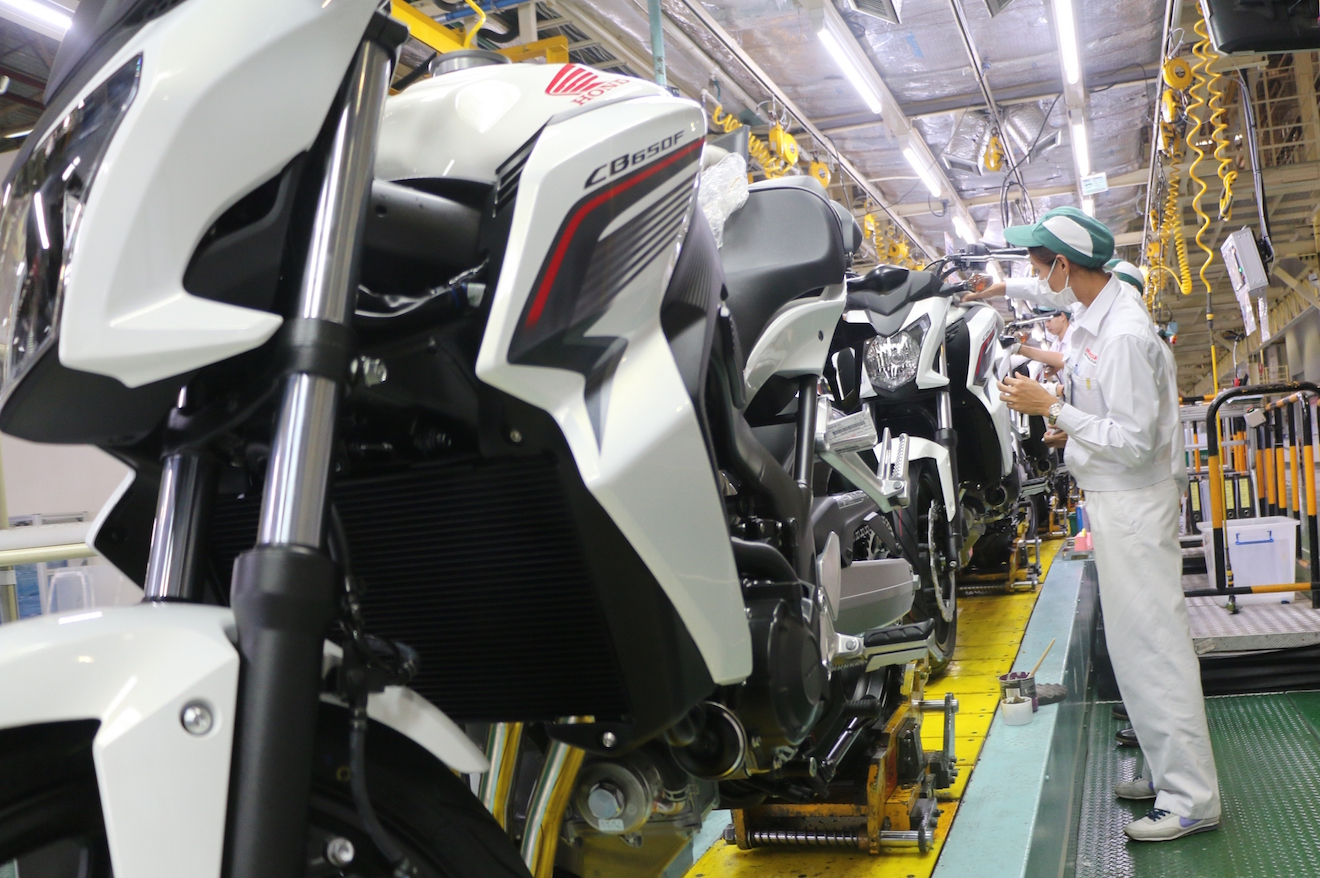
    Honda Motorcycle and Scooter India (HMSI) and India Yamaha Motor are keen to resume manufacturing operations at their respective plants after the lockdown is lifted. India has been under a complete lockdown since March 24, 2020 due to the coronavirus outbreak which has crippled industry around the world. India’s automakers, including two-wheeler manufacturers in the world’s largest two-wheeler market, have been suffering heavy losses during this time, with plants and dealerships shut down across the country as India tries to prevent the highly contagious COVID-19 virus from spreading further.

    According to reports, HMSI has already sought permission to open its plants, and Yamaha is keen to start production in compliance with new protocols laid down by the government. However, both India Yamaha and HMSI will likely take some time to kickstart operations with many component suppliers also shut in the current lockdown. At the same time, it may take some time for workers to return from their native places, without public transport, including railways, in-land and air travel being resumed. While May 3, 2020 is till when the lockdown will be in force, it is generally expected that the countrywide lockdown will be extended, with some specific relaxations with guidelines announced in the next few weeks for a few sectors, including manufacturing.

    HMSI has four manufacturing plants at Manesar in Haryana, Tapukara in Rajasthan, Narsapura in Karnataka, and Vithalapur in Gujarat, with a total installed production capacity of 64 lakh units per annum. India Yamaha has three manufacturing plants at Faridabad in Haryana, Surajpur, in Uttar Pradesh, and Kanchipuram in Tamil Nadu.

  • Indian retailers urge landlords to adopt revenue-sharing rent model

    Indian retailers urge landlords to adopt revenue-sharing rent model

    High-profile Indian retailers are lobbying mall owners to transition to a revenue-sharing rent model in the wake of the coronavirus pandemic.

    Times of India reports that the companies, including Future Group, Aditya Birla, Arvind, Raymond and Litebite Foods, believe moving to a revenue-share model from fixed or minimum guaranteed rentals is critical to the survival of the industry. The retailers are seeking for the revenue model to be calculated from March 1.

    A letter to mall owners signed by around 75 retails firms operating 200 brands proposed a flat revenue share percentage based on tenant categories. The letter suggests regular brands could contribute 10–12 percent of takings, including common area maintenance, while fast-food brands could contribute 7–8 percent.

    “Our objective is to ensure that all businesses in the retail industry are able to survive this pandemic and its aftermath and thereby sustain 6 million jobs that this industry generates,” read the letter. “For that it is critical that mall owners and tenants (brands and retailers) are able to arrive at a mutually agreeable arrangement on rentals, not only for the period of the shutdown but also thereafter till normalcy returns.”

    The report suggests large mall owners remain undecided on the issue of whether rent waivers or revenue sharing models are the more appropriate response to the impact on the business of the coronavirus pandemic.

  • Lockdown Cuts India’s Fuel Demand 50% In First Half Of April

    Lockdown Cuts India’s Fuel Demand 50% In First Half Of April

    Indian state retailers sold 50% less refined fuel in the first two weeks of April than the same time a year ago as a nationwide lockdown to stem the spread of the new coronavirus hit transportation and industrial activity, industry sources said. State companies – Indian Oil Corp, Hindustan Petroleum Corp and Bharat Petroleum – own about 90% of India’s retail fuel outlets. India’s gasoil sales by state retailers in the first 15 days of April dropped by 61% from a year earlier while petrol and jet fuel sales declined by 64% and 94%, provisional industry data provided by two sources, who asked not to be named, show.

    India’s overall refined fuel demand includes consumption of fuel oil, bitumen and liquefied petroleum gas (LPG). State-retailers sold 21% more LPG in the first fortnight of April from a year earlier. India is providing free cooking gas cylinders to the poor for three months to June to help them weather the impact of the lockdown.

    India has extended the overall lockdown until May 3, but has announced a roadmap to restart some industrial activity after April 20 in locations that are not coronavirus hotspots to try to revive the economy.

    The International Energy Agency (IEA) in its latest report said India’s annual fuel consumption – a proxy for oil demand – will decline 5.6% in 2020 compared with the growth of 2.4% forecast in its March report. It estimates India’s petrol demand will decline by 9%, while diesel will drop by 6.1%. The slump in fuel demand has already forced some refiners to halve crude processing and increase prompt exports of refined fuels.

  • India is now H&M’s fastest-growing market

    India is now H&M’s fastest-growing market

    Fast-fashion retail giant H&M has labelled India its fastest-growing emerging market.

    The firm is now targeting ₹2,000 crore (US$280,000) in turnover from the territory, a goal it is likely to achieve by the end of this year despite signs of reduced domestic consumption.

    H&M’s growth in the region has benefitted from both online and offline efforts, along with its collaborations with local partners and affordability of the brand. It operates 47 outlets in the country, compared to 22 run by rival firm Zara, with financial figures suggesting it may have a leading edge in terms of sales.

    According to a report in the Business Standard, H&M India country head Janne Einola has indicated H&M will target tier-II and -III markets for future store locations. It is expected to launch up to 10 new Indian stores this year, as well as diversify its product range into different sectors such as home furnishings and beauty, as well as traditional Indian clothing.

  • Further Expansion plan for Indian furniture chain Stanley Lifestyles

    Further Expansion plan for Indian furniture chain Stanley Lifestyles

    Premium furniture and home-decor manufacturer Stanley Lifestyles in India has launched a new flagship in Bangalore as part of its extensive expansion plans for the region.

    The brand is preparing to build a network of 55 new retail outlets in the territory, at an investment of US$9.6 million. The new stores will include five high-end Stanley Level Next-branded outlets and 50 mid-range Sofas & More stores in the territory, targeting revenues of $89.7 million.

    “We compete with international brands and are known for our high-quality standards & craftsmanship and proudly position ourselves in high-end home and lifestyle business,” said Stanley Group founder, chairman, and MD Sunil Suresh. “As India’s very own luxury brand, we strive to exceed the expectations of the discerning Indian consumers, and design and develop modern offerings with an international touch that are customized to suit Indian lifestyle and living conditions.”

    Stanley Lifestyles in India moved to build two new factories last year, one for kitchen and wardrobes and the other for premium mattresses and bedding. It is the first manufacturer/retailer for home furnishing in India, and sells internationally to Ikea, La-Z-Boy, and many car and aviation manufacturers as well as hospitality groups.

  • India’s 2019/20 Fuel Demand Growth Worst In Over Two Decades

    India’s 2019/20 Fuel Demand Growth Worst In Over Two Decades

    India’s annual fuel demand grew 0.2% in 2019/20, its worst growth rate in over two decades, dragged down by a hefty 17.8% decline in local consumption in March as steps taken to prevent the spread of COVID-19 dented transport fuel sales.

    Consumption of refined fuels, a proxy for oil demand, totaled 16.08 million tonnes in March, data from the Petroleum Planning and Analysis Cell (PPAC) of the oil ministry showed on Monday.

    Falling refined fuel sales in March points to sluggish industrial activity in Asia’s third-largest economy, which according to some analysts is forecast to grow at 1.5-2% in 2020/21, its lowest in decades.

    A Reuters poll of economists showed it is expected to have expanded at its slowest pace in eight years in the first quarter and would slow further this quarter.

    Nearly three lakh trucks with payload worth Rs 35,000 crore have been stranded because of the coronavirus lockdown announced by Prime Minister Narendra Modi last month, the trade bodies have said.

    Indian Prime Minister Narendra Modi will address the nation on Tuesday, the last day of the current 21-day lockdown, and is widely expected to extend the closure except for the start of some essential manufacturing units.

    Due to restrictions on movement and travel advisories, India’s consumption of diesel, petrol and aviation turbine declined massively during March.

    Consumption of diesel, which normally accounts for two-fifths of overall refined fuel consumption, declined 24.2% in March from a year earlier, its deepest decline since April 1998. PPAC do not provide monthly growth numbers for before April 1998.

    Sales of gasoline, or petrol, used by automobiles fell by 16.4% from a year earlier, its worst slide since March 1999, the data showed.

    Jet fuel consumption declined by 32.4% as the lockdown has hit air travel.

    Cooking gas or liquefied petroleum gas (LPG) sales rose about 1.9% to 2.31 million tonnes, and naphtha sales rose 15.7% to 1.39 million tonnes.

    Sales of bitumen, used for making roads, dropped about 41%, while fuel oil use fell 10.3% in March.

    Slump in fuel demand has already forced some refiners to halve crude processing and raise prompt exports of refined fuels.

  • Indian fashion chain W expands into footwear

    Indian fashion chain W expands into footwear

    Indian women’s fashion chain W is expanding its business into footwear.

    The firm is preparing to retail shoes in more than 80 W stores across the country, as well as online, offering a collection of various styles of heels and flats. The collection presents classic Western designs with Indian flourishes.

    “At W, we have always strived to give the modern Indian woman a complete wardrobe solution,” said TCNS Clothing MD Anant Daga. “True to our brand promise, we are launching Footapparel, which is an amalgamation of fashion and functionality.

    “Looking at the footwear options available to our customers, we believe finding that one perfect pair which coordinates best, is fashion-forward yet keeps you comfortable throughout the day is a real challenge. This is the space we are addressing with our range of fusion footwear which is both fashionable and comfortable.

    The brand’s shoe designs feature craftwork such as embroidery, braiding, hand weaving, pleating, laser cutwork, quilting, and raffia weaving, amongst others.