Retail News CRM

Tag: india

  • Indian tea chain Chaayos raises capital for expansion

    Indian tea chain Chaayos raises capital for expansion

    The fundraising, led by US firm Think Investments and including $3 million of venture debt from InnoVen Capital, will assist the firm to increase its store count to 300 within three to four years.

    “We will deploy the capital to expand our store network, hire a few more senior people, and invest more in technology,” Chaayos founder and CEO Nitin Saluja said in an article published by Livemint.

    Tea chain Chaayos is noted for its use of an IoT-enabled teamaker, called Chai Monk.

    “We have structured ourselves as a neo-retail business, which is a traditional retail business heavily leveraged on technology,” said Saluja. “The entire technology stack that Chaayos runs on has been developed in-house and we have filed for multiple patents as well”.

  • Vivo India opens Mumbai flagship

    Vivo India opens Mumbai flagship

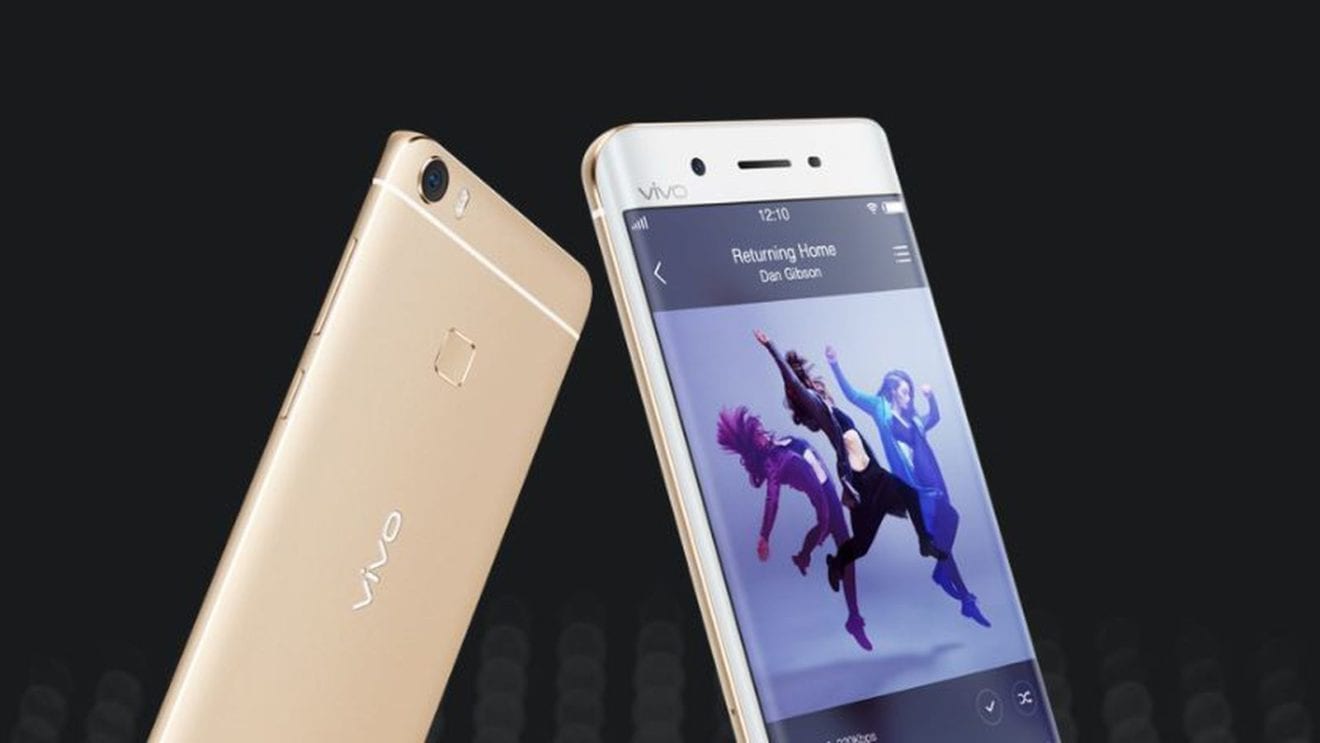
    Chinese smartphone brand Vivo has opened an experiential flagship store in Thane, Maharashtra as Vivo India eyes 250 new stores this year.

    The 1800sqft outlet is the second of 20 stores planned for the territory, according to the India News Service. Vivo India currently operates an experiential retail store in Bengaluru as well.

    “The offline channel has been an essential part of our go-to-market strategy and we would continue to invest in this channel,” said Vivo India director of brand strategy Nipun Marya.

    “We intend to launch more than 250 exclusive stores in 2020, taking the total number to 600.”

    Showcasing Vivo’s entire range of devices and accessories, the store will also feature an interactive touch-enabled LED screen allowing customers to explore products in more detail, as well as gaming, VR and customer interaction zones.

  • Vietjet opens three more direct routes connecting Vietnam with India, boosting the regional connection further

    Vietjet opens three more direct routes connecting Vietnam with India, boosting the regional connection further

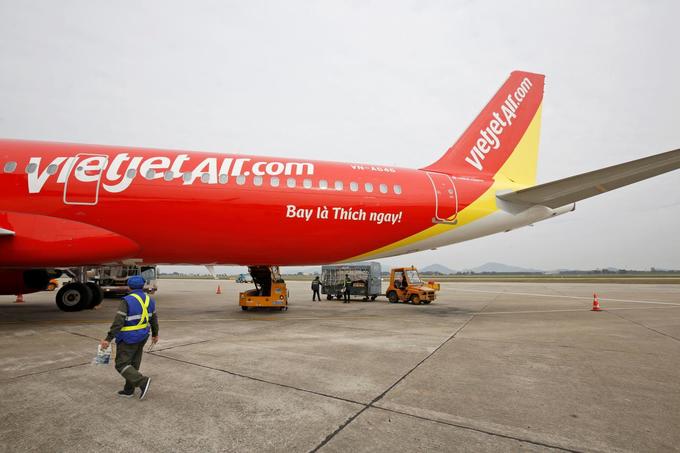
    To meet rising demand for air travel between Vietnam and India as well as across the region, Vietjet has announced three new direct routes connecting Vietnam’s three largest hubs, Da Nang, Hanoi and Ho Chi Minh City, with two of India’s largest economic, political and cultural centres, New Delhi and Mumbai.

    The Da Nang – New Delhi and Hanoi – Mumbai routes will commence operations starting from 14 May 2020 with a frequency of five flights per week and three flights per week respectively. The Ho Chi Minh City – Mumbai route will operate four weekly flights starting from 15 May 2020.

    “We are excited to continue connecting Vietnam destinations to the market of over 1.2 billion population in India after receiving positive feedback regarding our previous two direct flights that linked both Ho Chi Minh City and Hanoi with New Delhi,” said Vietjet Vice President Nguyen Thanh Son.

    “With just over five hours of flight time per leg, and a convenient flight schedule throughout the week, Vietjet’s newest routes between Vietnam and India will create many more trade and tourism opportunities between the two countries, helping to boost the economies of both. The expansion of Vietjet’s flight network into India also reaffirms the airline’s ongoing commitment to continuously help flyers in saving cost and time. Passengers can enjoy flying on our new and modern aircraft, and taking transit flights to famous destinations across Southeast Asia, including Malaysia, Indonesia, Singapore, Thailand and many other countries, thanks to Vietjet’s extensive flight network in the Asia Pacific region,” he added.

    Located in Central Vietnam, Da Nang not only possesses beautiful beaches but also world-famous tourist attractions, such as the Golden Bridge, Ba Na Hills, Dragon Bridge, and much more. The city also serves as a gateway to many of the country’s most famous heritage sites, including the ancient town of Hoi An, the former imperial citadel in Hue city, the world’s biggest cave Son Doong and many other fascinating destinations. Meanwhile, Hanoi and Ho Chi Minh City are Vietnam’s two largest political, financial, economic and cultural hubs, offering tourists a heady mix of historical sites, cultural activities, incredible shopping options, cosmopolitan dining as well as amazing street food.

    In recent years, India has emerged into one of Asia’s most exciting and attractive destinations thanks to its diverse cultural, religious, culinary and tourist attractions. Besides the incredible capital of New Delhi, Mumbai, once known as Bombay, serves as one of India’s most important financial and economic centres and is an extremely enchanting destination in its own right. India is also well-known as an ancient and captivating land with many treasures of cultural heritage, colorful festivals and historic religious sites.

    With the addition of the three new routes, Vietjet will become the operator with the most direct routes between the two countries, offering five direct routes from and to India. The airline currently operates the HCMC/Hanoi – New Delhi services at a frequency of four weekly flights and three weekly flights, respectively.

    As the people’s airline of choice, Vietjet always keeps up to date with the latest travel trends to introduce new flying opportunities to more and more people at reasonable prices. The new-age carrier has also implemented a program called “Protect the planet – Fly with Vietjet”, which involves a series of meaningful activities, such as “Let’s clean up the ocean”, “Take action against plastic waste”, and many more initiatives, to help create a green planet for all of humanity and protect the environment for future generations.

    Flight schedule of new flights between Vietnam and India:

    Flight Flight code Frequency Departure
    (Local time)
    Arrival

    (Local time)

    Da Nang – New Delhi VJ831 5 flights/week

    Mon, Wed, Thu, Fri, Sun

    18:15 21:30
    New Delhi – Da Nang VJ830 5 flights/week

    Mon, Wed, Thu, Fri, Sun

    22:50 5:20
    Hanoi – Mumbai VJ907 3 flights/week

    Tue, Thu, Sat

    20:20 23:30
    Mumbai – Hanoi VJ910 3 flights/week

    Wed, Fri, Sun

    00:35 6:55
    HCMC – Mumbai VJ883 4 flights/week

    Mon, Wed, Fri, Sun

    19:55 23:30
    Mumbai – HCMC VJ884 4 flights/week

    Mon, Tue, Thu, Sat

    00:35 7:25
  • Reliance to launch Balenciaga in India

    Reliance to launch Balenciaga in India

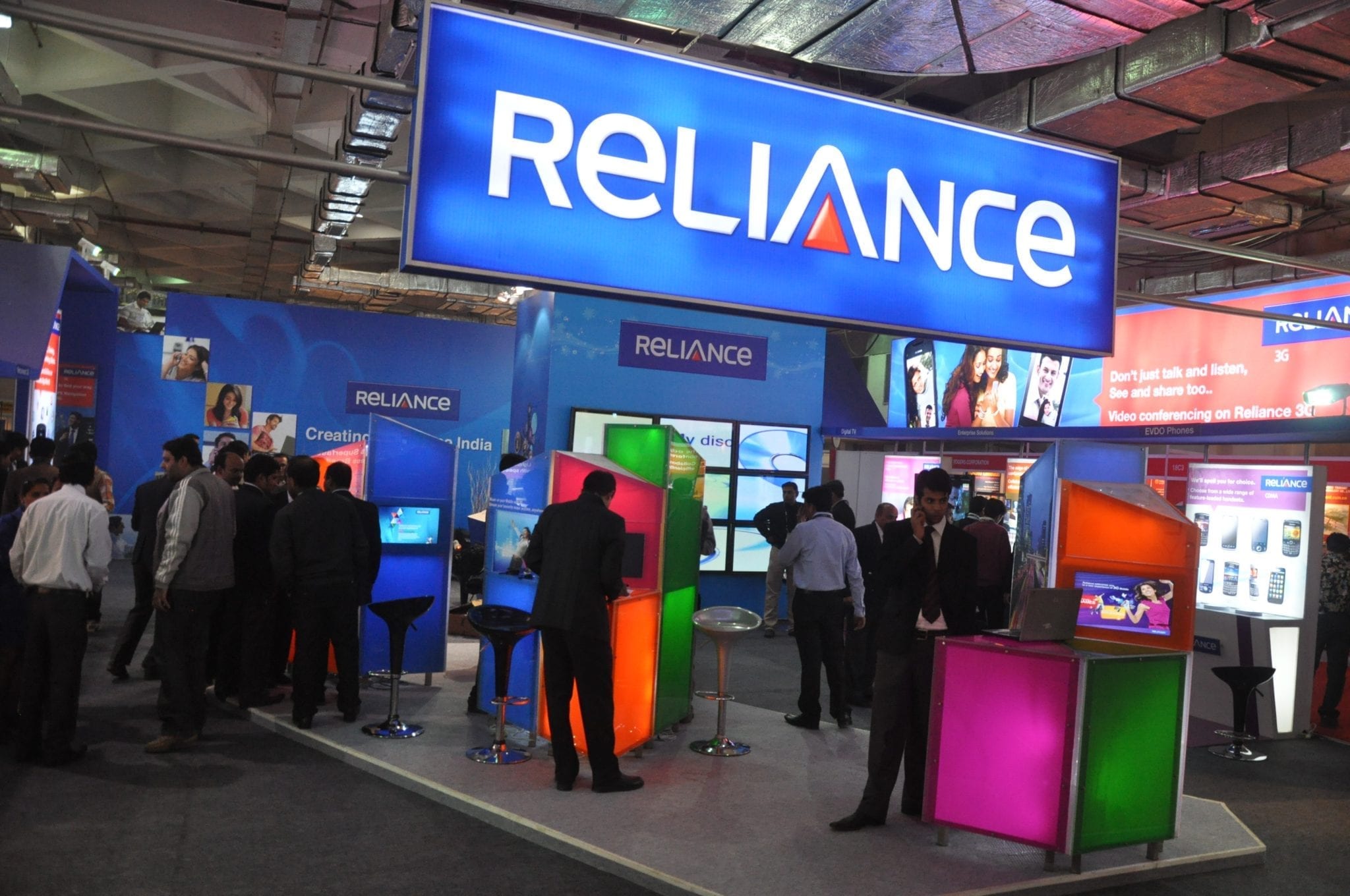
    Indian retailer Reliance Brands is to launch Spanish fashion label Balenciaga in India.

    The move comes shortly after Reliance signed a deal to bring US luxury jewelry brand Tiffany and Co to India last July, with the first store opening last month in New Delhi.

    The first Balenciaga in India store will open in the Jio World Centre mall in Mumbai.

    Reliance now holds a portfolio of more than 45 international luxury and premium brands.It operates more than 682 stores.

    Balenciaga is a Basque heritage label that was acquired by Kering nearly 20 years ago. It sells in several locations in Asia, including Hong Kong, Indonesia, and Mainland China. It achieved US$15 billion in sales in 2018.

  • Applebee’s to enter India

    Applebee’s to enter India

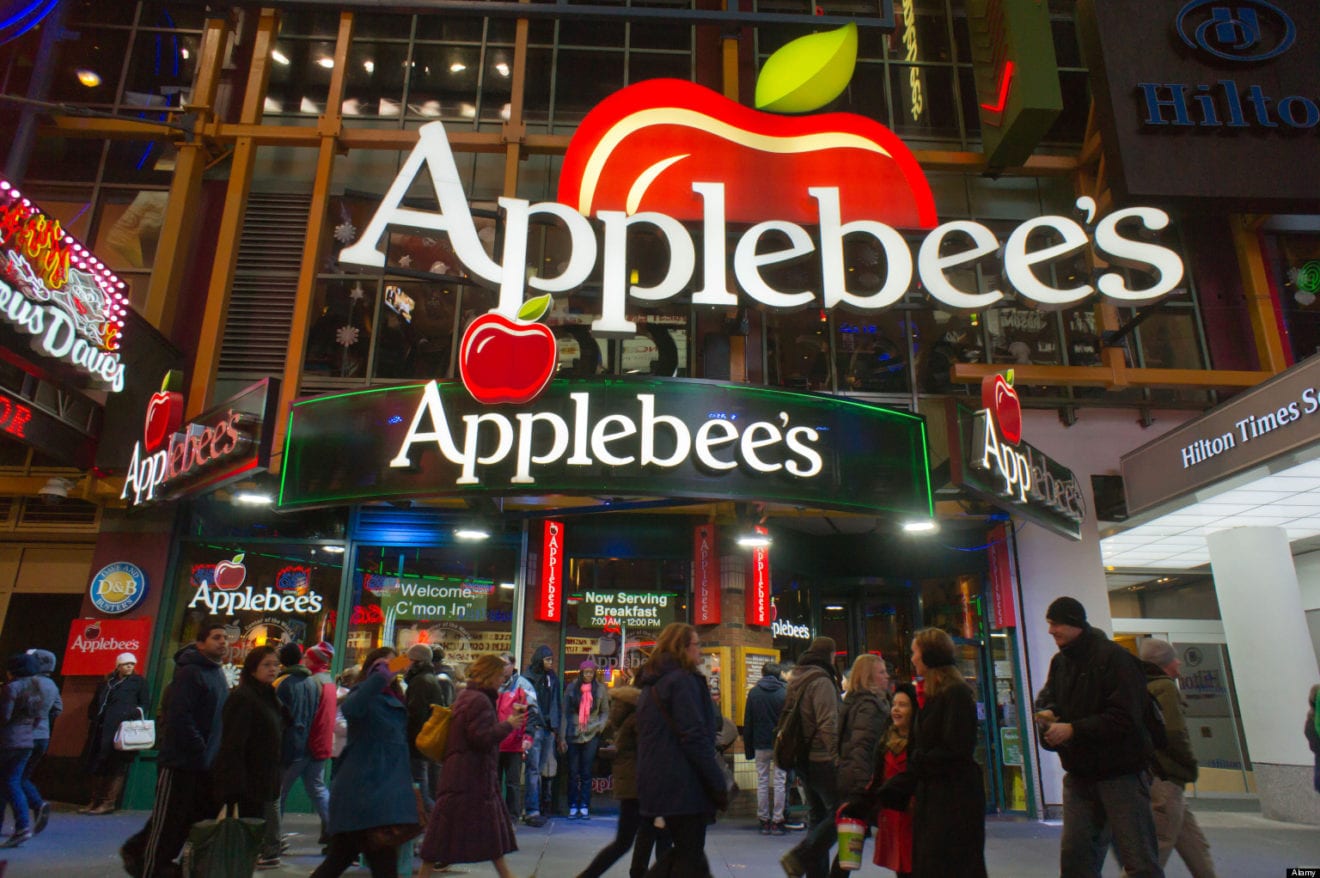
    American grill bar & pancake chain Applebee’s will launch its first Indian location in Bengaluru this year.

    The brand will be established in the territory via a partnership with local operator Dine Brands International.

    “India is an important growth market for us,” said Dine Brands president – international Steve Joyce. “As one of the world’s fastest-growing economies, India represents an opportunity for Applebee’s and we think Indian guests will love our local as well as Western tastes, hand-made to order menu items and signature cocktail bar.”

    “We are the newest Applebee’s international franchisee and will introduce their food and beverage to India,” said Dine Brands international franchisees CEO Rohit Malhotra.

    The firm is expected to open another nine Applebee’s restaurants over a seven-year period.

  • How Reliance’s JioMart platform will reshape India’s online grocery market

    How Reliance’s JioMart platform will reshape India’s online grocery market

    Reliance Industries has entered India’s online grocery retailing market via a new e-commerce platform JioMart, which started pilot trials last month in Mumbai.

    Through JioMart, it is planning to offer more than 50,000 products and connect 30 million offline retailers with more than 200 million households across the nation.

    The value chain created by JioMart connects local offline retailers on a large scale with its merchant point-of-sale solution, where it provides user-friendly digital platforms for inventory management, customer care services and other services required by the retailers. JioMart plans to bring in electronics and clothing and footwear under its scope in the near future.

    The food-and-grocery (F&G)sector is tipped to be the next business battle for online retailers in India. Retailers, both domestic and international, have been proactive in their approach towards the rapidly growing online F&G sector in a bid to capture a large customer base.

    GlobalData estimates that the online F&G market in India grew at a compound annual growth rate (CAGR) of 71.2 percent between 2013 and 2018 and is set to grow at a CAGR of 45.5 percent during 2018-2023 as the urban working population is rising in Indian cities and retailers are venturing into non-metro cities. This growth is also supported by the rapidly growing mobile internet and smartphone penetration.

    RIL’s JioMart eyes the massive potential in online F&G retailing, which is estimated to reach US$9.12 billion in 2023. Reliance is known for its disruptive ideas and business approach, and the same can be said for its latest venture, JioMart.

    With its retail wing in cash and carry outlets through Reliance Fresh and Reliance Supermart, and a massive customer base with India’s largest telecom network in the form of Jio, capturing the market is not going to be tough for JioMart.

    As a domestic company, Reliance gets the advantage that Amazon and Walmart-owned Flipkart miss due to the new e-commerce regulations to safeguard the interests of domestic offline retailers in the country.”

  • First Tiffany store opens in New Delhi

    First Tiffany store opens in New Delhi

    The first Tiffany India store has opened, located in New Delhi’s upmarket The Chanakya shopping center.

    The 2600sqft store was described as “an important milestone for our iconic brand” by Tiffany & Co CEO Alessandro Bogliolo.

    “As a global luxury jeweler with stores in many of the world’s most important cities, Tiffany’s emergence in New Delhi presents a unique opportunity, particularly given India’s growing luxury consumer base and passion for jewelry,” he said.

    The Tiffany India store stocks the full range of Tiffany’s jewelry collections, hardware, and home & accessories collections.

    Meanwhile, Tiffany & Co shareholders have approved a multibillion-dollar takeover offer by French luxury-goods maker LVMH, scheduled to take effect later this year.

    Tiffany operates more than 300 stores in more than 25 countries, including 80 in the Asia-Pacific region.

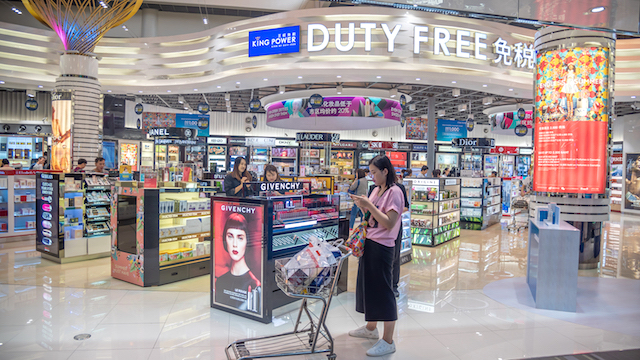
  • India’s duty-free purchase limits to be cut

    India’s duty-free purchase limits to be cut

    Proposed changes to India’s duty-free purchase limits may dent the country’s duty-free market growth prospects, says GlobalData.

    The country’s Commerce and Industry Ministry plans to limit duty-free alcohol sales to inbound travelers to one bottle or one liter per person – half the current limit – and to ban all sales of tobacco products.

    The ministry also plans to reduce the value of goods and gifts that a passenger can get into the country without paying import duty which is currently capped at US$712.65 (INR50,000). The government says the move will bring duty-free limits into line with other countries such as the US, China, and South Korea.

    “The proposed changes, if implemented, will negatively impact the duty-free market in India as alcoholic beverages and cigarettes account for a significant share of total duty-free sales,” says Vijay Bhupathiraju, a retail analyst at GlobalData.

    “Drinks is the largest product category sold in the Indian duty-free market with category sales at US$695.7 million in 2018, accounting for 66.8 percent of overall duty-free sales. However, the proposed slashing of the limit on alcoholic drinks to half is forecast to reduce the category sales by nearly 25 percent.

    “On the other hand, tobacco is the fourth-largest product category with its sales at US$64.7 million (6.2 percent share) in 2018. If the proposed plan to completely prohibit inbound tourists from purchasing cigarette cartons at duty-free shops is to be believed, it results in a complete nullification of inbound spending on cigarettes, slashing the category sales by as high as 50 percent,” said Bhupathiraju.

    India is the world’s fastest-growing duty-free market globally, with sales growing at a compound annual growth rate (CAGR) of 23.1 percent during 2013-2018 to reach US$1 billion in 2018 and forecast to grow at a CAGR of 19.2 percent to reach US$2.5 million by 2023.

    Bhupathiraju says if the proposed changes are enacted, India’s duty-free retailers need to diversify their offerings to include essential product categories such as cosmetics and toiletries, food, and jewelry and watches to offset lost sales in liquor and cigarettes.

    “The move is also a jolt to non-aviation revenues for airports, impacting the overall growth of airport retail in an otherwise fast-growing airport retail market.”

  • Bangladesh – DHL Express named Best Workplace in Asia for 2019

    Bangladesh – DHL Express named Best Workplace in Asia for 2019

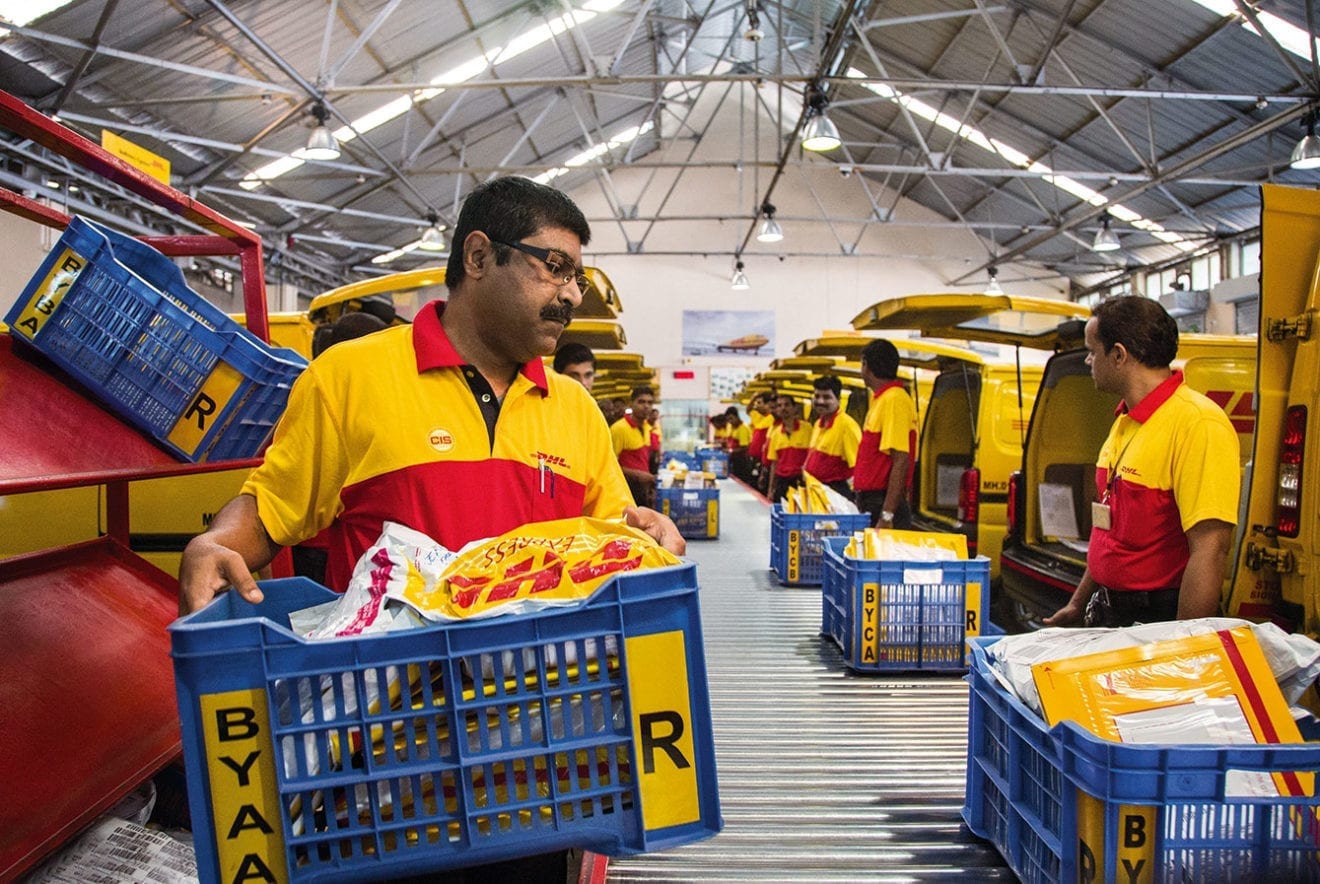
    DHL Express, the world’s leading international express service provider, has been named the Best Workplace in Asia for 2019 by Great Place to Work (GPTW), the global people analytics and consulting firm are known for its annual Best Workplaces list.

    “We are extremely honored to be recognized as the leading employer and best-practice workplace in Asia Pacific,” said Ken Lee, CEO, DHL Express, Asia Pacific.

    “It is important that our employees are always motivated and engaged because they determine the success of our company. We treat our employees the way we would like them to treat our customers, by fostering a culture of authenticity, responsibility, dignity, performance, and results. This award is a testament to the passion and energy that each one of us brings with us to work every day to make DHL a special place to be.”

    DHL Express received GPTW’s prestigious award for the fourth time since 2016, naming it the Best Workplace in Asia in 2016 and 2017 as well as the runner-up in the same category in 2018. This year’s honor came amid positive recognition of its workplace culture across 15 countries and territories in Asia Pacific.

    DHL Express garnered commendable scores on both the Trust Index and the Culture Audit, which canvassed direct feedback from employees to determine workplace levels of fairness and equity, diversity and talent development.

    “DHL’s success as an organization hinges on the unique background, experiences, and perspectives that each of our employees brings. Our strength in respecting and empowering the individual ensures everyone works together as a tightly-integrated whole to strive for exceptional performance,” said Mateen Thiruselvaam, Senior Vice President, Human Resources, DHL Express, Asia Pacific.

    “Feedback mechanisms like the annual Employee Opinion Survey make sure that everyone is heard, and enable us to assess and fine-tune our culture so that we constantly reach toward and extend beyond our full potential.”

    In 2018, DHL won a total of 50 awards for its workplace culture, bringing the total number of awards won from 2014 to 192.

  • Indian fashion star Sabyasachi Mukherjee seals deal with H&M

    Indian fashion star Sabyasachi Mukherjee seals deal with H&M

    H&M has collaborated with Indian designer Sabyasachi Mukherjee to launch a new collection this year.

    The Sabyasachi x H&M collaboration themed “Wanderlust” will feature apparel for men and women, jewellery and accessories. “Taking cues from India’s rich textile, craft and history, the collection mixes modern and traditional silhouettes with a nod towards athleisure and glamping,” the company said in a statement.

    “H&M gives us the opportunity to spread the Sabyasachi aesthetic to a wider audience in India and worldwide,” said Sabyasachi Mukherjee. “Having done couture for the majority of my career, it is very exciting to bring that finesse of craft to ‘ready-to-wear’ and create whimsical and fluid silhouettes that bring relaxed sophistication to everyday life.”

    The new collection will be available in stores across India as well as selected flagship stores around the world on April 16, under the label Wanderlust.

    Prior to H&M, Sabyasachi has collaborated with other international designers and brands including Karl Lagerfeld, Christian Louboutin, Pottery Barn, Balmain and Versace.

    Sabyasachi Mukherjee launched his eponymous label in 1999. The designer has 5 flagship stores across India and has also founded Sabyasachi Art Foundation, a tribute to his artist mother.

  • Mercedes-Benz India Announces Its Line-Up For 2020 Auto Expo

    Mercedes-Benz India Announces Its Line-Up For 2020 Auto Expo

    Mercedes-Benz India has announced its line-up for the 2020 Auto Expo, for which the company has planned a range of products, services, and future technology. Among the product line-up at the pavilion, the Stuttgart-based carmaker will also have some of the upcoming models set to be launched in India this year. That includes the Mercedes-Benz A-Class Sedan, the AMG GT 63 S 4 door coupe, and the new-gen GLA, among other models. The company will also showcase its first electric SUV for India, the Mercedes-Benz EQC 400 4MATIC Edition 1886, which is slated to be launched in April 2020.

    The new A-Class sedan will be one of the key products to be introduced in India in 2020 and will mark the entry of the new-gen A-Class range in India. The Mercedes-AMG GT 63 S 4MATIC 4 door Coupe, on the other hand, is also an important product for India, and we were the first ones to drive it. In fact, the car is the world’s fastest series production four-seater and will rival the Porsche Panamera. The new-gen Mercedes-Benz GLA only makes its global debut in December 2019 and is also set to be launched later this year. The EQC 1886, on the other hand, is the forerunner of Mercedes-Benz’s new product brand ‘EQ’ for electric mobility globally.

    Talking about the company’s Martin Schwenk, Managing Director & CEO, Mercedes-Benz India commented, “As leaders in the luxury car industry, our investments at the Auto Expo firmly reiterate Mercedes-Benz’s confidence in the long-term prospect of the luxury car market and the bullishness of its customers; it also underlines our responsibility to drive the industry and provide a positive stimulus to the market. Inspired by our mantra of “Restless for Tomorrow”, the Mercedes-Benz pavilion will be a perfect embodiment of modern luxury, future technology, and progressiveness, all of which are synonymous with the Three-Pointed Star”.

    The Mercedes-Benz pavilion at the Auto Expo 2020 will also have sedans like the new E-Class, MB Certified C-Class, and something from Mercedes-Maybach on display. In addition to the GLA, the company will also showcase the new-gen GLE and GLS, along with a bunch of AMG models like – AMG G 63, AMG A 35 Sedan and AMG C 43 Coupe. Mercedes-Benz will also showcase its flying car concept, the Volocopter, at the auto show. The carmaker will also showcase a bunch of digital innovations like – an e-commerce marketplace for sale of MB cars, collections, MBUX interactive exhibition, what3words and more.

  • Amazon India To Have 10,000 Electric Vehicles In Its Delivery Fleet By 2025

    Amazon India To Have 10,000 Electric Vehicles In Its Delivery Fleet By 2025

    Amazon India said that it will induct about 10,000 electric vehicles in its delivery fleet in the country. The e-commerce giant says that the idea is to reduce its carbon footprint in the country in accordance to the Climate Pledge that Amazon has signed. As part of the pledge, Amazon announced its plans to introduce 10,000 EVs into its delivery fleet globally in 2022 and one lakh vehicles by 2030, saving 4 million metric tonnes of carbon per year by 2030. Amazon had already begun an EV pilot project in a few cities across India and the learnings from the pilot project has helped the company to have a scalable and a long term EV delivery fleet by 2025. Amazon India announced this right after Amazon President and CEO, Jeff Bezos made a trip to India and announced an investment of $ 1 billion and creation of 1 million jobs by 2025.

    “The fleet of 10,000 EVs-including three-wheeler and four-wheeler vehicles-has been designed and manufactured by original equipment manufacturers in India,” the company said in a statement. The company has been working with a few Indian companies in order to ready a fleet of electric vehicles in its delivery fleet to ensure that last mile deliveries are sustainable. The government’s focus to encourage the adoption of electric vehicles in the country, and steps towards setting up of charging infrastructure with the FAME II policy, has helped the company accelerate and chart its vision for EVs in India, it added.

    “At Amazon India, we are committed to building a supply chain that will minimize the environmental impact of our operations,” Akhil Saxena, vice president for customer fulfillment (Asia Pacific and Emerging Markets) at Amazon, said in a statement.

  • Audi To Launch Only New Models In India

    Audi To Launch Only New Models In India

    Audi India kept Indian customers waiting for new models for quite some time. That said, the German carmaker now has a new plan in place and is gearing up to bring only new models or new generation models to our shores, and it has already started with the Audi Q8. The company also shared that Audi will be focusing on petrol, plug-in hybrid and electric models in the Indian market and its future launches will adhere to the plan.

    Balbir Singh Dhillon, Head- Audi India said, “We will only launch all-new models like the Q8 or new generation models in India going forward and we have quite a few products in the pipeline. On the onset of the BS6 norms, our focus will be on petrol models followed by plug-in hybrids and electric vehicles. Around 30-35 percent of our sales come from petrol models and that ratio should go up.”

    The Audi Q8 was launched in India on January 15 and will be sold as a completely built unit (CBU). Audi had also launched the new-generation A6 in India last year in October and is gearing up to launch the new-generation A8 next month. We have already seen spy images of a slew of Audi cars undergoing testing like the next-generation A7 Sportback, next-generation Audi Q7 and RS6 and all new models are headed to our market as well after their global launch. Audi India has also chalked out a long term plan for the Indian market which is internally called ‘Strategy 2025’. The foundation of the Strategy 2025 primarily relies on four pillars- Customer Connectivity, New Products, Network Expansion and Digitalisation.

    Dhillon also mentioned about setting up more dealerships across India to expand its reach in the market and digitalization will play a key role in connecting to its customers. However, the company has not disclosed any target as yet. Moreover, upcoming Audi cars will also feature connected car tech which apart from being trendy, will also keep customers connected to the services on the go. As we have already reported earlier, the German carmaker is also gearing up to foray into the electric space in our market this year with the launch of the e-Tron electric SUV.

  • Walmart India lays off management executives

    Walmart India lays off management executives

    Walmart India will let go around a third of its top executives at its Gurugram headquarters. The retailer has been struggling in the territory and is now responding by laying off more than 100 top-level executives, with more terminations expected to come later. It will also close its Mumbai fulfillment center and its largest warehouse, and will hold plans to open new stores within the Indian market.

    “We are always looking for ways to operate more effectively to serve our members,” said a spokesperson for Walmart India. “This requires us to review our corporate structure to ensure that we are organized in the right way to best meet the needs of our members. Impacted associates have been offered enhanced severance benefits and outplacement services to support their transition.”

    Following a decade of trade within India, Walmart’s sales growth has remained problematic, with the firm recording a net loss of US$24.26 million during the last fiscal year.

  • The improved popularity of Cricket and the billions it makes in India

    The improved popularity of Cricket and the billions it makes in India

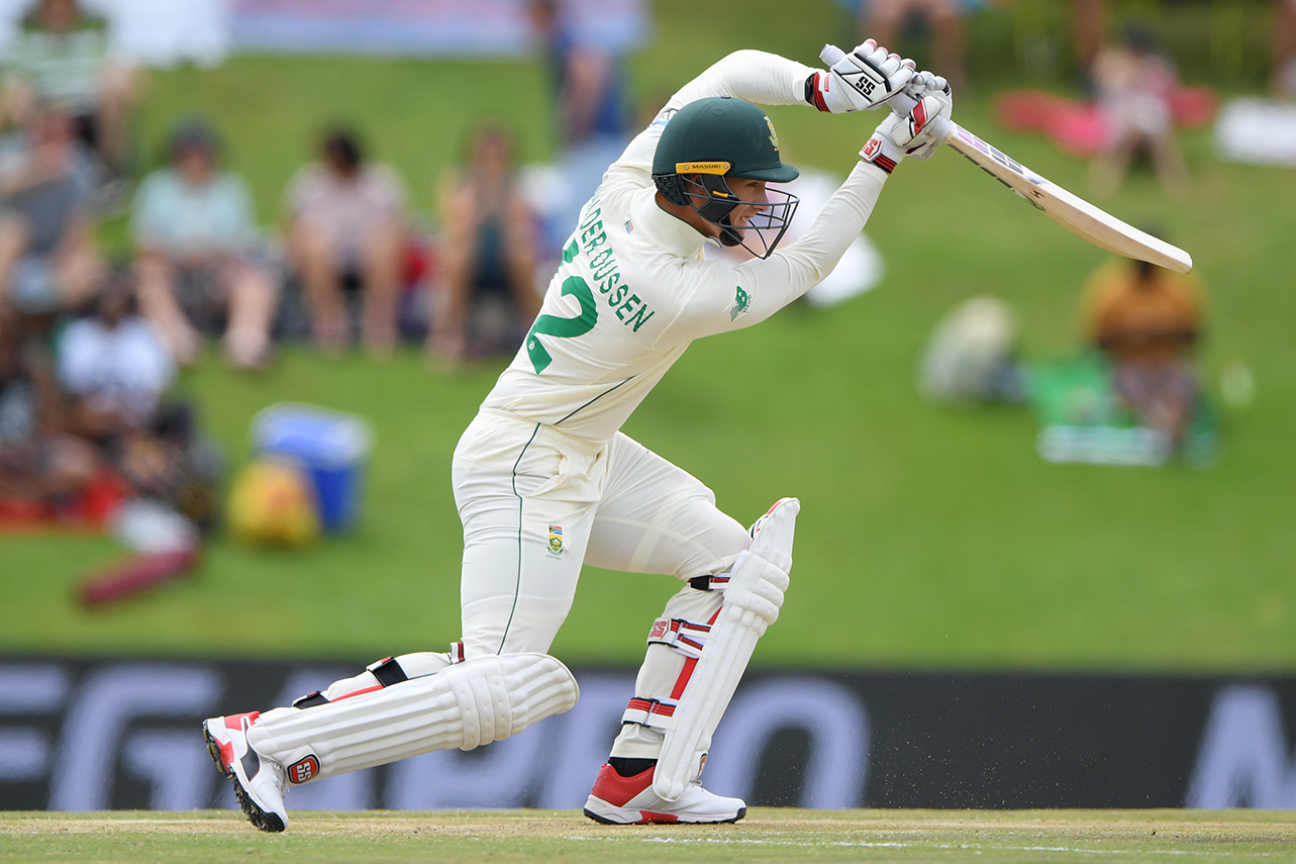
    Cricket is one of the most popular sports in countries like the United Kingdom, India, and Australia. However, most of the market share of this sport is taken by India considering how the country has such a large population. In fact, the largest event in the sport, Indian Premier League (IPL) is sometimes responsible for revenues averaging $3 billion within a year.

    In fact, 2004 was the best performing year for the IPL where it managed to generate around $4.1 billion revenue just from advertising, player auctions and viewership fees. The only time that it managed to match the same numbers was in 2017, signaling that the sport is starting to become more and more popular over the last few years after decreasing significantly in the decade.

    How the IPL generates income

    The Indian Premier League, much like any other sports industry in the world relies on advertising, viewership tickets and the auctions conducted on the players. Not to mention dozens of sponsors vying for a spot on the sportsmen’s uniforms and etc.

    Whatever the sports industry gets their hands on, they manage to generate some income out of it, but there are some that are better at it.

    When it comes to world coverage, there is no sport that beats football, but in terms of the volume of viewers, Cricket is starting to climb the ranking thanks to the millions of viewers from India alone.

    You see, by pairing up the prices of the United Kingdom and Australia with the viewership of India, Cricket is able to generate billions of dollars by simply recording the games and airing them on specific channels where they get additionally profitable advertising deals.

    A darker side of Cricket

    Finally, we have one of the most popular and pretty much ancient ways of generating profit from sports. Betting.

    Cricket, much like any other sport in the world has a large betting industry. Every viewer has the opportunity to place a bet on their favorite player as well as a team to predict the outcome of a match. If they were correct, they get a significantly large sum of money back.

    However, considering how Cricket is a sport where almost everything can go wrong within seconds of starting the game, the chance to win is much lower. However, in order to compensate for these issues, especially during the Indian Premier League 2020, most betting companies increase the prize pool to make it more enticing.

    It would be false to say that nobody wins when betting on Cricket, but it’s much harder and complicated when comparing it to betting on football or basketball.

    2019 proceedings to predict 2020

    The IPL conducted in 2019 received the valuation of around $6.8 billion, giving the sport the highest value it has ever seen in the past.

    In terms of ad revenue, the 2019 IPL season managed to bring in slightly more than it’s 2018 predecessor, but that doesn’t mean that 2020 will see an increase on that number as well.

    You see, when industries grow extremely fast over the years, every year becomes harder and harder to match. Imagine a company that had the goal of achieving $20 million in revenue in 2015. Let’s say they managed to do it and increased their goals for 2016 of around $22 million. They reached it as well but with much more hard work and dedication. Say this continues up until 2018 where the company barely managed to reach its goal of $30 million in revenue. So much so that they had to fire some employees along the way just to reach it.

    The $35 million goals for 2019 would become even harder, and thus have the possibility of making the company fail. Constant growth is not maintainable and hyping it up will bring a lot more damage than it will fix.

    Therefore, there are many experts saying that overcoming the expectations of IPL 2020 revenue is going to be nearly impossible.

    Because of this, it is expected that in the year 2020 there will be a lot fewer sponsors vouching for teams and individual players, fewer people watching the events and even players participating in it due to slightly lowered salaries and payouts.

    Overall, the expectations on IPL 2020 performance are very pessimistic, however, should they prove to overcome this pessimism, it’s almost guaranteed to kickstart a new level of confidence in the sport for coming seasons in 2021 and 2022. So IPL 2020 is more of an investment for the sport than the organizers can realize.