Retail News CRM

Tag: india

  • Tata Motors Group’s Global Wholesales Declined By 3% In December 2019

    Tata Motors Group’s Global Wholesales Declined By 3% In December 2019

    Global wholesales for JaguarLand Rover along stood at 50,001 vehicles, which included the 5,492 vehicles wholesaled by CJLR, the joint venture between JLR and Chery Automobiles. As for the total wholesales from the Jaguar brand alone, for the month, it stood at 12,742 vehicles, while Land Rover’s contribution to the total wholesales for December 2019 was 37,259 vehicles.

    On the other hand, global wholesales of all Tata Motors’ commercial vehicles and Tata Daewoo range in December 2019 were at 34,526 units, lower by 15 percent, as against the 40,619 units wholesaled in December 2018.

    In December 2019, Tata Motors’ domestic sales stood at 44,254 units (PV + CV), a decline of 12 percent in volumes as compared to 50,440 units sold in December 2018. As for year-to-date sales, Tata’s volumes for FY2020 (April-December) stood at 347,796 units, down by 30 percent over 497,972 units sold during the same period the fiscal.

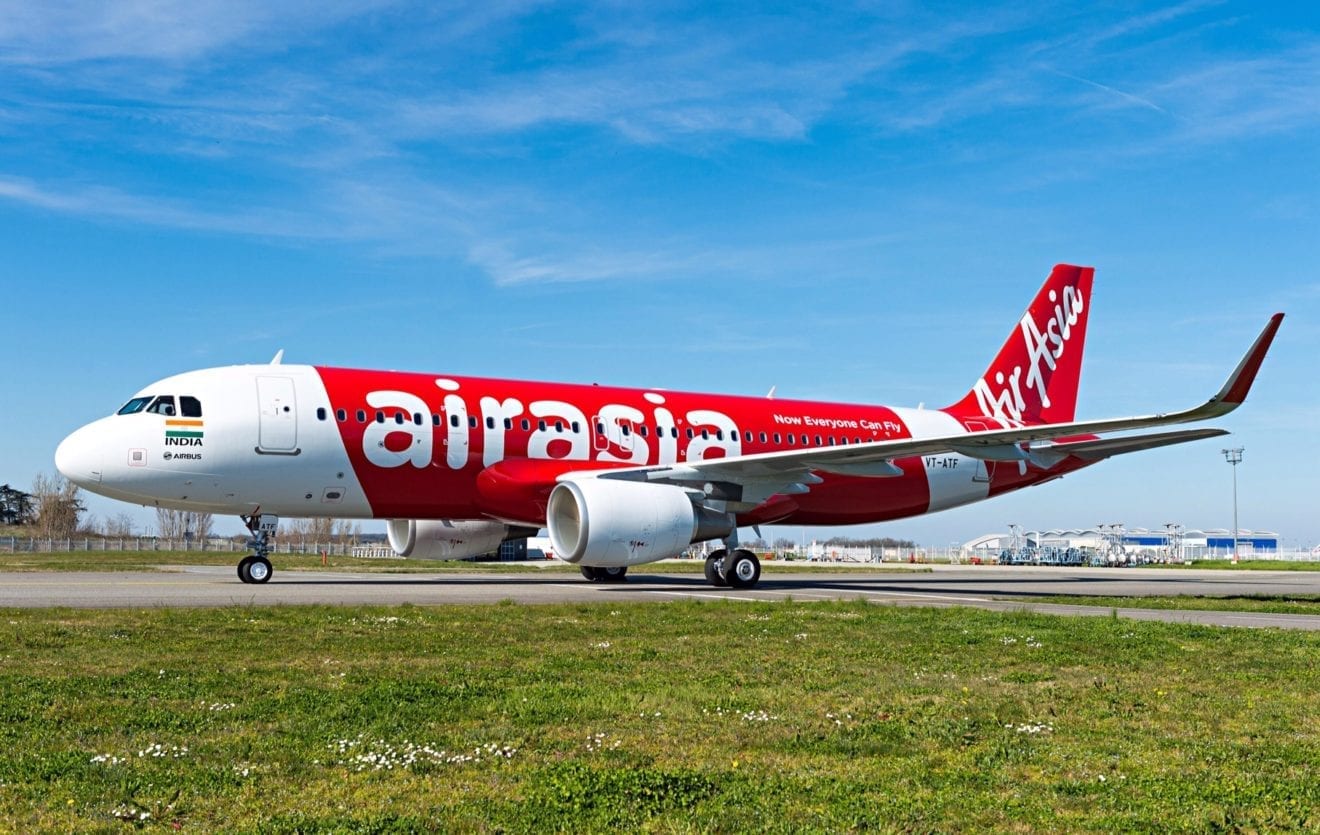
  • AirAsia picks creative agency in India

    AirAsia picks creative agency in India

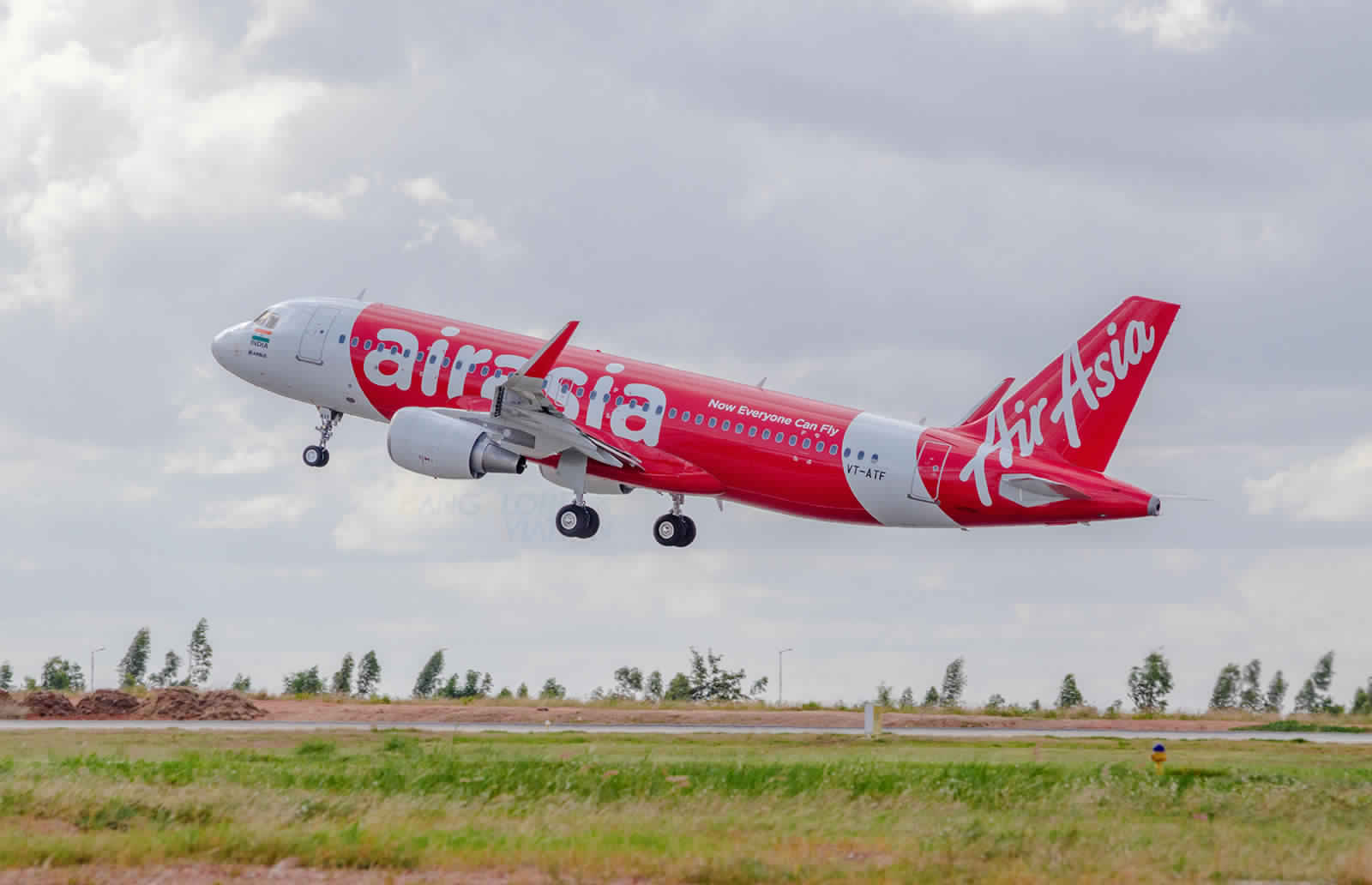
    AirAsia India has appointed Wunderman Thompson South Asia to manage creative duties following a pitch in 2019. The agency will be responsible for brand strategy and shaping the communications narrative in India, taking care of above-the-line and digital creative mandates.

    According to the press statement, Wunderman Thompson understood AirAsia India’s strategic and brand objectives and will be working on developing the brand’s strong and sustainable positioning that will cut across geographies, demographics, and mindsets and deliver differentiated content with incisive insights. A+M has reached out to Wunderman Thompson for additional information.

    AirAsia India is a joint venture between Tata Sons and AirAsia Investment. AirAsia India commenced operations on 12 June 2014 with Bengaluru as its primary hub. Its agenda is to drive salience across markets with customized content and clutter-breaking communication that inspires diverse audiences with its brand promise and the aspirational journey ahead.

    AirAsia India’s CMO Siddhartha Butalia said the agency approached the opportunity with strong strategic insights and compelling creative ideas that bring the emotion and inspiration back to travel. “We’re looking forward to partnering with them to drive consideration and relevance across the customer journey, take off to even greater heights and explore new territories,” Butalia added.

    Senior VP and managing partner at Wunderman Thompson, Kundan Joshee, said AirAsia has a unique value proposition and a distinct challenger brand spirit that makes it such a powerful brand.

    “Our job is to partner with AirAsia and bring alive its philosophy of service, efficiency and innovation. In today’s times, it’s essential for a brand to have multiple conversations with people across touchpoints and this gives us the opportunity to do new-age work and drive interesting conversations around the brand,” he said.

    Closer to home, AirAsia Group and Universal Music Group partnered last year to launch RedRecords, a new label partnership focused on signing, developing and breaking new Asian artists and elevating “A-pop” globally to new audiences throughout the region and around the world. RedRecords will focus on discovering and developing talent from Southeast Asia and throughout the wider continent and form a clear and unique sound that reflects the diverse and rich musical culture of the continent.

    The airline also announced last November that it is expanding its online offering to include flights on other airlines as it transforms airasia.com into Asia Pacific’s leading travel and lifestyle platform. This was done in partnership with leading travel technology company Kiwi.com. It also unveiled SNAP, a new name for flight + hotel packages on airasia.com offering the lowest guaranteed package prices in 2019.

  • AirAsia launches new flights to Chendu from Penang

    AirAsia launches new flights to Chendu from Penang

    Low-cost carrier AirAsia Bhd has launched new flights to Chengdu, the capital city of Sichuan Province, China for travelers flying out of Malaysia’s northern hub Penang.

    These new three times weekly direct flights commencing 8 March 2020 will provide exclusive air connectivity between Penang to Sichuan Province.

    “We are excited to announce our first new route of the new year, welcoming Visit Malaysia 2020 and in conjunction with Experience Penang 2020.

    “Penang is one of our largest secondary hubs in Peninsular Malaysia, to which we have flown more than 2.4 million guests to the island last year.

    “This is our first route from Penang to Mainland China and we are confident this additional route will continue to boost visitor arrivals into Penang, and vice versa,” AirAsia Malaysia chief executive officer Riad Asmat said in a statement today.

    Best known as home to the adorable giant pandas, Chengdu is a thriving city with plenty to do and taste.

    With many natural, cultural and historical sights, some of the must-visit attractions include the Chengdu Research Base of Giant Panda Breeding, Jinli Ancient Street and the Leshan Giant Buddha and Wenshu Monastery.

    Named by UNESCO as a ‘City of Gastronomy’, many popular Chinese dishes such as Mapo Tofu and Kung Pao Chicken originate from the region.

    Travelers can also choose to unwind by enjoying aromatic tea at any of the local teahouses.

    Chengdu is also a gateway to the western territories of China, including Tibet, which its capital Lhasa is home to the historical center of Tibetan Buddhism and the famous Potala Palace, as well as the Unesco World Heritage Site Jiuzhaigou, one of the most scenic places in China.

    Besides Chengdu, AirAsia currently flies to 12 destinations from its Penang hub, namely Bangkok, Ho Chi Minh City, Surabaya, Jakarta, Medan, Singapore, Kuala Lumpur, Johor Bahru, Langkawi, Melaka, Kota Kinabalu and Kuching.

  • Indian tea chain Chai Kings ready for expansion

    Indian tea chain Chai Kings ready for expansion

    Indian tea retailer Chai Kings has secured US$1 million in funding from a group of angel investors, including The Chennai Angels, Hyderabad Angels and TiE India Angels.

    The Chennai-based tea retail chain aims to launch 100 stores over the next five years and become the nationally preferred purveyor of chai teas. It is currently operating in 40 locations and delivers tea to customers’ doorsteps within Chennai.

    “We are very excited to partner with Chai Kings in the bridge round,” said The Chennai Angels’ lead investor in the round Piyush Bhandari. “We believe the company has a strong leadership team with immense potential to grow and expand across India. The new investment reiterates our commitment towards building a sustainable and scalable Indian QSR.”

    “We are happy with the success and progress of our brand in Chennai, and this funding round will help us expand into newer cities,” said Chai Kings CEO Jahabar Sadique. “We hope to enter Coimbatore, Bengaluru, and Hyderabad in this year, and get closer to our target of 100 stores in five years. Apart from expansions, the bulk of this funding will be utilized to strengthen our operations and supply chain management.”

  • Bangladesh garment factories urged to embrace sustainable behavor

    Bangladesh garment factories urged to embrace sustainable behavor

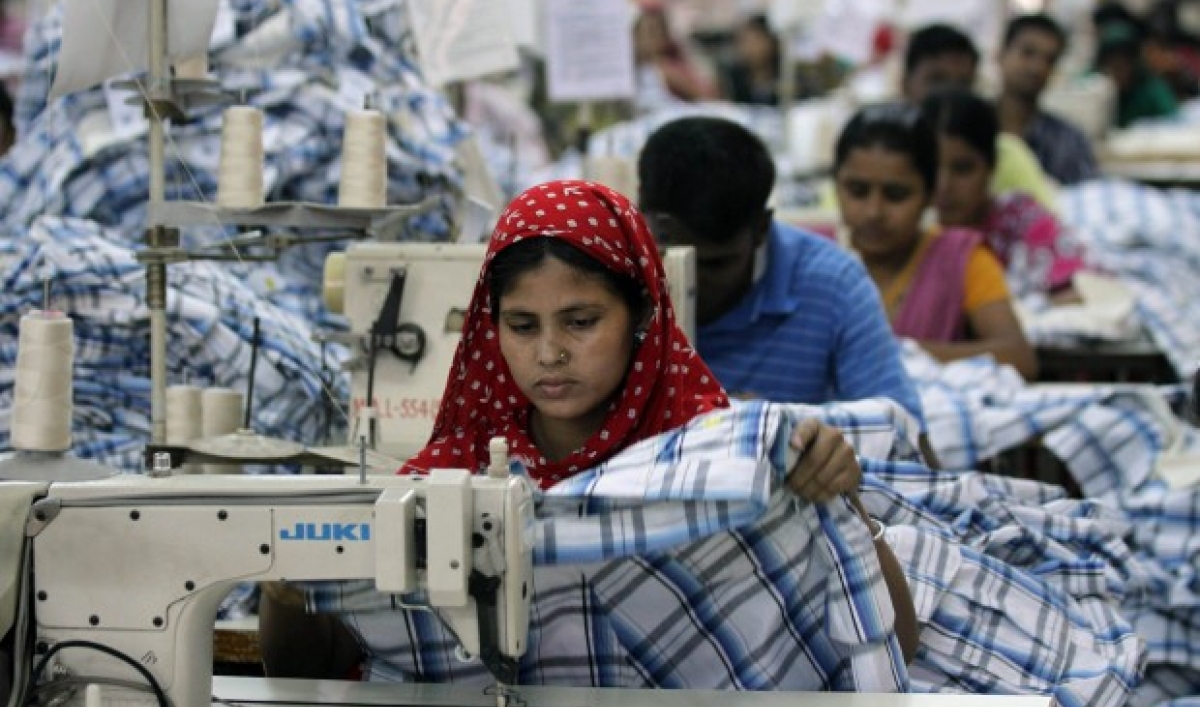
    Bangladesh garment factories must continue to invest in making their operations more sustainable if they hope to win business over other major competing sourcing countries such as Vietnam, Cambodia and Indonesia, says data and analytics company GlobalData.

    In line with this, the country is looking to increase its garment exports from US$34 billion in the financial year ending last June to US$50 billion next year.

    In 2018, 67 factories had adopted the Leadership in Energy and Environmental Design (LEED) certification, which evaluates sustainable sites, water efficiency, energy, indoor environment and innovation. Eight were LEED-platinum certified. But with eco-credentials playing a greater role in how consumers today shop, more factories need to get on board.

    Hannah Abdulla, apparel correspondent at GlobalData, says the owners of Bangladesh garment factories are growing increasingly concerned they are losing business to rival sourcing countries.

    “Where buyers were previously concerned with mass-produced, cheap goods, the focus is now on better quality and sustainably sourced (value-added) items. Green factories have an edge; this is what helps sets them apart from the competition.”

    With Bangladesh looking to increase the investments, big changes need to be made to secure additional business from the higher-paying customer, says Abdulla.

    “While change has happened at several factories, this needs to be scaled up. More factories need to get on board if Bangladesh is going to convince global players it remains a worthy contender in the readymade garment space.

    “For the national industry to be viewed as one that is an environmentally-sustainable apparel sector with an international reputation for good practice, it needs to move beyond a minority of factories implementing sustainable measures.”

  • Sluggish sales dampen India retail leasing activity

    Sluggish sales dampen India retail leasing activity

    Indian retail leasing activity in major cities slumped 35 percent last year as the country’s economy continued on a sluggish course.

    “It’s very obviously not business as usual in the Indian retail sector, and retailers have had to reduce costs – not least of all by realignment of retail spending,” said Anuj Kejriwal, MD and CEO at Anarock Retail.

    According to data from real-estate services provider Anarock, Indian retail leasing activity in the nation’s seven largest cities dropped from 5.5 million sqft in 2018 to 3.6 million sqft last year.

    The worst-affected sector was fashion where falling consumer spending has impacted the top line of several major retail groups, including V-Bazaar and 1-India Family Mart, both of which say they are scaling back expansion plans this year.

    “The apparel industry has been hit with a triple whammy – GST, credit squeeze on small and medium enterprises, and increased competition due to slowdown in global demand,” said Kejriwal.

    With spending on fashion declining, there has been “a significant reduction in demand” for new fashion-specific mall spaces among local brands and global brands, he says, are “staying put but not expanding”.

    Kejriwal said downward revisions of India’s GDP growth rate are bound to be reflected in the consumption-driven retail industry, with most categories affected.

    “Discretionary spending remains low and the ticket sizes of purchases have shrunk – with predictable impact on retail leasing activity. Slow sales and sluggish activity across sectors such as automobiles, fashion and telecom are translating into reduced leasing across retail spaces as players shift their operational strategy,” he said.

    Jewelry, electronics, books and music, hypermarkets and men’s formal clothing are other retail categories where leasing activity declined last year.

    The standout exceptions in retail are food and beverage, family entertainment centers, cinemas and beauty/wellness boutiques.

    “These verticals have seen a decent rise in space leasing and are doing fairly good business depending on factors such as location, accessibility, brands, etc,” said Kejriwal.

    “Though rising rentals in prime locations hinder the growth plans of many brands, Indians’ affinity to eating out and entertainment remains undiminished.”

    Kejriwal said many Indian retailers must now consider consolidation and realignment of their operational structure. “Long-vision players are taking steps to boost productivity through technological innovations, automation of production and analytics-driven decision making. The retail sector is also renewing its focus on consumer-centric strategies in order to strengthen customer loyalty.”

    India’s retail market is predicted to grow to US$1.3 trillion this year, significantly up on the $672 billion of 2017, prompting many retail players to believe that the current slowdown is a short-term phenomenon.

    “Optimistic about the future growth prospects of retail, they maintain that the size of the Indian population, consumption and demand will drive organized retail growth in the future,” said Kejriwal.

    “However, it will take more than optimism to pull the retail sector out of its current tailspin. What the retail industry needs is strong demand dynamics, sizeable funding and consistent policy support from the government to get past the slowdown.”

  • Mumuso looking for rapid expansion in India

    Mumuso looking for rapid expansion in India

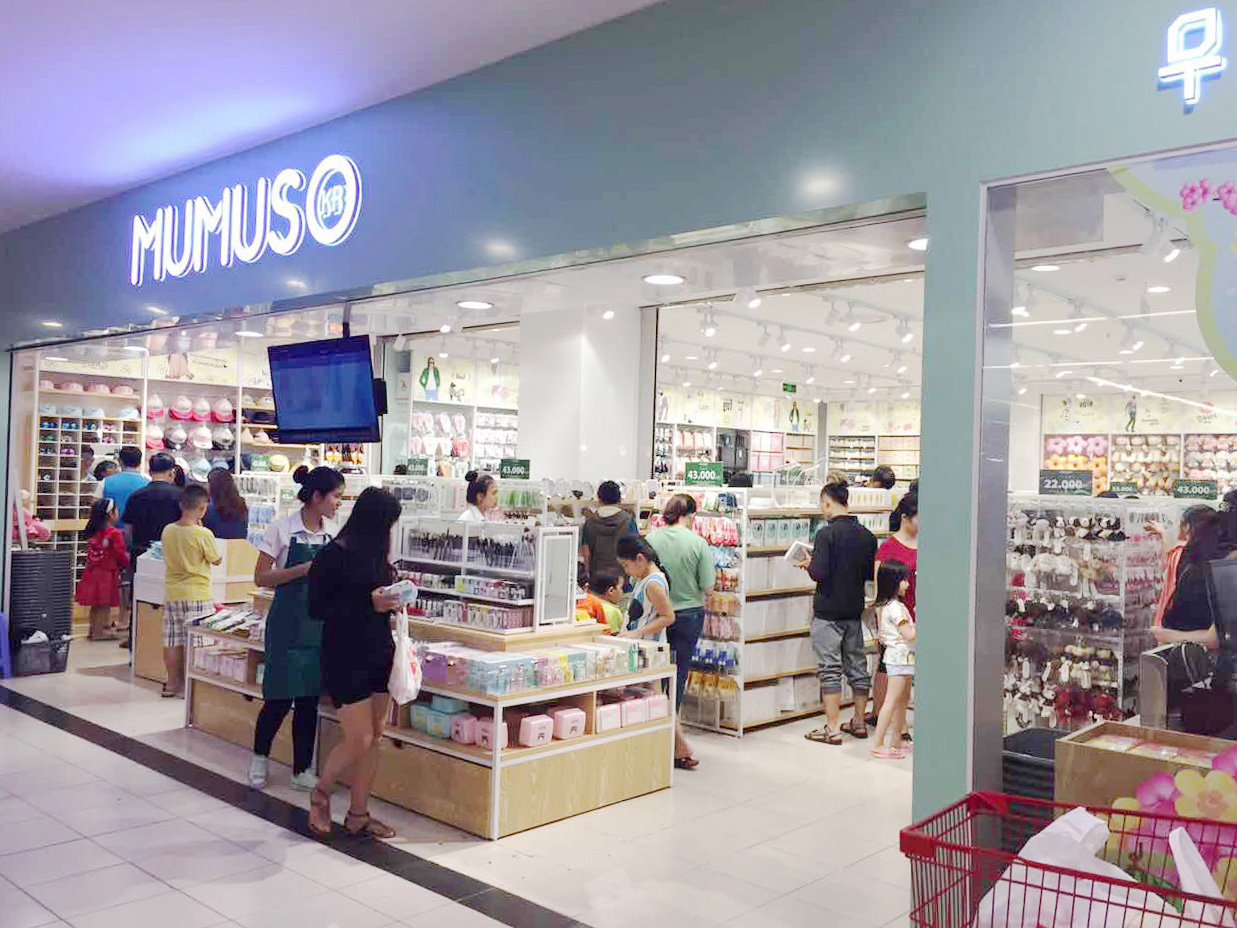
    Discount Chinese merchandise chain Mumuso is set to expand in India.

    The brand intends to launch outlets throughout the territory and is currently seeking potential franchise partners. It has already opened more than 30 locations in India at a rate of two per month since launching there.

    “Mumuso is eyeing at the Indian market aggressively,” said a statement released by the firm, “with new stores in different parts of the country”.

    Beyond its range of “Korean-inspired lifestyle products”, Mumuso is now looking at moving into the food-and-beverage sector.

    “I have been studying the retail market very closely,” said Mumuso India director Manoj Agarwal. “Indian retail market is huge. When it comes to lifestyle products, India has seen a sharp rise in the demand in the recent years. Our expansion strategy is to set up outlets all over India along with entering the e-commerce market as online shopping has seen a big boost in India in recent years. Mumuso, unlike distributorship, franchises will have more profit and direct access under B2C Format.”

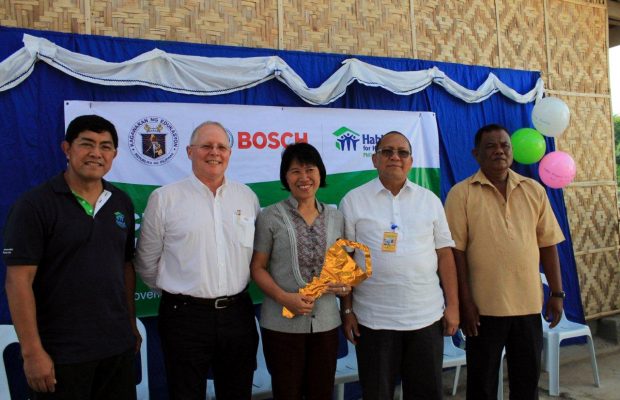
  • Bosch to Cut Thousands of Jobs in India as Auto Sales Slump

    Bosch to Cut Thousands of Jobs in India as Auto Sales Slump

    Bosch, the Indian unit of the world’s largest auto-parts supplier, plans to join its parent, Robert Bosch GmbH in cutting jobs as the South Asian nation witnesses one of its worst auto sales slowdowns in decades.

    The German company will cut “a couple of thousand” jobs in India in the next four years, India Managing Director Soumitra Bhattacharya said. About 10% of 3,700 white-collar jobs and a slightly higher percentage of 6,300 blue-collar jobs will be cut, he added in an interview in Bangalore on Dec. 30.

    “There is a transformation happening across the industry,” Bhattacharya said. “We looked at that as an opportunity to transform the company even before the downturn started.”

    Carmakers across the world will shed 80,000 jobs in the coming years amid shrinking demand. That will hit sales at autopart makers. In India, Bosch expects auto sales to only recover in the next two-three years after plummeting in 2019 because of regulatory changes, threat of electrification, a liquidity crunch, and an economic slowdown.

    Still, the German component maker sees the demand for internal combustion engine vehicles leading growth in the auto industry in India. Both ICE and electric powertrains will coexist for a long time, Bhattacharya said. He forecast that 80% of the vehicles will run on ICE the rest on electric by 2030 in the nation.

    Bosch India’s profit fell 66% in the quarter ended Sept. 30, from a year earlier. Its share price dropped 22% last year.

    India’s auto sector is going through a cyclical and structural changes because of electrification, technological shift and the advent of shared mobility, Bhattacharya said.

  • India’s Lenskart wins US$275 million in Softbank funding

    India’s Lenskart wins US$275 million in Softbank funding

    Indian omni-channel eyewear retailer Lenskart has raised an investment of US$275 million from SoftBank Vision Fund.

    Several of the firm’s existing investors sold their stake in the business during the latest Series-G financing round. The new funding has lifted the firm’s total investments to date to $456 million, leaving Lenskart with a valuation of more than $1.5 billion.

    The firm currently sells via more than 500 outlets throughout more than 100 Indian cities. The firm started as an online-only business, with 60 per cent of current sales still taking place online.

    “We are thrilled to have SoftBank Vision Fund with us in our journey,” said Lenskart founder and CEO Peyush Bansal in an interview with TechCrunch. “Their understanding of consumer and technology will help us build the next edition of Lenskart.”

    The firm’s latest inflow of capital will be used to improve its IT infrastructure and supply chain.

  • China Carmakers Getting Ready To Build More, Much More, In India

    China Carmakers Getting Ready To Build More, Much More, In India

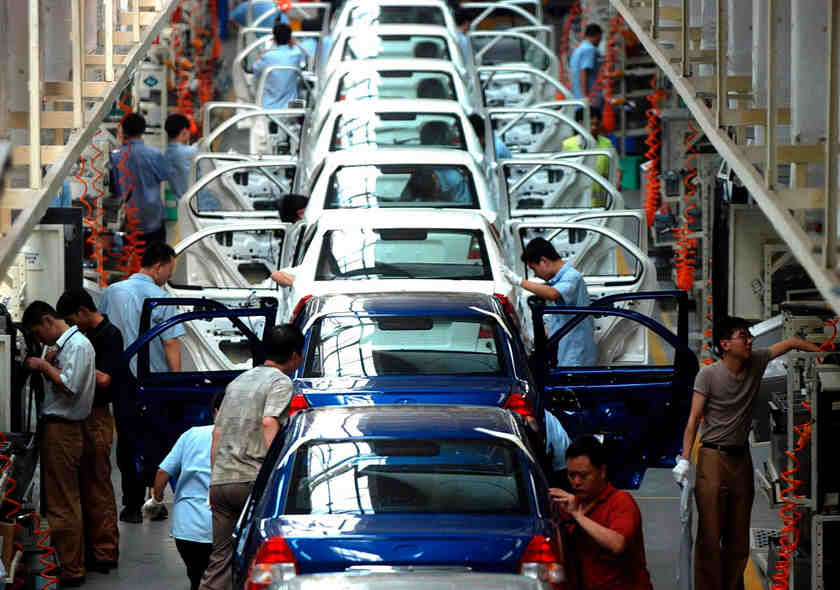
    Chinese automakers Great Wall Motor and Changan Automobile are accelerating plans to build cars in India after the initial success of rival SAIC Motor in one of the world’s biggest markets, three sources said. Great Wall, one of the biggest sellers of sports-utility vehicles (SUV) in China, expects to secure a production site in the first half of 2020, likely a General Motors plant in Maharashtra, a source familiar with Great Wall’s plans said

    Buying a factory is seen as the best way to get up and running fast and Great Wall is finalising which SUVs it plans to make in India, including whether to kick off its launch with an electric SUV, the source told Reuters. Great Wall said it would make an announcement next month about its plans for India but declined further comment.A spokesman for GM in Detroit said it was continuing to make vehicles for export at its Talegaon plant in Maharashtra state.”As we have said previously, we continue to explore options to improve utilisation of the plant

    We do not comment on speculation,” he said.Changan, too, is scouting for a production base and has held initial talks with suppliers, sources aware of its plans said

    Both automakers, which produce electric vehicles (EVs) in China, are also considering whether to set up EV battery assembly plants in India, the sources said. Changan declined to comment.The companies see India as a chance to combat slowing sales at home, which fell in November for a 17th month in a row

    While car sales in India are stuttering, the market is expected to become the world’s third biggest by 2026, behind China and the United States, according to consultancy LMC AutomotiveThe Chinese firms also hope to capitalise on gaps left by global automakers such as Fiat Chrysler , Ford Motor and GM which have scaled back plans in a market still dominated by smaller, low-cost cars made by Maruti Suzuki and Hyundai Motor. “It is an opportune time for China’s automakers to enter India. There is currently a gap in competition and it may take a couple of years for some of the established carmakers to bring new products to the market,” said LMC Automotive’s Ammar Master.

    PERCEPTION GAPGM’s retreat from India, for example, could help Great Wall get going quickly and it has been in talks to buy GM’s plant in Maharashtra, two of the sources said. GM stopped selling cars in India in 2017 and has already sold its other plant in Gujarat to SAIC, where the state-owned Chinese automaker now makes the Hector SUV it launched in June under its MG Motor brand. India is part of Great Wall’s planned global expansion into South America, South Africa, Southeast Asia and Australia, and it also plans to export from their to places such as Europe and the United States, said the source who is aware of its plans.”The plant in India is expected to be the biggest for Great Wall outside of China,” the source said.Great Wall has hired a former executive from Maruti Suzuki, India’s biggest carmaker, for its product and business planning, and appointed a former executive from SAIC’s India division as a consultant to liaise with the government

    “For global automakers, India is one of the many markets they are in but for the Chinese it is the first major market outside of home and so the level of investment and commitment will be proportionately high,” said the source.One of the biggest hurdles in India will be fighting perceptions about the quality and reliability of Chinese products and winning over brand-conscious buyers for whom cars are a prestige statement, say analysts

    Chinese smartphone makers such as Xiaomi Corp faced similar perception issues when they launched in India but they now dominate the market

    However, cars remain a significant outlay for most Indians and the Chinese brands will need to make their mark quickly.”Once the likes of Volkswagen and Ford start launching new models in India, the entrants from China could face tougher competition because a lot of buyers in India are still very brand conscious,” said LMC’s Master

    Launched at the end of June it said it had sold more than 13,000 cars by the end of November and plans to sell 24,000 next year.”SAIC has changed the perception about whether a Chinese brand can be made and sold in India,” said Santosh Pai, partner at law firm Link Legal which advises Chinese companies setting up in India

    “Fence sitters are getting in and have realised they can sell in India if the price and strategy is right.”Lessons for Great Wall and Changan from SAIC’s India launch include marketing the brand aggressively, packing the car with features to differentiate it from rivals and giving extended warranties to dispel doubts over reliability, analysts say

    Another advantage for Chinese carmakers in the coming years will be their EV expertise

    With the sale of EVs slowing in China they can deploy some of their existing capacity to India where the government is encouraging clean fuel cars. SAIC, which will soon launch an electric SUV in India, is also scouting for a second manufacturing site and is expected to make a decision in early 2020, said a source aware of its plans. SAIC did not respond to a request for comment though the head of its Indian division said in November it was working on an expansion plan and expected its total sales in India to hit 70,000 in 2021.

  • Cantabil plans 100 new outlets within a year

    Cantabil plans 100 new outlets within a year

    Indian clothing label Cantabil is making plans to extend its reach across the country by opening more than 100 new outlets within one year.

    The firm currently operates 290 outlets in 16 states within the territory, mostly in tier I and II cities. It plans to invest US$3.5 million to expand its number of locations to 400.

    “This year has been a positive one and we are hopeful to continue with the same growth momentum in the coming year,” said Cantabil director Deepak Bansal.

    “There is a significant increase in awareness about the fashion trend among the people in smaller towns and cities. We see immense potential in tier II and III markets for expansion.”

    “Our target states are Maharashtra, Gujarat, Rajasthan, UP, Madhya Pradesh, Bihar, Jharkhand, West Bengal and part of Northeast,” read a statement from the firm.

  • Kiko Milano expanding store network in India

    Kiko Milano expanding store network in India

    Italian cosmetic brand, Kiko Milano, is to expand its retail network in India next year.

    Kiko Milano India plans to open six stores across the country, including two new stores in the national capital Delhi.

    “We will focus on having more points of sale, whether exclusive outlets, online or shops-in-shops,” said Abhishek Bhattacharya, country director at Kiko Milano.

    He said the company aims to launch two more outlets in Delhi, and one each in Lucknow, Mumbai, Guwahati (the first in northeast India), and Kolkata.

    “Initially we thought of opening just the retail stores, but we have understood that in Indian market, it has to be a mix of retail and other modes of expansion. We have our shop-in-shop concept, and we are also going to tie with more departmental stores, in addition to exclusive brand outlets,” he added.

    Founded in 1997, Kiko Milano has put Italy on the beauty map with more than 900 stores in 18 countries and the online capability to deliver to 36 countries.

  • Ankur Garg appointed as chief commercial officer at AirAsia India

    Ankur Garg appointed as chief commercial officer at AirAsia India

    AirAsia India on Sunday announced the appointment of Ankur Garg as its chief commercial officer (CCO), a role in which he will be in-charge of areas such as network and revenue management, marketing and sales, and cargo.

    Garg had quit as the vice-president of revenue management at IndiGoNSE -1.82 % a few weeks back. “Ankur Garg takes over from Mr Sanjay Kumar, AirAsia India’s Chief Operation Officer (COO)…Garg will report to Sunil Bhaskaran, MD and CEO, AirAsia India,” the airline said in a statement.

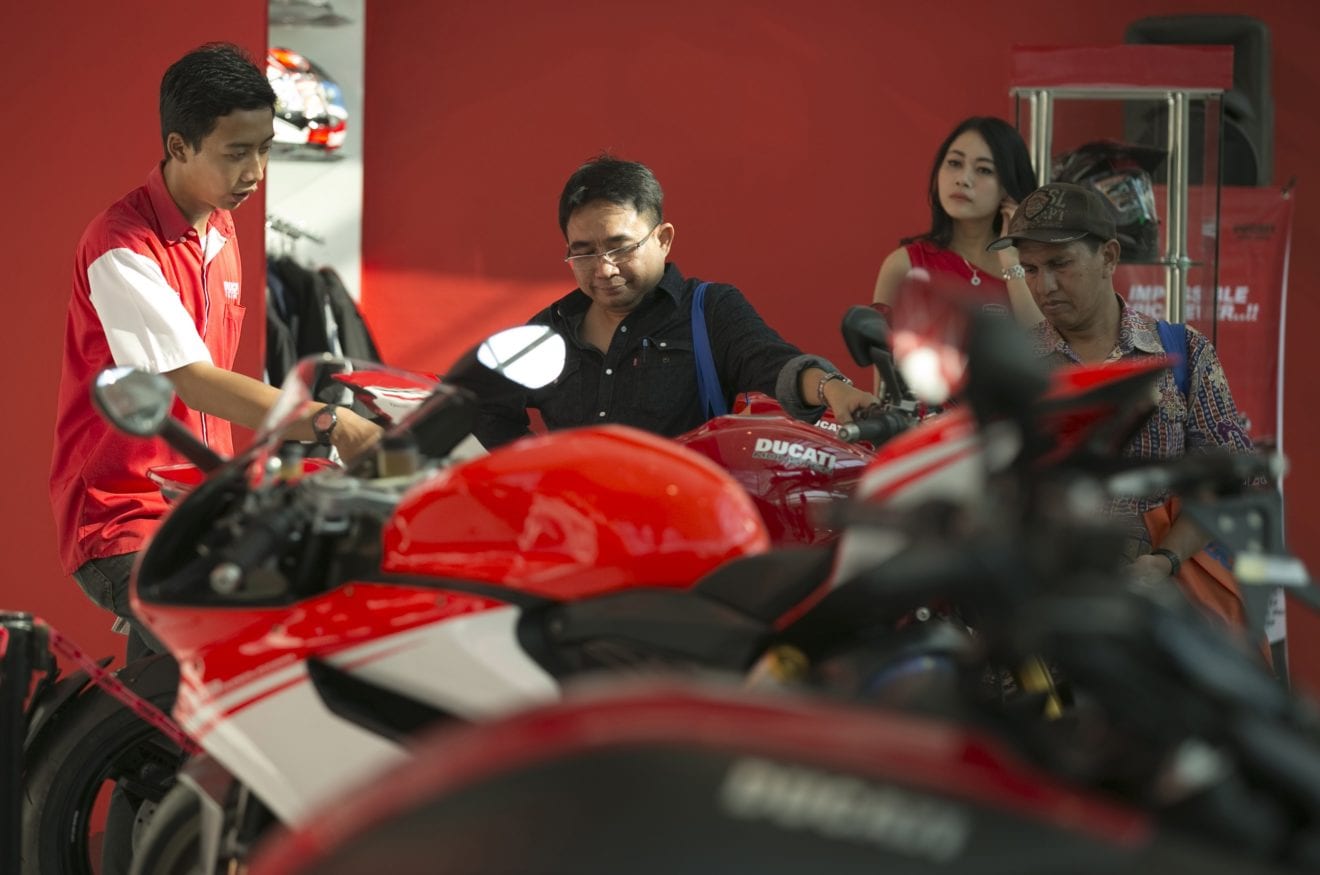
  • Yamaha Opens First ‘Blue Square’ Premium Concept Showroom In India

    Yamaha Opens First ‘Blue Square’ Premium Concept Showroom In India

    India Yamaha Motor has announced the inauguration of its new ‘Blue Square’ concept showroom in the country. The first-of-its-kind outlet was launched in Chennai recently, as part of the brand’s ‘The Call of the Blue’ campaign. The first outlet is about 4000 sq.ft. in size and will retail a range of premium motorcycles and scooters including superbikes from the company’s range. The new showroom aims to bring a premium customer experience in the form of “new aesthetics, inspiring propriety created out of Yamaha two-wheelers and engaging offerings.

    Speaking at the launch, Motofumi Shitara, Chairman, Yamaha Motor India said, “We are thankful to our customers for the encouragement they offered us. “Blue Square”, a new initiative from ‘The Call of the Blue’ which is designed to introduce Yamaha’s global excitement and sport will exclusively stand out in customer experiences and we hope our customers will also love to experience it. At the moment when the motorcycling scenario is fast-growing, there’s a potential requirement of innovating the experiences of buying, servicing and facilitating other motorcycling necessities with the help of an exclusive ambiance and comfort. Yamaha’s “Blue Square” will put together an embracing racing spirit of Yamaha where an array of exciting, stylish and sporty two-wheelers and accessories will be on offer.”

    The Blue Square showroom carries a blue themed ambiance with ea range of motorcycles on display along with accessories, apparel and spare parts. The new outlets will also have more focus on accessories and apparels that are now turning out to be a profitable business for manufacturers. The Blue Square showrooms will also maintain customer records digitally, while buyers will be able to download the brochures digitally by scanning the vehicle QR codes. This, Yamaha says, will help provide on-time communication and one-to-one marketing that will improve communication between the dealer and customer.

    Yamaha also plans to introduce face-scanning systems and Dealer Management System for more effective communication in the future. In addition, the Blue Square showrooms will incorporate a cafe for customers to unwind, alongside Blue Streaks that will help speed-up customer queries and will conduct touring programs. The Japanese two-wheeler maker plans to open about 100 Blue Square outlets in 2020

  • Tata subsidiary sells two giant Indian malls

    Tata subsidiary sells two giant Indian malls

    Two giant Indian malls, in Nagpur and Amritsar, have been snapped up by Virtuous Retail South Asia for US$100 million.

    The 1 million sqft Amritsar centre and 700,000 sqft Nagpur property were bought from Tata Realty and Infrastructure’s Trilium shopping mall portfolio, according to a report on Livemint. Virtuous, which is building a portfolio of Indian malls, is the retail development subsidiary of investment company The Xander Group. The company also recently acquired a 20-acre site from Raymond Limited in Thane, near Mumbai, where it plans to develop a mall.

    “This has been a year of active investments for us to broaden our shopping centre portfolio,” said Sid Yog, VRSA’s founder and chairman told Livemint. “Going forward, we would also explore acquisition opportunities in Kolkata and Hyderabad and add properties to the cities we are already present in.

    “We believe even gateway regional cities like Nagpur and Amritsar have significant population and retail consumption to make them attractive for us.”.

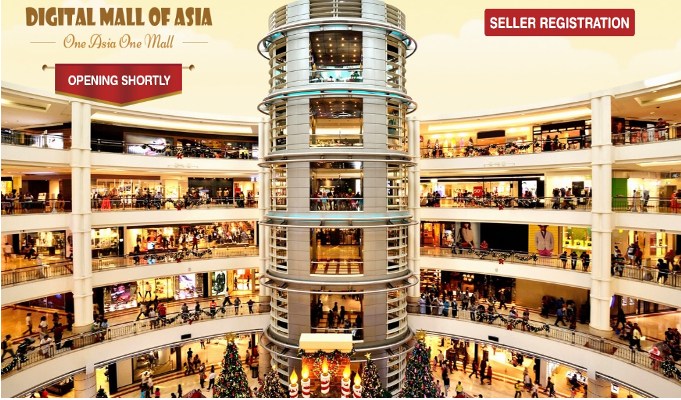
    VRSA now has more than 13 million sqft of Indian malls operating or under development across Delhi-National Capital Region(NCR), Mumbai, Bengaluru and Chennai along with smaller cities such as Surat, Mohali, Amritsar and Nagpur.

    The company says it plans to renovate and rebrand the newly acquired Indian malls.

    Meanwhile, Sanjay Dutt, MD and CEO of Trilium says the sale reflects the company’s strategy of exiting tier 2 and 3 cities.