Tag: Singapore

  • DFI Secures Exclusive Franchisee Rights for GNC Health Products in Singapore

    DFI Secures Exclusive Franchisee Rights for GNC Health Products in Singapore

    DFI Retail Group is set to become the sole wholesaler, distributor, and franchisee of GNC’s wellness and health products in Singapore. This move represents an extension of the existing strategic partnership between the two firms.

    DFI will employ its resources in sales, marketing, distribution, and logistics to facilitate the availability of GNC’s scientifically-supported health and wellness products through the Guardian Singapore network. This expansion is a continuation of a 20-year-long alliance between the two companies, previously established in Hong Kong. Here, GNC’s products were made available through independent outlets and DFI’s health and beauty chain, Mannings. This development also signifies the conclusion of a drawn-out legal dispute between GNC’s US parent company and its former partner in Singapore.

    Curtis Liu, CEO for health & beauty at DFI, expressed his enthusiasm about the venture. He highlighted DFI’s deep market knowledge and extensive retail network as significant factors enabling them to bring GNC’s leading sports nutrition and health supplements back to Singapore. Customers will now have access to a handpicked range of credible, scientifically-proven health solutions via Guardian, Mannings, and exclusive GNC stores.

    Having established its presence in Singapore in 1997, GNC recently received a positive ruling from the Singapore Court of Appeal which reinforced GNC’s rights to fully assume former store leases. This decision paves the way for GNC to regain an independent store presence in Singapore. The company is currently working on the assignment of the pertinent store leases.

    From the fourth quarter of this year, customers in Singapore will be able to purchase GNC’s products, including vitamins, minerals, and sports nutrition, through both physical and online stores of Guardian, as well as GNC’s standalone stores.

    Cheri Mullen, Chief Global Franchise and Wholesale Officer at GNC, expressed her anticipation to reinstate GNC’s store presence in Singapore. She emphasized their commitment to rebuilding and fortifying their market presence while maintaining the delivery of high-quality, innovative, and science-backed wellness solutions, as per customer expectations.

    As a part of the expanded cooperation, DFI will also become GNC’s exclusive franchisee in Macau.

    Questions & Answers

    What will be the role of DFI Retail Group in the partnership with GNC?
    DFI will serve as the exclusive wholesaler, distributor, and franchisee of GNC’s health and wellness products in Singapore. It will provide sales, marketing, distribution, and logistics services for GNC products through the Guardian Singapore network.

    What does the collaboration between DFI and GNC mean for customers in Singapore?
    Customers in Singapore will gain access to a wide range of GNC’s health and wellness products, including vitamins, minerals, and sports nutrition, through Guardian’s physical and online stores, as well as GNC’s standalone stores starting the fourth quarter of this year.

    What recent legal decision has allowed GNC to expand its presence in Singapore?
    The Singapore Court of Appeal recently upheld and enforced GNC’s rights to assume former store leases in full, enabling GNC to regain an independent store presence in Singapore.

  • Singapore’s Sentosa Cove: Once a Luxury Haven, Now a Hotspot for Residential Resale Losses

    Singapore’s Sentosa Cove: Once a Luxury Haven, Now a Hotspot for Residential Resale Losses

    Over the past three years, approximately 64.5% of residential resale transactions in Singapore’s exclusive Sentosa Cove district have resulted in losses, according to data from local real estate platform, Mogul.sg. This figure marks a rise from the 62.8% recorded between March 2020 and April 2023. The lackluster performance of this affluent enclave, once hailed as a haven for the wealthy, has been attributed to diminished demand from both foreign and local buyers.

    Performance of Property Types and Loss Analysis

    The study found that landed properties fared marginally better than condominiums, with around half of the resales since 2023 yielding a profit. The average loss on unprofitable resales decreased by 18% to S$1.28 million (US$1 million), however, the gross gains on profitable sales also dipped significantly, approximately 62%, to S$655,590. These figures do not account for additional costs such as stamp duties, property taxes, legal fees or agent commissions.

    Property consulting firms Cushman & Wakefield and Newmark similarly noted a trend towards loss-making resales in the area.

    Located on the eastern end of the 5-square-kilometer Sentosa Island, Sentosa Cove was transformed from a military outpost into a leisure and tourism hub in the 1970s. The enclave, which was developed primarily on reclaimed land and consists of five man-made islands (namely Coral, Paradise, Treasure, Sandy, and Pearl), was initially conceived as a high-end residential hotspot for affluent foreigners.

    Once marketed as Singapore’s answer to Monte Carlo or Dubai’s Palm Jumeirah, the enclave used to enjoy robust sales, driving up property prices. This was partly due to exemptions from mainland property restrictions and the unique provision allowing foreigners to purchase landed homes, albeit with government approval.

    Declining Demand and Current Challenges

    Since the 2008 global financial crisis and subsequent increases in Singapore’s additional buyer’s stamp duty, demand for properties in the enclave has dwindled. The tax, imposed on top of the standard buyer’s stamp duty, was raised to 60% in April 2023 for most foreign buyers, contributing to the decline in demand.

    Nicholas Mak, chief research officer of Mogul.sg, attributed the waning interest in Sentosa Cove to several factors. These include a halt in new residential developments, limited accessibility, and harsh coastal conditions. Moreover, no residential land parcels in Sentosa Cove have been sold since 2008.

    Further compounding the issue is a stipulation preventing foreign owners from leasing out their standalone homes. Consequently, several properties have been left vacant for extended periods, as their owners reside abroad or occupy other residences on the mainland.

    The lack of amenities such as shopping malls, wet markets, and hawker centers has also been identified as a reason for the enclave’s lack of appeal among Singaporeans.

    Questions & Answers

    What is the current state of residential resale transactions in Sentosa Cove?
    Approximately 64.5% of residential resale transactions in Sentosa Cove have resulted in losses over the past three years.

    What factors are contributing to the declining demand for properties in Sentosa Cove?
    The declining demand can be attributed to several factors including increased buyer’s stamp duty for foreign buyers, lack of new developments, limited accessibility, and harsh coastal conditions.

    How has the rule that prevents foreign owners from renting out their standalone homes impacted the Sentosa Cove property market?
    This rule has resulted in numerous properties being left vacant for extended periods, thereby reducing the attractiveness and vibrancy of the enclave.

  • End of an Era: Iconic Singapore Gelato Shop, Tom’s Palette, to Shut Down after 21 Sweet Years

    End of an Era: Iconic Singapore Gelato Shop, Tom’s Palette, to Shut Down after 21 Sweet Years

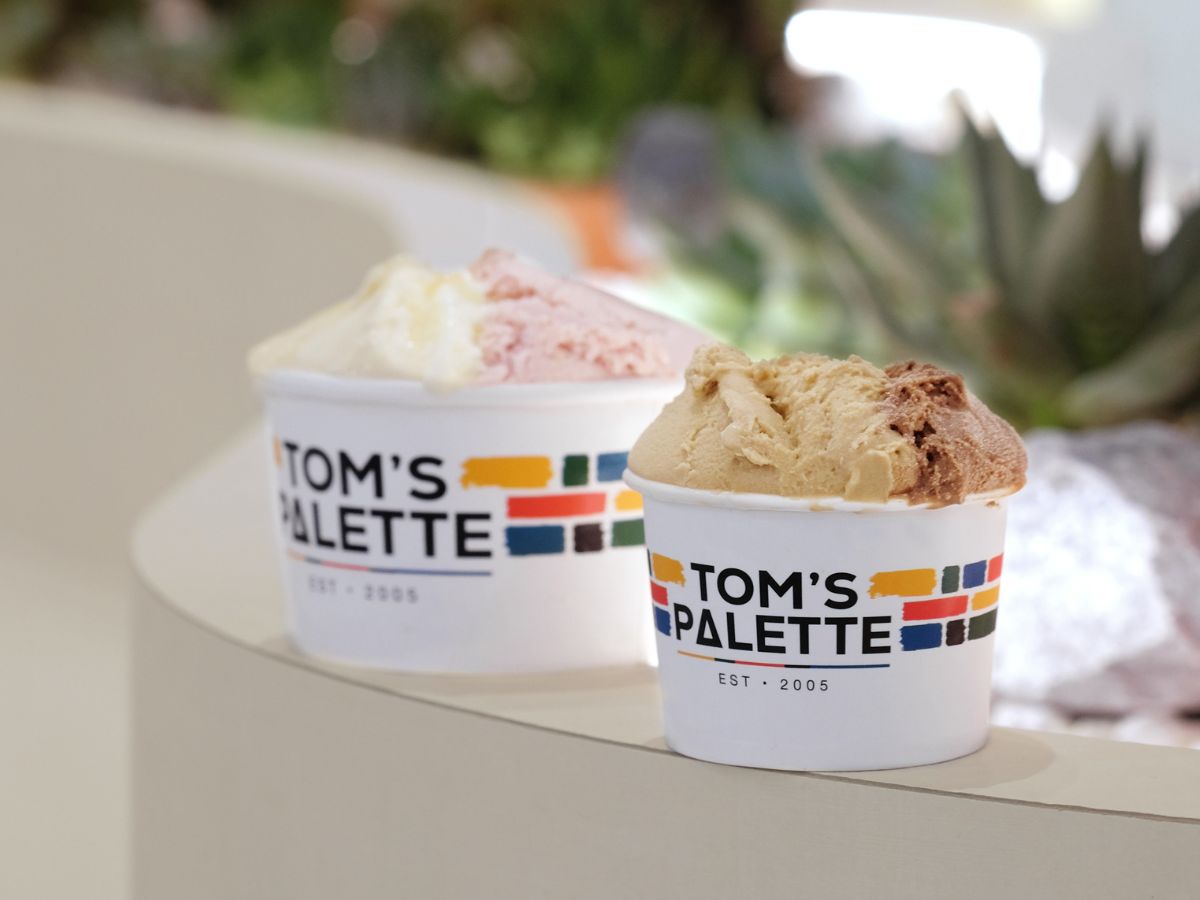
    After 21 years of satisfying sweet cravings with its unique range of gelato flavors, Singapore’s beloved gelato institution, Tom’s Palette, is set to cease operations by mid to late October. The heartening announcement was made by the shop’s spokesperson in a recent video shared on social media, leaving ardent fans of the dessert establishment disheartened.

    “We are regretful to announce that we can no longer sustain our dream venture,” she remarked. However, the shop is not closing its doors without leaving behind a possible lifeline. The spokesperson also announced that the business, along with its treasure trove of more than 250 recipes, is on the market for potential buyers who wish to continue the legacy.

    A Legacy of Unique, Unconventional Flavors

    Tom’s Palette, established in 2005, has been cherished for its eclectic range of flavors that often straddled the line between tradition and innovation. Notably, the gelato shop offered a slew of unusual flavors that took inspiration from local favorites like Hainanese kaya and nasi lemak.

    The well-loved dessert shop first opened its doors at Shaw Tower, subsequently relocating to Middle Road in Bugis. The second outlet made its debut on Hougang Street in Kovan in 2024, adding accessibility for their loyal patrons.

    The Unforgiving Impact of the Pandemic on Food & Beverage Businesses

    Unfortunately, Tom’s Palette is the latest addition to a growing list of food and beverage establishments forced to shut down in Singapore this year. A staggering 1,777 enterprises ceased operations in the first six months of this year alone, with a record 603 businesses recorded in March, signaling the profound impact of the pandemic on the industry.

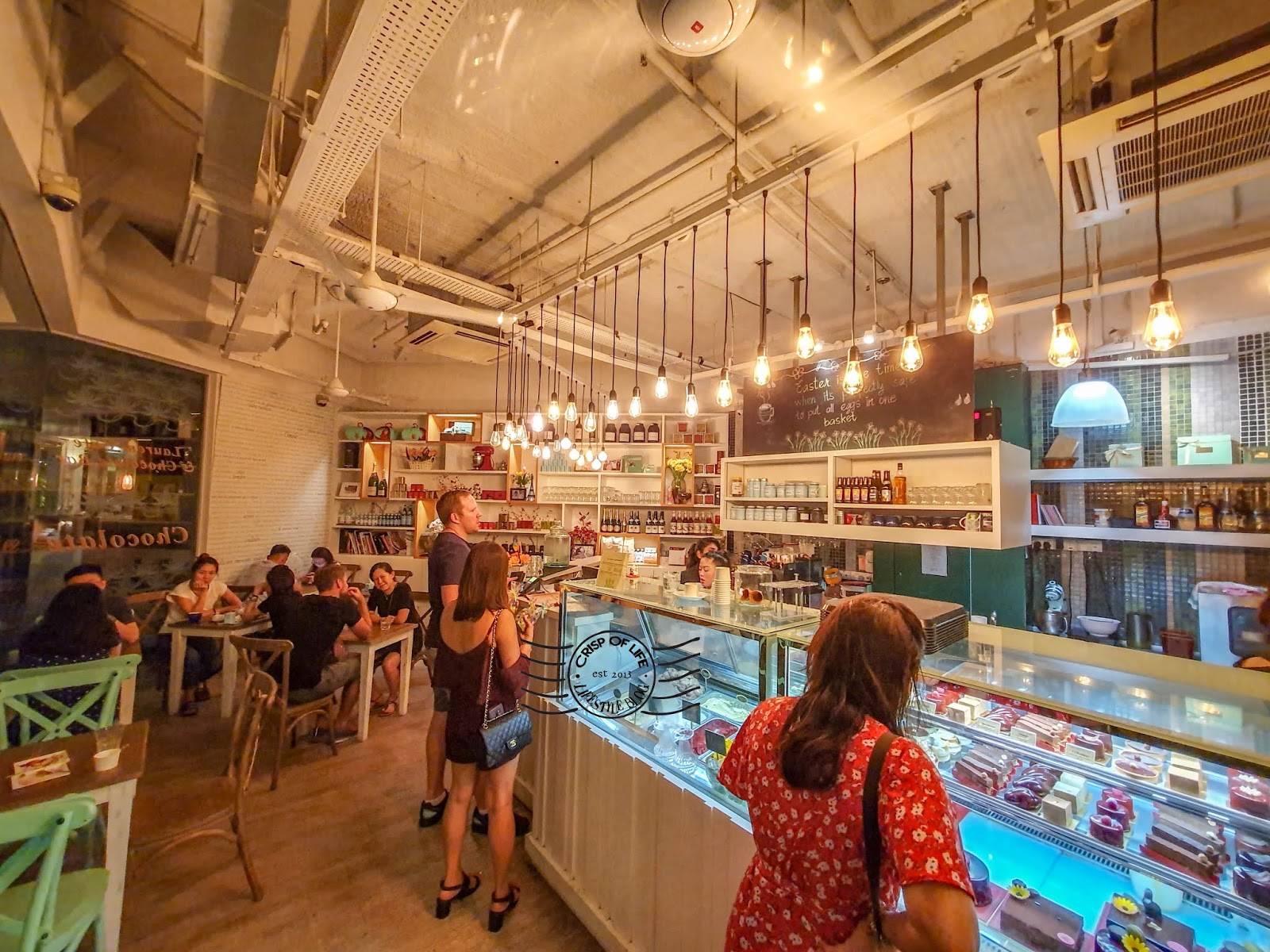
    In a grim nod to the harsh reality, an artisanal chocolatier, Laurent Cafe & Chocolate Bar at Robertson Quay, had to close up shop earlier this week after a 20-year run.

    Reflecting on the impending closure, the spokesperson from Tom’s Palette shared, “In April, I pondered if we were next, and sadly, despite our utmost efforts, we are next.” She added, “Though we may seem like a thriving business to many, the harsh reality is that the dessert industry only truly thrives for three hours of the day, which is an insufficient duration to cover the costs for the remaining 21 hours when business is slow.”

    Questions & Answers

    What is the main reason for Tom’s Palette’s shutdown?

    The main reason for the shutdown is the financial strain caused by the limited hours of business profitability in the dessert industry.

    When is Tom’s Palette expected to cease its operations?

    Tom’s Palette is expected to cease operations by mid to late October.

    What will happen to Tom’s Palette’s treasure trove of recipes?

    The business and its vast collection of over 250 recipes are up for sale to potential buyers who wish to continue the legacy.

  • Fly High for Less: Vietnams Sky-High Slash in Airfares to Singapore and Thailand

    Fly High for Less: Vietnams Sky-High Slash in Airfares to Singapore and Thailand

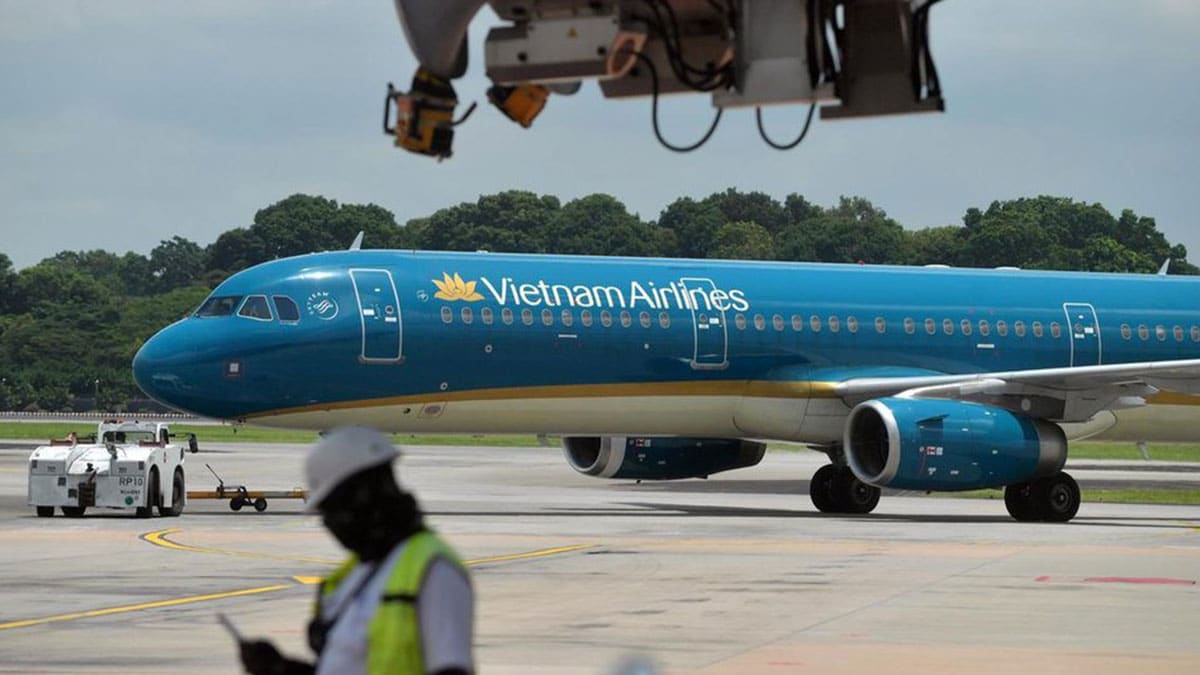
    The surge in international flights operated by Vietnamese airlines has led to a reduction in airfare, even during the peak summer travel period. This is evident from the noticeably lower fares to popular destinations like Singapore and Thailand which are currently priced at half of last year’s rates. For instance, Hoang Loan, a resident of Ho Chi Minh City (HCMC), voiced his surprise at the reduced price while booking a flight to Singapore for a business trip, stating it was the lowest since the Covid-19 pandemic. According to him, “Last year, a one-way ticket from HCMC to Singapore cost VND3.2 million (US$122), while this year I paid just over VND1.6 million.”

    Growth in Capacity and Competitive Rates

    The significant rise in capacity by Vietnamese airlines this year has led to increased competition, resulting in lower airfares. Currently, tickets on these airlines for flights from HCMC to Singapore start at VND1.6 million, and VND1.9 million for flights to Bangkok. However, some foreign airlines operating on these same routes continue to charge two to three times these rates. The HCMC-Jakarta route has also seen a decline in fares, dropping from VND7-10 million in the past to VND6.3 million. In addition, airfares from Hanoi and HCMC to destinations in Europe and Northeast Asia have also experienced a 10-15% drop from last year’s prices.

    According to data from the British aviation provider OAG, Vietnam is expected to account for 7.3 million available seats in August, marking a 10% increase from the same period last year. This figure positions Vietnam second in Southeast Asia, surpassed only by Indonesia. Of the total available seats, Vietnam Airlines will account for 2.8 million and Vietjet Air for 2.2 million.

    Increased Flight Frequencies and New Routes

    Additionally, flight frequencies on some international routes have been increased and several new routes are set to be introduced. For instance, Vietjet has announced the increase of frequency on its HCMC-Kuala Lumpur route to seven flights a week during peak season. Furthermore, the budget airline is set to launch the HCMC-Colombo route on August 18 and the Hanoi-Almaty and Hanoi-Prague routes in October.

    Hong Thanh, the owner of a HCMC-based airline ticket agency, attributes the decline in international airfares to the increase in supply and competition among airlines. Particularly as the demand for overseas travel remains diminished this year. Contributing to this cooling is the fact that fuel costs have declined. On July 1, the government reduced preferential import tariffs, environmental protection taxes, and value-added tax policies on gasoline and aviation fuel until September 30, aiding in the reduction of airlines’ costs.

    Questions & Answers

    What has caused the reduction in airfare on Vietnamese airlines?
    Increased capacity and competition among airlines, along with reduced fuel costs, have contributed to the decline in airfare.

    How has the frequency of flights changed?
    Vietjet, for instance, has increased the frequency on its HCMC-Kuala Lumpur route to seven flights a week during peak season.

    What new routes are to be introduced by Vietjet?
    Vietjet plans to launch the HCMC-Colombo route on August 18 and the Hanoi-Almaty and Hanoi-Prague routes in October.

  • End of an Era: Singapores Iconic Laurent Cafe & Chocolate Bar Bids Adieu after Two-Decade Run

    End of an Era: Singapores Iconic Laurent Cafe & Chocolate Bar Bids Adieu after Two-Decade Run

    After two decades of serving artisanal chocolates in Singapore, Laurent Cafe & Chocolate Bar is set to close its doors on August 10 due to escalating costs and financial strain. The renowned Robertson Quay-based chocolatier made the announcement on Facebook, marking a significant day of melancholy for the team. Originally, closure was set for the day of the announcement, however, the final day of operation was later adjusted to August 10.

    The inception of Laurent Cafe & Chocolate Bar in 2006 came via French pastry chef Laurent Bernard and his wife Iveta. Their establishment has been instrumental in moulding Singapore’s artisanal chocolate industry, long before local specialty chocolate brands gained popularity. The cafe earned recognition for their handcrafted chocolate bonbons, soufflés, and cakes.

    Bernard disclosed to the media that the business could no longer sustain the financial weight of running the cafe after being given a week’s notice to clear the premises due to overdue rent. The change of ownership for the building brought additional challenges to the business, as the new landlord demanded a year’s rent upfront. A decrease in footfall in the Robertson Quay area, coupled with increasing rental costs, contributed to the cafe’s struggles.

    Bernard expressed his emotional loss over the impending closure, stating that it’s far more impactful than any financial detriment. He appreciated the empathy shown by his customers and acknowledged the significance of the cafe to many local residents. Despite the closure of the physical cafe, Bernard confirmed that the brand, Laurent Bernard Chocolatier, would continue to operate online, offering delivery and self-pickup options from the company’s central kitchen on MacTaggart Road. With no immediate plans to open a new cafe, Bernard’s focus will shift towards expanding the online business.

    In related news, Pantler, a River Valley patisserie renowned for Japanese-French pastries and desserts, also announced its closure slated for August 30, unless a new owner steps in. This announcement came over an Instagram post, in which they extended gratitude to their loyal patrons for their support over the past 12 years. Escalating operating costs and a challenging business environment were the primary reasons behind the planned closure.

    These closures underline the growing pressure on Singapore’s food and beverage industry, where increasing costs and decreasing consumer spending have become frequent concerns. Singapore has seen 1,267 food business closures between January and April this year, nearly half the total number of closures recorded in the previous year.

    Questions & Answers

    Why is Laurent Cafe & Chocolate Bar closing?
    The escalating costs and financial pressures, coupled with a decrease in foot traffic in the Robertson Quay area, have forced the cafe to close.

    What will happen to the Laurent Bernard Chocolatier brand?
    The brand will continue to operate online, with options for delivery and self-pickup available.

    Are other businesses in the food and beverage sector in Singapore also facing these challenges?
    Yes, rising costs and weaker consumer spending have been cited as the primary challenges within the food and beverage industry in Singapore, leading to an increasing number of closures.

  • Singapore Attracts Global Talent: High-Earning Visa Holders Surge Over 100% in Two Years

    Singapore Attracts Global Talent: High-Earning Visa Holders Surge Over 100% in Two Years

    The Overseas Networks and Expertise (ONE) Pass program in Singapore, designed for highly skilled foreign professionals, reported a significant increase in participants end of last year. Around 8,500 individuals holding the pass marked a more than twofold increase since its inception in 2023.

    Continual Growth of the ONE Pass Program

    According to Jasmin Lau, the acting Minister for Manpower, the number of ONE Pass holders had risen from 3,600 at the close of 2023 to 6,300 by the end of the following year. This steady growth over the years is a testament to the program’s attractiveness to global talent.

    Notably, three sectors—financial and insurance services, information and communication, and professional services—comprised approximately 70% of those holding the ONE Pass, as per Lau’s statement.

    ONE Pass: A Magnet for Global Talent

    Introduced in 2023, the ONE Pass is a personalized work visa aimed at top foreign talent spanning various sectors. These include business, arts, sports, academia, as well as research. To qualify for the pass, individuals must have earned a minimum of S$30,000 (US$23,370) a month over the preceding year or are set to receive that salary from a future employer based in the city-state.

    The program has significantly contributed to Singapore’s efforts to attract and retain international talent, as it competes with other global financial hubs. Notable ONE Pass holders include Dr. Anders Skanderup, an assistant director at the A*STAR Genome Institute of Singapore who contributed significantly in the development of an AI-based method for monitoring cancer progression, and Oliver Jay, the managing director of international strategy and operations at OpenAI.

    Questions & Answers

    What is the ONE Pass program in Singapore?
    The ONE Pass is a personalized work visa program designed for highly skilled foreign professionals across various sectors.

    What are the eligibility criteria for the ONE Pass program?
    To be eligible for the ONE Pass, individuals must have earned at least S$30,000 a month over the preceding year or are set to receive that salary from a future employer based in Singapore.

    What significance does the ONE Pass program hold for Singapore?
    The ONE Pass program significantly contributes to Singapore’s efforts to attract and maintain international talent, bolstering its competitiveness among global financial hubs.

  • Singapore Retail Sales Surge: Recreational Goods and Jewellery Take the Lead in June

    Singapore Retail Sales Surge: Recreational Goods and Jewellery Take the Lead in June

    Retail sales in Singapore experienced increased growth in June, with most sectors seeing improvements, with the most significant ones being recreational goods, watches, and jewelry.

    According to the Department of Statistics, retail sales—excluding motor vehicles, parts, and accessories—rose by 4.1 per cent year-on-year in June, which shows an acceleration from the 3.6 per cent increase in May.

    Sectoral Breakdown and Online Sales

    The estimated total value of retail sales for this period was SG$3.5 billion (US$2.7 billion), with online sales making up 19.5 per cent.

    On a seasonally adjusted basis, retail sales in June saw a slight increase of 0.2 per cent compared to May.

    In terms of sectors, recreational goods recorded the highest growth with sales shooting up by 11.4 per cent, followed closely by watches and jewelry with a 10.5 per cent rise. These significant increases were mainly driven by higher sales of sporting goods and jewelry.

    Other sectors like computer and telecommunications, cosmetics, supermarkets, and petrol service stations also saw solid improvements between 7.3 per cent and 9.8 per cent.

    Declining Sectors

    Contrastingly, department stores experienced the most significant decline during this period, with a drop of 9.5 per cent. Similarly, sales of apparel and footwear, food and alcohol, and convenience stores also saw decreases ranging from 0.6 per cent to 1.7 per cent.

    Sales of food and beverage services also saw a decrease of 2.3 per cent to SG$1.5 billion, a stark contrast to the modest 0.1 per cent growth recorded in May.

    Questions & Answers

    Which sectors recorded the highest growth in Singapore’s retail sales?
    Recreational goods saw the highest growth in sales at 11.4 per cent, followed by watches and jewelry at 10.5 per cent.

    How much did retail sales grow in June year-on-year?
    Retail sales, excluding motor vehicles, parts, and accessories, rose by 4.1 per cent year-on-year in June.

    Which sectors saw a decline in sales during June?
    Department stores saw the steepest decline at 9.5 per cent, while sales of apparel and footwear, food and alcohol, and convenience stores fell by 0.6-1.7 per cent.

  • Polène Captivates Singapore with Unique Marina Bay Sands Boutique

    Polène Captivates Singapore with Unique Marina Bay Sands Boutique

    Polène, the renowned French luxury leather goods company, has opened its first boutique in Singapore at Marina Bay Sands, the iconic destination designed by architect Moshe Safdie. Spanning 84 square metres, the store draws inspiration from traditional fishing dwellings and features a distinctive canopy of suspended leather panels that distributes light evenly throughout the space.

    According to Polène, each panel was meticulously handwoven using premium full-grain Italian leather. The striking walnut finishes and clean architectural lines create a richly tactile and welcoming retail environment.

    The boutique also features an installation titled “Craft at Work – A Puzzle of Leather”, offering customers an intimate look at the construction process behind the brand’s products.

    As part of the installation, an innovative machine developed specifically for the Singapore boutique allows visitors to observe the precision involved in cutting the 36 individual leather pieces that make up the Mokki bag. The pieces are subsequently assembled by skilled artisans in Ubrique, Spain.

    The opening of the Singapore boutique follows Polène’s recent expansion into other international markets, including China, the US, Japan and South Korea.

    Questions & Answers

    Who designed the new Polène boutique in Marina Bay Sands, Singapore?
    The 84-square-meter Polène boutique at Marina Bay Sands was conceived in-house by the French leather goods brand, drawing inspiration from Singapore’s coastal fishing huts with architectural translation assistance from Marina Bay Sands master architect Moshe Safdie.

    What unique installation does the Polène boutique in Singapore feature?
    The Polène boutique in Singapore includes an installation called “Craft at Work – A Puzzle of Leather,” which gives customers a deeper understanding of the process behind making the brand’s products.

    What recent expansion efforts has Polène undertaken?
    Polène has recently expanded its international presence with new boutiques in China, the US, Japan, and South Korea, along with its latest addition in Singapore.

  • Boosting Transparency and Trust: Singapore FinTech Association Launches Payments Code of Conduct

    Boosting Transparency and Trust: Singapore FinTech Association Launches Payments Code of Conduct

    The Singapore FinTech Association (SFA) has introduced a voluntary code of conduct for payment service providers (PSPs). This sets new industry standards intended to bolster transparency, protect consumers, and build trust within the Singaporean payments sector.

    The Payments Industry Code of Conduct is accessible to a range of organizations. These include holders of major and standard payment institution licenses, money-changing licensees, and exempt payment service providers providing regulated fiat currency payment services in line with Singapore’s Payment Services Act.

    Increasing Transparency and Consumer Protection

    The code sets robust guidelines across several crucial areas, which include pricing transparency, fair advertising, fraud prevention, card dispute liability, data protection, and operational resilience.

    Companies who choose to adhere to the code are obliged to disclose the total cost of transactions upfront. This includes all fees, exchange rates, and mark-ups. The code discourages hidden fees and deceptive “zero-fee” advertising claims, while advocating for robust fraud prevention measures and more robust customer protections.

    Adherence to the code is voluntary and based on self-assessment. Companies who opt to adopt the code can publicly declare their compliance for one year before undergoing a reassessment.

    Enhancing Trust in Digital Payments

    The SFA stated that the code is intended to supplement existing regulatory requirements under the Payment Services Act and the Monetary Authority of Singapore’s regulations, not replace them. As the payments industry evolves, the code will be regularly revised.

    “Payments play a significant role in the daily lives of people in Singapore. Consumers have a right to know exactly how much they are paying and what protections they have,” stated Holly Fang, president of the Singapore FinTech Association. “From an industry perspective, it elevates the level of trust, which is the foundation of successful businesses.”

    According to SK Saraogi, the outgoing co-chair of the SFA Payments Subcommittee and CEO of Wise Asia Pacific, increased pricing transparency will empower consumers to make better-informed decisions. This will also encourage fair competition among payment providers.

    Jeremy Tan, CEO of Liquid Group and co-chair of the SFA Payments Subcommittee, believes this initiative will boost confidence in digital and cross-border payments. It will also solidify Singapore’s status as a global leader in payments and fintech.

    Questions & Answers

    What is the purpose of the Payments Industry Code of Conduct?
    The code aims to bolster transparency, consumer protection and trust within Singapore’s payments sector.

    Who can adhere to this new code of conduct?
    The code is accessible to organizations such as holders of major and standard payment institution licenses, money-changing licensees, and exempt payment service providers operating under Singapore’s Payment Services Act.

    What does the code mandate for participating companies?
    The code requires these companies to disclose all transaction costs upfront, discourage hidden fees and deceptive advertising claims, and promote robust fraud prevention measures and more robust consumer protections.

  • Record-Breaking 5-Year High: Q2 Layoffs Surge in Singapore Amid Business Restructuring

    Record-Breaking 5-Year High: Q2 Layoffs Surge in Singapore Amid Business Restructuring

    Between April and June of this year, Singapore experienced a significant wave of layoffs, with approximately 4,500 workers losing their jobs. This figure represents the highest rate of retrenchment in over five years, showing a 17% increase from the prior quarter. The last time layoffs had reached this level was during the final quarter of 2020 when 5,640 workers were let go.

    The Underlying Reasons

    The spike in retrenchment occurred mainly within sectors focused on international operations, such as information and communications and manufacturing. This trend largely resulted from business restructuring processes. Companies within these sectors are particularly susceptible to various factors impacting their operations, including geopolitical tensions, shifts in trade policies, and fluctuations within the global economy. Their dependence on external demand makes them vulnerable and forces them to continuously reassess their operational models, leading to restructuring and rationalization of their workforce.

    Despite the surge in layoffs, it is important to note that the numbers are still lower than those recorded during the global financial crisis in 2009 and the Covid-19 pandemic. Furthermore, Singapore’s broader labor market has shown resilience during this period. Overall employment grew by 10,700, and the unemployment rate remained at a steady 2%.

    Economic Performance and Projections

    Singapore’s economy expanded by 5.7% year-on-year during the same quarter, a rate slightly slower than the preceding three months but exceeding the government’s full-year forecast. This positive economic performance has led several economists to revise their 2026 growth projections upwards.

    With regard to labor market projections, there was a marked improvement in June. Approximately 43.9% of businesses surveyed indicated plans to increase their workforce in the following three months, an increase from 40.6% in May. Additionally, around 29.3% of firms expected to raise wages during the same period, up from 23.7%. The expectation to lay off staff fell to 2.7% from the previous 3.2%.

    Although these indicators demonstrate the resilience of labor demand, expectations remain below the levels seen before the energy shock triggered by the Middle East conflict. This suggests that businesses are likely to adopt a cautious approach to hiring and wage decisions in the near future.

    Questions & Answers

    What sectors were most affected by the wave of layoffs?
    Primarily, the wave of layoffs occurred within sectors focused on international operations such as information, communications, and manufacturing, largely a result of business restructuring processes.

    What factors make these sectors particularly vulnerable?
    These sectors are particularly susceptible to various factors, including geopolitical tensions, shifts in trade policies, and fluctuations within the global economy. Their reliance on external demand often forces them to reassess their operational models.

    How has the broader labor market in Singapore responded to these changes?
    Despite the surge in layoffs, Singapore’s broader labor market has shown resilience. Overall employment grew, and the unemployment rate remained stable. However, projections indicate that businesses may adopt a cautious approach to hiring and wage decisions in the near future.

  • DNA Brands Pledges $1M Refunds for Coerced Purchases: Singapore Beauty Giant on Road to Redemption

    DNA Brands Pledges $1M Refunds for Coerced Purchases: Singapore Beauty Giant on Road to Redemption

    DNA Brands Co, a Singapore-based firm that operates a chain of beauty and wellness centers, has pledged to issue refunds worth up to $1 million in response to accusations of coercing clients into making unwanted purchases. The firm, which oversees brands such as The Mineral Boutique, Beautique, Sae-Ren, Jingran, Harmonix, Allura, and Comfeet, has reportedly employed these controversial sales strategies since 2023.

    Manipulative Sales Tactics

    According to an investigation by the Competition and Consumer Commission of Singapore (CCS), these high-pressure tactics were deployed by an area manager and certain staff members and were portrayed as “deliberate and calculated.” The inquiry uncovered that staff had been applying facial masks onto clients even after their treatments had concluded, essentially confining them within treatment rooms for sales pitches. Staff members would then inquire about the number of credit cards clients possessed, purportedly to check for applicable promotions, but actually to gauge their potential spending capacity.

    In the case of elderly clients, staff members would probe about their CPF balances and coerce them into utilizing these savings to purchase beauty packages and products. The investigation by the CCS, however, found no evidence that DNA Brands’ directors either directed or participated in these practices.

    Company Response

    In response to these findings, DNA Brands has promised to set aside up to $1 million with an independent escrow agent to refund affected consumers. Refunds may be available to those who made purchases from specified outlets since January 1, 2023, and experienced undue pressure or distressing circumstances during their transactions.

    The company has further taken disciplinary action against the involved staff, either through dismissal or suspension, and has revoked their ability to earn sales commissions. In addition, DNA Brands has vowed to cease all unfair trade practices and to implement enhanced compliance measures. All outlets will also prominently display a 14-day refund policy for customers’ benefit.

    Questions & Answers

    What actions has DNA Brands taken in response to the investigation?
    DNA Brands has pledged to issue refunds worth up to $1 million to affected customers, dismissed or suspended the staff involved, and committed to ending all unfair trade practices. The company will also implement stricter compliance measures.

    Who is eligible for the promised refunds?
    Customers who made purchases from specified DNA Brands outlets since January 1, 2023, and experienced pressure or uncomfortable situations during their transactions may be eligible for a refund.

    What changes will be made at DNA Brands outlets?
    All DNA Brands outlets will prominently display a 14-day refund policy. The company has also committed to ending all unfair sales practices and implementing stronger compliance measures.

  • Love, Bonito Exposed: Singaporean Fashion Retailers Data Breach Puts Customer Information at Risk

    Love, Bonito Exposed: Singaporean Fashion Retailers Data Breach Puts Customer Information at Risk

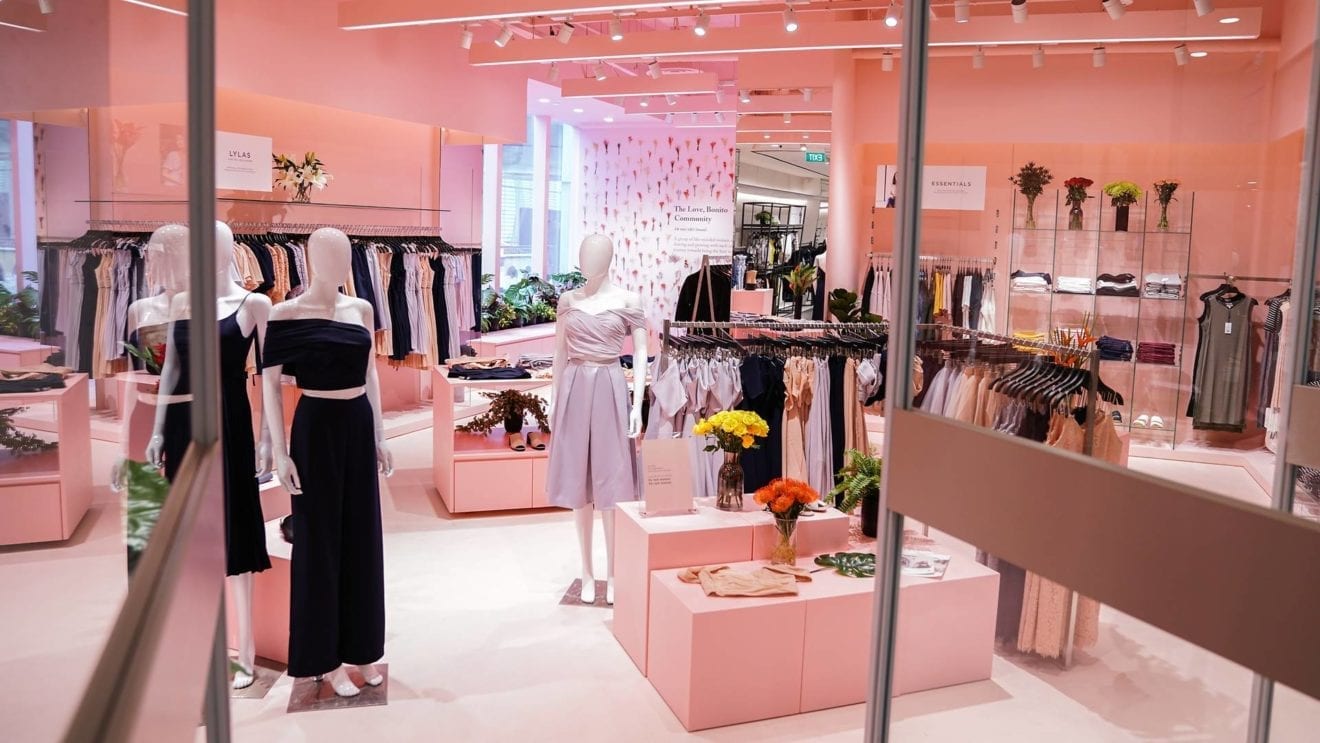
    The Personal Data Protection Commission (PDPC) of Singapore is currently conducting an inquiry into a cybersecurity event involving fashion retailer Love, Bonito. The company revealed recently that a vulnerability on its website might have exposed some of its customers’ personal details.

    Love, Bonito discovered the security glitch on July 26 and promptly addressed the issue on the same day, upon uncovering unauthorized access to select customer account data. Following immediate actions to manage the incident, the retailer has also boosted its security measures to thwart similar incidents in the future.

    Customer Information at Risk

    According to Love, Bonito, the data that was potentially accessible includes customers’ names, birth dates, email and shipping addresses, as well as phone numbers. The company also acknowledged that customers who made card payments on their website might have had certain card information revealed. This includes the final four digits of their card number and the card’s expiration date. However, they were quick to reassure customers that full credit card details were not exposed in the incident.

    Love, Bonito did not divulge the number of customers impacted by the breach or provide any detailed description of the security vulnerability.

    The retailer has advised all affected customers to be on high alert for any possible phishing attempts, refrain from sharing one-time passwords or verification codes, and consistently monitor their accounts and payment cards for any suspicious activities.

    Questions & Answers

    What information was potentially accessed during the security breach?
    Customer names, birth dates, email and shipping addresses, and phone numbers might have been accessed. Limited card information may also have been exposed, including the last four digits of the card number and the expiration date.

    Did the security breach expose full credit card details?
    No, Love, Bonito has assured that full credit card details were not compromised during the incident.

    What measures has Love, Bonito taken following the incident?
    The company has taken immediate steps to contain the incident and has since strengthened its security safeguards to prevent future occurrences. They have also advised affected customers on measures to protect themselves.

  • Hong Kong Land Buys Singapore’s Wheelock Place for $900 Million, Boosting Its Commercial Footprint

    Hong Kong Land Buys Singapore’s Wheelock Place for $900 Million, Boosting Its Commercial Footprint

    Hongkong Land, a leading property investment, management, and development group, has successfully secured a deal to purchase Singapore’s premium shopping centre, Wheelock Place. The purchase, valued at approximately US$900 million, is being transacted through the company’s Singapore Central Private Real Estate Fund (SCPREF). This deal marks the first acquisition for the fund since its establishment in February.

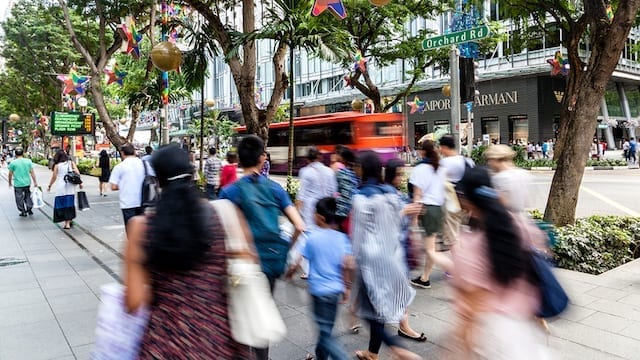
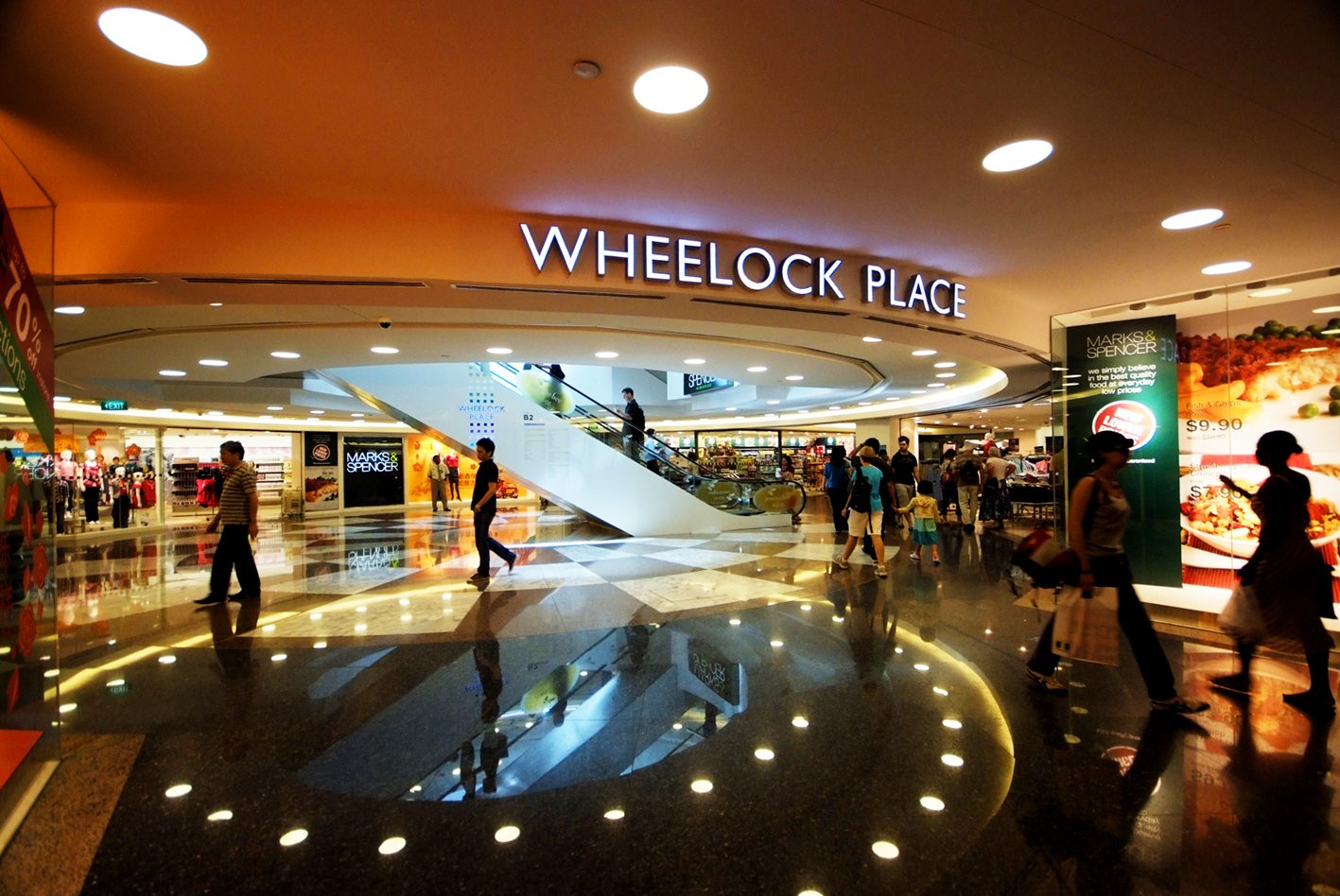
    Wheelock Place, situated on the iconic Orchard Road, is a multi-faceted commercial property. It consists of a 21-story commercial building that houses office spaces, a retail podium, and two levels of basement that offer more shopping outlets and car parking facilities. The shopping centre boasts over 4000 square meters of retail space, within a total gross floor area of 43,280 square meters.

    In the past year, Wheelock Place demonstrated robust financial performance, generating nearly $100 million in profit after tax. This marks a significant 160 per cent growth from the previous year.

    The deal is anticipated to be finalized by the end of August. Following the completion of this acquisition, the assets under management for SCPREF will surge to $7.3 billion. This brings the fund closer to achieving its target of approximately $11.6 billion.

    Michael T Smith, the Group CEO of Hongkong Land, commented on the acquisition, highlighting the rarity and premium nature of the asset. He stated that securing Wheelock Place within months of the fund’s launch reflects positively on their fund management team and validates the trust their capital partners have in their strategic decision-making capabilities.

    This acquisition also symbolizes Hongkong Land’s strategic expansion into the Orchard Road precinct, a move that further enhances its commercial portfolio in Singapore.

    Questions & Answers

    What is the significance of this acquisition for Hongkong Land?
    This acquisition marks Hongkong Land’s strategic entry into the Orchard Road precinct, expanding its commercial footprint in Singapore. It also reflects a successful start for their Singapore Central Private Real Estate Fund.

    What is the financial impact of this deal on the Singapore Central Private Real Estate Fund?
    Once the deal is completed, the assets under management for the Singapore Central Private Real Estate Fund will increase to $7.3 billion, bringing it closer to its target of around $11.6 billion.

    What type of commercial property is Wheelock Place?
    Wheelock Place is a multi-faceted commercial property located on Orchard Road. It comprises a 21-story commercial building housing offices, a retail podium, and two basement levels containing additional shops and car parking facilities.

  • Edible Adventures: Pop Marts Toy-Inspired Desserts Invade Singapore in Global Bakery Debut

    Edible Adventures: Pop Marts Toy-Inspired Desserts Invade Singapore in Global Bakery Debut

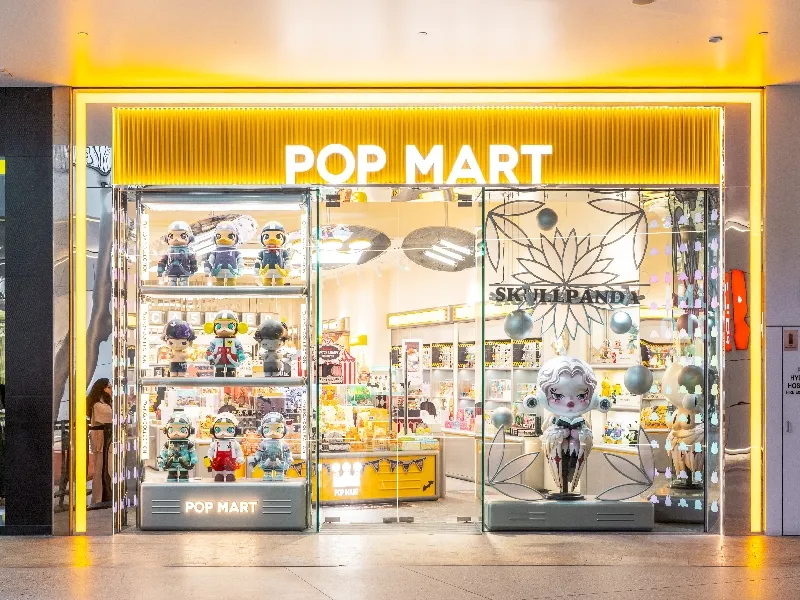
    Beijing-based creator of popular ‘blind box’ toys, Pop Mart, is branching out with a new line of business, launching its premiere international bakery in Singapore. The company is giving a fresh, three-dimensional, and edible spin to its famous characters, such as the wide-eyed Labubu and the adorable Molly. From black sesame Labubu popsicles to double cheesecake Molly, these delightful treats will now take the form of pastries and beverages. The bakery, located opposite Universal Studios Singapore, showcases a line-up of 45 toy-inspired treats with prices ranging from S$5 to S$32 (approx. US$3.87 to US$24.77).

    From Toys to Tasty Treats: Pop Mart Expands

    Singapore is just the beginning for Pop Mart’s global culinary conquest. The company is contemplating setting up bakeries in Europe and the United States, according to Zhang Xiaoyang, the head of Pop Bakery at Pop Mart. However, the company is aware that it will have to navigate complex issues such as establishing local supply chains. The company’s strategy also includes launching dessert shops across Southeast Asia, specifically in Thailand, Indonesia, and Malaysia.

    This move to extend the brand into the bakery business follows the successful launch of Pop Mart’s first bakery in the Chinese coastal city of Qinhuangdao in April. Before this, the company had tested the concept through over 30 dessert truck pop-ups within China.

    A Strategic Move Amidst Challenges

    The foray into the bakery business comes at a time when Pop Mart is grappling with inflated production costs. The company’s business model has recently been met with skepticism from analysts as they have observed the company’s annual sales and earnings growth fall short of expectations in recent quarters.

    “Pop Mart’s diversification into the bakery business is a smart move. There’s only so much a toy company can do, and they’ve likely reached their limit with toy manufacturing,” said Laura Pan, a lecturer at a prominent school of management. However, she notes that the reception of Pop Mart’s bakeries in the United States remains uncertain, considering the waning popularity of the Labubu series.

    In the face of a global surge in demand for its plush toys, bag charms, and collectibles, Pop Mart has been innovatively expanding its business beyond toy selling. The company hopes to emulate Disney’s success in transforming short-term popularity into long-lasting success.

    In line with this strategy, Pop Mart has made notable strides this year. It has announced a collaboration with Sony Pictures to produce a Labubu movie and has expanded its Beijing theme park, Pop Land.

    “We aim to integrate our IP (intellectual property) into all aspects of consumers’ lives, and desserts are one part of this mission,” Zhang said.

    Questions & Answers

    What is Pop Mart’s new business venture?
    Pop Mart has launched its first international bakery in Singapore, featuring pastries and beverages inspired by their popular toy characters.

    Is Pop Mart planning to open bakeries in other countries?
    Yes, the company is considering setting up bakeries in Europe and the United States and also plans to launch dessert shops across Southeast Asia, specifically in Thailand, Indonesia, and Malaysia.

    How is Pop Mart diversifying its business?
    Aside from launching a bakery business, Pop Mart is also developing a Labubu movie in partnership with Sony Pictures and has recently expanded its Beijing theme park, Pop Land.

  • Singapore Announces $230 Boost in Living Support Vouchers Amid Rising Mid-East Conflict Costs

    Singapore Announces $230 Boost in Living Support Vouchers Amid Rising Mid-East Conflict Costs

    In response to escalating costs associated with the Middle East conflict, the government of Singapore has announced its intention to provide each household with an additional allotment of Community Development Council (CDC) vouchers, valued at SGD 300 (USD 230). This additional distribution, set for January of next year, supplements the SGD 500 in CDC vouchers that were disbursed recently.

    Voucher Distribution and Utility Rebates

    Fifty percent of these vouchers can be utilized at select local merchants and food stalls, with the remainder to be used at participating supermarkets. The validity of these vouchers extends until December 31, 2027. Alongside these vouchers, eligible households can anticipate double the usual amount in U-Save utility rebates in October of this year and in January of the next. These rebates will range from SGD 110 to SGD 190.

    These additional vouchers and rebates are part of a SGD 900 million assistance package designed to alleviate the burden of heightened energy costs linked to the Middle East conflict. This package represents the second round of support measures initiated by the government in response to the conflict, following an initial SGD 1 billion package launched in April. The first package expedited the delivery of CDC vouchers and provided SGD 200 in cash to workers in the platform industry, private-hire car drivers, and taxi drivers. It also increased a cash assistance program called the Cost-of-Living Special Payment, enabling eligible Singaporean adults to receive SGD 400 to SGD 600 in September.

    Economic Forecast and Support Measures

    Despite a stronger than anticipated performance from Singapore’s economy, which saw a 6.3% growth in the first quarter and an estimated 5.7% growth in the second quarter, the government continues to listen to sectors of the economy indicating the need for ongoing assistance. Predicting the future is challenging given the considerable uncertainty over the coming months, and it remains unclear whether current economic conditions will deteriorate or if strong economic performance will continue.

    Implemented in 2020 and subsequently expanded, the CDC vouchers have been distributed annually to assist households in managing increasing living costs and to support businesses. Senior Minister of State for Trade and Industry, Low Yen Ling, reported that between January and July 28, households have spent about SGD 1.03 billion worth of CDC vouchers and SG60 vouchers which were distributed last year to celebrate Singapore’s 60th anniversary.

    Questions & Answers

    What is the purpose of the Community Development Council (CDC) vouchers?
    The CDC vouchers were introduced by the Singapore government to help households manage rising living costs and to support local businesses.

    Who are the recipients of the CDC vouchers and the U-Save utility rebates?
    Every household in Singapore is eligible to receive the CDC vouchers. The U-Save utility rebates are given to specific households that meet certain criteria.

    How can the CDC vouchers be used?
    Half of these vouchers can be used at eligible local merchants and food stalls, and the remaining half can be spent at participating supermarkets.