Tag: Singapore

  • Boost in Personalized E-Commerce Experience Demanded by Savvy Singapore Shoppers

    Boost in Personalized E-Commerce Experience Demanded by Savvy Singapore Shoppers

    Singaporean consumers are increasingly expecting more from their online shopping experiences, favoring personalised and relevant product discovery over novelty. This finding is according to a recent report called the Spark of Discovery 2026.

    Efficiency and Personalisation

    The study shared that Singaporeans are progressively seeking out efficient, customised experiences. Nearly half of the respondents (43%) stated that a swifter, more streamlined shopping process would be the most valuable improvement that retailers could offer them.

    In addition, the survey indicated that 63% of surveyed participants still find enjoyment crucial in online shopping, 62% prefer to stick with planned purchases, and 60% remain open to discovering new items. These data points signify a more purposeful approach to online browsing and purchasing.

    Trust Over Influence

    Trust is more important than influence when it comes to online shopping. Only 28% of Singaporean consumers admitted that content from influencers generates excitement about brands, which falls below the Asia-Pacific average of 34%. Meanwhile, positive reviews and readily accessible customer support emerged as the strongest factors driving engagement.

    Singapore is seen as a key indicator of the direction in which e-commerce in the Asia-Pacific region is moving, according to Sukesh Singh, MD, SEA at Criteo. Singh goes on to explain: “Consumers here are highly digitally literate; they know exactly what a great shopping experience looks like, and they have no patience for anything less. They want discovery to find them at the right moment, not interrupt them at the wrong one.”

    Artificial Intelligence and Personalisation

    These findings have emerged as retailers are boosting investments in artificial intelligence to enhance personalisation. Over half of the respondents declared that they are comfortable with brands leveraging their purchase history to provide customised recommendations, while 44% noted that timely and relevant advertisements enhance the shopping experience.

    On the retailer side, the report found that a vast majority (92%) plan on utilising AI to improve customer experiences, while 91% intend to employ it to make product discovery more efficient. These figures suggest that retailers are increasingly shifting their focus towards data-driven targeting as opposed to broad-reaching campaigns.

    The report also underscored the significant influence of shopping festivals on Singapore consumers, with 85% stating that they are swayed by such events. This reinforces the importance of providing pertinent recommendations during peak spending periods.

    Questions & Answers

    What value do Singaporean consumers see in online shopping experiences?
    Efficiency and personalisation are highly valued by Singaporean consumers in their online shopping experiences. A streamlined, less time-consuming shopping process is seen as the most valuable improvement that retailers could offer.

    How important is trust for Singaporean consumers when shopping online?
    Trust is crucial for Singaporean consumers when shopping online. Positive reviews and accessible customer support are among the strongest factors driving engagement.

    How are retailers responding to the demand for personalised experiences?
    Retailers are increasingly investing in artificial intelligence to enhance personalisation. They plan to utilise AI to improve customer experiences and make product discovery more efficient.

  • Singapore Boosts Gold Market Role: Invites Foreign Central Banks for Secure Gold Storage Services

    Singapore Boosts Gold Market Role: Invites Foreign Central Banks for Secure Gold Storage Services

    Beginning in October, Singapore will permit foreign central banks and sovereign entities to store their gold reserves within its borders. This move is aimed at reinforcing Singapore’s standing as a regional hub for gold trading and storage. The city-state’s commercial vaulting capacity currently surpasses 2,000 tonnes. This capacity is utilized by a diverse array of market participants including bullion banks, institutional investors, and high-net-worth individuals, as expressed by Deputy Prime Minister Gan Kim Yong on a recent Monday forum.

    Strengthening the Gold Market

    In addition to providing secure storage, Singapore will cater to foreign central banks and sovereign entities desiring to actively manage their gold holdings. The Monetary Authority of Singapore plans to offer gold accounts to a select group of bullion banks based in Singapore. This initiative will enhance their capability to deliver gold-related services and liquidity to these entities.

    Deputy Prime Minister Yong believes that this move will enhance Singapore’s reputation as a safe and reliable jurisdiction where reserve assets can be securely held and actively managed. The city-state will also be able to connect these assets to wider market liquidity during Asian trading hours, further reinforcing its regional dominance.

    Gold Market Innovations

    Several innovative measures have also been announced to strengthen Singapore’s role in the global gold market. One significant measure includes the establishment of an over-the-counter gold clearing system by the Singapore Exchange by the end of 2026. Interbank trading is anticipated to grow from 2027 onwards.

    This revolutionary system aims to enhance trade processing, boost transparency, and support more efficient clearing and settlement. According to Yong, this will instill greater confidence in market participants to transact in Singapore. The new system will accommodate both large bars and kilobars, enabling standardized settlement during Asian trading hours.

    Large bars refer to 400-troy-ounce gold bars or approximately 12.4 kilograms, which are standard for institutional trading and settlement in London. Kilobars, on the other hand, are 1-kilogram bars that are popular in Asian markets and are accepted for delivery in Comex gold futures contracts in the U.S.

    DBS, Deutsche Bank, ICBC Standard Bank, JPMorgan, OCBC, and UOB have been reported as the six banks that will join as clearing members and contribute to the development of Singapore’s gold market.

    Questions & Answers

    What will Singapore allow from October?
    Starting from October, Singapore will allow foreign central banks and sovereign entities to store their gold reserves in the country.

    What benefits will the proposed gold clearing system bring to Singapore’s gold market?
    The proposed over-the-counter gold clearing system will streamline trade processing, enhance transparency, and support more efficient clearing and settlement, thereby bolstering market participant confidence to transact in Singapore.

    Which banks will be joining as clearing members to develop Singapore’s gold market?
    DBS, Deutsche Bank, ICBC Standard Bank, JPMorgan, OCBC, and UOB are set to join as clearing members to help develop Singapore’s gold market.

  • DBS Unveils Singapores First Retail-Ready Tokenised Gold Offering: Buy, Trade, and Hold via One Digital Platform

    DBS Unveils Singapores First Retail-Ready Tokenised Gold Offering: Buy, Trade, and Hold via One Digital Platform

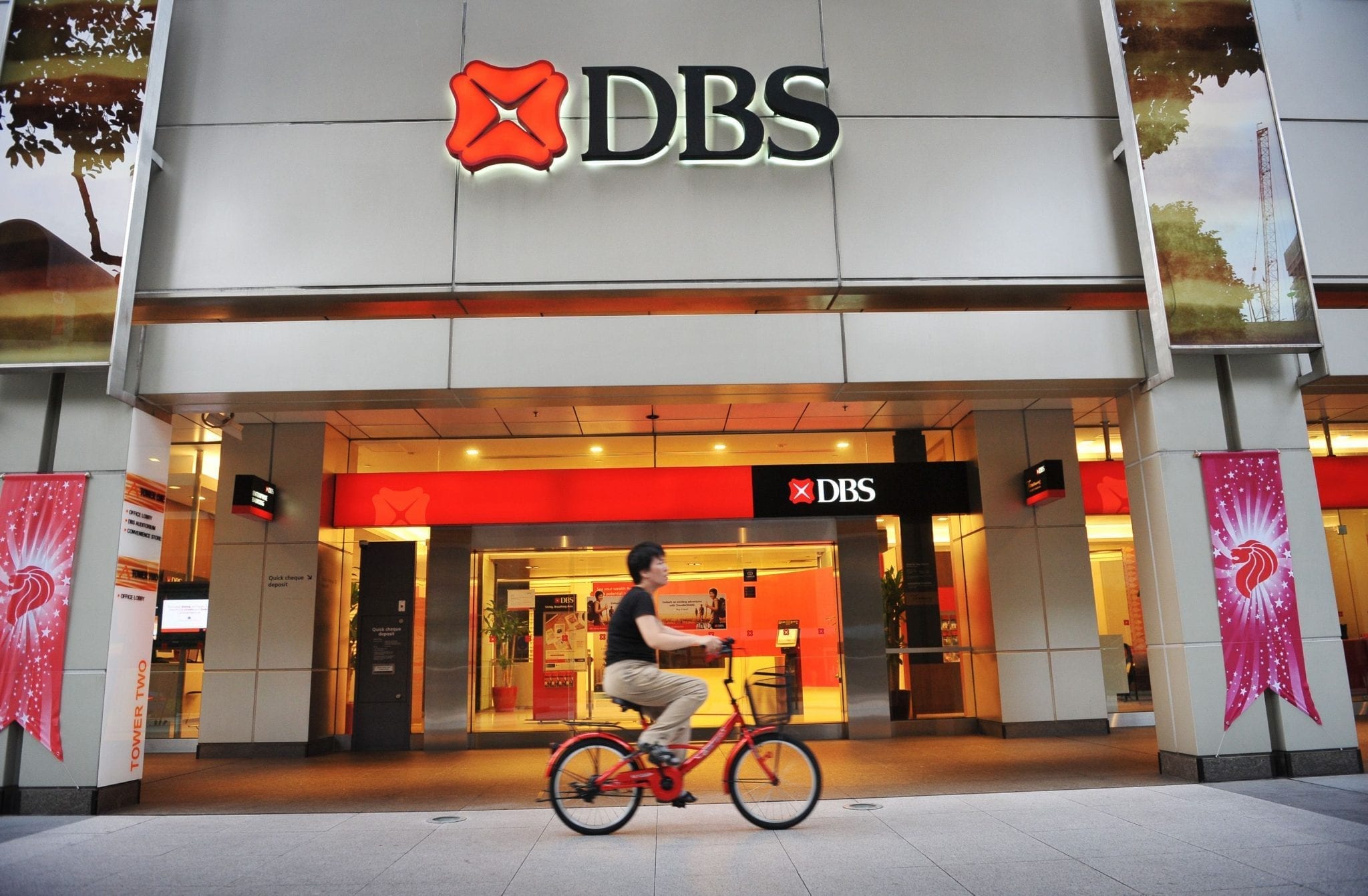
    DBS Bank is set to revolutionize the financial market in Singapore by launching tokenized physical gold for retail customers in the latter half of 2026. With this initiative, DBS Bank takes the lead as the first bank in the nation to empower its customers with the capability to purchase, possess, and transact in tokenized physical gold via a singular digital platform.

    Tokenizing Precious Metal

    The advanced DBS Physical Gold Tokens will be available through the DBS digibank app. With each token backed by an equivalent amount of physical gold that will be securely stored in a dedicated DBS vault located in Singapore. Each token will stand for one gram of gold, providing customers the opportunity to acquire fractional ownership of this valuable metal.

    DBS Bank assures that this offering will facilitate 24/7 trading, almost immediate settlement, and the choice to exchange tokens for physical gold. Moreover, the bank is looking into the possibility of having the tokens listed on the DBS Digital Exchange (DDEx) for accredited and institutional investors.

    This launch coincides with the escalating interest in gold and the tokenization of real-world assets. DBS Bank will oversee the entire procedure internally, including tokenization, custodial services, vaulting, and distribution.

    Li Zhen, Head of Foreign Exchange, Precious Metals, and Digital Assets at DBS, commented on the initiative, stating that the bank’s comprehensive digital asset capabilities will simplify access to and management of physical gold for clients.

    James Tan, Group Head of Investment Product and Advisory, also shared his views on the subject. He mentioned that tokenization would expand access to an asset class that has typically been accessible mainly to wealthy and institutional clients.

    Expanding Digital Asset Services

    The introduction of tokenized gold expands upon DBS Bank’s existing array of gold investment products. Moreover, it is part of the bank’s broader endeavor to delve into digital assets and blockchain-based financial services.

    Questions & Answers

    What is the DBS Physical Gold Tokens initiative?
    This initiative by DBS Bank allows customers to purchase, hold, and trade tokenized physical gold via a single digital platform.

    What features does the tokenized gold offering include?
    The offering will enable 24/7 trading, near-instant settlement and the option to redeem tokens for physical gold. The bank is also exploring a future listing of the tokens on the DBS Digital Exchange for accredited and institutional investors.

    How does this initiative fit into DBS Bank’s broader strategy?
    The tokenized gold offering expands DBS Bank’s existing range of gold investment products and is part of the bank’s broader push into digital assets and blockchain-based financial services.

  • Yakult Singapore Swaps Unpopular Orange Flavor for Peach, Sparks Consumer Debate

    Yakult Singapore Swaps Unpopular Orange Flavor for Peach, Sparks Consumer Debate

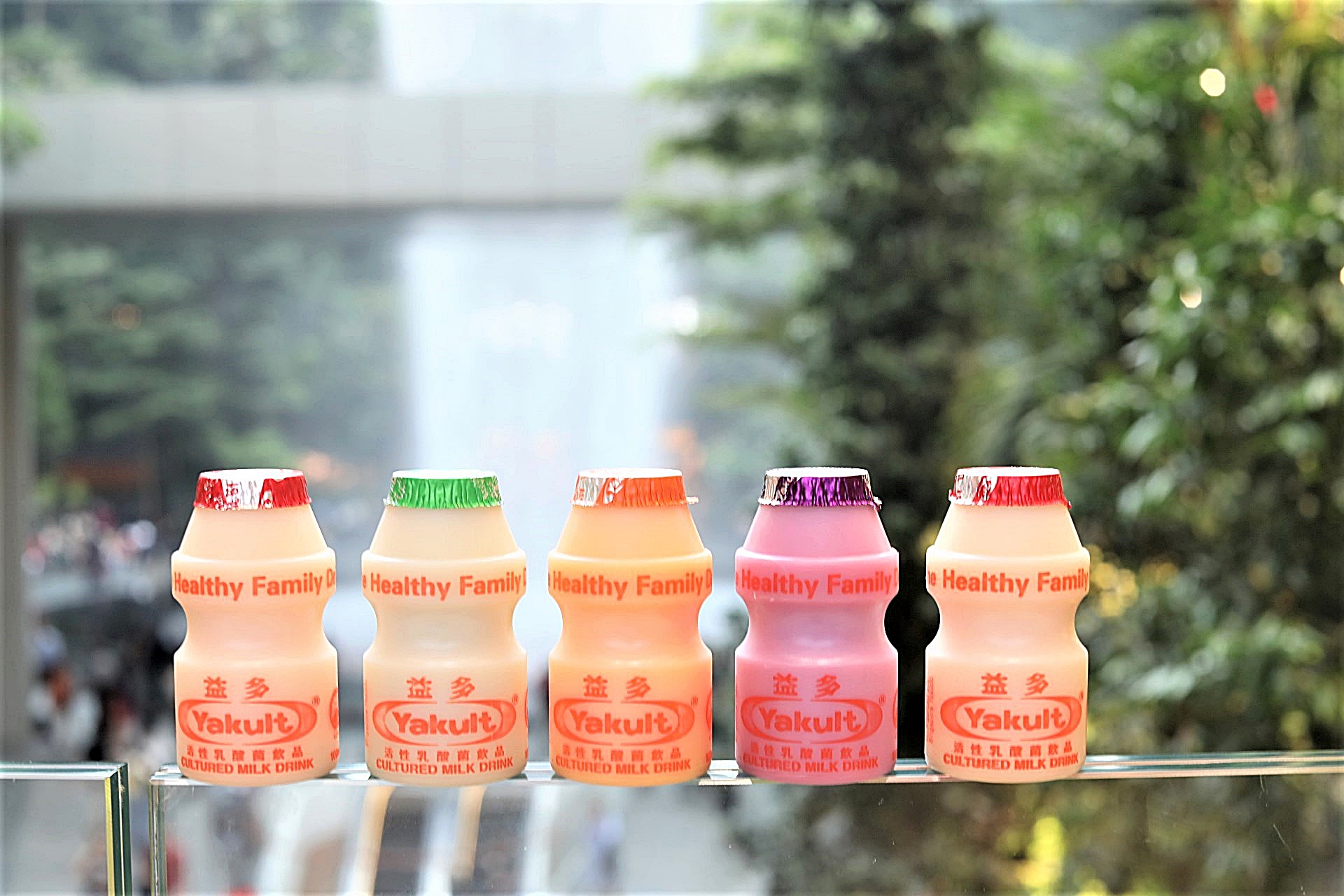
    The recent announcement regarding the discontinuation of Yakult Orange, a popular probiotic drink flavor, has elicited mixed reactions from consumers. For some, it comes as a surprise that this flavor was not as beloved as they had previously believed.

    Reactions to the Discontinuation

    Christine Heng, a 43-year-old music teacher, shared that she had always considered orange to be the preferred flavor until she discovered it was actually grape. She confessed that her regular monthly purchases of Yakult Orange for her family would drastically reduce due to the unavailability of her favorite variant.

    However, not everyone is mourning the loss of the orange flavor. A considerable number of comments were in favor of the change, with some people voicing their disapproval of the synthetic taste of the orange flavor. Comments such as, “I didn’t like how artificial the orange flavor was. I’m glad they replaced it,” and “Can replace any flavors, just don’t touch Apple and Grape,” reflect the varied consumer opinions on the matter.

    Farewell to Yakult Orange

    Despite the discontinuation, fans of Yakult Orange still have the opportunity to stock up on their favorite flavor until production officially comes to a halt at the end of this month. The drink will remain available as long as supplies last.

    Yakult, the probiotic cultured milk drink, was founded in Japan in 1935. It contains a strain of beneficial bacteria known as Lacticaseibacillus paracasei Shirota, discovered by its founder Minoru Shirota. Today, Yakult drinks are marketed worldwide, including regions such as Europe, Brazil, and Vietnam. In addition to the standard Yakult drink, there are other product ranges, like Yakult Plus. Furthermore, Yakult Peach was introduced in China in 2024.

    Questions & Answers

    What is the reaction of consumers to the discontinuation of Yakult Orange?
    Reactions are mixed: some consumers are disappointed, while others are glad about the change, criticizing the artificial taste of the orange flavor.

    Until when can consumers purchase Yakult Orange?
    Consumers can purchase Yakult Orange until the end of the month when production ends, or until supplies last.

    Where else are Yakult drinks available?
    Yakult drinks are available in several international markets, including Europe, Brazil, and Vietnam. They offer the standard Yakult drink and other product ranges like Yakult Plus.

  • Ease Your Cost-of-Living: Singaporean Households Grab $390 Support Vouchers!

    Ease Your Cost-of-Living: Singaporean Households Grab $390 Support Vouchers!

    From June 11, all Singaporean households will be eligible to receive S$500 (US$380) in Community Development Council (CDC) vouchers. This initiative is set to ease the financial burden of living costs for approximately 1.38 million households across the country.

    Voucher Validity and Usage

    The CDC vouchers can be claimed online via the official website and remain valid until the end of 2027. They can be used across a broad range of establishments, half of which are participating local merchants and hawkers. The remaining vouchers are applicable at around 400 outlets run by eight major supermarket chains throughout Singapore. These include Ang Mo Supermarket, Cold Storage, Giant Singapore, HAO Mart, NTUC FairPrice, Prime Supermarket, Sheng Siong, and U Stars Supermarket.

    This allotment of vouchers was originally set to be distributed in January 2027, as per Singapore’s 2026 national budget. However, it was advanced by six months to help households manage the cost-of-living pressures exacerbated by the ongoing Middle East conflict.

    About the Voucher Scheme

    The CDC voucher program was established in 2020 and expanded the following year. It was devised to aid households in managing living expenses while simultaneously supporting businesses hit by the COVID-19 pandemic. These vouchers have been distributed annually, with this latest disbursement marking the ninth cycle.

    As of June 3, more than $4.64 billion has been utilized through the previous eight CDC voucher rounds and two rounds of SG60 vouchers. The SG60 vouchers were similarly designed and distributed last year in celebration of Singapore’s 60th anniversary. About $2.43 billion, or 52% of the total sum, was spent at local merchants and hawkers, while the remaining was used in supermarkets.

    Over 94% of the 1.36 million eligible households claimed the most recent S$300 voucher tranche disbursed in January. More than 80% of these claimed vouchers have already been spent, indicating a high utilization rate. The CDC voucher scheme has proven to be both practical and accessible to the Singaporean populace.

    Alongside the CDC vouchers, a S$200 increase to a cash handout scheme known as the Cost-of-Living Special Payment was announced in April. Consequently, qualifying Singaporean adults will receive a payout of S$400-600 in September, an increase from the previous S$200-400.

    Questions & Answers

    What is the purpose of the CDC voucher scheme?
    The CDC voucher scheme was designed to assist households in coping with living costs while also supporting local businesses affected by the COVID-19 pandemic.

    Where can the CDC vouchers be used?
    Half of the vouchers can be used at participating local merchants and hawkers, while the remainder can be spent at around 400 outlets run by eight major supermarket chains throughout Singapore.

    When will eligible Singaporean adults receive the Cost-of-Living Special Payment?
    Eligible Singaporean adults will receive the Cost-of-Living Special Payment, which has been increased to S$400-600, in September.

  • OCBC Leverages Rising Gold Demand, Launches Physical Gold Trading in Singapore

    OCBC Leverages Rising Gold Demand, Launches Physical Gold Trading in Singapore

    The Oversea-Chinese Banking Corporation (OCBC) in Singapore is broadening its precious metals sector by introducing physical gold trading and storage services for institutional investors and private banking clients. OCBC perceives an increasing demand for safe-haven assets as geopolitical and economic uncertainty heightens.

    Initiating from June 10, OCBC’s institutional clients and affluent clients of its private banking division, the Bank of Singapore, will be granted the opportunity to purchase, trade, and store physical gold via OCBC, with the entire trading and custodial process based in Singapore.

    Enhancing the Gold Franchise

    This decision signifies a considerable amplification of the bank’s gold franchise beyond its current paper gold offerings. The move comes as investors’ hunger for physical bullion continues to grow. According to OCBC’s reference to data from the World Gold Council, the global demand for gold bars in the first quarter of 2026 experienced a 50% surge compared to the previous year. The Bank of Singapore disclosed that client holdings of physical gold have witnessed an increase of more than 40% since the conclusion of 2025.

    OCBC has stated that the new service will initially provide two forms of bullion: large bars weighing roughly 400 troy ounces (12.4 kilograms) and one-kilogram bars, both allocated to clients and individually identifiable through serial numbers.

    The bank has indicated that client demand has progressively gravitated towards local custody arrangements. Previously, Bank of Singapore clients conducted transactions in physical gold via a U.S.-based entity. With the new arrangement, clients can carry out transactions and store bullion entirely within Singapore.

    Expansion of Wealth Management Strategy

    This introduction mirrors wider efforts by Singapore’s financial industry to fortify its stance as a regional precious-metals hub. OCBC expressed intentions to explore the extension of physical gold products and related hedging solutions to additional client segments over time.

    The move also forms part of OCBC’s more extensive wealth management strategy. Over the past few years, the group has continuously expanded its gold-related offerings across its banking, asset management, and insurance industries.

    Kenneth Lai, Head of Global Markets at OCBC, expressed that the bank perceives physical gold as a natural extension of its existing precious-metal capabilities and is planning to widen access to the offering over time.

    Questions & Answers

    What new services is OCBC introducing?
    OCBC is introducing physical gold trading and storage services for institutional investors and private banking clients.

    What does this expansion mean for OCBC’s existing services?
    This expansion signifies a considerable amplification of OCBC’s gold franchise beyond its current paper gold offerings.

    What is the impact of this move on Singapore’s financial industry?
    This introduction mirrors wider efforts by Singapore’s financial industry to fortify its stance as a regional precious-metals hub.

  • Singapore Loses $7 Billion Annually due to Inefficient Cross-Border Payment Systems: Study

    Singapore Loses $7 Billion Annually due to Inefficient Cross-Border Payment Systems: Study

    The antiquated systems of cross-border payments are imposing a substantial financial burden on businesses in Singapore, confining billions of dollars in operational capital and diminishing economic efficiency. This is according to recent research conducted by the financial tech firm, Airwallex, and the Centre for Economics and Business Research (Cebr).

    The research suggests that Singaporean companies lose roughly $7 billion per year owing to inefficiencies inherent in the traditional global payment infrastructures. The losses mainly come from payment failures, foreign exchange spreads, correspondent banking fees, and slow settlement processes that plague a vast portion of the global business-to-business (B2B) payment realm.

    Airwallex has termed this occurrence as the “Global Growth Tariff,” defining it as the economic pullback instigated by outdated cross-border payment systems. The report estimates that globally, a staggering $330 billion in working capital is stalled within the financial system due to these inefficiencies, an amount that is roughly equivalent to 9 percent of the United Kingdom’s annual gross domestic product.

    The Business Capital Drain

    For Singapore, one of the most internationally linked trade and financial hubs globally, the impacts are especially notable. Businesses involved in cross-border operations encounter higher transaction costs, delayed access to funds, and increased administrative workloads, all of which can influence cash flow and investment decisions.

    According to the study, payment failures and manual repair measures account for about $420 million in annual costs for Singaporean businesses. When transactions fail to process automatically, companies often suffer additional operational expenses and delays as payments are manually fixed and resubmitted.

    Simultaneously, foreign exchange spreads and correspondent banking fees remain the dominant source of friction. As per the research, these costs annually account for roughly $6.3 billion in lost business capital worldwide.

    The report also emphasizes the impact of settlement delays. At any given time, about $220 million in working capital is essentially frozen in Singapore as businesses await the clearance of international transactions. This capital could otherwise be used for investments, recruitment, or daily business operations.

    The Push for Efficiency

    The report’s findings come at a time when businesses are under increasing pressure to optimize liquidity amid economic uncertainty, higher financing costs, and ongoing changes in global trade patterns.

    “Legacy payment systems are quietly depleting billions from businesses that can least afford it. Every dollar stuck in the system is a dollar not invested in growth,” said Firdevs Abacioglu, Head of Data Science and AI at Airwallex.

    The research was founded on an analysis of cross-border B2B payment volumes, payment failure rates, significant currency corridor foreign exchange costs, and international supplier and contractor payment settlement timelines.

    Liam Daly, Senior Economist at Cebr, stated that the findings spotlight the structural inefficiencies that persistently obstruct international commerce. He added that addressing these frictions would promote seamless international trade and free up capital for productive use.

    Questions & Answers

    What is the “Global Growth Tariff”?
    The Global Growth Tariff is a term coined by Airwallex, referring to the economic drag created by outdated cross-border payment systems.

    How much do payment failures and manual repair processes cost Singaporean businesses annually?
    Payment failures and manual repair processes cost around $420 million each year for Singaporean businesses.

    What is the estimated amount of working capital trapped within the financial system due to inefficiencies in cross-border payment systems?
    According to the report, around $330 billion in working capital is effectively trapped within the financial system due to these inefficiencies.

  • Singapore’s Retail Boom: Surging Petrol Prices Fuel Accelerated Growth in April

    Singapore’s Retail Boom: Surging Petrol Prices Fuel Accelerated Growth in April

    In April, Singapore’s retail sales growth accelerated, with most sectors, especially petrol service stations, experiencing significant advancements.

    The Department of Statistics reported a 4.5% rise in retail sales, excluding motor vehicles, parts, and accessories. This increase builds upon the revised 3% growth seen in March. The estimated total value of retail sales touched SG$3.6 billion (US$2.8 billion), with online sales accounting for 18.2% of this figure. On a seasonally adjusted basis, retail sales in April increased by 0.4% compared to the previous month.

    Strong Sector Performances Drive Growth

    The surge in April’s retail sales was fueled by robust performances across most sectors. Petrol service stations observed a substantial year-on-year growth of 14.4%, primarily attributable to increased fuel prices resulting from the Middle East conflict. The recreational goods sector followed closely, registering a sales growth of 12.3%.

    Several other sectors, including apparel and footwear, cosmetics and toiletries, supermarkets and hypermarkets, and optical goods and books, also posted robust improvements, with growth figures ranging between 5% and 8%.

    Conversely, department stores and food and alcohol retailers experienced a slight dip in sales, recording declines of 1.1% and 0.1% respectively.

    Moderate Increase in Food and Beverage Services

    In the food and beverage services sector, sales marginally increased by 0.4% in April, showing a slowdown from the 2.3% growth observed in March. The total sales value of food and beverage services was estimated at SG$1.5 billion, with nearly one-fifth of this amount generated from online sales.

    Questions & Answers

    Which sector experienced the most significant growth in retail sales in Singapore in April?
    The petrol service stations sector saw the most substantial growth, with a year-on-year increase of 14.4%.

    What were the total estimated retail sales in Singapore in April?
    The total estimated retail sales value in Singapore in April was SG$3.6 billion (US$2.8 billion).

    How did the food and beverage services sector perform in Singapore in April?
    The food and beverage services sector saw a moderate increase in sales of 0.4% in April.

  • Haidilao’s Pig Blood Curd Now Available Island-Wide as Singapore Lifts 27-Year Ban

    Haidilao’s Pig Blood Curd Now Available Island-Wide as Singapore Lifts 27-Year Ban

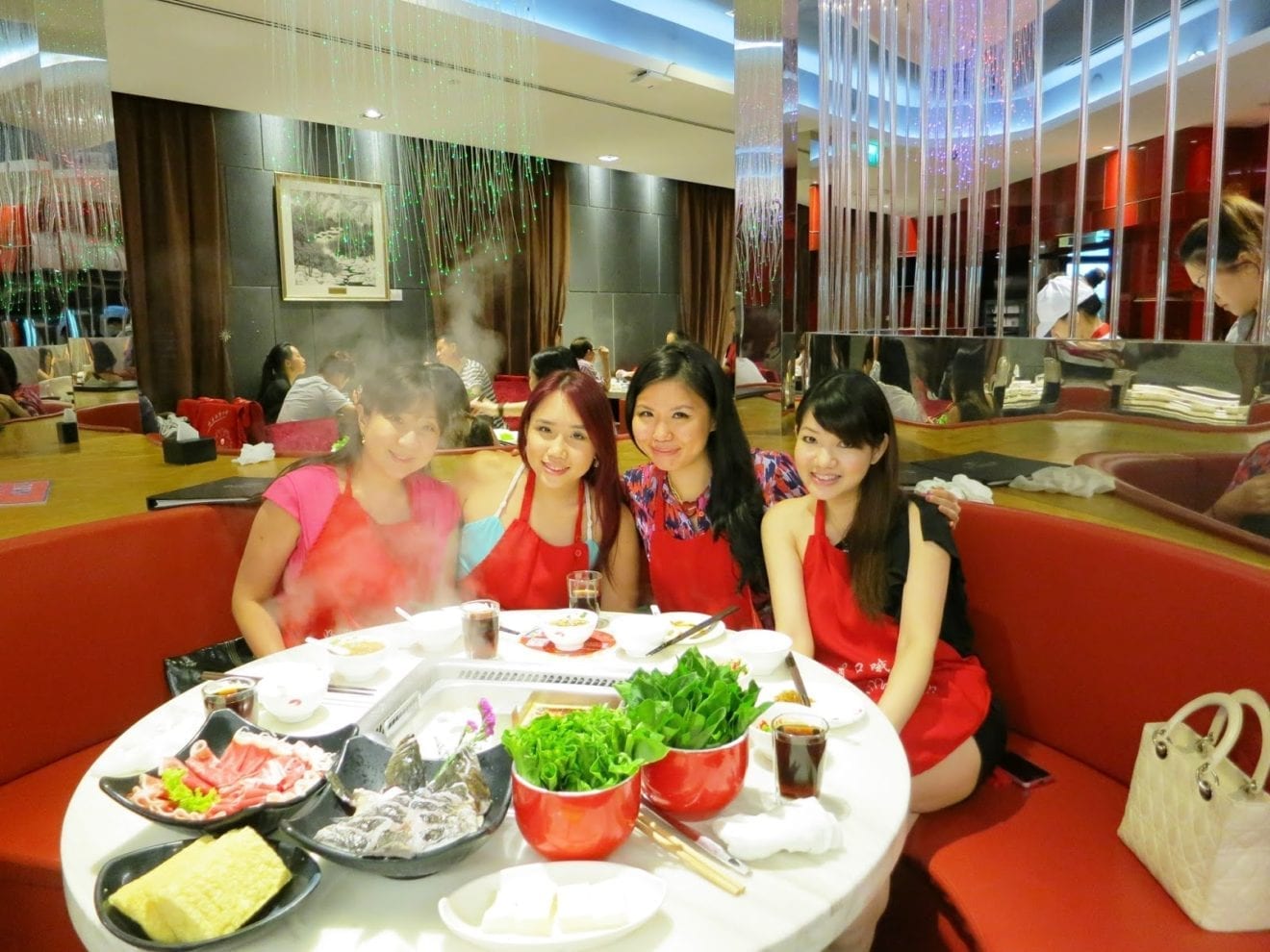
    Haidilao, the renowned hotpot chain, has recently begun offering pig blood curd across all its Singapore locations, marking the end of a 27-year prohibition. In an announcement made on social media last Tuesday, Haidilao Singapore revealed that the dish would be available from May 28.

    The specialty will retail at S$8 per serving at its outlet in Marina Bay Sands, while all other locations will offer the dish at S$6 per serving. Moreover, Haidilao has launched a promotional offer valid until June 30, which slashes the prices to S$4 and S$3 per serving respectively, subject to stock availability.

    Previously, Singapore had implemented a ban on animal blood food products, including pig blood and duck blood, following the 1999 Nipah virus outbreak. However, the tide turned in April when the Singapore Food Agency authorised the importation of heat-treated pig blood products from Bangkhla Pig Slaughterhouse, a recognised supplier based in Thailand.

    Questions & Answers

    Why has Haidilao started serving pig blood curd in Singapore?
    Haidilao has introduced pig blood curd to its Singapore menu following the city-state’s decision to lift a 27-year ban on animal blood food products.

    What is the price for a serving of pig blood curd at Haidilao?
    At Haidilao’s Marina Bay Sands outlet, pig blood curd is priced at S$8 per serving. However, all other locations serve it at S$6 per serving.

    Why was there a ban on animal blood food products in Singapore?
    The ban was put in place following the Nipah virus outbreak in 1999, which led to the prohibition of animal blood food products, including pig and duck blood, in order to protect public health.

  • Manulife Singapore Pioneers Multi-Cancer Screening for Insured, Spearheading Preventive Healthcare Revolution

    Manulife Singapore Pioneers Multi-Cancer Screening for Insured, Spearheading Preventive Healthcare Revolution

    Manulife Singapore is intensifying its commitment to preventative healthcare and lifespan enhancement solutions via a new partnership with Guardant Health, a precision oncology expert. This strategy makes Manulife the pioneer insurance firm in Singapore to provide the Shield™ multi-cancer detection (MCD) blood test, available to eligible customers from May 2026.

    This collaboration is part of a broader Asian alliance between the two companies, covering Singapore, Hong Kong, and the Philippines. The partnership reiterates Manulife’s overarching strategy of amalgamating health protection with long-term wealth and lifespan planning.

    Emphasizing Proactive Detection

    Designed to screen ten prevalent cancers with a single blood draw, the Shield™ MCD lab-crafted test underscores several cancers with high fatality rates in Singapore. The test was recently awarded the “Oncology Product Innovation of the Year” title at the Healthcare Asia Medtech Awards and received the Breakthrough Device Designation by the US Food and Drug Administration (FDA).

    This partnership advances the pre-existing relationship between Manulife and Guardant Health, as the latter already offers the Guardant360® Liquid test for advanced solid tumours to customers in Singapore.

    Longevity as a Focal Point

    The partnership evidences an increasing emphasis on preventative care and healthy ageing among insurers as Asia’s populace demographic shift. “As longevity increases, the primary concern is the quality of those extended years,” stated Benoit Meslet, President and CEO of Manulife Singapore. “Providing customers with early insights into their health enables them to make informed decisions today for a healthier tomorrow.”

    Singapore is one of the fastest-ageing societies in Asia, with healthcare systems prioritising preventative and personalised care. In 2024, cancer was the predominant cause of death in Singapore, accounting for over a quarter of all fatalities.

    Manulife’s initiative aligns with the findings from the 2025 Asia Care Survey, showing that over half of Singapore consumers perceive cancer as the hardest illness to prevent.

    Questions & Answers

    What is the new collaboration between Manulife Singapore and Guardant Health about?

    The collaboration aims to offer the Shield™ multi-cancer detection (MCD) blood test to eligible Manulife customers in Singapore, aiding in the early detection of ten common cancers.

    How does this partnership align with Manulife’s broader strategy?

    This partnership coincides with Manulife’s broader strategy of blending health protection with long-term wealth and lifespan planning. It underscores the insurer’s emphasis on preventative care and healthy ageing.

    What insights does the 2025 Asia Care Survey provide?

    The survey reveals that over half of Singapore consumers consider cancer as the most difficult disease to prevent, indicating the importance of early detection and preventative healthcare.

  • Air New Zealands Thrilling Reconnection: Direct Singapore-Christchurch Flights Launching this October

    Air New Zealands Thrilling Reconnection: Direct Singapore-Christchurch Flights Launching this October

    Air New Zealand is set to inaugurate a regular direct service connecting Singapore to Christchurch in New Zealand’s South Island from October 28. The airline has already started selling tickets for this service, which will operate thrice weekly. During the northern winter season, the airline anticipates that it will provide over 34,000 seats on this route, according to a statement released by the airline on Wednesday.

    The approximate flight time for this route is 10 hours, and it will be serviced by the airline’s refurbished Boeing 787 Dreamliner aircraft.

    Expansion of Services

    Air New Zealand indicated that the addition of this new route is a complementary extension to its existing Auckland-Singapore service. It also forms part of the airline’s overarching plan to increase capacity during the peak season, details of which will be revealed in late May.

    Additionally, the airline will introduce new services connecting Christchurch with Narita (Tokyo) and Perth (Australia) by the end of November.

    According to Air New Zealand CEO, Nikhil Ravishankar, the addition of these three new routes is a strategic move designed to directly re-link Christchurch with major global hubs in Asia, bolster connections with Australia, and revolutionize how the South Island connects with the rest of the world. This will effectively alter the arrival points for visitors and consequently, how they traverse the country.

    In the past, Air New Zealand has operated flights from Christchurch to Singapore in 2020, to Perth in 2019 and to Narita in 2015. Besides Air New Zealand, Singapore Airlines also offers direct flights between Singapore and Auckland.

    Questions & Answers

    When will Air New Zealand’s direct service from Singapore to Christchurch commence?
    The service will begin on October 28.

    What type of aircraft will be used for this service?
    The flights will be operated using the airline’s retrofitted Boeing 787 Dreamliner aircraft.

    What other new routes does Air New Zealand plan to introduce?
    New services connecting Christchurch with Narita (Tokyo) and Perth (Australia) will be introduced by the end of November.

  • Singapore Triumphs over Indonesia as Southeast Asias Dominant Stock Market

    Singapore Triumphs over Indonesia as Southeast Asias Dominant Stock Market

    Singapore has taken over from Indonesia as the leading stock market in Southeast Asia. This shift has come as Indonesia’s market capitalization has dropped dramatically due to an uncertain future outlook. From its peak in January, the total market capitalization of Indonesian businesses has fallen by over 30% to US$618 billion. In contrast, the market value in Singapore has increased to $645 billion.

    Investor confidence in Indonesia has seen a decline in recent months due to the possibility of its equities market being downgraded to frontier status. This uncertainty is coupled with Fitch Ratings and Moody’s Ratings both downgrading the country’s credit outlook to negative. The Indonesian stock index is currently among the most underperforming globally, and the rupiah has hit record lows repeatedly.

    Indonesia’s Struggles and Singapore’s Strength

    Despite these setbacks, Soh Chih Kai of Lion Global Investors believes that a future recovery should not be dismissed. However, he notes that the current momentum is not in Indonesia’s favor. In contrast, he points out that Singapore’s market has further strengthened its position as capital flows continue to seek certainty amid global policy ambiguity.

    In an attempt to bolster the economy, Indonesia’s central bank recently increased its policy interest rates for the first time in two years. This move aims to support the rapidly falling rupiah currency. Governor Perry Warjiyo explained that the increase is a further step to stabilize the rupiah exchange rate in the face of global volatility.

    On the other hand, Singapore’s equities have been boosted by political and economic stability, along with government-led market reforms. The Straits Times Index reached a record high this week, as investors looked for safe investments amid the instability caused by the Iran war.

    Head of research at Maybank Securities, Thilan Wickramasinghe, noted that Singapore’s equity market has remained resilient despite ongoing global volatility. This resilience is due to its defensive sector composition and consistent inflows, putting the market in a relatively advantageous position.

    Future Trends and Predictions

    Singapore’s equities are projected to outperform Indonesian stocks by a record margin in 2026. Carmen Lee, head of equity research at OCBC, attributes this to wealth being a significant driver for earnings growth. Paired with a strong Singapore dollar, Lee expects more funds to flow into the market.

    Questions & Answers

    What has led to the decline in Indonesia’s market capitalization?
    Investor confidence in Indonesia has deteriorated due to the potential reclassification of its equities market to frontier status and negative revisions in the country’s credit outlook.

    What steps has Indonesia’s central bank taken to support the economy?
    Indonesia’s central bank has raised its policy interest rates for the first time in two years in order to support the rupiah currency, which has fallen to record lows recently.

    What factors have contributed to the strength of Singapore’s equities market?
    Singapore’s equities have been boosted by the country’s political and economic stability, along with market reforms driven by the government.

  • Sederhana Breaks Boundaries: Popular Indonesian Chain to Launch First Outlet in Singapore

    Sederhana Breaks Boundaries: Popular Indonesian Chain to Launch First Outlet in Singapore

    Sederhana, a well-known Indonesian food chain, is preparing to open its first Singaporean branch, taking the place of a recently closed restaurant that had been serving customers for almost eight decades. Sederhana announced its arrival in Singapore via an Instagram post on May 17th, holding back from revealing the exact date of the grand opening.

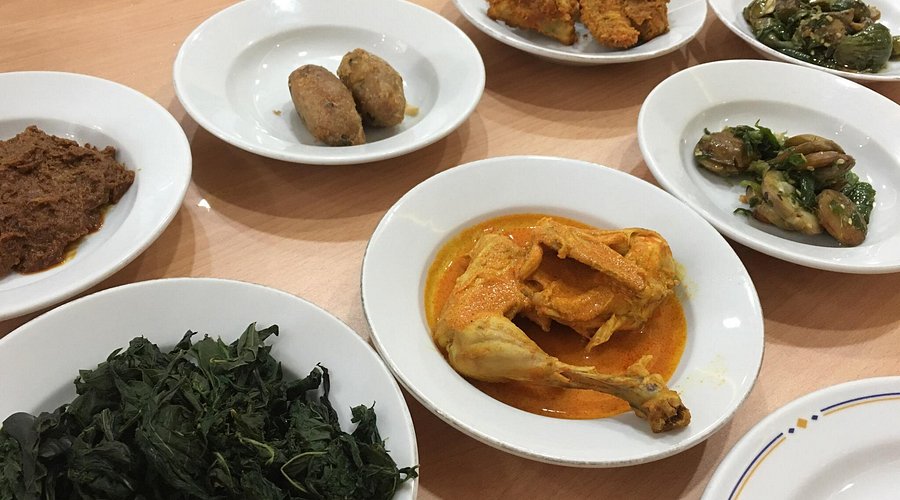
    Sederhana is popular for its nasi padang, a traditional Indonesian dish made up of steamed rice alongside a variety of pre-prepared dishes, including meats, vegetables, and fish. The chain is reported to be aiming for a May 29 opening date for the outlet located at 738 North Bridge Road, hoping to officially launch by mid-June.

    The Legacy of Sederhana

    Sederhana, which started its journey in 1972, currently operates more than 200 outlets across Indonesia, serving the unique Minangkabau cuisine. The Minangkabau are the largest ethnic group on the island of Sumatra, located in the western part of Indonesia. In addition to its Indonesian establishments, the chain also has three branches in Malaysia and plans are underway for a new branch in Melbourne, Australia.

    The location in Singapore that Sederhana has chosen for its new home was previously occupied by Warong Nasi Pariaman, one of Singapore’s oldest Indonesian eateries. Warong Nasi Pariaman shut its doors at the end of January after providing 78 years of service.

    Questions & Answers

    What is the specialty of Sederhana?
    Sederhana specializes in nasi padang, a traditional Indonesian dish that consists of steamed rice served with a variety of pre-prepared dishes such as meats, vegetables, and fish.

    Can you tell us about the history of Sederhana?
    Sederhana was founded in 1972 and has since grown to operate more than 200 outlets across Indonesia, serving Minangkabau cuisine. It also has three branches in Malaysia and is planning to open a new one in Melbourne, Australia.

    What was the previous establishment at the Singapore location?
    The location for Sederhana’s new outlet in Singapore was previously home to Warong Nasi Pariaman, one of the oldest Indonesian food eateries in Singapore, which recently shut down after 78 years of operation.

  • Singapore Online Retailers Exposed: Dark Patterns Mislead Shoppers into Rushed Purchases

    Singapore Online Retailers Exposed: Dark Patterns Mislead Shoppers into Rushed Purchases

    In Singapore, three prominent online retailers, namely Boarding Gate, Origin Sleep, and Light In The Box, have been implicated in deceptive practices aimed at manipulating consumers’ purchasing behaviors.

    These retailers were found to be manipulating elements of their websites. They employed tactics often referred to as ‘dark patterns’, which included showcasing sham visitor counts, fraudulent countdown timers, and bogus discount claims. These tactics are used to generate an unnatural sense of urgency and product demand.

    Deceptive Tactics

    In the case of Boarding Gate, the company’s website was found to be displaying random figures that purportedly represented the number of viewers per product. This sly practice gives consumers the impression of high demand and real-time visitor activity, thereby pressuring them into making rapid purchasing decisions.

    Origin Sleep, also, resorted to similar manipulative strategies. The company’s website featured countdown timers suggesting that purchases had to be finalized before the given time ran out, even though these timers held no actual significance. Moreover, Origin Sleep was found to be conducting a supposedly limited-time sales offer. However, this “flash sale” was discovered to have continued for nearly two years under various pseudonyms.

    Light In The Box, on the other hand, displayed ‘Almost sold out’ notifications on items to suggest scarcity. In actuality, these labels were arbitrarily applied to create promotional effects. The company also provided misleading information about savings by comparing discounted prices with higher ‘original’ prices, which were never genuinely offered.

    Alvin Koh, the CEO of the Competition and Consumer Commission of Singapore (CCS), said that “dark patterns are insidious as they are difficult to detect and erode consumer trust in the digital marketplace.” He vowed that the CCS would continue to act firmly to safeguard consumer trust and honest businesses from those who engage in unfair competition.

    The three accused companies have since provided formal promises to the CCS. They have ceased their misleading actions and pledged to refrain from unjust trading practices in the future.

    Previous Violations

    In the previous year, Courts and Prism+, retailers of electronics and home appliances, were found to have contravened trading laws. They either charged consumers for products that were not selected or employed specific website features to create a false sense of urgency to purchase.

    Questions & Answers

    What are ‘dark patterns’?
    Dark patterns refer to manipulative techniques used on websites to influence consumers’ purchasing decisions.

    How have companies employed these ‘dark patterns’?
    Companies have used bogus visitor counts, fraudulent countdown timers, and false discount claims to generate an unnatural sense of urgency and product demand.

    What are the steps taken by the Competition and Consumer Commission of Singapore (CCS) to prevent such practices?
    The CCS has been proactive in detecting and combating such unethical practices. The implicated companies have been made to cease their deceptive tactics and have pledged to refrain from unfair trade practices in the future.

  • H&M Shifts Southeast Asia HQ to Kuala Lumpur, Triggers Job Cuts in Singapore

    H&M Shifts Southeast Asia HQ to Kuala Lumpur, Triggers Job Cuts in Singapore

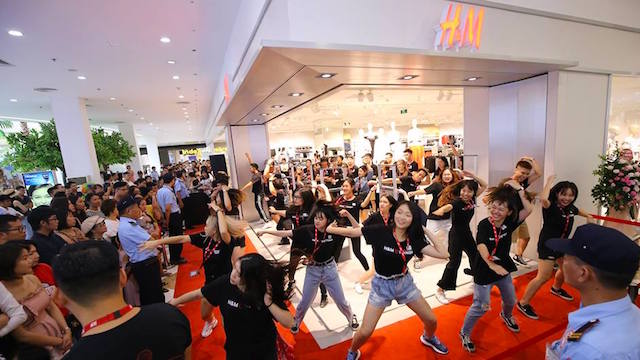
    Swedish fashion conglomerate, H&M, has recently undertaken a restructuring exercise which has led to job cuts in Singapore. This move comes as the retailer transfers its Southeast Asian hub from Singapore to Kuala Lumpur in Malaysia.

    The restructuring operation resulted in a reduction of 78 roles from a total regional workforce of 256 employees. While the exact breakdown of the redundancy hasn’t been made public, it has been confirmed that the majority of job cuts took place in the Singapore office.

    In replying to inquiries, H&M Singapore said that it is “fully backing” employees through the organizational shifts. However, the company did not disclose the exact number of dismissed staff members or specify the affected roles. H&M stated that as a company, they constantly strive to meet customer expectations and this includes regular reviews of their operational efficiency and agility.

    Despite the recent layoffs, H&M maintains that Singapore remains a crucial market for them. The retailer confirmed that it would continue to sustain an office in the country. “We will continue to maintain our retail presence reflecting our long-term commitment,” said a representative of the company.

    H&M first entered the Singapore market in 2011 with its Somerset outlet. Currently, the brand operates six stores in the country. Over the past couple of years, however, H&M has been closing some of its physical stores. In March 2023, the retailer closed its two-storey outlet at Ion Orchard after serving customers for over a decade. The Tampines Mall store was shut in August 2020, followed by the Waterway Point outlet in Punggol in January 2021.

    The Singapore Manual and Mercantile Workers’ Union (SMMWU) released a statement saying that while H&M Singapore is not a unionized entity, some employees could be union members. SMMWU secretary-general Andy Lim asserted that both the National Trades Union Congress and the SMMWU are prepared to offer assistance to these members and help them transition to new job opportunities.

    Questions & Answers

    Why is H&M moving its Southeast Asian headquarter from Singapore to Malaysia’s Kuala Lumpur?
    – Although H&M did not provide a specific reason for the shift of its Southeast Asian headquarters, such decisions are often influenced by cost factors, market opportunities, or strategic alignment.

    What are some of the steps H&M is taking to support its affected employees?
    – Although additional details were not provided, H&M Singapore stated that they are “fully supporting” their employees during these organizational changes.

    How will H&M’s presence in Singapore change as a result of this move?
    – Despite the layoffs and the shift of its regional headquarters, H&M has affirmed that Singapore remains an important market for them. The company will maintain a retail presence in the country, reflecting their long-term commitment.