Tag: Singapore

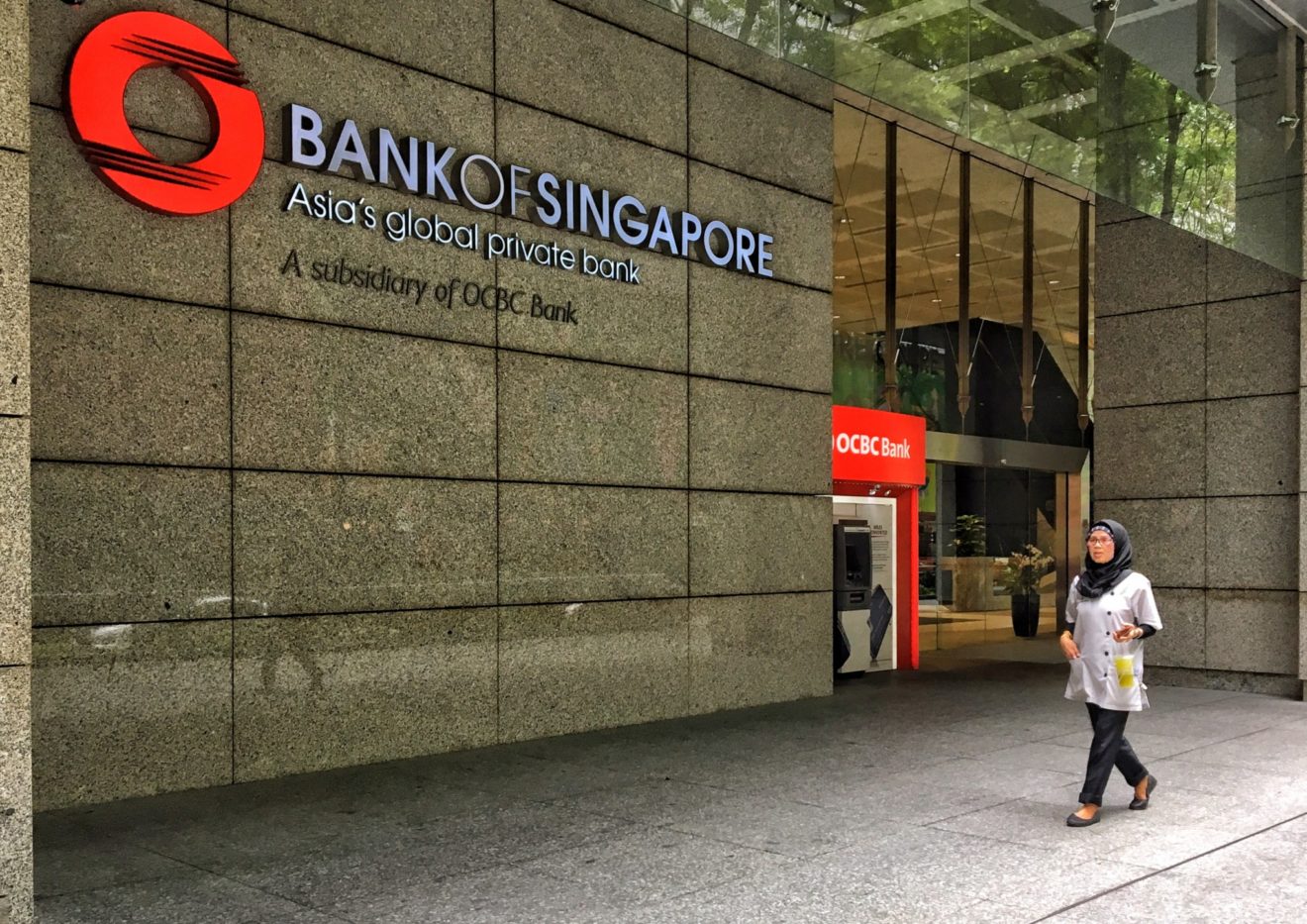
  • Bank of Singapore Snags Top Julius Bär Executive to Drive ASEAN Private Banking Growth

    Bank of Singapore Snags Top Julius Bär Executive to Drive ASEAN Private Banking Growth

    The Bank of Singapore has announced the appointment of Vi Sun Yang, a seasoned wealth management professional, as the Head of Private Banking for the ASEAN region. Yang, who previously served at Julius Bär and UBS, will assume her new role from June 29, 2026.

    Key Responsibilities

    As the Head of Private Banking, Yang will be a part of the Bank’s global management committee and will report directly to Jason Moo, the Chief Executive Officer at the Bank of Singapore. Her primary duty will revolve around driving strategic growth and development for the Bank of Singapore’s brand across the ASEAN region, which constitutes the bank’s biggest market.

    Professional Background

    Yang boasts an impressive career spanning over three decades in the wealth management sector. She has demonstrated her competency in leading front-office teams that cater to both high-net-worth and ultra-high-net-worth clients across the Southeast Asia region. Her previous tenure was at Julius Baer, where she excelled in the role of Market Head for Southeast Asia.

    Before joining Julius Baer, Yang served at UBS Singapore for 14 years. During her time with the firm, she held a number of senior leadership positions, including Head of the Private Client Segment, overseeing seven markets in Asia, and Market Head for Indonesia. Yang’s vast industry experience also includes stints at American Express, DBS, and Standard Chartered.

    Bank of Singapore’s Growth

    The Bank of Singapore experienced considerable business growth in 2025, surpassing its previously set target of US$145 billion in assets under management (AUM) from 2023, and expanding its global AUM by over 20%.

    Questions & Answers

    Who has been appointed as the new Head of Private Banking at the Bank of Singapore?
    Vi Sun Yang has been appointed as the Head of Private Banking at the Bank of Singapore.

    What are Vi Sun Yang’s primary responsibilities in her new role?
    Yang will be responsible for driving the strategic growth and development of the Bank of Singapore’s brand across the ASEAN region.

    What has been the growth rate of the Bank of Singapore?
    In 2025, the Bank of Singapore saw its assets under management grow by over 20%, surpassing its previously set target of US$145 billion.
  • Breaking: Singapore Hands $155 Cash Boost to Eligible Taxi and Platform Workers amid Rising Fuel Costs

    Breaking: Singapore Hands $155 Cash Boost to Eligible Taxi and Platform Workers amid Rising Fuel Costs

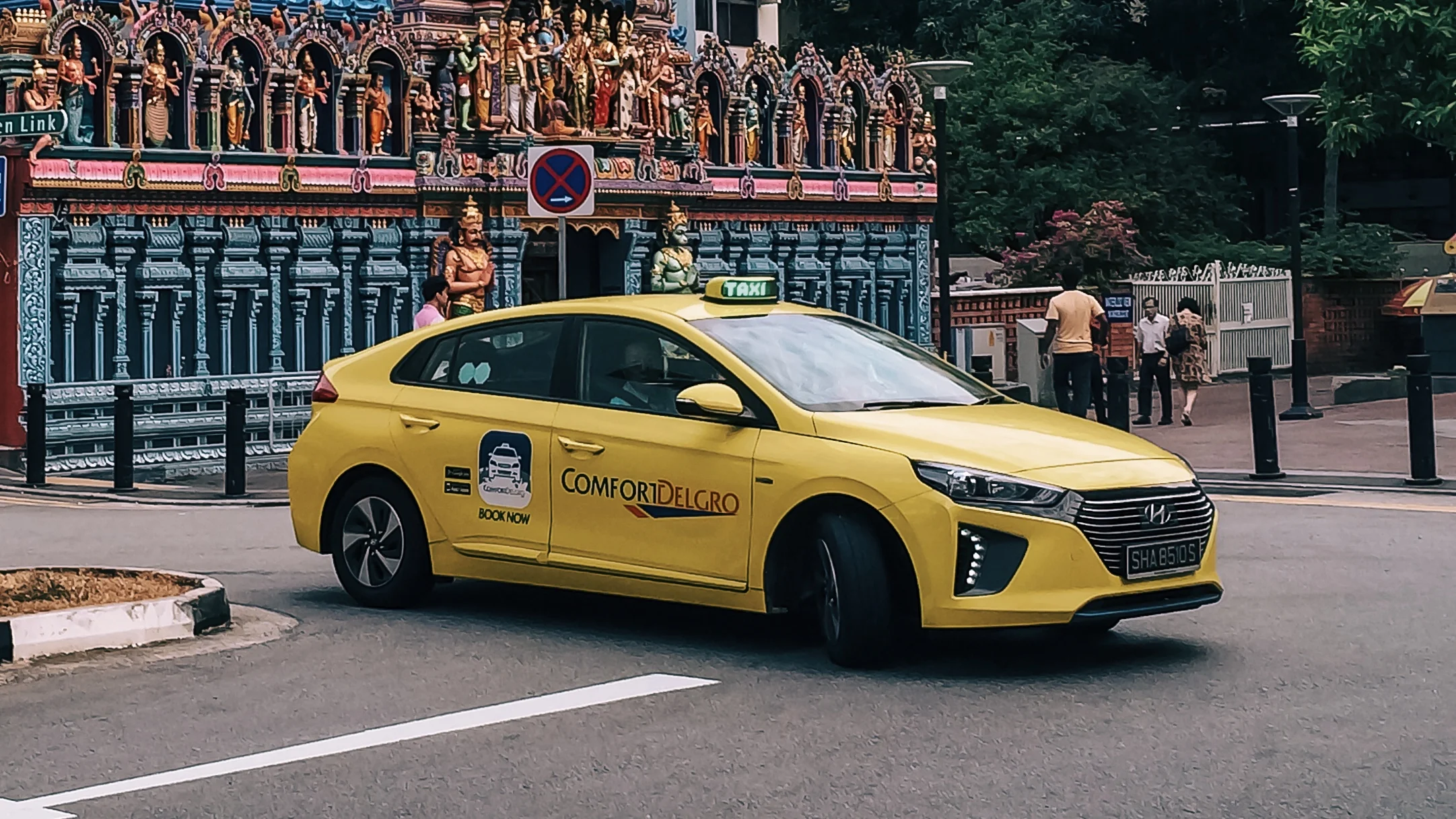
    Qualified platform workers and taxi drivers in Singapore are set to receive a cash assistance of S$200 (US$155) to mitigate the impact of increasing fuel prices. To be eligible, platform workers must have earned above S$500 per month from their platform-based jobs across all operators between December 2025 and February 2026. Similarly, taxi drivers must have had a vehicle rental contract with a taxi operator within the same timeframe.

    Automated Payments Processing

    The Central Provident Fund (CPF) Board will undertake the automatic processing of the payouts using income data submitted by platform operators for CPF contributions. Checkouts are expected to be disbursed via PayNow-NRIC by the end of April, or through GIRO by May 11. Recipients without connected bank accounts will be paid via GovCash by May 18.

    If eligible taxi drivers fail to receive their payments via the CPF Board, the Land Transport Authority will automatically disburse the payouts by mid-May.

    Support amidst Fuel Price Surge

    The cash relief, announced by Senior Minister of State for Finance Jeffrey Siow, is aimed at alleviating the burden of growing petrol costs on workers’ earnings. Fuel prices have been on a steady rise over the past month due to ongoing conflicts in the Middle East, although the government has no plans to intervene in regulating pump prices.

    Jeffrey Siow explained that direct support would be offered to small-medium enterprises, companies, drivers, and individuals most affected by the fuel price hike, as control of pump prices would be too blunt an approach and potentially regressive.

    Extended Support Calls

    Yeo Wan Ling, the assistant secretary-general of the National Trades Union Congress, applauded the initiative but added that similar support should also extend to self-employed drivers of combi buses and limousines. She expressed the union’s commitment to working closely with the government and industry partners to ensure that support reaches every affected worker.

    The relief payout is part of a larger support package valued at nearly S$1 billion, which aims to cushion the effects of escalating energy costs associated with the Middle East conflict. The package comprises a variety of measures to aid businesses, workers, and households, including advancing S$500 cost-of-living vouchers for households by six months and augmenting a one-off cash payout for qualified adults by S$200.

    Questions & Answers

    What is the eligibility criteria for platform workers and taxi drivers to receive the cash assistance?
    Platform workers must have earned above S$500 per month from their platform work across all operators between December 2025 and February 2026. Taxi drivers must have had a vehicle hire agreement with a taxi operator within the same timeframe.

    How will the payouts be processed and disbursed?
    The Central Provident Fund (CPF) Board will process the payouts automatically using income data submitted by platform operators for CPF contributions. Payments will be made via PayNow-NRIC, GIRO, or GovCash, depending on the recipient’s banking setup.

    What is the objective of this cash relief initiative?
    The initiative aims to alleviate the burden of rising fuel costs on the earnings of platform workers and taxi drivers in Singapore, particularly in light of ongoing conflicts in the Middle East that have led to an increase in fuel prices.

  • Qantas Freight Expands Asia Pacific Presence with New Singapore Stop, Boosting Changi Airport’s Air Cargo Network

    Qantas Freight Expands Asia Pacific Presence with New Singapore Stop, Boosting Changi Airport’s Air Cargo Network

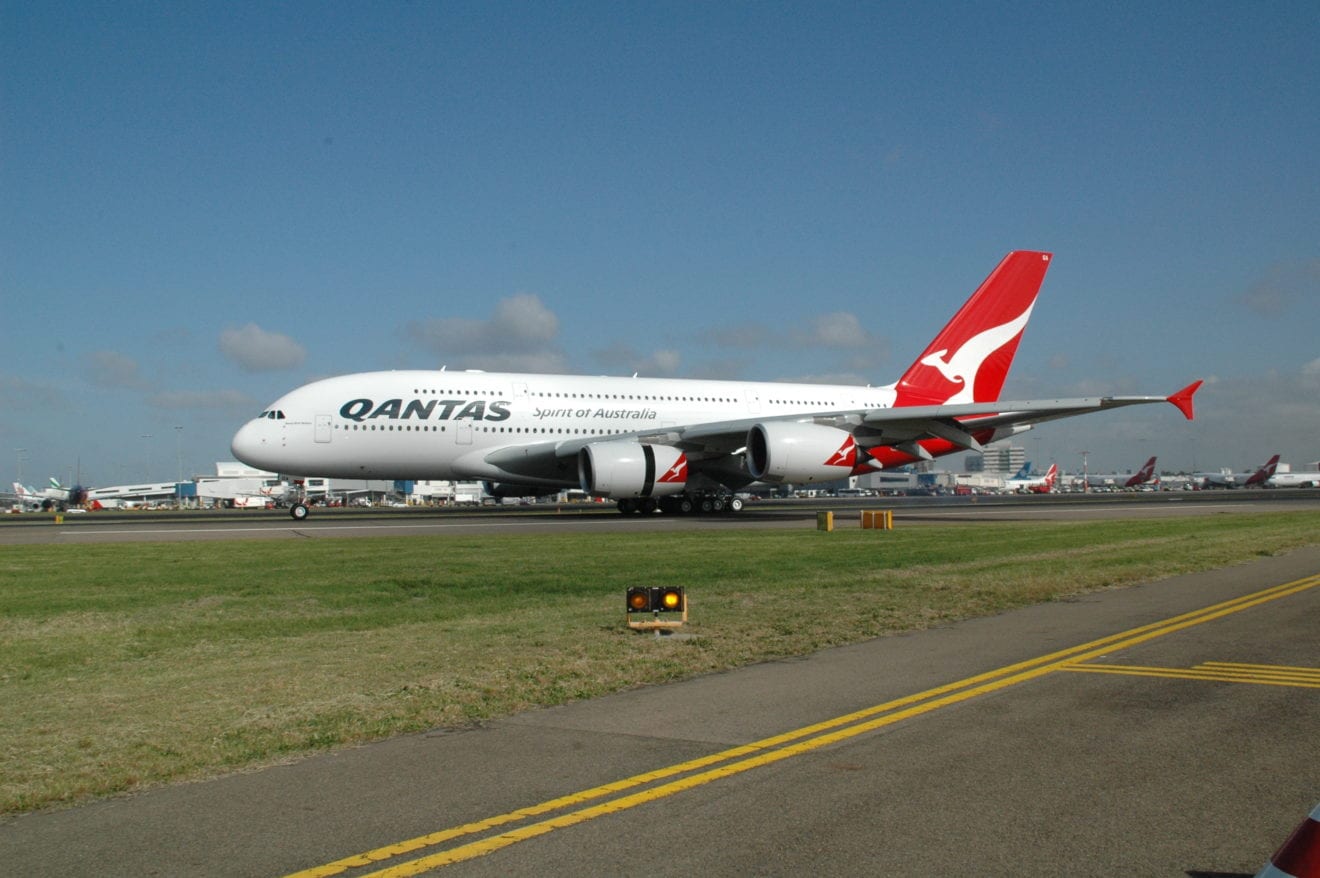
    Qantas Freight, a subsidiary of the Australian airline Qantas, recently announced the launch of its dedicated freighter services to Singapore. These services, which are expected to begin on April 3, 2026, will operate twice a week and include stops in Sydney, Shanghai, and Singapore.

    New Freight Services

    Qantas Freight’s new services are expected to further bolster the cargo network at Changi Airport. The services will provide increased capacity, more routing options, and more flexible scheduling for shippers and freight forwarders. The services will be carried out through Qantas’ A330 freighter flights on Fridays and Sundays, delivering more than 50 tons of cargo capacity per flight.

    The Singapore stopover is a new addition to Qantas’ existing Sydney-Shanghai freighter operations, which is set to enhance connectivity across the Asia Pacific cargo network.

    First Dedicated Freighter Service

    This is the first time Qantas is offering a dedicated freighter service to Singapore. This service is expected to complement its existing belly-hold cargo capacity on scheduled passenger services. Moreover, this new routing reflects the growing demand for time-sensitive air cargo moving across Asia, Australia, and beyond.

    Singapore’s strategic location and significant global air cargo connectivity make Changi Airport an essential consolidation and transshipment hub for regional and intercontinental cargo flows.

    Statements from Qantas Freight and Changi Airport Group

    Lim Ching Kiat, Executive Vice President of Air Hub and Cargo Development at Changi Airport Group, stated that Qantas Group’s decision to expand its freighter operations to Singapore couldn’t have come at a better time. According to him, there has been an increase in air cargo demand in the Asia-Pacific region, and the region is playing a more significant role in global air cargo growth.

    Igor Kwiatkowski, Qantas Freight Executive Manager, also remarked on the importance of the new Singapore stop. He said that it would be a significant addition to the airline’s Asia Pacific presence and freight network. According to Kwiatkowski, Singapore’s status as one of the world’s major cargo hubs will play a crucial role in connecting shipments between Australia, China, and Southeast Asia. He added that the new stop would provide freight forwarders with more routing options and flexibility, especially for high-tech goods and e-commerce.

    Questions & Answers

    What is Qantas Freight’s new service?
    Qantas Freight’s new service is a dedicated freighter service to Singapore, with twice-weekly operations that include stops in Sydney, Shanghai and Singapore.

    What benefits does this new service bring to shippers and freight forwarders?
    The new service provides increased capacity, more routing options, and more flexible scheduling to shippers and freight forwarders.

    How will the new service impact Qantas Freight’s presence in the Asia Pacific region?
    The new Singapore stop is expected to significantly enhance Qantas Freight’s presence and freight network in the Asia Pacific region. It will connect shipments between Australia, China, Southeast Asia, and improve routing options and flexibility for freight forwarders.

  • Chinese New Year Sparks Stellar 11.2% Surge in Singapore’s Retail Sales

    Chinese New Year Sparks Stellar 11.2% Surge in Singapore’s Retail Sales

    In February, retail sales in Singapore experienced a significant surge, partially attributed to the shifting timing of the Chinese New Year. According to data released by Singapore’s Department of Statistics, retail sales, excluding automobiles and related parts and accessories, skyrocketed by 11.2% in February. This marked a turnaround from a decrease of 2.9% in January.

    Details of Retail Growth

    The estimated total retail sales for February amounted to SG$3.6 billion (US$2.8 billion), with online sales accounting for 16.2% of the total. The significant growth seen in February was partially due to the Chinese New Year falling in February this year, compared to January the previous year.

    For the combined period of January and February, retail sales increased by 3.5% year-on-year.

    Sectoral Growth Patterns

    Most sectors reported year-on-year growth in February’s sales. Supermarkets and hypermarkets led the surge with a growth of 29.3%, followed by recreational goods which saw an increase of 26%. Department stores reported a rise of 16.8% in sales, while the food and alcohol, cosmetics, and watches and jewelry sectors each saw an approximate increase of 13%.

    However, not all sectors experienced growth. The petrol service stations and mini-marts and convenience stores sectors faced declines of 9.8% and 6.1% respectively.

    The food and beverage services sector saw a rise in sales of 5.5% in February, marking a recovery from the 3.2% decline recorded in January.

    Questions & Answers

    What were the estimated total retail sales for Singapore in February?
    The estimated total retail sales for Singapore in February were SG$3.6 billion (US$2.8 billion).

    What percentage of February’s retail sales were from online?
    Online sales made up 16.2% of the total retail sales in February.

    Which sectors saw the most significant growth in February?
    Supermarkets and hypermarkets experienced the most significant growth with a rise of 29.3%, closely followed by recreational goods with a 26% increase.

  • Singapore’s Top Used-Car Hub Faces Uncertainty: Dealers Scramble to Raise $53M for Lease Extension

    Singapore’s Top Used-Car Hub Faces Uncertainty: Dealers Scramble to Raise $53M for Lease Extension

    Owners of the 76 units at Automobile Megamart, the largest used-car hub in Singapore, are faced with a SGD68 million (US$53 million) bill, due by May 15, to extend the complex’s lease until 2040. However, unanimous agreement between all owners is required, and it remains uncertain whether this will be reached.

    Automobile Megamart: A Prime Location

    Located within the Ubi industrial estate, close to the Paya Lebar Air Base, Automobile Megamart is the country’s largest dedicated used-car center. Spanning eight stories, the complex features 121 showrooms and offices.

    Tenants of the hub include car dealerships offering both new and used vehicles, as well as businesses offering related services such as car financing and leasing.

    The Lease Extension Dilemma

    The land lease for the complex was initially acquired by a consortium of car dealers in 1996 for a 30-year term. The lease is set to expire this year, and if a unanimous decision to extend it is not made by the tenants, they will be required to vacate by July 18.

    This looming deadline comes after a final four-week extension was granted by the Singapore Land Authority (SLA), following several previous extensions.

    During the renewal negotiations, a unanimous decision could not be reached, causing the initial renewal offer to lapse. The SLA then revised the terms and issued a second offer.

    The renewal premium will be divided among unit owners based on variables such as the size and location of their respective units.

    Stakeholder Sentiments

    Lease renewal committee chairman Raymond Tang expressed gratitude to the SLA for the lease extension and extra time for payment, but highlighted the uncertainty of the situation, cautioning that the renewal could fall through if even a single owner fails to make their full payment.

    Neo Tiam Ting, director of Think One Group, which owns four units in the complex, revealed that some older owners have chosen to sell their units, as they do not plan to continue in the trade for the long term.

    Henry Heng of Prime Car Traders praised Automobile Megamart as being the only “proper” used-car center in Singapore, pointing to its tenant mix, convenient parking, and display facilities. Despite acknowledging the uncertainty, he expressed confidence that the lease renewal would go through, stating that he has no backup plan if it doesn’t.

    Future Possibilities

    The SLA indicated that it is open to considering extending the tenancy for the locations 7 Ubi Close, current home to Alpine Group and a BYD showroom operated by Harmony Auto, both of which have been rented since 2025.

    Questions & Answers

    Why does the lease renewal at Automobile Megamart require unanimous agreement from all tenants?
    The requirement for unanimous agreement is likely due to the terms of the initial leasing contract, which can vary based on multiple factors such as the nature of the property and the lease duration.

    What will happen to the tenants of Automobile Megamart if the lease renewal does not go through?
    If the lease is not renewed, all tenants will have to vacate the premises by July 18, which could potentially disrupt their business operations.

    What factors determine how the renewal premium is divided among the unit owners?
    The division of the renewal premium among unit owners is typically based on factors such as the size and location of each unit within the complex.

  • Singapore’s Castlery Makes Stylish U.S Entrance with Flagship Store in Manhattan’s Premier Chelsea District

    Singapore’s Castlery Makes Stylish U.S Entrance with Flagship Store in Manhattan’s Premier Chelsea District

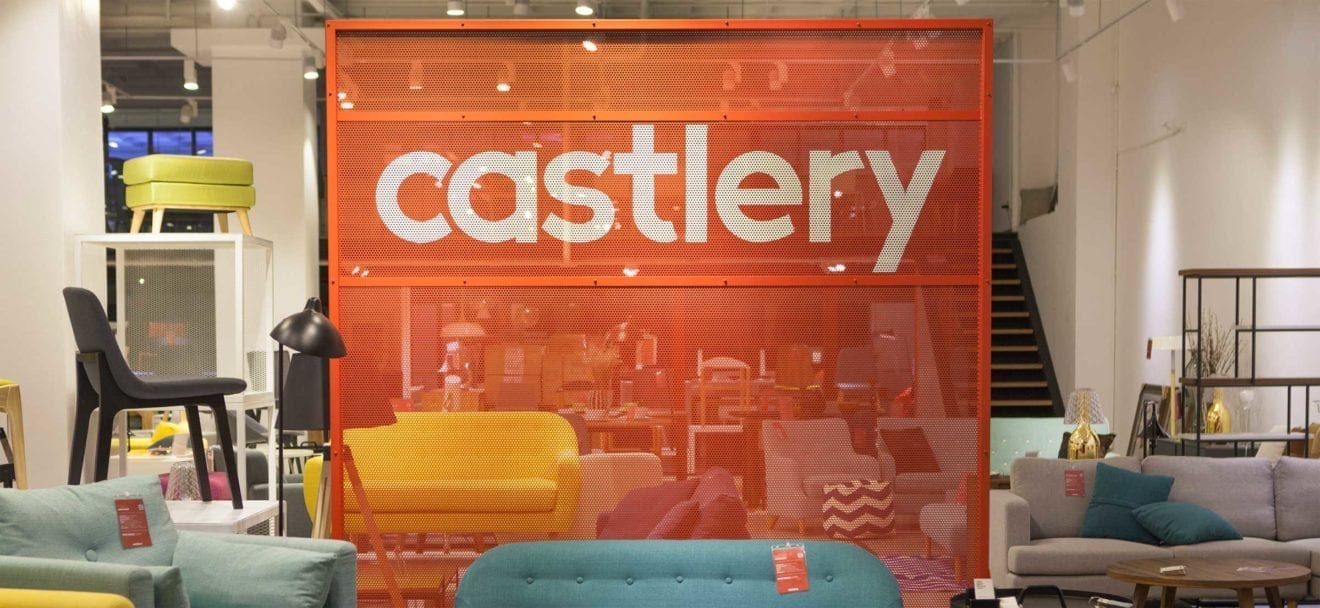
    Singaporean furniture company Castlery has launched its debut physical store in the United States, choosing the Chelsea area of Manhattan for its flagship site.

    The 3,000 square foot showroom represents a significant shift for the brand, moving from an e-commerce focus to establishing a permanent brick-and-mortar presence in the U.S. market. The brand’s 10-year lease demonstrates its long-term commitment to this market, rather than a short-term experiment in traditional retail.

    Showroom Design

    Situated in the historic Ladies’ Mile district, the showroom has been thoughtfully designed to cater to urban lifestyles. It showcases 17 room sets that highlight space-efficient layouts, crafted specifically for city apartments.

    The interior design of the space blends Eastern and Western influences, with layered textures and materials like rattan. It also incorporates subtle nods to iconic New York interior design styles.

    Extended Customer Experience

    Beyond showcasing its product line, the showroom will also offer personalized interior styling consultations. This service is part of Castlery’s commitment to expand its customer experience beyond the traditional transactional model of retail.

    Co-founder of Castlery, Declan Ee, emphasized their commitment to the U.S. market. “New York isn’t a place you test, it’s a place you commit,” he stated. “Opening our first U.S. store here reflects how seriously we take the American customer and how seriously we take our craft. This isn’t about doing it fast. It’s about doing it right.”

    The company originally started to explore the possibility of physical retail locations in Manhattan in 2018, prior to its U.S. e-commerce launch. However, these plans were halted due to the pandemic, and efforts were redirected towards strengthening logistics, operations, and enhancing the overall customer experience in preparation for a future physical store.

    In the search for the perfect location, Castlery reviewed over 200 potential sites across a two-year period before ultimately choosing its site in Chelsea. This represents a highly selective approach to its first foray into U.S. retail.

    Last year, Castlery expanded its reach to the European market, launching an e-commerce store in the United Kingdom.

    Questions & Answers

    What is the size of the new Castlery showroom in the U.S.?
    The showroom is 3,000 square feet.

    What additional services will the showroom offer beyond showcasing products?
    The showroom will offer personalized interior styling consultations to its customers.

    When did Castlery first begin considering physical retail locations in the U.S.?
    Castlery first began exploring physical retail opportunities in the U.S. in 2018.

  • Cotton On Group Dissolves Inactive Singapore Entity in Strategic Asian Restructuring Move

    Cotton On Group Dissolves Inactive Singapore Entity in Strategic Asian Restructuring Move

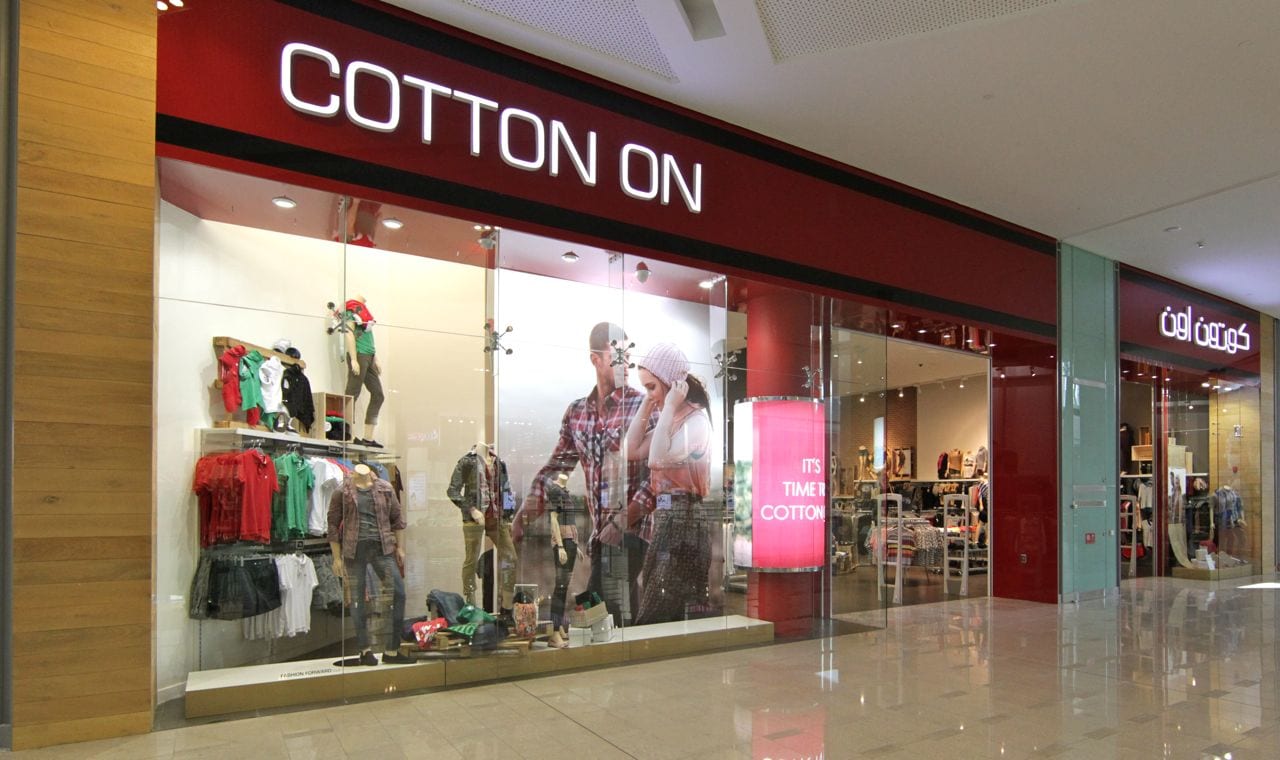
    The Australian fashion retail giant, Cotton On Group, has announced the shuttering of its regional division, Cotton On Asia. This decision comes in the wake of a resolution passed by shareholders that approved the winding up of the business and the appointment of liquidators.

    Despite the closure of this regional subsidiary, Cotton On Group has no intentions of withdrawing from the Asian market. Cotton On Australia’s main office has clarified that the liquidated entity was not responsible for operating any stores or hiring employees.

    “We have no plans to exit the Asia region,” a company representative stated.

    It was further explained that Cotton On Asia was an inactive holding company and its existence was no longer necessary. The closure will not affect customers, team members, stores, suppliers or operations within the Asian region in any way.

    Official documents from the Government Gazette reveal that the Singapore-based entity has entered a creditors’ voluntary liquidation. This action was a result of an extraordinary general meeting where members passed a special resolution under the Insolvency, Restructuring and Dissolution Act 2018.

    This move is reportedly part of a more extensive restructuring of the group’s corporate setup in Asia. Although the details have not been specified, it is generally believed that such actions are intended to streamline legal structures and enhance operational efficiency across different markets.

    Cotton On was first established in Singapore in 2007 and over the years have expanded its brand portfolio. The group now includes a variety of brands such as Cotton On, Cotton On Body, Cotton On Kids, Typo, and Rubi.

    The company was founded by Nigel Austin, who still maintains control over the business operations.

    Questions & Answers

    What is the reason behind Cotton On Group closing its regional division, Cotton On Asia?
    The closure is part of a broader restructuring strategy of the group’s corporate setup in Asia, aimed at streamlining legal structures and enhancing operational efficiency across different markets.

    Will the closure of Cotton On Asia affect the company’s operations in the region?
    No, the company has made it clear that the closure of this division will not impact customers, team members, stores, suppliers, or operations within the Asian region.

    Who founded Cotton On Group, and who currently oversees its operations?
    The Cotton On Group was founded by Nigel Austin, who continues to control the business operations.

  • Singapore Sees First Gasoline Price Drop in Weeks as Global Oil Tumbles

    Singapore Sees First Gasoline Price Drop in Weeks as Global Oil Tumbles

    In a surprising turn of events, gasoline prices in Singapore have seen a drop for the first time in nearly three weeks. Shell, one of the leading retailers, has become the pioneer in cutting its rates.

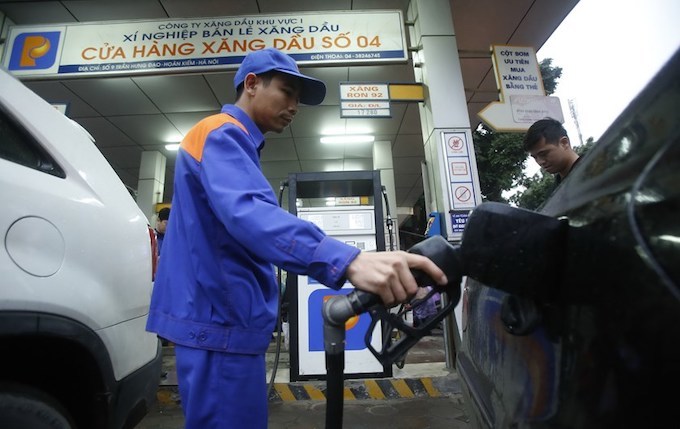
    As of Wednesday afternoon, Shell was selling 95-octane petrol at a 1.44% reduced rate, which translates to SGD3.42 (US$2.67) per liter. This move has set them apart from other companies such as Caltex, Esso, and Sinopec which have opted to maintain their rates at SGD3.47. Despite the reduction in petrol prices, Shell has increased its diesel price by a significant 5.3%, hiking it up to SGD3.93.

    Global Oil Prices and International Relations

    Interestingly, this development has coincided with a fall in global oil prices. The Brent benchmark, for instance, slipped below $100 at the time of writing. This was largely attributed to an announcement from Iran stating that “non-hostile vessels” could safely navigate through the Strait of Hormuz, provided they liaised with its authorities.

    Simultaneously, U.S. President Donald Trump has reversed his earlier threats aimed at Iran’s power grid. He recently stated that the U.S. and Iran had engaged in “very good and productive” conversations.

    Trends in Diesel Prices

    According to Tom Kloza, a prominent energy adviser at Gulf Oil, diesel prices have been climbing at a steeper rate than petrol prices. This is party due to a squeeze on supply, even before any conflict. He stated, “The world was well supplied with petrol on Feb 28, but it was not well-supplied on these middle distillates like diesel, gasoil, marine fuel, and jet fuel.”

    Questions & Answers

    Why did Shell reduce its petrol prices?
    Shell reduced its petrol prices due to the recent fall in global oil prices.

    Why have diesel prices been climbing faster than petrol prices?
    Diesel prices have been rising faster than petrol prices due to a tight supply of diesel and other middle distillates like gasoil, marine fuel, and jet fuel.

    What was the reason behind the recent drop in global oil prices?
    Global oil prices fell after Iran assured the safe passage of “non-hostile vessels” through the Strait of Hormuz, given they coordinated with Iranian authorities. This, coupled with U.S. President Donald Trump stepping back from threats to target Iran’s power grid, eased tensions and led to the drop in oil prices.

  • “Tiger Triumphs over Puma: Singapore Regulators Dismiss Trademark Dispute Over ‘Big Cat’ Logos”

    “Tiger Triumphs over Puma: Singapore Regulators Dismiss Trademark Dispute Over ‘Big Cat’ Logos”

    In a recent trademark dispute involving two sportswear brands, Puma and Sun Day Red by Tiger Woods, both known for their “big cat” logos, Singapore regulators have concluded that there is no risk of causing confusion among consumers. The controversy was brought to an end by the Intellectual Property Office of Singapore (Ipos).

    Trademark Dispute Settlement

    The dispute was sparked by Sun Day Red’s trademark application, which was met with opposition from Puma. The trademarks, both featuring “big cat” designs, were scrutinized following an application submitted by Sun Day Red on January 18, 2024. Puma declared its opposition to the application just 11 days later.

    According to Ipos, the onus was on Puma to prove the likelihood of confusion between the two marks. To successfully oppose the trademark application, Puma needed to show similarities in the design of the logos, as well as in the goods and services associated with each logo.

    Brand Backgrounds

    The brand Sun Day Red was founded in 2024, with golf legend Tiger Woods and TaylorMade Golf as its creators. The brand name was inspired by Woods’ tradition of wearing red during the final rounds of golf tournaments. Puma, however, has been a staple in Singapore since 2007, when it set up its Southeast Asia hub in the city-state.

    In its defense, Sun Day Red argued that the animals depicted in the competing trademarks were distinct, highlighting that its logo features a tiger, indicated by a stripe pattern, whereas Puma’s logo is based on the animal of the same name.

    Regulator’s Ruling

    Upon reviewing the evidence presented by both parties, Ipos determined that the competing marks had significant visual differences. “The competing marks differ in terms of composition, shape, features, and movement, and these differences influence the consumer’s overall impression of the marks,” Ipos stated.

    In relation to the potential confusion among consumers, Ipos clarified that, due to the visual dissimilarities and the level of attention typically given during the purchasing process, consumers were unlikely to mistake one brand for the other.

    Questions & Answers

    What was the basis of the trademark dispute between Puma and Sun Day Red?
    The dispute centered around the “big cat” logos used by both brands, with Puma opposing Sun Day Red’s trademark application.

    Which factors did Ipos consider in resolving the trademark dispute?
    Ipos evaluated the visual similarities between the logos, the goods and services associated with each logo, and the potential for consumer confusion.

    What were the final conclusions of Ipos regarding the trademark dispute?
    Ipos concluded that the logos were visually different and that consumers would not likely confuse one brand for the other due to these differences and the degree of attention involved in the purchasing process.

  • Daiso to Close Another Singapore Store in Four Months: An 18-Year Legacy Ends

    Daiso to Close Another Singapore Store in Four Months: An 18-Year Legacy Ends

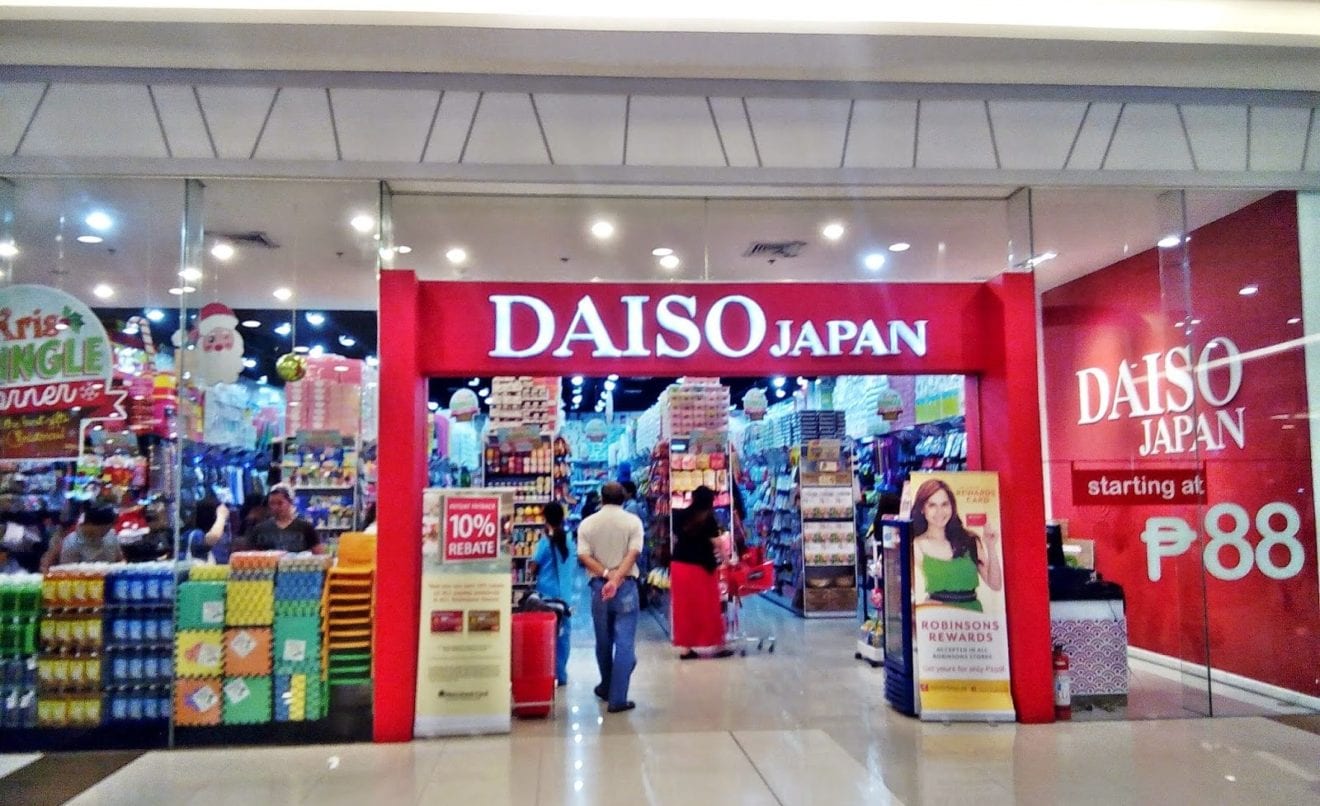
    Daiso, a well-known Japanese retail chain offering a variety of economical household items, is preparing to shutter its second store in a span of four months after a lengthy 18 years of operation. The Daiso Sembawang Shopping Centre location is scheduled to cease operations beginning April 6, 2026, according to an announcement from Daiso Singapore. The company has not provided an explanation for the impending closure.

    A Look at the Store’s History

    The Daiso Sembawang Shopping Centre first opened its doors in 2008 and underwent a significant expansion in 2021. This expansion introduced the Threeppy concept store, specializing in an array of “cute and fashionable” products.

    The upcoming closure of this location follows on the heels of two other recent closures — the Daiso outlets at the 100 AM mall, which closed in January, and the Kinex location in Tanjong Katong, which shuttered last July.

    Daiso’s Presence in Singapore

    As of March 26, Daiso maintains a notable presence in Singapore. The retail chain, renowned for its flat SGD2 (US$1.56) price point on its most affordable items, operates a total of 33 stores throughout the country. Daiso’s pricing can reach up to SGD20 for specialized items, with these prices not inclusive of tax.

    Daiso’s product line is diverse, encompassing a wide range of goods, from housewares, toys and stationery to decorations and gifts.

    Questions & Answers

    Why is Daiso closing its Sembawang Shopping Centre location?
    The company has not yet released a statement regarding the reason for the store’s impending closure.

    When did the Daiso Sembawang Shopping Centre location first open?
    The store first opened in 2008 and expanded in 2021 to include the Threeppy concept store.

    How many Daiso stores are in operation in Singapore as of March 26?
    As of this date, there are 33 Daiso retail stores in operation across Singapore.

  • Singapore’s Kelly Jie Seafood Honors Head Chef’s 20-year Service with Coveted Rolex Surprise

    Singapore’s Kelly Jie Seafood Honors Head Chef’s 20-year Service with Coveted Rolex Surprise

    Kelly Jie Seafood, a renowned dining establishment in Singapore, recently celebrated the long-standing commitment and expertise of their head chef by presenting him with a Rolex wristwatch. The timepiece was a token of gratitude for his relentless dedication and tireless service of 20 years.

    A video was shared on the restaurant’s social media platforms, capturing the unforgettable moment the head chef was gifted the luxury watch. He had always expressed a desire to own a Rolex, but had never personally purchased one. In response to his unfulfilled wish, the restaurant decided to surprise him and presented him with the coveted watch.

    The chef was taken aback when he discovered a Rolex box inside a paper bag, a reaction that echoed his surprise and delight. Overwhelmed by the unexpected present, he humorously enquired, “Is this really for me? Are you playing a practical joke on me?”

    When urged to try on his new watch, he jovially declined, stating his wrists were greasy from his culinary work. He was then provided with a sanitizer to clean his hands. On eventually draping the watch on his wrist, his face shone with a radiant and heartwarming smile.

    Through the post, Kelly Jie Seafood emphasized the invaluable contribution of the head chef in shaping the restaurant’s journey since its inception in 2006. He had provided steadfast guidance during the restaurant’s most daunting periods.

    The caption of the post read, “20 years of not just work, but also of unwavering loyalty, trust, and heartfelt dedication. We are grateful for your youthful energy, your strength, and your devotion to this place. Our success today is a testament to your efforts.”

    The touching post has garnered widespread attention, attracting thousands of views and comments. Several observers noted that the gift was a Rolex GMT-Master, with an estimated worth ranging from S$16,000 to S$30,000 (US$12,500 to US$23,450).

    Formerly operating under the name TPY Mellben Seafood, the establishment was founded by Kelly Soon, a celebrated television personality from the 1980s, fondly referred to as the ‘Anita Mui of Singapore’. The restaurant is famed for its zi char-style crab dishes and is currently under the proprietorship of the founder’s daughters, Rachel and Zara Lim.

    Questions & Answers

    What prompted Kelly Jie Seafood to gift their head chef a Rolex watch?
    The restaurant wanted to acknowledge the chef’s hard work, dedication, and 20 years of service, and knew he had always wanted a Rolex watch but never purchased one for himself.

    How did the chef react to receiving the Rolex?
    The chef was visibly surprised and joyful. Initially, he humorously asked if it was a prank, but when he put the watch on, his face lit up with happiness.

    How has the head chef contributed to Kelly Jie Seafood’s success?
    The head chef has been with the restaurant since its opening in 2006 and has guided it through some of its most challenging periods. His loyalty, trust, and dedication have been instrumental in its success.

  • Cambodia Ramps Up Fuel Imports from Singapore and Malaysia Amid Middle East Conflict

    Cambodia Ramps Up Fuel Imports from Singapore and Malaysia Amid Middle East Conflict

    Cambodia has been increasing its fuel imports from Singapore and Malaysia in a bid to compensate for supply shortages caused by ongoing conflict in the Middle East, which continues to hamper global fuel supply chains. The Minister of Mines and Energy for Cambodia, Keo Rottanak, communicated this on Wednesday.

    Fuel Stations and Supply

    Last week, Rottanak reported, approximately one-third of the nation’s 6,300 fuel stations were temporarily closed due to worries about the conflict’s effect on fuel prices. However, the situation has since improved, and now only 5.77% of stations still remain closed.

    Rottanak also pointed out that Cambodia is augmenting its fuel imports from Singapore and Malaysia, while its usual suppliers are making every effort to keep exports steady amid increasingly strained supply conditions.

    Increasing Imports

    Figures from Kpler indicate that during the first 18 days of the current month, gasoline and diesel exports from Singapore and Malaysia to Cambodia have risen by 25% compared to the same period in 2025. However, this is a 40% decrease compared to the last 18 days of February.

    Fuel Reserves and Energy Security

    According to the minister, the fuel reserves of Cambodia are presently at levels similar to earlier periods. The country lacks a domestic oil refinery and usually keeps stocks of diesel, jet fuel, liquefied petroleum gas, and gasoline that suffice for less than one month under standard conditions.

    The Cambodian government is taking steps to bolster its energy security and lessen geopolitical risks. Preliminary discussions have been held this month with Woodside Energy, an Australian company, in an attempt to secure liquefied natural gas (LNG) supplies for a planned 900MW power plant that is expected to start operations in 2027.

    Renewable Energy and Future Plans

    Rottanak added that the shock from the Middle East has been partially mitigated in Cambodia thanks to the swift growth of renewable energy in the country. Overall fuel imports have remained relatively stable compared to the levels in 2022, bolstered by increased electrification from renewable sources. He underlined that the conflict underscores the pressing need to speed up the development of cross-border power grid connectivity among ASEAN nations.

    Questions & Answers

    What steps is Cambodia taking to address fuel supply shortages?
    Cambodia is increasing its fuel imports from Singapore and Malaysia. Its traditional suppliers are also working hard to maintain exports in spite of tough supply conditions.

    What is the current status of Cambodia’s fuel reserves?
    Cambodia’s fuel reserves are currently at levels similar to previous periods. The country typically maintains diesel, jet fuel, liquefied petroleum gas and gasoline stocks sufficient for less than one month under normal circumstances.

    What measures is Cambodia taking for energy security?
    The Cambodian government is enhancing its energy security by holding talks with Australia’s Woodside Energy to secure LNG supplies for a planned 900MW power plant. The government is also accelerating the development of cross-border power grid connectivity among ASEAN countries.

  • Singtel Faces Back-to-Back Disruptions: Singapore’s Largest Mobile Network Grapples with Connection Issues

    Singtel Faces Back-to-Back Disruptions: Singapore’s Largest Mobile Network Grapples with Connection Issues

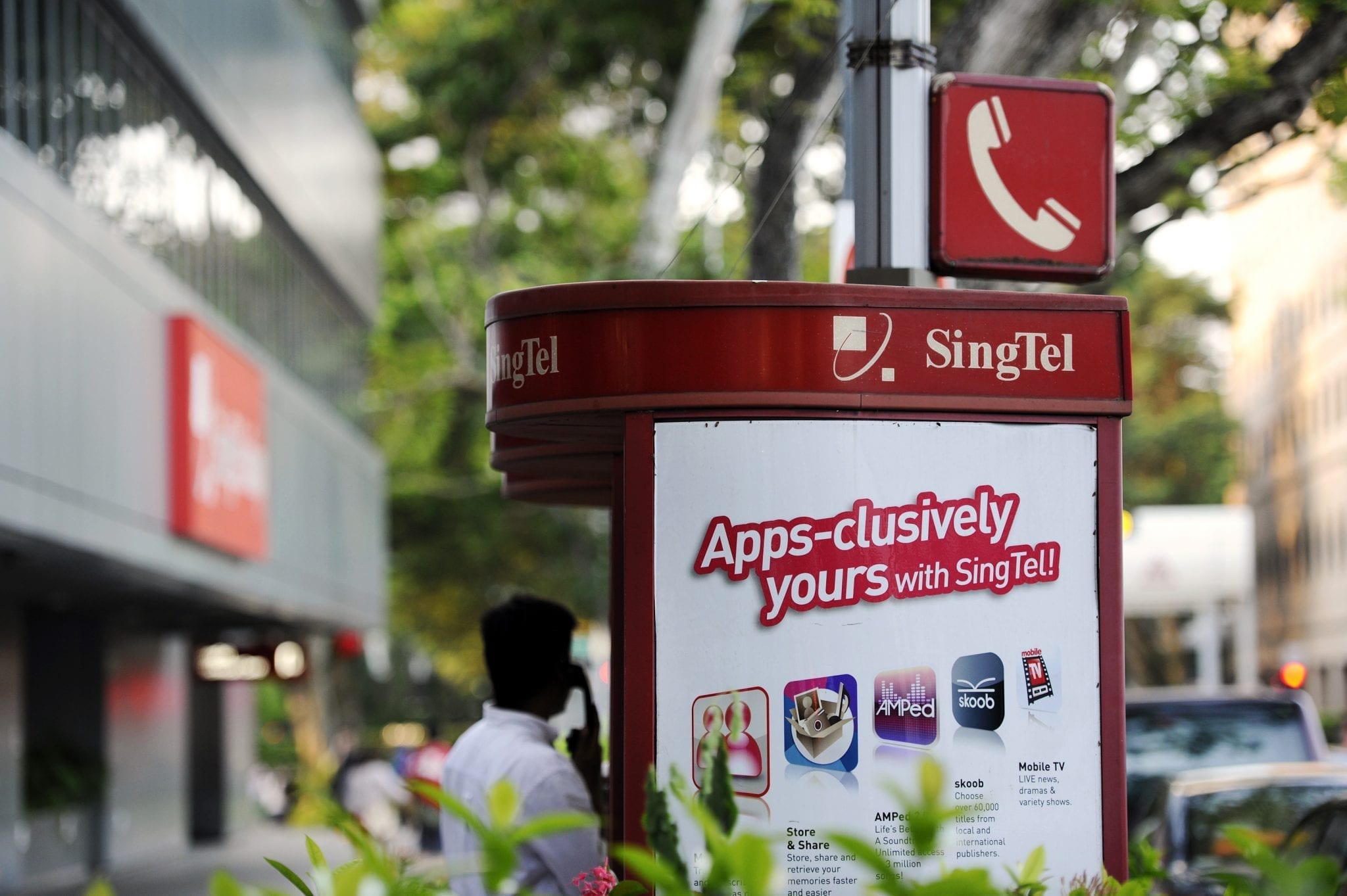
    On Tuesday, customers of Singtel, the largest mobile network in Singapore, faced connectivity issues for the second consecutive day. These disruptions followed a Monday outage that lasted more than eight hours and impacted thousands of users, creating significant inconvenience for customers and affecting crucial services such as payments, ride-hailing, and food delivery.

    Singtel revealed that a “small number” of customers were experiencing connectivity issues, but clarified that these problems were unrelated to the Monday outage. By 5 p.m. on Tuesday, connectivity had been restored. The company issued an apology for the inconvenience caused to its customers.

    The Infocomm Media Development Authority (IMDA), in a recent statement, confirmed that initial investigations into the two incidents found no evidence of any cyber-related issues. They emphasized that they seriously view any service disruptions and pledged to thoroughly investigate both incidents. They also sternly warned that they would not hesitate to take stringent regulatory action against Singtel if any lapses were identified.

    Previous Disruption and Cyber Attack

    On Monday, Singtel experienced a severe network outage that lasted more than eight hours. This disruption led to many Singtel users reporting issues with their mobile services. Some were even unable to make payments or use mobile data for work-related tasks.

    Last month, the authorities in Singapore reported that all four major telcos, including Singtel, had been targeted in a cyberattack by UNC3886. This assault, disclosed last year, enabled the attackers to access critical systems at the telcos. However, no sensitive customer data was compromised.

    Continuing Issues and Customer Dissatisfaction

    Despite the restoration of services, many Singtel and GOMO users reported that they were still unable to reconnect on Tuesday. They expressed frustration over the slow customer service responses. GOMO is a budget-friendly sub-brand of Singtel.

    Priscilla Wee, a 56-year-old homemaker, shared her ordeal of repeatedly turning her phone off and on and reloading her GOMO e-SIM. However, her efforts were in vain. Out of frustration, she terminated her GOMO line on March 17 and switched to StarHub. She stated, “The trust factor with Singtel is now gone.”

    Aaron Ang, chief technology officer of Cyber Leaders Nexus, a Singapore-based cybersecurity company, commented on the situation. He suggested that engineers responding to a significant outage often resort to restarting systems, rerouting traffic, or implementing quick fixes. Such remedial actions can put stress on other parts of the system or reveal hidden issues, potentially causing a second, separate outage.

    Questions & Answers

    What was the cause of the recent Singtel disruptions?
    The company stated that they were unrelated incidents and not associated with any cyber-related issues.

    What were the consequences of these disruptions?
    Thousands of users were affected, with some unable to use essential services such as payments, ride-hailing, and food delivery, leading to significant inconvenience.

    What is the IMDA’s stance on these incidents?
    The Infocomm Media Development Authority takes a serious view of service disruptions, pledging to thoroughly investigate both incidents and warning of stringent regulatory action if any lapses are identified.

  • End of an Era: T2 Tea Shutters Last Singapore Stores, Signaling Market Withdrawal

    End of an Era: T2 Tea Shutters Last Singapore Stores, Signaling Market Withdrawal

    T2 Tea has announced that it will be shutting down its remaining three stores in Singapore, bringing an end to a nine-year presence in the market. The closures, which will occur between March 20 and 25, involve outlets located in VivoCity, 313@Somerset, and Suntec City. The company has been offering substantial discounts of up to 70% off as part of its closing sales, details of which have been widely shared across various social media platforms.

    Established in 1996, T2 Tea, originally based out of Melbourne, was purchased by Unilever in 2013 for a reported sum of approximately $60 million. In 2022, the company underwent another shift in ownership when Unilever sold its tea division to the private equity firm, CVC Capital Partners. The division was subsequently renamed as Lipton Teas and Infusions.

    T2 faced significant changes in 2023, shortly after the deal with CVC Capital Partners. The company decided to close its operations in the UK and the US to concentrate its efforts on markets in Australia, New Zealand, and Singapore. The move was a response to the “unprecedented changes” that had been experienced in the previous years.

    T2 Tea had a substantial footprint in Asia, with retail partnerships in the Philippines and a flagship e-commerce platform in Mainland China. Leaf Beverages, its official retailer in the Philippines, operates from kiosks and shopping centers. Meanwhile, the company primarily used the Tmall Global Flagship platform to distribute its products in China.

    Multiple local news reports have covered the story of the brand’s departure from the region. A spokesperson for the business informed a popular news outlet that the stores will be closing “indefinitely”. However, the spokesperson also noted that the brand would be open to assessing potential opportunities to make a comeback in the Singaporean market in the future. T2 Tea has been contacted for additional comments regarding the closure.

    Questions & Answers

    Why is T2 Tea closing its outlets in Singapore?
    The decision to close the outlets comes as part of a strategic shift for the company, although specific reasons behind their exit from the Singaporean market have not been disclosed.

    What were the major changes that T2 Tea experienced?
    In 2023, T2 Tea decided to close its operations in the UK and the US to concentrate on markets in Australia, New Zealand, and Singapore. This move was in response to “unprecedented changes” the company had been facing.

    Could T2 Tea re-enter the Singaporean market in the future?
    While the stores are closing “indefinitely”, a spokesperson for the business has noted that the company would be open to evaluating potential opportunities to return to Singapore in the future.

  • Sudden Closure: Itacho Sushi Bids Farewell to Singapore, Winding Up Operations Following Founder’s Death

    Sudden Closure: Itacho Sushi Bids Farewell to Singapore, Winding Up Operations Following Founder’s Death

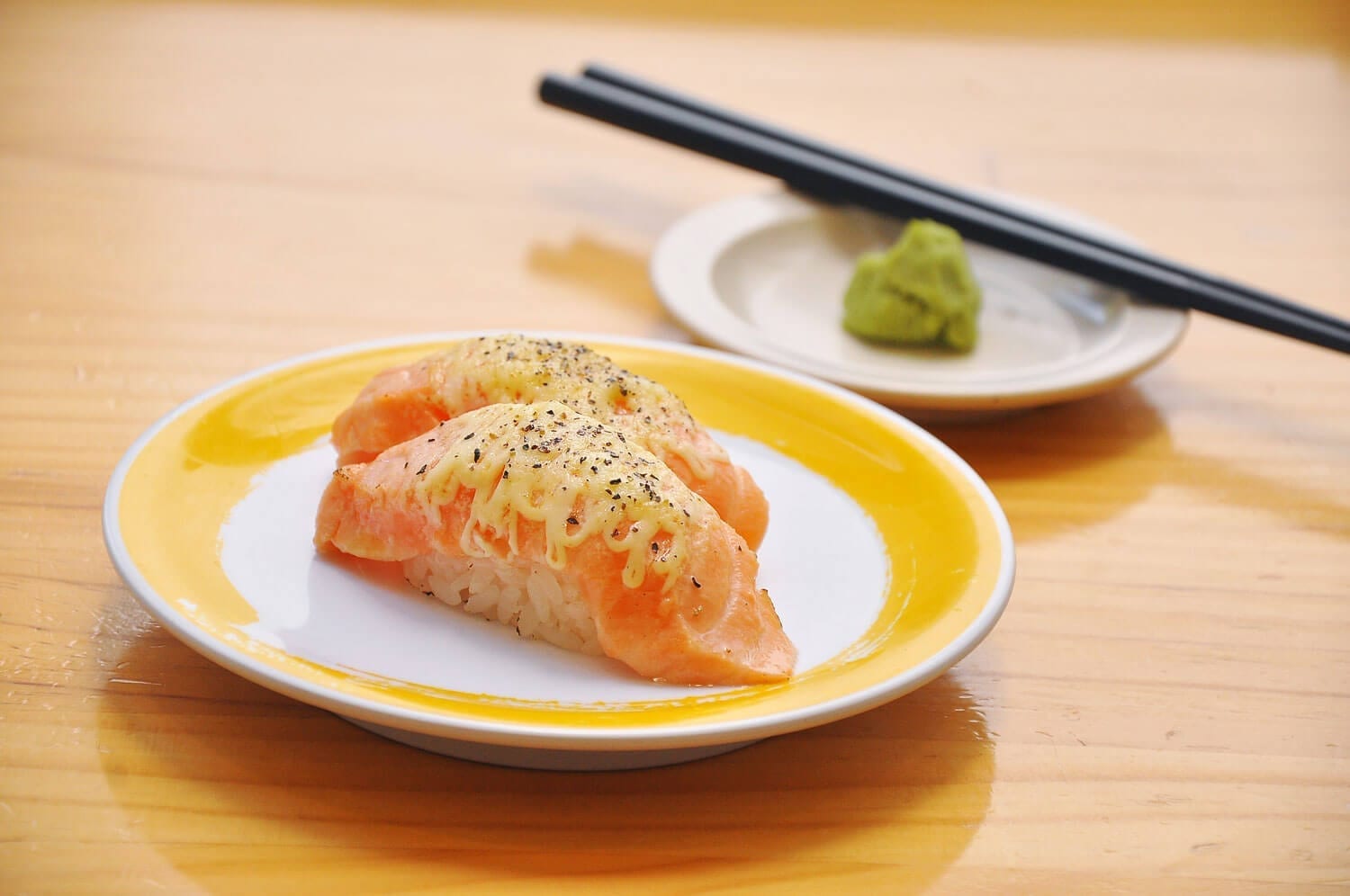
    Itacho Sushi, a restaurant chain originally established in Hong Kong, has abruptly shut down all its branches in Singapore. The unexpected closure was brought to light when the brand’s outlets at Ion Orchard, Bugis Junction, The Star Vista, and Novena Square 2 were listed as permanently closed on Google Maps.

    The sushi chain first launched in Singapore in July 2009. Since then, it has been a popular choice for sushi enthusiasts in the city. However, it was recently discovered that the company’s website and its respective social media channels for the Singapore branches have been deactivated, fueling speculation about its closure.

    Interestingly, the closure of outlets in Singapore follows the company’s departure from its home turf, Hong Kong. Itacho Sushi, which is under the ownership of Taste of Japan Group, has been gradually ceasing its operations since the passing of its founder, Ricky Cheng, in April 2024, who was 57 at his time of death.

    Taste of Japan Group is remembered for running other notable food chains including Itamae Sushi, Ajisen Ramen, Pancake House, and Sushi Raku. The current status of these franchises remains uncertain following the closure of Itacho Sushi.

    Questions & Answers

    When did Itacho Sushi make its debut in Singapore?
    Itacho Sushi was launched in Singapore in July 2009.

    Why are there speculations about Itacho Sushi’s closure in Singapore?
    The speculations arose when Itacho Sushi’s outlets in Singapore were listed as permanently closed on Google Maps. Additionally, the company’s website and Singapore-specific social media channels have been deactivated.

    Who was the founder of Itacho Sushi and when did he pass away?
    The founder of Itacho Sushi was Ricky Cheng, who passed away in April 2024 at the age of 57.