Tag: Singapore

  • Former Uber Executive Ascends to the Helm of Gojek Singapore: Janine Teo Steps in as New General Manager

    Former Uber Executive Ascends to the Helm of Gojek Singapore: Janine Teo Steps in as New General Manager

    Gojek Singapore, a leading ride-hailing platform, has made significant changes to its top leadership, appointing Janine Teo as its new General Manager. Teo is succeeding Lien Choong Luen, who decided to step down in February after steering the company for seven fruitful years.

    Teo is not new to Gojek; she has held multiple operational leadership positions within the company for over seven years. The company is confident in her capabilities to drive its business forward, thanks to her extensive experience. Teo’s main focus will be to continue enhancing Gojek’s platform, ensuring it remains a reliable tool that supports driver-partners and their livelihoods, and delivers dependable services to Singaporean consumers.

    Before her recent promotion, Teo held various roles, including Country Lead of Driver Experience and Operations Manager at Uber, where she served from 2017 to 2018. Later, she became the Head of Supply in Singapore at GoTo Group, the technology group overseeing Gojek, starting from 2020.

    Lien Choong Luen’s Departure

    Reflecting on his tenure, Lien has remarked that he had the privilege of witnessing the maturation of the ride-hailing industry during an especially intense period characterized by increased competition and stricter regulations.

    Navigating the challenges presented by the Covid-19 pandemic, including supporting drivers amid a sharp decrease in demand, was one of the significant hurdles that the company had to overcome under his leadership.

    Lien has shared that he plans to take a sabbatical and dedicate more time to his board roles, serving as the President of Singapore Athletics being one. Additionally, he is exploring fresh opportunities in the technology sector while catching up on the regional developments.

    After seven years at the helm of Gojek Singapore, with the business in a robust position, the company believes that it was an opportune moment for Lien to exit the role and follow his personal interests.

    Questions & Answers

    Who has been appointed as the new General Manager of Gojek Singapore?
    Janine Teo is the new General Manager of Gojek Singapore.

    What was Janine Teo’s position prior to her promotion?
    Teo previously held the position of Head of Supply in Singapore at GoTo Group, the technology group that oversees Gojek.

    Why did Lien Choong Luen step down from his role at Gojek Singapore?
    Lien decided to step down from his role at Gojek Singapore to focus on his personal interests, including his board roles and exploring opportunities in the technology sector.

  • Beloved Cafe Chain The Providore Closes All Singapore Locations Amidst Liquidation

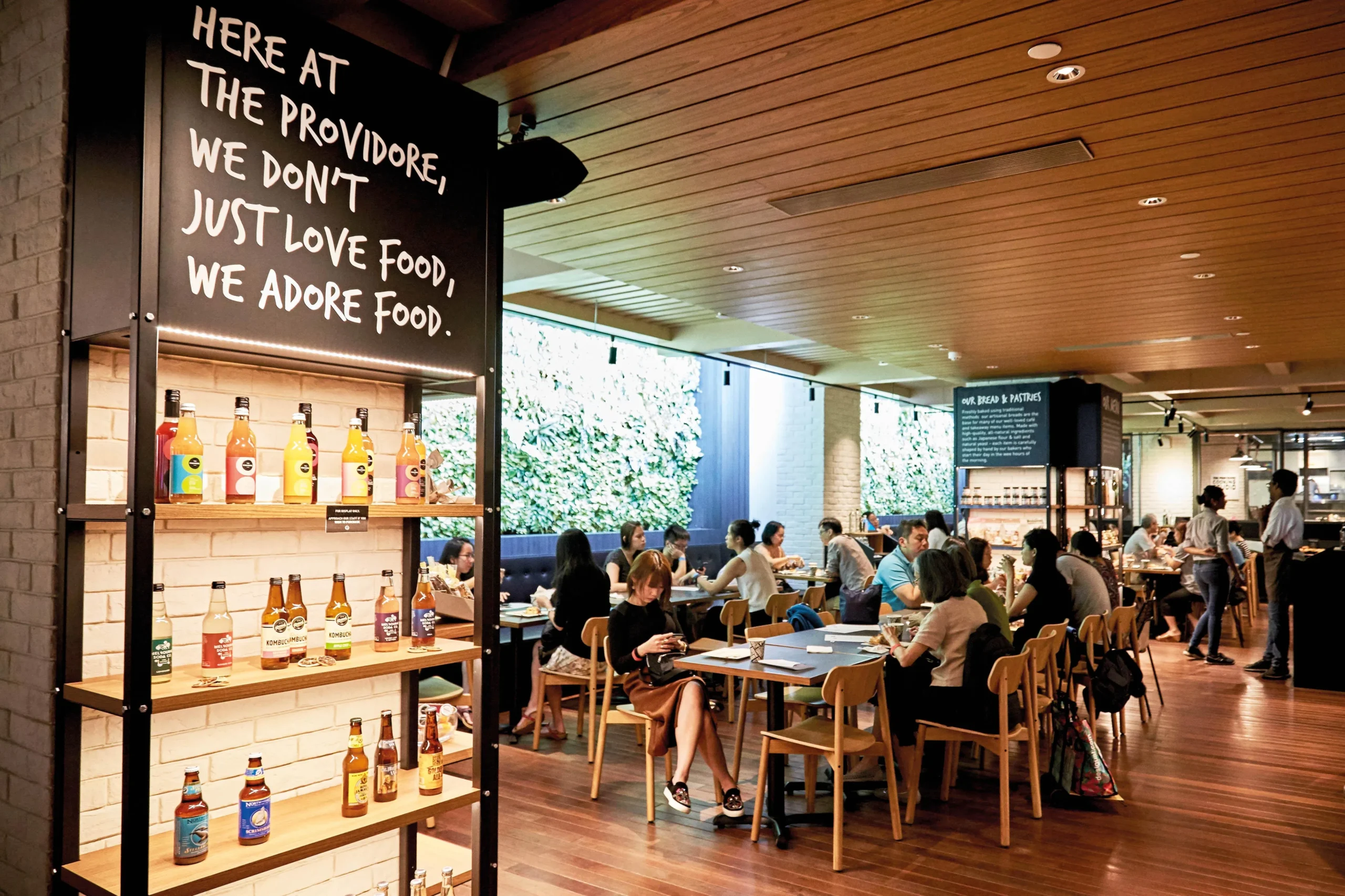
    Beloved Cafe Chain The Providore Closes All Singapore Locations Amidst Liquidation

    Renowned for its café, deli, and grocery services, The Providore has officially discontinued all its operations in Singapore amidst ongoing liquidation.

    The Providore commenced its business journey in Singapore in the year 2013. Over the years, it has progressively expanded its reach to cover six different locations across the city-state. However, as of yesterday, all these locations have ceased their services, marking an end to the company’s operations.

    The company expressed their gratitude to their customers via a statement on social media, which reads, “We sincerely thank our valued customers for their unwavering support and generosity throughout our journey. All The Providore outlets in Singapore will cease operations from March 9.”

    In a reflective tone, the company also added, “While it’s time for us to part ways, the flavors and memories we created together will endure. We remain hopeful of crossing paths with you again in a different avatar in the future.”

    Next Steps and Past Ownership

    In an attempt to guide its customers during this transition, notices have been placed in some stores directing all inquiries to ClearView Associates, a Singapore-based liquidation firm.

    The Providore had been previously acquired by SingFire Capital and Vino Vibe in April 2025. However, subsequent to the acquisition, Vino Vibe became the sole controller of the company. It was also during this transaction that Robert Collick, the founder of The Providore, relinquished his control of the business.

    Questions & Answers

    Why has The Providore ceased all operations in Singapore?
    The Providore has discontinued its services in Singapore due to ongoing liquidation.

    When did The Providore start its business operations in Singapore?
    The Providore began its journey in Singapore in the year 2013.

    Who were the investors in The Providore?
    The Providore was sold to SingFire Capital and Vino Vibe in April 2025, after which Vino Vibe assumed sole control of the enterprise.

  • Revolutionizing Gold Investment: Singapore Launches First Local Physical Gold ETF After 20 Years

    Revolutionizing Gold Investment: Singapore Launches First Local Physical Gold ETF After 20 Years

    Singapore will soon see the launch of its first domestically developed physical gold exchange-traded fund (ETF) – the LionGlobal Singapore Physical Gold ETF. This noteworthy event is scheduled to take place on March 26th on the Singapore Exchange. This will also serve as the inaugural gold ETF listing on the local market in two decades. Lion Global Investors, a Singapore-based financial firm owned by banking institution OCBC, issued this information. The ETF’s trading will be facilitated in both Singaporean dollars and US dollars.

    Understanding ETFs

    An ETF can be described as an investment fund that owns an array of securities like commodities and stocks. Its operation is similar to that of an individual stock as it is traded on stock exchanges.

    Subscription and Benefits

    Investors will have the opportunity to subscribe to the ETF during the initial offering period, which is set to run from March 6th to 20th. Subscription is possible through participating dealers. The ETF is supported by physical gold, which is both insured and securely stored in Singaporean vaults. The primary goal of this ETF is to provide investors with cost-efficient exposure to the precious metal during a period where conventional asset allocations might encounter more significant hurdles, according to Lion Global’s CEO, Teo Joo Wah.

    Teo also noted that the LionGlobal Singapore Physical Gold ETF’s listing on the Singapore Exchange is a logical step forward in their mission to widen access to Singapore’s physical gold market.

    The Value of Gold

    Amid the current global macroeconomic uncertainty and the volatility of currencies, gold is often seen as a secure asset. Investors’ concerns and the surge in central bank acquisitions have contributed to an increase in gold prices. As evidence of this, gold prices hit a record high of US$5,597.23 per ounce on January 29th. As of the time this report was written, it was valued at $5,124.73 per ounce.

    Questions & Answers

    What is the LionGlobal Singapore Physical Gold ETF?
    The LionGlobal Singapore Physical Gold ETF is Singapore’s first domestically developed physical gold exchange-traded fund, set to launch on the Singapore Exchange on March 26th.

    What is the purpose of the LionGlobal Singapore Physical Gold ETF?
    The primary aim of this ETF is to provide investors cost-efficient exposure to the precious metal during a time when traditional asset allocations might face more significant hurdles.

    How does the current global economic situation affect the value of gold?
    In the face of global macroeconomic uncertainty and currency volatility, gold is often considered a safe haven asset. Factors like investor concerns and increased central bank purchases have helped drive prices higher, highlighting gold’s value during uncertain times.

  • Singapore Airlines and Scoot Extend Flight Cancellations in Middle East Amid Escalating Tensions

    Singapore Airlines and Scoot Extend Flight Cancellations in Middle East Amid Escalating Tensions

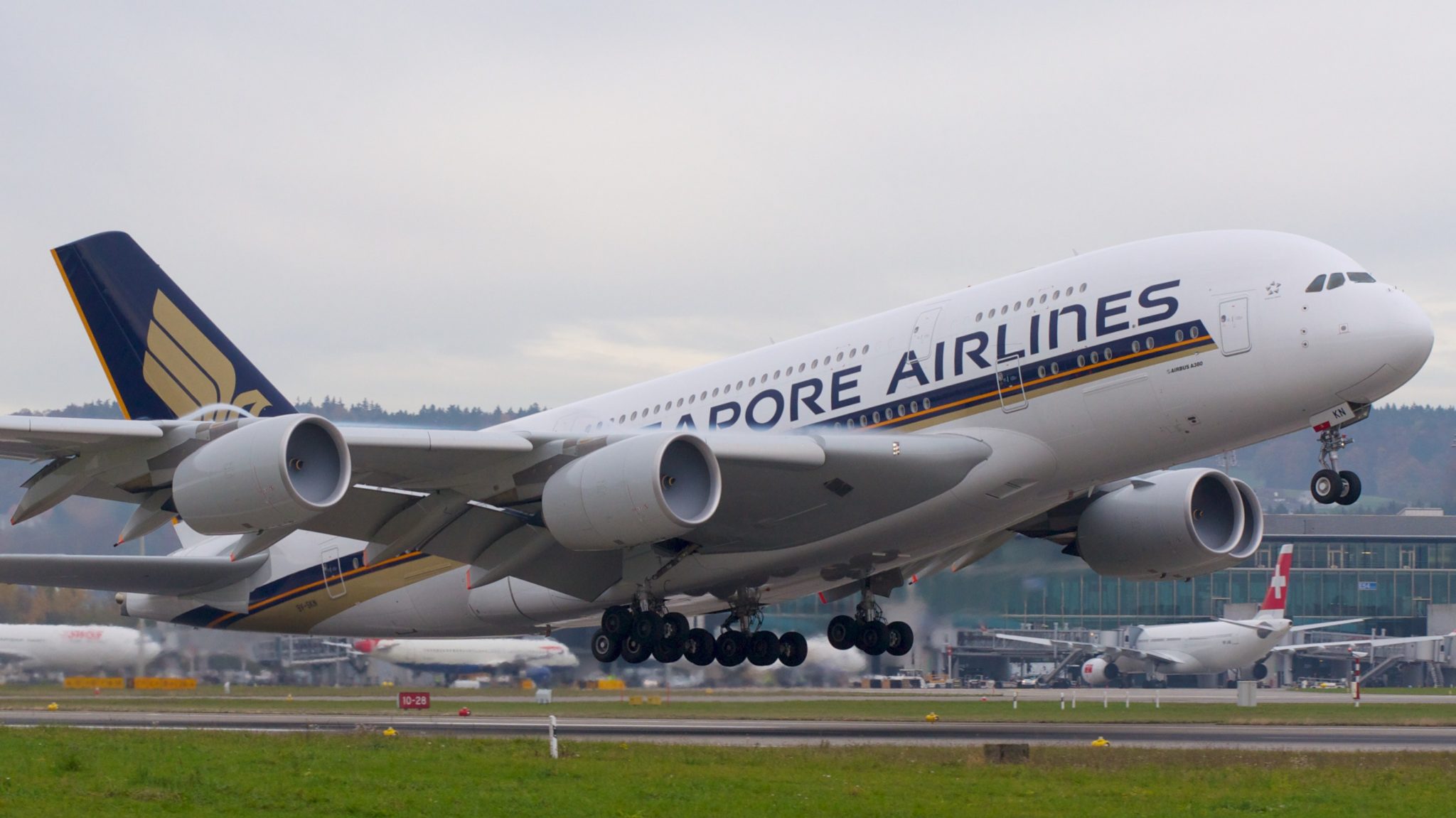
    Singapore Airlines and its budget subsidiary, Scoot, have announced further cancellations of various Middle East flights due to the ongoing tensions associated with the Iran conflict. These service suspensions are expected to last until March 15.

    Singapore Airlines Flight Cancellations

    Singapore Airlines stated on Thursday that Flights SQ494 (Singapore–Dubai) and SQ495 (Dubai–Singapore) will remain suspended until March 15 due to the volatile geopolitical situation in the Middle East. The airline further cautioned that additional flights could also be affected as the situation remains uncertain.

    Scoot Flight Cancellations

    Scoot also revealed that flights TR596 (Singapore–Jeddah) and TR597 (Jeddah–Singapore), which were scheduled for March 9 and March 10, will also be cancelled. These flights to Jeddah, which Scoot operates four times a week, have been suspended since February 28.

    Passengers Impacted by Flight Cancellations

    Passengers who have been affected by the cancellations will be accommodated on alternative flights or if they choose, they can receive a full refund for the unused portion of their tickets. The airlines also encourage their customers to keep their contact details updated via the manage booking function on their website or to subscribe to a mobile notification service to receive updates about their flight status.

    Resumption of Outbound Flights and Repatriation Efforts

    This week saw the resumption of a limited number of outbound flights from the United Arab Emirates, which were operated by long-haul carriers Etihad Airways and Emirates, based in Abu Dhabi and Dubai, respectively.

    Notably, the first plane carrying Singapore residents who were stranded in the Middle East arrived on Thursday morning.

    Singapore’s Minister of State for Foreign Affairs, Gan Siow Huang, announced that Singapore will conduct repatriation flights from Muscat, Oman on the upcoming weekend. She also noted that approximately one-fourth of Singaporeans who have e-registered with the Ministry of Foreign Affairs have requested assistance to return home since the conflict began.

    Faishal Ibrahim, Acting Minister-in-Charge of Muslim Affairs, reported that he has reached out to over 40 Singaporean students studying in various countries including Jordan, Egypt, Saudi Arabia, and Kuwait, to ensure their safety and well-being. According to him, the students are safe and there have been minimal disruptions to their studies.

    Questions & Answers

    What are the airlines doing for passengers affected by the cancellations?
    The airlines are placing the affected passengers on alternative flights. Passengers also have the option to receive a full refund for the unused portion of their tickets.

    How are the airlines keeping their customers updated about their flight status?
    The airlines are encouraging their customers to update their contact details via the manage booking function on their website or to subscribe to a mobile notification service to receive flight status updates.

    What measures are being taken to assist Singapore residents stranded in the Middle East?
    The Singapore government is running repatriation flights from Muscat, Oman. The Minister of State for Foreign Affairs noted that around one-fourth of Singaporeans who have e-registered with the Ministry of Foreign Affairs have requested assistance to return home.

  • Swiss Financial Giant UBS Sparks Investment Insight at 14th ASEAN Summit in Singapore

    Swiss Financial Giant UBS Sparks Investment Insight at 14th ASEAN Summit in Singapore

    The global financial powerhouse UBS recently launched the 14th iteration of its Southeast Asia summit. The objective of the summit is to foster an exchange of insights and investment ideas for the upcoming year.

    The newly inaugurated UBS OneASEAN Summit has assembled in Singapore. The event has drawn an impressive crowd of over 850 individuals comprising institutional investors, influential policy makers, and industry leaders, the company revealed in a statement.

    The conference, spread over two days, is packed with panel discussions centered around various themes. These include global trade imbalances, investment prospects in China, Japan, and Europe, the future of gold and other precious metals, the rise of digital assets and artificial intelligence in the Association of Southeast Asian Nations (ASEAN), and the creation of new energy systems for the AI-driven economy.

    The distinguished panel of speakers at the summit includes Suahasil Nazara, Deputy Minister of Finance for Indonesia, Brad Setser from the Council on Foreign Relations, Alfred Schipke from the Lee Kuan Yew School of Public Policy, Ken Jimbo from the International House of Japan, Peter Conti-Brown from The Wharton School, University of Pennsylvania, and William Dalrymple, the acclaimed author.

    Robust Economic Growth

    As per Grace Lim, the Senior ASEAN and Asia Economist at UBS Investment Bank Global Research, the Gross Domestic Product (GDP) of the ASEAN-6 countries – Indonesia, Malaysia, Philippines, Singapore, Thailand, and Vietnam – is forecasted to grow by 4.9 percent in 2026.

    Lim explained that the region continues to benefit from strong integration into global manufacturing value chains, bolstered by a substantial domestic market. She stated, “The conditions for growth are still in place, with household consumption fueling momentum in Indonesia, a rise in private investment underway in Thailand and the Philippines, and a resilient tech-related export strength in Singapore and Malaysia.”

    Nicolo Magni, Head of UBS Global Banking South-East Asia & South Asia, added to this sentiment, saying, “Southeast Asia continues to be a strategic alternative for investors. We anticipate strong deal-making momentum to persist throughout 2026 and the capital markets will likely be more active in the healthcare, real estate, and consumer sectors.”

    Questions & Answers

    What is the objective of the UBS OneASEAN Summit?
    The objective of the summit is to foster an exchange of insights and investment ideas for the upcoming year.

    Who are the attendees of the UBS OneASEAN Summit?
    The event has drawn an impressive crowd of over 850 individuals comprising institutional investors, influential policy makers, and industry leaders.

    What is the predicted GDP growth for the ASEAN-6 countries in 2026?
    The Gross Domestic Product (GDP) of the ASEAN-6 countries – Indonesia, Malaysia, Philippines, Singapore, Thailand, and Vietnam – is forecasted to grow by 4.9 percent in 2026.

  • Molly Tea Brews up a Storm in Singapore with its Largest Southeast Asian Outlet

    Molly Tea Brews up a Storm in Singapore with its Largest Southeast Asian Outlet

    Molly Tea, a renowned Chinese tea chain, has marked its entrance into the intensely competitive food and beverage markets of Southeast Asia with the opening of its debut store in Singapore, situated at Orchard Central.

    The new establishment, which is the largest of its kind in Southeast Asia, has been designed to accommodate up to 40 customers at a time and spans across an impressive area of 1,400 square feet.

    Despite the recent unveiling of its Singaporean branch, the rapidly expanding brand is already laying plans for the inauguration of a second store in the country in the near future. The specifics of this forthcoming project have not yet been publicly disclosed.

    Molly Tea, with its origins in Shenzhen, was founded in 2020 and has since experienced an accelerated growth trajectory. This has not only allowed it to firmly establish its presence across China but also propelled it into international markets. The brand is largely recognised for its array of jasmine-based tea beverages.

    Currently, Molly Tea operates an extensive network of over 2,000 stores worldwide. Their reach extends to several major markets including, but not limited to, China, Thailand, Japan, and the United States.

    In the previous year, Molly Tea broadened its geographical footprint by foraying into the Indonesian market, establishing two stores in the capital city, Jakarta.

    Questions & Answers

    When and where was Molly Tea founded?
    Molly Tea was founded in Shenzhen, China in the year 2020.

    How many stores does Molly Tea operate globally?
    Currently, Molly Tea operates more than 2,000 stores across the globe.

    What type of beverages is Molly Tea known for?
    Molly Tea is particularly recognized for its diverse range of jasmine-based tea beverages.

  • Mastercard Appoints Fintech Veteran Minsook Cho as New Singapore Country Manager

    Mastercard Appoints Fintech Veteran Minsook Cho as New Singapore Country Manager

    Mastercard, the globally renowned credit card company, has named Minsook Cho as its new country manager for Singapore. Cho, an industry veteran with more than two decades of experience, will hold the key responsibility of determining and implementing the company’s strategic direction and overseeing business operations in the market.

    Cho’s Role at Mastercard

    As part of her role, Cho will also work closely with regional and global clients based in the city-state. Additionally, she will support a range of cross-market and strategic initiatives.

    Cho’s expertise spans across various sectors, including payments, fintech, analytics, and consulting. She has been part of the Mastercard team since 2013 and has held the position of senior vice president, advisors client services, Asia Pacific. In this role, she directed consulting, analytics, test & learn, and managed services across several markets such as Japan, Korea, China, Australia, New Zealand, and Southeast Asia.

    Prior to her time at Mastercard, Cho served in senior leadership roles across APAC at companies like Foodpanda and Lazada.

    Mastercard’s Expectations from Cho

    Speaking about this appointment, Safdar Khan, Mastercard’s Southeast Asia division president, expressed his confidence in Cho’s abilities. He highlighted her extensive experience in Data and Services, including enhancing business performance, elevating consumer experiences, and enabling innovation. Khan believes that Cho’s deep market understanding will be vital in strengthening intelligence, security, and interoperability across Singapore’s payments ecosystem.

    Questions & Answers

    Who has Mastercard appointed as its new country manager for Singapore?
    Mastercard has appointed Minsook Cho as its new country manager for Singapore.

    What will Cho’s role at Mastercard entail?
    Cho will be responsible for the strategic direction and business operations of Mastercard in Singapore. She will also collaborate with regional and global clients based in the city-state and support cross-market and strategic initiatives.

    What is Cho’s previous experience?
    Cho has over 20 years of experience in payments, fintech, analytics, and consulting. She has been with Mastercard since 2013, previously serving in multiple leadership roles. Prior to Mastercard, she held senior APAC leadership roles at Foodpanda and Lazada.

  • Singapore’s Fertility Freefall: Record Low Rate Triggers Alarm for Aging Nation

    Singapore’s Fertility Freefall: Record Low Rate Triggers Alarm for Aging Nation

    The total fertility rate (TFR) of Singapore residents hit a new low of 0.87 in 2025, according to preliminary statistics. This downward trend, coupled with a rapidly aging population, is causing concern about how it will impact Singapore’s societal and economic structure.

    Deputy Prime Minister Gan Kim Yong expressed his concerns on February 26, stating that the unprecedented fall in birth rates could lead to a reduction in Singapore’s citizen population by the early 2040s if there are no new interventions.

    There has been a noticeable drop in marriage rates. Furthermore, those who do get married are having fewer children or none at all. These factors culminated in approximately 27,500 resident births in 2025, the smallest recorded number in Singapore’s history.

    The Deputy Prime Minister also pointed out that the growth of the citizen population, even taking immigration into account, was only 0.7% in 2025, a rate that has been slowing down over the past decade.

    He emphasized that the aging of Singapore’s population is accelerating at a rapid pace. In 2025, one out of every five citizens was aged 65 or older, an increase from one in eight in 2015.

    Questions & Answers

    What is the current total fertility rate (TFR) of Singapore residents?
    The total fertility rate (TFR) of Singapore residents has hit a new low of 0.87 in 2025 according to preliminary statistics.

    What are the consequences of the falling birth rates as mentioned by Deputy Prime Minister Gan Kim Yong?
    The Deputy Prime Minister expressed concerns that the unprecedented fall in birth rates could lead to a reduction in Singapore’s citizen population by the early 2040s if no new interventions are introduced.

    What are the current trends regarding marriage and childbirth in Singapore?
    There has been a drop in marriage rates in Singapore. Additionally, those who do get married are having fewer or no children at all, leading to a record low number of resident births in 2025.

  • HSBC Unveils Premier Elite Space in Singapore: The Largest Wealth Center Yet

    HSBC Unveils Premier Elite Space in Singapore: The Largest Wealth Center Yet

    HSBC has made a significant stride in expanding its footprint in Singapore by opening its fourth and largest wealth center in the city-state. Situated on the 33rd floor of the Singapore Land Tower, the wealth center spans 7,884 square feet and is equipped with 14 meeting rooms. These rooms include both private client advisory rooms and enclosed teller rooms, further enhancing the center’s capacity to serve its clientele.

    Catering to High Net Worth Clients

    The new wealth center is primarily dedicated to serving HSBC’s high net worth segment, specifically the HSBC Premier Elite. This segment, launched in 2024, caters to clients who maintain a minimum relationship balance of S$1.2 million ($1 million).

    Incorporating this wealth center into HSBC’s Singapore operations is a part of a larger plan to transform its business in the city-state. This plan includes a significant investment, with intentions to quintuple the bank’s local physical network.

    Ashmita Acharya, HSBC’s head of international wealth and premier banking in Singapore, spoke about the design and intent of the new wealth center. She noted that the center integrates the wealth and lifestyle aspirations of HSBC’s clients. By bringing together the best of the bank’s advisory, service, and hospitality expertise, the center aims to enhance the wealth journey of its clients in a meaningful way.

    Questions & Answers

    What is the purpose of the new wealth center established by HSBC in Singapore?
    The new wealth center is dedicated to serving HSBC’s high net worth segment, the HSBC Premier Elite. It aims to bring together the best of HSBC’s advisory, service, and hospitality expertise to enhance the wealth journey of its clients.

    Where is the wealth center located and what are its features?
    The wealth center is located on the 33rd floor of the Singapore Land Tower. It covers an area of 7,884 square feet and includes 14 meeting rooms, enclosed teller rooms, and private client advisory rooms.

    What wider plan is the opening of this wealth center a part of?
    The establishment of this wealth center is part of HSBC’s broader efforts to transform its business in Singapore. This includes plans to quintuple its investment towards increasing its local physical network.

  • DoorDash Bids Farewell to Singapore and Japan Markets: A Strategic Re-focus on Sustainable Growth

    DoorDash Bids Farewell to Singapore and Japan Markets: A Strategic Re-focus on Sustainable Growth

    DoorDash, the leading food delivery platform, has announced the discontinuation of its operations in Singapore and Japan to concentrate on markets with higher priorities.

    Singapore Shutdown

    In Singapore, DoorDash will be closing down its Deliveroo service on March 4, thus drawing a curtain over its 11-year long tenure in the city-state. The firm has indicated that services will remain operational until the shutdown, advising customers to exhaust any residual credits and gift cards before the cessation of operations.

    Exiting Other Markets

    In a related development, the company has also confirmed the planned closure of Deliveroo and Wolt services in Qatar, Uzbekistan, and Japan. This decision was reached following an extensive evaluation of market conditions spanning several months. According to DoorDash, the exit strategy is hinged on factors specific to each of these countries and is aligned with the company’s strategic thrust to focus on markets that offer the greatest potential for sustainable growth and long-term dominance.

    Despite describing the decision as a challenging one, the firm has committed to closely collaborating with relevant local stakeholders to effect a seamless transition in the immediate future.

    DoorDash’s Contributions and Gratitude

    Miki Kuusi, the Head of DoorDash International, CEO of Deliveroo and co-founder of Wolt, expressed gratitude to all who have been a part of their journey. He remarked, “Over the last 11 years, we have been proud to shape food delivery in Singapore, granting consumers access to an extensive range of restaurant and grocery partners. To all our employees, customers, partners, and riders who have accompanied and supported us on this journey – thank you.”

    It’s worth noting that in the previous year, Deliveroo also withdrew from the Hong Kong market on April 7, after operating there for nine years. This followed an agreement to sell some of its assets to Foodpanda.

    Questions & Answers

    Why is DoorDash discontinuing its operations in Singapore and Japan?
    DoorDash is discontinuing operations in Singapore and Japan to focus on markets with higher priorities.

    What will happen to the remaining credits and gift cards of customers in Singapore?
    Customers are advised to exhaust any remaining credits and gift cards before DoorDash ceases operation on March 4.

    Can we expect further market exits from DoorDash?
    While not explicitly stated, the company’s strategic focus on markets where it sees a clear path to sustainable scale and long-term leadership might lead to further market exits.

  • OCBC Overcomes Interest Income Dip with Diversified Revenue: Unveils ‘The Next Frontier’ Strategy

    OCBC Overcomes Interest Income Dip with Diversified Revenue: Unveils ‘The Next Frontier’ Strategy

    Despite experiencing a slight dip in interest income, Singapore’s OCBC managed to maintain a relatively static profit, thanks to diverse revenue sources.

    Financial Performance

    OCBC recorded a net profit of S$7.4 billion ($5.9 billion) in 2025, marking a 2 percent decrease compared to the previous year’s record of S$7.6 billion. The bank’s income, however, reached an unprecedented level of S$14.6 billion. This rise can be attributed to a 16 percent increase in non-interest income, which was seen across all sectors including fees, commissions, trades, and insurance (both life and general). Operating expenses saw a slight increase of 2 percent, rising to S$5.9 billion, primarily due to increases in staff and IT-related costs.

    The Next Frontier

    OCBC CEO Tan Teck Long, who took over from Helen Wong on January 1, acknowledged the bank’s completion of its previous three-year plan, which brought about “commendable progress.” Under this plan, the bank managed to unify its brand across its core markets, leading to enhanced synergies through a unified-group approach.

    OCBC has now initiated its new strategy, aptly named “The Next Frontier.” The bank aims to improve return on equity through a stronger focus on high-returning businesses, while maintaining cost discipline. The goal is to achieve a cost-income ratio in the low to mid 40 percent range.

    This strategy, according to CEO Tan, equips the bank with the necessary tools to compete and succeed in the next growth phase. This includes tapping into rising Asian markets, enhancing core market franchise, advancing technology-led and customer-centric capabilities through AI, Digital, and Data, and continuing to support green transitions.

    Despite geopolitical tensions, evolving trade dynamics, and interest rate uncertainties, Tan remains “cautiously optimistic” about the future. He believes that the bank’s robust balance sheet, prudent risk management, and diversified growth engines will allow it to successfully navigate these challenging conditions and deliver sustainable, long-term value.

    Questions & Answers

    What was OCBC’s net profit for 2025?
    OCBC recorded a net profit of S$7.4 billion ($5.9 billion) in 2025.

    What is OCBC’s new strategy and what does it aim to achieve?
    OCBC’s new strategy is titled “The Next Frontier.” It aims to improve return on equity through a stronger focus on high-returning businesses and maintaining cost discipline with a goal to attain a cost-income ratio in the low to mid 40 percent range.

    What are the bank’s views on the upcoming market conditions?
    CEO Tan Teck Long remains cautiously optimistic about the future. He believes that despite geopolitical tensions, evolving trade dynamics, and interest rate uncertainties, the bank, with its robust balance sheet, prudent risk management, and diversified growth engines, is well positioned to navigate these challenges and deliver sustainable, long-term value.

  • Pull&Bear Bids Farewell to Singapore: Iconic Spanish Retailer Closes Final Store

    Pull&Bear Bids Farewell to Singapore: Iconic Spanish Retailer Closes Final Store

    Pull&Bear, a renowned Spanish fashion label, has decided to withdraw its presence from Singapore following the closure of its remaining outlet at VivoCity Mall. The final day the store was open for business was February 22, 2026, as indicated by an announcement on the brand’s official website. Unfortunately, the company did not reveal the rationale behind the decision.

    Despite the closure, the fashion retailer has assured that customers are still able to return purchased items at the closed outlet. It encourages those who have recently made purchases to inspect their receipts to understand the return timeframe.

    Pull&Bear first launched in Singapore in 2006 with a prominent flagship store inaugurated at VivoCity. At the height of its operations, the brand had four operational outlets in the country.

    Pull&Bear is one of the principal brands under the umbrella of Spanish fashion conglomerate Inditex, which also owns other popular brands including Zara, Bershka, Massimo Dutti, and Stradivarius.

    The exit of Pull&Bear from Singapore is part of a larger global strategy of the parent company that involved the closure of over 100 outlets in the previous year. Furthermore, two other Inditex brands, Stradivarius and Bershka, have also confirmed the closure of their respective outlets in Singapore.

    Questions & Answers

    When did Pull&Bear close its last store in Singapore?
    The last Pull&Bear store in Singapore closed on February 22, 2026.

    Why did Pull&Bear decide to exit Singapore?
    The company did not provide specific reasons for the closure of its Singapore outlet.

    Are other Spanish fashion brands also closing outlets in Singapore?
    Yes, Stradivarius and Bershka, two other brands owned by Inditex, the parent company of Pull&Bear, have also closed their outlets in Singapore.

  • Singapore Considers Classifying Blind Boxes as Gambling: Potential Impacts on the $11.38 Billion Industry

    Singapore Considers Classifying Blind Boxes as Gambling: Potential Impacts on the $11.38 Billion Industry

    Regulatory authorities in Singapore are currently evaluating whether blind boxes should be classified under the nation’s gambling laws, a decision that could profoundly influence the compliance mandates for retailers in the rapidly developing collectibles market.

    K Shanmugam, the Minister for Home Affairs and Law, stated that the Ministry of Home Affairs and the Gambling Regulatory Authority have examined the sale of blind boxes and are contemplating possible regulatory avenues.

    This evaluation comes on the heels of Singapore’s 2022 regulatory laws on mystery boxes. The authorities are contemplating initiatives like mandating probability disclosures and implementing measures to minimize risks of inducement. The primary focus appears to be on limited-edition figurines, as the government is considering the necessity of compulsory warning labels on blind box series, conveying the likelihood of consumers discovering the most rare items inside.

    In the meantime, the worldwide blind box industry, which was valued at US$11.38 billion in 2021, is projected to nearly double, hitting US$24.2 billion by 2033.

    The uncertainties remain regarding whether blind boxes could be formally incorporated into existing gambling laws or whether legislative amendments would be required.

    Blind boxes, which are sealed packages filled with random toys or figurines, have emerged as a powerful driver of foot traffic and recurring purchases for specialty retailers, toy stores, and mall kiosks. This business model primarily hinges on tiered rarity, with the allure of ‘secret’ or limited-edition variants prompting multiple purchases.

    For retailers, this review indicates potential alterations to product labeling, in-store advertising, and age-related regulations.

    Increased transparency requirements could potentially modify packaging norms and promotional strategies, particularly for businesses targeting youth-centric fan communities.

    Questions & Answers

    What is the current situation of blind boxes in Singapore?
    Singapore’s regulatory authorities are assessing whether blind boxes – sealed packages with random toys or figurines – should be classified under the nation’s gambling legislation, which could potentially change the compliance requirements for many businesses.

    What are the potential changes retailers could face?
    Retailers may need to adjust their product labeling, in-store marketing, and age-related regulations. They might also have to change their packaging norms and promotional strategies, especially those targeting youth-centric fan communities.

    What is the projected growth of the global blind box market?
    The global blind box market, valued at US$11.38 billion in 2021, is expected to almost double, reaching an estimated valuation of US$24.2 billion by 2033.

  • Iconic Prince Coffee House in Singapore Bids Farewell After Half a Century of Serving Delightful Chinese Cuisine

    Iconic Prince Coffee House in Singapore Bids Farewell After Half a Century of Serving Delightful Chinese Cuisine

    The iconic Prince Coffee House, a renowned Chinese restaurant in Singapore, has announced its upcoming closure, marking the end of its half-century-long service. According to the proprietor, Jimmy Lim, the decision to cease operations emerges from his decision to retire. At nearly 90 years of age, Lim has been at the helm of the restaurant’s operations for the past fifty years.

    Scheduled to shutter its doors by mid-2026, the closure coincides with the expiration of the establishment’s lease in July of that year. Lim admits his inability to withstand the strenuous twelve-hour work schedule, a factor significantly contributing to his retirement decision. Additionally, the future of Prince Coffee House remains uncertain, with Lim’s children showing no interest in perpetuating the family business.

    A Glimpse into the Past

    The coffee house, which began its journey at Shaw Towers during the mid-1970s, owes its name to the now-extinct Prince Cinema that previously resided within the same complex. The restaurant’s illustrious past is visible through photographs adorning its walls, capturing memories of numerous celebrities who dined there during its peak years.

    After a thirteen-year tenure at Shaw Towers, the establishment relocated to Coronation Plaza located in Bukit Timah. It continued to serve its customers there for a period of 21 years before moving to its present location on Beach Road nearly a decade and a half ago.

    A Tradition of Excellence

    Despite these numerous relocations, the Prince Coffee House has maintained a steady influx of patrons. Over the years, due to rising costs of living, the restaurant has adjusted its prices periodically, evidenced by layers of updated prices, handwritten and taped over previous ones.

    However, the fare offered has remained consistent over the years, with dishes like oxtail stew and beef hor fun continuing to be customer favorites. Adding to the charm of the restaurant, the plates utilized for serving have a history of their own, with some dating back to the 1970s.

    When queried about his post-retirement plans, Lim expressed his intent to continue his passion for cooking but in the comforts of his home and at his wife’s behest.

    Questions & Answers

    What is the reason for the closure of the Prince Coffee House?
    The owner, Jimmy Lim, has decided to retire due to his advancing age and the demanding nature of running the restaurant.

    When is the Prince Coffee House expected to close?
    The restaurant is scheduled to cease operations in the middle of 2026 when its lease expires.

    What will Jimmy Lim do after the restaurant closes?
    Jimmy Lim plans to continue his love for cooking but will do so at home, focusing on his wife’s culinary needs.

  • Bank of Singapore Boosts Ultra-High Net Worth Services with New Alternatives Expert Hire

    Bank of Singapore Boosts Ultra-High Net Worth Services with New Alternatives Expert Hire

    OCBC’s private banking division has appointed Bernard Heng, a seasoned expert in the wealth industry, to bolster its custom solutions for ultra-wealthy clients.

    Appointment of a New Leader

    The Bank of Singapore, the private banking arm of OCBC, has announced that Bernard Heng has joined the team as head of customized solutions. The move took effect from March 2, with Heng now reporting to Lim Leong Guan, the Global Head of Investment Solutions Group. In this capacity, Heng is responsible for spearheading the development, management, and implementation of intricate products and bespoke solutions, primarily for ultra-high net worth clients.

    Industry Veteran

    Bernard Heng brings with him a vast wealth of experience in wealth management and private banking. He has held key positions at global financial institutions such as UBS and Credit Suisse. His previous roles include that of Managing Director and Global Co-Head of the Private and Alternatives Group. Notably, Heng also served as the Principal and Head of Southeast Asia Private Financing at Apollo Management.

    Questions & Answers

    Who has been appointed as the head of customized solutions at the Bank of Singapore?
    Bernard Heng has been appointed as the head of customized solutions at the Bank of Singapore.

    What are Bernard Heng’s responsibilities in his new role?
    Heng is tasked with leading the development, management, and implementation of complex products and custom solutions, with a focus on ultra-high net worth clients.

    What past experience does Bernard Heng bring to his new role?
    Heng has extensive experience in wealth management and private banking. He has held senior roles at UBS and Credit Suisse and was also the Principal and Head of Southeast Asia Private Financing at Apollo Management.